


What is stress?

Stress is a natural feeling of not being able to cope with specific demands and events. However, stress can become a chronic condition if a person does not take steps to manage it.
Stress is the body’s natural defense against predators and danger. It causes the body to flood with hormones that prepare its systems to evade or confront danger. People commonly refer to this as the fight-or-flight mechanism.
When humans face a challenge or threat, they have a partly physical response. The body activates resources that help people either stay and confront the challenge or get to safety as fast as possible.
The body produces larger quantities of the chemicals cortisol, epinephrine, and norepinephrine. These trigger the following physical reactions:
- increased blood pressure
- heightened muscle preparedness
- sweating
- alertness
These factors all improve a person’s ability to respond to a potentially hazardous or challenging situation. Norepinephrine and epinephrine also cause a faster heart rate.
Stress is your body’s response to changes in your life. Because life involves constant change ranging from everyday, routine changes like commuting from home to work to adapting to major life changes like marriage, divorce, or death of a loved one there is no avoiding stress
Your goal shouldn’t be to eliminate all stress but to eliminate unnecessary stress and effectively manage the rest. There are some common causes of stress that many people experience, but each person is different.
Causes of stress.
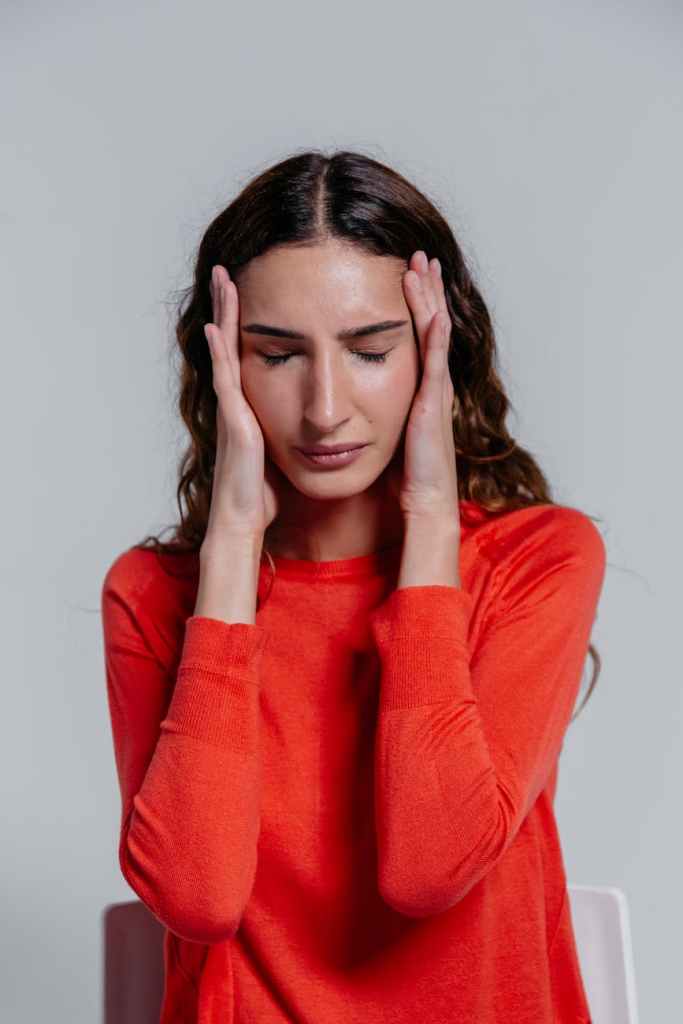
Stress can come from many sources, which are known as “stressors” Because our experience of what is considered “stressful” is created by our unique perceptions of what we encounter in life (based on our own mix of personality traits, available resources, and habitual thought patterns), a situation may be perceived as “stressful” by one person and merely “challenging” by someone else.
Simply put, one person’s stress trigger may not register as stressful to someone else. That said, certain situations tend to cause more stress in most people and can increase the risk of burnout stress management
How can we manage our stress?

Stress can be effectively managed in many different ways.
Exercise

Physical activities can help in improving your sleep. And better sleep means better stress management. Doctors don’t yet know exactly why, but people who exercise more tend to get better deep “slow wave” sleep that helps renew the brain and body. Just take care not to exercise too close to bedtime, which disrupts sleep for some people.
Exercise also seems to help mood. Part of the reason may be that it stimulates your body to release a number of hormones like endorphins and endocannabinoids that help block pain, improve sleep, and sedate you. Some of them (endocannabinoids) may be responsible for the euphoric feeling, or “runner’s high,” that some people report after long runs.
People who exercise also tend to feel less anxious and more positive about themselves. When your body feels good, your mind often follows. Get a dose of stress relief with these exercises:
- Running
- Swimming
- Dancing
- Cycling
- Aerobics
Diet

The benefits of eating health foods extend beyond your waistline to your mental health. A healthy diet can lessen the effects of stress, build up your immune system, level your mood, and lower your blood pressure. Lots of added sugar and fat can have the opposite effect. And junk food can seem even more appealing when you’re under a lot of stress.
To stay healthy and on an even keel, look for complex carbohydrates, lean proteins, and fatty acids found in fish, meat, eggs, and nuts.
Antioxidants help too. They protect your cells against damage that chronic stress can cause. You can find them in a huge variety of foods like beans, fruits, berries, vegetables, and spices such as ginger.
Scientists have pinpointed some nutrients that seem to help lessen the effects of stress on the body and mind. Be sure to get enough these as part of a balanced diet:
- vitamin C
- Magnesium
- Omega-3 fatty acids
Sleep
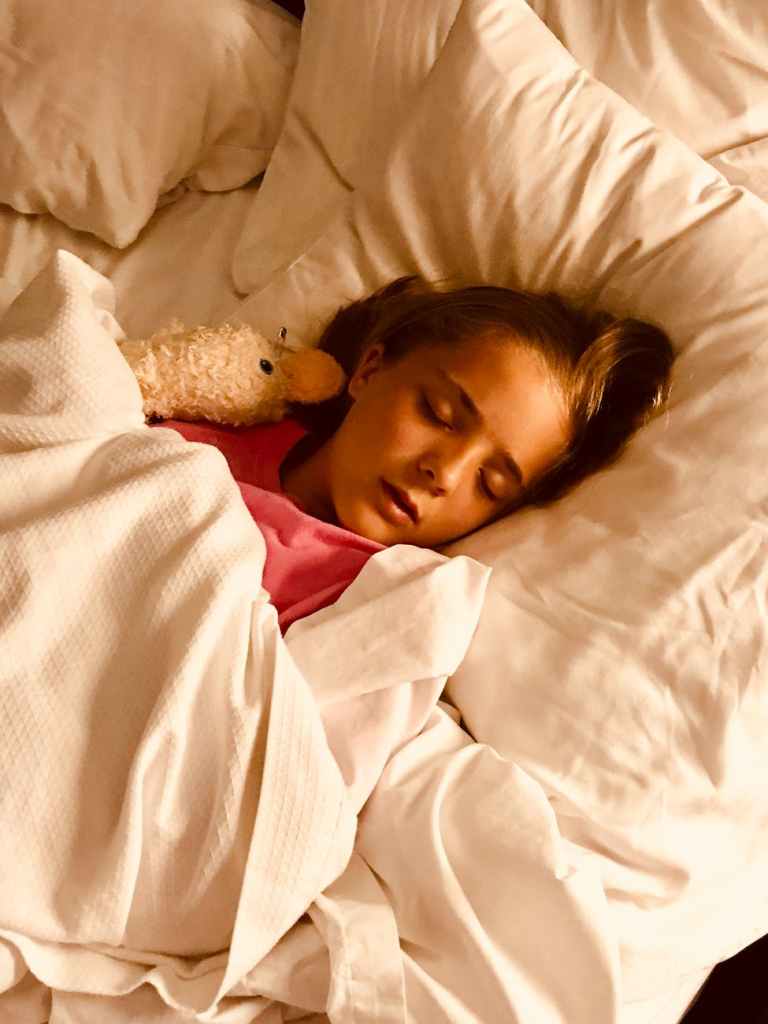
A common side effect of stress is that you may struggle to fall asleep. If this happens three times a week for at least 3 months, you may have insomnia, an inability to fall and stay asleep. Lack of sleep can also add to your stress level and cause a cycle of stress and sleeplessness
Better sleep habits can help. This includes both your daily routine and the way you set up your bedroom. Habits that may help include:
- Exercise regularly.
- Get out in the sunlight.
- Drink less alcohol and caffeine close to bedtime.
- Set a sleep schedule.
- Don’t look at your electronics 30-60 minutes before bed.
- Try meditation or other forms of relaxation at bedtim
The role of your bedroom in good sleep hygiene also is importantYour bed also plays an important role. Your mattress should provide support, space and most of all, comfort.
Relaxation Techniques
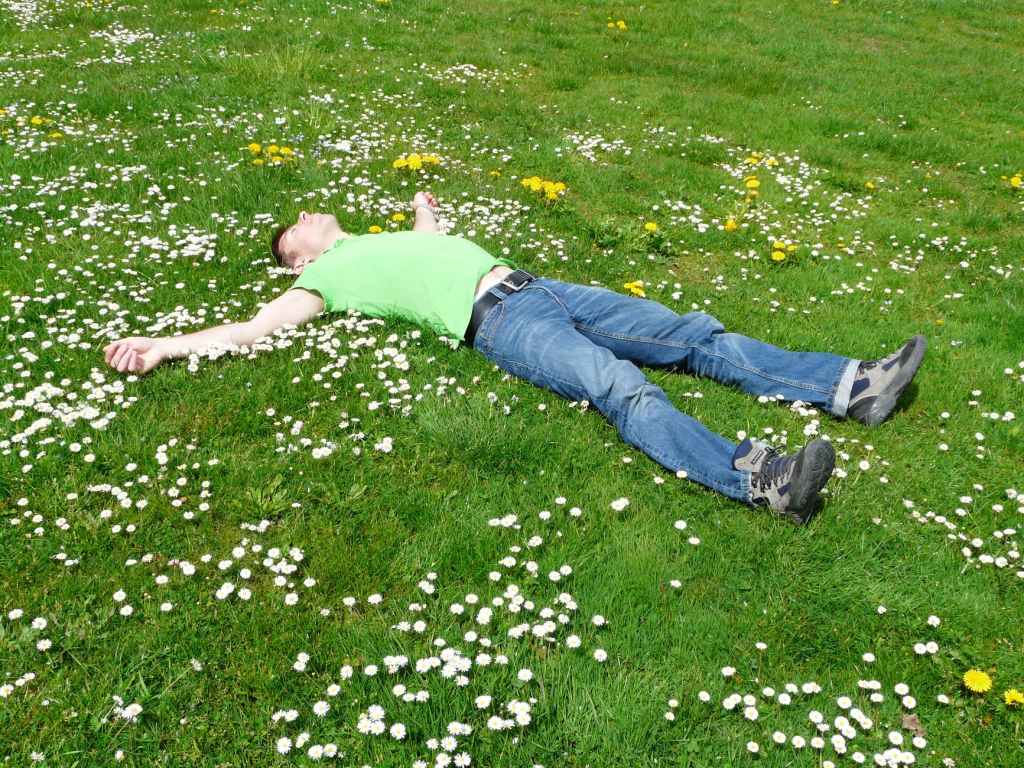
Yoga. This is a form of exercise, but it can also be a meditation. There are many types of yoga. The ones that focus on slow movement, stretching, and deep breathing are best for lowering your anxiety and stress.
Meditation. It has been around for over 5,000 years for a reason. Meditation works well for many people and has many benefits. It can lower stress, anxiety, and chronic pain as well as improve sleep, energy levels, and mood. To meditate, you will need to:
- Find a quiet place.
- Get comfortable (sitting or lying down).
- Focus your attention on a word, phrase, object, or even your breath.
- Let your thoughts come and go and do not judge them.
Deep breathing. When you practice deep breathing, you turn on your body’s natural ability to relax. This creates a state of deep rest that can change how your body responds to stress. It sends more oxygen to your brain and calms the part of your nervous system that handles your ability to relax.
Try belly breathing. Get comfortable, close your eyes, and place one hand on your stomach and the other on your chest. Take a deep breath in through your nose. You should feel your belly rise more than your chest. Now, exhale through your nose and pay close attention to how your body relaxes. Repeat.

 Eduindex
You must be logged in to post a comment.