

CELL BASED THERAPY AND XENOGENEIC ACELLULAR NERVE MATRICES
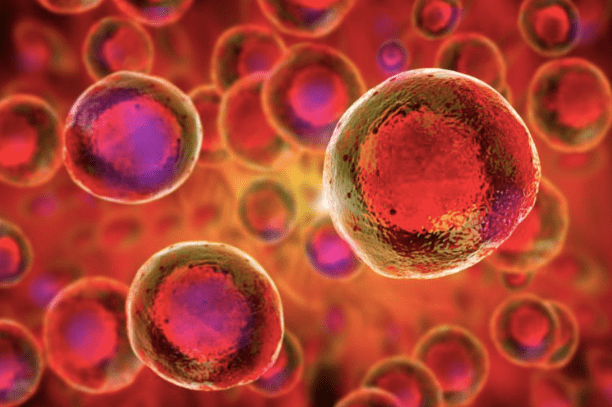
Adipose cell transplantation is an option for reconstructing peripheral nerves. The cells may be administered systematically via intravenous, sub-cuticular or intramuscular routes as used for traditional drug therapy. When adipose derived stem cells (ADSC) have been introduced intravenously, they spread throughout the body and locate to damage tissue. In the context of traumatic brain injury, these cells spread via the reticuloendothelial system directly into the diseased brain tissue. The observed benefits of human ADSC injection were largely dependent on the recipient rat’s age. In the older rats, fewer cells transited though the spleen. This subsequently led to differences in cell distribution within injured parts of the rat’s brains. In other studies when ADSCs were administered via the intravenous route they were also shown to improve neuropathic pin in rats which had the ill effects of chronic pain stimulated.
CURRENT THERAPIES AND FUTURE DIRECTIONS
Organ and tissue loss through disease and injury motivate the development of therapies that can regenerate tissues and decrease reliance on transplantations. Regenerative medicine, an interdisciplinary field that applies engineering and life science principles to promote regeneration, can potentially restore diseased and injured tissues and whole organs. Since the inception of the field several decades ago, a number of regenerative medicine therapies, including those designed for wound healing and orthopedic applications, have received Food and Drug Administration (FDA) approval and are now commercially available. These therapies and other regenerative medicine approaches currently being studied in preclinical and clinical settings will be covered in this review. Regenerative medicine has the potential to heal or replace tissues and organs damaged by age, disease, or trauma, as well as to normalise congenital defects. Promising preclinical and clinical data to date support the possibility for treating both chronic diseases and acute insults, and for regenerative medicine to abet maladies occurring across a wide array of organ systems and contexts, including dermal wounds, cardiovascular diseases and traumas, treatments for certain types of cancer, and more. The current therapy of transplantation of intact organs and tissues to treat organ and tissue failures and loss suffers from limited donor supply and often severe immune complications, but these obstacles may potentially be bypassed through the use of regenerative medicine strategies.
Regenerative Medicine opened new avenues for curing patients with difficult to treat diseases and physically impaired tissues. Despite many successes, regenerative medicine is still unfamiliar to many scientists and clinicians. This poses a great limit, as tissue engineering and regenerative medicine could overcome the unsolvable problems of the current medical treatments. The creation and use of cloned pigs have made a significant contribution to various fields in basic and applied research for regenerative medicine such as for treatment for intractable diseases, stem cell therapy and organ or tissue transplantation. It is important to verify the findings obtained from the in vitro studies in a complex system of individual animals. The role of research that uses cloned pigs as a platform isn terms of producing findings truly useful for clinical application. The crucial point of this revolution is transforming the current numerous scientific discoveries into novel and viable therapies from bench and bedside. The unique benefits of animal modelling techniques will continue to be used in the future to promote experimental endeavours in this field of study.

 Eduindex