Importance of Tree plantation

“A tree is the best friend of man on earth.” When we use trees respectfully and economically, we have one of the greatest resources on earth. Trees are rightfully called the ‘lungs of the earth.’ Life on earth would cease to exist in the absence of trees. Trees are responsible for sustaining the environment in several ways.Trees release life-supporting oxygen and absorb harmful gases like carbon dioxide during the process of photosynthesis. They act as sponges by taking in toxic emissions and other pollutants, released into the atmosphere by industries and vehicles. The roots of trees bind the soil together thereby preventing erosion. The blatant and increased rate of deforestation is the primary cause of landslides. In addition to being the bearers of delicious fruits, trees are the natural habitat of several species of animals, birds, and insects. Thus, the destruction of a tree implies the destruction of an entire ecosystem.We have inherited this planet with its many resources, from our ancestors. The onus rests on us to protect the earth’s fragile ecosystem, so that future generations have a place they can call home. It is indeed ironic that despite being at the top of the food chain Homo Sapiens are intent on destroying the very things that guarantee their survival. However, there is a silver lining. The situation can be remedied by restoring the earth’s green cover and taking concrete measures to reduce carbon emissions. Let’s all take a vow to go green and save the earth from destruction.

Trees are our best friends because they clean the air we breathe. Likewise, they also clean the water and soil and ultimately make the earth a better place. It is also a fact that people who live near trees are healthier, fit, and happier than people who do not.Moreover, it is our responsibility to look after our friends who serve us in many ways. Most importantly by saving plants, we are not doing any favor to plants but to ourselves only. Because trees and plants life does not depend on us but our lives depend on them.

Importance of Trees

Trees are important to us in a lot of ways and we cannot ignore their importance. They are important because they give us fresh air to breathe, food to eat and shelter/shade from sunlight and rainfall. Besides this, there are many medicines in the market that are made up of trees extracts. Apart from this, there are plants and trees that have medicinal value.

They bring peacefulness; create a pleasing and relaxing environment. Also, they help in reflecting the harmful rays of the sun and maintaining a balanced temperature. Besides, they also help in water conservation and preventing soil erosion. They also manage the ecosystem and from ancient times several varieties of plants are worshipped.

Benefits of TreesTrees provide us many benefits some of which we can’t see but they make a huge difference. They help in fighting back the climate changes by absorbing greenhouse gases which are the main cause of climate change.Moreover, they replenish groundwater and filter the air from harmful pollutants and odors. Besides, they are a great source of food and the king of fruits ‘Mango’ also grow on trees.

Value of Trees When a seed of a plant or tree grow it makes the area around it greener. Also, it supports many life forms. Birds make their nests, many reptiles and animals live on it or near it.Besides, all these many beautiful flowers, food growing on it. Moreover, many parts of trees such as roots, leaves, stem, flower, seeds, are also edible. Most importantly they never ask anything in return for their services and the gifts they give. Trees also keep the balance in the ecosystem and ecology.To conclude, we can say that trees are very important and beneficial for every life form on earth. Without them, the survival of life on earth will become difficult and after some time every species starts to die because of lack of oxygen on the planet. So, to save our lives and to survive we have to learn the importance of trees and also have to teach our children the importance of trees.

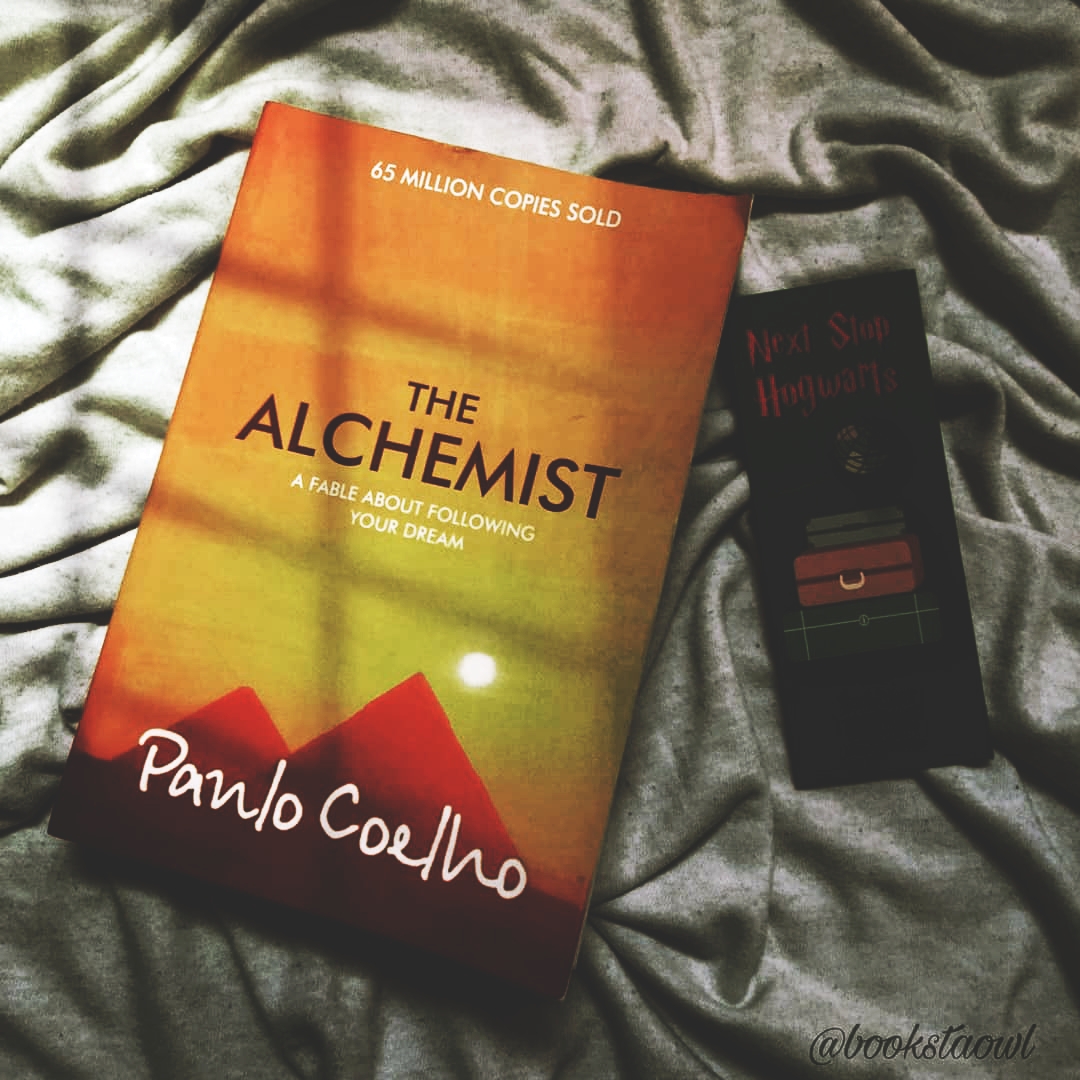
Photo by Pixabay on Pexels.com

SHORT STORIES WITHIN NOVELS:

A story within a story is referred to as an embedded narrative. The embedded narrative is a literary device in which a character within a story becomes the narrator of a second story within the first one. Multiple layers of stories within stories are sometimes called Nested Stories. These stories mostly exist in a book to enlighten people. Sometimes the author himself wrote some short stories which are really motivating and alluring, then he might include them in his novels. In the other case, the author pushes himself to write short stories which will be suitable within his/her novels.

We all love stories, especially short stories. So, we will look at some stories within stories or stories within novels or dramas one by one as parts of segments.

THE ALCHEMIST: BY PAULO COELHO

The shopkeeper sent his son to learn about the secret of happiness from the wisest man in the world. The lad wandered through the desert for forty days, and finally came upon a beautiful castle, high atop a mountain. It was there that the wise man lived.

“Rather than finding a saintly man, though, our hero, on entering the main room of the castle, saw a hive of activity: tradesmen came and went, people were conversing in the corners, a small orchestra was playing soft music, and there was a table covered with platters of the most delicious food in that part of the world. The wise man conversed with everyone, and the boy had to wait for two hours before it was his turn to be given the man’s attention.

“The wise man listened attentively to the boy’s explanation of why he had come, but told him that he didn’t have time just then to explain the secret of happiness. He suggested that the boy look around the palace and return in two hours.

“‘Meanwhile, I want to ask you to do something,’ said the wise man, handing the boy a teaspoon that held two drops of oil. ‘As you wander around, carry this spoon with you without allowing the oil to spill.’

“The boy began climbing and descending the many stairways of the palace, keeping his eyes fixed on the spoon. After two hours, he returned to the room where the wise man was.

“‘Well,’ asked the wise man, ‘did you see the Persian tapestries that are hanging in my dining hall? Did you see the garden that it took the master gardener ten years to create? Did you notice the beautiful parchments in my library?’

“The boy was embarrassed and confessed that he had observed nothing. His only concern had been not to spill the oil that the wise man had entrusted to him.

“‘Then go back and observe the marvels of my world,’ said the wise man. ‘You cannot trust a man if you don’t know his house.’

“Relieved, the boy picked up the spoon and returned to his exploration of the palace, this time observing all of the works of art on the ceilings and the walls. He saw the gardens, the mountains all around him, the beauty of the flowers, and the taste with which everything had been selected. Upon returning to the wise man, he related in detail everything he had seen.

“‘But where are the drops of oil I entrusted to you?’ asked the wise man.

“Looking down at the spoon he held, the boy saw that the oil was gone.

“‘Well, there is only one piece of advice I can give you,’ said the wisest of wise men. ‘The secret of happiness is to see all the marvels of the world, and never to forget the drops of oil on the spoon.’

Through this story author express, that one should follow his dreams and must take care of his responsibilities also. That’s the secret of happiness.

The Alchemist

WHERE TO GET FREE EBOOKS https://eduindex.org/2021/07/20/where-to-get-free-e-books/

THE DETECTIVE NOVELS https://eduindex.org/2021/07/21/the-detective-novels/

SHORT STORIES WITHIN NOVELS:

A story within a story is referred to as an embedded narrative. The embedded narrative is a literary device in which a character within a story becomes the narrator of a second story within the first one. Multiple layers of stories within stories are sometimes called Nested Stories. These stories mostly exist in a book to enlighten people. Sometimes the author himself wrote some short stories which are really motivating and alluring, then he might include them in his novels. In the other case, the author pushes himself to write short stories which will be suitable within his/her novels.

We all love stories, especially short stories. So, we will look at some stories within stories or stories within novels or dramas one by one as parts of segments.

THE ALCHEMIST: BY PAULO COELHO

The shopkeeper sent his son to learn about the secret of happiness from the wisest man in the world. The lad wandered through the desert for forty days, and finally came upon a beautiful castle, high atop a mountain. It was there that the wise man lived.

“Rather than finding a saintly man, though, our hero, on entering the main room of the castle, saw a hive of activity: tradesmen came and went, people were conversing in the corners, a small orchestra was playing soft music, and there was a table covered with platters of the most delicious food in that part of the world. The wise man conversed with everyone, and the boy had to wait for two hours before it was his turn to be given the man’s attention.

“The wise man listened attentively to the boy’s explanation of why he had come, but told him that he didn’t have time just then to explain the secret of happiness. He suggested that the boy look around the palace and return in two hours.

“‘Meanwhile, I want to ask you to do something,’ said the wise man, handing the boy a teaspoon that held two drops of oil. ‘As you wander around, carry this spoon with you without allowing the oil to spill.’

“The boy began climbing and descending the many stairways of the palace, keeping his eyes fixed on the spoon. After two hours, he returned to the room where the wise man was.

“‘Well,’ asked the wise man, ‘did you see the Persian tapestries that are hanging in my dining hall? Did you see the garden that it took the master gardener ten years to create? Did you notice the beautiful parchments in my library?’

“The boy was embarrassed and confessed that he had observed nothing. His only concern had been not to spill the oil that the wise man had entrusted to him.

“‘Then go back and observe the marvels of my world,’ said the wise man. ‘You cannot trust a man if you don’t know his house.’

“Relieved, the boy picked up the spoon and returned to his exploration of the palace, this time observing all of the works of art on the ceilings and the walls. He saw the gardens, the mountains all around him, the beauty of the flowers, and the taste with which everything had been selected. Upon returning to the wise man, he related in detail everything he had seen.

“‘But where are the drops of oil I entrusted to you?’ asked the wise man.

“Looking down at the spoon he held, the boy saw that the oil was gone.

“‘Well, there is only one piece of advice I can give you,’ said the wisest of wise men. ‘The secret of happiness is to see all the marvels of the world, and never to forget the drops of oil on the spoon.’

Through this story author express, that one should follow his dreams and must take care of his responsibilities also. That’s the secret of happiness.

The Alchemist

WHERE TO GET FREE EBOOKS https://eduindex.org/2021/07/20/where-to-get-free-e-books/

THE DETECTIVE NOVELS https://eduindex.org/2021/07/21/the-detective-novels/

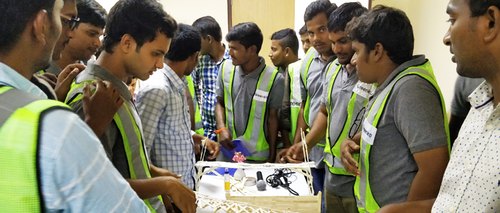
Importance of Skill Development Training

 In today’s competitive world, its very important for people to invest their time and resources to improve their skills, potential capabilities. One needs to do so in order to be future ready. One’s skills determines their ability to carry out any task effectively and efficiently. 

                                                              (Photo: doaram.com)

Skill development is a powerful tool to safeguard the future of youth and for their overall development. It is an important way to increase the employment rate of India. Skills are as essential as one’s academic qualifications. Education and skills should now go hand in hand to be successful. In today’s world, lack of education and skill development restricts people from realizing their potential capabilities and abilities. Eventually, this prevents them from contributing to the economic growth of a country. Thus, education and skill training is vital for the overall growth and personality development of an individual.
Illiteracy is one such reason for lack of skill training. The capability of the poorest sections of society to start business is restricted owing to because of their lack of business skills, illiteracy, their inability to take risks, capital, lack of investment, etc. It would be far better to upgrade their skills so that they can get employed. The strategy of the Ministry of Labor to specialize on skill upgradation has contributed significantly to this mission. 
According to the World Trade Organization, the GDP level can increase up to 3%-5% in 2035, if India focuses on skill development and training. India has taken many initiatives in this regard. The Ministry of Skill Development and Entrepreneurship (MSDE) is responsible for coordinating skill development activities in India. It has supported various organizations like National Skill Development Corporation (NSDC), which aims to promote skill development in the country by establishing institutes across the country and National Skill Development Agency (NSDA), which seeks to coordinate the efforts of the government and the private sector and aid in skill development.

Hon’ble Prime Minister Shri Narendra Modi launched the Skill India Mission, under the Ministry of Skill Development and Entrepreneurship on 15 July 2015, which aims to train over 40 crore people in India in different skills by 2022. The mission seeks to vocational training and certification of Indian youth for a better livelihood and respect in the society. Various initiatives under this campaign are National Skill Development Mission, National Policy for Skill Development and Entrepreneurship, 2015, Pradhan Mantri Kaushal Vikas Yojana (PMKVY), Skill Loan scheme, Rural India Skill etc.

                                                     (Photo: Indiamart)

Schemes & Initiatives through NSDC

  • Pradhan Mantri Kaushal Vikas Yojana (PMKVY)
  • Rozgar Mela
  • Pradhan Mantri Kaushal Kendras (PMKK)
  • Capacity Building Scheme
  • Udaan
  • School Initiatives and Higher Education
  • India International Skill Centres (IISCs)
  • Pre Departure Orientation Training (PDOT)

Schemes related to Entrepreneurship

  • Pradhan Mantri ‘YUVA’ Yojana

Other Schemes and Initiatives

  • Skill Loan Scheme
  • Indian Institute of Skills (IISs)
  • SANKALP
  • Academic Equivalence to Vocational Qualifications
  • Aspirational Districts
  • Swachh Bharat Abhiyan
  • Technology Initiatives

To encourage enterprise and boost employment generation, skill training initiatives are coming up with specialized courses on entrepreneurship in different sectors. Skill development is a very important tool to boost self-confidence of an individual and to instill trust on themselves. With proper skill development training, one can surely become confident and successful. It not only nurtures the inner will but also boosts the personality of an individual.

<

p style=”background: rgb(255, 255, 255);border: 0px;font-family: Roboto, sans-serif;font-size: 16.1px;line-height: 23px;margin: 0px 0px 15px;padding: 0px;vertical-align: baseline”>

Making a Choice of Profession

In India it is a great problem to choose a profession best suited to one. In America there is a National Intelligence Test Bureau where everybody’s intelligence is tested. This test is carried on a mass scale. It is then quite easy for you to select the career that will suit you the most. The system will naturally save our national energy and our health. It will also help in overhauling our present educational system wh8ch is very defective.

When we look around, we see how our schools, colleges and universities are turning out innumerable young persons. They are not fit for any other job except those of clerks. We have to call these institutions as clerk-manufacturing factories. They do produce lawyers, doctors, engineers etc but ‘clerical line’, has the lion’s share on that side.

There are many factors which should determine the choice of a profession. The first and the foremost is a young man’s taste and aptitude. One who is made to follow a profession for which he has taste or liking is not likely to find himself a misfit therein. He will not be a square peg in a round hole, as the expression goes. One who has a taste for music is likely to shape well as a musician rather than as a lawyer. Rabindranath Tagore had a taste for poetry. If instead of allowing him to follow that line, he was put into some other profession, the result would have been disastrous both for himself and for the world. So aptitude is a great consideration.

Another determining factor is talent. A meritorious young man may go in for a learned profession. But there again a careful choice is to be made. For instance, if he has an argumentative brain and the gift of the gab, but no head for mathematics, he is more likely to make a successful lawyer than an engineer.

A third consideration is sufficiency or otherwise of financial resources of a young man’s family. He may have the aptitude for a particular profession, he may have the talents for it; but if his father or guardian cannot afford to pay for his education or training in that line, it is useless for him to think of joining that profession.

The competition to be faced in a particular profession has also to be taken into account in making a choice. Some professions are already overcrowded and one should try to avoid them unless there are special circumstances, which may help one’s mark in it.

After choosing a profession, there are two fundamentals for its success. First, we must be devoted to our work . We must be able to learn its secrets in the spirit of a devotee. Let us take to any vocation of life. We must work with all the zeal and enthusiasm to make our work a grand success. Secondly, we must be ready to stick to it and struggle for it. A rolling stone gathers no moss and so a drifting worker is rarely a success. The choice should be made after careful consideration, but once it is made, we must stick to it.

The choice of a profession is a matter of vital importance to every man. A right choice may make his future career bright while a wrong choice may mar it forever. It is, however, not possible for an inexperienced young man to assess his abilities for a profession or his chances of success in it. It is, therefore, the duty of his guadians and teachers to help him to make the choice.

Making a Choice of Profession

In India it is a great problem to choose a profession best suited to one. In America there is a National Intelligence Test Bureau where everybody’s intelligence is tested. This test is carried on a mass scale. It is then quite easy for you to select the career that will suit you the most. The system will naturally save our national energy and our health. It will also help in overhauling our present educational system wh8ch is very defective.

When we look around, we see how our schools, colleges and universities are turning out innumerable young persons. They are not fit for any other job except those of clerks. We have to call these institutions as clerk-manufacturing factories. They do produce lawyers, doctors, engineers etc but ‘clerical line’, has the lion’s share on that side.

There are many factors which should determine the choice of a profession. The first and the foremost is a young man’s taste and aptitude. One who is made to follow a profession for which he has taste or liking is not likely to find himself a misfit therein. He will not be a square peg in a round hole, as the expression goes. One who has a taste for music is likely to shape well as a musician rather than as a lawyer. Rabindranath Tagore had a taste for poetry. If instead of allowing him to follow that line, he was put into some other profession, the result would have been disastrous both for himself and for the world. So aptitude is a great consideration.

Another determining factor is talent. A meritorious young man may go in for a learned profession. But there again a careful choice is to be made. For instance, if he has an argumentative brain and the gift of the gab, but no head for mathematics, he is more likely to make a successful lawyer than an engineer.

A third consideration is sufficiency or otherwise of financial resources of a young man’s family. He may have the aptitude for a particular profession, he may have the talents for it; but if his father or guardian cannot afford to pay for his education or training in that line, it is useless for him to think of joining that profession.

The competition to be faced in a particular profession has also to be taken into account in making a choice. Some professions are already overcrowded and one should try to avoid them unless there are special circumstances, which may help one’s mark in it.

After choosing a profession, there are two fundamentals for its success. First, we must be devoted to our work . We must be able to learn its secrets in the spirit of a devotee. Let us take to any vocation of life. We must work with all the zeal and enthusiasm to make our work a grand success. Secondly, we must be ready to stick to it and struggle for it. A rolling stone gathers no moss and so a drifting worker is rarely a success. The choice should be made after careful consideration, but once it is made, we must stick to it.

The choice of a profession is a matter of vital importance to every man. A right choice may make his future career bright while a wrong choice may mar it forever. It is, however, not possible for an inexperienced young man to assess his abilities for a profession or his chances of success in it. It is, therefore, the duty of his guadians and teachers to help him to make the choice.

DIGITAL MARKETING!

DIGITAL MARKETING is a part of marketing that is done by using internet and online based digital media such as mobile, laptops, computers, and other digital media platforms to promote goods and services. During 1990s and 2000s digital marketing made a huge difference for the brands and businesses for promotion of their products and services. In the era of 21st century the digital platforms have indulged into all marketing plans and everyday life. Many people use digital devices instead of visiting the places or shops physically, digital marketing has become a new trend in today’s world. With the use of digital marketing, it helps to connect the brand with potential customer.

POV, if marketing campaign contains digital communication, it is DIGITAL MARKETING.

CHANNELS OF DIGITAL MARKETING

WEBSITE MARKETING

Website marketing is a master of all digital marketing activities. Beside this it is consider as one of the most dynamic way of marketing. The objective is to pull off the attention of people who may be interested in product or services of a company. More the traffic to a site more the opportunities for company to put the value proposition toward the potential customer. A website should represent a brand, product, or service in a crystal-clear way. It should be swift, easy to use and mobile friendly.

PAY-PER-CLICK ADVERTISING (PPC)

PPC is paying when every time a person clicks on the ad posted by you on the digital flatform. Marketer can setup their PPC campaign on Google, Bing, LinkedIn, Pinterest, and Facebook any many more to display the ad to potential customer who are in search of similar term linked with product and services. Campaign under PPC can segment users according to their demographic attribute (like age or gender) or even can target specific interest or location.

CONTENT MARKETING

The objective of content marketer is to reach the potential customer through the use of content. Website in which content are posted and then promotion is done through social media, email marketing, SEO, or even PPC campaigns.

Bolgs, ebook, podcaste and webinar are the tools of content marketing.

EMAIL MARKETING

One of best effective marketing channel is also an email marketing. Email marketing one of method to get in touch with the potential customer or the people interested your brand. Digital marketers use email to add their leads in the email and then through email marketing, they produce customer acquisition funnels and then convert these leads into customer.

SOCIAL MEDIA MARKETING

It is process of creating brand awareness by engaging people in online discussion Facebook, Twitter and Instagram are most popular flatform for social media marketing.

AFFILIATE MARKETING  

One of the oldest forms of marketing is affiliate marketing. And the internet has brought a new life to this old form of marketing. Through affiliate marketing influencer promote products of other people and get commission when every sale is made or when a lead is generated.

SEARCH ENGINE OPTIMIZATION (SEO)

It is a process of enhancing the quality and quantity of website traffic for a website or web page. SEO particularly concentrate on unpaid traffic (organic marketing) rather than paid or direct traffic.

DIGITAL MARKETING!

DIGITAL MARKETING is a part of marketing that is done by using internet and online based digital media such as mobile, laptops, computers, and other digital media platforms to promote goods and services. During 1990s and 2000s digital marketing made a huge difference for the brands and businesses for promotion of their products and services. In the era of 21st century the digital platforms have indulged into all marketing plans and everyday life. Many people use digital devices instead of visiting the places or shops physically, digital marketing has become a new trend in today’s world. With the use of digital marketing, it helps to connect the brand with potential customer.

POV, if marketing campaign contains digital communication, it is DIGITAL MARKETING.

CHANNELS OF DIGITAL MARKETING

WEBSITE MARKETING

Website marketing is a master of all digital marketing activities. Beside this it is consider as one of the most dynamic way of marketing. The objective is to pull off the attention of people who may be interested in product or services of a company. More the traffic to a site more the opportunities for company to put the value proposition toward the potential customer. A website should represent a brand, product, or service in a crystal-clear way. It should be swift, easy to use and mobile friendly.

PAY-PER-CLICK ADVERTISING (PPC)

PPC is paying when every time a person clicks on the ad posted by you on the digital flatform. Marketer can setup their PPC campaign on Google, Bing, LinkedIn, Pinterest, and Facebook any many more to display the ad to potential customer who are in search of similar term linked with product and services. Campaign under PPC can segment users according to their demographic attribute (like age or gender) or even can target specific interest or location.

CONTENT MARKETING

The objective of content marketer is to reach the potential customer through the use of content. Website in which content are posted and then promotion is done through social media, email marketing, SEO, or even PPC campaigns.

Bolgs, ebook, podcaste and webinar are the tools of content marketing.

EMAIL MARKETING

One of best effective marketing channel is also an email marketing. Email marketing one of method to get in touch with the potential customer or the people interested your brand. Digital marketers use email to add their leads in the email and then through email marketing, they produce customer acquisition funnels and then convert these leads into customer.

SOCIAL MEDIA MARKETING

It is process of creating brand awareness by engaging people in online discussion Facebook, Twitter and Instagram are most popular flatform for social media marketing.

AFFILIATE MARKETING  

One of the oldest forms of marketing is affiliate marketing. And the internet has brought a new life to this old form of marketing. Through affiliate marketing influencer promote products of other people and get commission when every sale is made or when a lead is generated.

SEARCH ENGINE OPTIMIZATION (SEO)

It is a process of enhancing the quality and quantity of website traffic for a website or web page. SEO particularly concentrate on unpaid traffic (organic marketing) rather than paid or direct traffic.

Pollution

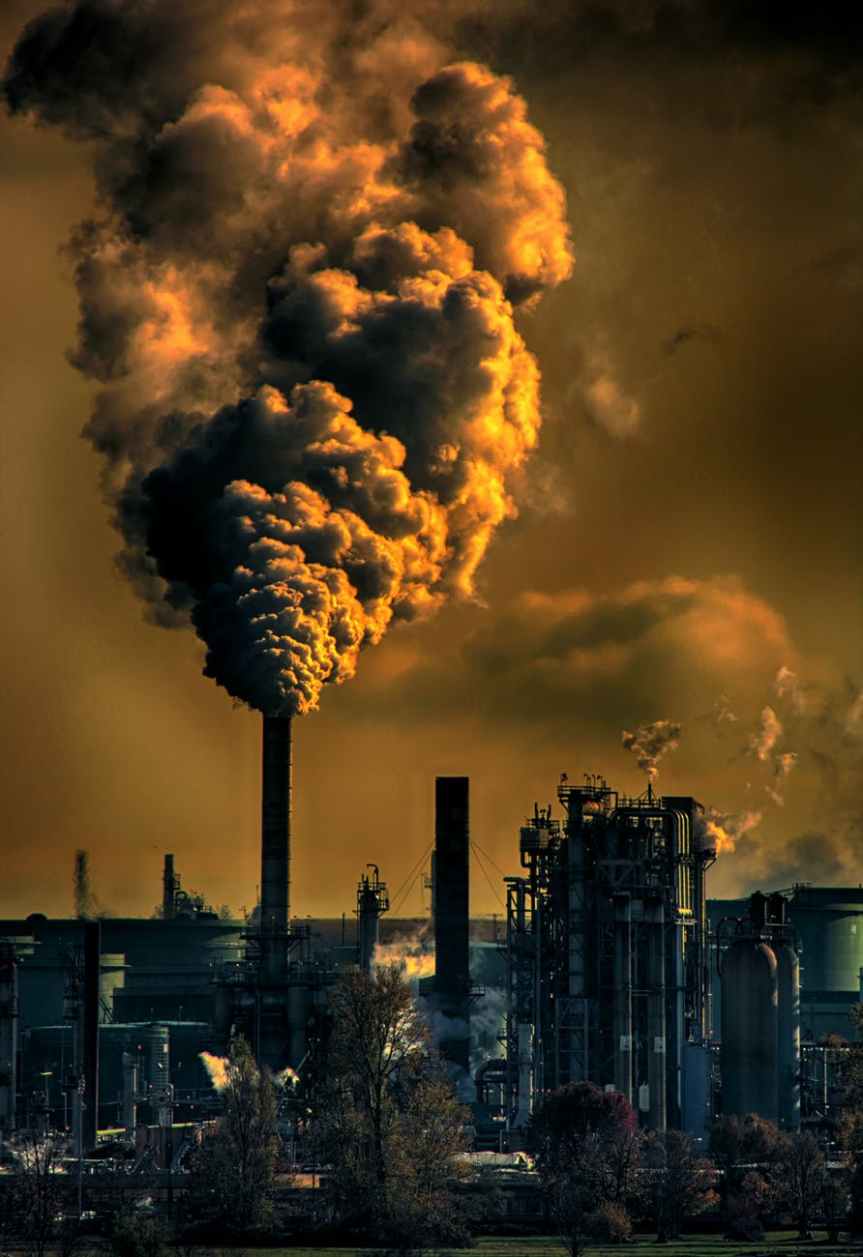
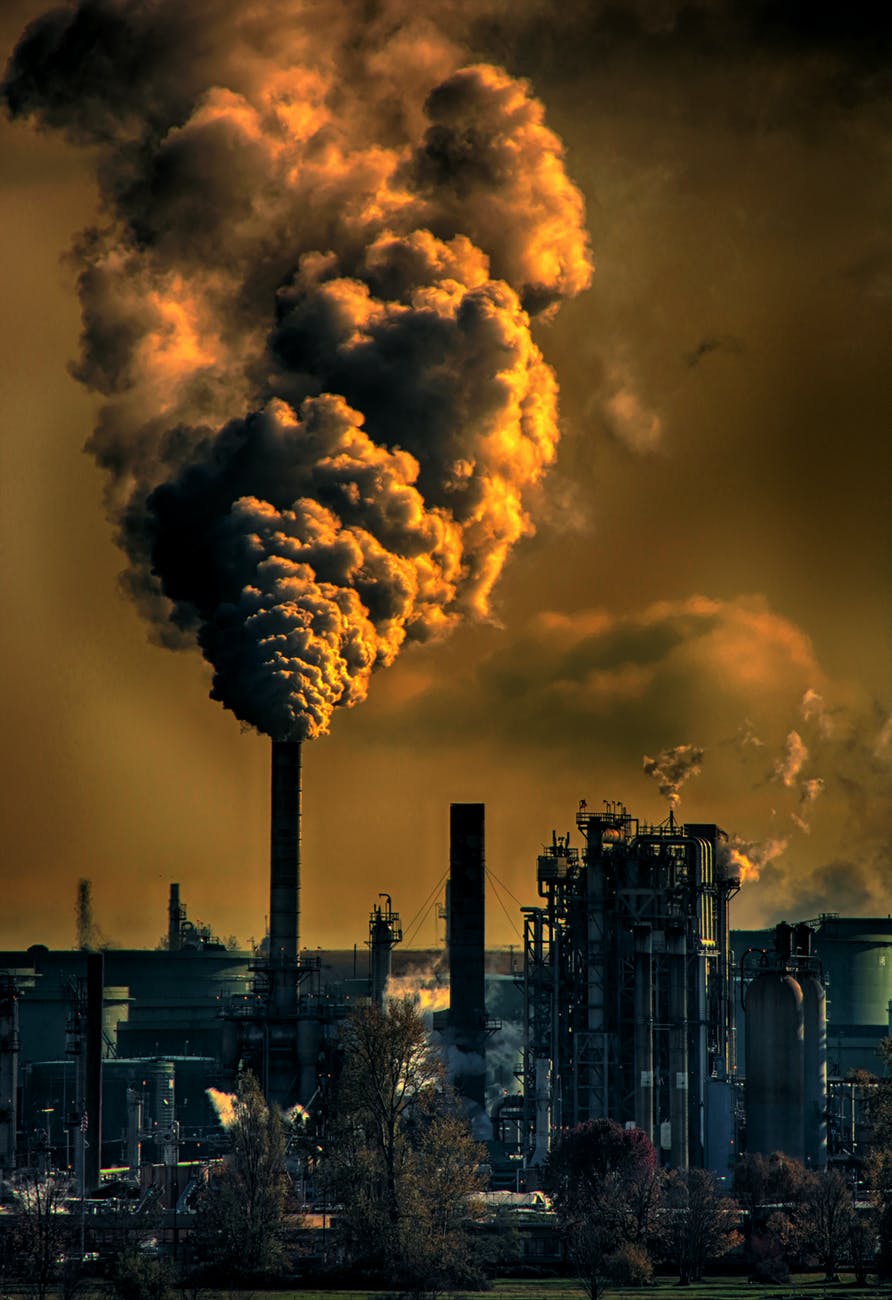
Pollution is a significant threat to our environment and is caused by the reckless attitude of man towards nature. Our Earth provides us with food and shelter, whereas we treat it mercilessly and plunder its resources. Pollution is a direct result of our greed. We dump waste into our water bodies without caring for the organisms living in them. The balance of various gases in the atmosphere has been disrupted because of the large number of vehicles plying on the road. Even factories that release harmful gases into the atmosphere contribute to air pollution. When we do excessive and uncontrolled farming on a piece of land, it loses its natural minerals. So, when we use fertilizers to boost their productivity, it pollutes the soil. Noise pollution is caused by factories, jets, airplanes, etc. It harms our ears and can impair hearing.

Pollution is a term which even kids are aware of these days. It has become so common that almost everyone acknowledges the fact that pollution is rising continuously. The term ‘pollution’ means the manifestation of any unsolicited foreign substance in something. When we talk about pollution on earth, we refer to the contamination that is happening of the natural resources by various pollutants. All this is mainly caused by human activities which harm the environment in ways more than one. Therefore, an urgent need has arisen to tackle this issue straightaway. That is to say, pollution is damaging our earth severely and we need to realize its effects and prevent this damage. In this essay on pollution, we will see what are the effects of pollution and how to reduce it.

Effects of Pollution

Pollution affects the quality of life more than one can imagine. It works in mysterious ways, sometimes which cannot be seen by the naked eye. However, it is very much present in the environment. For instance, you might not be able to see the natural gases present in the air, but they are still there. Similarly, the pollutants which are messing up the air and increasing the levels of carbon dioxide is very dangerous for humans. Increased level of carbon dioxide will lead to global warming.

Further, the water is polluted in the name of industrial development, religious practices and more will cause a shortage of drinking water. Without water, human life is not possible. Moreover, the way waste is dumped on the land eventually ends up in the soil and turns toxic. If land pollution keeps on happening at this rate, we won’t have fertile soil to grow our crops on. Therefore, serious measures must be taken to reduce pollution to the core.

Types of Pollution

How to Reduce Pollution?

After learning the harmful effects of pollution, one must get on the task of preventing or reducing pollution as soon as possible. To reduce air pollution, people should take public transport or carpool to reduce vehicular smoke. While it may be hard, avoiding firecrackers at festivals and celebrations can also cut down on air and noise pollution. Above all, we must adopt the habit of recycling. All the used plastic ends up in the oceans and land, which pollutes them.

So, remember to not dispose of them off after use, rather reuse them as long as you can. We must also encourage everyone to plant more trees which will absorb the harmful gases and make the air cleaner. When talking on a bigger level, the government must limit the usage of fertilizers to maintain the soil’s fertility. In addition, industries must be banned from dumping their waste into oceans and rivers, causing water pollution.

To sum it up, all types of pollution is hazardous and comes with grave consequences. Everyone must take a step towards change ranging from individuals to the industries. As tackling this problem calls for a joint effort, so we must join hands now. Moreover, the innocent lives of animals are being lost because of such human activities. So, all of us must take a stand and become a voice for the unheard in order to make this earth pollution-free.

Photo by Chris LeBoutillier on Pexels.com

BUDDHA’S NOBLE EIGHT FOLD PATH

Buddha gave eight principles to follow as his noble eight-fold path.

  1. Right Vision
  2. Right Aims
  3. Right Speech
  4. Right Action
  5. Right Livelihood
  6. Right Efforts
  7. Right Mindfulness and
  8. Right Meditation

Right vision:

Buddha meant that man should realize how sorrowful was this world for man’s greed’s , desires and selfishness. Man should, therefore, rise above for a new vision for his own happiness and for the happiness of all.

Right Aims:

Man should not run behind his power and wealth, and should not run for passion, pleasures and enjoyment. Instead, he should aim at loving other fellow men and giving them happiness.

Right Speech :

Man should give up falsehood, lies, criticism of others and quarrels which spoil the peace of others and of the society. Instead, man should be truthful in his words and friendly and kind in his talks. 

Right Action :

Man should avoid violence and killing, give up harmful acts like theft, and stealing, and instead could work for the good of all in a virtuous way.

Right Livelihood :

Buddha advised man to live by harmless means, not by selling or taking wine or butchering animals for himself or others. Instead, he should live an honest and simple life for peace within and peace outside.

Right Efforts:

Buddha meant a correct discipline in mind and action not for any evil thought or practice, but for a proper exercise towards all that was good. Man was asked to give up evil designs from his thought and to develop nobler feelings for better efforts.

Right Mindfulness :

Buddha wanted man to be conscious of the unrealities of his existence, unrealities of the body and the bodily pleasures, the meaninglessness of the worldly bonds and attachments. Instead, he was to search for the real happiness beyond the flesh and material existence which had no substance.

Right Meditation:

Buddha wanted man to concentrate his mind on the real truth of existence. It was necessary for the discipline and training of the mind towards the higher goal.

Pollution

Pollution is a significant threat to our environment and is caused by the reckless attitude of man towards nature. Our Earth provides us with food and shelter, whereas we treat it mercilessly and plunder its resources. Pollution is a direct result of our greed. We dump waste into our water bodies without caring for the organisms living in them. The balance of various gases in the atmosphere has been disrupted because of the large number of vehicles plying on the road. Even factories that release harmful gases into the atmosphere contribute to air pollution. When we do excessive and uncontrolled farming on a piece of land, it loses its natural minerals. So, when we use fertilizers to boost their productivity, it pollutes the soil. Noise pollution is caused by factories, jets, airplanes, etc. It harms our ears and can impair hearing.

Pollution is a term which even kids are aware of these days. It has become so common that almost everyone acknowledges the fact that pollution is rising continuously. The term ‘pollution’ means the manifestation of any unsolicited foreign substance in something. When we talk about pollution on earth, we refer to the contamination that is happening of the natural resources by various pollutants. All this is mainly caused by human activities which harm the environment in ways more than one. Therefore, an urgent need has arisen to tackle this issue straightaway. That is to say, pollution is damaging our earth severely and we need to realize its effects and prevent this damage. In this essay on pollution, we will see what are the effects of pollution and how to reduce it.

Effects of Pollution

Pollution affects the quality of life more than one can imagine. It works in mysterious ways, sometimes which cannot be seen by the naked eye. However, it is very much present in the environment. For instance, you might not be able to see the natural gases present in the air, but they are still there. Similarly, the pollutants which are messing up the air and increasing the levels of carbon dioxide is very dangerous for humans. Increased level of carbon dioxide will lead to global warming.

Further, the water is polluted in the name of industrial development, religious practices and more will cause a shortage of drinking water. Without water, human life is not possible. Moreover, the way waste is dumped on the land eventually ends up in the soil and turns toxic. If land pollution keeps on happening at this rate, we won’t have fertile soil to grow our crops on. Therefore, serious measures must be taken to reduce pollution to the core.

Types of Pollution

How to Reduce Pollution?

After learning the harmful effects of pollution, one must get on the task of preventing or reducing pollution as soon as possible. To reduce air pollution, people should take public transport or carpool to reduce vehicular smoke. While it may be hard, avoiding firecrackers at festivals and celebrations can also cut down on air and noise pollution. Above all, we must adopt the habit of recycling. All the used plastic ends up in the oceans and land, which pollutes them.

So, remember to not dispose of them off after use, rather reuse them as long as you can. We must also encourage everyone to plant more trees which will absorb the harmful gases and make the air cleaner. When talking on a bigger level, the government must limit the usage of fertilizers to maintain the soil’s fertility. In addition, industries must be banned from dumping their waste into oceans and rivers, causing water pollution.

To sum it up, all types of pollution is hazardous and comes with grave consequences. Everyone must take a step towards change ranging from individuals to the industries. As tackling this problem calls for a joint effort, so we must join hands now. Moreover, the innocent lives of animals are being lost because of such human activities. So, all of us must take a stand and become a voice for the unheard in order to make this earth pollution-free.

Photo by Chris LeBoutillier on Pexels.com

BUDDHA&#39;S NOBLE EIGHT FOLD PATH

Buddha gave eight principles to follow as his noble eight-fold path.

  1. Right Vision
  2. Right Aims
  3. Right Speech
  4. Right Action
  5. Right Livelihood
  6. Right Efforts
  7. Right Mindfulness and
  8. Right Meditation

Right vision:

Buddha meant that man should realize how sorrowful was this world for man’s greed’s , desires and selfishness. Man should, therefore, rise above for a new vision for his own happiness and for the happiness of all.

Right Aims:

Man should not run behind his power and wealth, and should not run for passion, pleasures and enjoyment. Instead, he should aim at loving other fellow men and giving them happiness.

Right Speech :

Man should give up falsehood, lies, criticism of others and quarrels which spoil the peace of others and of the society. Instead, man should be truthful in his words and friendly and kind in his talks. 

Right Action :

Man should avoid violence and killing, give up harmful acts like theft, and stealing, and instead could work for the good of all in a virtuous way.

Right Livelihood :

Buddha advised man to live by harmless means, not by selling or taking wine or butchering animals for himself or others. Instead, he should live an honest and simple life for peace within and peace outside.

Right Efforts:

Buddha meant a correct discipline in mind and action not for any evil thought or practice, but for a proper exercise towards all that was good. Man was asked to give up evil designs from his thought and to develop nobler feelings for better efforts.

Right Mindfulness :

Buddha wanted man to be conscious of the unrealities of his existence, unrealities of the body and the bodily pleasures, the meaninglessness of the worldly bonds and attachments. Instead, he was to search for the real happiness beyond the flesh and material existence which had no substance.

Right Meditation:

Buddha wanted man to concentrate his mind on the real truth of existence. It was necessary for the discipline and training of the mind towards the higher goal.

Earthquake

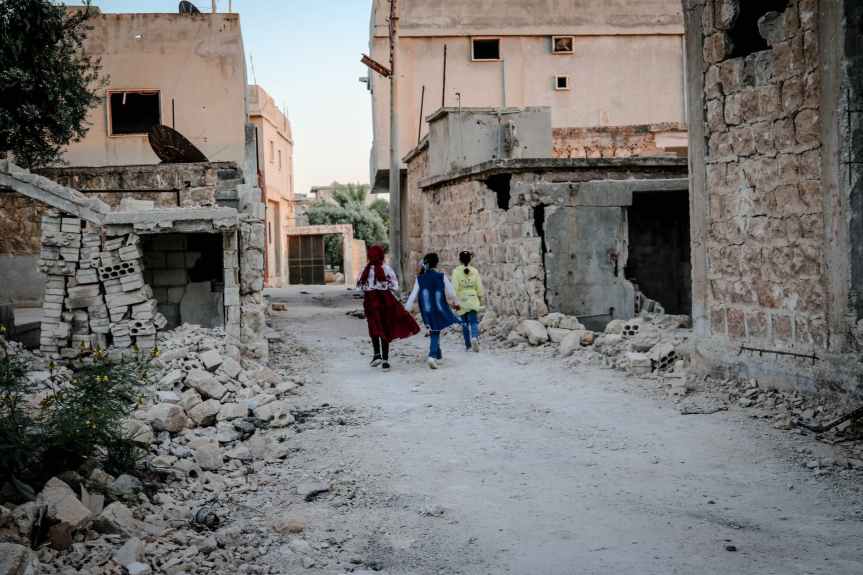
An earthquake is a natural disaster whose arrival cannot be announced in advance. Earthquakes are more frequent in mountainous areas. Earthquake has many causes such as volcanic eruption due to excess heat. Sliding rocks under the earth. Collide or move existing plates under the earth. Earth quakes when an earthquake strikes, due to which houses, trees, plants etc. fall and millions of humans and animal birds die under them. Whenever an earthquake comes, there is a lot of destruction.

Earthquake also comes due to the burden on the earth and when it comes, the biggest danger is the collapse of high buildings. In the event of an earthquake, all people should go out of the house to the open ground. An earthquake cannot be predicted, but many preparations can be made to avoid it. For this people are advised to stay in wooden houses. They must keep a mobile phone and flashlight with them. It is not possible for humans to stop earthquakes but tree plants protect us from earthquakes. So to prevent disaster like earthquake, we should plant more and more trees.

Simply speaking, Earthquake means the shaking of the Earth’s surface. It is a sudden trembling of the surface of the Earth. Earthquakes certainly are a terrible natural disaster. Furthermore, Earthquakes can cause huge damage to life and property. Some Earthquakes are weak in nature and probably go unnoticed. In contrast, some Earthquakes are major and violent. The major Earthquakes are almost always devastating in nature. Most noteworthy, the occurrence of an Earthquake is quite unpredictable. This is what makes them so dangerous.

Types of Earthquake

Tectonic Earthquake: The Earth’s crust comprises of the slab of rocks of uneven shapes. These slab of rocks are tectonic plates. Furthermore, there is energy stored here. This energy causes tectonic plates to push away from each other or towards each other. As time passes, the energy and movement build up pressure between two plates.

Therefore, this enormous pressure causes the fault line to form. Also, the center point of this disturbance is the focus of the Earthquake. Consequently, waves of energy travel from focus to the surface. This results in shaking of the surface.

Volcanic Earthquake: This Earthquake is related to volcanic activity. Above all, the magnitude of such Earthquakes is weak. These Earthquakes are of two types. The first type is Volcano-tectonic earthquake. Here tremors occur due to injection or withdrawal of Magma. In contrast, the second type is Long-period earthquake. Here Earthquake occurs due to the pressure changes among the Earth’s layers.

Collapse Earthquake: These Earthquakes occur in the caverns and mines. Furthermore, these Earthquakes are of weak magnitude. Undergrounds blasts are probably the cause of collapsing of mines. Above all, this collapsing of mines causes seismic waves. Consequently, these seismic waves cause an Earthquake.

Explosive Earthquake: These Earthquakes almost always occur due to the testing of nuclear weapons. When a nuclear weapon detonates, a big blast occurs. This results in the release of a huge amount of energy. This probably results in Earthquakes.

Effects of Earthquakes

First of all, the shaking of the ground is the most notable effect of the Earthquake. Furthermore, ground rupture also occurs along with shaking. This results in severe damage to infrastructure facilities. The severity of the Earthquake depends upon the magnitude and distance from the epicenter. Also, the local geographical conditions play a role in determining the severity. Ground rupture refers to the visible breaking of the Earth’s surface.

Another significant effect of Earthquake is landslides. Landslides occur due to slope instability. This slope instability happens because of Earthquake.

Earthquakes can cause soil liquefaction. This happens when water-saturated granular material loses its strength. Therefore, it transforms from solid to a liquid. Consequently, rigid structures sink into the liquefied deposits.

Earthquakes can result in fires. This happens because Earthquake damages the electric power and gas lines. Above all, it becomes extremely difficult to stop a fire once it begins.

Earthquakes can also create the infamous Tsunamis. Tsunamis are long-wavelength sea waves. These sea waves are caused by the sudden or abrupt movement of large volumes of water. This is because of an Earthquake in the ocean. Above all, Tsunamis can travel at a speed of 600-800 kilometers per hour. These tsunamis can cause massive destruction when they hit the sea coast.

In conclusion, an Earthquake is a great and terrifying phenomenon of Earth. It shows the frailty of humans against nature. It is a tremendous occurrence that certainly shocks everyone. Above all, Earthquake lasts only for a few seconds but can cause unimaginable damage.

Photo by Ahmed akacha on Pexels.com

Earthquake

An earthquake is a natural disaster whose arrival cannot be announced in advance. Earthquakes are more frequent in mountainous areas. Earthquake has many causes such as volcanic eruption due to excess heat. Sliding rocks under the earth. Collide or move existing plates under the earth. Earth quakes when an earthquake strikes, due to which houses, trees, plants etc. fall and millions of humans and animal birds die under them. Whenever an earthquake comes, there is a lot of destruction.

Earthquake also comes due to the burden on the earth and when it comes, the biggest danger is the collapse of high buildings. In the event of an earthquake, all people should go out of the house to the open ground. An earthquake cannot be predicted, but many preparations can be made to avoid it. For this people are advised to stay in wooden houses. They must keep a mobile phone and flashlight with them. It is not possible for humans to stop earthquakes but tree plants protect us from earthquakes. So to prevent disaster like earthquake, we should plant more and more trees.

Simply speaking, Earthquake means the shaking of the Earth’s surface. It is a sudden trembling of the surface of the Earth. Earthquakes certainly are a terrible natural disaster. Furthermore, Earthquakes can cause huge damage to life and property. Some Earthquakes are weak in nature and probably go unnoticed. In contrast, some Earthquakes are major and violent. The major Earthquakes are almost always devastating in nature. Most noteworthy, the occurrence of an Earthquake is quite unpredictable. This is what makes them so dangerous.

Types of Earthquake

Tectonic Earthquake: The Earth’s crust comprises of the slab of rocks of uneven shapes. These slab of rocks are tectonic plates. Furthermore, there is energy stored here. This energy causes tectonic plates to push away from each other or towards each other. As time passes, the energy and movement build up pressure between two plates.

Therefore, this enormous pressure causes the fault line to form. Also, the center point of this disturbance is the focus of the Earthquake. Consequently, waves of energy travel from focus to the surface. This results in shaking of the surface.

Volcanic Earthquake: This Earthquake is related to volcanic activity. Above all, the magnitude of such Earthquakes is weak. These Earthquakes are of two types. The first type is Volcano-tectonic earthquake. Here tremors occur due to injection or withdrawal of Magma. In contrast, the second type is Long-period earthquake. Here Earthquake occurs due to the pressure changes among the Earth’s layers.

Collapse Earthquake: These Earthquakes occur in the caverns and mines. Furthermore, these Earthquakes are of weak magnitude. Undergrounds blasts are probably the cause of collapsing of mines. Above all, this collapsing of mines causes seismic waves. Consequently, these seismic waves cause an Earthquake.

Explosive Earthquake: These Earthquakes almost always occur due to the testing of nuclear weapons. When a nuclear weapon detonates, a big blast occurs. This results in the release of a huge amount of energy. This probably results in Earthquakes.

Effects of Earthquakes

First of all, the shaking of the ground is the most notable effect of the Earthquake. Furthermore, ground rupture also occurs along with shaking. This results in severe damage to infrastructure facilities. The severity of the Earthquake depends upon the magnitude and distance from the epicenter. Also, the local geographical conditions play a role in determining the severity. Ground rupture refers to the visible breaking of the Earth’s surface.

Another significant effect of Earthquake is landslides. Landslides occur due to slope instability. This slope instability happens because of Earthquake.

Earthquakes can cause soil liquefaction. This happens when water-saturated granular material loses its strength. Therefore, it transforms from solid to a liquid. Consequently, rigid structures sink into the liquefied deposits.

Earthquakes can result in fires. This happens because Earthquake damages the electric power and gas lines. Above all, it becomes extremely difficult to stop a fire once it begins.

Earthquakes can also create the infamous Tsunamis. Tsunamis are long-wavelength sea waves. These sea waves are caused by the sudden or abrupt movement of large volumes of water. This is because of an Earthquake in the ocean. Above all, Tsunamis can travel at a speed of 600-800 kilometers per hour. These tsunamis can cause massive destruction when they hit the sea coast.

In conclusion, an Earthquake is a great and terrifying phenomenon of Earth. It shows the frailty of humans against nature. It is a tremendous occurrence that certainly shocks everyone. Above all, Earthquake lasts only for a few seconds but can cause unimaginable damage.

Photo by Ahmed akacha on Pexels.com

OUMUAMUA

Well we all know a lot about space but what is Oumuamua?

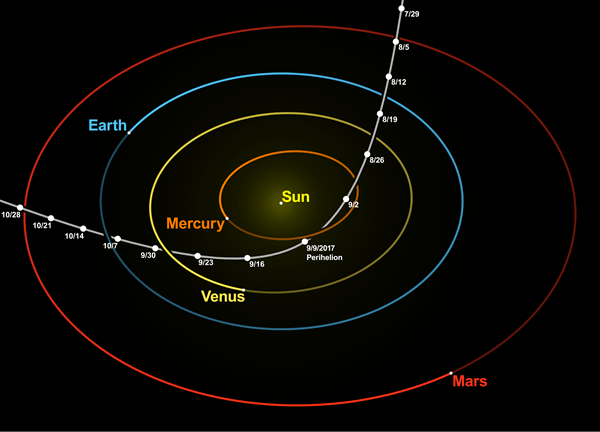
Oumuamua was the first known interstellar object that was detected passing solar system. It was discovered by Robert Weryk using Pan-STARRS1 telescope at University of Hawaii’s on Oct. 19, 2017. It was discovered more or less 40 days after it passes its closest point to the sun on September 9.

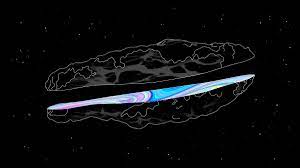
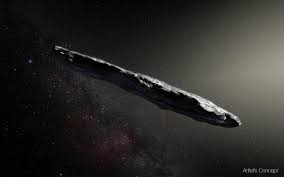
It appears to be rocky, cigar shaped object with reddish hue. It is estimated to be about 1,300 to 2,600 feet. Originally it was classified as comet C/2017 U1, but later reclassified as asteroid A/2017 U1 due to the absence of a coma. Oumuamua varies in brightness by a factor of 10 as it spins on its axis every 7.3 hours and also has a light curve amplitude of 2.5 magnitudes. It has a radius of about 200 m. It is estimated to be 10 times as long as it was width. However ʻOumuamua’s planetary system of origin and the age of its excursion are unknown.

As soon as it grabbed attention two things in particular fixated scientists. The first was its acceleration away from sun which was hard to resonate with many ideas. The second one was its peculiar shape.

HOW IT GOT ITS NAME?

 It was initially named 1I/2017 by the International Astronomical Union (IAU), which was responsible for granting official names. But later  Pan-STARRS team dubbed it to Oumuamua, which in Hawaiian means “a messenger from afar arriving first”. It is pronounced as oh MOO-uh MOO-uh.

TRAJECTORY:

Astronomers were able to record its data only for a short period of time even though its been in our solar system for over decade. Oumuamua wasn’t spotted for a long time because it was too far from the Sun to reflect enough light for astronomers to pick it up. Once it got close enough to the Sun, it was moving fast, remaining for very little time in the relatively small region where it was visible to modern-day telescopes. Oumuamua was again on its way out. “Our very last observations from Hubble were January 2nd of 2018 at fainter than magnitude 27”, says Meech “By May 3rd, it was again outside of Jupiter’s orbit. And once it gets beyond about 1.2 AU or so, it’s 25th magnitude, so beyond Jupiter’s orbit, forget it. It’s gone”, he added. According to Meech, Oumuamua is expected to reach the Kuiper belt in about 2024, and pass the edge of the Kuiper belt in late 2025. It will pass the most distant location the Voyagers have reached, she says, in about 2038. By 2196, it will again be 1,000 AU from the Sun, although our Oort Cloud is projected to extend beyond 100,000 AU, so when Oumuamua truly passes the “edge” of the solar system depends on where you define that edge. Regardless, since January, ‘Oumuamua has been beyond astronomer’s reach.

HAVE ALIEN FOUND US?

Some astronomers even suggested that ʻOumuamua could be a product of alien technology. However evidences are not too strong. Therefore the alien object hypothesis is considered unlikely by many experts.

Apart from this, Borisov is another interstellar object that was found August 30.