Future of Electric Automobiles

We are now in the biggest automobile revolution since the 1913 motor revolution led by Henry Ford. Electric cars are going to take over much sooner than we think. Many industry observers believe we have already passed the tipping point where sales of electric vehicles (EVs) will very rapidly overwhelm petrol and diesel cars. Companies like Jaguar, Volvo and Lotus have already said that they plan to go fully electric by 2030. General Motors says it will make only electric vehicles by 2035, Ford says all vehicles sold in Europe will be electric by 2030 and VolksWagen says 70% of its sales will be electric by 2030. But what makes the end of the petrol and diesel engines inevitable is a technological revolution. And technological revolutions tend to happen very quickly.

Global sales of electric cars raced forward in 2020, rising by 43% to a total of 3.2m, despite overall car sales slumping by 20% during the coronavirus pandemic. By 2025 20% of all new cars sold globally will be electric, according to the latest forecast by the investment bank UBS. That will leap to 40% by 2030, and by 2040 virtually every new car sold globally will be electric.

Companies like Tesla have already proved that there is a huge market for electric vehicles. In 2020, they sold almost 500,000 units in the US alone. The Company’s segments include automotive, and energy generation and storage. The energy generation and storage segment include the design, manufacture, installation, sales and leasing of solar energy systems and energy storage products, services related to its products, and sales of solar energy system incentives. The CEO of Tesla, Elon Musk beleives that as soon as electric vehicles become cost-competitive with fossil fuel vehicles, the game will be up. He also said that they’ve seen a real shift in customer perception of electric vehicles, and their demand is the best they’ve ever seen. But, they beleive that there is still work to be done before EVs can completely outclass petrol and diesel engines. Some of the problems are the availability and accessibility to charging stations and of course, the actual affordability of the vehicles themselves. If these problems are worked on and solved in the next few years, we can surely say that electric automobiles will take over in no time as they are much better for the environment and we need them now more than ever.

Future of Electric Automobiles

We are now in the biggest automobile revolution since the 1913 motor revolution led by Henry Ford. Electric cars are going to take over much sooner than we think. Many industry observers believe we have already passed the tipping point where sales of electric vehicles (EVs) will very rapidly overwhelm petrol and diesel cars. Companies like Jaguar, Volvo and Lotus have already said that they plan to go fully electric by 2030. General Motors says it will make only electric vehicles by 2035, Ford says all vehicles sold in Europe will be electric by 2030 and VolksWagen says 70% of its sales will be electric by 2030. But what makes the end of the petrol and diesel engines inevitable is a technological revolution. And technological revolutions tend to happen very quickly.

Global sales of electric cars raced forward in 2020, rising by 43% to a total of 3.2m, despite overall car sales slumping by 20% during the coronavirus pandemic. By 2025 20% of all new cars sold globally will be electric, according to the latest forecast by the investment bank UBS. That will leap to 40% by 2030, and by 2040 virtually every new car sold globally will be electric.

Companies like Tesla have already proved that there is a huge market for electric vehicles. In 2020, they sold almost 500,000 units in the US alone. The Company’s segments include automotive, and energy generation and storage. The energy generation and storage segment include the design, manufacture, installation, sales and leasing of solar energy systems and energy storage products, services related to its products, and sales of solar energy system incentives. The CEO of Tesla, Elon Musk beleives that as soon as electric vehicles become cost-competitive with fossil fuel vehicles, the game will be up. He also said that they’ve seen a real shift in customer perception of electric vehicles, and their demand is the best they’ve ever seen. But, they beleive that there is still work to be done before EVs can completely outclass petrol and diesel engines. Some of the problems are the availability and accessibility to charging stations and of course, the actual affordability of the vehicles themselves. If these problems are worked on and solved in the next few years, we can surely say that electric automobiles will take over in no time as they are much better for the environment and we need them now more than ever.

Kargil vijay diwas

celebrating the high fondness of the Kargil Heros. Kargil Vijay Diwas is celebrated every year.
Tribute is given to the soldiers who were martyred during the war against Pakistan at the Amar
Jawan at the India Gate by the Prime Minister of India and the Indian Armed forces. Functions
are organized in colleges and Government Institutes; Flag hoisting is done. Tricolour is seen
everywhere; kids wear pinned badges in their pockets to show some love towards the country.
In Schools competitions like speech, essay, debate, oratory, and activities are held to imitate
patriotic feelings. One of the main events the people wait to see is the parade and the stunts
performed by the Army officials. Historical heritage around the country is lighted up with
the colours of the Indian Flag. Patriotism vibes are felt everywhere. India is a land of braves.
they fight to claim what is theirs. Which India proved by winning the Kargil war against our
neighbours Pakistan. Due to which Kargil diwas is celebrated every year. And this time it’s the
22nd anniversary of the Kargil Vijay Diwas. let’s remember those who never came back for us.
for those who sacrificed their lives that the ice heights of batalik, Dras and Kargil. Kargil Vijay
was named after the success of India in operation Vijay is celebrated on 26 July every year. On
this day in 1999, India successfully took command of the out high post which had been lost
by Pakistan. the Kargil war was fought for almost 60 days which resulted in the loss of life on
both sides. in the end, I will only say one thing that remembers your heroes and if you can’t do
anything for this beautiful country then just trying of becoming a citizen worth dying for.
Last modified: 11:19

Kargil vijay diwas

celebrating the high fondness of the Kargil Heros. Kargil Vijay Diwas is celebrated every year.
Tribute is given to the soldiers who were martyred during the war against Pakistan at the Amar
Jawan at the India Gate by the Prime Minister of India and the Indian Armed forces. Functions
are organized in colleges and Government Institutes; Flag hoisting is done. Tricolour is seen
everywhere; kids wear pinned badges in their pockets to show some love towards the country.
In Schools competitions like speech, essay, debate, oratory, and activities are held to imitate
patriotic feelings. One of the main events the people wait to see is the parade and the stunts
performed by the Army officials. Historical heritage around the country is lighted up with
the colours of the Indian Flag. Patriotism vibes are felt everywhere. India is a land of braves.
they fight to claim what is theirs. Which India proved by winning the Kargil war against our
neighbours Pakistan. Due to which Kargil diwas is celebrated every year. And this time it’s the
22nd anniversary of the Kargil Vijay Diwas. let’s remember those who never came back for us.
for those who sacrificed their lives that the ice heights of batalik, Dras and Kargil. Kargil Vijay
was named after the success of India in operation Vijay is celebrated on 26 July every year. On
this day in 1999, India successfully took command of the out high post which had been lost
by Pakistan. the Kargil war was fought for almost 60 days which resulted in the loss of life on
both sides. in the end, I will only say one thing that remembers your heroes and if you can’t do
anything for this beautiful country then just trying of becoming a citizen worth dying for.
Last modified: 11:19

The Threat Of Mucormycosis Amid Covid-19

Mucormycosis Explained

It is a rare but dangerous fungal infection that has a mortality rate of 50%, caused by the fungus micromycetes commonly found as mould in the soil, decay and manure. It is also found in the mucus and nose of healthy people.

Affects people with diabetes, HIV/AIDS, cancer and much more. It affects the people who have a lower immune system or take medicines that affect the body’s ability to fight germs and sicknesses.

The initial effect is seen in the nose from where it spreads to the brain and can be treated by major surgery either by removing the eye or part of the skull or the jaw.

Symptoms to keep in check for the fungus

  • Swelling and pain in the eye;
  • Drooping eyelids;
  • Sinusitis – stuffy and bleeding nose;
  • Blackish discolouration over the bridge of the nose;
  • Chest pain, bloody vomits, coughing, headache;

Treatment

A drug that is effective against the disease is an anti-fungal intravenous injection which costs around Rs.3500 per dose and has to administer every day for up to 8 weeks.

In some cases, the only way to prevent the disease from spreading is by surgery. Where eventually it leads to loss of the upper jaw or at times even an eye.

Prevention is better than Cure

  • Use of masks when visiting construction sites.
  • Wear shoes, long trousers, long-sleeved shirts and gloves while gardening.
  • Maintain personal hygiene.
  • Control diabetes, monitor sugar levels after Covid-19 treatments.
  • Reduce the use of steroids.
  • Hydrate adequately.
  • Discontinue immunomodulating drugs.

Black Fungus linked to Covid-19 in India

More than 7,200 people have been reported with the fungus and around 291 have lost their lives. The risk of mucormycosis in Covid-19 patients is due to the overuse of steroids in the treatment of coronavirus which can compromise the immune system if taken for long periods.

Another way of contracting the fungus by covid-19 patients was when people in ventilators had their airways exposed to humidity and moisture.

Five states, Tamil Nadu, Gujarat, Odisha, Rajasthan and Telangana have declared the fungus as an epidemic.

Post Mucormycosis Surgery

Patients who have been operated on the jaw would have to come to terms with the loss of function – difficulty chewing, swallowing, self-esteem. But not to lose hope, whether it is the jaw or the eye, prosthetic replacement is possible by using artificial substitutes. This can be done once the patient stabilizes after surgery.

Dr B Srinivasan, a maxillofacial prosthodontist quoted that: “Prosthetic reconstruction can be effected after surgery, but interim solutions should be planned even before surgery of the jaws for better long-term outcomes. Prosthetic reconstruction can ensure that the cure is not more dreadful than the disease itself.

The Threat Of Mucormycosis Amid Covid-19

Mucormycosis Explained

It is a rare but dangerous fungal infection that has a mortality rate of 50%, caused by the fungus micromycetes commonly found as mould in the soil, decay and manure. It is also found in the mucus and nose of healthy people.

Affects people with diabetes, HIV/AIDS, cancer and much more. It affects the people who have a lower immune system or take medicines that affect the body’s ability to fight germs and sicknesses.

The initial effect is seen in the nose from where it spreads to the brain and can be treated by major surgery either by removing the eye or part of the skull or the jaw.

Symptoms to keep in check for the fungus

  • Swelling and pain in the eye;
  • Drooping eyelids;
  • Sinusitis – stuffy and bleeding nose;
  • Blackish discolouration over the bridge of the nose;
  • Chest pain, bloody vomits, coughing, headache;

Treatment

A drug that is effective against the disease is an anti-fungal intravenous injection which costs around Rs.3500 per dose and has to administer every day for up to 8 weeks.

In some cases, the only way to prevent the disease from spreading is by surgery. Where eventually it leads to loss of the upper jaw or at times even an eye.

Prevention is better than Cure

  • Use of masks when visiting construction sites.
  • Wear shoes, long trousers, long-sleeved shirts and gloves while gardening.
  • Maintain personal hygiene.
  • Control diabetes, monitor sugar levels after Covid-19 treatments.
  • Reduce the use of steroids.
  • Hydrate adequately.
  • Discontinue immunomodulating drugs.

Black Fungus linked to Covid-19 in India

More than 7,200 people have been reported with the fungus and around 291 have lost their lives. The risk of mucormycosis in Covid-19 patients is due to the overuse of steroids in the treatment of coronavirus which can compromise the immune system if taken for long periods.

Another way of contracting the fungus by covid-19 patients was when people in ventilators had their airways exposed to humidity and moisture.

Five states, Tamil Nadu, Gujarat, Odisha, Rajasthan and Telangana have declared the fungus as an epidemic.

Post Mucormycosis Surgery

Patients who have been operated on the jaw would have to come to terms with the loss of function – difficulty chewing, swallowing, self-esteem. But not to lose hope, whether it is the jaw or the eye, prosthetic replacement is possible by using artificial substitutes. This can be done once the patient stabilizes after surgery.

Dr B Srinivasan, a maxillofacial prosthodontist quoted that: “Prosthetic reconstruction can be effected after surgery, but interim solutions should be planned even before surgery of the jaws for better long-term outcomes. Prosthetic reconstruction can ensure that the cure is not more dreadful than the disease itself.

E-COMMERCE IN PANDEMIC WORLD

Covid-19 worldwide pandemic was one of the 2020’s defining events and it still is. It has changed everything even the e-commerce world. The internet and e-commerce industries have grown amid the COVID-19 issue and experienced extraordinary and unexpected development. 

Many restaurants, pubs, movie theatres, and gyms are closing in major cities. Meanwhile, many office workers are encountering new problems as they transition to full-time remote employment. However, People are adjusting to the reality of our interconnected society and the difficulty of briefly separating oneself from others. It would be an understatement to suggest that we are living in extraordinary times. In these times, lockdowns became the latest trend therefore, companies and customers progressively “went digital,” and started delivering and purchasing more products and services over the internet which in turn boosted e-share commerce’s of global retail trade from 14% in 2019 to almost 17% in 2020 as per the statistics. The epidemic has sped up the transition from physical to digital purchasing by around five years.

Customers are avoiding public locations, and non-essential enterprises are being forced to close in these trying times due to covid-19 situation where cities are going under lockdowns. Shopping for only the bare necessities is becoming the new normal. So, To satisfy shifting requirements, brands are adapting and becoming adaptable by consumers. 

Millions of individuals turned to e-commerce platforms this year, not only in metropolitan area  but also in tier III and beyond, due to the need for social distance and prioritizing safety during the epidemic, according to companies like Amazon and Flipkart as well as industry analysts. It is expected that the coronavirus pandemic influence will increase e-commerce business by 84% to $111 billion by 2024. Mobile shopping will fuel India’s e-commerce sector, which is expected to increase at a rate of 21% annually over the next four years. The most common payment methods online in 2020 were digital wallets, credit cards, and debit cards. As well all know that Physical retail has merged with the digital world and e commerce capacity is no longer restricted to traditional websites. Consumers are becoming habitual with this e-commerce world and  want the same hassle-free and convenient shopping experience whether they purchase via an app, through their social feeds, or in person in near future. 

However, despite several governments’ attempts during the COVID-19 crisis to promote e-commerce, persisting digital inequalities mean that not everyone has been able to participate. Furthermore, in the event of growing universal sales models or novel modes of delivery, rules that are not suited to e-commerce might create hurdles for businesses. While many of these issues existed before to COVID-19, the present crisis, as well as the growing role of e-commerce for consumers and businesses, has increased the need for governmental intervention.

Systemic issues in connection, financial inclusion, skills, and trust (for instance- digital security, privacy, and consumer protection) have been brought to the forefront for consumers. To solve this issue, governments may provide rural and underdeveloped areas with inexpensive and high-quality internet, improve financial inclusion, and encourage trust and the development of skills needed to participate in e-commerce.

Governments must also maintain fair system in the context of online platforms. It’s also critical to provide enough competition in the retail sector and a well-functioning enabling environment for e-commerce, which includes communication services, logistics, and trade.

E-COMMERCE IN PANDEMIC WORLD

Covid-19 worldwide pandemic was one of the 2020’s defining events and it still is. It has changed everything even the e-commerce world. The internet and e-commerce industries have grown amid the COVID-19 issue and experienced extraordinary and unexpected development. 

Many restaurants, pubs, movie theatres, and gyms are closing in major cities. Meanwhile, many office workers are encountering new problems as they transition to full-time remote employment. However, People are adjusting to the reality of our interconnected society and the difficulty of briefly separating oneself from others. It would be an understatement to suggest that we are living in extraordinary times. In these times, lockdowns became the latest trend therefore, companies and customers progressively “went digital,” and started delivering and purchasing more products and services over the internet which in turn boosted e-share commerce’s of global retail trade from 14% in 2019 to almost 17% in 2020 as per the statistics. The epidemic has sped up the transition from physical to digital purchasing by around five years.

Customers are avoiding public locations, and non-essential enterprises are being forced to close in these trying times due to covid-19 situation where cities are going under lockdowns. Shopping for only the bare necessities is becoming the new normal. So, To satisfy shifting requirements, brands are adapting and becoming adaptable by consumers. 

Millions of individuals turned to e-commerce platforms this year, not only in metropolitan area  but also in tier III and beyond, due to the need for social distance and prioritizing safety during the epidemic, according to companies like Amazon and Flipkart as well as industry analysts. It is expected that the coronavirus pandemic influence will increase e-commerce business by 84% to $111 billion by 2024. Mobile shopping will fuel India’s e-commerce sector, which is expected to increase at a rate of 21% annually over the next four years. The most common payment methods online in 2020 were digital wallets, credit cards, and debit cards. As well all know that Physical retail has merged with the digital world and e commerce capacity is no longer restricted to traditional websites. Consumers are becoming habitual with this e-commerce world and  want the same hassle-free and convenient shopping experience whether they purchase via an app, through their social feeds, or in person in near future. 

However, despite several governments’ attempts during the COVID-19 crisis to promote e-commerce, persisting digital inequalities mean that not everyone has been able to participate. Furthermore, in the event of growing universal sales models or novel modes of delivery, rules that are not suited to e-commerce might create hurdles for businesses. While many of these issues existed before to COVID-19, the present crisis, as well as the growing role of e-commerce for consumers and businesses, has increased the need for governmental intervention.

Systemic issues in connection, financial inclusion, skills, and trust (for instance- digital security, privacy, and consumer protection) have been brought to the forefront for consumers. To solve this issue, governments may provide rural and underdeveloped areas with inexpensive and high-quality internet, improve financial inclusion, and encourage trust and the development of skills needed to participate in e-commerce.

Governments must also maintain fair system in the context of online platforms. It’s also critical to provide enough competition in the retail sector and a well-functioning enabling environment for e-commerce, which includes communication services, logistics, and trade.

Amazon Rainforest

The Amazon is a vast region that spans eight rapidly developing countries: Brazil, Bolivia, Peru, Ecuador, Colombia, Venezuela, Guyana, Suriname, and French Guiana, an overseas territory of France.
The landscape contains:

  • One in ten known species on Earth
  • 1.4 billion acres of dense forests, half of the planet’s remaining tropical forests
  • 4,100 miles of winding rivers
  • 2.6 million square miles in the Amazon basin, about 40% of South America

There is a clear link between the health of the Amazon and the health of the planet. The rain forests, which contain 90-140 billion tons of carbon, help stabilize the local and global climate. Deforestation may release significant amounts of this carbon, which could have catastrophic consequences around the world.

The Amazon contains millions of species, most of them still undescribed, and some of the world’s most unusual wildlife. It is one of Earth’s last refuges for jaguars, harpy eagles, and pink river dolphins, and home to thousands of birds and butterflies. Tree-dwelling species include southern two-toed sloths, pygmy marmosets, saddleback and emperor tamarins, and Goeldi’s monkeys.

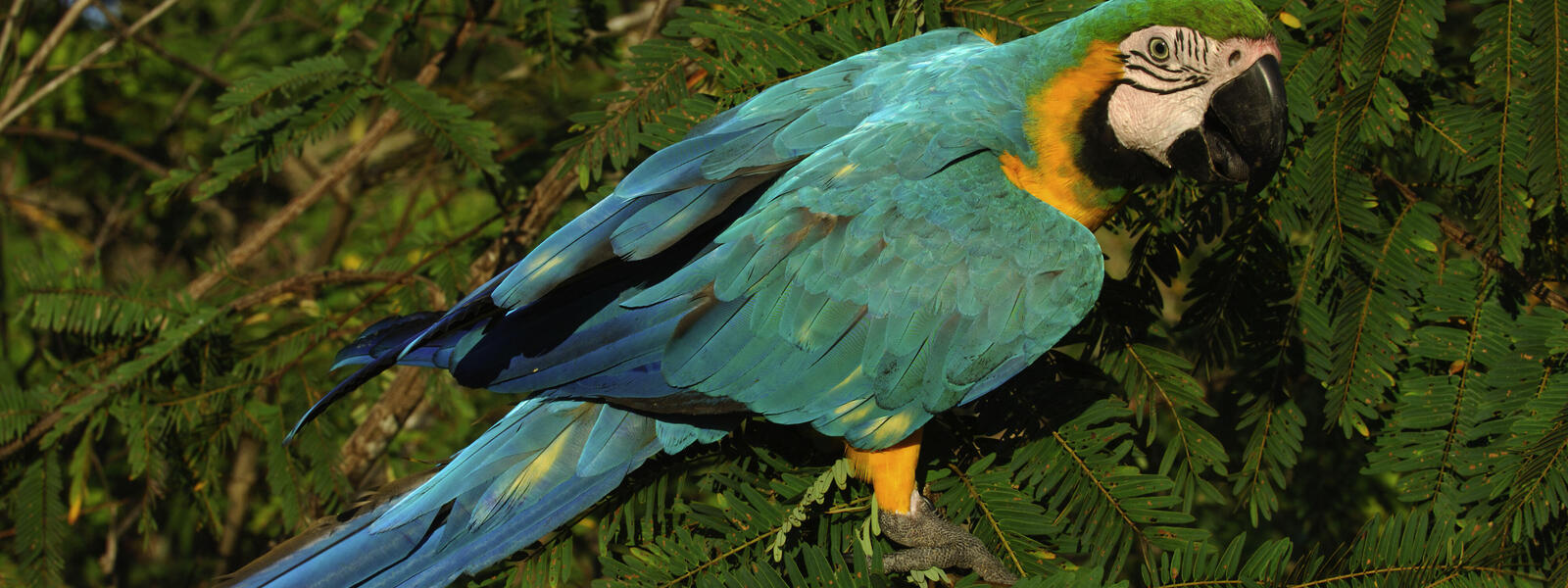
Macaw

The diversity of the region is staggering:

  • 40,000 plant species
  • 2,400 freshwater fish species
  • more than 370 types of reptiles
THREATS

Transportation and energy infrastructure are essential for national and regional development, but when they are poorly planned, negative impacts can exceed short-term benefits. For example, building new roads exposes previously inaccessible areas of forest to illegal and unsustainable logging. 

WWF works to promote best practices and decrease environmental damage from:

  • gold mining
  • oil exploration
  • illegal logging
  • overharvesting of fish and other aquatic species

There is high demand for the natural resources found in the Amazon, but weak law enforcement to safeguard them. In addition, inefficient extraction processes lead to the destruction of nature and wildlife. For example, some mining activities contribute to soil erosion and water contamination.

In recent times, warmer temperatures and less rainfall have produced droughts of historic proportions. The Amazon suffered its worst droughts of the last 100 years in 2005 and 2010. Long dry spells wither crops, decimate fisheries and lead to forest fires. This can result in significant shifts in the makeup of ecosystems and a loss of species. 

Amazon Rainforest

The Amazon is a vast region that spans eight rapidly developing countries: Brazil, Bolivia, Peru, Ecuador, Colombia, Venezuela, Guyana, Suriname, and French Guiana, an overseas territory of France.
The landscape contains:

  • One in ten known species on Earth
  • 1.4 billion acres of dense forests, half of the planet’s remaining tropical forests
  • 4,100 miles of winding rivers
  • 2.6 million square miles in the Amazon basin, about 40% of South America

There is a clear link between the health of the Amazon and the health of the planet. The rain forests, which contain 90-140 billion tons of carbon, help stabilize the local and global climate. Deforestation may release significant amounts of this carbon, which could have catastrophic consequences around the world.

The Amazon contains millions of species, most of them still undescribed, and some of the world’s most unusual wildlife. It is one of Earth’s last refuges for jaguars, harpy eagles, and pink river dolphins, and home to thousands of birds and butterflies. Tree-dwelling species include southern two-toed sloths, pygmy marmosets, saddleback and emperor tamarins, and Goeldi’s monkeys.

Macaw

The diversity of the region is staggering:

  • 40,000 plant species
  • 2,400 freshwater fish species
  • more than 370 types of reptiles
THREATS

Transportation and energy infrastructure are essential for national and regional development, but when they are poorly planned, negative impacts can exceed short-term benefits. For example, building new roads exposes previously inaccessible areas of forest to illegal and unsustainable logging. 

WWF works to promote best practices and decrease environmental damage from:

  • gold mining
  • oil exploration
  • illegal logging
  • overharvesting of fish and other aquatic species

There is high demand for the natural resources found in the Amazon, but weak law enforcement to safeguard them. In addition, inefficient extraction processes lead to the destruction of nature and wildlife. For example, some mining activities contribute to soil erosion and water contamination.

In recent times, warmer temperatures and less rainfall have produced droughts of historic proportions. The Amazon suffered its worst droughts of the last 100 years in 2005 and 2010. Long dry spells wither crops, decimate fisheries and lead to forest fires. This can result in significant shifts in the makeup of ecosystems and a loss of species. 

IMPACT OF COVID 19 ON INDIAN ECONOMY

The second flood of the Covid-19 pandemic has negatively affected India’s wellbeing, however the monetary cost has likewise been substantial, however nothing similar to the savagery found in the primary quarter of the last financial year, when GDP development slammed 23.9 percent in light of the Center’s no-notice lockdown. India’s GDP shrank 7.3 percent in 2020-21 (in genuine terms adapted to swelling). This is the most noticeably terrible exhibition of the Indian economy at whatever year since Independence.

Practically every one of the areas have been unfavorably influenced as homegrown interest and fares strongly dove for certain outstanding special cases where high development was noticed. A significant worry of the subsequent wave is that the infection has spread into India’s hinterland and could unleash destruction in towns, towns and little urban communities. Lockdowns may assist with breaking the chain of transmission, anyway they will simply delay another flood except if the hole time frame is used to inoculate the people.As of now, the country’s GDP development is probably going to be beneath the normal 10%.

To entangle the circumstance further, the discount cost based swelling shot up to an untouched high of 10.49 percent in April, on rising costs of food things, unrefined petroleum and produced merchandise, and specialists accept that the upswing is probably going to proceed. This is the fourth consecutive month of uptick found in the discount value record (WPI)- based expansion. In March, 2021, it was 7.39 percent.

Focus’ lead government assistance plans have kept speed regardless of stoppage. Plans like MGNREGA, Ujjwala, NSAP and PM Awas Yojana have seen a major leap in both physical and monetary accomplishments in FY21 as extra help was given by the Center to individuals influenced by Covid-19. Product trades flooded a record 196 percent year-on-year in April as the nation had seen a Covid-actuated lockdown all through April last year. Notwithstanding, what comes as a wonderful amazement is that even in total terms, trades in April remained at $30.6 billion, up just about 18% from that very month in 2019 (preceding the pandemic struck).

During circumstances such as the present, the enduring of the average person can’t be written in words. As referenced before the discount cost based expansion has leaped to twofold digits. There has been an abrupt flood in costs of consumable oil and heartbeats. In the previous few weeks, tur costs in retail showcases have been over Rs 7,000 for every quintal, which is nearly Rs 1,000 a greater number of than its 2020-21 MSP. Urad costs are managing much higher, at around Rs 8,000 for each quintal. The market cost of moong is likewise close to its MSP of Rs 7,196 for each quintal. To keep retail costs from rising further, the focal government on Saturday permitted free import of tur, urad and moong. The move, following a hole of three years, comes a long time before the start of planting for the kharif season.

Fuel costs in India kept on creeping towards the Rs 100-mark. The spike in diesel costs have added to a development in cargo rates across methods of transport. High vehicle cost prompts expansion in higher swelling, affecting industry. High fuel costs will have an effect on individuals as well as on the car area – a huge wellspring of work in the nation – as vehicle deals may see a sharp drop. A withdrawal popular will affect lakhs of MSMEs that supply merchandise to the area. The public transportation area is now reflecting on a climb in rates taking into account increasing functional expenses.

Firming worldwide raw petroleum rates and incredibly high expenses collected on fuel are the critical explanations for the most recent round of petroleum and diesel value climb in the country. The main motivation behind higher fuel costs in the nation is the high pace of focal and state charges. In any event, when global raw petroleum costs plunged in 2020 because of lower interest, Indians continued paying higher rates for petroleum and diesel because of the different assessments collected. Right now, Indians pay one of the greatest assessments on fuel on the planet.

This pandemic has shown numerous cash the executives exercises. It harms the most when your friends and family fall wiped out and the monetary strain to guarantee that they get the best clinical consideration makes the hurt a one-two punch. This blow, when an enormous part of the functioning populace has seen pay cuts and position misfortunes as well, adds to the pressing factor. As though these were sufficiently not, telecommute and center around cleanliness and wellbeing have at the same time expanded routine month to month costs for some families.

Most Indian corporates anticipate that the ongoing pandemic should impact the bearing of their business technique over the course of the following three years.What is striking about the patterns in high-recurrence joblessness rates is their unpredictability all through the Covid-19 period save those during supreme lockdown. The unpredictability has a few ramifications for the work market and income. This confounds individuals with regards to if to enter the work market. This could rather prompt ‘demoralization impact’ as in individuals may be exiting the workforce undeniably more expediently than they did previously. Additionally, they upset the income of laborers which would have prompted two impacts, dis-investment funds (depletion of the money holds and might be pawning of little resources) and falling back on crisp acquiring which could be more vulnerable and accordingly they may wind up paying usurious loan fees. As casual areas were affected as far as occupation misfortunes, the lower layers of society and day by day wage laborers confronted the best effect because of social separating just as diminished family pay.

We are on the whole mindful of the whirlwind of movement toward the beginning of the current monetary year: loan fees on little investment funds plans, of which the mailing station plans are a section, were decreased definitely through an administration warning, on March 31. The extremely following day, the request was removed and the recent rates were maintained.As per an authentic choice of the public authority, the pace of revenue on little investment funds plans are lined up with the public authority security (G-Sec) paces of comparative development with a spread of 25 premise focuses (bps), with specific exemptions.

However, there is a tremendous hole in existing financing costs in contrast with the overall existing recipe. Right now the Post Office Savings Deposit rate is at four percent, though loan costs on numerous little saving instruments are higher, as in National Savings Certificate (NSC), Kisan Vikas Patra (KVP), Term Deposits, and so on The following audit is expected on June 30. In the event that the rates are updated downwards, it is prudent to secure at the as of now accessible rates, where appropriate, by June 30.

”The possibilities for the Indian economy, however affected constantly wave, stay strong, supported by the possibilities of another guard rabi crop, the building up speed of action in a few areas of the economy till March, particularly lodging, street development, and administrations movement in development, cargo transportation, and data innovation (IT),’ RBI said in its yearly report.

We will keep on seeing a flood in the gig economy across all areas. Moreover, associations will be enticed to move away from heritage models of recruiting by picking execution over family. Our developing dependence on collective instruments and innovations, like computerized reasoning, AI, and distributed computing, will yield new ranges of abilities and jobs in the coming years.


IMPACT OF COVID 19 ON INDIAN ECONOMY

The second flood of the Covid-19 pandemic has negatively affected India’s wellbeing, however the monetary cost has likewise been substantial, however nothing similar to the savagery found in the primary quarter of the last financial year, when GDP development slammed 23.9 percent in light of the Center’s no-notice lockdown. India’s GDP shrank 7.3 percent in 2020-21 (in genuine terms adapted to swelling). This is the most noticeably terrible exhibition of the Indian economy at whatever year since Independence.

Practically every one of the areas have been unfavorably influenced as homegrown interest and fares strongly dove for certain outstanding special cases where high development was noticed. A significant worry of the subsequent wave is that the infection has spread into India’s hinterland and could unleash destruction in towns, towns and little urban communities. Lockdowns may assist with breaking the chain of transmission, anyway they will simply delay another flood except if the hole time frame is used to inoculate the people.As of now, the country’s GDP development is probably going to be beneath the normal 10%.

To entangle the circumstance further, the discount cost based swelling shot up to an untouched high of 10.49 percent in April, on rising costs of food things, unrefined petroleum and produced merchandise, and specialists accept that the upswing is probably going to proceed. This is the fourth consecutive month of uptick found in the discount value record (WPI)- based expansion. In March, 2021, it was 7.39 percent.

Focus’ lead government assistance plans have kept speed regardless of stoppage. Plans like MGNREGA, Ujjwala, NSAP and PM Awas Yojana have seen a major leap in both physical and monetary accomplishments in FY21 as extra help was given by the Center to individuals influenced by Covid-19. Product trades flooded a record 196 percent year-on-year in April as the nation had seen a Covid-actuated lockdown all through April last year. Notwithstanding, what comes as a wonderful amazement is that even in total terms, trades in April remained at $30.6 billion, up just about 18% from that very month in 2019 (preceding the pandemic struck).

During circumstances such as the present, the enduring of the average person can’t be written in words. As referenced before the discount cost based expansion has leaped to twofold digits. There has been an abrupt flood in costs of consumable oil and heartbeats. In the previous few weeks, tur costs in retail showcases have been over Rs 7,000 for every quintal, which is nearly Rs 1,000 a greater number of than its 2020-21 MSP. Urad costs are managing much higher, at around Rs 8,000 for each quintal. The market cost of moong is likewise close to its MSP of Rs 7,196 for each quintal. To keep retail costs from rising further, the focal government on Saturday permitted free import of tur, urad and moong. The move, following a hole of three years, comes a long time before the start of planting for the kharif season.

Fuel costs in India kept on creeping towards the Rs 100-mark. The spike in diesel costs have added to a development in cargo rates across methods of transport. High vehicle cost prompts expansion in higher swelling, affecting industry. High fuel costs will have an effect on individuals as well as on the car area – a huge wellspring of work in the nation – as vehicle deals may see a sharp drop. A withdrawal popular will affect lakhs of MSMEs that supply merchandise to the area. The public transportation area is now reflecting on a climb in rates taking into account increasing functional expenses.

Firming worldwide raw petroleum rates and incredibly high expenses collected on fuel are the critical explanations for the most recent round of petroleum and diesel value climb in the country. The main motivation behind higher fuel costs in the nation is the high pace of focal and state charges. In any event, when global raw petroleum costs plunged in 2020 because of lower interest, Indians continued paying higher rates for petroleum and diesel because of the different assessments collected. Right now, Indians pay one of the greatest assessments on fuel on the planet.

This pandemic has shown numerous cash the executives exercises. It harms the most when your friends and family fall wiped out and the monetary strain to guarantee that they get the best clinical consideration makes the hurt a one-two punch. This blow, when an enormous part of the functioning populace has seen pay cuts and position misfortunes as well, adds to the pressing factor. As though these were sufficiently not, telecommute and center around cleanliness and wellbeing have at the same time expanded routine month to month costs for some families.

Most Indian corporates anticipate that the ongoing pandemic should impact the bearing of their business technique over the course of the following three years.What is striking about the patterns in high-recurrence joblessness rates is their unpredictability all through the Covid-19 period save those during supreme lockdown. The unpredictability has a few ramifications for the work market and income. This confounds individuals with regards to if to enter the work market. This could rather prompt ‘demoralization impact’ as in individuals may be exiting the workforce undeniably more expediently than they did previously. Additionally, they upset the income of laborers which would have prompted two impacts, dis-investment funds (depletion of the money holds and might be pawning of little resources) and falling back on crisp acquiring which could be more vulnerable and accordingly they may wind up paying usurious loan fees. As casual areas were affected as far as occupation misfortunes, the lower layers of society and day by day wage laborers confronted the best effect because of social separating just as diminished family pay.

We are on the whole mindful of the whirlwind of movement toward the beginning of the current monetary year: loan fees on little investment funds plans, of which the mailing station plans are a section, were decreased definitely through an administration warning, on March 31. The extremely following day, the request was removed and the recent rates were maintained.As per an authentic choice of the public authority, the pace of revenue on little investment funds plans are lined up with the public authority security (G-Sec) paces of comparative development with a spread of 25 premise focuses (bps), with specific exemptions.

However, there is a tremendous hole in existing financing costs in contrast with the overall existing recipe. Right now the Post Office Savings Deposit rate is at four percent, though loan costs on numerous little saving instruments are higher, as in National Savings Certificate (NSC), Kisan Vikas Patra (KVP), Term Deposits, and so on The following audit is expected on June 30. In the event that the rates are updated downwards, it is prudent to secure at the as of now accessible rates, where appropriate, by June 30.

”The possibilities for the Indian economy, however affected constantly wave, stay strong, supported by the possibilities of another guard rabi crop, the building up speed of action in a few areas of the economy till March, particularly lodging, street development, and administrations movement in development, cargo transportation, and data innovation (IT),’ RBI said in its yearly report.

We will keep on seeing a flood in the gig economy across all areas. Moreover, associations will be enticed to move away from heritage models of recruiting by picking execution over family. Our developing dependence on collective instruments and innovations, like computerized reasoning, AI, and distributed computing, will yield new ranges of abilities and jobs in the coming years.

Tesla’s Bumpy Road to Success

These days almost everyone knows about Elon Musk and his innovative companies which aims to create a sustainable future for the planet, one of which is Tesla, the electric car company. But very few people know that, unlike Musk’s other companies, Tesla was not actually founded by him.

Tesla, Inc. was founded in 2003 by the engineers Martin Eberhard and Marc Tarpenning in San Carlos, California. It was originally called Tesla Motors, a name the company changed in 2017. The company was named after the 19th-century inventor Nikola Tesla, best known for discovering the properties of rotating electromagnetic fields. His work led to what is known as “alternating current,” the form of electrical transmission still used today. At the founding of Tesla, Eberhard served as its CEO and Tarpenning served as CFO.

Although Musk is now the face of Tesla, he did not join the company until 2004. He invested $30 million into the company and became the chairman of its Board of Directors.

In 2006, they unveiled the prototype for their Tesla Roadster which entered production in 2008. With the Roadster, Tesla achieved something that no company ever had. They produced an entirely electric car that could meet consumer needs. Previous experiments in this field had failed because companies struggled to produce a battery powerful enough to keep cars on the road and a cost-effective motor that could fit inside a vehicle. The Roadster used a standard lithium-ion battery, common to many electronic devices, and customers could recharge the car in a standard wall outlet in charging stations and from their own homes.

Although electric cars are the future and it is here to stay, there are still various issues with it that needs to be fixed in coming years, to enable the whole world to shift to electric transportation. For instance, charging time is one of the biggest problems with the electric cars. While Tesla has drastically improved its technology, to this day it takes more than an hour to fully recharge a Tesla vehicle. This puts them at a huge disadvantage compared to the fraction of a minute it takes to refill a car with gasoline.

In 2007, Eberhard and Tarpenning surprisingly left Tesla entirely, following which Elon Musk took over as CEO. Soon after, Eberhard and Tarpenning sued Musk, saying that they were forced to leave the company and Musk blamed the two for the struggles the company were going through.

Despite launching the Roadster, in 2009 Tesla faced significant financial problems. The company had less than $10 million in cash on hand, less than it needed to even deliver on the cars it had already sold. The company found a stable solution for its short-term capital concerns when it went public in 2010. Opening on the NASDAQ at $17 a share, Tesla raised $226 million in its IPO.

In 2008 Tesla also announced its first attempt at bringing down the cost of its products, the Model S which would retail for $76,000, three-quarters of the price of the Roadster. While still a luxury car, the Model S was Tesla’s first step toward the mainstream consumer market. The car went into full production in 2012.

The Model S was critically successful. It received awards from several automotive and environmental publications and, setting new benchmarks for what electric vehicles could achieve. The Model S had a range of up to 300 miles and a reduced charging time. By the end of 2012, Tesla discontinued the production of the Roadster to focus on its new line of sedans.

Tesla Cybertruck

Tesla has since expanded its ambitions. In 2015 the company announced a new line of solar energy products designed to power homes and businesses through rechargeable batteries. In 2019, Tesla announced its latest vehicle, the Tesla Cybertruck, which received over 250,000 orders just after its announcement. In 2020, Tesla stocks skyrocketed, with the peak price being $900, making Elon Musk the richest man on the planet for a few days, and Tesla emerged as the world’s most valuable vehicle company.

Following Tesla’s success, major vehicle companies like Mercedes Benz, Audi, BMW, among others, realized the potential of electric cars and has since then made it their first priority to develop their own electric vehicles. Reports say that Apple is also planning to enter the EV market soon. With multiple companies competing in the market, it is certain that the world’s roads will be taken over by sustainable electric vehicles in just a matter of few years.  

Tesla’s Bumpy Road to Success

These days almost everyone knows about Elon Musk and his innovative companies which aims to create a sustainable future for the planet, one of which is Tesla, the electric car company. But very few people know that, unlike Musk’s other companies, Tesla was not actually founded by him.

Tesla, Inc. was founded in 2003 by the engineers Martin Eberhard and Marc Tarpenning in San Carlos, California. It was originally called Tesla Motors, a name the company changed in 2017. The company was named after the 19th-century inventor Nikola Tesla, best known for discovering the properties of rotating electromagnetic fields. His work led to what is known as “alternating current,” the form of electrical transmission still used today. At the founding of Tesla, Eberhard served as its CEO and Tarpenning served as CFO.

Although Musk is now the face of Tesla, he did not join the company until 2004. He invested $30 million into the company and became the chairman of its Board of Directors.

In 2006, they unveiled the prototype for their Tesla Roadster which entered production in 2008. With the Roadster, Tesla achieved something that no company ever had. They produced an entirely electric car that could meet consumer needs. Previous experiments in this field had failed because companies struggled to produce a battery powerful enough to keep cars on the road and a cost-effective motor that could fit inside a vehicle. The Roadster used a standard lithium-ion battery, common to many electronic devices, and customers could recharge the car in a standard wall outlet in charging stations and from their own homes.

Although electric cars are the future and it is here to stay, there are still various issues with it that needs to be fixed in coming years, to enable the whole world to shift to electric transportation. For instance, charging time is one of the biggest problems with the electric cars. While Tesla has drastically improved its technology, to this day it takes more than an hour to fully recharge a Tesla vehicle. This puts them at a huge disadvantage compared to the fraction of a minute it takes to refill a car with gasoline.

In 2007, Eberhard and Tarpenning surprisingly left Tesla entirely, following which Elon Musk took over as CEO. Soon after, Eberhard and Tarpenning sued Musk, saying that they were forced to leave the company and Musk blamed the two for the struggles the company were going through.

Despite launching the Roadster, in 2009 Tesla faced significant financial problems. The company had less than $10 million in cash on hand, less than it needed to even deliver on the cars it had already sold. The company found a stable solution for its short-term capital concerns when it went public in 2010. Opening on the NASDAQ at $17 a share, Tesla raised $226 million in its IPO.

In 2008 Tesla also announced its first attempt at bringing down the cost of its products, the Model S which would retail for $76,000, three-quarters of the price of the Roadster. While still a luxury car, the Model S was Tesla’s first step toward the mainstream consumer market. The car went into full production in 2012.

The Model S was critically successful. It received awards from several automotive and environmental publications and, setting new benchmarks for what electric vehicles could achieve. The Model S had a range of up to 300 miles and a reduced charging time. By the end of 2012, Tesla discontinued the production of the Roadster to focus on its new line of sedans.

Tesla Cybertruck

Tesla has since expanded its ambitions. In 2015 the company announced a new line of solar energy products designed to power homes and businesses through rechargeable batteries. In 2019, Tesla announced its latest vehicle, the Tesla Cybertruck, which received over 250,000 orders just after its announcement. In 2020, Tesla stocks skyrocketed, with the peak price being $900, making Elon Musk the richest man on the planet for a few days, and Tesla emerged as the world’s most valuable vehicle company.

Following Tesla’s success, major vehicle companies like Mercedes Benz, Audi, BMW, among others, realized the potential of electric cars and has since then made it their first priority to develop their own electric vehicles. Reports say that Apple is also planning to enter the EV market soon. With multiple companies competing in the market, it is certain that the world’s roads will be taken over by sustainable electric vehicles in just a matter of few years.  

Work From Home Ends For 2.6 Lakh Infosys Employees

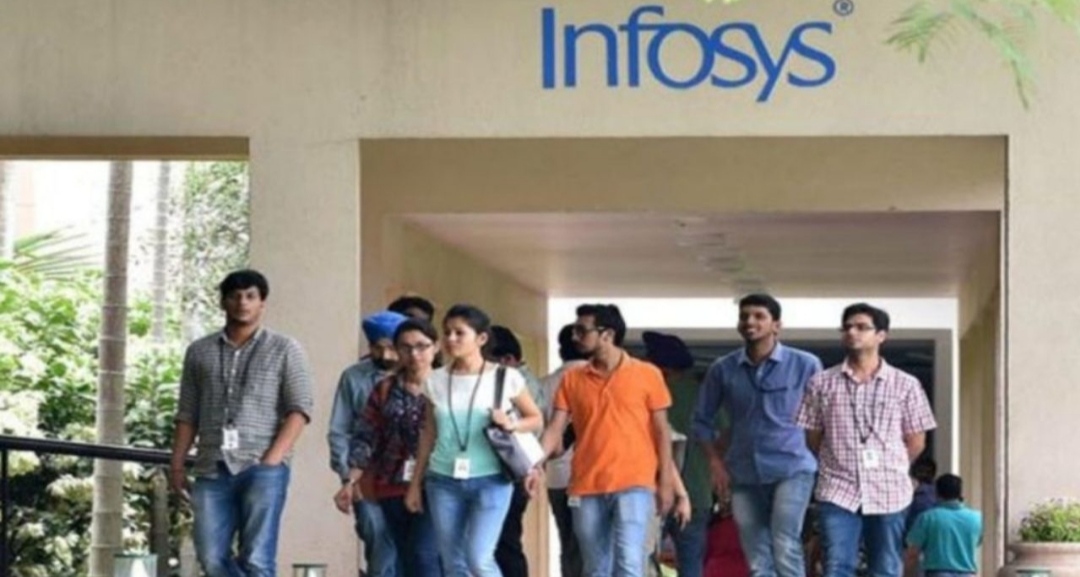
Infosys Ltd told employees last week they could resume work from offices, according to a memo seen by Reuters that offers an early sign of the country’s $190 billion technology services sector moving to get back on track.

Many IT businesses are mass-vaccinating their personnel to ensure that they are protected from Covid, while also preparing them to return to work once the situation gets back to normal, or the pandemic’s impact is reduced.

Most MNC employees have already received their first round of vaccination, and some have also completed their second dosage.

Infosys Ltd Will Resume Work From Offices….!!

Large corporations have allowed their staff to work from home but small businesses and startups are finding it difficult to adapt the work from home due to a lack of resources and technology.

Many corporations planned to reopen offices in full force at the moment, but with the second wave striking and more lockdowns being announced, these plans had to be postponed for a long period.

Infosys said the country’s safety situation seems to be improving, with growing vaccination coverage. Infosys did not respond to Reuters’ request for comment on the memo.

“We have been getting requests from certain accounts to allow their team members to work from Infosys campuses. In addition, some of our employees have also been asking to come back and start working from the office, as a personal preference.”

Infosys had a total employees of 2.67 lakh at the end of the June quarter, as compared to 2.59 lakh in the March quarter.

After reporting results last week, Infosys executives told analysts that roughly 99% of its staff was working from home, and the company would make efforts to get “more and more people to come to office” over the next couple of weeks.