The need to save the ocean

To paraphrase a line from Ron Burgundy, the ocean is a big thing. Big enough for scientists to point out that the term “Earth” is a misnomer. Water may be a more accurate name for a world that is nearly 3/4 covered in water, with marine plants contributing a whopping 50 percent or more of the oxygen we breathe. With all of that stated, it’s past time (high tide?) for us to band together to save the resource that has been depleted.

Photo by Kellie Churchman on Pexels.com

The state of the ocean is not good

The bad news is that human activity is wreaking havoc on the environment. The good news is that there are several things we can do to help stop (and even reverse!) those detrimental behaviors, which is why this is a message about hope and empowerment rather than doom and gloom.

Plastic pollution is destroying the ocean

A non-profit that works to protect the ocean Every year, 17.6 billion pounds of plastic is estimated to escape into the ocean from land-based sources, according to Oceana. Every 60 seconds, a garbage truck full of plastic is dumped into our waterways. The world’s most renowned (and largest) rubbish dump is located in the ocean.

The Great Pacific Garbage Patch covers 1.6 million square kilometres and contains 1.8 trillion bits of plastic in an estimated 80,000 metric tonne landfill. Plastic garbage in the ocean is believed to kill over one million sea animals each year, including sea turtles, sharks, and coral reef (yes, coral reef is an animal!).

Plastics in the ocean will surpass fish in the ocean (!?) by 2050, according to research, and 99 percent of seabirds will have plastics in their GI tract. Plastic pollution is not only destructive to the ocean; there is also evidence that it is harmful to humans.

Acidification in the ocean

Carbon dioxide emissions absorbed by the oceans over decades have changed the underlying chemistry of our ocean, resulting in an increase in acidity. Acidification causes small decreases in shell density in small creatures, which support entire ecosystems despite their small size.

As the world’s seas warm, species are moving in large numbers to new locations, posing new challenges or simply failing to develop as they should, while millions of people rely on fish as their primary source of nutrition. It’s also causing the Great Barrier Reef to perish. Coral reefs require all of the protection we can provide, given the disastrous effects of climate change.

Because it has the potential to cause the most apparent and immediate human misery, sea-level rise may be the most well-known of these concerns. Low-lying areas such as Miami and the South Pacific islands are growing increasingly vulnerable; 10% of the world’s population lives on the low-lying coast.

Meanwhile, deoxygenation, which is most typically caused by algal blooms fed by nutrient-rich fertilizer run-off, is causing enormous dead zones and suffocating marine life.

Overfishing

Fishing techniques that are illegal, uncontrolled, and unreported are common. Humans have already brought the giant grouper, several skates and rays, and a dozen or more other sturgeon species to the brink of extinction through fishing.

Bluefin tuna is one of the fish species whose populations may never recover as a result of unsustainable fishing techniques. Other apex predators, such as sharks, are among the most endangered.

Places like Monterey Bay National Marine Sanctuary have shown how impactful policy changes can be in helping species rebound.

Ocean conservation isn’t just a hobby for those who enjoy the water. You might not be a scuba diver, a fisherman, or a seaside dweller. Perhaps you have a seafood allergy and despise surfers! Even so, chances are you still breathe air and enjoy life when there is less human suffering.

Plants and trees are oxygen-producing powerhouses. But wait till you see what oceanic greens can accomplish! (Hint: it’s not just trees.)  More than half of the oxygen on the earth is produced by marine plants. 

Thoughts famous people have about ocean

Jacques Cousteau: “The sea, once it casts its spell, holds one in its net of wonder forever.”

Beyoncé Knowles: “I’m always happy when I’m surrounded by water, I think I’m a mermaid or I was a mermaid. The ocean makes me feel really small and it makes me put my whole life into perspective… it humbles you and makes you feel almost like you’ve been baptized. I feel born again when I get out of the ocean.”

William Wordsworth: “The ocean is a mighty harmonist.”

John F. Kennedy: “We are tied to the ocean. And when we go back to the sea, whether it is to sail or to watch, we are going back from whence we came.”

Photo by Emiliano Arano on Pexels.com

Ways in which you can help save the ocean

  1. EDUCATE YOURSELF

Step 1: Land and sea are far more intertwined than most people think, and activities taken on land have substantial consequences in the ocean. The good news is that there are a plethora of tools available—Pinterest offers a plethora of ocean-saving categorieS.

2. Opt for Ocean and Earth-Friendly Products

Oceana’s #1 is to demand plastic-free alternatives to items such as plastic water bottles, straws, plastic cutlery, coffee cups, bags, balloons, plastic-wrapped produce, and take-out food containers.
References

http://www.growensemble.com

http://www.wikipedia.com

How to choose a book to read for growth

In today’s time, everyone has free and easy access to social media. On some days we keep scrolling all through the day without even realising what are we doing. We say, “I’m bored”. So, what are we doing to get rid of the boredom?

Those in their teens, especially late teens and early 20s are about to go to college. Some are serious about their future. Some are still thinking. Some know what to do. Some are worried about what do to. Some know they want to do something, just don’t know what. Some probably, don’t even think much. For everyone, books are the solution. How?

Well, agreed, there are many courses that one can do. Many podcasts one can listen to. What’s the need for books?! Dead weights! Well, these ‘dead weights’ are what great minds write once they’ve achieved what they wanted to achieve. These weights helped them on their path. Some write to explain their journey and what they learnt so the younger gen can learn and grow. Some help those who know what they want to do, some help the others, who don’t know what they want to do. Some books help you make a path while some help you find your path. Some even help you during your path. But, we can just listen to podcasts of those books!

Well, not every book has been made into a podcast. Also, we listen to podcasts on our phones. And, let’s be honest. One ping is all it takes for our entire focus and concentration to go, poof! So, I guess I’ve made my point.

Moving on, what books should we read to help us grow? And how to develop an interest in boring non-fiction? How do we find out what books to read?

For starters, some people enjoy reading non-fiction. So, let’s rule out the thought that they are all boring and try to keep an open mind.

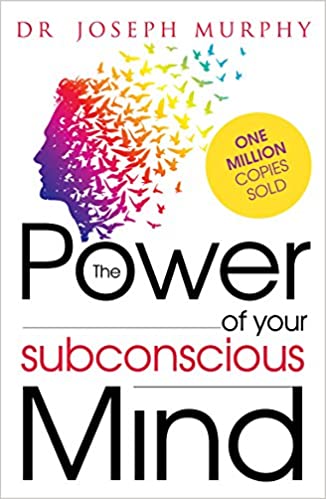
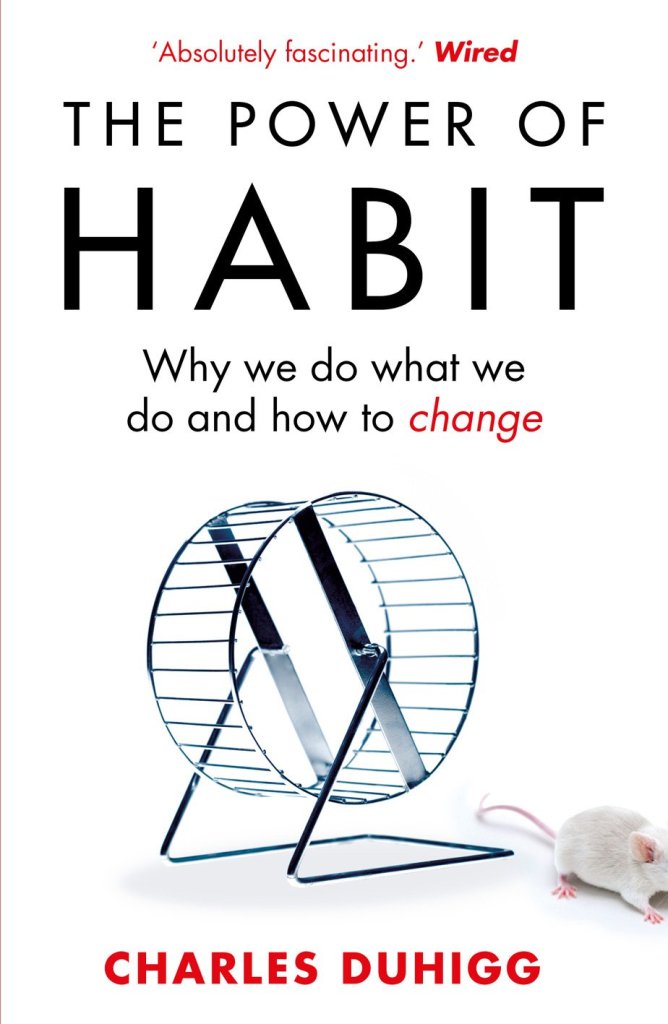
To know what book to read, try finding out what your goal is. If, for example, you wish to know your superpowers, read books on the subconscious mind, like The Power of your Subconscious Mind by Dr Joseph Murphy. Our subconscious mind is supreme, once you know how to utilise its strengths. If you are lazy and wish to break it and make a healthy habit, you can read The Power of Habit by Charles Duhigg.

Similarly, if you know what you want to do, look up books on Google, find out what you like best, which book suits your needs the best and read it. 

Every book is a gem and there are many gems for each person out there. All one has to do is know what do they wish to learn/know and look for a book which suits their needs. 

Here’s a list of books that I would recommend.

  1. The Power of Habit
  2. The Power of your Subconscious Mind
  3. How to Talk to Anyone
  4. Think and Grow Rich
  5. The 80/20 principle
  6. The Power of Now
  7. Don’t Overthink it
  8. The Subtle Art of Not Giving a F*ck
  9. Everything is F*cked
  10. The Rudest Book Ever

How to choose a book to read for growth

In today’s time, everyone has free and easy access to social media. On some days we keep scrolling all through the day without even realising what are we doing. We say, “I’m bored”. So, what are we doing to get rid of the boredom?

Those in their teens, especially late teens and early 20s are about to go to college. Some are serious about their future. Some are still thinking. Some know what to do. Some are worried about what do to. Some know they want to do something, just don’t know what. Some probably, don’t even think much. For everyone, books are the solution. How?

Well, agreed, there are many courses that one can do. Many podcasts one can listen to. What’s the need for books?! Dead weights! Well, these ‘dead weights’ are what great minds write once they’ve achieved what they wanted to achieve. These weights helped them on their path. Some write to explain their journey and what they learnt so the younger gen can learn and grow. Some help those who know what they want to do, some help the others, who don’t know what they want to do. Some books help you make a path while some help you find your path. Some even help you during your path. But, we can just listen to podcasts of those books!

Well, not every book has been made into a podcast. Also, we listen to podcasts on our phones. And, let’s be honest. One ping is all it takes for our entire focus and concentration to go, poof! So, I guess I’ve made my point.

Moving on, what books should we read to help us grow? And how to develop an interest in boring non-fiction? How do we find out what books to read?

For starters, some people enjoy reading non-fiction. So, let’s rule out the thought that they are all boring and try to keep an open mind.

To know what book to read, try finding out what your goal is. If, for example, you wish to know your superpowers, read books on the subconscious mind, like The Power of your Subconscious Mind by Dr Joseph Murphy. Our subconscious mind is supreme, once you know how to utilise its strengths. If you are lazy and wish to break it and make a healthy habit, you can read The Power of Habit by Charles Duhigg.

Similarly, if you know what you want to do, look up books on Google, find out what you like best, which book suits your needs the best and read it. 

Every book is a gem and there are many gems for each person out there. All one has to do is know what do they wish to learn/know and look for a book which suits their needs. 

Here’s a list of books that I would recommend.

  1. The Power of Habit
  2. The Power of your Subconscious Mind
  3. How to Talk to Anyone
  4. Think and Grow Rich
  5. The 80/20 principle
  6. The Power of Now
  7. Don’t Overthink it
  8. The Subtle Art of Not Giving a F*ck
  9. Everything is F*cked
  10. The Rudest Book Ever

“ELON MUSK” Biography

“Elon Musk” is an Entrepreneur, Engineer and Inventor. He was born in Pretoria South Africa on June 28 1971. His father’s name of Errol musk and mother’s name was Maye Haldeman. His father was a British electrical engineer and mother was a British Canadian model. When they divorced in 1980, Elon stated with his father in South Africa.

A few years later she began teaching himself computer programming and sold his first video game at the age of 12. For his undergraduate education he attended the Queen’s University in Kingston Ontario, in 1990. He eventually transferred to the University of Pennsylvania, earning dual degree in physics and economics. In addition to the bachelor’s degrees, he earned in physics and economics, he also holds an honorary doctorate in Design from the “Art Center College of Design” and an honorary doctorate in Aerospace engineering from the “University of Surrey”. He moved to California to attend Stanford for a PhD in applied physics in 1995, but quit within a few of days to pursue his own interest in avenues of technology and entrepreneurship. Later that year, he worked with his brother, Kimbal Musk, to develop the software company”Zip2″, which provided services to high end newspaper clients like “The Newyork Times” and the “Chicago Tribune”. After the successful sale of Zip2 to Compag in 1999, Musk went straight into his next venture an online financial service called “X.com”. Shortly after the company acquired a money transfer service called “PayPal”, through a merger, they began to focus their efforts exclusively on building this Internet payment service.

The Successful off PayPal ID mask to sell his stock in company to eBay for 165 million dollar. Elon Musk has married thirce twice the same woman. His first marriage was to Canadian other Justin Wilson in 2000 they had its children together in 2002. He invested his millions in her third company with in 7 years the company had designed the “Falcon” line of space launch vehicles and the “Dragon line” of multipurpose spacecraft and was making history with their privately funded innovation “SpaveX” received contracts from NASA to create a launch craft to deliver cargo to the International Space Station Tesla Motors was founded with the mission of designing and building electric car musk invested in the company and became its chairman in 2004, a after it Inception taking on an active role in the design of the “Roadster” which won the “Global Green” product award. During the recession when the company was adversely affected he went on to become the CEO and product architect of the company. A role he holds till today. After Designing the initial Concept for “Solar City” Musk remains its biggest shareholder. Today it is the second largest provider of solar energy in the United States with a focus on combating global warming Elon Musk and Justin Wilson divorced in 2008 in 2008 she began dating English actress Tallulah Riley and the two of them got married in 2010. The couple separated in 2012. In 2013 Elon Musk remarried Tallulah Riley really but the couple filed for divorce in 2014 and it was finalized in 2016. On August 12 2013, Musk announced Revolutionary plans for a high-speed travel technology that in theory could replace airplane travel as a faster and cheaper option. His company “SpaveX” is currently working on putting his plants into practice with the design intended to run entirely on solar energy he has envisioned high speed Transportation system known as the Hyperloop it incorporates reduced pressure tube in which pressurized capsules ride on air bearing driven by Linear induction motors and air compressors. Elon Musk for briefly in a relationship with American actress Amber Heard in 2016. But the couples split owing to their conflicting schedules. In July 2017, he announced that first successful test run of Hyperloop has been done in Nevada. He also said that he has got verbal approval to build a Hyperloop from New York city to Washington DC. Elon Musk was heavily involved in the design of Tesla Motors first electric sports car, the “Tesla Roadster” Musk received the 2006 ” Global Green” product design award for this vehicle, presented by Mikhail Gorbachev. “PATIENCE IS A VIRTUE AND I’M LEARNING PATIENCE. IT’S A TOUGH LESSON” Said by “ELON MUSK”.

"ELON MUSK" Biography

“Elon Musk” is an Entrepreneur, Engineer and Inventor. He was born in Pretoria South Africa on June 28 1971. His father’s name of Errol musk and mother’s name was Maye Haldeman. His father was a British electrical engineer and mother was a British Canadian model. When they divorced in 1980, Elon stated with his father in South Africa.

A few years later she began teaching himself computer programming and sold his first video game at the age of 12. For his undergraduate education he attended the Queen’s University in Kingston Ontario, in 1990. He eventually transferred to the University of Pennsylvania, earning dual degree in physics and economics. In addition to the bachelor’s degrees, he earned in physics and economics, he also holds an honorary doctorate in Design from the “Art Center College of Design” and an honorary doctorate in Aerospace engineering from the “University of Surrey”. He moved to California to attend Stanford for a PhD in applied physics in 1995, but quit within a few of days to pursue his own interest in avenues of technology and entrepreneurship. Later that year, he worked with his brother, Kimbal Musk, to develop the software company”Zip2″, which provided services to high end newspaper clients like “The Newyork Times” and the “Chicago Tribune”. After the successful sale of Zip2 to Compag in 1999, Musk went straight into his next venture an online financial service called “X.com”. Shortly after the company acquired a money transfer service called “PayPal”, through a merger, they began to focus their efforts exclusively on building this Internet payment service.

The Successful off PayPal ID mask to sell his stock in company to eBay for 165 million dollar. Elon Musk has married thirce twice the same woman. His first marriage was to Canadian other Justin Wilson in 2000 they had its children together in 2002. He invested his millions in her third company with in 7 years the company had designed the “Falcon” line of space launch vehicles and the “Dragon line” of multipurpose spacecraft and was making history with their privately funded innovation “SpaveX” received contracts from NASA to create a launch craft to deliver cargo to the International Space Station Tesla Motors was founded with the mission of designing and building electric car musk invested in the company and became its chairman in 2004, a after it Inception taking on an active role in the design of the “Roadster” which won the “Global Green” product award. During the recession when the company was adversely affected he went on to become the CEO and product architect of the company. A role he holds till today. After Designing the initial Concept for “Solar City” Musk remains its biggest shareholder. Today it is the second largest provider of solar energy in the United States with a focus on combating global warming Elon Musk and Justin Wilson divorced in 2008 in 2008 she began dating English actress Tallulah Riley and the two of them got married in 2010. The couple separated in 2012. In 2013 Elon Musk remarried Tallulah Riley really but the couple filed for divorce in 2014 and it was finalized in 2016. On August 12 2013, Musk announced Revolutionary plans for a high-speed travel technology that in theory could replace airplane travel as a faster and cheaper option. His company “SpaveX” is currently working on putting his plants into practice with the design intended to run entirely on solar energy he has envisioned high speed Transportation system known as the Hyperloop it incorporates reduced pressure tube in which pressurized capsules ride on air bearing driven by Linear induction motors and air compressors. Elon Musk for briefly in a relationship with American actress Amber Heard in 2016. But the couples split owing to their conflicting schedules. In July 2017, he announced that first successful test run of Hyperloop has been done in Nevada. He also said that he has got verbal approval to build a Hyperloop from New York city to Washington DC. Elon Musk was heavily involved in the design of Tesla Motors first electric sports car, the “Tesla Roadster” Musk received the 2006 ” Global Green” product design award for this vehicle, presented by Mikhail Gorbachev. “PATIENCE IS A VIRTUE AND I’M LEARNING PATIENCE. IT’S A TOUGH LESSON” Said by “ELON MUSK”.

MOSQUITO BAT OR LIQUID VAPOURIZER???

Rainy season is on. Many mosquitos gonna form and attack so, it’s better for us to get prepared to fight against mosquitos. Here, I’m going to explain the benefits and drawbacks of each. It will be useful for us to the make right decision in purchasing products.

electric MOSQUITO BAT:

ADVANTAGES:

  1. It does not give off vapors of toxic chemicals like other repellents.
  2. It is cheap, highly effective, handy and reusable.
  3. Some of them have a torch light also. It is not only used for mosquitoes, but also for small insects like bees, house flies, etc. 
  4. It is convenient to use.
  5. The mosquito dies instantly before our eyes.
  6. Not much weight to hold on . It usually feels like you are playing tennis .
  7. No pollution to the environment .
  8. Humans will not get affected by harsh chemicals.

DISADVANTAGES:

  1. All mosquitoes can’t die at a time . Some Mosquitoes can escape from our sight.
  2. Takes time to search and kill.
  3. When a mosquito contacted in the bat. The mosquito bat sounds like a diwali cracker.
  4. Should not be used when gas is leaked in your house. It may explode.
  5. It should also be kept away from the children as it is not a toy.

MOSQUITO LIQUID VAPOURIZER:

ADVANTAGES:

  1. Time consumption less.
  2. All mosquitoes dies at a time.

DISADVANTAGES:

1. Mosquito sprays and liquid vaporizers contain chemicals like pyrethin and diethyl toluimide (DEET) which cause breathing difficulty, respiratory problems, dizziness, stomach irritation, nausea, vomiting, skin infections and so on.

2. An one time usage of mosquito-repellent vaporizer and the amount of 100 cigarettes smoked is roughly same. The release of ultrafine grain by the Vaporizer can be retained in the lungs and triggers asthma in the short term and in long term it could cause cancer.

3. It pollutes the environment on a high level.

4. It is costly hence, it has to buy once the liquid gets over.

5. Causes health issues on children , adults and aged people.

6. In rare cases , Prolonged usage and intake can cause even death .

7. Can be used only for mosquitoes .multi usage of it is not possible.

MOSQUITO BAT OR LIQUID VAPOURIZER???

Rainy season is on. Many mosquitos gonna form and attack so, it’s better for us to get prepared to fight against mosquitos. Here, I’m going to explain the benefits and drawbacks of each. It will be useful for us to the make right decision in purchasing products.

electric MOSQUITO BAT:

ADVANTAGES:

  1. It does not give off vapors of toxic chemicals like other repellents.
  2. It is cheap, highly effective, handy and reusable.
  3. Some of them have a torch light also. It is not only used for mosquitoes, but also for small insects like bees, house flies, etc. 
  4. It is convenient to use.
  5. The mosquito dies instantly before our eyes.
  6. Not much weight to hold on . It usually feels like you are playing tennis .
  7. No pollution to the environment .
  8. Humans will not get affected by harsh chemicals.

DISADVANTAGES:

  1. All mosquitoes can’t die at a time . Some Mosquitoes can escape from our sight.
  2. Takes time to search and kill.
  3. When a mosquito contacted in the bat. The mosquito bat sounds like a diwali cracker.
  4. Should not be used when gas is leaked in your house. It may explode.
  5. It should also be kept away from the children as it is not a toy.

MOSQUITO LIQUID VAPOURIZER:

ADVANTAGES:

  1. Time consumption less.
  2. All mosquitoes dies at a time.

DISADVANTAGES:

1. Mosquito sprays and liquid vaporizers contain chemicals like pyrethin and diethyl toluimide (DEET) which cause breathing difficulty, respiratory problems, dizziness, stomach irritation, nausea, vomiting, skin infections and so on.

2. An one time usage of mosquito-repellent vaporizer and the amount of 100 cigarettes smoked is roughly same. The release of ultrafine grain by the Vaporizer can be retained in the lungs and triggers asthma in the short term and in long term it could cause cancer.

3. It pollutes the environment on a high level.

4. It is costly hence, it has to buy once the liquid gets over.

5. Causes health issues on children , adults and aged people.

6. In rare cases , Prolonged usage and intake can cause even death .

7. Can be used only for mosquitoes .multi usage of it is not possible.


Benefits of Investing in Mutual Funds in India


(Photo: Bank Bazar)

Investment in any form is considered to be the best way of achieving additional income. It’s like waiting for an extra reward. One such word with which we all are familiar is “equity mutual funds”.There’s a large structural growth in equity mutual funds for Indian industries.  The Indian Mutual Fund AUM/GDP ratio currently stands at 12% vis-à-vis the global average of 60%.

India has seen a significant growth rate in equity mutual funds investment. Indian investors are usually keen on investing in equity mutual funds because of the risk management. Investing in mutual funds has many advantages. Let’s discuss them briefly. 

  •       Return:  Mutual funds involves higher risk but generally the return that it gives is greater than in any other investment plan.
  • Ø  Professional Management: Even a person who does not have professional knowledge can invest. They are assured by the experts. The experts manage and operate mutual funds. They allocate it in different securities thereby assuring them profit.
  • Ø  Flexibility in Investment amount: There’s no fixed amount to be invested. You can invest even with a minimal amount of Rs 100. This is the most important benefit which the investors get in equity mutual funds.
  • Ø  Liquidity: This is also another benefit of investing in mutual funds. It’s not like fixed deposit where you are unable to withdraw amount at any point. You can redeem it at any point. Mutual funds have flexible withdrawal.
  • Ø  Safety & Transparency: All the equity mutual funds have now become safe and transparent after the introduction of SEBI guidelines. They’ve a color coding through which the investors can assess the risk level.
  • Ø  Diversification: Diversification is another factor which reduces the risk involved in building a portfolio.  Mutual Funds consist of many securities, so investor’s interests are safeguarded if there is a downfall in other securities purchased.
  • Ø  Accessibility: Mutual Funds are easily accessible. By accessibility, it means that you can buy mutual funds from anywhere in the world. You don’t require a Demat account for it. Mutual funds are very easy to buy.
  • Ø  Lower cost: In Mutual Fund, funds are collected from many investors, and then the same is used to purchase securities. These funds are however invested in assets which therefore helps one save on transaction and lower its cost. Investors get the savings as lower costs of investing in Mutual Funds.

Mutual Fund is a strong financial tool which has helped in increasing the growth of Indian economy. Mutual Fund have provided financial stability to the Indian economy. The Indian capital market has been increasing significantly during last few years. With the Industrial revolution and reforms of financial sector, the economy has been opened up and many developments have been taking place in the Indian money market and capital market. In order to help the small investors, mutual fund industry has come to occupy an important place in the Indian market.

Although there are many benefits of investing in mutual funds in India, but we must remember that every good thing comes with some flaws. The market condition is very dynamic. Not anyone can invest in mutual funds. One needs to have a proper knowledge to do that.  However, one thing which is certain is that there’s no harm in it. India still has many steps to climb.

Nomophobia: A growing fear in the modern world

 The pandemic has limited our movement and contact with the real world. Smartphones are connecting us with the world right now. There was a drastic increase in the number of hours spent on the phone after the first lockdown in March 2020.  Phone is our source of information, entertainment, socializing virtually and even attending classes. From work to leisure activity, everything is done on our phone. Our daily routine revolves around technology in this “new normal”. We all find it extremely difficult to be detached from our phone these days. 

What is Nomophobia?

People have become so used to the habit of checking their phone constantly that they find it hard to keep their phone aside. Not being able to check the notifications on the phone immediately makes them anxious and builds up stress. We struggle to spend a minute without checking the social media updates. 

Nomophobia refers to the fear, discomfort, or anxiety of being out of contact with the mobile phone. In simpler words it means “No mobile phone phobia”. This fear is normal. But when the fear is severe and continuous, it can be problematic. It can affect our day-to-day behaviour and action. Young adults are the most vulnerable group affected by smartphone addiction. 

The term was coined during a UK based research which aimed to study the possibility of anxiety disorders due to excessive use of mobile phones in 2008. The main cause of their phobia was the fear of losing connectivity with their near and dear ones. 

Nomophobia can impact our body physically and mentally. Physically, it can affect our eyesight, headache, disturbed sleep. A study by the International Journal of Research and Innovation in Social Science has established a relationship between Nomophobia and physical health. People who had the symptoms and felt anxious without the phone were experiencing headache, disturbance in sleeping and other such problems.

Its mental implications include lack of concentration, stress, irritation and anger. A research by the International Journal of Indian Psychology has found a positive correlation between Nomophobia and anger.   

Developing a “Stopping rule” to limit the hours spent using the phone, replacing some screen time with another hobby, and spending time on meditation are some of the preventive measures suggested in the studies. Some other suggestions include having a “no phone day” once in a week if possible and taking breaks frequently, especially for gamers. 

There is no doubt that a phone is a really useful device that can be used for a variety of purposes. But it is important to be aware of phone addiction because too much dependency on any device has its own consequences . 


CRED's Master Plan – CRED Business Study

Hello everybody, CRED is one of the most fascinating business case studies in the Indian start-up ecosystem. In just 2 years, CRED went from 0 to hitting a $2B valuation and became one of the youngest Indian startups to reach this milestone. Now, the peculiarity of CRED is that in 2020 alone CRED incurred a massive loss of ₹360 crores which is a massive increase of 492% from 2019. And for every rupee of revenue that CRED generated they spent ₹727 which is a massive cashburn. 

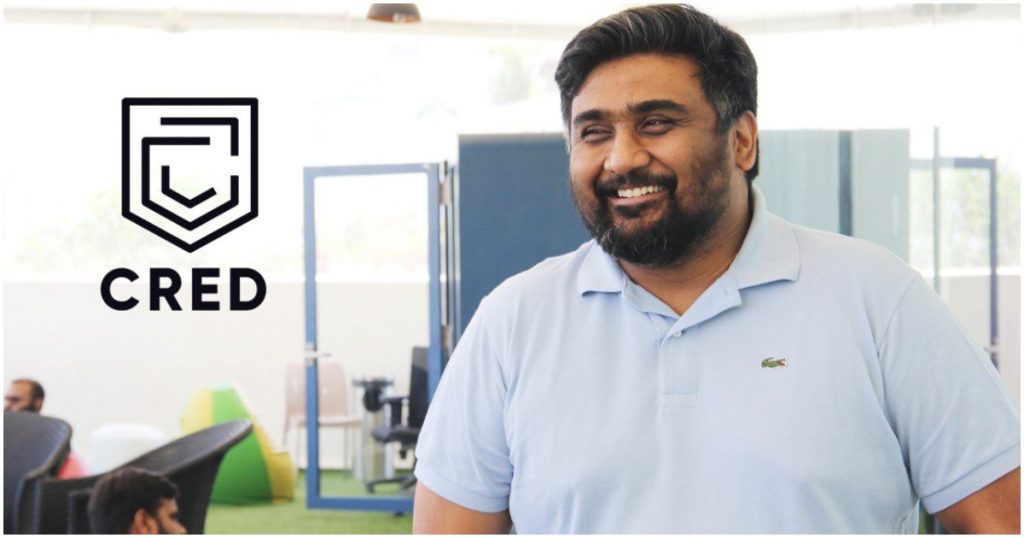
We all have seen the result of massive expenditure into creative marketing. *beating noises* So now the question is, even with such massive losses how is it that CRED is getting so much funding ? And what exactly is Kunal Shah’s strategy ? Well, the beauty of this case study is the that if you only understand what CRED is doing you will more or less understand a large chunk of the Indian startup ecosystem because most of the giant companies like Jio, Ola, PharmEasy also operate in a similar fashion. and the most important factor that is common in all of them is that they extensively work on altering the behavioural design of the society. And the anticipation of that behavioural design, is what makes them billion dollar companies. 

This golden strategy works out in 4 discrete steps The first phase is what we call cash burn and here’s where The company, first identifies a major problem in the society, Number two, it designs a system to fix that problem Number three, it raises a million dollars in funding and lastly it entices the customers to use the product by giving out unbelievable offers which are almost too good to be true.

 A very simple example of the same is Jio. First of all, Jio identified internet accessibility as a major problem in the Indian society and then Reliance spent about ₹1.5 lakh crores into building the infrastructure required for Jio. And then in 2016 when Jio got launched, they gave out offers that almost looked impossible. -free sim cards, free calls and free internet. And the moment this announcement happened, millions of people rushed to buy Jio sims. And Jio did everything in it’s capacity to maximise it’s number of it’s users without even bothering about profits. Which is why, on top of the heavy investment that they made they further incurred a loss of Rs. 31 crores in 2016.

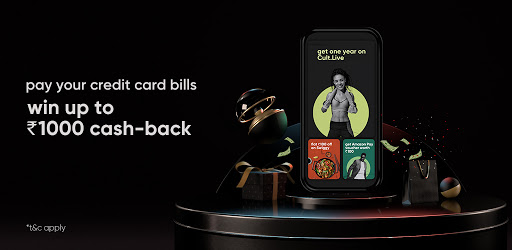
 Just like this, when CRED rolled out in 2018 they identified 3 of the biggest pains of a credit card holder which are; number one, hidden charges Number two, late fees due to forgetfulness and number three is the extra interest. And they rolled out massive cashbacks and offers to incentivise the act of on-time payment. And these offers were as amazing as free flight tickets extremely lucrative discounts and ₹1000 cashbacks also Fast foward to 2021, CRED today, has over 30 lakh users and today, CRED is already processing 20% of all the premium credit card transactions. 

So this is how within a short span of time, in Phase 1, companies present incentives in order to get customers to use their product, eventually, to increase their user base. And this is what brings us to Phase 2. Phase 2 is all about habituation. Once you bought a Jio sim, you never bothered about talktime, you never bothered about data. And we all recklessly got habituated to this newfound luxury of Internet Similarly, in case of CRED, the people who have 2-3 credit cards found it so simple to use CRED that they stopped using their conventional method wherein they had to go through this long list of their statements or putting in effort to dig in and find out whether there are hidden charges, on each credit card As a CRED user myself, I can’t even tell you how amazing it feels as compared to having this terrible feeling wherein you have no idea where the hell your money is going. 

In fact, there was a time when I thought that some hacker is stealing my money, alright ? and I’m not even kidding about this. So, this is how in Phase 2, using their super efficient system companies seemlessly get us habituated to new normal wherein we are no longer used to adjusting to the ‘hurdles of the system’. Here’s where we enter the most crucial phase of all, that is, Phase 3 and Phase 3 is what we can call as Irreversibility. 

A classy example of the same is Google Maps Now you might have observed that most of the people of our generation never even bother to remember the name of a landmark, street or chowk In fact, I’ve got so used to Google Maps that in my own city, if you leave me in some street I will start wandering as if I am in some strange jungle. That is how much I have got habituated to Google Maps And by the way, this does not include those superhumans who have this amazing memory to remember any route, even if they have visited that place only once and you know which friend am I talking about… So the point is, 

Google Maps has made our lives so easy that finding a way to a place no longer occupies our headspace and in case of CRED, users no longer have to remember to pay their credit card bills, they no longer have to remember when exactly is their due dates or bother about late fees. Similarly in case of Ola, we are no longer used to finding taxi on the streets In case of Jio, when there is no Internet you all know how you feel So you see, once these companies came in there has been an irreversible change in our behaviour wherein the small acts of booking a cab or paying a credit card bill has changed to such a large extent that we will never ever go back to our past system. 

Now CRED is yet to complete this phase which is why all the numbers that you see about CRED is in the negatives now because CRED is yet to change a significant part of the consumer behaviour. After this we come to Phase 4. Now, this is the goldmine that every investor waits for wherein the company starts making profits and if you look at the numbers, it literally looks like a goldmine. For that matter look at the numbers of Jio. In just 1.5 years, Jio became profitable that is in the 3rd quarter of 2017 with a profit of ₹504 Crores From there onwards it has been on a magnificent run wherein in 2020, Jio has posted a net profit of ₹5,562 crore and the reason why CRED is also sitting on a similar goldmine is because the customers of CRED are by default the richest 1% of the country.

 These people are literally the dream customers of any company. Their incomes are high, so they make expensive purchases on a regular basis which results into massive profit margins for every company And my sense is that in the 4th phase, CRED could leverage it’s golden customer base in three very very powerful ways. 

Number one, CRED could become this must have expense management app which will also allow it’s users to file their income tax and just like it cured the headaches of the credit card users by saving their money from hidden charges. CRED might also might start saving it’s customers a ton of money through their income tax rebate filings by turning the entire process of income tax filing into a very simple and efficient process and if this happens, I don’t think any of us will ever leave the CRED club.

So, Kunal sir if you’re watching this please help us out over here. Number two, CRED has one of the most valuable customer data in terms of purchase preferences For example, CRED clearly knows that Parsh loves to spend ₹20,000 into sports. Ganesh loves to spend ₹10,000 in education and books. So CRED could use this data to show relevant advertisements with exclusive coupons to get people to spend heavily on the things they absolutely love eventually, to make a comission out of it. 

Lastly, CRED could also became a bank for the top 1% of India and the reason why I think so is because there are two important factors that are very very crucial for any bank’s existence.

 Number one, every bank wants customers who have a lot of money deposited in their bank account after all their investment and expenses. And this money is what the bank uses to lend to businesses and customers in the form of home loans, car loans etc. 

Number two, every bank needs borrowers who pay back their loans judiciously. So that they can charge an interest on top of it eventually to make money out of the lending business. And guess what ? CRED literally has these exact people in it’s customer base which is why my sense is, CRED could literally extend itself to become a full fledged bank or maybe even become a full fledged portfolio management system for the top 1%.

 Eventually to become the most revolutionary fintech start-up of India So to put that straight, for ordinary people like you and me CRED might look like a weird idea but in reality it is a revolutionary idea coming from one of the most amazing entrepreneurs in the Indian start-up space. 

And we must consider ourselves to be extremely fortunate that we are getting to witness their processes and we must learn from these revolutionary start-ups that are going to redefine 21st century India forever.  

CRED's Master Plan – CRED Business Study

Hello everybody, CRED is one of the most fascinating business case studies in the Indian start-up ecosystem. In just 2 years, CRED went from 0 to hitting a $2B valuation and became one of the youngest Indian startups to reach this milestone. Now, the peculiarity of CRED is that in 2020 alone CRED incurred a massive loss of ₹360 crores which is a massive increase of 492% from 2019. And for every rupee of revenue that CRED generated they spent ₹727 which is a massive cashburn. 

We all have seen the result of massive expenditure into creative marketing. *beating noises* So now the question is, even with such massive losses how is it that CRED is getting so much funding ? And what exactly is Kunal Shah’s strategy ? Well, the beauty of this case study is the that if you only understand what CRED is doing you will more or less understand a large chunk of the Indian startup ecosystem because most of the giant companies like Jio, Ola, PharmEasy also operate in a similar fashion. and the most important factor that is common in all of them is that they extensively work on altering the behavioural design of the society. And the anticipation of that behavioural design, is what makes them billion dollar companies. 

This golden strategy works out in 4 discrete steps The first phase is what we call cash burn and here’s where The company, first identifies a major problem in the society, Number two, it designs a system to fix that problem Number three, it raises a million dollars in funding and lastly it entices the customers to use the product by giving out unbelievable offers which are almost too good to be true.

 A very simple example of the same is Jio. First of all, Jio identified internet accessibility as a major problem in the Indian society and then Reliance spent about ₹1.5 lakh crores into building the infrastructure required for Jio. And then in 2016 when Jio got launched, they gave out offers that almost looked impossible. -free sim cards, free calls and free internet. And the moment this announcement happened, millions of people rushed to buy Jio sims. And Jio did everything in it’s capacity to maximise it’s number of it’s users without even bothering about profits. Which is why, on top of the heavy investment that they made they further incurred a loss of Rs. 31 crores in 2016.

 Just like this, when CRED rolled out in 2018 they identified 3 of the biggest pains of a credit card holder which are; number one, hidden charges Number two, late fees due to forgetfulness and number three is the extra interest. And they rolled out massive cashbacks and offers to incentivise the act of on-time payment. And these offers were as amazing as free flight tickets extremely lucrative discounts and ₹1000 cashbacks also Fast foward to 2021, CRED today, has over 30 lakh users and today, CRED is already processing 20% of all the premium credit card transactions. 

So this is how within a short span of time, in Phase 1, companies present incentives in order to get customers to use their product, eventually, to increase their user base. And this is what brings us to Phase 2. Phase 2 is all about habituation. Once you bought a Jio sim, you never bothered about talktime, you never bothered about data. And we all recklessly got habituated to this newfound luxury of Internet Similarly, in case of CRED, the people who have 2-3 credit cards found it so simple to use CRED that they stopped using their conventional method wherein they had to go through this long list of their statements or putting in effort to dig in and find out whether there are hidden charges, on each credit card As a CRED user myself, I can’t even tell you how amazing it feels as compared to having this terrible feeling wherein you have no idea where the hell your money is going. 

In fact, there was a time when I thought that some hacker is stealing my money, alright ? and I’m not even kidding about this. So, this is how in Phase 2, using their super efficient system companies seemlessly get us habituated to new normal wherein we are no longer used to adjusting to the ‘hurdles of the system’. Here’s where we enter the most crucial phase of all, that is, Phase 3 and Phase 3 is what we can call as Irreversibility. 

A classy example of the same is Google Maps Now you might have observed that most of the people of our generation never even bother to remember the name of a landmark, street or chowk In fact, I’ve got so used to Google Maps that in my own city, if you leave me in some street I will start wandering as if I am in some strange jungle. That is how much I have got habituated to Google Maps And by the way, this does not include those superhumans who have this amazing memory to remember any route, even if they have visited that place only once and you know which friend am I talking about… So the point is, 

Google Maps has made our lives so easy that finding a way to a place no longer occupies our headspace and in case of CRED, users no longer have to remember to pay their credit card bills, they no longer have to remember when exactly is their due dates or bother about late fees. Similarly in case of Ola, we are no longer used to finding taxi on the streets In case of Jio, when there is no Internet you all know how you feel So you see, once these companies came in there has been an irreversible change in our behaviour wherein the small acts of booking a cab or paying a credit card bill has changed to such a large extent that we will never ever go back to our past system. 

Now CRED is yet to complete this phase which is why all the numbers that you see about CRED is in the negatives now because CRED is yet to change a significant part of the consumer behaviour. After this we come to Phase 4. Now, this is the goldmine that every investor waits for wherein the company starts making profits and if you look at the numbers, it literally looks like a goldmine. For that matter look at the numbers of Jio. In just 1.5 years, Jio became profitable that is in the 3rd quarter of 2017 with a profit of ₹504 Crores From there onwards it has been on a magnificent run wherein in 2020, Jio has posted a net profit of ₹5,562 crore and the reason why CRED is also sitting on a similar goldmine is because the customers of CRED are by default the richest 1% of the country.

 These people are literally the dream customers of any company. Their incomes are high, so they make expensive purchases on a regular basis which results into massive profit margins for every company And my sense is that in the 4th phase, CRED could leverage it’s golden customer base in three very very powerful ways. 

Number one, CRED could become this must have expense management app which will also allow it’s users to file their income tax and just like it cured the headaches of the credit card users by saving their money from hidden charges. CRED might also might start saving it’s customers a ton of money through their income tax rebate filings by turning the entire process of income tax filing into a very simple and efficient process and if this happens, I don’t think any of us will ever leave the CRED club.

So, Kunal sir if you’re watching this please help us out over here. Number two, CRED has one of the most valuable customer data in terms of purchase preferences For example, CRED clearly knows that Parsh loves to spend ₹20,000 into sports. Ganesh loves to spend ₹10,000 in education and books. So CRED could use this data to show relevant advertisements with exclusive coupons to get people to spend heavily on the things they absolutely love eventually, to make a comission out of it. 

Lastly, CRED could also became a bank for the top 1% of India and the reason why I think so is because there are two important factors that are very very crucial for any bank’s existence.

 Number one, every bank wants customers who have a lot of money deposited in their bank account after all their investment and expenses. And this money is what the bank uses to lend to businesses and customers in the form of home loans, car loans etc. 

Number two, every bank needs borrowers who pay back their loans judiciously. So that they can charge an interest on top of it eventually to make money out of the lending business. And guess what ? CRED literally has these exact people in it’s customer base which is why my sense is, CRED could literally extend itself to become a full fledged bank or maybe even become a full fledged portfolio management system for the top 1%.

 Eventually to become the most revolutionary fintech start-up of India So to put that straight, for ordinary people like you and me CRED might look like a weird idea but in reality it is a revolutionary idea coming from one of the most amazing entrepreneurs in the Indian start-up space. 

And we must consider ourselves to be extremely fortunate that we are getting to witness their processes and we must learn from these revolutionary start-ups that are going to redefine 21st century India forever.  

CRED's Master Plan – CRED Business Study

Hello everybody, CRED is one of the most fascinating business case studies in the Indian start-up ecosystem. In just 2 years, CRED went from 0 to hitting a $2B valuation and became one of the youngest Indian startups to reach this milestone. Now, the peculiarity of CRED is that in 2020 alone CRED incurred a massive loss of ₹360 crores which is a massive increase of 492% from 2019. And for every rupee of revenue that CRED generated they spent ₹727 which is a massive cashburn. 

We all have seen the result of massive expenditure into creative marketing. beating noises So now the question is, even with such massive losses how is it that CRED is getting so much funding ? And what exactly is Kunal Shah’s strategy ? Well, the beauty of this case study is the that if you only understand what CRED is doing you will more or less understand a large chunk of the Indian startup ecosystem because most of the giant companies like Jio, Ola, PharmEasy also operate in a similar fashion. and the most important factor that is common in all of them is that they extensively work on altering the behavioural design of the society. And the anticipation of that behavioural design, is what makes them billion dollar companies. 

This golden strategy works out in 4 discrete steps The first phase is what we call cash burn and here’s where The company, first identifies a major problem in the society, Number two, it designs a system to fix that problem Number three, it raises a million dollars in funding and lastly it entices the customers to use the product by giving out unbelievable offers which are almost too good to be true.

 A very simple example of the same is Jio. First of all, Jio identified internet accessibility as a major problem in the Indian society and then Reliance spent about ₹1.5 lakh crores into building the infrastructure required for Jio. And then in 2016 when Jio got launched, they gave out offers that almost looked impossible. -free sim cards, free calls and free internet. And the moment this announcement happened, millions of people rushed to buy Jio sims. And Jio did everything in it’s capacity to maximise it’s number of it’s users without even bothering about profits. Which is why, on top of the heavy investment that they made they further incurred a loss of Rs. 31 crores in 2016.

 Just like this, when CRED rolled out in 2018 they identified 3 of the biggest pains of a credit card holder which are; number one, hidden charges Number two, late fees due to forgetfulness and number three is the extra interest. And they rolled out massive cashbacks and offers to incentivise the act of on-time payment. And these offers were as amazing as free flight tickets extremely lucrative discounts and ₹1000 cashbacks also Fast foward to 2021, CRED today, has over 30 lakh users and today, CRED is already processing 20% of all the premium credit card transactions. 

So this is how within a short span of time, in Phase 1, companies present incentives in order to get customers to use their product, eventually, to increase their user base. And this is what brings us to Phase 2. Phase 2 is all about habituation. Once you bought a Jio sim, you never bothered about talktime, you never bothered about data. And we all recklessly got habituated to this newfound luxury of Internet Similarly, in case of CRED, the people who have 2-3 credit cards found it so simple to use CRED that they stopped using their conventional method wherein they had to go through this long list of their statements or putting in effort to dig in and find out whether there are hidden charges, on each credit card As a CRED user myself, I can’t even tell you how amazing it feels as compared to having this terrible feeling wherein you have no idea where the hell your money is going. 

In fact, there was a time when I thought that some hacker is stealing my money, alright ? and I’m not even kidding about this. So, this is how in Phase 2, using their super efficient system companies seemlessly get us habituated to new normal wherein we are no longer used to adjusting to the ‘hurdles of the system’. Here’s where we enter the most crucial phase of all, that is, Phase 3 and Phase 3 is what we can call as Irreversibility. 

A classy example of the same is Google Maps Now you might have observed that most of the people of our generation never even bother to remember the name of a landmark, street or chowk In fact, I’ve got so used to Google Maps that in my own city, if you leave me in some street I will start wandering as if I am in some strange jungle. That is how much I have got habituated to Google Maps And by the way, this does not include those superhumans who have this amazing memory to remember any route, even if they have visited that place only once and you know which friend am I talking about… So the point is, 

Google Maps has made our lives so easy that finding a way to a place no longer occupies our headspace and in case of CRED, users no longer have to remember to pay their credit card bills, they no longer have to remember when exactly is their due dates or bother about late fees. Similarly in case of Ola, we are no longer used to finding taxi on the streets In case of Jio, when there is no Internet you all know how you feel So you see, once these companies came in there has been an irreversible change in our behaviour wherein the small acts of booking a cab or paying a credit card bill has changed to such a large extent that we will never ever go back to our past system. 

Now CRED is yet to complete this phase which is why all the numbers that you see about CRED is in the negatives now because CRED is yet to change a significant part of the consumer behaviour. After this we come to Phase 4. Now, this is the goldmine that every investor waits for wherein the company starts making profits and if you look at the numbers, it literally looks like a goldmine. For that matter look at the numbers of Jio. In just 1.5 years, Jio became profitable that is in the 3rd quarter of 2017 with a profit of ₹504 Crores From there onwards it has been on a magnificent run wherein in 2020, Jio has posted a net profit of ₹5,562 crore and the reason why CRED is also sitting on a similar goldmine is because the customers of CRED are by default the richest 1% of the country.

 These people are literally the dream customers of any company. Their incomes are high, so they make expensive purchases on a regular basis which results into massive profit margins for every company And my sense is that in the 4th phase, CRED could leverage it’s golden customer base in three very very powerful ways. 

Number one, CRED could become this must have expense management app which will also allow it’s users to file their income tax and just like it cured the headaches of the credit card users by saving their money from hidden charges. CRED might also might start saving it’s customers a ton of money through their income tax rebate filings by turning the entire process of income tax filing into a very simple and efficient process and if this happens, I don’t think any of us will ever leave the CRED club.

So, Kunal sir if you’re watching this please help us out over here. Number two, CRED has one of the most valuable customer data in terms of purchase preferences For example, CRED clearly knows that Parsh loves to spend ₹20,000 into sports. Ganesh loves to spend ₹10,000 in education and books. So CRED could use this data to show relevant advertisements with exclusive coupons to get people to spend heavily on the things they absolutely love eventually, to make a comission out of it. 

Lastly, CRED could also became a bank for the top 1% of India and the reason why I think so is because there are two important factors that are very very crucial for any bank’s existence.

 Number one, every bank wants customers who have a lot of money deposited in their bank account after all their investment and expenses. And this money is what the bank uses to lend to businesses and customers in the form of home loans, car loans etc. 

Number two, every bank needs borrowers who pay back their loans judiciously. So that they can charge an interest on top of it eventually to make money out of the lending business. And guess what ? CRED literally has these exact people in it’s customer base which is why my sense is, CRED could literally extend itself to become a full fledged bank or maybe even become a full fledged portfolio management system for the top 1%.

 Eventually to become the most revolutionary fintech start-up of India So to put that straight, for ordinary people like you and me CRED might look like a weird idea but in reality it is a revolutionary idea coming from one of the most amazing entrepreneurs in the Indian start-up space. 

And we must consider ourselves to be extremely fortunate that we are getting to witness their processes and we must learn from these revolutionary start-ups that are going to redefine 21st century India forever.  


-: 10 advice how to be a millionaire in their 20s :-


              -: 10 advice how to be a millionaire in their 20s :-


1. Don’t waste your time.


2. Practice makes us perfect.


3. Keep moving forward.


4. Adopt to change quickly.


5. Be happy in all situation. 


6. Honesty is the key to success.


7. Attitude is everything.


8. Focus on your strength.


9. believe in yourself.


10. Never give up.


PLEASE SUBSCRIBE FOR MORE:-  


THANK YOU 
HAVE A NICE DAY 
HimAGee


All about Intermittent Fasting

Intermittent fasting is a type of eating regimen in which you alternate between fasting and eating on a regular basis. Intermittent fasting has been shown in studies to help people lose weight and prevent — or even reverse — disease.

Photo by Trang Doan on Pexels.com

What is Intermittent Fasting?

Many diets emphasise what to eat, but intermittent fasting emphasises when to eat.

Intermittent fasting is when you only eat at certain times of the day. Fasting for a set number of hours each day or eating only one meal a couple of times a week can aid fat loss. Scientific data also suggests that there are certain health benefits.

Mark Mattson, Ph.D., a neuroscientist at Johns Hopkins University, has studied intermittent fasting for 25 years. He claims that our bodies have evolved to be able to survive without food for several hours, days, or even weeks.

Before humans learned to farm, they were hunters and gatherers who evolved to survive — and thrive — without eating for lengthy periods of time. They needed to: It required a lot of time and effort.

It was easy to maintain a healthy weight even 50 years ago. “There were no computers, and TV shows switched off at 11 p.m.; people stopped eating because they went to bed,” says Christie Williams, M.S., R.D.N., a nutritionist at Johns Hopkins. The portions were significantly smaller. More people worked and played outside, getting more exercise in general.”

Television, the internet, and other forms of entertainment are now available 24 hours a day, seven days a week. We stay up later to watch our favourite shows, play games, and communicate on the internet. We spend the entire day — and most of the night — sitting and snacking.”
Obesity, type 2 diabetes, heart disease, and other ailments can all be exacerbated by eating too many calories and exercising too little. Intermittent fasting has been shown in scientific studies to have health benefits.

How does this work?

Intermittent fasting can be done in a variety of methods, but they all revolve around choosing regular eating and fasting times. For example, you could try eating only for eight hours a day and fasting for the rest of the day. Alternatively, you could choose to eat only one meal each day two days per week. There are a variety of intermittent fasting schedules to choose from.

According to Mattson, after a period of time without meals, the body’s sugar stores are depleted and it begins to burn fat. This is referred to as metabolic switching by him.
“Most Americans eat throughout their waking hours, so intermittent fasting is in contrast to their regular eating pattern,” Mattson explains. “If someone eats three meals a day plus snacks and doesn’t exercise, they’re rumination every time they eat.”

Intermittent fasting works by extending the time between when your body burns off the calories from your last meal and starts burning fat.

Approaches of Intermittent fasting

Before beginning intermittent fasting, make sure to see your doctor. The actual technique is straightforward once you have his or her permission. You can choose a daily strategy, which limits daily meals to one six- to eight-hour period. For example, you could try 16/8 fasting, which involves eating for eight hours and fasting for sixteen. Williams is a proponent of the daily routine, claiming that “the majority of people” follow it.

Another method, known as the 5:2 technique, is eating five times a week. You only eat one 500–600 calorie meal on the remaining two days. For instance, suppose you decided to eat normally every day of the week except Mondays and Thursdays, which are your one-meal days.

Fasting for longer lengths of time, such as 24, 36, 48, and 72 hours, is not always beneficial and can be dangerous. Going too long without eating may cause your body to begin storing fat as a response to the lack of food.

According to Mattson’s studies, it takes two to four weeks for the body to adjust to intermittent fasting. While you’re getting adjusted to the new pattern, you can feel hungry or irritable. However, he notes that research subjects who make it through the adjustment stage are more likely to continue to the diet because they feel better.

Photo by Nathan Cowley on Pexels.com

What to eat when one is Intermittent Fasting?

Water and zero-calorie liquids like black coffee and tea are allowed at periods when you aren’t eating.

And “eating normally” during your periods does not imply “going insane.” If you fill your meals with high-calorie junk food, super-sized fried foods, and desserts, you’re not going to lose weight or get healthier.

But what Williams enjoys about intermittent fasting is that it allows him to eat — and enjoy — a wide variety of things. She explains, “We want people to be conscious and enjoy eating delicious, nutritious food.” Eating with others and sharing the mealtime experience, she continues, enhances satisfaction and promotes excellent health.

Whether you’re trying intermittent fasting or not, Williams, like other nutrition experts, considers the Mediterranean diet to be a solid pattern for what to consume. When you choose complex, unprocessed carbohydrates like whole grains, leafy greens, healthy fats, and lean protein, you can’t go wrong.

Benefits of Intermittent Fasting

Intermittent fasting does more than burn fat, according to research. “Changes in this metabolic switch affect the body and the brain,” Mattson explains. Mattson’s research was published in the New England Journal of Medicine, and it offered information on a variety of health benefits linked to the practice. Longer life, a slimmer body, and a sharper mind are among them.

“During intermittent fasting, numerous things happen that protect organs from chronic diseases including type 2 diabetes, heart disease, age-related neurological disorders, even inflammatory bowel disease and many cancers,” he explains.

Thinking and memory : Intermittent fasting improves working memory in animals and verbal memory in adults, according to research.

Heart health : Fasting for a short period of time improved blood pressure, resting heart rates, and other heart-related parameters.

Physical performance : Fasting for 16 hours resulted in fat loss while retaining muscular mass in young males. Mice that were fed on different days had superior running endurance.

Diabetes and obesity : Intermittent fasting has been shown to prevent obesity in animals. In six small studies, obese adult individuals lost weight by fasting intermittently.

Tissue health : Intermittent fasting in mice minimized tissue damage during surgery and improved outcomes.

Is Intermittent Fasting safe for everyone?

Some people use intermittent fasting to lose weight, while others use it to treat chronic illnesses including irritable bowel syndrome, high cholesterol, or arthritis. Intermittent fasting, on the other hand, isn’t for everyone.

Before attempting intermittent fasting (or any diet), Williams recommends consulting with your primary care physician. Some persons should avoid experimenting with intermittent fasting:

Children and teenagers under the age of 18 are considered minors.

Women who are expecting a child or who are breastfeeding.

People who have diabetes or other blood sugar issues.

Those who have had an eating disorder in the past.

People who aren’t in these groups, but who can safely undertake intermittent fasting, can continue the routine indefinitely, according to Williams. “It can be a lifestyle shift with advantages,” she explains.

Keep in mind that intermittent fasting can have a variety of impacts depending on the individual. If you start to experience unusual anxiety, headaches, nausea, or other symptoms after starting it, talk to your doctor.


All about Intermittent Fasting

Intermittent fasting is a type of eating regimen in which you alternate between fasting and eating on a regular basis. Intermittent fasting has been shown in studies to help people lose weight and prevent — or even reverse — disease.

Photo by Trang Doan on Pexels.com

What is Intermittent Fasting?

Many diets emphasise what to eat, but intermittent fasting emphasises when to eat.

Intermittent fasting is when you only eat at certain times of the day. Fasting for a set number of hours each day or eating only one meal a couple of times a week can aid fat loss. Scientific data also suggests that there are certain health benefits.

Mark Mattson, Ph.D., a neuroscientist at Johns Hopkins University, has studied intermittent fasting for 25 years. He claims that our bodies have evolved to be able to survive without food for several hours, days, or even weeks.

Before humans learned to farm, they were hunters and gatherers who evolved to survive — and thrive — without eating for lengthy periods of time. They needed to: It required a lot of time and effort.

It was easy to maintain a healthy weight even 50 years ago. “There were no computers, and TV shows switched off at 11 p.m.; people stopped eating because they went to bed,” says Christie Williams, M.S., R.D.N., a nutritionist at Johns Hopkins. The portions were significantly smaller. More people worked and played outside, getting more exercise in general.”

Television, the internet, and other forms of entertainment are now available 24 hours a day, seven days a week. We stay up later to watch our favourite shows, play games, and communicate on the internet. We spend the entire day — and most of the night — sitting and snacking.”
Obesity, type 2 diabetes, heart disease, and other ailments can all be exacerbated by eating too many calories and exercising too little. Intermittent fasting has been shown in scientific studies to have health benefits.

How does this work?

Intermittent fasting can be done in a variety of methods, but they all revolve around choosing regular eating and fasting times. For example, you could try eating only for eight hours a day and fasting for the rest of the day. Alternatively, you could choose to eat only one meal each day two days per week. There are a variety of intermittent fasting schedules to choose from.

According to Mattson, after a period of time without meals, the body’s sugar stores are depleted and it begins to burn fat. This is referred to as metabolic switching by him.
“Most Americans eat throughout their waking hours, so intermittent fasting is in contrast to their regular eating pattern,” Mattson explains. “If someone eats three meals a day plus snacks and doesn’t exercise, they’re rumination every time they eat.”

Intermittent fasting works by extending the time between when your body burns off the calories from your last meal and starts burning fat.

Approaches of Intermittent fasting

Before beginning intermittent fasting, make sure to see your doctor. The actual technique is straightforward once you have his or her permission. You can choose a daily strategy, which limits daily meals to one six- to eight-hour period. For example, you could try 16/8 fasting, which involves eating for eight hours and fasting for sixteen. Williams is a proponent of the daily routine, claiming that “the majority of people” follow it.

Another method, known as the 5:2 technique, is eating five times a week. You only eat one 500–600 calorie meal on the remaining two days. For instance, suppose you decided to eat normally every day of the week except Mondays and Thursdays, which are your one-meal days.

Fasting for longer lengths of time, such as 24, 36, 48, and 72 hours, is not always beneficial and can be dangerous. Going too long without eating may cause your body to begin storing fat as a response to the lack of food.

According to Mattson’s studies, it takes two to four weeks for the body to adjust to intermittent fasting. While you’re getting adjusted to the new pattern, you can feel hungry or irritable. However, he notes that research subjects who make it through the adjustment stage are more likely to continue to the diet because they feel better.

Photo by Nathan Cowley on Pexels.com

What to eat when one is Intermittent Fasting?

Water and zero-calorie liquids like black coffee and tea are allowed at periods when you aren’t eating.

And “eating normally” during your periods does not imply “going insane.” If you fill your meals with high-calorie junk food, super-sized fried foods, and desserts, you’re not going to lose weight or get healthier.

But what Williams enjoys about intermittent fasting is that it allows him to eat — and enjoy — a wide variety of things. She explains, “We want people to be conscious and enjoy eating delicious, nutritious food.” Eating with others and sharing the mealtime experience, she continues, enhances satisfaction and promotes excellent health.

Whether you’re trying intermittent fasting or not, Williams, like other nutrition experts, considers the Mediterranean diet to be a solid pattern for what to consume. When you choose complex, unprocessed carbohydrates like whole grains, leafy greens, healthy fats, and lean protein, you can’t go wrong.

Benefits of Intermittent Fasting

Intermittent fasting does more than burn fat, according to research. “Changes in this metabolic switch affect the body and the brain,” Mattson explains. Mattson’s research was published in the New England Journal of Medicine, and it offered information on a variety of health benefits linked to the practice. Longer life, a slimmer body, and a sharper mind are among them.

“During intermittent fasting, numerous things happen that protect organs from chronic diseases including type 2 diabetes, heart disease, age-related neurological disorders, even inflammatory bowel disease and many cancers,” he explains.

Thinking and memory : Intermittent fasting improves working memory in animals and verbal memory in adults, according to research.

Heart health : Fasting for a short period of time improved blood pressure, resting heart rates, and other heart-related parameters.

Physical performance : Fasting for 16 hours resulted in fat loss while retaining muscular mass in young males. Mice that were fed on different days had superior running endurance.

Diabetes and obesity : Intermittent fasting has been shown to prevent obesity in animals. In six small studies, obese adult individuals lost weight by fasting intermittently.

Tissue health : Intermittent fasting in mice minimized tissue damage during surgery and improved outcomes.

Is Intermittent Fasting safe for everyone?

Some people use intermittent fasting to lose weight, while others use it to treat chronic illnesses including irritable bowel syndrome, high cholesterol, or arthritis. Intermittent fasting, on the other hand, isn’t for everyone.

Before attempting intermittent fasting (or any diet), Williams recommends consulting with your primary care physician. Some persons should avoid experimenting with intermittent fasting:

Children and teenagers under the age of 18 are considered minors.

Women who are expecting a child or who are breastfeeding.

People who have diabetes or other blood sugar issues.

Those who have had an eating disorder in the past.

People who aren’t in these groups, but who can safely undertake intermittent fasting, can continue the routine indefinitely, according to Williams. “It can be a lifestyle shift with advantages,” she explains.

Keep in mind that intermittent fasting can have a variety of impacts depending on the individual. If you start to experience unusual anxiety, headaches, nausea, or other symptoms after starting it, talk to your doctor.