Difference between Robbery and Dacoity

Although they may appear similar in common usage, they are two distinct crimes under criminal law. What exactly is the legal meaning of robbery and dacoity? What are the requirements for a criminal act to be classified as a robbery or a dacoity? What is the distinction between robbery and dacoity? What are the punishments for these crimes under the Indian Penal Code? When you read the title, these thoughts may arise. This blog will attempt to answer these questions as thoroughly as possible.

Robbery

Robbery is a particular and intensified kind of theft or extortion that implies felonious stealing from the person of another or in his presence against his will, by violence or putting him in terror, and it becomes Dacoity when five or more people co-jointly do it.

When theft becomes robbery— Theft is “robbery” if, in order to commit the theft, or in committing the theft, or in carrying away or attempting to carry away property obtained by the theft, the offender voluntarily causes or attempts to cause death, hurt, or wrongful restraint to any person, or fear of instant death, hurt, or wrongful restraint.

When extortion becomes robbery.— Extortion is “robbery” if the offender is in the presence of the person put in fear at the time of committing the extortion, and commits the extortion by putting that person in fear of instant death, instant hurt, or instant wrongful restraint to that person or to some other person, and induces the person so put in fear then and there to deliver up the thing extorted.

Illustrations:-

(a) A restrains Z and steals Z’s money and diamonds from Z’s clothing without Z’s consent. In this case, A has committed theft and, in order to perpetrate that theft, has voluntarily restrained Z. As a result, A has committed robbery.

(b) A encounters Z on the high roads, brandishes a gun, and demands Z’s pocketbook. As a result, Z gives over his purse. Here, A has extorted the purse from Z by placing him in fear of immediate harm and conducting the extortion in his presence. As a result, A has committed robbery.

(c) On the highway, A encounters Z and Z’s child. A seizes the child and threatens to throw it down a cliff unless Z returns his purse. As a result, Z hands up his purse. Here, A has extorted the money from Z by making Z fearful of inflicting immediate harm to the kid who is present. As a result, A has committed robbery on Z.

Dacoity

When five or more people co-jointly commit or attempt to commit a robbery, or when the total number of people co-jointly committed or attempting to commit a robbery, as well as those present and aiding such commission or attempt, totals five or more, each person committing, attempting, or aiding is said to commit Dacoity.

In the case of Poolan Devi vs. State of Madhya Pradesh, Smt. Phoolan Devi has been in jail since February 12, 1983, when she claims to have willingly surrendered in the State of Madhya Pradesh despite having a criminal record. On this premise, it is argued that the petitioner’s custody for eleven years is sufficient to fulfil the criteria, and that all prosecutions pending against her in Uttar Pradesh courts should be dismissed. According to the petitioner, she is facing around 55 criminal trials in Uttar Pradesh courts for allegedly committing horrific crimes such as dacoity and murder.

Points of Difference between Robbery and Dacoity 

Robbery and Dacoity can be differentiated on the basis of various grounds:

Definition:

Robbery has been defined in Section 390 of IPC and Dacoity has been defined in Section 391 of IPC.

Essential Ingredients:

Essential ingredients of the offence of Robbery are as follows:

  • Theft as described in Section 378.
  • The offender caused or tried to cause the following to certain people: fear of death, bodily harm, or wrongful restraint.
  • Fear of sudden death, instant harm, or instant unlawful restraint.
  • The offender did not do such an act.
  • In order to commit theft.
  • While committing the theft.
  • In taking or attempting to take away the goods.

Essential ingredients of the offence of Dacoity are as follow:-

  • The accused commits or attempts robbery;
  • The number of people committing or attempting to commit robbery, as well as those present and assisting, must not be less than five.
  • All of these people should work together.

Note: The term “conjointly” refers to a coordinated or concerted action by five or more people in the act of committing the offence. In other words, five or more people must be involved in the commission of the crime and must commit or attempt to commit robbery.

Number Of Persons:

In Robbery the number of persons are less than five. It may be committed by a single person.

In Dacoity, the number of persons are five or more.

Seriousness:

Robbery is less serious in nature.

Dacoity is more serious offence than robbery because of the terror caused by the presence number of offenders.

Position of Abettors:

In Robbery, the abettors are liable independently.

In Dacoity abettors who are present and aiding when the crime is committed are counted in the number.

Jurisdiction of Court

In case of robbery, the offence is cognizable, non-bailable, non-compoundable and triable by Magistrate of the first class.

In case of dacoity the offence is cognizable, non-bailable, non-compoundable and triable by Court of Session.

Punishment:

Whoever commits robbery shall be punished with rigorous imprisonment for a term which shall not be less than three years, nor more than ten years and shall also be liable to fine.

Whoever commits dacoity shall be punished with imprisonment for life, or with rigorous impris­onment for a term which may extend to ten years, and shall also be liable to fine.

In the case of Ashfaq vs State, the Supreme Court ruled that weapon with which the offender is armed is a deadly weapon within the meaning of this section, if it is within the vision of the victim and is capable of creating terror in the mind of victim. It is also sufficient to satisfy the word ‘uses’ for the purpose of section 397 IPC.

Position In Highway:

If robbery is committed on the highway, the imprisonment may be extended to fourteen years.

The fact that the Dacoity is committed on the highway does not change the position or punishment. 

Conclusion

To summarise, the concept of robbery requires an accused to have the purpose to deprive another person of property from the start, and to that goal, either harm is caused or a person is placed. Under improper constraint, or it must be proven that the victim was put in immediate danger of death, bodily harm, or wrongful detention when the same conduct is committed by five or more severe offenders.
Difference between Robbery and Dacoity

Although they may appear similar in common usage, they are two distinct crimes under criminal law. What exactly is the legal meaning of robbery and dacoity? What are the requirements for a criminal act to be classified as a robbery or a dacoity? What is the distinction between robbery and dacoity? What are the punishments for these crimes under the Indian Penal Code? When you read the title, these thoughts may arise. This blog will attempt to answer these questions as thoroughly as possible.

Robbery

Robbery is a particular and intensified kind of theft or extortion that implies felonious stealing from the person of another or in his presence against his will, by violence or putting him in terror, and it becomes Dacoity when five or more people co-jointly do it.

When theft becomes robbery— Theft is “robbery” if, in order to commit the theft, or in committing the theft, or in carrying away or attempting to carry away property obtained by the theft, the offender voluntarily causes or attempts to cause death, hurt, or wrongful restraint to any person, or fear of instant death, hurt, or wrongful restraint.

When extortion becomes robbery.— Extortion is “robbery” if the offender is in the presence of the person put in fear at the time of committing the extortion, and commits the extortion by putting that person in fear of instant death, instant hurt, or instant wrongful restraint to that person or to some other person, and induces the person so put in fear then and there to deliver up the thing extorted.

Illustrations:-

(a) A restrains Z and steals Z’s money and diamonds from Z’s clothing without Z’s consent. In this case, A has committed theft and, in order to perpetrate that theft, has voluntarily restrained Z. As a result, A has committed robbery.

(b) A encounters Z on the high roads, brandishes a gun, and demands Z’s pocketbook. As a result, Z gives over his purse. Here, A has extorted the purse from Z by placing him in fear of immediate harm and conducting the extortion in his presence. As a result, A has committed robbery.

(c) On the highway, A encounters Z and Z’s child. A seizes the child and threatens to throw it down a cliff unless Z returns his purse. As a result, Z hands up his purse. Here, A has extorted the money from Z by making Z fearful of inflicting immediate harm to the kid who is present. As a result, A has committed robbery on Z.

Dacoity

When five or more people co-jointly commit or attempt to commit a robbery, or when the total number of people co-jointly committed or attempting to commit a robbery, as well as those present and aiding such commission or attempt, totals five or more, each person committing, attempting, or aiding is said to commit Dacoity.

In the case of Poolan Devi vs. State of Madhya Pradesh, Smt. Phoolan Devi has been in jail since February 12, 1983, when she claims to have willingly surrendered in the State of Madhya Pradesh despite having a criminal record. On this premise, it is argued that the petitioner’s custody for eleven years is sufficient to fulfil the criteria, and that all prosecutions pending against her in Uttar Pradesh courts should be dismissed. According to the petitioner, she is facing around 55 criminal trials in Uttar Pradesh courts for allegedly committing horrific crimes such as dacoity and murder.

Points of Difference between Robbery and Dacoity 

Robbery and Dacoity can be differentiated on the basis of various grounds:

Definition:

Robbery has been defined in Section 390 of IPC and Dacoity has been defined in Section 391 of IPC.

Essential Ingredients:

Essential ingredients of the offence of Robbery are as follows:

  • Theft as described in Section 378.
  • The offender caused or tried to cause the following to certain people: fear of death, bodily harm, or wrongful restraint.
  • Fear of sudden death, instant harm, or instant unlawful restraint.
  • The offender did not do such an act.
  • In order to commit theft.
  • While committing the theft.
  • In taking or attempting to take away the goods.

Essential ingredients of the offence of Dacoity are as follow:-

  • The accused commits or attempts robbery;
  • The number of people committing or attempting to commit robbery, as well as those present and assisting, must not be less than five.
  • All of these people should work together.

Note: The term “conjointly” refers to a coordinated or concerted action by five or more people in the act of committing the offence. In other words, five or more people must be involved in the commission of the crime and must commit or attempt to commit robbery.

Number Of Persons:

In Robbery the number of persons are less than five. It may be committed by a single person.

In Dacoity, the number of persons are five or more.

Seriousness:

Robbery is less serious in nature.

Dacoity is more serious offence than robbery because of the terror caused by the presence number of offenders.

Position of Abettors:

In Robbery, the abettors are liable independently.

In Dacoity abettors who are present and aiding when the crime is committed are counted in the number.

Jurisdiction of Court

In case of robbery, the offence is cognizable, non-bailable, non-compoundable and triable by Magistrate of the first class.

In case of dacoity the offence is cognizable, non-bailable, non-compoundable and triable by Court of Session.

Punishment:

Whoever commits robbery shall be punished with rigorous imprisonment for a term which shall not be less than three years, nor more than ten years and shall also be liable to fine.

Whoever commits dacoity shall be punished with imprisonment for life, or with rigorous impris­onment for a term which may extend to ten years, and shall also be liable to fine.

In the case of Ashfaq vs State, the Supreme Court ruled that weapon with which the offender is armed is a deadly weapon within the meaning of this section, if it is within the vision of the victim and is capable of creating terror in the mind of victim. It is also sufficient to satisfy the word ‘uses’ for the purpose of section 397 IPC.

Position In Highway:

If robbery is committed on the highway, the imprisonment may be extended to fourteen years.

The fact that the Dacoity is committed on the highway does not change the position or punishment. 

Conclusion

To summarise, the concept of robbery requires an accused to have the purpose to deprive another person of property from the start, and to that goal, either harm is caused or a person is placed. Under improper constraint, or it must be proven that the victim was put in immediate danger of death, bodily harm, or wrongful detention when the same conduct is committed by five or more severe offenders.

Ready Player One: Explained

With our world growing even closer to being a virtual reality connecting everyone, this movie gives a sneak peak in a very possible future. Our world is moving toward virtual reality at an alarming rate, technology is being developed to completely immerse a person in VR. LucasVRTech is a young youtuber that is developing cheap alternatives to VR technology, he is developing an open source haptic feedback glove for VR enthusiasts. Corporations have jumped at every trend possible, VR is no different. People have been finding a short escape from reality using video games for a long time, VR is just helping the escape feel more real.

The movie is set in 2045 where people use OASIS a virtual reality simulation to escape reality. The simulation is created by James Halliday and Ogden Morrow, after Halliday’s death his avatar announces a contest that promises ownership of OASIS to the winner. The prize is locked behind three gates, the keys can be obtained by completing three challenges. The contest draws thousands of participants known as egg hunters or gunters. The contest also draw the interest of Nolan Sorrento the CEO if IOI who seeks to control the OASIS, IOI has employees known as the sixers who participate in the competition on Nolan’s behalf.

The movie follows Wade Watts an avid gunter that goes by the moniker Parzival, he is a super fan and spends most of his free time trying to defeat the challenge. He manages to crack the first challenge by driving backwards on a race track instead of going forwards, this maneuverer is copied by Art3mis, Aech, Daito and Sho. They are known as the high-5 on the contest leader boards. Sorrento intends to find out Parzival’s real name and bribe him to win the competition on his behalf.

Sorrento enlists bounty hunter i-R0k to learn about Parzival’s real identity. Wade and Art3mis work together in the Halliday archives, they find a clue that could lead them to the second key. The duo visit a virtual nightclub to find more clues, Wade reveals his real name to Artemis. They are ambushed by IOI, Art3mis reveals that her father died in debt to IOI and abandons Wade. i-R0k who had been eavesdropping their conversation learns Parziwal’s identity and conveys it to Sorento. Wade is contacted by Sorento with his offer, Wade refuses and is nearly killed when Sorento bombs his building. Wade survives and is taken by Samantha Cook the player behind Art3mis to her hideout.

The High 5 search a recreation of the overlook hotel from the Shining for the second key, and retrieve it. Sorrento’s subordinate Zandor locates and captures Samantha, she is imprisoned in IOI headquarters to pay off her father’s debt. Wade is saved by rest of the High 5 Members Aech, Daito and Sho in Aech’s truck. The group hacks Sorento’s personal rig to save Art3mis, she escapes confinement but stays at IOI. The final challenge is located at castle Anorak on planet doom, where contenders must guess Halliday’s favourite game to earn the final key. i-R0k creates a forcefield around the castle preventing players from entering it while IOI tries to beat the final challenge, Art3mis who stayed behind uses the opportunity to disable the forcefield.

The High 5 lead an army of players into the castle to battle IOI, Wade kills Art3mis which allows her to flee from IOI while rest of the High 5 pick her up. Sorrento activates a weapon that wipes out everyone, Wade survives using a coin give to him by the curator that gives him an extra life. Wade beats the final challenge and comes before Halliday’s avatr Anorak, he offers wade a contract. Wade refuses when he remembers that Morrow the co-creator signed a similar contract, Anorak transforms to Halliday and explains Wade his regrets before giving him the ownership of OASIS. Morrow appears and reveals himself as the curator, he talks to Wade about the ownership. Wade decides to run OASIS with his friends and Morrow joins as a consultant. OASIS now under the new management of High 5 bars IOI loyalty centres from accessing it, it also shuts down the servers every Tuesday and Thursday to make people spend more time in the real world.

This was a really amazing movie with a pretty real concept. Our world might move in a similar direction in a few years, people are unsatisfied by reality and prefer Virtual world where they control most of its aspects. I’m an avid gamer and would love a virtual reality despite the known drawbacks. In a situation like a pandemic, games and VR is something that allowed people to interact with each other. Every coin has 2 sides we must decide to focus on the better aspects.

Ready Player One: Explained

With our world growing even closer to being a virtual reality connecting everyone, this movie gives a sneak peak in a very possible future. Our world is moving toward virtual reality at an alarming rate, technology is being developed to completely immerse a person in VR. LucasVRTech is a young youtuber that is developing cheap alternatives to VR technology, he is developing an open source haptic feedback glove for VR enthusiasts. Corporations have jumped at every trend possible, VR is no different. People have been finding a short escape from reality using video games for a long time, VR is just helping the escape feel more real.

The movie is set in 2045 where people use OASIS a virtual reality simulation to escape reality. The simulation is created by James Halliday and Ogden Morrow, after Halliday’s death his avatar announces a contest that promises ownership of OASIS to the winner. The prize is locked behind three gates, the keys can be obtained by completing three challenges. The contest draws thousands of participants known as egg hunters or gunters. The contest also draw the interest of Nolan Sorrento the CEO if IOI who seeks to control the OASIS, IOI has employees known as the sixers who participate in the competition on Nolan’s behalf.

The movie follows Wade Watts an avid gunter that goes by the moniker Parzival, he is a super fan and spends most of his free time trying to defeat the challenge. He manages to crack the first challenge by driving backwards on a race track instead of going forwards, this maneuverer is copied by Art3mis, Aech, Daito and Sho. They are known as the high-5 on the contest leader boards. Sorrento intends to find out Parzival’s real name and bribe him to win the competition on his behalf.

Sorrento enlists bounty hunter i-R0k to learn about Parzival’s real identity. Wade and Art3mis work together in the Halliday archives, they find a clue that could lead them to the second key. The duo visit a virtual nightclub to find more clues, Wade reveals his real name to Artemis. They are ambushed by IOI, Art3mis reveals that her father died in debt to IOI and abandons Wade. i-R0k who had been eavesdropping their conversation learns Parziwal’s identity and conveys it to Sorento. Wade is contacted by Sorento with his offer, Wade refuses and is nearly killed when Sorento bombs his building. Wade survives and is taken by Samantha Cook the player behind Art3mis to her hideout.

The High 5 search a recreation of the overlook hotel from the Shining for the second key, and retrieve it. Sorrento’s subordinate Zandor locates and captures Samantha, she is imprisoned in IOI headquarters to pay off her father’s debt. Wade is saved by rest of the High 5 Members Aech, Daito and Sho in Aech’s truck. The group hacks Sorento’s personal rig to save Art3mis, she escapes confinement but stays at IOI. The final challenge is located at castle Anorak on planet doom, where contenders must guess Halliday’s favourite game to earn the final key. i-R0k creates a forcefield around the castle preventing players from entering it while IOI tries to beat the final challenge, Art3mis who stayed behind uses the opportunity to disable the forcefield.

The High 5 lead an army of players into the castle to battle IOI, Wade kills Art3mis which allows her to flee from IOI while rest of the High 5 pick her up. Sorrento activates a weapon that wipes out everyone, Wade survives using a coin give to him by the curator that gives him an extra life. Wade beats the final challenge and comes before Halliday’s avatr Anorak, he offers wade a contract. Wade refuses when he remembers that Morrow the co-creator signed a similar contract, Anorak transforms to Halliday and explains Wade his regrets before giving him the ownership of OASIS. Morrow appears and reveals himself as the curator, he talks to Wade about the ownership. Wade decides to run OASIS with his friends and Morrow joins as a consultant. OASIS now under the new management of High 5 bars IOI loyalty centres from accessing it, it also shuts down the servers every Tuesday and Thursday to make people spend more time in the real world.

This was a really amazing movie with a pretty real concept. Our world might move in a similar direction in a few years, people are unsatisfied by reality and prefer Virtual world where they control most of its aspects. I’m an avid gamer and would love a virtual reality despite the known drawbacks. In a situation like a pandemic, games and VR is something that allowed people to interact with each other. Every coin has 2 sides we must decide to focus on the better aspects.

Why We Need A Worldwide Plan for Corona Virus.

The second important choice we confront is between nationalist isolation and global solidarity. Both the epidemic itself and therefore the resulting depression are global problems. they will be solved effectively only by global cooperation. First and foremost, so as to defeat the virus we’d like to share information globally. That’s the large advantage of humans over viruses. A coronavirus in China and a coronavirus within the US cannot swap recommendations on the way to infect humans. But China can teach the US many valuable lessons about coronavirus and the way to affect it. What an Italian doctor discovers in Milan within the early morning might well save lives in Tehran by evening. When the United Kingdom government hesitates between several policies, it can get advice from the Koreans who have already faced an identical dilemma a month ago. except for this to happen, we’d like a spirit of worldwide co-operation and trust. Countries should be willing to share information openly and humbly seek advice, and will be ready to trust the info and therefore the insights they receive. We also need a worldwide effort to supply and distribute medical equipment, most notably testing kits and respiratory machines. Rather than every country trying to try it locally and hoarding whatever equipment it can get, a coordinated global effort could greatly accelerate production and confirm life-saving equipment is distributed more fairly. Even as countries nationalize key industries during a war, the human war against coronavirus may require us to “humanize” the crucial production lines. an upscale country with few coronavirus cases should be willing to send precious equipment to a poorer country with many cases, trusting that if and when it subsequently needs help, other countries will come to its assistance. We might consider an identical global effort to pool medical personnel. Countries currently less affected could send medical staff to the worst-hit regions of the planet, both so as to assist them in their hour of need, and so as to realize valuable experience. If afterward the main target of the epidemic shifts, help could start flowing within the other way. Global cooperation is vitally needed on the economic front too. Given the worldwide nature of the economy and of supply chains, if each government does its own thing in complete disregard of the others, the result is going to be chaos and a deepening crisis. we’d like a worldwide plan of action, and that we need it fast. Another requirement is reaching a worldwide agreement on travel. Suspending all international travel for months will cause tremendous hardships, and hamper the war against coronavirus. Countries got to cooperate so as to permit a minimum of a trickle of essential travelers to continue crossing borders: scientists, doctors, journalists, politicians, businesspeople. This will be done by reaching a worldwide agreement on the pre-screening of travelers by their home country. If you recognize that only carefully screened travelers were allowed on a plane, you’d be more willing to simply accept them into your country. Unfortunately, at the present countries hardly do any of those things. A collective paralysis has gripped the international community. There seem to be no adults within the room. One would have expected to ascertain already weeks ago an emergency meeting of worldwide leaders to return up with a standard plan of action. The G7 leaders managed to organize a videoconference only in the week, and it didn’t end in any such plan. In previous global crises — like the 2008 financial crisis and therefore the 2014 Ebola epidemic — the US assumed the role of worldwide leader. But the present US administration has abdicated the work of its leader. it’s made it very clear that it cares about the greatness of America much more than about the longer term of humanity. This administration has abandoned even its closest allies. When it banned all travel from the EU, it didn’t bother to offer the EU such a lot as an advance notice — including consult the EU that drastic measure. it’s scandalized Germany by allegedly offering $1bn to a German drug company to shop for monopoly rights to a replacement Covid-19 vaccine. albeit the present administration eventually changes tack and comes up with a worldwide plan of action, few would follow a pacesetter who never takes responsibility, who never admits mistakes, and who routinely takes all the credit for himself while leaving all the blame to others. If the void left by the US isn’t filled by other countries, not only will it’s much harder to prevent the present epidemic, but its legacy will still poison diplomacy for years to return. Yet every crisis is additionally a chance. We must hope that the present epidemic will help humankind realize the acute danger posed by global disunity. Humanity must make a choice. Will we travel down the route of disunity, or will we adopt the trail of worldwide solidarity? If we elect disunity, this may not only prolong the crisis, but will probably end in even worse catastrophes within the future. If we elect global solidarity, it’ll be a victory not only against the coronavirus, but against all future epidemics and crises which may assault humankind within the 21st century

Why We Need A Worldwide Plan for Corona Virus.

The second important choice we confront is between nationalist isolation and global solidarity. Both the epidemic itself and therefore the resulting depression are global problems. they will be solved effectively only by global cooperation. First and foremost, so as to defeat the virus we’d like to share information globally. That’s the large advantage of humans over viruses. A coronavirus in China and a coronavirus within the US cannot swap recommendations on the way to infect humans. But China can teach the US many valuable lessons about coronavirus and the way to affect it. What an Italian doctor discovers in Milan within the early morning might well save lives in Tehran by evening. When the United Kingdom government hesitates between several policies, it can get advice from the Koreans who have already faced an identical dilemma a month ago. except for this to happen, we’d like a spirit of worldwide co-operation and trust. Countries should be willing to share information openly and humbly seek advice, and will be ready to trust the info and therefore the insights they receive. We also need a worldwide effort to supply and distribute medical equipment, most notably testing kits and respiratory machines. Rather than every country trying to try it locally and hoarding whatever equipment it can get, a coordinated global effort could greatly accelerate production and confirm life-saving equipment is distributed more fairly. Even as countries nationalize key industries during a war, the human war against coronavirus may require us to “humanize” the crucial production lines. an upscale country with few coronavirus cases should be willing to send precious equipment to a poorer country with many cases, trusting that if and when it subsequently needs help, other countries will come to its assistance. We might consider an identical global effort to pool medical personnel. Countries currently less affected could send medical staff to the worst-hit regions of the planet, both so as to assist them in their hour of need, and so as to realize valuable experience. If afterward the main target of the epidemic shifts, help could start flowing within the other way. Global cooperation is vitally needed on the economic front too. Given the worldwide nature of the economy and of supply chains, if each government does its own thing in complete disregard of the others, the result is going to be chaos and a deepening crisis. we’d like a worldwide plan of action, and that we need it fast. Another requirement is reaching a worldwide agreement on travel. Suspending all international travel for months will cause tremendous hardships, and hamper the war against coronavirus. Countries got to cooperate so as to permit a minimum of a trickle of essential travelers to continue crossing borders: scientists, doctors, journalists, politicians, businesspeople. This will be done by reaching a worldwide agreement on the pre-screening of travelers by their home country. If you recognize that only carefully screened travelers were allowed on a plane, you’d be more willing to simply accept them into your country. Unfortunately, at the present countries hardly do any of those things. A collective paralysis has gripped the international community. There seem to be no adults within the room. One would have expected to ascertain already weeks ago an emergency meeting of worldwide leaders to return up with a standard plan of action. The G7 leaders managed to organize a videoconference only in the week, and it didn’t end in any such plan. In previous global crises — like the 2008 financial crisis and therefore the 2014 Ebola epidemic — the US assumed the role of worldwide leader. But the present US administration has abdicated the work of its leader. it’s made it very clear that it cares about the greatness of America much more than about the longer term of humanity. This administration has abandoned even its closest allies. When it banned all travel from the EU, it didn’t bother to offer the EU such a lot as an advance notice — including consult the EU that drastic measure. it’s scandalized Germany by allegedly offering $1bn to a German drug company to shop for monopoly rights to a replacement Covid-19 vaccine. albeit the present administration eventually changes tack and comes up with a worldwide plan of action, few would follow a pacesetter who never takes responsibility, who never admits mistakes, and who routinely takes all the credit for himself while leaving all the blame to others. If the void left by the US isn’t filled by other countries, not only will it’s much harder to prevent the present epidemic, but its legacy will still poison diplomacy for years to return. Yet every crisis is additionally a chance. We must hope that the present epidemic will help humankind realize the acute danger posed by global disunity. Humanity must make a choice. Will we travel down the route of disunity, or will we adopt the trail of worldwide solidarity? If we elect disunity, this may not only prolong the crisis, but will probably end in even worse catastrophes within the future. If we elect global solidarity, it’ll be a victory not only against the coronavirus, but against all future epidemics and crises which may assault humankind within the 21st century

Klopp hints at Van Dijk return as Liverpool gear up for Hertha Berlin friendly

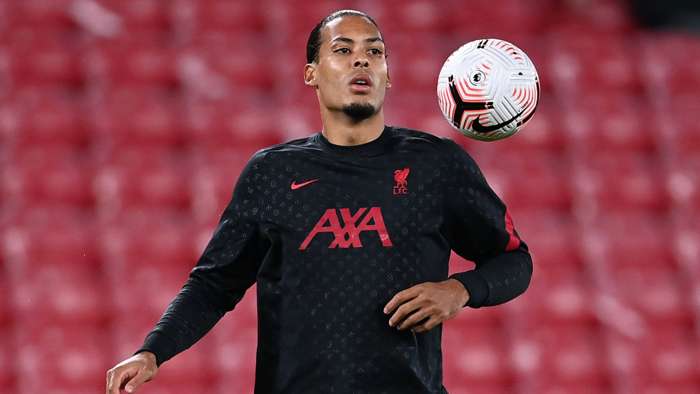
Jurgen Klopp has hinted Virgil van Dijk is in line for a return as Liverpool gear up for their latest friendly clash, against Hertha Berlin.

Van Dijk hasn’t played for Liverpool since undergoing successful surgery on his cruciate ligament knee injury in October last year.

The 30-year-old missed the majority of the 2020-21 campaign as result and decided against lining up with the Netherlands at the European Championships in order to focus on his recovery, and Klopp has now revealed he is nearing a long-awaited comeback.

The Netherlands international could be in line to make his long-awaited return to action this week after a full recovery from knee surgery

Klopp hints at Van Dijk return as Liverpool gear up for Hertha Berlin friendly

Jurgen Klopp has hinted Virgil van Dijk is in line for a return as Liverpool gear up for their latest friendly clash, against Hertha Berlin.

Van Dijk hasn’t played for Liverpool since undergoing successful surgery on his cruciate ligament knee injury in October last year.

The 30-year-old missed the majority of the 2020-21 campaign as result and decided against lining up with the Netherlands at the European Championships in order to focus on his recovery, and Klopp has now revealed he is nearing a long-awaited comeback.

The Netherlands international could be in line to make his long-awaited return to action this week after a full recovery from knee surgery

The Emergency Pudding

 One of the issues we face in understanding where we stand on surveillance is that none folks know exactly how we are being surveilled, and what the approaching years might bring. Surveillance technology is developing at breakneck speed, and what seemed science-fiction 10 years ago is today old news. As an idea experiment, consider a hypothetical government that demands that each citizen wears a biometric bracelet that monitors blood heat and heart-rate 24 hours each day. The resulting data is hoarded and analyzed by government algorithms. The algorithms will know that you simply are sick even before you recognize it, and that they also will know where you’ve got been, and who you’ve got met. The chains of infection might be drastically shortened, and even cut altogether. Such a system could arguably stop the epidemic in its tracks within days. Sounds wonderful, right? The downside is, of course, that this is able to give legitimacy to a terrifying new closed-circuit television. If you recognize, for instance, that I clicked on a Fox News link instead of a CNN link, which will teach you something about my politics and maybe even my personality. But if you’ll monitor what happens to my blood heat, vital signs and heart-rate as I watch the video clip, you’ll learn what makes me laugh, what makes me cry, and what makes me really, really angry. It is crucial to recollect that anger, joy, boredom and love are biological phenomena a bit like fever and a cough. an equivalent technology that identifies coughs could also identify laughs. If corporations and governments start harvesting our biometric data end bloc, they will get to understand us much better than we all know ourselves, and that they can then not just predict our feelings but also manipulate our feelings and sell us anything they need — be it a product or an official. Biometric monitoring would make Cambridge Analytica’s data hacking tactics appear as if something from the Stone Age. Imagine North Korea in 2030, when every citizen has got to wear a biometric bracelet 24 hours each day. If you hear a speech by the good Leader and therefore the bracelet picks up the tell-tale signs of anger, you’re finished. You could, of course, make the case for biometric surveillance as a short-lived measure taken during a state of emergency. it might get away once the emergency is over. But temporary measures have a nasty habit of outlasting emergencies, especially as there’s always a replacement emergency lurking on the horizon. My home country of Israel, for instance, declared a state of emergency during its 1948 War of Independence, which justified a variety of temporary measures from press censorship and land confiscation to special regulations for creating pudding (I kid you not). The War of Independence has long been won, but Israel never declared the emergency over, and has not abolished many of the “temporary” measures of 1948 (the emergency pudding decree was mercifully abolished in 2011). Even when infections from coronavirus are right down to zero, some data-hungry governments could argue they needed to stay the biometric surveillance systems in situ because they fear a second wave of coronavirus, or because there’s a replacement Ebola strain evolving in Central African Republic, or because . . . you get the thought. an enormous battle has been raging in recent years over our privacy. The coronavirus crisis might be the battle’s tipping point. For when people are given a choice between privacy and health, they’re going to usually choose health.

The Emergency Pudding

 One of the issues we face in understanding where we stand on surveillance is that none folks know exactly how we are being surveilled, and what the approaching years might bring. Surveillance technology is developing at breakneck speed, and what seemed science-fiction 10 years ago is today old news. As an idea experiment, consider a hypothetical government that demands that each citizen wears a biometric bracelet that monitors blood heat and heart-rate 24 hours each day. The resulting data is hoarded and analyzed by government algorithms. The algorithms will know that you simply are sick even before you recognize it, and that they also will know where you’ve got been, and who you’ve got met. The chains of infection might be drastically shortened, and even cut altogether. Such a system could arguably stop the epidemic in its tracks within days. Sounds wonderful, right? The downside is, of course, that this is able to give legitimacy to a terrifying new closed-circuit television. If you recognize, for instance, that I clicked on a Fox News link instead of a CNN link, which will teach you something about my politics and maybe even my personality. But if you’ll monitor what happens to my blood heat, vital signs and heart-rate as I watch the video clip, you’ll learn what makes me laugh, what makes me cry, and what makes me really, really angry. It is crucial to recollect that anger, joy, boredom and love are biological phenomena a bit like fever and a cough. an equivalent technology that identifies coughs could also identify laughs. If corporations and governments start harvesting our biometric data end bloc, they will get to understand us much better than we all know ourselves, and that they can then not just predict our feelings but also manipulate our feelings and sell us anything they need — be it a product or an official. Biometric monitoring would make Cambridge Analytica’s data hacking tactics appear as if something from the Stone Age. Imagine North Korea in 2030, when every citizen has got to wear a biometric bracelet 24 hours each day. If you hear a speech by the good Leader and therefore the bracelet picks up the tell-tale signs of anger, you’re finished. You could, of course, make the case for biometric surveillance as a short-lived measure taken during a state of emergency. it might get away once the emergency is over. But temporary measures have a nasty habit of outlasting emergencies, especially as there’s always a replacement emergency lurking on the horizon. My home country of Israel, for instance, declared a state of emergency during its 1948 War of Independence, which justified a variety of temporary measures from press censorship and land confiscation to special regulations for creating pudding (I kid you not). The War of Independence has long been won, but Israel never declared the emergency over, and has not abolished many of the “temporary” measures of 1948 (the emergency pudding decree was mercifully abolished in 2011). Even when infections from coronavirus are right down to zero, some data-hungry governments could argue they needed to stay the biometric surveillance systems in situ because they fear a second wave of coronavirus, or because there’s a replacement Ebola strain evolving in Central African Republic, or because . . . you get the thought. an enormous battle has been raging in recent years over our privacy. The coronavirus crisis might be the battle’s tipping point. For when people are given a choice between privacy and health, they’re going to usually choose health.

The Rise of Gaming Scene

 THE RISE OF GAMING INDUSTRY IN INDIA

The Past 5-10yrs. has been revolutionary for gaming scene in India. Thanks to low cost internet large amount of youngsters in India and cheap phones. Large companies like Microsoft,Sony,Nintendo are placing bets for their position and market share in India.

But how it all started? let’s start from the beginning 

India is a large country with large amount of population with includes most of the youngsters but in early stages internet and computers were expensive. At that time cybercafé’s comes to game people started spending their in cafe’s because they were extremely cheap at that time merely 20-30 rupees for hour and facebook was thing at that time and small games like GTA,IGI Were the main game for public people invest most of their time in cafe playing those games, but after internet price reduction and smartphone revolution companies saw the potential to grow

Companies like Rockstar games,valve invested amount in india which became extremely successful, people started to get competitive in games like counterstrike and this is the part where gaming scene blew up-

At this time more than 500 million people are invested in gaming which leads to 40% growth in year(2016-2020) after launch of jio and pubg in mobiles it is expected to grow more. Venture capital funding for the Indian gaming startups stood at $350 mn between 2014-2020 and it is growing at a CAGR of 22%. The high internet penetration rate and low cost of internet play a major role in driving the online gaming sector in India.
Market share of consoles in India


Segments of digital games and sports in India are:

  • Casual Games: Casual game market represents 14.87% of total Indian gaming market
  • Other e-competitions (using real money): Online card games industry annually growing at 35-40%
  • Fantasy Sports: Over 90 million fantasy sports users at the end of 2019
  • E-sports: Currently, India estimated to have over 17 million esports user
  Alone Krafton Gaming  generated total operating revenues of $1.5 billion in 2020, or over Rs 11,000 crore. Out of this net turnover, PUBG Mobile alone accounted for 82 percent of the revenues due to this more companies like Activision(makers of COD mobile) also invested in India from launching their games to arranging gaming competition. And large companies like-oneplus,Acer started giving sponsorship to people and building high performance device at low cost for gamers which was extremely successful.
But the Question arises is there any career in gaming or should we take gaming as career or streamer?
the answer is it’ll take some time in india as it is in it’s budding stage but after 5-10 years career in gaming will be a thing in India as it is in other countries as it has potential and money in it.

The Soap Police- Amidst Corona Virus Period

Asking people to settle on between privacy and health is, in fact, the very root of the matter. Because this is often a false choice. we will and will enjoy both privacy and health. we will prefer to protect our health and stop the coronavirus epidemic not by instituting totalitarian surveillance regimes, but rather by empowering citizens. In recent weeks, a number of the foremost successful efforts to contain the coronavirus epidemic were orchestrated by South Korea, Taiwan and Singapore. While these countries have made some use of tracking applications, they have relied much more on extensive testing, on honest reporting, and on the willing cooperation of a well-informed public. Centralized monitoring and harsh punishments aren’t the sole thanks to make people suit beneficial guidelines. When people are told the scientific facts, and when people trust public authorities to inform them these facts, citizens can do the proper thing even without an enormous Brother watching over their shoulders. A self-motivated and well-informed population is typically much more powerful and effective than a policed, ignorant population. Consider, for instance, washing your hands with soap. This has been one among the best advances ever in human hygiene. This easy action saves many lives per annum. While we take it without any consideration, it had been only within the 19th century that scientists discovered the importance of washing hands with soap.

Previously, even doctors and nurses proceeded from one surgery to subsequent without washing their hands. Today billions of individuals daily wash their hands, not because they’re scared of the soap police, but rather because they understand the facts. I wash my hands with soap because I have even heard of viruses and bacteria. I understand that these tiny organisms cause diseases, and that I know that soap can remove them. But to realize such A level of compliance and co-operation, you would like trust. People got to trust science, to trust public authorities, and to trust the media. Over the past few years, irresponsible politicians have deliberately undermined trust in science, publicly authorities and within the media. Now these same irresponsible politicians could be tempted to require the high road to authoritarianism, arguing that you simply just cannot trust the general public to try to do the proper thing. Normally, trust that has been eroded for years can’t be rebuilt overnight. But these aren’t normal times. During a moment of crisis, minds can also change quickly. you’ll have bitter arguments together with your siblings for years, but when some emergency occurs, you suddenly discover a hidden reservoir of trust and amity, and you rush to assist each other. rather than building a surveillance regime, it’s not too late to rebuild people’s trust in science, publicly authorities and within the media. We should always definitely make use of the latest technologies too, but these technologies should empower citizens. I’m beat in favor of monitoring my blood heat and vital signs, but that data shouldn’t be wont to create an all-powerful government. Rather, that data should enable me to form more informed personal choices, and also to carry the government in charge of its decisions. If I could track my very own medical condition 24 hours each day, I might learn not only whether I even have become a hazard to people, but also which habits contribute to my health. And if I could access and analyse reliable statistics on the spread of coronavirus, I might be ready to judge whether the government is telling me the reality and whether it’s adopting the proper policies to combat the epidemic. Whenever people mention surveillance, remember that an equivalent surveillance technology can usually be used not only by governments to watch individuals — but also by individuals to watch governments. The coronavirus epidemic is thus a serious test of citizenship. Within the days ahead, all folks should prefer to trust scientific data and healthcare experts over unfounded conspiracy theories and self-serving politicians. If we fail to form the proper choice, we’d find ourselves signing away our most precious freedoms, thinking that this is often the sole thanks to safeguard

Fourth Delhi Police official dies as Covid-19 takes toll on front-line  warriors | Latest News India - Hindustan Times

The Soap Police- Amidst Corona Virus Period

Asking people to settle on between privacy and health is, in fact, the very root of the matter. Because this is often a false choice. we will and will enjoy both privacy and health. we will prefer to protect our health and stop the coronavirus epidemic not by instituting totalitarian surveillance regimes, but rather by empowering citizens. In recent weeks, a number of the foremost successful efforts to contain the coronavirus epidemic were orchestrated by South Korea, Taiwan and Singapore. While these countries have made some use of tracking applications, they have relied much more on extensive testing, on honest reporting, and on the willing cooperation of a well-informed public. Centralized monitoring and harsh punishments aren’t the sole thanks to make people suit beneficial guidelines. When people are told the scientific facts, and when people trust public authorities to inform them these facts, citizens can do the proper thing even without an enormous Brother watching over their shoulders. A self-motivated and well-informed population is typically much more powerful and effective than a policed, ignorant population. Consider, for instance, washing your hands with soap. This has been one among the best advances ever in human hygiene. This easy action saves many lives per annum. While we take it without any consideration, it had been only within the 19th century that scientists discovered the importance of washing hands with soap.

Previously, even doctors and nurses proceeded from one surgery to subsequent without washing their hands. Today billions of individuals daily wash their hands, not because they’re scared of the soap police, but rather because they understand the facts. I wash my hands with soap because I have even heard of viruses and bacteria. I understand that these tiny organisms cause diseases, and that I know that soap can remove them. But to realize such A level of compliance and co-operation, you would like trust. People got to trust science, to trust public authorities, and to trust the media. Over the past few years, irresponsible politicians have deliberately undermined trust in science, publicly authorities and within the media. Now these same irresponsible politicians could be tempted to require the high road to authoritarianism, arguing that you simply just cannot trust the general public to try to do the proper thing. Normally, trust that has been eroded for years can’t be rebuilt overnight. But these aren’t normal times. During a moment of crisis, minds can also change quickly. you’ll have bitter arguments together with your siblings for years, but when some emergency occurs, you suddenly discover a hidden reservoir of trust and amity, and you rush to assist each other. rather than building a surveillance regime, it’s not too late to rebuild people’s trust in science, publicly authorities and within the media. We should always definitely make use of the latest technologies too, but these technologies should empower citizens. I’m beat in favor of monitoring my blood heat and vital signs, but that data shouldn’t be wont to create an all-powerful government. Rather, that data should enable me to form more informed personal choices, and also to carry the government in charge of its decisions. If I could track my very own medical condition 24 hours each day, I might learn not only whether I even have become a hazard to people, but also which habits contribute to my health. And if I could access and analyse reliable statistics on the spread of coronavirus, I might be ready to judge whether the government is telling me the reality and whether it’s adopting the proper policies to combat the epidemic. Whenever people mention surveillance, remember that an equivalent surveillance technology can usually be used not only by governments to watch individuals — but also by individuals to watch governments. The coronavirus epidemic is thus a serious test of citizenship. Within the days ahead, all folks should prefer to trust scientific data and healthcare experts over unfounded conspiracy theories and self-serving politicians. If we fail to form the proper choice, we’d find ourselves signing away our most precious freedoms, thinking that this is often the sole thanks to safeguard

Fourth Delhi Police official dies as Covid-19 takes toll on front-line  warriors | Latest News India - Hindustan Times

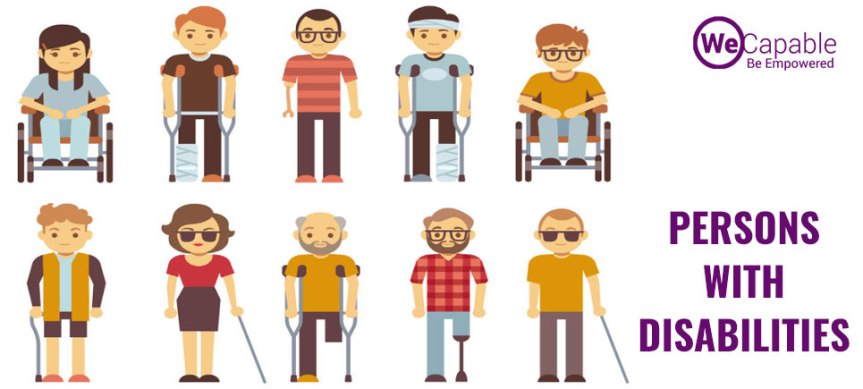
Person with disabilities and education system.

Introduction:  

Person with disabilities is considered a person who has different abilities to perform a task. Sometimes different abled people are born but sometimes they meet with an accident which causes the disability. A person can have one and more disabilities in themselves. There could be cured and uncured disabilities. 

In India the disabilities are connected with karma. If a person has some defect they might do something wrong in their past life. The karma concept believed that a person with disabilities must do some good thing so they can overcome their disabilities in upcoming life. The disable person should only focus on God so they get forgiven from god. 

 Earlier, the education system also excluded people with disabilities. They had an idea that PwD must have a different environment for their education. Their disabilities must affect the other children. Earlier the disabilities were considered touchable. So the school administration and parents do not want to include the people with disabilities in their so called normal children education system. 

The video shares an idea of inclusion at every level of society. People with disabilities discussed their struggles to get education along with their parents.  They put focus on the obstacles they had in their life. The video shows that hardly only parents accept children’s disabilities and love them as the other children of the family. 

The story of Krishna kanth and Sai Prasad who  were accepted by their parents with their disability and were encouraged to study in normal school. They said our children are our pride. No matter what they are, how they are- only the thing that matters is that they are our children. Acceptance of the people with disabilities  at home is important to their development. The love and care they get from their parents helps them to fight with their circumstances. As a family we don’t need to feel ashamed, instead we must feel proud that we have a person who has different abilities in itself. 

In our education system disabilities are considered as special cases. They don’t want to admit children with disabilities. They said we don’t have teaching staff and proper infrastructure for special needs children. 

The inequality is not only in the rural area urban education system but also part of this injustice. In rural areas, parents are economically weak; they can’t afford a special educator and any other alternative. Due to weak economic conditions both parents have to work. In that case, one of the siblings has to live at home to take care of the other child. In the end both the children remain uneducated.

In urban areas, parents have enough money but the schools don’t want to admit their children who have any disabilities. They considered the children with disabilities as the problem. They thought that their school image would be ruined because of people with disabilities.

Rekha Shani (trustee of a school) gave a statement that we have not  any issue or problem but the parents of other children deny. They said if the school admitted disable people in school or college we would not let our children go there. The statement shows how  society thinks about people with disabilities. They don’t see them with their children. The inequality is the reason many bright differently abled people are moved aboard or remain in darkness of life. Behaviour of society must be more positive toward the people with disabilities. Society is not only doing injustice to them but also other children missed the chance to learn many things from them. 

We should involve the inclusive education in our society and education system as the mandatory level. 

Uma tuli the founder of Amar Jyoti foundation new delhi said when I started the inclusive education under a tree with 30 students in which 15 children were differently abled and 15 were other people said the madam is mad. How could she teach those children with so-called normal children? But she was so determined to do her work that she opened an inclusive school for all children. The parents of other children are also happy that our children get a chance to learn more with the different abled children. The infrastructure of the school is designed to be considered for all the disabilities such as tactile path for blind children, enough length and width  of stairs and gate, ramps for wheelchairs,  special educator for differently abled children. 

People with disabilities often face physical abuse and mental harassment by the family or by society. We should encourage them, not motivate them. 

Governments play an important role to promote inclusive education among the schools. There are some policies and acts are

  • Samagra shiksha abhiyan – launched in 2018-19 by MHRD. It is an integrated scheme which promotes inclusive education in the school system. The scheme is regulated by RTE 2009.
  • Right to education- Right to free and compulsory education 2012 as per amendment, all the children ( differently abled) have right to get education. No school can deny the children in the school.
  • As per the Amendment of 2012, the RTE Act also mandates that a child with multiple and/or severe disabilities has the right to opt for home-based education.

Conclusion

In  the video clip we discussed what challenges faced by the person with disabilities. Society focused on the karma concept.

It’s the brain of other people who have become disable who can’t accept the diversity .

So it’s the people who are disable to see the special abilities of these children because it’s not the children who are disable it’s the environment and people’s minds who are not providing the appropriate environment. As we know all 5 fingers are different similarly all children are different and have different abilities .

Everyone should have faith in themselves and accept themselves as they are instead of feeling low or inferior . 

The external help or sympathy shouldn’t come out of pity but from the heart. 

So inclusion is not about the writing on paper but it’s important to bring inclusion in practice , action .

Person with disabilities and education system.

Introduction:  

Person with disabilities is considered a person who has different abilities to perform a task. Sometimes different abled people are born but sometimes they meet with an accident which causes the disability. A person can have one and more disabilities in themselves. There could be cured and uncured disabilities. 

In India the disabilities are connected with karma. If a person has some defect they might do something wrong in their past life. The karma concept believed that a person with disabilities must do some good thing so they can overcome their disabilities in upcoming life. The disable person should only focus on God so they get forgiven from god. 

 Earlier, the education system also excluded people with disabilities. They had an idea that PwD must have a different environment for their education. Their disabilities must affect the other children. Earlier the disabilities were considered touchable. So the school administration and parents do not want to include the people with disabilities in their so called normal children education system. 

The video shares an idea of inclusion at every level of society. People with disabilities discussed their struggles to get education along with their parents.  They put focus on the obstacles they had in their life. The video shows that hardly only parents accept children’s disabilities and love them as the other children of the family. 

The story of Krishna kanth and Sai Prasad who  were accepted by their parents with their disability and were encouraged to study in normal school. They said our children are our pride. No matter what they are, how they are- only the thing that matters is that they are our children. Acceptance of the people with disabilities  at home is important to their development. The love and care they get from their parents helps them to fight with their circumstances. As a family we don’t need to feel ashamed, instead we must feel proud that we have a person who has different abilities in itself. 

In our education system disabilities are considered as special cases. They don’t want to admit children with disabilities. They said we don’t have teaching staff and proper infrastructure for special needs children. 

The inequality is not only in the rural area urban education system but also part of this injustice. In rural areas, parents are economically weak; they can’t afford a special educator and any other alternative. Due to weak economic conditions both parents have to work. In that case, one of the siblings has to live at home to take care of the other child. In the end both the children remain uneducated.

In urban areas, parents have enough money but the schools don’t want to admit their children who have any disabilities. They considered the children with disabilities as the problem. They thought that their school image would be ruined because of people with disabilities.

Rekha Shani (trustee of a school) gave a statement that we have not  any issue or problem but the parents of other children deny. They said if the school admitted disable people in school or college we would not let our children go there. The statement shows how  society thinks about people with disabilities. They don’t see them with their children. The inequality is the reason many bright differently abled people are moved aboard or remain in darkness of life. Behaviour of society must be more positive toward the people with disabilities. Society is not only doing injustice to them but also other children missed the chance to learn many things from them. 

We should involve the inclusive education in our society and education system as the mandatory level. 

Uma tuli the founder of Amar Jyoti foundation new delhi said when I started the inclusive education under a tree with 30 students in which 15 children were differently abled and 15 were other people said the madam is mad. How could she teach those children with so-called normal children? But she was so determined to do her work that she opened an inclusive school for all children. The parents of other children are also happy that our children get a chance to learn more with the different abled children. The infrastructure of the school is designed to be considered for all the disabilities such as tactile path for blind children, enough length and width  of stairs and gate, ramps for wheelchairs,  special educator for differently abled children. 

People with disabilities often face physical abuse and mental harassment by the family or by society. We should encourage them, not motivate them. 

Governments play an important role to promote inclusive education among the schools. There are some policies and acts are

  • Samagra shiksha abhiyan – launched in 2018-19 by MHRD. It is an integrated scheme which promotes inclusive education in the school system. The scheme is regulated by RTE 2009.
  • Right to education- Right to free and compulsory education 2012 as per amendment, all the children ( differently abled) have right to get education. No school can deny the children in the school.
  • As per the Amendment of 2012, the RTE Act also mandates that a child with multiple and/or severe disabilities has the right to opt for home-based education.

Conclusion

In  the video clip we discussed what challenges faced by the person with disabilities. Society focused on the karma concept.

It’s the brain of other people who have become disable who can’t accept the diversity .

So it’s the people who are disable to see the special abilities of these children because it’s not the children who are disable it’s the environment and people’s minds who are not providing the appropriate environment. As we know all 5 fingers are different similarly all children are different and have different abilities .

Everyone should have faith in themselves and accept themselves as they are instead of feeling low or inferior . 

The external help or sympathy shouldn’t come out of pity but from the heart. 

So inclusion is not about the writing on paper but it’s important to bring inclusion in practice , action .