Heritage trains in India that you must enjoy a ride on

Heritage rails are more than just tourist attractions. Not only they helps create a romantic feel, but also give us a glimpse of the history of the land. Although heritage railways have renovated most of their trains for technical advancements and safety purposes, they still carry the old-school charm. The views on these routes are just unparalleled. Here’s a list of heritage trains that you need to definitely enjoy a ride on.

Kalka-Shimla Railway

This narrow gauge railway chugs between Kalka and Shimla, and is famous for offering beautiful views of forests and hill regions. It was built in 1898 to connect Shimla, the summer capital of India, with the rest of the Indian rail system. It is 2 ft 6 inch (762 mm) narrow gauge railway in North-West India, and was built by HS Harington. It is now operated by the Northern Railway. UNESCO added the Kalka-Shimla railway to mountain railways of India World Heritage Site in 2008.

Darjeeling Himalayan Railway

The toy train, this train travels between New Jalpaiguri station and Darjeeling station. The Darjeeling Himalayan Railway started in the end of the 19th century, and covers six zigzag routes and five large loops to reach higher altitudes. In 1999, this route was declared as a World Heritage Site; it has also been one of the country’s most famous tourist attractions. The setting of the train journey also has a vintage charm to it, a ride on this train will definitely change your outlook toward train travel.

Nilgiri Mountain Railway

The Nilgiri Mountain Railway is in Tamil Nadu, and was built in 1908 by the British. The route runs from Mettupalayam to Udhagamandalam (Ooty), and takes around 4.8 hours to complete. Most times, just one train travels on this route each way; however, during the peak summer season, four trains run each way, everyday. In July 2005, UNESCO designated it as a World Heritage Site, and is now operated by the Salem railway division.

Matheran Hill Railway

This train is on the tentative list of UNESCO World Heritage Sites, yet a ride on this train will be one of the best rides ever!. This narrow gauge train runs between Neral and Matheran in Maharashtra. Interesting thing to note here is that it chugs along the well-known Western Ghats, so in terms of views, you are in for a ride. Further, this 21 km long route has been in operation since 1907. The train starts its journey in Neral, and then ascends the Matheran hill by going through two large zig-zags before completing its 140 hours’ journey.
Heritage trains in India that you must enjoy a ride on

Heritage rails are more than just tourist attractions. Not only they helps create a romantic feel, but also give us a glimpse of the history of the land. Although heritage railways have renovated most of their trains for technical advancements and safety purposes, they still carry the old-school charm. The views on these routes are just unparalleled. Here’s a list of heritage trains that you need to definitely enjoy a ride on.

Kalka-Shimla Railway

This narrow gauge railway chugs between Kalka and Shimla, and is famous for offering beautiful views of forests and hill regions. It was built in 1898 to connect Shimla, the summer capital of India, with the rest of the Indian rail system. It is 2 ft 6 inch (762 mm) narrow gauge railway in North-West India, and was built by HS Harington. It is now operated by the Northern Railway. UNESCO added the Kalka-Shimla railway to mountain railways of India World Heritage Site in 2008.

Darjeeling Himalayan Railway

The toy train, this train travels between New Jalpaiguri station and Darjeeling station. The Darjeeling Himalayan Railway started in the end of the 19th century, and covers six zigzag routes and five large loops to reach higher altitudes. In 1999, this route was declared as a World Heritage Site; it has also been one of the country’s most famous tourist attractions. The setting of the train journey also has a vintage charm to it, a ride on this train will definitely change your outlook toward train travel.

Nilgiri Mountain Railway

The Nilgiri Mountain Railway is in Tamil Nadu, and was built in 1908 by the British. The route runs from Mettupalayam to Udhagamandalam (Ooty), and takes around 4.8 hours to complete. Most times, just one train travels on this route each way; however, during the peak summer season, four trains run each way, everyday. In July 2005, UNESCO designated it as a World Heritage Site, and is now operated by the Salem railway division.

Matheran Hill Railway

This train is on the tentative list of UNESCO World Heritage Sites, yet a ride on this train will be one of the best rides ever!. This narrow gauge train runs between Neral and Matheran in Maharashtra. Interesting thing to note here is that it chugs along the well-known Western Ghats, so in terms of views, you are in for a ride. Further, this 21 km long route has been in operation since 1907. The train starts its journey in Neral, and then ascends the Matheran hill by going through two large zig-zags before completing its 140 hours’ journey.
LOOKING AT THE POSITIVE SIDE OF THE PANDEMIC

The coronavirus pandemic has left everyone stranded at their homes with nowhere outside to step. Even those little strolls in fresh mornings and calm evenings seem a distant possibility. The living place has become a whole working world with all systems decked up at home, and minimum necessity to step outside. But thanks to technology, everything is now possible at the click of a button or screen. From ordering basic groceries and food online to totally working online through a home office, everything from decently simple to twistingly complicated has become super easy. Technology was already in the developing stages of going virtual, but the pandemic has triggered advancements and pushed boundaries for us to survive and function smoothly without physically having to facilitate all this. Earlier, working from home or workations were very rare and mostly done if travelling from home was difficult or tedious. Today, working from home is the norm and people have got accustomed to this way of working. Albeit the comfort of doing everything without the effort of getting dressed in those uncomfortable formal dresses and travelling hours to work everyday, a few professionals think that bringing the workplace home has disrupted work-life balance and life has become more mundane, without any weekend chilling, fun activities at the workplace, social interaction and bonding or office parties. Only work and total lockdown have made the outgoing squad’s lives frustrating and outright boring. But fret not they say, because social media and entertainment platforms picked the right opportunity to bring back the fun in the routine lives of fun-loving people. They did it simple and big – give people the motivation and platform to showcase what they are good at, bring out the talent and innovation and publicize it through the right medium in the right way. Earlier, people hadn’t even pondered over if their pastime interests and mini-gigs could garner such appreciation and popularity over the internet. But the lockdown made internet stars out of next door neighbours. And not just the popularity that comes with it, people have actually started enjoying the process of being involved in doing something they like with such passion and happiness. It keeps them busy for the day and also serves as a welcome change from office work and stress. This has actually brought out the creativity of content creators who would otherwise have continued with their routine weekdays and weekends. Confinement has encouraged people to try out something which interests them – anything decent and simple good, and refreshing too. Typical 9 to 5 people have found something new and interesting to look forward to after work. What had been believed strictly professional once has become fun and exciting. From comedians to content creators, memers, lifestyle coaches, fashion trendsetters, culinary experts, motivation leaders, creative minds and bloggers, we have a whole set of feel-good people to watch perform, enjoy and seize the day, being at home. Trying out funny dance or comedy videos, innovating sustainable fashion with homely items, revamping the simple abode into a nice and cool place, preparing chef-style dishes at home are just some of the trends that have taken the attention of the millennials. And it’s true, they find satisfaction and solace in trying out these new things, posting their daily activities online. The attitude of people towards the definition of a fulfilling day has changed, too. Today, they believe that if they’ve had a happy time, it’s a day spent well, rather than running behind goals and the constant need of accomplishing something by the end of the day, and losing their calm and composure in the process. And they are right! In the end, all that counts is how much one has enjoyed thoroughly rather than what he/she has achieved. The lockdown has sure made normal life tumultuous to some extent, but if we look at the positive side of things, we are actually thriving well in tough times, and we’ve got to keep it up and strong till we overcome this situation testing our limits, and we will surely do it with the same ease and elegance as gracefully as we have come this far! 

PARTICIPATION OF WOMEN IN WORKFORCE

Participation of women as the economically productive workforce:

53 percent of all the fresh graduates in India, in the year 2018-2019 were women. As per All India Survey of Higher education, the enrolment of women for higher education has increased to 49 percent in 2018 to 2019 as against 44 percent in the year 2011 to 2012 This is indeed is a clear indicator that India has made considerable progress in women education. Yet this pool of women talent transforming into the driving workforce is distressingly less. India’s Female Labour Force Participation Rate (LFPR) was 20.8 percent in 2019, as per data from the World Bank.

India has seen a steep decline in Female Labour Force Participation Rate (LFPR), It has fallen to 20.8 percent in 2019 as against 30.27 percent in 1990.India’s Female LFPR is very less

The fact that such a large pool of literate, qualified and talented women workforce is still aloof in the effort to boost economy is a clear indication to analyse how to judiciously harvest this talent or rather what might be the causes that women participation in the workforce is so low.

There might be two chief causes of this dwindling Female LFPR –

  1. Societal Norms
  2. Difficulties faced by women to enter and retain in the labour market

In some communities, women face a lot of resistance to work and participate in the workforce. This resistance is mainly due to societal taboo about women working outside the house. In addition to this the women might be subjected to take care of the household responsibly. Many women find it difficult to harmonize the trade off between family responsibilities and work. The unpaid house work and parenting are still seen as a woman’s primary duty while men are entitled as the bread winners of the family. This might be a chief cause which discourage women to participate in the labour pool.

Women with lower family incomes are subjected to forced labour due to financial pressures while a few women drop out once the income is stable. While few educated women in India still face mismatch in the opportunities and exposure provided to them based on their talent and skill set. Other concerns are safety at work place, security of tenure- owing to maternal leaves, the pay parity, maintaining work and household balance and societal pressure.

Regardless of the countless barrier women have faced to participate and retain in the workforce, women have found their way out and reached the pinnacle of their career. May these women be the torch bearers and inspire the future generations and create opportunities for them. For India cannot afford the productivity loss by missing out such a large chunk of women workforce. New laws, policies and change in societal outlook are kindling the spark for necessary transformation to include more and more women in productive workforce. But we still have a long way to go and encourage women participation as much as we can. And as they say, charity begins at home! Let us start by empowering ourselves and many more future generations to come, not for the sake of feminism or gender equality, but to lead a fulfilling, independent and exemplary life.

Poverty in India

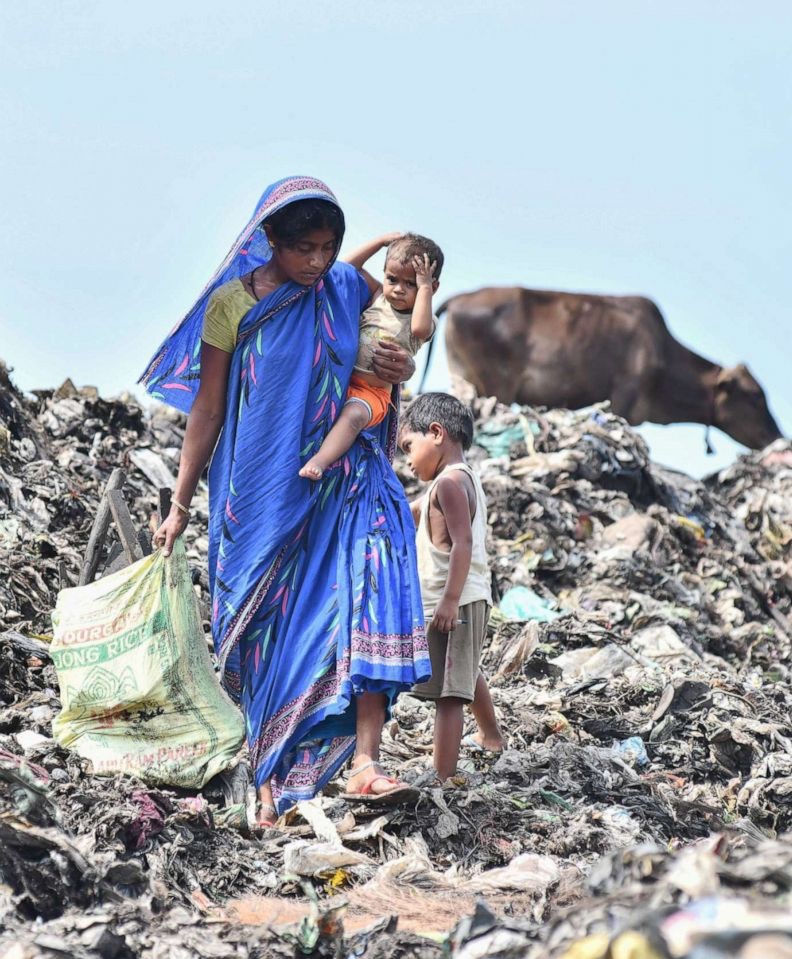
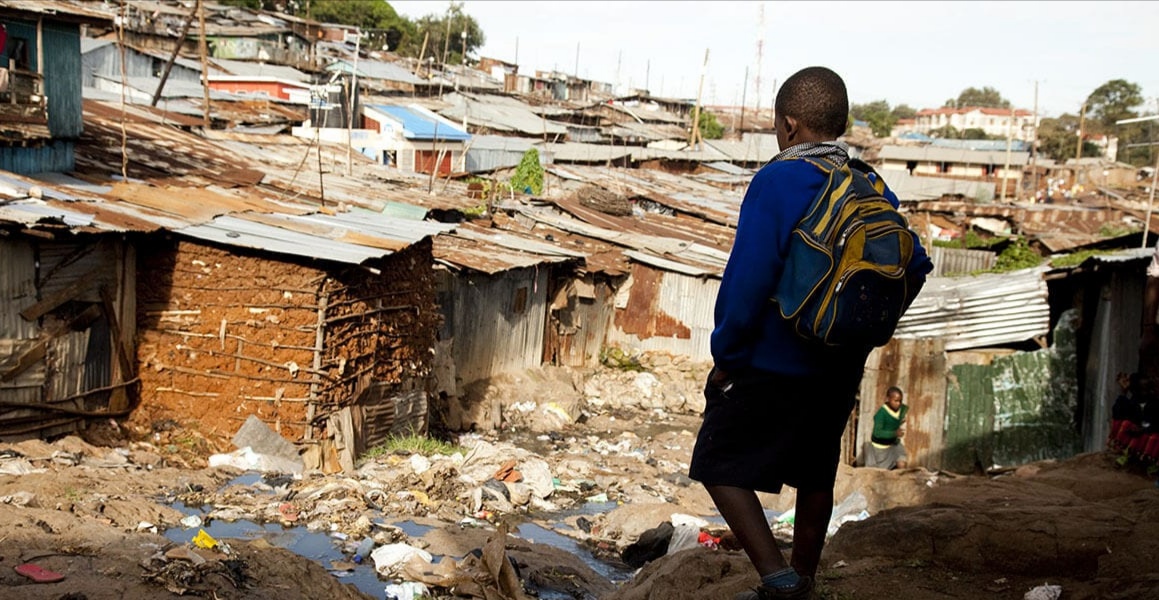
Poverty one of the major problem in India. India is the second most populous country after China with 1.2 billion people and it is the seventh largest country in the world in terms of area.

Around ⅔rd of people in India live in poverty in which 68.9 % of Indian population lives on less than 2 dollar a day and over 30% even have less than 1.25 dollar per day. And thus they are considered extremely poor.

India subcontinent is one of the poorest country in the world.

The most poor section of our country is children and Womens. They are considered as the weakest member of Indian society and that’s why they suffer the most.

In India womens are not considered as the strongest member of the society because of a patriarchy.

Education and job for womens are not considered important in our society.

By preventing education for Childrens and womens leads to the poverty and poverty is also preventing children from getting an education

Poverty in India impacts children and families in a variety of different ways:-

  • High infant mortality
  • Child labour
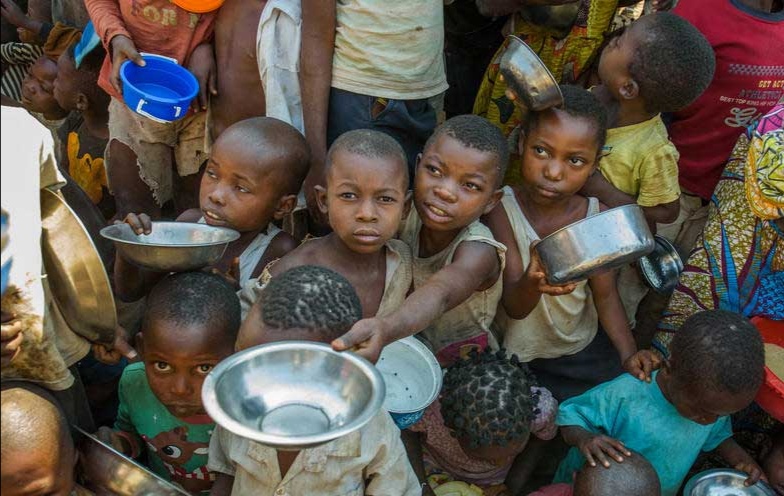
  • Malnutrition
  • Lack of education
  • Child marriage

High infant mortality rate

  • India is one of the country with highest child mortality rate.
  • Around 1.4 million children die each year in India their fifth birthday.
  • Major causes of death are due to pneumonia, malaria, diarrhoeal diseases as well as chronic Malnutrition.

Child labour

  • Child labour for children under the age of 14 in India is prohibited by law.
  • According to official figures 12.5 nilganj children between the age of 5 to 14 are working.
  • It is believed that Indian children’s contribute to the living wood of their poor family.
  • Children’s work in the field in factories, in quarries, private households .

Malnutrition

  • India is one of the world’s top countries when it comes to Malnutrition.
  • 7.8 infants were found to have birth weight less than 2.5Kg
  • More than 200 million people don’t have sufficient access food.

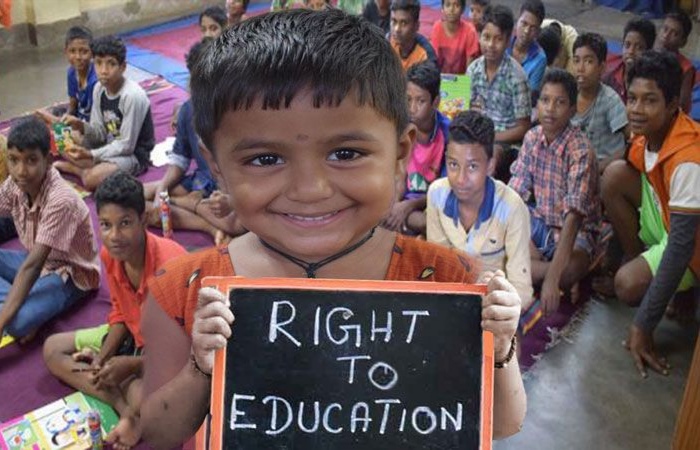
Lack of Education

  • Most of childrens have no access to education in India.
  • Girls are excluded from the school in higher numbers with respect to boys.
  • We should have to treat them equally but it is believed to be inferior on lower caste.
  • Without education, chances of finding living from employment in India is impossible.
  • If educated peoples start teaching childrens at free of cost then it also be very useful in making a better world.
  • Like If 30 college students are studying in 1 course and they start teaching poor childrens only 1 day per month then the childrens study 1 month at free of costs.
  • We also have to put some efforts in making better world not for others, but for ourselves as well.

Child marriage

  • As we know Child marriage is crime according to Child marriage Restraint Act, 1929.
  • But it is still widespread in many regions of India.
  • Poverty is also the main reason behind this.

Overpopulation

  • Overpopulation leads to high competition in every aspects of life.
  • We see lack of job opportunities, education.
  • Food production is not as much to fulfill the need of this higher population.
  • Due to overpopulation, and not doing work after having such high population in India is main reason behind poverty.
  • If we utilise this overpopulation as the opportunity to increase country’s financial condition then it actually going to worth it.

Poverty in India

Poverty one of the major problem in India. India is the second most populous country after China with 1.2 billion people and it is the seventh largest country in the world in terms of area.

Around ⅔rd of people in India live in poverty in which 68.9 % of Indian population lives on less than 2 dollar a day and over 30% even have less than 1.25 dollar per day. And thus they are considered extremely poor.

India subcontinent is one of the poorest country in the world.

The most poor section of our country is children and Womens. They are considered as the weakest member of Indian society and that’s why they suffer the most.

In India womens are not considered as the strongest member of the society because of a patriarchy.

Education and job for womens are not considered important in our society.

By preventing education for Childrens and womens leads to the poverty and poverty is also preventing children from getting an education

Poverty in India impacts children and families in a variety of different ways:-

  • High infant mortality
  • Child labour
  • Malnutrition
  • Lack of education
  • Child marriage

High infant mortality rate

  • India is one of the country with highest child mortality rate.
  • Around 1.4 million children die each year in India their fifth birthday.
  • Major causes of death are due to pneumonia, malaria, diarrhoeal diseases as well as chronic Malnutrition.

Child labour

  • Child labour for children under the age of 14 in India is prohibited by law.
  • According to official figures 12.5 nilganj children between the age of 5 to 14 are working.
  • It is believed that Indian children’s contribute to the living wood of their poor family.
  • Children’s work in the field in factories, in quarries, private households .

Malnutrition

  • India is one of the world’s top countries when it comes to Malnutrition.
  • 7.8 infants were found to have birth weight less than 2.5Kg
  • More than 200 million people don’t have sufficient access food.

Lack of Education

  • Most of childrens have no access to education in India.
  • Girls are excluded from the school in higher numbers with respect to boys.
  • We should have to treat them equally but it is believed to be inferior on lower caste.
  • Without education, chances of finding living from employment in India is impossible.
  • If educated peoples start teaching childrens at free of cost then it also be very useful in making a better world.
  • Like If 30 college students are studying in 1 course and they start teaching poor childrens only 1 day per month then the childrens study 1 month at free of costs.
  • We also have to put some efforts in making better world not for others, but for ourselves as well.

Child marriage

  • As we know Child marriage is crime according to Child marriage Restraint Act, 1929.
  • But it is still widespread in many regions of India.
  • Poverty is also the main reason behind this.

Overpopulation

  • Overpopulation leads to high competition in every aspects of life.
  • We see lack of job opportunities, education.
  • Food production is not as much to fulfill the need of this higher population.
  • Due to overpopulation, and not doing work after having such high population in India is main reason behind poverty.
  • If we utilise this overpopulation as the opportunity to increase country’s financial condition then it actually going to worth it.