Sustainable development

Reasonable advancement is a getting sorted out rule for meeting human improvement objectives while at the same time supporting the capacity of regular frameworks to give the normal assets and biological system administrations on which the economy and society depend. The ideal outcome is a condition of society where day to day environments and assets are utilized to keep on addressing human necessities without subverting the uprightness and dependability of the normal framework. Supportable improvement can be characterized as advancement that addresses the issues of the present without compromising the capacity of people in the future to address their own issues. Manageability objectives, like the current UN-level Sustainable Development Goals, address the worldwide difficulties, including neediness, disparity, environmental change, ecological debasement, harmony, and equity.

While the cutting edge idea of supportable improvement is gotten for the most part from the 1986 Brundtland Report, it is likewise established in before thoughts regarding reasonable woods the executives and twentieth-century natural concerns. As the idea of manageable improvement created, it has moved its concentrate more towards the monetary turn of events, social turn of events and ecological assurance for people in the future.

The idea of reasonable advancement has been, and still is, subject to analysis, including the topic of what is to be supported in feasible turn of events. It has been contended that there is nothing of the sort as a feasible utilization of a non-inexhaustible asset, since any certain pace of misuse will ultimately prompt the fatigue of earth’s limited stock this point of view delivers the Industrial Revolution in general unreasonable.

Reasonable advancement has its foundations in thoughts regarding economical backwoods the board which were created in Europe during the seventeenth and eighteenth centuries.[8][5]:6–16 in light of a developing familiarity with the consumption of lumber assets in England, John Evelyn contended, “Planting and planting of trees must be viewed as a public obligation of each landowner, to stop the dangerous over-misuse of regular assets.” in his 1662 exposition Sylva. In 1713 Hans Carl von Carlowitz, a senior mining executive in the help of Elector Frederick Augustus I of Saxony distributed Sylvicultura financial aspects, a 400-page work on ranger service. Expanding upon the thoughts of Evelyn and French clergyman Jean-Baptiste Colbert, von Carlowitz fostered the idea of overseeing woodlands for supported yield.[8] His work affected others, including Alexander von Humboldt and Georg Ludwig Hartig, in the long run prompting the advancement of the study of ranger service. This, thus, affected individuals like Gifford Pinchot, the main top of the US Forest Service, whose way to deal with timberland the board was driven by the possibility of shrewd utilization of assets, and Aldo Leopold whose land ethic was powerful in the advancement of the natural development during the 1960s.

Following the distribution of Rachel Carson’s Silent Spring in 1962, the creating natural development caused to notice the connection between monetary development and improvement and ecological corruption. Kenneth E. Boulding in his powerful 1966 exposition The Economics of the Coming Spaceship Earth distinguished the requirement for the monetary framework to fit itself to the environmental framework with its restricted pools of assets.


A guide to take care of your skin

Although you may believe that you have dry, oily, or sensitive skin, do you truly know? Knowing your genuine skin type can help you shop for cosmetics the next time you’re in the store. In reality, using the wrong products for your skin type — or even famous Internet tips — can exacerbate acne, dryness, and other skin issues.

Photo by Anna Shvets on Pexels.com

How to create your own skin care regimen


Which DIY skin hacks aren’t healthy, even if they seem to work, how to treat certain skin conditions like acne or scarring which DIY skin hacks aren’t healthy, even if they seem to work.

Building a daily skin care routine

A daily skin care programme can help you maintain general skin health and alleviate particular concerns like acne, scars, and dark spots, regardless of your skin type. A daily skin care routine consists of four essential stages that should be completed once in the morning and once before bedtime.

1. Cleansing: Choose a cleanser that doesn’t leave your skin tight after washing. Clean your face no more than twice a day, or just once, if you have dry skin and don’t wear makeup. Avoid washing for that squeaky-clean feeling because that means your skin’s natural oils are gone. Cleansers known to work well for all skin types include Cetaphil and Banila Clean It Zero Sherbet Cleanser.

2. Serums: A serum with vitamin C or growth factors or peptides would be better in the morning, under sunscreen. At night, retinol or prescription retinoids work best. Makeup Artist’s Choice has an effective vitamin C and E serum and retinol available.

3. Moisturizer: Even oily skin needs moisturizer, but use one that is lightweight, gel-based, and non-comedogenic, or doesn’t block your pores, like CeraVe’s facial lotion. Dry skin may benefit from more cream-based moisturizers like MISSHA Super Aqua Cell Renew Snail Cream. Most brands will label their products as gel or cream on their packaging.

4. Sunscreen: Apply sunscreen with at least 30 SPF 15 minutes before heading outdoors, as it takes a while for sunscreen to activate. Darker skin tones actually need more sun protection because hyperpigmentation is harder to correct. Try EltaMD’s sunscreen, which offers broad-spectrum UVA/UVB protection and is recommended by the Skin Cancer Foundation.

Suitable for all skin types


Keep yourself hydrated.


At least once a week, change your pillowcases.


Before going to bed, wash or wrap your hair.


Apply sunscreen 15 minutes before heading out every day.

To test how your skin reacts, start with a basic and uncomplicated routine. You can then add other products like exfoliants, masks, and spot treatments to increase your skin’s health if you’re comfortable.

Also, remember to patch test new products, especially if you have sensitive skin. This can aid in the detection of allergic reactions.

DIY Hacks to avoid

For typical skin concerns like acne pimples and dark patches, people claim that DIY remedies like lemon juice and toothpaste work miracles. Even Oscar winner Emma Stone claims that baking soda is her skin care secret. However, because these techniques might damage your skin’s barrier, they may cause more long-term harm than good.

Avoid these do-it-yourself blunders


Lemon juice: While it contains citric acid, it is far too acidic and might create dark spots following sun exposure. It might also cause your skin to become dry and irritated.


Baking soda (sodium bicarbonate) Baking soda, with a pH of 8, will stress your skin, severely reduce your skin’s water content, and produce dry skin.


Garlic: Garlic, when eaten raw, can cause skin allergies, eczema, and other skin conditions.

Toothpaste: While toothpaste’s chemicals destroy bacteria and absorb oil, they can also dry up or irritate your skin.
Sugar: Sugar is too harsh for the skin on your face as an exfoliator.

Vitamin E: Applying vitamin E to your skin can irritate it, and it hasn’t been proven to improve scar look.

Photo by cottonbro on Pexels.com

Although some of these substances are natural and inexpensive, they are not tailored for your skin. Even if you don’t experience any obvious negative effects, some substances can cause long-term or delayed harm. It’s important to utilise cosmetics designed specifically for your face. Before attempting DIY skin care, consult your doctor or dermatologist.

When to see a doctor or dermatologist

If your skin problems do not improve with over-the-counter products, you should contact a dermatologist. Prescription treatment for more severe acne, scarring, or other issues may be required, such as oral antibiotics, birth control, or topical prescription retinoids.

For deeper cysts or acne patches lodged beneath your skin, your dermatologist may conduct an extraction.

Keep in mind that the way goods perform depends on your skin type. Even when using a natural product, using the wrong one might cause breakouts, pimples, and redness.

It’s crucial to figure out your skin type and tailor your skin care routine accordingly. You can also take notes on product ingredients to determine if any of them are producing allergic reactions on your skin.

After cleansing your face, look for products that include these substances and incorporate them into your routine.

Lightning Bolt.

When we talk about Olympics , how can we not talk about Usain St. Leo Bolt.Popularly known as Usain Bolt, he gained worldwide fame as sprinter.This talented man also hold 8 medals in Olympics

Bolt was born on 21st August 1986 in Sherwood Content, a small town in Jamaica. As a kid he was always interested in sports. He played football and cricket most. He stated ,”When I was young, I didn’t really think about anything other than sports”. Bolt mainly focused on other sports but his cricket coach notice his speed on cricket field and urged him to try track event. Following the advice of his coach he won his first annual high school medal in 2001; he took silver medal in 200 metres with a time of 22.04 seconds.

Bolt is a world record holder in 100 metres, 200metres and 4×100 metres relay. Bolt is a also a first athlete to win four World Championship titles in 200 m and is one of the most successful in 100 m with three titles. His achievements are so great that earned nickname “Lightning Bolt” . Bolt retired after 2017 World Championships, when he finished third in last Solo 100 m race, opted out of the 200 m and pulled up in 4×100 in relay final.

A guide to take care of your skin

Although you may believe that you have dry, oily, or sensitive skin, do you truly know? Knowing your genuine skin type can help you shop for cosmetics the next time you’re in the store. In reality, using the wrong products for your skin type — or even famous Internet tips — can exacerbate acne, dryness, and other skin issues.

Photo by Anna Shvets on Pexels.com

How to create your own skin care regimen

Which DIY skin hacks aren’t healthy, even if they seem to work, how to treat certain skin conditions like acne or scarring which DIY skin hacks aren’t healthy, even if they seem to work.

Building a daily skin care routine

A daily skin care programme can help you maintain general skin health and alleviate particular concerns like acne, scars, and dark spots, regardless of your skin type. A daily skin care routine consists of four essential stages that should be completed once in the morning and once before bedtime.

1. Cleansing: Choose a cleanser that doesn’t leave your skin tight after washing. Clean your face no more than twice a day, or just once, if you have dry skin and don’t wear makeup. Avoid washing for that squeaky-clean feeling because that means your skin’s natural oils are gone. Cleansers known to work well for all skin types include Cetaphil and Banila Clean It Zero Sherbet Cleanser.

2. Serums: A serum with vitamin C or growth factors or peptides would be better in the morning, under sunscreen. At night, retinol or prescription retinoids work best. Makeup Artist’s Choice has an effective vitamin C and E serum and retinol available.

3. Moisturizer: Even oily skin needs moisturizer, but use one that is lightweight, gel-based, and non-comedogenic, or doesn’t block your pores, like CeraVe’s facial lotion. Dry skin may benefit from more cream-based moisturizers like MISSHA Super Aqua Cell Renew Snail Cream. Most brands will label their products as gel or cream on their packaging.

4. Sunscreen: Apply sunscreen with at least 30 SPF 15 minutes before heading outdoors, as it takes a while for sunscreen to activate. Darker skin tones actually need more sun protection because hyperpigmentation is harder to correct. Try EltaMD’s sunscreen, which offers broad-spectrum UVA/UVB protection and is recommended by the Skin Cancer Foundation.

Suitable for all skin types

Keep yourself hydrated.

At least once a week, change your pillowcases.

Before going to bed, wash or wrap your hair.

Apply sunscreen 15 minutes before heading out every day.

To test how your skin reacts, start with a basic and uncomplicated routine. You can then add other products like exfoliants, masks, and spot treatments to increase your skin’s health if you’re comfortable.

Also, remember to patch test new products, especially if you have sensitive skin. This can aid in the detection of allergic reactions.

DIY Hacks to avoid

For typical skin concerns like acne pimples and dark patches, people claim that DIY remedies like lemon juice and toothpaste work miracles. Even Oscar winner Emma Stone claims that baking soda is her skin care secret. However, because these techniques might damage your skin’s barrier, they may cause more long-term harm than good.

Avoid these do-it-yourself blunders

Lemon juice: While it contains citric acid, it is far too acidic and might create dark spots following sun exposure. It might also cause your skin to become dry and irritated.

Baking soda (sodium bicarbonate) Baking soda, with a pH of 8, will stress your skin, severely reduce your skin’s water content, and produce dry skin.

Garlic: Garlic, when eaten raw, can cause skin allergies, eczema, and other skin conditions.

Toothpaste: While toothpaste’s chemicals destroy bacteria and absorb oil, they can also dry up or irritate your skin.
Sugar: Sugar is too harsh for the skin on your face as an exfoliator.

Vitamin E: Applying vitamin E to your skin can irritate it, and it hasn’t been proven to improve scar look.

Photo by cottonbro on Pexels.com

Although some of these substances are natural and inexpensive, they are not tailored for your skin. Even if you don’t experience any obvious negative effects, some substances can cause long-term or delayed harm. It’s important to utilise cosmetics designed specifically for your face. Before attempting DIY skin care, consult your doctor or dermatologist.

When to see a doctor or dermatologist

If your skin problems do not improve with over-the-counter products, you should contact a dermatologist. Prescription treatment for more severe acne, scarring, or other issues may be required, such as oral antibiotics, birth control, or topical prescription retinoids.

For deeper cysts or acne patches lodged beneath your skin, your dermatologist may conduct an extraction.

Keep in mind that the way goods perform depends on your skin type. Even when using a natural product, using the wrong one might cause breakouts, pimples, and redness.

It’s crucial to figure out your skin type and tailor your skin care routine accordingly. You can also take notes on product ingredients to determine if any of them are producing allergic reactions on your skin.

After cleansing your face, look for products that include these substances and incorporate them into your routine.

Lightning Bolt.

When we talk about Olympics , how can we not talk about Usain St. Leo Bolt.Popularly known as Usain Bolt, he gained worldwide fame as sprinter.This talented man also hold 8 medals in Olympics

Bolt was born on 21st August 1986 in Sherwood Content, a small town in Jamaica. As a kid he was always interested in sports. He played football and cricket most. He stated ,”When I was young, I didn’t really think about anything other than sports”. Bolt mainly focused on other sports but his cricket coach notice his speed on cricket field and urged him to try track event. Following the advice of his coach he won his first annual high school medal in 2001; he took silver medal in 200 metres with a time of 22.04 seconds.

Bolt is a world record holder in 100 metres, 200metres and 4×100 metres relay. Bolt is a also a first athlete to win four World Championship titles in 200 m and is one of the most successful in 100 m with three titles. His achievements are so great that earned nickname “Lightning Bolt” . Bolt retired after 2017 World Championships, when he finished third in last Solo 100 m race, opted out of the 200 m and pulled up in 4×100 in relay final.

PUDUCHERRY, INDIA’S FRENCH-SPEAKING CITY

Pandit Jawaharlal Nehru, the late Prime Minister of India, referred to Puducherry as “the Window of French Culture.”

Once the French’s primary headquarters in India, Puducherry is often nicknamed “The Paris of the East”. For 138 years, the French governed the Union Territory. It once had solely French as its official language. The town’s distinctiveness is intricately bound to its exquisite city planning and Franco Tamil architecture. The city is modelled after a late-eighteenth-century fortified French port town, “bastide”. This magnificent destination has incredibly beautiful geography along the seashores, coconut trees, and a diverse range of fauna and vegetation.

The former French settlements- Puducherry, Karaikal, Mache, and Yanam are all part of the Union Territory of Puducherry. The states of Tamilnadu and Kerala surround Puducherry and Karaikal, whereas Kerala and Andhra Pradesh surround Mahe and Yanam. It has many scenic places to visit like:

Paradise Beach

Paradise Beach, often known as Plage Paradiso, is located near Pondicherry town in Chunnambar. The beach fringed with golden sand, is relatively undiscovered.  a 20- to 30-minute ferry ride over the backwaters is the only way to get here. The breathtaking ferry trip from the boathouse to the beach adds to the thrills; the backwaters on the way to the beach are lush and densely forested with mangrove plants.   A plethora of birds can be seen while on the journey. Early morning, Paradise Beach is a great spot to catch a glimpse of the eastern shore’s dawn. A number of water sports facilities are also available. Visitors can also try their hand at fishing by renting fishing rods and nets.

White Town

White Town, also dubbed as the French Colony of Puducherry, is a residential enclave in town with an intertwined culture of Tamils and primitive French families. The colony retains the old-world elegance, prettiness, and architecture of historic French Quarters, with cobblestone lanes and mustard yellow dwellings. The majority of them refurbished into vintage hotels, eateries, unique cafés, and art museums. The structures are typically painted in tones of pastel yellow, and the well-kept walkways are flanked with beautiful trees. White Town, known as the former French headquarters, borrows heavily from foreign culture, which is also a hallmark of the area. Furthermore, it is famed for its attractive but pricey marketplace, which is primarily comprised of boutiques, high-end labels, and stores that deal in highly customized stuff. The majority of those are still owned and operated by French nationalists.

Basilica of the Sacred Heart of Jesus

This church was built by French missionaries in 1908 and was accorded the status of Basilica in 2011. It is one of India’s 21 Basilicas and the only one in Pondicherry. The Church of the Sacred Heart of Jesus, one of Pondicherry’s most beautiful Catholic churches, is a stellar example of Gothic architecture. Biblical texts, as well as depictions of Jesus and Mother Mary, are etched in Latin on the entrance door. New Year’s Eve, Christmas Eve, and Easter Day are all lavishly celebrated in the church. The stained-glass panels of the architecture depict Christ’s life as well as the lives of the Catholic Church’s saints. The church is Pondicherry’s first basilica, the 6th in Tamil Nadu, the 20th in India, and the 50th in Asia.

Scuba Diving

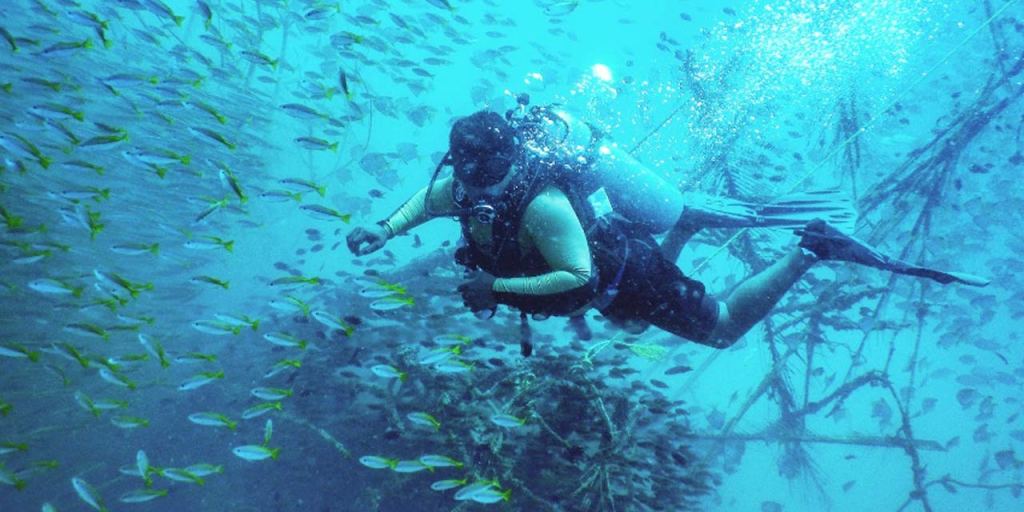
Pondicherry, rich in stunning marine life, provides an unparalleled scuba diving expedition off the country’s Eastern Shore. A dive into the sea will allow you to see spectacular coral reefs as well as fascinating creatures including manta rays, kingfish, sea snakes, lionfish, butterflies, crustaceans, moray eels, and more. Whale sharks, sharks, dolphins, and turtles are all possible sightings. Pondicherry is an enticing diving destination.

Auroville Ashram

The Auroville Ashram dubbed the “Universal Town,” is an experimental township whose goal is to build a community wherein folks from all nationalities and faiths could dwell together in harmony. It was founded in 1926 by Sri Aurobindo and a disciple of Shri Aurobindo, a French Lady known as ‘Maa’ or ‘The Mother.’ The Indian government backed the initiative, and UNESCO praised it in a 1966 resolution, calling it “a project of vital importance to humanity’s future.” In 1968, the town was formally established.

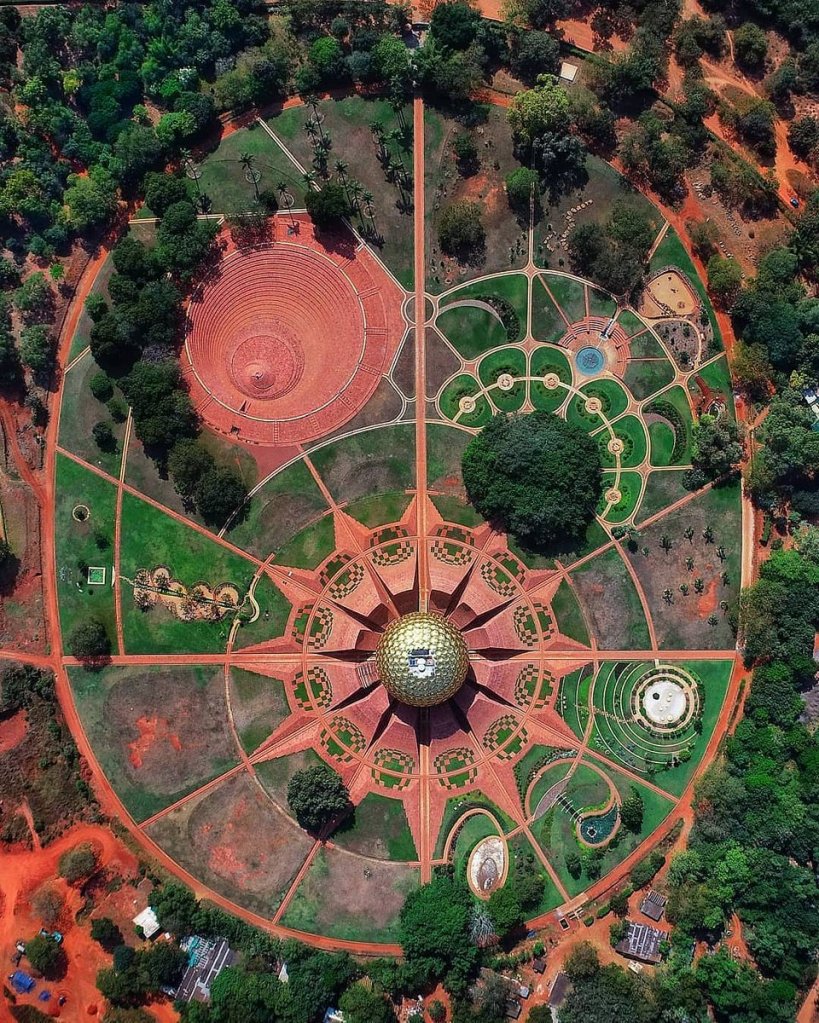
The architecture of the city is as remarkable as the concept. With the famous Matrimandir in the core and gardens ringing it, the city is laid out in a circle with a radius of 1.25 kilometres. The city’s central business district, cultural corridor, peace zone, and residential zone are all located just beyond the city borders. The city is surrounded by a “green belt” that acts as a wildlife habitat, a food/timber source, and a buffer against urban development, among other things.

PUDUCHERRY, INDIA'S FRENCH-SPEAKING CITY

Pandit Jawaharlal Nehru, the late Prime Minister of India, referred to Puducherry as “the Window of French Culture.”

Once the French’s primary headquarters in India, Puducherry is often nicknamed “The Paris of the East”. For 138 years, the French governed the Union Territory. It once had solely French as its official language. The town’s distinctiveness is intricately bound to its exquisite city planning and Franco Tamil architecture. The city is modelled after a late-eighteenth-century fortified French port town, “bastide”. This magnificent destination has incredibly beautiful geography along the seashores, coconut trees, and a diverse range of fauna and vegetation.

The former French settlements- Puducherry, Karaikal, Mache, and Yanam are all part of the Union Territory of Puducherry. The states of Tamilnadu and Kerala surround Puducherry and Karaikal, whereas Kerala and Andhra Pradesh surround Mahe and Yanam. It has many scenic places to visit like:

Paradise Beach

Paradise Beach, often known as Plage Paradiso, is located near Pondicherry town in Chunnambar. The beach fringed with golden sand, is relatively undiscovered.  a 20- to 30-minute ferry ride over the backwaters is the only way to get here. The breathtaking ferry trip from the boathouse to the beach adds to the thrills; the backwaters on the way to the beach are lush and densely forested with mangrove plants.   A plethora of birds can be seen while on the journey. Early morning, Paradise Beach is a great spot to catch a glimpse of the eastern shore’s dawn. A number of water sports facilities are also available. Visitors can also try their hand at fishing by renting fishing rods and nets.

White Town

White Town, also dubbed as the French Colony of Puducherry, is a residential enclave in town with an intertwined culture of Tamils and primitive French families. The colony retains the old-world elegance, prettiness, and architecture of historic French Quarters, with cobblestone lanes and mustard yellow dwellings. The majority of them refurbished into vintage hotels, eateries, unique cafés, and art museums. The structures are typically painted in tones of pastel yellow, and the well-kept walkways are flanked with beautiful trees. White Town, known as the former French headquarters, borrows heavily from foreign culture, which is also a hallmark of the area. Furthermore, it is famed for its attractive but pricey marketplace, which is primarily comprised of boutiques, high-end labels, and stores that deal in highly customized stuff. The majority of those are still owned and operated by French nationalists.

Basilica of the Sacred Heart of Jesus

This church was built by French missionaries in 1908 and was accorded the status of Basilica in 2011. It is one of India’s 21 Basilicas and the only one in Pondicherry. The Church of the Sacred Heart of Jesus, one of Pondicherry’s most beautiful Catholic churches, is a stellar example of Gothic architecture. Biblical texts, as well as depictions of Jesus and Mother Mary, are etched in Latin on the entrance door. New Year’s Eve, Christmas Eve, and Easter Day are all lavishly celebrated in the church. The stained-glass panels of the architecture depict Christ’s life as well as the lives of the Catholic Church’s saints. The church is Pondicherry’s first basilica, the 6th in Tamil Nadu, the 20th in India, and the 50th in Asia.

Scuba Diving

Pondicherry, rich in stunning marine life, provides an unparalleled scuba diving expedition off the country’s Eastern Shore. A dive into the sea will allow you to see spectacular coral reefs as well as fascinating creatures including manta rays, kingfish, sea snakes, lionfish, butterflies, crustaceans, moray eels, and more. Whale sharks, sharks, dolphins, and turtles are all possible sightings. Pondicherry is an enticing diving destination.

Auroville Ashram

The Auroville Ashram dubbed the “Universal Town,” is an experimental township whose goal is to build a community wherein folks from all nationalities and faiths could dwell together in harmony. It was founded in 1926 by Sri Aurobindo and a disciple of Shri Aurobindo, a French Lady known as ‘Maa’ or ‘The Mother.’ The Indian government backed the initiative, and UNESCO praised it in a 1966 resolution, calling it “a project of vital importance to humanity’s future.” In 1968, the town was formally established.

The architecture of the city is as remarkable as the concept. With the famous Matrimandir in the core and gardens ringing it, the city is laid out in a circle with a radius of 1.25 kilometres. The city’s central business district, cultural corridor, peace zone, and residential zone are all located just beyond the city borders. The city is surrounded by a “green belt” that acts as a wildlife habitat, a food/timber source, and a buffer against urban development, among other things.

Who Holds the Highest Number of Olympic medal??

Olympic is one of the most prestigious game event. To secure even one Olympic is a matter of pride for sports men. Imagine how a athlete would feel , if he/ she have the highest number of Olympic medal. Michael Phelps have the privilege of knowing this feeling, with 28 medals in total.

Michael Fred Phelps born on 30th June 1985 is a former competitive swimmer of America. He holds the maximum number of medals in the history of Olympic games. In Beijing Games he won eight gold medals breaking Mark Spitz’s 1972 record of seven first place finishes at any single Olympic games. At 2004 summer Athens Olympics he won 8 medals — 6 gold and 2 bronze. At 2012 summer Olympics in London , Phelps won four gold medal and 2 silver and at Rio De Janeiro he won 5 gold medals and 1 silver. This made him the most successful athletes of the Games for fourth Olympics in row.

Phelps announced retirement after 2012 Olympics but made a come back in April 2014. In 2016 Olympics he was selected as flag bearer of United States. He announced his second retirement on August 2016 and has never participated ever since then. He is regarded as the greatest swimmer as well as athlete of the time.

Phelps began swimming at the age of 7 because of influence of his sister and to provide him outlet for his energy. He liked swimming since then. Following his retirement in 2016 , he said,”The only reason I got in the water was my mom wanted me to just learn how to swim . My sister and myself fell in love with the sport, and we decided to swim”.

Child Labor

Not every work done by children ought to be named child labor that will be focused on for disposal. Children’s or alternately teenagers’ investment in work that doesn’t influence their wellbeing and self-awareness or meddle with their tutoring, is by and large viewed as being a positive thing. This incorporates exercises like aiding their folks around the home, aiding a privately-owned company or bringing in pocket cash outside school hours and during school occasions. These sorts of exercises add to children’s turn of events and to the government assistance of their families; they furnish them with abilities and experience, and help to set them up to be useful citizenry during their grown-up life.

The expression “child labor” is frequently characterized as work that denies children of their childhood, their latent capacity and their pride, and that is hurtful to physical and mental turn of events. It alludes to work that is intellectually, genuinely, socially or ethically hazardous and hurtful to children; and additionally meddles with their tutoring by: denying them of the chance to go to class; obliging them to leave school rashly; or expecting them to endeavor to consolidate school participation with unnecessarily long and substantial work.

Regardless of whether specific types of “work” can be designated “child labor” relies upon the child’s age, the sort and long periods of work played out, the conditions under which it is performed and the targets sought after by singular nations. The appropriate response differs from one country to another, just as among areas inside nations.

The most recent worldwide evaluations show that the quantity of children in child labor has ascended to 160 million around the world – an increment of 8.4 million children over the most recent four years. 63 million young ladies and 97 million young men were in child labor universally toward the start of 2020, representing very nearly 1 out of 10 of all children around the world.

This report cautions that worldwide advancement to end child labor has slowed down without precedent for a very long time. The quantity of children matured 5 to 17 years in dangerous work – characterized as work that is probably going to hurt their wellbeing, security or ethics – has ascended by 6.5 million to 79 million since 2016. In sub-Saharan Africa, populace development, outrageous destitution, and insufficient social assurance measures have prompted an extra 16.6 million children in child labor in the course of recent years.

Extra financial shocks and school terminations brought about by COVID-19 imply that children effectively in child labor might be working longer hours or under deteriorating conditions, while a lot more might be constrained into the most noticeably terrible types of child labor because of work and pay misfortunes among weak families. The report cautions that universally 9 million extra children are in danger of being driven into child labor before the finish of 2022 because of the pandemic.

Children in child labor are in danger of physical and mental damage. Child labor undermines children’s schooling, confining their rights and restricting their future chances, and prompts horrendous between generational patterns of destitution and child labor.

Angela Merkel: A legendary personality.

Angela Merkel was born in Hamburg on July 17th, 1954. She is a German politician and serving as a Chancellor of Germany since 2005. After completing her higher education from Templin in the year 1973, studied physics at Leipzig university amd graduated in the year 1978 and was awarded a doctorate in the year 1986. Since 1990, she is an active member of the Christian democratic union of Germany (CDU). From 1991-1998 she administered as a deputy chairwoman of the CDU.

Merkel spent 35 years of her life as a quantum chemist and worked at a research institute in Soviet-controlled East Germany until the fall of the Berlin wall in 1989. This historic manifestation prompted Merkel to abandon the research field and develop an everlasting interest in politics. Merkel is the first woman and the first East German who, in the history of Germany, holds the nation highest elective office post.

She is straightforward, who doesn’t take too many risks that are the reason which makes her stand out in her long-serving political career. She never doubts her decision-making skills and believes in working quietly rather than standing in the political rallies and deliver long speeches to receive appreciation. She is a strong woman with high self-confidence and withstands death moments alone in her political career especially during the refugee crisis.

Merkel handled the refugee crisis with utter decisiveness that shaped the viewpoint of the world towards Europe and demonstrated how to act responsibly. She was viewed as “the woman who saved the dignity of Europe.”

Who Holds the Highest Number of Olympic medal??

Olympic is one of the most prestigious game event. To secure even one Olympic is a matter of pride for sports men. Imagine how a athlete would feel , if he/ she have the highest number of Olympic medal. Michael Phelps have the privilege of knowing this feeling, with 28 medals in total.

Michael Fred Phelps born on 30th June 1985 is a former competitive swimmer of America. He holds the maximum number of medals in the history of Olympic games. In Beijing Games he won eight gold medals breaking Mark Spitz’s 1972 record of seven first place finishes at any single Olympic games. At 2004 summer Athens Olympics he won 8 medals — 6 gold and 2 bronze. At 2012 summer Olympics in London , Phelps won four gold medal and 2 silver and at Rio De Janeiro he won 5 gold medals and 1 silver. This made him the most successful athletes of the Games for fourth Olympics in row.

Phelps announced retirement after 2012 Olympics but made a come back in April 2014. In 2016 Olympics he was selected as flag bearer of United States. He announced his second retirement on August 2016 and has never participated ever since then. He is regarded as the greatest swimmer as well as athlete of the time.

Phelps began swimming at the age of 7 because of influence of his sister and to provide him outlet for his energy. He liked swimming since then. Following his retirement in 2016 , he said,”The only reason I got in the water was my mom wanted me to just learn how to swim . My sister and myself fell in love with the sport, and we decided to swim”.

Child Labor

Not every work done by children ought to be named child labor that will be focused on for disposal. Children’s or alternately teenagers’ investment in work that doesn’t influence their wellbeing and self-awareness or meddle with their tutoring, is by and large viewed as being a positive thing. This incorporates exercises like aiding their folks around the home, aiding a privately-owned company or bringing in pocket cash outside school hours and during school occasions. These sorts of exercises add to children’s turn of events and to the government assistance of their families; they furnish them with abilities and experience, and help to set them up to be useful citizenry during their grown-up life.

The expression “child labor” is frequently characterized as work that denies children of their childhood, their latent capacity and their pride, and that is hurtful to physical and mental turn of events. It alludes to work that is intellectually, genuinely, socially or ethically hazardous and hurtful to children; and additionally meddles with their tutoring by: denying them of the chance to go to class; obliging them to leave school rashly; or expecting them to endeavor to consolidate school participation with unnecessarily long and substantial work.

Regardless of whether specific types of “work” can be designated “child labor” relies upon the child’s age, the sort and long periods of work played out, the conditions under which it is performed and the targets sought after by singular nations. The appropriate response differs from one country to another, just as among areas inside nations.

The most recent worldwide evaluations show that the quantity of children in child labor has ascended to 160 million around the world – an increment of 8.4 million children over the most recent four years. 63 million young ladies and 97 million young men were in child labor universally toward the start of 2020, representing very nearly 1 out of 10 of all children around the world.

This report cautions that worldwide advancement to end child labor has slowed down without precedent for a very long time. The quantity of children matured 5 to 17 years in dangerous work – characterized as work that is probably going to hurt their wellbeing, security or ethics – has ascended by 6.5 million to 79 million since 2016. In sub-Saharan Africa, populace development, outrageous destitution, and insufficient social assurance measures have prompted an extra 16.6 million children in child labor in the course of recent years.

Extra financial shocks and school terminations brought about by COVID-19 imply that children effectively in child labor might be working longer hours or under deteriorating conditions, while a lot more might be constrained into the most noticeably terrible types of child labor because of work and pay misfortunes among weak families. The report cautions that universally 9 million extra children are in danger of being driven into child labor before the finish of 2022 because of the pandemic.

Children in child labor are in danger of physical and mental damage. Child labor undermines children’s schooling, confining their rights and restricting their future chances, and prompts horrendous between generational patterns of destitution and child labor.

Angela Merkel: A legendary personality.

Angela Merkel was born in Hamburg on July 17th, 1954. She is a German politician and serving as a Chancellor of Germany since 2005. After completing her higher education from Templin in the year 1973, studied physics at Leipzig university amd graduated in the year 1978 and was awarded a doctorate in the year 1986. Since 1990, she is an active member of the Christian democratic union of Germany (CDU). From 1991-1998 she administered as a deputy chairwoman of the CDU.

Merkel spent 35 years of her life as a quantum chemist and worked at a research institute in Soviet-controlled East Germany until the fall of the Berlin wall in 1989. This historic manifestation prompted Merkel to abandon the research field and develop an everlasting interest in politics. Merkel is the first woman and the first East German who, in the history of Germany, holds the nation highest elective office post.

She is straightforward, who doesn’t take too many risks that are the reason which makes her stand out in her long-serving political career. She never doubts her decision-making skills and believes in working quietly rather than standing in the political rallies and deliver long speeches to receive appreciation. She is a strong woman with high self-confidence and withstands death moments alone in her political career especially during the refugee crisis.

Merkel handled the refugee crisis with utter decisiveness that shaped the viewpoint of the world towards Europe and demonstrated how to act responsibly. She was viewed as “the woman who saved the dignity of Europe.”

Ectopic pregnancy

n a normal pregnancy, the fertilized egg implants and develops in the uterus. In most ectopic pregnancies, the egg settles in the fallopian tubes. This is why ectopic pregnancies are commonly called “tubal pregnancies.” The egg also can implant in the ovary, abdomen, or the cervix, so you also might hear these referred to as cervical or abdominal pregnancies.

None of these areas has as much space or nurturing tissue as a uterus for a pregnancy to develop. As the fetus grows, it will eventually burst the organ that contains it. This can cause severe bleeding and endanger the mother’s life. A classical ectopic pregnancy does not develop into a live birth.

SYMPTOMS

  • vaginal spotting
  • dizziness or fainting (caused by blood loss)
  • low blood pressure (also caused by blood loss)
  • lower back pain

TREATMENT

Treatment of an ectopic pregnancy varies, depending on how medically stable the woman is and the size and location of the pregnancy.

An early ectopic pregnancy can sometimes be treated with an injection of methotrexate, which stops the growth of the embryo.

If the pregnancy is farther along, a woman will likely need surgery to remove the abnormal pregnancy. In the past, this was a major operation, requiring a large incision across the pelvic area, and this can still be necessary in cases of emergency or extensive internal injury.

That being said there are some rare cases around the world where a mother has had an ectopic pregnancy and has safely given birth to a child, but in most cases the child has been born premature but has survived. However this is extremely rare and in case of ectopic pregnancy the best thing to do is medically terminate the foetus.

Ectopic pregnancy

n a normal pregnancy, the fertilized egg implants and develops in the uterus. In most ectopic pregnancies, the egg settles in the fallopian tubes. This is why ectopic pregnancies are commonly called “tubal pregnancies.” The egg also can implant in the ovary, abdomen, or the cervix, so you also might hear these referred to as cervical or abdominal pregnancies.

None of these areas has as much space or nurturing tissue as a uterus for a pregnancy to develop. As the fetus grows, it will eventually burst the organ that contains it. This can cause severe bleeding and endanger the mother’s life. A classical ectopic pregnancy does not develop into a live birth.

SYMPTOMS

  • vaginal spotting
  • dizziness or fainting (caused by blood loss)
  • low blood pressure (also caused by blood loss)
  • lower back pain

TREATMENT

Treatment of an ectopic pregnancy varies, depending on how medically stable the woman is and the size and location of the pregnancy.

An early ectopic pregnancy can sometimes be treated with an injection of methotrexate, which stops the growth of the embryo.

If the pregnancy is farther along, a woman will likely need surgery to remove the abnormal pregnancy. In the past, this was a major operation, requiring a large incision across the pelvic area, and this can still be necessary in cases of emergency or extensive internal injury.

That being said there are some rare cases around the world where a mother has had an ectopic pregnancy and has safely given birth to a child, but in most cases the child has been born premature but has survived. However this is extremely rare and in case of ectopic pregnancy the best thing to do is medically terminate the foetus.