Nadia Murad's Story of fight!

Wars are demons which are always meant for destruction. The only way they know to achieve their wishes is complete destruction. Women, men, children and even nature are also being ruined by bombs, guns and shots. The purpose of wars may vary.It depends upon the motives of each group. The memoir The Last Girl by Nadia Murad is a journey from a peaceful life at Kocho to a strange life in Germany as a refugee. The protagonist Nadia draws a complete picture of devastation of an area,people and their minds. The war took place in Kocho where they practiced genocide to wipe out one of the ethnic minorities in Iraq, that is Yazidi.Surviving a war is such an easy task when it is compared to the life of survivors Because the days after war is like a life without life.

The memoir is divided into three parts. The first part deals with Murad’s peaceful life in the Yazidi village Kocho and she included several incidents and disputes related to nearby Sunni villages and terrorists attacks she evoked. She narrated the occupation of Islamic State in Kocho in August 2014 and successive massacres inflicted by ISIS. Men were killed and women were used as sexual slaves when they refused to convert into Muslim community. In second part, Murad conveys her experiences as a brutally treated woman by ISIS militants. The days she spent in the camps were horrible. Once she tried to escape, she was failed and was raped by the guards and moved to an ISIS check point and again raped by many. Third part is the continuation of her struggle to escape from that hell. The second attempt was a successful one and with the help of a family, she went to Kocho and started a new life.She defined the circumstances as incredible.

The Last Girl is a thunderous ode to a woman’s will to struggle, to survive and to emerge victorious through unimaginable trauma and torture. Moreover, the story offers a powerful insight into how the Yazidi suffered incomparable cruelty, how a woman braved the worst of human conditions and was able to share her story with the world. It is not just a story of a Yazidi woman who suffered being a sex slave and monumental tragedy in the hands of the ISIS, instead the work is a testimony of the ancient Yazidi community, and their unceasing predicaments that are ignored by the larger mass. Nadia’s unflinching portrayal of her own story is the strong weapon, she has against terrorism. Even though, genocide is not something that just happened yesterday, it is an unnoticeable part of history. The work is like a mirror set against the reality which reflects the terrible beauty of the world. Rape has been used as a tool in war time for millennia. It is used as an instrument in genocide. Because it is one way of advancing the destruction of a community. Rape has a huge capacity to destroy asmuch as a bullet can destroy. The memoir contains open wounds and painful lessons,as Yazidi activist, Nadia Murad learns how her own story can become a weapon against her co-opted for any number of political agendas.

Usually, the world celebrate and remember the victorious pages of history. In those victories, the minorities are often denied their right to live by the hands of powerful majority. Their voices are crushed under the authoritative orders and the world does not see any representatives from them. In this context The Last Girl becomes very relevant. It is a memoir of a girl from Yazidi community, a minority section of Iraq, which explains the traumatic situations of Yazidis and their fearful life in their home country Iraq. She dared to speak against ISIS and their cruel agendas.

Nadia is the first Yazidi woman who begins an open fight with such a huge organization and stood for a healthy living of Yazidis. She fought with herself to overcome the trauma and successfully nurtured the confidence within her to create a protective layer around her community. The UN Goodwill Ambassador for the dignity of survivors of human trafficking, Nadia is not just a survivor, she is a winner of human rights. As a research topic, the work is viewed in the angle of trauma which reflects throughout the lives of victims who subjected to the effects of war.

Aggressive Driving and Road Rage

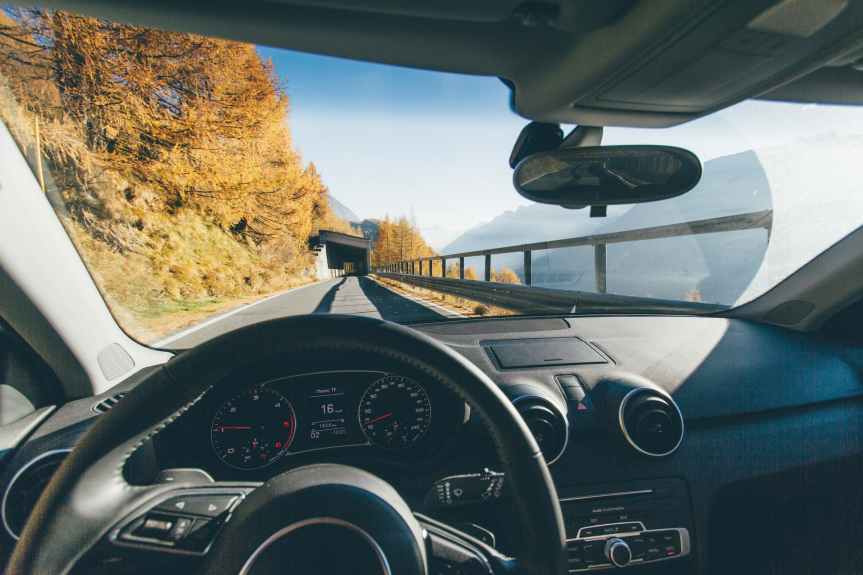
For a long time, aggressive driving has been an issue on our roads, and it appears to be growing worse. Screaming, unpleasant gestures, and even violence have become commonplace on our highways, to the point where it has gained its own name: road rage. Find out what causes road rage, if you’re prone to it, and how you can help keep our roads safe by refusing to give in to it.

Photo by JESHOOTS.com on Pexels.com

Definition

After a series of shootings on many motorways throughout the city, local television station KTLA popularized the term “road rage.” The National Highway Traffic Safety Administration defines road rage as when a driver “commits moving traffic offences so as to endanger other persons or property; an assault with a motor vehicle or other dangerous weapon by the operator or passenger of one of one.

The National Highway Traffic Safety Administration distinguishes between road rage and aggressive driving, the former being a criminal offence and the latter a traffic violation, according to the NHTSA. The driver is held responsible in this definition.

Road Rage Factors

Here are some of the most typical circumstances that lead to road rage or aggressive driving behaviour.

Delays in traffic
Heavy traffic, waiting at stoplights, seeking for a parking spot, or even waiting for passengers can all contribute to a driver’s rage.

Late for a meeting
Drivers can become irritable if they are late for a meeting or appointment.


Anonymity
Drivers may feel more comfortable engaging in risky driving behavior’s such as tailgating, cutting people off, excessive honking, or making rude gestures if they believe they won’t see other drivers again.

Ignorance of others and the law
Some motorists may believe that the rules do not apply to them.


Learned or habitual conduct
Aggressive driving may be the norm for some drivers.

Forms of road rage

  • Tailgating
  • Yelling
  • Honking in anger
  • Making angry gestures
  • Trying to block another vehicle from changing lanes
  • Cutting off another vehicle on purpose
  • Getting out of the vehicle to confront another driver
  • Bumping or ramming another vehicle on purpose

How to avoid road rage

To protect yourself from aggressive drivers or if you become a victim of a road rage incident, make sure you have the right car insurance policy.

Take your time. Allow yourself plenty of time to get where you want to go; you’ll be less likely to become impatient and take unnecessary risks if you do.


Allow yourself to cool down. Take some time to relax if you’re upset.

Photo by Benjamin Suter on Pexels.com

The Diagnostic and Statistical Manual of Mental Disorders does not list road rage as a mental disorder (DSM). The behaviours commonly associated with road rage, according to an article published by the Associated Press in June 2006, can be the result of an illness known as intermittent explosive disorder, which is recognised by the DSM.

Between 2001 and 2003, polls of 9,200 adults in the United States yielded this conclusion. The National Institute of Mental Health provided funding for the surveys.

Road rage is a serious offence that may be considered a threat to public safety. However, because it is not always feasible to determine purpose by external observation, “road ragers” who are caught by police may face additional charges such as careless or reckless driving, as well as a fine.

Road ragers are potentially criminals.

Aggressive Driving and Road Rage

For a long time, aggressive driving has been an issue on our roads, and it appears to be growing worse. Screaming, unpleasant gestures, and even violence have become commonplace on our highways, to the point where it has gained its own name: road rage. Find out what causes road rage, if you’re prone to it, and how you can help keep our roads safe by refusing to give in to it.

Photo by JESHOOTS.com on Pexels.com

Definition

After a series of shootings on many motorways throughout the city, local television station KTLA popularized the term “road rage.” The National Highway Traffic Safety Administration defines road rage as when a driver “commits moving traffic offences so as to endanger other persons or property; an assault with a motor vehicle or other dangerous weapon by the operator or passenger of one of one.

The National Highway Traffic Safety Administration distinguishes between road rage and aggressive driving, the former being a criminal offence and the latter a traffic violation, according to the NHTSA. The driver is held responsible in this definition.

Road Rage Factors

Here are some of the most typical circumstances that lead to road rage or aggressive driving behaviour.

Delays in traffic
Heavy traffic, waiting at stoplights, seeking for a parking spot, or even waiting for passengers can all contribute to a driver’s rage.

Late for a meeting
Drivers can become irritable if they are late for a meeting or appointment.

Anonymity
Drivers may feel more comfortable engaging in risky driving behavior’s such as tailgating, cutting people off, excessive honking, or making rude gestures if they believe they won’t see other drivers again.

Ignorance of others and the law
Some motorists may believe that the rules do not apply to them.

Learned or habitual conduct
Aggressive driving may be the norm for some drivers.

Forms of road rage

  • Tailgating
  • Yelling
  • Honking in anger
  • Making angry gestures
  • Trying to block another vehicle from changing lanes
  • Cutting off another vehicle on purpose
  • Getting out of the vehicle to confront another driver
  • Bumping or ramming another vehicle on purpose

How to avoid road rage

To protect yourself from aggressive drivers or if you become a victim of a road rage incident, make sure you have the right car insurance policy.

Take your time. Allow yourself plenty of time to get where you want to go; you’ll be less likely to become impatient and take unnecessary risks if you do.

Allow yourself to cool down. Take some time to relax if you’re upset.

Photo by Benjamin Suter on Pexels.com

The Diagnostic and Statistical Manual of Mental Disorders does not list road rage as a mental disorder (DSM). The behaviours commonly associated with road rage, according to an article published by the Associated Press in June 2006, can be the result of an illness known as intermittent explosive disorder, which is recognised by the DSM.

Between 2001 and 2003, polls of 9,200 adults in the United States yielded this conclusion. The National Institute of Mental Health provided funding for the surveys.

Road rage is a serious offence that may be considered a threat to public safety. However, because it is not always feasible to determine purpose by external observation, “road ragers” who are caught by police may face additional charges such as careless or reckless driving, as well as a fine.

Road ragers are potentially criminals.

Why you should never reuse the same needle.

It’s common knowledge that you should never use needles more than once. For those of you that are unsure why here’s a brief overview. First of all the tip of a needle is sharp and fine, so that it goes into the skin easily when you inject. Every time you use a needle, it gets blunter and loses sharpness. The more times you use it, the blunter it gets. This makes it harder for the needle to pierce the skin, and thus more painful when you do the injection. This is not only done to avoid painful injections, but to ensure that you avoid infection by using a fresh, clean needle. This also reduces bleeding and bruising. The tip of a needle can also weaken and break off and get stuck under your skin. Most needles are designed to only be used once.

Also needles spread all sorts of diseases like Hepatitis A, Hepatitis B and so many other fatal diseases, so usage of the same needle for saving money is really not worth it.

Computer Software :

🌟Software refers to a program that makes the computer to do something meaningful. It is the planned, step-by-step instructions required to turn data into information.

Software can be classified into two categories :
🔹️System Software
🔹️Application Software

🌟System Software consists of general programs written for a computer. These programs provide the environment to run the application programs. System software comprises programs, which interact with the hardware at a very basic level. They are the basic necessity of a computer system for its proper functionality. System software serves as the interface between hardware and the user. The operating system, compliers and utility programs are examples of system software.

🌟The most important type of system software is the operating system. An operating system is an integrated set of specialized programs that is used to manage the overall operations of a computer. It acts like an interface between the user, computer hardware and software. Every computer must have an operating system to run other programs. DOS (Disk Operating System), Unix, Linux and Windows are some of the common operating systems.

🌟The complier software translates the source program (user written program) into an object program (binary form). Specific compliers are available for computer programming languages like FORTRAN, COBOL, C, C++ etc. The utility programs support the computer for specific tasks like file copying, sorting, linking a object program, etc.

🌟An Application Software consists of programs designed to solve a user problem. It is used to accomplish specific tasks rather than just managing a computer system. Application software are inturn, controlled by system software which manages hardware devices.

🌟Some typical examples are : railway reservation system, game programs, word processing software, weather forecasting programs. Among the application software some are packaged for specific tasks. The commonly used Application software packages are word processor, spreadsheet, database management system and graphics.

🌟One of the most commonly used software package is word processing software. Anyone who has used a computer as a word processor knows that it is far more than a fancy typewriter. The great advantage of word processing over a typewriter is that you can make changes without retyping the entire document. The entire writing is transformed by this modern word processing software. This software lets you create, edit, format, store and print text and graphics. Some of the commonly used word processors are MicrosoftWord, WordStar, WordPerfect, etc.

🌟Spreadsheet software packages allows the user to manipulate numbers. Repetitive numeric calculations,use of related formulae and creation of graphics and charts are some of the basic tools. This capacity let’s business people try different combinations of numbers and obtain the results quickly. Lotus 1-2-3, Excel, etc. are some of the famous spreadsheet applications.

🌟A database management system is collection of programs that enable to store, modify and extract information from a database. A database organizes the information internally. Computerized banking system, Automated Teller Machine, Airlines and Railway reservation system etc., are some of the database applications.

Why you should never reuse the same needle.

It’s common knowledge that you should never use needles more than once. For those of you that are unsure why here’s a brief overview. First of all the tip of a needle is sharp and fine, so that it goes into the skin easily when you inject. Every time you use a needle, it gets blunter and loses sharpness. The more times you use it, the blunter it gets. This makes it harder for the needle to pierce the skin, and thus more painful when you do the injection. This is not only done to avoid painful injections, but to ensure that you avoid infection by using a fresh, clean needle. This also reduces bleeding and bruising. The tip of a needle can also weaken and break off and get stuck under your skin. Most needles are designed to only be used once.

Also needles spread all sorts of diseases like Hepatitis A, Hepatitis B and so many other fatal diseases, so usage of the same needle for saving money is really not worth it.

Computer Software :

🌟Software refers to a program that makes the computer to do something meaningful. It is the planned, step-by-step instructions required to turn data into information.

Software can be classified into two categories :
🔹️System Software
🔹️Application Software

🌟System Software consists of general programs written for a computer. These programs provide the environment to run the application programs. System software comprises programs, which interact with the hardware at a very basic level. They are the basic necessity of a computer system for its proper functionality. System software serves as the interface between hardware and the user. The operating system, compliers and utility programs are examples of system software.

🌟The most important type of system software is the operating system. An operating system is an integrated set of specialized programs that is used to manage the overall operations of a computer. It acts like an interface between the user, computer hardware and software. Every computer must have an operating system to run other programs. DOS (Disk Operating System), Unix, Linux and Windows are some of the common operating systems.

🌟The complier software translates the source program (user written program) into an object program (binary form). Specific compliers are available for computer programming languages like FORTRAN, COBOL, C, C++ etc. The utility programs support the computer for specific tasks like file copying, sorting, linking a object program, etc.

🌟An Application Software consists of programs designed to solve a user problem. It is used to accomplish specific tasks rather than just managing a computer system. Application software are inturn, controlled by system software which manages hardware devices.

🌟Some typical examples are : railway reservation system, game programs, word processing software, weather forecasting programs. Among the application software some are packaged for specific tasks. The commonly used Application software packages are word processor, spreadsheet, database management system and graphics.

🌟One of the most commonly used software package is word processing software. Anyone who has used a computer as a word processor knows that it is far more than a fancy typewriter. The great advantage of word processing over a typewriter is that you can make changes without retyping the entire document. The entire writing is transformed by this modern word processing software. This software lets you create, edit, format, store and print text and graphics. Some of the commonly used word processors are MicrosoftWord, WordStar, WordPerfect, etc.

🌟Spreadsheet software packages allows the user to manipulate numbers. Repetitive numeric calculations,use of related formulae and creation of graphics and charts are some of the basic tools. This capacity let’s business people try different combinations of numbers and obtain the results quickly. Lotus 1-2-3, Excel, etc. are some of the famous spreadsheet applications.

🌟A database management system is collection of programs that enable to store, modify and extract information from a database. A database organizes the information internally. Computerized banking system, Automated Teller Machine, Airlines and Railway reservation system etc., are some of the database applications.

The Concept Of Vicarious Liability

It is common knowledge that if a person commits a crime, he is the one who pays for it. That implies that the person responsible for specific wrong conduct will face damages, imprisonment, or punishment of any sort for the same. But is it possible that you can be held liable for the wrongdoings or mistakes of some other person?

It might seem a stupid question, but the matter of fact is that you can. This principle of Vicarious Liability is described under the Law of Torts.

In certain cases, one may be held for the act of the other if there exists a certain kind of relationship between the two persons concerned. But the act under inspection must have been done in connection with that ‘relationship’.

Common examples of such a relationship are 

  1. Liability of the principal for the tort of his agent
  2. Liability of partners of each other’s tort
  3. Liability of the master for the tort of his servant.

When an agent, in the course of performance of his duty as an agent, commits a wrongful act, the principal is the person held liable. The principal is made liable ‘vicariously’ because of the principal-agent relationship between the two. The same is the case in a master-servant relationship.

The doctrine followed in the above two conditions is based on the maxim of respondeat superior, which means ‘let the principal be liable’ and it puts the master in the same position as if he had done the act himself.

Does a natural question arise that who is a servant? Is the person in question a servant and should the master (so-called) be held liable?

A servant is a person employed by another to do work under the directions and controls of his master. As a general rule, the master is liable for the tort of his servant but not for the tort of an independent contractor.

Servant and independent contractor distinguished –  A servant is an agent who is subject to the control and supervision of his employer regarding how the work is to be done. Whereas the independent contractor is not subject to such control.

An employer is not liable for acts of an independent contractor.

Exceptions- 

The general rule that an employer is not liable for the acts of an independent contractor is subject to some exceptions. In the following cases, an employer can be made liable for the wrongs of the independent contractor.

  1. If an employer authorizes the doing of an illegal act or subsequently ratifies the same, he can be made liable for such an act. The real reason for such liability is that the employer himself is a party to the wrongful act, along with the independent contractor, and therefore, he is liable.
  2. An employer is liable for the act of an independent contractor in cases of strict liability. Also, if some hazardous work is engaged in, even then the employer is held liable.

Therefore, it is evident that one can be held liable for the actions of another. Such is the beauty of our law!

The Concept Of Vicarious Liability

It is common knowledge that if a person commits a crime, he is the one who pays for it. That implies that the person responsible for specific wrong conduct will face damages, imprisonment, or punishment of any sort for the same. But is it possible that you can be held liable for the wrongdoings or mistakes of some other person?

It might seem a stupid question, but the matter of fact is that you can. This principle of Vicarious Liability is described under the Law of Torts.

In certain cases, one may be held for the act of the other if there exists a certain kind of relationship between the two persons concerned. But the act under inspection must have been done in connection with that ‘relationship’.

Common examples of such a relationship are 

  1. Liability of the principal for the tort of his agent
  2. Liability of partners of each other’s tort
  3. Liability of the master for the tort of his servant.

When an agent, in the course of performance of his duty as an agent, commits a wrongful act, the principal is the person held liable. The principal is made liable ‘vicariously’ because of the principal-agent relationship between the two. The same is the case in a master-servant relationship.

The doctrine followed in the above two conditions is based on the maxim of respondeat superior, which means ‘let the principal be liable’ and it puts the master in the same position as if he had done the act himself.

Does a natural question arise that who is a servant? Is the person in question a servant and should the master (so-called) be held liable?

A servant is a person employed by another to do work under the directions and controls of his master. As a general rule, the master is liable for the tort of his servant but not for the tort of an independent contractor.

Servant and independent contractor distinguished –  A servant is an agent who is subject to the control and supervision of his employer regarding how the work is to be done. Whereas the independent contractor is not subject to such control.

An employer is not liable for acts of an independent contractor.

Exceptions- 

The general rule that an employer is not liable for the acts of an independent contractor is subject to some exceptions. In the following cases, an employer can be made liable for the wrongs of the independent contractor.

  1. If an employer authorizes the doing of an illegal act or subsequently ratifies the same, he can be made liable for such an act. The real reason for such liability is that the employer himself is a party to the wrongful act, along with the independent contractor, and therefore, he is liable.
  2. An employer is liable for the act of an independent contractor in cases of strict liability. Also, if some hazardous work is engaged in, even then the employer is held liable.

Therefore, it is evident that one can be held liable for the actions of another. Such is the beauty of our law!

Heart attack

In one of my previous article I had talked about cardiac arrest and mentioned that it was different from heart attacks so today I will talk about heart attacks. A heart attack (also known as a myocardial infarction or MI) is the damage and death of heart muscle from the sudden blockage of a coronary artery by a blood clot. Coronary arteries are blood vessels that supply the heart muscle with blood and oxygen

SYMPTOMS

  • Pain, fullness, and/or squeezing sensation of the chest
  • Jaw pain, toothache and headache
  • Shortness of breath
  • Nausea, vomiting and/or general epigastric (upper middle abdomen) discomfort
  • Sweating
  • Heartburn and/or indigestion
  • Arm pain (more commonly the left arm, but may be either arm)
  • Upper back pain
  • General malaise (vague feeling of illness)
  • No symptoms (Approximately one quarter of all heart attacks are silent, without chest pain or new symptoms. Silent heart attacks are especially common among patients with diabetes mellitus.)

One cannot overemphasize the importance of seeking prompt medical attention in the presence of new symptoms that suggest a heart attack. Early diagnosis and treatment save lives, and delays in reaching medical assistance can be fatal.

Heart attack

In one of my previous article I had talked about cardiac arrest and mentioned that it was different from heart attacks so today I will talk about heart attacks. A heart attack (also known as a myocardial infarction or MI) is the damage and death of heart muscle from the sudden blockage of a coronary artery by a blood clot. Coronary arteries are blood vessels that supply the heart muscle with blood and oxygen

SYMPTOMS

  • Pain, fullness, and/or squeezing sensation of the chest
  • Jaw pain, toothache and headache
  • Shortness of breath
  • Nausea, vomiting and/or general epigastric (upper middle abdomen) discomfort
  • Sweating
  • Heartburn and/or indigestion
  • Arm pain (more commonly the left arm, but may be either arm)
  • Upper back pain
  • General malaise (vague feeling of illness)
  • No symptoms (Approximately one quarter of all heart attacks are silent, without chest pain or new symptoms. Silent heart attacks are especially common among patients with diabetes mellitus.)

One cannot overemphasize the importance of seeking prompt medical attention in the presence of new symptoms that suggest a heart attack. Early diagnosis and treatment save lives, and delays in reaching medical assistance can be fatal.

Jobs for the Future

There are two reasons why students are interested in sustainable management studies.

Photo by Magnetme on Pexels.com

Youngsters are now facing the impact of climate change themselves. Many of them have experienced-led disasters such as floods and cyclones, more than their previous generation did.

Second, there is growing awareness on the regulatory requirement and the investor’s demand, said Jagdish Ratnani, a Professor.

Nevertheless, the fact is that many jobs of the future will require hordes of managerial talent who understand ESG. Its a great career opportunity, Aditya Shelar, a student at IIM Lucknow, thinks that business in future will think beyond numbers and they would need people who under- stand a range of issues.

The transition to electric vehicles, higher solar power adoption, green practices in real-estate as well as carbon neutral policies will all require manpower that drive these shifts.

Environment and sustainability will have to be embedded in both corporate thought and actions. Its a requirement for branding, for raising funds, and to capture young and aware consumers. Institutions will increasingly adopt that in the classroom and beyond. It was said by Gopal Sarangi of TERI Institute of Advance Studies.

Photo by Angela Roma on Pexels.com

Some firms want to evaluate if their manpower is conscious about ethical business strategies. Some firms want to evaluate if their manpower is conscious about ethical sourcing, environment reservation, SGD goals like equality at workspace, the side effects of child labour and fair wage.

All this will fuel demand for more courses in B- Schools.

Reference

http://www.intershala.com

http://www.timesofindia.com

Jobs for the Future

There are two reasons why students are interested in sustainable management studies.

Photo by Magnetme on Pexels.com

Youngsters are now facing the impact of climate change themselves. Many of them have experienced-led disasters such as floods and cyclones, more than their previous generation did.

Second, there is growing awareness on the regulatory requirement and the investor’s demand, said Jagdish Ratnani, a Professor.

Nevertheless, the fact is that many jobs of the future will require hordes of managerial talent who understand ESG. Its a great career opportunity, Aditya Shelar, a student at IIM Lucknow, thinks that business in future will think beyond numbers and they would need people who under- stand a range of issues.

The transition to electric vehicles, higher solar power adoption, green practices in real-estate as well as carbon neutral policies will all require manpower that drive these shifts.

Environment and sustainability will have to be embedded in both corporate thought and actions. Its a requirement for branding, for raising funds, and to capture young and aware consumers. Institutions will increasingly adopt that in the classroom and beyond. It was said by Gopal Sarangi of TERI Institute of Advance Studies.

Photo by Angela Roma on Pexels.com

Some firms want to evaluate if their manpower is conscious about ethical business strategies. Some firms want to evaluate if their manpower is conscious about ethical sourcing, environment reservation, SGD goals like equality at workspace, the side effects of child labour and fair wage.

All this will fuel demand for more courses in B- Schools.

Reference

http://www.intershala.com

http://www.timesofindia.com

A health professional checks blood pressure with a sphygmomanometer

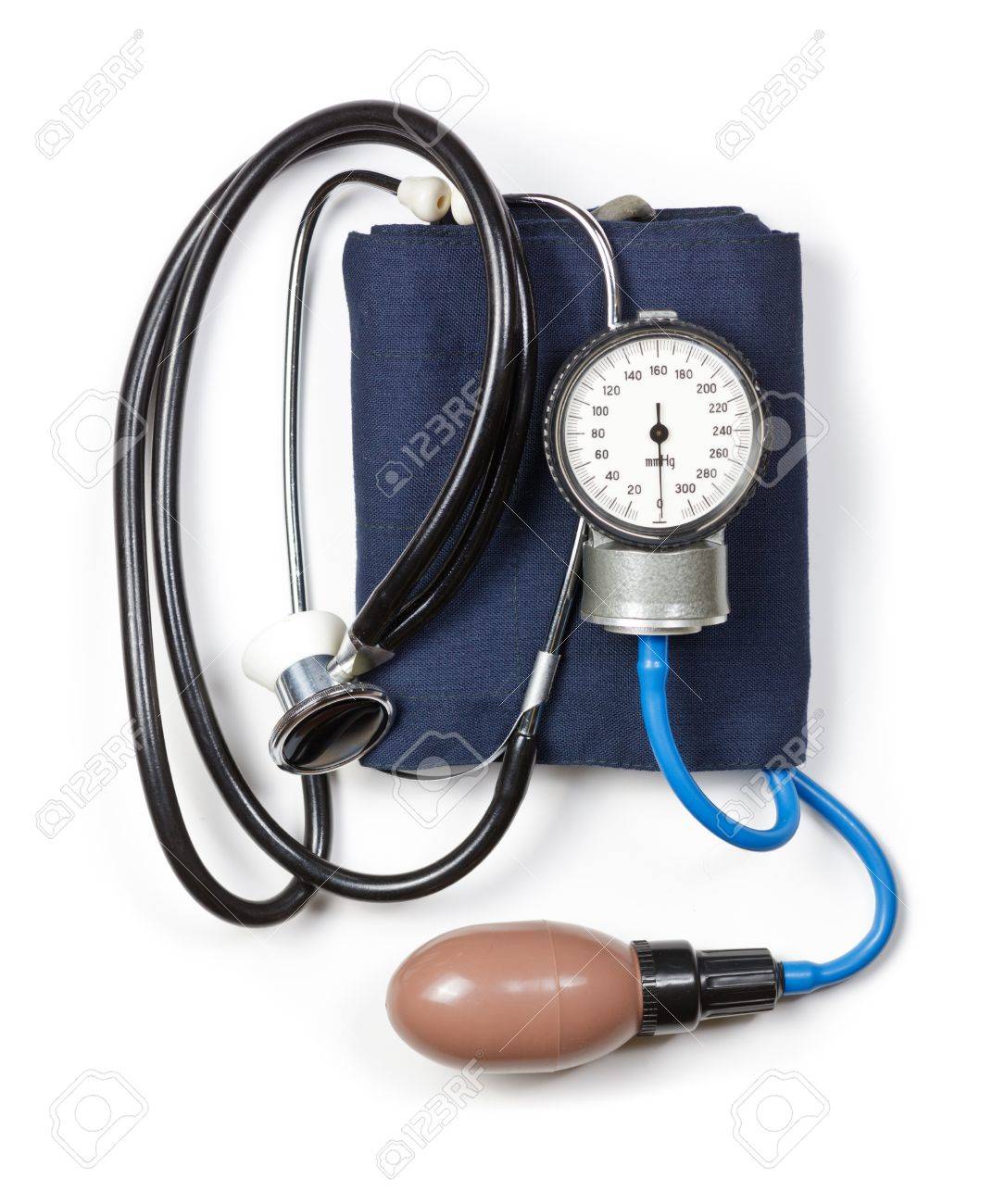
Sphygmomanometer : An instrument for measuring blood pressure, particularly in arteries. The two types of sphygmomanometers are a mercury column and a gauge with a gauge with a dial face.

Sphygmomanometer, instrument for measuring blood pressure. It consists of an inflated rubber cuff, which is wrapped around the upper arm and is connected to an apparatus that records pressure, usually in terms of the height of a column of mercury or on a dial (an aneroid manometer).

An arterial blood pressure reading consists of two numbers, which typically may be recorded as x/y. The x is the systolic pressure, and y is the diastolic pressure.

Systole refers to the contraction of the ventricles of the heart, when blood is forced from the heart into the pulmonary and systemic arterial circulation, and diastole refers to the resting period, when the ventricles expand and receive another supply of blood from the atria.

At each heartbeat blood pressure is raised to the systolic level, and, between beats, it drops to the diastolic level. As the cuff is inflated with air, a stethoscope is placed against the skin at the crook of the arm.

As the air is released, the first sound heard marks the systolic pressure; as the release continues, a dribbling noise is heard. This marks the diastolic pressure, which is department on the elasticity of the arteries.

Based on long- term experience, blood pressure measurement using the mercury sphygmomanometer is regarded as the gold standard method for indirect measurement of blood pressure.

The use of the mercury sphygmomanometer has practical and technical limitations, and requires specific training.

In 1881, Von Basch created the sphygmomanometer and the first non-invasive BP measurements. However, in 1896, Scipione Riva-Rocco developed further the mercury sphygmomanometer, almost as we know it today.

A health professional checks blood pressure with a sphygmomanometer

Sphygmomanometer : An instrument for measuring blood pressure, particularly in arteries. The two types of sphygmomanometers are a mercury column and a gauge with a gauge with a dial face.

Sphygmomanometer, instrument for measuring blood pressure. It consists of an inflated rubber cuff, which is wrapped around the upper arm and is connected to an apparatus that records pressure, usually in terms of the height of a column of mercury or on a dial (an aneroid manometer).

An arterial blood pressure reading consists of two numbers, which typically may be recorded as x/y. The x is the systolic pressure, and y is the diastolic pressure.

Systole refers to the contraction of the ventricles of the heart, when blood is forced from the heart into the pulmonary and systemic arterial circulation, and diastole refers to the resting period, when the ventricles expand and receive another supply of blood from the atria.

At each heartbeat blood pressure is raised to the systolic level, and, between beats, it drops to the diastolic level. As the cuff is inflated with air, a stethoscope is placed against the skin at the crook of the arm.

As the air is released, the first sound heard marks the systolic pressure; as the release continues, a dribbling noise is heard. This marks the diastolic pressure, which is department on the elasticity of the arteries.

Based on long- term experience, blood pressure measurement using the mercury sphygmomanometer is regarded as the gold standard method for indirect measurement of blood pressure.

The use of the mercury sphygmomanometer has practical and technical limitations, and requires specific training.

In 1881, Von Basch created the sphygmomanometer and the first non-invasive BP measurements. However, in 1896, Scipione Riva-Rocco developed further the mercury sphygmomanometer, almost as we know it today.