ALL ABOUT YOUR ZODIAC SIGNS

1) ARIES:

CHARACTERISTICS:

  1. More energetic than any other zodiac sign.
  2. They never fails to grab attention because of their magnetic aura.
  3. They are headstrong , strong-willed and straightforward.
  4. Don’t hesitate to take risk.
  5. Popular in social circle.
  6. They were stubborn and Impatient makes it difficult to deal with them.

2)TAURUS:

CHARACTERISTICS:

  1. They are reliable, persistent, and stable.
  2. They are very generous and down to earth.
  3. They are very dependable and patient.
  4. If they do not feel motivated, they are very laid-back and lazy.
  5.  Bulls can be huge perfectionists. If something or someone isn’t absolutely perfect, Taureans are known to turn up their noses and walk away.
  6. They are hardworking persistent in their efforts.

3) gemini:

CHARACTERISTICS:

  1. Geminis are easy-going and adjustable. 
  2. They are extremely knowledgeable, Intelligent and filled with loads of enthusiasm.
  3. They’re also very flexible and able to change according to situations.
  4. They have sharp wit and sense of humor.
  5. The people born under this sign are very restless and anxious.
  6. Lack of consistency and decision-making ability.

4) CANCER:

CHARACTERISTICS:

  1. Cancerians are intense, incredibly charismatic and attractive.
  2. Crabs are very intuitive and rely greatly on their intuition for taking important decisions. 
  3. Cancerians are very emotional people
  4. They may seem a bit isolated and distant.
  5. Suspicious and take time to trust people.
  6. Possessive and over emotional in their relationships.

5)LEO:

CHARACTERISTICS:

  1. Leos are warm and loyal people.
  2. They are confident,passionate and generous.
  3. The presence of a Leo cannot be ignored in a gathering.
  4. They are usually dominating , headstrong and Egoistic.
  5. They often feel unhappy because they care too much about how others think of them.
  6. Leos are very kind and helpful to people around them.

6)virgo:

CHARACTERISTICS:

  1. They are very practical beings and do not believe in whims or fantasies. 
  2. virgos are very watchful, cautious and analytical in their approach.
  3. They are reliable and trustworthy friends.
  4. Virgos do not like sugar coating their words and thus can get too harsh sometimes.
  5. Very conservative and like to do things in old-fashioned ways.
  6. Virgos are also humble and affectionate.

7)libra:

CHARACTERISTICS:

  1. Librans are very loving and romantic souls
  2. They are diplomatic but very charming people.
  3. Decision-making can be a tedious task for the Librans.
  4. They are very tactful and know how to get things done by people. 
  5. They have sense of fairness and an outgoing nature.
  6. You may find a Libra taking selfies everywhere they go.

8)scorpio:

CHARACTERISTICS:

  1. The Scorpions are highly ambitious and focused people.
  2. They are very intuitive and can guess what is going on in somebody’s mind.
  3. They are brave and can deal with most difficult situations with utmost ease.
  4. Sometimes , Scorpions can hurt people with their words and actions.
  5. If a Scorpio is committed to someone or something, they stick with it.
  6. Their trust is hard to earn, but once they do trust someone, they dedicate their whole self to that person.

9) sagittarius:

CHARACTERISTICS:

  1. Sagittarians are optimistic,freedom Lovers, hilarious, honest and intellectual.
  2. They like truth, nothing but the truth
  3. They are very generous and love to help everyone.
  4. They cannot be consistent in anything they do and thus get bored easily. 
  5. They are straightforward in their dealings too. 
  6. They are spontaneous ,fun and best conversationalists.

10)CAPRICORN:

CHARACTERISTICS:

  1. Highly ambitious and driven, the Capricorns have big goals in life.
  2. Capricorn sign is pessimistic, work-obsessed, and stubborn.
  3. They are loyal and true friends.
  4. They are very practical and disciplined in their approach towards life. 
  5. They are friendly, but they like to be in the company of a few selected people.
  6. Capricorns are one of the most serious, diligent signs of the zodiac.

11)Aquarius:

CHARACTERISTICS:

  1. They are very friendly and generally have a large circle of friends.
  2. Once committed in any relationship, Aquarians will remain faithful till the end.
  3. They like to be financially and emotionally independent.
  4. They sometimes become distant or aloof for no reason.
  5. Aquarians are future-oriented people, often described as visionaries.
  6. because of visionary nature they may become dissatisfied, frustrated, and even depressed.

12) pisces:

CHARACTERISTICS:

  1. Pisceans are very affectionate,oversensitive and gentle souls.
  2. They are great thinkers and can come up with great ideas.
  3. They greatly rely on their intuition when in doubt.
  4. They are lazy beings and often opt for escape.
  5. Pisces are extremely generous and known for putting others needs before their own.
  6. Pisces are empathetic and in tune with the emotions of others.

Facing reality.

In various cultures children are told that they can get anything if they try hard to achieve it. In my opinion there are many advantages and disadvantages of it.

To embark on , it is very important for people to teach their children to work hard and to try and achieve things in their life. People tend to cope up with the burden of studies and jobs easily as they are in a habit of spending more time at things. People tend to be more perfect and organised. For an instance , if someone’s parents set a goal for them in the early stages of their life and teach them to work hard and achieve it they often end up getting that thing in their life. Therefore , mentoring children leads to achieving things in their life.

However , there are many disadvantages. Children often get pressurised by working all day long. Therefore everything leads to them to not being able to achieve even one thing. Sometimes children get frustrated when they are not able to achieve things that they have been trying. For example many students commit suicide when they do not get good grades therefore trying to hard can have a negative impact also.

According to me , there should be a proper balance between everything and one should not effect themselves of they fail to accomplish something.

To encapsulate , children should be taught to do hard work but they should not be told that they can achieve everything and they should be told to face reality.

Facing reality.

In various cultures children are told that they can get anything if they try hard to achieve it. In my opinion there are many advantages and disadvantages of it.

To embark on , it is very important for people to teach their children to work hard and to try and achieve things in their life. People tend to cope up with the burden of studies and jobs easily as they are in a habit of spending more time at things. People tend to be more perfect and organised. For an instance , if someone’s parents set a goal for them in the early stages of their life and teach them to work hard and achieve it they often end up getting that thing in their life. Therefore , mentoring children leads to achieving things in their life.

However , there are many disadvantages. Children often get pressurised by working all day long. Therefore everything leads to them to not being able to achieve even one thing. Sometimes children get frustrated when they are not able to achieve things that they have been trying. For example many students commit suicide when they do not get good grades therefore trying to hard can have a negative impact also.

According to me , there should be a proper balance between everything and one should not effect themselves of they fail to accomplish something.

To encapsulate , children should be taught to do hard work but they should not be told that they can achieve everything and they should be told to face reality.

Deserts

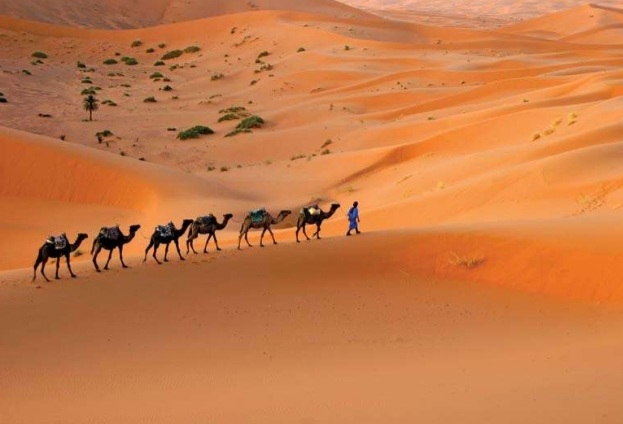
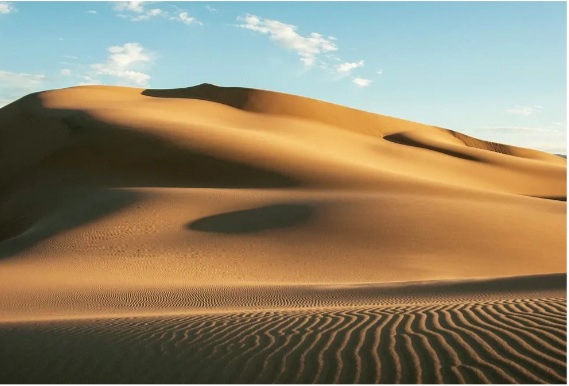
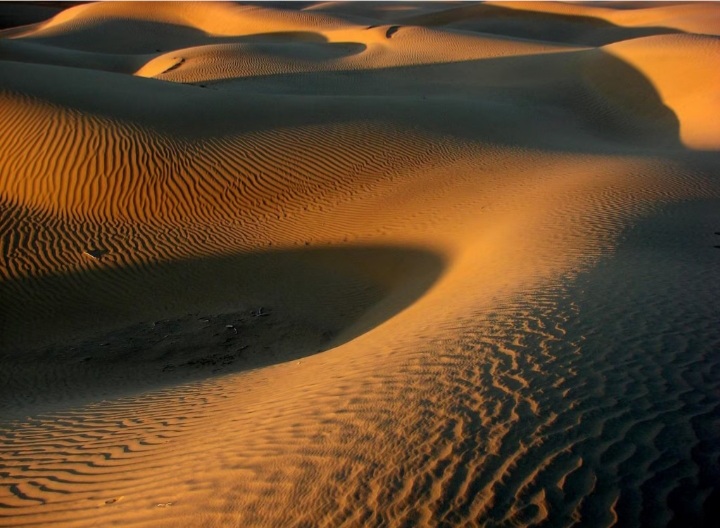
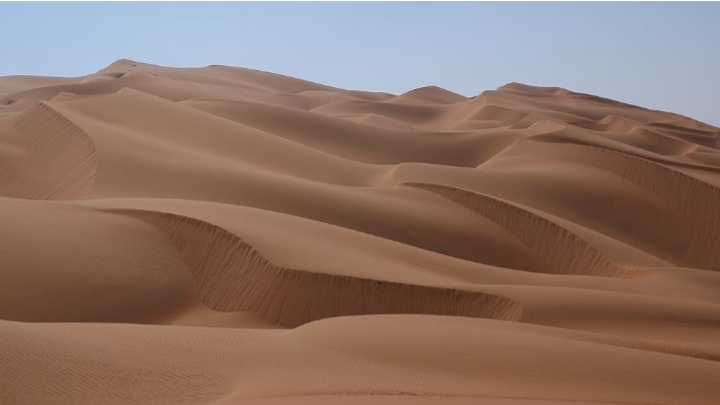
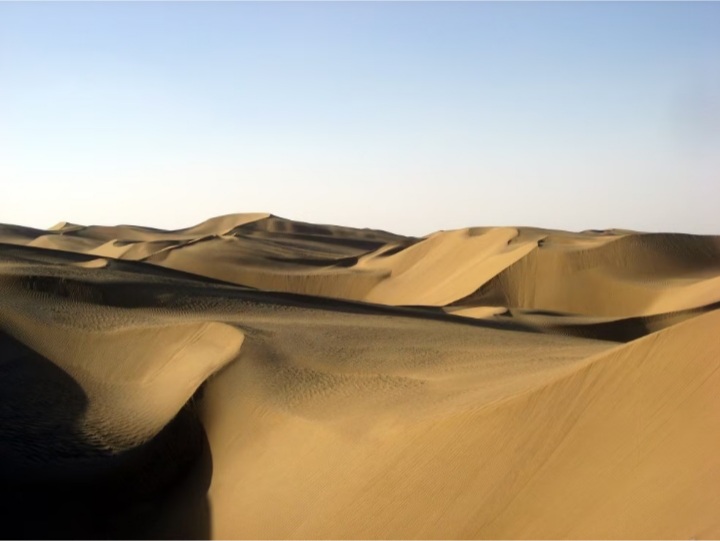
In the world we find varied geographical regions which includes mountains, plains, deserts, plateaus all with their own physical features. Desert is basically a piece of barren land which is filled with sand and lacks water bodies and have dry weather all along. In day time deserts are extremely heated up and at night it becomes chilling cold at the same place. In the Indian subcontinent we find desert in the western part of the subcontinent in the state of Rajasthan.

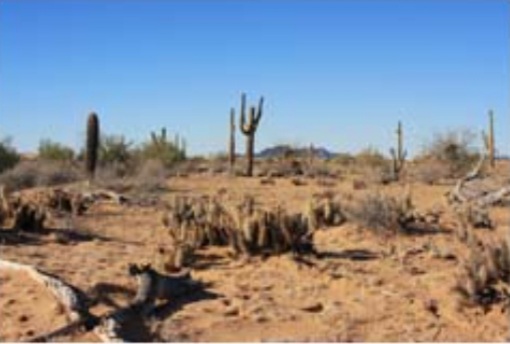
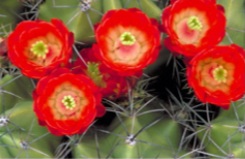
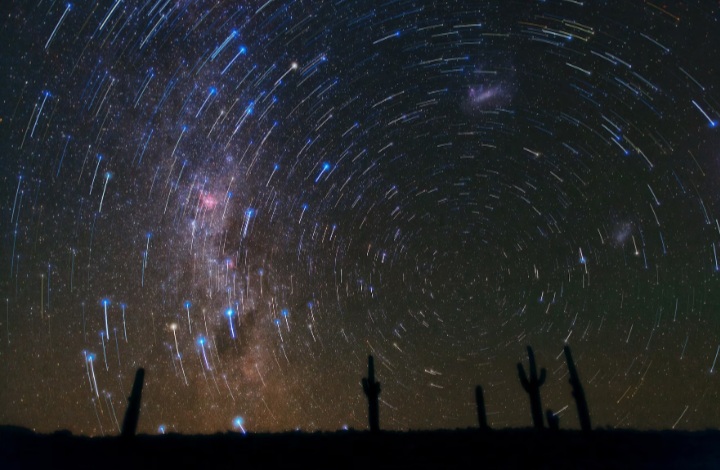
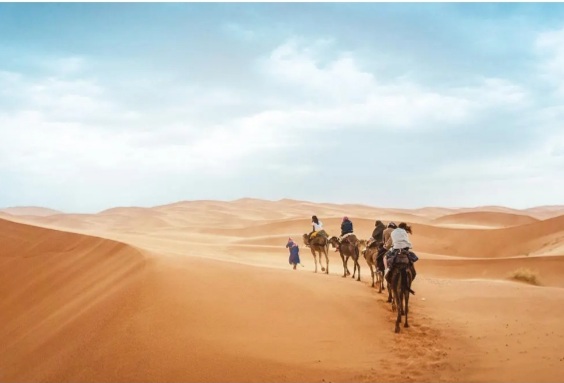
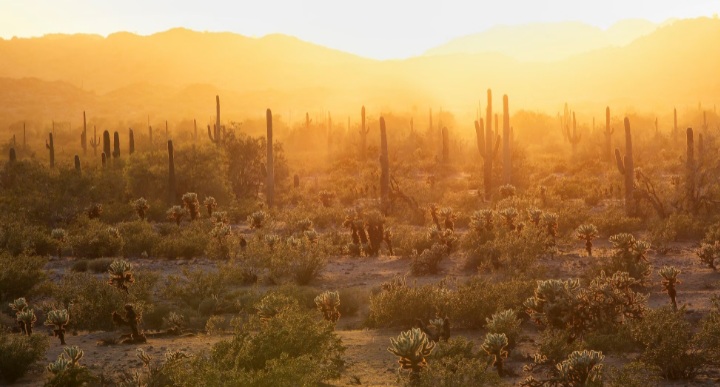
The animals and plants in the deserts have their own adaptations, among plants we find a variety of cactus, cactus plants have special adaptations to survive in the desert, they have fleshy stem which holds water in them which turns out to be useful when there is scarcity of water also they have very long roots which can penetrate deep inside the soil in search of water also they don’t have leaves and have thorns in place of them in cactus the food is prepared in the step as it contains chlorophyll and is green in color. Also, we find camel in desert their feet have adaptation to walk on the sand also they can survive with less water and they have long eyelashes to protect their eyes from dust storms.

Types of Deserts :

1. Coastal Deserts :

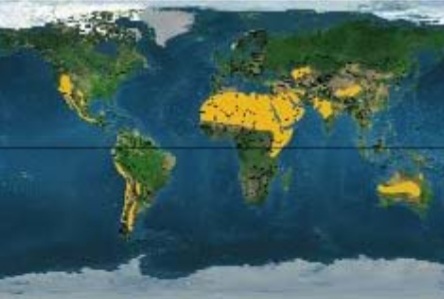
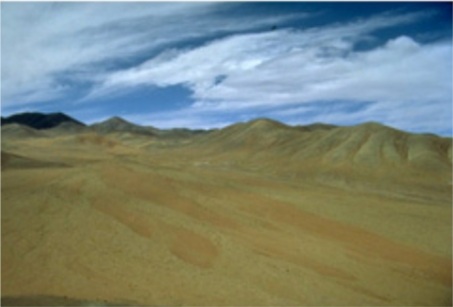
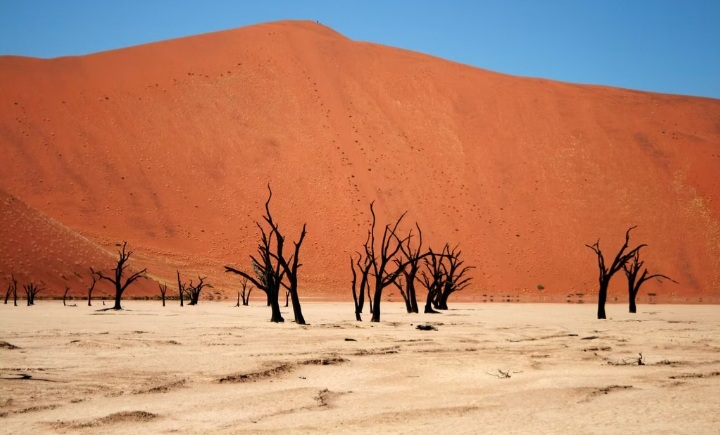
Coastal deserts occur in cool to warm areas along the coast. They have cool winters and long, warm summers. Coastal deserts are located on the west coasts of continents between 20° to 30° lattitude. Winds off the coast blows in an easterly pattern and prevents the moisture from moving onto the land. The Namib desert in Africa and the Atacama desert in chile are coastal deserts.

2. Subtropical Deserts :

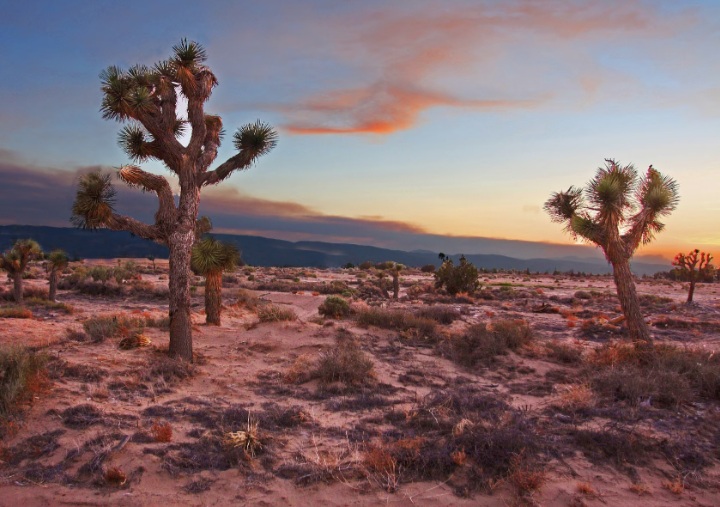
Subtropical deserts the hottest deserts. They are found in Asia, Australia, Africa and North and south America. In the united states, the chilhuahuan, sonoran and Mojave are all subtropical deserts. Subtropical deserts are very hot and dry in the summner and cooler but still dry in the winter. Rainfall happens in short bursts. The air is so hot and dry in these deserts that sometimes rain evaportaes before it even has a chance to hit the ground. The soil in subtropical deserts is usually either sandy or coarse and rocky.

Plants and animals in subtropical deserts must be able to withstand the hot temperatures and lack of moisture. Shrubs and small trees in the subtropical desert usually have leaves adapted to retain moisture. Animals in sbtropical deserts are usually active at night, when it is cooler.

3. Cold wintet Deserts :

Cold winter deserts are also known as semiarid deserts . They have long, dry summers and cold winters with low rain or snowfall. In the united states the Great basin, the colorado plateau and the Red Desert are all cold winter deserts. Other cold winter deserts include the Gobi desert in china and Mongolia and the patagonian desert in Argentina. The lack of rainfall in cloud winter deserts is often caused by the rainshadow effect. The rainshadow effect happens when a high mountain range stops moisture from reaching an area. The Himalayan Mountain prevent rainfall from reaching the Gobi desert.

4. Ploar Deserts :

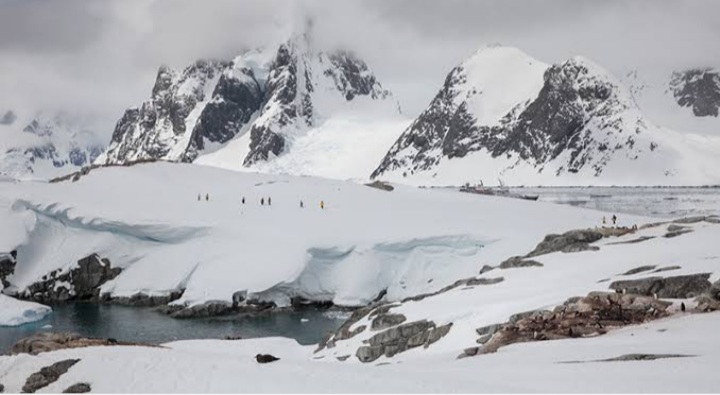
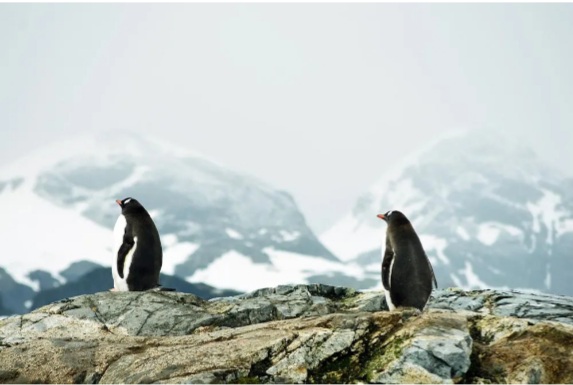
Polar deserts are found in the Arctic and Antarctic regions. Like warmer deserts, they also get very little precipitation.polar deserts are cold year- round.

Largest Desert in the world :

The antarctic polar Desert, which makes up the vast majority of Antarctica, is the largest desert in the world. In fact this single desert is larger than the combined size of the Gobi Desert, the Arabian Desert, and the sahara Desert.

* The driest desert of the world Atacama is surely the most dangerous desert of all.

The strongest animal in the Desert :

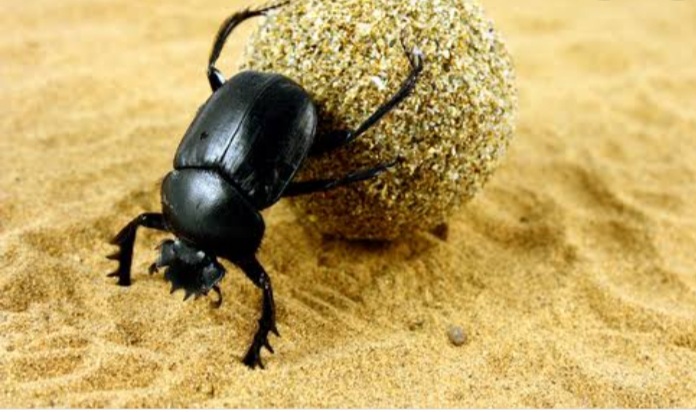
Based on strength to weight ratio, the dung beetle of the scarab is the strongest creature on earth. They can lift 1141 times their own body weight. It helps them a lot in finding the mate and food. The dung beetles also constitute a large percentage of scarab family.

The 7 hardest Animals to Hunt :

* Leopards

* Mountain Goats.

* Elk

* Eland.

* cape Buffalo

* Roan and sable

* Bears.

what can kill you in the Desert?

Aside from the oppressive heat and lack of water, the desert is also full of critters that can bite and sting. Some of these guys can even kill you if you aren’t able to find medical help. Spiders, scorpions, centipedes, and snakes are all found in dark places , abandoned builidings and under rocks.

Most Famous Deserts :

* Namib Desert – Africa

* Atacama Desert – South Americs.

* sahara Desert – Africa

* Gobi Desert – china

* Mojave Desert – Nevada

* Antarctic Desert – Antarctica

* Sonoran Desert – USA

* Thar Desert – India

* Rub’al khali – saudi Arabia

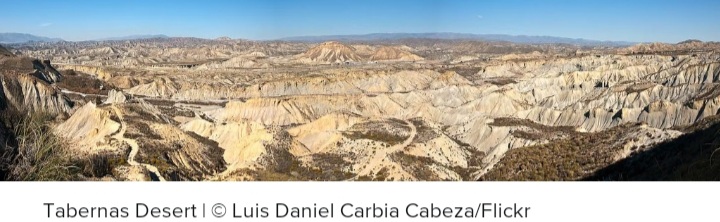
* Tabernas Desert – spain

* Taklamakan Desert – central Asia

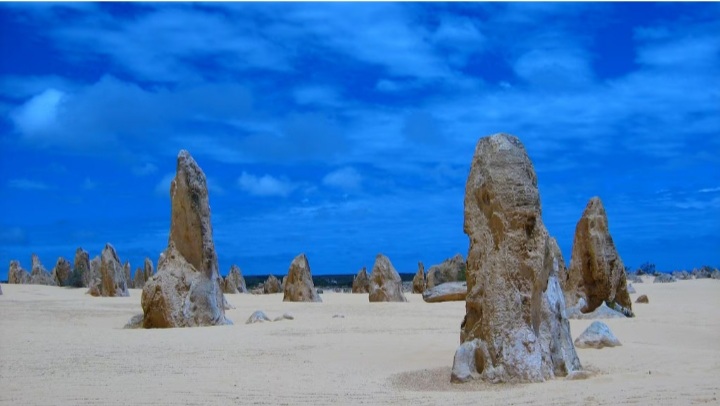
* pinnacles Desert – Australia

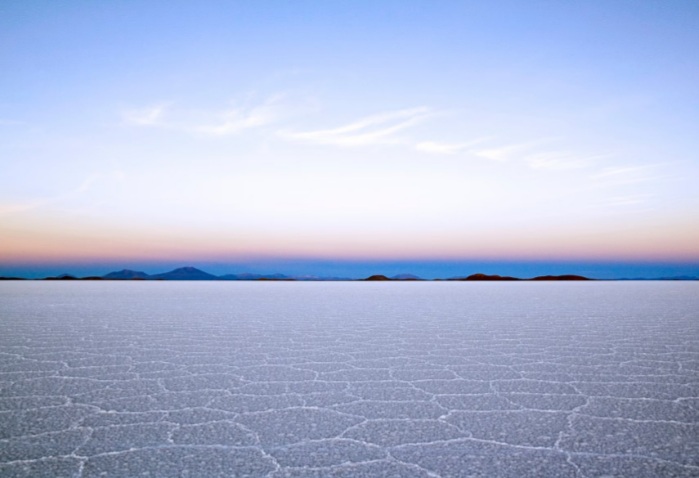
* Salar de uyuni Desert – Bolivia

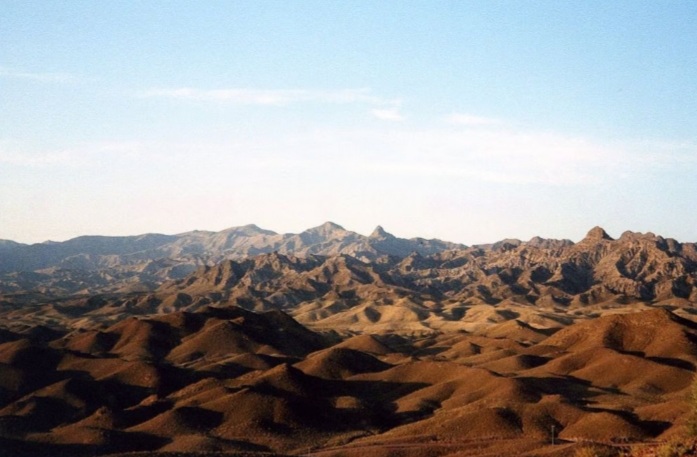
* Dasht- e kavir – Iran

* Chihuahuan Desert –New Mexico

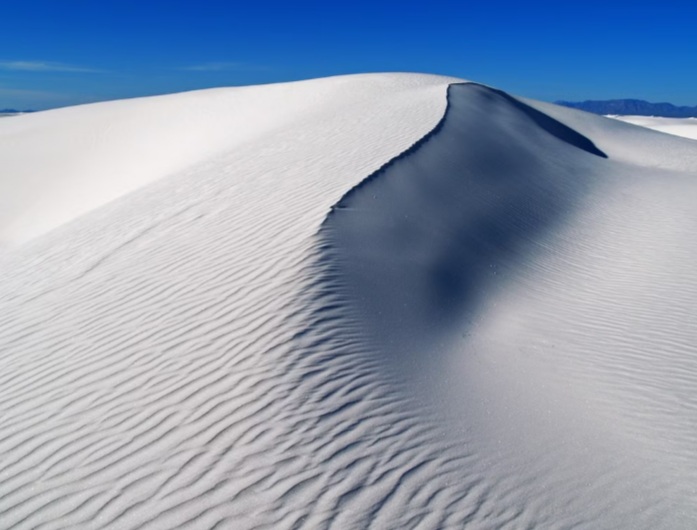
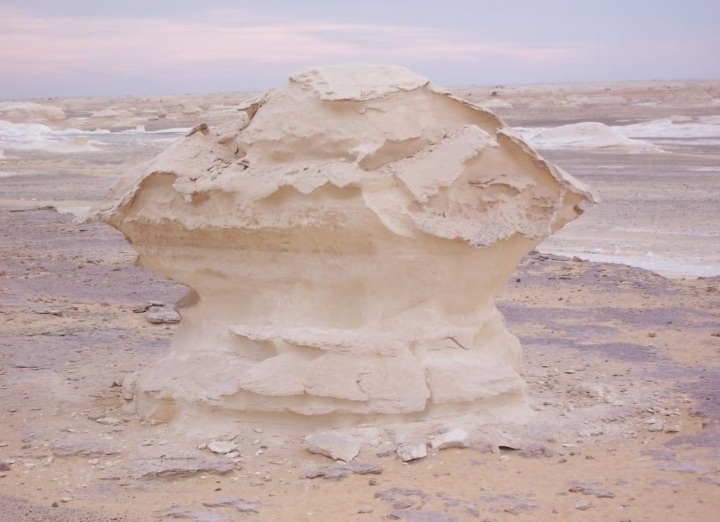
* White Desert, Farafra – Egypt

Deserts

In the world we find varied geographical regions which includes mountains, plains, deserts, plateaus all with their own physical features. Desert is basically a piece of barren land which is filled with sand and lacks water bodies and have dry weather all along. In day time deserts are extremely heated up and at night it becomes chilling cold at the same place. In the Indian subcontinent we find desert in the western part of the subcontinent in the state of Rajasthan.

The animals and plants in the deserts have their own adaptations, among plants we find a variety of cactus, cactus plants have special adaptations to survive in the desert, they have fleshy stem which holds water in them which turns out to be useful when there is scarcity of water also they have very long roots which can penetrate deep inside the soil in search of water also they don’t have leaves and have thorns in place of them in cactus the food is prepared in the step as it contains chlorophyll and is green in color. Also, we find camel in desert their feet have adaptation to walk on the sand also they can survive with less water and they have long eyelashes to protect their eyes from dust storms.

Types of Deserts :

1. Coastal Deserts :

Coastal deserts occur in cool to warm areas along the coast. They have cool winters and long, warm summers. Coastal deserts are located on the west coasts of continents between 20° to 30° lattitude. Winds off the coast blows in an easterly pattern and prevents the moisture from moving onto the land. The Namib desert in Africa and the Atacama desert in chile are coastal deserts.

2. Subtropical Deserts :

Subtropical deserts the hottest deserts. They are found in Asia, Australia, Africa and North and south America. In the united states, the chilhuahuan, sonoran and Mojave are all subtropical deserts. Subtropical deserts are very hot and dry in the summner and cooler but still dry in the winter. Rainfall happens in short bursts. The air is so hot and dry in these deserts that sometimes rain evaportaes before it even has a chance to hit the ground. The soil in subtropical deserts is usually either sandy or coarse and rocky.

Plants and animals in subtropical deserts must be able to withstand the hot temperatures and lack of moisture. Shrubs and small trees in the subtropical desert usually have leaves adapted to retain moisture. Animals in sbtropical deserts are usually active at night, when it is cooler.

3. Cold wintet Deserts :

Cold winter deserts are also known as semiarid deserts . They have long, dry summers and cold winters with low rain or snowfall. In the united states the Great basin, the colorado plateau and the Red Desert are all cold winter deserts. Other cold winter deserts include the Gobi desert in china and Mongolia and the patagonian desert in Argentina. The lack of rainfall in cloud winter deserts is often caused by the rainshadow effect. The rainshadow effect happens when a high mountain range stops moisture from reaching an area. The Himalayan Mountain prevent rainfall from reaching the Gobi desert.

4. Ploar Deserts :

Polar deserts are found in the Arctic and Antarctic regions. Like warmer deserts, they also get very little precipitation.polar deserts are cold year- round.

Largest Desert in the world :

The antarctic polar Desert, which makes up the vast majority of Antarctica, is the largest desert in the world. In fact this single desert is larger than the combined size of the Gobi Desert, the Arabian Desert, and the sahara Desert.

* The driest desert of the world Atacama is surely the most dangerous desert of all.

The strongest animal in the Desert :

Based on strength to weight ratio, the dung beetle of the scarab is the strongest creature on earth. They can lift 1141 times their own body weight. It helps them a lot in finding the mate and food. The dung beetles also constitute a large percentage of scarab family.

The 7 hardest Animals to Hunt :

* Leopards

* Mountain Goats.

* Elk

* Eland.

* cape Buffalo

* Roan and sable

* Bears.

what can kill you in the Desert?

Aside from the oppressive heat and lack of water, the desert is also full of critters that can bite and sting. Some of these guys can even kill you if you aren’t able to find medical help. Spiders, scorpions, centipedes, and snakes are all found in dark places , abandoned builidings and under rocks.

Most Famous Deserts :

* Namib Desert – Africa

* Atacama Desert – South Americs.

* sahara Desert – Africa

* Gobi Desert – china

* Mojave Desert – Nevada

* Antarctic Desert – Antarctica

* Sonoran Desert – USA

* Thar Desert – India

* Rub’al khali – saudi Arabia

* Tabernas Desert – spain

* Taklamakan Desert – central Asia

* pinnacles Desert – Australia

* Salar de uyuni Desert – Bolivia

* Dasht- e kavir – Iran

* Chihuahuan Desert –New Mexico

* White Desert, Farafra – Egypt

The OTT War

Video streaming is no doubt a huge business. In 2020, it has generated a revenue of approximately $26 billion, with an annual growth rate of 4.1%.

Netflix is a veteran in the industry, having been founded back in 1997. Over the years, as streaming became more popular, Netflix established itself as the industry leader and today has 167 million subscribers worldwide. Following the success of Netflix, big entertainment firms and film production companies began their own streaming services. These being YouTube, Hulu, Amazon Prime, with the most recent entry into the market, apple TV+, HBO MAX, Disney+ and NBC’s Peacock.

With all companies facing high competition, every streaming service had to do something big to attract customers, showing how their OTT platform is superior to the others. Netflix spends billions of dollars every year to create Netflix original movies and web series, allowing young aspiring filmmakers as well as legendary veterans in the film industry to use the platform without complications of getting their films financed or released in theaters. Disney acquired large money-making studios like Marvel Studios (company behind the blockbuster Marvel superhero films) and Lucasfilm (company behind the legendary Star Wars franchise). Amazon prime membership has multiple advantages, with free prime delivery, prime music (their own music streaming service), and best of all primevideo which hosts thousands of great movies and shows across all major languages. Amazon spends a lot of its budget to create regional language content. Recently Amazon acquired Metro-Goldwyn-Mayer, the century old legendary production studio for $8.5 billion.
Sports also plays a huge role in getting customers to subscribe to a streaming service. Peacock announced that it will be streaming Tokyo Olympics live on its service. Disney+ partnered with Hotstar, India’s biggest streaming service, which streams major sporting events and leagues on its platform.

Every streaming service comes with subscription packages of different benefits and price range. Disney+ being new to the market, had a few tricks up their sleeve to attract customers from other streaming services to switch to their own. The basic subscription of Disney+ and Netflix are the same price, yet Disney+ includes 4K viewing, while Netflix customers have to pay extra to enjoy 4K. Even HD streaming on Netflix comes with an extra fee. Netflix only allows one viewer at a time for its basic subscription, while Disney+ offers up to four viewers on one subscription. These may seem like small details, but when going head-to-head with an already established brand, it helps to offer extra benefits and features.

The major reasons for the boom in popularity of OTT in India was the availability of low-cost mobile data and affordable smartphones. India has the cheapest mobile data in the world with 1GB costing just INR 18.5 as compared to the global average of about INR 600. It enabled the youth in India to access OTT video streaming services at affordable prices.

Since the outbreak of COVID-19 and national lockdown in 2020, India witnessed a significant growth in the usage of OTT. Until then, the popularity of OTT platforms were limited to urban area and above middle class. Film theatres were also closed since national lockdown, people were restricted to their homes and didn’t have much options for entertainment. Big budget films starring huge stars are being directly released in OTT platforms and have been very successful for both filmmakers as well as streaming services.

This is the story of the rise of streaming services in India and around the world and what we are witnessing is just the very beginning of a new era of entertainment.

The OTT War

Video streaming is no doubt a huge business. In 2020, it has generated a revenue of approximately $26 billion, with an annual growth rate of 4.1%.

Netflix is a veteran in the industry, having been founded back in 1997. Over the years, as streaming became more popular, Netflix established itself as the industry leader and today has 167 million subscribers worldwide. Following the success of Netflix, big entertainment firms and film production companies began their own streaming services. These being YouTube, Hulu, Amazon Prime, with the most recent entry into the market, apple TV+, HBO MAX, Disney+ and NBC’s Peacock.

With all companies facing high competition, every streaming service had to do something big to attract customers, showing how their OTT platform is superior to the others. Netflix spends billions of dollars every year to create Netflix original movies and web series, allowing young aspiring filmmakers as well as legendary veterans in the film industry to use the platform without complications of getting their films financed or released in theaters. Disney acquired large money-making studios like Marvel Studios (company behind the blockbuster Marvel superhero films) and Lucasfilm (company behind the legendary Star Wars franchise). Amazon prime membership has multiple advantages, with free prime delivery, prime music (their own music streaming service), and best of all primevideo which hosts thousands of great movies and shows across all major languages. Amazon spends a lot of its budget to create regional language content. Recently Amazon acquired Metro-Goldwyn-Mayer, the century old legendary production studio for $8.5 billion.

Sports also plays a huge role in getting customers to subscribe to a streaming service. Peacock announced that it will be streaming Tokyo Olympics live on its service. Disney+ partnered with Hotstar, India’s biggest streaming service, which streams major sporting events and leagues on its platform.

Every streaming service comes with subscription packages of different benefits and price range. Disney+ being new to the market, had a few tricks up their sleeve to attract customers from other streaming services to switch to their own. The basic subscription of Disney+ and Netflix are the same price, yet Disney+ includes 4K viewing, while Netflix customers have to pay extra to enjoy 4K. Even HD streaming on Netflix comes with an extra fee. Netflix only allows one viewer at a time for its basic subscription, while Disney+ offers up to four viewers on one subscription. These may seem like small details, but when going head-to-head with an already established brand, it helps to offer extra benefits and features.

The major reasons for the boom in popularity of OTT in India was the availability of low-cost mobile data and affordable smartphones. India has the cheapest mobile data in the world with 1GB costing just INR 18.5 as compared to the global average of about INR 600. It enabled the youth in India to access OTT video streaming services at affordable prices.

Since the outbreak of COVID-19 and national lockdown in 2020, India witnessed a significant growth in the usage of OTT. Until then, the popularity of OTT platforms were limited to urban area and above middle class. Film theatres were also closed since national lockdown, people were restricted to their homes and didn’t have much options for entertainment. Big budget films starring huge stars are being directly released in OTT platforms and have been very successful for both filmmakers as well as streaming services.

This is the story of the rise of streaming services in India and around the world and what we are witnessing is just the very beginning of a new era of entertainment.

Qausars

When astronomers first started using radio telescopes in the 1950s to study the Universe, they discovered a strange phenomenon. They found objects that shone brightly in the radio spectrum, but they couldn’t see any visible object associated with them. They called them quasi-stellar radio sources, or “quasars” for short. Within a decade of their discovery, astronomers learned that these quasars were moving away at tremendous velocities. This velocity, or red-shift of their light, indicated that they were billions of light-years away; beyond the capabilities of most optical telescopes. It wasn’t until the 1960s when a quasar was finally tied to an optical object, a distant galaxy.

Here’s where Astronomers got creative. Maybe quasars weren’t really that bright, and it was our understanding of the size and expansion of the Universe that was wrong. Or maybe we were seeing the results of a civilization, who had harnessed all stars in their galaxy into some kind of energy source. Then in the 1980s, astronomers started to agree on the active galaxy theory as the source of quasars. That, in fact, several different kinds of objects: quasars, blazars and radio galaxies were all the same thing, just seen from different angles. And that some mechanism was causing galaxies to blast out jets of radiation from their cores.

Black hole at the center of Milky Way

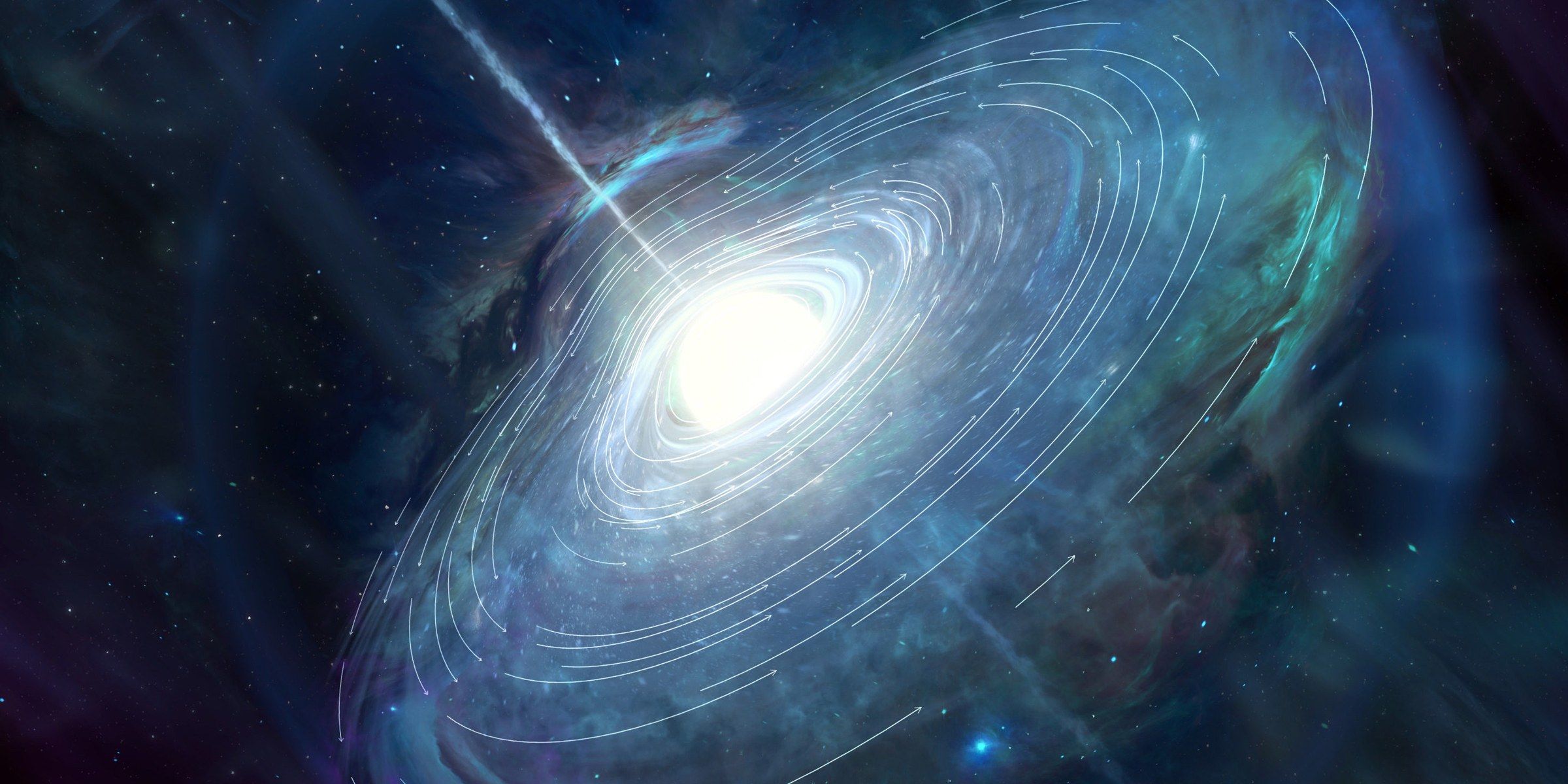
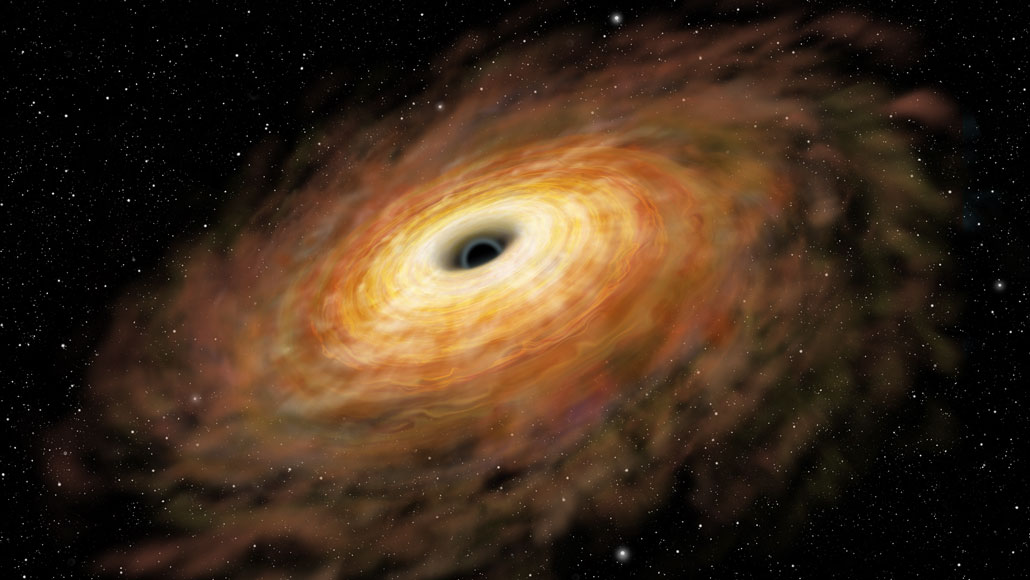
We now know that all galaxies have supermassive black holes at their centers; some billions of times the mass of the Sun. When material gets too close, it forms an accretion disk around the black hole. It heats up to millions of degrees, blasting out an enormous amount of radiation. The magnetic environment around the black hole forms twin jets of material which flow out into space for millions of light-years. This is an AGN, an active galactic nucleus. Since our own Milky Way has a supermassive black hole, it’s likely that we have gone through many active stages, whenever material is falling into the black hole; our galaxy would be seen as a quasar. But other times, like now, the supermassive black hole is quiet.

Supermassive black holes aren’t always feeding. If a black hole runs out of food, the jets run out of power and shut down. Right up until something else gets too close, and the whole system starts up again. The Milky Way has a supermassive black hole at its center, and it’s all out of food. It doesn’t have an active galactic nucleus, and so, we don’t appear as a quasar to some distant galaxy. With new powerful telescopes, astronomers have observed that some quasars have long jets of material firing out from the center of the galaxy. These are channeled by the magnetic fields created by the supermassive black hole’s rotation in the accretion disk. The most luminous quasars can exceed the radiation output of an average quasar. We may have in the past, and may again in the future. In 10 billion years or so, when the Milky way collides with Andromeda, our supermassive black hole may roar to life as a quasar, consuming all this new material.

Qausars

When astronomers first started using radio telescopes in the 1950s to study the Universe, they discovered a strange phenomenon. They found objects that shone brightly in the radio spectrum, but they couldn’t see any visible object associated with them. They called them quasi-stellar radio sources, or “quasars” for short. Within a decade of their discovery, astronomers learned that these quasars were moving away at tremendous velocities. This velocity, or red-shift of their light, indicated that they were billions of light-years away; beyond the capabilities of most optical telescopes. It wasn’t until the 1960s when a quasar was finally tied to an optical object, a distant galaxy.

Here’s where Astronomers got creative. Maybe quasars weren’t really that bright, and it was our understanding of the size and expansion of the Universe that was wrong. Or maybe we were seeing the results of a civilization, who had harnessed all stars in their galaxy into some kind of energy source. Then in the 1980s, astronomers started to agree on the active galaxy theory as the source of quasars. That, in fact, several different kinds of objects: quasars, blazars and radio galaxies were all the same thing, just seen from different angles. And that some mechanism was causing galaxies to blast out jets of radiation from their cores.

Black hole at the center of Milky Way

We now know that all galaxies have supermassive black holes at their centers; some billions of times the mass of the Sun. When material gets too close, it forms an accretion disk around the black hole. It heats up to millions of degrees, blasting out an enormous amount of radiation. The magnetic environment around the black hole forms twin jets of material which flow out into space for millions of light-years. This is an AGN, an active galactic nucleus. Since our own Milky Way has a supermassive black hole, it’s likely that we have gone through many active stages, whenever material is falling into the black hole; our galaxy would be seen as a quasar. But other times, like now, the supermassive black hole is quiet.

Supermassive black holes aren’t always feeding. If a black hole runs out of food, the jets run out of power and shut down. Right up until something else gets too close, and the whole system starts up again. The Milky Way has a supermassive black hole at its center, and it’s all out of food. It doesn’t have an active galactic nucleus, and so, we don’t appear as a quasar to some distant galaxy. With new powerful telescopes, astronomers have observed that some quasars have long jets of material firing out from the center of the galaxy. These are channeled by the magnetic fields created by the supermassive black hole’s rotation in the accretion disk. The most luminous quasars can exceed the radiation output of an average quasar. We may have in the past, and may again in the future. In 10 billion years or so, when the Milky way collides with Andromeda, our supermassive black hole may roar to life as a quasar, consuming all this new material.

Development in the technology sector – a boon or a bane

Development in the technology sector is increasing day by day , now people can hear what other people are saying and can track their location without the other person being aware of it. In my opinion though their are many disadvantages of this development the advantages overweigh them.

To embark on , sometimes people misuse the opportunities given to them. Nowadays the technology that was developed for the betterment of the society is being used for wrong purpose by many people. With the help of security camera many people record other people and misuse the videos. many people now hack into the cell phones of other people and steal their personal details. For an instance a person hacked into my uncle’s phone and stolen his credit card details and used them. Therefore the people with the help of improved facilities indulge into malpractices. Hence, making the development a disadvantage.

However, the benefits of these developments are so many that the disadvantages get overshadowed. The police has benefited a lot with the help of security cameras , it has become easier to find the criminals. Now people can track the location of their family members and can keep them safe. Now the cyber police can easily track a persons phone and find him. For example a person stole my friend’s phone while she was walking on the road with the help of a certain application the officials were able to find the robbers. Therefore development can be beneficial if used in a proper manner.

To encapsulate everything has its own benefits and repercussions it is on the people how they seize an opportunity and use it whether to do good or to do wrong things with the help provided to them.

Development in the technology sector – a boon or a bane

Development in the technology sector is increasing day by day , now people can hear what other people are saying and can track their location without the other person being aware of it. In my opinion though their are many disadvantages of this development the advantages overweigh them.

To embark on , sometimes people misuse the opportunities given to them. Nowadays the technology that was developed for the betterment of the society is being used for wrong purpose by many people. With the help of security camera many people record other people and misuse the videos. many people now hack into the cell phones of other people and steal their personal details. For an instance a person hacked into my uncle’s phone and stolen his credit card details and used them. Therefore the people with the help of improved facilities indulge into malpractices. Hence, making the development a disadvantage.

However, the benefits of these developments are so many that the disadvantages get overshadowed. The police has benefited a lot with the help of security cameras , it has become easier to find the criminals. Now people can track the location of their family members and can keep them safe. Now the cyber police can easily track a persons phone and find him. For example a person stole my friend’s phone while she was walking on the road with the help of a certain application the officials were able to find the robbers. Therefore development can be beneficial if used in a proper manner.

To encapsulate everything has its own benefits and repercussions it is on the people how they seize an opportunity and use it whether to do good or to do wrong things with the help provided to them.

𝑰𝑴𝑷𝑶𝑹𝑻𝑨𝑵𝑪𝑬 𝑶𝑭 𝑨𝑰𝑹 𝑺𝑼𝑹𝑽𝑰𝑽𝑨𝑳 𝑶𝑭 𝑳𝑰𝑭𝑬

LONELINESS ADDS BEAUTY OF LIFE. IT PUTS A SPECIAL BURN ON SUNSETS & MAKES NIGHT AIR SMELL BETTER”

𝗔𝗜𝗥 is the constant pressure that we feel around us but can never see. The observable effects of air can be seen throughout nature, through the swaying of the plants and the trees. The air when flows with speed and pressure is called as a 𝗯𝗿𝗲𝗲𝘇𝗲. Even though we cannot see air with our naked eyes, we can still feel it being around us at all times, we also known for certain that without air, life itself would not exist.

In earlier times, the 𝗮𝗶𝗿 was thought to be one single substance but now it is known that 𝗮𝗶𝗿 𝗶𝘀 𝗮 𝗺𝗶𝘅𝘁𝘂𝗿𝗲 𝗼𝗳 𝗺𝗮𝗻𝘆 𝗴𝗮𝘀𝗲𝘀 . A mixture of 2 vital gases mainly “Nitrogen and Oxygen” in a certain percentage is what allows us to live in such a sustainable condition on planet earth.We all need 𝗢𝗫𝗬𝗚𝗘𝗡 𝗧𝗢 𝗥𝗘𝗦𝗣𝗥𝗔𝗧𝗜𝗢𝗡 The animals that live both on land and even the aquatic animals need oxygen to exist otherwise they would all perish. Air is the fundamental building block, apart from which life itself would not exist. Bubbles in water only occur due to the small concentration of air, that gets trapped in the small bubbles.

  • 𝗔𝗜𝗥 s one of the primary necessities for supporting life on earth. Air, water and soil are the primary needs for sustaining life. Try holding your breath for a few seconds. You can do that for a maximum of twenty- twenty five seconds or maximum of thirty seconds.

Beyond that it is impossible for a human to hold his 𝐁𝐑𝐄𝐀𝐓𝐇. Then suddenly a pain of breathlessness grasps over the entire body. Our body chokes. It leaps out to grab air. We behave just like a fish out of water. This will be the condition if there is no air on earth. We can survive for a few second maximum. Not only breathing. Air helps us to hear sounds. Without air sound cannot travel. It needs a medium to travel. Without air the earth would be a soundless place. Air is made up of many components. It contains different gases, solid particles and also water vapour.The mixture of different gases comes to different use. Dirt and suspended particulate matter form the solid part and water vapour form the liquid part.

𝔸𝕀ℝ ℙ𝕆𝕃𝕃𝕌𝕋𝕀𝕆ℕ ℂ𝔸𝕌𝕊𝔼𝕊

𝐀𝐈𝐑 𝐏𝐎𝐋𝐋𝐔𝐓𝐈𝐎𝐍 may be caused by various processes, either natural or anthropogenic (man-made). Some of them leave evident traces in the air; others can go unnoticed unless specific tests are conducted or until you become ill from their effect.

Air pollution is the presence of substances in the 𝗔𝘁𝗺𝗼𝘀𝗽𝗵𝗲𝗿𝗲 that are harmful to the 𝗛𝗲𝗮𝗹𝘁𝗵 o 𝗛𝘂𝗺𝗮𝗻𝘀 and other 𝗟𝗶𝘃𝗶𝗻𝗴 𝗕𝗲𝗶𝗻𝗴𝘀, or cause damage to the 𝗖𝗹𝗶𝗺𝗮𝘁𝗲 or to materials. There are many different types of air pollutants, such as gases (such a 𝗮𝗺𝗺𝗼𝗻𝗶𝗮 ,𝗰𝗮𝗿𝗯𝗼𝗻 𝗺𝗼𝗻𝗼𝘅𝗶𝗱𝗲, 𝘀𝘂𝗹𝗳𝘂𝗿 𝗱𝗶𝗼𝘅𝗶𝗱𝗲 ,𝗻𝗶𝘁𝗿𝗼𝘂𝘀 ,𝗼𝘅𝗶𝗱𝗲𝘀,𝗺𝗲𝘁𝗵𝗮𝗻𝗲 , 𝗰𝗮𝗿𝗯𝗼𝗻 𝗱𝗶𝗼𝘅𝗶𝗱𝗲 & 𝗰𝗵𝗹𝗼𝗿𝗼𝗳𝗹𝘂𝗼𝗿𝗼𝗰𝗮𝗿𝗯𝗼𝗻, particulates (both organic and inorganic), and  𝗯𝗶𝗼𝗹𝗼𝗴𝗶𝗰𝗮𝗹 𝗺𝗼𝗹𝗲𝗰𝘂𝗹𝗲𝘀. ‘Air pollution’ may cause diseases, allergies and even death to humans; it may also cause harm to other living organisms such as animals and food crops, and may damage the 𝗡𝗮𝘁𝘂𝗿𝗮𝗹 environment (for example,𝗰𝗹𝗶𝗺𝗮𝘁𝗲 𝗰𝗵𝗮𝗻𝗴𝗲, 𝗼𝘇𝗼𝗻𝗲 𝗱𝗲𝗽𝗹𝗲𝘁𝗶𝗼𝗻 or𝗵𝗮𝗯𝗶𝘁𝗮𝘁 𝗱𝗲𝗴𝗿𝗮𝗱𝗮𝘁𝗶𝗼𝗻) or 𝗯𝘂𝗶𝗹𝗱 𝗲𝗻𝘃𝗶𝗿𝗼𝗻𝗺𝗲𝗻𝘁 (for ex: acid rain)Both human activity and natural processes can generate air pollution.

𝑰𝑴𝑷𝑶𝑹𝑻𝑨𝑵𝑪𝑬 𝑶𝑭 𝑨𝑰𝑹 𝑺𝑼𝑹𝑽𝑰𝑽𝑨𝑳 𝑶𝑭 𝑳𝑰𝑭𝑬

LONELINESS ADDS BEAUTY OF LIFE. IT PUTS A SPECIAL BURN ON SUNSETS & MAKES NIGHT AIR SMELL BETTER”

𝗔𝗜𝗥 is the constant pressure that we feel around us but can never see. The observable effects of air can be seen throughout nature, through the swaying of the plants and the trees. The air when flows with speed and pressure is called as a 𝗯𝗿𝗲𝗲𝘇𝗲. Even though we cannot see air with our naked eyes, we can still feel it being around us at all times, we also known for certain that without air, life itself would not exist.

In earlier times, the 𝗮𝗶𝗿 was thought to be one single substance but now it is known that 𝗮𝗶𝗿 𝗶𝘀 𝗮 𝗺𝗶𝘅𝘁𝘂𝗿𝗲 𝗼𝗳 𝗺𝗮𝗻𝘆 𝗴𝗮𝘀𝗲𝘀 . A mixture of 2 vital gases mainly “Nitrogen and Oxygen” in a certain percentage is what allows us to live in such a sustainable condition on planet earth.We all need 𝗢𝗫𝗬𝗚𝗘𝗡 𝗧𝗢 𝗥𝗘𝗦𝗣𝗥𝗔𝗧𝗜𝗢𝗡 The animals that live both on land and even the aquatic animals need oxygen to exist otherwise they would all perish. Air is the fundamental building block, apart from which life itself would not exist. Bubbles in water only occur due to the small concentration of air, that gets trapped in the small bubbles.

  • 𝗔𝗜𝗥 s one of the primary necessities for supporting life on earth. Air, water and soil are the primary needs for sustaining life. Try holding your breath for a few seconds. You can do that for a maximum of twenty- twenty five seconds or maximum of thirty seconds.

Beyond that it is impossible for a human to hold his 𝐁𝐑𝐄𝐀𝐓𝐇. Then suddenly a pain of breathlessness grasps over the entire body. Our body chokes. It leaps out to grab air. We behave just like a fish out of water. This will be the condition if there is no air on earth. We can survive for a few second maximum. Not only breathing. Air helps us to hear sounds. Without air sound cannot travel. It needs a medium to travel. Without air the earth would be a soundless place. Air is made up of many components. It contains different gases, solid particles and also water vapour.The mixture of different gases comes to different use. Dirt and suspended particulate matter form the solid part and water vapour form the liquid part.

𝔸𝕀ℝ ℙ𝕆𝕃𝕃𝕌𝕋𝕀𝕆ℕ ℂ𝔸𝕌𝕊𝔼𝕊

𝐀𝐈𝐑 𝐏𝐎𝐋𝐋𝐔𝐓𝐈𝐎𝐍 may be caused by various processes, either natural or anthropogenic (man-made). Some of them leave evident traces in the air; others can go unnoticed unless specific tests are conducted or until you become ill from their effect.

Air pollution is the presence of substances in the 𝗔𝘁𝗺𝗼𝘀𝗽𝗵𝗲𝗿𝗲 that are harmful to the 𝗛𝗲𝗮𝗹𝘁𝗵 o 𝗛𝘂𝗺𝗮𝗻𝘀 and other 𝗟𝗶𝘃𝗶𝗻𝗴 𝗕𝗲𝗶𝗻𝗴𝘀, or cause damage to the 𝗖𝗹𝗶𝗺𝗮𝘁𝗲 or to materials. There are many different types of air pollutants, such as gases (such a 𝗮𝗺𝗺𝗼𝗻𝗶𝗮 ,𝗰𝗮𝗿𝗯𝗼𝗻 𝗺𝗼𝗻𝗼𝘅𝗶𝗱𝗲, 𝘀𝘂𝗹𝗳𝘂𝗿 𝗱𝗶𝗼𝘅𝗶𝗱𝗲 ,𝗻𝗶𝘁𝗿𝗼𝘂𝘀 ,𝗼𝘅𝗶𝗱𝗲𝘀,𝗺𝗲𝘁𝗵𝗮𝗻𝗲 , 𝗰𝗮𝗿𝗯𝗼𝗻 𝗱𝗶𝗼𝘅𝗶𝗱𝗲 & 𝗰𝗵𝗹𝗼𝗿𝗼𝗳𝗹𝘂𝗼𝗿𝗼𝗰𝗮𝗿𝗯𝗼𝗻, particulates (both organic and inorganic), and  𝗯𝗶𝗼𝗹𝗼𝗴𝗶𝗰𝗮𝗹 𝗺𝗼𝗹𝗲𝗰𝘂𝗹𝗲𝘀. ‘Air pollution’ may cause diseases, allergies and even death to humans; it may also cause harm to other living organisms such as animals and food crops, and may damage the 𝗡𝗮𝘁𝘂𝗿𝗮𝗹 environment (for example,𝗰𝗹𝗶𝗺𝗮𝘁𝗲 𝗰𝗵𝗮𝗻𝗴𝗲, 𝗼𝘇𝗼𝗻𝗲 𝗱𝗲𝗽𝗹𝗲𝘁𝗶𝗼𝗻 or𝗵𝗮𝗯𝗶𝘁𝗮𝘁 𝗱𝗲𝗴𝗿𝗮𝗱𝗮𝘁𝗶𝗼𝗻) or 𝗯𝘂𝗶𝗹𝗱 𝗲𝗻𝘃𝗶𝗿𝗼𝗻𝗺𝗲𝗻𝘁 (for ex: acid rain)Both human activity and natural processes can generate air pollution.

Saving Biodiversity

We have lost 7% of intact forests since 2000 globally. Climate change along with pandemic exerts an additional stress on ecosystem. Focusing on maintaining a healthy ecosystem concept of “ONE HEALTH” for all organisms should needed to be in cooperated everywhere. In 2018 India, PM’s science and tech and innovation advisory council in consultation with MO environment, forest, climate change, approved a National mission on biodiversity and human well being. Banglore based biodiversity working in prepare road maps on same. This will strengthen science of restoring, conserving, and sustainably utilizing India’s natural heritage and target. India will emerge as a leader linking conservation of natural assets and socialist well-being.

Important framework: Mission offers a holistic framework, integrated approaches, and widespread societal participation and empower India to restore, our natural assets by millions of crores of rupees, mitigation programs, biodiversity-based agriculture while also creating millions of green jobs in restoration of degraded lands (1/3 of total land) and nature tourism, helps to meet convention on biological diversity, generate a strong national community committed to sustaining biodiversity, Scientific inputs, especially related to geospatial informatics and policy, can guide the development of strategies for conservation and ecosystem management.

Need for a cadre:

  • We need a strong and extensive cadre of human resources required to meet the enormous and complex environmental challenges of the 21st century.
  •  It needs training professionals of the in sustainability and biodiversity science, along with an investment in civil society outreach.
  • Public engagement, whether it is in the policymaking arena, or in exploration, restoration and conservation of biodiversity, is a critical component of the planned Mission.

Saving Biodiversity

We have lost 7% of intact forests since 2000 globally. Climate change along with pandemic exerts an additional stress on ecosystem. Focusing on maintaining a healthy ecosystem concept of “ONE HEALTH” for all organisms should needed to be in cooperated everywhere. In 2018 India, PM’s science and tech and innovation advisory council in consultation with MO environment, forest, climate change, approved a National mission on biodiversity and human well being. Banglore based biodiversity working in prepare road maps on same. This will strengthen science of restoring, conserving, and sustainably utilizing India’s natural heritage and target. India will emerge as a leader linking conservation of natural assets and socialist well-being.

Important framework: Mission offers a holistic framework, integrated approaches, and widespread societal participation and empower India to restore, our natural assets by millions of crores of rupees, mitigation programs, biodiversity-based agriculture while also creating millions of green jobs in restoration of degraded lands (1/3 of total land) and nature tourism, helps to meet convention on biological diversity, generate a strong national community committed to sustaining biodiversity, Scientific inputs, especially related to geospatial informatics and policy, can guide the development of strategies for conservation and ecosystem management.

Need for a cadre:

  • We need a strong and extensive cadre of human resources required to meet the enormous and complex environmental challenges of the 21st century.
  •  It needs training professionals of the in sustainability and biodiversity science, along with an investment in civil society outreach.
  • Public engagement, whether it is in the policymaking arena, or in exploration, restoration and conservation of biodiversity, is a critical component of the planned Mission.