On February 29,2020 , the U.S. government and the Taliban signed a peace agreement after more then years of negotiation.
The war that has been going on for almost 20 years comes to an end.
HISTORY
It started with the attack of 9/11. After September 2001 , U.S. invaded Afghanistan to capture the master mind of the attack . Osama bin Laden , the leader of al-Qaeda’s was killed in that invasion. The Taliban leaders relocated to southern Afghanistan and the border to Pakistan. From there , Afghanistan has been in control of UNITED STATE . U.S. Military and troops has been sent there to capture the area of Taliban.
WHY IN THE NEWS
According to U.S. and Taliban agreement , The withdrawal of troop to be done by September 11.
U.S. force to withdraw approx. 8,500 troops within 135 days and complete a full withdrawal within fourteen months.
In agreement , The Taliban promise to prevent territory from terrorist groups and they also promise to negotiate with Afghanistan government in March 2020.
Result of negotiation between Taliban and Afghanistan government . The reason for disagreement between them due to timing of the release of Five thousand Taliban prisoners.
Taliban wanted a release of prisoners before the agreement and The Afghan government wanted it after the negotiation.
Afghan government itself was divided in two groups and lastly in February 2020, Ashraf Ghani declared president of election commission. His main rival chief Executive Officer Abdullah Abdullah declared himself as winner and held a parallel inauguration ceremony in March 2020.
At currently Taliban has captured 90% of the areas including Kabul.
In conclusion ,the effect and consequences of this war will be suffered of the common man mostly women and children. The nightmare will be haunting these people for long.
On February 29,2020 , the U.S. government and the Taliban signed a peace agreement after more then years of negotiation.
The war that has been going on for almost 20 years comes to an end.
HISTORY
It started with the attack of 9/11. After September 2001 , U.S. invaded Afghanistan to capture the master mind of the attack . Osama bin Laden , the leader of al-Qaeda’s was killed in that invasion. The Taliban leaders relocated to southern Afghanistan and the border to Pakistan. From there , Afghanistan has been in control of UNITED STATE . U.S. Military and troops has been sent there to capture the area of Taliban.
WHY IN THE NEWS
According to U.S. and Taliban agreement , The withdrawal of troop to be done by September 11.
U.S. force to withdraw approx. 8,500 troops within 135 days and complete a full withdrawal within fourteen months.
In agreement , The Taliban promise to prevent territory from terrorist groups and they also promise to negotiate with Afghanistan government in March 2020.
Result of negotiation between Taliban and Afghanistan government . The reason for disagreement between them due to timing of the release of Five thousand Taliban prisoners.
Taliban wanted a release of prisoners before the agreement and The Afghan government wanted it after the negotiation.
Afghan government itself was divided in two groups and lastly in February 2020, Ashraf Ghani declared president of election commission. His main rival chief Executive Officer Abdullah Abdullah declared himself as winner and held a parallel inauguration ceremony in March 2020.
At currently Taliban has captured 90% of the areas including Kabul.
In conclusion ,the effect and consequences of this war will be suffered of the common man mostly women and children. The nightmare will be haunting these people for long.
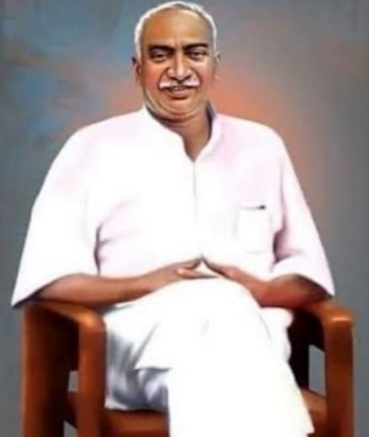
Though many National leaders rendered their selfless service to our country, one among them to be noted was the Kingmaker Kamaraj. K. Kamaraj, familiarly known as Kamarajar was an independent activist and the former Chief Minister of Tamil Nadu. He was popularly known as the Kingmaker of India during the 1960s. He supported Lal Bahadur Shastri, to be the President of India after the death of Nehru. After the sudden dismissal of Lal Bahadur Shastri, he supported Indira Gandhi to be the President of India. He was a man of simplicity and known for his best leadership in the development of Tamil Nadu. The Midday Meals Scheme introduced by him was very popular in India. He was popularly known as Karmaveerar, KalviKan Thirantha Mudhalvar, etc.
K KAMARAJ – Former Chief Minister Of TamilNadu
Kamaraj was born on 15th July 1903 at Virudhunagar in TamilNadu to Kumarasamy and Sivagami Ammal. His birth name was Kamatchi and later changed to Kamarajar. He studied primary education in a traditional school and he was to drop out because of his father’s death to support his family. He had a younger sister named Nagammal. He worked in his uncle’s shop and begun to attend political meetings and common meetings related to Home Rule Movement. He developed his interest in politics by reading daily newspapers. In 1920, at the age of 18, he became a very enthusiastic person and joined Indian National Congress. He organized public meetings for leaders in Virudhnagar and was very eager to meet Mahatma Gandhi. As he wished, he met Gandhiji for the first time in the meeting. Kamaraj went to jail for two years for taking part in ‘Salt Sathyagraha’ led by C. Rajagopalachari at Vedaranyam.
At the age of 34, he contested in the Legislative election for the first time and marked his first victory at Sattur in 1937. He stuck by the principle ‘ One should not accept any post/leadership to which one could not do full justice ‘. In 1954, Kamaraj became the Chief Minister of Tamil Nadu. Various schemes and deeds introduced by him as a Chief Minister are as follows:
He removed Hereditary Education Policy introduced by Rajaji.
He reopened more than 12,000 schools during his leadership as a Chief Minister.
Education and trade hiked during his period.
Kamarajar aimed to eradicate illiteracy and introduced compulsory education. The literacy rate was 7% during the British period but during his period, the literacy rate increased to 37%.
He also introduced the Midday Meals Scheme to provide atleast one healthy meal per day to the poor and needy children. He introduced the uniform scheme to the school children to eradicate the germination of caste-based flaws in young minds.
He built several irrigation canals during his period. He built nine dams which are appreciated till now and they are as strong as him.
Huge investment industries such as Neyveli Lignite Corporation, BHEL, etc. were started during his period.
He has been the Chief Minister of Tamil Nadu for three consecutive terms, by the victory in 1957 and 1962. His ruling period was known as the Golden Age of Tamil Nadu. Kamaraj was a great follower of Mahatma Gandhi, yet to this fact, he died on 2nd October 1975 during his sleep in his native Virudhunagar. He was awarded ‘Bharat Ratna’ posthumously in 1976. The Chennai Airport is named after him as Kamaraj Terminal.
His birthday is celebrated as ‘ Education Development Day ‘ in Tamil Nadu every year. Though he died, his good deeds remain in the hearts of the people.
Intelligence plus character – that is the goal of Education.
Though many National leaders rendered their selfless service to our country, one among them to be noted was the Kingmaker Kamaraj. K. Kamaraj, familiarly known as Kamarajar was an independent activist and the former Chief Minister of Tamil Nadu. He was popularly known as the Kingmaker of India during the 1960s. He supported Lal Bahadur Shastri, to be the President of India after the death of Nehru. After the sudden dismissal of Lal Bahadur Shastri, he supported Indira Gandhi to be the President of India. He was a man of simplicity and known for his best leadership in the development of Tamil Nadu. The Midday Meals Scheme introduced by him was very popular in India. He was popularly known as Karmaveerar, KalviKan Thirantha Mudhalvar, etc.
K KAMARAJ – Former Chief Minister Of TamilNadu
Kamaraj was born on 15th July 1903 at Virudhunagar in TamilNadu to Kumarasamy and Sivagami Ammal. His birth name was Kamatchi and later changed to Kamarajar. He studied primary education in a traditional school and he was to drop out because of his father’s death to support his family. He had a younger sister named Nagammal. He worked in his uncle’s shop and begun to attend political meetings and common meetings related to Home Rule Movement. He developed his interest in politics by reading daily newspapers. In 1920, at the age of 18, he became a very enthusiastic person and joined Indian National Congress. He organized public meetings for leaders in Virudhnagar and was very eager to meet Mahatma Gandhi. As he wished, he met Gandhiji for the first time in the meeting. Kamaraj went to jail for two years for taking part in ‘Salt Sathyagraha’ led by C. Rajagopalachari at Vedaranyam.
At the age of 34, he contested in the Legislative election for the first time and marked his first victory at Sattur in 1937. He stuck by the principle ‘ One should not accept any post/leadership to which one could not do full justice ‘. In 1954, Kamaraj became the Chief Minister of Tamil Nadu. Various schemes and deeds introduced by him as a Chief Minister are as follows:
He removed Hereditary Education Policy introduced by Rajaji.
He reopened more than 12,000 schools during his leadership as a Chief Minister.
Education and trade hiked during his period.
Kamarajar aimed to eradicate illiteracy and introduced compulsory education. The literacy rate was 7% during the British period but during his period, the literacy rate increased to 37%.
He also introduced the Midday Meals Scheme to provide atleast one healthy meal per day to the poor and needy children. He introduced the uniform scheme to the school children to eradicate the germination of caste-based flaws in young minds.
He built several irrigation canals during his period. He built nine dams which are appreciated till now and they are as strong as him.
Huge investment industries such as Neyveli Lignite Corporation, BHEL, etc. were started during his period.
He has been the Chief Minister of Tamil Nadu for three consecutive terms, by the victory in 1957 and 1962. His ruling period was known as the Golden Age of Tamil Nadu. Kamaraj was a great follower of Mahatma Gandhi, yet to this fact, he died on 2nd October 1975 during his sleep in his native Virudhunagar. He was awarded ‘Bharat Ratna’ posthumously in 1976. The Chennai Airport is named after him as Kamaraj Terminal.
His birthday is celebrated as ‘ Education Development Day ‘ in Tamil Nadu every year. Though he died, his good deeds remain in the hearts of the people.
Intelligence plus character – that is the goal of Education.
It is a set of instructions (computer programs) that when executed provide desired function and performance.
It is a Data structures that enable the programs to adequately manipulate information.
It is a Documents that describe the operation and use of the programs.
What is Embedded Software ?
Intelligent products have become commonplace in nearly every consumer and industrial market. Embedded software resides in read-only memory and is used to control products and systems for the consumer and industrial markets. Embedded software can perform very limited and esoteric functions (e.g., keypad control for a microwave oven) or provide significant function and control capability (e.g., digital functions in an automobile such as fuel control, dashboard displays, and braking systems). A function point extension called feature points. It is a superset of the function point measure that can be applied to systems and engineering software applications.
The feature point measure accommodates applications in which algorithmic complexity is high. Real- time, process control and embedded software applications tend to have high algorithmic complexity and are therefore amenable to the feature point.
Changing Nature of Software
Whenever one starts with the software implementation changes can occur any time. The software can be change due to any reason. But while implementing software one should be ready for such changes as if changes occur there shall not be drastic change in the system. The development team should manage to implement/mould the implemented system so that the changes can be reflected and the user requirements meet. When change occur the team look for the current status of the system and from there onwards they starts implementing a system with new requirements of a user or changes which is to be implemented in a system.
It is a set of instructions (computer programs) that when executed provide desired function and performance.
It is a Data structures that enable the programs to adequately manipulate information.
It is a Documents that describe the operation and use of the programs.
What is Embedded Software ?
Intelligent products have become commonplace in nearly every consumer and industrial market. Embedded software resides in read-only memory and is used to control products and systems for the consumer and industrial markets. Embedded software can perform very limited and esoteric functions (e.g., keypad control for a microwave oven) or provide significant function and control capability (e.g., digital functions in an automobile such as fuel control, dashboard displays, and braking systems). A function point extension called feature points. It is a superset of the function point measure that can be applied to systems and engineering software applications.
The feature point measure accommodates applications in which algorithmic complexity is high. Real- time, process control and embedded software applications tend to have high algorithmic complexity and are therefore amenable to the feature point.
Changing Nature of Software
Whenever one starts with the software implementation changes can occur any time. The software can be change due to any reason. But while implementing software one should be ready for such changes as if changes occur there shall not be drastic change in the system. The development team should manage to implement/mould the implemented system so that the changes can be reflected and the user requirements meet. When change occur the team look for the current status of the system and from there onwards they starts implementing a system with new requirements of a user or changes which is to be implemented in a system.
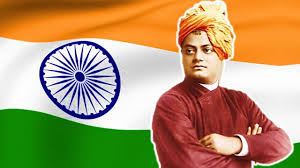
Founder of: Ramakrishna Mission (1897), Ramakrishna Math, Vedanta Society of New York
Philosophy: Advaita Vedanta
Literary works: Raja Yoga (1896), Karma Yoga (1896), Bhakti Yoga (1896), Jnana Yoga, My Master (1901), Lectures from Colombo to Almora (1897) Death: 4 July, 1902
Place of Death: Belur Math, Belur, Bengal
Memorial: Belur math, west bengal
About Swami Vivekanand:-
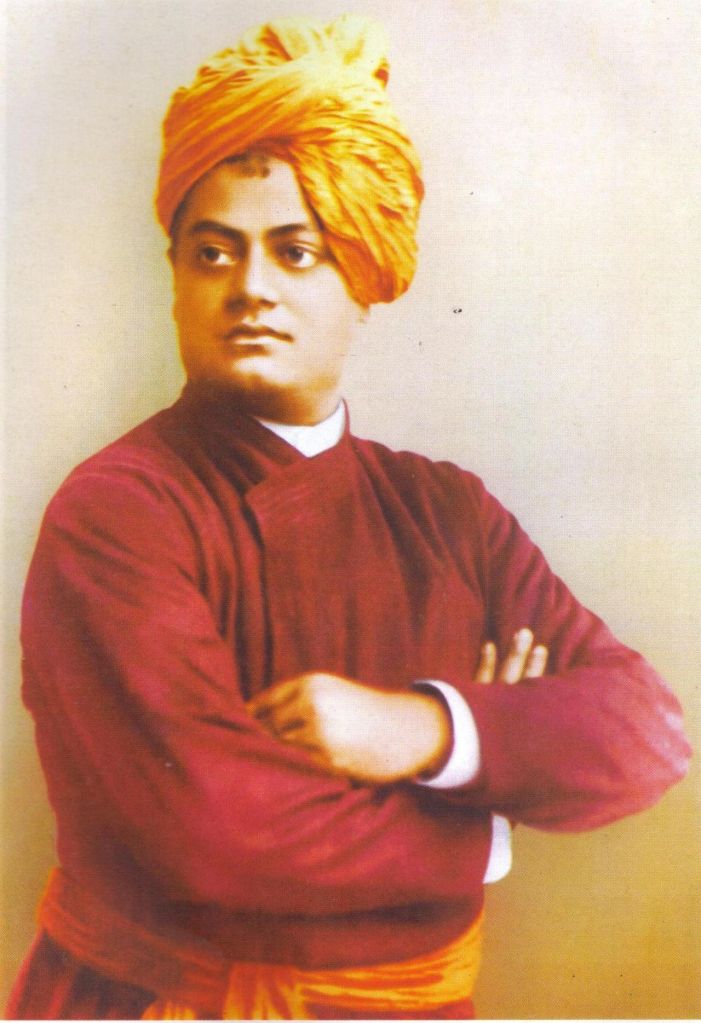
There are some rare men who leave their footprints on the sands of time, becoming a source of motivation for thousands of lost wanderers in the battlefield of life. Swami Vivekananda is one such example. “Come up, o lions and shake off the delusion that you are sheep; you are souls immortal, spirits free, blest and eternal….’ These words of stunning optimism proclaimed the arrival of a prophet- philosopher no less than Swami Vivekananda on the stage of the world. Such were his words that shook the world in the Chicago address on 19 September 1893. A young, educated man, Narendranath Dutta once walked the path of scepticism and even cynicism when it came to religion.
“All the powers in the universe are already our. It is we who have put our hands before our eyes and cry that it is dark.”- –Swami Vivekananda“
A visit to Ramakrishna Paramahansa changed his life. He challenged Ramakrishna’s claims of having seen God. Ramakrishna put his fingers on Naren’s heart, and in a moment of overwhelmingly powerful spiritual vision, Naren discovered God everywhere- from the rich man in his mansion to the poor rickshaw puller on the streets of Kolkata. God was no more a wishful thinking confined to the Kali temple at Ramakrishna’s Dakshineshwar. He was a living entity beyond all limitations of caste, creed, religion, language, time and space. Thus Narendranath Dutta metamorphosed into Swami Vivekananda, a disciple of Ramakrishna. This, however, was merely the beginning. The master, Ramakrishna, had told him before his passing away that he, Naren, would have to do ‘Mother’s work’, to teach mankind and be like a banyan tree, giving shelter to the tired and weary. In January 1891, he left the company of his brother monks and traversed the country from the North to the South alone with God. He wept to see the suffering and ignorance of the poor, and was disturbed at the material complacency of the affluent classes. The picture of ancient India appeared vividly before his eyes in all its grandeur and glory, and the contrast was unbearable. Swamiji set upon himself the task of rebuilding a new and rejuvenated India.
“
“Learn everything that is good from others but bring it in, and in your own way absorb it; do not become others.” –Swami Vivekanand‘.
Be it his journey to America or the lecture at Chicago or the setting up of the Ramakrishna Mission in 1897, his main aim was service to mankind and the rebuilding of a young, vibrant and educated India. · Ramakrishna Mission today is a giant organisation which dedicates itself to the execution of extensive educational and philanthropic work in India and abroad, and expounds the profound Vedantic philosophy preached by Swamiji. The impact Swamiji had on India and across the world can be best understood by the comment made by The New York Herald about his speech at Chicago; ‘He (Swamiji) is undoubtedly the greatest figure in the Parliament of Religions. After hearing him, we see how foolish it is to send missionaries to this learned nation.
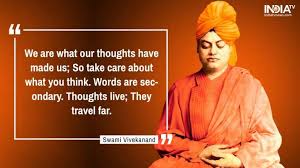
“Take up one idea. Make that one idea your life; dream of it; think of it; live on that idea. Let the brain, the body, muscles, nerves, every part of your body be full of that idea, and just leave every other idea alone. This is the way to success, and this is the way great spiritual giants are produced.”
― Swami Vivekananda
Narendranath Dutta was born on 12 January 1863, and Swam Vivekananda passed away on July 4, 1902. But the lionheart with his piercing eyes, mobile lips, swift movements, clad in yellow and orange, shining like the sun of India in the heavy atmosphere of Chicago, lives on in the memory of millions. He inspires every ma in the world to ‘arise, awake, and stop not till the goal is reached.
You have to grow from the inside out. None can teach you, none can make you spiritual. There is no other teacher but your own soul.” ― Swami Vivekananda
If anyone wants to study the origin of the Vedanta movement in America then study Swami Vivekananda travels across the US. He was a great thinker, great orator, and passionate patriot. It is not wrong to say that he was more than just a spiritual mind.
“Be the servant while leading. Be unselfish. Have infinite patience, and success is yours.” ― Swami Vivekananda
Founder of: Ramakrishna Mission (1897), Ramakrishna Math, Vedanta Society of New York
Philosophy: Advaita Vedanta
Literary works: Raja Yoga (1896), Karma Yoga (1896), Bhakti Yoga (1896), Jnana Yoga, My Master (1901), Lectures from Colombo to Almora (1897) Death: 4 July, 1902
Place of Death: Belur Math, Belur, Bengal
Memorial: Belur math, west bengal
About Swami Vivekanand:-
There are some rare men who leave their footprints on the sands of time, becoming a source of motivation for thousands of lost wanderers in the battlefield of life. Swami Vivekananda is one such example. “Come up, o lions and shake off the delusion that you are sheep; you are souls immortal, spirits free, blest and eternal….’ These words of stunning optimism proclaimed the arrival of a prophet- philosopher no less than Swami Vivekananda on the stage of the world. Such were his words that shook the world in the Chicago address on 19 September 1893. A young, educated man, Narendranath Dutta once walked the path of scepticism and even cynicism when it came to religion.
“All the powers in the universe are already our. It is we who have put our hands before our eyes and cry that it is dark.”- –Swami Vivekananda“
A visit to Ramakrishna Paramahansa changed his life. He challenged Ramakrishna’s claims of having seen God. Ramakrishna put his fingers on Naren’s heart, and in a moment of overwhelmingly powerful spiritual vision, Naren discovered God everywhere- from the rich man in his mansion to the poor rickshaw puller on the streets of Kolkata. God was no more a wishful thinking confined to the Kali temple at Ramakrishna’s Dakshineshwar. He was a living entity beyond all limitations of caste, creed, religion, language, time and space. Thus Narendranath Dutta metamorphosed into Swami Vivekananda, a disciple of Ramakrishna. This, however, was merely the beginning. The master, Ramakrishna, had told him before his passing away that he, Naren, would have to do ‘Mother’s work’, to teach mankind and be like a banyan tree, giving shelter to the tired and weary. In January 1891, he left the company of his brother monks and traversed the country from the North to the South alone with God. He wept to see the suffering and ignorance of the poor, and was disturbed at the material complacency of the affluent classes. The picture of ancient India appeared vividly before his eyes in all its grandeur and glory, and the contrast was unbearable. Swamiji set upon himself the task of rebuilding a new and rejuvenated India.
“
“Learn everything that is good from others but bring it in, and in your own way absorb it; do not become others.” –Swami Vivekanand‘.
Be it his journey to America or the lecture at Chicago or the setting up of the Ramakrishna Mission in 1897, his main aim was service to mankind and the rebuilding of a young, vibrant and educated India. · Ramakrishna Mission today is a giant organisation which dedicates itself to the execution of extensive educational and philanthropic work in India and abroad, and expounds the profound Vedantic philosophy preached by Swamiji. The impact Swamiji had on India and across the world can be best understood by the comment made by The New York Herald about his speech at Chicago; ‘He (Swamiji) is undoubtedly the greatest figure in the Parliament of Religions. After hearing him, we see how foolish it is to send missionaries to this learned nation.
“Take up one idea. Make that one idea your life; dream of it; think of it; live on that idea. Let the brain, the body, muscles, nerves, every part of your body be full of that idea, and just leave every other idea alone. This is the way to success, and this is the way great spiritual giants are produced.”
― Swami Vivekananda
Narendranath Dutta was born on 12 January 1863, and Swam Vivekananda passed away on July 4, 1902. But the lionheart with his piercing eyes, mobile lips, swift movements, clad in yellow and orange, shining like the sun of India in the heavy atmosphere of Chicago, lives on in the memory of millions. He inspires every ma in the world to ‘arise, awake, and stop not till the goal is reached.
You have to grow from the inside out. None can teach you, none can make you spiritual. There is no other teacher but your own soul.” ― Swami Vivekananda
If anyone wants to study the origin of the Vedanta movement in America then study Swami Vivekananda travels across the US. He was a great thinker, great orator, and passionate patriot. It is not wrong to say that he was more than just a spiritual mind.
“Be the servant while leading. Be unselfish. Have infinite patience, and success is yours.” ― Swami Vivekananda
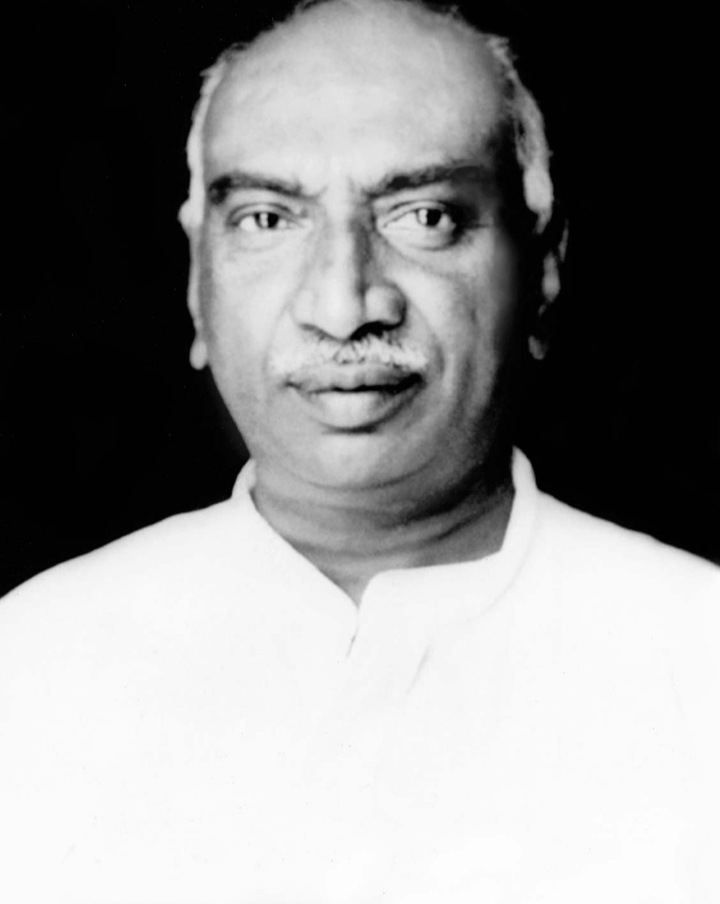
Kamaraj was born on 15 July 1903 in Virudhunagar, Tamil Nadu to Kumaraswami and Sivakami Ammaiyar. Initially his name was kamachi and later changed to Kamarajar. His father was a Merchant.Kamaraj lost his father at the age of six. In 1914 Kamaraj dropped out of school to support his mother.
As a young boy kamaraj went to help his uncle, during that period, he began to attend public meeting and processions about the Indian Home Rule Movement and he gained political knowledge by reading newspaper regularly.
He was a founder of Indian National Congress (organisation). He is popularly known as “Kingmaker”.
On 13 April 1954,Kamaraj became the Chief Minister of Madras province. In his ruling period he did many things, especially he opened many schools in rural areas and made free and compulsory education upto Eleventh. Inorder to motivate the children Midday Meal Scheme was also launched. He was awarded Bharat Ratna in 1976.
Kamaraj died at his home while sleeping on Gandhi Jayanthi(October 2 1975).He was died at a age of 72.He was really a man of simplicity.
Kamaraj was born on 15 July 1903 in Virudhunagar, Tamil Nadu to Kumaraswami and Sivakami Ammaiyar. Initially his name was kamachi and later changed to Kamarajar. His father was a Merchant.Kamaraj lost his father at the age of six. In 1914 Kamaraj dropped out of school to support his mother.
As a young boy kamaraj went to help his uncle, during that period, he began to attend public meeting and processions about the Indian Home Rule Movement and he gained political knowledge by reading newspaper regularly.
He was a founder of Indian National Congress (organisation). He is popularly known as “Kingmaker”.
On 13 April 1954,Kamaraj became the Chief Minister of Madras province. In his ruling period he did many things, especially he opened many schools in rural areas and made free and compulsory education upto Eleventh. Inorder to motivate the children Midday Meal Scheme was also launched. He was awarded Bharat Ratna in 1976.
Kamaraj died at his home while sleeping on Gandhi Jayanthi(October 2 1975).He was died at a age of 72.He was really a man of simplicity.
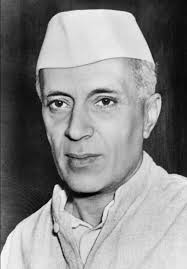
Jawaharlal Nehru was the first prime minister of India. He was born in Allahabad United provinces British Raj November 1889. His father’s name of Motilal Nehru and mother’s name was Swaruprani Thussu. His father was a politician and Indian lawyer his mother was Motilal`s second wife. He was the first of the three children of her parents.
Nehru received most of his primary education at home with the help of several tutors and governors. At the age of 15 Nehru was enrolled at Harrow School in England. Then he got admission at Trinity College Cambridge. After graduate degree Nehru enrolled himself at the Inns of Court School of Law in 1910 and studied law. In two year passed in Bar Examination and was offered to be admitted to the English bar Nehru returned to his Homeland in 1912 and started practicing law as a barrister at the Allahabad High Court. He married Kamala Kaul on February 8th, 1969 at the age of Indira Priyadarshini to become the first woman Prime Minister of the country.
1916 Nehru first met Gandhi a relationship that turned to be one of a lifetime for the two with Gandhi as his mentor Nehru Rose to prominence in the National Congress so much so that he was elected to the post of the general secretary of the Congress Nehru not only contributed greatly to the National Movement in India but also gave the freedom struggle and international Outlook in 1927 following the rejection of Gandhi plea and Nehru Presidency over the Lahore session of Congress in 1928 Nehru demanded complete Independence this resolution made him one of the most significant leaders of the independent movement he along with Gandhi manifested Limited civil disobedience and was jailed for the same in 1947 India rejected the withdrawal of the British from the Indian solid it suffered the pain of partition as the British had decided to partition of the the country into India and Pakistan Pakistan was formed on August 14, 1947. Nehru became the first Prime Minister of independent India from August 15 1947 until May 2, 1964,4 Nehru during his term as the Prime Minister brought forward radical changes in domestic international, economic, agricultural and social policies for the same he established numerous Institutions of Higher Learning to educate Young India include free and compulsory primary education to all children in his five-year plan throughout.
Nehru region Kashmir reminded a subject of contention both India and Pakistan wanted to include state in the country Pakistan in 1948 even made an attempt at seizing Kashmir by force but failed in their
attempt it was during his time that the Portuguese left Goa and the region
become a part of India he was referred to as the architect of modern India Nehru was best out with the Bharat Ratna award in 1955 India’s highest civilian honor 3 died in New Delhi India on 27 may 1964 at age of 74
“Without peace all other dream vanish and are reduced to Ashes”.
Jawaharlal Nehru was the first prime minister of India. He was born in Allahabad United provinces British Raj November 1889. His father’s name of Motilal Nehru and mother’s name was Swaruprani Thussu. His father was a politician and Indian lawyer his mother was Motilal`s second wife. He was the first of the three children of her parents.
Nehru received most of his primary education at home with the help of several tutors and governors. At the age of 15 Nehru was enrolled at Harrow School in England. Then he got admission at Trinity College Cambridge. After graduate degree Nehru enrolled himself at the Inns of Court School of Law in 1910 and studied law. In two year passed in Bar Examination and was offered to be admitted to the English bar Nehru returned to his Homeland in 1912 and started practicing law as a barrister at the Allahabad High Court. He married Kamala Kaul on February 8th, 1969 at the age of Indira Priyadarshini to become the first woman Prime Minister of the country.
1916 Nehru first met Gandhi a relationship that turned to be one of a lifetime for the two with Gandhi as his mentor Nehru Rose to prominence in the National Congress so much so that he was elected to the post of the general secretary of the Congress Nehru not only contributed greatly to the National Movement in India but also gave the freedom struggle and international Outlook in 1927 following the rejection of Gandhi plea and Nehru Presidency over the Lahore session of Congress in 1928 Nehru demanded complete Independence this resolution made him one of the most significant leaders of the independent movement he along with Gandhi manifested Limited civil disobedience and was jailed for the same in 1947 India rejected the withdrawal of the British from the Indian solid it suffered the pain of partition as the British had decided to partition of the the country into India and Pakistan Pakistan was formed on August 14, 1947. Nehru became the first Prime Minister of independent India from August 15 1947 until May 2, 1964,4 Nehru during his term as the Prime Minister brought forward radical changes in domestic international, economic, agricultural and social policies for the same he established numerous Institutions of Higher Learning to educate Young India include free and compulsory primary education to all children in his five-year plan throughout.
Nehru region Kashmir reminded a subject of contention both India and Pakistan wanted to include state in the country Pakistan in 1948 even made an attempt at seizing Kashmir by force but failed in their attempt it was during his time that the Portuguese left Goa and the region become a part of India he was referred to as the architect of modern India Nehru was best out with the Bharat Ratna award in 1955 India’s highest civilian honor 3 died in New Delhi India on 27 may 1964 at age of 74“Without peace all other dream vanish and are reduced to Ashes”.
“Science has learned recently that contempt and indignation are addictive mental states. I mean physically and chemically addictive. Literally! People who are self-righteous a lot are apparently doping themselves rhythmically with auto-secreted surges of dopamine, endorphins and enkephalins. Didn’t you ever ask yourself why indignation feels so good?”
~ David Brin
Introduction
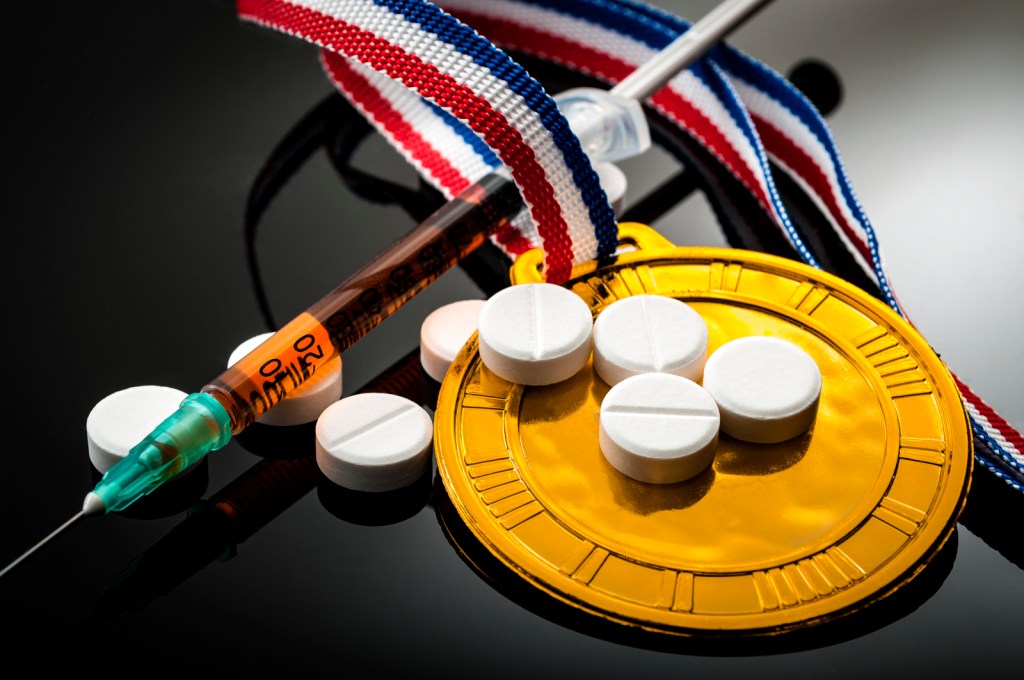
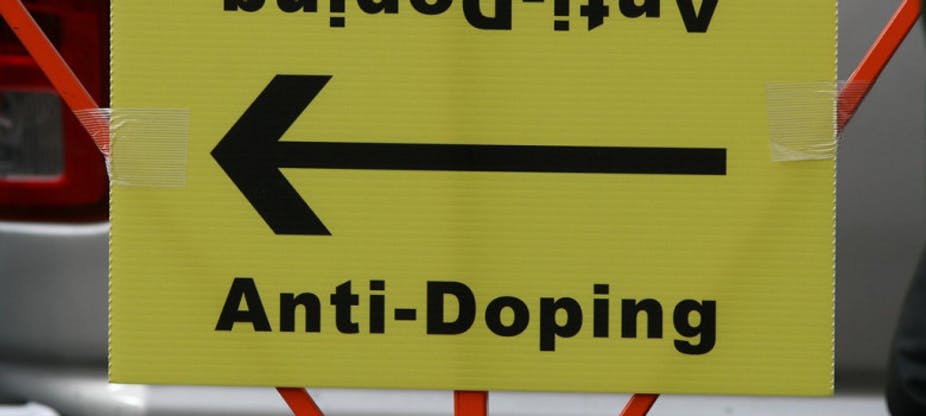
Doping in sport is a widespread problem not just among elite athletes, but even more so in recreational sports. In scientific literature, major emphasis is placed on doping detection, whereas detrimental effects of doping agents on athletes’ health are seldom discussed. Human growth hormone also increases muscle mass, although the majority of that is an increase in extracellular fluid and not the functional muscle mass.
The term doping is widely used by organizations that regulate sporting competitions. The use of drugs to enhance performance is considered unethical, and therefore prohibited, by most international sports organizations, including the International Olympic Committee.
History
According to the World Anti-Doping Agency (WADA), the term “doping” probably comes from the Dutch word “dop,” an alcoholic beverage made of grape skins that was used by Zulu warriors to make them stronger in battle.
Ancient Greek athletes used special diets and stimulating potions to improve performance, and 19th century endurance athletes indulged in strychnine, caffeine, cocaine and alcohol.
The American specialist in doping, Max M. Novich, wrote: “Trainers of the old school who supplied treatments which had cocaine as their base declared with assurance that a rider tired by a six-day race would get his second breath after absorbing these mixtures.”[8] John Hoberman, a professor at the University of Texas in Austin, Texas, said six-day races were “de facto experiments investigating the physiology of stress as well as the substances that might alleviate exhaustion.”
Effects of doping in sports
It builds muscle but causes abnormal growth, heart disease, diabetes, thyroid problems, hypertension, blood cancers and arthritis. Other adverse effects include joint pain, muscle weakness, visual disturbances, enlarged heart and diabetes.
Other side effects include:
Heart palpitations.Heart rhythm abnormalities.
Weight loss.
Tremors.
Mild high blood pressure (hypertension)
Hallucinations.
Stroke.
Heart attack and other circulatory problems.
Constipation.Skin rash or dermatitis.
Diarrhea.
Dizziness.
Drowsiness.
Dry mouth.
Headache.
Insomnia.
UFC ( Ultimate Fighting Championship ).
In December 2013, the UFC began a campaign to drug test their entire roster randomly all year-round. Random testing, however, became problematic for the promotion as it began to affect revenue, as fighters who had tested positive would need to be taken out of fights, which adversely affected fight cards, and therefore pay-per-view sales.
According to Steven Marrocco of MMAjunkie.com, about 31% of UFC fighters subjected to random testing since the program first started have failed due to using performance-enhancing drugs. That is approximately five failed tests for every sixteen random screenings.
From July 2015, the UFC has advocated to all commissions that every fighter be tested in competition for every card. Lorenzo Feritta, who at the time was one of the presidents of the UFC, said, “We want 100 percent of the fighters tested the night they compete”. Also, in addition to the drug testing protocols in place for competitors on fight night, the UFC conducts additional testing for main event fighters or any fighters that are due to compete in championship matches.
“Science has learned recently that contempt and indignation are addictive mental states. I mean physically and chemically addictive. Literally! People who are self-righteous a lot are apparently doping themselves rhythmically with auto-secreted surges of dopamine, endorphins and enkephalins. Didn’t you ever ask yourself why indignation feels so good?”
~ David Brin
Introduction
Doping in sport is a widespread problem not just among elite athletes, but even more so in recreational sports. In scientific literature, major emphasis is placed on doping detection, whereas detrimental effects of doping agents on athletes’ health are seldom discussed. Human growth hormone also increases muscle mass, although the majority of that is an increase in extracellular fluid and not the functional muscle mass.
The term doping is widely used by organizations that regulate sporting competitions. The use of drugs to enhance performance is considered unethical, and therefore prohibited, by most international sports organizations, including the International Olympic Committee.
History
According to the World Anti-Doping Agency (WADA), the term “doping” probably comes from the Dutch word “dop,” an alcoholic beverage made of grape skins that was used by Zulu warriors to make them stronger in battle.
Ancient Greek athletes used special diets and stimulating potions to improve performance, and 19th century endurance athletes indulged in strychnine, caffeine, cocaine and alcohol.
The American specialist in doping, Max M. Novich, wrote: “Trainers of the old school who supplied treatments which had cocaine as their base declared with assurance that a rider tired by a six-day race would get his second breath after absorbing these mixtures.”[8] John Hoberman, a professor at the University of Texas in Austin, Texas, said six-day races were “de facto experiments investigating the physiology of stress as well as the substances that might alleviate exhaustion.”
Effects of doping in sports
It builds muscle but causes abnormal growth, heart disease, diabetes, thyroid problems, hypertension, blood cancers and arthritis. Other adverse effects include joint pain, muscle weakness, visual disturbances, enlarged heart and diabetes.
Other side effects include:
Heart palpitations.Heart rhythm abnormalities.
Weight loss.
Tremors.
Mild high blood pressure (hypertension)
Hallucinations.
Stroke.
Heart attack and other circulatory problems.
Constipation.Skin rash or dermatitis.
Diarrhea.
Dizziness.
Drowsiness.
Dry mouth.
Headache.
Insomnia.
UFC ( Ultimate Fighting Championship ).
In December 2013, the UFC began a campaign to drug test their entire roster randomly all year-round. Random testing, however, became problematic for the promotion as it began to affect revenue, as fighters who had tested positive would need to be taken out of fights, which adversely affected fight cards, and therefore pay-per-view sales.
According to Steven Marrocco of MMAjunkie.com, about 31% of UFC fighters subjected to random testing since the program first started have failed due to using performance-enhancing drugs. That is approximately five failed tests for every sixteen random screenings.
From July 2015, the UFC has advocated to all commissions that every fighter be tested in competition for every card. Lorenzo Feritta, who at the time was one of the presidents of the UFC, said, “We want 100 percent of the fighters tested the night they compete”. Also, in addition to the drug testing protocols in place for competitors on fight night, the UFC conducts additional testing for main event fighters or any fighters that are due to compete in championship matches.
Nowadays, Technology plays a huge role in our daily lives ranging from the simplest of apps to the most groundbreaking inventions. Every single website or piece of software that we encounter has been built by a web developer. To the newbies who have no idea about it, web development can seem like a complicated, confusing, and somewhat inaccessible field. So, Today in this article we’ll put some light on this fascinating industry.
What is Web Development?
According to Wikipedia “ Web development is the work involved in developing a Web site for the Internet or an intranet.” Web development is also known as website development, and the professionals that maintain a website are called web developers or more commonly web devs.
Scope of Web Development
It ranges from developing a simple page of plain text to complex web applications. A more comprehensive list of tasks to which Web development commonly refers, may include Web engineering, Web design, Web content development, client liaison, client-side/server-side scripting, Web server and network security configuration, and e-commerce development.
The Basics Of Web Development
The basic divisions in web development is as follows:
Client-side or Frontend
Server-side or Backend
Database Technology or Content Management System
Front-end/Client-side
Client-side coding or frontend development refers to everything that is experienced by the end-user directly. The frontend code executes directly in a web browser and is the part which people see when they visit a website. Things like layout, fonts, colours and menus etc are all driven by the frontend.
Back-end/Server-side
Server-side coding or backend development refers to what goes on behind the scenes. The backend is essentially that part of a website that the user doesn’t actually see. It stores the data and ensures that everything on the client-side runs smoothly. It is done by communicating with the frontend.
Database Technology
The another important part is the storing and retrieving of data which is done via a Database Management System. It contains all the files and content that are necessary for a website to function. It stores the files in such a way that makes it easy to retrieve, organize, edit and save. Most websites typically use relational database management system (RDBMS).
Basically, the frontend, backend and DBMS all are related and work together to build and run a fully functional website or application, and these three layers form the foundation of web development.
The Difference Between Web Development And Web Design
The terms web development and web design are often used interchangeably, but these are two very different things.
Web designers design the look and feel of the website. They prepare the layout of the website and make sure it’s user-friendly, and pleasant to use. They consider all the different visual elements that form the part of a website. Web design is a broad field, and is broken down into more specific roles such as User Experience Design (UX), User Interface Design(UI), and Information Architecture.
The job of the web developer’s is to take this design and convert it into a fully functional website. The front-end developer takes the design as provided by the web designer and develops it into website using coding languages such as HTML, CSS, and JavaScript whereas the backend developer builds the more advanced functionality of the site, such as the payment function on a website..
In a nutshell, a web designer is the architect, whereas the web developer is the builder or engineer.
Should You Become A Web Developer In 2021?
Considering the situation of the job market and projected employment growth, Now is an excellent time to become a web developer! Nowadays, technology has been pivotal, more than ever, to how we work, connect with loved ones etc. Those who can build and maintain websites, apps, and software have a crucial role to play in today’s technology-driven world and so is reflected in the web development job market. According to the Bureau of Labor Statistics, employment of web developers is projected to grow 8% from 2019 to 2029 which is much faster than the average for all occupations. Taking all these into account, It won’t be wrong to say that now is the correct time to join this industry.















 Eduindex
You must be logged in to post a comment.