Report writing

B. S. Yediyurappa's visit to college

Introduction:

A memorable event organised by the management committee of Jyoti nivas college was the visit of the chief minister of Karnataka, B. S. Yediyurappa on 1st November 2019. The seminar was held in the jam-packed auditorium where the air was filled with ambition, enthusiasm and curiosity. Even though the audience was intrigued and was greatly looking forward to this event, they managed to maintain decorum and made sure that nobody was hurt in the process of entering the venue. This showed the positive spirit of the college and the students.

A memorable event organised by the management committee of Jyoti nivas college was the visit of the chief minister of Karnataka, B. S. Yediyurappa on 1st November 2019. The seminar was held in the jam-packed auditorium where the air was filled with ambition, enthusiasm and curiosity. Even though the audience was intrigued and was greatly looking forward to this event, they managed to maintain decorum and made sure that nobody was hurt in the process of entering the venue. This showed the positive spirit of the college and the students.

When the event began, there was a lamp lighting ceremony and was followed by a mesmerising performance by the classical dance team of the college. The principal Sister Dr. Elizabeth gave a very welcoming speech and the audience were looking forward to learn something meaningful from our beloved chief minister. The MC introduced the chief minister and requested him to share his knowledge with the audience. The entire audience was looking forward to those words of wisdom and gaining knowledge which might not be able to gain through textbooks.

As the event progressed, Mr.B.S. Yediyurappa gave a heartwarming speech about his attachment towards the language and the state Karnataka. It made the audience aware of how Karnataka has been neglected by its own people and how we need to respect and cherish more of it. He described how much the land meant to him, it’s special features and the beauty of the state.

The event was to help the students understand the importance of the language Kannada on the auspicious day of Kannada Rajyotsava(November 1). On that occasion we could see the joy and respect for our respected chief minister as there was pin drop silence as he kept us entertained with his experienced words and also at the same time educated us in a friendly manner. The great chief minister spoke true words which were from his heart and that was very visible as he spoke so fondly and proudly of his language and culture. The audience learnt so much that they were left speechless. He made sure we understand how important it is to be in touch with our culture and tradition and have deep respect for our language.

As the event came to an end, few teachers and volunteers distributed refreshments and beverages to the students who were part of the occasion. This acted as a morale booster as the students were excited to look forward to how to make use of the wise words from the principal and the esteemed guest.

Conclusion:
At the end of the event, the entire audience was In awe and had even more respect for the language and the state. The event was very helpful and meaningful. It spread positivity among its audience and helped us gain perspective. It made us realize that it’s important to love yourself and your roots and not be ashamed of it. Being able to accept who you are is the truest way you can pay back for everything you have received from the nature and it’s resources.

memory

For us to recall events, facts or processes, we have to commit them to memory. The process of forming a memory involves encoding, storing, retaining and subsequently recalling information and past experiences.

Cognitive psychologist Margaret W. Matlin has described memory as the “process of retaining information over time.” Others have defined it as the ability to use our past experiences to determine our future path.

When they are asked to define memory, most people think of studying for a test or recalling where we put the car keys. However, memory is essential in our everyday lives. We would not be able to function in the present or move forward without relying on our memory.

How we form memories

The process of encoding a memory begins when we are born and occurs continuously. For something to become a memory, it must first be picked up by one or more of our senses. A memory starts off in short-term storage. We learn how to tie our shoe, for example. Once we have the process down, it goes into our long-term memory and we can do it without consciously thinking about the steps involved.

Important memories typically move from short-term memory to long-term memory. The transfer of information to long-term memory for more permanent storage can be happen in several steps. Information can be committed to long-term memory through repetition — such as studying for a test or repeatedly taking steps until walking can be performed without thinking — or associating it with other previously acquired knowledge, like remembering a new acquaintance Mrs. Emerald by associating her name with an image of the green jewel.

Motivation is also a consideration, in that information relating to something that you have a keen interest in is more likely to be stored in your long-term memory. That’s why someone might be able to recall the stats of a favorite baseball player years after he has retired or where a favorite pair of shoes was purchased.

We are typically not aware of what is in our memory until we need to use that bit of information. Then we use the process of retrieval to bring it to the forefront when we need to use it. Again, much of this recall happens without having concentrate on it — particularly with common tasks such as shoe tying — but there are other types of memories that take more effort to bring to the forefront.

Memory loss is often associated with aging, but there are a number of things that can trigger short- and long-term memory loss, including injury, medications and witnessing a traumatic event.

Types of memory

While experts have varying definitions for short-term memory, it is generally described as the recollection of things that happened immediately up to a few days. It is generally believed that five to nine items can be stored in active short-term memory and can be readily recalled. Patients who suffer from short-term memory loss can’t remember who walked into the room five minutes before, but can remember their childhood friend from 50 years ago.

Implicit memory is sometimes referred to as unconscious memory or automatic memory. Implicit memory uses past experiences to remember things without thinking about them. Musicians and professional athletes are said to have superior ability to form procedural memories.

Procedural memory, which is a subset of implicit memory, is a part of the long-term memory responsible for knowing how to do things, also known as motor skills.  You don’t have to delve into your memory to recall how to walk each time you take a step.

Some examples of procedural memory:

  • Playing piano
  • Ice skating
  • Playing tennis
  • Swimming
  • Climbing stairs

While implicit memory requires little if any effort to recall, explicit memory — sometimes referred to as declarative memory — requires a more concerted effort to bring the surface. Declarative memory involves both semantic and episodic memory.

While most people can tick off the days of the week from the time they are in grade school — which is implicit memory — it takes explicit memory to remember that your mother’s birthday is next Wednesday.

Semantic memory is not connected to personal experience. Semantic memory includes things that are common knowledge, such as the names of states, the sounds of letters, the capitals of countries and other basic facts that are not in question. Some examples of semantic memory include:

  • Knowledge that the sky is blue
  • Knowing how to use a knife and fork
  • Remembering what dog is
  • Recalling that President Kennedy was assassinated on Nov. 22, 1963

Episodic memory is a person’s unique recollections of a specific event or an episode. People are usually able to associate particular details with an episodic memory, such as how they felt, the time and place, and other particulars. It is not clear as to why some memories of events in our lives are committed to memory, while others don’t get recorded, but researchers believe that emotions play a critical role in what we remember.

Some examples of episodic memory:

  • Where you were and the people you were with when you found out about the Challenger space shuttle disaster
  • Your beach vacation last summer
  • The first time you traveled by plane
  • Your first day at a new job
  • The restaurant you went to on your first date with your spouse

memory

For us to recall events, facts or processes, we have to commit them to memory. The process of forming a memory involves encoding, storing, retaining and subsequently recalling information and past experiences.

Cognitive psychologist Margaret W. Matlin has described memory as the “process of retaining information over time.” Others have defined it as the ability to use our past experiences to determine our future path.

When they are asked to define memory, most people think of studying for a test or recalling where we put the car keys. However, memory is essential in our everyday lives. We would not be able to function in the present or move forward without relying on our memory.

How we form memories

The process of encoding a memory begins when we are born and occurs continuously. For something to become a memory, it must first be picked up by one or more of our senses. A memory starts off in short-term storage. We learn how to tie our shoe, for example. Once we have the process down, it goes into our long-term memory and we can do it without consciously thinking about the steps involved.

Important memories typically move from short-term memory to long-term memory. The transfer of information to long-term memory for more permanent storage can be happen in several steps. Information can be committed to long-term memory through repetition — such as studying for a test or repeatedly taking steps until walking can be performed without thinking — or associating it with other previously acquired knowledge, like remembering a new acquaintance Mrs. Emerald by associating her name with an image of the green jewel.

Motivation is also a consideration, in that information relating to something that you have a keen interest in is more likely to be stored in your long-term memory. That’s why someone might be able to recall the stats of a favorite baseball player years after he has retired or where a favorite pair of shoes was purchased.

We are typically not aware of what is in our memory until we need to use that bit of information. Then we use the process of retrieval to bring it to the forefront when we need to use it. Again, much of this recall happens without having concentrate on it — particularly with common tasks such as shoe tying — but there are other types of memories that take more effort to bring to the forefront.

Memory loss is often associated with aging, but there are a number of things that can trigger short- and long-term memory loss, including injury, medications and witnessing a traumatic event.

Types of memory

While experts have varying definitions for short-term memory, it is generally described as the recollection of things that happened immediately up to a few days. It is generally believed that five to nine items can be stored in active short-term memory and can be readily recalled. Patients who suffer from short-term memory loss can’t remember who walked into the room five minutes before, but can remember their childhood friend from 50 years ago.

Implicit memory is sometimes referred to as unconscious memory or automatic memory. Implicit memory uses past experiences to remember things without thinking about them. Musicians and professional athletes are said to have superior ability to form procedural memories.

Procedural memory, which is a subset of implicit memory, is a part of the long-term memory responsible for knowing how to do things, also known as motor skills.  You don’t have to delve into your memory to recall how to walk each time you take a step.

Some examples of procedural memory:

  • Playing piano
  • Ice skating
  • Playing tennis
  • Swimming
  • Climbing stairs

While implicit memory requires little if any effort to recall, explicit memory — sometimes referred to as declarative memory — requires a more concerted effort to bring the surface. Declarative memory involves both semantic and episodic memory.

While most people can tick off the days of the week from the time they are in grade school — which is implicit memory — it takes explicit memory to remember that your mother’s birthday is next Wednesday.

Semantic memory is not connected to personal experience. Semantic memory includes things that are common knowledge, such as the names of states, the sounds of letters, the capitals of countries and other basic facts that are not in question. Some examples of semantic memory include:

  • Knowledge that the sky is blue
  • Knowing how to use a knife and fork
  • Remembering what dog is
  • Recalling that President Kennedy was assassinated on Nov. 22, 1963

Episodic memory is a person’s unique recollections of a specific event or an episode. People are usually able to associate particular details with an episodic memory, such as how they felt, the time and place, and other particulars. It is not clear as to why some memories of events in our lives are committed to memory, while others don’t get recorded, but researchers believe that emotions play a critical role in what we remember.

Some examples of episodic memory:

  • Where you were and the people you were with when you found out about the Challenger space shuttle disaster
  • Your beach vacation last summer
  • The first time you traveled by plane
  • Your first day at a new job
  • The restaurant you went to on your first date with your spouse

obesity

What is obesity?

Body mass index (BMI) is a calculation that takes a person’s weight and height into account to measure body size.

In adults, obesity is defined as having a BMI of 30.0 or moreTrusted Source, according to the Centers for Disease Control and Prevention (CDC).

Obesity is associated with a higher risk for serious diseases, such as type 2 diabetes, heart disease, and cancer.

Obesity is common. The CDC estimates that 42.4 percentTrusted Source of Americans 20 years old and older had obesity in 2017 to 2018.

But BMI isn’t everything. It has some limitations as a metric.

According to the CDCTrusted Source: “Factors such as age, sex, ethnicity, and muscle mass can influence the relationship between BMI and body fat. Also, BMI doesn’t distinguish between excess fat, muscle, or bone mass, nor does it provide any indication of the distribution of fat among individuals.”

Despite these limitations, BMI continues to be widely used as a way to measure body size.

How is obesity classified?

The following classesTrusted Source are used for adults who are at least 20 years old:

BMIClass
18.5 or underunderweight
18.5 to <25.0“normal” weight
25.0 to <30.0overweight
30.0 to <35.0class 1 obesity
35.0 to <40.0class 2 obesity
40.0 or overclass 3 obesity (also known as morbid, extreme, or severe obesity)

What is childhood obesity?

For a doctor to diagnose a child over 2 years old or a teen with obesity, their BMI has to be in the 95th percentileTrusted Source for people of their same age and biological sex:

Percentile range of BMIClass
>5%underweight
5% to <85%“normal” weight
85% to <95%overweight
95% or overobesity

From 2015 to 2016, 18.5 percentTrusted Source (or about 13.7 million) American youth between 2 and 19 years old were considered to have clinical obesity.

What causes obesity?

Eating more calories than you burn in daily activity and exercise — on a long-term basis — can lead to obesity. Over time, these extra calories add up and cause weight gain.

But it’s not always just about calories in and calories out, or having a sedentary lifestyle. While those are indeed causes of obesity, some causes you can’t control.

Common specific causes of obesity include:

  • genetics, which can affect how your body processes food into energy and how fat is stored
  • growing older, which can lead to less muscle mass and a slower metabolic rate, making it easier to gain weight
  • not sleeping enough, which can lead to hormonal changes that make you feel hungrier and crave certain high-calorie foods
  • pregnancy, as weight gained during pregnancy may be difficult to lose and might eventually lead to obesity

Certain health conditions can also lead to weight gain, which may lead to obesity. These include:

Who is at risk for obesity?

A complex mix of factors can increase a person’s risk for obesity.

Genetics

Some people have genes that make it difficult for them to lose weight.

Environment and community

Your environment at home, at school, and in your community can all influence how and what you eat, and how active you are.

You may be at a higher risk for obesity if you:

Psychological and other factors

Depression can sometimes lead to weight gain, as some people may turn to food for emotional comfort. Certain antidepressants can also increase the risk of weight gain.

Quitting smoking is always a good thing, but quitting may lead to weight gain too. In some people, it may lead to excessiveTrusted Source weight gain. For that reason, it’s important to focus on diet and exercise while you’re quitting, at least after the initial withdrawal period.

Medications, such as steroids or birth control pills, can also raise your risk for weight gain.HEALTHLINE QUIZTake our free 3-question diet quiz

Our free assessment ranks the best diets for you based on your answers to 3 quick questions.FIND YOUR DIETS

How is obesity diagnosed?

BMI is a rough calculation of a person’s weight in relation to their height.

Other more accurate measures of body fat and body fat distribution include:

Your doctor may also order certain tests to help diagnose obesity-related health risks. These may include:

A measurement of the fat around your waist is also a good predictor of your risk for obesity-related diseases.

What are the complications of obesity?

Obesity can lead to more than simple weight gain.

Having a high ratio of body fat to muscle puts strain on your bones as well as your internal organs. It also increases inflammation in the body, which is thought to be a risk factor for cancer. Obesity is also a major risk factor for type 2 diabetes.

Obesity has been linked to a number of health complications, some of which can be life threatening if not treated:

How is obesity treated?

If you have obesity and been unable to lose weight on your own, medical help is available. Start with your primary care physician, who may be able to refer you to a weight specialist in your area.

Your doctor may also want to work with you as part of a team helping you lose weight. That team might include a dietitiantherapist, or other healthcare staff.

Your doctor will work with you on making needed lifestyle changes. Sometimes, they may recommend medications or weight loss surgery as well.

obesity

What is obesity?

Body mass index (BMI) is a calculation that takes a person’s weight and height into account to measure body size.

In adults, obesity is defined as having a BMI of 30.0 or moreTrusted Source, according to the Centers for Disease Control and Prevention (CDC).

Obesity is associated with a higher risk for serious diseases, such as type 2 diabetes, heart disease, and cancer.

Obesity is common. The CDC estimates that 42.4 percentTrusted Source of Americans 20 years old and older had obesity in 2017 to 2018.

But BMI isn’t everything. It has some limitations as a metric.

According to the CDCTrusted Source: “Factors such as age, sex, ethnicity, and muscle mass can influence the relationship between BMI and body fat. Also, BMI doesn’t distinguish between excess fat, muscle, or bone mass, nor does it provide any indication of the distribution of fat among individuals.”

Despite these limitations, BMI continues to be widely used as a way to measure body size.

How is obesity classified?

The following classesTrusted Source are used for adults who are at least 20 years old:

BMI Class
18.5 or under underweight
18.5 to <25.0 “normal” weight
25.0 to <30.0 overweight
30.0 to <35.0 class 1 obesity
35.0 to <40.0 class 2 obesity
40.0 or over class 3 obesity (also known as morbid, extreme, or severe obesity)

What is childhood obesity?

For a doctor to diagnose a child over 2 years old or a teen with obesity, their BMI has to be in the 95th percentileTrusted Source for people of their same age and biological sex:

Percentile range of BMI Class
>5% underweight
5% to <85% “normal” weight
85% to <95% overweight
95% or over obesity

From 2015 to 2016, 18.5 percentTrusted Source (or about 13.7 million) American youth between 2 and 19 years old were considered to have clinical obesity.

What causes obesity?

Eating more calories than you burn in daily activity and exercise — on a long-term basis — can lead to obesity. Over time, these extra calories add up and cause weight gain.

But it’s not always just about calories in and calories out, or having a sedentary lifestyle. While those are indeed causes of obesity, some causes you can’t control.

Common specific causes of obesity include:

  • genetics, which can affect how your body processes food into energy and how fat is stored
  • growing older, which can lead to less muscle mass and a slower metabolic rate, making it easier to gain weight
  • not sleeping enough, which can lead to hormonal changes that make you feel hungrier and crave certain high-calorie foods
  • pregnancy, as weight gained during pregnancy may be difficult to lose and might eventually lead to obesity

Certain health conditions can also lead to weight gain, which may lead to obesity. These include:

Who is at risk for obesity?

A complex mix of factors can increase a person’s risk for obesity.

Genetics

Some people have genes that make it difficult for them to lose weight.

Environment and community

Your environment at home, at school, and in your community can all influence how and what you eat, and how active you are.

You may be at a higher risk for obesity if you:

Psychological and other factors

Depression can sometimes lead to weight gain, as some people may turn to food for emotional comfort. Certain antidepressants can also increase the risk of weight gain.

Quitting smoking is always a good thing, but quitting may lead to weight gain too. In some people, it may lead to excessiveTrusted Source weight gain. For that reason, it’s important to focus on diet and exercise while you’re quitting, at least after the initial withdrawal period.

Medications, such as steroids or birth control pills, can also raise your risk for weight gain.HEALTHLINE QUIZTake our free 3-question diet quiz

Our free assessment ranks the best diets for you based on your answers to 3 quick questions.FIND YOUR DIETS

How is obesity diagnosed?

BMI is a rough calculation of a person’s weight in relation to their height.

Other more accurate measures of body fat and body fat distribution include:

Your doctor may also order certain tests to help diagnose obesity-related health risks. These may include:

A measurement of the fat around your waist is also a good predictor of your risk for obesity-related diseases.

What are the complications of obesity?

Obesity can lead to more than simple weight gain.

Having a high ratio of body fat to muscle puts strain on your bones as well as your internal organs. It also increases inflammation in the body, which is thought to be a risk factor for cancer. Obesity is also a major risk factor for type 2 diabetes.

Obesity has been linked to a number of health complications, some of which can be life threatening if not treated:

How is obesity treated?

If you have obesity and been unable to lose weight on your own, medical help is available. Start with your primary care physician, who may be able to refer you to a weight specialist in your area.

Your doctor may also want to work with you as part of a team helping you lose weight. That team might include a dietitiantherapist, or other healthcare staff.

Your doctor will work with you on making needed lifestyle changes. Sometimes, they may recommend medications or weight loss surgery as well.

water

We assessed impacts on water use achieved by implementation of controlled experiments relating to four water conservation strategies in four towns within the Ipswich watershed in Massachusetts. The strategies included installation of weather-sensitive irrigation controller switches (WSICS) in residences and municipal athletic fields; installation of rainwater harvesting systems in residences; two outreach programs: free home indoor water use audits and water fixture retrofit kits and rebates for low-water-demand toilets and washing machines; and soil amendments to improve soil moisture retention at a municipal athletic field. The goals of this study are to summarize the effectiveness of the four water conservation strategies and to introduce nonparametric statistical methods for evaluating the effectiveness of these conservation strategies in reducing water use. It was found that the municipal WSICS significantly reduced water use; residences with high irrigation demand were more likely than low water users to experience a substantial demand decrease when equipped with the WSICS; rainwater harvesting provided substantial rainwater use, but these volumes were small relative to total domestic water use and relative to the natural fluctuations in domestic water use; both the audits/retrofit and rebate programs resulted in significant water savings; and a modeling approach showed potential water savings from soil amendments in ball fields.

water

We assessed impacts on water use achieved by implementation of controlled experiments relating to four water conservation strategies in four towns within the Ipswich watershed in Massachusetts. The strategies included installation of weather-sensitive irrigation controller switches (WSICS) in residences and municipal athletic fields; installation of rainwater harvesting systems in residences; two outreach programs: free home indoor water use audits and water fixture retrofit kits and rebates for low-water-demand toilets and washing machines; and soil amendments to improve soil moisture retention at a municipal athletic field. The goals of this study are to summarize the effectiveness of the four water conservation strategies and to introduce nonparametric statistical methods for evaluating the effectiveness of these conservation strategies in reducing water use. It was found that the municipal WSICS significantly reduced water use; residences with high irrigation demand were more likely than low water users to experience a substantial demand decrease when equipped with the WSICS; rainwater harvesting provided substantial rainwater use, but these volumes were small relative to total domestic water use and relative to the natural fluctuations in domestic water use; both the audits/retrofit and rebate programs resulted in significant water savings; and a modeling approach showed potential water savings from soil amendments in ball fields.

The Story of KFC’s founder

COLONEL HARLAND SANDERS

Sanders was born in 1890 in Henryville, IN. When he was six years old, his father passed away leaving Sanders to cook and care for his siblings. In seventh grade, he dropped out of school and left home to go work as a farmhand. Already turning into a tough cookie.

At 16, he faked his age to enlist in the United States army. After being honorably discharged a year later, he got hired by the railway as a laborer. However, he got fired for fighting with a coworker. While he worked for the railway, he studied law–until he ruined his legal career by getting into another fight. Sanders was forced to move back in with his mom and get a job selling life insurance. And guess what? He got fired for insubordination. But this guy wouldn’t give up.

In 1920, he founded a ferry boat company. Later, he tried cashing in his ferry boat business to create a lamp manufacturing company only to find out that another company already sold a better version of his lamp. Poor guy couldn’t catch a break.

It wasn’t until age 40 that he began selling chicken dishes in a service station. As he began to advertise his food, an argument with a competitor resulted in a deadly shootout. Four years later, he bought a motel which burned to the ground along with his restaurant. Yet this determined man rebuilt and ran a new motel until World War II forced him to close it down.

Following the war, he tried to franchise his restaurant. His recipe was rejected 1,009 times before anyone accepted it. Sander’s “secret recipe” was coined “Kentucky Fried Chicken”, and quickly became a hit. However, the booming restaurant was crippled when an interstate opened nearby so Sanders sold it and pursued his dream of spreading KFC franchises & hiring KFC workers all across the country.

After years of failures and misfortunes, Sanders finally hit it big. KFC expanded internationally and he sold the company for two million dollars ($15.3 million today). Even today, Sanders remains central in KFC’s branding and his face still appears in their logo. His goatee, white suit and western string tie continue to symbolize delicious country fried chicken all over the world.

At age 90, Sanders passed away from pneumonia. At that time, there were around 6,000 KFC locations in 48 countries. By 2013, there were an estimated 18,000 KFC locations in 118 countries. WOW.

If you’re overwhelmed by rejection or discouraged by setbacks, remember the story of Colonel Harland Sanders. Fired from multiple jobs, ruined his legal career, was set back by the Great Depression, fires and World War II, yet still created one of the largest fast food chains in the world. Sanders wouldn’t let anything or anyone defeat him.

KFC

KFC (abbr. for Kentucky Fried Chicken) is an American fast food restaurant chain headquartered in Louisville, Kentucky that specializes in fried chicken. It is the world’s second-largest restaurant chain (as measured by sales) after McDonald’s, with 22,621 locations globally in 150 countries as of December 2019. The chain is a subsidiary of Yum! Brands, a restaurant company that also owns the Pizza Hut, Taco Bell and WingStreet chains.

KFC was founded by Colonel Harland Sanders, an entrepreneur who began selling fried chicken from his roadside restaurant in Corbin, Kentucky during the Great Depression. Sanders identified the potential of the restaurant franchising concept and the first “Kentucky Fried Chicken” franchise opened in Utah in 1952. KFC popularized chicken in the fast-food industry, diversifying the market by challenging the established dominance of the hamburger. By branding himself as “Colonel Sanders”, Harland became a prominent figure of American cultural history and his image remains widely used in KFC advertising to this day. However, the company’s rapid expansion overwhelmed the aging Sanders and he sold it to a group of investors led by John Y. Brown Jr. and Jack C. Massey in 1964.

KFC was one of the first American fast-food chains to expand internationally, opening outlets in Canada, the United Kingdom, Mexico and Jamaica by the mid-1960s. Throughout the 1970s and 1980s, it experienced mixed fortunes domestically, as it went through a series of changes in corporate ownership with little or no experience in the restaurant business. In the early 1970s, KFC was sold to the spirits distributor Heublein, which was taken over by the R. J. Reynolds food and tobacco conglomerate; that company sold the chain to PepsiCo. The chain continued to expand overseas, however, and in 1987 it became the first Western restaurant chain to open in China. It has since expanded rapidly in China, which is now the company’s single largest market. PepsiCo spun off its restaurants division as Tricon Global Restaurants, which later changed its name to Yum! Brands.

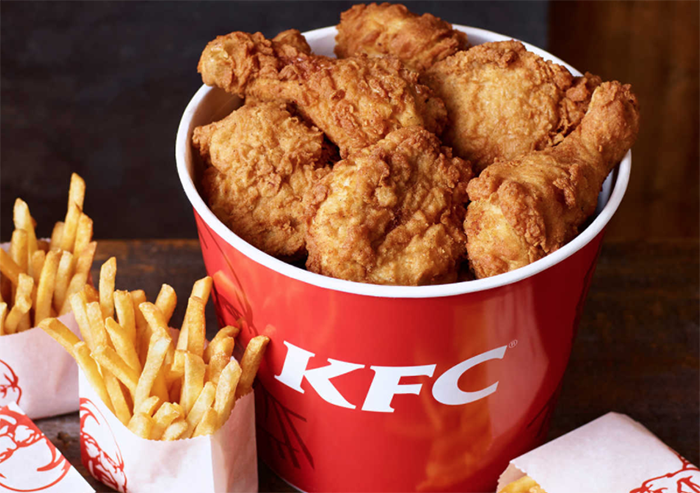
KFC’s original product is pressure fried chicken pieces, seasoned with Sanders’ recipe of 11 herbs and spices. The constituents of the recipe are a trade secret. Larger portions of fried chicken are served in a cardboard “bucket”, which has become a feature of the chain since it was first introduced by franchisee Pete Harman in 1957. Since the early 1990s, KFC has expanded its menu to offer other chicken products such as chicken fillet sandwiches and wraps, as well as salads and side dishes such as French fries and coleslaw, desserts and soft drinks; the latter often supplied by PepsiCo. KFC is known for its slogans “It’s Finger Lickin’ Good!”, “Nobody does chicken like KFC” and “So good”.

Psychological Disorders Part 10

Introduction

The Psychological Disorders Part 9 discussed Schizophrenia. It is a lifelong disorder but the intensity and the effect of it can be controlled with the help of planned treatment and various medicines prescribed by the psychologists. This article will discuss Personality Disorders.

Personality Disorders

Personality disorders involve a pattern of maladaptive thoughts, feelings and behaviours that cause serious detriment to various areas of life.

Antisocial Personality Disorder is also known as sociopathy. It is a mental disorder wherein a person continuously shows zero regard for what is right and wrong, in doing so the person also ignores the rights and feelings of other people. People with this disorder have a tendency of antagonizing, manipulating and treating others in a harsh manner. They also tend to show no guilt. The people with this disorder often end up violating the law and hence become criminals. Some of the symptoms are persistent lying, exploiting others, disregard for right and wrong, using wit to manipulate others for personal gain, being cynical, disrespecting others, arrogance, repeatedly violating the rights of others through dishonesty, criminal behaviour, being impulsive, lack of empathy, lack of remorse, aggression, violence, abusive relationships, dangerous behaviour, persistent irresponsibility, not considering negative consequences of their behaviour. Adults with this disorder usually start showing signs by the age of 15. This is a lifelong disorder.

Avoidant Personality Disorder (APD) is a mental disorder in which the person has a pattern of extreme shyness, they feel inadequate and are excessively sensitive to rejection. Symptoms of this personality disorder include fear of rejection, criticism, embarrassment, disapproval, intimate relationships, getting to know new people and fear of being ridiculed. People with this disorder might also have trouble believing someone likes them.

Borderline Personality Disorder is a mental disorder that impacts the way a person thinks and feels about themselves and others. It includes self-image issues and difficulty managing emotions. A person with this disorder will have an intense fear of abandonment or instability, which would make being alone difficult for them. This disorder usually begins by early adulthood. Some of the symptoms are intense fear of abandonment, pattern of unstable intense relationships, periods of stress-related paranoia, rapid changes in self-image, suicidal threats in response to fear of rejection, extreme mood swings, intense anger and an ongoing feeling of emptiness.

Dependent Personality Disorder involves being anxious about being left alone, that is, the inability to be alone. Some of the symptoms are behaving submissively, needing repeated reassurance, relying on others for making decisions, easily being hurt by disapproval, feeling nervous when alone, tendency to be naïve, fear of abandonment and fearing rejection.

Histrionic Personality Disorder involves people having a distorted image of themselves. They base their self-esteem on other’s approval. Some of the symptoms are uncomfortable in situations where they are not the center of attention, display of rapidly shifting emotions, interaction with others involving inappropriate seductive behaviour, consistently using physical attention to get others focus and showcasing exaggerated expression of emotions.

Narcissistic Personality Disorder is a mental disorder in which people have an inflated sense of importance, they need a lot of attention and admiration. They also have a lack of empathy. Some of the symptoms are having a sense of entitlement, expecting to be recognized as superior, exaggerating achievements and talents, belittling others, expecting special favours, arrogance, boastful and insisting on having the best of everything.

Obsessive-Compulsive Personality Disorder involves a person wanting extreme perfectionism, neatness and order. People with this disorder feel the need to impose their standards on others. Some of the symptoms are perfectionism to a point that it is difficult to finish tasks, rigid mannerisms, extreme attention to detail, overwhelming need to be punctual, fixation with lists, hoarding useless items, sense of righteousness and rigid adherence to ethical codes.

Paranoid Personality Disorder involves people being extremely suspicious of other people. Some of the symptoms are believing that people have hidden motives, trouble working with others, quickly becoming hostile, having trouble relaxing, socially isolated, defensive and doubting loyalty of others.

Schizoid Personality Disorder is when people avoid social activities and continuously shy away from interacting with others. They tend to have a limited range of emotional expression. Some of the symptoms are preferring being alone, not enjoying close relationships, feeling like can’t experience pleasure, appearing to lack motivation, feeling no desire for sexual relationships and may seem emotionally cold.

Schizotypal Personality Disorder is a disorder in which people are often described as odd and have very few close relationships. Some of the symptoms are being a loner, flat emotions, excessive social anxiety, belief in special powers, peculiar style of speech and dressing.

Conclusion

There are many kinds of personalities which brings many kinds of personality disorders as well. Personality is known to be fluid but the reason of these disorders includes brain chemistry and genetics because of which they remain permanent. These disorders are very harmful for the people themselves and their loved ones, which makes it important to consult a psychologist to get treatment and reduce the symptoms.

References

Note: this is the last part of the Psychological Disorders series.

The Story of KFC&#39;s founder

COLONEL HARLAND SANDERS

Sanders was born in 1890 in Henryville, IN. When he was six years old, his father passed away leaving Sanders to cook and care for his siblings. In seventh grade, he dropped out of school and left home to go work as a farmhand. Already turning into a tough cookie.

At 16, he faked his age to enlist in the United States army. After being honorably discharged a year later, he got hired by the railway as a laborer. However, he got fired for fighting with a coworker. While he worked for the railway, he studied law–until he ruined his legal career by getting into another fight. Sanders was forced to move back in with his mom and get a job selling life insurance. And guess what? He got fired for insubordination. But this guy wouldn’t give up.

In 1920, he founded a ferry boat company. Later, he tried cashing in his ferry boat business to create a lamp manufacturing company only to find out that another company already sold a better version of his lamp. Poor guy couldn’t catch a break.

It wasn’t until age 40 that he began selling chicken dishes in a service station. As he began to advertise his food, an argument with a competitor resulted in a deadly shootout. Four years later, he bought a motel which burned to the ground along with his restaurant. Yet this determined man rebuilt and ran a new motel until World War II forced him to close it down.

Following the war, he tried to franchise his restaurant. His recipe was rejected 1,009 times before anyone accepted it. Sander’s “secret recipe” was coined “Kentucky Fried Chicken”, and quickly became a hit. However, the booming restaurant was crippled when an interstate opened nearby so Sanders sold it and pursued his dream of spreading KFC franchises & hiring KFC workers all across the country.

After years of failures and misfortunes, Sanders finally hit it big. KFC expanded internationally and he sold the company for two million dollars ($15.3 million today). Even today, Sanders remains central in KFC’s branding and his face still appears in their logo. His goatee, white suit and western string tie continue to symbolize delicious country fried chicken all over the world.

At age 90, Sanders passed away from pneumonia. At that time, there were around 6,000 KFC locations in 48 countries. By 2013, there were an estimated 18,000 KFC locations in 118 countries. WOW.

If you’re overwhelmed by rejection or discouraged by setbacks, remember the story of Colonel Harland Sanders. Fired from multiple jobs, ruined his legal career, was set back by the Great Depression, fires and World War II, yet still created one of the largest fast food chains in the world. Sanders wouldn’t let anything or anyone defeat him.

KFC

KFC (abbr. for Kentucky Fried Chicken) is an American fast food restaurant chain headquartered in Louisville, Kentucky that specializes in fried chicken. It is the world’s second-largest restaurant chain (as measured by sales) after McDonald’s, with 22,621 locations globally in 150 countries as of December 2019. The chain is a subsidiary of Yum! Brands, a restaurant company that also owns the Pizza Hut, Taco Bell and WingStreet chains.

KFC was founded by Colonel Harland Sanders, an entrepreneur who began selling fried chicken from his roadside restaurant in Corbin, Kentucky during the Great Depression. Sanders identified the potential of the restaurant franchising concept and the first “Kentucky Fried Chicken” franchise opened in Utah in 1952. KFC popularized chicken in the fast-food industry, diversifying the market by challenging the established dominance of the hamburger. By branding himself as “Colonel Sanders”, Harland became a prominent figure of American cultural history and his image remains widely used in KFC advertising to this day. However, the company’s rapid expansion overwhelmed the aging Sanders and he sold it to a group of investors led by John Y. Brown Jr. and Jack C. Massey in 1964.

KFC was one of the first American fast-food chains to expand internationally, opening outlets in Canada, the United Kingdom, Mexico and Jamaica by the mid-1960s. Throughout the 1970s and 1980s, it experienced mixed fortunes domestically, as it went through a series of changes in corporate ownership with little or no experience in the restaurant business. In the early 1970s, KFC was sold to the spirits distributor Heublein, which was taken over by the R. J. Reynolds food and tobacco conglomerate; that company sold the chain to PepsiCo. The chain continued to expand overseas, however, and in 1987 it became the first Western restaurant chain to open in China. It has since expanded rapidly in China, which is now the company’s single largest market. PepsiCo spun off its restaurants division as Tricon Global Restaurants, which later changed its name to Yum! Brands.

KFC’s original product is pressure fried chicken pieces, seasoned with Sanders’ recipe of 11 herbs and spices. The constituents of the recipe are a trade secret. Larger portions of fried chicken are served in a cardboard “bucket”, which has become a feature of the chain since it was first introduced by franchisee Pete Harman in 1957. Since the early 1990s, KFC has expanded its menu to offer other chicken products such as chicken fillet sandwiches and wraps, as well as salads and side dishes such as French fries and coleslaw, desserts and soft drinks; the latter often supplied by PepsiCo. KFC is known for its slogans “It’s Finger Lickin’ Good!”, “Nobody does chicken like KFC” and “So good”.

Psychological Disorders Part 10

Introduction

The Psychological Disorders Part 9 discussed Schizophrenia. It is a lifelong disorder but the intensity and the effect of it can be controlled with the help of planned treatment and various medicines prescribed by the psychologists. This article will discuss Personality Disorders.

Personality Disorders

Personality disorders involve a pattern of maladaptive thoughts, feelings and behaviours that cause serious detriment to various areas of life.

Antisocial Personality Disorder is also known as sociopathy. It is a mental disorder wherein a person continuously shows zero regard for what is right and wrong, in doing so the person also ignores the rights and feelings of other people. People with this disorder have a tendency of antagonizing, manipulating and treating others in a harsh manner. They also tend to show no guilt. The people with this disorder often end up violating the law and hence become criminals. Some of the symptoms are persistent lying, exploiting others, disregard for right and wrong, using wit to manipulate others for personal gain, being cynical, disrespecting others, arrogance, repeatedly violating the rights of others through dishonesty, criminal behaviour, being impulsive, lack of empathy, lack of remorse, aggression, violence, abusive relationships, dangerous behaviour, persistent irresponsibility, not considering negative consequences of their behaviour. Adults with this disorder usually start showing signs by the age of 15. This is a lifelong disorder.

Avoidant Personality Disorder (APD) is a mental disorder in which the person has a pattern of extreme shyness, they feel inadequate and are excessively sensitive to rejection. Symptoms of this personality disorder include fear of rejection, criticism, embarrassment, disapproval, intimate relationships, getting to know new people and fear of being ridiculed. People with this disorder might also have trouble believing someone likes them.

Borderline Personality Disorder is a mental disorder that impacts the way a person thinks and feels about themselves and others. It includes self-image issues and difficulty managing emotions. A person with this disorder will have an intense fear of abandonment or instability, which would make being alone difficult for them. This disorder usually begins by early adulthood. Some of the symptoms are intense fear of abandonment, pattern of unstable intense relationships, periods of stress-related paranoia, rapid changes in self-image, suicidal threats in response to fear of rejection, extreme mood swings, intense anger and an ongoing feeling of emptiness.

Dependent Personality Disorder involves being anxious about being left alone, that is, the inability to be alone. Some of the symptoms are behaving submissively, needing repeated reassurance, relying on others for making decisions, easily being hurt by disapproval, feeling nervous when alone, tendency to be naïve, fear of abandonment and fearing rejection.

Histrionic Personality Disorder involves people having a distorted image of themselves. They base their self-esteem on other’s approval. Some of the symptoms are uncomfortable in situations where they are not the center of attention, display of rapidly shifting emotions, interaction with others involving inappropriate seductive behaviour, consistently using physical attention to get others focus and showcasing exaggerated expression of emotions.

Narcissistic Personality Disorder is a mental disorder in which people have an inflated sense of importance, they need a lot of attention and admiration. They also have a lack of empathy. Some of the symptoms are having a sense of entitlement, expecting to be recognized as superior, exaggerating achievements and talents, belittling others, expecting special favours, arrogance, boastful and insisting on having the best of everything.

Obsessive-Compulsive Personality Disorder involves a person wanting extreme perfectionism, neatness and order. People with this disorder feel the need to impose their standards on others. Some of the symptoms are perfectionism to a point that it is difficult to finish tasks, rigid mannerisms, extreme attention to detail, overwhelming need to be punctual, fixation with lists, hoarding useless items, sense of righteousness and rigid adherence to ethical codes.

Paranoid Personality Disorder involves people being extremely suspicious of other people. Some of the symptoms are believing that people have hidden motives, trouble working with others, quickly becoming hostile, having trouble relaxing, socially isolated, defensive and doubting loyalty of others.

Schizoid Personality Disorder is when people avoid social activities and continuously shy away from interacting with others. They tend to have a limited range of emotional expression. Some of the symptoms are preferring being alone, not enjoying close relationships, feeling like can’t experience pleasure, appearing to lack motivation, feeling no desire for sexual relationships and may seem emotionally cold.

Schizotypal Personality Disorder is a disorder in which people are often described as odd and have very few close relationships. Some of the symptoms are being a loner, flat emotions, excessive social anxiety, belief in special powers, peculiar style of speech and dressing.

Conclusion

There are many kinds of personalities which brings many kinds of personality disorders as well. Personality is known to be fluid but the reason of these disorders includes brain chemistry and genetics because of which they remain permanent. These disorders are very harmful for the people themselves and their loved ones, which makes it important to consult a psychologist to get treatment and reduce the symptoms.

References

Note: this is the last part of the Psychological Disorders series.

WHY TIME IS IMPORTANT?HERE ARE 10 REASONS 👇👇


Even though it’s something that’s all around us and most of us take it for granted, time is one of the most mysterious forces in the universe. Why does it matter so much? What are some things everyone should remember when thinking about time? Here are ten reasons why time is important:

1. Everything is bound to time

Every single thing in the universe is affected by time. Whether it’s a tulip, human, or a star, all things gradually age and eventually decay as time progresses. The speed of that decay can vary, but material things aren’t eternal and will eventually end.

2. Time is the most precious resource because you can’t get it back

What are you going to do with the time you’ve been given? The answer to this question really matters because you can’t get wasted time back. People often think of money as their most valuable resource, and while it is important because it allows you to buy the things you need and want, you can get money back. Time, however, is intangible and once it’s gone, it’s gone.

3. Because of privileges, not everyone truly has the same amount of time in a day

There’s an inspirational saying that basically states that everyone has the same 24 hours in a day, so no one can complain about not having time for the things they want to do. However, the reality is that while everyone does technically have 24 hours in a day, the amount of free time they have varies dramatically. While someone with a good job that has normal working hours can spend a fair amount of time practicing a skill, someone who needs to work many more hours to earn the same amount can’t. In that sense, even though they both have 24 hours in a day, time is relative for them.

4. No one knows how much time they have

Another reason why time matters so much is that no one knows how much they’ve got. People can die at any age and from any reason, and no one can predict the future. Being aware of this uncertainty can have a dramatic effect on how you live your life.

5. The only time we actually have is the present

As humans, we are aware of the three stages of time – the past, the present, and the future. We can use the past to learn and we can prepare for the future, but the present is the only space we have to work in. Research shows that being more mindful of what’s going on right now and living in the present benefits both mental and physical health.

6. How we see time impacts happiness

Speaking of the past and the future, a person’s perspective of these two times has a big impact on their happiness and peace of mind. Many of us spend a lot of time ruminating on the past or worrying about the future. If we are able to let go of the past and what can’t be changed, and look ahead in the unknown with hope instead of fear, we would feel a lot happier and calmer.

7. Managing it poorly or well has a huge impact on life

In his play “Macbeth,” Shakespeare wrote, “Let every man be master of his time.” Because we only have so many hours in a day and we don’t know how many days we’re going to get, mastering or managing the time we do have is essential. Good time management can help you in every area of life, whether it’s work or at home, and ensures you make the most out of every moment. Whether you fail or succeed at something often breaks down to time management, not skill.

8.Relationship are made or broken by how much time you invest

Community is very important for a person’s health and wellbeing. Maintaining relationships takes a commitment and whether it’s a friendship or romantic partnership, time is a key element. Healthy relationships don’t just develop overnight. How much time people invest is often the main difference between a relationship that’s deep and fulfilling, and one that’s shallow.

9. Skills are impacted by how much time you invest

In the recent past, there was a popular belief that it takes about 10,000 hours to master a skill, and while the real number is up in the air right now, it remains true that developing skills takes time. The specific amount of time depends on the person and their time management, but overall, just being willing to put in the hours and practice a skill pays off.

10. Time is a teacher and a healer

The old phrase says that “Time heals everything,” and while that often feels hollow to people in the middle of a painful experience, they often find that it eventually becomes true. Sometimes the only way to get a new, healthier perspective on a situation is to give it time. Within that time, a person is given the opportunities to think about what’s happened and experience other things. Time serves as both a teacher and a healer, and while a person may not go back to who they were before, time has allowed them to grow.

WHY TIME IS IMPORTANT?HERE ARE 10 REASONS 👇👇

Even though it’s something that’s all around us and most of us take it for granted, time is one of the most mysterious forces in the universe. Why does it matter so much? What are some things everyone should remember when thinking about time? Here are ten reasons why time is important:

1. Everything is bound to time

Every single thing in the universe is affected by time. Whether it’s a tulip, human, or a star, all things gradually age and eventually decay as time progresses. The speed of that decay can vary, but material things aren’t eternal and will eventually end.

2. Time is the most precious resource because you can’t get it back

What are you going to do with the time you’ve been given? The answer to this question really matters because you can’t get wasted time back. People often think of money as their most valuable resource, and while it is important because it allows you to buy the things you need and want, you can get money back. Time, however, is intangible and once it’s gone, it’s gone.

3. Because of privileges, not everyone truly has the same amount of time in a day

There’s an inspirational saying that basically states that everyone has the same 24 hours in a day, so no one can complain about not having time for the things they want to do. However, the reality is that while everyone does technically have 24 hours in a day, the amount of free time they have varies dramatically. While someone with a good job that has normal working hours can spend a fair amount of time practicing a skill, someone who needs to work many more hours to earn the same amount can’t. In that sense, even though they both have 24 hours in a day, time is relative for them.

4. No one knows how much time they have

Another reason why time matters so much is that no one knows how much they’ve got. People can die at any age and from any reason, and no one can predict the future. Being aware of this uncertainty can have a dramatic effect on how you live your life.

5. The only time we actually have is the present

As humans, we are aware of the three stages of time – the past, the present, and the future. We can use the past to learn and we can prepare for the future, but the present is the only space we have to work in. Research shows that being more mindful of what’s going on right now and living in the present benefits both mental and physical health.

6. How we see time impacts happiness

Speaking of the past and the future, a person’s perspective of these two times has a big impact on their happiness and peace of mind. Many of us spend a lot of time ruminating on the past or worrying about the future. If we are able to let go of the past and what can’t be changed, and look ahead in the unknown with hope instead of fear, we would feel a lot happier and calmer.

7. Managing it poorly or well has a huge impact on life

In his play “Macbeth,” Shakespeare wrote, “Let every man be master of his time.” Because we only have so many hours in a day and we don’t know how many days we’re going to get, mastering or managing the time we do have is essential. Good time management can help you in every area of life, whether it’s work or at home, and ensures you make the most out of every moment. Whether you fail or succeed at something often breaks down to time management, not skill.

8.Relationship are made or broken by how much time you invest

Community is very important for a person’s health and wellbeing. Maintaining relationships takes a commitment and whether it’s a friendship or romantic partnership, time is a key element. Healthy relationships don’t just develop overnight. How much time people invest is often the main difference between a relationship that’s deep and fulfilling, and one that’s shallow.

9. Skills are impacted by how much time you invest

In the recent past, there was a popular belief that it takes about 10,000 hours to master a skill, and while the real number is up in the air right now, it remains true that developing skills takes time. The specific amount of time depends on the person and their time management, but overall, just being willing to put in the hours and practice a skill pays off.

10. Time is a teacher and a healer

The old phrase says that “Time heals everything,” and while that often feels hollow to people in the middle of a painful experience, they often find that it eventually becomes true. Sometimes the only way to get a new, healthier perspective on a situation is to give it time. Within that time, a person is given the opportunities to think about what’s happened and experience other things. Time serves as both a teacher and a healer, and while a person may not go back to who they were before, time has allowed them to grow.

Good food, Good mood

Food is the basic material that the body needs for its survival and well being. Food, when eaten in proper intervals and the right amount, can make children fitter.

Eating food that is healthy and rich in nutrients is vital for proper body functioning. Healthy foods give us a healthy life and longevity.

Food is what people and animals eat to live. Food usually comes from animals and plants. It is eaten by living things to provide energy and nutrition. Food contains the nutrition that people and animals need to be healthy.

The consumption of food is normally enjoyable to humans. It contains protein, fat, carbohydrates, vitamins, water and minerals. Liquids used for energy and nutrition are often called “drinks”. If someone cannot afford food they go hungry.

Food for human is mostly made through farming or gardening. It includes animal and vegetables sources. Some people refuse to eat food from animal origin, like meet, eggs, and products with milk in them.

Not eating meat is called vegetarianism. Not eating or using any animal products is called veganism. Basic foods consumed by humans

Plant source

• Fruit

• Vegetables

• Grains

• Seeds

• Legumes

( Beans, peas, lentils, etc.)

• Herbs

• Spices

Animal source

• Meat

• Seafood

• Eggs

• Dairy products

Food produced by farmers or gardeners can be changed by industrial processes (the food industry). Processed food usually contains several natural ingredients and food additives (such as preservatives, antioxidants, emulsifiers, flavor enhancers). For example, bread is processed food.

Food processing at home is done in the kitchen, by the cook. The cook sometimes uses a cookbook. Examples of cooking utensils are pressure cookers, pots, and frying pans.

Good food, Good mood

Food is the basic material that the body needs for its survival and well being. Food, when eaten in proper intervals and the right amount, can make children fitter.

Eating food that is healthy and rich in nutrients is vital for proper body functioning. Healthy foods give us a healthy life and longevity.

Food is what people and animals eat to live. Food usually comes from animals and plants. It is eaten by living things to provide energy and nutrition. Food contains the nutrition that people and animals need to be healthy.

The consumption of food is normally enjoyable to humans. It contains protein, fat, carbohydrates, vitamins, water and minerals. Liquids used for energy and nutrition are often called “drinks”. If someone cannot afford food they go hungry.

Food for human is mostly made through farming or gardening. It includes animal and vegetables sources. Some people refuse to eat food from animal origin, like meet, eggs, and products with milk in them.

Not eating meat is called vegetarianism. Not eating or using any animal products is called veganism. Basic foods consumed by humans

Plant source

• Fruit

• Vegetables

• Grains

• Seeds

• Legumes

( Beans, peas, lentils, etc.)

• Herbs

• Spices

Animal source

• Meat

• Seafood

• Eggs

• Dairy products

Food produced by farmers or gardeners can be changed by industrial processes (the food industry). Processed food usually contains several natural ingredients and food additives (such as preservatives, antioxidants, emulsifiers, flavor enhancers). For example, bread is processed food.

Food processing at home is done in the kitchen, by the cook. The cook sometimes uses a cookbook. Examples of cooking utensils are pressure cookers, pots, and frying pans.