Digital Marketing : Current scenario in India

I hope this article is very much familiar to you because it is a part of your daily lives whether it’s shopping, food delivery or travelling digital marketing can be said a core or the central part of these activities. Coming to what the word “digital marketing” actually refers to it can be dynamic but in a general form we can say that digital marketing refers to advertising delivered through digital channels such as social media, or other platforms. This helps in marketing the goods from the seller directly to the buyer eliminating the intermediaries.

PHILIP KOTLER, a well known name in the field of management is known to be the father of digital marketing. He is an American professor and has penned almost more than 60 books on marketing and established it as a field in academic. We can say that he thought about this concept earlier and was aware of the fact that the world will be accepting digital marketing as one of the most successful innovation.

TYPES of digital marketing : There are many types of digital marketing but which are considered as most important are as follows :- Search engine optimization (SEO), Pay -per-click, Social media marketing, Content marketing, Email marketing, Mobile marketing, Marketing analytics. The above mentioned types are very useful in today’s world. People are doing specialized courses into this field as this is the requirement of the time.

The 5 main D’s for digital marketing :- Digital devices, digital platforms, digital media, digital data and digital technology. As a result today each individual is aware about the trend of digital marketing. Traditionally marketing was only confined to sales and promotion but now due to digital marketing people can see, decide and review their product very easily.

The trend is more successful in India as every individual is having a smartphone and low cost internet availability which enables a strong point for digital marketing. Digitalisation also helps in the marketing sector as people are available with multiple option(one is upi as a payment option). Digital marketing is the new and innovative future for India as it can be carried over at the local level as well as the international level. Even during the pandemic situation India was the only country to reach at the highest level in field of digital marketing. So digital marketing is a successful approach for us.

I hope you all will agree on my views on this topic. Thank you and keep reading !!!!!

What's happening in Afghanistan?


Afghanistan is again under the control of the Taliban, a fundamentalist group that ruled the nation for five years before U.S.-led forces ousted them in 2001. Refugees fleeing the group’s ultraconservative brand of Islam have swelled the population of Kabul, the airport has been besieged by Afghans desperate to find a way out, and worries are spreading that the Taliban’s return might encourage Islamist movements elsewhere in Central Asia more than two decades after Osama bin Laden first sought refuge under their protection.

Q1) What is happening in Kabul?

Taliban forces entered the capital of Kabul on Aug. 15, effectively ending a 20-year effort by the U.S. and other Western nations to remodel Afghanistan as a modern democracy. They were buoyed in part by an agreement with the Trump administration in February last year for U.S. forces to leave the country, with President Biden subsequently setting Aug. 31 as the exit date. With Afghan government forces losing air cover and plagued by desertions, the Taliban quickly expanded their footprint before taking the last remaining cities, including Kabul.

Their arrival in the capital sparked panic. Afghans who worked with Western armed forces or agencies rushed to Hamid Karzai International Airport seeking a way out. Western embassies moved their staff to the airport, which is under U.S. military control. In chaotic scenes there, crowds of Afghans ran alongside military transport planes as they prepared for takeoff, with some people trying to cling to the sides of the aircraft. Afghans and Westerners stranded in Kabul trickled into the airport for evacuation, but entry remained difficult, with Taliban fighters manning checkpoints and no clear system to bring people in. On Friday, military personnel fired tear gas to control the crowds trying to get in to board evacuation flights and clear to space for families authorized to leave.

Q2) Why did Afghanistan’s capital fall so quickly?

Afghanistan’s national army and police forces, theoretically numbering 350,000 men and trained and equipped at huge cost by the U.S. and Western allies, were supposed to be a powerful deterrent to the Taliban. They were trained to match the way American forces operate, combining ground operations with air power and using aircraft to resupply far-flung outposts and collect intelligence.

But following Mr Biden’s withdrawal plan, the U.S. pulled its air support, intelligence and contractors servicing Afghanistan’s planes and helicopters. That meant the Afghan military couldn’t function anymore. In many instances, soldiers simply changed out of the uniforms into civilian clothes. Speaking at the White House on Aug. 16, Mr Biden said he stands “squarely behind” his decision to withdraw U.S. troops from Afghanistan, though he acknowledged that the Taliban took control far more quickly than he expected. He cast much of the blame on the Afghan military for failing to take up the fight with the insurgents.

The Taliban have put the three conditions before the people of Afghanistan – Either they accept Sharia law or leave Afghanistan or die. To all the readers of this very article, let’s pray for the safety of the people of Afghanistan.

What's happening in Afghanistan?


Afghanistan is again under the control of the Taliban, a fundamentalist group that ruled the nation for five years before U.S.-led forces ousted them in 2001. Refugees fleeing the group’s ultraconservative brand of Islam have swelled the population of Kabul, the airport has been besieged by Afghans desperate to find a way out, and worries are spreading that the Taliban’s return might encourage Islamist movements elsewhere in Central Asia more than two decades after Osama bin Laden first sought refuge under their protection.

Q1) What is happening in Kabul?

Taliban forces entered the capital of Kabul on Aug. 15, effectively ending a 20-year effort by the U.S. and other Western nations to remodel Afghanistan as a modern democracy. They were buoyed in part by an agreement with the Trump administration in February last year for U.S. forces to leave the country, with President Biden subsequently setting Aug. 31 as the exit date. With Afghan government forces losing air cover and plagued by desertions, the Taliban quickly expanded their footprint before taking the last remaining cities, including Kabul.

Their arrival in the capital sparked panic. Afghans who worked with Western armed forces or agencies rushed to Hamid Karzai International Airport seeking a way out. Western embassies moved their staff to the airport, which is under U.S. military control. In chaotic scenes there, crowds of Afghans ran alongside military transport planes as they prepared for takeoff, with some people trying to cling to the sides of the aircraft. Afghans and Westerners stranded in Kabul trickled into the airport for evacuation, but entry remained difficult, with Taliban fighters manning checkpoints and no clear system to bring people in. On Friday, military personnel fired tear gas to control the crowds trying to get in to board evacuation flights and clear to space for families authorized to leave.

Q2) Why did Afghanistan’s capital fall so quickly?

Afghanistan’s national army and police forces, theoretically numbering 350,000 men and trained and equipped at huge cost by the U.S. and Western allies, were supposed to be a powerful deterrent to the Taliban. They were trained to match the way American forces operate, combining ground operations with air power and using aircraft to resupply far-flung outposts and collect intelligence.

But following Mr Biden’s withdrawal plan, the U.S. pulled its air support, intelligence and contractors servicing Afghanistan’s planes and helicopters. That meant the Afghan military couldn’t function anymore. In many instances, soldiers simply changed out of the uniforms into civilian clothes. Speaking at the White House on Aug. 16, Mr Biden said he stands “squarely behind” his decision to withdraw U.S. troops from Afghanistan, though he acknowledged that the Taliban took control far more quickly than he expected. He cast much of the blame on the Afghan military for failing to take up the fight with the insurgents.

The Taliban have put the three conditions before the people of Afghanistan – Either they accept Sharia law or leave Afghanistan or die. To all the readers of this very article, let’s pray for the safety of the people of Afghanistan.

WHAT IS RAKSHA-BANDHAN (RAKHI) AND HOW TO CELEBRATE IT?

In Sanskrit, the term Raksha Bandhan translates as “bond of protection.” 

It is observed on the full-moon day, on the 5th month in the Hindu lunar calendar, Raksha Bandhan is a popular Hindu holiday celebrating the love between a brother and sister. 

On this day, a sister ties a threaded amulet, known as a rakhi, around a brother’s wrist, honoring their relationship. The bracelet symbolizes the brother’s oath to protect his sister throughout her life, and the sister’s prayers and blessings for protection and wellbeing of her brother.

        The origin of this celebration can be found in the Indian epic The Mahabharata, when Lord Krishna cut his finger. Draupadi, wife of the Pandavas who considered Krishna to be like a brother, immediately tore off a piece of her sari and tied the cloth around his bleeding finger. Smiling and grateful, Krishna promised to return the favor to her some day.

Another Legend has it that in 326 BCE, when Alexander the Great invaded India, Alexander’s wife Roxana, out of concern for his safety, had a thread sent to Indian King Porus, requesting him to not harm her husband in battle. Porus is said to have respected her wish, and refrained from killing Alexander during the famed “Battle of the Hydaspes.” Though Alexander ultimately won the battle, Porus had earned his respect, and was thus made a governor of part of his kingdom. 

HOW TO CELEBRATE IT ?

Before the festivities begin, a sister first goes out to look for a talisman or amulet, which she thinks her brother might like and would suite his unique personality. A simple activity as such helps to cultivate appreciation for the brother’s personality.

On the D-Day, sister customarily turns on an oil lamp and offers it to a family deity and prays for her brother’s long health and happiness, then she ties the sacred thread to his hand and feeds him a sweet. Then the brother completes the ritual by reciprocating the action of feeding a sweet and giving a present to the sister.

Top Trending Technologies in 2021

Technology is persistently refreshing at such a quick speed that it may appear to be quicker than light. A technology or a programming language making the rounds this week maybe obsolete in the next few days. As an ever increasing number of assets are put resources into innovative work, computer scientists and experts are ceaselessly tweaking and working on existing advances to take advantage of them. Here are probably the most recent moving advances that make certain to overwhelm the IT business in the forthcoming years.

1. Artificial Intelligence

Artificial intelligence or AI is a technology used to match computer systems with human decision-making capabilities. Being one of the trending technologies, when Al programs are fed to systems, the aim is to mimic human intelligence for performing complex tasks, such as pattern recognition, speech recognition, weather forecast, and medical diagnosis. So, learning Al will help you secure job roles. such as machine learning engineer, data scientist, computer vision engineer, business intelligence developer, data analyst.

2. Data Science

Data science is the technology that helps to make sense of complex data. Everyday tons of data are produced by companies across the globe. This includes Business data, Sales data, Customer Profile Information, Server Data, Financial Figures. The future scope of data science looks promising, in turn creating opportunities for the following career roles, Data scientist, data architect, business intelligence manager, data engineer, data analyst, business analyst. 

3. Internet of Things

IoT, is a network of devices that are connected to each other. The devices can interact and share data. These gadgets might be associated by means of Wi-Fi, and they share information about their environment and how they are being utilized. The devices have a computer chip that facilitates this exchange. It is predicted that more than 41 billion devices powered by IoT will be used by 2025. IoT chips embedded on machines help businesses assess those machines performance and assist in their maintenance. Learning this most recent technology will assist you with securing positions, for example, IoT software developer, system design engineer, IoT product manager, IoT research developer, IoT solution architect. 

4. Blockchain

Blockchain is the foundational technology that powers electronic currencies such as cryptocurrencies. In simple terms, a blockchain is an electronic ledger that can be shared among different users. This helps in creating a record of transactions that cannot be altered, making the technology verifiable and secure. There is a rise in a career in blockchain. Here are some opportunities that are on the rise. Blockchain developers, blockchain quality engineer, blockchain legal consultant or attorney, blockchain engineer.

5. Robotic Process Automation (RPA)

Robotic process automation, RPA is a technology used to automate daily tasks.  Like artificial intelligence, software is used here to automate a series of tasks such as handling and responding to emails, processing transactions and manipulating business data.  Companies like Accenture, Deloitte and Capgemini use RPA tools to automate their daily operations.  Therefore, the greatest need for skilled professionals in RPA is to follow the various RPA working rules.  RPA Developer, RPA Business Analyst, RPA Consultant, RPA Solution Architect, RPA Project Manager.

6. Virtual Reality

VR is simply the technology by which you can submerge yourself in an environment that appears to be amazingly realistic. It is the utilization of computer technology for establishing a simulated environment. It is prominently utilized for playing computer games. Unlike traditional games where you experienced the gaming environment by viewing it on the screen, you are directly placed in the environment. The VR business is relied upon to arrive at near $40 billion by 2021. Here are some VR work positions you can pay special mind to. Content Writer, AR and VR Content Writers, Product Management, Software Engineer, UI and UX Design, Quality Assurance.

7. Edge Computing

Edge computing is the latest technology trend that is gaining popularity day by day. The technology is based on the philosophy of bringing computer power as close to the data source. This helps in reducing bandwidth and latency. Edge computing is used to handle time sensitive data stored in remote locations with limited connectivity to the central location. The technology will make cloud computing and IoT devices faster. By 2022, the Edge computing market is estimated to be $ 7 billion.  The technology will be mainstream in sectors like healthcare, retail and manufacturing.

8. Intelligent Apps

Intelligent apps are software applications that use Al components, such as machine learning, deep learning, data analytics, robotics, and natural language processing. They assist you in making decisions based on real-time data or historical data. Examples of intelligent apps are voice assistants, such as Siri, Google assistant, and Alexa. As companies like Google, Apple, and Oracle keep putting investments into these applications, it will undoubtedly make many jobs later on. Intelligent application developers are sure to bring home generous income packages. In this fiercely competitive IT industry, getting a job is becoming challenging. But if you keep up-skilling and continue learning new tools, you will surely grab your dream job.


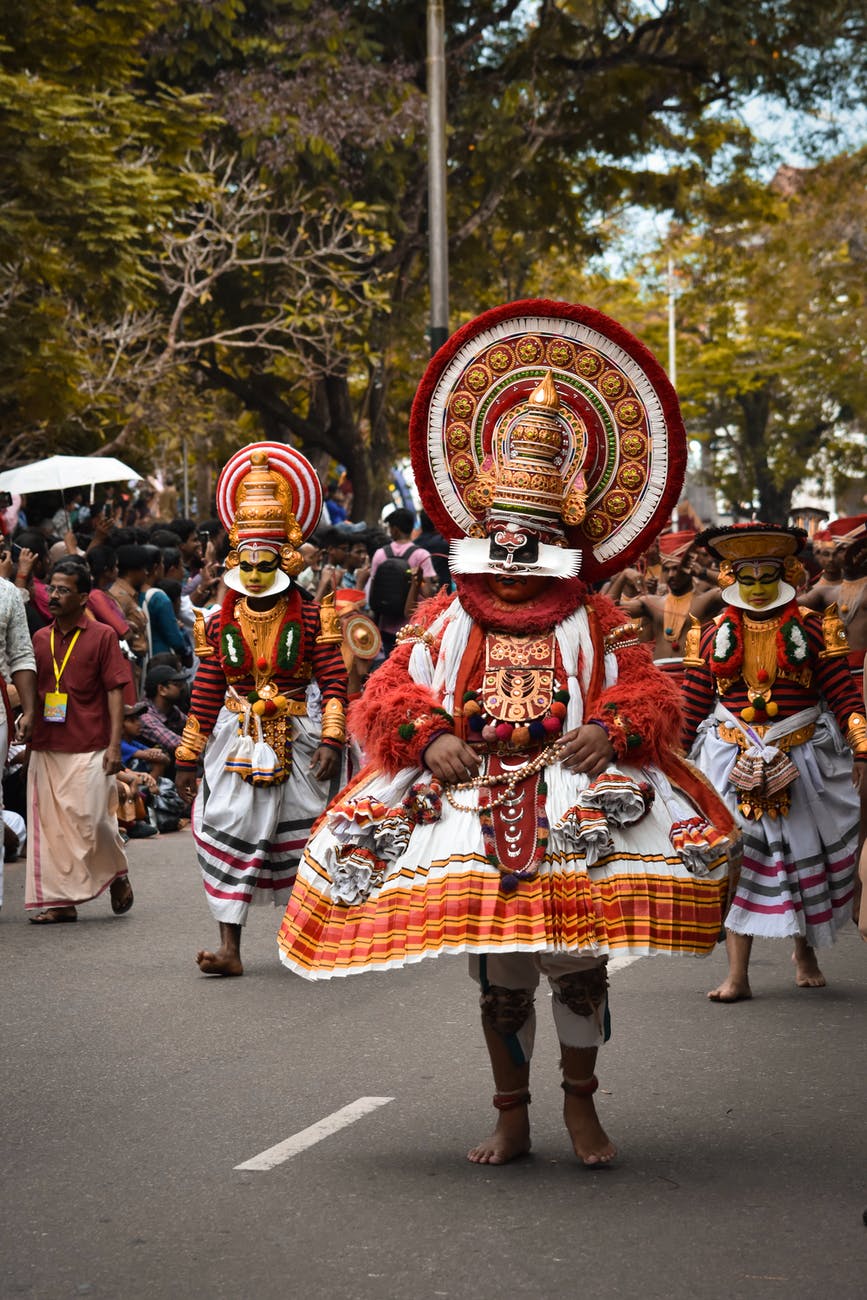
DANCES OF INDIA:

Photo by Aneesh S on Pexels.com

Dance in india has an unbroken tradition of over 2000 years. Two main division of its forms are classical and folk. The classical is the style’s adherence to the guidelines laid down in natyashastra, which explains the indian art of acting.folk dance of india vary according to the region and have no specific grammar.

here let’s know about this two dances which i like the most. Bharatanatyam and kathak

Photo by Darina Belonogova on Pexels.com

Bharatanatyam originated in tamilnadu and was earlier known as daasiyattam. this dance form has been handed down through the centuries by dance teachers called nattuwanars and the temple dancers,called devadasis. In the sacred environment of the temple these families developed and propagated their heritage.the training traditionally took around seven years under the direction of the teachers who were scholars and persons of great learning.

kathak means ‘ to tell a story’. this north inidan dance form is inextricably bound with classical hindustani music, and the rhythmic agility of the feet is accompanied by the table or pakhvaj. traditionally the stories were of radha and krishna in the natwari style nu the mughal invasion of north india had a serious impact on the dance. the dance was taken to muslim courts and thus it became more entertaining and less religious in content. more emphasis was laid on nirtha, the pure dance aspect and less on abhinaya[expression and emotion].

Climate Change Of The Earth – Explained

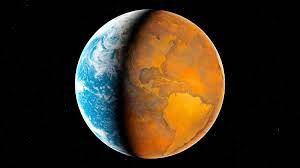
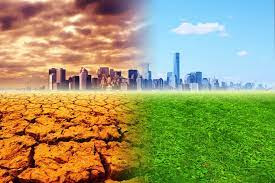
 This is a simple explanation of Climate Change, based on an article in the New York Times. The average temperature on the surface of the planet has already increased 1.7 degrees Fahrenheit since 1880, which may not seem like much, but think about it this way, the heat from human emissions is roughly equal to 400,000 Hiroshima atomic bombs exploding across the planet every single day. Future generations are in big trouble. But for now it will continue to get warmer and storms will grow more intense, with longer periods of drought in between. But longer-term, if emissions continue to rise unchecked, the climate disasters will be so severe they will destabilize entire nations, send millions of refugees across borders, cause widespread extinction of most species on Earth, and melt the polar ice caps, leaving most of the world’s coastal cities several feet underwater.

 All this could take centuries, but something like the sudden collapse of agriculture would trigger immediate chaos in society. Best case is we get our act together and begin to rapidly bring emission levels down; meanwhile, Earth turns out to be less sensitive to greenhouse gases than we currently believe, plants and animals adapt quickly, and major technological breakthroughs help society limit emissions and adjust to climate change. But, these are all the opposite of what we’re actually seeing, so the only thing in our control is to limit emissions using all available tools and best behaviors currently at our disposal. Worst case, the collapse of food production causes spiraling prices and kind of like a zombie apocalypse, but with extreme hunger spreading chaos instead.

 So, yeah, still just like a zombie apocalypse. This would be coupled with the melting of the Antarctic ice sheet, leading to rapidly rising seas that would force us to abandon many of our greatest cities and all of the social and scientific progress that we were making within them. Adding insult to injury is the fact that many of the emissions were emitted while building these now abandoned, underwater metropolises. If emissions continue unchecked, we’re looking at a total rise of between 80 to 160 feet, which would occur if all the ice in the polls melted. 

So the oceans will rise, the real question is how fast? Scientists only have Earth’s history to base their predictions on, which suggests that the rate has occasionally hit 1 foot per decade…so we’ll have to adapt to an altered coastline sooner or later, but probably much sooner than later. Because… Computer forecasts only give us a range of future possibilities, the most important evidence comes from the study of past climate conditions which clearly show that every time the amount of carbon dioxide in the air rises, the Earth warms up, ice melts, and the ocean rises. What’s important to remember here is that we are in uncharted territory

–humans are pumping carbon dioxide into the air far faster than nature ever has before us. Scientists have been publishing strong evidence that warming is making drought and heat waves more frequent, causing heavier rainstorms, and more severe coastal flooding. But while the Internet has made us all more aware of weather disasters in distant countries, it’s hard to prove these are all directly made worse by climate change, although they probably are. Canada and Russia both have vast, frozen lands, and could see some economic benefits from a warmer climate. Putin and the Russians, therefore, have been reluctant to make ambitious climate commitments. 

But expect that to change as these countries realize they will be swamped by millions of refugees from less fortunate nations. Libertarians and other political conservatives do not like the policies proposed to fight climate change and have chosen to try and block them by actively undermining the science. This effort has been funded by the oil and coal industry, who favor making money above all else. As more resources are devoted to solving the problem, our chances at big technological breakthroughs are improving, but we still should be spending about three-times as much money as we currently are on these efforts according to several in-depth reports. 

You can reduce your carbon footprint by doing things like plugging leaks in your home insulation, installing a smart thermostat, taking public transit, taking less airplane trips, buying an electric car, and putting solar panels on your roof. A big one is eating less meat. But what’s really needed is for you to speak up and exercise your rights as a citizen, because strong, collective action through state and national policies is how we’ll make the most impact. Considering that we’ve been ignoring scientists’ warnings since the 80’s to limit emissions, we’re pretty late in the game. But we’ve finally reached a moment where nearly every country in the world agrees this is a huge problem, and seem ready to commit to taking at least some kind of action. 

Leading corporations will continue to make bold promises to do their part, low-emission technologies will improve, and many states and cities will go much further than any goals set by their national governments. The United States, the world’s biggest economy, is finally starting to move aggressively, and China, the world’s largest emitter, is beginning to recognize that it needs to do the same, as many of its megacities cities will be underwater if the seas rise too high. But it’s up to us, the ordinary citizens, to continue demanding our political leaders tackle climate change, the hardest problem that humanity has ever faced. 

Why is Biodiversity so important ?

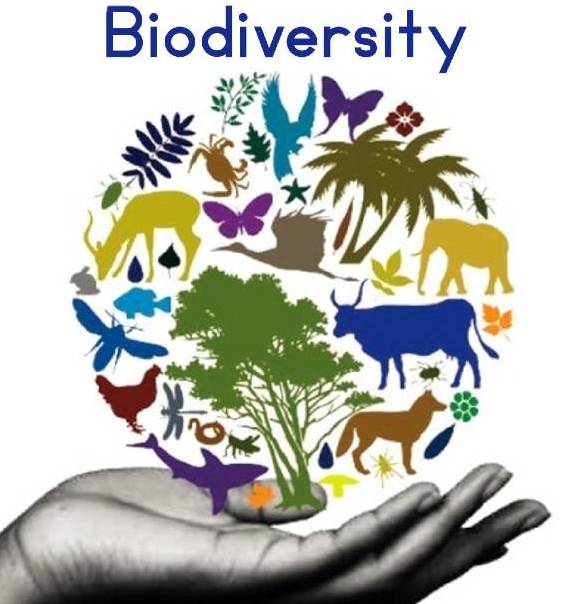
Hello Friends ……Our planet’s diverse thriving ecosystems may seem like permanent fixtures, but they’re actually vulnerable to collapse. Jungles can become deserts, and reefs can become lifeless rocks, even without cataclysmic events, like volcanoes and asteroids. What makes one ecosystem strong and another weak in the face of change? The answer, to a large extent, is biodiversity. Biodiversity is built out of three intertwined features: ecosystem diversity, species diversity, and genetic diversity. The more intertwining there is between these features, the denser and more resilient the weave becomes. 

Take the Amazon rainforest, one of the most biodiverse regions on Earth due to its complex ecosystems, huge mix of species, and the genetic variety within those species. Here are tangled liana vines, which crawl up from the forest floor to the canopy, intertwining with treetops and growing thick wooden stems that support these towering trees. Helped along by the vines, trees provide the seeds, fruits and leaves to herbivores, such as the tapir and the agouti, which disperse their seeds throughout the forest so they can grow. 

Leftovers are consumed by the millions of insects that decompose and recycle nutrients to create rich soil. The rainforest is a huge system filled with many smaller systems, like this, each packed with interconnected species. Every link provides stability to the next, strengthening biodiversity’s weave. That weave is further reinforced by the genetic diversity within individual species, which allows them to cope with changes. Species that lack genetic diversity due to isolation or low population numbers, are much more vulnerable to fluctuations caused by climate change, disease or habitat fragmentation. 

Whenever a species disappears because of its weakened gene pool, a knot is untied and parts of the net disintegrate. So, what if we were to remove one species from the rainforest? Would the system fall apart? Probably not. The volume of species, their genetic diversity, and the complexity of the ecosystems form such rich biodiversity in this forest that one species gap in the weave won’t cause it to unravel. The forest can stay resilient and recover from change. But that’s not true in every case. In some environments, taking away just one important component can undermine the entire system. 

Take coral reefs, for instance. Many organisms in a reef are dependent on the coral. It provides key microhabitats, shelter and breeding grounds for thousand of species of fish, crustaceans and mollusks. Corals also form interdependent relationships with fungi and bacteria. The coral itself is a loom that allows the tangled net of biodiversity to be woven. That makes coral a keystone organism, one that many others depend on for their suvival. So what happens when destructive fishing practices, pollution and ocean acidification weaken coral or even kill it altogether? Exactly what you might think. 

The loss of this keystone species leaves its dependents at a loss, too, threatening the entire fabric of the reef. Ecosystem, species and genetic diversity together form the complex tangled weave of biodiversity that is vital for the survival of organisms on Earth. We humans are woven into this biodiversity, too. When just a few strands are lost, our own well-being is threatened. Cut too many links, and we risk unraveling it all. What the future brings is unpredictable, but biodiversity can give us an insurance policy, Earth’s own safety net to safeguard our survival.

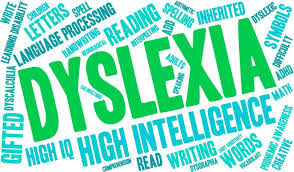
What is Dyslexia? – Student's Problems

Hello Friends !.. . Take a moment to read the following. How was that? Frustrating? Slow? What were those sentences about? They’re actually a simulation of the experience of dyslexia, designed to make you decode each word. Those with dyslexia experience that laborious pace every time they read. When most people think of dyslexia, they think of seeing letters and words backwards, like seeing “b” as “d” and vice versa, or they might think people with dyslexia see “saw” as “was”. The truth is people with dyslexia see things the same way as everyone else. 

Dyslexia is caused by a phonological processing problem, meaning people affected by it have trouble not with seeing language but with manipulating it. For example, if you heard the word cat and then someone asked you, “Remove the ‘c’,” what word would you have left? At. This can be difficult for those with dyslexia. Given a word in isolation, like fantastic, students with dyslexia need to break the word into parts to read it: fan, tas, tic. Time spent decoding makes it hard to keep up with peers and gain sufficient comprehension. Spelling words phonetically, like s-t-i-k for stick and f-r-e-n-s for friends is also common. These difficulties are more widespread and varied than commonly imagined. Dyslexia affects up to one in five people. It occurs on a continuum.

One person might have mild dyslexia while the next person has a profound case of it. Dyslexia also runs in families. It’s common to see one family member who has trouble spelling while another family member has severe difficulty decoding even one syllable words, like catch. The continuum and distribution of dyslexia suggests a broader principle to bear in mind as we look at how the brains of those with dyslexia process language. 

Neurodiversity is the idea that because all our brains show differences in structure and function, we shouldn’t be so quick to label every deviation from “the norm” as a pathological disorder or dismiss people living with these variations as “defective.” People with neurobiological variations like dyslexia, including such creative and inventive individuals as Picasso, Muhammad Ali, Whoopi Goldberg, Steven Spielberg, and Cher, clearly have every capacity to be brilliant and successful in life. So, here’s the special way the brains of those with dyslexia work. 

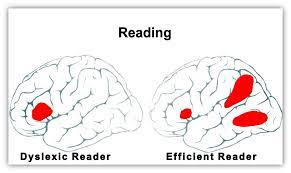
The brain is divided into two hemispheres. The left hemisphere is generally in charge of language and, ultimately, reading, while the right typically handles spatial activities. fMRI studies have found that the brains of those with dyslexia rely more on the right hemisphere and frontal lobe than the brains of those without it. This means, when they read a word, it takes a longer trip through their brain and can get delayed in the frontal lobe. Because of this neurobiological glitch, they read with more difficulty.’

 But those with dyslexia can physically change their brain and improve their reading with an intensive, multi-sensory intervention that breaks the language down and teaches the reader to decode based on syllable types and spelling rules. The brains of those with dyslexia begin using the left hemisphere more efficiently while reading, and their reading improves. 

The intervention works because it locates dyslexia appropriately as a functional variation in the brain, which, naturally, shows all sorts of variations from one person to another. Neurodiversity emphasizes this spectrum of brain function in all humans and suggests that to better understand the perspectives of those around us, we should try not only to see the world through their eyes but understand it through their brains.

What is Dyslexia? – Student's Problems

Hello Friends !.. . Take a moment to read the following. How was that? Frustrating? Slow? What were those sentences about? They’re actually a simulation of the experience of dyslexia, designed to make you decode each word. Those with dyslexia experience that laborious pace every time they read. When most people think of dyslexia, they think of seeing letters and words backwards, like seeing “b” as “d” and vice versa, or they might think people with dyslexia see “saw” as “was”. The truth is people with dyslexia see things the same way as everyone else. 

Dyslexia is caused by a phonological processing problem, meaning people affected by it have trouble not with seeing language but with manipulating it. For example, if you heard the word cat and then someone asked you, “Remove the ‘c’,” what word would you have left? At. This can be difficult for those with dyslexia. Given a word in isolation, like fantastic, students with dyslexia need to break the word into parts to read it: fan, tas, tic. Time spent decoding makes it hard to keep up with peers and gain sufficient comprehension. Spelling words phonetically, like s-t-i-k for stick and f-r-e-n-s for friends is also common. These difficulties are more widespread and varied than commonly imagined. Dyslexia affects up to one in five people. It occurs on a continuum.

One person might have mild dyslexia while the next person has a profound case of it. Dyslexia also runs in families. It’s common to see one family member who has trouble spelling while another family member has severe difficulty decoding even one syllable words, like catch. The continuum and distribution of dyslexia suggests a broader principle to bear in mind as we look at how the brains of those with dyslexia process language. 

Neurodiversity is the idea that because all our brains show differences in structure and function, we shouldn’t be so quick to label every deviation from “the norm” as a pathological disorder or dismiss people living with these variations as “defective.” People with neurobiological variations like dyslexia, including such creative and inventive individuals as Picasso, Muhammad Ali, Whoopi Goldberg, Steven Spielberg, and Cher, clearly have every capacity to be brilliant and successful in life. So, here’s the special way the brains of those with dyslexia work. 

The brain is divided into two hemispheres. The left hemisphere is generally in charge of language and, ultimately, reading, while the right typically handles spatial activities. fMRI studies have found that the brains of those with dyslexia rely more on the right hemisphere and frontal lobe than the brains of those without it. This means, when they read a word, it takes a longer trip through their brain and can get delayed in the frontal lobe. Because of this neurobiological glitch, they read with more difficulty.’

 But those with dyslexia can physically change their brain and improve their reading with an intensive, multi-sensory intervention that breaks the language down and teaches the reader to decode based on syllable types and spelling rules. The brains of those with dyslexia begin using the left hemisphere more efficiently while reading, and their reading improves. 

The intervention works because it locates dyslexia appropriately as a functional variation in the brain, which, naturally, shows all sorts of variations from one person to another. Neurodiversity emphasizes this spectrum of brain function in all humans and suggests that to better understand the perspectives of those around us, we should try not only to see the world through their eyes but understand it through their brains.

What is Dyslexia? – Student's Problems

Hello Friends !.. . Take a moment to read the following. How was that? Frustrating? Slow? What were those sentences about? They’re actually a simulation of the experience of dyslexia, designed to make you decode each word. Those with dyslexia experience that laborious pace every time they read. When most people think of dyslexia, they think of seeing letters and words backwards, like seeing “b” as “d” and vice versa, or they might think people with dyslexia see “saw” as “was”. The truth is people with dyslexia see things the same way as everyone else. 

Dyslexia is caused by a phonological processing problem, meaning people affected by it have trouble not with seeing language but with manipulating it. For example, if you heard the word cat and then someone asked you, “Remove the ‘c’,” what word would you have left? At. This can be difficult for those with dyslexia. Given a word in isolation, like fantastic, students with dyslexia need to break the word into parts to read it: fan, tas, tic. Time spent decoding makes it hard to keep up with peers and gain sufficient comprehension. Spelling words phonetically, like s-t-i-k for stick and f-r-e-n-s for friends is also common. These difficulties are more widespread and varied than commonly imagined. Dyslexia affects up to one in five people. It occurs on a continuum.

One person might have mild dyslexia while the next person has a profound case of it. Dyslexia also runs in families. It’s common to see one family member who has trouble spelling while another family member has severe difficulty decoding even one syllable words, like catch. The continuum and distribution of dyslexia suggests a broader principle to bear in mind as we look at how the brains of those with dyslexia process language. 

Neurodiversity is the idea that because all our brains show differences in structure and function, we shouldn’t be so quick to label every deviation from “the norm” as a pathological disorder or dismiss people living with these variations as “defective.” People with neurobiological variations like dyslexia, including such creative and inventive individuals as Picasso, Muhammad Ali, Whoopi Goldberg, Steven Spielberg, and Cher, clearly have every capacity to be brilliant and successful in life. So, here’s the special way the brains of those with dyslexia work. 

The brain is divided into two hemispheres. The left hemisphere is generally in charge of language and, ultimately, reading, while the right typically handles spatial activities. fMRI studies have found that the brains of those with dyslexia rely more on the right hemisphere and frontal lobe than the brains of those without it. This means, when they read a word, it takes a longer trip through their brain and can get delayed in the frontal lobe. Because of this neurobiological glitch, they read with more difficulty.’

 But those with dyslexia can physically change their brain and improve their reading with an intensive, multi-sensory intervention that breaks the language down and teaches the reader to decode based on syllable types and spelling rules. The brains of those with dyslexia begin using the left hemisphere more efficiently while reading, and their reading improves. 

The intervention works because it locates dyslexia appropriately as a functional variation in the brain, which, naturally, shows all sorts of variations from one person to another. Neurodiversity emphasizes this spectrum of brain function in all humans and suggests that to better understand the perspectives of those around us, we should try not only to see the world through their eyes but understand it through their brains.

Overpopulation – The Human Explosion

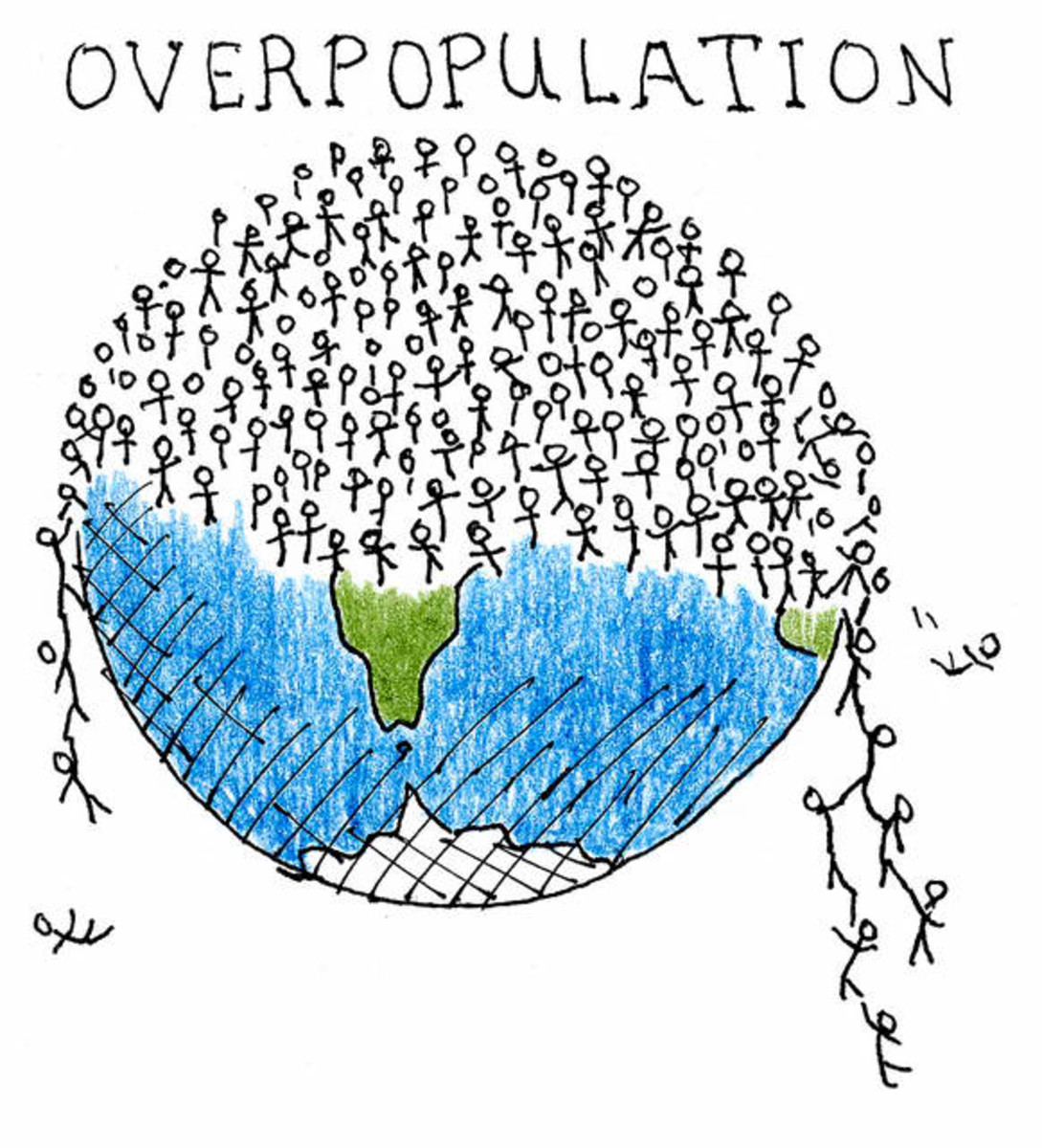
Never before in history, have there been so many people on Earth as right now. Our numbers have skyrocketed, from 1 billion in 1800, to 2.3 billion in 1940, 3.7 billion in 1970, and 7.4 billion in 2016. The world population increased fourfold in the last century, so what can we expect for the next century? And what does population growth mean for our future? Will there be mass-migration? Overcrowded slums and megacities covering continents? Diseases and pollution? Chaos and violence over energy, water, and food? And a human species focused only on sustaining itself? Will population growth destroy our way of life? Or is this prophecy just ungrounded panic? In the 1960s population growth reached an unprecedented rate. Which lead to apocalyptic prophecies. 

The poor would pro-create endlessly and overrun the developed world. The legend of overpopulation was born. But it turns out high birth rates and the population explosion are not permanent features of some cultures or countries, But rather a part of a four step process the whole world is going through, The demographic transition. Most developed countries have already made the transition, while other countries are doing it right now. Let’s go back to the 18th century, when the entire world, including Europe, was in the first stage of the demographic transition. By today’s standards, Europe was worse off, than a developing region, suffering from poor sanitation, poor diets, and poor medicine. 

A lot of people were born, but lots of them died just as fast, so the population hardly grew. Women had between 4 and 6 children, but only 2 of them would reach adulthood. Then the industrial revolution happened in the UK and bought the greatest change in human living conditions since the agricultural revolution. People went from being peasants to workers. Manufactured goods were mass produced and became widely available. The sciences flourished and advanced transportation, communication, and medicine. The role of women in society shifted and created the conditions for their emancipation. Slowly this economic progress not only formed a middle class, but also raised standards of living and health care for the poor working population. The second transition stage started. 

Better food supplies, hygiene and medicine, meant people stopped dying all the time, especially so, at a very young age. The result was a population explosion. Doubling the UK’s population between 1750 and 1850. The main reasons families used to have lots of children was that only a few of them were likely to survive. Now that had changed, so the third stage of transition was set in motion. Fewer babies were conceived, and population growth slowed down. Eventually a balance emerged, fewer people were dying and fewer children were born, so the death rate and birth rate became stable. 

Britain had reached the fourth stage of the demographic transition. This didn’t only happen in the UK, more and more countries went through the four stages. First, many births and many deaths due to bad living conditions. Second, better living conditions leading to fewer deaths and a population explosion. Third, fewer deaths resulting in fewer births, and population growth came to an end. But if birth rates have dropped so much, why is the population still growing so fast? Well, the children born in the population explosion of the 70s and 80s are having kids themselves now. Leading to a noticeable spike in overall population. But they are having far fewer children on average than their parents.

 The average today is 2.5, it was 5, 40 years ago. So as this generation gets older, and fertility declines further, the rate of population growth will keep on slowing. This is true for every country. In the west, we tend to overlook progress in other regions of the world. But actually most of the world’s countries have made it to the fourth stage. Just look at Bangladesh. In 1971, the average woman had 7 kids, but 25% of them would die before the age of 5. In 2015, the mortality rate was down to 3.8% and women had only 2.2 kids on average. This is the rule, not an exception, we’re not special, we just had a head start. It took developed countries about 80 years to reduce fertility from more than 6 children, to less than 3. Others are catching up fast. 

Malaysia and South Africa did it in only 34 years; Bangladesh took just 20. Iran managed it in 10 years. All these countries that are catching up didn’t have to start from scratch and the more support they get, the faster they catch up. This is why programs that help lower child mortality or help poor nations develop, are so important, No matter what your motivation is, whether you dream of a world where all people live in freedom and wealth, or you just want fewer refugees coming into your country, 

The simple truth is, that it’s beneficial to you personally if people on the other side of the globe can live a good life. And we are getting there, the percentage of people living in extreme poverty has never been as low as today. So the future of global population growth is not an apocalyptic prophecy, it’s a promise! Population growth will come to an end. The UN forecasts that the 12th billionth human will never be born at all. And as the development level of the world rises, the number of people a higher education will increase tenfold. Countries who used to be a need, will help advance development instead. More people is going to mean more people able to advance our species.

Big Basket Business Model – How Big Basket Earns

Hello Friends ! Big Basket, our grocery leader in India so the story starts in 1999 when there was a .com boom and this is one of the 1st e-commerce company who came to buy online after 2 years they added grocery too in starting a lot of people came online but you know in starting people don’t buy online only COD can operate at that time and not online payment so people came but did not buy it so they analyze and they came to offline and in south India they got a huge success they opened a fab mart and sell everything in it but still it did not make much profit and in 2006 Birla group overtook it and in 2011 they again return online under sell retail network in 2011 only they got a funding do try to understand this.

If you want to have a grocery business so what are the options 1st is inventory modal, means I will buy product directly from the company at a discount rate next I will be selling to my target audience and rest is my profit 2nd is market place, like amazon and flipkart do here if I will get an order then I will transfer to other and they will deliver it 3rs is hybrid here I am doing the both 1st and 2nd logically they did marketplace, they captured small-small grocery shop and made a pact with them and now the orders they get via there app and website, they do forward to these small grocery shops and deliver the product via a delivery boy so this was the simple process slowly they got the findings and they started to grow and then they shifted to inventory model because in this there is a lot of margin and you can too control your quality they have 18000 listed products, more than 1000 brands and still it’s going under loss.

 but slowly and slowly there revenue is increasing last year they did Rs1176 crore revenue and had a loss of Rs191 crore they had a 1500 ticket size and 650 ticket size if one opts for express delivery there target is by the end of 2020 we gonna to take 2000 crore revenue in my opinion fab mart too was a good business model but in 1999’s internet used to be a new technology and people don’t trust internet and online payment, not good speed, and not visual websites so they took a good step by coming to offline market and made money and reinvested afterword so from 2011 they are in loss, but in coming years they will be coming in profit because it’s inventory modal will keep on increasing with the advent of revenue there expenses will tend to decrease they do a simple strategy by ranking it’s customer basically. 

If you order today then you are not it’s customer so suppose in 3 month you ordered 2-3 times, then you became a silver customer for them silver customer means that this is our potential customer and their platinum customer comes 95% repeatedly so your expenditure get’s decreases time to time countanously in 13 funding round, they had taken 884 million dollar and recently they had taken 300 million dollar funding from Alibaba in June 2015 they acquired deliver and that inquisition was good according to me because of this they are able to deliver products on time before that in inventory modal they used to get delay in delivery time.

Now they can deliver vegetables in 2 to 3 hours in vegetable you need to deliver within 1 hours and not in 2 to 3 days so this thing is possible due to delivery acquisition and I will be giving them +1 in grocery they operate in 35% of profit margin and in other item 10-12% margin you may be finding it more but if you see there expenditure-website, app, delivery and many more things to run this makes there expenditure and still they are under loss there is 2 trillion dollar economy in this globally out of which 300 billion dollar online is there if we take globally then it will fluctuate 15-30% in online retail .

If you want to do this type of business then target the cities because in cities there is a lot more awareness, less acquisition cost and you will be getting at a less rate ultimately will tend to sell in your products and will increase your potential customer in village your accusation cost will tend to rise due to lack of education .

OREO — GLOBAL BRAND

OREO IN INDIA- LAUNCHING AND ESTABLISHING A GLOBAL BRAND IN INDIA USING INTEGRATED MARKETING COMMUNICATIONS EFFECTIVELY

INTRODUCTION

For most of its 100 years existence, Oreo was consistently America’s best loved cookie, but today it is a well established global brand. Mondelez International moved it into emerging markets quickly learning the rules of success in these unfamiliar markets, changing and refining the brand strategy and ultimately triumphed in winning over customers. This is the case demonstration how Oreo brand’s successful entry into the Indian market was well orchestrated using the Communication Mix elements such as Advertising, Sales Promotion, Events and experiences and Public relations to establish the brand during the launch phase and subsequently stabilizing the brand in India.

MARKET BACKGROUND AND BRAND STRATEGY

Market was present in India by chocolates, beverages and candy categories. The company entered into Rs. 17,000 crore as a competitive India Biscuit with their lead brand Oreo in 2011. It entered into the Cadbury brand in India as it is the strongest brand in India, and initially focusing on awareness and rapid trials. The key objectives of the launch were

  • Gain a 1% share of the Biscuit category in the first year.
  • Build awareness, 40% trials and 40% repeat purchase in priority markets.

OREO BRAND ADVERTISING AND COMMUNICATION

Communication and advertising have been consistent across many markets as the customer and the brand truths remain the same. The company focused on the “moments of togetherness” proposition for Oreo in India, with the television forming the main medium of communication. In addition, other media platforms were tapped as well. It also presented with the digital media as well as with the Facebook page,adding fans at a rapid rate. It created “oreo togetherness bus” which toured cities and made togetherness concept. It made a strategy with the consumer preferences with the brand.

ADERTISING THEME: BRINGING PEOPLE TOGETHER THROUGH THE OREO RITUAL OF TWIST, LICK AND DUNK -‘TLD’

Rituals play an important role in the lives of Indians, and they follow them with zeal and enthusiasm. Rituals also help in bringing people together. So, this created an opportunity for Oreo to bring familiar in the families together. The twist, lick and dunk became a platform to concept with the people beyond the product, and bring about taste, joyousness and family bonding.

Oreo’s communication message focused on creating,

1. A RITUAL OF PLEASURE for the child, centered on the joy of consumption

2. A RITUAL OF EMOTION for the parent, that sparks these slowed messages of togetherness and enhances the bonding between child and parent.

HOW THEY ABLE TO DO THIS?

COMMUNICATION STRATEGY 

 We would see in the ice cream biscuit segment, mothers are the buyers. Kids are the majority of the consumption. It warms the mother’s heart by seeing the joyous moment in their kids eyes.

Unlike the mother, father spends less time with their kids and so the twist, lick and dunk concept grasped the opportunity around the people. The Oreo dunked into the Indian hearts. 

THEY WON THE HEARTS

Oreo has been able to get a vey firm foothold in the highly competitive biscuits market in India by creating compelling differentiation at every level- in product offering in store in the tradtional and Modern trade channels by leveraging a unique consumer insight, addressing desires of them and establishing a new ritual. Marketing is all about creating differentiation and they won the hearts of the people by doing that and they are now the highly crowded and fiercely competitive biscuit market in India.

Starbucks Failed In Australia WHY ?….

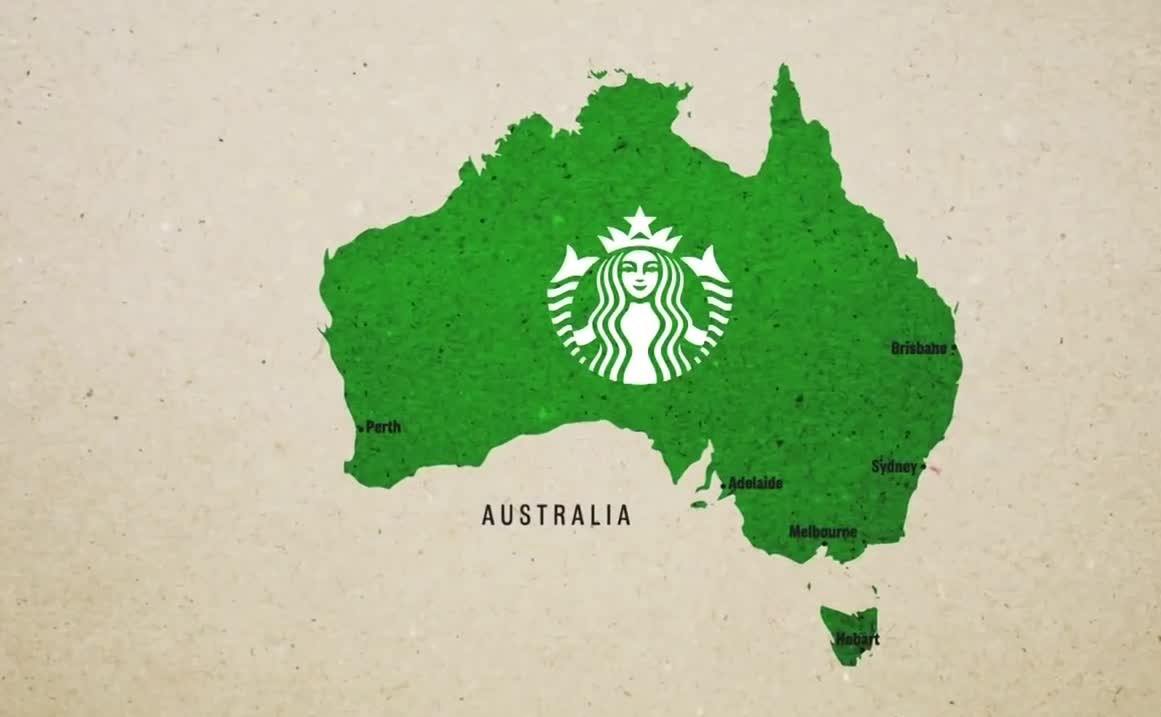
Starbucks has coffee shops all over the world There are more than 28,000 locations and 76 markets From Shanghai to Guantanamo Bay And in China, a new Starbucks location opens up every 15 hours But there is one continent that seems uninterested in the hype over the Seattle based coffee chain And that continent is Australia It’s proven to be one of the toughest markets in the world to break into So tough in fact, that Starbucks closed more than two-thirds of its stores on the continent back in 2008. So what went so wrong with Starbucks and Australia To answer that let’s go back to July of 2000 When Starbucks opened its first Australian shop in Sydney.

 From there it expanded fast By 2008 Starbucks had 87 stores across the continent I think one of the problems with Starbucks and its true for a lot of businesses that have been successful in one country is that they thought that their business model could just roll out to a different environment and there was no need for them to adjust But that was the problem They tried to grow the Empire too fast Starbucks rapidly opened up multiple locations instead of slowly integrating them into the Australian market When they launched they launched too rapidly and didn’t give .

The Australian consumer an opportunity to really develop an appetite for the Starbucks brand They also moved into regional areas into outer suburbs of major cities And so for the Australian consumer it was almost like it was too available for them And so there wasn’t this point of difference, this want, this need for Starbucks And it wasn’t an organic growth which is what we very much saw in the US In its first 7 years in Australia, Starbucks accumulated $105 million in losses By 2007, Starbucks Australia was hanging on by a thread taking big loans from the US, totaling up to $54 million And in 2008, Starbucks announced it was shutting down 61 stores But of course 2008 was a difficult time for businesses due to the financial crisis Along with Australia closures, Starbucks also closed 600 underperforming American stores But even still such a retreat in Australia was embarrassing for the brand.

When you’re shutting down 75 stores For the Australian consumer when they, when they did leave the market or at least a large number of bestowals were shut down they didn’t really care It’s partly because Australians are spoiled for choice when it comes to coffee Australia’s coffee market is one of the biggest in the world the industry is expected to hit more than $6 billion in total revenue in 2018 They’ve been immersed in nuances of cafe culture since the mid 1900s when Italian and Greek immigrants began traveling to the country The immigrants introduced Australians to espresso By the 1980s, Australians were fully engulfed in cafe culture.

They’ve also grown accustomed to specialty menu items like a flat white or an Australian macchiato So cafes in Australia were born out of like the Italian culture of, you know, meeting of friends and knowing your local barista and it being kind of like a local meeting place where everyone knew each other and that coffee was just a part of that and then Starbucks came in with what is more of an American style like coffee culture which is essentially just like coffee is a product, coffee is a commodity Coffee is like, like perk me up in the morning it’s caffeination Starbucks had a basic menu and offered more sugary drinks which most Australians didn’t like in Australia where, you know, local tastes are different So we don’t really want a coffee that’s, you know, hundreds of ounces with lots of sugar in it We want something a little more sophisticated Plus Starbucks charge more than local cafes .

So Australians instead opted to pay less for coffee they liked from a local barista they trusted And so when you come in with this big like hey, we’re going to open all these cafes And they’re all gonna be to go focus It just was the complete wrong market for what, what the Australian was used to But there is one American coffee company that’s thriving in Australia Founded in Chicago and now based in Australia Gloria Jean’s got the traction in Australia that Starbucks couldn’t Gloria Jean’s has more than 400 Australian locations And serves more than 35 million consumers in Australia each year So what is Gloria Jean’s doing in Australia that Starbucks isn’t Well the company attributed to success to two Australians who franchised the business in their home country Shops started to show up in Australia in 1996 Fast forward to today, the company has a presence in every Australian state .

The reason? Its menu The chain offers a wide variety of espresso drinks and specialty coffee Failing to adapt its menu to Australians coffee culture proved to be a mistake for Starbucks And the company faces another challenge later this year Italy Starbucks is opening its first store in Milan in late 2018 home of the espresso, Italy is rich in cafe culture But according to Starbucks it’s not going to make the same mistakes that it did in Australia The company said that it would develop in Italy with humility and respect for its coffee culture It announced it would be opening a roastery which is not your average cafe It gives customers a chance to see coffee beans roasted and processed before their eyes So there’s a chance that it won’t struggle like it did in Australia But Starbucks isn’t admitting defeat in Australia either Starbucks is staging a comeback on the continent In 2014, Starbucks locations in Australia were purchased by the Mount Waverley base withers group .

So this time it’s taking a different approach to putting Starbucks on the continent So if you just think about Australia as a big tourist destination There’s a lot of U.S. and Chinese tourists Starbucks has been very successful in China and it makes a lot of sense for them to build out because there are people looking for something that’s familiar to them Now with 39 locations in Brisbane, Melbourne, the Gold Coast, and Sydney areas this time it’s not looking to appeal to Australians but instead the coffee giant hopes to be a familiar face for tourists visiting popular vacation destinations in Australia free Australia has always been a high-volume tourist market .

The same thing in terms of international students at our universities are potential opportunities for them And we’re starting to see Starbucks enter into some large shopping malls here in Australia as well Australia welcomed 9 million tourists from 2017 and 2018 And those international visitors spent more than $30 billion in 2017 alone So tourists could possibly be the key to keeping the company afloat and preventing another downfall .