OSTEOARTHRITIS GRADING SYSTEM

Osteoarthritis can be mainly classified into two. They are primary and secondary. The criterion for this classification is based on the different types of risk factors. Primary OA is mainly due to age where the reason for cartilage breakdown is not known or maybe due to genetics. Secondary OA is due to direct injury through sports or trauma, stress, inflammation, or other metabolic diseases. In this case, the cause may localize.

OA grading

Grading is the process of classifying the disease based on its extent or severity. OA has been graded into 5 from grade 0 to grade 4

Stage numberCondition
 0Normal
1Minor
2Mild
3Moderate
4Severe

This was proposed by Kellgren and Lawrence and it is known as KL grading. The five grades have been proposed based on radiographic analysis of subjects. This was accepted as a standard measure by WHO in 1961. The grading has been done based on the narrowing of joint space and the formation of osteophytes.

  • grade 0 (normal): no changes in knee x-ray
  • grade 1 (minor): minimalistic joint space narrowing with possible osteophyte lipping
  • grade 2 (mild): definite osteophytes and  joint space narrowing
  • grade 3 (moderate): multiple osteophytes, definite narrowing of joint space and some sclerosis and possible deformity of bone ends
  • grade 4 (severe): large osteophytes, marked narrowing of joint space, severe sclerosis and definite deformity of bone ends

Grade 0

Grade 0 is considered normal. The subject will not exhibit any features for OA. The x-ray image from this grade is taken as a standard and the other grades are compared with this grade.

Credit:- Häggström, M (2014). “Medical gallery of Mikael Häggström 2014“. WikiJournal of Medicine 1 (2). doi:10.15347/wjm/2014.008. ISSN 2002-4436. Creative Commons CC0 1.0 Universal Public Domain Dedication
X-ray of a healthy knee 
Credit:- Häggström, M (2014). “Medical gallery of Mikael Häggström 2014“. WikiJournal of Medicine 1 (2). doi:10.15347/wjm/2014.008. ISSN 2002-4436. Creative Commons CC0 1.0 Universal Public Domain Dedication
This is the joint space which is observed in healthy patients.

Grade 1

Grade 1 is known as the minor. It can be considered as the initial grade. The joint space has just started to decrease. Osteophyte refers to excess bone growth. It is also known as bone spurs since spur refers to kind to sharp material. This bone growth can be observed as sharp spikes. Here there is very minimal growth of excess bone. Bone spurs occur only at the bones adjacent to the joint. There will be very minor loss of cartilage but this does not contribute to the narrowing of the joint space. Subject in this stage is not confirmed with osteoarthritis. However, subjects having any of the risk factors become more prone to the disease

Grade 2

Grade 2 is known as mild. In this grade, the narrowing of the joint space is more and is visible through the x-ray. There will be also more formation of osteophytes. This grade can be considered as the precursor to many complications like bone dislocation and rubbing. None of these complications are seen in this grade but these complications are soon to occur. The subject in this grade is confirmed with osteoarthritis. Special care has to be taken by those in this grade and through proper medications, they can prevent those further complications.

Grade 3

Grade 3 is known as moderate. Obvious damage occurs to the cartilage and the joint space narrows even at a faster rate. Swelling of the joints starts to occur in this stage. Erosion of cartilage becomes prominent in this stage. The joints become rougher due to spurs leading to stiffness. Inflammation occurs at regular intervals. Subjects can experience popping sounds from the knee.

Grade 4

Grade 4 is known as severe. It is the worst and highest grade of all. The changes become prominent and occur at larger scales. There will be no gap literally meaning the joint is absent. The bones start to rub over each other causing pain. The joint becomes stiff like a rock. The cartilage wears down and maximum growth of osteophyte is seen. Various cytokines are released at cartilage resulting in further death. Life would be dreadful for those in this grade. The arrow in the given X-ray indicates the bones are touching each other and there is no gap in between them.

Grade 4 osteoarthritis
Courtesy: – James Heilman, MD Osteoarthritis of the left knee. Note the osteophytes, narrowing of
 the joint space (arrow), and increased subchondral bone density (arrow). the joint space (arrow), and increased subchondral bone density (arrow). Creative Commons Attribution-Share Alike 3.0


HAPPY READING!!

ANIMAL HYBRIDS🐫🐆🐎

A hybrid is an offspring produced from the mating of parents from different species or sub-species. Albeit it is rarer, animals from distinct but closely linked species do mate in nature. The result, a genetic amalgam, an offspring with characteristics from both parents. Certain hybrids occur because of human interference, typically created to combine the finest qualities of both creatures, although they might have dire repercussions. Mentioned below are some of the most unique hybrids that exist on the planet.

Mule

Mules are the offspring of a crossbreeding between male donkeys and female horses. A mule’s size and look vary greatly from one to the next and is mostly dictated by their horse mother’s size and ancestry. Mules exist in a variety of sizes and shapes, including miniatures, smaller pony-types, tall and lightweight physiques, and even heavyweights. Mules have donkey-like limbs, narrower hooves, and short manes, but they are horse-like in height, neck length, tail appearance, and hindquarters, as well as color.

Female mules are 99.9% infertile, whereas male mules are all sterile. They can’t procreate, thus their existence is solely dependent on human assistance. Mules are sterile due to their odd number of chromosomes. Because a horse has 64 chromosomes and a donkey has 62, the mule inherits 32 horse chromosomes from the mother and 31 donkey chromosomes from the father, totaling 63 chromosomes. This inhibits the mules from producing gametes, which are required for male and female mules to produce offspring. Because their chromosomes do not match up properly, they have problems producing sperm or eggs.

Mules enjoy the best of both worlds as crossbreeding eliminates undesirable hereditary traits while passing on beneficial ones. They are tougher, eat less food, have a better immune system, live longer, and have greater stamina than horses of comparable size and height. Vulnerable to the same illnesses as horses and donkeys, they tend to get sick less often. Mules are clever and less obstinate than their fathers, donkeys. They are more vigilant and mindful of the danger, making them safer to ride through treacherous terrain. Mules have an average lifespan of 35 to 40 years.

Cama

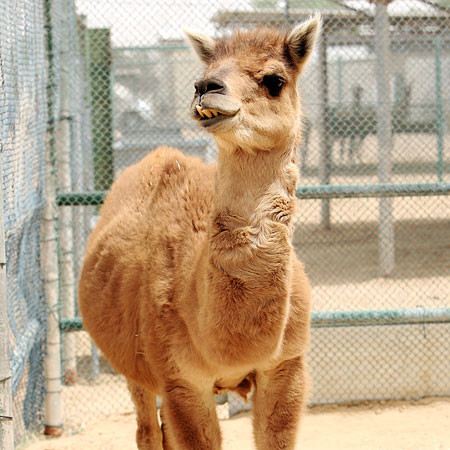
Cama is a cross between a dromedary camel from Asia and a llama from South America. Camels and llamas are distant relatives despite their variations in size, anatomy, and geographic distribution. They share a common ancestor, a camelid species that existed 30 million years ago in the Rocky Mountain region of North America. On January 14, 1998, the first cama was born. The goal with lama was to produce an animal that could yield more wool than a llama while still possessing the size, power, and cooperative attitude of a camel.

Because a mature dromedary camel can weigh up to six times that of a llama, the hybrid must be created by artificial insemination. Inseminating a female camel with llama sperm has not generated healthy offspring. The only successful combination is inseminating a female llama with dromedary camel sperm. Cama stands between 49 and 57 inches tall (at the shoulder) and has no hump on the back. They possess soft fur that is slightly shorter than llama fleece, small ears, a long tail, and cloven hooves. Just like camel, Cama is a herbivore, and can drink vast amounts of water at once, and survive without it for lengthy periods.

Liger

The liger is a cross between a male lion and a tigress, both of which belong to the genus Panthera but, are of the species Leo and Tigris. The liger is the world’s largest feline, reaching up to 12 feet tall while standing on its hind legs. Ligers are generally larger and heavier than their parents. The absence of specific growth-limiting genes, according to biologists, is the explanation of the liger’s enormous size.

Because ligers are often bigger than either parent, carrying the baby puts the tigress at risk, necessitating C-section deliveries or even killing her. These cats are genetically unfit and suffer from a life of neglect and isolation. Ligers are prone to obesity and aberrant growth, which puts stress on their internal organs and are prone to birth abnormalities that result in premature death.

Zonkey

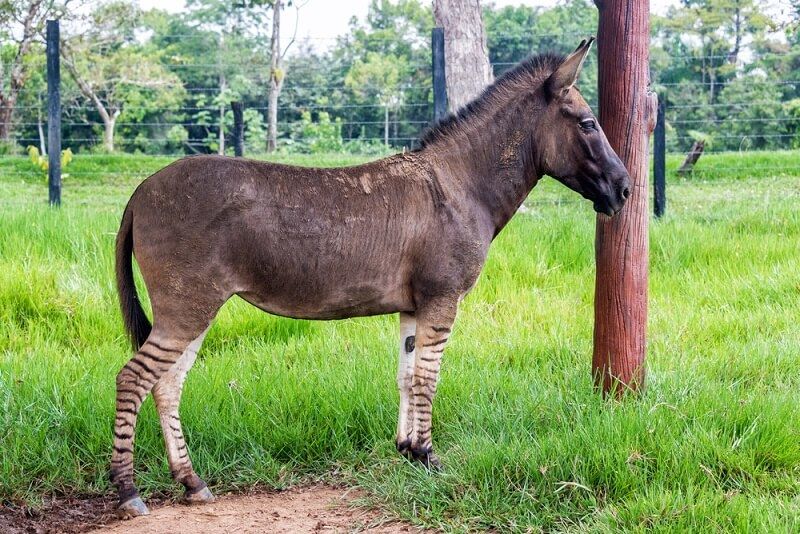
A “zonkey” is a male zebra crossed with a female donkey. Due to their power and stamina, zonkeys are bred for riding and as labor animals for transporting and carrying heavier things. They have the appearance of a little equine & their overall hue is tan, brown, or grey, with a lighter underside. The darker stripes of the zonkey are particularly visible on the lighter regions of the body and their legs. They have a black mane that runs the length of their back ridge to the tip of their tail, which is usually black as well. Their head and ears are both enormous, giving them the look of a donkey rather than a zebra.

Male zonkeys are sterile & cannot procreate, whereas female zonkeys are mostly infertile. The explanation for sterile hybrids is straightforward: It inherits an odd number of chromosomes. A zonkey is a hybrid between a zebra (44 chromosomes) and a donkey (62 chromosomes). As a result, the child’s chromosomal count is 53. Zonkeys are herbivores,  Grass & plants that grow on the ground make up a great portion of their diet. For grazing and grinding down the fibrous grass, they have flat, broad teeth.

Wholphin 

A wholphin is a rare hybrid born when a female bottlenose dolphin and a male false killer whale mate. On May 15, 1985, the first captive wholphin was born in a pool, which a female bottlenose dolphin and a male false killer whale shared. The wholphin is a blend of the parent species in terms of size, color, and shape. The bottlenose dolphin has 88 teeth, the fake killer whale has 44 teeth, and the wholphin, their hybrid, has 66 teeth, the average number of teeth of its parents.

Wholphin is a carnivorous creature. Its diet consists of fish like herring and capelin. They grow quickly, and only a few months after birth, they are the size of a one-year-old dolphin. Female wholphins are fertile and can create new offspring of wholphins after mating with dolphins. Wholphins have a 40-year average lifespan.

THE DREADFUL DISEASE FOR THE AGED- THE OSTEOARTHRITIS

Osteoarthritis is the most well-known type of joint pain, influencing a huge number of individuals in the world. It occurs as a result of the wearing down of the cartilage that cushions the ends of your bone over time. It is a complex disease that integrates biomechanics and biochemistry associated with the knee. This is the standard way of defining OA which will be difficult to understand. Hence let us try to understand what OA is. The best way is by splitting the word and analyzing it part by part

Osteo- bone

Arth- joint                        

It is- inflammation    

Knee, Old, Care, Injury, Pain, Knee Pain
x-ray of the osteoarthritic knee joint


As mentioned earlier, the unit of bone is called osteon and any word ending with itis refers to inflammation. Also, arthro term refers to joints in general. Hence the combination of the terms corresponds to inflammation of bones in the joint. This rather sounds simplified. The previous definition had complex terms like biomechanics and biochemistry. Biomechanics refers to the study of movement in living beings. Biochemistry refers to the study of the reactions occurring in living things. So in short, osteoarthritis is such a disease that results in inflammation of joints that occur due to wearing down of the bones surrounding the joint hence affecting the movement and chemical reactions which used to occur properly during normal conditions.

Osteoarthritis can occur in any joint in the human body like elbows, hips, knees, etc. Since our primary focus is on the knee, we will take a deep dive into it. In view of its expectancy and the tolerance that goes with sickness in the knee osteoarthritis represents more prevalence with daily activities like climbing steps and walking when compared to other diseases. Osteoarthritis is the most standardized reason for total knee replacement. As a result of the frequency of this disease especially in middle-aged people, osteoarthritis can act as an extensive barrier towards work and can lead to early retirement.

Coining of OA

Many say that the term osteoarthritis was coined by the British physician John Kent Spender but it was Richard Von Volkmann who tried to separate it from rheumatoid arthritis. The other names which were offered to this disease were ‘chronical rheumatism’

‘senile arthritis’

‘hypertrophic arthritis’

‘arthritis deformans’.

Effect of age

Osteoarthritis can affect people of any age group but it majorly affects old age people. National Library of Medicine suggests that people with an age greater than 70 have more risk to get osteoarthritis. The reason lies in the definition of osteoarthritis. The definition says that disease occurs due to the wearing down of bones. So the bones don’t get worn down the next instant a baby is born. Every process requires time to occur. A mother has to wait for a minimum of 9 months to give birth to a healthy baby. A student must wait for 4 years to get a degree from college. Similarly, it takes time for the bones in the knee to get worn down.

This disease has always troubled old aged people in their lives. Living with osteoarthritis is dreadful. Even climbing the stairs will be a difficult task for them. Hence it is worth knowing about the disease.

HAPPY READING!!

Why is Starbucks so Successful? Here are 6 Reasons behind it…

Its success stems from the fact that it was able to deliver an experience that revolutionised the way the world views coffee shops and how many of us drink coffee outside of our homes. Starbucks has created a space in between home and work where people can unwind, enjoy a cup of coffee, and take in the appealing atmosphere. Starbucks competes not with other coffee companies, but with going to the movies.

Photo by Adrianna Calvo on Pexels.com

The following are the primary components of the company’s success formula:

1. Core Competence and Visions: The Company’s primary job or responsibility is to ensuring that the organisational culture is consistent with the types of individuals they want to attract and retain. Starbucks strives to instil a sense of belonging among its staff and consumers, as well as trust and faith in the company’s values. The quality of the coffee and the quality of the experience are what keep their consumers coming back, and the experience comes to life thanks to the personnel. Starbucks believes in a successful, competitive business approach aided by a strong commitment to the product. The Company’s good leadership and management strategy has resulted in the brand’s outstanding success and a clear vision of core competence. The company’s desire to create the most recognisable brand was fueled by a well-thought-out planning and positioning approach.

2. Promotional Patience: Starbucks has decided to avoid what would be considered standard marketing techniques, which is a departure from the norm. By depending on cafés to advertise themselves, a major reliance on a strong brand and word-of-mouth to spread a good reputation is unavoidable. Sutter (2003) also claims that effective positioning of the Starbucks environment uses powerful marketing techniques to create a setting that encourages individuals to study, hang out, and read.

3. Employee’s Approach: The Starbucks brand’s main retail success is defined by people’s interactions with the company’s experience, as well as the culture and values of how they connect with consumers. By investing in and cultivating a unique relationship with employees, and ensuring that they understand that the primary goal is to surpass the expectations of both employees and consumers. Starbucks employees are never treated as commodities, but rather as business partners.

4. Command of a Premium Brand: According to Hayes (1999), customers are prepared to pay higher costs for Starbucks coffee because they are not only purchasing a beverage, but also making a social statement. Consumers are purchasing an experience, a way of life, and a mindset. While these intangibles are notoriously difficult to quantify, Starbucks consumers are making it easy by flocking in massive numbers.

5. Experimentation and Innovation: Starbucks is a disciplined innovator, and one of the key reasons for the Company’s constant high levels of same-store sales is its effective management of its innovation timetable. In the store, customers can sample a variety of coffee brands. The Company’s capacity to quickly launch new activities and products is a significant competitive advantage. Customers are also becoming more interested in Starbucks’ music compilations, which are produced by Hear Music exclusively for the company. Starbucks aims to launch hi-tech cafés by the end of 2005, with bespoke music CDs in addition to high-speed Internet access (Ruggless,1997; Vishwanath and Harding, 2000; Donation, 2003).

6. Measured Expansion: While McDonald’s is known for its lightning-fast location evaluation and company setup, Starbucks has taken a more careful approach, particularly in international markets. Outlets in China have continuously risen from 8 in 1999 to just under 70 in 2004. Because of rising opportunities and its well-known global brand, the company is expanding into new markets.

Patience is one of the key to success:


There are many keys to success, and patience is one of them. But people want everything to happen in an instant. If we walk in a building and the Wi-Fi isn’t super fast, we get annoyed. If our text message or Snapchat takes longer than two seconds to send, we become frustrated and impatient. The point is that our culture expects results right away. And our surrounding gadgets, systems, and services are only moving quicker to meet our expectations. For example, restaurants like Chipotle, McDonald’s and Taco Bell are testing a delivery system, so the customer can get their food as quick and convenient as possible. Amazon is testing delivery drones to expedite transportation time. If attainable, we wish our order would arrive the nanosecond after we click purchase. While I’m all for convenience and efficiency, I believe this habit of expecting instant results is dangerous for our future. In wanting everything to happen instantly, we lose patience to hold out for more-fulfilling opportunities and dreams.

Why impatience is dangerous?

When we get instant results and convenience in some parts of our life, then we expect other areas of our life to work just as quick and easy. But, this mindset causes problems when something doesn’t happen as we plan it. It also is dangerous when we don’t take a task on because it seems too difficult, or appears too long to complete. First, if something happens outside of our control, then we commonly create unnecessary stress for ourselves and lose mental focus. For example, take the scenario where we plan on getting to work at 8:00am, but traffic is slow and causes us to arrive late. An impatient person may allow the negativity of traffic to carry over as they act rude to their co-workers and disrupt their concentration all morning. One external disruption and they can’t act or think straight.

Also, if a task appears to be too difficult or long to finish, then we usually choose not to do it because of our desire for instant results. So we regularly settle for the shorter and more convenient path. For example, many people don’t consider careers that require grad school because they don’t want to go through the extra years of schooling. I’m confident that thousands of people who would be excellent doctors, lawyers, dentists, and other professions miss out on a fulfilling and satisfying career because of a short-term mindset against more education. It’s a shame. For another example, many people say they want to be rich. But, they’re unwilling to take the necessary steps to obtain wealth, because they aren’t patient. These same people say investing in the stock market “takes too long.” They would rather spend their money shopping to feel the immediate happiness of buying something new (which goes away pretty soon after the purchase). Or their impatience gives them over to the get-rich-quick schemes that never work.

There’s a better solution to success in life, and it’s called being patient.

Patience Is Key To Satisfaction

Why Talent Is Overrated, the super successful people (in any field) push through the difficult work, and do it for 10-plus years. Meaning these excellent performers have the patience to get better each day, week, year, and decade. They wouldn’t achieve their success if they were too impatient to practice their craft. Also, controlling your psychological state for patience gives you more opportunities. A patient person will have more time to consider different solutions to the assignment, contact people who can possibly help, and put in a better effort for a higher-quality result.

In contrast, if you’re impatient, you’re more likely to do the least amount of work just to be finished. Or you might complete a project how it’s always been done, not spending anytime to consider more creative and efficient operations. From my experiences using patience, the end result is almost always better and more personally satisfying.

How To Practice Patience

Since impatience comes from being upset things aren’t going how you want or how quick you want them to, it’s all ‘I’ focused. Change your perspective to practice patience by thinking about the subjects around you. Consider the other people involved, or the moving parts that require time to come together. Back to our traffic example, think about how everyone else needs to get to work on time and they’re probably frustrated, too. By thinking of other people, you get away from only thinking about yourself and your lack of control.

Or for our grad school example, look at more schooling as the required step to enjoy the rest of your professional career. And for our get-rich example, have the perspective that you’re investing in your future and it takes time for your compound interest to add up. If it was easy and quick, everyone would be wealthy. Another great way to practice patience is to travel. From trying to understand a different language, culture, and worldview, you’re bound to be more humble and patient after spending time abroad. Lastly, practice patience by making yourself wait.

This may look like delaying dinner until you work out. Waiting to buy new shoes until you have $1,000 in an emergency fund. Or passing on your dream car at age 30 so you have something to look forward to when you’re older. Get creative with this and you’ll soon develop more opportunities to be patient than you thought possible. I’m confident practicing patience will improve your personal and professional life. Give it a try.

Importance of patience:

The importance of patience should be realized by every individual. Patience in life can make them reach out for the stars. With patience you can avoid making hasty decisions. Life is not about living in the future or in the past. Life is about accepting the present moment.

Whenever you are in any sort of trouble, people often advise you to have patience. Why, instead of advising you about the solution, do they ask you to stay calm and composed and be patient?

In this modern age, most of us have forgotten to be patient and get irritated very quickly over minor things like a traffic jam, stock market ups and downs, a baby crying and such things. In fact, patience is a virtue that everybody must possess. Patience makes us better people.

Patience helps acquire positive attitude


If things are not going the way you want them to, instead of getting frustrated, you must learn to be patient. You need to see things and situations in a positive light to make your life happier. And to get that positivity, you need to be patient. If you find any life situation challenging, or find it difficult to bear, try to re-frame that situation and try to see its positive side.

Patience makes you healthier


Anger and stress are two things that are enough to ruin a person’s health. And patience is the antidote to both these illnesses. Being patient, you can overcome any challenging situation with more flexibility and in a better way. Being stress-free and happy helps you stay you healthier. You can be patient if you have clear knowledge about your goal and if you are putting the desired effort in the right direction. There are many ways to achieve anything. The trick is to stick to your own plan when others around you seem to be getting ahead much faster than you. Yes, they may be enjoying more success than you, but you know nothing about where they are ultimately headed. Patience is an important tool in overcoming frustration. Patience allows us to suspend judgment long enough to make informed decisions, thus paving the path to a happy and peaceful life

” One moment of patience may ward off great disaster. One moment of impatience may ruin a whole life”

WORKING WOMEN AND THE GLASS CEILING

PROLOGUE

The discriminatory limitation is certainly not a commonplace roof made of glass! All things being equal, it is a representation addressing the upper-level labor force openings that are impervious to most ladies. It represents the theoretical hindrance that keeps ladies from making high level proficient progress. The term was first utilized during the 1980s to portray ladies’ difficulties when arriving at higher initiative or chief jobs. Albeit imperceptible and immaterial, the discriminatory limitation is valid.

A GLANCE AT SIMILAR TERMS

PINK-COLLAR GHETTO

During the 1970s, more broad conversations emerged around the compensation inconsistency among people for comparative jobs. Thereupon, the expression “pink-collar ghetto” was authored. Pink-collar occupations were paid not exactly white and blue-nabbed occupations, which were ordinarily held by men.

MATERNAL WALL

Pregnant ladies and working moms might confront a “maternal divider.” Various generalizations identified with going on vacation after kid origination ladies at a disadvantageous situation in their professions.

BAMBOO CEILING

The term Bamboo roof was instituted by Jane Hyun. It was utilized to depict the obstructions Asians and Asian Americans looked in making upper-level proficient progress.

Substantial CEILING

The term discriminatory limitation alludes to all ladies overall. Interestingly, the substantial roof portrays the more imposing obstacles ladies of shading face in getting an upper-level or top administration job. This term was begat by Jasmine Babers.

WHAT DO THE STATS SAY?

The discriminatory limitation isn’t only an illustration. It is a tragic reality.

Different insights back this reality. Chiefs are twice as prone to enlist men over ladies while selecting representatives. Incidentally, at organizations where 90% of administration is men, a big part of the men feel that the initiative well addresses ladies. Unfortunately, just 38.6% of top chief positions are held by ladies. Shockingly, ladies address just 10% of administration in the working environment. Accordingly, 34% of individuals consider male to be as better danger assessors with no rationale to back something very similar. Additionally, ladies make up just 23% of C-Suites. Ladies make up only 4.1% of Fortune 500 CEOs. Subsequently, ladies get increases in salary 5% less frequently than men.

WHAT CEMENTS THE GLASS CEILING?

GENDER ROLES

Gender jobs are extraordinary to various societies. They are characterized the second a kid is conceived.The average generalizations anticipate that girls should be ladylike, respectful and sustaining, though young men are relied upon to be manly, serious, forceful, and valiant. In the work environment, administrators and pioneers should be serious and striking to settle on imperative choices. Such contrasts in sexual orientation jobs limit ladies and take away their freedom. Moreover, ladies are characteristically expected to bring up kids and take care of family errands. Having this heap of assumptions doesn’t allow them to find some kind of harmony at a vocation, construct a family and have an individual life.

GENDER BIAS

Gender predisposition alludes to the inclination given to one sex over another. In the work environment, this predisposition influences ladies actually contrarily. As referenced before, people are twice as liable to recruit a man over a lady. The inclination doesn’t stop after the meeting. All things considered, it heightens further. As indicated by an examination, over 42% of ladies experience separation in the work environment. Those demonstrations of segregation come as inconsistent compensation for a similar obligation, ladies being treated as bumbling, passing up sufficient freedoms, not getting an advancement. Shockingly, on normal for each 100 men advanced just 79 ladies are elevated to similar levels. As referred to previously, at organizations where ladies make up 10% of authority, half men see ladies as being very much addressed.

Sexual Harassment

The U.S. Equivalent Employment Opportunity Commission (EEOC) characterizes inappropriate behavior as: “Unwanted sexual solicitations and verbal or actual behaviors of sexual nature establish inappropriate behavior when this direct influences a person’s business.” While all kinds of people experience lewd behavior, almost 75% of cases are capable by ladies. Unfortunately, practically 68% of ladies experience the ill effects of inappropriate behavior. Out of the ones who experience lewd behavior, 70% of them share it at their working environment. Shockingly, 47% of female respondents accepted that lewd behavior is endured at their working environment.

Moreover, 45% of ladies aren’t certain that administration at their association will resolve the issue. To add to the troubles, 3 out of 4 inappropriate behavior casualties experience counter in the wake of announcing the issue. Subsequently ladies secure stopping their positions simpler than announcing the provocation. 80% of ladies who experience inappropriate behavior inside the initial two years at a new position quit their positions. These frightening encounters make it practically inconceivable for ladies to arrive at more significant level jobs in their professions.

THE FINAL THOUGHT

The unreasonable impediment may not be noticeable through the unaided eye, however it is unquestionably apparent through a sympathetic brain. People are equivalent, so the chances they persuade should be indistinguishable. It is about time to comprehend that sex balance can be accomplished whenever we allow people an equivalent opportunity to vanquish their fantasies.

What is Consumer Protection and Why it is Important?

Consumer Protection

All buyers of goods are consumers. The general public are all consumers of each other. Protecting the interests of consumers is paramount. We will see about consumer protection in this article.

Consumer Welfare

Human life is about living interdependently. Just as a tree does not become a forest, so it is natural for everyone to seek the help of others. The main need to survive is the food we eat. As for the food, its excellent quality, reasonable price and quantity are essential.

It is important to protect the interests of consumers, from ordinary small items to the most expensive luxury items. There is no place for discrimination between low-priced goods, high-priced goods, small goods, large goods, ordinary people and the rich people. Equal price, quality and quantity are one and the same because everyone buys and sells. There is no chance for discrimination. Just as the state has a duty to protect the interests of the consumer, so do traders have a moral duty to uphold it. 

Consumer Awareness

An thought has developed among the rural people, especially the illiterate. The habit of wanting to buy goods is spreading in a sales system where one item is bought and another item is free. This is not the right way. Because no trader does business without profit. That being said it is not acceptable to say it is free.

Is the quality of a product good? Is it good for our health? Is it reasonably priced? Is proper weight followed? Such doubts should come to the mind of a consumer. The welfare of the consumer is properly maintained only when there is awareness among the consumers.

To Prevent Cheating

While taking various creative steps on behalf of the state, it should be fully followed. Must give full cooperation.

When consumers are affected in any way, they need the courage to immediately oppose it. Consumers need to create an organization within themselves and assert their rights. Raising consumer awareness about adulteration and the affordable prices of substandard products can help prevent cheating.  

The protests of the people are increasing day by day. Demand is growing accordingly. At the same time as meeting the needs, it is important to consider that the interests of the consumer are protected.

Tips for Share Market

The potential of large gains from share markets can entice you as an investor. To a novice, the stock market may appear to be a place where you may obtain quick returns on your investments or make millions in a flash. On the other hand, the reality is rather different. It’s difficult to make money in the stock market. You’ll need patience and a long-term investment horizon, as well as a deep understanding of the market. You should only employ share market advice from a professional financial advisor, and your investing ideas should correspond with your financial objectives and risk tolerance.

Different investors have different investment objectives when they enter the stock market. Some investors seek rapid and huge profits, while others seek long-term investments and a well-balanced portfolio. However, to prevent volatility, every investor should follow a few share market guidelines during their trading journey.

Best tips for Share Market

1. Prior to investing, set goals

Goal-based investing can assist you in accomplishing your financial objectives. Determine your financial needs and develop short- and long-term goals to meet them. This will assist you in determining the length of your investment, the amount you want to invest, and the best investment channel for your needs. Let’s say you have a short investing horizon. Then you might try to profit on short-term stock price swings. If you have a longer timeline, on the other hand, you may invest in blue-chip stocks, which are renowned to provide strong long-term returns.

2.  Recognize Your Risk Tolerance

Given the volatility of the stock market, it’s a good idea to figure out your risk tolerance before investing. Risk tolerance is an important part of the investment process, and it varies from investor to investor. It primarily refers to the ability to withstand market fluctuations and their impact on the investment’s value. An investor’s low-risk tolerance is determined by his or her hunger for loss or ability to cope with worry in a highly volatile market. Low-risk investors are more likely to sell their stocks in a panic at the wrong time.

3. Choosing a Stock Broker

One of the most important decisions you’ll have to make early in your trading career is which stockbroker to use. In India, there are a plethora of stock brokers to choose from, making it tough for newcomers to make an informed decision. Consider factors such as the broker’s reputation, trading portal or software, and brokerage while making a decision. Keep an eye on the brokerage because you’ll have to pay it whether you make a profit or a loss on a deal. Brokerage fees can be levied as a flat fee or as a percentage of the trade value. This is especially significant for stock traders because the brokerage fees for repeated trades can soon add up.

4. Learn the fundamentals of the stock market

Learn the fundamentals of the stock market before investing your hard-earned money. Learn how the stock market works, what drives it, how stock prices are influenced, trading and investing tactics, and more. To make informed investments, you’ll also need to get familiar with a variety of technical terms. Those who invest without first learning the basics risk losing their money. Learn about the market before you begin your stock market trip if you desire strong and regular results.

5. Choose companies that are fundamentally sound

Consider investing in companies that have solid fundamentals. These businesses not only deliver better long-term returns to investors but also provide more liquidity. Companies with good fundamentals can also withstand share market volatility and changes. As a result, they are a generally safe investment option. Large-cap mutual funds are another option for mutual fund investors.

Conclusion

The potential of big profits tempts many to invest in the stock market. Keep in mind that markets are volatile, and stock prices can swing dramatically. Experienced investors, on the other hand, do not let these dangers affect their decision-making. Instead, they concentrate on research and analysis to determine whether or not to invest, where to invest, and whether or not to buy, hold, or sell a stock. If you’re just getting started, the above share trading advice can help you get started. Use them to create a successful stock market investment strategy that yields consistent profits.

Emotions:

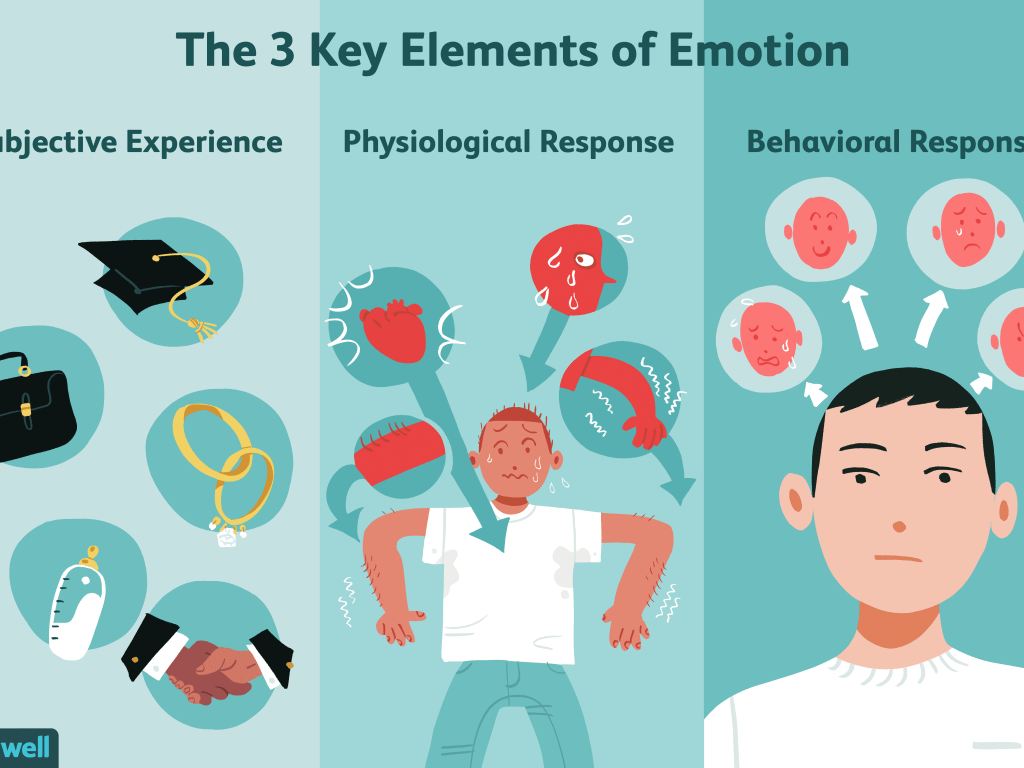
According to the book “Discovering Psychology” by Don Hockenbury and Sandra E. Hockenbury, an emotion is a complex psychological state that involves three distinct components: a subjective experience, a physiological response, and a behavioral or expressive response.

In addition to trying to define what emotions are, researchers have also tried to identify and classify the different types of emotions. The descriptions and insights have changed over time:

a. In 1972, psychologist Paul Eckman suggested that there are six basic emotions that are universal throughout human cultures: fear, disgust, anger, surprise, happiness, and sadness.
b. In the 1980s, Robert Plutchik introduced another emotion classification system known as the “wheel of emotions.” This model demonstrated how different emotions can be combined or mixed together, much the way an artist mixes primary colors to create other colors.
c. In 1999, Eckman expanded his list to include a number of other basic emotions, including embarrassment, excitement, contempt, shame, pride, satisfaction, and amusement.
Plutchik proposed eight primary emotional dimensions: happiness vs. sadness, anger vs. fear, trust vs. disgust, and surprise vs. anticipation. These emotions can then be combined to create others (such as happiness + anticipation = excitement).

Key Elements of Emotions
In order to better understand what emotions are, let’s focus on their three key elements, known as the subjective experience, the physiological response, and the behavioral response.


The Subjective Experience
While experts believe that there are a number of basic universal emotions that are experienced by people all over the world regardless of background or culture, researchers also believe that experiencing emotion can be highly subjective. Consider anger, for example. Is all anger the same? Your own experience might range from mild annoyance to blinding rage. While we have broad labels for emotions such as “angry,” “sad,” or “happy,” your own experience of these emotions may be much more multi-dimensional, hence subjective. We also don’t always experience pure forms of each emotion. Mixed emotions over different events or situations in our lives are common. When faced with starting a new job, you might feel both excited and nervous. Getting married or having a child might be marked by a wide variety of emotions ranging from joy to anxiety. These emotions might occur simultaneously, or you might feel them one after another.

The Physiological Response
If you’ve ever felt your stomach lurch from anxiety or your heart palpate with fear, then you realize that emotions also cause strong physiological reactions. (Or, as in the Cannon-Bard theory of emotion, we feel emotions and experience physiological reactions simultaneously.) Many of the physiological responses you experience during an emotion, such as sweaty palms or a racing heartbeat, are regulated by the sympathetic nervous system, a branch of the autonomic nervous system.

The autonomic nervous system controls involuntary body responses, such as blood flow and digestion. The sympathetic nervous system is charged with controlling the body’s fight-or-flight reactions. When facing a threat, these responses automatically prepare your body to flee from danger or face the threat head-on. While early studies of the physiology of emotion tended to focus on these autonomic responses, more recent research has targeted the brain’s role in emotions. Brain scans have shown that the amygdala, part of the limbic system, plays an important role in emotion and fear in particular.

The amygdala itself is a tiny, almond-shaped structure that has been linked to motivational states such as hunger and thirst as well as memory and emotion. Researchers have used brain imaging to show that when people are shown threatening images, the amygdala becomes activated. Damage to the amygdala has also been shown to impair the fear response.


The Behavioral Response
The final component is perhaps one that you are most familiar with—the actual expression of emotion. We spend a significant amount of time interpreting the emotional expressions of the people around us. Our ability to accurately understand these expressions is tied to what psychologists call emotional intelligence, and these expressions play a major part in our overall body language.

Research suggests that many expressions are universal, such as a smile to indicate happiness or a frown to indicate sadness. Sociocultural norms also play a role in how we express and interpret emotions. In Japan, for example, people tend to mask displays of fear or disgust when an authority figure is present. Similarly, Western cultures like the United States are more likely to express negative emotions both alone and in the presence of others, while eastern cultures like Japan are more likely to do so while alone.


Emotions vs. Moods
In everyday language, people often use the terms “emotions” and “moods” interchangeably, but psychologists actually make distinctions between the two. How do they differ? An emotion is normally quite short-lived, but intense. Emotions are also likely to have a definite and identifiable cause.

For example, after disagreeing with a friend over politics, you might feel angry for a short period of time. A mood, on the other hand, is usually much milder than an emotion, but longer-lasting. In many cases, it can be difficult to identify the specific cause of a mood. For example, you might find yourself feeling gloomy for several days without any clear, identifiable reason.

VALUE EDUCATION- A REMEDY FOR SOCIAL EVILS

Education is provided everywhere in today’s world but the concept of value education is not provided. No one feels the need of providing value education to the students, no one teaches that. The institutions and schools only provide education to their students, how to learn and write, but no one gives the knowledge of values to them. There is no stress in the educational institutions to uplift the students morally, spiritually and physically. The need of the hour is to impart value based education. Morals, ethical values, performance of duty, regard and consideration for fellow human beings, sympathy and compassion seem to have gone with the wind in this modern, complex and fast competitive era. We should realise the real aim of education, which is to provide moral values, to follow the concept of value education in every small and large educational institution.

Modern education simply prepare students to acquire degrees or diplomas in general or specialized fields but value education helps for the all round development, inculcate moral values. It teaches a person to handle their responsibilities well, be compassionate and a decent human being. It makes a person sacrificing and empathetic in nature which can decrease the crime rate and all the social evils happening in our society. The students must be learned to keep values as top priority.

WHAT IS SOCIAL EVIL?

Social evil is any pain or suffering brought by the evil intentions or actions of many individuals. It harms a person and even toxics their life to death. Common social evils include- caste system, poverty, dowry system, domestic violence, no education for girls, illiteracy etc. These are happening from a very long time and if no value education is provided within a right time, these evils continue to happen.

ROLE OF EDUCATION IN PREVENTING SOCIAL EVILS-

Education enables people to distinguish good and bad and become a good person in the society. Value education provides the overall learning to the people. It makes them go through the various areas of knowledge, the individual becomes able to distinguish good from the evil and right from the wrong. It helps the students to become more sensible and responsible towards their work. It generates a feeling of compassion to other human beings and develop a sense of belongingness in them. It makes a person helping in nature and they try to help people and not to harm them in any way. It helps them to understand the perspective of life in a better way and lead a successful life. They become a responsible citizen of the country and make their country secure from any social evil. It also help students to develop a strong relationship with family and friends. Education also empowers women to fight for their rights and challenge inequality. It gives them learning about their various rights and duties and how should they exercise it. Value education can cure economic inequality and poverty, racism and sexism. It can make the life and future of a person better and act as backbone in society. It develops the character of a person and improves the inner personality. If it is rightly exercised in every institution, then the social evils will come to an end.

CONCLUSION-

Our education should lay stress on cultivating human values. A really educated person has the capacity of self-sacrifice. A dedicated individual is a boon to the society and the nation. In fact value education can help in removing all social and cultural evils. We need vigilant men and women to help India march forward. Thus, it is very important to include the concept of value education to remove all the social evils happening in our country.

” The aim of education is the knowledge not of facts but of values.”- William Ralph Inge

Travelling

                                   TRAVELLING


 Travelling plays an important part in making us feel relaxed and rejuvenated. It also brings positive changes in our life and keeps us alive and active. Travelling gives us practical experience of things we have studied in the books and surfed on the internet. So a person who does not travel at all does not find any meaning in the name of India Gate or Ganga River. However, if he has travelled to these places, he can truly relate everything he has studied and will always remember each and every detail of that place.

Nowadays, many people like travelling as they want to explore the world and watch everything they have read about. And this seems to be quite justified as practical knowledge is way more essential and effective than the theoretical one. People like to visit historical places present in different parts of the world and gather information on the same to write books and stories.

Travelling has become easier due to advancement in technology and transportation. Earlier people use to travel by road or sea and it takes many days to reach from one place to another, however, now the scenario has changed and people travel to far off places within hours and minutes-thanks to well-built roads and aeroplanes.
People travel for different purposes, some travel for the sake of education while others travel to relax and enjoy. Many people take a break from their hectic schedule and go for a vacation, this makes them feel delightful and also help them to invigorate.

<

p style=”border: 0px;font-size: 15.2015px;line-height: inherit;margin: 0.75em 0px;padding: 0px;vertical-align: baseline”>Many poets, writers, and painters travel to different places to capture some of the best things of nature and express them in the form of paintings or poems. People also travel for business purposes so as to expand and gain profit from their business. Students travel for educational purposes so everyone has a unique reason to travel. Therefore, travelling is an important part of human life and it instils knowledge and offers various benefits to mankind.

CHARITY


The word ‘charity’ means generosity in giving some­thing to the needy out of loving kindness towards them; and a charitable organization is an institution with funds to help the needy.

There is a proverb: ‘Charity begins at home.’ A per­son, who is kind at heart and possesses compassion from his early days towards the weak and the needy in the society, is generally found to help and make gifts to the poor. He finds joy and satisfaction in giving alms to a beggar, or renders some financial relief to the needy persons who are near at hand.

Thus charity begins at home. In other words, it begins in the near neighborhoods of a person. One first comes forward to help his neighbors, relatives and friends in the very beginning. Afterwards, he extends his, same helping hand to the distant places, where thousands of the needy and the weak people await his help and sympathy.

There are instances in India, of great men, who gave their all to the cause of charity. One such man was Deshbandhu Chittaranjan Das, the great political leader and a renowned barrister. He donated his house, wealth and all that he had in his possession to his countrymen. In his name, hos­pitals and similar other charitable institutions are still func­tioning successfully.

The Birla’s, in India, have donated and built many chari­table institutions in India for the benefit of the common peo­ple. The dharmasalas (a guest-house where pilgrims and travelers are accommodated temporarily free of cost), the hos­pitals, the educational institutions and numerous scholar­ships for the poor but meritorious students are their generous contributions towards their countrymen.

Charity, a noble quality in man, brings welfare in the society. It enlarges human hearts and spreads the message of brotherhood and innocent love among the people.

The prac­tice of charity was adored in ancient days. The saints and the sages lived on alms offered by the affluent people. It was then an accepted practice to give whatever was possible in charity for the welfare of the people and the society.

In a family, the parents should teach their children to be compassionate towards the poor and the distressed. They themselves should practice the noble act, citing bright exam­ples before their off springs, because charity makes one glori­ous and pure at heart. Selfishness and narrow-mindedness disappear from his character. And that can make him one day really great in his life.

INTERVIEWS

                                                      INTERVIEWS


Interview is a give and take of views between the interviewer and the interviewee. It consists of consultation, mutual interchange of opinions and deliberating together. It can be used to get information, to give information and to change behavior. Its purpose thus is three-fold—it involves gathering all available pertinent facts, making a diagnosis on the basis of all the evidence and formulating an appropriate plan of action.

All problems may not be settled in the interview but to be successful, it should lead to some plan of action.

Its aim should be to serve the individual even though the counsellor may do no more than present the facts in a more objective light, thus enabling the student to see himself, his assets, his liabilities and MS Opportunities more clearly than he could see them unaided.

The interview may be used for any of several purposes, but a purpose it must have. It may be introductory, fact finding, informative, evaluative, and therapeutic in nature and its use for any of these purposes should be clearly recognized by the counselling officer and his subject.

What are some of the specific practical questions which are likely to come up for consideration during an interview? There are a great many such questions, of course and they are as varied and as individually color as the interviewee who seeks answers to them.

The student who feels a need to be better informed about his scholastic and vocational prospects may want estimates of his aptitude for college work, his intellectual promise for special fields of training, his disposition to favors or avoid various spheres of activity (vocational interests), and his emotional adjustment tendencies (traits of personality and temperament).

He may wish to consider with his counsellor the questions as whether he should remain in college, how much additional training he should take, what course he should take and whether he should transfer to another institution.

He may decide to ask about the duties and services performed by workers in a particular occupation and about employment requirements and opportunities in that field of work.

There might be some difficulties at home or harassment by other students or he might find difficulty in his adjustment with room-mates in the hostel.

It is obvious there is no simple answer to the question ‘what problems should be discussed in an interview?’

Perhaps the best rule of thumb is that any personal problem that generally concerns the interviewee or any question that bears upon his personal planning and decision making activities is a legitimate matter for interview.

What is a proper counselling topic for one student may not be suitable for another. There are a number of problems of the students—academic, disciplinary, economic, educational, emotional, residential, social, etc. which necessitate the use of this tool. The fact that a student comes to a teacher occasions a meeting and may result into an interview.

“Poverty is the worst form of violence”. – Mahatma Gandhi.

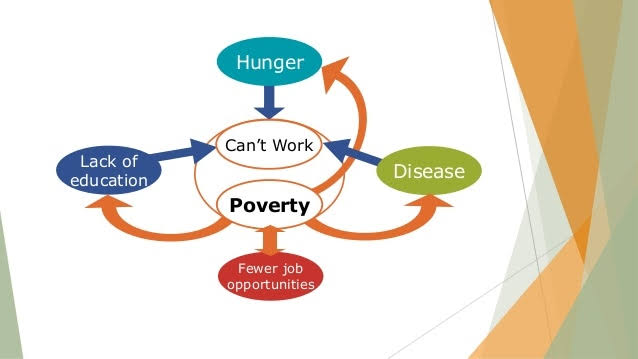
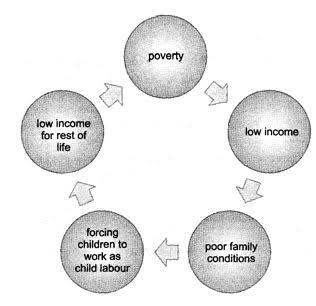
We can define poverty as the condition where the basic needs of a family, like food, shelter, clothing, and education are not fulfilled. It can lead to other problems like poor literacy, unemployment, malnutrition, etc. A poor person is not able to get education due to lack of money and therefore remains unemployed. An unemployed person is not able to buy enough & nutritious food for his family and their health decline. A weak person lacks the energy required for the job. A jobless person remains poor only. Thus we can say that poverty is the root cause of other problems.

How Poverty is Measured?

For measuring poverty United nations have devised two measures of poverty – Absolute & relative poverty. Absolute poverty is used to measure poverty in developing countries like India. Relative poverty is used to measure poverty in developed countries like the USA. In absolute poverty, a line based on the minimum level of income has been created & is called a poverty line. If per day income of a family is below this level, then it is poor or below the poverty line. If per day income of a family is above this level, then it is non-poor or above the poverty line. In India, the new poverty line is Rs 32 in rural areas and Rs 47 in urban areas.

Causes of Poverty

According to the Noble prize winner South African leader, Nelson Mandela – “Poverty is not natural, it is manmade”. The above statement is true as the causes of poverty are generally man-made. There are various causes of poverty but the most important is population. Rising population is putting the burden on the resources & budget of countries. Governments are finding difficult to provide food, shelter & employment to the rising population.

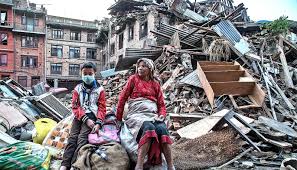
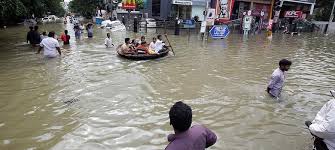
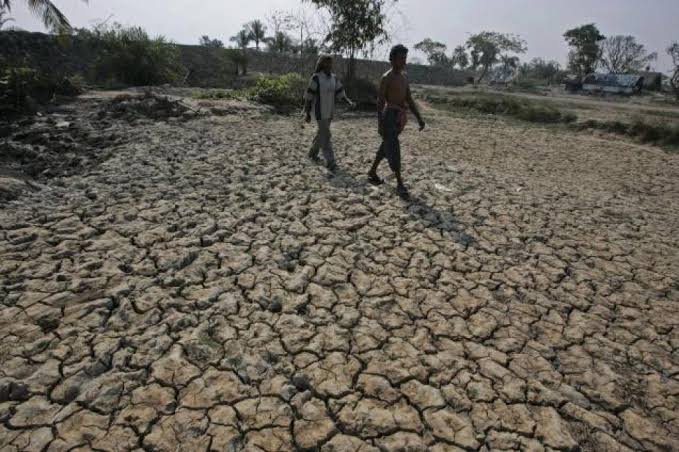
The other causes are- lack of education, war, natural disaster, lack of employment, lack of infrastructure, political instability, etc. For instance- lack of employment opportunities makes a person jobless & he is not able to earn enough to fulfill the basic necessities of his family & becomes poor. Lack of education compels a person for less paying jobs & it makes him poorer. Lack of infrastructure means there are no industries, banks, etc. in a country resulting in lack of employment opportunities. Natural disasters like flood, earthquake also contribute to poverty.

In some countries, especially African countries like Somalia, a long period of civil war has made poverty widespread. This is because all the resources & money is being spent in war instead of public welfare. Countries like India, Pakistan, Bangladesh, etc. are prone to natural disasters like cyclone, etc. These disasters occur every year causing poverty to rise.

Ill Effects of Poverty

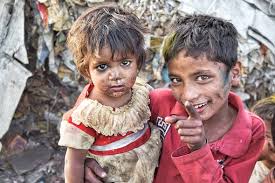
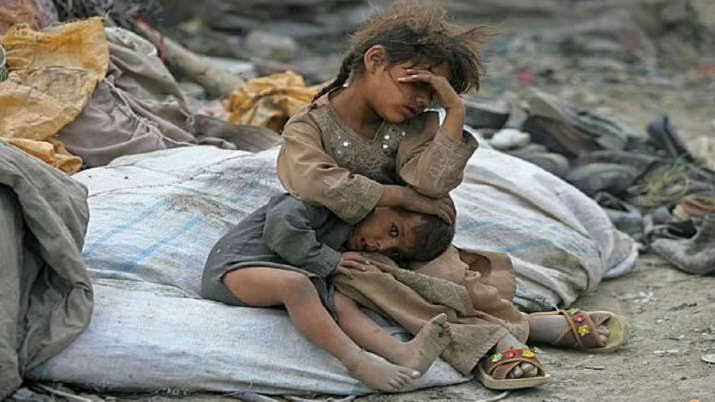
Poverty affects the life of a poor family. A poor person is not able to take proper food & nutrition &his capacity to work reduces. Reduced capacity to work further reduces his income, making him poorer. Children from poor family never get proper schooling & proper nutrition. They have to work to support their family & this destroys their childhood. Some of them may also involve in crimes like theft, murder, robbery, etc. A poor person remains uneducated & is forced to live under unhygienic conditions in slums. There are no proper sanitation & drinking water facility in slums & he falls ill often & his health deteriorates. A poor person generally dies an early death. So, all social evils are related to poverty.

Government Schemes to Remove Poverty

The government of India also took several measures to eradicate poverty from India. Some of them are – creating employment opportunities, controlling population, etc. In India, about 60% of the population is still dependent on agriculture for its livelihood. Government has taken certain measures to promote agriculture in India. The government constructed certain dams & canals in our country to provide easy availability of water for irrigation. Government has also taken steps for the cheap availability of seeds & farming equipment to promote agriculture. Government is also promoting farming of cash crops like cotton, instead of food crops. In cities, the government is promoting industrialization to create more jobs. Government has also opened ‘Ration shops’. Other measures include providing free & compulsory education for children up to 14 years of age, scholarship to deserving students from a poor background, providing subsidized houses to poor people, etc.

Poverty is a social evil, we can also contribute to control it. For example- we can simply donate old clothes to poor people, we can also sponsor the education of a poor child or we can utilize our free time by teaching poor students. Remember before wasting food, somebody is still sleeping hungry.

Overcoming poverty is not a gesture of charity. It is an act of justice.

—nelsen mandela

IS SOCIAL MEDIA POLARIZING SOCIETY?

PROLOGUE

Today, society isn’t just the buyer of data however the maker too. Practically 1.49 billion individuals sign into Facebook day by day. All things considered, around 6,000 tweets are tweeted on Twitter each second. From the hour of its commencement, more than 40 billion photos have been posted on Instagram. Web-based media should turn into an extension between far off individuals, yet it has become a divider between close individuals.

Tragically, counterfeit news has become an industry today and is common all over. Its development, thus, prompts a developing doubt in the traditional press. Counterfeit news has contributed drastically to the reverberation chamber wonder. “Reverberation chamber” alludes to a circumstance where explicit thoughts, convictions, or information focuses are solidified through reiteration of a shut framework that doesn’t permit elective or contending thoughts or ideas.

A PEEP INTO ASCH CONFORMITY EXPERIMENTS

Incredible social analyst Solomon Asch had led a progression of mental trials called the Asch Conformity Experiments during the 1950s. These trials expected to comprehend the degree to which an individual’s perspectives are affected by a gathering. Through the series of investigations, Asch, amazingly, tracked down that an individual was able to try and offer an off-base response just to adjust to the larger part see. The respondents furnished wrong responses for various reasons. Some of them were hesitant to be derided or considered as exceptional. Others dreaded judgment or shame. Some of them likewise accepted that the gathering should be preferred educated over them, so they ought to go with their viewpoint. Method for correspondence and commitment have fostered a great deal since the 1950s, yet the human intuition to fit in stays as before. This clarifies the effect of phony news on the web, which adds to a spellbound society.

HOW IS SOCIAL MEDIA POLARIZES SOCIETY?

Clients in a social framework bond more with ones who are like them in assessment than with ones who are divergent. This is called client homophily. An investigation did by Aalto University on expanding polarization via online media found that elements like client homophily and algorithmic sifting lead to upholding and supporting conviction frameworks. This frequently guarantees that we don’t open our psyches to assorted feelings. Individuals look for educated and reliable thoughts through channels just from individuals they trust. They even search for news that affirms their perspective to mollify themselves. This outcomes in individuals developing inflexible assessments of issues and not the appropriate range to the issues. For instance, Twitter regularly prompts individuals to follow individuals holding a comparative perspective.

Most web-based media destinations are more than able to play abettors. The provisions of receptiveness, lack of definition, and anonymity that were intended to invigorate underestimated networks are currently giving trawlers the qualification to discourteous remarks. This additionally makes space for mean expectations to develop. Also, there has been a developing pattern of deception principally because of predispositions or human mistakes. A steadily developing society of phony records is likewise noticeable. It is fundamentally accomplished for pushing a political plan or annoying individuals. These days there is disinformation also. Disinformation alludes to counterfeit news made deliberately.

OTHER FACTORS OF POLARIZATION

In the early occasions, the print machine was viewed as inconvenience by the Ottomans. The speed at which books were printed and conveyed led to doubt. The principal Greek printing house set up in 1627 distributed a booklet focusing on Jews. Books were just a medium, actually like web-based media is today. Forbidding books and accusing web-based media are the outcomes of comparable wrong rationale. On the off chance that web-based media had an inclination towards evil, #MeToo stories couldn’t ever have discovered a method of articulation. Web-based media likewise houses numerous accounts of lost kids being discovered, canines being embraced, cash being raised for different causes, and comparative great deeds and human cases.

As indicated by the BI-2018 review, the quantity of people with admittance to TV has is 835 million. Cell phone entrance has developed to around 300 million. The quantity of every day dynamic clients on WhatsApp and Facebook are 200 million and 194 million, individually. The details plainly feature that online media in India is as yet a specialty marvel. Web-based media stages are multilingual, multicultural, and are comprehensive. These stages permit equivalent freedoms for all, independent of class, belief, race, religion, sex, age, or monetary assets. Consequently faulting web-based media for each online wrongdoing doesn’t appear to be persuading.

TOWARDS THE END

Online media is catching society in thin, uneven, and ordinarily counterfeit perspectives. This is disturbing. There isn’t anything amiss with being stubborn. In any case, being inflexible in suppositions is without a doubt wrong. There are consistently different sides to a similar coin. It isn’t care for online media has unfriendly impacts as it were. Online media has a few efficacies also. It interfaces far off individuals and works with the fast scattering of data.

While web-based media faces the worldwide difficulties of data barrage, which is verifiable and counterfeit, it likewise empowers underestimated networks to get to their privileges and voice their viewpoints. So it relies upon the client how he chooses to utilize online media as an instrument or as a weapon. Ideally, individuals will figure out how to be more liable for what they offer, and web-based media stages will recover their tragically missing trust.