THE COBRA EFFECT

The economic term ‘The Cobra Effect’ was coined by German economist Horst Siebert. The Cobra Effect refers to a situation where in, an attempted well planned and intended solution given to any problem makes the problem worse. This leads to an unintended negative consequence. This term is used to illustrate the causes of incorrect solutions in economy and politics.

This term was coined with regards to a real situation that occurred in Colonial India. There was an alarming increase in the number of venomous cobras in the city of Delhi. The British government expressed their concern regarding this issue. The government planned to offer a sum to the public for killing the cobras. A large number of venomous snakes were captured and killed by people in order to earn the reward. This served as a very successful strategy initially. But, over a period of time, people began to trick the officials by breeding cobras, expanding their numbers and later killing them to continue getting the reward from the government. Ultimately, the government became well informed about the ill happenings in hunger for the reward. Hence, they scrapped this entire plan. After scrapping of the scheme, people were no more interested in capturing, breeding and killing cobras. Therefore, they set all their wild cobra population free in the city. This in turn, increased the population of venomous cobras in the city. Thus, a planned solution to the problem lead to the problem worsening.

A similar instance occurred in Hanoi, Vietnam during the French Colonial rule. The officials designed a scheme in which people would earn a bounty upon killing rats. In order to earn the cash reward, people had to kill a rat, chop off it’s tail and provide it to the responsible officials. Over a span of time, the government noticed rats wandering in places without tails. They were surprised on being aware of the fact that, rat catchers were collecting rats, chopping off their tails and later leaving them into sewers where breeding would take place. This produced a humongous number of rats. The idea of offering a bounty on exchange of dead rat tails failed miserably.

Airbus Airlines, formally suggested their design engineers to make it’s airplane cabins quieter to ensure a pleasant travel experience. The idea was executed and cabins were made more silent than usual. Instead of making the travel more peaceful, it worsened the travel experience of the passengers onboard. People could easily eavesdrop on other people’s conversations, could hear louder noises of food and beverage trollies rolling in the aisle, babies crying on board and restroom doors opening and shutting throughout the journey. This economic decision of Airbus did not succeed.

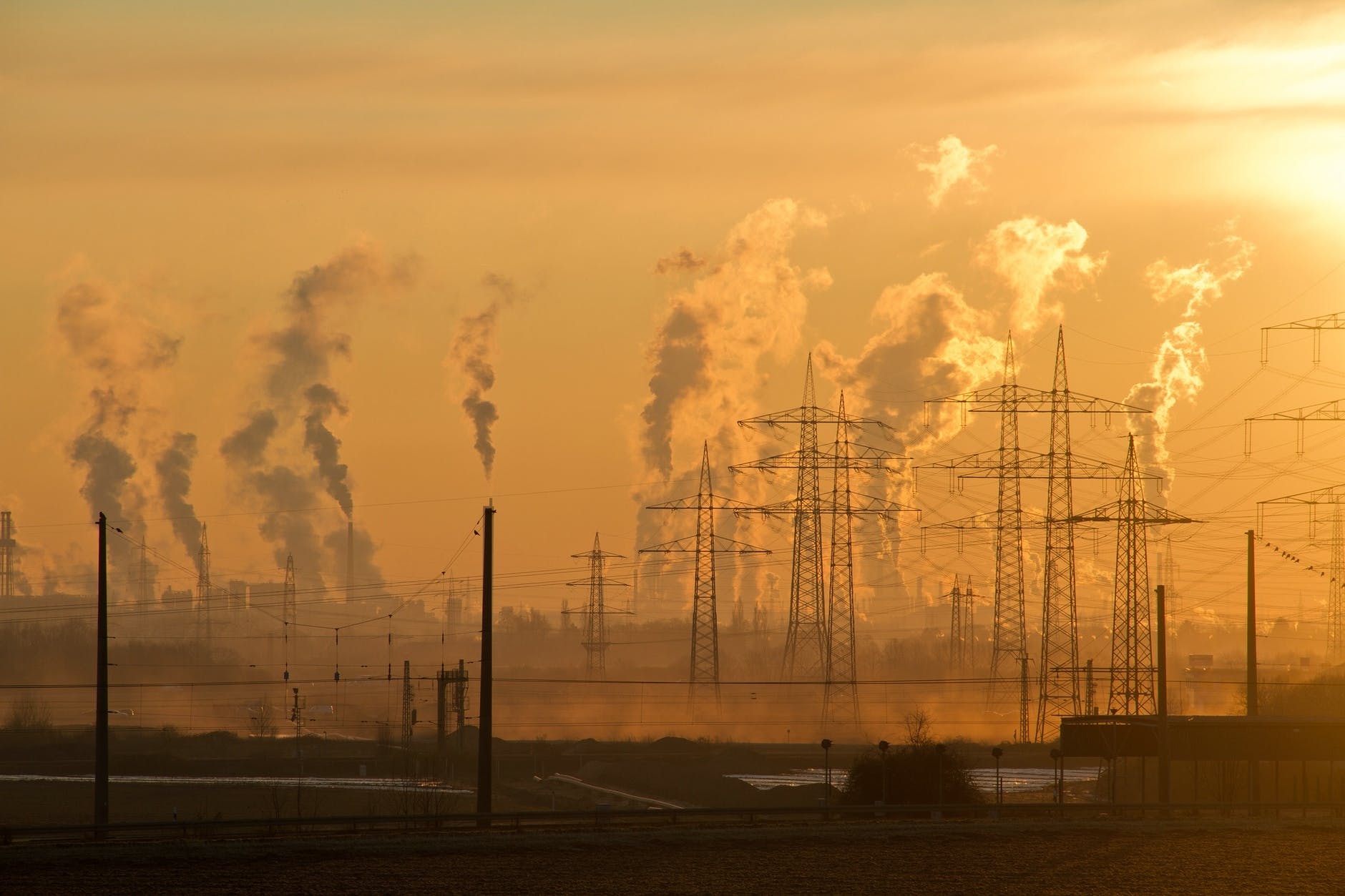
In 1989, Mexico proposed a plan of action called – ‘Hoy No Circula’ . According to this scheme, people were debarred from using their private vehicles from 5:00 a.m to 10:00 p.m depending on the last digit of their vehicle’s number plate. This was in context of odd and even numbers. The scheme was introduced to limit the number of vehicles on road which in turn would cut down release of pollutants in the atmosphere. Instead of abiding by the norms in a fair manner, people began purchasing two vehicles in the same household, one with an even number plate and another with an odd one. This particular scheme did not serve very fruitful in the longrun.

Perverse Incentive or better known as Cobra Effect may not always be an outcome of poorly planned modules or shortsighted decisions. It may cause due to unpredictable behaviors of the recipients. A strategy planned to curb anything may cause adverse outcomes when people find the same strategy rewarding. In such contrast outcome scenarios, planning authorities may either scrap the plan or re-design it in order to get constructive outcomes.


Sustainable Development Goals

Times are not just difficult but also alarming for every sphere of our existence. At first glance, it might appear that the raging pandemic has temporarily paused climate action and initiatives related to other environmental issues. Sustainability, it appears, may have taken a back-seat too. However, with a decade left for the end of ‘Agenda 2030’, achieving sustainable development has become even more important.


A significant feature of the raging pandemic is that it has disrupted the hyper-interconnected world characterized by globalization. Supply chains are badly affected and global markets are under severe stress. Evidently, the virus has laid bare the vulnerabilities and risks of a globalized world order. In fact, it has put under scanner not just globalization but also the Sustainable Development Goals. Nevertheless, this could be a turning point for the international community to unlearn and revamp its basic conduct on global governance and make it more inclusive in nature. Besides, the pandemic has also thrown open an opportunity to give impetus to a glocalized framework of global governance to protect the ‘global commons’ in the light of the broader debate on sustainability.

This is where glocalization can fill the gap. Simply put, glocalization refers to the interpretation, representation and replication of the global elements at the local level.

The term, glocalization, is used quite frequently in business parlance but it has begun to gain momentum in cultural, social and political arenas too. Utilizing it appropriately in the environmental domain is the need of the hour.

The term, glocalization, is used quite frequently in business parlance but it has begun to gain momentum in cultural, social and political arenas too. Utilizing it appropriately in the environmental domain is the need of the hour.


Covid-19 has brought about the necessity of refining and revising globalization. This can be done by integrating glocal elements to achieve global good, be it sustainable development or climate action, by roping in local actors, such as subnational agencies, grassroots bodies, non-governmental organizations and other relevant non-State actors in the discussion on sustainability. Localizing economies would provide leverage to the development targets of those like India. This can help attain the much-needed balance between ecological equity and economic growth. Additionally, it is hard to overlook the expertise and knowledge offered by local populations that are located at ground zero and are in tune with ground realities. This kind of resource efficiency could prove to be useful in operationalizing the potential glocal elements of global governance. Factors like accountability, transparency and trust-building among the State and non-State actors are also vital in this context.


Considering the changes in modern living, starting from working remotely to radically cutting down on carbon footprints, glocalization could turn out to be a viable alternative to globalization, thereby creating innovative pathways for sustainable development in the near future.

Written by : Ananya Kaushal

The James Webb Space Telescope- World’s most powerful telescope

The James Webb space telescope or JWST will replace the Hubble space telescope. It will help us to see the universe as it was shortly after the big bang. It was named after the second head of NAS James Webb. James Webb headed the office of space affairs from 1961 to 1968. This new telescope was first planned for launch into orbit in 2007 but has since been delayed more than once, now it’s been scheduled for 18 December 2012. After 2030 the Hubble will go on a well deserved rest since its launch in 1990 its provided more than a million images of thousands of stars, nebulae, planets and galaxies. The Hubble captured images of stars that are show about 380 million years after the big bang which supposedly happened 13.7 billion years ago. These objects may no longer exist, we still see their light. Now we expect James Webb to show us the universe as it was only 100 to 250 million years after its birth. It can transform our current understanding of the structure of the universe. The Spitzer space telescope and Hubble telescopes have collected data of gas shells of about a hundred planets. According to experts, the James Webb is capable of exploring the atmospheres of more than 300 different exoplanets.

The main mirror- A giant honeycomb consisting of 18 sections.

The working of James Webb space telescope

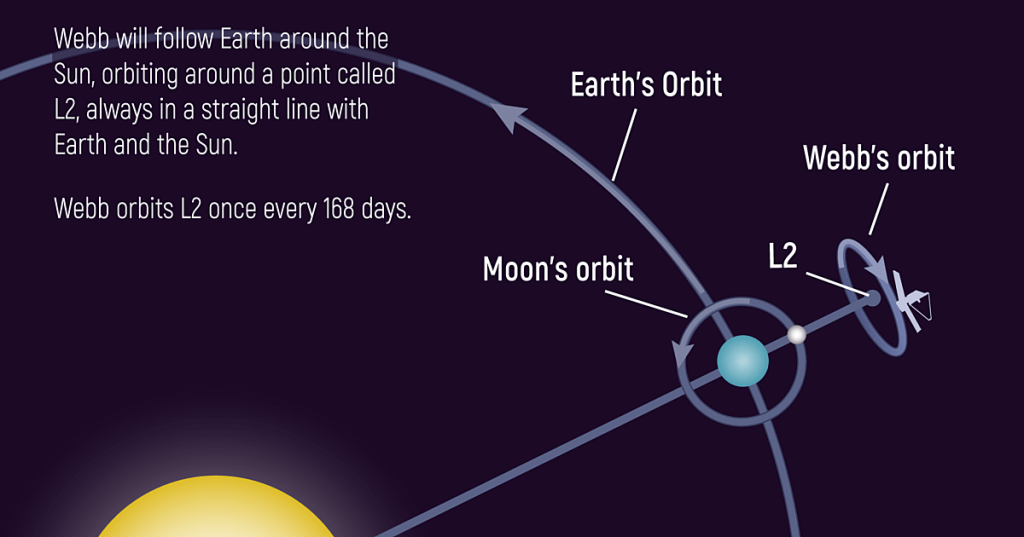
The James Webb is an orbiting infrared observatory that will investigate the thermal radiation of space objects. When heated to a certain temperature, all solids and liquids emit energy in the infrared spectrum; here there is a relationship between wavelength and temperature. The higher the temperature, there will shorter the wavelength and higher the radiation intensity. James Webb sensitive equipment will be able to study the cold exoplanets with surface temperatures of up to 27° Celsius. An important quality of this new telescope is that it will revolve around the sun and not the earth unlike Hubble which is located at an altitude of about 570 kilometers in low earth orbit. With the James Webb orbiting the sun, it will be impossible for the earth to interfere with it, however he James Webb will move in sync with the earth to maintain strong communication yet the distance from the James Webb to the earth will be between about 374,000 to 1.5 million kilometers in the direction opposite of the sun. So its design must be extremely reliable.

The James Webb telescope weighs 6.2 tones. The main mirror of the telescope is with a diameter of 6.5 meters and a colleting area of 25 square meters, it resembles a giant honeycomb consisting of 18 sections. Due to its impressive size, the main has to be folded for start up; this giant mirror will capture light from the most distant galaxies. The mirror can create a clear picture and eliminate distortion. A special type of beryllium was used in the mirror which retains its shape at low cryogenics temperature. The front of the mirror is covered with a layer of 48.25 grams of gold, 100 nanometers thick; such a coating best reflects infrared radiation. A small secondary mirror opposite the main mirror, it receives light from the main mirror and directs it to instruments at the rear of the telescope. The sunshield is with a length of 20 meters and width of 7 meters. It composed of very thin layers of kapton polyimide film which protects the mirror and tools from sunlight and cools the telescope’s ultra sensitive matrices to 220° Celsius.

The NIRCam- Near Infrared Camera is the main set of eyes of the telescope, with the NIRCam we expect to be able to view the oldest stars in the universe and he planets around them. The nurse back near infrared spectrograph will collect information on both physical and chemical properties of an object. And the MIRI mid-infrared instrument will allow you to see stars being born many unknown objects of the Kepler belt. Then the near infrared imager and sliteless spectrograph or NIRIIS camera is aimed at finding exoplanets and the first light of distant objects. Finally the FGS- Fine Guidance Sensor helps accurately point the telescope for higher quality images updates its position in space sixteen times per second and controls the operation the steering and main mirrors. They are planning to launch the telescope with the help of the European launch vehicle Ariana 5 from the kourou Cosmodrome in French Guiana space center. The device is designed for between 5 to 10 years of operation but, it may serve longer. If everything goes well, $10 billion worth of construction and one year of preparation will have finally started in orbit.

दिल्ली को अगले 3 साल में प्रदूषणमुक्त कर देंगे: गडकरी

सड़क परिवहन मंत्री नितिन गडकरी ने गुरुवार को कहा कि केंद्र सरकार अगले तीन साल में दिल्ली को वायु, जल और ध्वनि प्रदूषण से मुक्त करेगी। उन्होंने कहा कि मौजूदा समय में प्रदूषण देश के लिए सबसे बड़ी चिंता की बात है।


इंडस्ट्री पीएचडी चैंबर ऑफ कॉमर्स के सालाना कार्यक्रम में गडकरी ने कहा कि उनके मंत्रालय ने सड़क बुनियादी ढांचा विकास पर 60,000 करोड़ रुपये खर्च किए हैं। इस प्रयास से दिल्ली में वायु प्रदूषण को कम करने में भी मदद की। वायु प्रदूषण, जल प्रदूषण और ध्वनि प्रदूषण देश के लिए चिंतित करने वाले मुद्दे हैं। हम दिल्ली को अगले तीन वर्षों में वायु, जल और ध्वनि प्रदूषण से मुक्त कर देंगे।


गडकरी ने कहा कि सरकार सुप्रीम कोर्ट से मंजूरी मिलने के बाद सभी वाहन निर्माताओं के लिए फ्लेक्स फ्यूल के अनुकूल इंजन बनाना अनिवार्य कर देगी। फ्लेक्स-फ्यूल, पेट्रोल और एथेनॉल को मिलाकर बनने वाला एक वैकल्पिक ईंधन है। अब एक एथेनॉल अर्थव्यवस्था विकसित करने पर काम किया जा रहा है। गडकरी ने सुझाव दिया कि सेना को डीजल इंजन वाले वाहनों के इस्तेमाल पर प्रतिबंध लगाना चाहिए और एलएनजी, सीएनजी और एथनॉल पर चलने वाले ट्रकों का उपयोग करना चाहिए। मंत्री ने कहा कि इथेनॉल, पेट्रोल और डीजल की तुलना में काफी सस्ता है।

अनन्या कौशल द्वारा संपादित।

देश में आसमान छू रहा ईंधन का भाव !

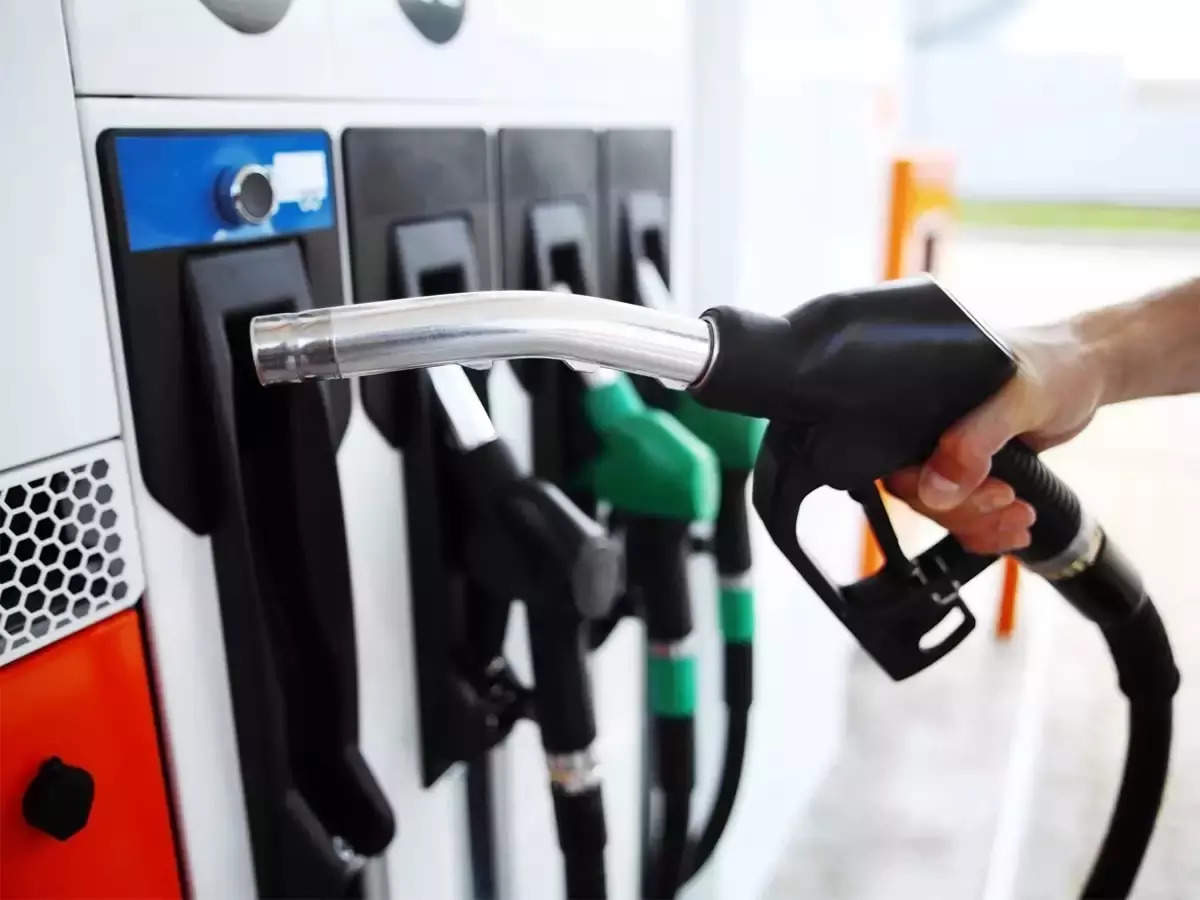
देश में ईंधन की कीमतों में लगातार बढ़ोतरी देखने को मिल रही है। लागतार बढ़ रहा रेट थमने का नाम नहीं ले रहा, जिससे जनता काफी परेशान है। कच्चे तेल के दामों में जिस तरह से अंतरराष्ट्रीय बाजार में तेजी देखने को मिल रही है,वैसे ही घरेलू बाजार में पेट्रोल और डीजल के दाम भी आसमान छू रहा है। भारत में ईंधन की कीमतें रिकॉर्ड स्तर पर है।

5 अक्टूबर 2021 यानी कि मंगलवार को 1 दिन की स्थिरता के बाद भारतीय तेल कंपनियों ने डीजल और पेट्रोल के रेट में इजाफा कर दिया है। बात करें पेट्रोल की तो 25 पैसे प्रति लीटर एवं डीजल 30 पैसे प्रति लीटर और अधिक महंगा हुआ है। वहीं अक्टूबर में हरदिन भाव बढ़ता रहा है। अब तक केवल 1 दिन डीजल और पेट्रोल का रेट स्थिर रहा है।

इंडियन ऑयल कॉर्पोरेशन के मुताबिक़, ईंधन के दामों में वृद्धि के बाद दिल्ली में पेट्रोल की कीमत 102.64 रुपए प्रति लीटर एवं डीजल 91.07 रुपए प्रति लीटर तक पहुंच गया है। हालांकि,देश के चारों महानगरों की तुलना करें तो मुंबई में डीजल-पेट्रोल सबसे अधिक महंगा है। बता दें, जुलाई एवं अगस्त के महीने में कच्चे तेल के दामों में कुछ खास बदलाव नहीं आया था। इसलिए 18 जुलाई से 23 सितंबर तक तेल कंपनियों ने मूल्य वृद्धि नहीं की थी। इस दौरान पेट्रोल 0.65 और डीजल 1.25 की कीमतों में कटौती की गई थी। फिर अंतर्राष्ट्रीय बाजार में निरंतर बढ़ती कीमतों के कारण 28 सितंबर से पेट्रोल और 24 सितंबर से डीजल की कीमतों में बढ़ोतरी की गई है।

अंतरराष्ट्रीय बाजार में पेट्रोल और डीजल की कीमत क्रूड की कीमत के आधार पर प्रतिदिन अपडेट होती है। कीमतों की समीक्षा करने के बाद ऑयल मार्केटिंग कंपनियां रोज डीजल और पेट्रोल के दाम निर्धारित करती है।

अनन्या कौशल द्वारा संपादित।

HOW TO SOLVE THE PROBLEM OF DEFICIENT DEMAND?

 Deficient
demand is basically a situation which arises when the aggregate demand is less
than the aggregate supply that too when the economy is at full employment
level. This means that the population is demanding less that the country is
ready to produce with all the resources available. This could happen due to
many reasons like increment in taxes, increase in the imports, decrease in the
exports, decrease in government expenditure and many more. Due to these
reasons, the population holds no money power to demand and therefore, the
aggregate demand decreases. During these times, the aim to circulating more and
more money among the population so that their demanding power could increase.
So, how does the government control such a consequential matter. Here are the
measures taken by the government.


FISCAL
POLICY


1.INCREASE
IN GOVERNMENT SPENDING

The
government usually spends a huge amount of money in the infrastructure and the
administrative operations. During the time of deficient demand, they would
increase these spendings because then they would have to pay more to their workers,
a part of the population, and eventually more money would be circulated in the
economy.


2.DECREASE
IN TAXES

When in
deficient demand, the government reduces the rate of taxes so that the public
will have more money with them to spend on consumption and investment and
eventually they will end up demanding more.


MONETARY
POLICY


1.DECREASE
IN BANK RATE

Bank rate is
basically the rate at which the central bank lends money to the commercial bank
to meet their long-term needs.  During
this time, the central bank decreases these rate so that the commercial banks
have more than enough funds available with them to lend to the public and
eventually, more money would be circulated in the economy.


2.DECREASE
IN REPO RATE

Repo rate is
the rate at which the central bank lends money to the commercial bank to meet
their short-term needs. This also works as the same way, the banks will have
enough funds to circulate to the public and the demand would surely increase.


3.PURCHASE
OF SECURITIES

In the time
of deficient demand, the central bank starts purchasing securities from the
commercial bank. While selling these securities, the commercial banks will get
more money as their payment in their reserves which will again increase their
lending power and the public will be able to borrow more.


4.DECREASE
IN LEGAL RESERVE RATIO (LRR)

The
commercial banks are supposed to be maintaining a legal reserve. There are two
types of these reserves, Cash Reserve Ratio (CRR) and Statutory Liquidity Ratio
(SRR). If these reserves would be decreased then eventually the banks will have
more money to lend forward to the people and hence, more money circulation in
the economy.


5.DECREASE
IN MARGIN REQUIREMENT

Margin
requirement is the difference between the market value of the security offered
and the value lent to them. During deficient demand, the RBI decreases this
margin which allows the banks to lend extra to the public. Also, after a
decrease in this margin, the public is more interested in borrowing money.


6.ADVISE TO
ENCOURAGE LENDING

During the
deficient demand, the central bank advises, requests or persuades the
commercial banks to lend more money ahead to the public. This helps to increase
the money power among the population and eventually the aggregate demand
raises.


HOW TO SOLVE THE PROBLEM OF EXCESS DEMAND?

 Excess
demand is basically a situation which arises when the aggregate demand is more
than the aggregate supply that too when the economy is at full employment
level. This means that the population is demanding more that the country can
produce with all the resources available. This could happen due to many reasons
like reduction in taxes, decrease in the imports, increase in the exports,
increase in government expenditure and many more. Due to these reasons, the
population holds more money power and therefore, demand more to raise their
standard of living. During these times, the aim is to extract as much money
from the population as possible so that their demanding power would decrease. So,
how does the government control such a consequential matter. Here are the
measures taken by the government.


FISCAL
POLICY


1.DECREASE
IN GOVERNEMNT SPENDINGS

Generally,
the government spends a huge amount on the infrastructure and administrative
activities. Although, during such a situation, they decrease these spendings so
that they will have to pay less to the workers who are a part of the population
and eventually it will lessen their money power. The government should usually
reduce the expenditure on defence as they rarely contribute towards the growth
of the economy.


2.INCREASE
IN TAXES

Here, the
government increases the rate of taxes and also tries to impose some new taxes.
This is because they want to take away the extra money circulating in the
economy so that their credit availability would be lowered, and they won’t be
able to demand more than their need.


MONETARY
POLICY


1.INCREASE
IN BANK RATE

Bank rate is
basically the rate at which the central bank lends money to the commercial bank
to meet their long-term needs.  During
this time, the central bank increases these rate so that the commercial banks
wont have enough funds available with them to lend to the public and
eventually, less money would be circulated in the economy.


2.INCREASE
IN REPO RATE

Repo rate is
the rate at which the central bank lends money to the commercial bank to meet
their short-term needs. This also works as the same way, the banks won’t have
enough funds to circulate to the public and the demand would decrease.


3.SALE OF
SECURITIES

In the time
of excess demand, the central bank offers securities to the commercial bank. In
order to purchase these securities, the commercial banks will have to use their
own money from their reserves which again will reduce their lending power and
the public won’t be able to borrow much.


4.INCREASE
IN LEGAL RESERVE RATIO (LRR)

The
commercial banks are supposed to be maintaining a legal reserve. There are two
types of these reserves, Cash Reserve Ratio (CRR) and Statutory Liquidity Ratio
(SRR). If these reserves would be increased then eventually the banks will have
less money to lend forward to the people and hence, less money circulation in
the economy.


5.INCREASE
IN MARGIN REQUIREMENT

Margin
requirement is the difference between the market value of the security offered
and the value lent to them. During excess demand, the RBI increases this margin
which does not allow the banks to lend extra to the public. Also, after an
increase in this margin, the public is less interested in borrowing money.


6.ADVISE TO
DISCOURAGE LENDING

During the
excess demand, the central bank advises, requests or persuades the commercial
banks not to lend money ahead for a speculative or any non-essential activity.
This helps to reduce the money power among the population and eventually decrease
the aggregate demand.

ALL ABOUT 'LPG' POLICY

 In July
1999, the government of India introduced a new industrial policy,
Liberalization Privatization and Globalization (LPG) as a pert of the economic
reform. It focused on liberating the industry from the licensing system(liberalization),
reducing the role of public sector in the economy and introducing private
sector(privatization) and encouraging the foreign-private participation in the
country for the growth of the economy(globalization).

The main
objective of this policy was to increase the standard of living in the nation
and growth of the economy. Also, the nation needed to be strongly independent
and not making money from other countries. Therefore, the focus was to set-up
strong industrial bases which had heavy industries.

Since,
poverty, unemployment and inequalities in income and wealth was and still is a
major problem in the nation, another goal was to reduce them by giving
employment opportunities to as much of the population as possible so that their
living standard could be raised.

Under this
policy, many industries which were reserved under the public sector was
de-reserved by the government since the focus was supposed to be on the private
sector. In many cases, disinvestment was also taking place.

The policy
opened up the opportunities for foreign capital investment. This increased the
foreign participation percentage in the country and in a lot of cases, a 100%
Foreign Direct Investment (FDI) was also permitted.

This
automatically granted the permission by the government required for technology
agreements with the foreign companies investing in our nation. A board namely
Foreign Investment Promotion Board (FIPB) was set-up for the promotion as well
channelization of foreign investment.

Economic
policies by the government like fiscal and monetary policies, infrastructural
factors, economic growth of the country, the mixed economy of the nation that
allows to recognize both public and private sectors are some of the factors
responsible for the new policy LPG.


LIBERALIZATION

It means
freeing the businesses and industries in the nation from unnecessary controls
and regulations. This was done through the following processes –

·       Abolishing the requirement of license
in majority of the industries

·       Removing the restrictions on the
movement of goods

·       Reducing the tax rates

·       Lifting up of unnecessary control
over the economy

·       Simplifying the procedure of
international trade

·       Making the foreign companies invest
in our country


PRIVATIZATION

It basically
means reducing the role f public sector in the economy and giving that power to
the private sector instead. In order to execute, a lot of public sector
enterprises were transferred to the private sector. This is called
disinvestment. As a result, the government held less power and control over the
public enterprises. If the government will not have more than 51% ownership of
the public enterprises, then its rights an ownership will automatically be
given to the private sector.


GLOBALIZATION

This means
the adaptation of various successful policies around the world and integrating
them towards the emergence of a global economy. Till 1999, the government
followed the old policy of strict and attentive international trade due to the
fear being captured again. This policy was to be changed. This was necessary so
that the country won’t be secluded. It needed a great level of international
socialization and interaction. A global economy will be boundary less with the
following characteristics  

·       Free flow of imports and exports

·       Free flow of capital

·       Free flow of information and
technology

·       Free movement of citizens across
borders


TYPES OF MARKET IN THE ECONOMY

 There are
two aspects on which the whole market functions – demand and supply. These are
inter-dependent and without the existence of even one of these, the market
would collapse. So, what is market? Market is basically a region or area where
the byers and sellers come in contact which each other in an effort to make a
sale or a purchase. But there isn’t only one form market where this process
takes place. A market has various forms with a variety of different functions.
Different commodities are served under different types of market. Let’s have a
look at few of them.


PERFECT
MARKET

This is the
type of market that doesn’t really exist in reality. A situation where there is
a very large number of buyers and sellers dealing in homogenous products whose
prices are fixed by the market. Because it is quite difficult to sell a product
at a fixed rate throughout its sales because of numerous sellers available,
this market is very rare, but the closest example could be the agricultural
grains offered in the market like wheat and rice.

One
important fact is that only homogenous product exists in this market. This
means that only those products that are similar in nature will be available
here so that the demand and supply fluctuates leading to a constant change in prices.


IMPERFECT
MARKET


MONOPOLY

This is a
market where only a single seller exists and there is no other competition
because his product doesn’t have any other substitutes. The word ‘monopoly’ is
derived from the Greek word ‘monos’ meaning single and ‘polus’ meaning seller.
A perfect example for this would be the railways in India. There is only
one platform in India that sells tickets for train travels and that is the
IRCTC. It doesn’t have any other competition because there is no other
substitute available for this.

Also, there
are some strong barriers that are made up in this market for a new firm to
enter. This gives the existing firm even more power and therefore, they are the
only ones who get to decide the prices of the commodities. Now because there is
no other substitute, the consumer will have to purchase the commodity at
whatever price it is available.


MONOPOLISTIC

This one is
kind of a mixture of both the above markets. This is a market where there are
large number of firms available who sell products that are closely related but
not exactly the same. Basically, it is the type of market we witness every day.

For example,
soap, toothpaste, shampoo and more. These are the type of products that do have
substitutes, but they are not the same due to the brand.

So, this
market is both perfect market and monopoly market. Here is how. Let’s talk
about toothpaste. There are loads of brands available in the market for this
like Pepsodent, Colgate, Sensodyne etc.. this shows that this market has the
freedom of entry and is full of competition. On the other hand, each product is
different. Even though they are all toothpastes, they are differentiated on the
basis of their brands and their functions.


OLIGOPOLY

Now this is
a market that has a few big sellers who sell homogenous as well as
differentiated products. This market is a mix of monopolistic and monopoly. The
word ‘oligopoly’ was derived from the Greek words ‘oligi’ meaning few and
‘polein’ meaning sell. In India, one of the biggest examples of such market
is automobiles industry. There are various big brands available in the market
who are all selling cars but with different features. Also, these brands are
inter-dependent which means that a change in the price of one firm will lead to
a change in the price of another.

For
instance, if Honda reduces its price by 2% then Maruti will have to reduce its
prices as well since the consumers will be more inclined towards Honda if they
don’t.

Also, since
it is a market of big sellers, there barriers over here as well for a new firm
to enter. The competition would be extremely high.


Child Labour

By – Supriya

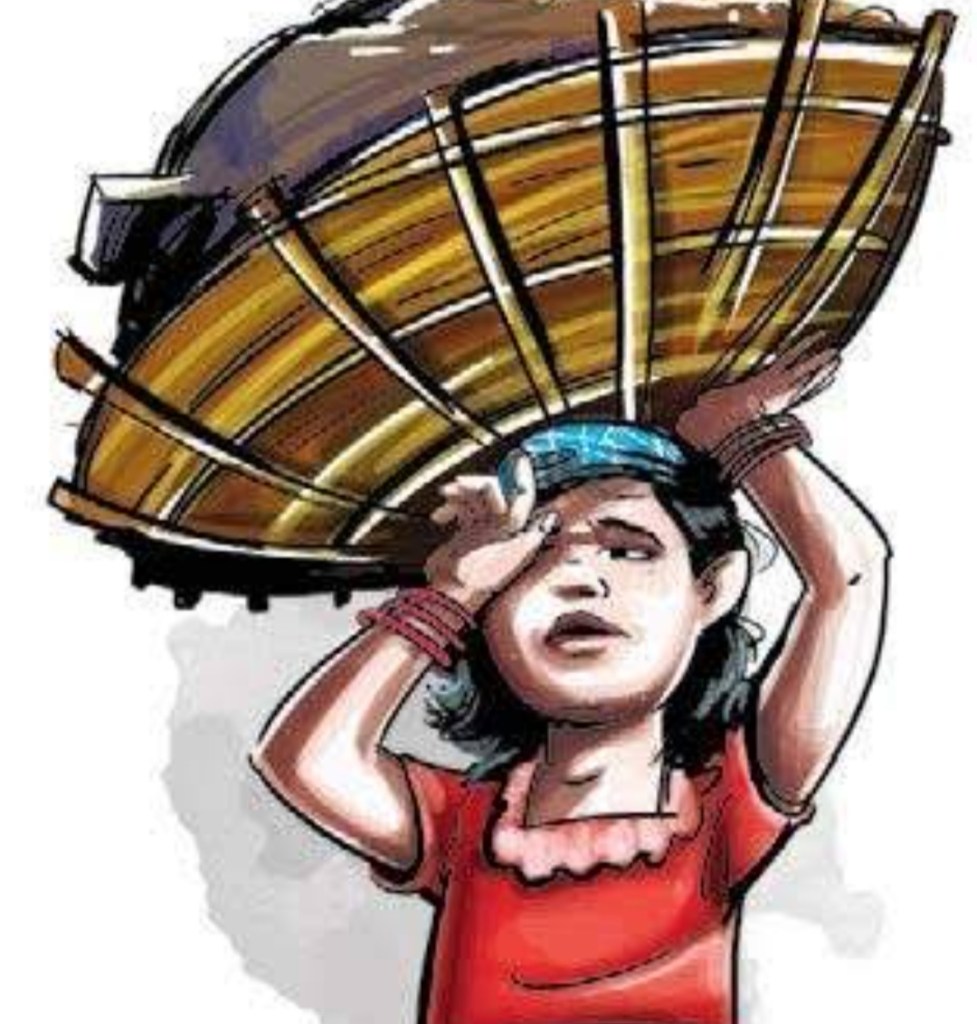
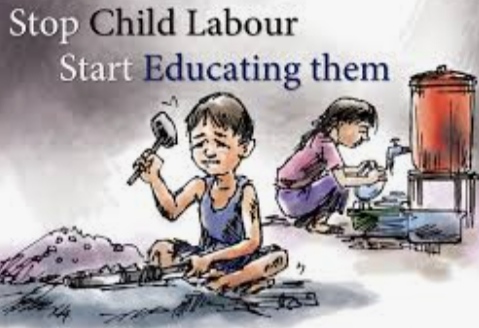
Today’s child is a citizen of tomorrow . The condition of a child foretells the future of any society or nation. Children are the real mirrors of the society – the quality of life of a child reflects how progressive a society is. With the dawn of the twenty first century, one of the problems prevalent globally is the problem of child labour. Millions of children in the world have been forced into child labour owing either to non – schooling or due to dropping out from the school at an early age. Child Labour may be defined as one who has not yet attained the age of 14 years and whose physical, mental and social development has suffered due to his pre – mature employment. Children make up 36% of the country’s total population. We might boast of being the largest democracy on account of numbers , but we definitely don’t seem to be the greatest one. Due to various circumstances , young children are exploited and are forced to forget the pleasures of childhood. At the age when children should be going to schools or playing at playgrounds they are burdened with the hardships of life and denied their childhood. According to the National Child Labour Project 2001 census, there are 12.6 million working children in India. Uttar Pradesh tops this list as 1.9 million innocents are employed in this state alone in various hazardous and non- hazardous activities in agricultural sector, glass factories , carpet industry, brass industries , March-  box factories, on streets as beggars and hotels. However, the fact is that not only in a few selected states but across the length and breadth of the country, a large number of childhood is in a pathetic condition.

According to a recent ILO report, about 80% child labourers in india, and are employed in the agriculture sector. The children are generally sold to the rich moneylenders to whom borrowed money cannot be returned. More than 60,000 children work in extremely inhospitable conditions in the glass and bangle industry under conditions of excessive heat. Almost 4,20,000 children are employed in the carpet industry of India, and than 70,000 work in match-box factories.

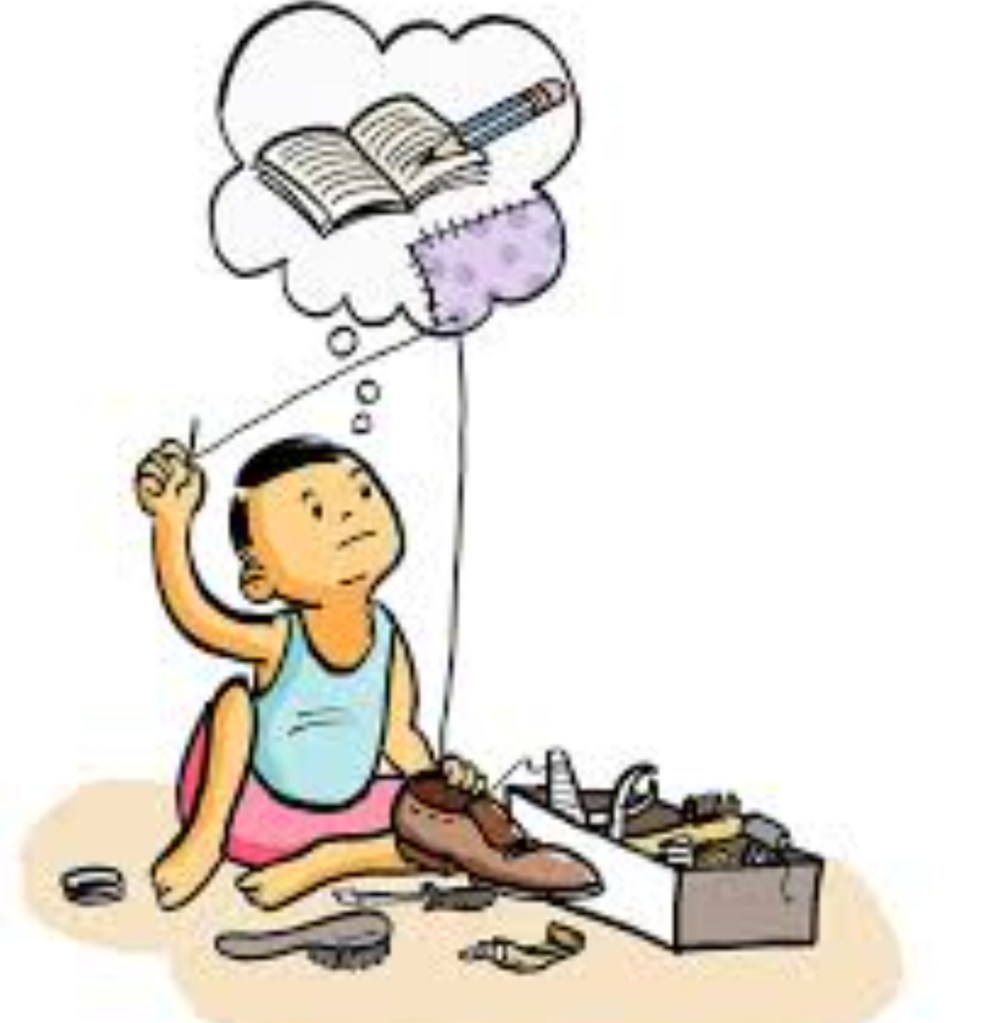
Child labour is one of the social evils that has been crippling the Indian society since a very long time.Its presence can be felt everywhere – be it a rural village or a metropolitan city. The small scale industries or Karkhanas are the breeding grounds for child labour.These children are in almost every sector of the economy – both organized and unorganised . Even though child labour is illegal large number of children are found working in factories or Karkhanas, or are working in mines,bidi, carpet , match, fireworks, brass and pandaan, agarbathi and automobiles industries . In urban areas many children work as shoeshine boys, newspaper hawkers, domestic servants and work in hotels, autoshops and plastic recycling factories. The automobile repair- shop industry is one that every one sees in his daily life. We can see these shops in every nook and corner. Young children are being illegally employed in such professions as they can be paid less. Poverty, illiteracy and insufficient resources in family , force the parents to send their children to work . Sometimes , brokers lure parents to force their children into child labour by making false promises.

Elimination of child labour is undoubtedly one of the biggest challenges facing our country. Various articles of the Constitution prohibit the employment of children in factories . Under Article 24, it has been stated that no child below the age of 14 shall be employed in any factory or mine or any other hazardous occupation or work. Similarly, Article 31 provides that the state shall ensure that adolescent children are not forced to accept an employment detrimental to their age and physical ability owing to economic compulsions. Children should be provided opportunities to develop in a healthy manner and in a free and respectful environment in which they are protected against exploitation of their childhood and adolescence. Under the schedules of the Child Labour ( Prohibition and Regulation) Act,1986, employment of children is prohibited in 12 occupations and 51 hazardous processes. The Government of India formulated the National Child Labour Policy in 1987 to tackle this problem . It aims at rehabilitation of child labour, implementation of the National Child Labour Projects, grants-in-aid to the voluntary agencies and promoting international programmes for the elimination of Child Labour. For the rehabilitation of working children, special schools and rehabilitation centres have been established where there is a provision of informal education , vocational training and nutrition for the children relieved from work.

On reviewing the factors behind the prevalence of child labour, we find that the social structure , poverty, family size, poor income, and lack of education are some of the major factors that have intensified the problem of child labour in India. The Gurupadswami Committee report shows that problem of child labour is a direct result of poverty whose elimination in itself is a great problem. Government has been taking proactive steps to tackle this problem through strict enforcement of legislative provisions along with simultaneous rehabilitative measures. The strategy for implementing the scheme under the 5- year plan aims at greater convergence with the other developmental schemes to bring about qualitative changes. The plan intends to focus and reinforce action to eliminate child labour in the hazardous occupations. Through expansion of National Child Labour Projects to additional 150 districts , it is focusing towards linking the child labour elimination efforts with the scheme of Sarva Shiksha Abhiyan to ensure that children in the age group of 5-8 years get directly admitted to regular schools and that the older working children are mainstreamed to the formal education system through special schools functioning under the NCLP scheme . Its other objective is convergence with other schemes of the Departments of Education, Rural Development , Health , and Women and Child Development for the ultimate attainment of the objective in a time – bound manner. However, the problem of child labour is an intense socio- economic issues in India that requires long – term multi – pronged strategies to be carried out on a continuous basis. These strategies should include enforcement of Child Labour Act, strengthening of primary education in rural areas, rehabilitation of child labourers, improvement of economic conditions of child’ s parents through poverty alleviation and employment generation programmes. A strong enforcement of the labour acts may be done to ensure legal action against those who employ children at work. The child labour is an evil that requires awareness and change of approach among all sections of the society. The government , media and NGOs have to unite to play their respective roles in this demanding task – only then the evil of child labour will get effectively curbed.

Thankyou!

HOW TO PROMOTE YOUR BUSINESS?

 What is one
of the most important factors that needs to be done correctly for an
organization to grow when their product is of good quality and have an
affordable price? It’s promotion. The organization needs to ensure that they
are promoting themselves properly to wide range of the population so that more
people can know about them and their business can grow.

Promotion is
basically communicating with your customers or prospective customers with aim
of informing them about your product and persuading them to make an immediate
purchase. In this, you will have to describe your product’s features,
availability, use and more important things that will earn you brownie points
and make the customer buy it.

There are
different ways of promoting yourself and one can use a combination of such ways
to grow their business. Let’s have a look at these tools.


1.ADVERTISING

It is the
most commonly used tools of promotion. Does not need any explanation as we come
across a hundred of ads every day.

In a formal
language, advertising is any paid form of presentation or promotion of the
product by the marketer. It includes the provision of the information about the
product in detail so that the buyer would take an action in favor of the
marketer.

The most
commonly used modes by the companies to advertise themselves have been
televisions, newspapers, magazines and radios. Although, since the past few
years, digital marketing has also been gaining attention impressively. More and
more people are opting for this method as it is easier and more affordable to
use. Plus, it reaches out to more masses considering the whole world is
connected online now due to the pandemic.

It can be
very surely said that advertisement plays a major role in the success of a
business.


2.PERSONAL
SELLING

It is
usually the oral presentation of the product to one or more consumers with the
aim of making them buy it. For this method, a salesperson is appointed by the
company who goes from door to door of the customers to explain them about the product
make a sale. It is generally more time taking and costlier than advertising.
Also, it is not possible for a human to go around in every corner of the nation
to promote the product therefore, the mass reach is very low here. One plus
point though, in personal selling, the seller gets an immediate and clear
feedback from the customer which may not be possible in the case of advertisement.


3.SALES
PROMOTION

These are
basically the short-term schemes initiated by the company to attract more
customers and make them buy the product. All promotional efforts other than
advertising and personal selling comes under this. Some of these techniques may
include free shipping or free return of the product, any giveaways,
competitions with rewards, flash sale of 60-80% off and lot more. These type
incentives attract a large number of people which increases the customer base.


4.PUBLIC
RELATIONS

These mean
the programs organized by a company to protect the image of their product or
themselves, for that matter, in the eye of the public. The business needs to
communicate with its buyers, investors and suppliers since they play a major
role in increasing the sales and profit of the company. Therefore, they need to
have a good public image constantly so that these people would be loyal to
them. A bad image may harm the reputation of the company and eventually people
would start to back-off from them since they do not want to be in touch with a
unsavoury reputed company.


WHY DOES UNEMPLOYMENT STILL EXIST?

 The problem
of unemployment is a serious problem which if not cured, leads to poverty. In
India, this problem is a quite major one. Currently, a whole of 13.3% of the
Indian population is unemployed. Basically, it is a situation where people are
willing and able to work but are not getting any jobs due to many reasons.
These people include only those who are above the age of 18 years because of
the child labor law in India. There are various reasons for this situation to
arise. Let’s discuss them.


1.SLOW
ECONOMIC GROWTH

The actual
rate of growth of the Indian economy is always far behind the rate that has
been planned in the five-year plans. This has been observed since the past five
decades. Due to this, there are low employment opportunities available and
hence, a majority of people are left unemployed. The generation of these
opportunities could not keep up with the increasing labor force.


2.POPULATION
EXPLOSION

The rapid
growth of the population is another prime reason why unemployment is growing.
The human capital in the country is increasing rapidly but the employment
opportunities is not growing enough. This leads to a lot of people being
jobless.


3.UNDERDEVELOPED
AGRICULTURE

The antique
methods of technology used for agriculture is also responsible for unemployment
or underemployment because the population is growing more than the
opportunities available.


4.FAULTY
EDUCATIONAL SYSTEM

The
education system in India right now is still full of defects as it does not
provide the students with any transformational technical and vocational
education. As a result, most of the students are not qualified enough or does
not possess the required education skills for many jobs. This again leaves a
lot of them unemployed.


5.SLOW
GROWTH OF INDUSTRY

There is a
massive shortage of capital and technology that restricts the industries from
growing and developing. This is why they are not able to create more employment
opportunities in the country. It is only possible for them to increase this
opportunity percentage if their own industry will shine bright since they
require more employees. For this, advanced technology is required which is
unavailable.


6.REDUCTION
OF SMALL-SCALE INDUSTRIES

Over the
past few years, a large number of small-scale industries in the villages have
declined. This is due to the change in taste of the consumers. With the
availability of new technology, people have started shifting their choices from
traditional products to modern products. This led to the shutting of these
small-scale industries due to the lack of demand. As a result, not only people
have less employment opportunities but those who did have a job also lost it
and became unemployed.


7.DEFECTIVE
PLANNING

The plans
formed by the government did not stop the migration of rural population to the
urban population and have also failed to encourage labor intensive technology
in the agriculture and industrial sector and as a result, in the rural areas
there is less employment opportunities considering everyone tends to move to
the urban areas.


8.LOW
CAPITAL

There is a
considerably low growth rate of capital in the country in both the agricultural
and the industrial sector and therefore, the employment opportunities is less
since these sectors are not able to grow as much as they should.


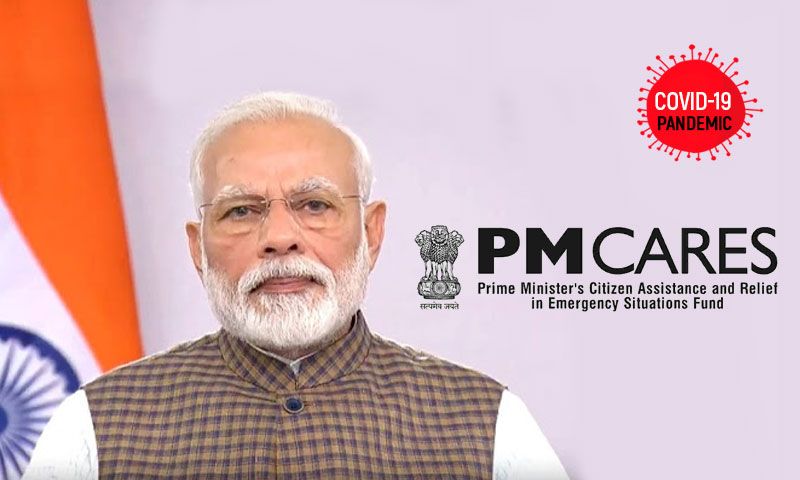
प्रधान मंत्री ने पेश किया पीएम केयर्स फंड का नया संशोधन।

प्रधानमंत्री नरेंद्र मोदी ने कहा कि उनकी सरकार का उद्देश्य देश के हर जिले में कम से कम एक मेडिकल कॉलेज खोलना है। वह गुरुवार को अखिल भारतीय आयुर्विज्ञान संस्थान (एम्स) ऋषिकेश में 35 राज्यों को 35 प्रेशर स्विंग ऐडसोरप्सन(पीएसए) ऑक्सीजन संयंत्र समर्पित करने के लिए आयोजित एक समारोह में बोल रहे थे।

ये प्लांट पीएम केयर्स फंड के तहत स्थापित किए गए हैं। उन्होंने कहा कि कुछ साल पहले देश में बहुत कम एम्स थे लेकिन अब हर राज्य में एक एम्स खोलने का प्रयास किया जा रहा है।

उन्होंने कहा कि नवरात्रि पर्व के पहले दिन के अवसर पर उत्तराखंड आना उनके लिए सौभाग्य की बात है। पीएम ने कहा कि उन्होंने 20 साल पहले इसी तारीख को गुजरात के सीएम के रूप में शपथ ली थी और कहा कि इस यात्रा की शुरुआत उत्तराखंड के गठन के साथ हुई थी।

उन्होंने प्रसन्नता व्यक्त की कि जिस धरती से योग और आयुर्वेद जैसी जीवनदायिनी शक्तियों को बल मिला, उसी धरती से आज ऑक्सीजन प्लांट समर्पित किए जा रहे हैं। महामारी की अवधि के दौरान अपनी सरकार की उपलब्धियों की सराहना करते हुए, पीएम ने कहा कि महामारी से पहले सिर्फ एक परीक्षण प्रयोगशाला से लगभग 3,000 परीक्षण प्रयोगशालाओं का एक नेटवर्क बनाया गया था। उन्होंने कहा कि भारत ने दुनिया का सबसे बड़ा और सबसे तेज टीकाकरण अभियान लागू किया है।

उन्होंने कहा कि पहले देश में एक दिन में 900 मीट्रिक टन लिक्विड मेडिकल ऑक्सीजन का उत्पादन होता था, लेकिन जैसे-जैसे मांग बढ़ी, भारत ने मेडिकल ऑक्सीजन के उत्पादन में दस गुना से अधिक की वृद्धि की।

पीएम ने यह भी कहा कि कोविड -19 वैक्सीन की लगभग 93 करोड़ खुराक दी गई है और जल्द ही देश 100 करोड़ का आंकड़ा पार कर जाएगा।

पीएम ने कहा कि अब सरकार इस बात का इंतजार नहीं करती कि नागरिक अपनी समस्याएं लेकर उसके पास आएं और फिर कोई कदम उठाएं, लेकिन अब सरकार नागरिकों तक पहुंच रही है।

अनन्या कौशल द्वारा संपादित।

नितिन अग्रवाल को राहत, बने रहेंगे विधायक

हरदोई।

सदर विधायक नितिन अग्रवाल को बड़ी राहत मिली है. विधानसभा सदस्यता रद्द करने के लिए सपा नेता द्धारा दाखिल की गई याचिका को विधानसभा अध्यक्ष हृदय नारायण दीक्षित ने खारिज कर दिया है। इसकी जानकारी मिलते ही सदर विधायक के समर्थकों में खुशी की लहर दौड़ गई।


विधानसभा में नेता प्रतिपक्ष रामगोविंद चौधरी ने 11 नवंबर 2019 को विधानसभा अध्यक्ष के सामने याचिका दाखिल की थी। इसमें कहा था कि सदर विधायक नितिन अग्रवाल 2017 में हुए विधानसभा चुनाव में सपा के टिकट पर निर्वाचित हुए थे। 2019 में गांधी जयंती के मौके पर हुए मैराथन विधानसभा सत्र के दौरान सपा ने विह्प जारी की थी कि सपा का कोई भी विधायक उक्त सत्र में शामिल नहीं होगा।

इसके बावजूद नितिन अग्रवाल सत्र में शामिल हुए। विह्प का उल्लंघन किए जाने का आरोप लगा उनकी सदस्यता रद्द करने की मांग की गई थी। पूरे मामले पर चली सुनवाई के बाद विधानसभा अध्यक्ष हृदय नारायण दीक्षित ने रामगोविंद चौधरी की याचिका खारिज कर दी है। सदर विधायक नितिन अग्रवाल ने इसकी पुष्टि करते हुए बताया कि गुरुवार को ही इस संबंध में विधानसभा अध्यक्ष ने आदेश पारित कर दिया था

बता दें कि हरदोई सदर विधानसभा पर कई पंचवर्षीय से नितिन अग्रवाल के पिता नरेश अग्रवाल का दवदवा रहा है. इस सीट पर हमेशा से ही नरेश ही जीतते आये हैं. 2017 के विधानसभा चुनाव में बेटे नितिन अग्रवाल सपा की टिकट पर विधानसभा पहुंचे थे. बाद में वे सत्ताधारी पार्टी भाजपा में शामिल हो गए थे।

अनन्या कौशल द्वारा संपादित।

About that author- Edgar Allan Poe

Edgar Allan Poe established his name in literature majorly as a short story writer and poems with his great command in writing. He is also considered as the architect of the modern short story. Edgar Allan Poe, often discussed through his writing which was usually in the horror genre.

Early Life 

Edgar Allan Poe was born in 1809 in Boston, Massachusetts, U.S. his parents were both actors. He was very young when he lost both his parents and was then taken care of by John Allan and his wife. In 1824 Poe got into the University of Virginia and was doing well academically but had to leave due to financial stress. 

Early career 

After living with Allan for sometime Poe went to Boston and published a collection of poems Tamerlane, and Other Poems in 1827. He also was forced to join the army, because of his poverty. 

He published his next collection of poetry Al Aaraaf, Tamerlane, and Minor Poems in 1829. Both of the collections that were published did not receive much attention. The same year Poe’s father helped him secure him an appointment at the U.S. Military Academy at West Point.

About 2 years later Poe moved to New York  , where he published another collection of his works, Poems.

He later went back to Baltimore to his aunt and began writing stories. His stories were getting published in newsletters, he also won a 50 USD cash prize for one of his short stories MS. Found in a Bottle involving an unnamed narrator who sails a ship and encounters a bunch of terrifying situations along his journey.

Poe was offered the position of an editor at Southern Literary Messenger in Richmond where he married his 13 year old cousin, which is bizarre but it was 1836. 

Poe established himself as a fine literary critic over the years although his writing did not grab people’s eyes until the late 1930s. 

Later Years 

His career was going well but he was still not earning enough, his jobs were not getting him enough money so he went to New York again, where he was often seen drinking. In 1838, he published The Narrative of Arthur Gordon Pym, the only complete novel by him.

A year later, he was the editor of Burton’s Gentleman’s Magazine in Philadelphia and after that he was the editor of Broadway Journal in New York City. While editing in Philadelphia and New York he published several stories like Broadway Journal in New York City. which was published in Burton’s Gentleman’s Magazine while he was editing there, Burton’s Gentleman’s Magazine, his first detective story published in 1842 in Graham’s magazine.

Poe’s work grabbed national attention after the publishing of his poem The Raven which led him to become an editor of the Broadway Journal. Virginia, Poe’s wife passed away due to tuberculosis in 1847 after which he was involved romantically with multiple women. 

Poe moved to Baltimore in 1849, where one morning Poe was discovered lying, almost unconscious and a few days later, he died. The cause of his death is still not known