This poem has been penned down by a Welsh poet and writer, William H Davies. He took first hand experience of being a poor man by travelling as a tramp or a hobo and singing on the streets to earn money. The present poem -Money, expresses the joy of being poor.
The poet intends to tell his readers that, when he possessed a lot of money, many friends would come knocking at his door to spend time with him. These were not his true friends as they were only stooped on his wealth and had got nothing to do with his friendship. His so called ‘friends’ would come over to his place, to grab advantage of his possessions and luxury. He did not realise their motive, until he got poor by giving up his affluence.
While he was rich, he would feel bound with social restrictions and unnecessary etiquettes. He used to feel trapped under the burden of mannerisms of the high classed. He described this feeling of his, by writing that, he felt like a child who owns a trumpet, but is disallowed to blow it as a man was dead. The poet does not wish to let his feelings be known by the outer world, because people are already under the influence that money is the sole route to happiness.
He wholeheartedly wishes, that the rich men must try going down to the status of poor men in order to experience real joy of life. According to him, the poor ones need to go up to the level of the rich men, because they are already enjoying the real happiness in life. He has noticed that, the rich men have a very vinegar aspect, they control their laughter and happiness in order to display themselves as composed and well mannered. But, the hearts of poor men are always light, since they express their contentment as they wish to, without the concern of what image they are portraying to the world.
Also, the people who used to visit the poet’s house masked as friends, all vanished after the poet gave up on his money. Hence, he realised that, those friends of his, were all untrue, since they were only interested in his money. After giving up all the wealth, he remained with a very few number of friends but those were all genuine ones.
Through this piece of writing, we can infer that happiness is the ultimate goal of life and money plays a minor role in it. This poem attempts to make us aware about the situations and ways in which one can experience the real happiness in life, apart from materialistic joy.
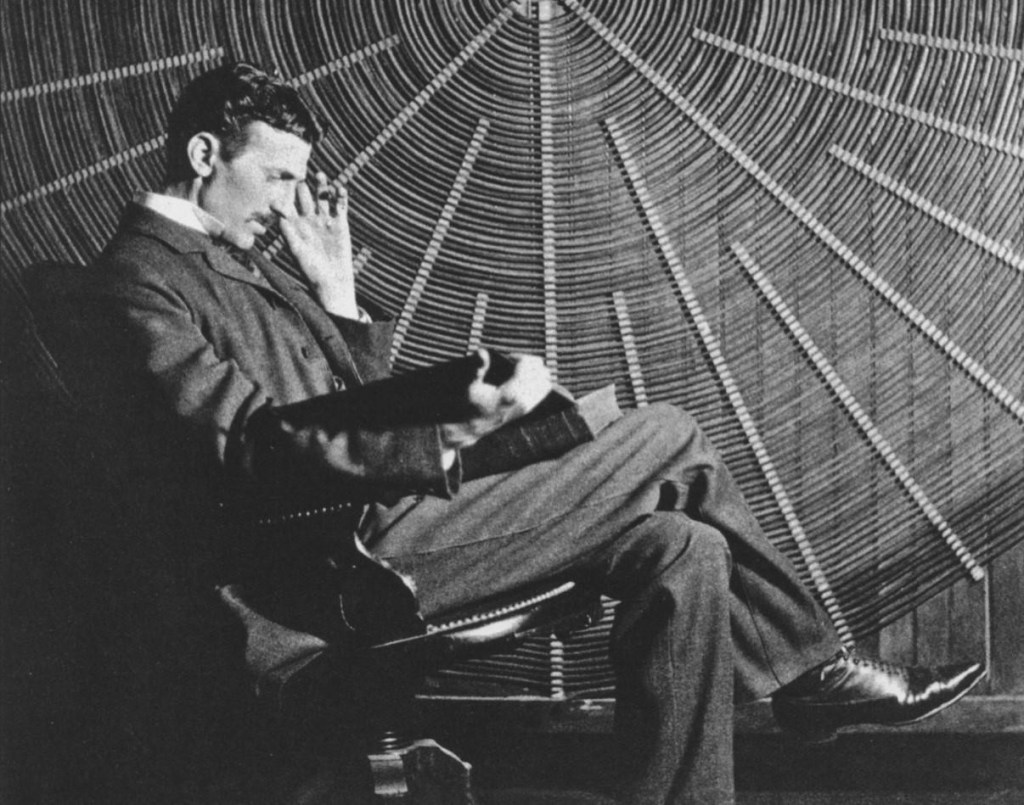
“I don’t care that they stole my idea, I care that they don’t have any of their own”, said by one of the greatest inventors to have ever lived, the Serbian inventor Nikola Tesla who developed the framework for modern-day electrical engineering. When Nikola Tesla began work at Edison’s DC (direct current) power plant in the United States, his new employer was not interested in his ideas for a new type of power called AC (alternating current). At the time DC was the only electrical supply, but it could only be transmitted across short distances before it lost power. To Edison, AC sounded like competition and he persuaded Tesla to work on improving his DC system by offering him a huge sum of money. But when Tesla had done what he had been asked, Edison reneged on his promise. Tesla resigned and returned to his AC power concepts. DC power is constant and moves in one direction and the resistance in wires causes it to lose power over distance. AC power does not have this problem as it varies in current so the resistance is less, and yet it varies in current so the resistance is less, and yet it delivers the same amount of power.
How AC current works?
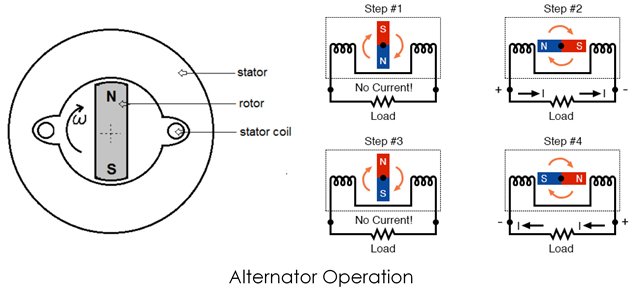
In an atom, the negatively charged electrons are bound to the nucleus due to their electromagnetic attraction to the oppositely charged nucleus. But the electrons in the outer most shell called valence shell can sometimes become free due to external forces. These electrons that escape from the valence shell are called free electrons and they can move from one atom to another. This movement is called charge and the flow of electric charge is called electricity. Materials that allows many electrons to move freely are conductors and don’t allow are called insulators. That why copper is a great conductor. Alternating current would flow back and forth 50-60 times per second, this is called the frequency. Even though Thomas Edison one of the famous and powerful men of the 19th century, he tried his best to compete with Tesla. The mathematic formula of the current is P = I×V, with this formula, the same amount of power can be transmitted either at high current and low voltage or low current and high voltage. But when you transmit current through wires, there will be also loss of heat. To overcome this problem, we have to higher the voltage to reduce the heat loss.
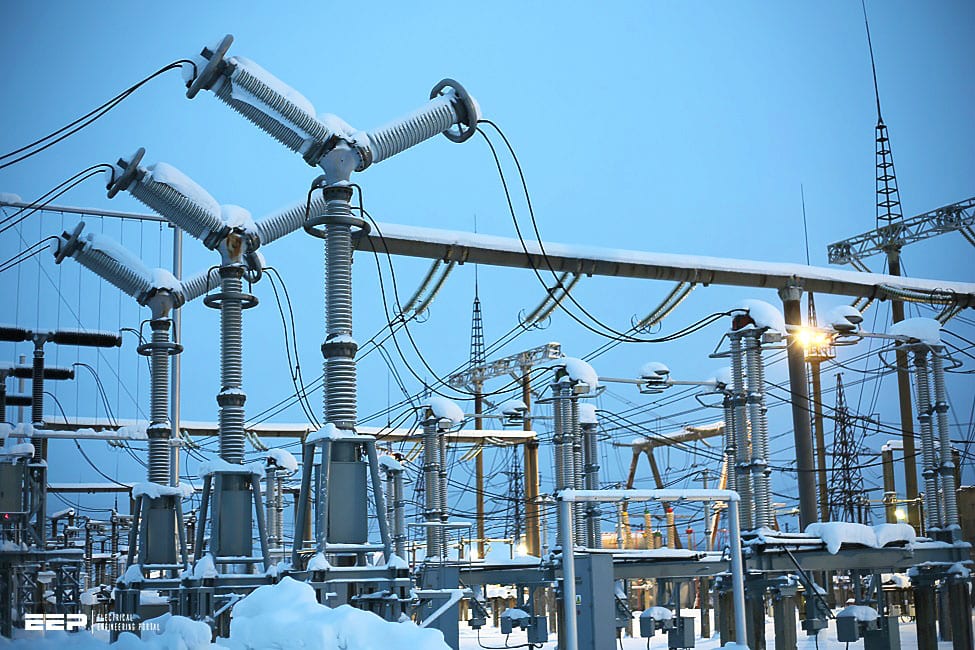
In modern electric power grids, electricity is transmitted at hundreds of thousands of volts. But the voltage cannot be this high when it arrives at your home. So a transformer steps down this high voltage to typically between 100 and 240 volts. The step down process of AC current is way easier than the DC current. Transformers require a time varying voltage to function, and since direct current is constant, and only alternating current is time varying, transformers like these only work with AC electricity. In Edison and Tesla’s time, there was no easy way to transform voltage with direct current. And this is the primary reason Tesla’s AC won out over Edison’s DC in the early era of electrical transmission.
AC current – a scientific breakthrough
This made AC power more cost effective, as fewer power plants were needed. Entrepreneur George Westinghouse saw the potential of Tesla’s AC power and bought his patents for AC motors. Edison began a propaganda war in an attempt to keep DC power on top, but it was inevitable that ac power would win. Almost all electricity is now delivered as Tesla’s AC power. Edison’s place in history as an inventor and electrician is secure. But in many ways Tesla went even further. He envisioned fluorescent lights, technology of the radio, and remote control. Nikola Tesla was one of the most forward thinking, and dynamic visionaries that ever lived.
“If your hate could be turned into electricity, it would light up the whole world”. – Nikola Tesla
Archaeological findings suggest that glass was first created during the Bronze Age in the Middle East. To the southeast, in Egypt, glass beads have seen found dating back to about 2500 B.C.E. Glass is made from a mixture of silica sand, calcium oxide, soda, and magnesium, which is melted in a furnace at 2,730°F (1,500°C). Most early furnaces produced insufficient heat to melt the glass properly, so glass was a luxury item that few people could afford. This situation changed in the first century B.C.E. when the blowpipe was discovered. Glass manufacturing spread throughout the Roman Empire in such quantities that glass was no longer a luxury. It flourished in Venice in the fifteenth century, where soda lime glass, known as ‘cristallo’, was developed. Venetian glass objects were said to be the most delicate and graceful in the world.
How glass was made?
It all begins in the earth’s crust, where the two most common elements are silicon and oxygen. These react together to form silicon dioxide, whose molecules arrange themselves into a regular crystalline form known as quartz. Quartz is commonly found in sand, where it often makes up most of the grains and is the main ingredient in most types of glass. You probably noticed that glass isn’t made of multiple tiny bits of quartz and for good reason. The edges of the rigidly formed grains and smaller defects within the crystal structure reflect and disperse light that hits them. But when the quartz is heated high enough, the extra energy makes the molecules vibrate until they break the bonds holding them together and become a flowing liquid, the same way that ice melts into water. Unlike water, though, liquid silicon dioxide does not reform into a crystal solid when it cools. Instead, as the molecules lose energy, they are less and less able to move into an ordered position, and the result is what is called an amorphous solid. A solid material with the chaotic structure of a liquid, which allows the molecules to freely fill in any gaps, this makes the surface of lass uniform on a microscopic level, allowing light to strike it without being scattered in different directions.
How glass is transparent?
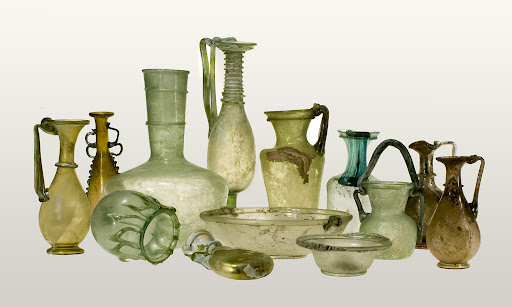
Ancient glass materials found in Rome.
Why light is able to pass through glass rather than being absorbed as with most solids? You may know that an atom consists of a nucleus with electrons orbiting around it, but you may not know that an atom has a lot of empty space. So, light passes through these atoms easily without hitting any of these particles. Then why aren’t all materials transparent? This is because, the different energy levels those electrons in an atom can have. Consider an atom of an iron, an electron in it initially assigned to move in a certain orbit. But if it had the enough energy; it could reach the exited state and jump to a closer orbit. So, one of the light photons passing through can provide the needed energy. But there is one thing; the energy from the photon has to be the right amount to get an electron to the next orbit. Otherwise, it will just let the photon pass by, and it just so happens that in glass, the electrons are placed so far from each other, that the photons of visible light can’t provide enough energy for an electron. Photons from ultra violet light give just the right amount of energy, and are absorbed. That’s why you can’t get a suntan through glass. This amazing property of being both solid and transparent has given glass many uses throughout the centuries.
In the 1950s Sir Alastair Pilkington introduced ‘float glass production”, a revolutionary method still used to make glass. Other developments have included safety glass, heat resistant glass, and fiber optics, where light pulses are sent along thin fibers of glass. Fiber optic devices are used in telecommunications and in medicine for viewing inaccessible parts of the human body.
The impact of coronavirus pandemic on India has been largely disruptive in terms of economic activity as well as a loss of human lives. Almost all the sectors have been adversely affected as domestic demand and exports sharply plummeted with some notable exceptions where high growth was observed. An attempt is made to analyze the impact and possible solutions for some key sectors.
Food & Agriculture
Since agriculture is the backbone of the country and a part of the government announced essential category, the impact is likely to be low on both primary agricultural production and usage of agro-inputs. Several state governments have already allowed free movement of fruits, vegetables, milk etc. Online food grocery platforms are heavily impacted due to unclear restrictions on movements and stoppage of logistics vehicles. RBI and Finance Minister announced measures will help the industry and the employees in the short term. Insulating the rural food production areas in the coming weeks will hold a great answer to the macro impact of COVID-19 on Indian food sector as well as larger economy.
Aviation & Tourism
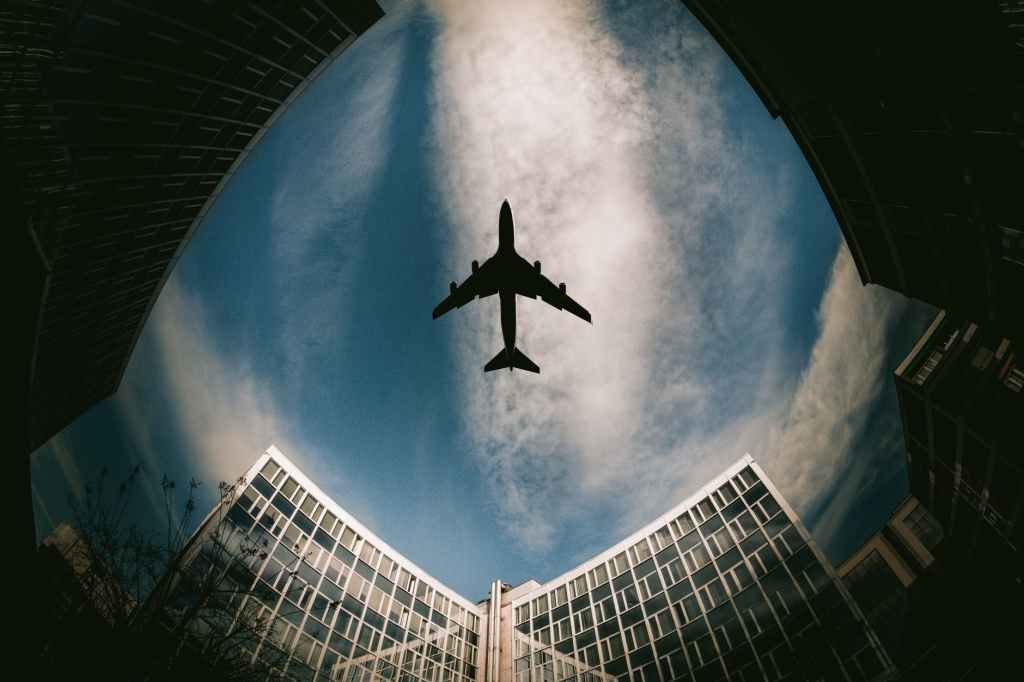
The contribution of the Aviation Sector and Tourism to our GDP stands at about 2.4% and 9.2% respectively. The Tourism sector served approximately 43 million people in FY 18-19. Aviation and Tourism were the first industries that were hit significantly by the pandemic. The common consensus seems to be that COVID will hit these industries harder than 9/11 and the Financial Crisis of 2008. These two industries have been dealing with severe cash flow issues since the start of the pandemic and are staring at a potential 38 million lay-offs, which translates to 70 per cent of the total workforce. The impact is going to fall on both, White and Blue collar jobs. According to IATO estimates, these industries may incur losses of about 85 billion Rupees due to travel restrictions. The Pandemic has also brought about a wave of innovation in the fields of contactless boarding and travel technologies.
Telecom
There has been a significant amount of changes in the telecom sector of India even before the Covid-19 due to brief price wars between the service providers. Most essential services and sectors have continued to run during the pandemic thanks to the implementation of the ‘work from home’ due to restrictions. With over 1 billion connections as of 2019, the telecom sector contributes about 6.5 per cent of GDP and employs almost 4 million people. Increased broadband usage had a direct impact and resulted in pressure on the network. Demand has been increased by about 10%. However, the Telco’s are bracing for a sharp drop in adding new subscribers. As a policy recommendation, the government can aid the sector by relaxing the regulatory compliances and provide moratorium for spectrum dues, which can be used for network expansions by the companies.
Pharmaceuticals
The pharmaceutical industry has been on the rise since the start of the Covid-19 pandemic, especially in India, the largest producer of generic drugs globally. With a market size of $55 billion during the beginning of 2020, it has been surging in India, exporting Hydroxychloroquine to the world, esp. to the US, UK, Canada, and the Middle-East.
There has been a recent rise in the prices of raw materials imported from China due to the pandemic. Generic drugs are the most impacted due to heavy reliance on imports, disrupted supply-chain, and labour unavailability in the industry, caused by social distancing. Simultaneously, the pharmaceutical industry is struggling because of the government-imposed bans on the export of critical drugs, equipment, and PPE kits to ensure sufficient quantities for the country. The increasing demand for these drugs, coupled with hindered accessibility is making things harder. Easing the financial stress on the pharmaceutical companies, tax-relaxations, and addressing the labour force shortage could be the differentiating factors in such a desperate time.
Oil and Gas
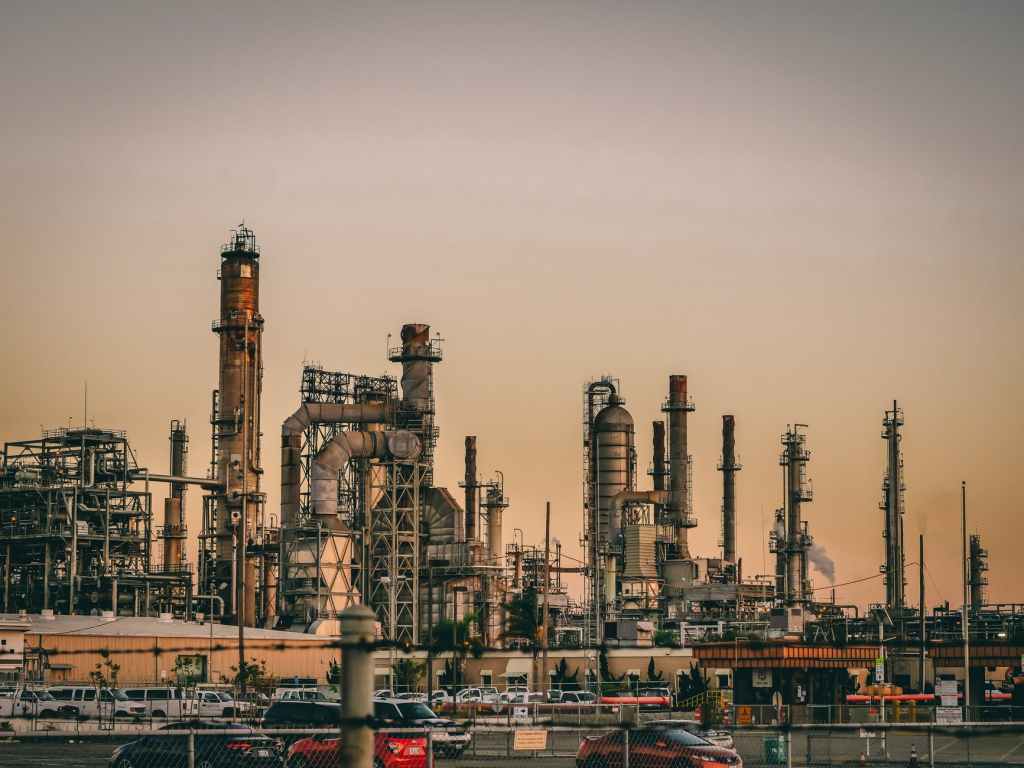
The Indian Oil & Gas industry is quite significant in the global context – it is the third-largest energy consumer only behind USA and Chine and contributes to 5.2% of the global oil demand. The complete lockdown across the country slowed down the demand of transport fuels (accounting for 2/3rd demand in oil & gas sector) as auto & industrial manufacturing declined and goods & passenger movement (both bulk & personal) fell. Though the crude prices dipped in this period, the government increased the excise and special excise duty to make up for the revenue loss, additionally, road cess was raised too. As a policy recommendation, the government may think of passing on the benefits of decreased crude prices to end consumers at retail outlets to stimulate demand.
Beyond Covid: The new normal
In view of the scale of disruption caused by the pandemic, it is evident that the current downturn is fundamentally different from recessions. The sudden shrinkage in demand & increased unemployment is going to alter the business landscape. Adopting new principles like ‘shift towards localization, cash conservation, supply chain resilience and innovation’ will help businesses in treading a new path in this uncertain environment.
Coronavirus (COVID-19), a virus that grew stealthily has become one of the deadliest viruses that are killing people worldwide. This virus took birth in Wuhan city of China and since then have traveled to more than 160 countries. The World Health Organization (WHO) has declared Coronavirus as a pandemic. It has become a mass scare and is leading to the deaths of thousands of people in numerous countries including China, Italy, Iran, Spain, the US, and many more. In India, this pandemic started on 30 January 2020 by affecting an individual who had a travel history from Wuhan, China.
The world economy is seeing its greatest fall ever. Coronavirus has largely impacted the growth of almost every country and is responsible for the slump in GDP worldwide. Like other countries, India is also impacted by this virus but not largely. Almost every industry sector has seen a fall in their sales and revenue. India’s GDP growth has fallen to 4.7% in the third quarter of 2020.
Inflation and Affected Industry:
China is one of the largest exporters of many raw materials to India. Shutting down of factories has damaged the supply chain resulting in a drastic surge in the prices of raw materials. Some of the other products that have seen a rise in their prices are gold, masks, sanitizers, smartphones, medicines, consumer durables, etc. The aviation sector and automobile companies are the hardest hit among the rest. With no airplane landings or take-offs globally and restricted travel has brought the aviation and travel industry to a halt.
Slump in Share market: Share markets that include Sensex and Nifty are on nose dive since the occurrence of this pandemic (COVID-19). Sensex has declined close to 8000 points in a month. As of 12 March 2020, share market investors have lost approximately Rs. 33 lakh crore rupees in a month. This could be the beginning of a recession that the Indian market will never want to witness. Investors are advised to stay safe and invested in this virus-infected stock market. Few industries that can benefit from novel coronavirus during the time of the market crash are pharmaceuticals, healthcare, and Fast Moving Consumer Goods (FMCG).
Cash flow Issue: Due to this outbreak, almost 80% of Indian companies have witnessed cash flow difficulty and over 50% of companies are facing operations issues. As per the Federation of Indian Chambers of Commerce and Industry (FICCI), 53% of companies are impacted by COVID-19. Slow economic activity is resulting in cash flow problems eventually impacting repayments, interest, taxes, etc.
Coronavirus (COVID-19), a virus that grew stealthily has become one of the deadliest viruses that are killing people worldwide. This virus took birth in Wuhan city of China and since then have traveled to more than 160 countries. The World Health Organization (WHO) has declared Coronavirus as a pandemic. It has become a mass scare and is leading to the deaths of thousands of people in numerous countries including China, Italy, Iran, Spain, the US, and many more. In India, this pandemic started on 30 January 2020 by affecting an individual who had a travel history from Wuhan, China.
The world economy is seeing its greatest fall ever. Coronavirus has largely impacted the growth of almost every country and is responsible for the slump in GDP worldwide. Like other countries, India is also impacted by this virus but not largely. Almost every industry sector has seen a fall in their sales and revenue. India’s GDP growth has fallen to 4.7% in the third quarter of 2020.
Efforts from CII and Govt. of India: Confederation of Indian Industry (CII) has suggested the RBI reduce repo rate up to 50 basis points and also asked for a reduction of 50 basis points on the cash reserve ratio. The government is planning to set up an amount to support MSMEs to overcome the crisis during this phase of shut down, cash flow difficulty, and working capital issues.
A large explosion tore through a Shi’ite mosque in the southern Afghan city of Kandahar during Friday prayers, killing at least seven people and wounding 13, officials and provincial leaders said.
Qari Saeed Khosti said authorities were collecting details of the explosion, which took place days after a suicide bomb attack claimed by Islamic State on a Shi’ite mosque in the northern city of Kunduz that killed scores of people.
Photographs posted by journalists on social media showed many people apparently dead or seriously wounded on the floor of the mosque.
Nematullah Wafa, a former member of the provincial council, said the blast occurred at the Imam Bargah mosque and caused heavy casualties but there were no immediate confirmation of the number of dead and wounded.
Eyewitnesses said three back-to-back explosions hit Imam Bargah mosque in Kandahar, one of the biggest mosques in the city, causing high casualties.#TOLOnewspic.twitter.com/Z2owaWzxrF
The blast, coming so soon after the Kunduz attack underlined the increasingly uncertain security in Afghanistan as Islamic State has stepped up operations following the Taliban victory over the Western-backed government in Kabul in August.
It’s where a group of free willing people collect their opinion mostly to select a government system. Election takes place in democratic style politics. Here we choose the legislative council and lower and upper house candidates. We also choose leaders of the union and federal system.
Here are some interesting and informative facts about elections-
Psephology is the study of results and other statistics relating to elections.
Kids As Young As 16 Can Vote In Brazil.
Us had the lowest voting turnout compared to other democratic countries.
It’s compulsory to vote in Australia – if not citizens are fined a particular amount.
The more literate the population is, the more creative the candidates get.
In India elections can take weeks to get completed.
A system that runs the modern day king. A system that can give power to any common man.
Election was first introduced in the US 1788-89.
We know we don’t get such good options in elections as the utopia of great leaders. World has seen many people as leaders and innovative solutions in their lives to believe enough in this system.Elections are responsible for every citizen and power of each of us over who our ruler must be.Such a thing has never happened at this scale in human history ever.!!
So next time the election is there, see everywhere you’ll know what to do.
Childhood is the most memorable time in any person’s life and among all other things the television shows had to be the best part of the evenings in those days. All the different characters, with so simple yet entertaining story lines let us enjoy our little make believe world so much so that we would wait for school to get over and be home and watch those shows. With development and advancement in technology and easier accessibility to the shows any time, any where the butterflies that waiting for those shows would give the children in those days do not easily come to children these days. These shows were sometimes superficial and most of the time fiction still made our childhood better and more fun. Here are some the most loved and remembered shows of those times:
SHARARAT
If you are true magic fan you definitely loved SHARARAT. This was a show with three generations engaging in magic and living their lives as PARIS. With Jia being the main protagonist who would always mess up her magic spells and get herself and people around her in trouble and her NANI coming to her rescue, always cleaning her mess and thereby giving a life lesson with the beauty of magic had to give us the most funny moments of all the times.
AGADAM BAGDAM TIGDAM
Do you think you have the craziest family? Wait till you meet a family that has apples as their phones and has smoke coming out of their ears now and then and belong to a planet named ZOLTAR, now this is what you call actual crazy. This show revolves around the MALHOTRAS who happen to be aliens looking like humans surviving on Earth while trying to keep their secret safe come what may. The show aired in 2007 and though might not have been as famous as others but was one of kind, first among the science fiction in the children dramas.
KYA MAST HAI LIFE
If you follow Shaheer Sheikh you definitely know him from the days of this show. This had five main characters, all enjoying their college lives while being the coolest group in the college. There is no denying that this show raised our hopes for the perfect college life while we end up attending our farewells crawled up in blankets. The show made us fall in love with Shaheer way before we even knew the meaning of love. With actor like Shweta Tripathi reaching all the heights today still remains the cute Zeeniya who solved everyday problems of her friend Ritu telling us what true friendships are for us.
SHAKE IT UP
Though very few know or talk about this show now, but this was one of the first dance programmes that lit the fire of being a dancer on growing up in every child that saw it. The show is about two teenage boys who love dancing and even excel in it so much so that become a part of a dance reality show along with the troubles that they encounter and try and solve them all by themselves. It might not have been huge hit but still has to be a hidden gem.
All these shows were the coolest thing back in early 2000s and they gave us major streaming goals. we can only thank the makers of the shows for making our childhood more fun and giving us memories of a lifetime. We owe it to these shows.
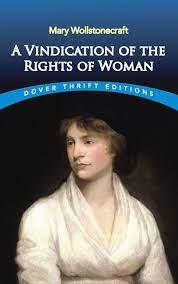
A Vindication Of The Rights Of Women by Mary Wollstonecraft.
Mary Wollstonecraft’s feminist essay A Vindication of the Rights of Women was published in 1792 as a book-length feminist essay. A Vindication of Women’s Rights campaigned for female equality, especially in the field of education. Wollstonecraft criticised the cultivation of conventional feminine qualities like as submission and service, arguing that women who were not well-educated could not be excellent mothers, spouses, or household administrators. She said that women were supposed to devote too much time to maintaining their delicate look and soft attitude, forsaking brains for beauty and transforming themselves into flower-like playthings for males.
Wollstonecraft addressed themes such as the need of educating women equally, treating women with respect, and giving women with the appropriate training to be excellent spouses and mothers, as well as educated companions for their husbands, in thirteen chapters.Women spend many of their initial years of life accumulating a scattering of achievements, while body and mental strength are sacrificed to libertine ideas of beauty… Can they run a family with prudence or look after the babies they bring into the world?How could women educate, raise children, and maintain a household if they were only concerned with their personal looks and minor achievements such as speaking French fluently, playing the piano, and sketching, Wollstonecraft argued? Such achievements made a woman appealing to a man as a source of entertainment, but not as an equal partner.Although Wollstonecraft recognised that raising a family would be the primary responsibility of many women at the time, she insisted that a husband and wife whose relationship was founded on reason and equality would parent happier and more well-rounded children than families governed by strict discipline and parental inequality. To that aim, she suggested a national education system in which boys and girls would be taught together and all classes would have access to education. Wollstonecraft warned against false sensibility, while writing during the time of Romanticism, a movement renowned for emphasising sensibility/feeling above sense/rational reasoning.
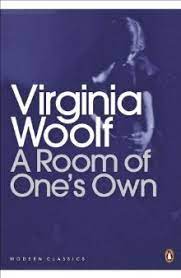
A Room of One’s Own by Virginia Woolf.
Virginia Woolf’s A Room of One’s Own is a long essay. The article, which was first published on October 24, 1929, was based on a series of lectures she gave in October 1928 at Newnham College and Girton College, two women’s institutions at Cambridge University. Despite the fact that this long essay uses a fictitious narrator and narrative to investigate women as authors and characters in fiction, the manuscript for the Women and Fiction lecture series, and therefore the essay, is deemed nonfiction. The essay is regarded as a feminist text, and it is notable for its argument for a literal and figurative place for women authors in a patriarchal literary world.
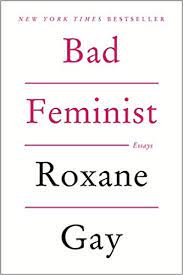
Bad Feminist – Roxane Gay.
How could women educate, raise children, and maintain a household if they were only concerned with their personal looks and minor achievements such as speaking French fluently, playing the piano, and sketching, Wollstonecraft argued? Such achievements made a woman appealing to a man as a source of entertainment, but not as an equal partner.
Sister Outsider by Audre Lorde
Audre Lorde’s literary and philosophical personae are brought to life in this collection of fifteen articles published between 1976 and 1984. These articles delve into and illustrate Lorde’s intellectual growth, as well as her long-standing worries about how to increase empowerment among minority women authors and the critical need to define difference—difference in terms of sex, ethnicity, and economic position. Sister Outsider is a title taken from her poetry book The Black Unicorn (1978). Sister Outsider’s poetry and articles emphasise Lorde’s recurring subject of continuity, notably the geographical and intellectual relationship.
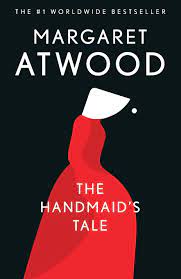
The Handmaid’s Tale by Margaret Atwood
In the Republic of Gilead, Offred is a Handmaid. She is permitted to leave the Commander and his wife’s house once a day to stroll to the local grocery market, where the signs are now images rather than words because women are no longer allowed to read. Because, in an era of diminishing births, Offred and the other Handmaids are valued only if their ovaries are viable, she must lie on her back once a month and hope that the Commander gets her pregnant. Offred recalls the years when she lived with and made love to her husband, Luke; when she played with and protected her daughter; and when she had a career, her own money, and knowledge. But that’s all gone now.











 Eduindex
You must be logged in to post a comment.