

Media plays such a major role in the lives of human beings. Over the last decade, media has become a powerful tool that mirrors social life of commoners and celebrities. However, the role that media plays in portraying gender democracy is still a matter of debate. Media has a significant impact on how social and cultural norms relating to women form and evolve. Over the past couple of decades audiences have been exposed to women in strong and independent roles in the media. This propagates the sense that western modernity and increased presence of free market promotes gender equality in a India.

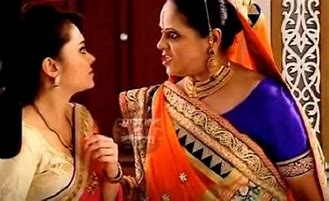
PORTRAYAL OF WOMEN IN DAILY SOAPS
- It does seem a little bizarre to see contemporary TV serials and soaps projecting women more as models of expensive costumes, jewellery or heavy sarees.
- Moreover, the stereotypes used such as a wronged wife, a dominating mother-in-law, bitter relationships between sister-in-laws, portray women in conflicting roles.
- Also, daily soaps fail to include all the career options that are now being taken up by Indian women, new modes of lifestyle being adopted and remain stuck up in certain deep-rooted notions that are hard to be erased.
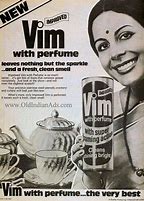
PORTRAYAL OF WOMEN IN ADVERTISEMENTS
| PAST SCENARIO | PRESENT SCENARIO |
| 1. In the past, women were portrayed as subjects of mockery and were allotted with submissive roles in television commercials. | 1. In the present scenario, women are often shown playing lead roles in television commercials. |
| 2. Women were deliberately depicted subordinate to their male counterparts. | 2. Males and females are equally portrayed in brand endorsements. |
| 3. The looks of a women were made use of, to endorse a product. Hence, females were said to be openly objectified in advertisements. | 3. Women are rarely seen doing stereotypical roles, instead they are shown as heads of a family, position holders at workplace, achievers of glory in sports and ultimately independent. |

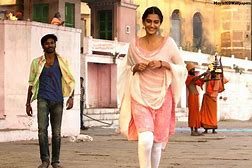
PORTRAYAL OF WOMEN IN MOVIES
- Bollywood has shaped and expressed the changing scenarios of modern India.
- It has influenced the way in which people perceive various aspects of the society.
- Despite the progress that bollywood films have made and the, things haven not changed much for Indian women, as objectification of women still continues in most of the Indian movies.
- In many movies of present times, female characters are needlessly under represented. Also, publisizing vulgar lyrics and dances in the name of item songs is very derogatory for women.
- Women are shown as helpless victims or cunning villains. Generally, the lead hero is the one who solves everyone’s including heroine’s problems.
- Movies depict actresses as unrealistically beautiful. This causes a lot of trauma and insecurity in the female audience. Laymen are generally unaware about the number of beautification surgeries and make up procedures which the actresses undergo to look perfect.
- In movies, stalking and eve-teasing is depicted as love in Indian movies. In many movies, female characters are attracted towards these abusers. Due to this, several young men indulge into harassing women in the name of love.
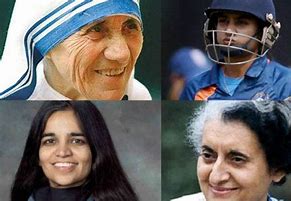
In conclusion, we can say that media has successfully stereotyped women in a negative way. It is true that women’s participation and presentation has advanced in various dimensions of social and political life but we still have a long way to go. It is high time that we learn to voice our disapproval against such practices and stand up for positive portrayals of women. The real women inspirations of India shall be depicted on all such platforms.
 Eduindex
You must be logged in to post a comment.