
Five terms that came up at the climate change conference in Glasgow 2021


The main task for COP26 was to finalise the rules and procedures for implementation of the Paris Agreement. Most of these rules had been finalised by 2018, but a few provisions, like the one relating to creation of new carbon markets, had remained unresolved.

After two weeks of negotiations with governments debating over provisions on phasing out coal, cutting greenhouse gas emissions and providing money to the poor world, the annual climate change summit came to an end on Saturday night with the adoption of a weaker-than-expected agreement called the Glasgow Climate Pact.


The Glasgow meeting was the 26th session of the Conference of Parties to the UN Framework Convention on Climate Change, or COP26. The main task for COP26 was to finalise the rules and procedures for implementation of the Paris Agreement. Most of these rules had been finalised by 2018, but a few provisions, like the one relating to creation of new carbon markets, had remained unresolved. However, due to clear evidence of worsening of the climate crisis in the six years since the Paris Agreement was finalised, host country United Kingdom was keen to ensure that Glasgow, instead of becoming merely a “procedural” COP, was a turning point in enhancing climate actions. The effort was to push for an agreement that could put the world on a 1.5 degree Celsius pathway, instead of the 2 degree Celsius trajectory which is the main objective of the Paris Agreement.
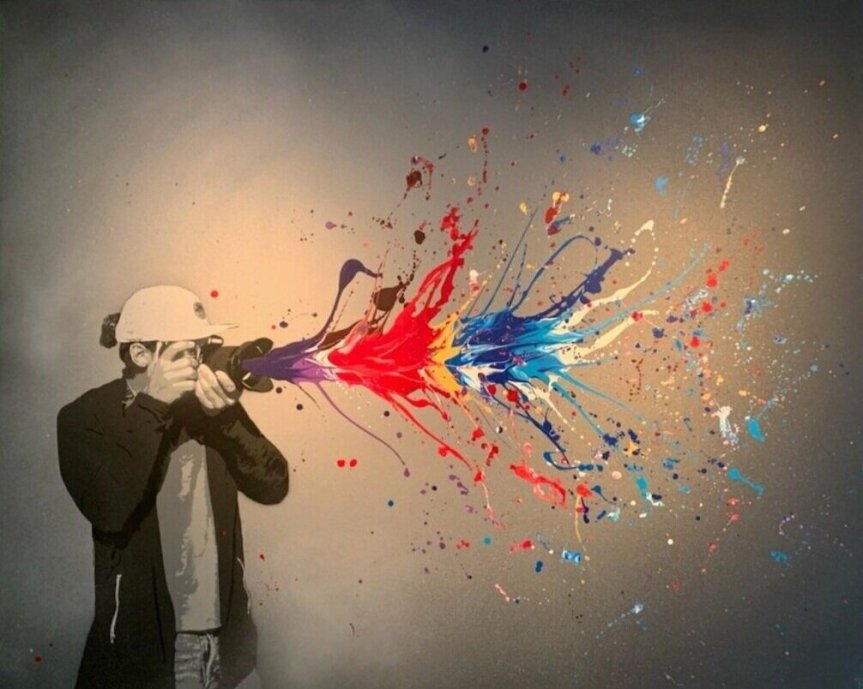
Reflecting on a Quote – 2

“Beauty lies in the eyes of the beholder” – Plato

With 7 billion people in the world, it will be a foolish thing to think that everyone thinks the same way, maybe they do in one thing or the other. However, the point is truth is subjective – with as many people, as many opinions, as many ways of living, as many ways of thinking, the truth about non-physical entities/things such as ‘truth’ itself is subjective. Many a times, the opinions, the perspectives get influenced by the surroundings. It in more than a way reflects the values imbibed while growing up.

Beauty, too, is subjective. There is no definite way to define beauty. For a person, beauty exudes calmness, while for someone else, it might be excitement. What might be beauty for one, might not be for the other. It is all about the perspective difference in perspective can be quite infuriating but it doesn’t mean that one is entirely wrong. However, here we are not talking about who is wrong and not. We are trying to bring into everyone’s notice again that beauty has no particular way. It is subjective, relative and not something absolute.

Consider this: For a person with darker skin than yours, you are fair

For a person with a fairer skin than yours, you are dark

For a person taller than you, you are short

For a person shorter than you, you are taller

For a person on a lean side than you, you are on the fat side

For a person on a fat side than you, you are on the lean side.

This list can go on. The relativity and subjectivity of the things, living and non-living alike do not allow us to put a definite meaning to anything.

Indeed, beauty lies in the eyes of the beholder. It depends on the observer’s perspective which in turn is influenced by various experiences, by the values imbibed, by their surroundings, by the knowledge intake, by their ways of thinking. This is why it becomes necessary that the environment in which a person lives should be such it doesn’t not induce some harmful perspective. Any form of shaming about people choices of living in any non-harmful way should not be given a space, not be taught.

In this post-modern era, when uniformity is in the process of being renounced, diversity needs to be accepted, respected and allowed.

Image Credit: Bjor Artworks

Retrieved from: Google