Causes Of Stress On The Modern Generation

Many sufferers experience feelings of “stress,” anxiety, and discomfort without an easily identifiable cause. Some people are stressed for clearly identifiable reasons: being fired, bereavement, or ill health. While this is something everyone experiences, the causes of stress can vary from person to person. Stress can be external and related to the environment [3], but it can also be caused by internal perceptions that cause a person to experience anxiety or other negative emotions associated with the situation, such as pressure, discomfort, etc., which he then considers. stress.

To better address this issue, it’s important to understand what causes stress and how modern life affects mental health. From persistent connections (see point 1 and this article “Why the modern world is bad for the brain”), to air pollution that affects our health, and noise pollution that affects our ability to hear our own thoughts… it’s no wonder we’re so easily exposed pressure. Our bodies and minds are caught up in everyday life, which results in a stressful environment. So, in fact, you can protect yourself by understanding stress and how to reduce these damaging effects of stress. With the development of society, the pace of modern life is getting faster and faster.

Financial stress is also linked to many health problems, including depression, anxiety, skin problems, diabetes and arthritis. Expected wages, timely promotions, material advancements like houses and cars, marriage, etc. often go hand in hand with anxiety, stress and lifestyle ailments. So, it can be said that today’s young people are very vulnerable to stress, and consumer culture is partly responsible for this.

From unattainable standards of beauty, lifestyle and social media performance, to constant stress at work and with friends, there are many ways online can lead to stress. Sometimes interpersonal stress can also be related to our relationships with people on social media like Facebook. For example, models and actors who adhere to society’s perception of beauty lead many to aspire to be like them, creating stress and anxiety when they try to do so.

Due to the increased use of technology, the number of face-to-face conversations or meetings has decreased, leading to loneliness, depression, and stress. Due to the increased use of technology, the number of conversations or face-to-face meetings has decreased, leading to loneliness, depression and stress. In addition, insomnia caused by the excessive use of technological gadgets has shortened the life expectancy of the modern generation.

Currently, people do less sports, physical work and consume more fast food, junk food, and due to family problems and stress, some are involved in criminal activities, which further increases stress and health problems. Studies show that stress levels in humans have reached noticeable levels in recent times. In this article, we will discuss the top 5 reasons why stress levels are on the rise these days. This article collects the reasons why the modern generation is so full of stress and mental problems.

The only word that comes to mind when we think about life in this century is stress. Stress affects all social groups and all age categories; no one can escape it.

Stress is a constant factor in the life of a five-year-old, young or old. Stress is a normal part of teenage life and can have many causes. At times, young people often feel stressed. Stress is actually a normal part of life, and sometimes useful.

But if you can’t manage stress and it becomes long-term, it can seriously interfere with your work, family life, and health. In the long term, financial stress causes distress, which can raise blood pressure and cause headaches, stomach pain, chest pain, insomnia, and general malaise.

Stress can also lead to various problems such as depression, diabetes, hair loss, heart disease, obesity, ulcers, cancer (possibly), sexual dysfunction, dental and gum disease, etc. It is impossible to completely eliminate stress from your life; however, applying some stress management techniques can mitigate some of the effects. Chronic stress and lack of coping resources available or used by the individual can often lead to the development of psychological problems such as depression and anxiety (see below for more information).

Signs of relationship-related stress are similar to common general symptoms of stress and can include sleep and physical health problems, depression, and anxiety. Toxic people are present in every area of ​​our lives, and the stress we experience as a result of these relationships can affect our physical and mental health.

High levels of parental stress can cause parents to become harsh, negative, and overbearing with their children. Older people find that retirement income can be a major stressor when adults are stressed to cope with family expenses. Getting a raise or a promotion is stressful, even just being fired from a job is stressful. On the one hand, this can be useful, but unfortunately, this constant pressure often leads to situations of increasing stress.

But if we’re going to deal with stress, we need to be on top of the basic building blocks, or our health can exacerbate the stress we experience.

In addition, people who do not believe that stress affects their health are not at high risk of getting sick, falling ill, or dying. Compared with younger generations, older adults are less likely to report high levels of stress, possibly in part because they are also more likely to recognize the importance of maintaining a healthy lifestyle or receive advice from a healthcare professional to reduce stress levels. Mature adults were significantly less likely than younger generations to report being irritable or angry due to stress in the past month (23% of adults, 42% of Baby Boomers, 51% of Gen X and 44% of millennials). Likewise, older adults are less likely to feel overwhelmed or saddened by stress in the past month than other generations (24% for Millennials and 38% for Gen X).

Three-quarters of millennials (76%) believe that stress can have a very high or high impact on health; this percentage rises steadily to 80% Gen Xers, 87% Boomers, and 92% adults. The American Psychological Association (APA) Stress in America 2020 report found that, on average, Gen Z adults reached a stress level of 6.1 out of 10 in the last month, with 10 being above. Americans aged 18 to 23, also known as Generation Z adults, report the highest stress levels of any generation in the country, according to the survey. Generation Z faces chronic stress from many environmental factors, including gun violence, harassment and abuse, anxiety about financial insecurity, politics, and even social media.
Portable tech-traditional eco-friendly mobile cremation system

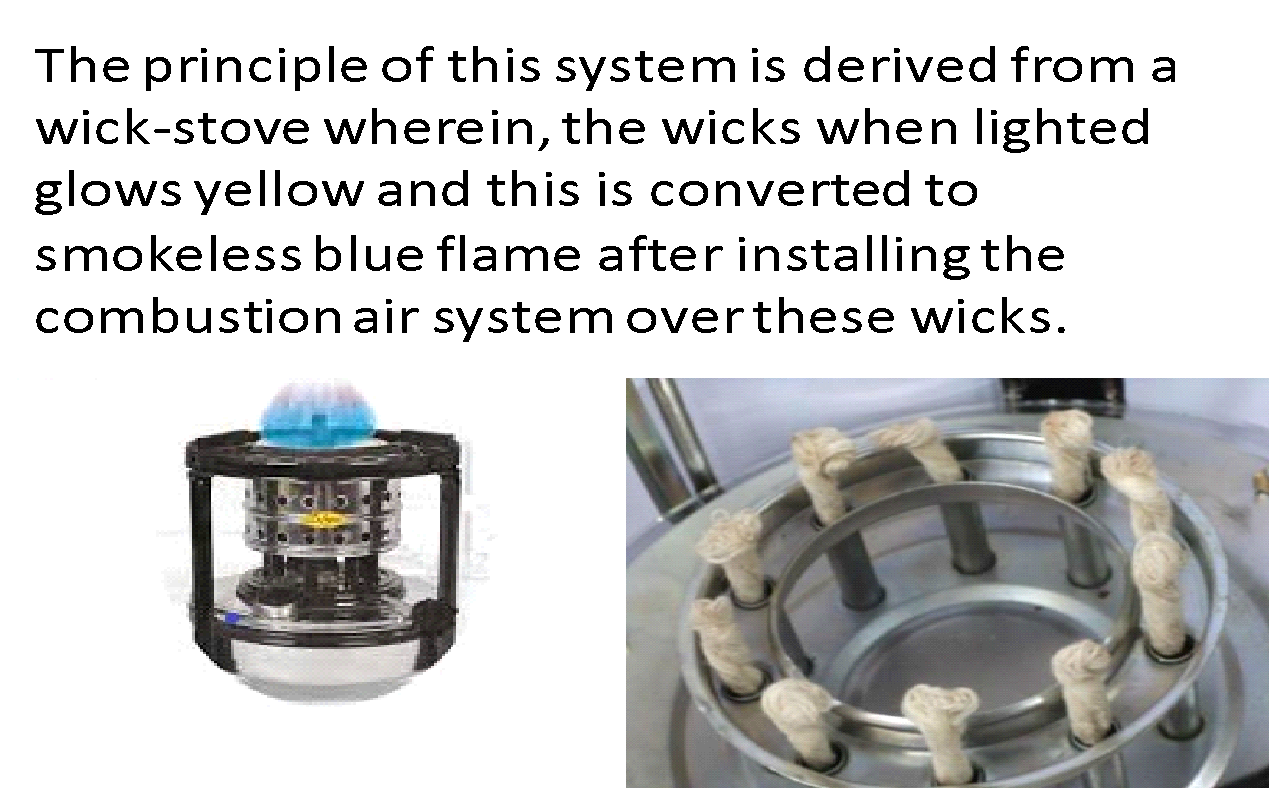
 Indian Institute of Technology, Ropar has developed a prototype of a moveable electric cremation system which claims to be using first of its kind technology that involves smokeless cremation despite using wood. It uses half of the wood otherwise required for the cremation and still is eco-friendly because of the technology that uses combustion air system.


It is based on wick-stove technology in which the wick when lighted glows yellow. This is converted into smokeless blue flame with the help of combustion air system installed over the wicks.


IIT Professor Dr Harpreet Singh, Dean, Industrial Consultancy and Sponsored Research and Industry Interaction (ICSR&II) who has developed the system said that the cremation system or incinerator heats up at 1044 degree Celsius which ensures complete sterilization.  


The cart-shaped incinerator has wheels and can be transported anywhere without much efforts. The cart is equipped with combustion air for primary and secondary hot air system. “The disposal of the body is completed within 12 hrs including cooling time as against 48 hours required in the normal wood-based cremation”, Prof. Harpreet added. Use of less wood can also reduce the carbon footprint by half. He said it requires less cooling time in the absence of refractory heat storage. It has stainless steel insulation on both sides of the cart for no heat loss and less wood consumption. It also has a tray beneath for easy removal of ashes.


Dummy-testing of the Prototype of electric cremation system.


He said that he has adopted tech-traditional model for cremation as it also uses wood. That has been done keeping in view our beliefs and traditions of cremating on wood pyre. 


Keeping in view the present pandemic situation “if this system can be adopted, may provide respectable cremation to the near and dear ones of those who cannot afford the financial burden of arranging wood”, said Harjinder Singh Cheema, MD, Cheema Boilers Ltd. who has made the prototype. He said that since this is portable, it can be taken to any place with the permission of the concerned authorities. This will also help people to avoid space crunch in crematoriums as is the case in present context. 


***************


Safety and academic welfare of students

 Union Education Minister Shri Ramesh Pokhriyal ‘Nishank’ chaired a meeting with School Education Secretaries of all States & UTs through video conferencing discuss the various measures adopted for management of education system during COVID and the different strategies adopted for online and offline learning in Schools so far and the way forward. Minister of State for Education Shri Sanjay Dhotre; Secretary, Higher Education Shri Amit Khare; Secretary, School Education and Literacy Smt Anita Karwal and senior officials of the Ministry were present in the meeting. Representatives from almost all the States and UTs attended the meeting including additional Chief Secretaries, Principal Secretaries and Secretaries Education Department; and with other State officials such as the State Project Directors, Director SCERT, etc. This is the biggest meeting held on School Education during the pandemic.

Addressing the meeting Union Minister said that the current situation of COVID-19 is unfortunate, but Government is committed to turn the situation into opportunity by doing new experiments to ensure safety and academic welfare of students.

The Minister emphasized the need to continue the coherent efforts made by the states and UTs in previous year and underscored the importance of reaching out to most vulnerable and marginalized children in this pandemic period. He further stated that the Department has taken up several Initiatives in 2020-21 for facilitating continuing learning during the pandemic. These include: expansion of DIKSHA under PM eVIDYA; DTH TV channels under the bouquet of SWAYAM PRABHA TV channels; launch of online NISHTHA training for teachers at DIKSHA; Launch of Manodarpan to cater to the socio-emotional and psychological needs of the students, etc. Also, several initiatives have been taken to reach out to children without access to digital education. He also underlined the importance of involving various stakeholders for effective implementation of the National Education Policy 2020. 

Shri Pokhriyal noted all the problems and suggestions made by the States. The States also appreciated the efforts made by the Ministry of Education providing all possible help to States to ensure academic welfare of students. The Union Minister thanked all the States for their commendable work in the field education and assured them that the Ministry will extend its full support in this difficult time and together we will fight this problem.

Acknowledging that the Government has adopted new and innovative methods in Indian education system to address the challenges arising due to covid pandemic, MoS Shri Sanjay Dhotre stressed upon exploring ways to provide hybrid education comprising of both offline and online teaching methods. For this we would need new learning methodologies, quality learning content and evaluation assessment model, he added. He emphasised that scientific temperament of students will play a deciding role in post covid world therefore education system of our country should focus on developing critical thinking ability, logical reasoning ability and scientific temper among students. He called upon everyone to work together as a team in furthering the spirit of NEP 2020 and effectively implementing it to achieve the desired goals.

A comprehensive COVID Response document has been issued by the Department on 4th May, 2021 and it delineates detailed action plan with corresponding timelines for all Stakeholders involved on Access, Retention, Continuous Learning, Capacity Building and Stakeholder engagement.

The major areas identified for intervention are: Identifying and mainstreaming of Out of School Children and ensuring sustained Enrolment, Retention and Transition; Academic learning & cognitive development of students; Capacity building- with specific focus on blended and home-based learning including student assessments and data use; Nutritional, socio-emotional support; Digital education and monitoring, tracking and remediation.

Further, the following components of Samagra Shiksha have been built into special and focused interventions in view of the present pandemic situation:

  • Learning enhancement/enriching programme to provide supplementary material to children
  • Library grant for ensuring availability of reading material to students
  • Special Training for Out of school children and Children With Special Needs.
  • Support for out of school children of age group 16 to 19 years through NIOS/State open schools.
  • SMC training to be utilized for ensuring community participation, parental support
  • Teaching learning Material at ECCE and primary grade
  • Setting-up a help desk at Panchayat level and creating awareness through use of mass media. It can also be used for conducting online learning and content dissemination over electronic media.
  • Child tracking funds may be utilized for preparing student registry
  • Special Grants to schools for sanitization and hygiene
  • Teachers grants for awareness on safety and security in online mode and for enabling them to use online means of education.
  • Grants for online content development and dissemination.
  • Grants for teachers for accessing NISHTHA training over DIKSHA platform.
  • Composite school grants to ensure continuity of learning and at least 10% of it to be used for Water, sanitation and hygiene in schools.


The Department has started conducting the meetings of the Project Approval Board for approval of Annual Work Plan and Budgets of the states under Samagra Shiksha in the virtual mode, so that the states and UTs can get timely approvals for implementation of the above interventions.

Further, ad-hoc grants to the tune of Rs 5228 crore have already been released to the states under Samagra Shiksha and an amount of Rs 2500 crore will be released soon to ensure continuity of various educational initiatives by the states and UTs.

All states and UTs have shared their strategy for continuing the learning process during the pandemic. It was reported that most of the children have received the textbooks and apart from this, various supplementary graded material has also been prepared by the states. Haryana and Gujarat shared the details about the assessment being done by the state while schools are not opened. Many states such as Jharkhand, Ladakh, Madhya Pradesh and Rajasthan have made digital apps to promote learning. The pivotal role of parents and communities have been highlighted by all the states and UTs. States and UTs also shared the details to promote online learning through digital devises, Doordarshan and Radio etc.


******

Virtual Imposters Beware of ‘FakeBuster’

 Researchers at the Indian Institute of Technology, Ropar in Punjab and Monash University, Australia have developed a unique detector named ‘FakeBuster’ to identify imposters attending a virtual conference without anybody’s knowledge. It can also find out faces manipulated on social media to defame or make a joke of someone.


In the present pandemic scenario when most of the official meetings and work is being done online, this standalone solution enables a user (organizer) to detect if another person’s video is manipulated or spoofed during a video conferencing. That means the technique will find out if some imposter is attending a Webinar or virtual meeting on behalf of one of your colleagues by morphing his image with his own. 

 “Sophisticated artificial intelligence techniques have spurred a dramatic increase in manipulation of media contents. Such techniques keep evolving and become more realistic. That makes detection difficult which could have far reaching security implications”, said Dr. Abhinav Dhall, one of the key members of a four-man team that developed the ‘FakeBuster’. “The tool has achieved over 90 per cent accuracy” assures Dr. Dhall. The other three members include Associate Prof. Ramanathan Subramanian and two students Vineet Mehta and Parul Gupta.

Byte of Dr. Abhinav Dhall

A paper on this technique – FakeBuster: A DeepFakes Detection Tool for Video Conferencing Scenarios – has been presented in the 26th International Conference on Intelligent User Interfaces, in USA, last month. 

Dr. Dhall said that the usage of manipulated media content in spreading fake news, pornography and other such online content has been widely observed with major repercussions. He said such manipulations have recently found their way into video-calling platforms through spoofing tools based on transfer of facial expressions. These fake facial expressions are often convincing to human eye and can have serious implications. These real time mimicked visuals (videos) known as ‘Deepfakes’ can even be used during online examinations and job interviews. 

This software platform is independent of video conferencing solutions and has been tested with Zoom and Skype applications.


The Deepfake detection tool-‘FakeBuster’ works in both online and offline modes. Since the device can presently be attached with laptops and desktops only “we are aiming to make the network smaller and lighter to enable it to run on mobile phones/devices as well”, informed Associate Prof. Subramanian. He said the team is working on using the device to detect fake audios also.

The team claims that this software platform ‘FakeBuster’ is one of the first tools to detect imposters during live video conferencing using DeepFake detection technology. The device has already been tested and would hit the market soon.

***************

IISc,IITs,IIITs,IISERs and NITs to review the situation of COVID management and imparting online education

 Union Minister of Education Shri Ramesh Pokhriyal ‘Nishank’ today chaired a meeting with Directors of IISc/IITs/IIITs/IISERs and NITs through Video Conferencing. Minister of State for Education Shri Sanjay Dhotre also attended the meeting. During the meeting, Shri Amit Khare, Secretary, Higher Education Ministry of Education and Directors of IITs, IISc, IISERs, NITs, IIITs were also present.

Union Minister exhorted that there is a need to maintain the quality education in these Institutes of National Importance besides taking adequate safety measures for managing COVID-19 situation. The status of imparting online education, virtual laboratory courses by these Institutes was also reviewed by the Minister. Directors of the institutes mentioned that they have already started online teaching since the commencement of initial lockdown in March’20.  Some of the institutions have also developed their own app for online teaching and evaluation.  They also informed that for students facing connectivity issue, the lecture contents were made available even for later use which they can download from anywhere and study. Teachers have interacted through online classes with their students and guided them.

The status of COVID cases in the campus of these institutions and handling of situation arising thereon by these Institutes was also discussed. The Minister impressed that the positive thinking and positive reactions to the current situation could avoid unnecessary anxiety among the students and teaching community.  An effort by the Institutes would be helpful in creating positive atmosphere in the Society. 

Shri Dhotre appreciated all the institutions for ensuring continuation of academic sessions during the covid period. He urged them to focus on science and technology and work on new innovations to tackle the unprecedented challenges caused due to covid. He spoke about the importance of emphasizing on hybrid learning to cater to the education needs of the students. He also stressed upon the need of implementing the National Education Policy to provide world class education to students.

The Institutes detailed their COVID-19 management strategy and also voluntary service extended to local administration for awareness and supply of necessary support for management of the situation in the respective State. The Institutes also briefed about the vaccination drive undertaken for the campus residents in consultation with local administration and as per the guidelines.

The main discussion was on the Research undertaken by these institutions of National importance in tackling Covid situation. Union Education Minister commended the institutes in developing low cost RT-PCR machines, kits, ventilators, mathematical modelling of predicting the trend of COVID-19 and successfully placing them at the disposal of State Health Departments.  Many of the research products have been commercialised through the Incubation Cells and Start ups set up by these Institutes.

Few of the notable research work done by these institutions includes development of Corona testing kit ‘Corosure’, research for development of vaccine which can be stored at room temperature, Genome sequencing to identify the variants of Corona Virus, ‘COVIRAP’ device for rapid diagnostic of pathogenic infection, methods to optimize use of Oxygen in ventilators, development of Oxygen concentrators, low cost portable ventilators, etc.

With regard to National Education Policy, 2020, it is noted that many of the institutions have already started new department/ multi- disciplinary programs. IISc Bangalore and IIT Kharagpur are soon to start courses in Medical sciences. Emphasis has been put by the institutions on teachers training/ mentorship and Internationalisation as well as academia- industry interaction.

******

Conduct of Class XIIth exams and professional courses entrance exams

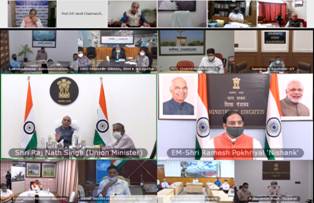
 A national consultation was arranged today by the Ministry of Education, Government of India with the Education Ministers and Administrators of all States and UTs. The consultation was chaired by the Union Defence Minister ShriRajnath Singh, and was attended by Union Education Minister ShriRameshPokhriyal‘Nishank’, Union Minister for Women and Child Development and Textiles, Smt. SmritiZubin Irani, Union Minister for Forest, environment and Climate change and Information and Broadcasting, ShriPrakashJavadekar and Minister of State for Education Shri Sanjay Dhotre. Secretary,  Higher Education Shri Amit Khare; Secretary, School Education Smt Anita Karwal  and senior officials of the Ministry also attended the meeting.

While opening the forum for discussions, the Minister for Education, Shri Ramesh Pokhriyal“Nishank’ expressed his gratitude to the cabinet ministers from Government of India who attended the meeting today for their extensive support in the preliminary discussions leading to this consultation and for remaining present in the meeting. It may be mentioned that a  high level meeting was held on 21st May 2021 under the chairmanship of the Prime Minister with nine Union Cabinet Ministers and senior officials to discuss about the conduct of Board exams for Class XII and All India Entrance  exams. The Minister expressed his gratitude to Defence Minister ShriRajnath Singh for giving his time and valuable suggestions relating to the exams. He thanked the Union Minister for Women and Child Development, Union Minister for Information and Broadcasting, Minister of State for Education for attending the meeting. The Minister of Education also expressed commitment towards the safety and security of children as the first priority of the Government of India.The Minister said the entire country has come together to ensure the safety and academic welfare of the students and smooth functioning of the education system.He said that despite challenges posed by Covid-19, the Government has left no stone unturned to successfully bring education to online mode. He said that the homes were converted into schools.

The Minister discussed the importance of the Class XII Board exams and the All India Entrance exams in shaping the future and defining the careers of students. The Minister said keeping in view the present circumstances we decided to cancel the CBSE Board examinations of Class X and evaluate through internal assessment but Class-XII examinations are very important to decide the future of a student.

He said that this meeting was called to enable Central and State Boards and other examination agencies to be able to examine various options available in the present challenging circumstances through a consultation process.ShriPokhriyal assured that the deliberations with all stakeholders in the meeting today will help in reaching a suitable decision on exams in the interest of all the students and ensuring a bright future for our children.

The discussions were held around two themes, i.e, board exams to be conducted for Class XII by the Central Board of Secondary Education and other State Boards and the All-India Entrance examinations for various higher education institutions and professional courses. Various options regarding the methodology, process, duration and timings of the exams were discussed. While a broad consensus was there, however, it was decided that States and UTs may like to further examine the matter and send their feedback in writing by the 25th of May,2021.

The meeting was attended by Chief Minister of Jharkhand and Goa, Deputy Chief Minister of Uttar Pradesh and Delhi  and State Education Ministers, State Education Secretaries, Chairpersons of Examination Boards , Administrators of Union territories, Secretaries of Higher Education Department and School Education Department of Government of India, Chairman CBSE, UGC and AICTE, DG NTA and several other  officials.

While summing up, Union Defence Minister, Shri Rajnath Singh thanked all the participants for putting forth their positive suggestions on the proposals for conducting examinations. He requested States and UTs to submit other suggestions, if any, to the Ministry of Education by this Tuesday i.e. 25th May. The Ministry will consider all those suggestions and take a final decision soon, he added. He reiterated that the priority of the Government is to conduct all the examinations in a safe and secure environment.

Earlier on 14th April, the Central Board of Secondary Education had notified that Class XII exams have been postponed and that further information with regard to Class XII board exams would be given to students by the 1st of June. In this context, following the consultative meeting with the States and UTs today, the Government of India will examine the suggestions received from the various State Governments this week and convey further information in this regard to the students by or before the 1st of June 2021.

******

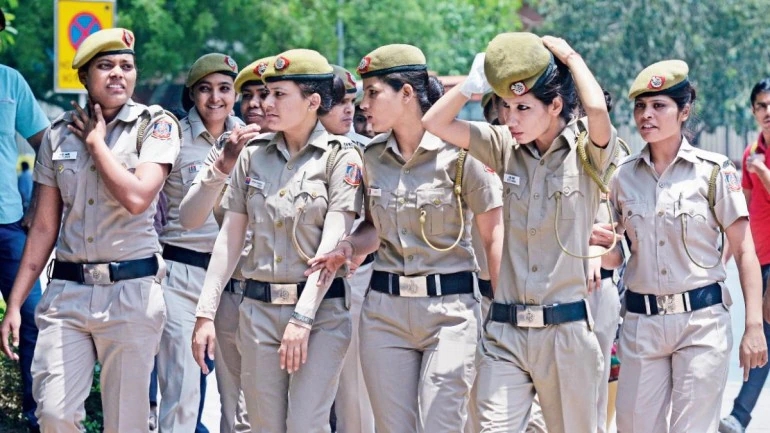
Need Of Having More Women In The Police Force

In fact, Evans and Davis studied the presence of female police officers on prime-time television shows by analyzing 46 programs from various networks and comparing them to local and state data on women in police departments. They also used data on crime victimization and found that with an increase in the representation of women among officers in the area, violent crimes against women in the area, especially domestic violence, were reported to the police at a significantly higher rate. The D.C. Metropolitan Police Department conducted a study by assigning a number of newly hired female officers to patrol jobs traditionally reserved for male officers.

Female patrol officers are often more effective than their male counterparts in avoiding violence and addressing potentially dangerous situations. A 2003 report by the UK’s National Women’s Police Centre also examined male and female officers’ responses to domestic violence calls. It found that male police officers were less likely than female officers to report a second call about domestic violence at their place of residence.

In all four cities—Cincinnati, Indianapolis, New Orleans, and Orlando—the rate of accidents among female officers was lower than that of their departments. Gender disparity is one of the main reasons why there are only a few female officers in the police force. With separate entry and promotion frames for different genres; basic infrastructure structures in police stations; women who are only pushed into the affairs of women and children, and so on. These are factors that are increasingly preventing women from entering the military.

Another huge obstacle for women to stay in the profession once they become police officers is that some face the treatment of their male counterparts. CHRI research shows that police are very apathetic towards women. There are far fewer women at the state level (Assistant Deputy Inspector of Police to the Deputy Commissioner of Police) than at the police level.

However, the percentage of women in different police departments varies greatly. In some major cities and counties, women make up over 20% of all officers, but in state police departments, they may make up less than 6% of officers. In many countries, such as South Africa, the United States, Australia and Canada, women in the police are much better represented (between 15 and 30%).

While the central government has the power to enact and amend criminal laws when necessary, including the participation of women in the police force, it cannot force state governments to increase the number of women in their police forces. So, even if we follow simple math, without having a minimum female representation in the police force of around 16%, the mandate of the various laws will not only be ignored, but will also affect the everyday social order (with the participation of women). public expectations.

Despite a fair amount of women in popular police dramas, the country’s 18,000 police departments are not swarming with women. Among the 20 of the nation’s 25 largest police departments that provided data to CNN, the proportion of women sworn in to the oath ranges from 10.6% in San Antonio to 25.2% in Detroit. In total, 400 female officers serve in the Baltimore Police Department out of 2,535 sworn members, or only 15.8%.

Upton Police Chief Michael Bradley, who is also vice president of the Massachusetts Police Chiefs Association, said he wished he had hired more women to better reflect society, but it has been difficult. Luther Reynolds, police chief of Charleston, South Carolina, said recruiting women is a top priority and recently fired or reassigned officers who questioned his decision to promote a young female lieutenant. Houston Police Chief Art Acevedo said he decided to promote more women. Over at least two decades, the percentage of women serving as agents in local police departments has risen slightly to around 12%.

A new study by the Commonwealth Human Rights Initiative (CHRI) suggests that women make up six percent of all police forces, much less than in other South Asian countries and even the BRICS countries. The NCRB data shows that while the average female police presence has increased from 2% in 2001 to 7% in 2016, it is still far from satisfactory to effectively tackle female-related crime. Although the number of women in the police has increased, there are many problems in the form of a lack of women in leadership and senior positions, their insignificant role in law enforcement in general, gender issues, lack of infrastructure and stereotype management by men. colleagues.

Coupled with a growing awareness of their potential to make a positive impact, more needs to be done to encourage women to work in law enforcement. An example of a recruiting effort that targets women is the US Border Patrol, and recruiting is exclusively targeted at women. In addition to women recruitment campaigns that encourage girls and offer mentoring, Montoya says, this is another way to get more women into the field.

The organization of police academies for boys, where up to 50% of the participants must be women, can help. Craven also said that police departments should consider creating recruitment groups that include women, even if they are not agents, to make them more welcoming. More female patrol officers will help police be “officers of the world, and not just rely on a sentinel or warrior mentality,” adds Victoria, who has a Ph.D. in the administration of justice and worked in the police force for 28 years.

Police service is also ideal for patriotic women who wish to serve their country and citizens. Women are more sensitive to social needs, so female officials are more confident than male officials. International research has also shown relatively positive outcomes in a police force with more female officers. Early research on women in the police showed that female police officers had a “sedating effect” on male partners, which in turn reduced civilian deaths at the hands of police officers.

Pew research shows that female officers believe that the culture of most police departments supports masculine values, which negatively affects women’s police experience, making them reluctant to stay in the force or even be the first to enter the field people. In addition to the perception that women are not physically fit for police work, some men may resent the presence of female police officers because they represent more “feminine” aspects of police work, such as social work and policing. Hiding behind the more heroic and aggressive side of the police. The police subculture, which is associated with “masculinity” and coercion, has less of an impact on women’s participation.

Police groups cite a variety of factors, including a small number of role models among female police officers, recruiting efforts that typically target men, and a lack of support systems for women who want to have children. Proponents argue that the increase in the number of female police officers cannot be dismissed simply as a matter of women’s rights. But she said she had read that past attempts to increase the number of women in the police force and firefighters had not been successful, and she was not entirely convinced that there was strong evidence that female officers were more effective in reducing violence.

YUVA- Prime Minister’s Scheme For Mentoring Young Authors

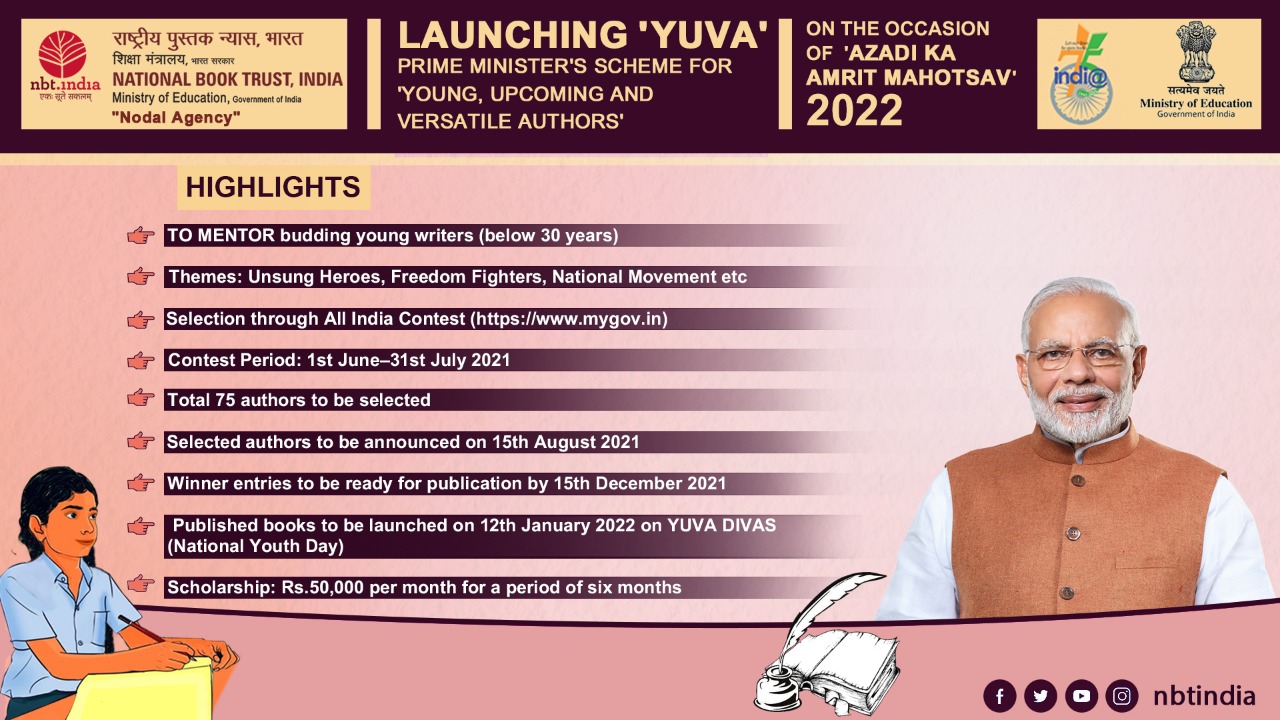
 The Ministry of Education, Department of Higher Education today launched YUVA-  Prime Minister’s Scheme For Mentoring Young Authors, an Author Mentorship programme to train young and budding authors (below 30 years of age) in order to promote reading, writing and book culture in the country, and project India and Indian writings globally.

The launch of YUVA (Young, Upcoming and Versatile Authors) is in tune with PM’s vision to encourage young writers to write about India’s freedom struggle.  It was during Mann ki Baat on 31 January 2021, Prime Minister Shri Narendra Modi called upon the young generation to write about freedom fighters, incidents associated with freedom, the saga of valour during the period of freedom struggle in their respective areas – as the best tribute to the heroes of India’s freedom – as we celebrate 75 years of Indian Independence.

This will also prepare a category of thought leaders that will decide the course of the future”, said PM.

YUVA is a part of India@75 Project (Azadi Ka Amrit Mahotsav) to bring to the fore the perspectives of the young generation of writers on themes like Unsung Heroes, Freedom Fighters, Unknown and Forgotten Places and their role in National Movement, and other related themes in an innovative and creative manner. This scheme will thus help to develop a stream of writers who can write on a spectrum of subjects to promote Indian heritage, culture and knowledge system.

The National Book Trust, India under the Ministry of Education as the Implementing Agency will ensure phase-wise execution of the Scheme under well-defined stages of mentorship. ​The books prepared under this scheme will be published by National Book Trust, India; and will also be translated into other Indian languages ensuring the exchange of culture and literature, thereby promoting ‘Ek Bharat Shreshtha Bharat’. The selected young authors will interact with some of the best authors of the world; participate in literary festivals etc. 

NEP 2020 has emphasised on the empowerment of the young minds and creating a learning ecosystem that can make the young readers/learners ready for leadership roles in the future world. In this context, YUVA will go a long way in laying the foundation of the future leaders of the creative world.

Highlights of YUVA (Young, Upcoming and Versatile Authors):  

  • A total of 75 authors will be selected through an All India Contest to be conducted through https://www.mygov.in/ from 1 June – 31 July 2021.
  • The winners will be announced on 15 August 2021.
  • The young authors will be trained by eminent authors/mentors.
  • Under the mentorship, the manuscripts will be readied by 15 Dec. 2021 for publication.
  • The published books will be launched on 12 January 2022 on the occasion of National Youth Day (Yuva Diwas).
  • A consolidated scholarship of Rs.50,000 per month for a period of six months per author will be paid under the Mentorship Scheme

*****

MC/KP/AK

IIT Ropar develops "AmbiTAG"- India's first indigenous temperature data logger for the cold chain management

 Indian Institute of Technology, Ropar (IIT Ropar) in Punjab has developed a first-of-its-kind IoT device – AmbiTag that records real-time ambient temperature during the transportation of perishable products, vaccines and even body organs and blood. That recorded temperature further helps to know whether that particular item transported from anywhere in the world is still usable or perished because of temperature variation. This information is particularly critical for vaccines including Covid-19 vaccine, organs and blood transportation. 


Shaped as USB device, AmbiTag continuously records the temperature of its immediate surroundings “from -40 to +80 degrees in any time zone for a full 90 days on a single charge. Most of the similar devices available in the international market record data only for duration of 30- 60 days”, said AWaDH Project coordinator, Dr. Suman Kumar. He said it generates an alert when the temperature goes beyond a pre-set limit. The recorded data can be retrieved by connecting the USB with any computer. The device has been developed under Technology Innovation Hub – AWaDH (Agriculture and Water Technology Development Hub) and its Startup ScratchNest. AWaDH is a Govt of India project. Prof. Kumar said that the device is certified with ISO 13485:2016, EN 12830:2018, CE & ROHS.


Besides perishable items including vegetables, meat and dairy products it can also monitor the temperature of animal semen during transit. “So far, such devices are being imported by India in a massive quantity from other countries such as Singapore, Hong Kong, Ireland, and China,” said Amit Bhatti, one of the founders and directors of ScratchNest. 


AWaDH Project Director, Professor Pushpendra P. Singh informed that IIT Ropar Technology Innovation Hub is gearing for mass-production of AmbiTag. “The device will be made available to all companies involved in COVID vaccine transportation from production facilities to the last mile vaccination centers in the country at the production cost of Rs. 400. This device is our small contribution to the Nation for coming out of the never-seen-before-pandemic and a push towards the Atma Nirbhar Bharat”, said Prof. Singh. 


***************


Covid-19 and Online Classes

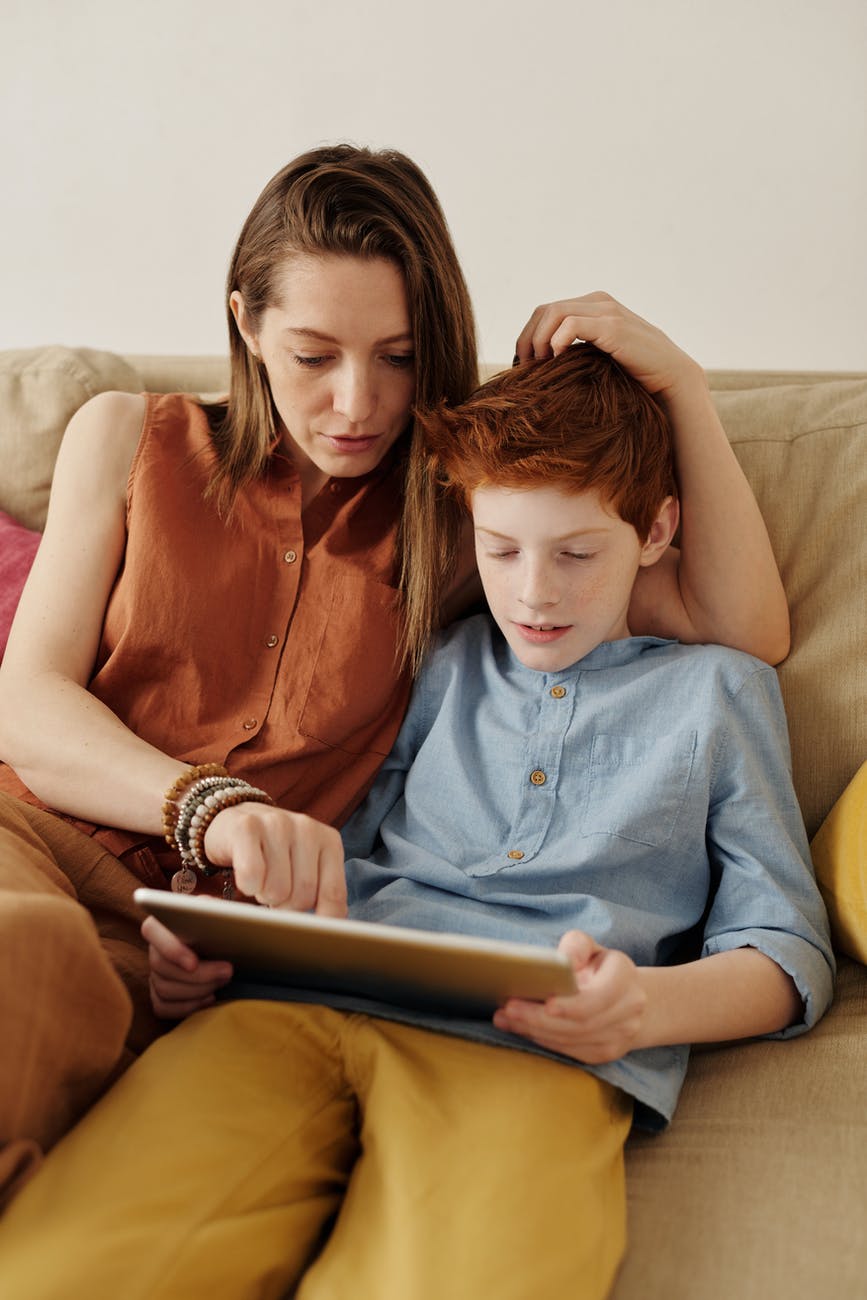
Along with the spread of the novel Corona virus, India opted for lockdown to stop the transmission of the virus. Lives with this virus in the present scenario has resulted in the indefinite closure of schools, colleges and other educational institutions. Thanks to the modern technology everyone opted for online classes via different platforms amid this lockdown.

Photo by Julia M Cameron on Pexels.com

PROS OF ONLINE CLASSES:

  1. Firstly it provides opportunity of study to the students of the remote areas who earlier couldn’t contact the teachers due to transport barriers.
  2. Students don’t need to travel, so it saves a lot of time.
  3. Students can attend the classes as well as enjoy the comfort of being at home.

CONS OF ONLINE CLASSES:

  1. Many poor students don’t have access to smartphones and internet connection.
  2. Students may develop eye related problems if the screen time exceed the average limit.
  3. Students may become lethargic during classes and exams which will surely have a great negative impact in their future.

CONCLUSION:

Online classes are surely a great initiative amid this lockdown but students really need to be cautious regarding their studies and future and be very attentive in the classes. We all realize it is difficult for both the students as well as the teachers to adapt this new technology of spreading knowledge but we will have to use it in the best possible way to secure the future generations.

Late periods?

A period is the part of the menstrual cycle when a woman bleeds from her vagina for a few days. For most women this happens every 28 days or so, but it’s common for periods to be more or less frequent than this, ranging from day 21 to day 40 of their menstrual cycle. It is a very important process that a female goes through in her life and any kind of stress can leads to its delay which is obviously not a good signal. Sometimes getting a late period for 3-4 days is normal but if it is always so and about a month or more late than it needs to be treated well before time.

How to prioritize work

Learning how to prioritize

It means getting more out of the limited time you have each day. It’s one of the cornerstones of productivity and once you know how to properly prioritize, it can help with everything from your time management to work-life balance.

Master lists

Capture everything on a Master List and then break it down by monthly, weekly, and daily goals.

  • Start by making a master list—a document, app, or piece of paper where every current and future task will be stored. 
  • Once you have all your tasks together, break them down into monthly, weekly, and daily goals.
  • When setting your priorities, try not to get too “task-oriented” – you want to make sure you’re prioritizing the more effective work.
Eisenhower Matrix

The matrix is a simple four-quadrant box that answers that helps you separate “urgent” tasks from “important” ones:

  • Urgent and Important: Do these tasks as soon as possible
  • Important, but not urgent: Decide when you’ll do these and schedule it
  • Urgent, but not important: Delegate these tasks to someone else
  • Neither urgent nor important: Drop these from your schedule as soon as possible.
The Ivy Lee Method

Rank your work by its true priority with the Ivy Lee Method:

  • At the end of each workday, write down the 6 most important things you need to accomplish tomorrow. 
  • Prioritize those 6 items n order of their true importance.
  • When you arrive tomorrow, concentrate only on the first task. Work until the first task is finished before moving on to the next one.
  • Approach the rest of your list in the same fashion. At the end of the day, move any unfinished items to a new list of six tasks for the following day.
  • Repeat this process every working day.
The ABCDE method

Instead of keeping all tasks on a single level of priority, this method offers two or more levels for each task:

  • Go through your list and give every task a letter from A to E (A being the highest priority)
  • For every task that has an A, give it a number that dictates the order you’ll do it in
  • Repeat until all tasks have letters and numbers.
Set the tone of the day by “Eating the frog”

Once you’ve prioritized your most important work, it’s time to choose how to attack the day. How you start the day sets the tone for the rest of it. And often, getting a large, hairy, yet important task out of the way first thing gives you momentum, inspiration, and energy to keep moving. 

Warren Buffett’s 2-list strategy

Cut out “good enough” goals with Warren Buffett’s 2-list strategy.

  • Write down your top 25 goals: life goals, career goals, education goals, or anything else you want to spend your time on.
  • Circle your top 5 goals on that list.
  • Finally, any goal you didn’t circle goes on an “avoid at all cost” list. These are the tasks that are seemingly important enough to deserve your attention. But that isn’t moving you towards your long-term priorities.
The sunk cost fallacy

Humans are especially susceptible to the “sunk cost fallacy”—a psychological effect where we feel compelled to continue doing something just because we’ve already put time and effort into it. But the reality is that no matter what you spend your time doing, you can never get that time back. And any time spent continuing to work towards the wrong priority is just wasted time.

REFERENCE

https://blog.rescuetime.com/how-to-prioritize/

Super foods for weight loss

What makes a food a superfood? More than just fuel for your body, superfoods yield benefits beyond the nutrients they provide,So whether you’re eating to shed a few pounds, maintain a healthy weight, or for overall health, superfoods make the cut. In fact, you’ll find these foods on healthy eating plans that include a variety of fruits and veggies, whole grains, lean proteins, and healthy fats.

1.Black Beans

A cup of black beans packs 15 grams of satisfying protein and doesn’t contain any of the saturated fat found in other protein sources, like red meat. Plus, their polyphenol content makes them a potent antioxidant. Black beans belong to a food group known as “pulses,” the edible seeds of legume plants. A 2016 analysis of randomized controlled trials found that a serving a day of pulses may contribute to modest weight loss. That makes all sorts of beans, dry peas, chickpeas, and lentils great superfood choices.

2.Oats

Oats are rich in a type of soluble fiber called beta-glucan. It can keep you feel full throughout the day and may help reduce cholesterol. Oats also provide magnesium, an essential mineral that can help regulate blood sugar. When given a choice, go for whole grain oats . Skip the processed, sugary stuff that can spike your blood sugar. Other healthy whole-grain superfoods to try: quinoa (a high-fiber, protein-packed seeds) and black rice(rich in anthocyanin, a type of antioxidant). 

3.Avocados

These emerald beauties contain monounsaturated fatty acids, a heart-healthy type of fat that can keep you full for longer periods and stave off hunger.This plant-based source of fat and carbohydrate can lower inflammation in the body, which may aid weight loss.

4.Salmon

As a source of protein, you can’t go wrong with salmon. This cold-water fish contains high levels of omega-3 fatty acids, known to protect against heart disease and reduce inflammation. Salmon is a rich source of selenium, a trace mineral which helps prevent cell damage, and it also provides several B vitamins.

5.Blueberries

There’s a reason blueberries edge out other fruits for superfood status. These versatile berries—tasty raw, cooked, or frozen—are abundant in anthocyanins (plant pigments that give them their rich hue) and other flavonoids (plant chemicals) that have been shown to protect against cell damage and obesity, among other benefits. Fresh blueberries clock in at just 85 calories per cup. Include different kinds of berries in your diet for variety and maximum nutrition.

6.Broccoli

Cooked or raw, this member of the cabbage family is a stand-up addition to any plate. Along with its cruciferous cousins, broccoli is known for its potential to suppress tumor growth and reduce cancer risk. But with a punch of filling fiber, it also keeps blood sugar steady and supports weight management.

7.Almonds

Tree nuts, like almonds, may play a role in reducing body mass index and waist circumference, research suggests. “In addition to being satiating, the combo of healthy fat, plant protein, and fiber in almonds boosts feelings of fullness and delays the return of hunger,” explains Sass. “Plus, research has also shown that almonds actually contain about 20% fewer calories than the labels state, because some of the calories are not absorbed from the digestive tract into the bloodstream.”

8.Green tea

Green tea leaves consist mainly of antioxidant-packed polyphenols known for warding off cell damage and inflammation. Polyphenols are thought to protect against heart disease by acting on blood pressure and cholesterol. For a tasty pick-me-up, whip brewed green tea into a satisfying smoothie.

Though the evidence is preliminary, some small studies support the idea that green tea can aid in weight loss; one small study found that dieters who drank green tea lost more weight than those who drank water.

9.Dark chocolate

Cocoa is rich in flavanols, a category of polyphenols associated with lower insulin resistance and high blood pressure in adults, says the American Heart Association. Plus, flavonols may benefit vascular health by improving blood flow to the heart and brain, notes Cleveland Clinic. Choose dark chocolate (the darker, the better) and avoid versions loaded with extra ingredients that can bump up the fat and sugar content.

10.Potatoes

Despite what you may think, there’s no need banish carb-rich potatoes from your plate. One medium baked potato packs a ton of potassium—over 1,100 milligrams, or more than 1,500 if you eat the peel. Potassium is essential for keeping blood pressure in check. Potatoes also provide a good amount of filling fiber.

11.Bell peppers

Bell peppers get their fire from capsaicin. This compound is responsible for boosting metabolism, causing your body to burn extra calories, says Sass. “Hot peppers have also been shown to curb hunger and lead to naturally eating fewer calories,” she adds. Eat them raw, cooked, dried, or in powdered form, and when in doubt, throw some cayenne or hot sauce onto your meal.

12.Spinach

While kale has enjoyed superstar status in recent years,Spinach (and really any dark, leafy green) is just as healthful and shouldn’t be overlooked. Besides being low-calorie, low-carb, and vitamin-rich, spinach is bursting with plant chemicals that “curb food intake by inducing secretion of satiety hormones,”.

13.Pear

Just one medium pear packs 6 grams of fiber. That’s about one fifth of your daily recommended intake. One study found that women who ate three pears a day consumed fewer calories and lost more weight than those who didn’t. Ditch the peeler though; the skin is where all that filling fiber is hiding!

14.Oranges

More than just a vehicle for vitamin C, this sweet citrus fruit makes the superfood list for its antioxidant, antimicrobial , and antiviral properties. With 3 grams of fiber, a medium orange can help fill you up and support gut health too.

15.Chia seeds

These tiny seeds provide 10 grams of fiber per ounce, plus a good amount of magnesium (95 milligrams) and other minerals. The fiber content is “a major benefit for weight loss,” says Sass. That’s because fiber helps regulate blood sugar and insulin levels, reduces calorie absorption, increases fullness, delays the return of hunger, and supports a healthy gut, she explains. Also, the plant-based omega-3s in chia seeds, called ALA, have an anti-inflammatory effect.

Performance Grading Index (PGI) 2019-20 for States and Union Territories

 Union Education Minister, Shri Ramesh Pokhriyal ‘Nishank’  approved the release of Performance Grading Index (PGI) 2019-20 for States and Union Territories of India today. The Government has introduced the Performance Grading Index with a set of 70 parameters to catalyse transformational change in the field of school education.

The PGI for States and Union Territories was first published in 2019 with reference year 2017-18. The PGI : States/UTs for 2019-20 is the third publication in this series. The PGI exercise envisages that the index would propel States and UTs towards undertaking multi-pronged interventions that will that will bring about the much-desired optimal education outcomes. The PGI helps the States/UTs to pinpoint the gaps and accordingly prioritise areas for intervention to ensure that the school education system is robust at every level.

Punjab, Chandigarh, Tamil Nadu, Andaman & Nicobar Islands and Kerala occupy the highest grade (Grade A++) for 2019-20.

Most of the States/UTs have improved their grade in PGI 2019-20 compared to the earlier years.

Andaman & Nicobar Islands, Arunachal Pradesh, Manipur, Puducherry, Punjab and Tamil Nadu have improved overall PGI score by 10%, i.e., 100 or more points.

Andaman & Nicobar Islands, Lakshadweep and Punjab have shown improvement by 10% (8 points) or more in the PGI domain: Access.

As many as thirteen States and UTs have shown improvement by 10% (15 points) or more in the PGI domain: Infrastructure and Facilities. Andaman & Nicobar Islands and Odisha have shown improvement by 20% or more. 

Arunachal Pradesh, Manipur and Odisha have shown more than 10% improvement in the PGI domain: Equity.

Nineteen States and UTs have shown improvement by 10% (36 points) or more in the PGI domain: Governance Process. Andaman & Nicobar Islands, Andhra Pradesh, Arunachal Pradesh, Manipur, Punjab, Rajasthan and West Bengal have shown improvement by at least 20% (72 points or more).

For details, see the link below.

https://www.education.gov.in/hi/statistics-new?shs_term_node_tid_depth=391

*****

guidelines for the development of e-Content for Children with Disabilities

 Union Education Minister Shri Ramesh Pokhriyal ‘Nishank’ today approved the release of the guidelines for the Development of e-Content for Children with Disabilities today.

A comprehensive initiative, PM e-VIDYA was launched on 17th May 2020, with an aim to unify all efforts related to digital/online/on-air education. The programme interaliaenvisages development of special e-content for the Divyang (Children with Disabilities-CwDs).  In pursuance of this vision, the Department of School Education and Literacy, Ministry of Education had constituted a Committee of experts, for recommending guidelines for developing e-content for these children.

For the first time, an attempt was made to prepare guidelines for CwD also referred to as Children with Special Needs (CWSN) children so that the goal of inclusive education is fulfilled. The Committee submitted a report titled “Guidelines for the Development of e-Content for Children with Disabilities” comprising of eleven Sections and two Appendices. This report was shared, presented, discussed and accepted by the MoE.

The salient highlights of the e- content guidelines in the report are: 

  • e-Content for CwDs should be developed based on the four principles namely: perceivable, operable, understandable and robust.
  • e-Content including text, tables, diagrams, visuals, audios, videos etc. should comply with accessibility standards: national standards (GIGW 2.0) and international standards (WCAG 2.1, E-Pub, DAISY  etc).
  • Distribution platforms on which content is uploaded (e.g. DIKSHA) and Reading platforms/devices on which content is accessed and interacted (e.g. e-pathshala) must comply with technical standards
  • Reasonable pedagogical accommodations have been recommended to meet specific needs of CwDs
  • The technical standards and guidelines have been detailed out in Section 4 of the report.

The Committee has also recommended that in a phased manner textbooks may be adapted into Accessible Digital Textbooks (ADTs). The content of ADTs should be provided in multiple formats (text, audio, video, sign language etc) with turn-on and turn-off features. Further ADTs should provide flexibility to CwDs to respond to its content/exercises in multiple ways. The detailed guidelines for developing ADTs along with existing international and national experience, in the development of prototypes including the recent NCERT’s experience: Barkha:A Reading Series for All (in print and digital forms),  Accessible Textbooks for All and UNICEF’s “Accessible Digital Textbooks using Universal Design for Learning ( for Learners with and without  Disabilities ) have been presented in Section 5 of the report.

  • In addition to ADTs, in Sections 6 to 9 the Committee has recommended specific guidelines for development of supplementary e-Content as per 21 disabilities specified in the RPWD Act 2016 for students having Intellectual and Developmental Disabilities, Multiple Disabilities, Autism Spectrum Disorders, Specific Learning Disabilities, Blindness, low vision, Deafness and Hard of Hearing and others.
  • A summary of the recommendations has been presented in Section 10 of the report for sharing widely with content creators, content designers, developers, publishers.
  • The implementation roadmap along with the suggestions to strengthen compliance to the accessibility guidelines have been presented in Section 11 of the report.
  • Comprehensive guidelines and technical standards for the production of Sign Language videos have been provided at Appendix-1 of the Report.
  • Universal Design for Learning( UDL)guidelines for content development and pedagogical accommodations are given in Appendix 2 of the report. 

These guidelines will initiate the creation of high quality content for digital education toChildrenwith Special needs. They are dynamic by nature, to be improved based on experience and advent of better technology.

click here for accessing the guidelines


*****

KP/AK