Digital India

Digital India is a massive campaign that the Government of India launched in the year 2015. The implementation of this would give easy access to government services in different regions of the country.

The “Digital India” campaign was launched by the government of India to uplift the usage of technology in India. The objective was to make Government services easily available to the citizens electronically by improving its online infrastructure all over the country. The process would be structured to increase internet connectivity to make the country digitally empowered. It helps to reach out to the masses and encourages them to use technology in their daily lives. Prime Minister Mr. Narendra Modi launched the campaign on July 1, 2015. The initiative aims at connecting rural India with the help of high-speed internet connectivity.
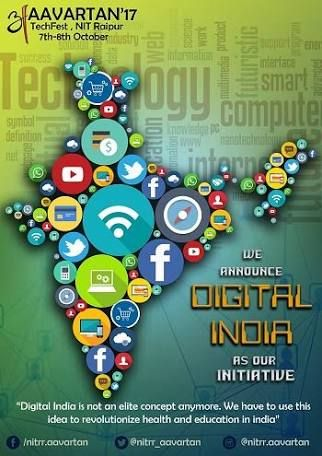
Those days are gone, when people had to stand in long queues and wait for months to get a single work done. No wonder, that technology today has made the life of people convenient. But a country like India could not have imagined a future like today a few years back. Six years back in time, the scenario was quite different as it is of today. The technology was there, but it was limited to only a small fraction of the country.
According to the prime minister of India, “technology first” is the focus of the government and it very well goes with the motto of “Power to empower”. The key vision of this government campaign is broadly divided into three heads:

  • E-Governance for all citizens of India
  • Digitally Empowering citizens
  • Providing a digital Infrastructure for all

The movement of Digital India was made possible with the help of top Industrialists and commerce companies in India like Wipro, Tata Industries, and Reliance Industries. The major concern was to make people use electronic services. Through the campaign of Digital India, the government targeted, e-services to cover more than 600 districts, with the help of major IT companies.

There are three components at the core of the “Digital India” campaign. 

  • Creation of Digital Infrastructure 

To be able to deploy various digital services across the country, it is necessary to create a strong digital infrastructure, especially in rural areas of the country. The interior regions of the country either have very little or mostly do not have any electronic network. This is the reason behind establishing a digital network across the country. Bharat Broadband Network Limited, the governmental body that is responsible for the execution of the National Optical Fiber Network project is responsible for the Digital India project as well. Bharat Net aims to connect 2,50,500 gram panchayats across the country to a high-speed internet network via an optical fiber network. 4,00,000 internet points will be established all across the country as part of the program, from which anybody will be able to access the internet. 

  • Delivery of Digital Service 

A major component of the Digital India campaign is to deliver government services and other essential services digitally. It is easier to change the way of delivering services from physical to digital. Many services of the Government of India were digitized under the Digital India Campaign. 

All ministries would be linked under this scheme, and all departments will be able to reach out to the people with fundamental services like health care, banking, education, scholarships, gas cylinders, water and electricity bills, and judicial services. The daily monetary transactions of people were also converted into digital mode. To ensure transparency in the transactions and curb corruption all the money transactions are being made online, and are supported by one-time passwords. 

  • Digital Literacy 

For full participation of the people of India, the competency that they need to have is called Digital Literacy. The basic behavior, knowledge, and skills required to effectively use digital devices are mandatory. Desktop PCs, laptops, tablets, and smartphones are the digital devices used for the purpose of communicating, expressing, collaborating, and advocating. The mission of Digital Literacy will be covering over six crore rural households. 
Bengali Mishtis: The Delectable Sweet Affair of Bengal

Traditional Sweets of Bengal

Introduction

Bengal is well-known for its music, cinema and delicious food, especially the mouth-watering sweets. In fact, it’s rather hard not to run into a sweet shop in almost every corner of the land, including the narrowest of the lanes. And, it’s equally hard to find a Bengali who is not in love with their ‘mishti’. Bengalees are incredibly proud of the sweets of Bengal and their unique appeal. And for a good reason too — Bengali sweets have wooed Indians and foreigners alike.

Bengali Mishtis

History of Sweets in Bengal

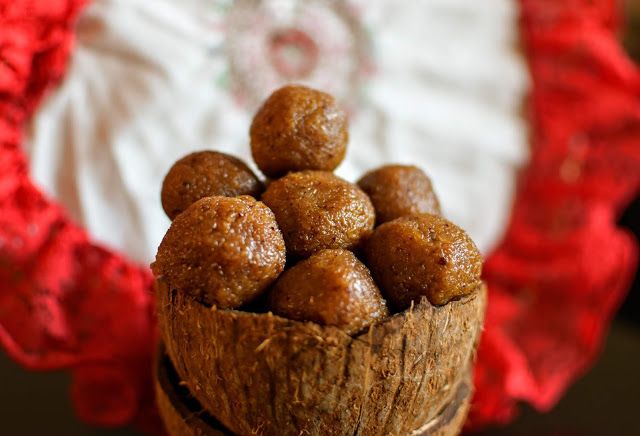
The prominent presence of sweets in Bengali cuisine can be noted throughout history. Ancient Bengal was known as ‘Gauda Banga’, a name believed to be originated from the term ‘Gur’ or molasses that were harvested in abundance in the region. The early Bengali sweets were made from the delicious jaggery or molasses and coconuts. There were several sweets made from ‘khoya and kheer’, which are Bengali names for milk solids and condensed milk, respectively. Sweets like ‘Naru’, ‘Moya’ and ‘Takti’  were popular in ancient Bengal. The uses of different fruits to make a variety of sweets were also prevalent. Books like Manasa Vijaya Kavya, written by 15th-century Bengali poet Bipradas Pipilai, also account for how varieties of ‘pithe’ or Indian Cake made from rice flour, jaggery, kheer and milk solids have been an integral part of Bengali rituals and festivals.

Traditional Coconut Balls or Narkel Naru
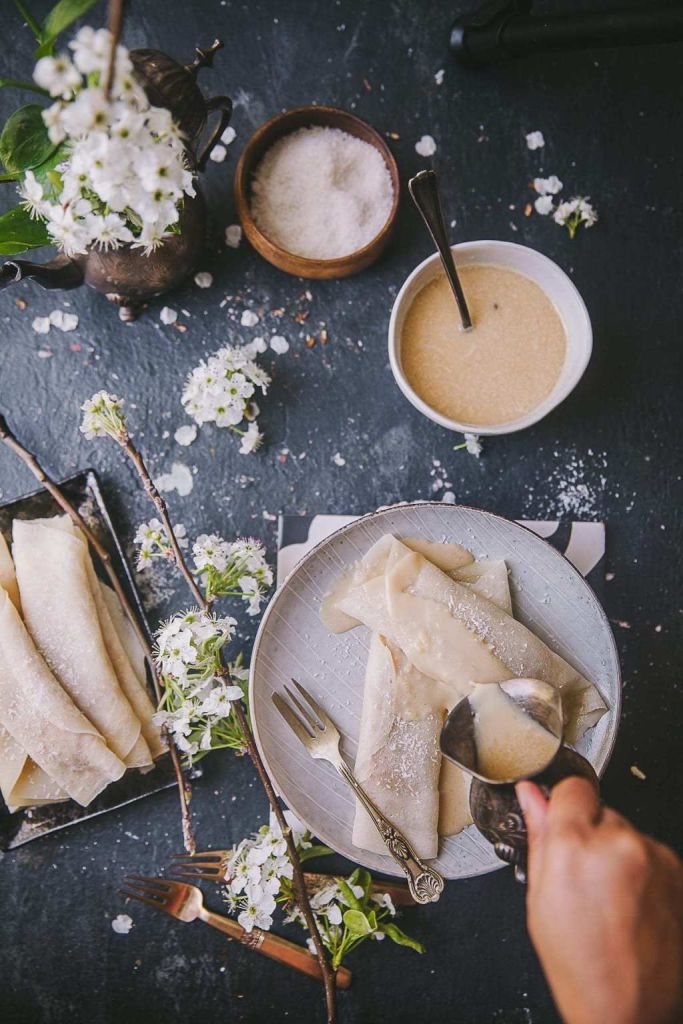
Patisapta or Eggless Crepes
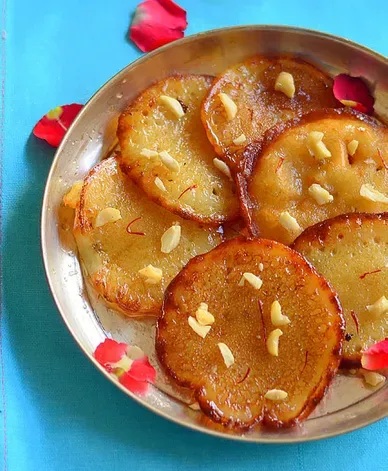
Malpua or Indian Pancakes

The introduction of ‘Chhana’ (Cottage Cheese) in Bengali cuisine happened after the Portuguese invaded Bengal, yet it’s interesting how today most of the characteristic Bengali sweets are made primarily from fresh ‘chhana’ (cottage cheese) and sugar. The curdling of milk with an acidic substance was forbidden according to Hindu cultures, but the Portuguese loved their cheese. After settling down in and around Kolkata in the 17th century, the Portuguese tradition of making sweets with cheese inspired the local cuisine as well. The Bengali confectioners then picked up this incredible art of curdling milk and creating mouth-watering ‘Sandesh’ and ‘Rosogollas’ among others.

Some Famous Bengali Sweets

Bengalees love all their sweets but among those, some are all time winners who can brighten up moods on a tiring day, and can even spoil a diet that you are maintaining for too long! Let’s dive deep into the varieties of some scrumptious and unique Bengali Mishtis.

Sandesh

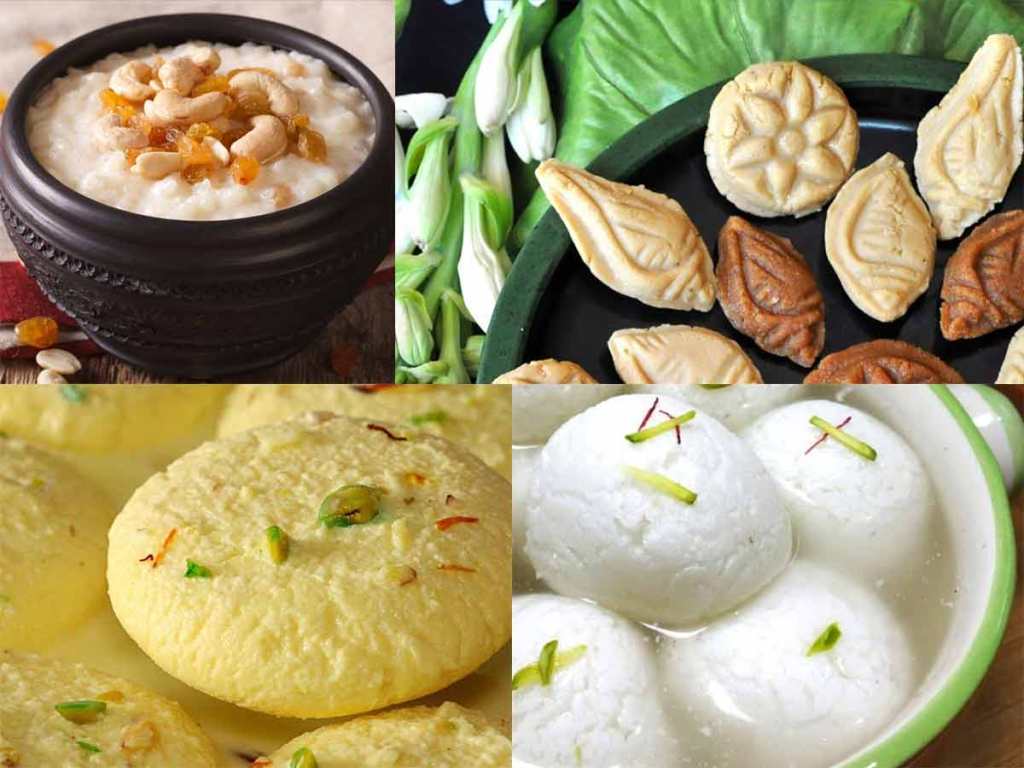
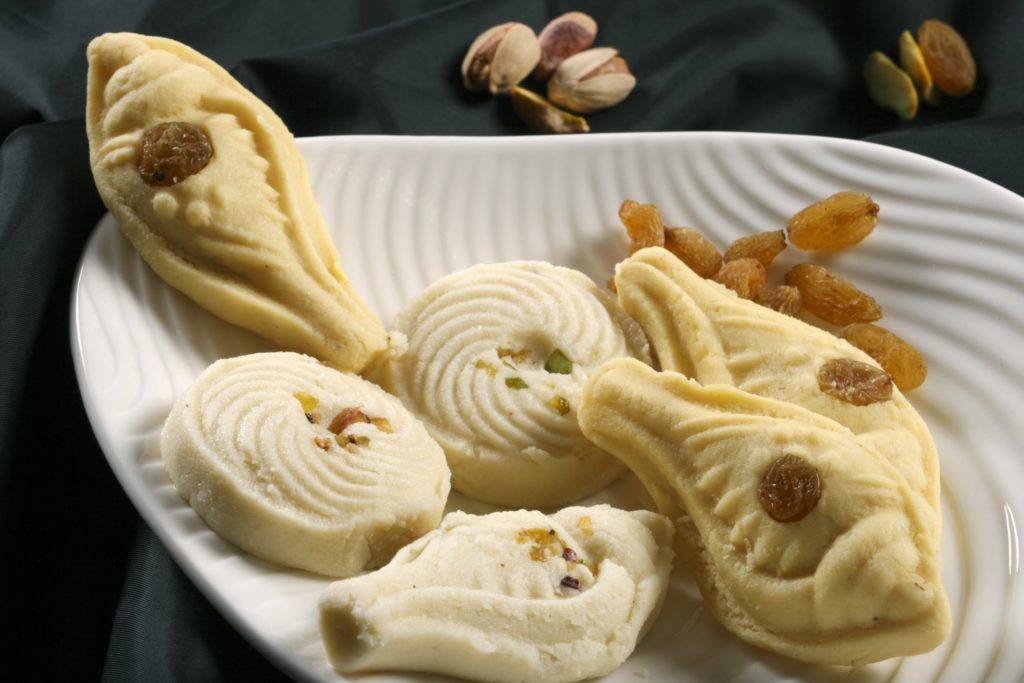
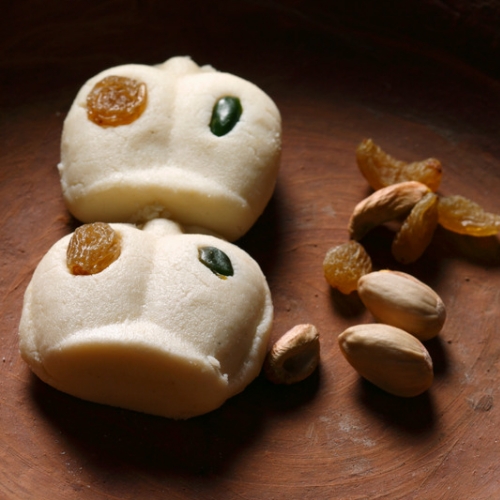
The simplest yet one of the most loved sweet of Bengal, is Sandesh. Generally, made by fine kneading of fresh cottage cheese along with sugar powder, cardamom essence and pistachios to garnish. If jaggery is used, instead of sugar then, it’s called Nolen Gurer Sandesh.

Sandesh

Pantua

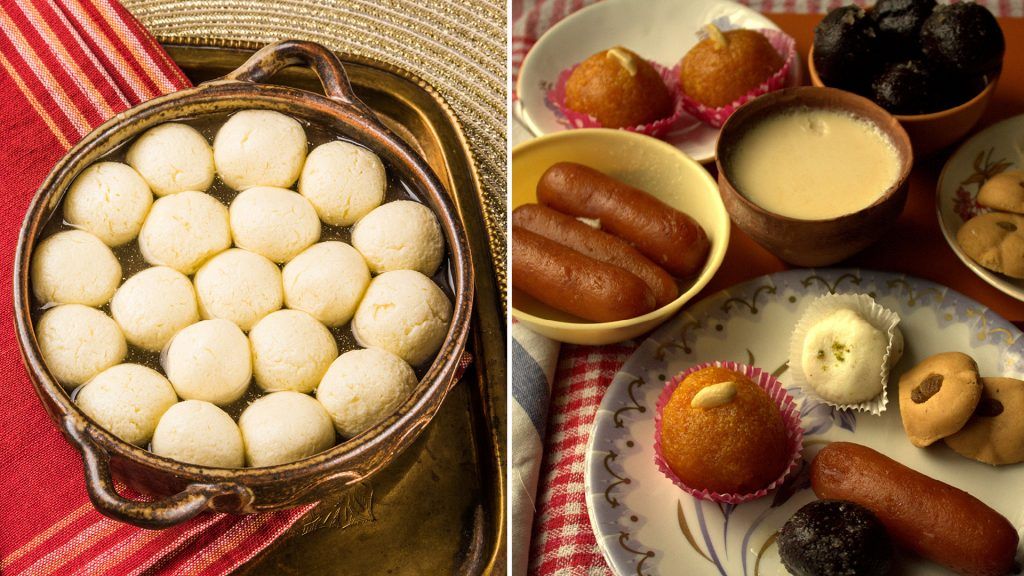
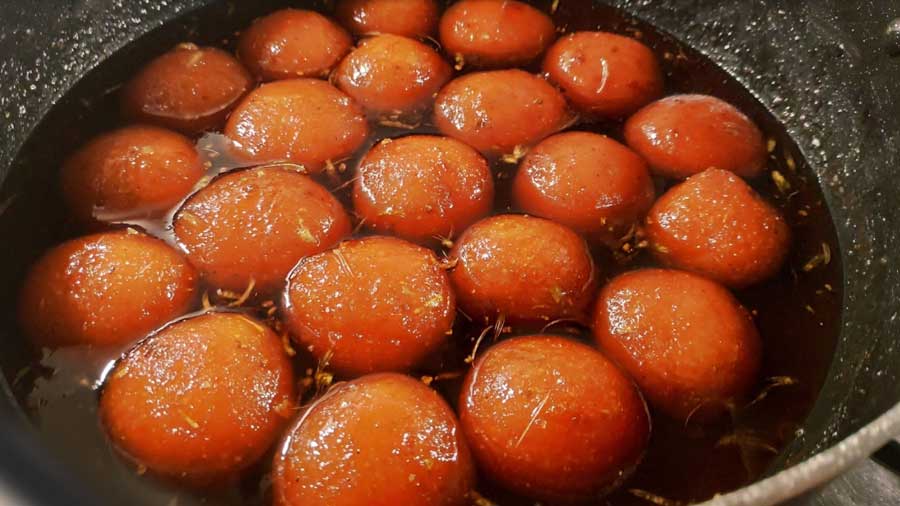
One of Bengal’s most loved syrupy sweets, is Pantua. Though it has an uncanny similarity with North India originated Gulab Jamun, taste and procedure wise they are quite different. Balls made of cottage cheese, semolina are deep fried and then tossed in sugar syrup until completely soaked in. And unlike Gulab Jamun, they can be served cold too.

Pantua

Kheer Kadam

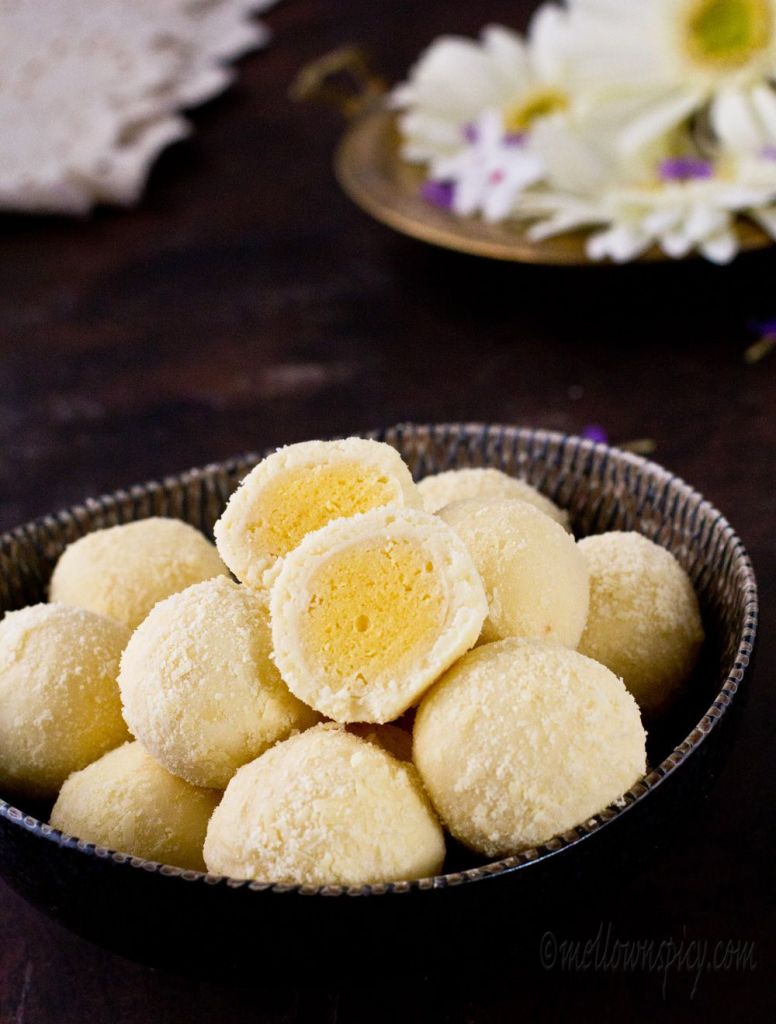
The name of this sweet is suggestive of a flower named Kadamphool in Bengal. The flower is bright yellow in colour cover by soft, white spikes and has a distinctive smell. This Mishti resembles the flower, and has a layer of Sandesh covered over small Rosogollas .

Kheer Kadam

Lyangcha

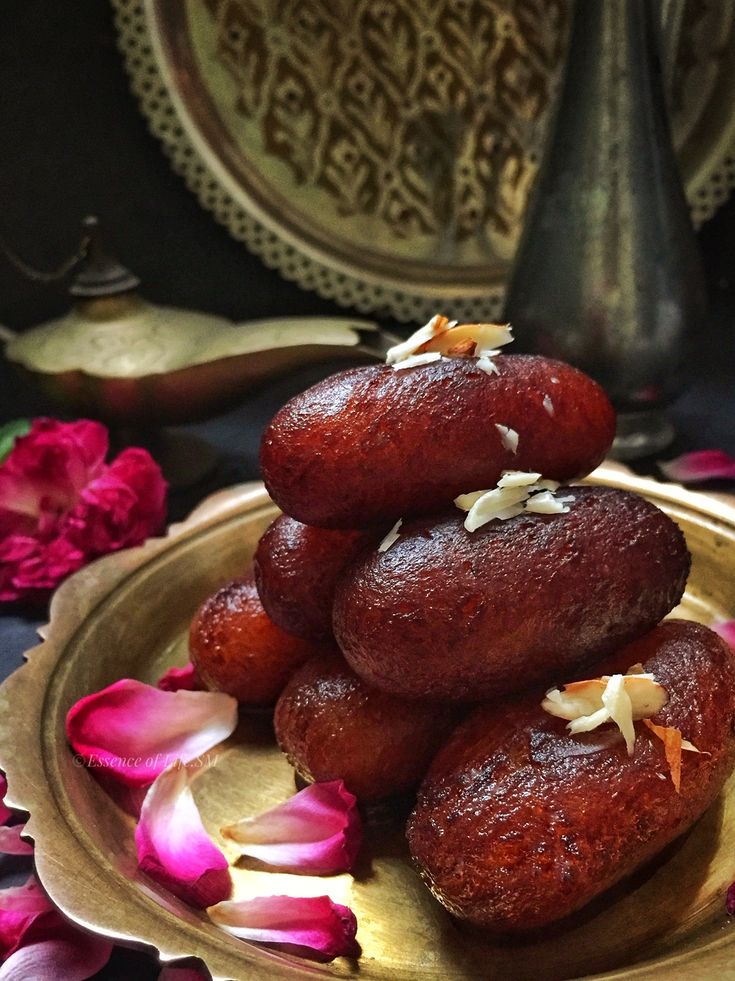
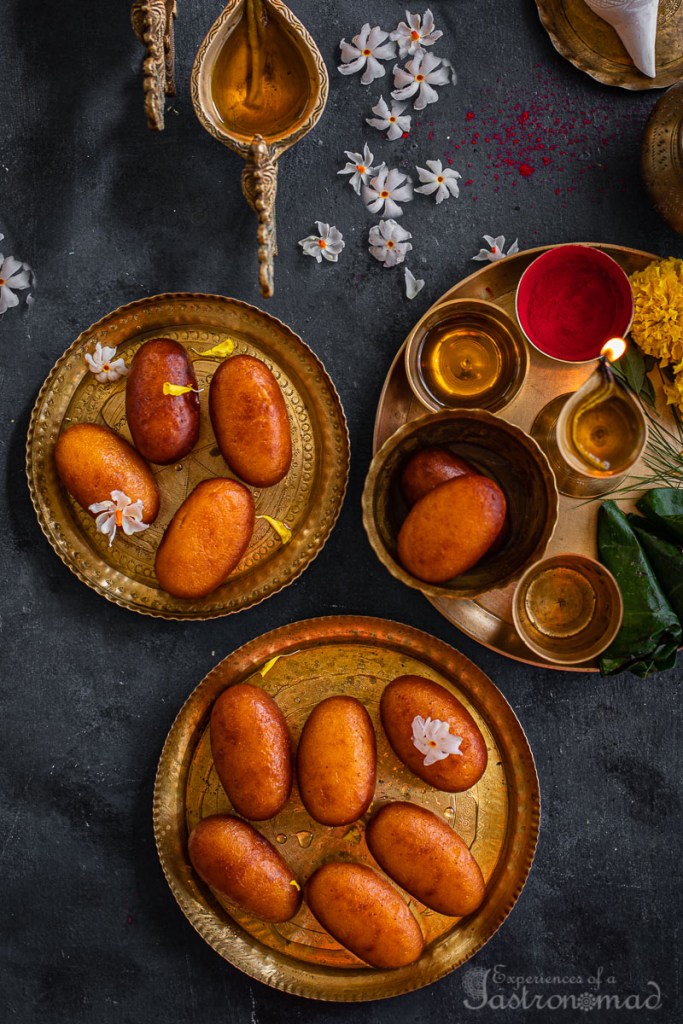
Lyangcha is a cylindrical fried sweet, soaked in sugar syrup and prepared with Fresh Chhena (Cottage cheese) and Mawa/ Khowa. To make soft and tasty Lyangcha use of Fresh Chhena is must. Originated from Shaktigarh, around 80kms from Burdwan in West Bengal, Lyangcha is a staple of Traditional Bengali Mishtis.

Lyangcha

Komola Bhog

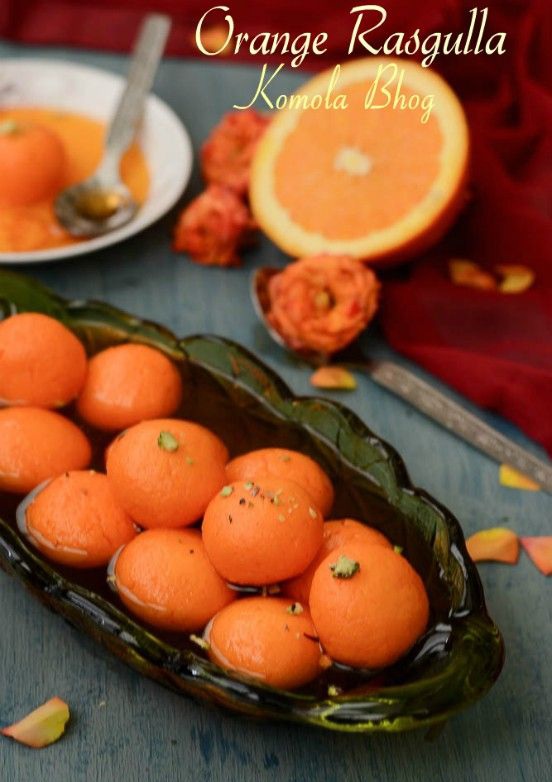
As the name suggests, Komola Bhog is literally the orange flavored Rosogolla, (Komola means Orange in Bengali) with the sweetness of Rosogollas and the tanginess of Orange. And of course, they are bright Orange in colour.

Komola Bhog

Jolbhora Sandesh

Jolbhora Sandesh, also known as Taalsas, is a sweet shaped like a ‘taal’ or kernel of the palm fruit. The sweet was created on the event of ‘Jamaisasthi’ by Surjya Modak. It is filled with sweet ‘Nolen gur’ inside and thus got its name. According to stories, Bandopadhay family of Chandernagar requested these sweets for their son-in-law. When he took his first bite of the sweet, the sweet juice spilled out. The sweet, thus, got well-known among the Bengalis.

Jol Bhora or Taal sas Sandesh

Sitabhog

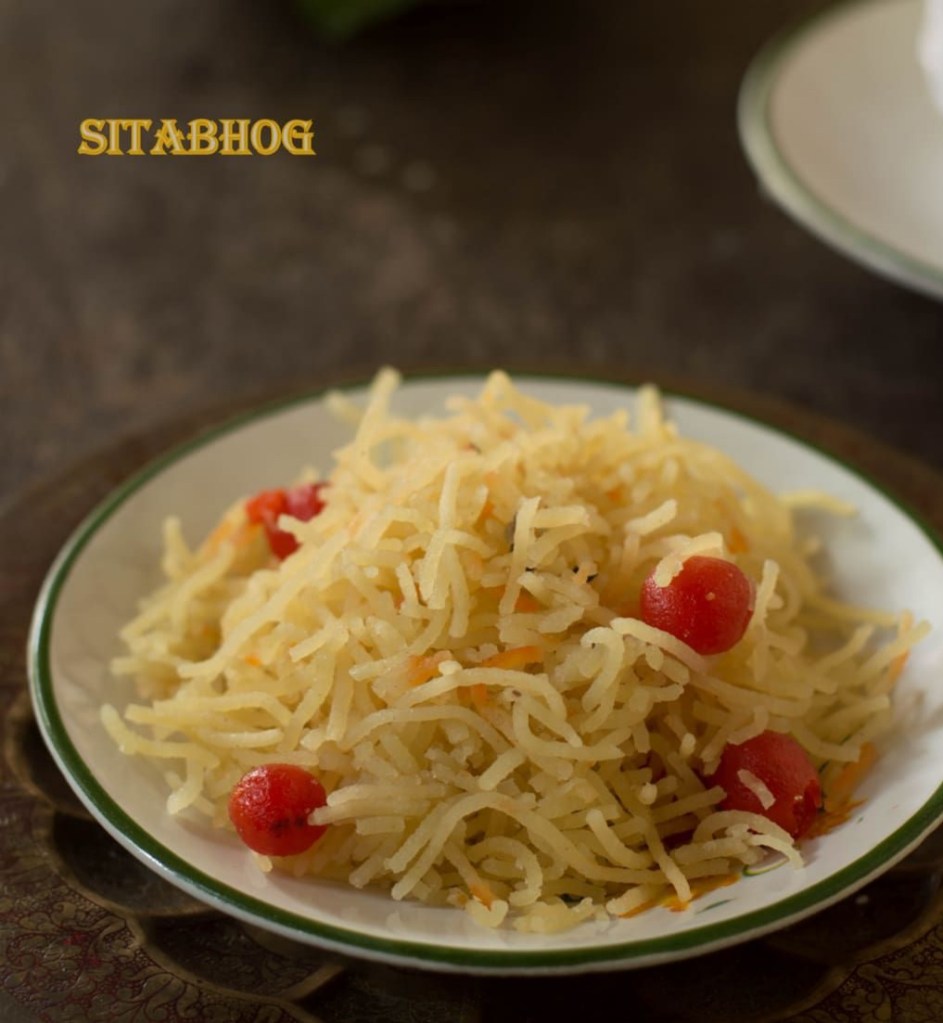
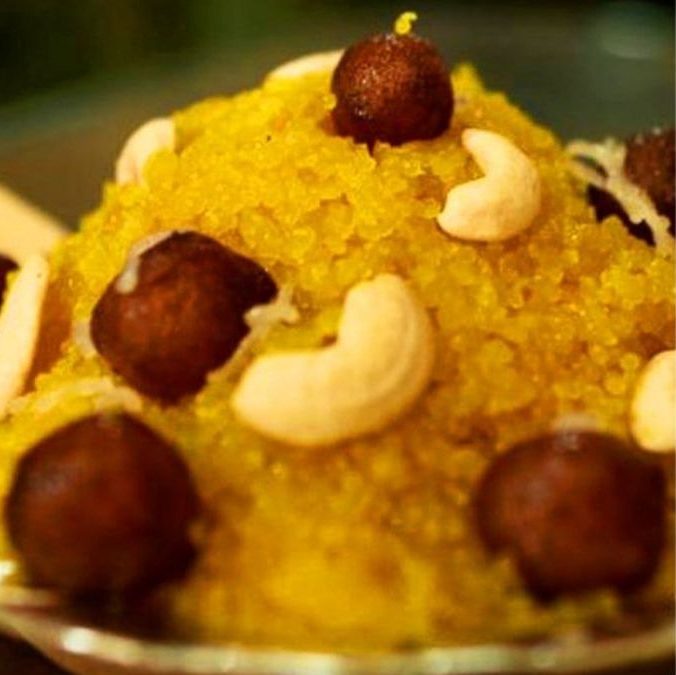
Originated from Burdwan in Bengal, Sitabhog, according to Legends, was Goddess Sita’s favourite dessert and hence the name. Sita Bhog is prepared by frying a dough made of cottage cheese and powdered rice in ghee and then soaking it in sugar syrup. The final product looks like vermicelli served along with mini Gulab jamuns.

Sitabhog

Mihi-Dana

Originated from Burdwan in Bengal , these are one of the famous sweets, that has similarities with Motichur. These are granular, deep fried and soaked into sugar syrup. Recently, Mihi-Dana has received GI Tag from UNESCO and has received its first enormous foreign order to export to The Kingdom of Bahrain.

Mihi-Dana

Ledikeni/ Lady Kenny

Ledikeni or lady Kenny has been a popular Bengali dish since the British rule. The dish is named after Lady Canning, the wife of Charles Canning who was the Governor-General of India during the 19th century. The dish a light brown sweet ball made of Chenna which is fried and then soaked in sugar syrup. It tastes divine and is prepared on most auspicious days. 

Lady Kenny

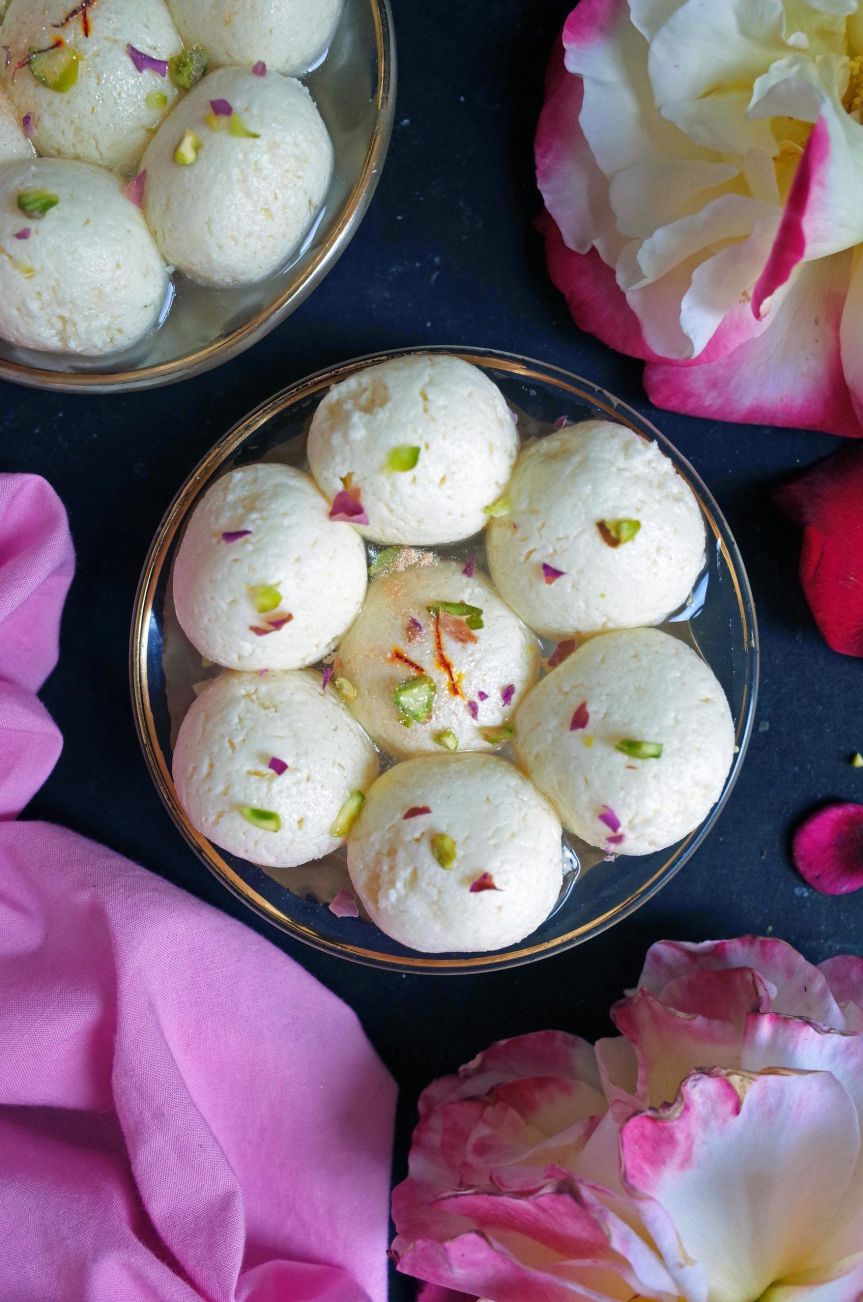
Rosogollas

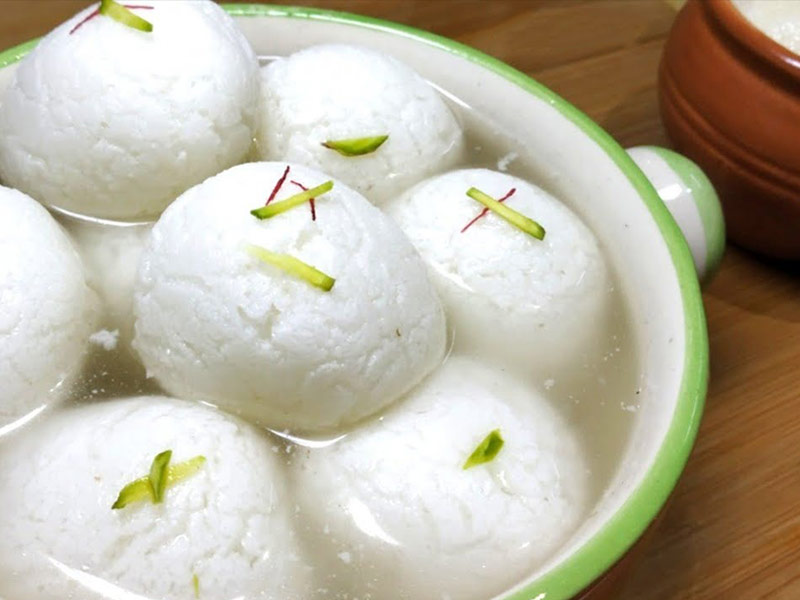
Rosogollas has done the honourable deed of introducing many, if not all, North Indians to the Bengali cuisine. These magical balls are prepared by dipping a mixture of cottage cheese and semolina dough into a sweet sugar syrup. The mere thought of those soft and spongy balls makes the mouth water.

Rosogollas

Laal Mishti Doi (Caramelized Sweet Yogurt)

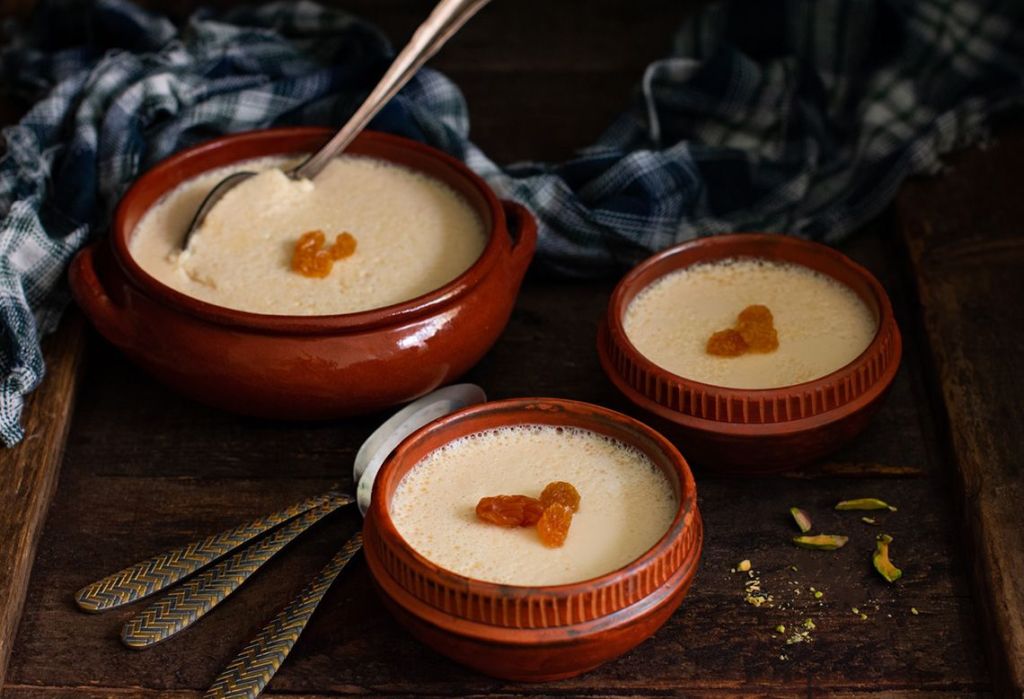
Just like the name, this Bengali dessert is extremely simple and sweet. Mishti Doi is essentially sweetened yogurt which is prepared by adding sugar to boiling milk, then leaving it to ferment overnight and is served chilled. This quintessential dessert is often served in small earthen pots which add to the aesthetics of this dish.

Laal Mishti Doi

Conclusion

Ending on a sweet note, Mishtis are also an important part of the culture and tradition of Bengal. Be it during the festivals or weddings or just greeting guests, Bengali Mishtis are always the stars of the show. If you’re a sweet-tooth, you should try these once in a while. And good news is, that many of them are now available online to order from in India and abroad.

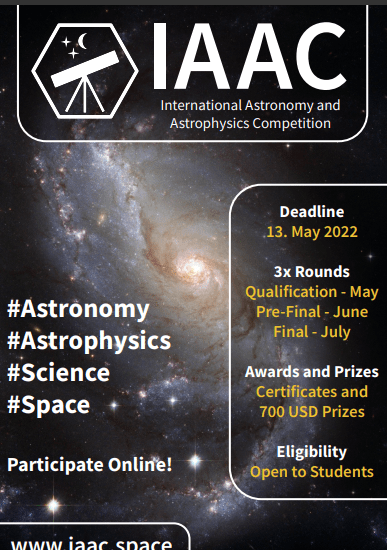
International Astronomy and Astrophysics Competition 2022

What is IAAC?

The International Astronomy and Astrophysics Competition is a global competition for science and astronomy enthusiasts.

Online Submission: The competition uses the possibilities of the modern world to allow all students to participate regardless of nation, region, school, or affiliation. Every student may participate independently – there is no affiliation of your school or teacher to IAAC required to participate in this competition.

Research Problems: The pre-final round includes two research problem types. They require participants to get in touch with real scientific research papers and learn about recent scientific results to solve the problems. They encourage students for more advanced science and give them insights into actual research material.

Teacher Support and Online Tools: We supply teachers and schools with additional materials and an online teacher interface that allows teachers to make better use of IAAC problems in class. We also generate performance reports for each individual student.

Information for Teachers and Schools

Teachers and schools are invited to share this opportunity with their students to make talented students in particular benefit from IAAC. There are also special school awards.

Process and Rounds

1. Qualification Round : 5 Problems: Knowledge, Calculation, Research, Free

2. Pre-Final Round : 3x Basic, 3x Advanced, 2x Research Problems, 4 Days, 8 EUR Registration Costs

3. Final Round :  Final Exam with 20 Multiple-Choice Questions, 60 Seconds/Question, Teacher Supervision 

 Note: The Qualification round is free. The 8EUR Registration cost covers both the Pre-final and Final round. DIgital participation certificates are awarded for all rounds.

Who can participate?

You have to be at least 10 years old and you have to be a student (this includes high school, college, and university). There are two age categories:

  Junior: under 18 years on 13. May 2022.

  Youth: over 18 years on 13. May 2022

Students from both categories will receive the same problems in all rounds, however, students that are youths (18 years or older) will have to reach more points to qualify for the next round (e.g. to qualify for the pre-final round, students that are under 18 years have to reach 15 points and students that are over 18 years have to reach 20 points). 

If you are a science enthusiast and love astronomy this competition is the way to go!

Contact me for further details at-yutsawant@amb.iaac.space

Strong Women In Film Industry: Deepika Padukon

Deepika Padukon is Indian actress in hindi films. she is the highest-paid actress in India. She is the daughter of badminton player Prakash Padukon. Deepika comes in Nation’s most popular personalities. She is the 100 most influential person in the world in2018. Deepika got three filmfare award. She is also known as the strongest woman.
Deepika was born in Copenhagen, Denmark on 5th January 1986. She has done her education in Bangalore’s Sophia high school. and her college is Mount Carmel college. She did her graduated from Indira Gandhi National University. On school days she plays badminton. she is the national champion in badminton as a teenager. She decided to be a model. And she becomes a fashion model. Her first famous Bollywood film is Om Shanti Om with Shah Rukh Khan. Deepika also did Hollywood action films. In 2018 she married Ranvir Singh. She is a successful actress.

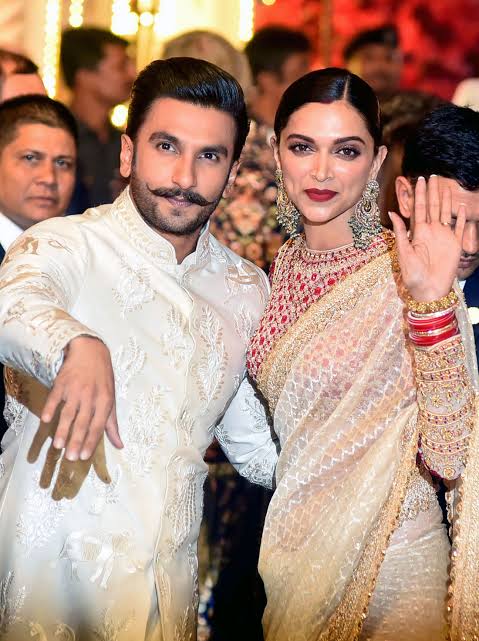
Deepika with her husband Ranvir Singh


Apart from films, she is also a good social worker. Deepika is the founder of triple L that is the Live Love Laugh foundation. It is the foundation that creates awareness of mental health in India. Lots of people are in depression. to treat such patients is the role of the foundation. Deepika is also the brand ambassador for Indian Psyciytric society which is NGO. She is focused on the mental health of people. and working for them. Deepika adopted Maharashtrian village Ambegoan as a part of the Grreenthan campaign and provide regularly supply of electricity.
During shearing, she thought she said, “We should communicate with each other in our traditional way as possible as even in WhatsApp. because in front of the phone we are ignoring our relationships. For that self-discipline is very important. Avoid the use of mobiles in the house and on the dining table. It is our responsibility to maintain relationships. ” What is success? she said,” The success for me is to be at peace with myself and to be happy every day. Peaceful with yourself is the success” Her advice to youth is – You should have clarity with life. never give up until you get it. there are lots of people who distract you but you have to be focused. most importantly self-motivated.