History of India & Indian National Movement.

India’s movement toward independence occurred in stages prompted by the inflexibility of the British and, in many instances, their violent responses to peaceful protests. Many attribute the Indian Revolt of 1857 (known by the British as the Sepoy Mutiny) as the first battle in the struggle for Indian independence.

The 1857 Indian Revolt revealed the miscalculations of the British in understanding the social and cultural issues important to Indians. Indian soldiers called sepoys (from the Hindi sipahi) grew increasingly uncomfortable with the British encroachment on India’s states and provinces as the English East India Company expanded its influence in the region. In addition, poor wages and harsh policies made nationals increasingly tired of the British presence in India.

In 1885, the Indian National Union was formed, which became the Indian National Congress and had as its goal the moderate position of seeing more locals in political representation. The Indian National Congress (INC) was created to help ease the tensions in the British relationship with Indians after the Sepoy Mutiny. In the beginning, the INC did not contradict British rule, but in the face of increasingly egregious acts by the government, the INC came to identify with the independence movement. The INC would dominate Indian politics and house many of the early leaders of the independence movement including Gopal Krishna Gokhale, leading those in favor of dominion status and Bal Gangadhar Tilak, leading those who saw self rule as the only option. Throughout the impendence movement leaders emerged from among the Congress’ membership including Mahatma Ghandi, the leader of the non-violence movement, as well as Jawaharlal Nehru, the first prime minister of the new nation.

The push for independence occurred in three interconnected stages: the noncooperative movement, the civil disobedience movement, and finally the “Quit India” movement. None of these stages were rigidly defined; they naturally flowed into one another as a result of contemporary events. The foundational principles of the noncooperative movement included resisting the British by not buying imported goods, refusing to pay taxes, and not working for the British, rather than violence as a means of gaining independence.

A major turning point occurred in March 1930 with the Dandi March, which sparked the civil disobedience movement. In what many consider a stroke of political savvy, Gandhi chose the British taxes and regulations on salt as the issue around which to stage a protest. Every Indian, whether aristocrat or peasant, knew the value of salt, which was used as a preservative. Gandhi’s highlighting of the British monopoly on salt production helped showcase the issue of native choice in daily life. In a strategic move, Gandhi and seventy-eight supporters undertook a twenty-three-day journey by foot to Dandi, a coastal region where salt was abundant. Upon their arrival, Gandhi made natural salt, thus violating the British law that only imported salt could be used or purchased. Illegal salt was being made all over the country, and many Indians, including Gandhi, were being imprisoned for doing so. Salt thus became a symbol for the injustice and oppression of the British Empire. After the Dandi March, the entire nation became more aware of the fight for sovereignty from British rule.

When the British conceded independence to India, it came with such swiftness that many of the unresolved tensions were swept aside, only to come bursting forth later. Lord Louis Mountbatten (1900–1979), the last viceroy of British India, who was in good standing with Nehru, granted the demands of the Muslim League to create a separate state, Pakistan, for Muslims. Increasingly uncomfortable in Hindu-dominated India, many in the Muslim League had agitated for the formation of a separate Muslim state. At the time of his assassination in 1948, Gandhi opposed the partitioning of India, but the speed of independence overshadowed such concerns. Violence ensued as Hindus attempted to cross newly created borders into India, while Muslims fled to Pakistan, resulting in many deaths and clouding India’s long-awaited freedom from the British Raj.
History of India & Indian National Movement.

India’s movement toward independence occurred in stages prompted by the inflexibility of the British and, in many instances, their violent responses to peaceful protests. Many attribute the Indian Revolt of 1857 (known by the British as the Sepoy Mutiny) as the first battle in the struggle for Indian independence.

The 1857 Indian Revolt revealed the miscalculations of the British in understanding the social and cultural issues important to Indians. Indian soldiers called sepoys (from the Hindi sipahi) grew increasingly uncomfortable with the British encroachment on India’s states and provinces as the English East India Company expanded its influence in the region. In addition, poor wages and harsh policies made nationals increasingly tired of the British presence in India.

In 1885, the Indian National Union was formed, which became the Indian National Congress and had as its goal the moderate position of seeing more locals in political representation. The Indian National Congress (INC) was created to help ease the tensions in the British relationship with Indians after the Sepoy Mutiny. In the beginning, the INC did not contradict British rule, but in the face of increasingly egregious acts by the government, the INC came to identify with the independence movement. The INC would dominate Indian politics and house many of the early leaders of the independence movement including Gopal Krishna Gokhale, leading those in favor of dominion status and Bal Gangadhar Tilak, leading those who saw self rule as the only option. Throughout the impendence movement leaders emerged from among the Congress’ membership including Mahatma Ghandi, the leader of the non-violence movement, as well as Jawaharlal Nehru, the first prime minister of the new nation.

The push for independence occurred in three interconnected stages: the noncooperative movement, the civil disobedience movement, and finally the “Quit India” movement. None of these stages were rigidly defined; they naturally flowed into one another as a result of contemporary events. The foundational principles of the noncooperative movement included resisting the British by not buying imported goods, refusing to pay taxes, and not working for the British, rather than violence as a means of gaining independence.

A major turning point occurred in March 1930 with the Dandi March, which sparked the civil disobedience movement. In what many consider a stroke of political savvy, Gandhi chose the British taxes and regulations on salt as the issue around which to stage a protest. Every Indian, whether aristocrat or peasant, knew the value of salt, which was used as a preservative. Gandhi’s highlighting of the British monopoly on salt production helped showcase the issue of native choice in daily life. In a strategic move, Gandhi and seventy-eight supporters undertook a twenty-three-day journey by foot to Dandi, a coastal region where salt was abundant. Upon their arrival, Gandhi made natural salt, thus violating the British law that only imported salt could be used or purchased. Illegal salt was being made all over the country, and many Indians, including Gandhi, were being imprisoned for doing so. Salt thus became a symbol for the injustice and oppression of the British Empire. After the Dandi March, the entire nation became more aware of the fight for sovereignty from British rule.

When the British conceded independence to India, it came with such swiftness that many of the unresolved tensions were swept aside, only to come bursting forth later. Lord Louis Mountbatten (1900–1979), the last viceroy of British India, who was in good standing with Nehru, granted the demands of the Muslim League to create a separate state, Pakistan, for Muslims. Increasingly uncomfortable in Hindu-dominated India, many in the Muslim League had agitated for the formation of a separate Muslim state. At the time of his assassination in 1948, Gandhi opposed the partitioning of India, but the speed of independence overshadowed such concerns. Violence ensued as Hindus attempted to cross newly created borders into India, while Muslims fled to Pakistan, resulting in many deaths and clouding India’s long-awaited freedom from the British Raj.
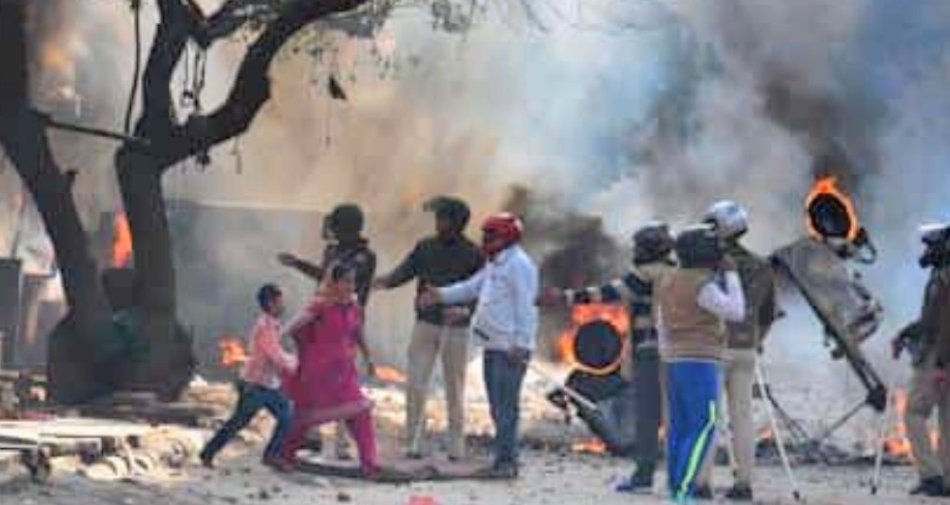
“THEY” OR “US”

Source: TOI

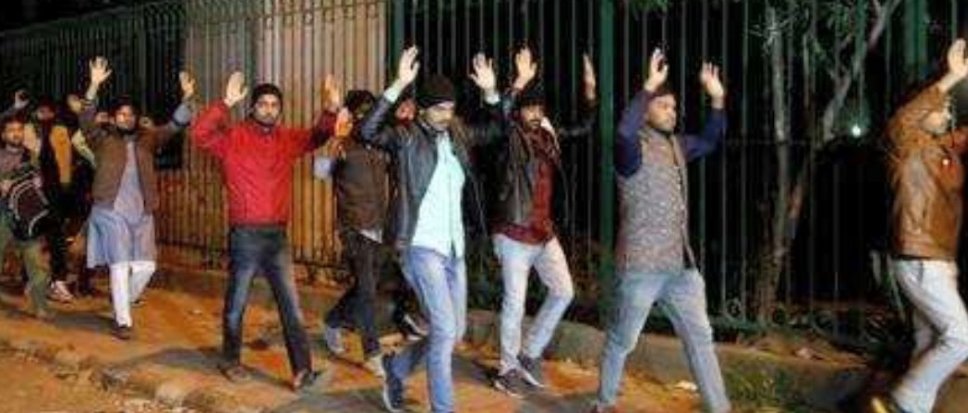
You don’t understand at first what this title is trying to convey , I know not so easy to get it. Well, same happened to me when I heard this statement. It is not even my creation; I heard it in metro infact overheard because a guy who was too loud as he wants to grab more people’s attention because he thought he is right!

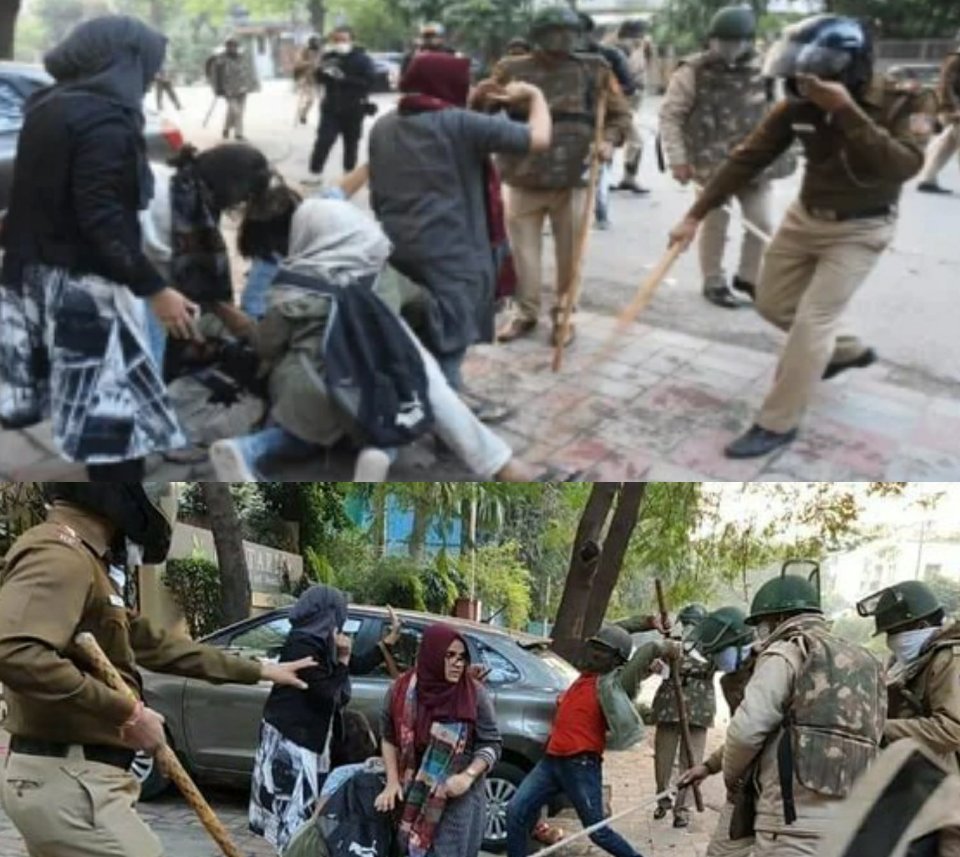
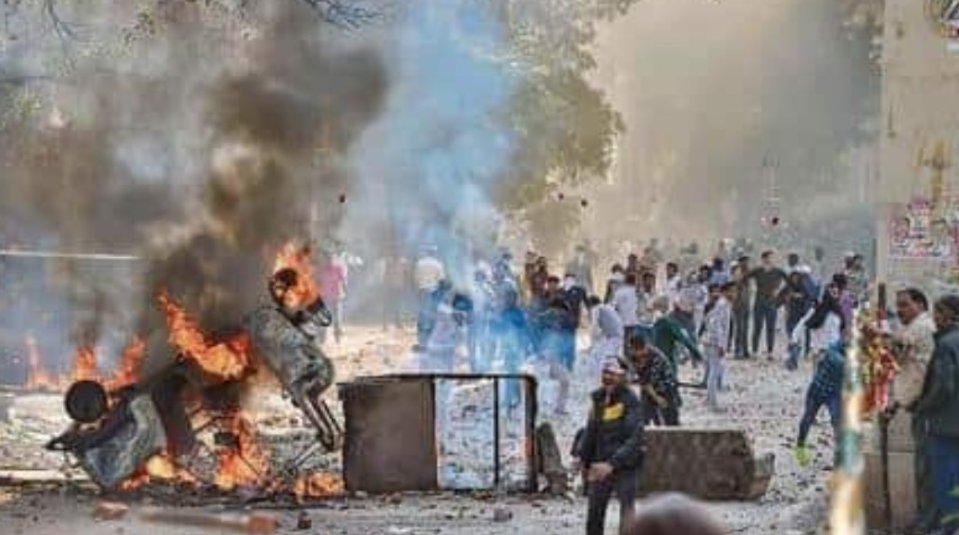
It was the time of East Delhi riots he was very much outspoken about what is happening in Delhi. Last 2 months was quite difficult but he was not concern about how the situation is happening is wrong and getting worse infact imposing blame on “one community” how he was using his words clearly indicate that he is Hindu or more privileged Hindu( upper class Hindu).

North East Delhi Riots

Source: Indian Express

North East Delhi Riots
He was narrating the whole story in metro to the strangers and asking their validation that “these” people are doing wrong his exact words “hamesha ki tarah pareshaan Kar rhe haa chale kyun nhi gaye jab choice tha naa Pakistan ka Hindustan toh Hindo ka h” -{Translation: As always troubling us why they didn’t go if they had a choice during partition}. Shocking right nobody was saying anything but noding like people were agreed with him on each statement. It was more shocking for me not was what that man was saying ; but how people noding and saying sach meh!

Source:TOI

I was just standing didn’t utter a word yes I didn’t unlike others I was avoiding him but at one point I want to tell him he should SHUT UP and you are dangerous to mankind but couldn’t..!! the fear wrapped me trapped me! what if other people not gonna stand with me Because they are already agreeing with him.

How am I gonna convience them that whatever they are thinking is utterly wrong.

This incident was in my mind since then but didn’t discuss to nobody about it now when people are talking about #blacklivesmatter. I am thinking about my country people their civil rights, human rights. #Muslimlivematter #dalitslivesmatter #stoplynching.

It hurts, frustrate, angry me when people use statements like chale kyun nhi gaye partition ke time par itna kuch hua ab phir kyun karna “unke” liye h naa Pakistan(community based segregation)

Source: Indian Express

I just want to say that “un” logo ne uss want apne Ghar rahna sahi samjh joh phir ya toh Pakistan meh tha ya Hindustan meh Bina sochte ki meh Hindu toh Hindustan Chala jata ho aur musalman woh toh Pakistan. Un logo ko Kya pata tha ki aage Kya hoga sab ke Mann meh beez boo Diya gaya haa joh sirf nafrat samjhta haa kabhi marege ya nahi pata nahi Socha hoga Jesse ab rahte haa waise rahege yaha apna Ghar, kaam sab haa yahi rahte.

Before claiming , this is our Hindustan beware “woh log” are citizens of our country having all constitutional rights. We don’t have single right to tell them chale jayo Pakistan.

Safoora Zargar who stood up against the wrong become the reason Don’t feel wrong , don’t raise your voice just go blindly with government’s cheap tactics. Safoora Zargar kind of people knows how we got our freedom we just now enjoying and claiming India as democratic and republic country.

Role of Government

Police brutality , Government dysfunction are not hidden in our democracy. How government takes up chance of any violence we have seen in 1993 blast , Gujarat riots 2002. Police and administrators are just puppet of politicians. These people are first who encounter the riots but they fail completely to satisfy the Constitution and citizens; but pass with merit to satisfy the politicians.

All I say haters are all around the world just don’t be one of them or part of this stupid system. Try to work on your mind/ brain eventually we see ourselves in better human being and possibly we will protect and secure our successors.

"THEY" OR "US"

Source: TOI

You don’t understand at first what this title is trying to convey , I know not so easy to get it. Well, same happened to me when I heard this statement. It is not even my creation; I heard it in metro infact overheard because a guy who was too loud as he wants to grab more people’s attention because he thought he is right!

It was the time of East Delhi riots he was very much outspoken about what is happening in Delhi. Last 2 months was quite difficult but he was not concern about how the situation is happening is wrong and getting worse infact imposing blame on “one community” how he was using his words clearly indicate that he is Hindu or more privileged Hindu( upper class Hindu).

North East Delhi Riots

Source: Indian Express

North East Delhi Riots
He was narrating the whole story in metro to the strangers and asking their validation that “these” people are doing wrong his exact words “hamesha ki tarah pareshaan Kar rhe haa chale kyun nhi gaye jab choice tha naa Pakistan ka Hindustan toh Hindo ka h” -{Translation: As always troubling us why they didn’t go if they had a choice during partition}. Shocking right nobody was saying anything but noding like people were agreed with him on each statement. It was more shocking for me not was what that man was saying ; but how people noding and saying sach meh!

Source:TOI

I was just standing didn’t utter a word yes I didn’t unlike others I was avoiding him but at one point I want to tell him he should SHUT UP and you are dangerous to mankind but couldn’t..!! the fear wrapped me trapped me! what if other people not gonna stand with me Because they are already agreeing with him.

How am I gonna convience them that whatever they are thinking is utterly wrong.

This incident was in my mind since then but didn’t discuss to nobody about it now when people are talking about #blacklivesmatter. I am thinking about my country people their civil rights, human rights. #Muslimlivematter #dalitslivesmatter #stoplynching.

It hurts, frustrate, angry me when people use statements like chale kyun nhi gaye partition ke time par itna kuch hua ab phir kyun karna “unke” liye h naa Pakistan(community based segregation)

Source: Indian Express

I just want to say that “un” logo ne uss want apne Ghar rahna sahi samjh joh phir ya toh Pakistan meh tha ya Hindustan meh Bina sochte ki meh Hindu toh Hindustan Chala jata ho aur musalman woh toh Pakistan. Un logo ko Kya pata tha ki aage Kya hoga sab ke Mann meh beez boo Diya gaya haa joh sirf nafrat samjhta haa kabhi marege ya nahi pata nahi Socha hoga Jesse ab rahte haa waise rahege yaha apna Ghar, kaam sab haa yahi rahte.

Before claiming , this is our Hindustan beware “woh log” are citizens of our country having all constitutional rights. We don’t have single right to tell them chale jayo Pakistan.

Safoora Zargar who stood up against the wrong become the reason Don’t feel wrong , don’t raise your voice just go blindly with government’s cheap tactics. Safoora Zargar kind of people knows how we got our freedom we just now enjoying and claiming India as democratic and republic country.

Role of Government

Police brutality , Government dysfunction are not hidden in our democracy. How government takes up chance of any violence we have seen in 1993 blast , Gujarat riots 2002. Police and administrators are just puppet of politicians. These people are first who encounter the riots but they fail completely to satisfy the Constitution and citizens; but pass with merit to satisfy the politicians.

All I say haters are all around the world just don’t be one of them or part of this stupid system. Try to work on your mind/ brain eventually we see ourselves in better human being and possibly we will protect and secure our successors.

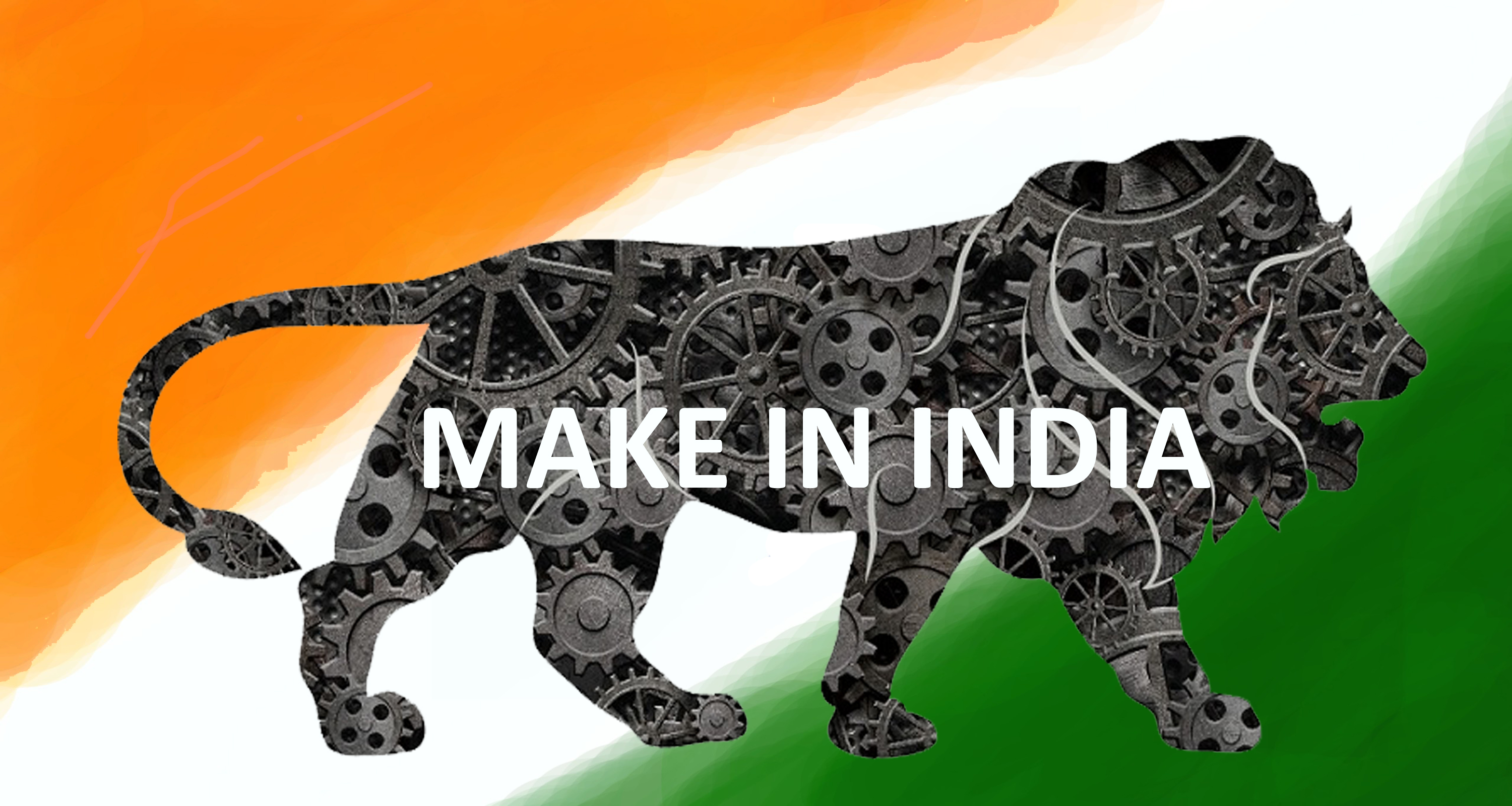
Make in India

All You Need To Know About 'Make In India' - iPleaders
source: Google

As India is completing her 75th year of independence, the government has put all its focus on making India self-reliant. In 1950, since the very first plan formulated by planning commission, self-reliance was given due importance. From a broken agrarian economy India has built up an economy which is seventh largest in the world. However, the fact is that it is not sufficient to meet the growing needs of 140 crore population of the country.

India is forced to depend on other nations to meet many of its needs even at present. This solidifies the need for an initiative to boost India’s production. Recognising this urge, the government of India has initiated the scheme termed “Make in India”.

Make in India aims to promote the manufacturer to develop, manufacture and assemble products domestically. It not only emphasizes on production but also focuses on innovation and research. Under this scheme government provides market for goods made in India and also markets them in international markets. “Make in India” had three stated objectives:

  • to increase the manufacturing sector’s growth rate to 12-14% per annum;
  • to create 100 million additional manufacturing jobs in the economy by 2022;
  • to ensure that the manufacturing sector’s contribution to GDP is increased to 25% by 2022 (later revised to 2025).

In order to achieve this objectives government of India has initiated several programs like:

Sagarmala

Sagarmala Programme aims to provide enhanced connectivity between the ports and the domestic production& consumption centres. The programme envisages unlocking the potential of waterways and the coastline to minimize infrastructural investments required to meet these targets.

Bharatmala

The Bharatmala Pariyojana is a centrally-sponsored and funded Road and Highways project of the Government of India.[1] The total investment for 83,677 km committed new highways is estimated at ₹10.63 lakh crore, making it the single largest outlay for a government road construction scheme.

Digital India

Digital India is a campaign launched by the Government of India in order to ensure the Government’s services are made available to citizens electronically by improved online infrastructure and by increasing Internet connectivity or making the country digitally empowered in the field of technology.[1][2] The initiative includes plans to connect rural areas with high-speed internet networks. It consists of three core components: the development of secure and stable digital infrastructure, delivering government services digitally, and universal digital literacy.

Freight corridors and Industrial corridors

These are infrastructure projects to facilitate easy movement of goods as well as infrastructural setup for business investments

UDAN RCS

Ude Desh ka Aam Naagrik (Hindustani for “Let the common citizens of the country fly”), known by its acronym UDAN (Hindi for “flight”) is a regional airport development program of the Government of India and part of the Regional Connectivity Scheme (RCS) of upgrading under-serviced air routes. Its goal is to make air travel affordable and widespread, to boost inclusive national economic development, job growth and air transport infrastructure development of all regions and states of India.

Last two years was the period when we realised the importance of self-reliance the most. During lockdown when international borders were closed there was shortage of many goods. On successful implementation of this initiative India could be able to meet its own needs along with the needs of the world. So let us hope that on the eve of 100th year of independence India would be a global leader with an economy sufficient to meet the demand of the world.

Let us conclude on the note that self-reliance is the most important thing a country as well as an individual should strive for.

Make in India

All You Need To Know About 'Make In India' - iPleaders
source: Google

As India is completing her 75th year of independence, the government has put all its focus on making India self-reliant. In 1950, since the very first plan formulated by planning commission, self-reliance was given due importance. From a broken agrarian economy India has built up an economy which is seventh largest in the world. However, the fact is that it is not sufficient to meet the growing needs of 140 crore population of the country.

India is forced to depend on other nations to meet many of its needs even at present. This solidifies the need for an initiative to boost India’s production. Recognising this urge, the government of India has initiated the scheme termed “Make in India”.

Make in India aims to promote the manufacturer to develop, manufacture and assemble products domestically. It not only emphasizes on production but also focuses on innovation and research. Under this scheme government provides market for goods made in India and also markets them in international markets. “Make in India” had three stated objectives:

  • to increase the manufacturing sector’s growth rate to 12-14% per annum;
  • to create 100 million additional manufacturing jobs in the economy by 2022;
  • to ensure that the manufacturing sector’s contribution to GDP is increased to 25% by 2022 (later revised to 2025).

In order to achieve this objectives government of India has initiated several programs like:

Sagarmala

Sagarmala Programme aims to provide enhanced connectivity between the ports and the domestic production& consumption centres. The programme envisages unlocking the potential of waterways and the coastline to minimize infrastructural investments required to meet these targets.

Bharatmala

The Bharatmala Pariyojana is a centrally-sponsored and funded Road and Highways project of the Government of India.[1] The total investment for 83,677 km committed new highways is estimated at ₹10.63 lakh crore, making it the single largest outlay for a government road construction scheme.

Digital India

Digital India is a campaign launched by the Government of India in order to ensure the Government’s services are made available to citizens electronically by improved online infrastructure and by increasing Internet connectivity or making the country digitally empowered in the field of technology.[1][2] The initiative includes plans to connect rural areas with high-speed internet networks. It consists of three core components: the development of secure and stable digital infrastructure, delivering government services digitally, and universal digital literacy.

Freight corridors and Industrial corridors

These are infrastructure projects to facilitate easy movement of goods as well as infrastructural setup for business investments

UDAN RCS

Ude Desh ka Aam Naagrik (Hindustani for “Let the common citizens of the country fly”), known by its acronym UDAN (Hindi for “flight”) is a regional airport development program of the Government of India and part of the Regional Connectivity Scheme (RCS) of upgrading under-serviced air routes. Its goal is to make air travel affordable and widespread, to boost inclusive national economic development, job growth and air transport infrastructure development of all regions and states of India.

Last two years was the period when we realised the importance of self-reliance the most. During lockdown when international borders were closed there was shortage of many goods. On successful implementation of this initiative India could be able to meet its own needs along with the needs of the world. So let us hope that on the eve of 100th year of independence India would be a global leader with an economy sufficient to meet the demand of the world.

Let us conclude on the note that self-reliance is the most important thing a country as well as an individual should strive for.

Explaining Autism

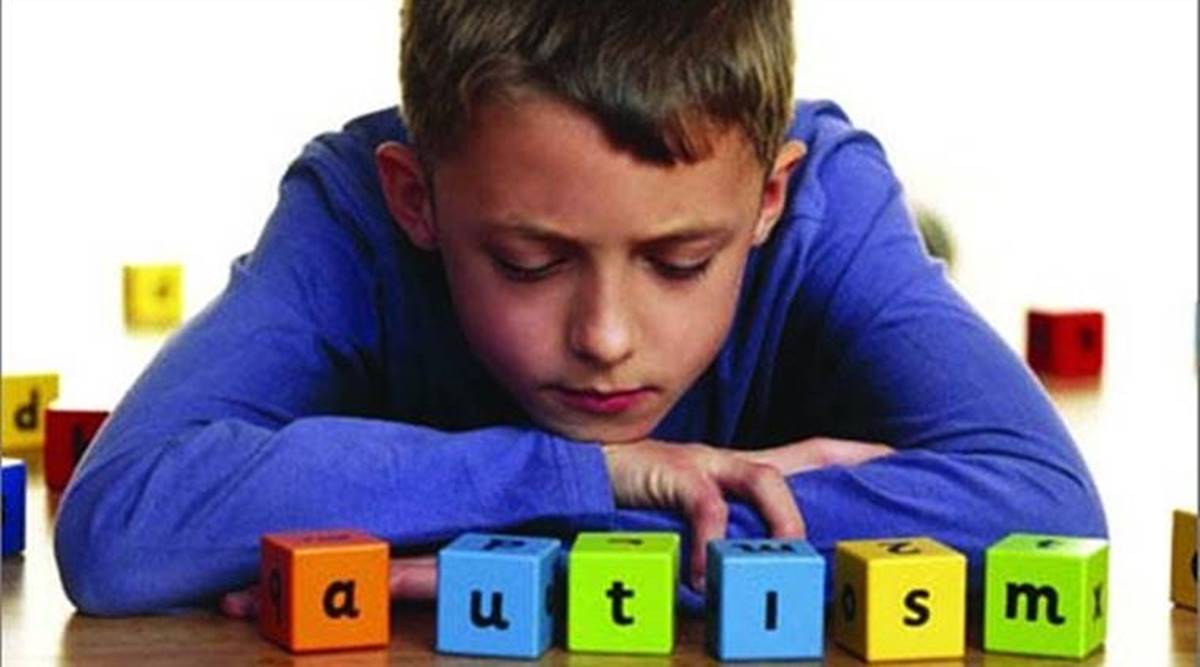
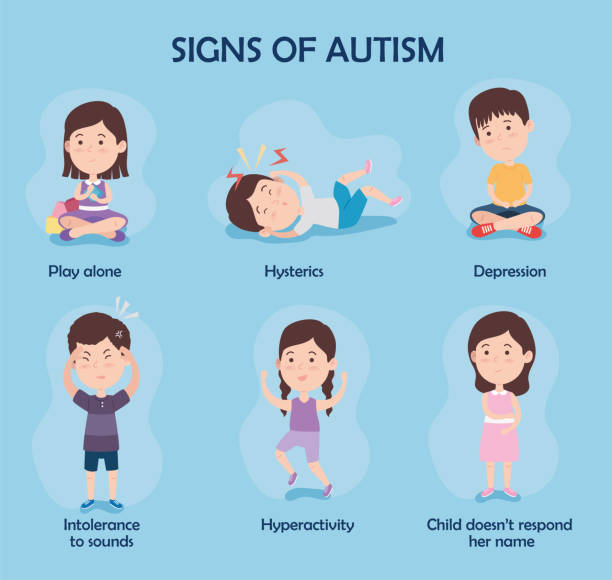
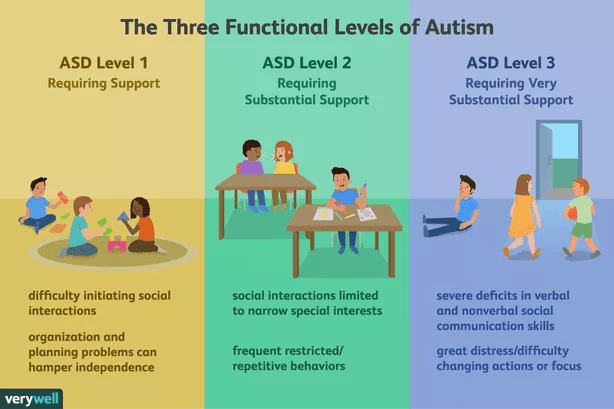
There are many people around us of different age groups that are either diagnosed or have underlying symptoms of autism. Autism is a neurodevelopmental disorder characterized by challenges with social communication, and by restricted and repetitive behaviours. is now considered part of the wider autism spectrum. People with autism have trouble with communication. They have trouble understanding what other people think and feel. This makes it hard for them to express themselves, either with words or through gestures, facial expressions, and touch. People with autism might have problems with learning. Their skills might develop unevenly. For example, they could have trouble communicating but be unusually good at art, music, math, or memory. Because of this, they might do especially well on tests of analysis or problem-solving. More children are diagnosed with autism now than ever before. But the latest numbers could be higher because of changes in how it’s diagnosed, not because more children have a disorder.

Autism is known to affect every one in every 60 individuals and boys are said to have more risk of developing it than girls. It can be hard to get a definite diagnosis of autism. Your doctor will focus on behaviour and development.

A developmental screening will tell the doctor whether a child is on track with basic skills like learning, speaking, behavior, and moving. If a child shows signs of a problem on these screenings, they’ll need a more complete evaluation. This might include hearing and vision tests or genetic tests. Your doctor might want to bring in someone who specializes in autism disorders, like a developmental paediatrician or a child psychologist. Some psychologists can also give a test called the Autism Diagnostic Observation Schedule (ADOS).parents can also find some symptoms and unusual behaviour

Common symptoms of autism include:

  • A lack of eye contact
  • A narrow range of interests or intense interest in certain topics
  • Doing something over and over, like repeating words or phrases, rocking back and forth, or flipping a lever
  • High sensitivity to sounds, touches, smells, or sights that seem ordinary to other people
  • Not looking at or listening to other people
  • Not looking at things when another person points at them
  • Not wanting to be held or cuddled
  • Problems understanding or using speech, gestures, facial expressions, or tone of voice
  • Talking in a sing-song, flat, or robotic voice
  • Trouble adapting to changes in routine

What Are the Types of Autism Spectrum Disorders?

These types were once thought to be separate conditions. Now, they fall under the range of autism spectrum disorders including:

Asperger’s syndrome. These children don’t have a problem with language; in fact, they tend to score in the average or above-average range on intelligence tests. But they have social problems and a narrow scope of interests.

Autistic disorder. This is what most people think of when they hear the word “autism.” It refers to problems with social interactions, communication, and play in children younger than 3 years.

Childhood disintegrative disorder. These children have typical development for at least 2 years and then lose some or most of their communication and social skills.

Pervasive developmental disorder (PDD or atypical autism). Your doctor might use this term if your child has some autistic behavior, like delays in social and communications skills, but doesn’t fit into another category.

What Causes Autism?

Exactly why autism happens isn’t clear. It could stem from problems in parts of your brain that interpret sensory input and process language.. It can happen in people of any race, ethnicity, or social background. Family income, lifestyle, or educational level doesn’t affect a child’s risk of autism. Autism runs in families, so certain combinations of genes may increase a child’s risk. A child with an older parent has a higher risk of autism. Pregnant women who are exposed to certain drugs or chemicals, like alcohol or anti-seizure medications, are more likely to have autistic children. Other risk factors include maternal metabolic conditions such as diabetes and obesity. Research has also linked autism to untreated phenylketonuria (also called PKU, a metabolic disorder caused by the absence of an enzyme) and rubella (German measles).There is no evidence that vaccinations cause autism.

How Is Autism Treated?

There’s no cure for autism. But early treatment can make a big difference in development for a child with autism. If you think your child shows symptoms of ASD, tell your doctor as soon as possible.What works for one person might not work for another. Your doctor should tailor treatment for you or your child. The two main types of treatments are:

Behavioral and communication therapy to help with structure and organization. Applied behavior analysis (ABA) is one of these treatments; it promotes positive behavior and discourages negative behavior. Occupational therapy can help with life skills like dressing, eating, and relating to people. Sensory integration therapy might help someone who has problems with being touched or with sights or sounds. Speech therapy improves communication skills.

Medications to help with symptoms of ASD, like attention problems, hyperactivity, or anxiety.

Complementary treatments may help boost learning and communication skills in some people with autism. Complementary therapies include music, art, or animal therapy, like horseback riding and even swimming with dolphins.

It is high time that people start to embrace autism and not ostracize such individuals but give more support and kindness. Young children must be taught about it and it’s not a topic to shy away from but accept and cherish that its ok to be different because that way you are special.

Explaining Autism

There are many people around us of different age groups that are either diagnosed or have underlying symptoms of autism. Autism is a neurodevelopmental disorder characterized by challenges with social communication, and by restricted and repetitive behaviours. is now considered part of the wider autism spectrum. People with autism have trouble with communication. They have trouble understanding what other people think and feel. This makes it hard for them to express themselves, either with words or through gestures, facial expressions, and touch. People with autism might have problems with learning. Their skills might develop unevenly. For example, they could have trouble communicating but be unusually good at art, music, math, or memory. Because of this, they might do especially well on tests of analysis or problem-solving. More children are diagnosed with autism now than ever before. But the latest numbers could be higher because of changes in how it’s diagnosed, not because more children have a disorder.

Autism is known to affect every one in every 60 individuals and boys are said to have more risk of developing it than girls. It can be hard to get a definite diagnosis of autism. Your doctor will focus on behaviour and development.

A developmental screening will tell the doctor whether a child is on track with basic skills like learning, speaking, behavior, and moving. If a child shows signs of a problem on these screenings, they’ll need a more complete evaluation. This might include hearing and vision tests or genetic tests. Your doctor might want to bring in someone who specializes in autism disorders, like a developmental paediatrician or a child psychologist. Some psychologists can also give a test called the Autism Diagnostic Observation Schedule (ADOS).parents can also find some symptoms and unusual behaviour

Common symptoms of autism include:

  • A lack of eye contact
  • A narrow range of interests or intense interest in certain topics
  • Doing something over and over, like repeating words or phrases, rocking back and forth, or flipping a lever
  • High sensitivity to sounds, touches, smells, or sights that seem ordinary to other people
  • Not looking at or listening to other people
  • Not looking at things when another person points at them
  • Not wanting to be held or cuddled
  • Problems understanding or using speech, gestures, facial expressions, or tone of voice
  • Talking in a sing-song, flat, or robotic voice
  • Trouble adapting to changes in routine

What Are the Types of Autism Spectrum Disorders?

These types were once thought to be separate conditions. Now, they fall under the range of autism spectrum disorders including:

Asperger’s syndrome. These children don’t have a problem with language; in fact, they tend to score in the average or above-average range on intelligence tests. But they have social problems and a narrow scope of interests.

Autistic disorder. This is what most people think of when they hear the word “autism.” It refers to problems with social interactions, communication, and play in children younger than 3 years.

Childhood disintegrative disorder. These children have typical development for at least 2 years and then lose some or most of their communication and social skills.

Pervasive developmental disorder (PDD or atypical autism). Your doctor might use this term if your child has some autistic behavior, like delays in social and communications skills, but doesn’t fit into another category.

What Causes Autism?

Exactly why autism happens isn’t clear. It could stem from problems in parts of your brain that interpret sensory input and process language.. It can happen in people of any race, ethnicity, or social background. Family income, lifestyle, or educational level doesn’t affect a child’s risk of autism. Autism runs in families, so certain combinations of genes may increase a child’s risk. A child with an older parent has a higher risk of autism. Pregnant women who are exposed to certain drugs or chemicals, like alcohol or anti-seizure medications, are more likely to have autistic children. Other risk factors include maternal metabolic conditions such as diabetes and obesity. Research has also linked autism to untreated phenylketonuria (also called PKU, a metabolic disorder caused by the absence of an enzyme) and rubella (German measles).There is no evidence that vaccinations cause autism.

How Is Autism Treated?

There’s no cure for autism. But early treatment can make a big difference in development for a child with autism. If you think your child shows symptoms of ASD, tell your doctor as soon as possible.What works for one person might not work for another. Your doctor should tailor treatment for you or your child. The two main types of treatments are:

Behavioral and communication therapy to help with structure and organization. Applied behavior analysis (ABA) is one of these treatments; it promotes positive behavior and discourages negative behavior. Occupational therapy can help with life skills like dressing, eating, and relating to people. Sensory integration therapy might help someone who has problems with being touched or with sights or sounds. Speech therapy improves communication skills.

Medications to help with symptoms of ASD, like attention problems, hyperactivity, or anxiety.

Complementary treatments may help boost learning and communication skills in some people with autism. Complementary therapies include music, art, or animal therapy, like horseback riding and even swimming with dolphins.

It is high time that people start to embrace autism and not ostracize such individuals but give more support and kindness. Young children must be taught about it and it’s not a topic to shy away from but accept and cherish that its ok to be different because that way you are special.