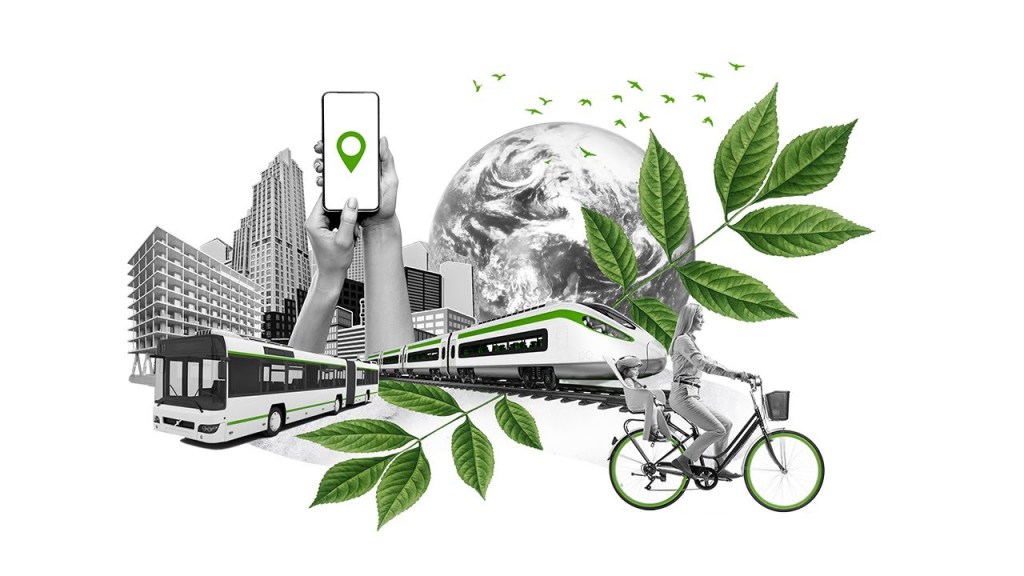
Why does the World Need to Decarbonize Transport?

Credit: ITF

Introduction

Moving people and goods accounts for one-quarter of global energy use, and the demand for energy from this sector is continuing to grow. This is due mainly to the increasing number and size of vehicles on our roads: more than 1.42 billion are currently in use, with an expected two billion by 2040. Road vehicles, most still powered by fossil fuels, account for nearly 75 per cent of total transport-related greenhouse gas emissions. Emissions from aviation and shipping are also projected to sail upwards between now and 2050. Flying contributes 12 per cent of the world’s total carbon dioxide emissions, while the marine sector, if it were a country, would be ranked between Germany and Japan as the sixth-largest source.

Why to Decarbonize the Transport?

Climate change cannot be stopped without decarbonizing transport. Transport emits around 23% of the energy-related CO2 that feeds global warming. Without immediate action, its share could reach 40% by 2030. Transport emissions have grown faster than those of any other sector over the past 50 years. Demand for transport will continue to grow massively in the coming decades. As a result CO2 emissions from transport activity will not fall, but could increase by 60% by 2050. And because transport relies on oil for 92% of its energy, it is particularly hard to decarbonize. 

Ambition of the Initiative

The Decarbonising Transport initiative helps governments and industry to translate climate ambitions into actions. Specifically, it:

  • Builds a catalogue of effective CO2 mitigation measures: the Transport Climate Action Directory.
  • Provides targeted analytical assistance for countries and partners to identify climate actions that work.
  • Gathers and shares evidence for best practices that will accelerate the transition to carbon-neutral mobility.
  • Shapes the climate change debate by building a global policy dialogue and by bringing the transport perspective to the broader climate change discussions.

Stream of the Initiative

 The Decarbonising Transport initiative is organised in five work streams:

  • Tracking progress: The initiative evaluates how current mitigation measures contribute to reaching objectives for reducing transport CO2.
  • In-depth sectoral studies: The initiative identifies effective policies for decarbonizing urban passenger transport, road freight transport, maritime transport, aviation and inter-urban transport.
  • Focus studies: The initiative analyses specific decarbonization issues and feeds the results into other work streams.
  • National pathways: The initiative assesses available policy levers for decarbonizing transport from a country perspective. Projects may also examine regional or sub-national levels.
  • Policy Dialogue: The initiative organizes global dialogue on transport and climate change through high-level roundtables, policy briefings and technical workshops. It acts as a conduit for transport sector input to climate change negotiations.

Conclusion

The Decarbonizing Transport initiative was launched in 2016 with core funding from the ITF’s Corporate Partnership Board (CPB). Other funding partners currently include the governments of France, Korea, Ireland and the Netherlands, the World Bank, the European Commission, the Climate Works Foundation, the Fédération Internationale de l’Automobile (FIA), the FIA Foundation, the International Road Transport Union (IRU) and the Swedish Shipowners’ Association. In recognition of the work of its Decarbonizing Transport initiative, the UN Climate Change Secretariat (UNFCCC) has named the International Transport Forum a focal point for transport under its Marrakech Partnership. In this role, the ITF acts as a conduit for the exchange of information between the transport sector and the UNFCCC, as well as providing inputs to the UNFCCC process.


References

Why does the World Need to Decarbonize Transport?

Credit: ITF

Introduction

Moving people and goods accounts for one-quarter of global energy use, and the demand for energy from this sector is continuing to grow. This is due mainly to the increasing number and size of vehicles on our roads: more than 1.42 billion are currently in use, with an expected two billion by 2040. Road vehicles, most still powered by fossil fuels, account for nearly 75 per cent of total transport-related greenhouse gas emissions. Emissions from aviation and shipping are also projected to sail upwards between now and 2050. Flying contributes 12 per cent of the world’s total carbon dioxide emissions, while the marine sector, if it were a country, would be ranked between Germany and Japan as the sixth-largest source.

Why to Decarbonize the Transport?

Climate change cannot be stopped without decarbonizing transport. Transport emits around 23% of the energy-related CO2 that feeds global warming. Without immediate action, its share could reach 40% by 2030. Transport emissions have grown faster than those of any other sector over the past 50 years. Demand for transport will continue to grow massively in the coming decades. As a result CO2 emissions from transport activity will not fall, but could increase by 60% by 2050. And because transport relies on oil for 92% of its energy, it is particularly hard to decarbonize. 

Ambition of the Initiative

The Decarbonising Transport initiative helps governments and industry to translate climate ambitions into actions. Specifically, it:

  • Builds a catalogue of effective CO2 mitigation measures: the Transport Climate Action Directory.
  • Provides targeted analytical assistance for countries and partners to identify climate actions that work.
  • Gathers and shares evidence for best practices that will accelerate the transition to carbon-neutral mobility.
  • Shapes the climate change debate by building a global policy dialogue and by bringing the transport perspective to the broader climate change discussions.

Stream of the Initiative

 The Decarbonising Transport initiative is organised in five work streams:

  • Tracking progress: The initiative evaluates how current mitigation measures contribute to reaching objectives for reducing transport CO2.
  • In-depth sectoral studies: The initiative identifies effective policies for decarbonizing urban passenger transport, road freight transport, maritime transport, aviation and inter-urban transport.
  • Focus studies: The initiative analyses specific decarbonization issues and feeds the results into other work streams.
  • National pathways: The initiative assesses available policy levers for decarbonizing transport from a country perspective. Projects may also examine regional or sub-national levels.
  • Policy Dialogue: The initiative organizes global dialogue on transport and climate change through high-level roundtables, policy briefings and technical workshops. It acts as a conduit for transport sector input to climate change negotiations.

Conclusion

The Decarbonizing Transport initiative was launched in 2016 with core funding from the ITF’s Corporate Partnership Board (CPB). Other funding partners currently include the governments of France, Korea, Ireland and the Netherlands, the World Bank, the European Commission, the Climate Works Foundation, the Fédération Internationale de l’Automobile (FIA), the FIA Foundation, the International Road Transport Union (IRU) and the Swedish Shipowners’ Association. In recognition of the work of its Decarbonizing Transport initiative, the UN Climate Change Secretariat (UNFCCC) has named the International Transport Forum a focal point for transport under its Marrakech Partnership. In this role, the ITF acts as a conduit for the exchange of information between the transport sector and the UNFCCC, as well as providing inputs to the UNFCCC process.

References

How Traditional Publication and Self Publication Differs

The business world is continuously evolving, with competition increasing each day. Advancements in technology trigger market change more frequently than ever. This results in milestone evolutions of business strategies. Most companies spend a huge amount of funds on staying updated with these changes.  

Source: https://pixabay.com/it/photos/libro-business-college-concept-4966982/

But what about unconventional businesses like a mystery room Bangalore or a luxury thrift shop in LA? How do they prosper and expand their circles without the backing of huge investments? Finding out the right marketing channels for unconventional businesses can often be quite challenging. But provided companies can figure out suitable strategies, spreading their business globally is no longer a fool’s dream.  

Similarly, while publishing your books, you must also opt for the right kind of publication to cater to a global audience. The two main modes of publishing, traditional publication, and self-publication, come with their own set of pros and cons. 

So, to make it easy for you to make the right choice, this article is here for you. Make sure to read this article till the very end to gather a comprehensive understanding of how traditional publication and self-publication differ from one another.   

What are the basic steps of traditional publication?  

The basic steps of the traditional publication are as follows: 

  • Make a query with a suitable agent who you think will publish your book 
  • The agent needs to accept your book and agree to take it to a suitable publishing house  
  • The publishing house works on selling your book 
  • As the writer, you are paid an upfront price as advance 
  • Often, you might have to pay back your advance based on your book sales to equate the money before you finally start to make a new income 
  • As the writer, you have the right to rewrite, write or edit your already published book 
  • The publishing house reserves all rights to your book 
  • The publishing house will create an appropriate cover to go with your book and edit it using professionals  
  • Your book might be formatted in all versions 
  • As the writer, you are paid 10% – 12.5% as royalties  

What are the basic steps of self-publishing?  

The basic steps concerning self-publishing are as follows: 

  • As a self-publishing author, you can publish your book any time you want! 
  • You have to pay for designing the cover of your book as per your desires 
  • You have to pay to get a professional to edit your book 
  • You have to pay for formatting your book 
  • You have to upload and publish your book 
  • As a self-publishing author, you get full royalties  
  • You reserve all the rights to your book 
  • You can update, modify, edit or republish your book whenever you want to 
  • As per your desires, you can publish as many numbers of books as you want, even as quickly as you want! 
  • With self-publishing, you can even write and publish your book in 90 days if you desire it! 


If you are still at loggerheads thinking which of these two modes of publishing would be beneficial for you, read on.   

What should I consider before choosing between traditional publishing and self-publishing? 

The following factors can probably help you decide which model of publishing would be the most suitable for your cause: 

1. Distribution  

i. Traditional Publishing: Traditional publishing has the upper hand over self-publishing when it comes to distributing your book. Book stores are spread all across the world, wherein your book can be easily circulated by the publishing house. Thus, in this way, your book can easily reach far and wide across the globe. Other than distributing via physical stores, your book can also be sold in various online bookstores! 


ii. Self-Publishing: You can still avail all the online book distribution options that you had with traditional publishing. All you have to do is decide on which of the online book distribution portals you want to sell your book. Although, there is no doubt that in the case of self-publishing, the chances of circulating your book are lower.   

2. Royalty Rates 

i. Traditional Publishing: Most newbie traditionally publishing authors tend to secure approximately 10% per book sold as their income till the advance is paid out. After that, the payment can increase up to approximately 12.5% per book sold.  


ii. Self-Publishing: Considering the rates of Amazon as the standard, you get a 60% of your book’s retail rate minus the MRP as royalty. Thus, there is no doubt that in terms of royalty rates, self-publishing authors can secure more income in one go.    

3. Cost of publishing 

i. Traditional Publishing: As a traditionally published author, you have to entail zero cost of production, for it is the publishing house itself that takes care of this. 


ii. Self-Publishing: Being a self-publishing author, there is a huge bill that you need to pay. It starts from editing and formatting to even cover design; there are several factors that you need to spend your money on.    

4. Time required 

i. Traditional Publishing: To get your book published in the traditional book can take an unprecedented amount of time, considering it takes longer to find a suitable agent. Even if you do find a good agent, it might still take a couple of years before your book is published in the market. 


ii. Self-Publishing: As soon as you are done with the process of editing, formatting, and customizing your book cover, you are ready to publish it!  


To sum up, the idea of self-publishing vis-à-vis traditional publishing, let us now understand the advantages and disadvantages of each comprehensively: 

Pros of Self-Publishing:  

Own full ownership rights of your book 

Possess the right to completely customize your book 

Exercise complete control over marketing your book 

Exercise and control the creativity over your book 

Possess a higher profit potential   

Cons of Self-Publishing:  

You alone have to ensure whether your book is professional and good in every way 

It’s a lengthy and time-consuming process to do all by yourself 

Hiring professionals to ease the process can be expensive   

Pros of Traditional Publishing:  

You receive financial advances even before your book is published   

The publishing house invests their money to get your book published 

High chance of book distribution in various stores 

High potential of media coverage   

Cons of Traditional Publishing:  

It is very tough to find the right agent who is ready to take up your book 

A lot of time is required before your book is published 

You exercise no control in the marketing or creativity 

You have no ownership over your book. The publishing house owns your book 

Conclusion

This detailed understanding of traditional publishing as against self-publishing should now be sufficient for you to make your choice. So, what are you waiting for? Don’t let your manuscript gather any more dust as it sits idly on your desk. Publish it today, and let the world step into a universe you created!  


<

p dir=”ltr” style=”line-height: 1.38;margin-bottom: 0pt;margin-top: 0pt;text-align: justify”> 

An Analysis of World Environment Day

Credit: Parenting

Introduction

World Environment Day is celebrated on the 5th of June every year. More than 100 countries Worldwide join in the celebration of World Environment Day. It was started by the United Nations Environmental Program in the year 1973 and has been continuing till now. The main purpose of celebrating this day is to spread awareness about the Environment.

Theme for 2022

World Environment Day 2022 will be held under the theme Only One Earth, highlighting the need to live sustainably in harmony with nature by bringing transformative changes – through policies and our choices – towards cleaner, greener lifestyles.

What is the Environment?

Scientifically speaking, everything around us constitutes our Environment. Both living and non-Types of the Equation of the Motion living things make up our Environment. The living or biotic components include plants, animals and microbes, while the non-living or abiotic components include air, water, soil and so on.

Why is the Environment in Danger?

The Environment is in danger because of the high levels of pollution. All the major components of the Environment such as the hydrosphere, the atmosphere, and the biosphere, are trapped with pollutants. The rising level of pollutants is destroying the normal Environmental conditions. These types of pollutants can be natural (for example volcanic eruptions, forest fires, etc.) or manmade (pollutants released from industries, emissions from cars). It is mainly man-made pollution that has caused rapid destruction of the Environment. The major forms of pollution are air pollution, water pollution, and soil pollution.

Why is it Necessary to Save the Environment?

The Environment is one of the most important tools for our survival on planet Earth. The Environment nurtures us and helps us survive. We cannot imagine life without air, water, and soil. The biotic components like plants and animals are also important survival tools. Plants help purify the air around us. We get food from plants and animals. All the components of the Environment are dependent on each other in a web of relations known as the ecological web. It is necessary to maintain this web in balance because if one component collapses then the entire web will crumble destroying all life forms. This is why we must choose to work towards preserving the Environment and undoing the damage we did.

Purpose of World Environment Day

The main purpose of World Environment Day is to spread awareness about the current conditions of the Environment. On this day people come together to join in efforts to improve our life. Every year there is one theme or Environmental problem which is focused upon and a pledge to combat that problem is taken that year. For example for the year 2019, the theme was air pollution. Organizations all around the world come together on this day, to take small steps to improve our future. Schools and offices encourage workers and students to plant trees or clean up some local land. These small efforts can leave a big impact on the Environment.

Conclusion

World Environment Day reminds us to consolidate our planet and ensure that the Environment is conserved at all costs. It illuminates the causes that cause the most damage to our environment. For example, industries and industries play a major role in polluting. They reduce the amount of air we breathe and the water we consume. Therefore, this Day serves as an eye-opener for many citizens who are unaware of all this. In other words, it spreads awareness to ordinary people about the current situation. In addition, it also encourages the community from different communities and communities to play an active role in celebrating this Day.

References

Dr B.R. Ambedkar/Babasaheb: Birthday Tribute to the Legendary Personality of India

While discussing the contribution of Dr Bhim Rao Ambedkar saheb (popularly known as Dr B.R. Ambedkar/Babasaheb) volumes are required to write as his massive contribution in all fields are assets to Indians. I wish to quote a line that has greatly motivated me. “Life should be great rather than long”, said Dr. B.R. Ambedkar, who flagged the ‘Constitution of India’.
Born on 14 April 1891, Dr. Ambedkar showed the path of Dalits on how to lead a venerable life. Interestingly, his date of birth i.e. 14 April has coincided ( sometimes one-day variation) with great celebration in Assam, Bengal, Punjab, Kerala, and Tamil Nadu as generally this date is celebrated as New Year in the respective state. In Assam, a week-long celebration is known as ‘Rongali Bihu’, in Bengali ‘Subha nabarsha’, Vishu in Kerala, Vaishakhi in Punjab, and Puthandu in Tamil. All these evince that he was born on an auspicious date and month. Dr. Ambedkar saheb passed away on 6 December 1956 but undoubtedly ‘his life was great rather than long’.
Hailing from the socially most backward class, he has shown everyone particularly in the lower echelons of the society, mainly Dalits how to survive with dignity. It may be mentioned that Dalit communities are found not only in India but also in Bangladesh, even among the Muslims of Bangladesh. Dalit in Bangladesh is a recent adoption earlier they were called indigenous or antaz but in recent times, Dalit is used. The data reveals that around 30 Dalit communities live in the South-west part of Bangladesh. Socially and economically they are backward, poor, and vulnerable. Bhumija Foundation of Bangladesh identified nine Dalit communities in the South-western region of Bangladesh based on their occupation and distinct culture.
Anyway, in his childhood, Babasaheb never felt the brunt of the caste politics or ‘Untouchability syndrome’ as he was born at Mhow, Indore present Madhya Pradesh in an army family of Army cantonment. In his own words “……my father was employed in the Army. He held the rank of Subedar at that time. Since we lived in the cantonment, we had little to do with the world outside the military area. I had no experience of Untouchability”. But after his father’s retirement, the situation totally changed. His father shifted to Satara and he felt the brunt of untouchability as even no barber was prepared to cut their hair as sequel Dr. Ambedkar’s elder sister used to cut his hair. Like this, he had to face many social issues in those days because of his caste (Mahar). Anyway, while Dr. Ambedkar ji served in the Baroda state he was denied accommodation on rent both by Hindu or Muslim house owners as a sequel he had to live in a Parsi Dharmasala, and there also he had to face serious problems because of caste.
Dr. Ambedkar was a man of vision and had a strong desire for the development of human beings. In his words, “I believe that the world can be conquered by intelligence”. Further, he felt “without social efficiency no permanent progress in other fields of activity was possible”. And that is why he emphasized self-respect, “Self-respect is the most vital factor in life, without it man is a cipher.” He considered education as the most powerful catalyst for bringing about the changes in the society. It is believed that he used to study even for 18 hours every day in his school days. Dr. Ambedkar was in favour of birth control and he was of the opinion that with a huge population India would face severe problems on many fronts. He may be quoted here, “the educated class has, by this time, fully realized the necessity of birth-control and fortunately, the leaders in our country also are unanimous on this point. Pandit Jawaharlal Nehru, Sir Rabindranath Tagore, and Mrs. Sarojini Naidu know very well the importance and the urgency of the movement for birth control and are in favour of contraceptives”. He had also stated that “Population in India grows decade by decade in geometrical progression. As against this unlimited growth of population what is available for cultivation is not merely a limited amount of land but a limited amount of land whose fertility is diminishing year by year. India is caught between two sides of a pincer, the one side of which is a progressive increase in population and production is increasing to an alarming degree, leaving India with the inheritance of poverty, more poverty, and chronic poverty.”. His theory of population growth in the context of India matches with Malthusian theory of population and our policymakers should look into this issue.

Babasaheb’s feelings toward women and their empowerment can be understood in his writing. “I measure the progress of a community by the degree of progress which women have achieved.” Dr. Ambedkar’s contribution to the economic development of India was enormous as already mentioned volumes are required to write.
In 1990, Dr. Ambedkar saheb was posthumously awarded the Bharat Ratna, India’s highest civilian award. Although Babasaheb passed away on 6 December 1956, through his activities and contribution he will be in the hearts of millions of Indians.
On the occasion of his happy birthday on 14 April 2022, I extend my Pronam to the great soul.

The Global Image of Women Empowerment

Credit: Leverage Edu

Introduction

The empowerment and autonomy of women and improving their political, social, economic, and health status is a highly important end. In addition, it is essential for the achievement of sustainable development. The full participation and partnership of both women and men are required in productive and reproductive life, including shared responsibilities for the care and nurturing of children and maintenance of the household. In all parts of the world, women are facing threats to their lives, health, and well-being due to being overburdened with work and their lack of power and influence. In most regions of the world, women receive less formal education than men, and at the same time, women’s own knowledge, abilities, and coping mechanisms often go unrecognized. The power relations that impede women’s attainment of healthy and fulfilling lives operate at many levels of society, from the most personal to the highly public.

What is Women’s Empowerment?

Women’s empowerment can be defined as promoting women’s sense of self-worth, their ability to determine their own choices, and their right to influence social change for themselves and others. It is closely aligned with female empowerment – a fundamental human right that’s also key to achieving a more peaceful, prosperous world. Women’s empowerment and promotion of women’s rights have emerged as a part of a major global movement and are continuing to break new ground in recent years. Days like International Women’s Empowerment Day are also gaining momentum. But despite a great deal of progress, women and girls continue to face discrimination and violence in every part of the world.

Why Empowerment is important?

Empowering women is essential to the health and social development of families, communities, and countries. When women are living safe, fulfilled, and productive lives, they can reach their full potential. contributing their skills to the workforce and can raise happier and healthier children. They are also able to help fuel sustainable economies and benefit societies and humanity at large. A key part of this empowerment is through education. Girls who are educated can pursue meaningful work and contribute to their country’s economy later in life. They are also four times less likely to get married young when they have eight years of education, meaning that they and their families are healthier.

How World Vision is helping Empower Women?

When women and girls are supported, they gain opportunities to speak up for their rights, and also to advocate for their communities. They are also able to rise in social standing, and they can feed this into future generations. This means women’s organizations, women’s empowerment policies, and women’s charities can gain momentum and contribute to a stronger world.

World Vision supports women and girls by:

  • Our sponsorship program. When you sponsor a girl, you not only help give a girl opportunities she may have been denied – but our community-focused approach means that her whole community benefits, too.
  • Helping girls and women learn advocacy skills at all stages of life so that they can use their voices effectively for their own rights.
  • Partnering with communities, faith leaders, and governments to challenge and correct harmful social norms that keep women and girls from their potential.
  • Raising awareness around the causes of poor health and wellbeing that are related to gender.
  • Empowering women and girls through water, sanitation, and hygiene; health and nutrition; livelihoods training; and education programs to increase their opportunities and ability to reach their full potential.

Conclusion

Achieving change requires policy and programme actions that will improve women’s access to secure livelihoods and economic resources, alleviate their extreme responsibilities about housework, remove legal impediments to their participation in public life, and raise social awareness through effective programmes of education and mass communication. In addition, improving the status of women also enhances their decision-making capacity at all levels in all spheres of life, especially in the area of sexuality and reproduction. This, in turn, is essential for the long-term success of population programmes. Experience shows that population and development programmes are most effective when steps have simultaneously been taken to improve the status of women.

References

Life Wanna Rich – Trilok Kumar

This is the first english poem written by him

Heyyy heyy… Life wanna  rich,
but i m not rich  , but I gonna tech
do you want a leach….
same same, here here, there there, were were

if there is a will there is a way… it may it may!!
like a day it gonna bright your way…
If I gonna say it may it may!!
I know how to say… it gonna change your way!!

O God what to say if upsc is dream then there is a way….
I must now to say , if u gonna say it is beneficial for your day….!!!!!
It prevent u from decay…..

Heyy Heyy still u wanna learn it gives u fun….
whatever u have done.
Like a sun your enemy gonnna 🔥burn !!
still u didn’t see your way it may spoil your way…

Now focus on your aim and say it may, it may….!!
At any stage study is the base..
Money give u fame and study is the same
And Google your name.. it will be on the top it’s your hope!!

Trilok Kumar

Is Space Tourism is Beneficial for Planet?

Credit: Spacelearn

Introduction

While space tourism isn’t brand new, the race to progress commercial space travel has moved along vastly in the past year. With NASA – once the center of the space industry – taking its time to bring commercial space flight into the realm of possibility, the doors have opened up for wealthy individuals to try their hand at space travel. Space tourism is not without criticism, despite being an exciting idea in theory. Today, we’ll explore the advantages and disadvantages of space tourism, raise questions about the billionaire space race, and think about whether space tourism is the beginning of a new future or an environmental catastrophe. 

What is Space Tourism?

The fundamental purpose is for human pleasure, as all tourism is. We can divide space tourism into orbital, suborbital, and lunar space tourism. While orbital space tourism involves extremely high speeds (17,400 mph), as it allows a rocket to orbit around Earth, suborbital flights are a lot slower (though still 3,700mph) and tend to fly directly up into space and then back down again. Suborbital flights are what space tourism companies are offering more commonly. Lunar space tourism involves trips to the moon. While there are some broader definitions of space tourism, such as watching rocket launches or stargazing, we’ll be focusing on commercial space travel in this article, as it has the most far-reaching consequences.

Does Commercial Space Travel exist today?

The short answer to this question is yes. However, currently, commercial space travel is extremely exclusive, and this shows no signs of changing shortly. July 2021 was a pioneering month, with both Virgin Galactic and Blue Origin successfully launching suborbital spaceflights with tourist passengers from their spaceports. Eventually, each of these companies wants to provide regular space travel opportunities to private paying customers. 

Environmental Concerns

Large carbon footprint

Eloise Marais, a physical geography professor at UCL, suggests that the carbon footprint of flying to space in a rocket is about 100x more than taking a long-haul flight. 

Depleting ozone layer

There are several ways space tourism can contribute to a depleting ozone layer. CO2 emissions and soot trap heat in the atmosphere and rockets emit up to 10 times more nitrogen oxides than the largest thermal power plant in the UK.

Polluted stratosphere

One of the biggest environmental concerns with space tourism is the soot cloud that rockets leave behind. Soot can accumulate in the stratosphere, which is between 5 and 31 miles above Earth, where it can’t be washed away by the weather.

Conclusion

It seems as though the current plans that the billionaire space company owners have for space tourism are perhaps too ambitious, and focus on the wrong things. It’s true that space exploration and research could bring a wealth of new ideas and resources to Earth, and could provide a future existence for humans. But regular, short space flights for the recreational activities of the rich do not seem to be in the best interest of Earth. 

References

Understanding the Nucleic Acid Vaccines

Credit: MIT News

Introduction

Faced with the challenges posed by infectious diseases and cancer, nucleic acid vaccines present excellent prospects in clinical applications. Compared with traditional vaccines, nucleic acid vaccines have the characteristics of high efficiency and low cost. Therefore, nucleic acid vaccines have potential advantages in disease prevention and treatment. However, the low immunogenicity and instability of nucleic acid vaccines have limited their development. Therefore, a large number of studies have been conducted to improve their immunogenicity and stability by improving delivery methods, thereby supporting progress and development for clinical applications.

What is Nucleic Acid Vaccines?

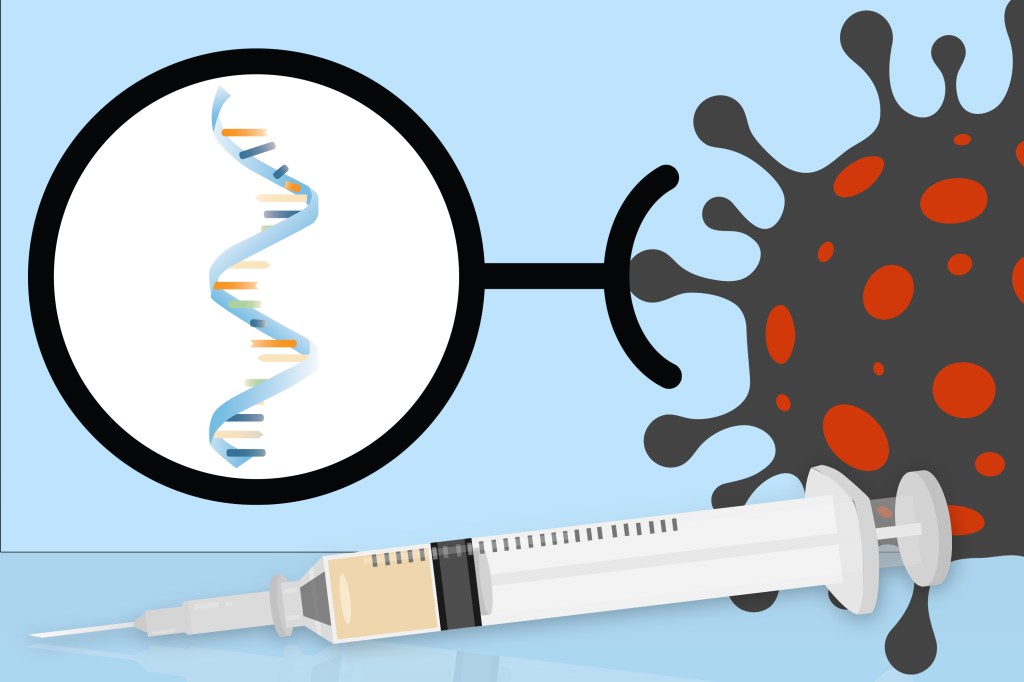
Instead of injecting a weakened form of a virus or bacteria into the body, Nucleic acid vaccines use genetic material from a disease-causing virus or bacterium (a pathogen) to stimulate an immune response against it. That immune response, which produces antibodies, is what protects us from getting infected if the real virus enters our bodies. Nucleic acid vaccines have the potential to be safe, effective, and cost-effective. Moreover, the immune responses induced by nucleic acid vaccines only target the selected antigen in the pathogen.

Types of Nucleic Acid Vaccine

Nucleic acid-based vaccines, including DNA (as plasmids) and RNA [as messenger RNA (mRNA)] vaccines, exhibit promising potential in targeting various indications and diseases.

What is DNA Vaccine?

DNA vaccines are generated by inserting a gene encoding antigens into a bacteria-derived plasmid, which needs to be controlled by a powerful promoter. DNA plasmids are replicated in bacteria, which can be selected based on antibiotic resistance mediated by genes carrying resistance markers, using the prokaryotic origin of replication. Additionally, DNA vaccines can affect not only humoral immunity but also cellular immunity. Although the precise mechanisms underlying the induction of an immune response to antigens expressed by host cells following DNA immunization have not yet been determined, we have a considerable understanding of the roles of immune cells in the processing, presentation, and recognition of antigens.

What is RNA Vaccine?

Currently, there are two widely acknowledged forms of mRNA vaccines, namely, non-amplifying mRNA and self-amplifying mRNA, which are classified due to the difference in mechanisms. In terms of structure, non-amplifying mRNA vaccines mainly contain five critical elements for the life cycle and expression: the “cap” [m7Gp3N(N: any nucleotide)], which is a 7-methyl-guanosine residue (m7G) bound to the 5′-end of the RNA transcript via a 5′–5′ triphosphate bond with any nucleotide; a 5′ untranslated region (5′UTR) that sits immediately upstream of the translation initiation codon; an open reading frame (ORF) encoding the gene of interest (GOI); a 3′ untranslated region (3′UTR); and a tail of 100–250 adenosine residues [poly(A) tail].

Advantages of Nucleic Acid Vaccine

Safe and non-infectious as they are not made with pathogen particles or inactivated pathogens.
Can generate a stronger type of immunity and are well tolerated as compared to traditional vaccines.
Can be produced more rapidly as they do not require a host for growth, e.g., eggs or bacteria.

References

BASE RATE AND DRI SCHEME: A SUPERIOR LENDING RATE

Credit: PlanAdvisor

Introduction

The Financial and Banking sector of any country plays a paramount role in the functioning of the economy through intermediation. This sector has undergone numerous reforms in the past few years. One of the outcomes of these reforms is that now banks are more liberalized and have the freedom to determine the interest rates on their own. Banks are allowed to determine the lending rates on loans and advances concerning the base rate. The Base Rate is one of the amendments to the lending rate introduced by the RBI. Let’s now discover what it is, the term associated with it, and the factors determining it. 

What is Base Rate?

A Base rate is defined as the minimum interest rate set by the country’s central bank below which banks are not permitted to lend to their customers. This rate is usually taken as the standard interest rate by all the banks functioning in the country. Introduced in June 2010, the base rate is simply regarded as the standard lending rate offered by commercial banks. 

Why is Base Rate System used?

In the earlier days, the ostensible problem with the credit market was the lack of transparency. There used to be some segments in the banking system that were hidden or kept unknown to the customers. Banks use to give no clear information on the interest rate charged for a loan. So, to bring transparency and awareness to the credit field and to ensure that banks pass the benefit of lower interest rates to borrowers, the RBI implemented the notion of Base Rate across all the banks.

Factors Determining the Base Rate

Base Rates must consider and include all the elements of lending rates which are across various categories of borrowers. It is practicable that the base rate may be different for different banks. The four significant components that typically decide or determine the base rate set by a particular bank include

  • Cost of Funds i.e., interest rates provided by the banks on deposits
  • Operating Costs
  • The Minimum rate of Returns
  • Cost of the Cash Reserve Ratio.

So, the base rate presented by one bank can be dissimilar to the rate of another bank owing to any one or more of the above-declared factors. The most prevalent factor is the difference in interest rates provided by the banks on deposits.

What is DRI Scheme?

DRI Scheme stands For Differential Rate of Interest Scheme. It was launched to provide credit access to the low-income group. It is better known as DIR Scheme. This scheme was set in motion from the year 1972. The loan scheme empowers or authorizes the banks to lend money to weaker and incapable sections of society at a concessional interest rate. In simpler terms, DRI Scheme was introduced to financially assist low-income groups. The loan scheme visualizes lending by banks to the incapable section of the society at a uniform concessional rate of interest. There is no requirement or obligation of collateral or third-party guarantee. The assets which are created or bought from the loan amount will be hypothecated to the banks.

Conclusion

Every bank must review its base rate quarterly. Since the primary intention of implementing the base rate is transparency in the prices of the lending product, every bank has to reveal its base rate details in all their branches and on their official websites too. DRI Scheme is enhancing the Financial Inclusion Goal of India. In April 2016, RBI introduced a new concept known as MCLR (Marginal Cost of Lending Rates) as a replacement for the Base Rate. So, the MCLR is the new internal benchmark that all institutions will follow.

References

  1. https://www.creditmantri.com
  2. https://economictimes.indiatimes.com
  3. https://www.investopedia.com

Problems of Aged in Changing Scenario

Credit: Metropolis

Introduction

Population aging is a global issue, which has been recognized to have implications on the health care and social welfare systems. The process whereby the proportion of children in the population decreases and those of old people increases is known as the “aging of population”. The global population of the elderly has constantly been increasing during the second half of the last century. This has been possible due to the easy availability of life-saving drugs, famines’ control, various communicable diseases, better awareness and supply of nutrition and health facilities, and a comparatively better overall standard of living. These achievements have resulted in a drastic reduction in mortality rates and a substantial increase in the life expectancy at birth and the overall span of people.

What is Aging?

Aging is a continuous, irreversible, universal process, which starts from conception till the death of an individual. However, the age at which one’s productive contribution declines and one tends to be economically dependent can probably be treated as the onset of the aged stage of life. Old age is the last phase of the human life cycle, which is again universally true. UN recommended 60 years as the age of transition for the elderly segment of the population, and has been categorized as follows:

  1. Young Old- between the ages of 60-75 years
  2. Old-Old- between the ages of 75-85 years
  3. Very Old- 85 years and above.

Disabilities in Old Age

The disabilities that a person experiences in the course of aging are multiple in nature. For some, aging enhances the status and enriches life satisfaction, but for many others, it may be difficult and problematic. On one hand, getting old provides an opportunity to relax, enjoy and do things they always wanted to do but never had the time for when they were young. On the other hand, old age also implies increasing physical, mental, and psychological disabilities. Such disabilities are the result of many factors. With the increasing age and decreasing health, the older person begins to depend unknowingly physically and psychologically on either the kinship group or the existing social support network.

Government’s Role

Since independence, the Indian government has been committed to supporting the old people in our society with certain interventionist welfare methods. The year 1999 was declared by the UN as the International Year of Older Persons followed on 13th Jan 1999, by the Government of India approving the National Policy for Older Persons for accelerating welfare measures and empowering the elderly in ways beneficial to them. Maintenance and Welfare of Parents and Senior Citizens Act, 2007 provides legal sanctions for the rights of the elderly. In addition constitutional provisions for old age security, old age pension, establishing old age homes, expanding geriatric services, and liberalizing housing policy for elders have also been undertaken.

Role of Old Age Homes

The concept of the old age home, though not very common in India, is not unknown. The first old age home was established in Bangalore in 1983 by the Bangalore Friends-in Need society and was called the ‘(obb Home)’. According to Help Age India estimates, there are 728 institutions at present, perhaps a majority of them in urban areas. Kerala has the largest number of old-age homes. More than 60 percent of the old age homes in India are of the charitable type, meant for destitute or very poor persons. About 20 percent of them are of the ‘pay and stay’ type and another 20 percent are mixed. About 15 percent of the homes were for women exclusively. In recent years, there has been a rapid increase in the number of old age homes and they are gradually gaining acceptance, especially by those who see these institutions as a better alternative than living in a son’s home where you are not wanted. There is a debate going on in India at present among seniors’ organizations, nongovernmental organizations, and others about whether this growth should be allowed, supported, or curbed. There is a strong feeling that the proliferation of old-age homes would make it easier for children to shirk their responsibility for taking care of their aging parents by placing them in institutions.

Conclusion

Despite the government’s and NGO’s efforts in rehabilitating the aged in India they are still the most vulnerable group facing multiple problems and hence require proper care and attention. Aging is a natural process. ‘Old age is an incurable disease’. But more recently J.S. Ross commented, “You do need old age, you protect it, you promote it, and you extend it”. A man is as old as he feels and a woman as old as she looks. Hence there is a need for proper care and protection for the elderly in the changing scenario.

References

An Analysis of National Safe Motherhood Day

Credit: Eduwar

Introduction

The White Ribbon Alliance for Safe Motherhood is an alliance of organizations working together to increase awareness, build partnerships and act as a stimulus for action to decrease maternal mortality significantly. It was launched in India by the Centre for Development and Population Activities in 1999 and with a coalition of 1800 organizations, in 2003, it requested the Government of India to declare April 11th, Kasturba Gandhi’s birth anniversary, as National Safe Motherhood Day. India is the world’s first country to have officially declared a National Safe Motherhood Day.

Theme for 2022

Every year a nationwide advocacy theme is selected for Safe Motherhood Day, and activities and full-scale campaigns are carried out throughout the country to increase awareness of proper healthcare and maternity facilities for pregnant and lactating mothers. Also, the members, state associations, and non-profit organizations come together on National Safe Motherhood Day to share technical skills, expertise, and resources. This year’s theme is “Remain at home in the face of the Coronavirus; protect mother and child.”

Why this day is Celebrated?

India is the main country to have formally proclaimed a day committed to well-being and security, all things considered. Every year, WRAI individuals select a cross country topic for “Safe Motherhood Day.” They do crusades all across the country. The objective of these missions is to increment mindfulness that each lady has an option to live and endure pregnancy and labor.

Initiatives taken by Indian Government

In 2003, at the request of the WRAI, the Indian government designated April 11 (the anniversary of Kasturba Gandhi’s birth) as “National Safe Motherhood Day” (a coalition of 1,800 organizations). India is the world’s first country to establish a “National Safe Motherhood Day.” Every year, WRAI members choose a national publicity theme for “Safe Motherhood Day,” and WRAI members conduct activities and large-scale campaigns across the country. These annual campaigns, which are launched on “National Safe Motherhood Day,” aim to raise awareness that every woman has the right to survive and recover from pregnancy and childbirth. The White Ribbon Alliance of India was established in 1999.

Safe Motherhood Program

The aim of the National Safe Motherhood Program is to reduce morbidity and mortality rates of pregnant and lactating mothers and neonates and to improve their health through preventive strategies and activities related to health promotion as well as by addressing avoidable causative factors that can lead to death during pregnancy, childbirth and postpartum period. Nutritious snacks, such as vegetables, fruits, egg, yoghurt, cheese, pulses, sprouts, soya and milk products, along with proper hydration are ideal for a pregnant woman.

Significance of Motherhood Day

Our mothers are the only reason we were able to see the light of day and grow up to be strong people. Their numerous sacrifices, dedication, hard work, and blessings enable us to progress in life. Motherhood is one of the most special and important stages in a woman’s life, and she requires the greatest amount of care and affection during this time. Thus, National Safe Motherhood Day is observed in India on April 11 to raise awareness about motherhood and its importance. The entire period of pregnancy and delivery is critical and must be handled with extreme caution. Because of our government’s efforts, I can say with great pride and accomplishment that Madhya Pradesh has seen a significant decrease in Maternal Mortality Rate over the years.

Conclusion

Janani Express Ambulance has made it simple and quick to get to the hospital. Similarly, schemes such as Janani Suraksha Yojana, Surakshit Matritva Abhiyan, Mamta Abhiyan, and others have been launched to provide pregnant women with all necessary care and health facilities. The government is working around the clock to improve mothers’ health and hygiene. Motherhood, on the other hand, necessitates more than just medical and health advantages. As a result, it is critical to pay attention to her mental health and meet all of her needs. On this National Safe Motherhood Day, I humbly ask that everyone prioritize motherhood and pay special attention to pregnant and lactating women. In the absence of healthy mothers, we cannot envision a beautiful future.

References

An Analysis of World Haemophilia Day

Credit: Deccan Chronicle

Introduction

World Hemophilia Day was started by the World Federation of Hemophilia (WHF) and is annually observed on the 17th of April. The international community started observing WHD in 1989 and April 17 was chosen to recognize Frank Schnabel the founder of WHF. World Hemophilia Day is aimed at raising awareness about hemophilia and other bleeding disorders. It also helps to raise funds for patients who cannot afford hemophilia treatment as well as attract volunteers for the World Federation of Hemophilia.

What is Haemophilia?

Haemophilia is an inherited condition that causes bleeding for a long time after injury or surgery and painful swelling of the joints either after injury or even without injury. (“Inherited” means that the disease is passed from parents to children through their genes). Haemophilia is the commonest X-linked disorder affecting approximately 1 in 10,000 male births; whereas women act as carriers of Haemophilia. Haemophilia is an inherited blood disorder disease in which blood does not clot properly. It is caused due to defects in the blood vessels, the coagulation mechanism, or the blood platelets and by a deficiency in a gene that resolves how the human body will make factors VII, IX, or XI.

Types of Haemophilia

Haemophilia has three forms namely Haemophilia A, B, and C. Out of these, Hemophilia A is the most common.

– Haemophilia A patient is treated by prescribing a hormone desmopressin.

– Haemophilia B patient is treated by infusing the patient’s blood with the clotting factors of a donor.

– Haemophilia C patient is treated by plasma infusion which ceases down profuse bleeding.

Theme of World Haemophilia Day

April 17, 2022, is World Hemophilia Day. The theme of the event this year is “Access for All: Partnership. Policy. Progress. Engaging your government, integrating inherited bleeding disorders into national policy“. By raising awareness and bringing hemophilia and other inherited bleeding disorders to the attention of policymakers, we can increase sustainable and equitable access to care and treatment.

Significance of World Haemophilia Day

The World Federation of Haemophilia (WFH) started celebrating the day in 1989 and chose April 17 to celebrate it in honour of the founder of WFH Frank Schnabel. Haemophilia was discovered in the 10th century and was found mainly in males. The disease was then known as Abulcasis. In the year 1937, Haemophilia genetic disorder was divided into two types namely A and B, however, no proper treatment was found till that time. Then, it was decided to raise awareness about the disease among the people and make them understand the need to give the right attention to this serious health issue. In 1963, the WFM was established to improve treatment and care for all haemophiliac patients.

Awareness-raising campaigns, conferences, workshops, etc. are being organized on this day by several communities and people. various kinds of activities are being performed to inform the general public about Haemophilia disease. Also, landmarks and monuments in Australia and around the world change their colour to red at the night to support World Haemophilia Day.

Conclusion

When there is a family history of Haemophilia, it is now possible to identify females who carry the Haemophilia gene. Women, who know they are carriers, or might be carriers, may have options for prenatal diagnosis to obtain information on the fetal status. According to National Blood Transfusion Council under National Aids Control Organization (NACO) guidelines, all state/UTs administration patients suffering from thalassemia, sickle cell anemia, and Haemophilia should be provided blood free of cost. The Rashtriya Bal Swasthya Karyakarama (RBSK) launched under the National Health Mission (NHM), provides early detection and treatment of children suffering from genetic disorders.

References

An Analysis of Feminization of Agriculture

Credit: JournalsOfIndia

Introduction

As a process driven largely by suicide and partly by the out-migration of men from rural areas is more a problem than women empowerment in the true sense. The feminization of agriculture here is not a result of women’s social or economic empowerment. Instead, women’s growing participation in agriculture appears to be strongly related to several indicators of poverty. Women’s growing contribution of labor in agriculture adds to the already heavy work burdens of most rural women, thereby further undermining their well-being, and suggests that the feminization of agriculture may better be described as the feminization of agrarian distress.

What is Feminization of Agriculture?

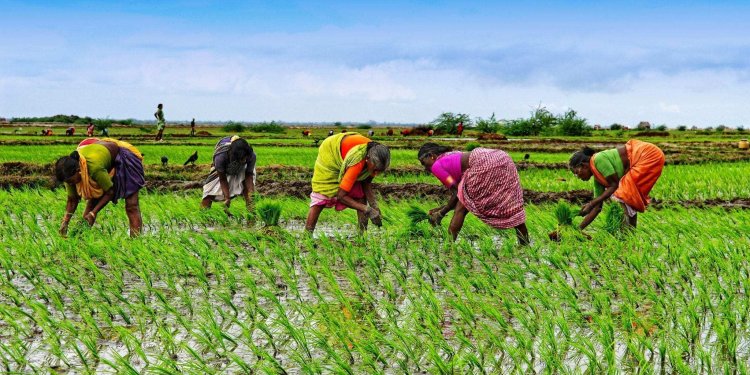
Feminization of Agriculture refers to the measurable increase of women’s participation in the agricultural sector, particularly in the developing world. The phenomenon started during the 1960s with increasing shares over time. In the 1990s, during liberalization, the phenomenon became more pronounced and negative effects appeared in the rural female population. Afterward, agricultural markets became gendered institutions, affecting men and women differently. In 2009 World Bank, FAO & IFAD found that over 80 percent of rural smallholder farmers worldwide were women, this was caused by men migrating to find work in other sectors. Out of all the women in the labor sector, the UN found 45-80% of them to be working in agriculture.

Feminizing the Agriculture

Migration results in “Feminizing Agriculture”, which means women get increasingly absorbed in agricultural and allied activities. According to Census 2011, there has been a 24 percent increase in the number of female agricultural laborers between 2001 and 2011, from 49.5 million to 61.6 million. Nearly 98 million Indian women have agricultural jobs, but around 63 percent of them are agricultural laborers, dependent on the farms of others, according to Census 2011. In addition to this, the mechanization of agriculture has also resulted in the confinement of women to traditional roles such as winnowing, harvesting, sowing seeds, and rearing livestock, which are low-paying. This clubbed with the burden of household chores, and a lower wage rate than men, contributes to further economic disparity.

Marginalization of Landless Women

Women in rural areas, who do not own land, usually engage in agricultural labor activities. NCRB defines a farmer/cultivator as one whose profession is farming and includes those who cultivate their own land/leased land/other’s land with or without the assistance of agricultural laborers. While counting farming suicides, cases of people who have landed on their names are considered farmers, according to several studies undertaken. There remains ambiguity in the definition and classification of farmers, which further affects the recognition of the female face in agriculture.

Conclusion

The larger problem also pertains to land ownership versus land control, as merely granting joint titles (which some states have) doesn’t necessarily mean that control of the property would be vested with the female. One example of such power appropriation emanates from the concept of “sarpanchpatis” or proxies of elected women sarpanches in gram panchayats. Though there is a 33 percent for women at the panchayat level, it is men who often exercise control. The draft Land Reform Policy (2013) of the Union government recognized the need to grant land ownership rights to rural women and redistribute land to all landless poor. However, the implementation of land reforms in India has remained tardy. Consider the Bhoodan movement started by Vinobha Bhave, which received over 16 million hectares from the rich for redistribution to the poor. Of this, only about 9 million hectares were redistributed. While reorganizing land rights for rural women may be an arduous and long-drawn task, alternative economic opportunities through schemes like the Mahatma Gandhi National Rural Employment Guarantee Act and National Rural Livelihood Mission must be strengthened to empower women in the agriculture sector.

References

Is it Good to Genetically Modify the Crops?

Credit: SeaChef

Introduction

Genetic modification is a special set of gene technology that alters the genetic machinery of such living organisms as animals, plants, or microorganisms. Combining genes from different organisms is known as recombinant DNA technology and the resulting organism is said to be ‘Genetically modified (GM)’, ‘Genetically engineered’, or ‘Transgenic’. The principal transgenic crops grown commercially in the field are herbicide and insecticide-resistant soybeans, corn, cotton, and canola. Like all new technologies, they also pose some risks, both known and unknown. Controversies and public concerns surrounding GM foods and crops commonly focus on human and environmental safety, labeling and consumer choice, intellectual property rights, ethics, food security, poverty reduction, and environmental conservation.

What is GM Foods?

Genetically modified (GM) foods are foods derived from organisms whose genetic material (DNA) has been modified in a way that does not occur naturally, e.g. through the introduction of a gene from a different organism. The technology is often called “modern biotechnology” or “gene technology”, sometimes also “recombinant DNA technology” or “genetic engineering”. Currently, available GM foods stem mostly from plants, but in the future foods derived from GM microorganisms or GM, animals are likely to be introduced on the market. Most existing genetically modified crops have been developed to improve yield through the introduction of resistance to plant diseases or increased tolerance of herbicides. GM foods can also allow for reductions in food prices through improved yields and reliability.

How are GMOs made?

“GMO” (genetically modified organism) has become the common term consumers and popular media use to describe foods that have been created through genetic engineering. Genetic engineering is a process that involves:

  • Identifying the genetic information—or “gene”—that gives an organism (plant, animal, or microorganism) a desired trait
  • Copying that information from the organism that has the trait
  • Inserting that information into the DNA of another organism
  • Then growing the new organism.

Qualifications of GMO in Foods

Testing on GMOs in food and feed is routinely done using molecular techniques like DNA microarrays or qPCR. These tests are based on screening genetic elements like p35S, tNos, pat, or bar or event-specific markers for the official GMOs like Mon810, Bt11, or GT73. The array-based method combines multiplex PCR and array technology to screen samples for different potential GMOs combining different approaches viz. screening elements, plant-specific markers, and event-specific markers. The qPCR is used to detect specific GMO events by the usage of specific primers for screening elements or event-specific markers. Controls are necessary to avoid false positive or false-negative results. 

Consumer Attitude towards GM Foods

Consumer acceptance is conditioned by the risk that they perceive from introducing food into their consumption habits processed through technology that they hardly understand. In a study conducted in Spain, the main conclusion was that the introduction of GM food into agro-food markets should be accompanied by adequate policies to guarantee consumer safety. These actions would allow a decrease in consumer-perceived risk by taking special care of the information provided, concretely relating to health. For, the most influential factor in consumer-perceived risk from these foods is concern about health 

Conclusion

GM foods have the potential to solve many of the world’s hunger and malnutrition problems and to help protect and preserve the environment by increasing yield and reducing reliance upon synthetic pesticides and herbicides. Challenges ahead lie in many areas viz. safety testing, regulation, policies, and food labeling. Many people feel that genetic engineering is the inevitable wave of the future and that we cannot afford to ignore a technology that has such enormous potential benefits.

References