Doctrines of Indian constitution

India's founders gave us our Constitution. We must prove to them that we  can keep it

Indian constitution is one of the largest constitutions in the world. Even though it is a compilation of borrowed ideas from several parts of the world, it upholds the values and vision of the great freedom fighters who shed their blood for our nation. The constitution has played a significant role in holding together this huge diverse nation for a period of 75 years. On examining each and every aspect of the constitution the vision shared by the visionaries become more evident.

Doctrines of the constitution are general guidelines laid for enabling proper interpretation of the constitution. It is acts as a guide for the law makers as well as implementers.

The doctrines are:

Doctrine of eclipse

The Doctrine of Eclipse states that any law which is inconsistent with fundamental rights is not invalid. It is not totally dead but overshadowed by the fundamental right. The inconsistency (conflict) can be removed by constitutional amendment. This doctrine emanates directly from Article 13(1) of the Constitution that is a part of the fundamental rights, which states, “all laws in force in the territory of India immediately before the commencement of this Constitution in so far as they are inconsistent with the provisions of this Part, i.e. Part III, shall, to the extent of such inconsistency, be void.” The doctrine of eclipse envisages fundamental rights as prospective in nature. It states that a pre-constitutional law inconsistent with the fundamental rights is not nullity or void ab initio but only remains unenforceable, i.e., remains in a dormant state. They exist for all past transactions, i.e., for rights and liabilities that were acquired before the Constitution came into being.

Doctrine of severability

This doctrine of severability is also known as the doctrine of separability.  The word “to the extent of the inconsistency or contravention” makes it clear that when some of the provision of a statue when some of the provisions of a statute becomes unconstitutional on account of inconsistency with fundamental rights, only to the repugnant provision of the law in question shall be treated by the courts as void, and not the whole statute. The doctrine of severability means that when some particular provision of a statute offends or is against a constitutional limitation, but that provision is severable from the rest of the statute, only that offending provision will be declared void by the Court and not the entire statute.

Doctrine of judicial review

The doctrine of Judicial review is basically the power of the judiciary to decide on the constitutional validity of the acts of the other wings of the government (the executive and the legislative). The objective is to regulate any such acts which may contravene the constitution. For instance, if any act of the law-making bodies is such that it negates the provisions given in the constitution, it is important that it should be made null and void. In order to do so an organ is required to have the force or power to articulate such acts as void.

Doctrine of pith and substance

To disintegrate the doctrine to its molecular meanings, Pith denotes true nature or essence of something and Substance means the most important or essential part of something. The definition of this doctrine states, within their respective spheres the state and the union legislatures are made supreme, they should not encroach upon the sphere demarcated for the other. Doctrine of Pith and Substance is applied when legislation made by of the legislatures is challenged or trespassed by other legislatures. This doctrine says that when there is a question of determining whether a particular law relates to a particular subject the court looks to the substance of the matter. If the substance of the matter lies within one of the 3 lists, then the incidental encroachment by law on another lists, does not make it invalid because they are said to be intra vires.

Doctrine of harmonious construction

According to the Doctrine of Harmonious Construction, a Statute should be read as a whole and one provision of the Act should be construed with reference to other provisions in the same Act so as to make a consistent enactment of the whole statute. Such an interpretation is beneficial in avoiding any inconsistency or repugnancy either within a section or between a section and other parts of the statute.

Doctrines of Indian constitution

India's founders gave us our Constitution. We must prove to them that we  can keep it

Indian constitution is one of the largest constitutions in the world. Even though it is a compilation of borrowed ideas from several parts of the world, it upholds the values and vision of the great freedom fighters who shed their blood for our nation. The constitution has played a significant role in holding together this huge diverse nation for a period of 75 years. On examining each and every aspect of the constitution the vision shared by the visionaries become more evident.

Doctrines of the constitution are general guidelines laid for enabling proper interpretation of the constitution. It is acts as a guide for the law makers as well as implementers.

The doctrines are:

Doctrine of eclipse

The Doctrine of Eclipse states that any law which is inconsistent with fundamental rights is not invalid. It is not totally dead but overshadowed by the fundamental right. The inconsistency (conflict) can be removed by constitutional amendment. This doctrine emanates directly from Article 13(1) of the Constitution that is a part of the fundamental rights, which states, “all laws in force in the territory of India immediately before the commencement of this Constitution in so far as they are inconsistent with the provisions of this Part, i.e. Part III, shall, to the extent of such inconsistency, be void.” The doctrine of eclipse envisages fundamental rights as prospective in nature. It states that a pre-constitutional law inconsistent with the fundamental rights is not nullity or void ab initio but only remains unenforceable, i.e., remains in a dormant state. They exist for all past transactions, i.e., for rights and liabilities that were acquired before the Constitution came into being.

Doctrine of severability

This doctrine of severability is also known as the doctrine of separability.  The word “to the extent of the inconsistency or contravention” makes it clear that when some of the provision of a statue when some of the provisions of a statute becomes unconstitutional on account of inconsistency with fundamental rights, only to the repugnant provision of the law in question shall be treated by the courts as void, and not the whole statute. The doctrine of severability means that when some particular provision of a statute offends or is against a constitutional limitation, but that provision is severable from the rest of the statute, only that offending provision will be declared void by the Court and not the entire statute.

Doctrine of judicial review

The doctrine of Judicial review is basically the power of the judiciary to decide on the constitutional validity of the acts of the other wings of the government (the executive and the legislative). The objective is to regulate any such acts which may contravene the constitution. For instance, if any act of the law-making bodies is such that it negates the provisions given in the constitution, it is important that it should be made null and void. In order to do so an organ is required to have the force or power to articulate such acts as void.

Doctrine of pith and substance

To disintegrate the doctrine to its molecular meanings, Pith denotes true nature or essence of something and Substance means the most important or essential part of something. The definition of this doctrine states, within their respective spheres the state and the union legislatures are made supreme, they should not encroach upon the sphere demarcated for the other. Doctrine of Pith and Substance is applied when legislation made by of the legislatures is challenged or trespassed by other legislatures. This doctrine says that when there is a question of determining whether a particular law relates to a particular subject the court looks to the substance of the matter. If the substance of the matter lies within one of the 3 lists, then the incidental encroachment by law on another lists, does not make it invalid because they are said to be intra vires.

Doctrine of harmonious construction

According to the Doctrine of Harmonious Construction, a Statute should be read as a whole and one provision of the Act should be construed with reference to other provisions in the same Act so as to make a consistent enactment of the whole statute. Such an interpretation is beneficial in avoiding any inconsistency or repugnancy either within a section or between a section and other parts of the statute.

What a filibuster is.

Traditionally, the Senate filibuster was reserved for only the most controversial issues, but its use has escalated in recent years, often slowing business in the chamber to a halt. Some lawmakers acknowledge that the filibuster, which has effectively set a 60-vote super­majority requirement for passing legis­la­tion in the Senate, could doom many of the propos­als they have cham­pioned, including meaningful reforms on issues ranging from health care to climate change to gun control. Behind this dysfunc­tion, the filibuster also has a troubling legacy: it has often been used to block civil rights legislation intended to combat racial discrimination.

As advocates push for pro-democracy legislation, calls for eliminating the filibuster have grown louder. In his remarks at the funeral of civil rights hero and congressman John Lewis in July 2020, former President Barack Obama called the filibuster a “Jim Crow relic,” arguing that the procedure should be eliminated if it is used to block voting reforms. Others note that certain types of legislation are already exempt from the fili­buster’s super­majority require­ment and argue that a similar exemp­tion should be made for voting rights.The stakes were raised in March 2021, when the For the People Act — a comprehensive democracy reform bill — was passed by the House of Representatives and introduced in the Senate, where the filibuster may determine its fate. Whether through elimination or reform, the filibuster cannot be allowed to impede the expansion of Ameican democracy or the rights of all eligible voters.

What is the filibuster?

The filibuster is a 19th-century procedural rule in the Senate that allows any one senator to block or delay action on a bill or other matter by extending debate. While a final vote in the Senate requires a simple majority of 51 votes, a supermajority, or 60 votes, is needed to start or end debate on legislation so it can proceed to a final vote. Therefore, even if a party has a slim majority in the Senate, it still needs a supermajority to even move forward with legislation a tall task for a hyper-partisan Washington. The House of Representatives does not use the filibuster. Instead, a simple majority can end debate.

How can the filibuster rule be changed?

Senators have carved out exceptions to the filibuster rule before.One option to do so is called “going nuclear” — when senators override an existing rule, such as the number of votes needed to end debate. This is usually done by lowering the threshold needed to end a filibuster to 50 votes.In 2017, then-Senate Majority Leader Mitch McConnell, R-Ky., eliminated the filibuster for Supreme Court nominees, clearing the way for then-President Donald Trump’s first nominee to be confirmed.

Why a call for change now?

In the last 50 years, the filibuster has been used more and more to kill major legislation. And with Biden’s agenda stalled, Democrats are calling for a carve out to pass voting rights legislation. In the last year, at least 19 states passed 34 laws restricting access to voting, according to the Brennan Center for Justice. If the threshold to end debate on a bill is lowered to 50 votes, for instance, Democrats could end debate on their voting reform bill and eventually move to a final vote, with Vice President Kamala Harris serving as a tie-breaking vote in the 50-50 Senate to pass the legislation. Incidentally, Harris, as president of the Senate, would play a key role in any potential rules change. She would be expected to occupy the chair and preside over any rule change action.

What’s the differ­ence between “talking” and “silent” fili­busters?

Filibusters traditionally involved long speeches in which a senator attempted to block a vote from proceeding by refusing to yield the floor. To stage such a “talking” fili­buster, a senator would hold the floor by stand­ing and talking for as long as they could, sometimes overnight. This was popularized in the 1939 film Mr. Smith Goes to Wash­ing­ton. The longest filibuster ever recor­ded, by South Caro­lina Sen. Strom Thur­mond in opposition to the Civil Rights Act of 1957, lasted for more than 24 hours. But since the early 1970s, senators have been able to use a “silent” filibuster. Anytime a group of 41 or more senators simply threatens a filibuster, the Senate majority leader can refuse to call a vote.

How has the fili­buster changed over time?

The use of the filibuster, once reserved for only the most controversial issues, has increased dramat­ic­ally in recent years along­side grow­ing polar­iz­a­tion in Wash­ing­ton. There have been more than 2,000 fili­busters since 1917; about half have been in just the last 12 years. Crit­ics argue that this increased use has slowed busi­ness in the Senate to a halt, often entangling the cham­ber in proced­ural maneuv­er­ing instead of substant­ive debate and, ulti­mately, lawmak­ing.

What a filibuster is.

Traditionally, the Senate filibuster was reserved for only the most controversial issues, but its use has escalated in recent years, often slowing business in the chamber to a halt. Some lawmakers acknowledge that the filibuster, which has effectively set a 60-vote super­majority requirement for passing legis­la­tion in the Senate, could doom many of the propos­als they have cham­pioned, including meaningful reforms on issues ranging from health care to climate change to gun control. Behind this dysfunc­tion, the filibuster also has a troubling legacy: it has often been used to block civil rights legislation intended to combat racial discrimination.

As advocates push for pro-democracy legislation, calls for eliminating the filibuster have grown louder. In his remarks at the funeral of civil rights hero and congressman John Lewis in July 2020, former President Barack Obama called the filibuster a “Jim Crow relic,” arguing that the procedure should be eliminated if it is used to block voting reforms. Others note that certain types of legislation are already exempt from the fili­buster’s super­majority require­ment and argue that a similar exemp­tion should be made for voting rights.The stakes were raised in March 2021, when the For the People Act — a comprehensive democracy reform bill — was passed by the House of Representatives and introduced in the Senate, where the filibuster may determine its fate. Whether through elimination or reform, the filibuster cannot be allowed to impede the expansion of Ameican democracy or the rights of all eligible voters.

What is the filibuster?

The filibuster is a 19th-century procedural rule in the Senate that allows any one senator to block or delay action on a bill or other matter by extending debate. While a final vote in the Senate requires a simple majority of 51 votes, a supermajority, or 60 votes, is needed to start or end debate on legislation so it can proceed to a final vote. Therefore, even if a party has a slim majority in the Senate, it still needs a supermajority to even move forward with legislation a tall task for a hyper-partisan Washington. The House of Representatives does not use the filibuster. Instead, a simple majority can end debate.

How can the filibuster rule be changed?

Senators have carved out exceptions to the filibuster rule before.One option to do so is called “going nuclear” — when senators override an existing rule, such as the number of votes needed to end debate. This is usually done by lowering the threshold needed to end a filibuster to 50 votes.In 2017, then-Senate Majority Leader Mitch McConnell, R-Ky., eliminated the filibuster for Supreme Court nominees, clearing the way for then-President Donald Trump’s first nominee to be confirmed.

Why a call for change now?

In the last 50 years, the filibuster has been used more and more to kill major legislation. And with Biden’s agenda stalled, Democrats are calling for a carve out to pass voting rights legislation. In the last year, at least 19 states passed 34 laws restricting access to voting, according to the Brennan Center for Justice. If the threshold to end debate on a bill is lowered to 50 votes, for instance, Democrats could end debate on their voting reform bill and eventually move to a final vote, with Vice President Kamala Harris serving as a tie-breaking vote in the 50-50 Senate to pass the legislation. Incidentally, Harris, as president of the Senate, would play a key role in any potential rules change. She would be expected to occupy the chair and preside over any rule change action.

What’s the differ­ence between “talking” and “silent” fili­busters?

Filibusters traditionally involved long speeches in which a senator attempted to block a vote from proceeding by refusing to yield the floor. To stage such a “talking” fili­buster, a senator would hold the floor by stand­ing and talking for as long as they could, sometimes overnight. This was popularized in the 1939 film Mr. Smith Goes to Wash­ing­ton. The longest filibuster ever recor­ded, by South Caro­lina Sen. Strom Thur­mond in opposition to the Civil Rights Act of 1957, lasted for more than 24 hours. But since the early 1970s, senators have been able to use a “silent” filibuster. Anytime a group of 41 or more senators simply threatens a filibuster, the Senate majority leader can refuse to call a vote.

How has the fili­buster changed over time?

The use of the filibuster, once reserved for only the most controversial issues, has increased dramat­ic­ally in recent years along­side grow­ing polar­iz­a­tion in Wash­ing­ton. There have been more than 2,000 fili­busters since 1917; about half have been in just the last 12 years. Crit­ics argue that this increased use has slowed busi­ness in the Senate to a halt, often entangling the cham­ber in proced­ural maneuv­er­ing instead of substant­ive debate and, ulti­mately, lawmak­ing.

9 World war movies that are a must watch

For decades, filmmakers have tackled the sensitive and emotionally-driven theme of World War II in an array of noteworthy and poignant pictures. These moving and oftentimes brutal depictions of the horrors, shocking realities, and devastating impacts of the violent war seem to deeply touch audiences across the world. Production studios continuously harness tales of this frightening and monumental period of history with gripping and heartbreaking stories, and moviegoers can’t help but be drawn to them. The most shocking stories are showed in light, reminding us that world wars were truly the most horrifying times, a person could live through.  Some of Hollywood’s most talented and esteemed visionaries have ventured into the touching and difficult subject, crafting memorable and thought-provoking results, and frequently winning Best Picture Oscars as a result. Here is a list of brilliantly made war movies you mustn’t miss out on

The Pianist

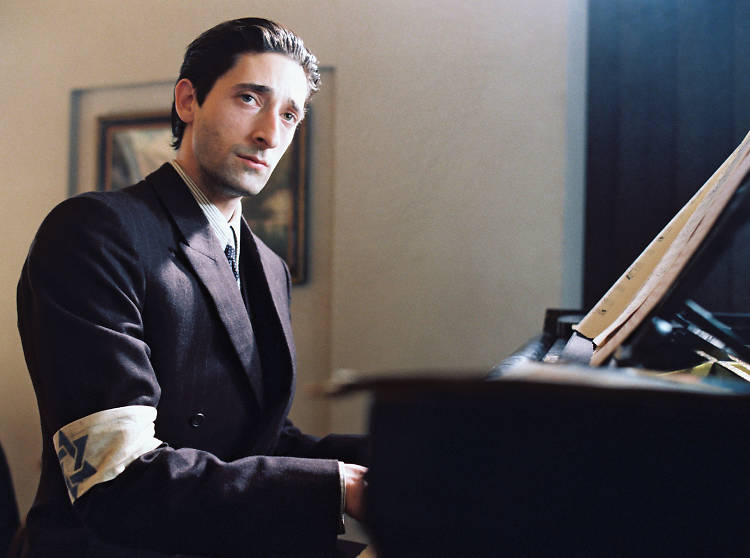
The Pianist is based on the Holocaust memoir of Polish-Jewish pianist and composer Władysław Szpilman, depicting his struggles to survive the destruction of the Warsaw ghetto of World War II. The emotionally-moving picture has a deep connection with Polanski, as he escaped from the Kraków Ghetto after the death of his mother and ended up living in a Polish farmer’s barn until the war’s end.

Hacksaw Ridge

Hacksaw Ridge focuses on the World War II experiences of pacifist combat medic Desmond Doss who, as a Seventh-day Adventist Christian refused to use or carry a weapon or firearm of any kind. The film was based on the 2004 documentary The Conscientious Objector, and after initially turning down the project twice, Gibson finally agreed and was tasked with creating a concoction of violence and faith. Andrew Garfield powerfully portrays Doss, and the biopic features the additional talents of stars like Sam Worthington, Teresa Palmer and Vince Vaughn. Upon reading the screenplay for the first time, Garfield revealed he was moved to tears. The Oscar-nominated drama garnered universal acclaim upon its release, earning praise for both Gibson’s directing and Garfield’s moving performance.

Schindler’s List

Spielberg’s deeply personal masterpiece is perhaps the most moving war film ever made. All the more so with the knowledge that it was based on the true story of Oskar Schindler, who originally set out to make his fortune by exploiting cheap Jewish labour in Krakow.However, as Schindler witnesses the unfolding horror of the Holocaust, his motivation changes and he bribes Nazi leaders to keep his employees out of the extermination camps, saving more than 1,100 lives. The winner of seven Oscars, Schindler’s List does full justice to Thomas Keneally’s source novel and remains just as powerful and relevant today.. Liam Neeson delivers the performance of a lifetime as Schindler, and appears alongside the gifted Ralph Fiennes and Ben Kingsley.

Dunkirk

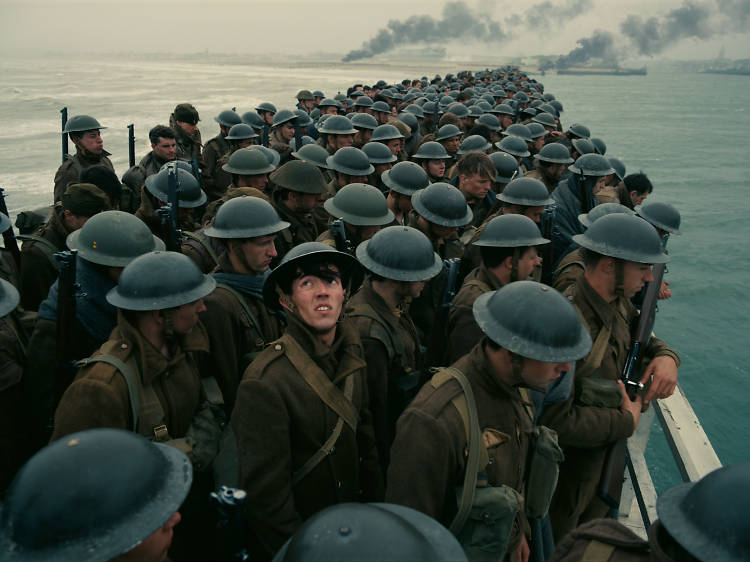
Dunkirk, which depicts the Dunkirk evacuation of World War II through the perspectives of the land, sea, and air. The outstanding ensemble cast features some of cinema’s finest performers like Kenneth Branagh, Cillian Murphy, and Tom Hardy, and the drama was portrayed with very little dialogue, as Nolan wanted to create suspense with the stunning cinematography and music. The filmmaker conceived the premise of the war flick in the mid-1990s, when he and his wife sailed across the English Channel, following the path of many small boats in the Dunkirk evacuation.

Saving Private Ryan,

 Saving Private Ryan, which is set during the Invasion of Normandy and follows a group of U.S. soldiers who go behind enemy lines to retrieve a paratrooper whose brothers have been killed in action. The gripping film stars a myriad of distinguished leads including Tom Hanks, Edward Burns and Matt Damon and was partially inspired by the Niland brothers, four American brothers from New York who served in WWII, with only two surviving. On why he repeatedly returns to the subject, Spielberg revealed, “I think that World War II is the most significant event of the last 100 years; the fate of the Baby Boomers and even Generation X was linked to the outcome. Beyond that, I’ve just always been interested in World War II.” The Oscar-winning Saving Private Ryan is frequently cited as influential in the war and action film genre, and is credited with renewing World War II interest in the media.

Casablanca

Classic Hollywood movie is considered one of the finest films ever created. The 1942 romantic drama Casablanca famously features Hollywood icons Humphrey Bogart and Ingrid Bergman, centring on a cynical American expatriate who must decide whether he wants to help his former lover and her fugitive boyfriend escape the Nazis in French Morocco. The iconic picture was based on an original play by writer Murray Burnett, who drew inspiration after traveling to Vienna in 1938.Since Casablanca’s premiere, its popularity has only continued to grow, with Burnett once calling it, “true yesterday, true today, true tomorrow.”

Grave of the Fireflies

Heartbreaking and thought-provoking anime from Studio Ghibli about brother and sister Japanese orphans desperately trying to survive in the dying days of the war. A haunting anti-war statement almost without peer, adapted from the story by Akiyuki Nosaka and based on his own experiences in the firebombed city of Kobe.

Inglourious Basterds,

Inglourious Basterds, telling an alternate history story of two plots to assassinate Nazi Germany’s leadership: one planned by a group of Jewish U.S. soldiers and the other by a French Jewish theater owner. Tarantino spent over a decade creating the script, and viewed the project as his masterpiece-in-the making and his best work thus far. He described the men of the picture as “not your normal hero types that are thrown into a big deal in the Second World War.” The famed director wanted the character of Hans Landa portrayed by a native German-speaking actor and cast Austrian Christoph. Tarantino was worried the part was unplayable, but Waltz delivered an Oscar-winning knockout performance as the ruthless SS officer

Letters From Iwo Jima

A companion piece to Eastwood’s Flags of Our Fathers, which told the story of the battle for Iwo Jima from the American perspective, this is the better of the two films, told from the viewpoint of the Japanese. The film marks the culmination of Eastwood’s growth as an artist, as he eloquently and movingly humanises the Japanese soldiers fighting against near impossible odds.Letters from Iwo Jima is stunning, depicting a group of soldiers even more bound by tradition and honour than their American counterparts, trapped in an unwinnable war and dreaming only of home.

9 World war movies that are a must watch

For decades, filmmakers have tackled the sensitive and emotionally-driven theme of World War II in an array of noteworthy and poignant pictures. These moving and oftentimes brutal depictions of the horrors, shocking realities, and devastating impacts of the violent war seem to deeply touch audiences across the world. Production studios continuously harness tales of this frightening and monumental period of history with gripping and heartbreaking stories, and moviegoers can’t help but be drawn to them. The most shocking stories are showed in light, reminding us that world wars were truly the most horrifying times, a person could live through.  Some of Hollywood’s most talented and esteemed visionaries have ventured into the touching and difficult subject, crafting memorable and thought-provoking results, and frequently winning Best Picture Oscars as a result. Here is a list of brilliantly made war movies you mustn’t miss out on

The Pianist

The Pianist is based on the Holocaust memoir of Polish-Jewish pianist and composer Władysław Szpilman, depicting his struggles to survive the destruction of the Warsaw ghetto of World War II. The emotionally-moving picture has a deep connection with Polanski, as he escaped from the Kraków Ghetto after the death of his mother and ended up living in a Polish farmer’s barn until the war’s end.

Hacksaw Ridge

Hacksaw Ridge focuses on the World War II experiences of pacifist combat medic Desmond Doss who, as a Seventh-day Adventist Christian refused to use or carry a weapon or firearm of any kind. The film was based on the 2004 documentary The Conscientious Objector, and after initially turning down the project twice, Gibson finally agreed and was tasked with creating a concoction of violence and faith. Andrew Garfield powerfully portrays Doss, and the biopic features the additional talents of stars like Sam Worthington, Teresa Palmer and Vince Vaughn. Upon reading the screenplay for the first time, Garfield revealed he was moved to tears. The Oscar-nominated drama garnered universal acclaim upon its release, earning praise for both Gibson’s directing and Garfield’s moving performance.

Schindler’s List

Spielberg’s deeply personal masterpiece is perhaps the most moving war film ever made. All the more so with the knowledge that it was based on the true story of Oskar Schindler, who originally set out to make his fortune by exploiting cheap Jewish labour in Krakow.However, as Schindler witnesses the unfolding horror of the Holocaust, his motivation changes and he bribes Nazi leaders to keep his employees out of the extermination camps, saving more than 1,100 lives. The winner of seven Oscars, Schindler’s List does full justice to Thomas Keneally’s source novel and remains just as powerful and relevant today.. Liam Neeson delivers the performance of a lifetime as Schindler, and appears alongside the gifted Ralph Fiennes and Ben Kingsley.

Dunkirk

Dunkirk, which depicts the Dunkirk evacuation of World War II through the perspectives of the land, sea, and air. The outstanding ensemble cast features some of cinema’s finest performers like Kenneth Branagh, Cillian Murphy, and Tom Hardy, and the drama was portrayed with very little dialogue, as Nolan wanted to create suspense with the stunning cinematography and music. The filmmaker conceived the premise of the war flick in the mid-1990s, when he and his wife sailed across the English Channel, following the path of many small boats in the Dunkirk evacuation.

Saving Private Ryan,

 Saving Private Ryan, which is set during the Invasion of Normandy and follows a group of U.S. soldiers who go behind enemy lines to retrieve a paratrooper whose brothers have been killed in action. The gripping film stars a myriad of distinguished leads including Tom Hanks, Edward Burns and Matt Damon and was partially inspired by the Niland brothers, four American brothers from New York who served in WWII, with only two surviving. On why he repeatedly returns to the subject, Spielberg revealed, “I think that World War II is the most significant event of the last 100 years; the fate of the Baby Boomers and even Generation X was linked to the outcome. Beyond that, I’ve just always been interested in World War II.” The Oscar-winning Saving Private Ryan is frequently cited as influential in the war and action film genre, and is credited with renewing World War II interest in the media.

Casablanca

Classic Hollywood movie is considered one of the finest films ever created. The 1942 romantic drama Casablanca famously features Hollywood icons Humphrey Bogart and Ingrid Bergman, centring on a cynical American expatriate who must decide whether he wants to help his former lover and her fugitive boyfriend escape the Nazis in French Morocco. The iconic picture was based on an original play by writer Murray Burnett, who drew inspiration after traveling to Vienna in 1938.Since Casablanca’s premiere, its popularity has only continued to grow, with Burnett once calling it, “true yesterday, true today, true tomorrow.”

Grave of the Fireflies

Heartbreaking and thought-provoking anime from Studio Ghibli about brother and sister Japanese orphans desperately trying to survive in the dying days of the war. A haunting anti-war statement almost without peer, adapted from the story by Akiyuki Nosaka and based on his own experiences in the firebombed city of Kobe.

Inglourious Basterds,

Inglourious Basterds, telling an alternate history story of two plots to assassinate Nazi Germany’s leadership: one planned by a group of Jewish U.S. soldiers and the other by a French Jewish theater owner. Tarantino spent over a decade creating the script, and viewed the project as his masterpiece-in-the making and his best work thus far. He described the men of the picture as “not your normal hero types that are thrown into a big deal in the Second World War.” The famed director wanted the character of Hans Landa portrayed by a native German-speaking actor and cast Austrian Christoph. Tarantino was worried the part was unplayable, but Waltz delivered an Oscar-winning knockout performance as the ruthless SS officer

Letters From Iwo Jima

A companion piece to Eastwood’s Flags of Our Fathers, which told the story of the battle for Iwo Jima from the American perspective, this is the better of the two films, told from the viewpoint of the Japanese. The film marks the culmination of Eastwood’s growth as an artist, as he eloquently and movingly humanises the Japanese soldiers fighting against near impossible odds.Letters from Iwo Jima is stunning, depicting a group of soldiers even more bound by tradition and honour than their American counterparts, trapped in an unwinnable war and dreaming only of home.