HISTORY OF BRIHADESHWARA TEMPLE


Brihadeeshwara Temple is originally known as Peruvudaiyar Kovil locally known as Thanjai Periya Kovil. It is located in Thanjavur. It is one of the largest Hindu temples and an exemplary example of a fully realized Tamil architecture.


It was built by Raja Raja Chola I in 1010 AD, Brihadeshwara Temple is an ancient temple . The deity of the temple is Lord Shiva,in his dancing pose who is called the Nataraj. The temple is also known as Rajeswara Temple, Rajarajeswaram and Periya Kovil. The temple was built, like a fortress on the shores of a river, by the king to grace the Chola Empire. This thousand-year-old temple is now part of the UNESCO World Heritage Site adding to its exceptional historical and cultural value. The truth is that the secret of the construction of the great temple is still unknown. The large temple construction system is designed in the form of light bonding. During the construction of this temple, when each stone was bound, a threaded gap was left behind. The reason is the way the temple was built and the pure granite stones used for it. While everyone thinks that granite was introduced in the 20th century, it is surprising that over 130,000 tons of granite was used in this temple about 1000 years ago. The temple is a magnificent architectural construct that will never stop surprising anyone visiting the temple. The major attraction of the temple is the 216-feet-tall tower that is built above the Sanctum of the temple. This flamboyant tower can be seen by anyone entering the city from afar. Another breathtaking thing that will sure stupefy the visitor is the magnificent Nandi statue built at the temple; it is about two meters in height, six meters in length and two-and-half meters in width, and weighs around a whopping 20 tons for a statue built from a single stone. Various postures of the famous classical dance, Bharathanatyam, are sculpted finely on the exterior walls of the upper storey of the temple. The temple is a myriad of surprises , by its architectural features. The topmost structure of the temple, called Vimana, weighs around 80 tons, and it is a mystery how the builders got it up there. There are several musical pillars, which make different sounds when taped, at the temple. The architecture of the temple is done so cleverly that the temple casts no shadow on the ground when the sun is at its peak. This is a phenomenon that attracts thousands of tourists and architectural enthusiasts from across the world to unravel the architectural mystery of the temple. Brihadeshwara Temple is also the first all-granite temple in the world, and the fact that granites are not available within the 100-mile radius of the temple only makes it all the more astonishing. Granite is as heavy a stone to carry as it is to carve, but none of that seemed to have shied the king from realizing the temple the way he envisaged.

It took only 7 years to built the temple. The Thanjavur Great Temple is a majestic work of art built over a thousand years ago in a time when science was not developed and there were no technical tools.Foreign researchers researching the Great Temple, with the help of today’s state-of-the-art techniques and science, are still scratching their heads over the mystery of its construction, despite standing upside down and researching the anchor. Yet they themselves come to an assumption and come to the conclusion that they would have built like this, or built like that.The majesty of the temple carries it’s pride to many centuries.

Understanding Artificial Intelligence(AI) and its Application.

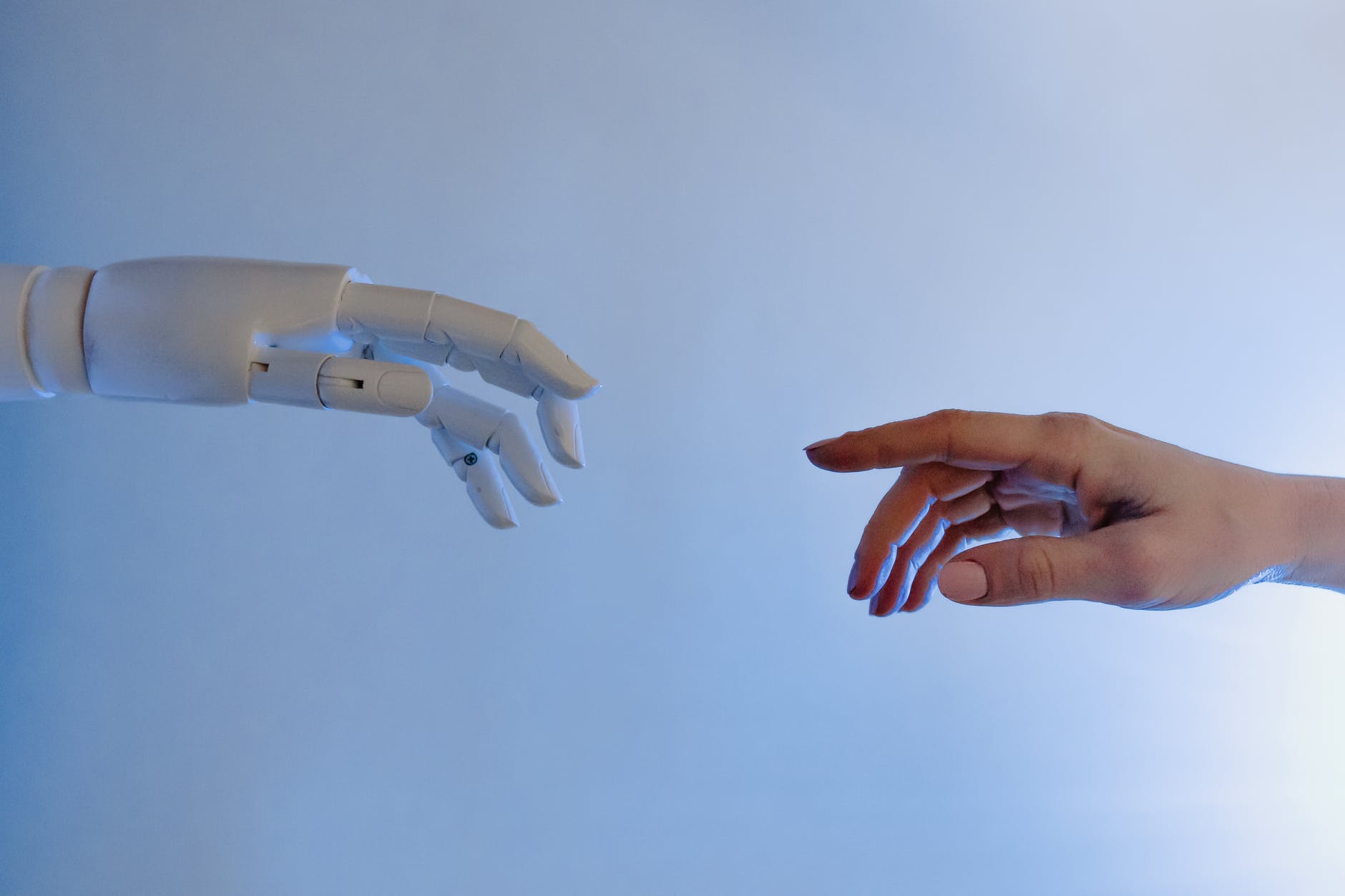
Artificial intelligence (AI) refers to the simulation of human intelligence in machines that are programmed to think like humans and mimic their actions. The term may also be applied to any machine that exhibits traits associated with a human mind such as learning and problem-solving.

The ideal characteristic of artificial intelligence is its ability to rationalize and take actions that have the best chance of achieving a specific goal. When most people hear the term artificial intelligence, the first thing they usually think of is robots. That’s because big-budget films and novels weave stories about human-like machines that wreak havoc on Earth. But nothing could be further from the truth. Artificial intelligence is based on the principle that human intelligence can be defined in a way that a machine can easily mimic it and execute tasks, from the simplest to those that are even more complex. The goals of artificial intelligence include learning, reasoning, and perception.

Application of AI in different fields.

Personalized Online Shopping.

Personalizing users’ experience has become the latest pantheon for all the leading tech giants. Ecommerce stores aren’t behind either, and have been the biggest platforms to implement the personalization domain of AI. 

Marketing.

One of the greatest artificial intelligence examples applications, Marketing, has been a key area for improvement and the latest trends in AI. With the growing advancement in AI, in the near future, it may be possible for consumers on the web to buy products by snapping a photo of it.

Social Media.

The most common use of AI in social media is for face verification and to detect facial features. AI in social media can be associated with big data and machine learning where deep learning is used to extract every minute detail from an image by using a bunch of deep neural networks. On the other hand, machine learning algorithms are used to design your feed based on your interests.

Agriculture.

The latest artificial intelligence applications in the form of image recognition identify possible defects in the crops through images captured by the user’s smartphone camera. Users are then provided with soil restoration techniques, tips, and other possible solutions to deal with the identified defects.

Video Games.

The gaming world is the best example of intelligent applications of artificial intelligence as it is at this platform where there are a lot of alterations in the purpose. AI is used for designing the game, developing the characters, and also frame the story to a certain extent.

Healthcare.

The Healthcare sector has been amongst the top adopters of AI technology. It boils down to the power of AI to crunch numbers fast and learn from historical data, which is critical in the healthcare industry. AI has taken a critical step in helping people with looking after patients as well. The automated bots and healthcare applications ensure proper medication and treatment of patients in the facilities.

Smart Homes.

The most advanced form of applications of artificial intelligence in the real-world are being implemented in homes, and are becoming smarter every day. Various devices like smart locks, smart switches, ect., are increasingly becoming compatible with various devices, and the application of smart homes is becoming more accessible to the general population every day.

Banks.

A lot of banks have already adopted AI-based systems or software to provide customer support and detect anomalies and credit card fraud. By tracing card usage and endpoint access, security specialists are more effectively preventing fraud. Organizations rely on AI to trace those steps by analyzing the behaviors of transactions.

Understanding Artificial Intelligence(AI) and its Application.

Artificial intelligence (AI) refers to the simulation of human intelligence in machines that are programmed to think like humans and mimic their actions. The term may also be applied to any machine that exhibits traits associated with a human mind such as learning and problem-solving.

The ideal characteristic of artificial intelligence is its ability to rationalize and take actions that have the best chance of achieving a specific goal. When most people hear the term artificial intelligence, the first thing they usually think of is robots. That’s because big-budget films and novels weave stories about human-like machines that wreak havoc on Earth. But nothing could be further from the truth. Artificial intelligence is based on the principle that human intelligence can be defined in a way that a machine can easily mimic it and execute tasks, from the simplest to those that are even more complex. The goals of artificial intelligence include learning, reasoning, and perception.

Application of AI in different fields.

Personalized Online Shopping.

Personalizing users’ experience has become the latest pantheon for all the leading tech giants. Ecommerce stores aren’t behind either, and have been the biggest platforms to implement the personalization domain of AI. 

Marketing.

One of the greatest artificial intelligence examples applications, Marketing, has been a key area for improvement and the latest trends in AI. With the growing advancement in AI, in the near future, it may be possible for consumers on the web to buy products by snapping a photo of it.

Social Media.

The most common use of AI in social media is for face verification and to detect facial features. AI in social media can be associated with big data and machine learning where deep learning is used to extract every minute detail from an image by using a bunch of deep neural networks. On the other hand, machine learning algorithms are used to design your feed based on your interests.

Agriculture.

The latest artificial intelligence applications in the form of image recognition identify possible defects in the crops through images captured by the user’s smartphone camera. Users are then provided with soil restoration techniques, tips, and other possible solutions to deal with the identified defects.

Video Games.

The gaming world is the best example of intelligent applications of artificial intelligence as it is at this platform where there are a lot of alterations in the purpose. AI is used for designing the game, developing the characters, and also frame the story to a certain extent.

Healthcare.

The Healthcare sector has been amongst the top adopters of AI technology. It boils down to the power of AI to crunch numbers fast and learn from historical data, which is critical in the healthcare industry. AI has taken a critical step in helping people with looking after patients as well. The automated bots and healthcare applications ensure proper medication and treatment of patients in the facilities.

Smart Homes.

The most advanced form of applications of artificial intelligence in the real-world are being implemented in homes, and are becoming smarter every day. Various devices like smart locks, smart switches, ect., are increasingly becoming compatible with various devices, and the application of smart homes is becoming more accessible to the general population every day.

Banks.

A lot of banks have already adopted AI-based systems or software to provide customer support and detect anomalies and credit card fraud. By tracing card usage and endpoint access, security specialists are more effectively preventing fraud. Organizations rely on AI to trace those steps by analyzing the behaviors of transactions.

Globalization and it's effects

 Globalization 

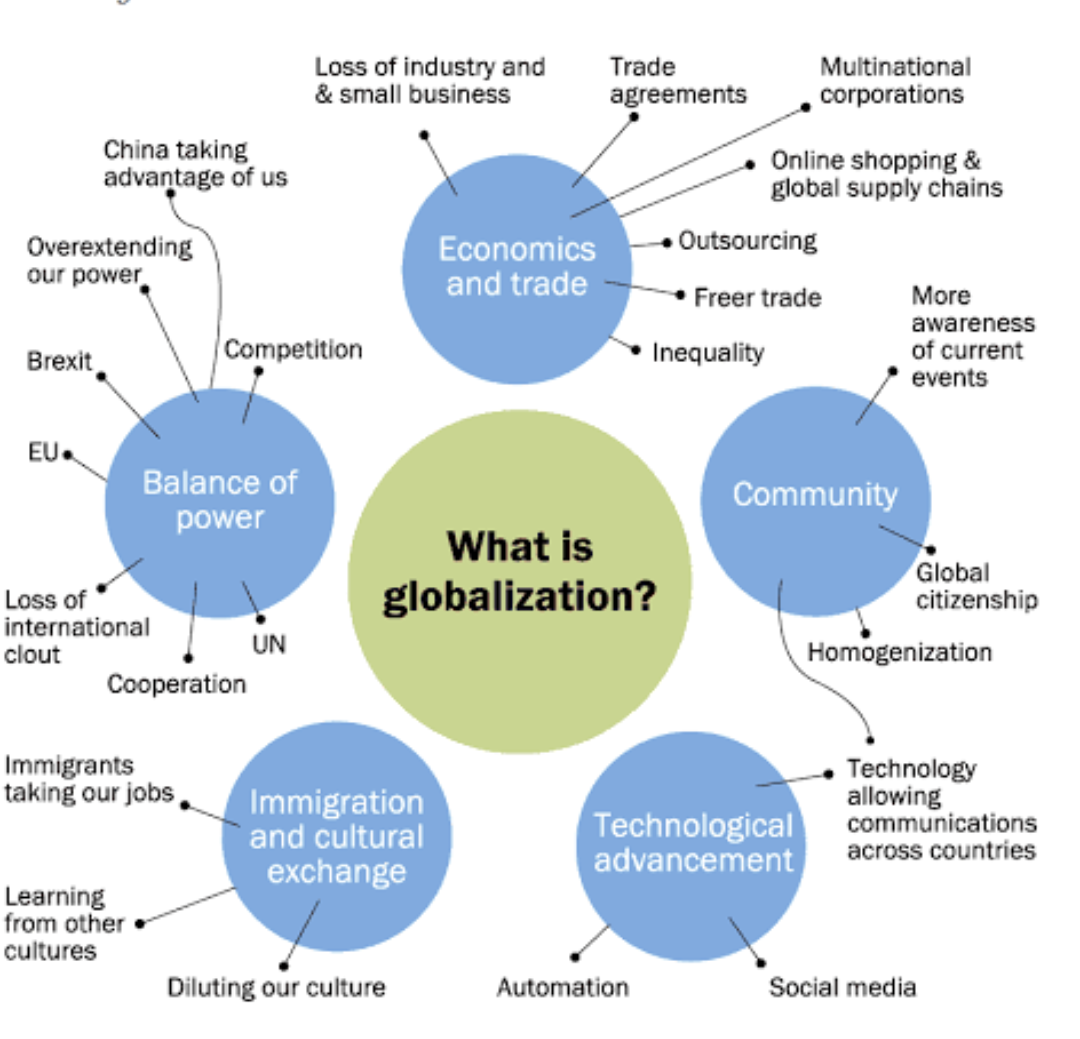
Globalization refers to the spread of the flow of financial products, goods, technology, information, and jobs across national borders and cultures. In economic terms, it describes an interdependence of nations around the globe fostered through free trade .
Globalization is always important for any of the country because every country need to grow financially as well as in other matters also . Now people are aware of this process and tend to increase their knowledge about globalization basically it is beneficial for the country’s people as well as for the country.


Benefits of globalisation

1. Socially, it leads to greater interaction among various populations.
2. Culturally, globalization represents the exchange of ideas, values, and artistic expression among cultures.
3. Globalization also represents a trend toward the development of a single world culture. 
4. Politically, globalization has shifted attention to intergovernmental organizations like the United Nations (UN) and the World Trade Organization (WTO).
5..Legally, globalization has altered how international law is created and enforced.

Effects of globalisation

Positive effects of globalisation 

1. Foreign Direct Investment

Foreign direct investment (FDI) tends to grow at a much greater rate than world trade does. This can help to boost technology transfer, industrial restructuring, and the growth of global companies.

2. Technological Innovation

Increased competition helps inspire new technology development. The growth in FDI helps improve economic output by making processes more efficient.

3. Economies of Scale

Increased global trade enables large companies to realize economies of scale. This reduces costs and prices, which in turn supports further growth. However, this can hurt many small businesses trying to compete at home.

Negative effects of globalisation 

1. Interdependence

Interdependence between nations can cause local or global instability. This occurs if local economic fluctuations end up impacting a large number of countries relying on them.5 For example, in 2020, Ukraine was the fifth larger exporter of wheat. When Russia invaded the country, it threatened food supply chains for countries like Pakistan, Lebanon, and Vietnam that import Ukranian wheat.6

2. National Sovereignty

Some see the rise of nation-states, global firms, and other international organizations as a threat to sovereignty. Ultimately, this could cause some leaders to become nationalistic.7
Two prominent examples of the rise of nationalism as a pushback to globalism include the 2016 election of Donald Trump in the U.S. and the British vote to leave the European Union (known as “Brexit”). These events contributed to the anti-globalization movement and stoked anti-immigration sentiments.

3. Equity Distribution

The pros of globalization can be unfairly skewed toward rich nations or individuals, creating greater economic inequalities.8 For example, in the wake of NAFTA, the average net weekly pay for maquila workers was $55.77 in 1998—less than $2 more than the average cost for basic needs in the maquiladora trade zone.9

4. Protectionism Through Tariffs

The 2008 economic crisis led many politicians to question the merits of globalization. In 2007, worldwide capital inflows accounted for more than 20% of the world’s GDP. By 2019, this figure fell to less than 5%.11
The U.S. and Europe introduced new banking regulations that limited capital flows. Many countries put in place tariffs to protect vital industries at home. In the 1990s, the U.S. placed a 127% tariff on Chinese paper clips.12 And Japan has levied tariffs on imported rice as high as 778%.13

5. Future Outlook

Some economists suggest that businesses are not investing across borders to build capital infrastructure. They argue that companies seek countries with low taxes. Some form of globalization may be inevitable in the long run, but the historic bumps spurred by economic crises suggest that change is the only constant.

Electronic Media Change the Tradition of Communication

 Electronic Media Change the Tradition of Communication

Electronic media is a boon to mankind. It helps to get the information more appropriately. Earlier, print media was very popular and used to deliver information about the current happening the next day. You can read about the event but can’t see the actual happening but electronic media provide all kinds of information in real-time. You can get the visual of the event. After the emergence of electronic media, most people shift from print media. Electronic media make the communication process easy and fast.

Most people today have television sets, radios, and Internet access which are sustainable, eco-friendly, and cost-effective forms of communication. It is the kind of media that requires an electric connection to access it. It includes television, radio, and new-age media, like the Internet, computers, telephones, etc.

Television

Television is the audio-visual medium of communication and it is an important communication device as it holds the attention of the audience. For many people, it is impossible to imagine a life without their television sets, news and soap operas become part of their life. Television has become an advertising hub where advertisers are ready to spend huge amounts for an ad of a few seconds, especially for programs with high viewership.

Radio

Radio has a significant reach. Advertising on the radio with jingles and phrases is a tried and tested means of communication. The radio lost its popularity with the emergence of television. But today, it remains one of the favorite means of electronic communication. It is an interactive means of communication with all dial-in programs which allows the listeners to feature on the radio. Still, in a lot of rural areas, the radio is the only means of communication because most people are illiterate to read the newspaper and can’t afford the television.

New Age Media

With the advent of the Internet, we are now enjoying the benefits of high-technology mass media which are not only faster than the old school mass media, but also have a wider range. Mobile phones, computers, and Internet are referred to as the new-age media. The Internet has opened up several new opportunities for mass communication which include email, websites, podcasts, e-forums, e-books, blogging, Internet TV, and many others, which are booming today. The Internet has also started social networking sites, which have redefined mass communication altogether. Social networking Sites, like Facebook, Twitter, and YouTube have made communication more entertaining, interesting, and easier.

Electronic media becomes the first choice of a lot of people nowadays. They can get the benefit of newspaper and radio on one platform. We can get in touch with our loved ones at any time. It makes communication as easy as no one had expected it in past years. Now we have easy access to everything just one click away.