What are Sustainable Development Goals explain?

The Sustainable Development Goals (SDGs), also known as the Global Goals, were adopted by the United Nations in 2015 as a universal call to action to end poverty, protect the planet, and ensure that by 2030 all people enjoy peace and prosperity.

The 17 SDGs are integrated—they recognize that action in one area will affect outcomes in others, and that development must balance social, economic and environmental sustainability.

Countries have committed to prioritize progress for those who’re furthest behind. The SDGs are designed to end poverty, hunger, AIDS, and discrimination against women and girls.

The creativity, knowhow, technology and financial resources from all of society is necessary to achieve the SDGs in every context.

1

NO POVERTY

2

ZERO HUNGER

3

GOOD HEALTH AND WELL-BEING

4

QUALITY EDUCATION

5

GENDER EQUALITY

6

CLEAN WATER AND SANITATION

7

AFFORDABLE AND CLEAN ENERGY

8

DECENT WORK AND ECONOMIC GROWTH

9

INDUSTRY, INNOVATION AND INFRASTRUCTURE

10

REDUCED INEQUALITIES

11

SUSTAINABLE CITIES AND COMMUNITIES

12

RESPONSIBLE CONSUMPTION AND PRODUCTION

13

CLIMATE ACTION

14

LIFE BELOW WATER

15

LIFE ON LAND

16

PEACE, JUSTICE AND STRONG INSTITUTIONS

17

PARTNERSHIPS FOR THE GOALS

New Education Policy 2022

 New Education Policy 2022

the central committee of the central government has approved a new education policy some months ago. there are a lot of changes that have been done to the old policy which we were following for the past few years.

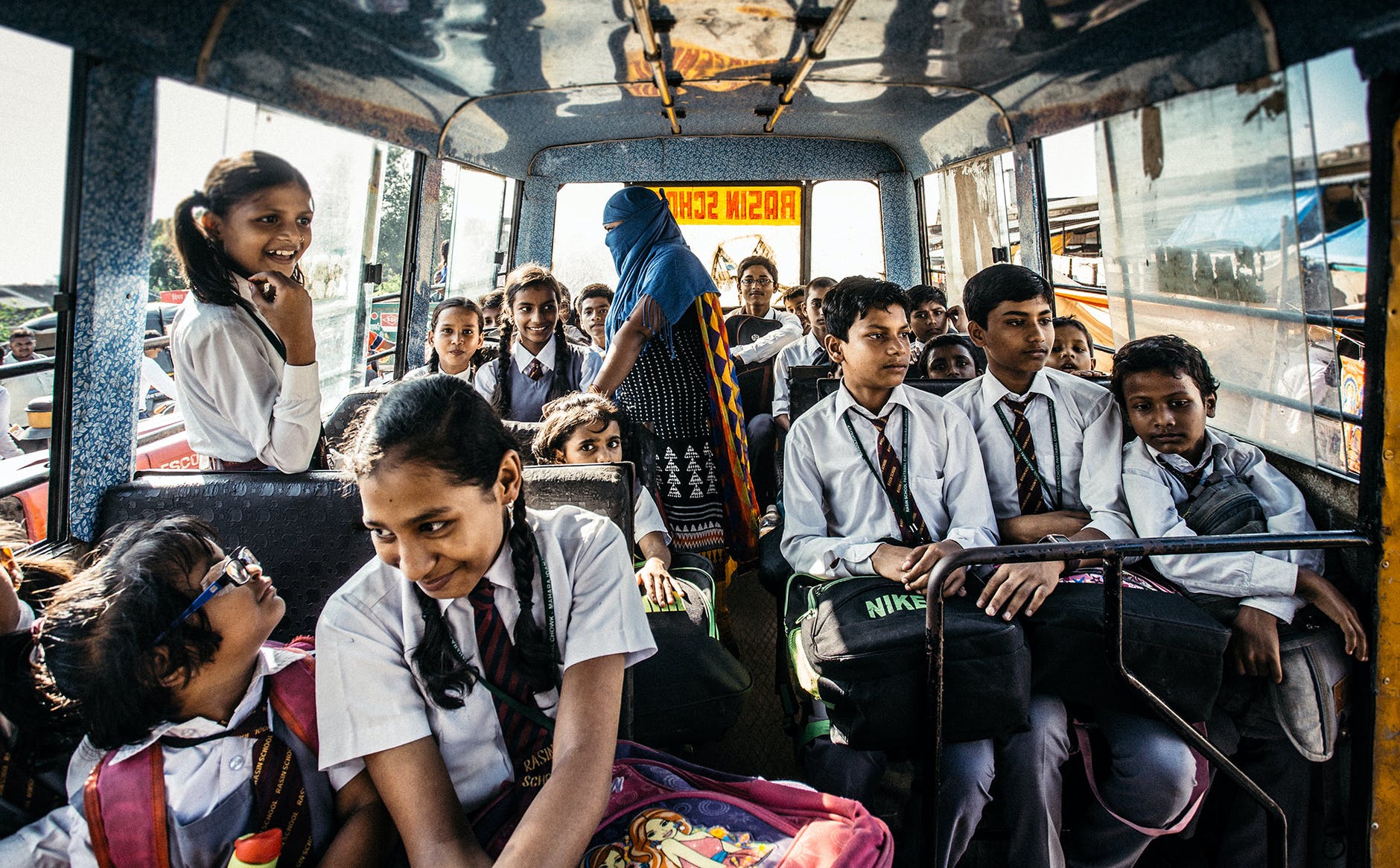
What is NEP? NEP is a new education policy that has replaced the old one from 1986. In the new policy, the government has highly focused on primary and vocational education in rural & urban areas. the motive of introducing the new policy is to enhance the quality of education from 2022 onwards.

  • The policy states that now the education will be taught in more regional and mother tongues languages  prefeerd by different states.
  • in place of 10+2 now the 5+3+3+4 system will be applied which includes foundation, preparatory, middle, and secondary.
  • if someone wants to make a teacher then they should possess a four-year bachelor’s degree. 

major changes in NEP 2022:

  • for 3.5.8 grade students are mandatory to attempt the school exam conducted by the appropriate authority.
  •  for admission to higher education institutions, the students need to qualify common entrance exam named NTA.

  • the policy ensures 100 % literacy for youth and adults by 2030.
  • more focus is given to e-learning than textbook reading
  • regulation is expecting light but sticks for higher education.
  • the policy replaced 10+2 with 5+3+3+4.

  • students have an option of choosing the option of higher education.

features of NEP :

  • It has been enacted by the minister of education.
  • from now onwards education will be universal, except for law and medical discipline.
  • the science, commerce, and arts stream will be discontinued.
  • now the student will learn coding from 6 the standard
  • digital learning will be part of all schools.
  • 6% of GDP will spend on executing NEP.

  • Students now can learn Sanskrit if they wish.
  • A special focus will be given to child education.


New Education Policy : Key Highlights.

The Union Cabinet chaired by the Prime Minister have approved the new National Education Policy 2020, making way for large scale, transformational reforms in both school and higher education sectors. This is the first education policy of the 21st century and replaces the 34-year-old National Policy on Education (NPE), 1986.

The New Education Policy 2020 has come up as a in the education sector as it aims at creating an equitable and vibrant knowledge for the society by providing high-quality education to all. Also it encourages to develop a deep sense of respect towards the fundamental rights, duties and Constitutional values, bonding with one’s country, and a conscious awareness of one’s role and responsibilities in a changing world. The New Education Policy believes in instilling skills, values, and dispositions that support responsible commitment to human rights, sustainable development and living, and global well-being, thereby reflecting a truly global citizen.

The key highlights of NEP are.

Early Childhood Care Education

The policy focuses on the importance of providing education to children between the age group of 3-6 years at an early age. The kids in the age group 3-5 years will be provided education through the current set-up of pre-schools and anganwadis, and those between the ages of 5-6 years will be included in the schooling system by 2025.

School Education for All

Aiming to make education from pre-primary level till the 12th grade universally accessible, NEP 2020 is looking to achieve 100% Gross Enrollment Ratio in providing the school education by 2030.
New Curriculum & Pedagogical Structure.

The new policy has eliminated the 10+2 education system and replaced it with a more organized 5+3+3+4 structure, that is, 5 years of primary education (for the age group 3-8 years), 3 years of preparatory stage (for the age group 8-11 years), 3 years of middle stage (for the age group 11-14 years), and 4 years of secondary stage (for the age group 14-18 years).

The Flexibility of Choosing Courses

There will be no rigid demarcations between vocational and non-vocational, science and arts, curricular and extra-curricular activities, thus providing equal emphasis on all the subjects and courses. Also, the students will have more choices and flexibility while picking up the subjects they want to study so that their educational path is more focused on their skills and interests.

Emphasis on Mother Tongue & Multilingualism

The policy emphasizes on the inclusion of local language in the curriculum with the medium of instructions in all the schools till at least class 5 (but preferably till 8th standard and beyond) to be either in mother tongue or regional language. Subsequently, foreign languages will be offered as options for students in secondary schools. It also states that Indian Sign Language (ISL) will be standardized across the country.

Assessment System

As per the new policy, though the board examination for 10th and 12th grades will continue to be in place, the structure of the exams will be reformed to make them easier by focusing on core competencies of the students, thus eliminating the need of coaching classes at these stages. Also, the school examinations will be conducted by proper authorities only in grades 3, 5, and 8.

Multidisciplinary Education

The students will be provided with multi-disciplinary holistic education at the undergraduate level to ensure an integrated exposure with multiple entry and exit options. The 3 or 4-year duration undergraduate degree will have exit options (with certifications) during the entire course – a certificate after 1 year, diploma after 2 years and/or a bachelor’s degree after 3 years.

New Education Policy : Key Highlights.

The Union Cabinet chaired by the Prime Minister have approved the new National Education Policy 2020, making way for large scale, transformational reforms in both school and higher education sectors. This is the first education policy of the 21st century and replaces the 34-year-old National Policy on Education (NPE), 1986.

The New Education Policy 2020 has come up as a in the education sector as it aims at creating an equitable and vibrant knowledge for the society by providing high-quality education to all. Also it encourages to develop a deep sense of respect towards the fundamental rights, duties and Constitutional values, bonding with one’s country, and a conscious awareness of one’s role and responsibilities in a changing world. The New Education Policy believes in instilling skills, values, and dispositions that support responsible commitment to human rights, sustainable development and living, and global well-being, thereby reflecting a truly global citizen.

The key highlights of NEP are.

Early Childhood Care Education

The policy focuses on the importance of providing education to children between the age group of 3-6 years at an early age. The kids in the age group 3-5 years will be provided education through the current set-up of pre-schools and anganwadis, and those between the ages of 5-6 years will be included in the schooling system by 2025.

School Education for All

Aiming to make education from pre-primary level till the 12th grade universally accessible, NEP 2020 is looking to achieve 100% Gross Enrollment Ratio in providing the school education by 2030.
New Curriculum & Pedagogical Structure.

The new policy has eliminated the 10+2 education system and replaced it with a more organized 5+3+3+4 structure, that is, 5 years of primary education (for the age group 3-8 years), 3 years of preparatory stage (for the age group 8-11 years), 3 years of middle stage (for the age group 11-14 years), and 4 years of secondary stage (for the age group 14-18 years).

The Flexibility of Choosing Courses

There will be no rigid demarcations between vocational and non-vocational, science and arts, curricular and extra-curricular activities, thus providing equal emphasis on all the subjects and courses. Also, the students will have more choices and flexibility while picking up the subjects they want to study so that their educational path is more focused on their skills and interests.

Emphasis on Mother Tongue & Multilingualism

The policy emphasizes on the inclusion of local language in the curriculum with the medium of instructions in all the schools till at least class 5 (but preferably till 8th standard and beyond) to be either in mother tongue or regional language. Subsequently, foreign languages will be offered as options for students in secondary schools. It also states that Indian Sign Language (ISL) will be standardized across the country.

Assessment System

As per the new policy, though the board examination for 10th and 12th grades will continue to be in place, the structure of the exams will be reformed to make them easier by focusing on core competencies of the students, thus eliminating the need of coaching classes at these stages. Also, the school examinations will be conducted by proper authorities only in grades 3, 5, and 8.

Multidisciplinary Education

The students will be provided with multi-disciplinary holistic education at the undergraduate level to ensure an integrated exposure with multiple entry and exit options. The 3 or 4-year duration undergraduate degree will have exit options (with certifications) during the entire course – a certificate after 1 year, diploma after 2 years and/or a bachelor’s degree after 3 years.

PSYCHOLOGY: DEFINITION, APPLICATION & ITS IMPORTANCE


DEFINITION :
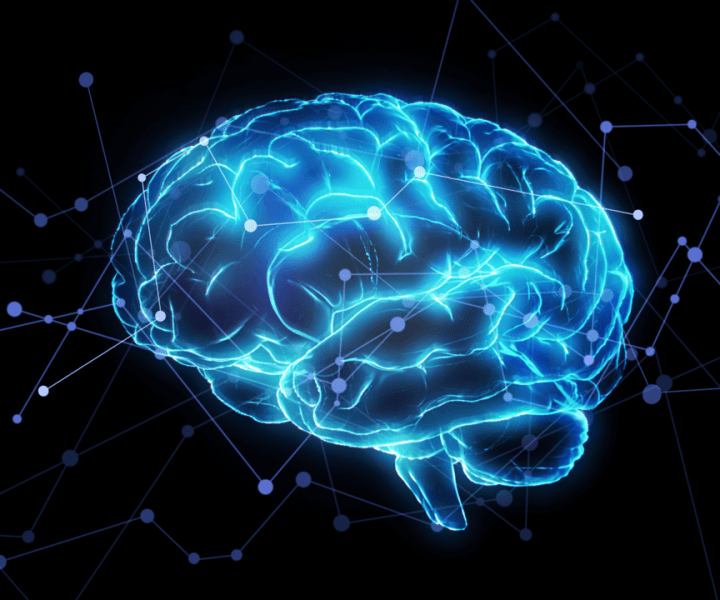
Psychology is the study of mind and behavior. It encompasses the biological influences, social pressures, and environmental factors that affect how people think, act, and feel.
Psychology encompasses in just a brief definition, but topics such as development, personality, thoughts, feelings, emotions, motivations, and social behaviors represent just a portion of what psychology seeks to understand, predict, and explain.

Psychology is a broad and diverse field that encompasses the study of human thought, behavior, development, personality, emotion, motivation, and more. As a result, some different subfields and specialty areas have emerged.
Some of the major areas of research in Psychology are
• Abnormal psychology is the study of abnormal behavior and psychopathology. This specialty area is focused on research and treatment of a variety of mental disorders and is linked to psychotherapy and clinical psychology.
• Biological psychology (biopsychology) studies how biological processes influence the mind and behavior. This area is closely linked to neuroscience and utilizes tools such as MRI and PET scans to look at brain injury or brain abnormalities.
• Developmental psychology is an area that looks at human growth and development over the lifespan including cognitive abilities, morality, social functioning, identity, and other life areas.
• Forensic psychology is an applied field focused on using psychological research and principles in the legal and criminal justice system.
• Industrial-organizational psychology is a field that uses psychological research to enhance work performance and select employees.
• Personality psychology focuses on understanding how personality develops as well as the patterns of thoughts, behaviors, and characteristics that make each individual unique.
• Social psychology focuses on group behavior, social influences on individual behavior, attitudes, prejudice, conformity, aggression, and related topics.
• Clinical psychology is focused on the assessment, diagnosis, and treatment of mental disorders.
• Cognitive psychology is the study of human thought processes including attention, memory, perception, decision-making, problem-solving, and language acquisition.
• Comparative psychology is the branch of psychology concerned with the study of animal behavior.

APPLICATION OF PSYCHOLOGY:
The most obvious application for psychology is in the field of mental health where psychologists use principles, research, and clinical findings to help clients manage and overcome symptoms of mental distress and psychological illness.

IMPORTANCE OF PSYCHOLOGY:
Psychology is both an applied and academic field that benefits both individuals and society as a whole. A large part of psychology is devoted to the diagnosis and treatment of mental health issues.
Some of the ways that psychology contributes to individuals and society include:
• Improving our understanding of why people behave as they do
• Understanding the different factors that can impact the human mind and behavior
• Understanding issues that impact health, daily life, and well-being
• Improving ergonomics to improve product design
• Creating safer and more efficient workspaces
• Helping motivate people to achieve their goals
• Improving productivity

Psychologists seek to understand many different aspects of the human mind and behavior, adding new knowledge to our understanding of how people think as well as developing practical applications that have an important impact on everyday human lives.

Cyber Security

Cyber Security is the practice of identifying the vulnerabilities and threats associated with digital systems and mitigating these risks. The term “cyber” refers to a nickname for an internet-connected computer or any other device that uses a processor, input/output and networking connections. The common threats include: viruses, worms, trojans and malware. A related term is cyber warfare which is the use of cyber tools in warfare to achieve objectives that would not be possible by using physical means such as bombs or missiles. The role of cyber security professionals is to protect critical systems and information. The main goal of cyber security is to prevent hackers from gaining access to information or using nefarious actions that would put the users’ information at risk.cyber security important because the government, military, law enforcement, and private industry use many critical resources that could be negatively affected by cyber attacks. Many of these systems are financial, such as banks, credit cards, ATMs, stock markets and networks. Government agencies use software to manage the US budget system and the military uses software to track troop movement. Because of these vital uses, cyber attacks could cripple important services or even destroy the country’s financial security.In order for companies to operate securely in today’s technological world they need to implement cyber security protections. These protections include firewall protection, anti-virus programs, encryption codes that keep hackers from easily accessing sensitive data and data backup systems in case any security breach occurs that causes damage to systems or information.

A major concern to cyber security is providing more efficient support to better protect against cyber related activities. This means an organization must have the information available to help identify possible threats including understanding what possible methods hackers may use to gain access, and how the organization can prepare for any potential attacks.
Cyber security is a constantly growing area of study and research. Some of the most recent research being done is focused on cyber security in cyber space. The purpose of this paper will be to analyze if a previous study found in 2012 correctly identified computers within an organization as well as their movement throughout the network. There are two main findings that are sought out which were: 1) how computers move across networks (e.g. LAN, WAN, etc.), and 2) how computers might behave in a network. The assumption is that computers within an organization move between locations (e.g., building or branch offices) and they may change their location(s). Also, the behavior of a computer can be tracked as observed (e.g., its IP address changes from one to another, or its Whois information changes from one domain name service provider to another).

Cyber security offers a variety of career paths depending on the level of experience you have and your area of expertise. You can be an analyst/engineer, network administrator, programmer, or data analyst and many more other positions available depending on your area of interest and experience. Some jobs a required while others are possible as long as it relates to your field in the security field such as computer science or finance. If you’re looking for a career that will pay well, then cyber security is the right choice for you because it’s relatively new and will only continue to grow.


“Security used to be an inconvenience sometimes, but now it’s a necessity all the time.”

National Educational Policy

Education is a fundamental requirement for the development of a just and just society and for achieving the full human potential for promoting national development. The whole world is passing through a rapid change in the knowledge landscape.In this context, the New National Policy 2020 was approved by the government of India on July 29, 2020 and approval was also given to change the name of Ministry of Human Resource Development to Ministry of Education. This New Education Policy 2020 will replace the 34 year old National Education Policy 1986.The vision of this New Education Policy 2020 should be to make students proud of being Indian not only in thought but also in behaviour, intellect and action as well as in knowledge, skills, values and thinking, which are important for human rights, sustainable development and be committed to the cause of survival and global well-being, so that they become truly global citizens.Built on the fundamental principles of easy access, equity, quality, affordability, and accountability for all, this New National Policy 2020 is in line with the 3030 Agenda for Sustainable Development.

Principles of the National Education Policy
•Flexibility: It seeks to provide flexibility to the learners to choose their pace of learning and choose their own path as per their talent.
•Multi-disciplinary: To provide holistic education in all fields like science, social science, coding, arts, humanities, sports, etc.
•Ethical and Constitutional Values: It aims to inculcate the values of empathy, respect for others, cleanliness, courtesy, scientific temper, liberty, responsibility, equality and justice. •Sustainable Policy: Formulation of policies based on regular assessment of ground reality. Keeping in mind the rich, diverse, ancient and modern culture and knowledge system and tradition of India.
•Equality and Inclusion: This will be the objective of all educational decisions, ensuring that all students can thrive in the education system.
•Life Skills: Focusing on building life skills such as collaboration, teamwork, communication, resilience, etc.
•Professional Value: All teachers and educators will be recruited through rigorous preparation. Emphasis will be placed on preparedness, continuous professional development, positive work environment & service development.
•Education as a Fundamental Right: Education is a public service and not a commercial activity. It should be available with sufficient quality to all. There must be strong and sustainable investment in a vibrant public education system as well as an ethical human and philanthropic private system.


Education is fundamental for achieving full human. potential, developing an equitable and just society, and promoting national development.

Top 10 medical colleges in India


Medical colleges in India provide medical education. It provides all the various medical courses and they can do training as well. The students can choose their career in the medical if they have a passion to study. There are various medical courses available in the best colleges in India.

1. Kasturba Medical College, Manipal

Kasturba medical college is established in 1953 in Karnataka, India. The colleges were established in a single unit and later became colleges with teaching hospitals.
2. King George’s Medical University
King George’s medical university is located in Lucknow, Uttar Pradesh, India. This is a medical college, and hospital which has 1250 undergraduate students including 280 dental students and 450 postgraduate students. In 2002 the Government of Uttar Pradesh, led by Mayawati of the Bahujan Samaj Party (BSP), granted university status to the college and renamed it Chhatrapati Shahuji Maharaj Medical University (CSMMU), under the Uttar Pradesh Chhatrapati Shahuji Medical University Act, 2002.
3. Maulana Azad Medical College

Maulana Azad medical college is a medical college in New Delhi, India affiliated with the University of Delhi and run by the Delhi government. It is established in 1959 at Bahadur Shah Zafar Marg near Delhi gate.
4. St. John’s medical college

It was established in 1963. St. John’s medical college is situated in Bangalore, India and is a private medical college. The college annually accepts 150 students for the MBBS undergraduate course based on a national entrance exam. It also accepts 100 postgraduate students (80 MD & 20 Diploma) in several medical specialities. The college culfest Autumn Muse is one of the oldest in South India.
5. Madras Medical College

Madras Medical College (MMC) is a public medical college located in Chennai, Tamil Nadu, India. Established on 2 February 1835, it is the third oldest medical college in India, established after the Jawaharlal Institute of Postgraduate Medical Education.
6. Dayanand Medical College

Dr Banarsi Dass Soni, former Captain in the Indian Military Service, conceived the idea in 1934 and started Arya Medical School in a rented building in Civil Lines, Ludhiana. In 1936, the management of the school was handed over to the Arya Samaj, Saban Bazar, Ludhiana, under the aegis of Arya Pratinidhi Sabha, Punjab.
7. Grant Medical College

The Grant Government Medical College, Mumbai, is a public medical college, affiliated with the Maharashtra University of Health Sciences. Founded in 1845, it is one of the oldest institutions teaching medicine in South Asia.
8. JSS Medical College

JSS Medical College (JSSMC) is a medical college based in Mysore, Karnataka, India. The graduate and post-graduate programs of the college are recognized by the Medical Council of India. The courses offered are also recognized by General Medical Council (UK), Sri Lanka Medical Council and WHO. The college has been recognized by the Royal College of Obstetricians. 
9. Armed Forces Medical College

Established in May 1948 as a post-graduate teaching institution after World War II on the recommendation of the BC Roy Committee, remnants of various Indian Army Medical Corps units were amalgamated to create the Armed Forces Medical Services. 
10. University College of Medical Sciences

The University College of Medical Sciences was founded in 1971 by efforts of the Health Minister of Delhi.[2] The Health Ministry proposed to provide medical education to every student who qualified. Even with the presence of two medical colleges in Delhi, MAMC and LHMC, many students were denied the opportunity to study medicine.


ONLINE PLATFORMS FOR LEARNING

BEST ONLINE EDUCATIONAL PLATFORMS

Everyone is searching for jobs and it has become very difficult to get one, so you have to acquire new skills to stand out from the crowd. Getting a platform to learn new skills is difficult. Online platforms are the escape in this scenario.
 

List of online learning platforms-

1) COURSERA – It is a global online platform that offers 3000+ courses to anyone, anywhere, with access to online courses and degrees from well-known universities.

  • courses- 3000+
  • cost- starting from 9 dollars.
  • certificate- yes

Why choose it?

It partners with 250 top universities to bring affordable, job- relevant courses.
It also provides hundreds of free courses .

2) UDEMY- It offers 185,000 online video courses along with extra additions every month.

  • cost- starts from INR449.
  • Certificate- yes but not for all.
  • authorised  institution- no

3) SKILLSHARE- It is a subscription-based online platform that offers around 70 different creative courses.

  • courses- 70+
  • cost- 14 dollar per month
  • certificate-no
  • authorised institution- no

why choose it ?

It provides 7-day free trial for subscriptions.

4) MASTERCLASS- It offers you to learn from the inspiring artists of the world.

  • courses- 100+
  • cost- 1295 INR per annum.
  • certificate- no
  • authorised institution- no

why choose it?

Memberships in MASTERCLASS gives unlimited access to all courses.

5) EdX- It has partnerships with top institutions like Harvard, MIT, Berkeley etc.

  • courses- 3500+
  • cost –
  • certificate- yes
  • Authorised institution – yes

why choose it?

It has bachelor’s as well as master’s degree programmes and also provides 90% financial assistance.

Difference between  E-learning vs live online learning

E-learning                                                                   Live online learning

1) Pre-recorded video lectures.                                              1) live lectures conducted by online tutors.
2) students have to understand the study materials.               2) Tutor guide the students.
3) Students can give test, quizzes any time .                           3) Students have to give test in presence of                                                                                                       tutor.

Tips to choose the best online learning platform-

1) Must have easy interface.
2) Quality lectures.
3) Must have demo lectures.
4) Must have assignments at the end of topic.
5) Must give certificate at the end of course.

Pros and Cons of learning online-

Pros                                                                                                      Cons

1) Easily accessible.                                                                                  1) Distraction.
2) Affordable.                                                                                            2) Isolated environment 
3) Choice of tutors.                                                                                     3) Technology issues
                                                                                                                 

Top 20 IIM in India

 Top 20 IIM in India

What is IIM?

The full form of IIM is Indian institute of Management. This is central government – owned – public business schools for management profession offering undergraduate, postgraduate, doctoral and executive programmes along with some additional courses in the field of business administration.
In India there are many colleges which offer the course of management online as well as offline but IIM has their own recognition if a person study in IIM she or he will getting better job and better offers that the normal one . 

List of top 20 IIM in India 

1. Indian Institute of Management Ahmedabad

2. Indian Institute of Management Calcutta

3. Indian Institute of Management Banglore 

4. Indian Institute of Management Lucknow

5. Indian Institute of Management Indore 

6. Indian Institute of Management Kozhikode

7. Indian Institute of Management Shillong

8. Indian Institute of Management Rohtak

9. Indian Institute of Management Udaipur 

10. Indian Institute of Management Ranchi

11. Indian Institute of Management Raipur 

12. Indian Institute of Management Kashipur 

13. Indian Institute of Management Tiruchirapalli 

 14. Indian Institute of Management Vishakhapatnam 

15. Indian Institute of Management Amritsar 

16. Indian Institute of Management Nagpur 

17. Indian Institute of Management Bodh Gaya

18. Indian Institute of Management Sirmaur 

19. Indian Institute of Management Sambalpur 

20. Indian Institute of Management Jammu

These are the top 20 IIM in India on the basis of NIRF ranking.

Some important points about IIM 

1. These IIMs colleges are known for their high paying placement opportunities in the corporate as well as government sectors.
2. IIM Ahmedabad, IIM Bangalore and IIM Calcutta are among the top 50 institutes for management education in the world .
3. For executive PGP courses , CAT and GMAT scores are accepted for shortlisting of candidates for WAT/ GD and PI rounds . 
4. IIMs are located all across the country and rank the highest in terms of pedagogy, faculty, infrastructure, and training.

Programmes offered by the IIMs in India 

1. MBA ( Master in Business Administration) / PGP ( Post Graduate Programme in Management) 
2. EPGP ( Executive Post Graduate Programme) 
3. IPM ( Integrated Programme in Management) 
4. PGPX 
5. FPM ( Fellow Programme in Management) 
6. Certificate Executive Programmes 

DREAM ON…..

N kavya

Dream is a succession of images, ideas, emotions, and sensations that usually occur involuntarily in the mind during certain stages of sleep.

The content and function of dreams have been topics of scientific, philosophical, and religious interest throughout recorded history. Dream interpretation was practiced by the Babylonians in the third millennium BCE and even earlier by the ancient Sumerians. .Dreams figure prominently in major world religions. The dream experience for early humans, according to one interpretation, gave rise to the notion of a human ‘soul’ as a central element in much religious thought.

Psychologist Calvin S. Hall considered dreams part of the cognition process or a type of thinking that happens as you sleep. Hall believed dreams could offer important insight into how you view yourself and others, your problems and conflicts, and the world in general. Many psychologists believed dreams played an important role in cognitive processes including memory and emotion regulation. Domhoff also noted that, although dreams may shed some light on heavy concerns, they might not have any real purpose, because he stated normally human beings forget most of their dreams. William Dement, who helped found the field of sleep medicine, suggested that, while dreams may lack a clear purpose, they can still convey meaningful messages.

Many experts do not believe dreams have much meaning but believe they still serve a purpose. The existing theories outline a few of these purposes.

1. Threat simulation theory
2. Activation-Synthesis theory
3. Dreams as emotional regulation
4. Continual-activation theory

Psychotherapist, Eliza Boquin, states “For vivid dreamers, our body can often experience what is happening in the dream.”
Certified dream analyst and speaker Lauri Loewenberg says while you are sleeping your brain is conjuring up around five dreams per night. That is a lot of subconscious thoughts to unpack. And although every dream is unique, they do tend to follow certain symbolic patterns.

How to examine your own dreams -:


1. Make sure you are getting proper sleep –: Research says that if we get enough sleep (7 to 9 hours) each night. This may, in turn, boost dream recall.


2. Review the dream –: when you wake up from the dream, lie calmly and analyze the visions, emotions, people, and places and mainly pay attention to small details because it would play a significant role in examining the dream.


3. Write it down –: Have a journal and start writing what all you saw the colors and visions, also your moods and feelings.


4. Make connections to your own life -: connecting these facts to your everyday life, would connect to your past life experiences and in some cases might even show some glimpses of your future. There are also many dreams interpretation books that you can interpret and gain more insights into.

Dreaming and sleep are intertwined. Dreams occur mainly in the rapid-eye movement (REM) stage of sleep when brain activity is high and resembles that of being awake. No one knows for certain what purposes dream serve. But at the end of the day, their true function might not really matter. It depends on each individual If you find them meaningful, then they add value to you or do not concern you.

Image credits- Google

DIVERSITY OF INDIA


India is uniquely characterized by its unity and diversity. A grand synthesis of cultures, religions and languages of the people belonging to different castes and communities has upheld its unity and cohesiveness despite multiple foreign invasions. National unity and integrity have been maintained even through sharp economic and social inequalities have obstructed the emergence of egalitarian social relations. It is this synthesis which has made India a unique mosque of cultures. Thus, India present seemingly multicultural situation within in the framework of a single integrated cultural whole.
The term ‘diversity’ emphasizes differences rather than inequalities. It means collective differences, that is, differences which mark off one group of people from another. These differences may be of any sort: biological, religious, linguistic etc. Thus, diversity means variety of races, of religions, of languages, of castes and of cultures.
Unity means integration. It is a social psychological condition. It connotes a sense of one- ness, a sense of we-ness. It stands for the bonds, which hold the members of a society together.
Unity in diversity essentially means “unity without uniformity” and “diversity without fragmentation”. It is based on the notion that diversity enriches human interaction.
When we say that India is a nation of great cultural diversity, we mean that there are many different types of social groups and communities living here. These are communities defined by cultural markers such as language, religion, sect, race or caste.

India is a land of diversity each state in the country is home to several communities who live in harmony with each other while preserving and upholding their own distinct culture and traditions. From Delhi, the capital of India, to Tamil Nadu, the southernmost state of India, the land, is blessed with amazing scenic beauty. The country is also home to several historical monuments which add to the varied heritage of India.
India is also classified by the Dravidian and the Nagara architectural styles as the focal focus of Hindu architecture. In the empires, in the South of India, the Dravidian style prospered, whilst in the North of India, the Nagara style predominately appeared.
India’s history, culture and religion are ingrained in its architecture.
India have cultural domains all over the nation.Few are listed below:

The inheritance of diversity of languages: The relationship between language and culture is perfectly embedded. In fact they are entangled. Peoples Linguistic Survey of India identified 780 languages of which 50 got extinct in past five decades. Officially there are 122 languages but 22 languages in the Eighth Schedule of the constitution give cultural pockets like Assamese, Gujarati, Konkani, Maithili, Manipuri, Oriya, Tamil, Telugu etc.
Religious diversity: According to the data on Population by Religious Communities of Census 2011, Hindu 96.63 crores (79.8%); Muslim 17.22 crores (14.2%); Christian 2.78 crores (2.3%); Sikh 2.08 crores (1.7%); Buddhist 0.84 crores (0.7%); Jain 0.45 crores (0.4%) are dispersed all over the nation forming cultural pockets.
Racial diversity: Most contemporary anthropologists categorize Indians as belonging to racial admixture. Mongoloids are largely confined to the North-eastern region whereas Negritos are found on the Andaman Islands.
Ethnic diversity: As per the 1901 census, the eight different ethnic groups found in India are: 1. Pre-Dravidian 2. Dravidian 3. Indo-Aryan 4.Turko-Iranian 5.Scytho-Dravidian 6. Arya- Dravidian 7. Mongoloid 8.Mongoloid-Dravidian. Because of this, India has been termed as an ethnological museum. A particular ethnic group shared a common culture, common language or dialect, a common religion, a common norm, practices, customs and history. Such multiple groups appeared as cultural pockets.

Advantages of diversity:
• It helps in strengthening love and tolerance promoting amity and unity and openness to other diverging views
• It is the identity that India had asserted for long in three international foras
• Diversity of culture translates into diversity of ideas and innovations
• The rich heritage and culture resultant of this diversity has enormous potential for tourism capable of creating large scale employment
• Geographical diversity creates rich reserve of flora and fauna benefiting the environment, tourism, pharmaceutical etc.
Disadvantages:
• The social tension and conflicts arising from this diversity leading to growth of divisive tendencies like communalism, regionalism, linguism etc. present a major that to the social fabric, economic development and survival of democracy

Threats:
Disputes are inevitable in any diverse society and when not managed properly they can turn into conflict, threatening the very survival of society as was the case in Balkan Peninsula. Similarly Indian society faces following challenges which endanger its ‘unity in diversity’.
• Communalism: the rising majoritarian tendencies such as call for a ‘Hindu rashtra’, cow vigilantism, love jihad claims against inter-religion marriages threaten the secular fabric of Indian society
• Regionalism: the demands of new states and even secession based on language (gorkhaland, Dravidnaad), religion (khalistan), ethnicity (nagalim) continue to mar the unity and integrity of nation
• Linguism: perceived threats to the local language and recent attempts the Fife Hindu on non-willing sections have in the past led to movements like Dravidian movement and can be seen in recent times as well such as Gokhaland and Bodoland movements
• Casteism: caste oppression had continued for long time with scant attempts to challenge it until recently. With the opportunities provided by increasing literacy rate and economic reforms and excessive politicisation, caste identities are becoming more pronounced than before. While some use it to challenge the oppression they have faced (Bhima-koregaon), others use it to claim benefits of reservation (Jat, Patidar, Maratha)
• Racism: discrimination against people of North-east, people of south in northern states and vice versa threatens a whole section of the society, dissipating discrimination into division
• Separatist movements: The ongoing separatist movements in J&K and North-East along with Naxalism have for long and continue to pose significant risks to India’s unity.

Ensure this unity:
A society based on justice, liberty, equality and fraternity only can stay united for long, especially society as diverse as India. As the Sachar committee report has pointed out, minorities continue to fare poorly in socio-economic indicators as compared to majority. Similar is the case with tribals and Dalits where high GDP growth has not translated into development and improvement in quality of life.

It is therefore necessary that principles espoused in directive principles are realised in spirit. Investments in the social sector including health and education, electoral reforms to keep out the divisive tendencies, providing for development needs of deprived sections such as tribals and Dalits, inclusive and equitable urbanization and curbing the majoritarian tendencies through appropriate legal measures is the only way forward to ensure a united and integrated India.

MICROBIOLOGY AND ITS BRANCHES

MICROBIOLOGY:
microbiology, study of microorganisms, or microbes, a diverse group of generally minute simple life-forms that include bacteria, archaea, algae, fungi, protozoa, and viruses. The field is concerned with the structure, function, and classification of such organisms and with ways of both exploiting and controlling their activities.

HISTORY OF MICROBIOLOGY:

The 17th-century discovery of living forms existing invisible to the naked eye was a significant milestone in the history of science, for from the 13th century onward it had been postulated that “invisible” entities were responsible for decay and disease. The word microbe was coined in the last quarter of the 19th century to describe these organisms, all of which were thought to be related. As microbiology eventually developed into a specialized science, it was found that microbes are a very large group of extremely diverse organisms.
Microorganisms have played a key role in the evolution of the planet earth.
Microorganisms affect animals, the environment, the food supply and also the healthcare industry. There are many different areas of microbiology including environmental, veterinary, food, pharmaceutical and medical microbiology, which is the most prominent.
Microorganisms are very important to the environment, human health and the economy. Few have immense beneficial effects without which we could not exist. Others are really harmful, and our effort to overcome their effects tests our understanding and skills. Certain microorganisms can be beneficial or harmful depending on what we require from them.
There are both useful and harmful microorganisms in the environment.

Microbiology Careers :
Most jobs in microbiology require at least a bachelor’s degree. An individual who is interested in microbiology may obtain a bachelor’s degree in biology or microbiology. The courseload is very similar for each of these majors; while a microbiology major may be more specific to the interests of someone who wants to study microbiology, it is also possible to achieve a similar level of specificity in the biology major by taking upper-level microbiology courses. The biology major may be preferred if one has interests in other subfields of biology, or if he or she is double majoring in biology and in another field. In both the microbiology and biology majors, students must take numerous biology courses and laboratories, and usually they must also take courses in chemistry (including organic), physics, mathematics, and statistics.
With a bachelor’s degree, one can become employed as a research technician in an academic or industry laboratory and provide technical support. One could also become a quality assurance technician in the food, environmental, pharmaceutical, or biotechnology industries, or with some additional training, become a medical technologist. However, many individuals with bachelor’s degrees in microbiology or biology go on to do further schooling. With a master’s degree in microbiology, an individual may go on to become a laboratory manager/coordinator or a biosafety officer. Further schooling leading to a PhD opens up opportunities in teaching and doing research at a university. Being a professor requires a PhD. Most heads of research laboratories in industry have PhDs as well. Other high-level careers involving microbiology include becoming a consultant/adviser, administrator, or lab director.

BRANCHES OF MICROBIOLOGY:
There are various different branches of microbiology and these include the following:
1. Bacteriology- The study of bacteria
2. Mycology –The study of fungi
3. Phycology- The study of photosynthetic eukaryotes. (Algae- Seaweed)
4. Protozoology – The study of protozoa (Single-celled eukaryotes)
5. Virology- The study of viruses, non-cellular particles which parasitize cells.
6. Parasitology- The study of parasites which include pathogenic protozoa certain insects and helminth worms.
7. Nematology- The study of nematodes.

India’s Performance in Commonwealth game 2022

 India’s Performance in Commonwealth game 2022

Commonwealth games were held in Birmingham, United Kingdom. India performs really good in commonwealth games 2022, with 22 Gold Medals, 16 Silver, and 23 Bronze. 215 Indian athletes participate in CWG and the star athletes of the country proudly marked themselves in the multi-sport event. From Table Tennis to Badminton to Wrestling, India Medal Tally at the Commonwealth Games 2022 reached to total of 61 medals by grabbing 4th position in the medal standings.

Commonwealth Games 2022 started with the opening ceremony on July 28 while, the closing ceremony of the event will be held on August 8, 2022. CWG 2022 saw the athletes competing in 20 sports and India had successfully named over 200 athletes or players who participated in 16 sports including hockey, cricket, badminton, and athletics, to name a few.

Various Indian sportsperson who participates in CWG 2022:

Mirabai Chanu

Mirabai Chanu, a star weightlifter from India, went on a record-smashing spree in Commonwealth Games 2022, claiming four of them in a power-packed performance. Mirabai Chanu claimed India’s first Gold Medal at Commonwealth Games 2022 in Birmingham on July 30, 2022.

Anchita Sheuli

Weightlifter Anchita Sheuli continued India’s victory spree at Commonwealth Games 2022 as he clinched India’s third Gold Medal in CWG 2022.

Bindyarani Devi

Weightlifter Bindyarani Devi won a Silver in the women’s 55 kg as India continued its medal rush at the Commonwealth Games 2022.

Vijay Kumar Yadav

The 26-years old Vijay Kumar Yadav produced a superlative performance and grabbed Bronze Medal in Men’s 60-kg class at the ongoing CWG 2022. He pounded on the mistake of his opponent and pinned him down for 10 seconds to end the contest in just 58 seconds.

Harjinder Kaur

India’s Harjinder Kaur won Bronze Medal in the women’s 71 kg weightlifting competition after the dramatic climax at the Commonwealth Games 2022.

Lovepreet Singh

India’s weightlifter Lovepreet Singh has won Bronze Medal in the men’s 109 kg category at the ongoing Commonwealth Games 2022.

Tejaswin Shankar

Tejaswin Shankar, a National Record holder, opened the Indian athletics team’s medal account with a Bronze in the men’s high jump event in the Commonwealth Games 2022.

Bajrang Punia

Tokyo Olympics Bronze Medalist Bajrang Punia defended his title in the 65 kg competition that he won three of his four bouts inside first rounds. Wrestler Bajrang Punia made the country proud by winning Gold in Men’s 65 Kg category.

Sakshi Malik

Wrestler Sakshi Malik won Gold in the Women’s 62 Kg category in the Commonwealth Games 2022. Her winning gave a boost to the country’s increasing medal tally.

Deepak Nehra

Deepak Nehra outplayed Pakistan’s Tayab Raza 10-2 in the bronze play-off as the country signed off from the wrestling competition with a high success rate.

Kidambi Srikanth

World Championship Silver Medallist Kidambi Srikanth signed off with the Bronze Medal in the Badminton competition of the Commonwealth Games 2022.

PV Sindhu

PV Sindhu has once again made the country proud by winning Gold Medal in the ongoing Commonwealth Games 2022 in Birmingham. The badminton player defeated Michelle Li of Canada 21-15 21-13 in the final of Women’s Singles to win a Gold Medal at CWG 2022.

The names of our stars are not limited. Their performance has made India proud. It was their hard work and courage which took our country at the height.


Central Government to remove air fair cap from 31st august.

India will remove the fare caps it imposed on domestic airlines in 2020 during the COVID-19 pandemic from August 31, the country’s civil aviation ministry said on Wednesday, lifting restrictions on ticket prices. The government, in a rare move, had regulated fares by imposing a minimum and maximum band based on the flight’s duration to prevent ticket prices from spiking due to pent-up demand arising from restrictions on air travel easing. Given the current situation, airfares may go up as carriers as jet or aviation turbine fuel (ATF) prices have almost tripled in the last two years.

The ministry had imposed lower and upper limits on air fare after the resumption of services in May, 2020 following the two-month nationwide lock-down to contain the spread of Covid-19. Thereafter, the limits were relaxed in a phased manner as per the improvement in air traffic in the country. The lower caps were meant as a relief for airlines struggling after the pandemic. At the same time, the upper caps on air fare were fixed ensuring that passengers do not have to pay a hefty amount for air travel.

Earlier, discussions on removing the fare bands for domestic air fare were held among the stakeholders, including the government authorities and airlines. The airlines were of the view that removal of the pricing cap is required for the full-fledged recovery of domestic air traffic.