E- LEARNING: A BOON OR BANE?

Our educational system has currently undergone a paradigm transition, not just in terms of resources and content, but also in terms of manner. E-books replaced hardcovers, Google Classrooms replaced project files, tablet displays replaced whiteboards, and virtual meetings replaced classroom contact.

The COVID-19 issue has already interrupted numerous industries, including education. The disappearance of conventional classrooms is one of the many casualties of COVID-19. While online courses existed before the pandemic, they had a distinct function for students, such as providing access to modules if they did not have the means or augmenting what they were taught in actual classrooms. Back then, online learning was never intended to be the primary form of instruction. However, because of social distancing restrictions and lockdowns, online classrooms have become the principal source of educational teaching for pupils of all ages. Sugarcoating the current situation does not assist or make it any easier for us: online learning is difficult. Education is intended to be passed on through human interaction. Storytelling was the original kind of education: people all over the world used stories to pass down knowledge, history, beliefs, and customs. Stories are vital to everything that makes us human. While the online learning platform is really beneficial, it takes away what we as people are designed for social thinking, meaningful interactions, and true connection. Humans have a basic need for food and shelter, but we also have a basic urge to belong to a community and develop connections. Most of our thoughts, behaviours, and feelings are motivated by the desire to be in a loving relationship, to fit in at school, to avoid rejection, to be well-liked, to have fun with friends, to get along with family, and to check in on social media. Life is tough, people are complicated, and transitioning from traditional schooling to online education is no easy task. But, just as every coin has two sides, there are certain positive elements to this transformation that cannot be overlooked. Online education enables on-time study, degree completion, and completion without any delay or gap. It’s a stroke of luck that you were born in the digital age, where you have the resources and means to profit from online education. Online schooling has its advantages. It provides ‘flexibility,’ since you may learn at your own speed using recorded videos. It also accommodates your comfort level and allows you to study from home. Online education has also proven to be a blessing for folks in need of sometime time’ in the middle of life’s hustle and bustle. This might be an excellent time to focus on regular sleep, regular exercise, good eating, and regular work hours. We can now enjoy that activity we put off for so long. I propose that you schedule certain study/work hours. Even in this new format, embrace the greatest things. Make it clear to your colleagues that you care about them. Find meaningful and one-of-a-kind methods to interact with others during this time. When things return to normal, your tenacity in the face of adversity will undoubtedly propel you ahead.

United Nations Day

 
Every year on October 24, the United Nations Day holiday is honoured. It honours the formal creation of the United Nations in 1945. On this day, the majority of signatories to the UN Charter, including the five permanent members of the Security Council, did so, officially establishing the UN. The Day was first observed in 1948. In 1971, the UN additionally urged the member states to observe it as a national holiday.


 Why do we celebrate United Nations Day?

United Nations Day is significant because it honours diversity. Today has been designated as a holiday honouring the variety of cultures, religions, and languages that exist around the world. On this day, nations get together to advance the notions of amity and peace between people of various ancestries.

Every year on October 24, we remember the day the United Nations was established. The UN is renowned for its work in promoting international harmony and providing humanitarian aid. This serves to emphasise the importance of:


1)Diversity

2)The cooperative spirit among nations

3)Equality

4)Peace

5)Unity

6)Universal respect for justice and international law

7)Human rights, fundamental freedoms


What is UN


Immediately following the conclusion of World War II, the United Nations was established. It succeeded the unsuccessful League of Nations with the intention of stopping new hostilities. It is an intergovernmental organisation whose principal duty is to uphold international stability.

It is essential for developing international cooperation, accomplishing state cooperation, and acting as a centre for global coordination.

On April 25, 1945, fifty states gathered in San Francisco to begin drafting the UN Charter, which was eventually approved on June 25, 1945. The organisation’s goals are to preserve world peace, defend international law, protect human rights, provide humanitarian help, and promote sustainable development. The UN presently includes 193 countries as members, up from 51 at the time of its founding.

Among the different UN bodies are the General Assembly, Security Council, Economic and Social Council, Trusteeship Council, International Court of Justice, and UN Secretariat.

It also has several different specialised organisations that regulate many different industries. Among them are the World Food Program, the World Food Bank, the World Health Organization, Unesco, and Unicef.

What do we do on United Nations Day?

On United Nations Day, there are no restrictions on what we can achieve. International attendees congregate and participate in a range of festivities-related activities.

In some areas, parades are organised to unite people of all nationalities in joy. People can receive an invitation to share their favourite dinner with friends and relatives travelling from different nations. A unified celebration is based on the idea that we should come together as a single people to celebrate our diversity and our respect for other people’s cultures and beliefs.

Okay??

Basically everyone expects the normal student lifestyle with proper and regular routine or schedule to follow for a student even that student too.But Eventually mine is bit different.Different lifestyle is not a decision of mine but the wise decision is something that to accept this difference.
  Like all other students I’m also a student of a regular class of academic course at a high named Central University.But the thing is I’m not capable of interacting with people or Hodge podge anymore,The reason behind is something I’m not blaming but before Corona pandemic i was not that what I’m now.I feel anxious and low from deep down to be in gathering,it’s became tough to hear more than one sound hitting my ears,even sunrays and a close conference room makes me uncomfortable.
But taking these all wisely i chose to work from my room ,even class work , activities, projects and all doing individually that makes me feel really good.My elders and professors are understandable enough.I order food or cook sometimes,i ate,i do work like personal stuffs too,I enjoy myself ,watch movies,series etcetera it’s also appreciable for me to write about my lifestyle cause I’m living my own way with no glitches or now atleast and it’s working literally,every well wishers hoping to see me out or be social like before i was,but here I’m not only hoping but working on it too.
    What do you think,does it sound like a normal lifestyle?If I’m the only one who is facing this? The answer is Big Noo…
    As of now things are getting recovered after the pandemic, One after one has faced different phases but the outcome is the same It is Anxiety, depression or phobea and many health issues as well as mental issues. They try to be social,to be active and involved like they were before Pandemic.But there and then remember one thing that things will get worse when we push it to show surroundings that we are okay and internally we continuously go deep down by doing this.


    So just let it be,
    If you don’t want to be in gather just make a space where you can feel atleast not bad than to be in gathering.
   If you don’t wanna hear something/someone just listen to you for yourself to make Comfortable atleast.
   Don’t wanna go out or see something just feel for yourself and work yourself to do productice that can be seen for a single time atleast.
   Atleast eat a bite and drink a drop to immune your brain that is continuously running without break.
   Don’t wanna describe yourself to anyone,just don’t do but focus on yourself to make your personality and let it describe your victory.
   Not feeling okay is too short to say,just don’t say… but i have one oath to say that is;It’s totally okay to not be Okay. Okayy?


Okay??

Basically everyone expects the normal student lifestyle with proper and regular routine or schedule to follow for a student even that student too.But Eventually mine is bit different.Different lifestyle is not a decision of mine but the wise decision is something that to accept this difference.
  Like all other students I’m also a student of a regular class of academic course at a high named Central University.But the thing is I’m not capable of interacting with people or Hodge podge anymore,The reason behind is something I’m not blaming but before Corona pandemic i was not that what I’m now.I feel anxious and low from deep down to be in gathering,it’s became tough to hear more than one sound hitting my ears,even sunrays and a close conference room makes me uncomfortable.
But taking these all wisely i chose to work from my room ,even class work , activities, projects and all doing individually that makes me feel really good.My elders and professors are understandable enough.I order food or cook sometimes,i ate,i do work like personal stuffs too,I enjoy myself ,watch movies,series etcetera it’s also appreciable for me to write about my lifestyle cause I’m living my own way with no glitches or now atleast and it’s working literally,every well wishers hoping to see me out or be social like before i was,but here I’m not only hoping but working on it too.
    What do you think,does it sound like a normal lifestyle?If I’m the only one who is facing this? The answer is Big Noo…
    As of now things are getting recovered after the pandemic, One after one has faced different phases but the outcome is the same It is Anxiety, depression or phobea and many health issues as well as mental issues. They try to be social,to be active and involved like they were before Pandemic.But there and then remember one thing that things will get worse when we push it to show surroundings that we are okay and internally we continuously go deep down by doing this.

    So just let it be,
    If you don’t want to be in gather just make a space where you can feel atleast not bad than to be in gathering.
   If you don’t wanna hear something/someone just listen to you for yourself to make Comfortable atleast.
   Don’t wanna go out or see something just feel for yourself and work yourself to do productice that can be seen for a single time atleast.
   Atleast eat a bite and drink a drop to immune your brain that is continuously running without break.
   Don’t wanna describe yourself to anyone,just don’t do but focus on yourself to make your personality and let it describe your victory.
   Not feeling okay is too short to say,just don’t say… but i have one oath to say that is;It’s totally okay to not be Okay. Okayy?


Two ‘Man-made disasters’ recently happened in India and South Korea

 The Machhu river in Gujarat’s Morbi town is now news because the most awful incident took place, on 30 October 2022.  A hanging bridge after the renovation was opened to the public for which people paid money to purchase the tickets and the bridge collapsed killing many people (more than 140) and also many injured (around 100).  The collapse of the bridge has raised many questions. It seems that more people were allowed than its capacity to move. Some TV channels showed many people dancing on the renovated bridge. Now the question arises why so many people were allowed to move beyond its capacity. Another important point is whether there is any ‘Cut Money’ or ‘Commission Money’ involved during the renovation as in our country this is found in many cases. In this regard by saluting a brave police officer of West Bengal, I wish to mention that one Burdwan police officer-in-charge, Sandip Sen made a comment while inaugurating a Kali Puja on 26 October 2022 in West Bengal.  He mentioned that “to build a new road… a contractor usually aims for a 40 percent margin at best. Thereafter, he expects to pocket a further 20 percent himself. The BDO gets four percent, the OC five, and others still get five. Meaning nearly 75 percent of the call money will become cut money, so one can only imagine the quality of finished projects”(The Telegraph Online, 31/10/22).

Anyway, the saddest part here (bridge collapse) is that innocent lives were lost because of the callousness of ‘some’ people. Recent news has revealed that two employees of a firm involved in the renovation work of the Morbi bridge have been arrested. I request top officials of the Gujarat Government the main culprits should be brought into the book and they should be punished. It seems that this a ‘man-made disaster’ so our Union Government and all the State Governments should take lessons from this disaster so that innocent lives are not lost in the future.

Another ‘man-made disaster’, unfortunately, occurred in Seoul, South Korea on Halloween event on 29 October 2022 at least 154 people including a total of 26 foreign nationals were among those killed. Among the 154 dead, 26 were foreign nationals, from the United States, China, Iran, Thailand, Sri Lanka, Japan, Australia, Norway, France, Russia, Austria, Vietnam, Kazakhstan, and Uzbekistan. The event took place after three years as during COVID -19 it did not take place as restrictions and social distancing were lifted.  I feel this is also a ‘man-made disaster’ as more people gathered than the capacity of the area. It is observed that tens of thousands of people flooded into the area in central Seoul to celebrate Halloween – but panic erupted as the crowds swelled, ‘with some witnesses saying it became hard to breathe and impossible to move’ (CNN Online, 31/10/2022, What we know about the deadly Halloween disaster in Seoul).

This is also a lesson to our Union Government and all the State Governments so that with proper planning ‘man-made disaster’ can be avoided i.e., more people should not be allowed to assemble than the capacity of the area. Anyway, in both cases, many innocent lives were lost.   I pray to Almighty God to bestow eternal peace on the departed souls

Two ‘Man-made disasters’ recently happened in India and South Korea

 The Machhu river in Gujarat’s Morbi town is now news because the most awful incident took place, on 30 October 2022.  A hanging bridge after the renovation was opened to the public for which people paid money to purchase the tickets and the bridge collapsed killing many people (more than 140) and also many injured (around 100).  The collapse of the bridge has raised many questions. It seems that more people were allowed than its capacity to move. Some TV channels showed many people dancing on the renovated bridge. Now the question arises why so many people were allowed to move beyond its capacity. Another important point is whether there is any ‘Cut Money’ or ‘Commission Money’ involved during the renovation as in our country this is found in many cases. In this regard by saluting a brave police officer of West Bengal, I wish to mention that one Burdwan police officer-in-charge, Sandip Sen made a comment while inaugurating a Kali Puja on 26 October 2022 in West Bengal.  He mentioned that “to build a new road… a contractor usually aims for a 40 percent margin at best. Thereafter, he expects to pocket a further 20 percent himself. The BDO gets four percent, the OC five, and others still get five. Meaning nearly 75 percent of the call money will become cut money, so one can only imagine the quality of finished projects”(The Telegraph Online, 31/10/22).

Anyway, the saddest part here (bridge collapse) is that innocent lives were lost because of the callousness of ‘some’ people. Recent news has revealed that two employees of a firm involved in the renovation work of the Morbi bridge have been arrested. I request top officials of the Gujarat Government the main culprits should be brought into the book and they should be punished. It seems that this a ‘man-made disaster’ so our Union Government and all the State Governments should take lessons from this disaster so that innocent lives are not lost in the future.

Another ‘man-made disaster’, unfortunately, occurred in Seoul, South Korea on Halloween event on 29 October 2022 at least 154 people including a total of 26 foreign nationals were among those killed. Among the 154 dead, 26 were foreign nationals, from the United States, China, Iran, Thailand, Sri Lanka, Japan, Australia, Norway, France, Russia, Austria, Vietnam, Kazakhstan, and Uzbekistan. The event took place after three years as during COVID -19 it did not take place as restrictions and social distancing were lifted.  I feel this is also a ‘man-made disaster’ as more people gathered than the capacity of the area. It is observed that tens of thousands of people flooded into the area in central Seoul to celebrate Halloween – but panic erupted as the crowds swelled, ‘with some witnesses saying it became hard to breathe and impossible to move’ (CNN Online, 31/10/2022, What we know about the deadly Halloween disaster in Seoul).

This is also a lesson to our Union Government and all the State Governments so that with proper planning ‘man-made disaster’ can be avoided i.e., more people should not be allowed to assemble than the capacity of the area. Anyway, in both cases, many innocent lives were lost.   I pray to Almighty God to bestow eternal peace on the departed souls

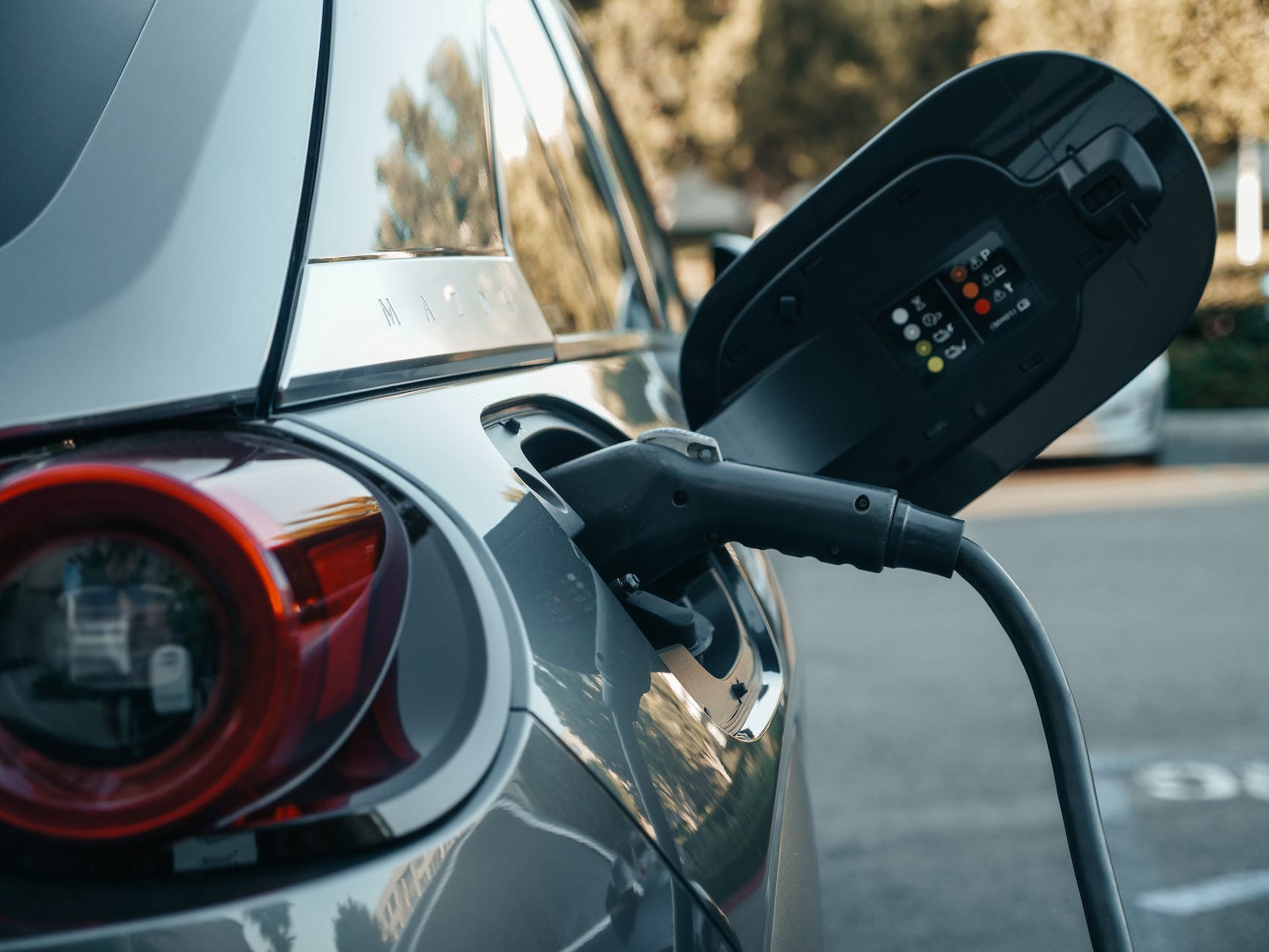
EV on monthly subscription, by a Benguluru based startup.

Electric vehicles (EVs) may play a critical role in the future of mobility but the journey so far has been fraught with challenges. While customers may fundamentally be in favour of switching to electric alternatives, when it comes to buying one, they are still hesitant. The biggest impediments to the adoption of these vehicles on a large scale are range anxiety (the worry that the vehicle will run out of charge before reaching the destination or charging point) and its price. According to an EY report, an electric car costs 2X times an ICE variant in India. The cost of an electric two-wheeler is 15% more than that of an ICE variant.

A Bengaluru-based startup SWYTCHD provides electric vehicles on a monthly subscription basis. This subscription is all inclusive which covers insurance, charging refunds, servicing, maintenance, and breakdown support.

The Bengaluru-based startup, founded in December 2021 by Sameer Arif, offers a range of EVs (both two-wheelers and cars) on a monthly subscription model. The subscription includes costs of insurance, general servicing, maintenance (including normal wear and tear), breakdown support, and charging refunds, up to a maximum distance of 1,200 km a month.

 “Unlike a purchase process that requires a lot of time, dedication and capital, SWYTCHD is an easy decision with minimal paperwork, which can be done from the comfort of the home.”says Sameer

The subscription starts from Rs 5,000 for two-wheelers and Rs 30,000 for four-wheelers per month. The service is currently available only in Bengaluru.  SWYTCHD has partnered with Bounce as the official leasing and subscription partner for its Infinity scooter. Apart from this, the company also offers two-wheelers from Ather, Revolt Motors, Hero, and Ola, and cars such as TATA Tigor XZ+, TATA Nexon EV XZ+ Lux, Hyundai Kona Premium, and MG ZS EV Exclusive.


EV on monthly subscription, by a Benguluru based startup.

Electric vehicles (EVs) may play a critical role in the future of mobility but the journey so far has been fraught with challenges. While customers may fundamentally be in favour of switching to electric alternatives, when it comes to buying one, they are still hesitant. The biggest impediments to the adoption of these vehicles on a large scale are range anxiety (the worry that the vehicle will run out of charge before reaching the destination or charging point) and its price. According to an EY report, an electric car costs 2X times an ICE variant in India. The cost of an electric two-wheeler is 15% more than that of an ICE variant.

A Bengaluru-based startup SWYTCHD provides electric vehicles on a monthly subscription basis. This subscription is all inclusive which covers insurance, charging refunds, servicing, maintenance, and breakdown support.

The Bengaluru-based startup, founded in December 2021 by Sameer Arif, offers a range of EVs (both two-wheelers and cars) on a monthly subscription model. The subscription includes costs of insurance, general servicing, maintenance (including normal wear and tear), breakdown support, and charging refunds, up to a maximum distance of 1,200 km a month.

 “Unlike a purchase process that requires a lot of time, dedication and capital, SWYTCHD is an easy decision with minimal paperwork, which can be done from the comfort of the home.”says Sameer

The subscription starts from Rs 5,000 for two-wheelers and Rs 30,000 for four-wheelers per month. The service is currently available only in Bengaluru.  SWYTCHD has partnered with Bounce as the official leasing and subscription partner for its Infinity scooter. Apart from this, the company also offers two-wheelers from Ather, Revolt Motors, Hero, and Ola, and cars such as TATA Tigor XZ+, TATA Nexon EV XZ+ Lux, Hyundai Kona Premium, and MG ZS EV Exclusive.


What are Basic Elements of Design

The basic elements of design are fundamental components that artists, designers, and creators use to build and compose their work. These elements form the foundation of visual communication and are crucial in conveying messages, creating aesthetically pleasing compositions, and evoking emotions. The primary elements of design include:

  1. Line: The basic building block in design, lines can be straight, curved, thick, thin, vertical, horizontal, or diagonal. They can define shapes, create patterns, and lead the eye through an artwork.

  2. Shape: Shapes are formed by enclosed lines. They can be geometric (circles, squares, triangles) or organic (irregular and freeform). Shapes establish the structure of a design.

  3. Color: Color is one of the most powerful elements. It evokes emotions, sets the mood, and adds vibrancy to a design. Primary colors (red, blue, yellow) mix to create secondary colors (orange, green, purple), and further mixing produces a spectrum of colors.

  4. Texture: Texture refers to the surface quality of an object. It can be actual (tactile) or implied (visual). Texture adds depth and visual interest to designs.

  5. Value: Value is the lightness or darkness of tones or colors. It helps in creating contrast, defining shapes, and adding dimension to a design.

  6. Space: Space refers to the area within, around, or between elements in a design. It can be positive (occupied by elements) or negative (empty). Proper use of space helps in organizing and emphasizing elements.

  7. Form: Form is the three-dimensional aspect of shapes, creating objects that appear solid and occupy space. It’s crucial in sculpture, architecture, and any design that needs to convey volume.

These elements don’t exist in isolation; they interact and combine to create effective designs. For instance, the use of different colors can enhance the perception of shapes, while lines and shapes together form the structure of a composition.

Understanding and skillfully utilizing these elements enable designers to create compelling visuals, communicate messages effectively, and evoke specific emotions or responses from their audience.

What are Government Schemes for Financial Freedom

Governments often implement various schemes aimed at enhancing financial freedom and security for their citizens. These schemes can vary significantly based on the country, its economic policies, and the specific needs of its population. Here are some common types of government schemes that promote financial freedom:

  1. Pension and Retirement Plans: Governments may offer pension schemes or retirement plans that provide income for retirees. These schemes often involve contributions from both employees and employers, ensuring financial security during retirement.

  2. Social Security Programs: These encompass various initiatives aimed at providing financial aid to specific demographics, such as the elderly, disabled, or unemployed. These programs offer benefits, including healthcare, income support, and disability assistance.

  3. Financial Literacy Programs: Governments may run educational initiatives to improve financial literacy among citizens. These programs offer information and resources on budgeting, saving, investing, and managing debt to empower individuals to make sound financial decisions.

  4. Subsidies and Grants: Governments might offer subsidies or grants to specific groups or industries to promote economic stability and growth. These can include subsidies for housing, education, healthcare, or agriculture.

  5. Microfinance and Small Business Support: Some governments provide support for small businesses and entrepreneurs through microfinance programs or small business grants. These initiatives aim to foster economic development and empower individuals to start or expand their businesses.

  6. Tax Incentives and Credits: Governments often use tax incentives and credits to encourage certain behaviors, such as investing in education, buying homes, or contributing to retirement funds. These incentives can help individuals save money and plan for the future.

  7. Employment Support and Job Training: Job training programs and employment support initiatives help individuals gain skills that improve their employability, thus enhancing their financial prospects.

  8. Housing Schemes: Governments may offer housing schemes or subsidies to make housing more affordable for low-income individuals or first-time homebuyers.

  9. Health Insurance Programs: Access to affordable healthcare is crucial for financial stability. Governments may provide health insurance programs or subsidies to ensure citizens have access to medical care without significant financial strain.

These schemes collectively aim to enhance financial stability, promote economic growth, and ensure a certain level of economic security for the population. The specific schemes and their effectiveness can vary widely based on the policies, priorities, and economic conditions of each country.

What is urban transportation planning

Urban transportation planning involves the development and implementation of strategies, policies, and infrastructural developments to facilitate efficient movement within cities and metropolitan areas. It encompasses a wide range of considerations to address the complex challenges associated with transportation in urban environments.

Here are key components and aspects of urban transportation planning:

  1. Infrastructure Development: Planning involves designing, building, and maintaining transportation infrastructure such as roads, highways, bridges, tunnels, sidewalks, bike lanes, and public transportation systems (buses, trains, subways, trams).

  2. Traffic Management: Implementing measures to manage traffic flow efficiently, including traffic signals, lane markings, signage, and intelligent transportation systems (ITS) that use technology to optimize traffic.

  3. Public Transportation: Enhancing and expanding public transit systems to provide accessible, affordable, and efficient options for residents, reducing reliance on private vehicles and alleviating congestion.

  4. Active Transportation: Encouraging walking, cycling, and other non-motorized modes of transport by creating pedestrian-friendly infrastructure, bike lanes, and promoting mixed-use development to reduce the need for car travel for short distances.

  5. Land Use Planning: Coordinating transportation planning with land development to create more compact, mixed-use areas that minimize the need for long commutes and facilitate easier access to services and amenities.

  6. Environmental Considerations: Promoting environmentally sustainable transportation options such as electric vehicles, hybrid buses, and infrastructure that supports cleaner modes of transport to reduce air pollution and carbon emissions.

  7. Accessibility and Equity: Ensuring transportation options are accessible to all members of the community, including those with disabilities or limited means, by providing affordable and inclusive transit services.

  8. Technology Integration: Utilizing technology and data-driven approaches for real-time monitoring, traffic analysis, and improving the efficiency and safety of transportation systems.

  9. Community Engagement: Involving citizens, stakeholders, and communities in the planning process to understand their needs and preferences, fostering public support and participation in transportation initiatives.

Effective urban transportation planning requires collaboration among various stakeholders, including government agencies, urban planners, transportation engineers, environmentalists, community groups, and businesses. The goal is to create a comprehensive transportation system that promotes economic growth, environmental sustainability, social equity, and enhances the overall quality of life within cities and metropolitan areas.

What is a sustainable urban design

Sustainable urban design focuses on creating cities and communities that meet the needs of the present without compromising the ability of future generations to meet their own needs. It involves planning, designing, and developing urban areas in ways that promote environmental, social, and economic sustainability.

Here are key elements of sustainable urban design:

  1. Compact and Mixed-Use Development: Designing communities where residential, commercial, and recreational spaces are in close proximity. This reduces the need for long commutes, encourages walking or biking, and minimizes urban sprawl.

  2. Green Spaces and Biodiversity: Incorporating parks, green belts, gardens, and natural habitats within urban areas to improve air quality, provide recreational spaces, support biodiversity, and mitigate the urban heat island effect.

  3. Public Transportation and Alternative Mobility: Prioritizing public transit systems, bike lanes, pedestrian pathways, and carpooling to reduce reliance on individual vehicles, minimize traffic congestion, and lower carbon emissions.

  4. Energy-Efficient Buildings and Infrastructure: Implementing green building practices, using renewable energy sources, improving energy efficiency in buildings, and employing sustainable materials in construction to reduce energy consumption and environmental impact.

  5. Water and Waste Management: Incorporating efficient water management systems, such as rainwater harvesting, wastewater treatment, and recycling programs, to reduce water consumption and manage waste effectively.

  6. Resilience to Climate Change: Designing cities to withstand and adapt to the impacts of climate change, including rising sea levels, extreme weather events, and heatwaves, by integrating resilient infrastructure and urban planning strategies.

  7. Community Engagement and Social Equity: Involving residents in the urban design process, ensuring accessibility for all, and addressing social equity concerns by providing affordable housing, access to amenities, and opportunities for all community members.

  8. Smart Technologies and Data Integration: Using technology and data-driven approaches to manage resources efficiently, monitor energy usage, optimize transportation systems, and enhance overall urban functionality.

  9. Adaptive Reuse and Sustainable Practices: Encouraging adaptive reuse of existing structures, promoting sustainable practices in industries, and fostering a circular economy approach to minimize waste generation.

Sustainable urban design seeks to create vibrant, livable, and resilient cities that balance environmental preservation, economic prosperity, and social inclusivity. It requires collaboration among urban planners, architects, policymakers, community members, and various stakeholders to create holistic solutions that address the complex challenges of urbanization while prioritizing sustainability.