National Holistic Education

National Holistic Education refers to an educational approach that aims to develop individuals in a comprehensive manner, nurturing their intellectual, emotional, social, physical, artistic, and moral capacities. It focuses on the holistic development of students rather than solely emphasizing academic achievement. Here are some key aspects of a holistic education system:

  1. Academic Excellence and Beyond: While academic achievement is important, holistic education goes beyond traditional subjects. It emphasizes critical thinking, creativity, problem-solving, and lifelong learning skills.

  2. Social and Emotional Learning: It includes programs that promote emotional intelligence, empathy, teamwork, communication, and conflict resolution, fostering well-rounded individuals capable of healthy relationships and social contributions.

  3. Physical Development: Holistic education emphasizes the importance of physical health and well-being. It includes physical education, sports, and activities that promote a healthy lifestyle and overall physical development.

  4. Cultural and Artistic Development: Recognizing the importance of arts, culture, and creativity, holistic education incorporates programs in music, visual arts, literature, drama, and other creative expressions to foster imagination and cultural appreciation.

  5. Ethical and Moral Education: It includes teachings on ethics, values, character development, and moral reasoning, aiming to instill a sense of responsibility, integrity, and ethical behavior in students.

  6. Environmental Education: Holistic education often integrates environmental awareness, sustainability practices, and education on ecological systems to nurture environmental consciousness and responsible citizenship.

  7. Personalized Learning: Recognizing that each student is unique, holistic education often advocates for personalized learning approaches that cater to individual learning styles, interests, and strengths.

  8. Experiential and Hands-On Learning: Emphasizing practical, experiential learning experiences, including internships, field trips, projects, and real-world applications, to complement theoretical knowledge.

  9. Community Engagement: Encouraging students to actively engage with their communities through service-learning projects, volunteer work, and community service to develop a sense of social responsibility and empathy.

  10. Teacher Development: Holistic education also involves investing in teacher training and professional development to equip educators with the skills and mindset needed to implement holistic teaching approaches effectively.

Implementing a national holistic education framework requires collaboration among policymakers, educators, parents, and the community to design a curriculum that addresses various dimensions of learning, fosters a supportive learning environment, and prepares students to thrive in a diverse and rapidly changing world.

Indian Film Industry

The Indian film industry, often referred to as Bollywood (though Bollywood specifically denotes the Hindi-language segment of the industry), is one of the largest and most prolific film industries globally. However, it’s important to note that India has multiple regional film industries producing movies in various languages, including Hindi, Tamil, Telugu, Kannada, Malayalam, Bengali, and more.

Key aspects of the Indian film industry:

  1. Size and Output: India produces a vast number of films annually across different languages, making it one of the most prolific film industries globally. Bollywood, centered in Mumbai (formerly Bombay), is particularly renowned, producing a significant portion of India’s films.

  2. Diversity: The Indian film industry is diverse, not only linguistically but also in genres, themes, and storytelling styles. Each regional industry has its unique characteristics and audience preferences.

  3. Cinematic Influence: Indian cinema has a substantial impact on culture and society. Movies often reflect societal issues, traditions, and cultural nuances, contributing to shaping public opinions and trends.

  4. Global Reach: Indian films have a broad international audience, especially in countries with significant Indian diasporas. Bollywood films, in particular, have gained popularity globally for their colorful storytelling, music, dance, and drama.

  5. Music and Dance: Indian films are known for their elaborate song-and-dance sequences. Music plays a crucial role in Indian cinema, and many film soundtracks become popular hits.

  6. Evolution and Innovation: The industry has evolved significantly, embracing new technologies, storytelling techniques, and production values. There’s a blend of commercial cinema and independent or art-house films exploring diverse narratives.

  7. Stars and Stardom: Indian cinema has produced numerous iconic actors, actresses, directors, and technicians who enjoy immense popularity and influence.

  8. Challenges: While the industry has seen tremendous success, it also faces challenges such as piracy, distribution issues, funding, and sometimes controversial content.

  9. Impact on Fashion and Trends: Indian films heavily influence fashion trends, lifestyle choices, and consumer behavior, often setting the stage for popular culture.

  10. Awards and Recognition: Indian cinema receives recognition at various international film festivals and award ceremonies, showcasing the talent and creativity within the industry.

The Indian film industry is a vibrant and dynamic part of the country’s cultural and entertainment landscape, playing a significant role in shaping popular culture, influencing societal norms, and providing entertainment to diverse audiences worldwide.

Entrepreneurs among SC and ST promoted

Promoting entrepreneurship among Scheduled Castes (SC) and Scheduled Tribes (ST) is a significant focus area for many governments and organizations worldwide, including in India. Several initiatives aim to encourage and support SC and ST entrepreneurs:

  1. Financial Support: Various government schemes provide financial assistance, loans at concessional rates, and subsidies specifically tailored for SC and ST entrepreneurs to start or expand their businesses.

  2. Skill Development: Programs offering skill development, vocational training, and entrepreneurship development programs cater to the specific needs of SC and ST individuals, equipping them with the necessary skills and knowledge to run successful enterprises.

  3. Entrepreneurship Development Programs: Government bodies, NGOs, and educational institutions conduct entrepreneurship development programs and workshops focusing on SC and ST communities to nurture their entrepreneurial spirit and business acumen.

  4. Access to Markets and Networks: Initiatives are in place to facilitate market linkages, provide access to government procurement opportunities, and create networking platforms to connect SC and ST entrepreneurs with potential clients and markets.

  5. Incubation Centers and Support: Setting up business incubators and support centers exclusively for SC and ST entrepreneurs to provide mentorship, guidance, and resources for business development.

  6. Awareness and Capacity Building: Conducting awareness campaigns, conferences, and workshops to build confidence, educate, and empower SC and ST individuals about entrepreneurship opportunities and support available.

  7. Reserved Categories in Government Procurements: Reserving a certain percentage of government procurement contracts for SC and ST entrepreneurs to provide them with opportunities and a level playing field.

  8. Policy Support: Governments often introduce policies and reforms aimed at fostering an inclusive entrepreneurial ecosystem, ensuring representation and support for marginalized communities.

  9. Collaborations and Partnerships: Engaging with private sector companies, industry associations, and non-profit organizations to create collaborations that support SC and ST entrepreneurs through funding, mentorship, and market access.

Supporting entrepreneurship among SC and ST communities not only contributes to economic growth but also promotes social inclusion and empowerment. These initiatives aim to bridge the gap by providing resources and opportunities, enabling individuals from these communities to build sustainable businesses and contribute to the country’s economy.

What is noise pollution, and why should you be concerned about it?


What is noise pollution, and why should you be concerned about it? 

Noise Pollution, like any other pollution, is harmful to all humans and animals alike. 

Noise pollution is considered to be a sound that is loud, loud and unbearable. Impetuous and constant exposure to high decibels of sound can damage your overall hearing ability for life. 


If you were to close your eyes for a minute and cautiously try to hear everything around you, you would listen to at least 5 to 6 different sounds (unless you’re not sitting under a rock). Sounds of cars, horns, drilling, people chatting, the noise of footsteps, your quirky neighbour playing the drum, or simply you breathing. This shows how we are constantly under exposure to ‘unwanted’ sounds. This can increase stress levels, mood swings, irritability, anxiety, and whatnot. 


Do you know the name of your body’s smallest and softest bone? It is known as Stripe. It is located inside your ear. This tiny bone can seriously be damaged by noise pollution. Which further results in loss of hearing and intense pain in one’s ear. Noise pollution causes serious harm to your ear drums, and to the hair cells in your linear ear. This renders your hearing ability to be completely hampered. 


Another cause of concern is that this ‘noise pollution is not restricted to land only. It’s inside the sea as well. And the marine life is not having a very good time with it. Ships, Seismic tests, Oil drills, and Naval Sonar devices, all play their part in making the once peaceful ocean a living hell. Marine animals, mainly Dolphins and Sharks, use a specialized mechanism called ‘echolocation’ to hunt for food, communicate, and find mates. The process of ‘echolocation’ is badly disrupted by noise pollution, and as a result, they fail to find food and communicate effectively. 


Therefore, it is binding upon everyone to make efforts, and take adequate measures to reduce the noise that harms everyone. Make your surroundings more peaceful, and noise-free. Plant trees, turn off the appliances, make use of noise absorbents, and don’t forget to wear an earplug. 

Let’s silence the noise that pollutes our Earth!

How US is exporting Inflation to rest of the world.

The Federal Reserve is laser-focused on stemming price increases in the United States, but countries thousands of miles away are reeling from its hardball campaign to strangle inflation, as their central banks are forced to hike interest rates faster and higher and a runaway dollar pushes down the value of their currencies, reported CNN this month.

The Fed’s decision to raise rates by three-quarters of a percentage point at three consecutive meetings, while signalling more large hikes are on the way, has pushed its counterparts around the world to get tougher, too, according to the report.

The dollar is up 18% this year and last month hit a 20-year high, according to the benchmark ICE U.S. Dollar Index, which measures the dollar against a basket of key currencies.

The reasons for the dollar’s rise are no mystery. To combat soaring U.S. inflation, the Federal Reserve has raised its benchmark short-term interest rate five times this year and is signalling more hikes are likely. That has led to higher rates on a wide range of U.S. government and corporate bonds, luring investors and driving up the U.S. currency.

In effect, the US has been exporting inflation during its pandemic rebound. That underscores a profound change in the global economy. In the pre-Covid world, goods were abundant and the challenge was finding buyers.  

In the new age of scarcity, that story has been flipped on its head.  

Now there are signs that American consumers are dialing it back as the Federal Reserve ratchets up interest rates to cool the economy and combat inflation.  

For the rest of the world, that may just create a different headache as the US switches to exporting inflation through another channel: the super-strong dollar.  

With rates in the US rising much faster than in the euro zone and Japan, the dollar is soaring.   

To be sure, consumer demand is just one cause of the worldwide spike in inflation—arguably not the main one even in the US, where Covid stimulus was largest.

How US is exporting Inflation to rest of the world.

The Federal Reserve is laser-focused on stemming price increases in the United States, but countries thousands of miles away are reeling from its hardball campaign to strangle inflation, as their central banks are forced to hike interest rates faster and higher and a runaway dollar pushes down the value of their currencies, reported CNN this month.

The Fed’s decision to raise rates by three-quarters of a percentage point at three consecutive meetings, while signalling more large hikes are on the way, has pushed its counterparts around the world to get tougher, too, according to the report.

The dollar is up 18% this year and last month hit a 20-year high, according to the benchmark ICE U.S. Dollar Index, which measures the dollar against a basket of key currencies.

The reasons for the dollar’s rise are no mystery. To combat soaring U.S. inflation, the Federal Reserve has raised its benchmark short-term interest rate five times this year and is signalling more hikes are likely. That has led to higher rates on a wide range of U.S. government and corporate bonds, luring investors and driving up the U.S. currency.

In effect, the US has been exporting inflation during its pandemic rebound. That underscores a profound change in the global economy. In the pre-Covid world, goods were abundant and the challenge was finding buyers.  

In the new age of scarcity, that story has been flipped on its head.  

Now there are signs that American consumers are dialing it back as the Federal Reserve ratchets up interest rates to cool the economy and combat inflation.  

For the rest of the world, that may just create a different headache as the US switches to exporting inflation through another channel: the super-strong dollar.  

With rates in the US rising much faster than in the euro zone and Japan, the dollar is soaring.   

To be sure, consumer demand is just one cause of the worldwide spike in inflation—arguably not the main one even in the US, where Covid stimulus was largest.

Teacher's Day Celebration in India

Teacher’s Day in India is celebrated on September 5th every year to honor the birth anniversary of Dr. Sarvepalli Radhakrishnan, a renowned philosopher, scholar, and India’s second President. Dr. Radhakrishnan was an esteemed academician and an influential teacher, and his dedication to education prompted the tradition of commemorating this day as a tribute to all teachers across the nation.

Celebrations on Teacher’s Day in India typically involve various activities:

  1. Greeting and Honoring Teachers: Students express their gratitude and respect for their teachers by presenting them with cards, flowers, gifts, or writing heartfelt messages thanking them for their guidance and mentorship.

  2. Cultural Programs: Schools and colleges organize cultural events, performances, and competitions where students showcase their talents through music, dance, drama, poetry recitals, and other artistic presentations dedicated to their teachers.

  3. Teacher Felicitation: Some educational institutions honor exceptional teachers with awards, certificates, or ceremonies recognizing their contributions to education and their impact on students’ lives.

  4. Student-Teacher Interactions: There may be sessions where students share their experiences, memories, and anecdotes about their favorite teachers, fostering a sense of camaraderie and appreciation among students and teachers.

  5. Special Assemblies or Gatherings: Schools often organize special assemblies or gatherings where students and teachers come together to celebrate, share thoughts, and participate in various programs dedicated to teachers.

  6. Educational Workshops or Seminars: Some educational institutions conduct workshops, seminars, or discussions on teaching methodologies, education reforms, and the role of educators in shaping society.

  7. Reflection and Appreciation: Teacher’s Day serves as an opportunity for both teachers and students to reflect on the significance of education, the impact of teachers on students’ lives, and the importance of imparting knowledge and values.

Teacher’s Day celebrations in India aim to acknowledge and appreciate the dedication, hard work, and invaluable contributions of teachers in shaping the future of the nation by nurturing and guiding the younger generation. It’s a day to recognize the pivotal role that teachers play in shaping individuals and society as a whole.

College of Medicine & J N M Kalyani

The College of Medicine and Jawaharlal Nehru Medical College (JNMC) in Kalyani, West Bengal, India, is an esteemed medical institution affiliated with the West Bengal University of Health Sciences (WBUHS). It’s known for its quality medical education, research, and healthcare services.

Key features and aspects of the College of Medicine & JNMC, Kalyani:

  1. Academic Programs: The college offers undergraduate (MBBS) and postgraduate medical courses in various specialties, providing comprehensive training in medicine, surgery, and allied health sciences.

  2. Faculty and Staff: The institution boasts experienced faculty members, medical professionals, and researchers dedicated to imparting quality education and conducting medical research.

  3. Clinical Training: JNMC provides hands-on clinical training to students through affiliations with hospitals and healthcare centers, allowing practical exposure to diverse medical conditions and treatments.

  4. Research and Innovation: The college emphasizes research activities, encouraging students and faculty to engage in medical research, publish papers, and contribute to advancements in healthcare.

  5. Infrastructure: The institution is equipped with modern facilities, laboratories, lecture halls, libraries, and medical equipment to support teaching, learning, and research activities.

  6. Community Engagement: JNMC often engages in community health programs, health camps, and outreach initiatives, contributing to public health awareness and healthcare delivery in surrounding communities.

  7. Medical Services: The institution likely provides healthcare services to patients through its associated hospitals or clinics, offering medical care, diagnostic services, and treatments.

  8. Accreditations and Recognition: Colleges under WBUHS generally maintain high academic standards and often receive recognition and accreditation from medical councils and accrediting bodies.

Jawaharlal Nehru Medical College, Kalyani, plays a crucial role in producing skilled medical professionals, contributing to healthcare advancements, and addressing healthcare needs in the region. It aims to provide a comprehensive medical education that prepares students to excel in their medical careers and contribute positively to society’s health and well-being.

Assistant Secretary

he Assistant Secretary Programme is not a widely known or standardized program universally recognized. However, in certain contexts, an Assistant Secretary might refer to a position within government or organizational structures.

  1. Government Roles: In government organizations, an Assistant Secretary might hold a mid-level administrative or managerial position, supporting a Secretary or a Department Head. They often oversee specific departments or sections, manage administrative tasks, and aid in policy implementation.

  2. Corporate Context: In some corporations or businesses, an Assistant Secretary might be a managerial role within the administrative structure, supporting the Secretary or managing administrative functions within the organization.

Mission LiFE unites the people of the earth as Pro Planet People

 Prime Minister Narendra Modi today launched Mission LiFE (Lifestyle for Environment), in the presence of the UN Secretary General António Guterres, at the Statue of Unity, Ekta Nagar, Gujarat. First proposed by the Prime Minister at COP 26, Mission LiFE is envisioned as an India-led global mass movement that will nudge individual and collective action to protect and preserve the environment.

The Prime Minister and UNSG unveiled the LiFE logo and tagline, and released the Mission Document at the event. Union Minister of External Affair Dr S. Jaishankar and Chief Minister of Gujarat Bhupendra Patel were also present at the event.

Addressing the gathering, the Prime Minister highlighted the importance of unity in the fight against climate change. He pointed towards the prevailing notion that climate change is an issue related only to policy and highlighted that climate change goes beyond only government responsibility and needs contributions from individual, families and communities.

The Prime Minister underlined that Mission LiFE makes the fight against climate change democratic, in which everyone can contribute with their respective capacities.

The Prime Minister elaborated that Mission LiFE emboldens the spirit of the P3 model, i.e. Pro Planet People. It functions on the basic principles of Lifestyle of the planet, for the planet and by the planet.

He also threw light on the concept of Reduce, Reuse and Recycle’ and circular economy and mentioned that it has been a part of the Indian lifestyle for thousands of years.

The Prime Minister noted that whenever India and the United Nations have worked together, new ways of making the world a better place have been found. He said, India had proposed the International Day of Yoga, which was supported by the UN. Today it is inspiring millions of people around the world to lead a healthy life.” Giving the example of the International Year of Millets, the Prime Minister said that the International Year of Millets will be observed in 2023 and will become a global conversation. He added, Mission LiFE can be successful only when it reaches every corner of the world. We have to remember this mantra—Prakriti Rakshati Rakshita—that is, those who protect nature, nature protects them. I believe we will build a better world by following Mission LiFE,” the PM concluded.

UN Secretary-General Antonio Guterres said that in these perilous times for our planet, we need everyones support. The LiFE initiative is designed to highlight essential and hopeful truths. All of us, individuals and communities, can and must be part of the solution of protecting our planet and our collective futures. After all, over-consumption is at the root of the triple planet emergency of climate, change, biodiversity loss and pollution,” he said. I am immensely encouraged by the commitment that India has made to pursue environmentally sound policies and I look forward to working with India in driving this agenda forward,” he added.

France President Emmanuel Macron, UK Prime Minister Mary Truss, Guyana President Irfan Ali, Argentina President Alberto Fernandez, Mauritius Prime Minister Pravind Jugnauth, Madagascar President Andry Rajoelina, Nepal Prime Minister Sher Bahadure Deuba, Maldives President Ibrahim Mohamed Solih, Georgia Prime Minister Irakli Garibashvili and Estonia Prime Minister Kaja Kallas and others have extended support to the movement.


As many as 500 people participated in the event, including 116 Indian Heads of Missions abroad, UN Heads of Agencies in India, Union Minister of External Affairs, the Chief Minister of Gujarat, senior government officials, development partners, and others.

NITI Aayog and MoEFCC, in collaboration with Government of Gujarat, organized the global launch of Mission LiFE. 

NITI Aayog will curate and incubate Mission LiFE in the first year, and it will subsequently be implemented by MoEFCC. The mission is a 5-year programme.

About LiFE

The concept of LiFE was introduced by the Prime Minister at COP26 at Glasgow on 1 November 2021. On 5 June 2022, on World Environment Day, India furthered the vision of LiFE by launching the LiFE Global Movement, inviting academicians, researchers and start-ups across the world to think about specific and scientific ways in which the full potential of collective action can be harnessed to address the environment crisis. The movement received record support from global leaders.

Mission LiFE will action the ideas and ideals of LiFE through a mission-mode, scientific and measurable programme and demonstrate Indias commitment to walk the talk on climate change.

Mission LiFE is designed with the objective to mobilise at least one billion Indians and other global citizens to take individual and collective action for protecting and preserving the environment in the period 2022 to 2027. Within India, at least 80% of all villages and urban local bodies are aimed to become environment-friendly by 2028.

Watch the full event here: https://pmindiawebcast.nic.in

Read the full speech of the PM here: https://pib.gov.in/PressReleseDetailm.aspx?PRID=1869466

Read the Mission document here: https://www.niti.gov.in/sites/default/files/2022-10/Brochure-10-pages-op-2-print-file-20102022.pdf


***


Congratulatory Messages on the Launch of Mission LiFE from Heads of States/Governments

 Prime Minister Shri Narendra Modi today launched Mission LiFE (Lifestyle for Environment), in the presence of the UN Secretary General António Guterres, at the Statue of Unity, Ekta Nagar, Gujarat. First proposed by the Prime Minister at COP 26, Mission LiFE is envisioned as an India-led global mass movement that will nudge individual and collective action to protect and preserve the environment.

As many as 10 heads of states, including France President Emmanuel Macron, UK Prime Minister Mary Truss, Guyana President Irfan Ali, Argentina President Alberto Fernandez, Mauritius Prime Minister Pravind Jugnauth, Madagascar President Andry Rajoelina, Nepal Prime Minister Sher Bahadure Deuba, Maldives President Ibrahim Mohamed Solih, Georgia Prime Minister Irakli Garibashvili and Estonia Prime Minister Kaja Kallas extended support to the LiFE movement.

Argentina:
Mr. Alberto Fernandez, President of Argentina

Good afternoon, ladies and gentlemen,

I am here in Buenos Aires but I didn’t want to be absent from this meeting convened by PM Modi. The world is experiencing unusual times. Times marked not only by a pandemic but also by a profound inequality. An inequality that results in concentration of wealth among a few while hunger spreads among millions of the world’s inhabitants. The world is also suffering from a crisis because of the use and wastage of non-renewable resources, which undoubtedly have detrimental effects upon the environment. It is also true that this concentration and the ongoing war has led to a problem of food security around the world that should draw the attention of all the countries and the international community. We must take a look at how to face this reality and that is why I think this initiative, LiFE, can be very helpful for us to find a way—because one of the ways is to ensure that governments and the civil society achieve the necessary consensus so that we can slowly emerge out of the crisis we are enduring. We must ensure that the world develops, that poverty reduces, that social equality is achieved and in order to accomplish that, we should aim at sustainable, innovative and above all environment-friendly production. Knowing that the leading democracy in the world, India, has undertaken the task of seeking a way out, I feel more at ease. And I would be remiss if my country didn’t join this initiative, this pursuit. Here we are supporting the LiFE initiative, so the objectives of Sustainability for Development 2030 can be made possible by everyone, by each inhabitant of this world.

Thank you

Watch the speech here:

Estonia:
Ms. Kaja Kallas, Prime Minister of Estonia

Dear Friends,

Namaste,

The need for collective response to address climate change and biodiversity loss is stronger than ever. We are grateful to Prime Minister Modi for his leadership, together with the UN Secretary General, in launching Mission LiFE. The power of change lies in working together towards a common goal and engaging all the people and communities on the planet. An excellent example of this is World Cleanup Day. It is an extensive one-day action that started in Estonia and has spread to 191 countries. At COP 27, we will call for even more countries to join us. By the way, India has been very active in World Cleanup Day. Last year, an amazing 1.2 million people took part in this initiative in India. That is impressive, thank you! Russia’s war against Ukraine has triggered global energy crises. This further underlines the need to move towards renewable energy and sustainability. We can achieve even more if we combine the green transition with the digital one. We have digitized the energy network in Estonia and see the potential this has for energy savings as well as innovation. It is time for profound change in our lifestyles; we need to place sustainability front and centre. I am glad that climate action is one of India’s G20 presidential priorities and I wish you successful presidency.

Watch the speech here:

France:
Mr. Emmanuel Macron, President of France

I wish I could be with you for this very special moment. The time when our world is subject to increasing geo-political tensions, we have no choice but to choose cooperation over division, for one single reason: No one can address global challenges, and especially climate change, on their own. The LiFE initiative is part of this agenda for stronger cooperation. I want to say a few words to wish you great success in its implementation. At the current pace, the global population will reach 9.6 billion by 2050. The equivalent of almost three planets could be required to provide natural resources needed to sustain current lifestyles. Governments, businesses, people, we must therefore all cooperate in rethinking our models and behaviours. Sustainable consumption is all about doing more—better is less. We are already on that track. The current surge in energy prices is leading many countries in Europe to take the path of sobriety. In France, we will reduce our energy consumption by 10% acting all over the board in transportation, housing, industries and other sectors. We need to meet this challenge together. But this would not be a temporary response before going back to our old ways. What we are talking about is a paradigm shift, because we will not reach Net Zero by 2050 if we don’t act on the demand side and substantially reduce our energy consumption. Beyond the current climate crisis, as the effects of climate change are already unfolding, every citizen should now be aware that it’s no longer possible to use natural resources such as water as if they were inexhaustible. We need to meet this challenge together by promoting ambitious public policies in all sectors, by launching coalitions of the willing. I am pleased, in that regard, that France and India agreed on leading a global initiative on the end of single-use plastic, and by fostering a common partnership between citizens committed to changing their lifestyles and therefore the world. With the LiFE initiative, Prime Minister Modi will give us this opportunity. France looks forward to working with India to make this initiative a success, including in the perspective of the Indian Presidency of the G20 next year. Thank you for this initiative and thank you for your attention and your commitment.

Watch the speech here:

Georgia:
Mr. Irakli Garibashvili, Prime Minister of Georgia

Excellency Shri Narendra Modi, Honourable Prime Minister of India,

Dear ladies and gentlemen and dear friends,

I am honoured and pleased to address this distinguish audience at today’s remarkable event and to congratulate India for taking the lead to launch this extraordinary mission in the beautiful city of Kevadia in India. Georgia welcomes and fully supports this global initiative timely introduced by his Excellency Narendra Modi. We promote an environmentally conscious lifestyle that focuses on the principle of mindful and deliberate utilization. In this regard we have taken significant steps to fulfill our international commitments as well as obligations under the EU-Georgia association agreement. To strengthen environment-related governance in the system, Georgia has improved its environmental-assessment systems and introduced more active public-participation mechanisms at the earliest possible stage of the environmental decision-making process. Major reforms have been carried out recently in the ambient air-protection field to improve air quality throughout the country. Georgia is one of the few countries worldwide where national forests are genuinely high-level national priorities, embedded in national policies and strategies. National forests, what Georgia has experienced, have significant increased. [. . .] 40 percent of my country’s territory is covered by forests, therefore, sustainable forest management is an important priority for our Government. We implement sustainable forest management that will support the ecological stability of forest ecosystems, enhance the socio-economic benefits for the public and reduce the pressure on forests. In order to address the negative consequences of climate change, Georgia in accordance with the Paris Agreement has updated its Nationally Determined Contributions’ document. We set a new 2030 climate-change strategy and an action plan for mitigation measures. I am proud to state that our country stays committed to intensive reforms for the better protection of the environment, biodiversity, and national and international climate goals. I strongly believe that together we can achieve a common goal and save our planet.

Thank You.Watch the speech here:

Guyana:
Mr. Irfaan Ali, President of Guyana

Our planet is under threat, where 75% of earth’s land has substantially degraded. [. . .] Collective action is the need to protect our environment. Here in Guyana, we have started—our forest is the size of England, storing 19.5 gigatons of carbon; we have one of the lowest deforestation rates in the world. So we are leading by example and we are building Guyana on a low carbon development strategy 2030. Those not only look at the environmental value of what we have but also look at how we can improve livelihood options, create new livelihood options for forest and communities and help people to become prosperous and at the same time safeguarding our environment. I wish to extend my best wishes to the Prime Minister of India, Narendra Modi, on the launching of the Mission LiFE logo and document, which seek to mobilize one billion Indians to become Pro Planet People by 2027, who will practice simple environment- and climate-friendly behaviours in their daily lives. Congratulations, India, for taking the lead and pioneering this movement. Guyana is committed to protecting and promoting green economic activity through actions that support the Sustainable Development Goals. Simple actions taken every day by citizens across the globe will help to harness the full potential of this collective action. We must do everything within our power, to protect and preserve the environment by making the necessary lifestyle changes. All of us have an individual and collective responsibility, as a family of humanity, to do our part for protecting and safeguarding our environment, so that future generation can enjoy the beauty of world we live in.

Thank You.Watch the speech here:

Madagascar:
Mr. Andry Rajoelina, President of Madagascar

Your Excellency, Mr. Prime Minister of India, Mr Secretary-General of United Nations,

Ladies and Gentlemen,

Climate change and the preservation and protection of environment are subjects that are particularly close to my heart. As I announced at the 77th United Nations General Assembly, the solutions must come from each nation, each leader and each citizen. But above all, the emitting countries must keep their commitments. This requires a common effort from each country to preserve our planet. We all know that forests are often called the “lungs of the planet”. However, the use of charcoal and firewood remains a common practice throughout the African continent in general, and in Madagascar in particular.

In my country, the use of charcoal for cooking impacts the destruction of 1ha of forest per year. This is devastating. This is why we are launching a fight against deforestation with the promotion of “clean cooking” to drastically reducing the use of charcoal. To do this, we will promote the use of bioethanol stoves as an alternative in every home. It is by changing practices and mentalities that we can change things. I am convinced that LiFE could become one of the turning points in our fight against the climate crisis. I thank India, through its Prime Minister, who is an inspiring leader in environmental protection, for bringing us together for this cause. It is with hope and conviction that I join you in this Mission. Together, let’s commit ourselves to sustainable development, for a better world for our children.

Ladies and gentlemen, it is time to transform our speeches into concrete actions! Thank you for your attention.

Watch the speech here:

Maldives:
Mr. Ibrahim Mohamed Solih, President of Maldives

Greetings,

One of the greatest breakthroughs we have made in recent years is to recognize that a clean, healthy and sustainable environment is a fundamental human right. [. . .] It is time we unpack the lessons left behind by our ancestors. They taught us that love and respect for our natural heritage are essential for a sustainable future. [. . .] Prime Minister Modi’s Mission LiFE couldn’t have come at a more crucial juncture. The ill effects of the climate crisis come at us with full force. [. . .] This ambitious initiative is a call for action. Let’s not end here. You see the best chances of our survival are in our own hands, together, let’s reflect on our lifestyles and make swift changes towards eco-friendly habits. Simple things in our everyday lives such as choosing to walk more on instead of driving, or planting trees wherever we can, can redress environmental degradation. Individual actions may appear insignificant on their own but when pooled together they have the power to spur transformative effects. [. . .] We will do our part to make sure the health and wealth of our planet survive to benefit tomorrow’s generations.

Watch the speech here:

Mauritius:
Mr. Pravind Jugnauth, Prime Minister of Mauritius

Governments are joining hands with businesses around the world to address environmental issues. However, policy reforms and economic initiatives are not enough to save our planet. Lifestyle changes at the individual level and behavioral changes at the community level are needed to reduce the strain on the environment. I, therefore, strongly support the movement launched by Prime Minister Narendra Modi to build on good practices at the level of individuals, communities and institutions in order to accelerate the transition to the most sustainable future. If human activities continue at the present pace, by 2050 we will need free planets to sustain our lives. Business is as usual no longer an option. Allow me to end with a quote of Mahatma Gandhi: “The world has enough for everyone’s needs but not for everyone’s greed.”

Watch the speech here:

Nepal:
Mr. Sher Bahadur Deuba, Prime Minister of Nepal

I congratulate Prime Minister Narendra Modi and the Government of India for advancing the idea for Lifestyle for Environment. This is a pioneering movement that can help in fighting climate change and achieve SDGs. To build on the idea that positive changes, individual actions and behaviors are the key parts of the climate solutions that world urgently needs, I thank the organizer for giving Nepal an opportunity to express our support for the pioneering movement such as LiFE. And express the need to collectively save our planet, for a better future for our people.

Thank you very much.

Watch the speech here:

UK:
Ms. Elizabeth Truss, Prime Minister of the UK

Last year, the world came together to UK to sign the Glasgow Climate Change Pact. It was a landmark deal—it showed that governments are ready to take decisive action on climate change and we must all keep increasing our ambition. Now the energy crises are showing once again that we need to go further and faster. As democracies, we must work together to secure energy independence and protect our economies. That’s why we are turbo-charging our rush to renewables; we are investing with partners like India to help build vital climate infrastructure. And we are working together to turn our Net-Zero commitments into actions. It’s a real pleasure to join Prime Minister Modi in launching their LiFE initiative today and I commend India’s leadership. This is all about helping people make greener choices and live more sustainable lives. So let’s keep making this long-term choices, let’s keep leading the way and let’s take another big step to move forward together. We shall meet next month with India’s G20 presidency next year.

Watch the speech here:

***

Special Campaign 2.0 : Cleanliness campaign for quality disposal through coordination among all offices

 As part of the “Special Campaign 2.0”, the Ministry of Road Transport and Highways (MoRTH) is carrying out various activities across the country – from disposing of pending files to maintaining cleanliness at field offices of MoRTH, NHAI, NHIDCL, IRC and IAHE.

The campaign, launched on 2 October, in line with Prime Minister Shri Narendra Modi’s vision, making working places clean and reduce the pendency of MP references, PMO references, Public Grievances, Parliament Assurances etc, in order to provide better services to the people.


As part of the Campaign, monitoring of disposal of pending MP references, Public Grievances, record management of files etc is being done by MoRTH on a daily basis through a dedicated portal. Efforts are being made for their quality disposal through coordination among different offices.

Accordingly, till 19 October, 347 MP references, 871 Public Grievances have been disposed of while 484 physical files have been weeded out so far. Cleanliness campaigns have been carried out at 2,433 locations, which include toll plazas, Regional Offices & PIU/PMUs of MoRTH/NHAI/NHIDCL.


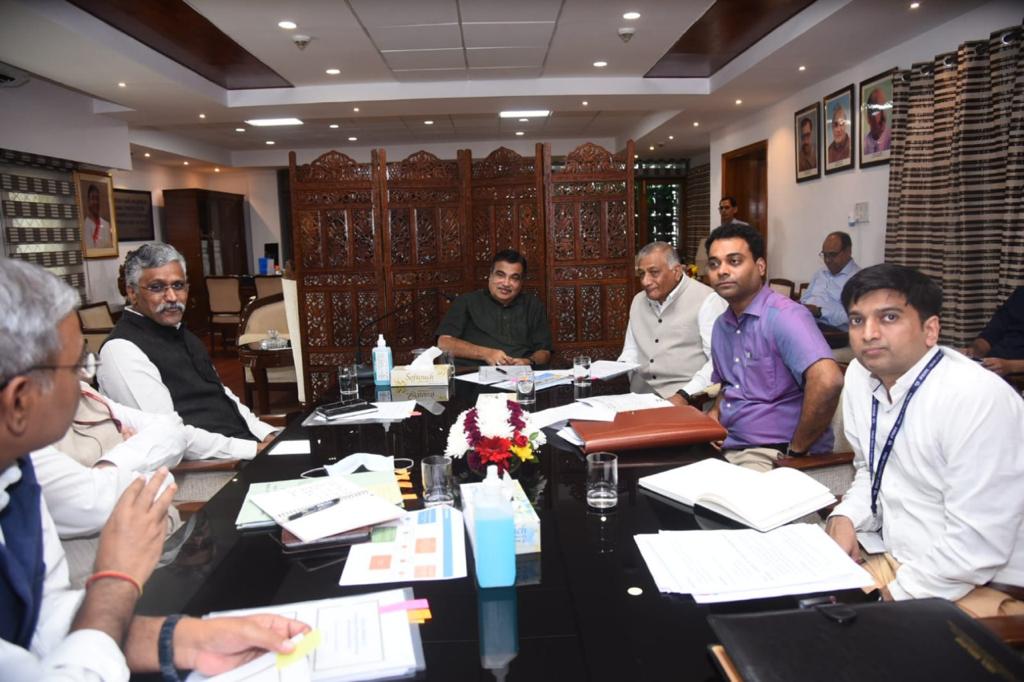
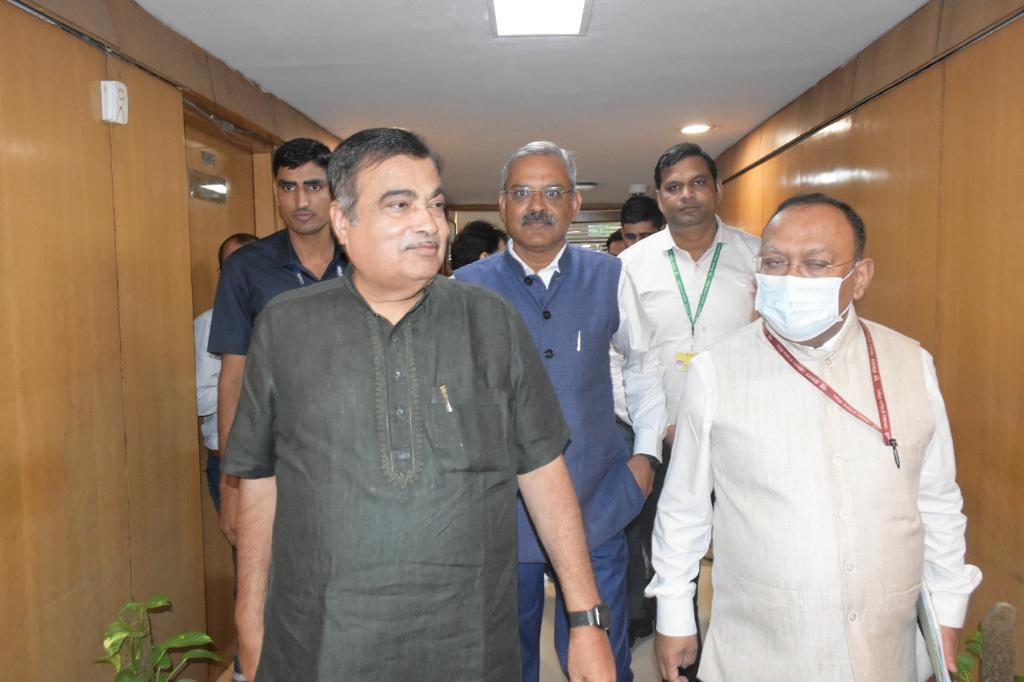
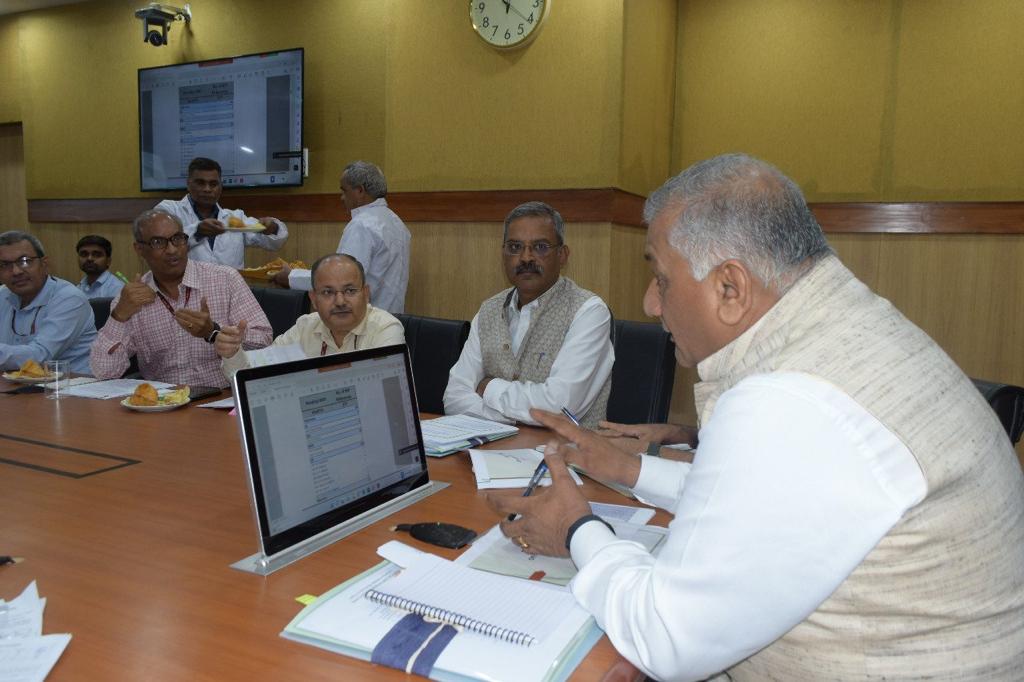
As part of the campaign, Union RTH Minister Shri Nitin Gadkari himself inspected the Ministry premises recently and gave necessary instructions to the officials to ensure that the area is clean. He also took a review meeting in this regard. MoS RTH General (Dr) V.K. Singh also held a review meeting to see the progress of the campaign.

Reports have been pouring in from different parts of the country, where officials and workers are seen to be working in tandem to ensure cleanliness at various toll plazas and Way Side Amenities.


Shri Giridhar Aramane, Secretary, MoRTH while administering Swachhta pledge to the officers and staff of this Ministry, had directed to strictly follow the directions regarding maximum of 4 level of the channel of submission in decision making by Ministry and all its subordinate offices. He advised the officers to maintain absolute integrity and utmost cleanliness in all official dealings to ensure corruption free system.


MJPS

“Ease of Living” of Pensioners through Use of Face Authentication Technology for submission of Digital Life Certificates


A Milestone development to enhance “Ease of Living” of Pensioners through Use of Face Authentication Technology for submission of Digital Life Certificates

Posted On: 20 OCT 2022 2:54PM by PIB Delhi

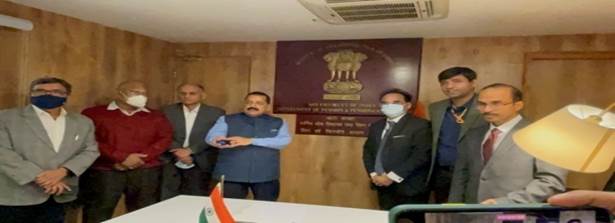
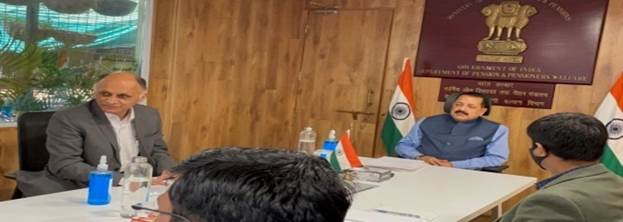
With a view to enhance Ease of Living of pensioners, Department of Pension and Pensioners’ Portal (DoPPW), engaged with NIC, Ministry of Electronics and Information Technology (Meity) and UIDAI to develop a Face Authentication technology-based system based on UIDAI Aadhaar software for submission of digital life certificate by the Pensioners/Family Pensioners. As per this facility, the identity of a person will be established through Face Authentication technique and it is possible to submit Life Certificate from any Android based smart phone. Dr. Union Minister of State (IC) Ministry of Science and Technology; Minister of State (IC) Ministry of Earth Science; MoS of Prime Minister’s Office and Ministry of Personnel, Public Grievances & Pensions Dr Jitendra Singh launched this facility on 29.11.2021.

Submission of Digital Life Certificates through face authentication technique is a breakthrough technology which has reduced Pensioners’ dependence on external bio-metric devices and has made the process more accessible and affordable, thus ensuring ease of living for all the Pensioners/Family Pensioners. In addition, by using this digital mode for Life Certificate submission, pensioners can now submit their Life Certificates from the comfort of their homes.

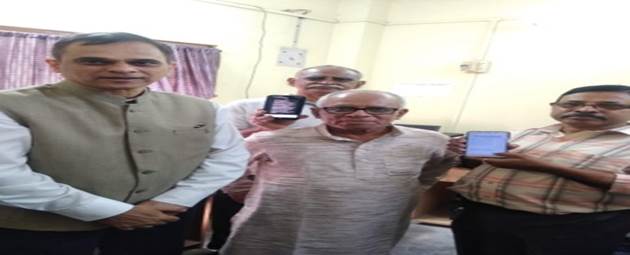
The Department has also started a major campaign under Special Campaign for Disposal of Pending Matters (SCDPM 2.0) in which pensioners aged 80 years and above may submit their Life Certificates from 1st October every year to avoid the rush at banks. All Pensioners’ Associations across the country have been educated in the use of the Face Authentication Technology through online as well as physical trainings imparted by the department from time to time, in a phased manner, so as reach out to all Associations. The Pensioners’ Associations assist pensioners by visiting their homes and holding camps for enabling submission of Life Certificates using the Face Authentication Technology. Recently, Shri V Srinivas, Secretary (DoPPW) visited the office of the NF Railway pensioners’ Association at Guwahati on 14th October, 2022 as part of SCDPM 2.0 where he interacted with pensioners and large number of Digital Life Certificates were generated using Face Authentication Technology.

The department of Pension & Pensioners’ Welfare is making endeavors to enhance adoption of Face Authentication as best practices in digital innovation under SCDPM 2.0 to enable pensioners to use this technology at a larger scale. 

*****

Special Swachhta Campaign 2.0

As part of Special Campaign 2.0 being conducted by all the Ministries across Government of India between 2nd October and  31st October, the activities for the Ministry Mines was launched by Secretary, Ministry of Mines, Shri Vivek Bharadwaj on 2nd October at Khanij Kaksh where all the organizations under the Ministry joined through V.C. The Ministry has identified 84 site offices throughout India for implementing 116 swachhta campaigns.

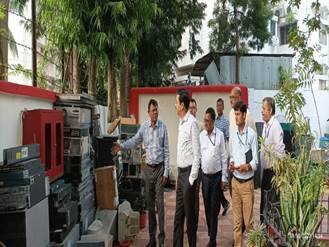
During the preparation phase from 15th to 30th September Secretary and Additional Secretary of Mines ministry visited field offices of GSI and IBM to inspect and guide these offices for the Campaign.

NALCO vermicompost

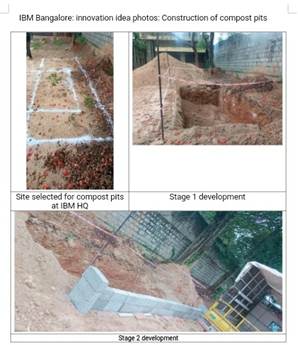
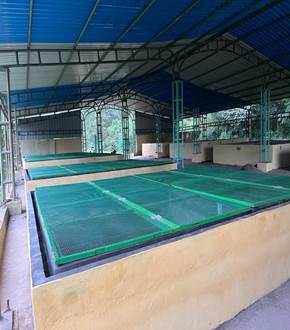
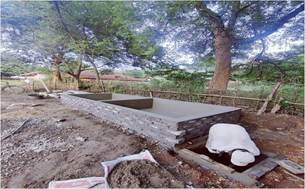
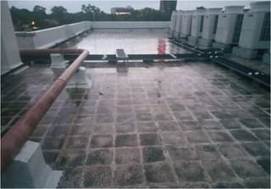
The goal set by the Ministry this year is “giving back to the environment in the form of rainwater harvesting, compost pits, cleaning lakes/ponds and eco-disposal of waste.” As part of best practices the buildings owned by the offices of Ministry of Mines is setting up rainwater harvesting structures. Three sites have been identified for Compost Pit projects.


   Innovative idea HCLVermicompost (jharkhand)(1)


Secretary, Ministry of Mines, Shri Vivek Bharadwaj recently visited GSI Headquarter office in Kolkata and inspected the work being done under Special Campaign 2.0 and instructed the employees to take up the campaign with utmost sincerity to make it a grand success.

     waste gsi

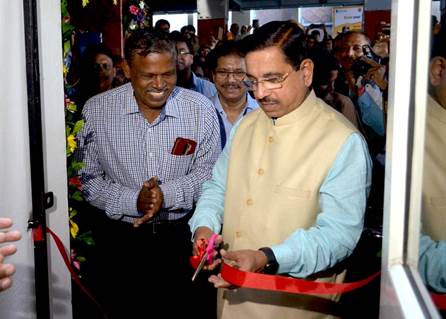
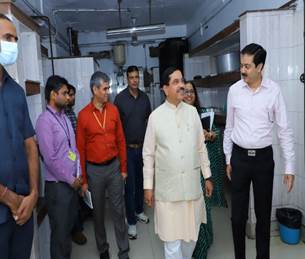
Union Minister of Coal, Mines and Parliamentary Affairs  Shri Pralhad Joshi and Secretary, Ministry of Mines, Shri Vivek Bharadwaj visited the site identified by the Ministry for conversion of space into Wellness Café and encouraged the employees for taking full benefits of the same. Minister Shri Pralhad Joshi also visited GSI headquarters in Kolkata and inaugurated the Wellness Cafeteria there under the special campaign 2.0.

GSI CANTEEN INAUGURATION


The Ministry utilized the campaign for better record management by identifying pending MP references, references from the State Governments, Inter Ministerial references, Parliamentary Assurances, PMO references, Public Grievance and PG appeals.

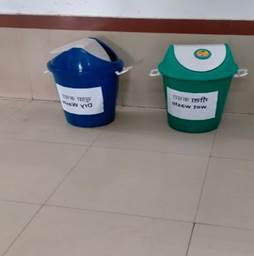
While reviewing the works done under special campaign,  Minister  Shri Pralhad Joshi suggested segregation of waste in departmental canteen which is being implemented by the Ministry of Mines. Ministry of Education which is the nodal ministry is also requested to issue similar guidelines for the departmental canteen and they have taken up the matter with all the departmental canteens based in Shastri Bhawan for waste segregation and using the bio waste for making compost pits.


GSITI, Hyderabad also as a best practise started waste segregation in its hostel canteen and using bio waste for making compost. Compost Pit has been created in GSITI, Hyderabad.

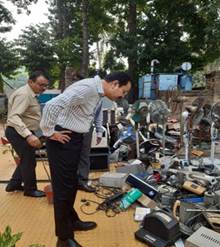
Ministry of  Mines in special campaign 1.0 has weeded out around one lakh files. This year as the emphasis is on field offices, through its attached and subordinate offices M/o Mines has kept the target of reviewing 3.32 lakhs files under record management. During the campaign the field offices are removing scrap as old as 20 years from their  offices spread across India.

So far, Ministry of Mines and its field organizations have achieved 90.51% of the cleanliness campaign and generated revenue of Rs. 1,58,40,266/- from scrap disposal. About 92,199 square feet space has been freed through efficient records management. It is expected that the Ministry would achieve 100% of the target set for the Special Swachhta Campaign 2.0 by 31st October, 2022.


******