
Dance forms of India

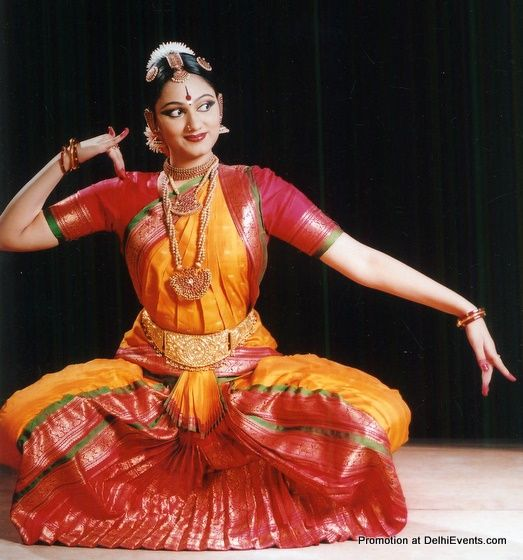
India is a land of rich cultural diversity and heritage, and dance is an integral part of its culture. Indian dances have a long history, with some forms dating back several thousand years. Each dance form is unique in its own way, with its own distinct style, costume, and music.
Source – Pinterest

Here are some of the most popular dance forms in India:

  1. Bharatanatyam: Bharatanatyam is a classical dance form from Tamil Nadu in South India. It is one of the oldest dance forms in India, with a history that dates back over 2,000 years. Bharatanatyam is known for its graceful movements, intricate footwork, and expressive hand gestures. The dance form is usually performed solo and is accompanied by Carnatic music.

  2. Kathak: Kathak is a classical dance form from North India that originated in the Mughal courts. It is characterized by fast footwork and intricate spins. The dance form tells stories through its movements, with the dancer using facial expressions, hand gestures, and body movements to convey different emotions. Kathak is usually accompanied by Hindustani music.

  3. Kuchipudi: Kuchipudi is a classical dance form from Andhra Pradesh in South India. It is known for its fluid movements and storytelling through dance. The dance form has a history that dates back over 2,000 years and is performed to both Carnatic and Hindustani music. Kuchipudi is usually performed by a group of dancers and is characterized by its use of colorful costumes and makeup.

  4. Manipuri: Manipuri is a classical dance form from Manipur in Northeast India. It is known for its graceful movements and use of vibrant costumes and props. Manipuri tells stories through its movements, with the dancer using facial expressions, hand gestures, and body movements to convey different emotions. The dance form is usually accompanied by classical Manipuri music.

  5. Mohiniattam: Mohiniattam is a classical dance form from Kerala in South India. It is known for its slow and graceful movements and storytelling through dance. The dance form is usually performed by a solo dancer and is accompanied by classical music. Mohiniattam is characterized by its use of white and gold costumes and jewelry.

  6. Kathakali: Kathakali is a classical dance form from Kerala in South India. It is known for its elaborate makeup, costumes, and facial expressions that tell stories from Hindu mythology. The dance form has a history that dates back over 500 years and is usually performed by a group of male dancers. Kathakali is accompanied by classical music and percussion.

  7. Bhangra: Bhangra is a folk dance form from Punjab in North India. It is characterized by energetic movements and is often performed to celebrate harvest festivals. Bhangra is usually performed by a group of dancers and is accompanied by traditional Punjabi music and instruments.

  8. Garba: Garba is a folk dance form from Gujarat in West India. It is performed in a circular formation and is known for its energetic movements and use of colorful costumes. Garba is usually performed during Navratri, a festival that celebrates the victory of good over evil.

  9. Odissi: Odissi is one of the famous classical Indian dances from Odisha. It is generally based on themes of Dashavatar, Lord Krishna’s love and Lord Jagannath’s Philosophy. It is a graceful and sensous dance style and involves tribhanga( three bends) posture. The Tribhanga posture symbolises the means to escape the limitations of the body.

In conclusion, India has a rich and diverse dance culture that is deeply rooted in its history and traditions. Each dance form is unique in its own way and reflects the cultural diversity of India. From classical dances to folk dances, India has something to offer for everyone who is interested in dance.

International Conference on Multidisciplinary Research (ICMR) 2023

International Conference on Multidisciplinary Research (ICMR) 2023. Organized by Track2Training aims to provide a platform for scholars, intellectuals and professionals to share and generate forum on the current local and global issues, address solutions to the problems and to provide opportunity for participants to exchange and share knowledge and information, establish business or research relationships and find global partners for future collaboration.

All prospective participants/authors are cordially invited to submit original and unpublished works for publication and presentation at the conference. All submissions are subjected to peer review before an acceptance decision is made. Our review committee will also select potential papers that have the merits for indexed publication and inform the corresponding authors for further decision. Papers may address, but not restricted to, the main theme from any of the sub-themes as mentioned in the conference website. Unlisted but related sub-topics are also acceptable.


The full manuscript must be submitted as an MS Word file in DOC or DOCX format (PDF format is not accepted). Please submit your full paper before the submission deadline and all manuscripts must be thoroughly checked for errors and formatted according to the Full Paper template that can be downloaded from the website. Manuscripts that are not properly prepared will be returned to the authors for revision and resubmission. Special discount will be given for group registration (3 participants or more). For more details visit us at https://icmr.edupub.org 

Submit your Paper for the conference to icmr2023@edupub.org

Conference Proceedings Details 

ISBN Number

Title

Author/Editor

Year Of Allotment of ISBN

Country of Publication

Imprint 

Publisher 

978-93-94433-17-5

International Conference on Multidisciplinary Research (ICMR) 2023

SN Sharma

2023

INDIA

IJR

Edupedia Publications Pvt Ltd

The French Revolution (1789 -1799)

The French Revolution was a period of radical social and political upheaval that lasted from 1789 to 1799. It was a time of great change and transformation in France, as the old regime of absolute monarchy and aristocratic privilege was overthrown and replaced with a new system of democratic government and social equality.


Source – Pinterest.com

The causes of the French Revolution were many and varied, but they can be traced back to the economic, social, and political problems that France was facing in the late 18th century. The country was burdened with a heavy debt, which had been incurred from years of costly wars and lavish spending by the monarchy. This debt was exacerbated by a poor harvest in 1788, which led to widespread famine and starvation.

At the same time, there was growing discontent among the French people, who were unhappy with the way that the country was being run. The monarchy was seen as corrupt and ineffective, and the aristocracy was viewed as parasitic and out of touch with the needs of ordinary people.

The Revolution began in 1789, when a group of deputies from the Third Estate (the common people) gathered in Versailles to demand political representation and reform. When the king refused to listen to their demands, the people of Paris rose up in revolt, storming the Bastille prison on July 14, 1789.

The fall of the Bastille was a turning point in the Revolution, and it marked the beginning of a period of radical change and experimentation. Over the next few years, France was governed by a series of different regimes, as the country struggled to find a new system of government that would be fair and effective.

The early years of the Revolution were marked by a series of important reforms, including the abolition of feudalism and the establishment of a system of universal education. However, the Revolution was also marked by violence and bloodshed, as rival factions fought for control of the government and executed their opponents.

The most violent period of the Revolution was the Reign of Terror, which lasted from 1793 to 1794. During this time, thousands of people were arrested and executed on suspicion of being counter-revolutionaries. The leader of this period, Maximilien Robespierre, was eventually overthrown and executed himself in 1794, bringing an end to the Reign of Terror.

The Revolution came to an end in 1799, when Napoleon Bonaparte seized power in a coup d’etat and established the First French Empire. Although Napoleon was a product of the Revolution, he represented a return to authoritarian rule, and his reign was marked by military conquest and imperial expansion.

Overall, the French Revolution was a period of profound change and transformation in France. It marked the end of the old regime and the beginning of a new era of democratic government and social equality. However, the Revolution was also marked by violence and bloodshed, and its legacy continues to be debated and contested to this day.