Grimes changes name of her and Elon Musk's daughter from EXA to a 'curiosity' symbol

Grimes confirmed to shortening her daughter’s unusual name.

Grimes, real name Claire Boucher, has recently disclosed that she has changed the name of her daughter with tech billionaire Elon Musk. Notably, the 35-year-old Canadian musician and Twitter CEO share two children: son X A-Xii (nicknamed X) and daughter Exa Dark Siderael Musk. (nicknamed Y). Her daughter was born secretly via surrogate and inadvertently revealed in a Vanity Fair interview in March 2022, when the journalist overheard a baby crying in Grimes’ home.

On March 24, Grimes tweeted a picture of herself and her daughter, twinning in red, with the caption ‘Y C’ and a dragon emoji in the center. She also stated that while she and Musk do not normally share images of their daughter in order to protect her privacy, she chose to post this image because the child appeared “fairly unrecognizable” in it. 

See the tweet here:

Previously, the couple had run into trouble over their son’s unusual name. Their first son, born in 2020, was initially named X Æ A-12 but was later tweaked to X Æ A-Xii as California law forbids the use of numbers in a legal name.

In a follow-up tweet, she confirmed that her daughter’s name had been changed. She said that Exa used to go by Y for short, but she has since decided that it is her new name. She also explained that the child’s name is meant to represent ”curiosity, the eternal question, .. and such.”

“She’s Y now, or “Why?” or just “?” (But the government won’t recognize that). curiosity, the eternal question, .. and such,” Grimes wrote on Twitter on Thursday. 
Impact of light pollution on the night sky

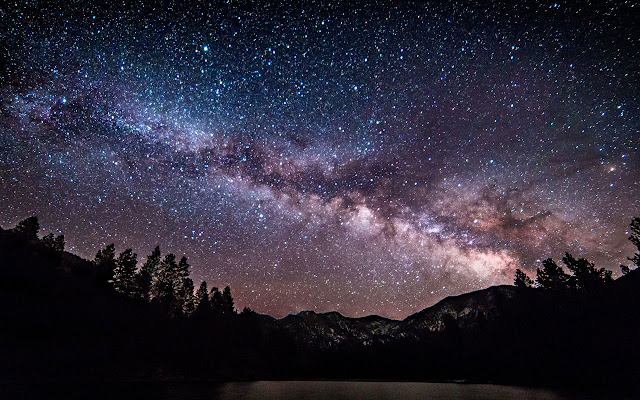
Light pollution is a term used to describe the excessive or unnecessary use of artificial lighting in outdoor spaces, leading to a considerable increase in the amount of light that reaches the sky. This phenomenon has had a significant impact on the night sky, affecting not only astronomical observations but also the environment and human health.


copyright – 2016 Joseph Cowdell

One of the most obvious effects of light pollution is the reduction of visibility of celestial objects such as stars, galaxies, and nebulae. In urban areas, where the artificial light is at its peak, the night sky is almost completely drowned out, and it is difficult to see anything other than the brightest stars. The Milky Way, which was once visible from any point on the Earth’s surface, is now invisible to more than two-thirds of the world’s population. This not only affects amateur and professional astronomers but also the general public who may have an interest in the night sky. The loss of this connection with the cosmos can have an impact on people’s sense of wonder and awe, and ultimately their wellbeing.

Light pollution also affects nocturnal wildlife, which rely on darkness for their activities. Light pollution can confuse and disorientate animals that use the night sky for navigation and can also disrupt breeding cycles, migration patterns, and other natural behaviors. This can ultimately lead to a decline in populations of various species, affecting the balance of the ecosystem. For example, the artificial lighting in coastal areas can disorientate sea turtle hatchlings, who rely on the moon and stars to guide them towards the sea.

The impact of light pollution on human health is also a growing concern. Exposure to artificial light at night can disrupt our circadian rhythms, which can lead to sleep disorders, depression, and other health problems. Studies have shown that exposure to blue light, which is emitted by electronic devices and LED lights, can suppress the production of melatonin, a hormone that regulates our sleep-wake cycle. This can affect our ability to fall asleep, stay asleep, and achieve restful sleep. Additionally, light pollution has been linked to increased rates of breast cancer, obesity, and other health problems.

Furthermore, light pollution has economic consequences, including increased energy consumption and higher energy bills. The unnecessary use of artificial lighting wastes electricity and contributes to greenhouse gas emissions, further exacerbating climate change. The cost of installing and maintaining outdoor lighting can also be significant, and many cities and municipalities are beginning to recognize the importance of reducing light pollution to save energy and reduce costs.

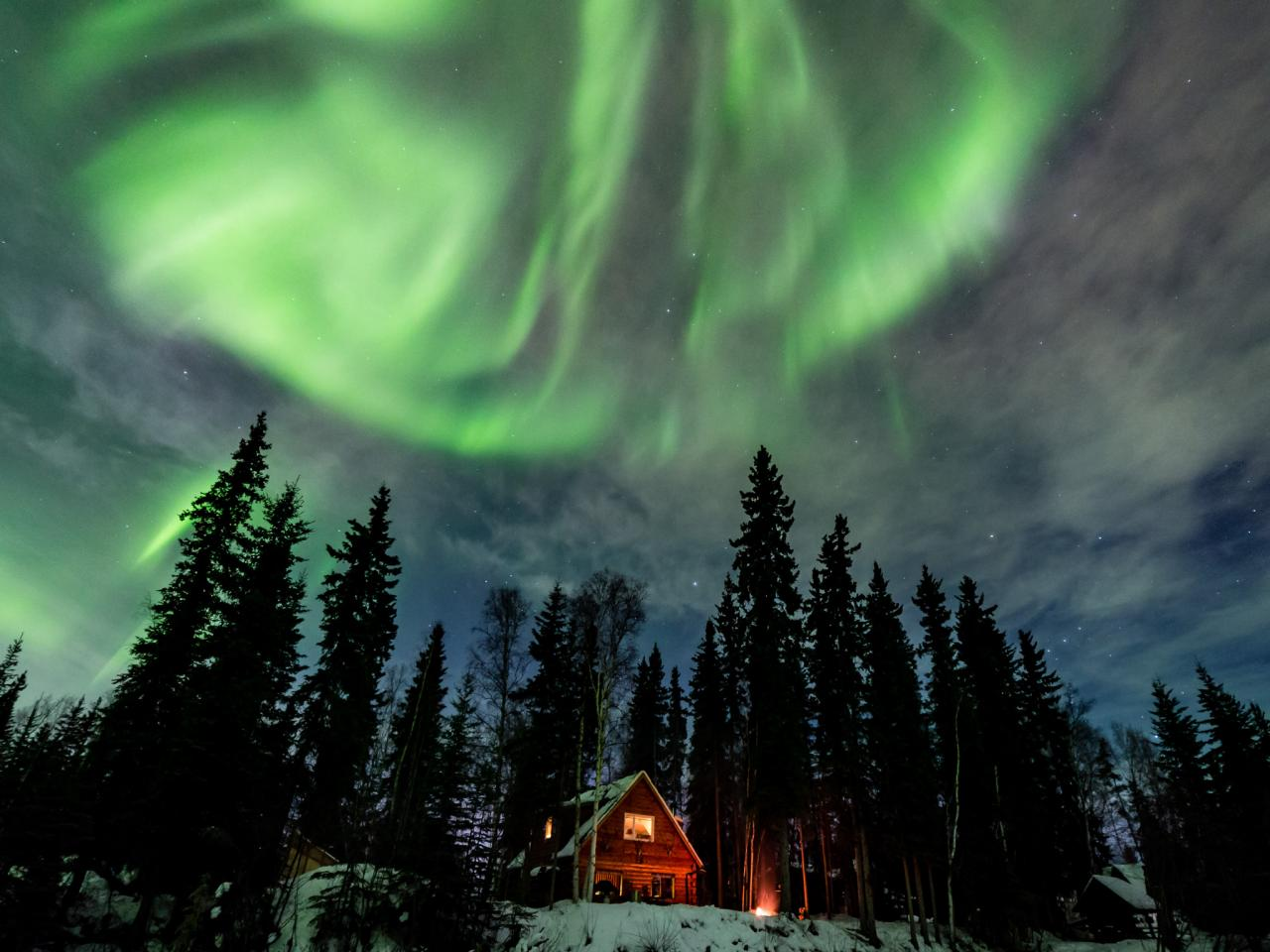
Best Places to witness Northern Lights

The Northern Lights, also known as Aurora Borealis, is a natural phenomenon that occurs in the Arctic and Antarctic regions. It is a breathtaking sight to see, and many people travel great distances just to witness this stunning display of lights. Here are some of the best places to view the Northern Lights listed below.

Source – https://www.travelchannel.com/

  1. Tromsø, Norway:

    Tromsø, located in Northern Norway, is considered one of the best places to see the Northern Lights. It has a mild climate and clear skies, making it an ideal destination for Aurora viewing. Tromsø also has a vibrant nightlife, making it an excellent location for those looking for both adventure and entertainment.

  2. Reykjavik, Iceland:

    Reykjavik is Iceland’s capital and is also an excellent location to witness the Northern Lights. Iceland’s geography is perfect for viewing the Aurora Borealis, and Reykjavik’s location in the country’s southwestern region makes it an ideal base for exploring the surrounding areas.

  3. Abisko National Park, Sweden:

    Abisko National Park is located in Northern Sweden and is one of the best places to see the Northern Lights. The area has a microclimate that helps keep the skies clear and the Aurora visible. There are also a variety of activities available, including dog sledding, snowmobiling, and ice fishing.

  4. Fairbanks, Alaska:

    Fairbanks, Alaska, is an excellent place to view the Northern Lights. The city is located under the Aurora Oval, which is a zone where the Northern Lights are visible more often than in other regions. Additionally, Fairbanks is home to the Geophysical Institute, which provides Aurora forecasts.

  5. Kakslauttanen Arctic Resort, Finland:

    Kakslauttanen Arctic Resort is located in Finnish Lapland and is one of the most unique places to see the Northern Lights. The resort has glass igloos that allow guests to view the Aurora from the comfort of their own bed. The resort also offers a variety of activities, including reindeer sleigh rides, snowmobiling, and ice fishing.

  6. Yukon, Canada:

    Yukon, located in Northwestern Canada, is another excellent location to see the Northern Lights. The area has a low light pollution, making it easier to see the Aurora. Additionally, there are a variety of activities available, including snowshoeing, dog sledding, and snowmobiling.

  7. Kangerlussuaq, Greenland:

    Kangerlussuaq is located in Western Greenland and is an excellent location for Aurora viewing. The area has little light pollution, and the Aurora can often be seen from the town. Additionally, Kangerlussuaq is home to the Northern Light Dog Sledding excursion, where visitors can see the Aurora while on a dog sled ride.

  8. Svalbard, Norway:

    Svalbard is located in the Arctic Ocean and is an excellent location for Aurora viewing. The area has a low light pollution, and the Aurora can often be seen from the town of Longyearbyen. Additionally, there are a variety of activities available, including dog sledding, snowmobiling, and ice caving.

In conclusion, there are numerous places to view the Northern Lights, each with its unique charm and attractions. Whether you’re looking for a luxurious resort or a rugged wilderness experience, there’s an Aurora destination for everyone. Remember to check Aurora forecasts and plan accordingly for the best chance of witnessing this natural wonder.

Use of METAVERSE in various technologies

The concept of a “metaverse” has been around for some time, but it has recently gained significant attention due to advancements in technology. The metaverse refers to a virtual world where users can interact with each other and with digital objects in a three-dimensional environment.


Source –
https://www.weforum.org/

One of the primary technologies driving the development of the metaverse is virtual reality (VR). VR technology has come a long way in recent years, with companies like Oculus, HTC, and Sony offering high-quality VR headsets. These devices allow users to enter a fully immersive virtual world, where they can interact with digital objects and other users.

Another technology that is important to the development of the metaverse is blockchain. Blockchain technology allows for secure and decentralized transactions, which is important for the creation of virtual economies within the metaverse. Blockchain-based currencies, such as Bitcoin and Ethereum, are already being used in some virtual worlds, and this trend is expected to continue as the metaverse becomes more popular.

Artificial intelligence (AI) is another technology that will be essential to the development of the metaverse. AI can be used to create intelligent agents that can interact with users in a natural way, enhancing the user experience. AI can also be used to create realistic virtual environments and characters.

The development of the metaverse will also require advancements in networking and cloud computing. As the metaverse becomes more popular, it will require massive amounts of computing power and bandwidth to support the large number of users and the complex virtual environments.

One potential use of the metaverse is in education. Virtual classrooms could be created where students can interact with each other and with digital objects in a way that is not possible in traditional classrooms. This could lead to more engaging and effective learning experiences.

The metaverse could also have significant implications for entertainment. Virtual concerts and sporting events could be held in the metaverse, allowing users from all over the world to attend. Virtual reality films and television shows could also be created, offering a new form of immersive storytelling.

Another potential use of the metaverse is in healthcare. Virtual reality therapy is already being used to treat a variety of conditions, and the metaverse could expand the use of this technology. Virtual support groups could also be created, allowing people to connect with others who are going through similar experiences.