Jawaharlal Nehru National Solar Mission (JNNSM)

 The Navy, as a self-driven and environmentally responsible force, has always been committed towards environment protection and green initiatives. As guardian of the seas, the Navy employs a number of ships, submarines and aircraft that have high energy intensity, thus increased energy efficiency is paramount in every operation and process the Navy undertakes. Some of the noteworthy initiatives towards ‘Clean and Green Navy’, are elaborated in succeeding paragraphs.

IN has commissioned solar power with cumulative capacity of 15.87MW which is in line with the Navy’s objective of fulfilling Govt of India’s ‘Jawaharlal Nehru National Solar Mission (JNNSM)’ mission. These plants are grid-connected utilising single-axis sun tracking technology with computerised monitoring & control. Additionally, 16 MW capacity of SPVs are at various stages of execution.

As a maiden initiative, an indigenous make and patented retrofit device developed by M/s Chakr Innovations for reducing diesel engine emissions was installed on a shore-based Diesel Generator for long-term trials. Trials have indicated 70% reduction in Hydrocarbon, Carbon Monoxide, and Particulate Matter in the engine’s exhaust emissions. The retrofit device for diesel engine exhaust emission reduction is being inducted in a phased manner on all land-based Diesel Gensets, and once inducted, it would go a long way in enabling the Navy towards reducing the emissions levels further.

Towards combating oil spills at Naval harbourseco-friendly marine bio-remedial agents have been indigenously developed through NMRL. The state-of-the-art technology is unique in the maritime domain. The product consists of a combination of micro-organisms and their growth stimulant, which consume various types of oils such as diesel, lubricating, dirty oils etc, thus cleaning the seawater from any oil contamination and its consequent damage to the marine ecosystem.

Indian Navy in collaboration with IISc (Bengaluru) has operationalized a ‘first of its kind’ 100KW capacity AC plant in the country based on the natural refrigerant Carbon dioxide. This is a significant step towards reducing use of conventional HCFCs with high Global Warming Potential (GWP) by employing a natural refrigerant with GWP of 1 and is in line with Kigali Agreement of 2016 ratified by India. The plant has been installed at the Centre of Excellence (Marine Engineering), INS Shivaji for trials and exploitation. Till now, the plant has clocked 850 hrs of operation successfully.

Utilisation of Hydrogen as a potential alternate source of fuel is also being pursued by the IN, successful shore trials of Hydrogen Aspirated Diesel Engine have been completed which has enhanced clean combustion, thus reducing CO emissions significantly. The device has now been fitted onboard a ship for pilot trials. Further, in line with GoI initiative of Make in India, a developmental project on hydrogen fuel cell-powered ferry craft is also being pursued with shipyards. The use of alternate fuels, such as Used Cooking Oil-based biodiesel has also progressed in the last year to reduce vehicular emissions. A total of 192KL of B-7 blend biodiesel has been used in motor transport vehicles of the Navy.

To reduce the overall carbon footprint and enhance environmental sustainability, Indian Navy is ‘Geared Up and Committed’ to march towards pursuance of Green Initiatives, realizing the national aim, to ensure a ‘Greener and Cleaner future for our next generations’.

***

G20 nations join forces to propel global startup ecosystem growth and innovation

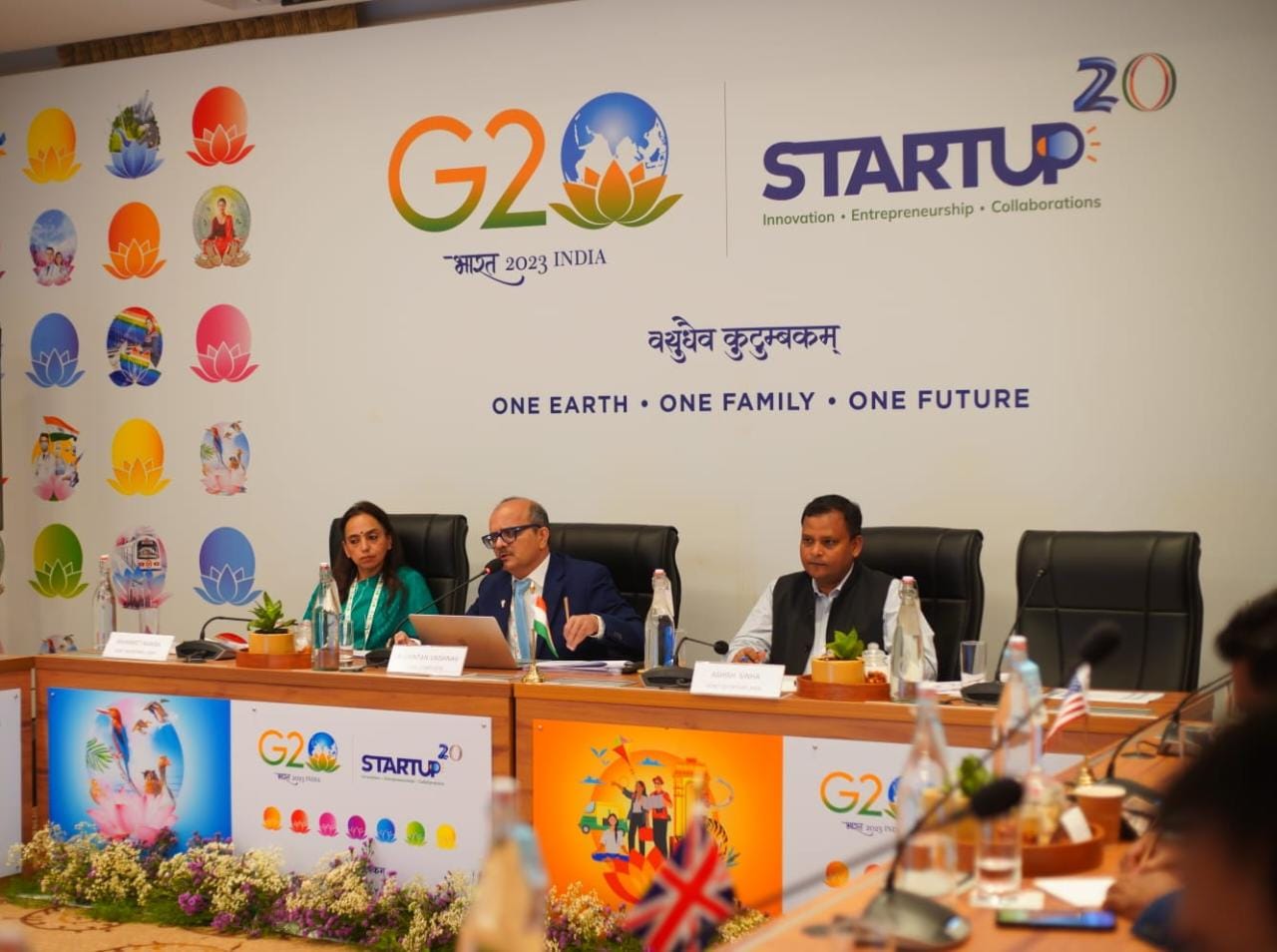
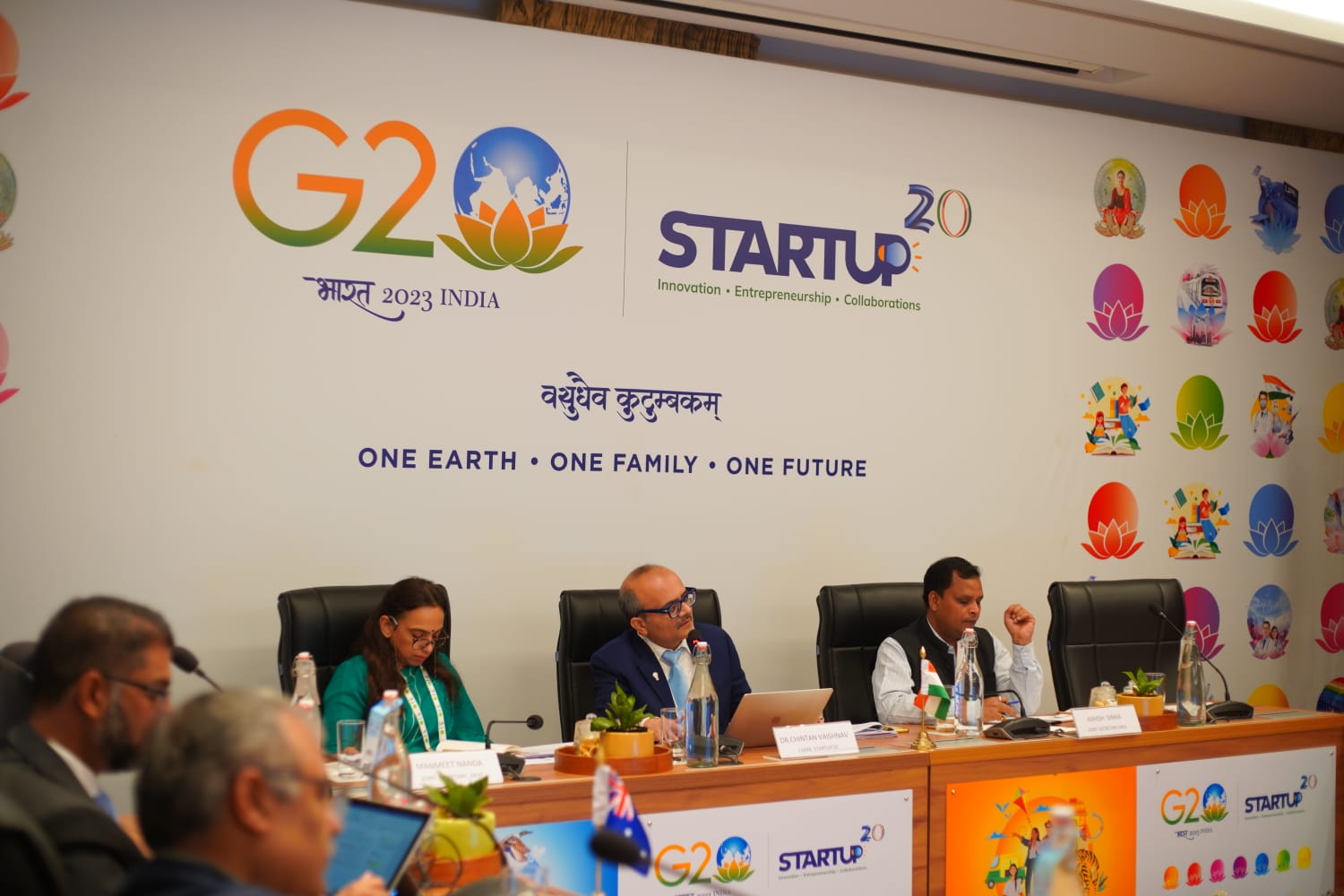
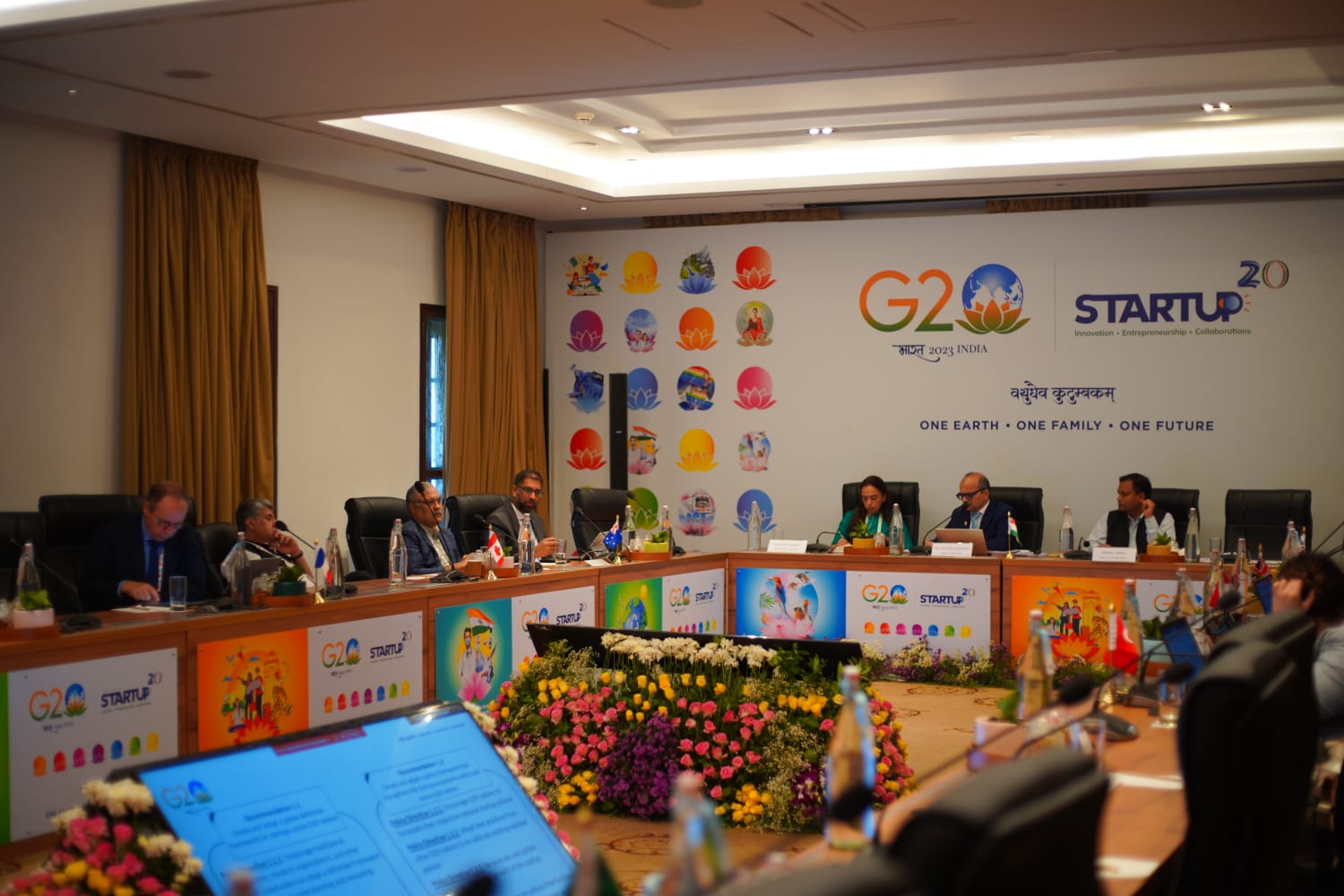
 The second day of the Startup20 Engagement Group meeting in Goa witnessed crucial discussions and meetings aimed at strengthening collaboration and aligning efforts towards the growth and support of startups globally.

The program commenced with closed-door meetings between national and international delegations and Dr. Chintan Vaishnav, Chair of Startup20, focusing on key agendas and strategic partnerships.

During the press conference held later in the day, Dr. Chintan Vaishnav addressed the media, highlighting the progress made and the significance of the Policy Communiqué. He expressed his satisfaction with the agreement reached by all delegates on the Communiqué, marking a pivotal moment in the journey of the G20 nations towards fostering startup ecosystems worldwide. Dr. Vaishnav emphasized the collective efforts and extensive consultations undertaken with G20 nations to arrive at this crucial juncture.

In his statement, Dr. Chintan Vaishnav underscored the importance of specific action points outlined in the Communiqué. The key action points include the creation and adoption of a definition framework for startups, creating a network institution to support startups and ecosystem stakeholders across G20, increasing and diversifying access to capital, easing market regulations for startups, and prioritizing the inclusion of underrepresented communities within the startup ecosystem as well as the scaling up startups of global interest. These measures aim to foster a conducive environment that empowers startups to innovate, grow, and address global challenges effectively.

Dr. Vaishnav also made a significant call to action, urging G20 countries to unite in their commitment to the startup ecosystem. He proposed allocating a substantial sum of 1 trillion dollars for the startup ecosystem by 2030.

The day ended on a positive note, with delegates expressing their enthusiasm and commitment to realizing the goals outlined in the Policy Communiqué. The  agreement signifies the confidence of the Startup20 community in scouting startups globally, funding them collaboratively, mentoring them contextually,  and scaling them internationally. The G20 nations have taken a significant stride forward in their mission to nurture and support startups, setting the stage for a vibrant and thriving global startup ecosystem.

The Startup20 Engagement Group of the G20 concluded with success here in Goa Sankalpana, with an atmosphere of unwavering energy and determination.

Amidst the discussions on driving global startup ecosystem growth and innovation, all the delegates took a moment to extend their heartfelt condolences for the train accident that occurred in Odisha. They expressed their deep sympathies and solidarity with the affected families and the entire nation. Recognizing the importance of supporting and uplifting communities during difficult times, the delegates emphasized the need for collective efforts to ensure safety and security in all aspects of life, including transportation infrastructure. 

The summit meeting of Startup20 Engagement Group is slated to happen in July at Gurugram on July 3rd and 4th. 


* * *

3rd Health Working Group at Hyderabad, Telangana

 Ministry of Ayush is participating in the side event exhibition of 3rd Health Working Group, 4th – 6th June, 2023 at Hyderabad, Telangana. Ministry of Ayush is showcasing research-based Ayush drugs/formulation like AYUSH-64, AYUSH-82, UNIM004 + UNIM 005, Kabasura Kudineer and Homoeopathic formulation Nanocurcumin, developed by Research councils under the aegis of Ministry of Ayush. Indian Medicines Pharmaceutical Corporation Limited (IMPCL), a public sector undertaking under Ministry of Ayush, is also exhibiting Ayush formulation, manufactured by them.

During this event, “G20 Primer on Traditional Medicine” prepared by Ministry of Ayush and Forum on Indian Traditional Medicine (FITM) was unveiled by Shri G. Kishan Reddy, Union Minister of Tourism, Prof. S. P. Singh Baghel, Minister of State, Ministry of Health and Family Welfare and Dr. Bharati Pravin Pawar, Minister of State, Ministry of Health and Family Welfare. This event was attended by Dr. G.P. Prasad, Assistant Director, In-charge, Dr. Santosh Mane, RO of CCRAS and staff of NIIMH, Hyderabad.

The G-20 Primer Booklet on Traditional Medicine provides a comprehensive overview of Ayush systems and its role in global healthcare. This primer aims to highlight the principles, practices, and benefits of the Ayush system, promote its integration into mainstream healthcare, explore its benefits and challenges and encourage collaboration among G-20-member nations.

It can serve as a foundation for G-20 member nations to engage in discussions, share experiences, and develop strategies for integrating Ayush into their healthcare systems. By promoting integration, collaboration, research, and regulation, G-20 countries can leverage the potential of the Ayush system to enhance healthcare outcomes, provide accessible and affordable healthcare solutions, and contribute to global well-being.

The 3rd Health Working Group meeting as part of G20 India Presidency is being held at Hyderabad with focus on the three key priorities of the G20 Health Track. The side events exhibition of the 3rd HWG is highlighting research and innovation in the health sector.

***

Understanding Natural Disasters

  1. What are natural disasters and how are they different from other types of disasters?
  2. What are the main causes of natural disasters?
  3. How do natural disasters impact the environment?
  4. What are some common types of natural disasters and their characteristics?
  5. How do natural disasters affect human populations?
  6. What are some measures that can be taken to mitigate the effects of natural disasters?
  7. How does climate change contribute to the frequency and intensity of natural disasters?
  8. How do natural disasters impact infrastructure and property?
  9. What role does early warning systems play in mitigating the impact of natural disasters?
  10. How do natural disasters affect the economy of a region or country?

  1. What are the social and psychological impacts of natural disasters on affected communities?
  2. How can communities and individuals prepare for natural disasters?
  3. What are the key challenges in responding to and managing natural disasters?
  4. How do natural disasters affect agriculture and food security?
  5. What are the long-term implications of natural disasters on the affected regions?
  6. How can technology be utilized to better understand and predict natural disasters?
  7. What are some examples of successful disaster recovery and reconstruction efforts following natural disasters?
  8. How do natural disasters impact vulnerable populations, such as the elderly, children, and marginalized communities?
  9. How can international cooperation and assistance be coordinated during and after natural disasters?
  10. What are the lessons learned from past natural disasters and how can they inform future disaster management strategies?

Top 10 Train Accidents in India


Train accidents can have devastating consequences, leading to loss of life, injuries, and damage to infrastructure. While I can provide information on notable train accidents in India, it’s important to note that this list may not be exhaustive and may not include the most recent accidents. It’s always advisable to refer to reliable news sources and official reports for the most up-to-date and accurate information. Here are details about ten significant train accidents in India:

Gaisal Train Disaster (1999): On August 2, 1999, the Gaisal Express derailed in Gaisal, Assam, resulting in a collision with an incoming freight train. The accident claimed the lives of 285 people and injured more than 300.

Khanna Rail Accident (1998): On November 26, 1998, near Khanna, Punjab, the Jammu Tawi-Sealdah Express collided with two derailed wagons, causing a massive fire. The accident resulted in the loss of 212 lives and injuries to several others.

Firozabad Train Collision (1995): On August 20, 1995, in Firozabad, Uttar Pradesh, the Purushottam Express collided with a stationary Kalindi Express due to a signal error. The accident caused the deaths of 358 people and injured over 400.

Rafiganj Train Derailment (2002): On September 10, 2002, near Rafiganj, Bihar, the Rajdhani Express derailed after hitting a derailed goods train. The incident resulted in the loss of 130 lives and injured several passengers.

Kanpur Train Derailment (2016): On November 20, 2016, the Indore-Patna Express derailed near Kanpur, Uttar Pradesh. The accident led to the deaths of 150 passengers and injured many others. The exact cause of the derailment was under investigation.

Pukhrayan Train Derailment (2016): On November 20, 2016, near Pukhrayan, Uttar Pradesh, the Indore-Patna Express derailed, resulting in one of the deadliest train accidents in recent times. The accident claimed the lives of 152 passengers and caused injuries to numerous individuals.

Howrah-New Delhi Rajdhani Express Accident (1991): On September 6, 1991, the Howrah-New Delhi Rajdhani Express collided with a derailed freight train near Khanna, Punjab. The accident led to the deaths of 57 people and injured many others.

Awadh-Assam Express Collision (1995): On April 21, 1995, the Awadh-Assam Express collided with the Brahmaputra Mail near Ghaziabad, Uttar Pradesh. The accident resulted in the loss of 57 lives and caused injuries to several passengers.

Midnapore Train Derailment (2010): On May 28, 2010, the Howrah-Kurla Lokmanya Tilak Gyaneshwari Express derailed near Midnapore, West Bengal. The accident was caused by sabotage, resulting in the deaths of 148 passengers and injuries to many others.

Kalka Mail Train Accident (2011): On July 10, 2011, the Howrah-Delhi Kalka Mail derailed near Fatehpur, Uttar Pradesh. The accident led to the loss of 69 lives and injured numerous passengers.


The death toll in the three-train accident at Bahanaga Bazar station in Odisha’s Balasore rose to 288 on Saturday and left over 1,000 injured, with a preliminary probe implying human error in the deadliest railway tragedy in 30 years. Railway minister Ashwini Vaishnaw who reviewed the restoration work at the Balasore triple train collision site on Sunday, said that the accident that claimed the lives of 288 passengers happened due to a change in electronic interlocking. 

It’s important to note that these accidents are tragic events that highlight the need for continuous efforts in improving railway safety, infrastructure maintenance, and implementation of advanced technologies to prevent such incidents in the future.

Strategies for eCommerce Business Management

 by Shashikant Nishant Sharma 

In the digital age, ecommerce has revolutionized the way businesses operate, providing a platform for buying and selling products and services online. However, the management of an ecommerce business requires careful planning, execution, and adaptation to succeed in a highly competitive market. This article discusses key management strategies that can help businesses thrive in the ecommerce landscape.

Customer-Centric Approach: Successful ecommerce businesses prioritize customer satisfaction. Understanding customer needs, preferences, and expectations is crucial for tailoring products, services, and overall user experience. Implementing robust customer relationship management (CRM) systems, gathering customer feedback, and analyzing data can provide insights into customer behavior, enabling businesses to personalize offerings and enhance customer loyalty.
Seamless User Experience: A seamless and user-friendly website or mobile app is vital for ecommerce success. Businesses must invest in responsive design, intuitive navigation, fast page loading times, and secure payment gateways to ensure a smooth shopping experience. Regular usability testing, optimization, and incorporating user feedback help identify and address any usability issues, improving customer satisfaction and conversion rates.
Effective Inventory Management: Efficient inventory management is essential for ecommerce businesses to meet customer demands while minimizing costs. Employing inventory management systems and implementing demand forecasting techniques can help optimize stock levels, avoid stockouts, reduce holding costs, and streamline order fulfillment processes. Real-time inventory tracking ensures accurate product availability information, minimizing the risk of disappointing customers with out-of-stock items.
Streamlined Order Fulfillment: Timely order fulfillment and reliable shipping processes are critical for customer satisfaction. Ecommerce businesses should establish partnerships with reliable logistics providers to ensure prompt delivery and order tracking. Integration between the ecommerce platform and the fulfillment process, along with automated order processing, can improve efficiency and reduce errors. Providing customers with transparent shipping updates and clear return policies further enhances their experience.
Data-Driven Decision Making: Effective management of an ecommerce business relies on leveraging data insights. By utilizing analytics tools, businesses can track key performance indicators (KPIs), analyze sales trends, customer behavior, and website performance. This data-driven approach helps identify areas for improvement, fine-tune marketing strategies, optimize pricing, and enhance overall business operations.
Marketing and Customer Acquisition: To stand out in the competitive ecommerce landscape, businesses must invest in marketing and customer acquisition strategies. Utilizing search engine optimization (SEO) techniques, paid advertising, social media marketing, and content marketing can increase brand visibility, drive traffic to the website, and attract potential customers. Effective use of data analytics and customer segmentation allows businesses to target their marketing efforts, maximizing the return on investment.
Mobile Optimization: As mobile usage continues to rise, optimizing ecommerce websites and applications for mobile devices is crucial. Mobile responsiveness, intuitive navigation, and mobile-friendly payment options ensure a seamless experience for customers accessing the platform through smartphones and tablets. Mobile optimization strategies also include leveraging mobile apps, push notifications, and location-based marketing to engage with customers and enhance their mobile shopping experience.
Cybersecurity and Data Protection: With the increasing risk of cyber threats and data breaches, ecommerce businesses must prioritize cybersecurity and data protection. Implementing robust security measures such as encryption, secure payment gateways, and secure user authentication helps safeguard customer information and build trust. Compliance with data protection regulations, such as the General Data Protection Regulation (GDPR), is essential for ensuring customer privacy.
Continuous Innovation and Adaptation: The ecommerce landscape evolves rapidly, and successful businesses must adapt to changing trends and technologies. Continuous innovation in product offerings, customer experience, and technology implementation is vital to stay competitive. Monitoring market trends, keeping an eye on competitors, and actively seeking customer feedback enables businesses to identify opportunities for improvement and implement necessary changes.

Lateral Recruitment for Joint Secretary Level/ Director/ Deputy Secretary Level Posts on Contract Basis

In continuation to Union Public Service Commission’s advertisement No. 52/2023, dated 20.05.2023, inviting applications against 20 posts of the level of Joint Secretary/ Director/ Deputy Secretary on contract basis, as per the requisition received  from the Department of Personnel & Training (DoP&T), Government of India, applications are invited against additional 17 posts of the level of Joint Secretary/ Director/ Deputy Secretary on contract basis in the following Departments/Ministries of the Government:

  1. Department of Health and Family Welfare, Ministry of Health and Family Welfare
  2. Ministry of Power
  3. Department of Rural Development, Ministry of Rural Development
  4. Ministry of Agriculture and Farmers welfare
  5. Department of Financial Services, Ministry of Finance
  6. Ministry of Statistics and Programme Implementation

Three Joint Secretaries and 14 Directors/ Deputy Secretaries will be inducted through lateral recruitment in the above Ministries/Departments.

The detailed advertisement and instructions to the candidates will be uploaded on the Commission’s website on 3rd June, 2023. Interested candidates can apply from 3rd June, 2023 to 3rdJuly 2023.

Candidates will be short-listed for Interview on the basis of the information provided by them in their online application. They must ensure that such information is correct.

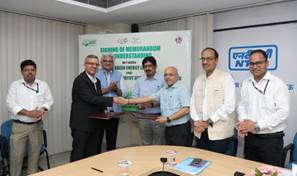
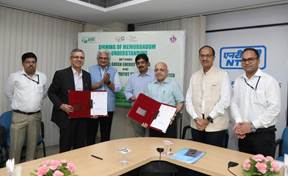
NTPC Green Energy Ltd. (NGEL) and Uttar Pradesh Rajya Vidyut Utpadan Nigam Limited (UPRVUNL)  to collaborate for development of Renewable Energy Power Parks and Projects

NTPC Green Energy Limited (NGEL) and Uttar Pradesh Rajya Vidyut Utpadan Nigam Limited (UPRVUNL) signed a Memorandum of Understanding (MoU) in Lucknow yesterday with an aim to collaborate in the development of Renewable Energy Parks and Projects and to facilitate in Government of India’s efforts towards energy transition. The MoU was signed by Shri Mohit Bhargava, CEO (NGEL) and Shri Nidhi Kumar Narang, Director (Finance), UPRVUNL in the presence of Shri P. Guruprasad, MD (UPRVUNL), Shri Praveen Saxena, Regional Executive Director (NR) of NTPC. Shri V V Sivakumar, GM (NGEL) and other senior officials of NTPC, NGEL and UPRVUNL were present during the occasion.

The MoU envisages the two organizations to collaborate through setting up of floating and ground mounted Solar Projects in the Rihand reservoir, other water bodies and any available vacant land, development of solar PV Project dedicated for solarization of Ayodhya city and setting up of Renewable energy Parks and Projects wherever land is made available. NGEL and UPRVUNL shall jointly work for formation of Joint Venture Company (JVC) to meet the Renewable Generation Obligation, Flexibility in Generation and Scheduling of Thermal/Hydro Power Stations through bundling with Renewable Energy and Energy Storage.

NTPC is India’s largest Power Utility, with a total installed capacity of about 72 GW (including JVs and subsidiaries). As part of increasing its renewable energy portfolio, a fully owned subsidiary “NTPC Green Energy Limited” (NGEL) has been carved out which shall take up Renewable Energy Parks and Projects including development in the areas of Green Hydrogen, Energy Storage Technologies and Round the Clock RE Power.

UPRVUNL was constituted to set up and operate Power-generating stations in the state of Uttar Pradesh. At present UPRVUNL is having four Thermal Power Stations within Uttar Pradesh with an installed capacity of 5820 MW and one Thermal Power Station with installed capacity of 1320 MW under JV with NTPC. UPRVUNL is in the process of adding further 3300 MW capacity with super critical technology on its own and another 1980 MW in Joint Venture with CPSEs. At present, UPRVUNL is looking to diversify into Renewable Energy and Energy Storage sectors.

*****

“Suvidha, Suraksha, Samman” to women

Last 9 years the Union Government under Prime Minister Narendra Modi has provided “Suvidha, Suraksha, Samman” to women. Thoughtfully planned schemes like Ujjwala for Gas connections, Swachhta for female toilets and Jal Jeevan for tap water in households not only provided Ease of Living to women but also gave them a sense of self-confidence with self-esteem.

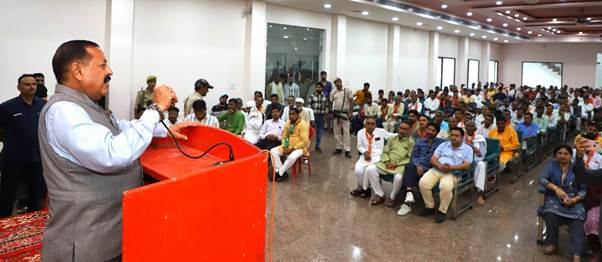
This was stated by the Union Minister of State (Independent Charge) for Science and Technology, MoS PMO, Department of Atomic Energy and Department of Space and MoS Personnel, Public Grievances and Pensions, Dr Jitendra Singh at Sambhal, Uttar Pradesh while addressing a congregation of Modi scheme beneficiaries, majority of whom comprised women.

The Minister said there has been a paradigm shift in Public Service Delivery and the implementation of Government schemes in the last 9 years. “Be it DBT, or provision of basic facilities like electricity, water, toilets to poor people, all these have brought a revolution at the grassroots level,” he said.

Dr Jitendra  Singh said Prime Minister Narendra Modi has put Nari Shakti at the forefront of India’s development journey. Mission Shakti comprises two sub-schemes ‘Sambal’ and ‘Samarthya’ for the safety, security and empowerment of women. The impact of this approach has been evident in the outcomes, such as an improved sex ratio at birth which is now for the first time 1020 women per 1000 men, a rise in institutional deliveries, declining infant mortality, and a lower maternal mortality rate.

With a promise to remove drudgery from the daily life of Women, Dr Jitendra Singh said the increased usage of LPG cylinders under the Ujjwala Yojana has saved crores of women from chronic respiratory disorders through smoke-free kitchens. With the success of Swachh Bharat Abhiyan, crores of women are now able to access toilets in their homes without any fear of safety or violation of dignity. Walking long distances to fetch water for daily consumption is becoming a thing of the past as households across the country are getting tap water connections under the Jal Jeevan Mission. Over 27 crore sanitary pads have been sold at One Rupee at Jan Aushadhi Kendras.

He said Women Empowerment is contingent upon the economic empowerment of women. Programmes such as MUDRA Yojana in which 68% of loans have been extended to more than 27 crore women, have enabled crores of women across the country to pursue micro-level entrepreneurship and become financially independent. 3.18 crore Sukanya Samriddhi Yojana accounts have been created. To promote financial inclusion among women, Mahila Samman Savings Certificate was introduced as part of the Union Budget 2023-24, which is a small savings scheme exclusively for female investors.

Under PM Awas Yojana, women are being made owners of the family home thus becoming active participants in household decision-making. In the 9 years of the Modi government, women have grown from strength to strength. Their success can be seen in the significant increase in the numbers of female police personnel, laurels won by sportswomen for the country and enrolment of women in the fields of Science, Technology, Engineering & Maths.

The government has transformed Women from being targets of welfare to agents of empowerment. “Today it is no longer women development, but women-led development,” he said.

*******

Enlightening session  on RTI Act, of 2005 organized by Pro Bono Club

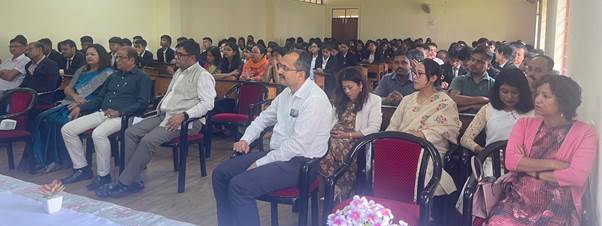
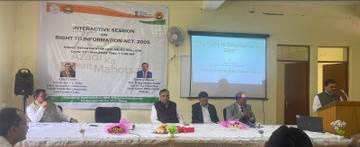
Under Department of Justice’s Nyaya Bandhu, the Pro Bono Club of NEHU, Shillong organised an enlightening session on the RTI Act, of 2005. It highlighted the significance of the Act, educating citizens about their right to access vital public information.

Image

Led by Dr. Ravi Kant Mishra, the esteemed guests Heimonglang Nongpluh & Prof. Prabha Shankar Shukla stressed the importance of employing this right when necessary, empowering individuals, and  promoting awareness in rural Meghalaya. It shed light on the Act’s numerous benefits and  its role in ensuring public authorities’ accountability.

Image

ATL Tinkerpreneur 2023: Atal Innovation Mission calls for registration

 Atal Innovation Mission (AIM), NITI Aayog has opened registration for ‘ATL Tinkerpreneur 2023’- a flagship summer boot camp under AIM’s Atal Tinkering Labs program.

ATL Tinkerpreneur is a 7-week long virtual summer bootcamp in June July which equips students with key digital skills and frameworks to create their own online venture by the end of the bootcamp. The last edition of the bootcamp witnessed 5000+ team innovations, the top 100 of them got internship & funding opportunities from Indian School of Business.

The bootcamp is open to students from all schools (ATLs and non-ATLs). Students will receive certificates, internships, and other attractive opportunities. The last date for registration is 5th June 2023.

Each of the registered teams shall be provided dedicated mentoring support for the whole duration of the bootcamp from NITI Aayog’s Mentors of Change. The bootcamp shall start from 8th June and shall last till 24th July. The students can submit their entries by 6th August.

Each week, there will be dedicated expert sessions for students on digital skills, product development and entrepreneurship skills, and handholding sessions for a more focussed approach.

This year, there will be special podcasts in regional languages, weekly challenges to solve and lots of learning through different sessions.

Unveiling the challenge, Mission Director AIM , Dr Chintan Vaishnav said “This is an exciting moment for all of us as. We have seen some brilliant innovations in previous two editions and we are sure this year too, we will get to see some exciting innovations. For students, ATL Tinkerpreneur is a great platform to traverse the journey from think to implementation”

Students can register themselves here: https://kid-ex.com/champions/atltnkr2023

For detailed brochure, click here: https://kid-ex.com/pdf/ATL_Tinkerpreneur_2023_Brochure.pdf

*****

Indian Deaf Cricket Team, winners of IDCA TR-Nation ODI for the Deaf against Bangladesh

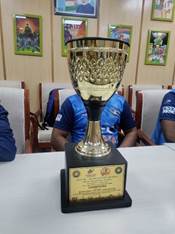
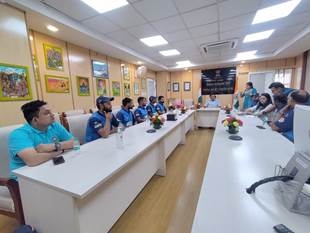
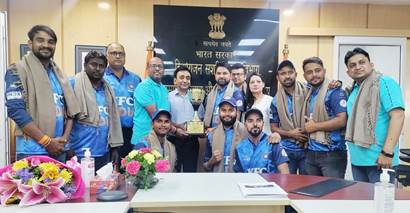
 Today on 1st June, 2023, Shri Rajesh Aggarwal, Secretary, Department of Empowerment of Persons with Disabilities (DEPwD) felicitated the winning team of IDCA TR-Nation ODI for the Deaf, 2023 in the conference hall of the Department at Pandit Deen Dayal Antyodaya Bhavan, CGO Complex, New Delhi. This International tournament was held between 29th April & 5th May and came to a successful close at Merlin Rise, Sport’s City, Club Pavilion Cricket Grounds, Rajarhat, Kolkata.  The Indian Deaf cricket team won IDCA TR-Nation ODI for the Deaf, 2023 by defeating Bangladesh Deaf Team by record 166 runs.

A trophy on a tableDescription automatically generated with medium confidenceA group of people sitting at a tableDescription automatically generated with medium confidence

Speaking on the occasion, Shri Rajesh Aggarwal, Secretary (DEPwD) congratulated all the team members including the coaches and president IDCA for their outstanding efforts. He interacted with each team member to know their background, employment status, etc. He wished victory of the team in the coming Deaf ICC ODI World Cup in Qatar.

A group of people posing for a photoDescription automatically generated

Ms. Reena Jain Malhotra, Patron of IDCA has informed that IDCA was formed in 2020 and registered under the Societies Registration Act 1860 with the sole aim to promote the game of Cricket amongst the deaf athletes of the country and to provide them with a platform to showcase their talent and to represent their respective States at a national level and country at international level. She further told that Indian Deaf Cricket Association (IDCA) is a governing body for deaf cricket in India and a member of DICC (Deaf International Cricket Council) which closely works with ICC to promote Cricket amongst Deaf Cricketers globally.

***

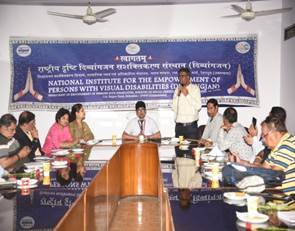
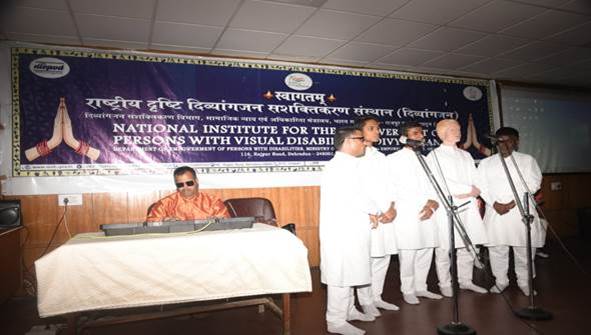
three-day visit to National Institute for Empowerment of Persons with Visual Disabilities

 The three-day visit to the National Institute for the Empowerment of Persons with Visual Disabilities (Divyangjan), Dehradun, concluded today. The institute focuses on various aspects of education and overall development for the visually impaired, including printing books. Education for disabled and visually impaired individuals requires joint effort from parents and teachers. The Cross Disability Early Intervention Center of the institute caters to children aged 4 to 12, where teachers educate them in the presence of their families. Teaching these young students poses significant challenges. Visually impaired children have limited vision capabilities.

To adapt to the modern era, the national institute for empowering Divyangjan is introducing new and contemporary courses, including Artificial Intelligence (AI). Starting this year, the institute has prepared to offer an AI course specifically tailored for Divyangjan students. This will enable them to excel in the IT sector through the utilization of cutting-edge technology. The institute has made provisions for the visually impaired students by providing Artificial Intelligence machines such as computer systems, expert systems, computing devices, sentence recognition applications, and other necessary equipment to facilitate their development.


The work of education and training of visually impaired children is being carried out in this institute for a long time. The children coming out from here are not only getting fully established in the mainstream of the society, but they are also securing great ranks in exams from UPSC civil services to CBSE Board exams. Apart from visually impaired children and adults, new research is being carried out daily for the training of other disabled people in this institute, as well as such human resources are also being prepared who can help others with their knowledge in other parts of the country.


Dr. Surendra Dhalwal, the Assistant Professor of Medical Psychology at the institute, explained that its origins can be traced back to the British era when it was established to assist soldiers who lost their eyes in war. After India gained independence, the government transformed it into a national institute, focusing on research and training for all types of disabled individuals, with a particular emphasis on visually impaired children. Today, the institute not only conducts research and training but also houses an intermediate-level college affiliated with the CBSE Board. This college provides education from primary to intermediate levels for visually impaired children from across the country.

Amit Kumar Sharma, the Vice Principal of the college, mentioned that the college currently has 254 registered students across different classes. These children are selected at a young age through an online application process. They reside in the hostel located within the college campus. During the Covid-19 pandemic, online education was introduced for the first time, and in 2021, the college’s students achieved remarkable results in the CBSE board examinations. In recognition of their outstanding performance, the CBSE Board awarded the college an A+ category certificate.

Mr. Sharma further stated that the college is planning to introduce the study of Artificial Intelligence (AI) as per the CBSE Board’s curriculum. In addition to general subjects, visually impaired students are being taught subjects like Information Technology. The students’ proficiency in computer education is so impressive that their visual impairment becomes inconspicuous.

The institute and college continue to evolve and adapt to modern education trends. Driven by a mission to empower visually impaired individuals, they strive to provide a nurturing environment where students can excel academically and acquire skills that enable them to overcome barriers.

Apart from general education, the National Institute for the Empowerment of Persons with the Visual Disabilities (Divyangjan) also works on skill development and economic empowerment and has a Central Braille Press. Special ballots prepared for the visually impaired in the general elections are also prepared from this institute. Training for courses like B.Ed and D.Ed is also given in this institute so that necessary human resources can be prepared for training the Divyangjans. Many pass outs from here are working in different parts of the country to teach visually impaired children. Along with making necessary equipment for the visually impaired, research is also being done on it. The institute has also prepared a special chess board for visually impaired children.

Apart from different states of the country, children from many other countries also come to study in this institute. Today this institute is setting an example at the world level.

***

62 desiccation-tolerant vascular plant species in India's Western Ghats

 India’s biodiversity hotspot, the Western Ghats, is home to 62 Desiccation-Tolerant Vascular Plant Species which could have applications in agriculture, particularly in areas with scarcity of water.

Desiccation-tolerant vascular (DT) plants are able to withstand extreme dehydration, losing up to 95% of their water content, and they revive themselves once water is available again. This unique ability allows them to survive in harsh, arid environments that would be uninhabitable for most other plants. DT plants have been studied for their possible applications in agriculture, particularly in areas with limited water resources. In tropical regions, they are the predominant occupants of rock outcrops. 

In India, DT plants have been relatively understudied. Although rock outcrops are common landscapes in the Western Ghats (WG), knowledge of DT plants in the region is poor.

A recent study by scientists from Agharkar Research Institute (ARI) Pune, an autonomous institute of the Department of Science and Technology (DST), has identified 62 DT species in the Western Ghats, many more than the earlier known nine species.

The research published in the Nordic Journal of Botany provides an overview of Indian DT plants, with a special focus on the WG, and includes an inventory of species with their habitat preferences.

In the inventory of 62 species, 16 are Indian endemic, and 12 are exclusive to the Western Ghats outcrops, highlighting WG’s importance as a global DT hotspot. In addition to rock outcrops, tree trunks in the partially shaded forests were also found to be crucial habitats for DT species, as per the study.

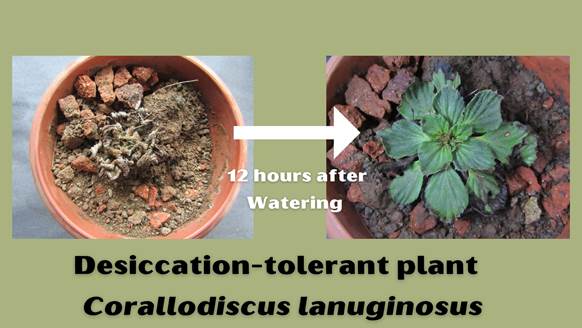
The team of researchers scrutinized outcrop species for their DT properties by seasonal field observations, followed by relative water content estimation protocols. Nine genera of DT plants are reported as new, also in a global perspective, with Tripogon capillatus representing the first record of an epiphytic DT angiosperm. The study also provides the first field observation-based proof of DT properties of the gesneriad Corallodiscus lanuginosus. Time-lapse video records the hydration process of this species.

The team led by Dr. Mandar Datar and involving Smrithy Vijayan, Aboli Kulkarni, and Bhushan Shigwan collaborated with Dr. Stefan Porembski from Rostock University Germany, who is recognized as an expert of tropical rock outcrops.

The findings of the study can provide valuable insights into the biodiversity and ecology of the Western Ghats and aid in the conservation of DT plant species. Besides, understanding the mechanisms by which DT plants can tolerate dehydration could lead to the development of crops that are more drought-resistant and require less water.

For further details, Dr. M. N. Datar (mndatar@aripune.org) 020 25325057 or 9850057605 corresponding author of the study, can be contacted.

Research paper details: Smrithy, V., Kulkarni, A., Shigwan, B. K., Porembski, S., & Datar, M. N. (2023). Desiccation‐tolerant vascular plants from Western Ghats, India: review, updated checklist, future prospects, and new insights. Nordic Journal of Botany, e03939. https://onlinelibrary.wiley.com/doi/abs/10.1111/njb.03939

A short video showcasing the desiccation tolerance of the plant Corallodiscus lanuginosus is available at https://youtu.be/DmCf-op_yKocapturing its fascinating time-lapse transformation.

Figure 1: Image of Corallodiscus lanuginosus


Unified Registration Portal For GOBARdhan

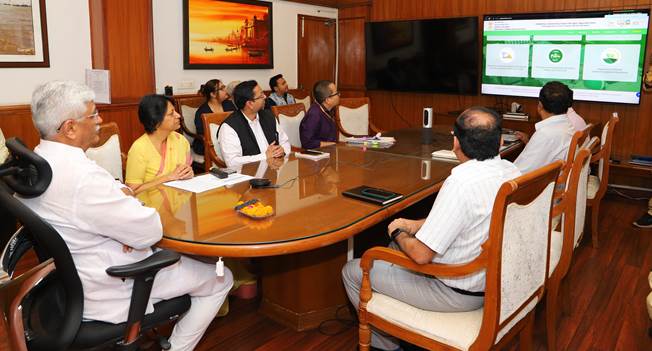
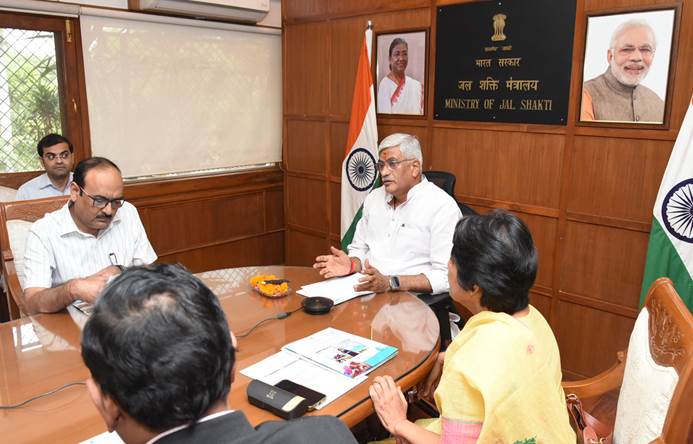
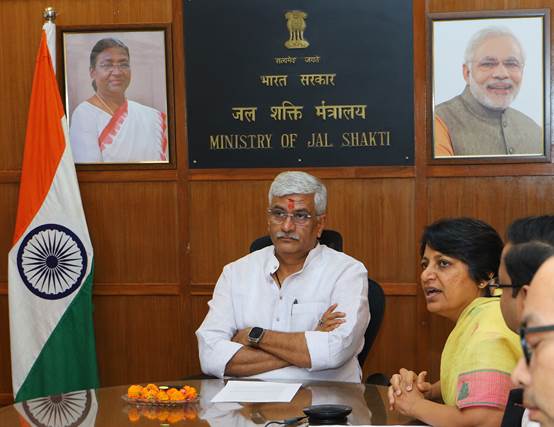
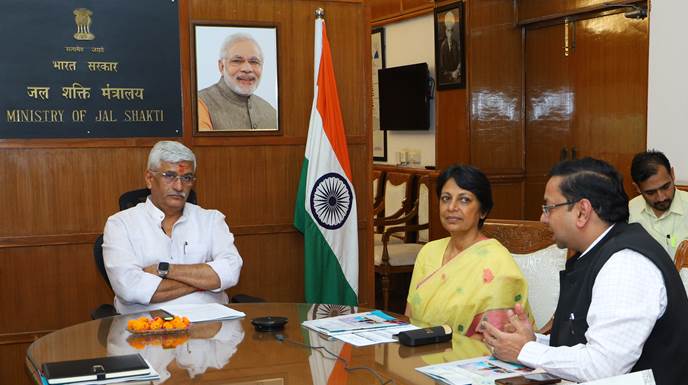
The Union Minister for Jal Shakti, Shri Gajendra Singh Shekhawat launched the Unified Registration Portal for GOBARdhan which will act as a one stop repository to assess investment and participation in Biogas/CBG sector at pan India level and more importantly streamline the process of setting up CBG/Biogas plants in India. Any government, cooperative or private entity operating or intending to setup a Biogas/CBG/Bio CNG plant in India can obtain a registration number by enrolling in this unified registration portal launched today. The registration number will enable availing of multitude of benefits and support from the Ministries & Departments of Government of India. States have been advised to get their CBG/Biogas plant operators registered on the portal on priority to avail existing and upcoming support from the Union Government.

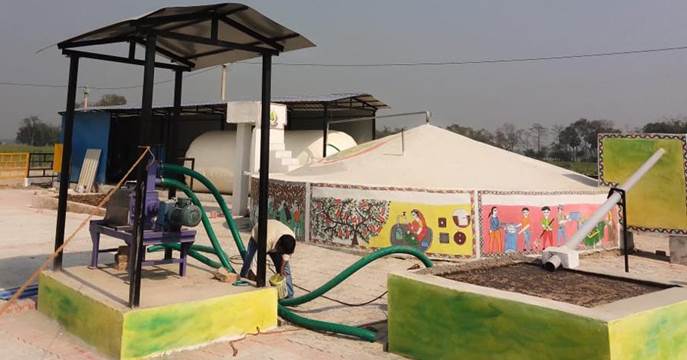
Galvanizing Organic Bio-Agro Resources Dhan (GOBARdhan) is a vital umbrella initiative of Government of India, based on the whole of Government approach and aims to convert waste to wealth towards promoting circular economy. Government of India intends to build a robust ecosystem for setting up Biogas/Compressed Biogas (CBG)/ Bio-Compressed Natural Gas (CNG) plants to drive sustainable economic growth and promote a circular economy. As the nodal department for GOBARdhan, Department of Drinking Water and Sanitation (DDWS), Ministry of Jal Shakti has developed this portal, which can be accessed at https://gobardhan.co.in. The launch was attended, in virtual mode, by Additional Chief Secretaries/Principal Secretaries (In charge of rural sanitation) of all States/UTs and representation of various central Ministries and Departments.

Addressing the gathering, the Union Minister for Jal Shakti, Shri. Gajendra Singh Shekhawat said that this Unified Registration Portal of GOBARdhan is a perfect example of Cooperative Federalism as the stakeholder Central Ministries, all line departments of Centre and States have come together in development and deployment of the portal. He stated, “Our visionary Prime Minister gave us the responsibility of ensuring ‘waste to wealth’ to which effect we launched the GOBARdhan initiative. With more than 650 GOBARdhan plants and this portal, we have made significant achievement in our waste to wealth generation journey”. The Union Minister further said that the portal will not only ensure Ease of Doing Business (EODB) but with aggregated data from all Ministries & Departments across Centre and States, the initiative will also attract greater investment from the private players. “I hope and urge everyone present here today that we must continue our concreted efforts to ensure faster pace and progress of outcomes – ‘gati aur pragati’ of the GOBARdhan initiative”, he added. Sh. Shekhawat highlighted that registering of new projects on the portal is a pre-requisite to avail any benefit/support of GoI schemes and programs (GOBARdhan related) and in that context he urged all private operators as well as Government stakeholders to register at the earliest on this Unified Registration Portal.Sh. Shekhawat concluded his address by congratulating all the Officers and stakeholders for all their efforts towards developing the portal.

Speaking on the occasion, Secretary, Department of Drinking Water and Sanitation, Ms. Vini Mahajan said that the Portal was the result of extensive consultative process among all stakeholder Ministries. She informed that the Portal was made live to all States, Ministries and Line Departments for dry run, to sort all technical issues. The CBG Producers Association was also made to test and explore the functioning of the portal. Ms. Mahajan added that the Portal displays information on both existing as well as proposed GOBARdhan projects and will be a valuable tool for investors as well as entrepreneurs of the sector.

Sh. Jitendra Srivastava, JS&MD, SBM(G) & GOBARdhan informed that as on date, more than 650 GOBARdhan plants have been reported by different stakeholders. He added that the portal is available in the public domain to ensure transparency as well as making data available for research and related purposes.

The objective of GOBARdhan is to generate wealth and energy by converting cattle dung, agri residue and other organic waste into Biogas, CBG and bio fertilizers. This initiative comprises the entire gamut of schemes, programmes, policies promoting the conversion of organic waste like cattle dung, agri-residue etc. to biogas/CBG/Bio CNG. It encompasses schemes/programmes under various Ministries & Departments viz. Waste to Energy Scheme of M/o New and Renewable Energy, SATAT (Sustainable Alternative Towards Affordable Transportation) scheme of M/o Petroleum and Natural Gas, SBM(G) Phase II of DDWS, Agri Infrastructure Fund (AIF) of Dept. of Agriculture Cooperation & Farmers Welfare and Animal Husbandry Infrastructure Development Fund (AHIDF) of Dept. of Animal Husbandry & Dairy. GOBARdhan is being implemented in partnership with State Governments and Private Sector including entrepreneurs, societies etc. Any plant/project producing CBG/Biogas (more than 10 cuM/day) and bio slurry as principal outputs is eligible to be under the ambit of GOBARdhan.

GOBARdhan initiative is envisioned to contribute significantly towards reaching India’s climate action goals particularly achieving net-zero emissions by 2070. With the highest livestock population in the world, India produces vast amounts of animal waste. CBG/Biogas sector can play a crucial role in India’s energy transition, ensuring energy security and affordability, enhancing entrepreneurship, providing rural employment, and boosting local economies. Transitioning to CBG/Biogas can contribute to job creation for semi-skilled and skilled labor in multiple areas viz. waste collection, operations, construction etc. It will benefit rural people in general and women in particular from the use of clean fuel, improved cleanliness in villages and consequent improvement in health outcomes (through decreased incidence of vector borne and respiratory diseases). Initiative will also augment nation’s efforts toward achieving the Sustainable Development Goals (SDGs) viz. SDG 3: Good Health and Wellbeing, SDG 6: Clean Water & Sanitation, SDG 7: Affordable & Clean energy, SDG 13: Climate Action; amongst others. Further, the initiative contributes significantly towards circular economy, and Govt.  of India’s Mission LiFE.

It encompasses schemes/programmes under various Ministries & Departments viz. Waste to Energy Scheme of M/o New and Renewable Energy, SATAT (Sustainable Alternative Towards Affordable Transportation) scheme of M/o Petroleum and Natural Gas, SBM(G) Phase II of DDWS, Agri Infrastructure Fund (AIF) of Dept. of Agriculture Cooperation & Farmers Welfare and Animal Husbandry Infrastructure Development Fund (AHIDF) of Dept. of Animal Husbandry & Dairy. Other stakeholder Ministries are M/o Housing and Urban Affairs, D/o Agriculture Research and Education, D/o Rural Development, D/o Fertilizers, M/o Environment Forest and Climate Change, D/o Science and Technology, M/o Skill Development and Entrepreneurship.

The Union Government is firmly committed in its endeavor to build a robust CBG/Biogas policy ecosystem in India. Few initiatives which are in the pipeline, aim to strengthen CBG/Biogas supply chain with special thrust on aggregation of biomass, grid pipeline connectivity, enabling organic farming practices, supporting Research & Development and constant engagement across CBG/Biogas stakeholders.

*****