G20 Thematic Workshop on Nari Shakti: Towards Women-Led Development organised by NITI Aayog

 A workshop on the theme of Nari Shakti: Towards Women-led Development, emanating from the New Delhi Leaders’ Declaration 2023 (NDLD 2023), was held on 8 November 2023 at New Delhi.  The workshop was organized by NITI Aayog in collaboration with Institute of What Works to Advance Gender Equality (IWWAGE). This workshop was part of the series of thematic workshops steered and anchored by the NITI Aayog towards action items in the NDLD 2023.

The workshop focused on specific themes for enhancing the role of women in economy through economic and social empowerment. Discussions were held of topics of strengthening women’s collectives like Self-Help Groups (SHGs), Farmer Producer Organizations (FPOs); bridging gender skills gap and promoting women entrepreneurs; and strengthening legal safeguards for women’s empowerment.

The Workshop commenced with inaugural remarks by Dr. V.K Paul, Member NITI Aayog, where he highlighted that women-led development has been emphasized by our Hon’ble Prime Minister through various initiatives and programmes over the last few years. However, he underscored the challenge of low female labour force participation and stressed upon leveraging their social capital by providing them an enabling ecosystem. He called to synergize pathways of G20 priorities and national agendas, and create actionable strategies to achieve the same.

Dr. Preetam B Yashvant, Joint Secretary, Ministry of Women and Child Development, emphasized of the paradigm shift where women are no longer recipients but active participants in the development discourse. He further highlighted that G20 was truly a Peoples’ Presidency where women-led development was showcased through ‘Jan Bhagdari’ activities.

Dr Sandhya Purecha, Chair W20 India, highlighted that Nari Shakti encapsulates the strength that women embody and women-led development is a moral obligation necessary for equitable society.

The theme on Women in the Economy: Enhancing Women’s Economic and Social Empowerment delved into increasing women’s labour force participation to achieve women-led development. Issues like recognizing gender disparity in domestic and care work; and increasing investment in this sector to enable more women to participate meaningfully in the workforce; exploring the potential of gig economy; bridging gender skill gaps and social security for women; enhancing policies to create gender inclusive and supportive workplaces; and role of private sector to enhance and retain female workforce, were discussed.

The theme on Women’s Collectives: Strengthening SHGs, Women led FPOs and Rural Women’s Leadership Abilities focused on sharing the best practices in the women’s collectives’ space and strategies to scale them pan-India. The segment engaged in developing strategies to enable these women’s collectives reach the next stage of economic empowerment through formation of large producer enterprises or collectives and fostering leadership abilities among rural women.

The theme on Women and the Future of Work: Bridging Digital and Skilling Gaps for Access to Jobs and Strengthening Women’s Entrepreneurship concentrated on enhancing women’s access to digital skills and infrastructure, prioritizing quality and safety, to ensure a secure and inclusive digital literacy experience, fostering greater participation in the digital ecosystem. It also focused on incentivizing employers to promote women’s participation in non-traditional sectors by addressing structural issues that shape gender roles, thereby encouraging women’s entrepreneurship and diversification of career aspirations.

In the segment of Legal Safeguards for the Empowerment of Women, discussions focused on creating an enabling ecosystem by prioritizing women’s safety through improved public infrastructure, strengthening the implementation of gender-friendly laws by effective monitoring, evaluation and placing accountability system, and developing gender-disaggregated data for more evidence-based policy for women-led development.

This workshop provided a platform for experts, academics, experts, and civil society and think tank representatives working on gender empowerment to collaborate and design a roadmap for comprehensive gender equality and empowerment.

*****

NITI Aayog organised workshop on Green Development Pact for a Sustainable Future

 NITI Aayog organised a workshop on “Green Development Pact for a Sustainable Future” at hotel Le Meridien, New Delhi today. The workshop was structured around the G20 New Delhi Leaders’ Declaration (NDLD), which includes the Green Development Pact. The Green Development Pact provides pathways for nations in their journey towards achieving the energy, climate, environment and disaster resilience related objectives.

The workshop was aimed at discussing implementation strategies for the Green Development Pact in India, aligning with the G20 NDLD and encouraging India’s leadership role for the global advancement of pathways laid out in the Green Development Pact. The event saw participation from stakeholders from across the country, including think tanks, educational institutions, industry, state governments and central government. Approximately, 4600 participants joined the event online.

Shri Pankaj Agarwal, Secretary, Ministry of Power outlined the policy initiatives taken to advance green development in India such as Production Linked Incentives (PLI) scheme for high efficiency solar PV modules, Renewable Purchase Obligations and Carbon Credit Trading Scheme. He highlighted measures for strengthening the distribution sector like the Revamped Distribution Sector Scheme and also highlighted the role of fossil-based energy in the context of rising electricity demand in particular months.

Shri Amitabh Kant, G20 Sherpa, remarked that India overcame many challenges to evolve a consensus on the Green Development Pact. He emphasized that the Green Development Pact includes key ambitions such as tripling of global renewable capacity by 2030 and rapidly scaling up climate finance from billions to trillions of dollars. He remarked that India had set the agenda for the global discussions on energy transition and climate action.

Prof Ramesh Chand, Member, NITI Aayog said that the workshop reflects seriousness for implementation of the NDLD and India is leading by example in this regard. Further, he remarked that Green development is centered around nature and environment and while clean energy is important, there is also the need for affordable energy and promoting energy efficiency. He emphasized the need for changing lifestyles to find solutions for sustainability concerns.

During the workshop, three separate sessions were held for discussing wide range of issues.

The first session focused on Implementing Clean, Sustainable, Just, Affordable & Inclusive Energy Transition and included issues such as energy security, facilitating technology access, creating enabling environment and encouraging innovation. The participants discussed strategies to address issues such as facilitating low-cost finance and supporting reliable, diversified and responsible supply chains with effective policy instruments.

The second session was oriented on Restoring, Conserving and Sustainably Using Ecosystems and discussions were held on the issues such as mainstreaming lifestyles for sustainable development (LiFE), designing a circular economy and ending plastic pollution. The participants touched upon novel concepts including bio-circular-green economy, scaling up voluntary initiatives and breaking silos for a harmonized approach

The third session on Adaptation and Disaster Resilient Infrastructure was focused on building resilient infrastructure against the climate risks. Topics for discussion under this session included climate forecast, mainstreaming disaster risk and resilience, coastal states/ city-level preparation and financing climate resilience. The participants stressed on the need for data and capacity building, measuring and quantifying risk and the returns on investing in resilience.

NITI Aayog organised a series of ten thematic workshops on key agendas of New Delhi Leader’s Declaration (NDLD) to devise actionable strategies and plans that can be implemented to provide impetus to growth and prosperity of the country.

*****

Sustainability Tourism takes center stage as India

 Key Highlights

  • Incredible India” made an impressive impact at the World Travel Market (WTM) 2023
  • Secretary, Ministry of Tourism, Ms. V. Vidyavathi participated in high-level engagements including UNWTO-­WTTC Tourism Ministers Summit and a panel discussion on empowering communities
  • The Ministry introduced its latest campaign, “Travel for LiFE,” aimed at mainstreaming sustainability
  • The Ministry of Tourism hosted a grand India Evening attended by over 200 key stakeholders from the UK hospitality and tourism sector

“Incredible India,” wrapped up its impressive presence at World Travel Market (WTM) 2023 with resounding success, solidifying India’s position as a must-visit global destination. WTM 2023, held from 6 to 8 November 2023 provided “Incredible India” with a unique platform to showcase the country’s diverse tourism products under the theme of ‘Visit India 2023’ with a dedicated focus on promoting sustainable tourism.

The Incredible India pavilion was inaugurated by H.E. Shri Vikram Doraiswami, High Commissioner of India to the UK and Ms. V. Vidyavathi, Secretary Tourism, Government of India in the presence of Shri Rohan Khaunte, Minister of Tourism, Government of Goa and other distinguished delegates.

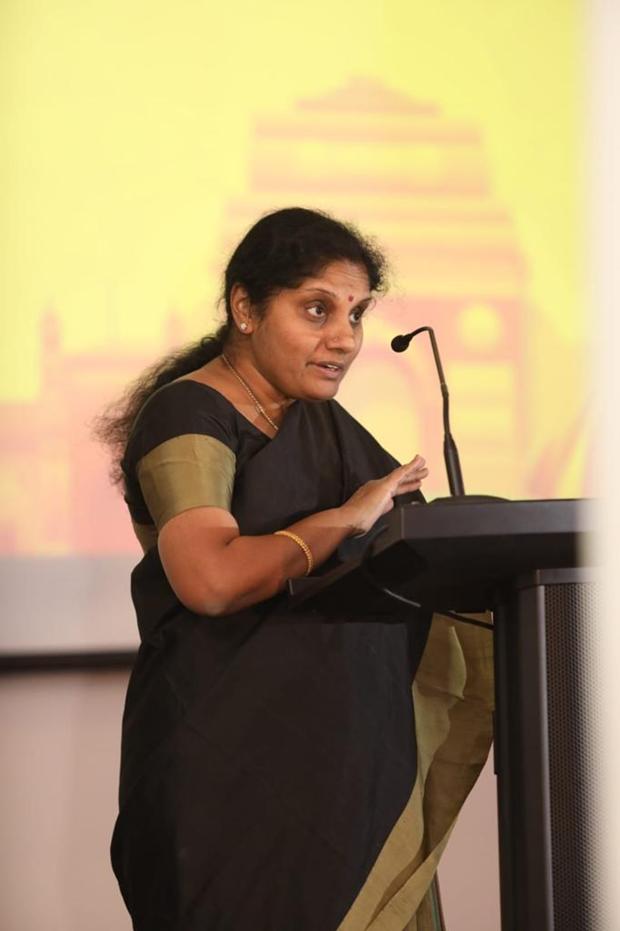
Ms. V. Vidyavathi, Secretary, Ministry of Tourism actively participated in the UNWTO – WTTC Tourism Ministers Summit on ‘Transforming Tourism through Youth and Education’ held at Elevate Stage on the first day. On the second day, the Secretary Tourism contributed to a panel discussion ‘Engaging Communities in the Business of Tourism.’ Emphasing the significance of local communities in the tourism industry. The panel was skilfully moderated by Harold Goodwin, WTM Responsible Tourism Advisor, Responsible Tourism Partnership.

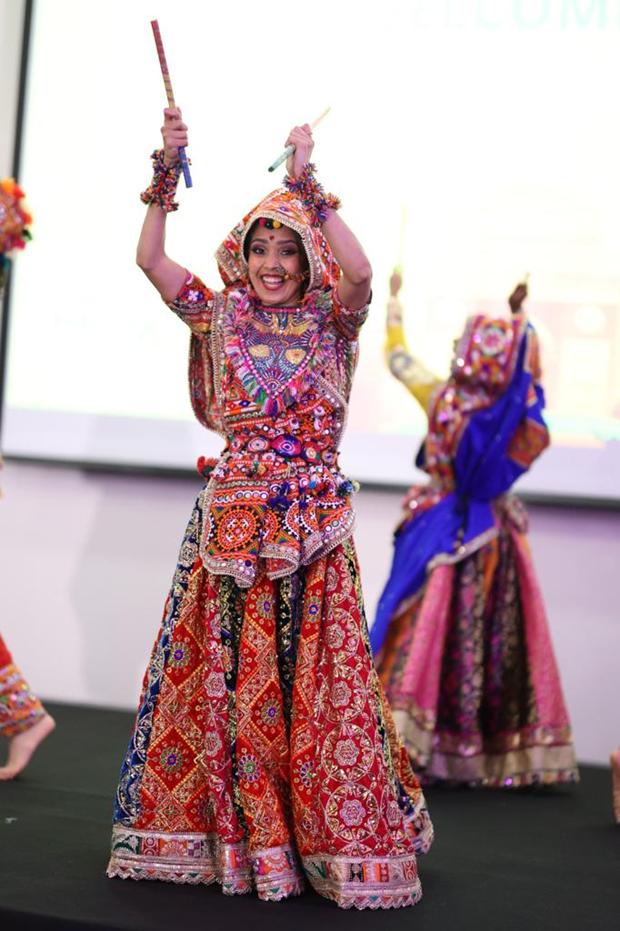
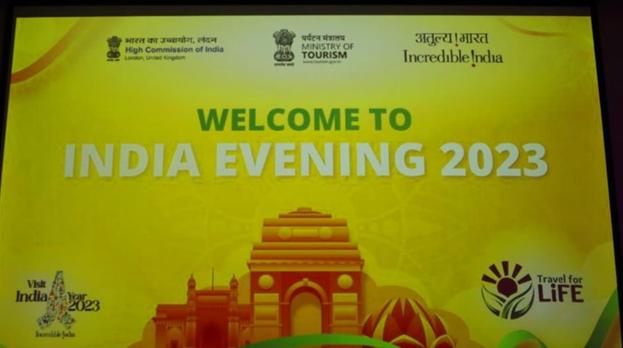
Ministry of Tourism hosted a spectacular India Evening at a five-star hotel in London on the second day of the event which was attended by more than 200 tour operators, travel agents, media, other prominent stakeholders from the hospitality and tourism industry based in the UK. The Secretaries of various State Governments and other delegates from India participated in WTM 2023 were also present.

Ms. V. Vidyavathi, Secretary, Tourism introduced the Ministry’s  latest campaign, “Travel for LiFE,” with a primary objective to mainstream sustainability in the Indian tourism sector. This campaign aims to create more resilient, inclusive, carbon-neutral, and resource-efficient tourism while safeguarding natural and cultural resources.

“Travel for LiFE’ program will encourage tourists to take simple actions that result in conservation of the environment, biodiversity, improvement in the local economy and preservation of the socio-cultural integrity of the local communities. It aims to create mindful and deliberate utilization of resources by the stakeholders in the tourism value chain,” remarked Ms. V. Vidyavathi, Secretary Tourism.

Guests were treated to a showcase of Incredible India films, the Travel for LiFE video, as well as films from the state tourism boards of Madhya Pradesh, Bihar, Karnataka, and Rajasthan. Throughout the evening, attendees enjoyed delicious Indian cuisine and were delighted by performances of traditional Indian folk dances of Garba and Bhangra. Furthermore, lucky guests won prizes generously provided by Narain Niwas Palace, Taj Group of Hotels, and Antara river cruise.

“Incredible India” at WTM 2023 was not only a presentation of India’s tourist offerings but also a celebration of sustainable and responsible tourism, culture, and community engagement.

India Tourism at WTM 2023

The Indian Delegation to WTM from 6-8 November 2023 is headed by Ms. V. Vidyavathi, Secretary, Ministry of Tourism, Government of India. This year, the Incredible India Pavilion saw the participation of 47 individuals, representing a diverse range of entities, including tour operating companies, destination management companies (DMCs), and State Tourism Departments from Delhi, Uttarakhand, Jammu & Kashmir, Bihar, Meghalaya, Arunachal Pradesh, Odisha, Assam, and the Indian Railways Catering and Tourism Corporation (IRCTC). The State Tourism Departments of Kerala, Karnataka, Ladakh, Rajasthan, Madhya Pradesh, Goa, Uttar Pradesh, Maharashtra, took their own pavilions to showcase their products and services and connect with potential clients and partners. Throughout the three days, the Indian delegation, led by Ms. V. Vidyavathi, Secretary, Ministry of Tourism, held productive meetings with various influential tour operators, media representatives, and key stakeholders in the UK travel market and use the platform to foster connections, explore business prospects, and share insights and knowledge.

Visit www.incredibleindia.org

*******

Deendayal Antyodaya Yojana – National Rural Livelihood Mission

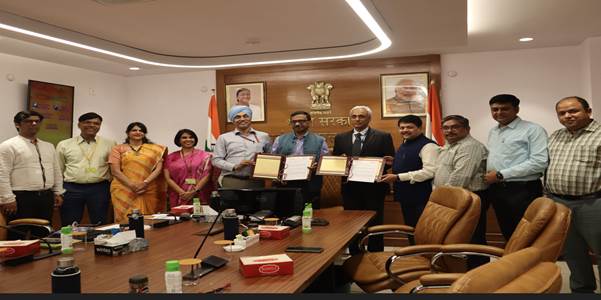
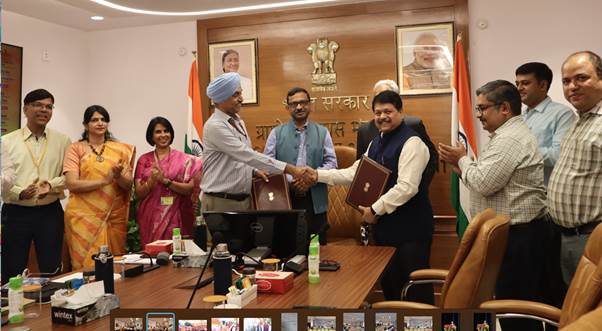
 DeendayalAntyodayaYojana – National Rural Livelihood Mission (DAY-NRLM) under the Ministry of Rural Development and the Small Industries Development Bank of India (SIDBI) signed a historic Memorandum of Understanding (MOU) that marks a significant milestone in the journey of women-led enterprises in India. The MoU, which is set to span two years, was inked today by DAY-NRLM and SIDBI in the presence of Secretary Rural Development Shri Shailesh Kumar Singh and Chairman & Managing Director SIDBI Shri Sivasubramanian Ramann. Additonal Secretary Rural Livelihoods Shri Charanjit Singh signed the document on behalf of DAY-NRLM while SIDBI was represented by their Chief General Manager Dr. S. S. Acharya. Other dignitaries present during the event were Smt Smriti Sharan and Smt Swati Sharma Joint Secretaries Rural Livelihoods, Director Rural Livelihoods Shri Raghevendra Pratap Singh and Dy. General Manager SIDBI Shri Saurav Bajpai.

This strategic partnership brings together the expertise of DAY-NRLM and SIDBI to create a transformative initiative aimed at promoting women-led enterprises among experienced members of Self Help Groups (SHGs). The primary focus of this collaboration is to demonstrate on-the-ground activities that establish a reliable and sensitive support structure for the capacity enhancement of women entrepreneurs (WEs). Furthermore, it aims to institutionalize standard protocols, systems, and procedures for streamlined access to formal finance, as well as the development of a comprehensive framework for new financial products and schemes.

Key outcomes expected from this collaboration are:

  • Enhanced capacity and ability of State Rural Livelihood Missions (SRLM) teams to promote the graduation of seasoned SHG members into micro-entrepreneurs
  • The establishment of a reliable and sensitive support architecture for women-led enterprises, involving a network of field cadres, mentors, and experts
  • The implementation of standardized protocols within DAY-NRLM to support women-led enterprises
  • The formation of partnerships with financial institutions and a network of financiers
  • The design and implementation of new financial schemes, such as credit guarantees and interest subventions
  • The creation of clear, scalable models for promoting women-led enterprises which can be replicated nationwide

This strategic partnership reflects the Government’s commitment to women’s economic empowerment and entrepreneurship, focusing on making the entrepreneurial landscape more inclusive and supportive of women-led businesses. By combining the strengths of DAY-NRLMand SIDBI, this initiative seeks to open up new avenues for women entrepreneurs, ultimately contributing to the economic growth and prosperity of the nation.

*******

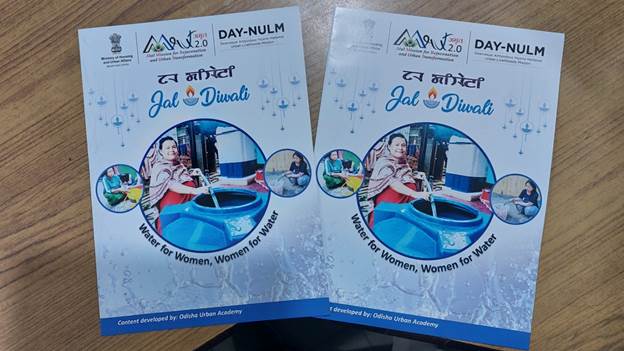
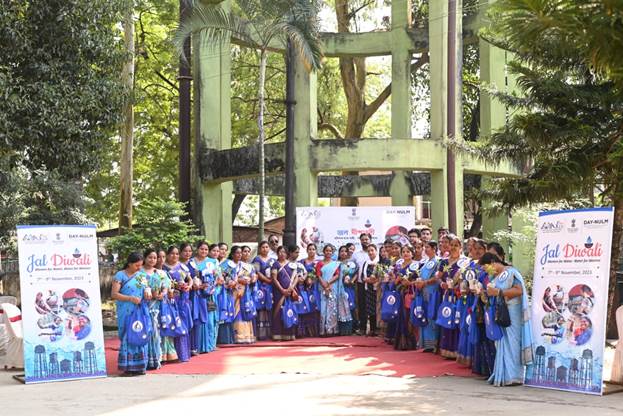
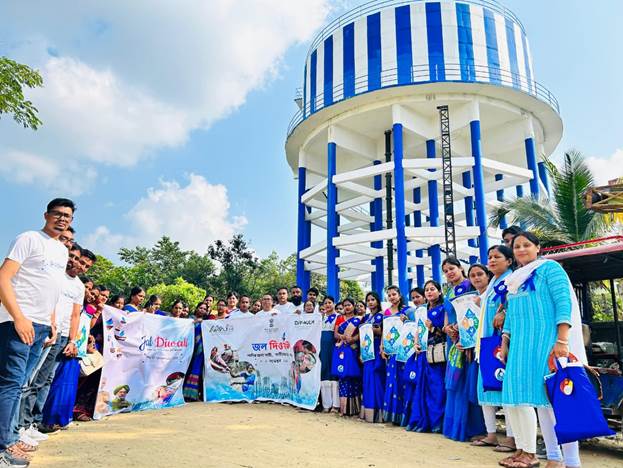
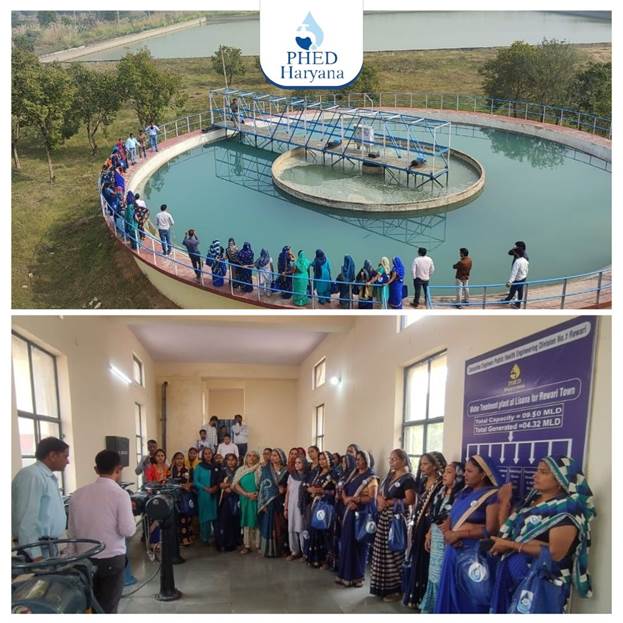
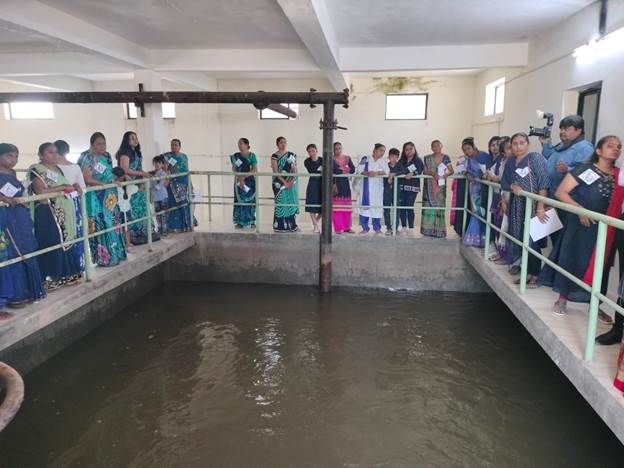
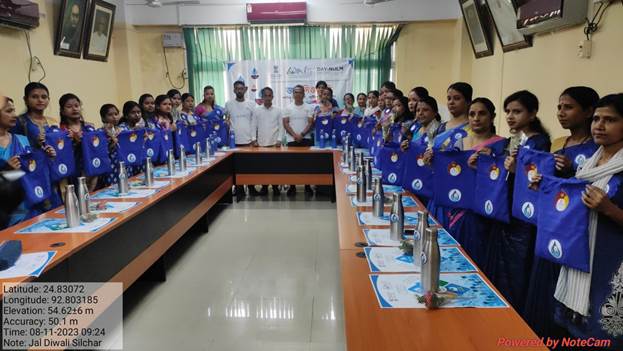
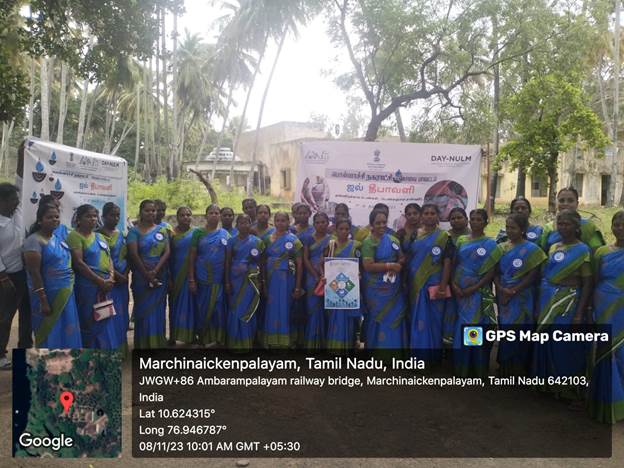
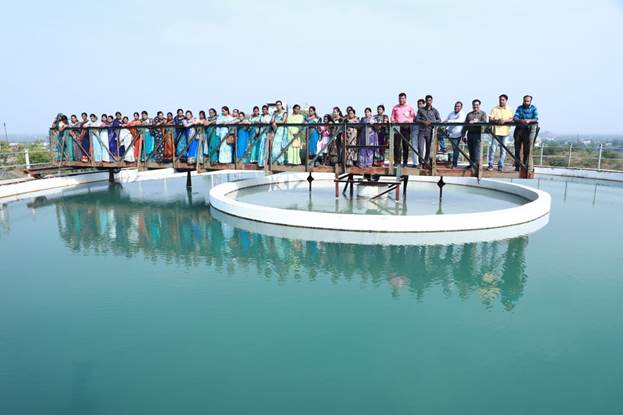
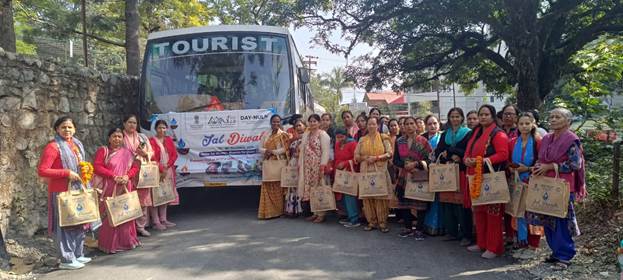
Women for Water, Water for Women” – Jal Diwali Campaign

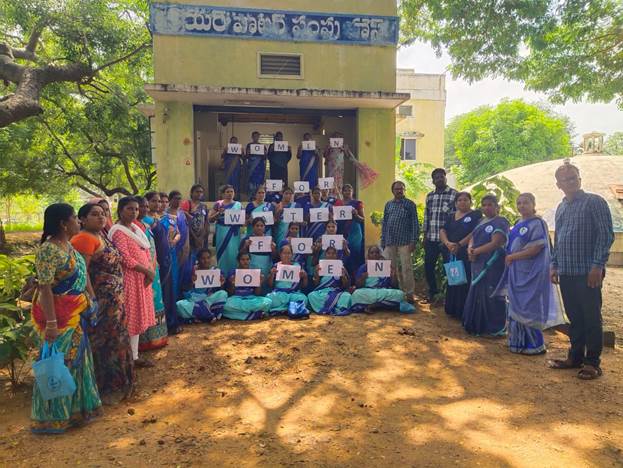
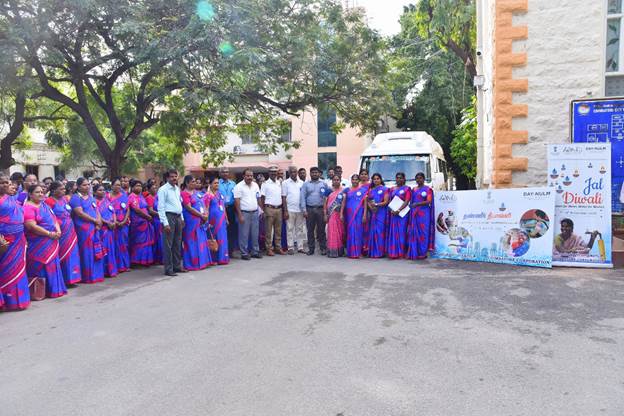
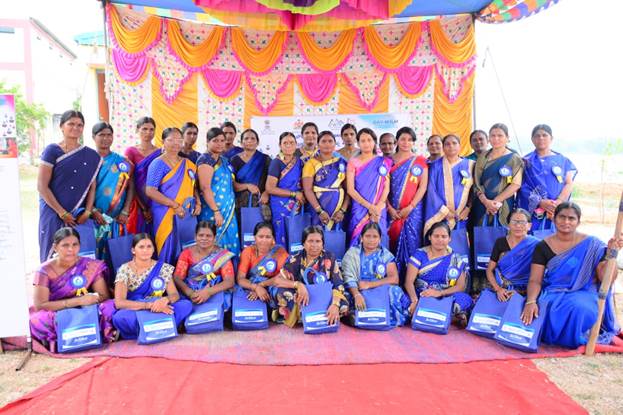
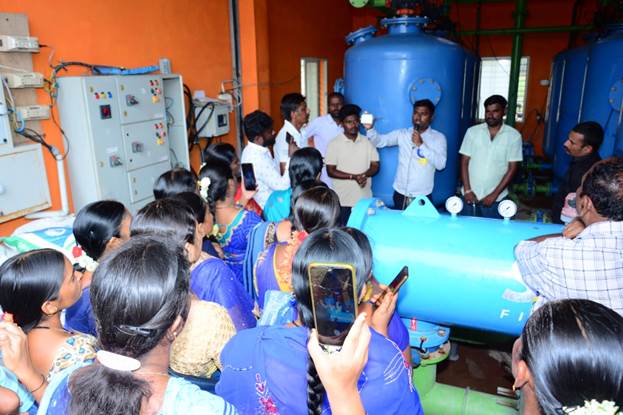
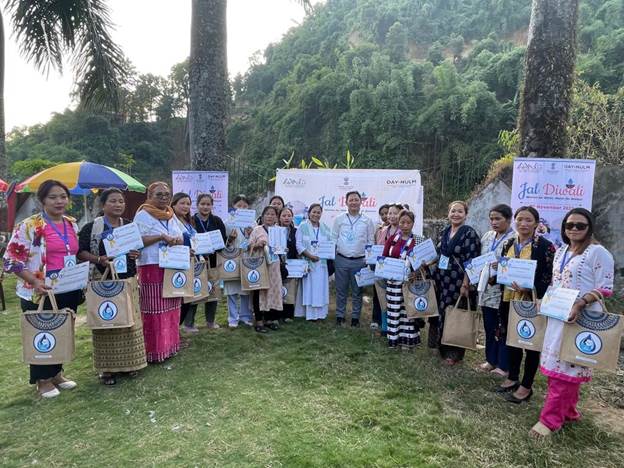
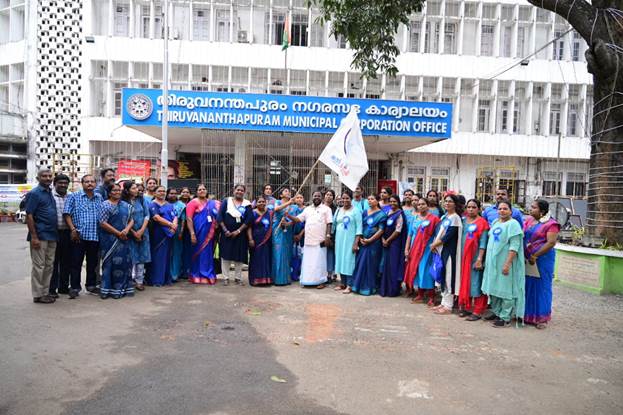
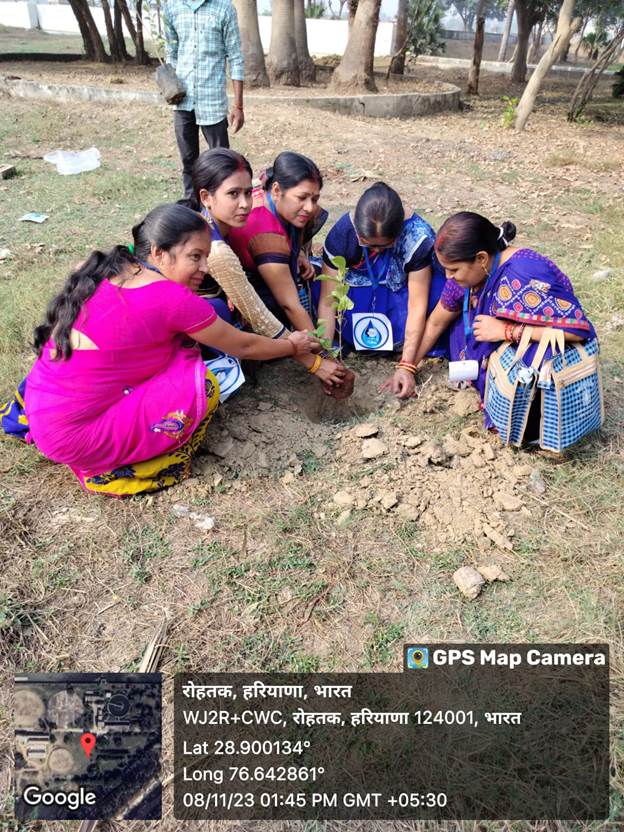
 The “Women for Water, Water for Women” campaign, a pioneering initiative by the Ministry of Housing and Urban Affairs (MoHUA) in partnership with the National Urban Livelihood Mission (NULM) and Odisha Urban Academy, concluded with resounding success on its third day, 9th November, 2023. The transformative campaign, under the flagship scheme Atal Mission for Rejuvenation and Urban Transformation (AMRUT), was aimed at fostering inclusion of women in water governance.

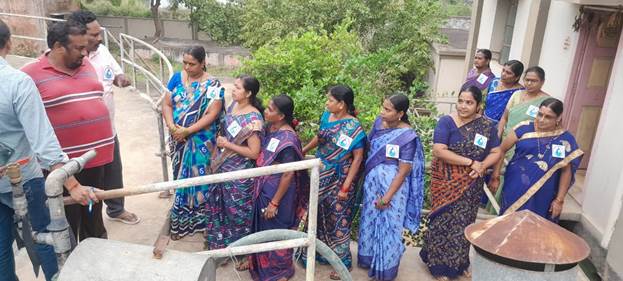
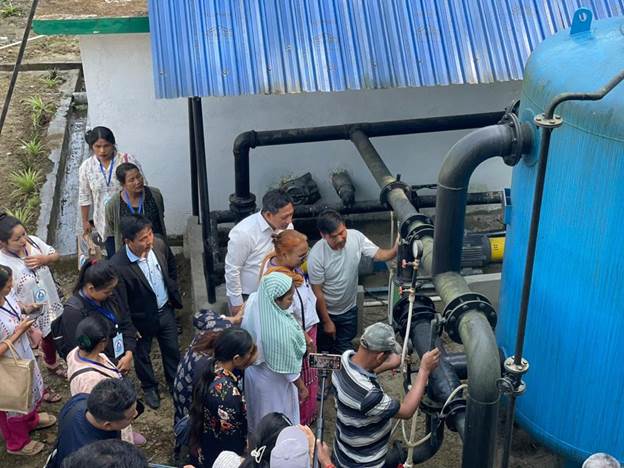
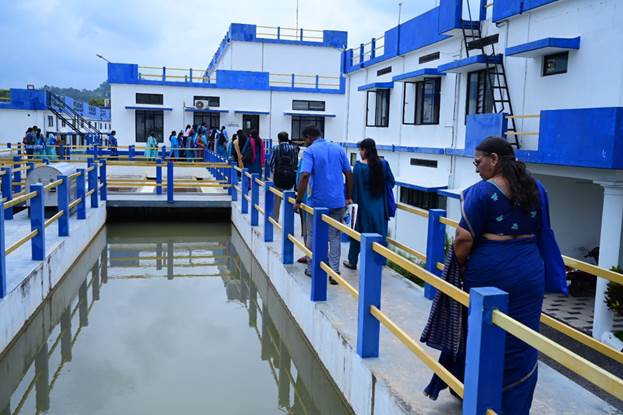
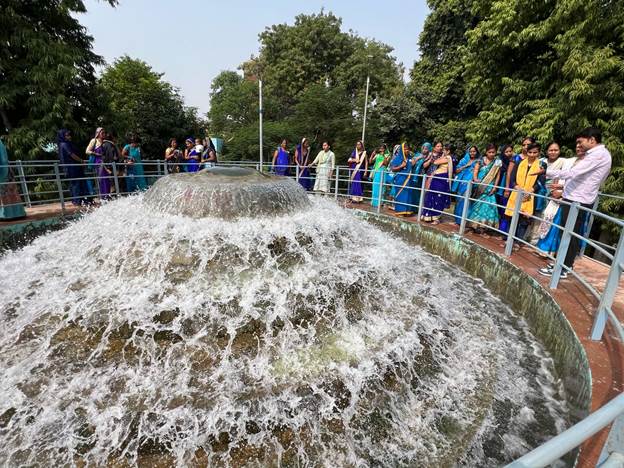
The campaign spread across three days, witnessed participation of over 14,000 women from various parts of the country (excluding poll-bound States), who actively engaged in “Jal Diwali”. During the campaign, these empowered women embarked on visits to over 530 Water Treatment Plants (WTPs) nationwide and gained invaluable firsthand knowledge of the intricate processes involved in delivering clean and safe drinking water to households.

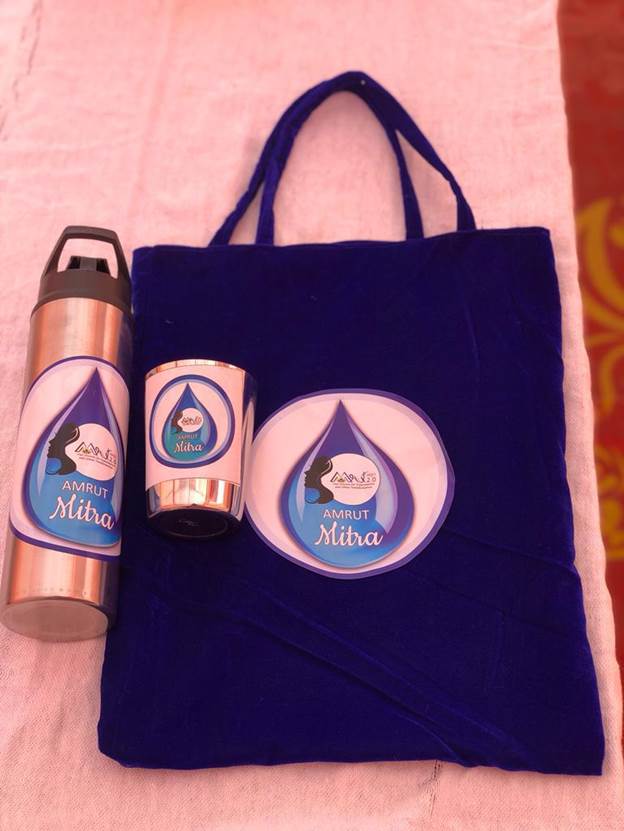
State officials extended a warm welcome to the SHG women, emphasizing their crucial role in the campaign’s success. Field visit kits, including essentials such as training manual, water bottles, sippers, eco-friendly bags, and badges, were presented to all participants.

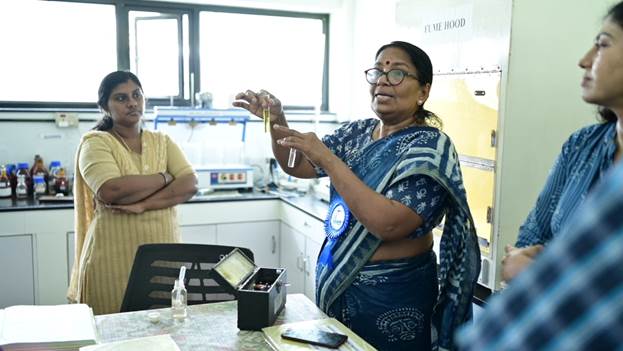
Throughout the campaign, women delved deeper into the sphere of water infrastructure, receiving expert guidance on water quality testing protocols, and performed these tests themselves. This knowledge will further empower them to ensure the highest standards of water purity for their communities, reflecting a profound sense of ownership and responsibility towards water infrastructure.

The focus areas of “Jal Diwali” included familiarizing and educating women about the AMRUT scheme and its widespread impact, providing comprehensive exposure to Water Treatment Plants, and promoting inclusivity through souvenirs and articles crafted by Women Self-Help Groups (SHGs). Additionally, participants committed to conserve and utilize water resources judiciously, a crucial step towards sustainable water management.

The collective efforts of SHGs and State officials from 29 States/ UTs have made a significant stride towards inclusivity and women empowerment in the critical domain of water infrastructure.

Figure 1 Andhra Pradesh

Figure 2 Tamil Nadu

Figure 3 Manipur

Figure 4 Assam

Figure 5 Assam

Figure 6 Haryana

Figure 7 Gujarat

Figure 8 Assam

Figure 9 Tamil Nadu

Figure 10 Maharashtra

Figure 11 Uttarakhand

Figure 12 Karnataka

Figure 13 Karnataka

Figure 14 Puducherry

Figure 15 Arunachal Pradesh

Figure 16 Arunachal Pradesh

Figure 17 Kerala

Figure 18 Kerala

Figure 19 Kerala

Figure 20 Haryana

Figure 21 Punjab

Figure 22 Uttar Pradesh

********

Annual Capacity Building Plan (ACBP)

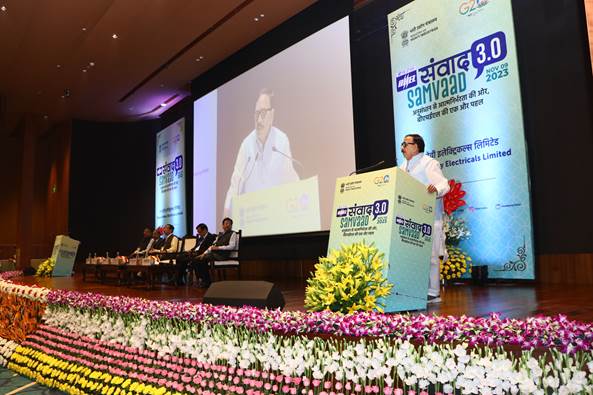
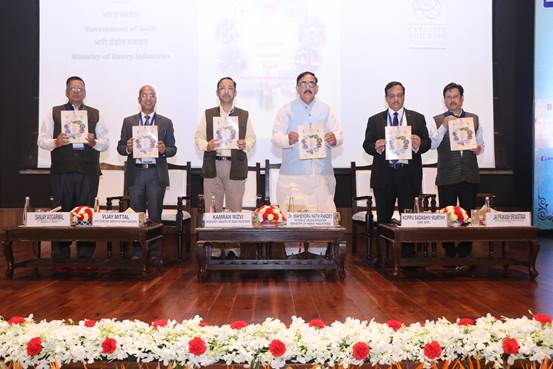
 Bharat Heavy Electricals Limited (BHEL) under the aegis of Ministry of Heavy Industries (MHI) successfully organised “BHEL SAMVAAD 3.0 – अनुसन्धान से आत्मनिर्भरता की ओर, BHEL की एक और पहल” the third edition of its dialogue with domestic business partners, industry associations, academia and research institutes to promote local suppliers, at Bharat Mandapam today.

In this mega-event,  Dr. Mahendra Nath Pandey, Union Minister for  Heavy Industries launched the MHI’s ‘Annual Capacity Building Plan (ACBP)’ for 2023-24 outlining key strategic areas with focused capacity-building initiatives within the Ministry to enhance capability across all levels to achieve maximum governance to fulfill the  PM’s vision of Mission Karmayogi (National Programme for Civil Services Capacity Building (NPCSCB) Plan).

Addressing the gathering, Dr. Pandey said that  under the leadership of  Prime Minister Shri Narendra Modi today, we are moving towards building a New India. He further mentioned that five pillars of Aatmanirbhar Bharat (economy, infrastructure, systems, vibrant demography and demand) have not only strengthened our manufacturing capabilities but also helped in reducing our dependence on foreign goods, which is also important from the national securities’ point of view.


Lauding the indigenization efforts of BHEL, he expressed happiness for the initiative taken by BHEL under the name BHEL SAMVAAD since Dec’2020. 

In his address, Shri Kamran Rizvi, Secretary (HI) shared that the Ministry is working extensively towards providing an ecosystem for the growth of the heavy industry sector. He underlined the significant role of BHEL in shaping the industrial landscape in the country that has helped in reducing India’s dependence on imports, and initiatives like BHEL SAMVAAD stand testimony to their commitment towards Aatmanirbhar Bharat.

Talking about the emergence of new technologies and the need to update the current technological capabilities, Shri Rizvi emphasized that newer technologies are being developed almost every day in today’s world, and learning new skills and accumulating knowledge of current trends is a need of the hour. He  also informed about the government platform, where more than 1000 courses are being offered for skill upgradation. He pointed out that the Annual Capacity Building Plan (ACBP) is the right step in this direction.

Shri Vijay Mittal, Joint Secretary (HI) informed about the efforts made by BHEL along with its successful partners in the indigenization of critical components. Mentioning the importance of each official’s role down the line, he quoted “Any chain is as strong as its weakest link”. Two unique immersion programs have been conducted by the Ministry on “Industry 4.0” and “Electric Vehicles” as part of a knowledge addition program for Ministry officials. He added that after thorough discussions with all the stakeholders, various modules for training have been prepared and domain-specific knowledge has been created for MHI.

The star performers (suppliers/vendors) among BHEL success partners, who contributed towards Aatmanirbhar Bharat were felicitated by the Minister.

Senior officials from MHI, CMD & other Board members of BHEL, Sr. officials from Department of Expenditure, Ministry of Steel, DPIIT, representatives of local vendors, industry associations, academia and research institutes participated in the event.

 *****
Aspirational Young India

 Union Minister for Commerce and Industry, Consumer Affairs, Food & Public Distribution and Textiles, Shri Piyush Goyal in his inaugural address at the ‘DPIIT-CII National Conference on Ease of Doing Business’ held in New Delhi yesterday said that Aspirational Young India will spur the future growth of India.

Shri Goyal said that the foundational economic reforms undertaken by the Government has ensured that India moved from fragile 5 to top 5 economies in the last 5 years. The Minister lauded the Industry for supporting the national initiative of Ease of Doing Business (EoDB) and said that the Government is working to take EoDB to the next level.

‘National Conference on Ease of Doing Business’ was held at New Delhi on 8th November 2023. Department for Promotion of Industry and Internal Trade (DPIIT), a nodal department for Ease of Doing Business organized the conference in association with Confederation of Indian Industry (CII).

The Conference covered many important areas relating to Ease of Doing Business. Sessions regarding Ease of Doing Business way Forward, National Single Window System, Strengthening Dispute Resolution mechanism, Easing Paying Taxes and customs procedures were part of the conference. Sessions involved participation from representatives of States, Central Ministries and industry.

Session 1 on EODB Reforms – Journey so far and way forward was chaired by Secretary, DPIIT, Shri Rajesh Kumar Singh.  Secretary, DPIIT in his keynote address covered initiatives by DPIIT related to EODB (state rankings and reforms), NSWS, minimizing compliance burden (Jan Vishwas Bill), Preparations for Jan Vishwas Bill 2.0, Cost of regulation and briefed on upcoming World Bank B-Ready framework. He further encouraged the industry to work more closely on all initiatives and share suggestions. Mr. Ajay Shriram, MD, DCM Shriram Limited and Mr. Sunil Kant Munjal, Chairman, Hero enterprise shared industry concerns. Shri Navneet Mohan Kothari, MD, MP Industrial Development Corporation, Govt. of MP and Shri Sandeep Sagle, Commissioner, Industries and Commerce department, Govt. of Gujarat made presentations on States’s best practices, effective and simplified Single window portal and implementation of EODB reforms.

Session 2 on National Single Window system – One stop solution for all approvals/renewals was chaired by Joint Secretary, DPIIT, Ms. Manmeet Nanda. She encouraged the industry members and SMEs to utilize the National Single Window system for obtaining complete guidance on identifying and applying for approvals according to the business requirements. She also sought feedback for improving user experience and to achieve the goal of making this platform a true, genuine National Single Window. Senior government officials from the State governments of Uttar Pradesh, Nagaland and Central Ministries (Ministry of Labour & Employment and Ministry of Environment, Forest and Climate Change) addressed the audience and enumerated various initiatives led by their respective departments enabling ease of doing business and highlighted on the positive feedback received from the industry users from ease of usage post the integration of respective departmental services on NSWS.

In Session 3, strengthening dispute resolution mechanism, discussions were held on streamlining the enforcing contracts mechanism, Decriminalization of Business Laws, Strengthening the role of Alternate Dispute Resolution (ADR) Ecosystem. For Decriminalization, it was highlighted that discussions have been held on future implementation of retrospective applications of provisions that would be beneficial in reducing burden on courts. The discussions revolved around reducing the government litigation through systematic change in attitude and delaying of cases by officers, restricting the time for arguments and looking into limiting the number of adjournments, increasing the number of courts, tribunal and judges.

In Session 4, Easing Paying Taxes and Customs Procedures, discussions were held on Minimizing Tax Litigation, improving processes involved in refund/credit/returns, Rationalizing Procedural Compliances in GST, Streamlining and expediting the Customs processes and procedures.

***

Vacancy for Managers at National High Speed Rail Corporation Limited (NHSRCL)

National High Speed Rail Corporation Limited (NHSRCL) is a special purpose vehicle incorporated under the Companies Act, 2013 with an objective to finance, construct, maintain and manage the High Speed Rail Corridor in India. It is a joint venture of the Government of India and participating state governments. The company has been entrusted with the responsibility of executing the operations of high-speed corridors in India. NHSRCL has been involved in various activities such as recruitment, tendering, and social initiatives.

1. Senior Manager (Architecture)

Positions: Senior Manager (Architecture)
No. of Vacancy: 01 Nos.
Institution: National High Speed Rail Corporation Limited (NHSRCL)
Qualification: ✔️ Essential: Bachelor of Architecture from recognized institute/ university.
✔️ Desirable : Masters in Architecture/ Planning.
Experience: ✔️ Details Provided Below.
Job Description: ✔️ Details Provided Below.
Type: Full Time / Contractual
Location: New Delhi / Mumbai
Salary: ✔️ Rs. 70,000 – 2,00,000 (E4)
Apply at: ✔️ Apply Link
Walk-In-Interview: 30 November 2023

2. Manager (Architecture)

Positions: Manager (Architecture)
No. of Vacancy: 03 Nos.
Institution: National High Speed Rail Corporation Limited (NHSRCL)
Qualification: ✔️ Essential: Bachelor of Architecture from recognized institute/ university.
✔️ Desirable : Masters in Architecture/ Planning.
Experience: ✔️ Details Provided Below.
Job Description: ✔️ Details Provided Below.
Type: Full Time / Contractual
Location: New Delhi / Mumbai
Salary: ✔️ Rs. 60,000 – 1,80,000 (E3)
Apply at: ✔️ Apply Link
Walk-In-Interview: 30 November 2023

3. Assistant Manager (Architecture)

Positions: Assistant Manager (Architecture)
No. of Vacancy: 05 Nos. (UR – 4, OBC – 1)
Institution: National High Speed Rail Corporation Limited (NHSRCL)
Qualification: ✔️ Essential: – 1. Bachelor of Architecture from recognized institute/ university.
✔️ Desirable: – 1. Masters in Planning/Architecture.
Experience: ✔️ Details Provided Below.
Job Description: ✔️ Details Provided Below.
Type: Full Time / Contractual
Location: New Delhi / Mumbai
Salary: ✔️ Rs. 50,000-1,60,000) (E2)
Apply at: ✔️ Apply Link 
Walk-In-Interview: 30 November 2023

How to manage Budget on Grant Proposal for Oral Health Care Research

 Managing the budget for a grant proposal in the field of oral health care research is crucial for ensuring the success of your project. 

Here are some steps to effectively manage your budget:

  1. Understand the Grant Guidelines:

    • Carefully review the grant guidelines provided by the funding agency. Understand the specific budget requirements, eligible expenses, and any limitations.
    • Identify the maximum grant amount available for your project.
  2. Develop a Detailed Budget:

    • Create a comprehensive budget that covers all aspects of your research. Consider the following categories:
      • Personnel Costs: Salaries, wages, and benefits for research staff, including yourself.
      • Materials and Supplies: Costs for laboratory supplies, equipment, and consumables.
      • Travel and Conferences: Expenses related to attending conferences, workshops, or fieldwork.
      • Data Collection and Analysis: Costs for data collection tools, software licenses, and statistical analysis.
      • Publication and Dissemination: Fees for publishing research findings.
      • Indirect Costs (Overhead): Administrative and operational expenses.
      • Subcontracts or Collaborations: If you collaborate with other institutions or researchers, allocate funds accordingly.
  3. Justify Your Expenses:

    • Provide a clear rationale for each budget item. Explain why the expense is necessary for achieving your research objectives.
    • Be realistic and avoid overestimating or underestimating costs.
  4. Budget Narrative (Justification):

    • Write a budget narrative that explains each line item in detail. This narrative should align with your research plan.
    • Highlight how each expense contributes to the success of your project.
  5. Consider Inflation and Currency Fluctuations:

    • If your project spans multiple years, account for inflation by adjusting costs accordingly.
    • If working internationally, be mindful of currency exchange rates.
  6. Track Expenses During the Project:

    • Maintain accurate records of all expenses incurred during the research.
    • Regularly review your budget to ensure you stay within allocated amounts.
  7. Budget for Contingencies:

    • Include a contingency fund (usually around 10% of the total budget) to cover unexpected expenses or changes in project scope.
  8. Collaborate with Financial Experts:

    • Consult with financial experts or your institution’s grants office to ensure compliance with financial regulations.
    • Seek advice on budget development and management.

Remember that a well-structured budget demonstrates your project’s feasibility and enhances your chances of securing the grant. Best of luck with your oral health care research! 🌟🦷

For more specific details, you can refer to the ICMR Call for Extramural Ad-hoc Research Proposals in the area of Oral Health1.