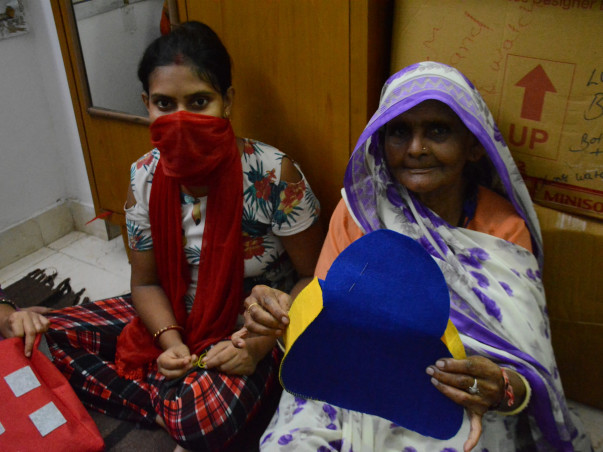
Skill Development Initiative for Underprivileged Women, Hamari Pahchan NGO’s

In the realm of social change, women stand as pillars of resilience, strength, and transformation. Hamari Pahchan NGO has embarked on a transformative journey, dedicated to empowering women and fostering their financial independence through the dynamic Skill Development Programme.

The Imperative of Women’s Empowerment: At the core of societal progress lies the empowerment of women—an endeavor that Hamari Pahchan NGO champions with unwavering commitment. The organization recognizes that investing in women’s education and economic empowerment is not just a choice but a crucial step toward creating a positive ripple effect that benefits everyone.

Navigating Challenges Faced by Underprivileged Women: The path to women’s empowerment is riddled with challenges, especially for those facing economic hardships. Underprivileged women often encounter barriers such as limited access to resources, restricted educational opportunities, and entrenched societal norms that confine them to lower-paying jobs. Hamari Pahchan acknowledges these hurdles and is determined to dismantle them.

Hamari Pahchan NGO’s Response: Enter the SKILL DEVELOPMENT PROGRAMME—a beacon of hope and catalyst for change. This initiative conducts workshops and training sessions, addressing the unique needs of underprivileged women and equipping them with skills essential for securing better employment opportunities and financial independence.
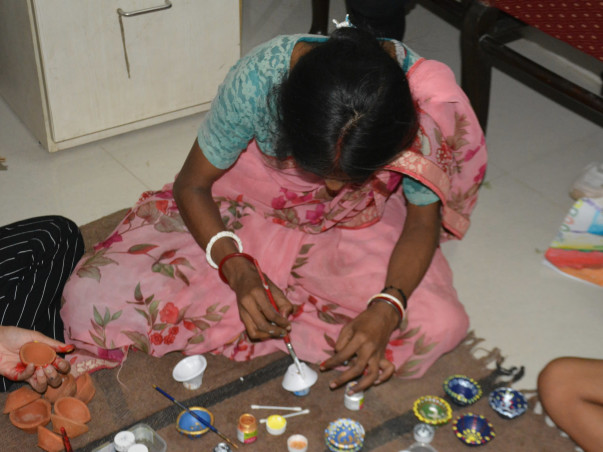
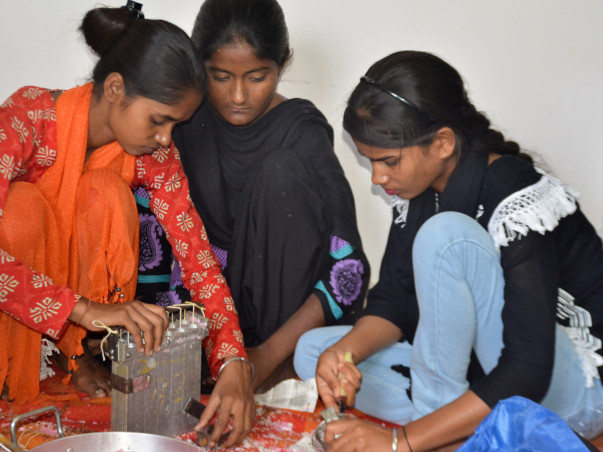
Addressing Skill Gaps: The NGO begins its journey by conducting thorough surveys to identify skill gaps within the target communities. This meticulous approach allows Hamari Pahchan to tailor its training programs, ensuring they directly address the specific needs of the women they aim to empower. It’s not just about teaching skills; it’s about instilling the confidence to apply those skills in real-world scenarios.

Diverse Skill Development Initiatives: The Skill Development Programme embraces diversity, offering workshops in makeup, handicrafts, knitting, sewing, embroidery, candle and diya making, music, and more. By presenting a wide array of skills, Hamari Pahchan ensures that women have the autonomy to choose paths aligned with their passions and aptitudes.

A Platform for Empowerment: Beyond imparting skills, the NGO provides a platform for unemployed women to showcase and sell their products. This not only boosts their confidence but also creates a sustainable income stream. The proceeds from these sales directly contribute to the financial security and independence of the women involved.

Professional Training and Certification: Hamari Pahchan goes the extra mile by engaging skilled professionals to conduct training sessions. Participants not only gain practical skills but also receive certificates upon completion, validating their capabilities and enhancing their employability.

In the tapestry of Hamari Pahchan NGO’s Skill Development Programme, each thread symbolizes a step toward women’s empowerment and financial independence. By addressing skill gaps, providing diverse training opportunities, and creating platforms for economic growth, the NGO sparks a ripple effect that transforms not just individual lives but entire communities. As we applaud the strides made, let’s unite in supporting initiatives like https://hamaripahchan.org/, where women are architects of their destinies. Together, we can break barriers, empower women, and weave a future where every woman possesses the tools to carve her unique path to success.

Where to Apply for Grants in African Countries

Reputable grant opportunities for African initiatives:

African Grant-Making Foundations:Explore grant opportunities provided by African-based foundations and organizations. Examples include the African Union, African Development Foundation, and various country-specific foundations.

International Organizations: Check grant programs offered by international organizations such as the United Nations, World Bank, and the African Development Bank. These organizations often support projects and initiatives in African countries.

Government Grant Portals: Visit the official websites of African governments and their relevant ministries. Many governments have grant programs to support various sectors, and their official websites provide information on eligibility and application processes.

Global Grant Databases: Utilize global grant databases that aggregate information on grants worldwide. Websites like GrantWatch, GrantStation, and Foundation Directory Online may include opportunities for African initiatives.

NGO and Nonprofit Websites
: Explore the websites of international and local non-governmental organizations (NGOs) and nonprofits operating in Africa. Many of these organizations offer grant programs or collaborate with funders to support projects.

Corporate Social Responsibility (CSR) Programs: Investigate CSR programs of multinational corporations operating in Africa. Some companies allocate funds for community development, education, healthcare, and environmental initiatives.

Philanthropic Organizations: Look into grants provided by philanthropic organizations, both global and local. Organizations like the Bill & Melinda Gates Foundation and the Open Society Foundations may have grant opportunities for African projects.

Development Agencies: Check the websites of international development agencies such as USAID, UK Aid, and GIZ. These agencies often fund projects that contribute to sustainable development in African countries.

Research and Academic Institutions: Explore grants offered by research institutions, universities, and academic organizations. These entities may support research projects, educational initiatives, and community development programs.

Online Grant Platforms and Portals: Visit online grant platforms that focus on African opportunities. Some platforms curate and list grants specific to the continent, making it easier for applicants to find suitable opportunities.

Remember to verify the legitimacy of any grant opportunity and ensure that you meet the eligibility criteria before applying. Additionally, grant landscapes may change, so it’s advisable to check for the latest information on these platforms and conduct thorough research.

How to Make a Good Grant Proposal

Creating a budget for a grant proposal is a critical component of the application process. Funders typically want to see a detailed and realistic budget that aligns with the proposed project’s objectives. Here’s a step-by-step guide on how to make a budget for a grant proposal:

1. Understand Grant Requirements:
Review the grant guidelines thoroughly to understand any specific requirements or restrictions related to the budget.
2. Identify Project Costs:
Break down your project into specific components and identify all associated costs. This could include personnel, materials, equipment, travel, training, and overhead.
3. Personnel Costs:
List the individuals involved in the project, their roles, and the percentage of their time dedicated to the project. Include salaries, wages, benefits, and any applicable taxes.
4. Materials and Supplies:
Detail the cost of materials, supplies, and any necessary equipment for the project. Provide estimates for quantities and unit costs.
5. Travel Expenses:
If the project involves travel, itemize the anticipated costs for transportation, lodging, meals, and other related expenses.
6. Training and Professional Development:
Include costs associated with training programs, workshops, conferences, or any other professional development activities relevant to the project.
7. Consultant Fees:
If you plan to hire consultants or contractors, specify their roles, fees, and any additional expenses they may incur.
Include any indirect costs associated with the project, such as administrative and operational expenses. Some funders may have restrictions on the percentage of overhead that can be included.
9. Timeline and Frequency:
Clearly outline the timeline for each budget category and indicate the frequency of expenses (e.g., monthly, quarterly, annually).
10. Justify Costs:
Provide a brief justification for each budget line item. Explain how each cost contributes to the successful implementation of the project.
11. Budget Narrative:
Write a budget narrative or justification that provides a more detailed explanation of your budget, addressing any unusual or significant expenses.
12. Use a Budget Template:
Many grant applications provide a specific budget template. Use this template if available, as it ensures that your budget aligns with the funder’s expectations.
13. Review and Revise:
Review your budget carefully to ensure accuracy and completeness. Revise as needed to align with the grant guidelines and narrative.
14. Seek Feedback:
If possible, seek feedback from colleagues or mentors to ensure that your budget is well-constructed and aligns with the project goals.
15. Formatting:
Format your budget in a clear and organized manner. Make it easy for reviewers to understand and follow.
Remember, a well-prepared and realistic budget not only increases your chances of securing the grant but also demonstrates your organization’s commitment to sound financial management. Always tailor your budget to the specific requirements of the grant application and be transparent about your financial needs.
Creating a budget for a grant proposal is a critical step in the application process, requiring careful consideration and attention to detail. To begin, thoroughly review the grant guidelines to understand any specific requirements or constraints related to the budget. This foundational understanding will inform the development of a budget that aligns seamlessly with the proposed project’s objectives.
Next, break down the project into specific components and identify all associated costs. This comprehensive approach ensures that no crucial expenses are overlooked. Categorize costs into personnel, materials, equipment, travel, training, and overhead to create a well-organized and detailed budget.
In detailing personnel costs, provide a list of individuals involved in the project, outlining their roles and specifying the percentage of their time dedicated to the project. Include salaries, wages, benefits, and any applicable taxes. For materials and supplies, itemize the anticipated costs, offering estimates for quantities and unit costs.
If the project involves travel, clearly outline the costs associated with transportation, lodging, meals, and any other related expenses. Similarly, account for training programs, workshops, conferences, or any professional development activities relevant to the project.
Consider including consultant fees if applicable, specifying their roles, fees, and any additional expenses they may incur. Factor in indirect costs, or overhead, ensuring compliance with any restrictions imposed by the grantor. Clearly indicate the timeline for each budget category and the frequency of expenses, whether monthly, quarterly, or annually.
Justify each cost with a brief explanation of how it contributes to the successful implementation of the project. This justification provides clarity and transparency to reviewers. Additionally, include a budget narrative or justification that offers a more detailed explanation of the budget, addressing any unusual or significant expenses.
When possible, use a budget template provided by the grant application, as this ensures alignment with the funder’s expectations. Review the budget carefully for accuracy and completeness, making revisions as necessary to adhere to the grant guidelines and narrative. Seek feedback from colleagues or mentors to ensure the budget is well-constructed and effectively communicates the financial needs of the project.
Finally, present the budget in a clear and organized format, making it easy for reviewers to understand and follow. A well-prepared and realistic budget not only increases the likelihood of securing the grant but also underscores the organization’s commitment to sound financial management.

Vacancy for Transportation Planner at AECOM, USA

 AECOM stands out as a globally recognized infrastructure consulting firm, providing a comprehensive range of professional services across the entire project lifecycle. From offering advisory services, strategic planning, and innovative design to executing engineering solutions and managing programs and construction projects, we consistently deliver excellence. Our expertise extends across diverse sectors, including transportation, buildings, water, new energy, and environmental initiatives.

Clients, both in the public and private sectors, choose AECOM for our proven ability to tackle their most intricate challenges. Our dedicated teams are united by a shared mission: to contribute to a better world. This commitment is manifested through our unparalleled technical and digital proficiency, a culture that values equity, diversity, and inclusion, and a steadfast dedication to environmental, social, and governance (ESG) priorities.

At AECOM, we take pride in our role as a Fortune 500 company, exemplifying success and stability in the professional services domain. In the fiscal year 2022, our Professional Services business recorded substantial revenue of $13.1 billion. This financial strength underscores our capacity to deliver impactful and sustainable solutions.

We invite you to explore how AECOM is actively shaping sustainable legacies for future generations. Visit our official website at aecom.com to witness firsthand the transformative projects and initiatives that reflect our unwavering commitment to building a resilient and prosperous future.

ECOM is seeking a Transportation Planner to be based in Austin, TX .

The responsibilities of this position include, but are not limited to:

  • Supports technology division in performing feasibility studies focused on emerging technology solutions
  • Collects a variety of statistical data and prepares reports and maps on topics such as census information, land use, origin, and destinations, etc.
  • Performs research on connected and autonomous vehicle (CAV) technology and emerging infrastructure technology to assist with project alternatives and solutions
  • Assists project team with data analysis and alternative development
  • Assists with developing presentation material such as PowerPoints to present project status, alternative development, stakeholder presentations, etc.
  • Developing a comprehensive understanding of smart mobility solutions and strategies to improve safety and mobility

Qualifications

Minimum Requirements:

  • BA/BS + 2 years of relevant experience or demonstrated equivalency of experience and/or education

​ Preferred Qualifications:

  • Bachelor’s degree in Urban Planning, Traffic Engineering, Transportation Planning or 2+ years of related experience or demonstrated equivalency of experience and/or education
  • Strong written and oral communications skills
  • Ability to work in a collaborative team setting
  • Familiarity with Microsoft Word, Excel, PowerPoint
  • Familiarity with ArcGIS
  • Experience in demographic and economic analysis
  • Experience with graphic design

Additional Information

  • Relocation assistance is not offered for this position
  • Sponsorship is offered for this position
  • AECOM is proud to offer a comprehensive benefits program to meet the diverse needs of our employees. Depending on your employment status, AECOM benefits may include medical, dental, vision, life, AD&D and disability benefits, paid time off, leaves of absence, voluntary benefits, perks, wellness and global well-being, and global EAP, Business Travel and Service Awards programs.
  • Offered rate of compensation (Texas locations only) will be based on individual education, qualifications, experience, and work location. The salary range for this position is $56,000 – 95, 000/yr.

Vacancy for Consultant at Department of School Education & Literacy (DoSEL) | New Delhi

Vacancy for Consultants at the Department of School Education & Literacy (DoSEL)

Department of School Education and Literacy (DoSEL) is a part of the Ministry of Education in India. It is responsible for formulating and implementing policies and programs for the development of school education and literacy in the country.

The key functions of the Department of School Education and Literacy include:
  • Policy Formulation: Developing policies related to school education and literacy to ensure the overall improvement of the education system.
  • Program Implementation: Implementing various educational programs and initiatives aimed at enhancing the quality of education and increasing literacy rates.
  • Curriculum Development: Working on the development of school curricula to meet the changing needs of students and society.
  • Teacher Training: Focusing on the training and professional development of teachers to improve the quality of teaching in schools.
  • Infrastructure Development: Planning and implementing measures for the improvement of school infrastructure to create a conducive learning environment.
  • Monitoring and Evaluation: Monitoring the progress of educational programs and evaluating their effectiveness to make necessary improvements.
  • Promotion of Literacy: Undertaking initiatives to promote literacy and adult education across the country.

1. Senior Consultant

Positions: Senior Consultant (Access & Infrastructure Development)
No. of Vacancy: 01 Nos.
Institution: Department of School Education & Literacy (DoSEL)
Qualification: ✔️ Master’s Degree in Civil Engineering / Architecture/ B.Tech. (Civil) with MBA or 2 years PG Diploma in Management with at least 60% from a recognized university
Experience: ✔️ Min. 05 years
Job Description: ✔️ Details Provided Below.
Type: Full Time / Contractual
Location: New Delhi
Salary: ✔️ 80,000 – 1,20,000/- Consolidated
Apply at: ✔️ Apply Link
Last Date: 28 November 2023

2. Consultant

Positions: Consultant (Access & Infrastructure)
No. of Vacancy: 01 Nos.
Institution: Department of School Education & Literacy (DoSEL)
Qualification: (a) Master’s degree in Civil Engineering / Architecture / B. Tech (Civil) with MBA or 2 years PG Diploma in Management with at least 60% from a recognized university
(b) 3 years post qualification experience in the relevant fields of Infrastructure Development / Civil Works
Experience: ✔️ Min. 03 years
Job Description: ✔️ Details Provided Below.
Type: Full Time / Contractual
Location: New Delhi
Salary: ✔️ 80,000 – 1,00,000/- Consolidated
Apply at: ✔️ Apply Link
Last Date: 28 November 2023