Into the journey of – MARY KOM

 Into the Journey of  

– MARY KOM –

Eight World Championship medals (6 Gold, 1 Silver, 1 Bronze)

Mary Kom, often referred to as “Magnificent Mary,” is a renowned Indian boxer and a trailblazer in the world of women’s boxing. Born on March 1, 1982, in Manipur, India, she has an incredible legacy in the sport.

Here are some highlights of Mary Kom’s illustrious career:

  1. Olympic Success: She is a six-time world champion and the only woman boxer to have won a medal in each one of the first seven World Championships. At the 2012 London Olympics, Mary Kom won a bronze medal in the flyweight (51 kg) category, marking her Olympic debut.

  2. Asian Games Dominance: Mary Kom has clinched several gold medals in the Asian Games, showcasing her dominance in the sport at the continental level.

  3. Commonwealth Games Achievements: She has also excelled at the Commonwealth Games, winning gold medals and solidifying her reputation as one of the greatest female boxers of all time.

  4. Padma Bhushan Awardee: She has been honored with several awards and accolades for her contribution to boxing and sports in India. Notably, she received the Padma Bhushan, India’s third-highest civilian award, for her achievements in sports.

  5. Inspiring Journey: Mary Kom’s journey to success has been inspirational. Hailing from a humble background in a remote Manipuri village, she faced numerous challenges and societal norms that discouraged women from pursuing sports, especially boxing. Despite this, she persevered and became an icon for aspiring athletes, particularly women, breaking barriers and stereotypes.

  6. Contribution Beyond the Ring: Apart from her sporting achievements, Mary Kom is also involved in promoting and nurturing boxing talent in India. She runs academies and initiatives to encourage young boxers and provide them with opportunities to excel in the sport.

Mary Kom’s remarkable achievements in boxing and her unwavering determination have not only brought her personal glory but have also inspired generations of athletes, especially women, to strive for excellence and pursue their dreams.
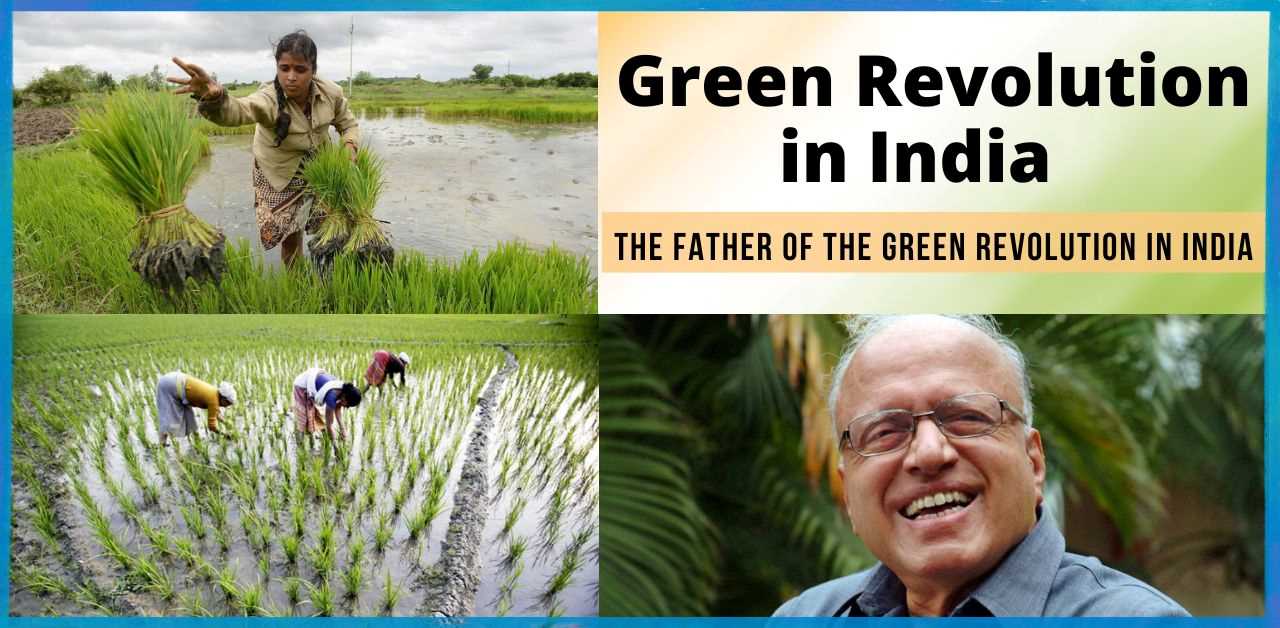
Green Revolution

Green revolution, great increase in production of food grains (especially wheat and rice) that resulted in large part from the introduction into developing countries of new, high-yielding varieties, beginning in the mid-20th century. Its early dramatic successes were in Mexico and the Indian subcontinent.


part of a larger initiative by Norman Borlaug, Green Revolution in India was founded by M S Swaminathan. The aim was to increase agricultural productivity in the developing world with use of technology and agricultural research.

The Green Revolution was initiated in the 1960’s to address the issue of malnutrition in the developing world. The technology of the Green Revolution involved bio-engineered seeds that worked in conjunction with chemical fertilizers and heavy irrigation to increase crop yields.

The amount of greenhouse gas emissions will help to reduce this. It allows us to create more food than conventional methods of growing. In uncooperative conditions, it offers us with predictable yields. It allows a decline in food costs for the world economy.

it was beneficial because it helped produce more food and prevented the starvation of many people. It also resulted in lower production costs and sale prices of produce. Although it had several benefits, the Green Revolution also had some negative effects on the environment and society.

The Green Revolution was a significant period of agricultural innovation and development that began in the mid-20th century, aiming to increase agricultural productivity worldwide, particularly in developing countries.

Key elements of the Green Revolution included:

  1. High-Yielding Varieties (HYVs): Scientists developed new varieties of seeds, particularly for staple crops like wheat, rice, and maize, which had higher yields and were more resistant to diseases and pests.

  2. Intensive Use of Chemical Fertilizers and Pesticides: To support the growth of these high-yielding crops, farmers began using synthetic fertilizers and pesticides on a larger scale.

  3. Irrigation Techniques: Implementation of improved irrigation systems, like drip irrigation, helped provide water to crops more efficiently.

  4. Mechanization: Introduction of machinery and technologies into agriculture, such as tractors and combine harvesters, to streamline farming processes.

The Green Revolution had several positive impacts:

  • Increased Agricultural Productivity: Crop yields soared, leading to more food being produced on existing farmland.
  • Food Security: It helped alleviate hunger in many parts of the world by increasing food availability.
  • Economic Growth: Improved agricultural productivity contributed to economic growth in many developing countries.

However, there were also concerns and criticisms associated with the Green Revolution:

  • Environmental Impact: Excessive use of chemical fertilizers and pesticides led to soil degradation, water pollution, and loss of biodiversity.
  • Social Disparities: The benefits of the Green Revolution were not equally distributed, leading to socioeconomic disparities between wealthy and poor farmers.
  • Sustainability Concerns: Reliance on high inputs of water, chemicals, and specific seed varieties raised concerns about the long-term sustainability of this agricultural model.

Efforts have been made to address these issues through sustainable agricultural practices, emphasizing environmentally friendly approaches and technologies while aiming for increased productivity and food security without compromising the environment or social equity.

Major Train Accidents in India

India has unfortunately witnessed several major train accidents since gaining independence in 1947. These accidents have caused significant loss of life and infrastructure damage. While the list provided here highlights some notable incidents, it may not include all accidents, and it’s important to refer to reliable sources and official reports for comprehensive and up-to-date information. Here are some major train accidents that occurred in India after independence:

Peruman Train Accident (1956): On November 5, 1956, near Peruman, Kerala, the Bangalore Mail derailed, resulting in a tragic collision with an oncoming passenger train. This accident claimed the lives of 144 people and injured many others.

Ariyalur Train Accident (1956): On December 15, 1956, near Ariyalur, Tamil Nadu, two trains, the Sabari Express and the Bangalore Express, collided head-on due to a signal failure. The accident resulted in the deaths of over 140 passengers.

Midnapore Train Accident (2010): On May 28, 2010, the Howrah-Kurla Lokmanya Tilak Gyaneshwari Express derailed near Midnapore, West Bengal. Sabotage was identified as the cause of the derailment, leading to the deaths of 148 passengers and injuries to numerous others.

Kanpur Train Derailment (2016): On November 20, 2016, the Indore-Patna Express derailed near Kanpur, Uttar Pradesh. The accident caused the deaths of 150 passengers and injured many others. The exact cause of the derailment was under investigation.

Pukhrayan Train Derailment (2016): On the same day as the Kanpur derailment, near Pukhrayan, Uttar Pradesh, the Indore-Patna Express derailed, resulting in one of the deadliest train accidents in recent times. This accident claimed the lives of 152 passengers and caused injuries to numerous individuals.

Amritsar Train Accident (2018): On October 19, 2018, during a Dussehra festival celebration near Amritsar, Punjab, a speeding train struck a crowd that was standing on railway tracks, leading to a tragic incident. The accident resulted in the deaths of around 60 people and injured many others.

Raebareli Train Accident (2010): On October 10, 2010, near Raebareli, Uttar Pradesh, the Goa Express collided with a stationary Mewar Express due to signal failure. The accident caused the deaths of 22 people and injured several others.

Jagdalpur-Bhubaneswar Hirakhand Express Derailment (2017): On January 21, 2017, the Jagdalpur-Bhubaneswar Hirakhand Express derailed near Kuneru, Andhra Pradesh. The accident led to the deaths of 41 passengers and caused injuries to numerous individuals.

Guwahati-Puri Express Derailment (1999): On September 13, 1999, the Guwahati-Puri Express derailed near Gaisal, Assam, resulting in a collision with an incoming freight train. This accident claimed the lives of 285 people and injured more than 300.

Khanna Rail Accident (1998): On November 26, 1998, near Khanna, Punjab, the Jammu Tawi-Sealdah Express collided with two derailed wagons, causing a massive fire. The accident resulted in the loss of 212 lives and injuries to several others.

These accidents underscore the importance of continuous efforts to improve railway safety, infrastructure maintenance, and the implementation of advanced technologies to prevent such incidents

A must carry things in your backpack for a trip


Isn’t it always enjoyable to travel? Driving down a road is always memorable while listening to your favorite songs and taking in the environment. “An eye carries memories better than a camera,” as I believe.
A fantastic destination, fantastic company, and a fantastic journey? So, what else do we require?
However, we will require a good backpack. So, let’s go over some of the essential stuff to pack.

If you are going to hilly areas, no doubts do carry some woolen clothes, mufflers, earmuffs, etc. Hilly areas can be cold at nights and in early morning also. 

Packing the right essentials in your backpack can make a trip more comfortable and enjoyable. Here are some must-carry items:

  1. Water Bottle: Staying hydrated is crucial. Opt for a reusable bottle that you can refill.

  2. Snacks: Pack some non-perishable snacks like nuts, energy bars, or dried fruit for quick energy.

  3. Map and Compass: Even if you have GPS on your phone, having a physical map and compass is wise in case of battery issues or signal loss.

  4. First Aid Kit: Include band-aids, antiseptic wipes, pain relievers, and any specific medications you might need.

  5. Weather Appropriate Clothing: Depending on your destination and season, pack clothing layers, a rain jacket, hat, and gloves.

  6. Sun Protection: Sunscreen, sunglasses, and a hat to shield from the sun.

  7. Multi-tool or Swiss Army Knife: Handy for various situations from cutting things to fixing minor issues.

  8. Portable Charger: Keep your devices charged with a portable power bank.

  9. Personal Identification and Important Documents: ID, passport (if traveling internationally), emergency contacts, and any necessary reservations or tickets.

  10. Light Source: A flashlight or headlamp can be a lifesaver if you’re out after dark.

  11. Personal Hygiene Kit: Pack essentials like travel-sized toothpaste, toothbrush, hand sanitizer, and wet wipes.

  12. Emergency Whistle: Useful for attracting attention if you get lost or need help.

  13. Notepad and Pen: Helpful for jotting down important information or leaving notes.

  14. Backup Cash: Carry some emergency money in case cards aren’t accepted or in case of any unforeseen circumstances.

  15. Entertainment: A book, deck of cards, or any compact form of entertainment for downtime.

Remember to tailor this list based on your specific trip, considering factors like duration, activities planned, and the destination’s climate and environment.

Career

Careers at Track2Training are suitable for dynamic people looking to grow as leaders, capable of functioning as one among our volunteers, enabling and complementing their work. Candidates should be willing to work flexible hours and on weekends. Remuneration is on par with the best in the sector.
Prior experience with volunteer, non-profit, education and /or youth organizations desirable. Prior volunteering experience
Drop a mail to 
contact@track2training.com

INTERNSHIP

We offer internships at Hajipur throughout the year and at other chapters during specific periods. Interns are not provided any remuneration, food or accommodation, but will be equipped with professional skills and provided with a certificate at the end of the engagement.
Interns should be willing to work full time or part time.
Send a mail to contact@track2training.com

VISION AND MISSION

Vision:
To help build a more influential, equal and socially conscious society.
Mission:
Track2Training drives social change by fostering an environment where young adults & children learn, lead and thrive
Our Strategy: Engage, Execute, Empower & Exit – To engage rural communities with corporates, young urban India, not-for-profit organizations and Governments to execute programs that empower our communities to transform their own lives, enabling us to exit and allowing them to serve as role models and change agents for the rest of the country.

Areas of Interest

  1. Capacity building                 
  2. Monitoring & evaluation      
  3. Micro – enterprises establishment
  4. Watershed works.
  5. Sanitation works.
  6. Sericulture activities.
  7. Lac cultivation, processing & marketing.
  8. Animal husbandry
  9. Micro planning. 
  10. Child Development MDM ,Diet Plan

INFRASTRUCTURE AND FACILITIES

OFFICE : Our organization has well established Office, Training centre & Vehicles.
EQUIPMENT : 1. Telephone, Fax Machine ,Computers and  Printers available.
2. LCD Projector time for video visuals trainings  to peoples.
3. Having documentary films on watershed, sanitation, education, health,  veterinary, agricultural fields.

About Us

Edupedia Publications Pvt Ltd is a reputable academic book publisher known for its commitment to scholarly excellence and educational resources. Founded with a vision to contribute significantly to the world of academia, Edupedia has established itself as a prominent name in the publishing industry.

Their focus on academic books spans across various disciplines, catering to students, educators, researchers, and scholars worldwide. They aim to provide high-quality, informative, and up-to-date content that contributes meaningfully to the advancement of knowledge in diverse fields.

Edupedia Publications takes pride in its rigorous editorial standards, ensuring that the published works undergo meticulous scrutiny and peer review processes. This dedication to maintaining academic integrity reflects in the credibility and reliability of their publications.

The publisher collaborates with esteemed authors, experts, and academics, fostering a platform for innovative ideas and scholarly contributions. They embrace both traditional and emerging topics, adapting to the evolving landscape of education and research.

In addition to their commitment to academic excellence, Edupedia Publications prioritizes accessibility. They strive to make their publications available in various formats, including print and digital versions, ensuring that their content reaches a global audience.

Their catalog includes a diverse range of titles, from textbooks and reference materials to monographs and research-based publications. Whether it’s in the fields of science, humanities, social sciences, or technology, Edupedia aims to provide comprehensive resources that meet the varied needs of the academic community.

Moreover, the publisher’s online presence and engagement with academic communities, conferences, and forums demonstrate their dedication to fostering dialogue and collaboration among scholars and students.

Overall, Edupedia Publications Pvt Ltd stands as a beacon of quality and reliability in the realm of academic publishing, striving to empower the pursuit of knowledge and educational excellence.

VOLUNTEER

Do you have the passion to contribute towards the country’s progress? Join us! You could volunteer with us for a minimum of two hours every week or on and off for events and one-off volunteering opportunities.
Register with us and we will get in touch with you soon (please allow us two weeks) through Email and SMS regarding the next orientation programme. At the orientation you will get more information about all of Bhumi’s projects, the causes you can choose and the locations where you can volunteer.
contact us 
contact@track2training.com


Topics for Writing on Our Portal

List of Social Issues

Below is a list of social issues in India, which students can be asked to write about. Some of them are categorized under a list of social justice issues.

  1. Racism. This is a form of categorization where people from the same race identify with their own and in so doing they appear to discriminate others. It is responsible for increased prevalence of social tension.
  2. Gender identity. Issues such as homosexuality create a difference in the way people react in society. For instance, lesbian and gay bars are common social places where people with a specific identity interact, setting them apart from other people in society.
  3. Religion. Numerous religious denominations exist such as Christianity, Islam, and atheists, among many others. A growing trend has seen these religious gatherings interacting socially with their kind. Their gatherings are embedded in strong values shared by group members.
  4. Drugs and alcohol abuse. The use of drugs and alcohol has been rampant among the youth and adult, who end up abusing them. Consequently, drug and alcohol abuse leads to changed emotional and mental health, which culminates in anti-social behavior.
  5. Government and social life. The government is known to be tracking the activities of people in social media to prevent any unwarranted posts. Thus, governments around the world have engaged in creation and enforcement of legislation to control the activities on social media.å
  6. Cyberbullying. The social media has become a leeway for hackers to bully people leading them into suicidal thoughts. The stalkers often take advantage of the weaknesses of the users to drive them into harming themselves or harming others through blackmail.
  7. Social media propagating bad vices. Some of the comments or posts in social media often lead to behavioral changes among youth who glamorize immoral values such as drug and alcohol abuse, teenage sex, and even radicalization of youth.
  8. Education disparity. In the education setting, social classes have been set up based on one’s race or economic position. People from rich backgrounds attend good schools that have proper amenities. Those from poor backgrounds attend schools that lack proper facilities.
  9. War. Following the 9/11 attacks, Syrian unrest, and other global wars, tensions have been reported in social interactions. For example, Arabs that live in America have a high possibility of being trolled or even abused on social media. This necessitates the government to enforce responsibility in social networking sites.
  10. Materialism. Fashion has greatly affected the interactions among teenagers who gauge social class based on adherence to emerging trends. As such, they are least likely to engage with peers who come out as untrendy in the fashion sense.
  11. Family and single parenthood. In American society, there are cases of parenting that affects the lives of youth. Some have been separated from their parents who are either dead or in jail, leading them to be subjected to foster homes.
    On the other hand, other kids have been compelled to live with single parents, which sometimes affecting their emotional and mental health, which may, in turn, affect their social interactions. This is common in America.
  12. Obesity and social life. Body image has increasingly grown into a weapon that many youths can use against others in social media. People glamorize slim bodies of celebrities. Those who are seen to be fat are frequently embarrassed in the social media, which may lead to suicidal thoughts.
  13. Poverty and social life. A trend has been observed in the modern generation where a person’s social status is defined by their economic power. Thus, the poor are often perceived lowly in the society whereas those who are reached are regarded highly.
  14. The power of advertisements. Extreme advertising has created a form of brand loyalty where some people have been coaxed into buying specific products based on the frequency of the adverts. Even in some cases, they buy the products against their inner will.
  15. Procrastination. Students have a tendency of postponing their assignments due to the distractions brought about by their fun life. While it may improve their social life, it is highly detrimental to their academic life and most of them may end up failing.
  16. . INEQUALITY AND MARGINALIZATION

    Gender inequality, caste systems, marginalization based on race or tribal affiliations are all economic and social inequalities that mean the same thing: Little to no access to the resources needed to live a full, productive life. When combined with different combinations of vulnerability and hazards which comprise the rest of this list — a marginalized community may become even more vulnerable to the cycle of poverty. 

    CONFLICT

    Conflict is one of the most common forms of risk driving poverty today. Large-scale, protracted violence that we’ve seen in areas like Syria can grind society to a halt, destroying infrastructure and causing people to flee (often with nothing but the clothes on their backs). In its tenth year of conflict, Syria’s middle class has been all but destroyed, and over 80% of the population now lives below the poverty line. 

    HUNGER, MALNUTRITION, AND STUNTING

    You might think that poverty causes hunger (and you would be right!), but hunger is also a cause — and maintainer — of poverty. If a person doesn’t get enough food, they’ll lack the strength and energy needed to work (or their immune system will weaken from malnutrition and leave them more susceptible to illness that prevents them from getting to work). 

    POOR HEALTHCARE SYSTEMS — ESPECIALLY FOR MOTHERS AND CHILDREN

    Extreme poverty and poor health often go hand in hand. In countries where health systems are weak, easily preventable and treatable illnesses like malaria, diarrhea, and respiratory infections can be fatal — especially for young children. And when people must travel far distances to clinics or pay for medicine, it drains already vulnerable households of money and assets, and can tip a family from poverty into extreme poverty.

    LITTLE OR NO ACCESS TO CLEAN WATER, SANITATION, AND HYGIENE

    Currently, more than 2 billion people don’t have access to clean water at home. This means that people (which is to say, women and girls) collectively spend some 200 million hours every day walking long distances to fetch water. That’s precious time that could be used working, or getting an education to help secure a job later in life.

    CLIMATE CHANGE

    Climate change creates hunger, whether through too little water (drought) or too much (flooding), and its effects contribute to the cycle of poverty in several other ways including disproportionately affecting women, creating refugees, and even influencing conflict. One World Bank estimates that climate change has the power to push more than 100 million people into poverty over the next decade. 

    LACK OF EDUCATION

    Not every person without an education is living in extreme poverty. But most of the extremely poor don’t have an education. There are many barriers to education around the world, including a lack of money for uniforms and books, a bias against girls’ education, or many of the other causes of poverty mentioned here. 

    POOR PUBLIC WORKS AND INFRASTRUCTURE 

    Imagine that you have to go to work, but there are no roads to get you there. Or heavy rains have flooded your route and made it impossible to travel. A lack of infrastructure — from roads, bridges, and wells, to cables for light, cell phones, and internet — can isolate communities living in rural areas. Living off the grid often means living without the ability to go to school, work, or the market to buy and sell goods. Traveling further distances to access basic services not only takes time, it costs money, keeping families in poverty. 

    LACK OF GOVERNMENT SUPPORT

    Many people living in the United States are familiar with social welfare programs that people can access if they need healthcare or food assistance. But not every government can provide this type of help to its citizens — and without that safety net, there’s nothing to stop vulnerable families from backsliding further into extreme poverty. Ineffective governments also contribute to several of the other causes of extreme poverty mentioned above, as they are unable to provide necessary infrastructure or healthcare, or ensure the safety and security of their citizens in the event of conflict.

    LACK OF JOBS OR LIVELIHOODS

    This might seem like a no-brainer: Without a job or a livelihood, people will face poverty. Dwindling access to productive land (often due to conflict, overpopulation, or climate change) and overexploitation of resources like fish or minerals puts increasing pressure on many traditional livelihoods. In the Democratic Republic of Congo (DRC) for example, most of the population lives in rural communities where natural resources have been plundered over centuries of colonial rule — while conflict over land has forced people away from their source of income and food. Now, more than half of the country lives in extreme poverty. 

    LACK OF RESERVES

    All of the above risk factors — from conflict to climate change or even a family illness — can be weathered if a family or community has reserves in place. Cash savings and loans can offset unemployment due to conflict or illness. Proper food storage systems can help if a drought or natural disaster ruins a harvest. 

    HOW CAN YOU HELP? 

    We believe that zero extreme poverty is possible, and so we’re working to tackle the root causes of poverty with tailored responses to unique circumstances in 23 countries around the world. By offsetting risks and reducing inequalities, we believe we can sustainably end poverty — for good. Check out more of our solutions to poverty here. 

    You can make your own impact by supporting our efforts working with the world’s poorest communities by writing and voicing their concerns. 

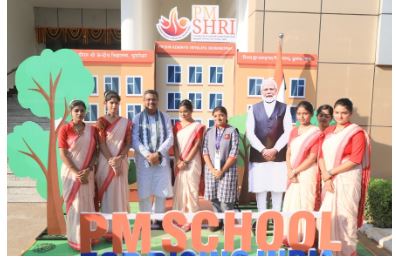
37 PM SHRI Kendriya Vidyalayas and 26 PM SHRI Jawahar Navodaya Vidyalayas in Odisha

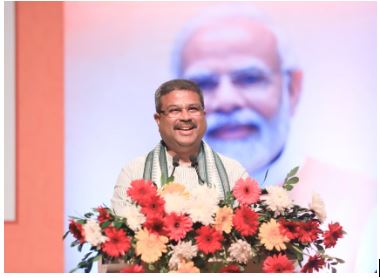
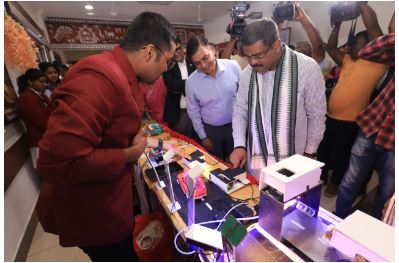
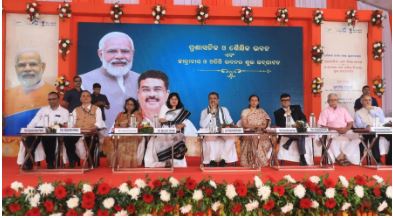
 Union Minister for Education and Skill Development & Entrepreneurship, Shri Dharmendra Pradhan launched 37 PM SHRI Kendriya Vidyalayas and 26 PM SHRI Jawahar Navodaya Vidyalayas in Odisha. Dignitaries, officials, academicians, and students were also present at the event.

 While speaking at the event ,Shri Pradhan expressed his gratitude for Prime Minister Shri Narendra Modi and said, these schools will work in full spirit of the National Education Policy 2020 and provide quality education to the students with comprehensive and inclusive education. He also informed that about 800 government schools in Odisha will be developed into PM Shri Schools and more than Rs. 1600 crore will come. He also requested the Chief Minister of Odisha Shri Naveen Patnaik to sign an MoU to implement the PM Shri Yojana in Government Schools of Odisha through which, two writing schools in every block and urban area of Odisha will be developed into PM Shri Schools.

 Shri Pradhan stated that to achieve the goal of a developed India by 2047, the education sector of the country needs to move forward. For that, rural children should be educated in the 21st century to prepare them for the future, he commented.

 Earlier in the day, the Minister inaugurated the administrative and academic building, dormitory and guest house at the Oriental Language Centre of the Indian Language Institute, Bhubaneswar. Shri Pradhan, while speaking at the event, highlighted the importance of the development projects that will help to expand the facilities for training Odia, Shantali, Bengali, and Maithili. 

 Shri Pradhan also emphasized the unique identity of the Odia language, stating the sweetness of the language spoken in Sambalpur and Ganjam and the elegance of the language in Mayurbhanj and Dhenkanal. He also mentioned that the tribes of Odisha have different languages. 

 The Minister also informed that on the occasion of the Bharatiya Bhasha Diwas, to be celebrated on the birth anniversary of freedom fighter, eminent Tamil poet Mahakabi Chinnaswamy Subramania Bharati, on 11 December, lecture and essay competition on Odia language will be organised in all schools and colleges, to encourage the new generation.

 Expressing his gratitude to Prime Minister Shri Narendra Modi for implementing the National Education Policy 2020, Shri Pradhan mentioned that priority has been given to teaching not only language as a subject but also other subjects in the mother tongue. When children read texts in the language they speak and listen to at an early stage, their ability to research, reason and analyse is enhanced, he commented. 

 PM SHRI schools will showcase the implementation of the National Education Policy 2020 and emerge as exemplar schools shaping the path towards a brighter future for students. They will create holistic and well-rounded individuals equipped with key 21st-century skills.

Image

Image

Image

Image

***

Contact Us

Contact us for news and press release publication.
to editor@pen2print.org 


.widget.ContactForm{z-index:1}.contact-form-widget{margin-left:auto;margin-right:auto;width:600px;max-width:100%;padding:25px 0;background:#EBEBE3;-webkit-border-radius:2%;-moz-border-radius:2%;border-radius:2%}.contact-form-widget .form{width:91%;margin:0 auto}.ribbon{font:16px Arial;text-transform:capitalize;text-shadow:0 1px 2px rgba(0,0,0,0.25);position:relative;background:#6B5F53;color:#fff;text-align:center;padding:1em 2em;margin:0 -16px}.ribbon:before,.ribbon:after{content:””;position:absolute;display:block;bottom:-1em;border:1.5em solid #584C40;z-index:-1}.ribbon:before{left:-1.7em;border-right-width:1.2em;border-left-color:transparent}.ribbon:after{right:-1.7em;border-left-width:1.2em;border-right-color:transparent}.ribbon .ribbon-content:before,.ribbon .ribbon-content:after{content:””;position:absolute;display:block;border-style:solid;border-color:#42362A transparent transparent;bottom:-1em}.ribbon .ribbon-content:before{left:0;border-width:1em 0 0 1em}.ribbon .ribbon-content:after{right:0;border-width:1em 1em 0 0}.contactf-name,.contactf-email,.contactf-message{text-align:left;margin-top:25px;color:#a1937b;font-size:13px}.contactf-name,.contactf-email{float:left;width:100%}.contact-form-name,.contact-form-email,.contact-form-email-message,.contact-form-name:hover,.contact-form-name:focus,.contact-form-email:hover,.contact-form-email:focus,.contact-form-email-message:hover,.contact-form-email-message:focus{width:100%;max-width:100%;margin:10px 0 0;padding:10px;font-size:12px;color:#aaa;border-color:#DBD6D1;border-width:1px;box-shadow:none;-webkit-border-radius:5px;-moz-border-radius:5px;border-radius:5px}.contact-form-name,.contact-form-email{height:35px}.contact-form-email-message{height:100px}.contact-form-button-submit,.contact-form-button-submit:hover{margin-top:25px;width:100%;height:37px;font:normal 12px Arial;outline:none;letter-spacing:1px;color:#fff;text-align:center;cursor:pointer;text-shadow:1px 1px 0 #ffe8b2;color:#7c5d1b;border:1px solid #d6a437;background:#febd4b;background:-webkit-gradient(linear,0 0,0 100%,from(#fed970) to(#febd4b));background:-webkit-linear-gradient(#fed970,#febd4b);background:-moz-linear-gradient(#fed970,#febd4b);background:-ms-linear-gradient(#fed970,#febd4b);background:-o-linear-gradient(#fed970,#febd4b);background:linear-gradient(#fed970,#febd4b);-pie-background:linear-gradient(#fed970,#febd4b)}.contact-form-button-submit:active{color:#7c5d1b;border:1px solid #d6a437;background:#febd4b;background:-webkit-gradient(linear,0 0,0 100%,from(#febd4b) to(#fed970));background:-webkit-linear-gradient(#febd4b,#fed970);background:-moz-linear-gradient(#febd4b,#fed970);background:-ms-linear-gradient(#febd4b,#fed970);background:-o-linear-gradient(#febd4b,#fed970);background:linear-gradient(#febd4b,#fed970);-pie-background:linear-gradient(#febd4b,#fed970)}.contact-form-cross{border:medium none!important;box-shadow:none!important;padding:0!important;height:11px !important;width:11px !important;}

Shoot Me an Email

Your name:
E-mail address *:
Message *: