Creating a Blogger theme based on another platform's theme, like Colinear for WordPress

 Creating a Blogger theme based on another platform’s theme, like Colinear for WordPress, involves understanding the structure and design elements of the original theme and then adapting them to fit Blogger’s template system. While I can’t provide you with a fully functional Blogger theme here, I can guide you on how to get started.

Here are the general steps you can follow:

1. Understand Colinear Theme:

Visit the Colinear WordPress theme’s official page or documentation to understand its structure, features, and design elements. Note down key components like header, footer, sidebar, and main content area.

2. Set Up a New Blogger Blog:

If you don’t have a Blogger blog, create one. Go to Blogger and sign in with your Google account. Click on “Create a blog” to set up a new blog.

3. Access Blogger Theme Editor:

Once your blog is set up, go to the Blogger dashboard, and navigate to the “Theme” section.

4. Back Up Existing Theme:

Before making any changes, it’s a good practice to back up your existing Blogger theme. Click on the “Backup/Restore” button and download the current template.

5. Analyze Blogger Template Structure:

Familiarize yourself with the structure of the default Blogger template. Understand how it uses XML and widgets to define the layout.

6. Create HTML Structure:

Take the HTML structure from Colinear’s theme and modify it to fit Blogger’s XML format. Pay attention to the placement of widgets, headers, footers, and other key elements.

7. Add CSS Styles:

Blogger uses CSS for styling. Copy the CSS styles from Colinear’s theme and adapt them for Blogger. Ensure that the styling matches the HTML structure you created.

8. Customize Widgets:

Blogger uses widgets for various elements like the sidebar, header, and footer. Add and customize widgets based on the ones used in the Colinear theme.

9. Test Responsiveness:

Ensure that your Blogger theme is responsive. Test it on different devices and screen sizes to make sure it looks good everywhere.

10. Test Functionality:

Test all the functionality of your Blogger theme, including navigation, links, and any custom features.

11. Optimize for SEO:

Make sure your theme is optimized for search engines. Add relevant meta tags and descriptions.

12. Publish Your Theme:

Once you’re satisfied with your Blogger theme, click the “Apply to Blog” button to publish it.

Remember that creating a Blogger theme based on another platform’s theme requires careful consideration of the differences between the two platforms. Additionally, respect copyright and licensing terms if you’re using someone else’s design as a base.

Elevate Your Conference Experience: Unlock the Power of Publication Support with Pen2Print

body {
font-family: Arial, sans-serif;
line-height: 1.6;
margin: 20px;
}

    h1 {
        color: #333;
    }

    img {
        max-width: 100%;
        height: auto;
        margin-bottom: 15px;
    }

    .rating {
        display: inline-block;
        unicode-bidi: bidi-override;
        color: #888;
        font-size: 24px;
        height: 1em;
        position: relative;
    }

    .rating span {
        display: inline-block;
        position: absolute;
        overflow: hidden;
        color: #FFD700;
    }

    .rating input {
        display: none;
    }

    .rating label {
        cursor: pointer;
        width: 1em;
        font-size: 24px;
        text-align: center;
        line-height: 1.6;
    }

    .rating label:before {
        content: '★';
    }

    .rating input:checked ~ label,
    .rating input:checked ~ label ~ label {
        color: #FFD700;
    }


<h1>Dear Conference Organizers, Esteemed Researchers, and Academic Enthusiasts,

Are you gearing up to host an exceptional conference that deserves widespread recognition and global impact? Look no further! Pen2Print is here to elevate your conference experience with our comprehensive publication support services, ensuring that your research reaches the pinnacle of success.

Unleashing the Power of Publication Support:

  1. Conference Proceedings ISBN Allotment:
    Give your conference proceedings the recognition they deserve with our ISBN allotment services. A unique ISBN not only adds credibility to your proceedings but also facilitates their cataloging and accessibility.

  2. Publication as a Special Issue in International Journal of Research (IJR):
    Take your research to new heights by featuring it in a special issue of the esteemed International Journal of Research (IJR). Benefit from the wide readership and high impact factor that IJR offers, amplifying the visibility of your work.

  3. Allotment of DOI (Digital Object Identifier):
    Ensure the permanence and traceability of your research with the allotment of a DOI. A DOI guarantees that your work remains easily accessible and citable, enhancing its impact in the academic community.

  4. Indexing of Articles:
    Secure a place for your articles in renowned indexing services, increasing their discoverability and readership. Pen2Print ensures that your research receives the recognition it deserves by indexing it in reputable databases.

Maximize Exposure and Impact:

  • Promotion of Your Conference:
    We don’t stop at just publication support! Pen2Print goes the extra mile by actively promoting your conference. Leverage our extensive network and marketing strategies to ensure maximum participation and engagement.

  • Send Your Inquiry Today!
    Ready to take your conference to the next level? Send an email to editor@pen2print.org to inquire about our publication support services. Our dedicated team is committed to assisting you every step of the way.

Why Pen2Print?

  • Expertise:
    Benefit from the expertise of our seasoned professionals who understand the nuances of academic publishing.

  • Global Reach:
    Ensure your research reaches a global audience through our wide network and collaborations.

  • Tailored Solutions:
    We offer customized solutions to meet the unique needs of your conference and research.

Don’t let your hard work remain confined—let Pen2Print be your partner in unlocking the full potential of your research. Elevate your conference experience and make a lasting impact in the academic world!

Get SPECIAL ISSUE in IJR

Get ISBN for Conference Proceedings

Best Regards,

editor
Pen2Print Team

editor@pen2print.org

https://www.pen2print.org

Epic Explorer -Abd Al Razzaq

 By Yoshika Sharma

India has experienced many foreign footsteps on its land , some were explorers , some came from the invading purpose. Ancient and mediveal India experienced a lot of such explorers , one of them was Abd Al Razzaq ( 1413 AD ) . Razzaq was from Persia ad was a scholar in the court of king of Persia , Mirza Shah rukh of Timrud Dynasty between 1405 AD – 1482 AD . Mirza wanted to send a messenger to India and so he appointed Razzaq , nbut Razzaq refused to go as he was afraid of travelling , but after many requests by Mirza , Razzaq agreed to comme to India . 

Razzaq by road travelled from Herat to Hormuz and from Port of Hormuz he landed on the land of kozhikode , where he wanted to learn about the government and functioning of the area , but Razzaq was not allowed to meet the king for atleast 3 months and thus he thought of his mission as messenger was a failure. Just then the king of Vijaynagar empire Dev Raya II invited Razzaq to visit vijaynagar , Razzaq  was welcomed at Hampi ( the capital of vijaynagar) and was surprised to see the architectural glory of the buildings of the city . The city had 7 concentric circular walls and at the centre was the huge miraculous palace of the king . The walls were made such that there were houses and farms between the first and second walls , market and coin making factories between the third and fourth walls . Razzaq was greatky welcomed by the king Dev Raya II . As Dev raya wanted to learn more about their government and functioning . As time passed Razzaq was one of the most favourite courtiers of Dev Raya , Dev Raya also gifted Razzaq mansion to live , soon this favouritism towards Razzaq was not excepted by other courtiers and resulting in spread of fake rumours claiming that Razzaq is a spy and not a messenger from Persia . These news spread like wildfire  and finllay reached through the ears of king in which the king said that ” It had been asserted that you were not really sent here by Shah Rukh or else we would have shown you greater attention , if you come back on a future occasion into my territoies you shall meet with a worthy reception” ; by Dev Raya II ( from the book of Abd Al Razzaq . After which Razzaq was forced to flee vijaynagar and was sent back to Persia in 1445 . Razzaq the told all these happenings to Mirza  Shah rukh and then he himself sent an official letter to Dev Raya II regarding the visit of Razzaq . 

Razzaq ‘s experience as a traveller was great this experience made Razzaq a travel enthusiast from a reluctant traveller .

References

Hill, E. (1987). al-Sanhuri and Islamic law: the place and significance of Islamic law in the life and work of’Abd al-Razzaq Ahmad al-Sanhuri, Egyptian jurist and scholar 1895-1971.


Duckworth-Lewis Method (D/L Method)in Cricket

The Duckworth-Lewis Method (D/L Method) is a mathematical formula used to adjust target scores in limited-overs cricket matches that are affected by weather interruptions. The primary goal of the method is to provide a fair and equitable way of revising target scores when the playing conditions are altered due to rain or other disruptions. The D/L Method is commonly used in One Day Internationals (ODIs) and Twenty20 (T20) matches.

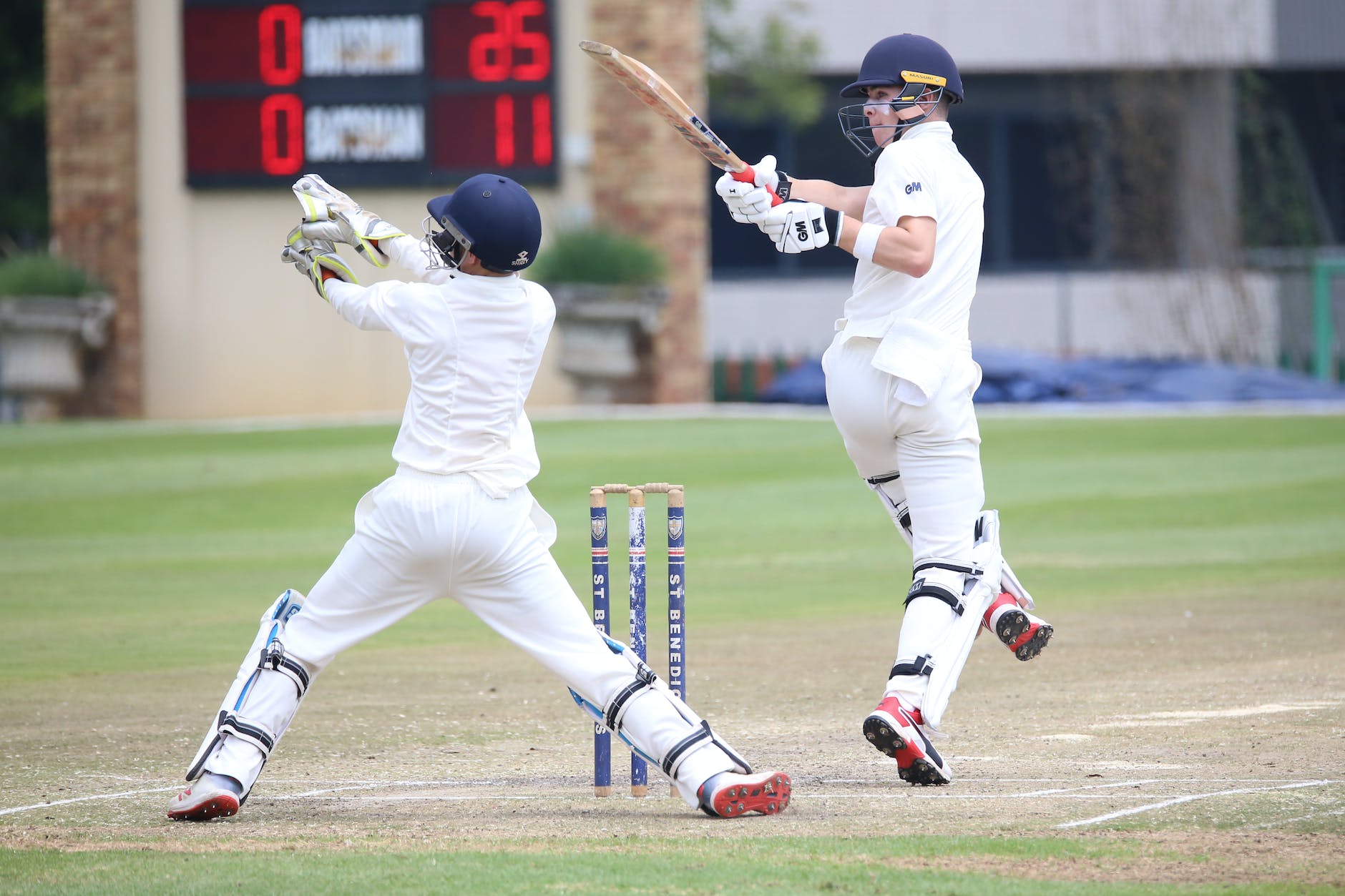
Photo by Patrick Case on Pexels.com

Here’s a detailed explanation of how the Duckworth-Lewis Method works:

  1. Baseline Data:
    • The total number of overs originally allocated for the match is considered as the baseline.
    • The total number of runs that were scored by the team batting first (prior to any stoppage) is also noted.
  2. Calculation of Resources Used:
    • The method takes into account the number of overs bowled and the number of wickets lost by the team batting first at the time of the interruption.
  3. Calculation of Percentage Resources Remaining:
    • The total number of overs initially allocated is scaled down based on the overs bowled and wickets lost.
    • The percentage of resources remaining is calculated using a complex formula that considers the number of overs and wickets used.
  4. Calculation of Revised Target Score:
    • The revised target score is then calculated based on the percentage of resources remaining.
    • It is essentially a proportionate reduction from the original target, taking into account the lost overs and wickets.
  5. Consideration of Team Chasing:
    • If the team batting second has also faced interruptions, the target is further adjusted based on the resources they have used.
  6. Implementation during an Interruption:
    • If there is an interruption during the match, the method may be used to recalculate the target score for the team batting second.
  7. Minimum Overs Required:
    • The method ensures that a minimum number of overs are available for the team batting second to constitute a valid match result. This is to prevent scenarios where a team could win with just a couple of big hits in a reduced-overs match.
  8. D/L Par Score:
    • The D/L Par Score is a reference point for the team batting second. If their score is equal to or above the D/L Par Score, they are considered to be ahead in the match.

It’s important to note that the Duckworth-Lewis Method aims to provide a fair result in weather-affected matches, but it has faced criticism for its complexity and occasional unpredictability. The method has undergone revisions over the years to address some of these concerns. Additionally, in some cases, the use of the D/L Method has been replaced by the more modern DLS (Duckworth-Lewis-Stern) Method, which incorporates additional factors for a more accurate calculation of revised target scores.

Research Paper Formatting according to Journal or Conference Template

body {
font-family: Arial, sans-serif;
line-height: 1.6;
margin: 20px;
}

    h1 {
        color: #333;
    }

    img {
        max-width: 100%;
        height: auto;
        margin-bottom: 15px;
    }

    .rating {
        display: inline-block;
        unicode-bidi: bidi-override;
        color: #888;
        font-size: 24px;
        height: 1em;
        position: relative;
    }

    .rating span {
        display: inline-block;
        position: absolute;
        overflow: hidden;
        color: #FFD700;
    }

    .rating input {
        display: none;
    }

    .rating label {
        cursor: pointer;
        width: 1em;
        font-size: 24px;
        text-align: center;
        line-height: 1.6;
    }

    .rating label:before {
        content: '★';
    }

    .rating input:checked ~ label,
    .rating input:checked ~ label ~ label {
        color: #FFD700;
    }


<h1>Formatting a research paper according to a specific journal or conference template is crucial for successful submission and publication. Different journals and conferences may have their own guidelines and templates, but there are some common elements that are typically included. </p><div class="separator" style="clear: both;text-align: center"><a href="https://blogger.googleusercontent.com/img/b/R29vZ2xl/AVvXsEiYs4d_UmJdl1dBzL0HHbnbTb8USijUB6xV_4S0V0hU4OmgTH2LYilL99IDa-W2LjaSbDXw2vvFo0k-zI7dPn3aeEGLfPOYr0A-nTpTe9hDhRZHcDF5nE7rT8fNmprPoM8Uc-pXS0wqi7eDzTyG-lT2jV2qgiUWk312JngTypfsk2opRbXXKz6_69va-lIK/s725/Screenshot%202024-01-30%20at%2011.28.56%20PM.png" style="margin-left: 1em;margin-right: 1em"><img border="0" height="307" src="https://blogger.googleusercontent.com/img/b/R29vZ2xl/AVvXsEiYs4d_UmJdl1dBzL0HHbnbTb8USijUB6xV_4S0V0hU4OmgTH2LYilL99IDa-W2LjaSbDXw2vvFo0k-zI7dPn3aeEGLfPOYr0A-nTpTe9hDhRZHcDF5nE7rT8fNmprPoM8Uc-pXS0wqi7eDzTyG-lT2jV2qgiUWk312JngTypfsk2opRbXXKz6_69va-lIK/s320/Screenshot%202024-01-30%20at%2011.28.56%20PM.png" width="320" /></a></div><br /><p>

Here’s a general guide to research paper formatting:

1. Title:

  • The title should be concise, informative, and relevant to the content of the paper.
  • Use title case (capitalize major words).
  • Avoid unnecessary words.

2. Author Information:

  • Include the names, affiliations, and email addresses of all authors.
  • Clearly specify the corresponding author and their contact details.

3. Abstract:

  • Provide a brief summary of the research, including objectives, methods, results, and conclusions.
  • Typically, abstracts are limited to a certain word count.

4. Keywords:

  • Include a list of keywords relevant to the paper’s content.
  • Keywords help in indexing and searching for the paper.

5. Introduction:

  • Introduce the background and context of the research.
  • Clearly state the research problem, objectives, and the significance of the study.
  • End with a brief overview of the paper’s structure.

6. Literature Review:

  • Review relevant literature and previous research in the field.
  • Highlight gaps in existing knowledge that the current study aims to address.

7. Methodology:

  • Clearly describe the research design, methods, and materials used.
  • Include details on data collection, sampling, and statistical analyses.

8. Results:

  • Present the findings of the study in a clear and organized manner.
  • Use tables, figures, and graphs when necessary.
  • Provide statistical details and significance values.

9. Discussion:

  • Interpret the results and discuss their implications.
  • Compare findings with previous research.
  • Address limitations of the study.
  • Propose future research directions.

10. Conclusion:

  • Summarize the main findings and their significance.
  • Restate the research objectives.
  • Suggest practical applications or implications.

11. References:

  • List all the sources cited in the paper.
  • Follow the citation style specified by the journal or conference.

12. Acknowledgments:

  • Acknowledge individuals or institutions that contributed to the research.

13. Appendices:

  • Include supplementary material if necessary, such as raw data or additional details.

Formatting Guidelines:

  • Font and Size:

    • Use a standard font (e.g., Times New Roman, Arial) and size (often 12-point).
    • Check if the template specifies a different font or size.
  • Margins:

    • Follow the specified margin requirements (commonly 1 inch or 2.54 cm).
  • Line Spacing:

    • Typically, use double-spacing for the entire document.
  • Page Numbers:

    • Add page numbers in the specified format and location.
  • Headings and Subheadings:

    • Format headings and subheadings consistently.
    • Use the designated heading styles if provided in the template.
  • Figures and Tables:

    • Ensure that figures and tables are properly labeled and formatted.
    • Follow the template’s instructions for placement.
  • Citations and References:

    • Use the citation style specified by the journal or conference (APA, MLA, IEEE, etc.).
    • Verify the format for in-text citations and the reference list.

Additional Tips:

  • Read the Guidelines:

    • Thoroughly read and follow the formatting guidelines provided by the journal or conference.
  • Use the Provided Template:

    • If a template is provided, use it to ensure adherence to specific formatting requirements.
  • Proofread:

    • Carefully proofread the paper for grammatical errors, typos, and formatting issues.
  • Submission Checklist:

    • Create a checklist based on the journal or conference requirements to ensure nothing is overlooked before submission.

By adhering to the specific formatting guidelines provided by the journal or conference, researchers increase the chances of their papers being accepted and published. It is essential to be meticulous in following the instructions to meet the publication standards of the target venue.

Most Commonly Used Terms in Cricket

Bloganuary writing prompt
What do you complain about the most?

Cricket, a popular sport played in many countries, has its own set of terms and terminology. Here are some key terms used in cricket:

Photo by Patrick Case on Pexels.com
  1. Batsman (or Batter): The player from the batting team who is currently in play and facing the bowler.
  2. Bowler: The player from the bowling team who delivers the ball to the batsman.
  3. Wicket: The set of three stumps and two bails at either end of the pitch. A wicket can refer to the dismissal of a batsman as well.
  4. Run: The unit of scoring in cricket. Batsmen score runs by running between the wickets after hitting the ball.
  5. Over: A set of six consecutive legal deliveries bowled by a bowler.
  6. Innings: One side’s or one player’s turn to bat or bowl. In limited-overs cricket, each team typically gets one or two innings, while in Test cricket, each team has two innings.
  7. No Ball: An illegal delivery by the bowler that results in the batting side being awarded an extra run. The batsman cannot be dismissed on a no-ball unless they are run out.
  8. Wide: A delivery that is too wide for the batsman to play a shot, resulting in the batting side being awarded an extra run. The ball is not counted as one of the six in the over.
  9. Extras: Runs scored by the batting team that are not attributed to any batsman’s individual score, such as wides, no-balls, and byes.
  10. Dismissal: The act of getting a batsman out. Common forms of dismissal include bowled, caught, lbw (leg before wicket), run out, and stumped.
  11. Fielding: The defensive aspect of the game, where players try to prevent the batting side from scoring runs by stopping the ball and attempting to dismiss batsmen.
  12. Captain: The leader of a cricket team responsible for on-field decision-making.
  13. Umpire: The officials responsible for ensuring that the game is played in accordance with the rules. There are usually two on-field umpires and a third umpire for TV referrals.
  14. Duck: When a batsman gets out without scoring any runs.
  15. Century: When a batsman scores 100 runs in an innings.
  16. Duckworth-Lewis Method: A mathematical formula used to adjust target scores in limited-overs matches affected by weather interruptions.
  17. Powerplay: A set number of overs at the beginning of an innings in limited-overs cricket during which fielding restrictions are in place.

These are just a few examples, and there are many more cricket terms specific to the rules and nuances of the game.

Climate Impacts Awards: Unlocking urgent climate action by making the health effects of climate change visible

 The aim of this scheme is to make the impacts of climate change on physical and mental health visible to drive urgent climate policy action at scale. We will fund transdisciplinary teams to deliver short-term, high-impact projects that maximise policy outcomes by combining evidence generation, policy analysis, engaged research approaches and communication strategies.

Career stage:
Mid-career researcherEstablished researcher
Where your administering organisation is based:
Anywhere in the world (apart from mainland China)
Level of funding:

Up to £2.5 million

Duration of funding:

Up to 3 years

Next deadline

Next deadline

Full application deadline: 3 April 2024

View all key dates

About this scheme

In 2023, Wellcome launched the Climate Impacts Awards and funded 11 innovative global projects.

In 2024, we will fund projects that generate context-specific evidence using community knowledge and experiences to deliver actionable policy outcomes that can be scaled to multiple settings. We will prioritise funding for research that involves and serves the needs of communities most impacted by the health effects of climate change, and advances stories and narratives that tend to be absent in the media or underrepresented in public discourse (Perga et al, 2023). This will include generating and/or synthesising relevant data and insights (preferably across multiple sites or countries) on significant health issues arising from climate impacts.

We are looking for proposals with a clear theory of change and strong understanding of policy levers. Policy outcomes should be achievable within the award period, innovative in their design and should support meaningful and sustainable change. Proposals should describe the intended policy outcomes and how new insights and effective communication will influence these outcomes.

Teams must have prior demonstrable success in work that combines science, policy and society (Serrao-Neumann, et al 2021). We use the Organisation for Economic Co-operation and Development (OECD) definition of transdisciplinary research. Transdiscipilary research combines knowledge from different scientific disciplines, citizens, public and private sector stakeholders to address complex societal challenges. By engaging key stakeholders from the outset and embedding different expertise in the research design, we expect that teams will use evidence and impactful narratives on the effects of climate change on health to drive urgent policy change that supports collaborative solutions for climate change adaptation and mitigation. 

This scheme aims to make the impacts of climate change on health visible. There are many reasons the impacts of climate change could be invisible.

These include but are not limited to:

  • distance: decision makers not being based where the impacts are happening
  • ideology: political polarisation results in missing voices, disinformation or lack of information
  • unseen: some of the climate impacts of environmental drivers of health outcomes (for example, certain chemicals, pollutants or microscopic organisms) may not be visible and therefore may be ignored
  • linkage: the links between climate change and health effects not being explicitly made or understood
  • low priority: climate change’s effects on health are not given much focus due to competing priorities, unconvincing analyses and communications challenges.

Motivation for this scheme

Proposals that this funding will support

Eligibility and suitability

Who can apply, who can’t apply, what’s expected of your organisation

About you

You can apply for this award if you are a team leader who wants to advance transdisciplinary research on the impacts of climate change on health.

As the lead applicant, you will be expected to:

  • have experience leading transdisciplinary teams and working in the science-policy-society interface
  • have prior experience of research engaging with policy partners
  • have knowledge brokering skills such as the ability to bring together research teams and impacted communities
  • actively promote a diverse, inclusive and supportive environment within your team and across your organisation.

Your team can include researchers from any discipline (natural, physical and social sciences as well as technology) but must be transdisciplinary (using the OECD definition) and include expertise in policy, public engagement and communications. In addition to strong health expertise, we are particularly interested in teams that can demonstrate strong climate expertise.

During your award we expect you to:

  • fill an important evidence gap where the data and insights generation and/or synthesis could help drive urgent action
  • work across a transdisciplinary team involving researchers, policymakers, communicators, and other key stakeholders including impacted communities
  • co-develop and co-produce evidence to fill the identified gap with the involvement of impacted populations and communities (Vargas et al, 2022)
  • deliver a public engagement and communications strategy that embeds key stakeholders within the design and maximises the intended policy outcomes
  • provide evidence that can help support collaborative solutions to drive urgent climate action.

The award will be held by a lead applicant from an eligible administering institution, on behalf of a team of coapplicants.

At the time of submission the lead applicant:

  • must be able to demonstrate that they have a permanent, open-ended, or long-term rolling contract for the duration of the award
  • must be able to contribute at least 20% of their time to this award
  • must be based at an eligible administering organisation that can sign up to Wellcome’s grant conditions
  • can only be a lead applicant on one application to this scheme. Lead applicants can be included as a coapplicant on one other application, but they must be able to demonstrate that they have sufficient capacity for both projects if funded.

Wellcome cannot make awards to teams with co-lead applicants.

Coapplicants

  • Can be based anywhere in the world (apart from mainland China).
  • Must be able to contribute at least 20% of their time to this project.
  • Must be essential for delivery of the proposed project and provide added value to the team. For example designing the research, writing the application, providing training, knowledge brokering or managing the programme.
  • Must have a guarantee of workspace from their organisation for the duration of the award.
  • Must be based at an eligible organisation that can sign up to Wellcome’s grant conditions.
  • Must include in-country policy actors and/or practitioners, civil servants, private sector, civil society actors.
  • Do not need to have a permanent, open-ended, or long-term rolling contract at their organisation.
  • Can be at any career stage (please clearly outline the career stage of all coapplicants in the application). We would encourage research teams to consist of at least 1 early-career stage researcher.
  • Coapplicants can be listed on a maximum of two applications only. 

Your application can have a maximum of 7 coapplicants. Lead applicants should ensure that each coapplicant provides added value to the team in terms of the expertise and experience outlined in the criteria.

The team

Team members (coapplicants, staff, consultants) must combine researchers from different disciplines, policymakers, community stakeholder representatives and/or engagement experts. We are looking for transdisciplinary teams that can demonstrate strong health as well as climate expertise (particularly climate and meteorological science).

Additional expertise could span across:

  • specific sectors (for example, housing or agriculture)
  • economics
  • political science
  • private sector
  • public engagement
  • media or communications.

Your team should be able to demonstrate:

  • a history of collaborating together and successfully delivering projects among members of the team
  • a strong record of working in climate change and health research
  • a strong record of working with communities most affected by climate change
  • a strong record of working in collaboration with policymakers or decision makers involved in delivering climate solutions
  • experience designing and planning research projects with major policy implications
  • experience designing and delivering communications and/or public engagement activities, co-produced with impacted communities and key stakeholders with clear policy impact.

We will be looking across the team (including lead applicant and coapplicants) for the criteria identified on this page.

Administering organisations

The lead applicant must be based at an eligible administering organisation that can sign up to Wellcome’s grant conditions (can be based in any country apart from mainland China). The project must have a lead applicant based in all countries where the research activities are taking place.

Eligible administering organisations for the proposal can be:

  • higher education institutions
  • research institutes
  • non-academic healthcare organisations
  • not-for-profit or non-governmental organisations

One organisation can submit multiple different applications. 

What’s expected of the administering organisation:

We also expect your administering organisation to:

  • give you, and any staff employed on the grant, at least 10 days a year (pro rata if part-time) to undertake training and continuing professional development (CPD) in line with the Concordat. This should include the responsible conduct of research, research leadership, people management, diversity and inclusion, and the promotion of a healthy research culture
  • provide a system of onboarding, embedding and planning for you when you start the award
  • provide you with the status and benefits of other staff of similar seniority
  • if your administering organisation is a core-funded research organisation, this award should not replace or lead to a reduction in existing or planned core support.

Time spent away from research and part-time working

You can apply if you’ve been away from research (for example, a career break, maternity leave or long-term sick leave). We’ll allow for this when we consider your application. Lead and coapplicants can be part-time. There is no formal minimum, but part-time working needs to be compatible with delivering the proposal successfully.

Inclusive research design

The proposed research should be equitable, diverse and inclusive in a way that is appropriate to the place in which the research is conducted and the aims of the research or other activities.

This should focus on:

  • Who defines and does the research: we expect our partners to demonstrate to us that their research community has substantive input from, and engagement with, the primary end users or subjects of their research, be they patients, participants or policymakers.
  • How the research is done: we expect our partners to demonstrate to us that their research agenda and the design and conduct of their research substantively engages with the needs and values of the people and communities who are participating in, or are the subject of, their research.
  • Who benefits from the research: Wellcome already has a commitment to focusing on those most affected by our health challenges. Accordingly, we expect our research partners to be able to demonstrate within their research and activity plans that their outputs will be made meaningfully accessible and used by those who most need it and, if appropriate, those who participated in the research.

Who can’t apply

You cannot apply if you intend to carry out activities that involve the transfer of grant funds into mainland China.

Other Wellcome awards

  • An early-career researcher can be a lead applicant on one Wellcome award and a coapplicant on one other Wellcome award, or a coapplicant on two Wellcome awards.
  • A mid-career researcher can be a lead applicant on one Wellcome award and a coapplicant on two other Wellcome awards, or a coapplicant on three Wellcome awards.
  • An established researcher can be:
    • a lead applicant on two Wellcome awards, one as the sole applicant and one as lead applicant for a team, or both as the lead applicant for a team. They can also be a coapplicant on two other Wellcome awards; or
    • a lead applicant on one Wellcome award, as the sole applicant or lead for a team, and a co-applicant on three other Wellcome awards; or
    • a coapplicant on four Wellcome awards.  

The awards should be for different research projects, with no overlap in work packages.

Resubmissions

For teams that were shortlisted in the 2023 Climate Impacts Awards, we will only accept resubmissions if there are significant amendments to the application based on the feedback provided.

About your proposal

What is in scope and full application assessment criteria

Wellcome’s Climate & Health team will continue to modify the award each year, guided by learnings and insights from the past year and broader trends in the climate and health space. What is in/out of scope this year may not be the same in subsequent years, as well as the remit and criteria. 

In scope

  • Proposals where the primary focus is on the current or future direct and environmentally mediated physical or mental health outcomes attributable to climate change (Haines & Ebi 2019 for definitions), making the health effects of climate change visible.
  • Proposals that include the four key elements of:
    1. an evidence gap that can be filled in the short time available
    2. a clear policy pathway
    3. engaged research approach with key stakeholders identified
    4. a communications strategy that can drive change.

Out of scope

  • Proposals where the primary focus is on:
    • Socially mediated health effects (such as migration and livelihoods) – we are aware that all health outcomes have a social context but are looking for research where environmentally driven aspects of climate change are the primary driver(s) of a given health outcome.
    • Current or future health effects attributable to the consequences of climate change action (mitigation or adaptation). Wellcome is not looking to fund research on these unintended consequences of maladaptation through this award. We may consider funding opportunities on those topics in the future.
    • Current or future health effects attributable to the drivers of climate change (for example, fossil fuel emissions).
  • Proposals where the goal of the project is general advocacy for a specific issue, rather than specific policy opportunities that can be achieved in a realistic timeframe through targeted and co-produced evidence and communications activities.
  • Proposals where the four key elements are not articulated.
  • Proposals submitted in the first round of the scheme that were not shortlisted.
  • Proposals that were shortlisted in the first round that have not undergone major revision.

How applications will be assessed

Applications will be triaged internally at Wellcome with expert methods advisors. Shortlisted applications will be submitted for review by the Funding Advisory Committee which will make funding recommendations to Wellcome’s Climate & Health team. The team will use these as a basis for final funding decisions. The total number of projects we fund through this award will depend on several factors, such as the number and quality of applications received.

Wellcome has a preference for proposals focused on policy outcomes informed by communities most impacted by climate change in both HICs and LMICs. Wellcome does not have a preference for single or multi-country studies but does have a preference for proposals that aim to demonstrate the scale of the problem and the potential for climate action at scale.

There is no preference for proposals that generate new data versus synthesise available data. Data should be managed/collected following the FAIR Guiding Principles for scientific data management and stewardship.

The Funding Advisory Committee will assess applications based on the following criteria:

Theory of change (25%):

  • Problem articulation: ability to articulate the problem and identify the evidence gap. For example, if your proposal outlines a solution/s, guided by policy analysis and insight. Clarity about the policy opportunity and implications of the proposed activities.
  • Potential to have policy impact in the timeframe of the award. For example, is this work scalable or transferable?
  • Evidence of demand for this research.
  • Relevance of the proposed work in driving context-specific climate action.

Approach and methods (50%):

  • The quality, innovation and mix of methodologies proposed. For example, is the presented theoretical and conceptual framework informed by different perspectives (such as natural sciences, social sciences, epidemiological analysis, economic analysis, political analysis and climate sciences).
    • Justification for the chosen methods, including qualitative and quantitative work packages.
  • Relevance and innovation of the proposed communication strategy. For example, the ability to communicate the policy opportunity, implications of the proposed activities and engagement with key stakeholders.
  • The approach to engaged research:
    • Clear identification and justification of key stakeholders and impacted communities’ involvement (for example, local, or national governments, civil society, community-based organisations, international or multilateral organisations, private sector, local or national government).
    • Evidence of stakeholders and impacted communities contributing to the research design and research questions and their involvement is clearly shown throughout the lifespan of the proposed activities. For example, if the project responds to the needs, interests and capacities of the stakeholders and impacted communities.
    • The engagement methods and framework that will be used and how these are integrated and beneficial to the wider ambitions of the project.
  • Monitoring and evaluation to track and assess the results of planned activities throughout the lifetime of the project.

Team, skill and experience (25%):

  • Transdisciplinary teams: the team composition includes an appropriate combination of individuals and organisations with the capacity, skills and experience to deliver the project and its intended outcomes. Outline how your team will work across the science-policy-society interface and has expertise in climate and health.
  • Successful partnerships: evidence of a history of working together and using a transdisciplinary approach.
  • Evidence that the team has the relevant expertise to deliver the approach and methods outlined. For example, triallists, policy analysis, policy practice, engagement practices and communication strategies.
  • Evidence of a commitment to equity, diversity and inclusion. For example, your approach to recruiting a diverse team and how you will promote inclusion of members in the research and outputs produced.
  • Clear articulation of what a positive research culture is and how teams will foster this through their future work.

The maximum word count for the programme of work description is 3,000 words.

Applicants do not need to submit ethics approval to the administering organisation by the deadline but should give some consideration to potential ethical issues that may arise through the proposed work in the application.

Please provide any relevant links including publications, websites, social media and videos. We advise you to use links strategically, and be sure to include all of the crucial information in the text of the application as the reviewers are not required to go through each link. Any links must be written out in full URL format.

How to apply

Stages of application

1. Before you apply

2. Submit your application to your administering organisation for approval

  • Complete your application on Wellcome Funding.
  • View the sample application form.
  • Submit it to the ‘authorised organisational approver’ at your administering organisation for approval. Make sure you leave enough time for the approver to review and submit your application before the deadline. The approver may ask you to make changes to your application.

3. Administering organisation reviews your application and submits it to us

  • Your application must be submitted by 17:00 BST on the deadline day.  

4. Shortlisting

  • Shortlisting will be carried out internally as the application assessment criteria outlines above.  

5. Funding decision

  • An external expert committee will make funding recommendations to us based on which we will make final funding decisions.
  • You will receive an email notification of the funding decision soon after the decision has been made.
  • The reasons for a decision will be provided to unsuccessful applicants in writing.

Log in to our online grants system. You can save your application and return to it any time.

Top Fully Funded PhD and Postdoctoral Programs in Environment and Sustainable Development

By Shashikant Nishant Sharma

 As the global community continues to grapple with pressing environmental challenges, the need for qualified professionals in the field of environment and sustainable development becomes increasingly crucial. Pursuing a PhD or postdoctoral program in this field not only offers individuals the opportunity to contribute meaningfully to addressing environmental issues but also opens doors to diverse career paths in academia, research, policy, and more. In this article, we will explore some of the top fully funded PhD and postdoctoral programs in environment and sustainable development.

  1. Fulbright Scholar Program

The Fulbright Scholar Program is renowned for providing fully funded opportunities for scholars, including those in the field of environment and sustainable development. This program promotes international collaboration and cultural exchange, allowing scholars to conduct research, teach, or pursue advanced studies in the United States and other countries.

  1. European Environmental Agency (EEA) PhD Studentship Program

The EEA offers fully funded PhD studentships in collaboration with various universities across Europe. These programs focus on a wide range of environmental topics, including climate change, biodiversity conservation, and sustainable resource management. Scholars benefit from access to cutting-edge research facilities and a collaborative network of experts.

  1. Swiss Federal Institute of Technology (ETH Zurich) – Doctoral Programs

ETH Zurich is a prestigious institution known for its commitment to sustainability and environmental research. The university offers fully funded doctoral programs in environmental science and engineering, providing students with the opportunity to work on interdisciplinary projects and contribute to sustainable development.

  1. MIT Environmental Solutions Initiative – Postdoctoral Fellowships

The Massachusetts Institute of Technology (MIT) Environmental Solutions Initiative offers postdoctoral fellowships for researchers interested in addressing global environmental challenges. This program provides funding and mentorship to scholars working on innovative and impactful projects related to environmental sustainability.

  1. Australian Research Council (ARC) Centre of Excellence for Environmental Decisions – Postdoctoral Fellowships

The ARC Centre of Excellence for Environmental Decisions in Australia provides postdoctoral fellowships for researchers in the field of environmental science and sustainable development. This program supports projects aimed at enhancing decision-making processes for biodiversity conservation and ecosystem management.

  1. Chinese Academy of Sciences (CAS) – International Postdoctoral Exchange Fellowship Program

The CAS International Postdoctoral Exchange Fellowship Program encourages international collaboration in environmental research. This fully funded program allows postdoctoral researchers to work with leading Chinese institutions on projects related to environmental protection, climate change, and sustainable development.

  1. United Nations University – PhD Fellowships in Sustainability Science

The United Nations University offers fully funded PhD fellowships in Sustainability Science, focusing on research that addresses global sustainability challenges. Fellows have the opportunity to work with leading experts and contribute to policy-relevant research in areas such as climate change, sustainable development, and natural resource management.

Conclusion

Embarking on a fully funded PhD or postdoctoral program in environment and sustainable development opens up exciting opportunities for researchers to make meaningful contributions to the global effort to address environmental challenges. These programs not only provide financial support but also offer access to cutting-edge research facilities, expert mentorship, and a network of like-minded professionals. As the demand for skilled individuals in this field continues to grow, these top programs play a crucial role in nurturing the next generation of leaders and innovators committed to creating a more sustainable and resilient world.

References

Åkerlind*, G. S. (2005). Postdoctoral researchers: roles, functions and career prospects. Higher Education Research & Development24(1), 21-40.

Fairman, J. A., Giordano, N. A., McCauley, K., & Villarruel, A. (2021). Invitational summit: Re-envisioning research focused PHD programs of the future. Journal of Professional Nursing37(1), 221-227.

Ginther, D. K., & Heggeness, M. L. (2020). Administrative discretion in scientific funding: Evidence from a prestigious postdoctoral training program✰. Research policy49(4), 103953.

Gould, J. (2015). How to build a better PhD. Nature528(7580), 22.

Universities offering doctoral and post doctoral courses in health economics and sustainable development. (2024, January 29). Edupub.org. https://articles.edupub.org/2024/01/universities-offering-doctoral-and-post.html


Impact of Financial Literacy on Retirement Planning of Women Employees in Public Electricity Companies in Telangana

By S. Kavitha Devi & M. Priyanka

Abstract:

The purpose of this research is to investigate the Impact of financial literacy on retirement planning of women employees in public Electricity companies in Telangana. The current research study is an investigative and exploratory research. It uses primary data. The study examined partial least square-structural equation modelling (PLS-SEM) obtained by sampling data from 406 women employees of Public Electricity Companies in Telangana. The findings of this study have important inferences for both researchers and practitioners in the field of personal finance. They highlight the significance of FL in influencing individuals’ Retirement Planning. Moreover, the role of psychological factors emphasizes the need to consider these factors when examining the relationship between FL and Retirement Planning. These findings suggest that interventions aimed at improving FL should also focus on enhancing individuals’ Psychological Factors and cultivating positive Retirement Planning Behavior.


Keywords:  financial literacy; financial risk tolerance; retirement planning; herding behavior.

Introduction

Financial education or financial literacy has gained relevance in recent years as a result of the rising complexity of the financial products and services available, as well as information asymmetry between financial service providers and consumers. Financial education is the process of obtaining the information and abilities needed to handle and use money in an educated and efficient manner. It is a lifelong process that assists people and households in becoming more knowledgeable about the financial goods and services offered in the market in order to make wise decisions regarding their use. Financial education is broadly defined as the understanding of financial market products, particularly rewards and risk, in order to make educated decisions. Organisation for Economic Co-operation and Development (OECD, 2013) has defined financial education as “the process by which financial consumers/ investors improve their understanding of financial products, concepts and risks through information, instruction and/or objective advice, develop the skills and confidence to become more aware of financial risks and opportunities, to make informed choices, to know where to go for help, and to take other effective actions to improve their financial well-being”. According to Standard & Poor’s Ratings Services Global Financial Literacy Survey, 2014 “76% of Indian adults do not understand key financial concepts like inflation, compounded interest rate, and risk diversification adequately. This finding says that financial literacy is lower than the worldwide average”. Authors Lusardi and Mitchell, 2011, Bucher-Koenen and Lusardi, 2011, Grohmann et al. have revealed in their papers that there is a positive impact of financial literacy on retirement planning.

The development and expansion of any country is heavily influenced by its economic condition. Proper capital formation is necessary to stimulate the process of economic growth. The financial market is crucial in accelerating capital development by encouraging savings and using investment alternatives, which contributes to speeding up the process of wealth creation.

Being a developing country, India needs rapid capital generation. This could only be accomplished by encouraging smart planning and guiding people’s financial habits. The Indian economy has expanded at a quicker rate from the previous decade, however in order to achieve the goal, economic growth alone is not enough must improve citizen living standards. According to Singh (2008) “development cannot be measured only in terms of growth, instead the objective must be to achieve the improvement in the standard living of people.”

According to Ahuwalia (2008) “Indians are poor investors but smart savers. They do not prepare for the long term and do not invest in long-term investment products. Furthermore, it was stated that Indians like to save their money into their houses instead of saving in banks or other investments. This will be a major issue in India, where social security is non-existent”.

Indian Population Context:


(Source: IMPORTANCE OF SAVINGS FOR RETIREMENT AND EARLY DECISION

MAKING IN HUMAN LIFE, N Sheikh & S Karnati – 2021)

India is young demographically with 90% of population under the age of 60 years but ageing gradually, it is estimated that persons above the age of 60 would increase from ~8.9% of the population now to ~15% by 2050. Those above 80 are likely to increase from ~0.9% to ~2.8%. According to United Nations World Population Prospects, India’s 60-plus population is expected to reach 323 million by 2050 – a number greater than US Population of 2012.

Figure above shows historical data and future forecasts on the Indian population’s dependency from 1980 to 2050. It can be seen that the percentage of dependent people gradually increased between1980 to 2015. However, the share of the dependent population is predicted to rise faster between 2015 and 2050. In 2050, 15% of India’s elderly population would be dependent on the working population.

Despite the fact that the transition from a young to an older age structure indicates a successful and satisfying outcome of health improvement, the rate of old and the size of the Older population with diverse requirements and resources creates various obstacles for health care providers and Government officials. The percentage of old age people has increased and is expected to increase further, while the percentage of the young age group is decreasing, resulting in a slow but continuous shift to an older population structure in the country. Furthermore, the transition from a young age structure is not uniform across the country. A rising old population requires increased quantity and quality of elder services, income security, and overall improved quality of life. The necessity for social pension payments and the resulting financial outlays to meet expanding old-age dependency and a decreasing support base is more demanding for policy consideration now and in the future.

Research Gap

According to the review of the literature, even though women’s literacy rates have improved significantly in recent years, there are still significant gender gaps in financial education in

India. More research is needed on the factors that contribute to these gaps and an apparent gap is observed in understanding the retirement financial planning of women in India. Previous research on financial literacy usually focuses on its potential effects on financial decision-making; however, little research is done on its effects on retirement planning. Therefore, the present study having spotlight on Financial Literacy and Retirement planning aimed and focused on women employees in electricity companies in Telangana. Majorly it considers respondents awareness levels towards financial literacy and retirement planning decisions of respondents using three components to calculate the financial literacy (financial knowledge, financial attitude and financial behaviour) of women employees to assess the holistic impact on retirement planning decisions. We examine the potential effects of financial literacy on retirement planning of women employees in Public electricity companies in Telangana. This study will fill in this research gap. 

Objectives of Research

1)         To find the relationship between financial literacy levels and retirement financial planning.

2)         To study the impact of psychological constructs variables on the retirement planning of women employees in public electricity companies of Telangana and analyses the financial literacy levels.

Hypotheses

Hypotheses are considered to be the most significant tool in a research study. It makes a difference in representing new tests and their views. Hypotheses are based on fundamental assumptions in every research study. Following a thorough analysis of the relevant literature, an attempt was made to create the conditional assumption in constructing the test and its reasonable consequences. The following hypotheses have been developed for the aim of the research.

H01: There is no significant relationship between financial literacy levels and retirement financial planning.

H02: There is no significant influence of psychological constructs on retirement financial planning.

H02a: There is no significant influence of Future time prospective on retirement financial planning.

H02b: There is no significant influence of Attitude towards Retirement on retirement financial planning.

H02c: There is no significant influence of Risk tolerance on retirement financial planning.

H02d: There is no significant influence of Retirement Goal Clarity on retirement financial planning.

Methodology

Primary Data

Primary Data collected through a Survey Questionnaire from the respondents of women employees in Public Electricity Companies in Telangana

For current study both convenience and snowball sampling methods (non-probability) sampling techniques were used to recruit potential samples for the achievement of the research objectives. Convenience sampling refers to the collection of data from immediately available representative respondents of the population of the study. Convenience sampling would help a researcher when he could not have access to the entire population of the study and/or when a researcher had difficulty identifying the representative sample of the study.

Snowball sampling refers to the researcher initially recruiting participants, and these initial participants help to recruit future respondents for the study. This technique helps the researcher when he is facing challenges or difficulties to collect data from the target potential population of the study. The researcher may be face difficulty due to unknown to the respondents and hesitate to give important personal information to strangers.

This study involved the collection of personal and financial information of the respondents. Some respondents may be unwilling to provide their personal and financial information.

Therefore, convenience and snowball sampling techniques were employed in this study to gather the data to evaluate the research hypothesis. The blend of convenience and snowball sampling methods helps to achieve reliable results for the research investigation.

Secondary Data:

Secondary data collected from various Publications, Journals, Articles, Newspapers and official websites Viz. RBI, SEBI, IRDAI, PFRDA, NCFE, etc.,

Period of the study is between July 2022 and November 2022.

Calculation of Sample Size

The present research study is an investigative in nature, the study is done based on four public electricity companies in Telangana selected on the basis of population as criteria. In order to study the perception of women employee’s financial retirement planning from each company, sample variables are selected proportionately. Hence the total sample size is 406.

Sl.

No.

Name of the        company

Population (women

employees)

1

TSSPDCL

1320

2

TSNPDCL

1182

3

TSGENCO

2429

4

TSTRANSCO

2125

TOTAL

7056

                          (Source: collected from respective HR Department by Researcher)


The total women employees of Public Electricity Companies in Telangana is 7056, out of that population the sample is detrained and drawn according to Krejcie Morgan table, at Confidence Level of 95%, Confidence Interval is 4%, Proportion is 5% and if Population is below 8000,

Sample size determined is 367 respondents. In present study 430 respondents sample size was taken, among them 406 were found to be relevant for study.

Proportionately the sample is determined from each company as follows:


Sl.


No.

Name        of        the company

Population

(womenemployees)

Proportionatesample

1

TSSPDCL

1320

80

2

TSNPDCL

1182

72

3

TSGENCO

2429

131

4

TSTRANSCO

2125

123

TOTAL

7056

406


Measurement of Reliability

Cronbach’s Alpha

No of Items

0.867

45

The degree of consistency between multiple measurements of variables was measured by the reliability test. Reliability calculates the accuracy and precision of a measurement procedure. Cronbach’s Alpha is widely used to measure thereliability of data. The coefficient of Cronbach’s Alpha value for financial literacy and retirement planning of womenemployees in public electricity companies of Telangana for 45 variables was 0.867 as presented in the above table.

Analytical Tools and Software

The current research study is an investigative and exploratory research. It uses primary data. Thus data would be analyzed through descriptive statistics, structural equation modeling, factor analysis and frequency tables etc, The software package like SmartPLS is used to analyze the data.

Data Analysis and Results:

Correlation Between Latent Constructs

Correlation refers to the extent to which two variables move together in a systematic way. It quantifies the strength and direction of the relationship between variables. Correlation coefficients, often represented as path coefficients in SEM, indicate the extent to which the latent constructs are related.

 Correlation between latent constructs

Constructs

Financial Literacy

FUTURE TIMEPERSPECTIVE

ATTITUDETOWARDSRETIREMENT

RISKTOLERANCE

RETIREMENTGOALCLARITY

SOCIALGROUPSUPPORT

PLANNINGACTIVITY

SAVINGS

Financial Literacy

1.000

0.320

0.303

0.417

0.272

0.449

0.443

0.268

FUTURE TIMEPERSPECTIVE

0.320

1.000

0.326

0.299

0.293

0.322

0.318

0.288

ATTITUDETOWARDSRETIREMENT

0.303

0.326

1.000

0.284

0.277

0.305

0.301

0.274

RISKTOLERANCE

0.417

0.299

0.284

1.000

0.255

0.420

0.414

0.251

RETIREMENTGOALCLARITY

0.272

0.293

0.277

0.255

1.000

0.274

0.270

0.245

SOCIALGROUPSUPPORT

0.449

0.322

0.305

0.420

0.274

1.000

0.445

0.270

PLANNINGACTIVITY

0.443

0.318

0.301

0.414

0.270

0.445

1.000

0.266

SAVINGS

0.268

0.288

0.274

0.251

0.245

0.270

0.266

1.000


These correlations provide insights into the relationships between the latent constructs. For example, Retirement Planning is positively associated with Financial Literacy. As well as, FTP, ATR, RT, RGC, SGS, PA and Savings shows positive associations with Financial Literacy. However, it’s important to note that correlation does not imply causation, and further analysis is needed to understand the underlying factors influencing these relationships.

Common Method Bais (CMB)

The Common method bias can be caused by different groups responding differently to the same questions or scales, leading to inaccurate results(Podsakoff & Organ, 1986). Another source of bias is the researcher’s own expectations or preconceptions about the data. This could lead to a researcher interpreting the data in a way inconsistent with the actual results. (MacKenzie & Podsakoff, 2012)  (Spector, 2006).

Inner Model VIF Values using Random Variable method

Constructs

Random Variable

Financial Literacy

1.720

Future Time perspective

1.303

Attitude Towards Retirement

1.507

Risk Tolerance 

1.635

Retirement Goal Clarity

1.121

Social Group Support

1.565

Planning Activity

1.626

Savings

1.747


To mitigate the CMB, used different anchors of constructs while collecting the data from respondents, different scales were also adopted, research instrument was pre-tested with two academicians in the field and six respondents. and report a full collinearity measure by reporting that all inner and Outer VIF values are less than 3.3(Kock & Lynn, 2012) (Kock, 2015). 

Hence the model is free from CMB.

Factor Loading and AVE ( From author collected data)


These results indicate that the indicators generally have strong to moderate relationships with their respective constructs, and the constructs explain a substantial amount of variance in their indicators.

Model Assessment Procedure:

The Model Assessment Procedure introduced by Hair et al. in 2017a is a methodology used to evaluate the performance and validity of a statistical model. This procedure involves several steps to ensure the accuracy and reliability of the model’s results. The Model Assessment Procedure by Hair et al. provides a systematic framework for developing and evaluating statistical models, ensuring that they are robust, reliable, and appropriate for the research objectives at hand.

1.     Evaluation of the Measurement Model:

1.1.Internal Consistency & Reliability: Internal consistency and reliability are important concepts in the field of measurement and psychometrics. They refer to the extent to which a measurement instrument, such as a questionnaire or a test, consistently and reliably measures a particular construct or attribute.


Reliability Thresholds

Constructs

Cronbach’s alpha

Composite reliability (rho_a)

Composite reliability (rho_c)

Future Time Prospective

0.702

0.783

0.812

Attitude Towards Retirement

0.700

0.711

0.752

Risk Tolerance

0.720

0.743

0.753

Retirement Goal Clarity

0.909

0.923

0.931

Social Group Support

0.702

0.719

0.749

Planning Activity

0.726

0.730

0.731

Savings

0.715

0.721

0.765

Cronbach’s alpha values greater than 0.60 for the early stages of the research, values of at least 0.70 required, values higher than 0.95 are not desirable(Nunnally,1978)

Cronbach’s alpha can be considered the lower bound and composite reliability(rho_c) the upper bound of the exact internal consistency and reliability.                               

1.2.Discriminant validityDiscriminant validity is a concept in measurement and psychometrics that assesses the extent to which different measures or indicators of distinct constructs are distinct or discriminate from each other. It examines whether measures designed to capture different constructs are truly measuring separate concepts and not converging or overlapping.

                                                Heterotrait-Monotrait Ratio (HTMT)

Constructs

Attitude Towards Retirement

F L

F T P

P A

R G C

R P

R T

Savings

Financial Literacy

0.61


Future Time Prospective

0.60

0.84


Planning Activity

0.57

0.83

0.86


Retirement Goal Clarity

0.52

0.76

0.41

0.80


Retirement Planning

0.51

0.65

0.54

0.72

0.74


Risk Tolerance

0.49

0.97

0.69

0.53

0.63

0.66


Savings

0.45

0.66

0.57

0.85

0.55

0.59

0.68


Social Group Support

0.44

0.71

0.60

0.65

0.54

0.62

0.61

0.78


Based on the HTMT values and their confidence intervals, it can be concluded that all the constructs (Financial Literacy, Future Time Prospective, Planning Activity, Retirement Goal Clarity, Retirement Planning, Risk Tolerance, Savings, Social Group support) exhibit discriminant validity. This suggests that these constructs are distinct from each other and do not overlap significantly in measurement.


2.     Evaluation of the Structural model:

Evaluation of the Structural Model involves assessing collinearity among constructs, significance and relevance of path coefficients, predictive accuracy (R-squared, F-squared, Q-squared, PLS predict), predictive model selection, and goodness-of-fit.

2.1. Collinearity among constructs:

The Variance Inflation Factor (VIF) is a measure of the degree of multicollinearity between predictor variables in a linear regression model. A VIF of 1 indicates no correlation between the predictor variable and other predictor variables in the model, while a VIF more significant than 1 indicates some degree of multicollinearity. Typically, a VIF value of 5 or greater indicates high multicollinearity and may require corrective action. The VIF values were, listed in Table 5.6, below 5 confirm there was non-existence of multi-collinearity between constructs in this study. . For this, we report a full collinearity measure by reporting that all inner VIF values are less than 3.3 (Kock & Lynn, 2012)(Kock, 2015).

Inner Model VIF Values

Constructs

Attitude Towards Retirement

F L

FTP

PA

RGC

RP

RT

Savings

SGS

Financial Literacy


1.458


Retirement Planning

1.659


1.885

1.215

1.632


1.145

1.745

1.656

Source: Calculated by Author

In summary, based on the VIF values provided, there is no substantial collinearity issue among the constructs in the model. The VIF values are all relatively low, indicating that the variables are not highly correlated, and the model is not affected by multicollinearity.

2.2.  Hypotheses Testing:


After confirmation of the reliability and validity of the outer model, the significance of research model (hypothesized) relationships was examined with standardized path coefficient (b) and critical value (T-Value) at the significant level of 5 % (P-Values) by using the PLS bootstrapping. 

The first hypothesis (H1) is supported by (β=0.626, P<0.05) Financial Literacy positively effects Retirement Planning.The second hypothesis (H2) is supported by (β=0.932, P<0.05) Retirement Planning positively effects Future Time Prospective.The third hypothesis(H3) is supported by (β=0.905, P<0.05)  Retirement Planning positively effects Savings. The fourth hypothesis(H4) is also supported (β=0.817, P<0.05) as Retirement Planning has a positive significant effect on ATR. The fifth hypothesis (H5) is also supported (β=0.874, P<0.05) as Retirement Planning has a positive significant effect on Planning Activity.

The sixth hypothesis (H6) is also supported (β=0.839, P<0.05) as Retirement Planning has a positive significant effect on Risk Tolerance. 

The seventh hypothesis (H7) is supported by (β=0.921, P<0.05), as Retirement Planning has a positive significant effect on Retirement Goal Clarity. 

The eighth hypothesis(H8) is supported by (β=0.892, P<0.05), as Retirement Planning has a positive significant effect on Social Group Support.

Hypothesis Results

Hypothesis

Relationship

Path Coefficients  (b)

Standard Deviation (STDEV)

T Value (|b/STDEV|)

P Values

Decision

H1

Financial Literacy – Retirement Planning

0.626

0.057

10.982

0.000

supported

H2

Retirement Planning Future Time Prospective

0.932

0.043

21.674

0.000

supported

H3

Retirement Planning –Savings

0.905

0.039

23.205

0.000

Supported

H4

Retirement Planning-> Attitude Towards Retirement

0.817

0.046

17.760

0.001

supported

H5

Retirement Planning-> Planning Activity

0.874

0.048

18.208

0.000

supported

H6

Retirement Planning- Risk Tolerance

0.839

0.071

11.816

0.012

supported

H7 

Retirement planning-Retirement Goal Clarity

0.921

0.083

11.096

0.000

supported

H8 

Retirement planning- Social Group Support

0.892

0.049

18.204

0.000

supported

2.3.Goodness-of-fit: For PLS-SEM SRMR will give a goodness-of-fit index.

Standardized root mean square residual (SRMR): squared discrepancy between the observed correlations and the model implied indicator correlations.

SRMR assessing the quality of the whole model results (i.e., jointly evaluating the outer and inner model results). It Should be less than 0.08 (Hair et al.,2019).

As per PLS algorithm results, the research model’s SRMR is 0.075, which is less than the threshold limit (0.08). Hence it is concluded as our model has a good fit.

Discussion:

The frequency statistics of age represent that most of the women working in Public Electricity companies in Telangana were aged between 31 to 40 years representing almost 32.5 %; aged between 41 to 50 years represented 29.3 %, 21.2 % of respondents were from the age group of 51-60 years and 7 % of respondents were above the age 60 who were near to retirement and 10.0% of individuals falls under the age group 20 to 30 years. All the respondents were below their retirement age. The Profession of the respondents were either financial or non-financial. Maximum respondents i.e., 61.33% respondents were from non-financial background. The rest 38.66% respondents were from financial background. Findings of the study reveal that most of the respondents were from non-financial background. 

The findings of this study have important inferences for both researchers and practitioners in the field of personal finance. They highlight the significance of FL in influencing individuals’ Retirement Planning. Moreover, the role of psychological factors emphasizes the need to consider these factors when examining the relationship between FL and Retirement Planning. From a practical standpoint, these findings suggest that interventions aimed at improving FL should also focus on enhancing individuals’ Psychological Factors and cultivating positive Retirement Planning Behavior. This could be achieved through targeted educational programs, financial counselling, and promoting a financial environment that fosters positive financial behaviors.

Conclusion:

Result shows that those who practice constructive financial habits tend to achieve good Retirement Planning. The well Retirement Planning can be enhanced through sound FL, FTP, ATR, SGS, RGC, Planning Activity, Savings. Among the predictors of Retirement Planning, Psychological factors has a higher impact followed by financial literacy of women employees. It is very important to understand the concepts like the impact of simple and compound interest rates, understands inflation, risk diversification, and the time value of money, have a positive perception of money, budget money in a planned manner, and explore financial products/services like a savings account, debit card, credit card, and insurance, to achieve the Retirement Planning of women employees.  The research model has explained 39.2% of the variance in financial wellbeing. So, it can be concluded as Retirement Panning is a long-term goal to achieve by admitting financial literacy, psychological factors. By prioritizing financial literacy, psychological factors individuals can achieve Retirement Planning and improve their overall quality of life.

References:

[1.]       Hogarth, R. M., & Karelaia, N. (2006). “Take-the-best” and other simple strategies: why and when they work “well” with binary cues. Theory and Decision61, 205-249.

[2.]       Lusardi, A., & Tufano, P. (2015). Debt literacy, financial experiences, and overindebtedness. Journal of Pension Economics & Finance14(4), 332-368.

[3.]       Lusardi, A. (2008). Financial literacy: an essential tool for informed consumer choice? (No. w14084). National Bureau of Economic Research.

[4.]       Lusardi, A. (2008). Household saving behavior: The role of financial literacy, information, and financial education programs (No. w13824). National Bureau of Economic Research.

[5.]       Thomson, S., De Bortoli, L., Underwood, C., & Schmid, M. (2020). PISA 2018: Financial Literacy in Australia.

[6.]       Awais, M., Laber, M. F., Rasheed, N., & Khursheed, A. (2016). Impact of financial literacy and investment experience on risk tolerance and investment decisions: Empirical evidence from Pakistan. International Journal of Economics and Financial Issues6(1).

[7.]       Garman, E. T., MacDicken, B., Hunt, H., Shatwell, P., Haynes, G., Hanson, K. C., … & Woehler, M. B. (2007). Progress in measuring changes in financial distress and financial well-being as a result of financial literacy programs. Consumer interests annual53, 199-211.

[8.]       Beal, D., & Delpachitra, S. (2003). Financial literacy among Australian university students. Economic Papers: A journal of applied economics and policy22(1), 65-78.

[9.]       Bianchi, M. (2018). Financial literacy and portfolio dynamics. The Journal of Finance73(2), 831-859.

[10.]    Bialowolski, P., Cwynar, A., Xiao, J. J., & Weziak‐Bialowolska, D. (2020). Consumer financial literacy and the efficiency of mortgage‐related decisions: New evidence from the Panel Study of Income dynamics. International Journal of Consumer Studies.

[11.]    Lusardi, A., & Tufano, P. (2015). Debt literacy, financial experiences, and overindebtedness. Journal of Pension Economics & Finance14(4), 332-368.

[12.]    Taft, M. K., Hosein, Z. Z., Mehrizi, S. M. T., & Roshan, A. (2013). The relation between financial literacy, financial wellbeing and financial concerns. International journal of business and management8(11), 63.

[13.]    Chu, Z., Wang, Z., Xiao, J. J., & Zhang, W. (2017). Financial literacy, portfolio choice and financial well-being. Social indicators research132(2), 799-820.

[14.]    Frijns, B., Gilbert, A., & Tourani-Rad, A. (2014). Learning by doing: The role of financial experience in financial literacy. Journal of Public Policy34(1), 123-154.

[15.]    Ameliawati, M., & Setiyani, R. (2018). The influence of financial attitude, financial socialization, and financial experience to financial management behavior with financial literacy as the mediation variable. KnE Social Sciences, 811-832.

[16.]    Khan, F., & Surisetti, S. (2020). Financial well-being of working women: mediating effect of cashless financial experience and digital financial self-socialization. Khan, F and Surisetti, s. Financial well-being of working women: mediating effect of cashless financial experience and digital financial self-socialization. MDIM Business Review, 1(2), 51-68.

[17.]    Nikolaos D. Philippas & Christos Avdoulas (2020) Financial literacy and financial well-being among generation-Z university students: Evidence from Greece, The European Journal of Finance, 26:4-5, 360-381, DOI:  10.1080/1351847X.2019.1701512

[18.]    Yakoboski, P. J., Lusardi, A., & Hasler, A. Financial literacy and well-being in a five generation America.

[19.]    Pandey, A., Ashta, A., Spiegelman, E., & Sutan, A. (2020). Catch them young: Impact of financial socialization, financial literacy and attitude towards money on financial well‐being of young adults. International Journal of Consumer Studies44(6), 531-541.

[20.]    Chhatwani, M. (2022). Mortgage delinquency during COVID-19: do financial literacy and personality traits matter?. International Journal of Bank Marketing.

[21.]    Thongrak, N., Chancharat, S., & Kijkasiwat, P. (2021). Financial Literacy: Does It Improve Well-being? A Case Study of Farmers in Khon Kaen, Thailand. In Environmental, Social, and Governance Perspectives on Economic Development in Asia. Emerald Publishing Limited

[22.]    Nunnally, J. C. (1978). Psychometric Theory 2nd ed. Mcgraw hill book company.

[23.]    Gutiérrez‐Nieto, B., Serrano‐Cinca, C., & de la CuestaߚGonzález, M. (2017). A multivariate study of over‐indebtedness’ causes and consequences. International Journal of Consumer Studies41(2), 188-198.

[24.]    Huston, S. J. (2010). Measuring financial literacy. Journal of consumer affairs44(2), 296-316.

[25.]    Fornero, E., Monticone, C., & Trucchi, S. (2011). The effect of financial literacy on mortgage choices.

[26.]    Lusardi, A., & Mitchell, O. S. (2014). The economic importance of financial literacy: Theory and evidence. Journal of economic literature52(1), 5-44.

[27.]    Bhalla, G. S., & Chadha, G. K. (1982). Green Revolution and the Small Peasant: A Study of Income Distribution in Punjab Agriculture: II. Economic and Political Weekly, 870-877.

[28.]    Madi, A., & Yusof, R. M. (2018). Financial Literacy and Behavioral Finance: Conceptual Foundations and Research Issues. Journal of Economics and Sustainable Development9(10), 81-89.

[29.]    Wolfe-Hayes, M. A. (2010). Financial literacy and education: An environmental scan. The International Information & Library Review42(2), 105-110.

[30.]    Amisi, S. A. R. A. H. (2012). The effect of financial literacy on investment decision making by pension fund managers in Kenya (Doctoral dissertation).

[31.]    Musundi, K. M. (2014). The effects of financial literacy on personal investment decisions in real estate in Nairobi count (Doctoral dissertation, University of Nairobi).

[32.]    Financial Express Bureau, November 24,2020

[33.]    Atkinson, A., & Messy, F. A. (2012). Measuring financial literacy: Results of the OECD/International Network on Financial Education (INFE) pilot study.


LINK to DOWNLOAD PDF

The Relationship Between Job Satisfaction and Discipline Employee Work

By Bella Desi Kusumawardani & Sendi Satriadi


ABSTRACT

This study aims to determine the effect of the relationship between quality This study aims to analyze the relationship between job satisfaction and employee work discipline. The method used is a quantitative method with the subject of 130 operator employees or workers who directly hold the smooth running of machines in the company who work in production, maintenance, and utility, both men and women. The job satisfaction scale in this study was compiled based on aspects of job satisfaction according to Jewel and Siegall (1998) and the work discipline scale was prepared based on aspects of work discipline according to Amriyani (2004).  The data analysis technique used is Karl Pearson’s Product moment correlation with a bivariate correlation test. Based on the results of the analysis, an r of 0.301 was obtained with p < 0.05 which means that the hypothesis is accepted. The results show that there is a positive relationship between job satisfaction and employee discipline where the higher the employee's job satisfaction, the better the employee's work discipline and vice versa the lower the employee's job satisfaction, the worse the employee's work discipline.


Keywords : Job Satisfaction, Work Discipline, Employee


Background of the Problem

            In this era of globalization, many foreign companies invest their money or capital in Indonesia in the form of companies such as textiles, garments, residential property, and others. These companies compete with each other to produce the best quality so that buyers feel satisfied and the company gets a big profit and the company is looking for employees or employees who are experts in their fields. The number of companies that exist at this time many employees go in and out of one company to another, it is due to the lack of expertise they have, income that is not sufficient for their needs, work atmosphere that is not conducive or uncomfortable and so on. The element of human resources is needed and the most important thing in a company is human resources or employees because if there are no human resources then the company will not run smoothly and if the selection of human resources is not done correctly in selecting employees then the company will not achieve its targets and the goals set by the company can be achieved. According to Ayu (2012) in every company there is usually a separate section that manages the field of employment and is commonly referred to as the personnel section, therefore it is the task of the personnel section which is responsible from recruiting employees to development in improving the quality of work to the dismissal of employees.

Employees are company assets because if there are no employees, the goods to be produced will not be finished, therefore employees who are serious in working will produce good quality goods. According to Ayu (2012) labour or employees are very important resources. Without a skilled and professional workforce, it is impossible for company activities to run well and smoothly. This can be seen from the company’s activities in achieving goals depending on the role of the labour used.

            In every company all parts play an important role for the continuation of every job from one part to another is very influential and related, if one of the machines stops then the company cannot run smoothly as usual. There are several parts that are very important and influential in a company, namely the production section. For every company, production employees are a resource that is no less important than other company resources. In fact, production employees are in control of the production process. In other words, whether or not a production process runs smoothly will depend on the production employees (Muhaimin, 2004).

If an employee works with a pleasant feeling and there is satisfaction in him accompanied by a work environment, family friends and safe and comfortable facilities that he gets, the employee will work well. According to Siagian (in Widodo, 2015) argues that job satisfaction is a person’s perspective, both positive and negative about his job. The company will progress, develop rapidly and achieve the goals that have been set is greatly influenced by the quality of the people or employees who work in it.

To strengthen the evidence that there is a relationship between job satisfaction and employee work discipline, according to Muhaimin (2004), in a study conducted at PT Primarindo Asia Infrastructure Tbk Bandung, a company engaged in the production of goods in the form of shoes, and the results of the study there is a significant positive relationship between employee job satisfaction and employee work discipline of shawing computer operator employees in production. The higher the employee job satisfaction, the better the employee work discipline and vice versa the lower the employee job satisfaction, the worse the employee work discipline.

Employee job satisfaction is influenced by needs, how far these needs have been met or not met. Therefore, the author is interested in conducting a study entitled “The relationship between job satisfaction and employee discipline at PT Kondobo Textindo” in order to take more recent data and in a different place, namely at a textile company located in the Subang-West Java area with the same subject, namely operators, by taking random from several employees from each section, namely production, maintenance and utility.


Research objectives

 This study aims to examine the relationship between job satisfaction and employee discipline at PT Kondobo Textindo.


Definition of Job Satisfaction

Sutrisno (2009) states that job satisfaction is an employee’s attitude towards work related to work situations, cooperation between employees, rewards received at work, and matters concerning physical and psychological factors. This attitude towards work is the result of a number of specific attitudes of individuals and individual social relationships outside of work, giving rise to a general attitude of individuals towards the work they face.


Aspects of Job Satisfaction 

According to Jewell and Siegall (1998), there are several aspects in measuring job satisfaction: 

a.   Psychological aspects

Related to the psychology of employees including interest, work peace, attitude towards work, talent and skills.

b.  Physical aspects 

Related to the physical condition of the work environment and the physical condition of employees, including the type of work, work time arrangements, rest time arrangements, room conditions, air temperature, lighting, air exchange, employee health conditions and age. 

c.  Social aspects 

Relates to social interactions, both between fellow employees and superiors and between employees of different types of work and relationships with family members.

d.  Financial aspect

Relates to the security and welfare of employees, which includes the system and amount of salary, social security, benefits, facilities and promotions.


Definition of Work Discipline

According to Rivai (2004) work discipline is a tool used by managers to communicate with employees so that they are willing to change a behaviour and as an effort to increase a person’s awareness and willingness to obey all company regulations and applicable social norms.


Aspects of Work Discipline Measurement 

Amriyani (2004) concluded that the aspects of work discipline include: 

a.  Obedience to orders

Compliance occurs when a person does what he is told. 

b.  Working time

Working time as the period of time during which the worker concerned must be present to start work and he may leave work. 

c.  Compliance with rules

A set of rules that the group in the organisation has may be a pressure for a person or employee to comply.

d.  Careful use of uniforms or work tools

Every employee, especially in a work environment, receives a uniform every two years.


Definition of Employee

According to MacMillan (in Rachmawati, 2008) employees are people who are paid regularly to work for someone or a company.

Employees are people who have obligations and rights, which arise as a consequence of the employment relationship, namely the relationship between employees and employers or companies in terms of employment. Both parties have entered into an agreement to enter into an agreement, either written or oral, either individually or jointly regarding work according to Mulianto (2011).


The Relationship Between Job Satisfaction and Employee Work Discipline

According to Ayu (2012) labour or employees are very important resources. Without a skilled and professional workforce, it is impossible for company activities to run well and smoothly. This can be seen from the company’s activities in achieving goals that are highly dependent on the role of the workforce used.


Hypothesis

The hypothesis in this study is that there is a positive relationship between job satisfaction and employee discipline at PT Kondobo Textindo, the higher the job satisfaction, the higher the work discipline of employees and vice versa, the lower the job satisfaction, the lower the work discipline of employees.


Normality Test

For the normality test, the SPSS 20.0 for windows programme tool is used, namely the Kolmogorov-Smirnov test to test the normality of the aitem distribution.

Based on normality testing on the work discipline variable has a significance of 0.000 and on the job satisfaction variable has a significance of 0.200. Then it can be said that the distribution of items on the work discipline scale is abnormally distributed because it is less than 0.05 and job satisfaction is normally distributed because it is more than 0.05. The test results can be seen in table 7 below:


Linearity Test

Based on linearity testing on work discipline variables with job satisfaction has a significance of 0.001 (p <0.05). This shows that there is a linear (direct) relationship between the variable and the variable job satisfaction in operator employees, because the significance value of the two variables is less than 0.05.


Hypothesis Test

Based on the results of the correlation analysis, it is found that there is a significant relationship between work discipline and job satisfaction with a significance value of 0.001 (p < 0.05), and the correlation coefficient (R) value of 0.301 which indicates that there is a positive relationship between work discipline and job satisfaction because the R value is close to +1. Thus, the hypothesis in this study is accepted, that there is indeed a relationship between job satisfaction and employee discipline.


Statistical Description 

Based on the results of descriptive statistics, it is known that the average score of work discipline of 130 operator employees is 69.88 with a standard deviation of 6.676, and the average score of job satisfaction is 116.98 with a standard deviation of 9.652. The maximum and minimum scores for work discipline are 88 and 58, and the maximum and minimum scores for job satisfaction are 142 and 91.


Work discipline 

The number of well-discriminated items on the work discipline scale is 21 items using a score criterion of 1 to 4, this means the smallest score is 1 and the largest score is 4. The minimum total score is the smallest score multiplied by the number of well-discriminated items (1×21=21), then it can also be known that the maximum total score is the largest score multiplied by the number of well-discriminated items (4×21=84), so that a range of 21 to 84 is obtained with a distribution distance of 84-21=63, thus the standard deviation is 63÷6=10.5. score 6 is obtained from a normal distribution curve which is divided into 6 regions, namely 3 positive areas and 3 negative areas. After getting the standard deviation, then find the hypothetical mean by multiplying the middle score on the scale score by the number of well-discriminated items (2.5×21=52.5). The score of 2.5 is obtained from the median or middle score of the score criteria used between 1 and 4, namely 2.5.


Job satisfaction 

The number of well-discriminated items on the job satisfaction scale is 31 items using the score criteria of 1 to 4, this means that the smallest score is 1 and the largest score is 4. The minimum total score is the smallest score multiplied by the number of well-discriminated items (1×31=31), then it can also be known that the maximum total score is the largest score multiplied by the number of well-discriminated items (4×31=124), so that a range of 31 to 124 is obtained with a distribution distance of 124-31=93, thus the standard deviation is 93÷6=15.5. The score of 6 is obtained from the normal distribution curve which is divided into 6 regions, namely 3 positive regions and 3 negative regions. After getting the standard deviation, then find the hypothetical mean by multiplying the middle score on the scale score by the number of well-discriminated items (2.5×31=77.5). The score of 2.5 is obtained from the median or middle score of the score criteria used between 1 and 4, namely 2.5.


Discussion

This study aims to empirically test the relationship between job satisfaction and employee discipline at PT Kondobo Textindo. Based on the results of the analysis that has been carried out, it shows that the hypothesis that has been formulated is accepted, which means that there is a positive relationship between job satisfaction and employee discipline at PT Kondobo Textindo. The existence of a relationship or accepted hypothesis can be seen in the bivariate correlation table above with a significance level of 0.001 (p <0.05), so the alternative hypothesis is accepted. The positive relationship between job satisfaction and employee discipline at PT Kondobo Textindo (0.301), shows that the higher the job satisfaction, the higher the work discipline.


Conclusion

Based on the results of the study, it can be seen that the hypothesis proposed in this study is accepted, namely that there is a very significant relationship between job satisfaction and employee discipline at PT Kondobo Textindo which is positive. This means that the higher the job satisfaction, the higher the work discipline of employees. Conversely, the lower the level of job satisfaction, the lower the work discipline of employees at PT Kondobo Textindo.

Based on descriptive analysis, it is known that most of the samples have very high work discipline. This can be possible because employees have job satisfaction and good working time as a period of time when the worker concerned must be present to start work and compliance with regulations between employees and superiors.


References


Agustina, W,. Bismala, L. (2014). Dampak pengawasan dan kepuasan kerja dalam mempengaruhi disiplin kerja karyawan pt. Perkebunan nusantara IV (persero) Medan. Diakses pada 1 Maret 2014. Diakses dari 


Almigo, N. (2004).Hubungan Antara Kepuasan Kerja Dengan Produktivitas Kerja Karyawan (The Relation Between Job Satisfaction and The Employees Work Productivity). Jurnal PSYCHE Vol.1No.1, Desember 2004.


Amriyani, F. (2004). Iklim Organisasi yang Kondusif Meningkatkan Disiplin Kerja. Indonesian Psychological Journal Vol 19 No 2.


Ayu, M. (2012). Hubungan Kompensasi dengan Disiplin Kerja Karyawan pada PT. Rizka Tama Line di Bandar Lampung. Jurnal organisai dan manajemen Vol 2 No 2, Oktober 2012.


Azwar, S. (2012). Metode penelitian. Yogyakarta: Pustaka Pelajar.


Azwar, S. (2013). Penyusunan skala psikologi edisi dua. Yogyakarta: Pustaka Pelajar.


Crow, A,. Crow, D. L. (2000). Psikologi Pendidikan. Surabaya : PT. Bina Ilmu


 Fathoni, A. (2006). Organisasi dan manajemen sumber daya manusia. Jakarta : Rineka Cipta.


Jehani, L. (2007). Hak-hak karyawan kontrak. Forum Sahabat.


Jewell, L. N. & Siegall, M., (1998). Psikologi industri organisasi modern edisi kedua. Jakarta: Arcan.


Mangkunegara, A, A. (2007). Manajemen sumber daya manusia cetakan ke tujuh. Bandung : Reja Rosdakarya.

Mangkunegara, A,P & Octorend, T, R. (2015) Effect of Work Discipline, Work Motivation and Job Satisfaction on Employee Organizationl Commitment in the Company (Case Study in PT. Dada Indonesia). Vol 3 No 8.


Martoyo, S. (2002). Sumber daya manusia dan produktivitas kerja cetakan kelima. Bandung : Bina Aksara.


Muhaimin. (2004). Hubungan antara kepuasan kerja dengan disiplin kerja karyawan operator shawing computer bagian produksi pada PT Primaindo asia infrastruktur tbk di Banudng. Vol 1 nomer 1. Diakses pada 1 Desember 2004. Diakses dari https://jurnalilmiahmanajemen.files.wordpress.com/2011/03/hubungan-antara kepuasan-kerja-dengan-disiplin-kerja-karyawan-operator-shawing-computer-bagian-produksi.pdf&ved=0CBwQFjAA&usg=AFQjCNFNV6iu8kxIQymjRUoHUOBqAwjlOg.


Mulianto, S. (2011)PL supervisi perspektif syariah. Elex Media Kumputindo. Jakarta.


Rachmawati, S. (2008). Pengaruh Faktor Internal dan Eksternal Perusahaan terhadap Audit report lag dan Timeliness. Jurnal Akuntansi dan Keuangan. Vol.10. No.1. 


Rivai, V. (2004). Manajemen sumber daya manusia untuk perusahaan dari teori ke praktek cetakan pertama. Jakarta, Raja Grafindo Persada.


Rivai, V. (2009). Kepemimpinan dan perilaku organisasi edisi Kedua. Jakarta : PT. Raja Grafindo.


Robbins, P.S. (1996). Perilaku organisasi konsep kontroversi dan aplikasi edisi keenam. Jakarta : Penerbit PT.Bhuana Ilmu Populer.


Robbins, P.S. (2003). Perilaku organisasi konsep kontroversi dan aplikasi edisi kesembilan. Jakarta : PT.Bhuana Ilmu Populer.


Sastrodiwiryo, S. (2002). Prinsip-prinsip perilaku organisasi, penerjemah Dewi sartika, edisi ke 2. Jakarta: Erlangga.


Sudjadi, (2005). Manajemen organisasi. . Jakarta : Pustaka Aksara.


Sugiyono. (2014). Metode penelitian pendidikan pendekatan kuantitatif, kualitatif dan R&D. Bandung: Alfabeta.


Sukirman, (2011).Hubungan Kepuasan Kerja dan Disiplin Kerja Karyawan bagian Produksi PT Bintratex Semarang. Jurnal Sosial dan Budaya. Vol. 4. No. 1. 

Sunyoto, A. (2001). Psikologi industri dan organisasi. Jakarta: Universitas Indonesia.


Sutrisno, E. (2009). Manajemen sumber daya manusia. Jakarta : Kencana.


Widodo,  SE. (2015).  Manajemen pengembangan sumber daya manusia.  Yogyakarta: Pustaka Pelajar.


Wiliandari, Y. (2015) Faktor-faktor Yang Membentuk Kepuasan Kerja Dosen Pada Jurusan IPS-Ekonomi Fakultas Ilmu Tarbiyah Dan Keguruan IAIN Mataram. Jurusan IPS-Ekonomi. Vol. 1. No. 2, April 2015.


LINK to DOWNLOAD PDF

Survey on Real Time Hand Gestures Recognition Using Convolutional Neural Network

by Kirti Sahu & Ashish Kumar Khare


ABSTRACT

Gesture Recognition is one of the most important part of research today. Many new algorithms are being developed recently in today‟s upcoming technologies. In the day to day life, mobile devices like phones or tablets are very common and being widely used among all people of world. These devices are connected with high speed networks and provide strong communications. These devices are often an enormous help    for    the people    that aren’t ready to communicate properly and even in emergency conditions.    For    a    disabled one    that isn’t able to speak     or an     individual who      speaks special language, these devices are often a boon as understanding, translating and speaking systems for these peopleThis chapter   discusses transportable android based hand sign recognition system which may be employed by disabled people. This paper presents comprehensive review on vision-basedhand gesture recognition, with a stress on    dynamic   hand   gestures.   First, quick introduction   of the   essential concepts and the classification of hand gesture recognition techniques are given. Then, variety of popular related technologies and interesting applications are reviewed. Finally, we give some discussion on the present challenges   and   open    questions during this area and mean an inventory of possible directions for future work.

Keywords: Python, NumPy, TensorFlow, Tflearn, Keras, Convolutional Neural Network, Training, Classification.


INTRODUCTION

Sign Language may be a well-structured code gesture,    every     gesture     has     meaning assigned thereto. Sign Language is that the only means of communication for deaf people. With the advancement of science and technology many techniques are developed not only to attenuate the matter of deaf people but also to implement it in several fields. But if the pc are often programmed in such how that it can translate signing to text format, the difference between the traditional people and therefore the deaf community can be minimized. We have proposed asystem which is in a position to acknowledge the varied alphabets of Indian signing for Human-Computer interaction giving more accurate results minimum of possible time. It will not only benefit the deaf and dumb people of India but also might be utilized in various applications within the technology field.


LITERATURE SURVEY

The contributions of various scholars are studied for survey and analysing the merits and demerits in order to enhance the consequences for making the system work better.


In Paper [1], Abhishek B, Kanya Krishi, Meghana M, Mohammed Daaniyaal, Anupama H S have proposed a system on Hand Gesture Recognition using Machine Learning Algorithms. The main focus of this is to recognize the human gestures using mathematical algorithms for human computer interaction. Only a few modes of Human-Computer Interaction exist, they are: through keyboard, mouse, touch screens etc. Each of these devices has their own limitations when it comes to adapting more versatile hardware in computers. Gesture recognition is one among the essential techniques to create user-friendly interfaces. Usually gestures are often originated from any bodily motion orstate, but commonly originate from the face or hand. Gesture recognition enables users to interact with the devices without physically touching them. This paper describes how hand gestures are trained to perform certain actions like switching pages, scrolling up or down in a page. The importance of gesture recognition lies in building efficient human-machine interaction. 


In paper [2], Jay Prakash, Uma Kant Gautam has proposed a Hand Gesture Recognition using Computer Vision Based Approach, Hand Gesture Recognition, Human Computer Interface (HCI), Instrumented Glove, Non-Verbal language. Hand Gesture Recognition System works like this : first user gives input to the system by making hand gestures, then system scanned the gestures by using cam or sensor and deducts it into signal and passes the program, now its program responsibility to first accept the signal then examine what is the input given using gestures, then check if there is any corresponding data is saved into dataset then result will be obtained in the output device.


In paper [3], Amit Chaurasia and Harshul Shire have proposed a system SNCHAR: Sign language Character Recognition using Keras, TensorFlow, Scikit, and Pyttsx3. This project “SNCHAR: Sign language Character Recognition” system is a python-based application. It uses live video as input, and predicts the letters the user is gesturing in the live feed. It captures the gestures, and recognizes the area of hand gesture skin colour intensity object. It separates the gesture area from the rest of the frame, and feeds that part to their trained model. This pre-trained model, using the hand gesture as input predicts a value that represents an alphabet. This alphabet is displayed on the screen. User can hear the text predicted on the screen by pressing “P” on the keyboard. The predicted text can be erased if required by using “Z” from the keyboard. At one hand, the project is capable of capturing the live feed and converting the gestures into the corresponding alphabets. 

In Paper [4], D. Nagajyothi, M. Srilatha and V. Jyothi have proposed a Hand Gesture Method to Speech Conversion using Image Segmentation and Feature Extraction Algorithm. In this system, the detection of skin colour and region segmentation is performed during the segmentation stage. RGB colour space, cbr colour space, HS colour space, Normalized RGB HSV are skin colour segmentation techniques. From these values the skin colour is detected. The RGB values lies in between a boundary for skin pixels and it varies for non-skin pixels. With this RGB ratio they  can identify whether the skin pixel belong to the skin region or not. Skin region detection algorithm is applied for each gesture and it is applied to skin region to find the colour. This system not only recognizes gesture indications it develops speech system. From the results they have obtained accuracy up to 80%.


In paper [5], T. Chandraleka, Balasubramanian R, Balasubramanian S, Karthikeyan S and Jayaraj R have proposed a system on Hand Gesture Robot Car using ADXL 335. In this System, Arduino, Microcontroller, Transmitter, Receiver are used. The outer frame work was done using tyres and supporting board is fixed to it and the tyres are each other with steel road of suitable capacity and which the tyres are connected to the board using wires and also the motors are fixed to the tyres for rotation purpose. Radio signals are transmitted using transmitter module Without any physical connection, the embedded system is used to interact with each other. After successful completion the working loads were improving the project. Even the mounting of ultrasonic sensor and other sensors for the complete information about the place where the car is being operated & make it useful for the society. The most important feature is to interact with the application from the distance object without any physical contact.


In paper [6], Sankara Gomathi.S, Amutha. S, Sridhar.G and Jayaprakasan.M have proposed a system Interpretation of Formal Semantics from Hand Gesture to Text using Proficient Contour Tracing Technique. In this system, Contour Tracing, Hand gesture, SVM, Feature Extraction, TOF, IoT are used. In this project, semantics are classified by support vector machine with trained datasets. The recognised hand gestures are displayed as text. Their main objective is to resolve the problem of facing interviewer for vocally impaired individuals. This helps them to build their confidence and eradicate their inferiority complex compared to other methods. In the interpretation of framework, conversion of sign to text, Image captured from camera is binaries, noise is expelled, boundaries of finger is detected and corresponding text is displayed as an output to the receiver.


In paper [7], Abdul Khader, Muhammad Thouseef, Akbar Ali and Ahamad Irfan have proposed a system on Efficient Gesture based Language Recognition using SVM and Lloyd‟s Algorithm. In this work, they have actualized a presumable exact strategy to perceive static gestures or image frames from a live camera or video data. As Hand Gesture Recognition is identified with two noteworthy fields of image processing and AI (machine learning). APIs that can be utilized to implement different strategies and methods in these fields. 


In paper [8], Rajesh George  Rajan  and  M  Judith Leo have proposed Comprehensive Analysis on Sign Language Recognition System. The human- machine interaction is developed through  the gesture recognition system. In the previous years, most of the researchers had done their research in static hand gesture recognition. Some works have been reported for recognition of dynamic hand gesture.   Also,   facial   expressions aren’t included in most  generally used  systems. Developing systems which are capable of recognizing both hand and facial gestures may be a key challenge during this area. In this paper they have discussed different sign language recognition approaches using different acquisition methods. By using the different data acquisition methods like sensor-based gloves, Kinect, leap motion controller etc. 


In paper [9], S. Shivashankara and S. Srinath have proposed a system on American Sign Language Recognition System using Bounding Box and Palm FEATURES Extraction Techniques. Bounding Box Technique, Canny Edge Detector, CIE Colour Model are used. This research paper exhibits an inventive framework, to achieve the transliteration of 24 static alphabets (Letter J and Z not included as they involve hand movement) of American Sign Language into English text and achieved an average recognition rate of 98.21% which is the best in recent (papers published in year 2017, and 2018) existing traditional work carried out. This paper also summarizes the system architecture, state of art, data collection for the proposed work, proposed system design, and the detailed results evaluation by showing comparative graphical depiction of the proposed technique with the existing techniques average recognition rate and also depicts the average gesture recognition rate chart by considering various factors like background complexity, background colour, location, time, distance, angle, mobile camera resolution, and illumination. This paper also highlights on face detection and edge detection technique, and also the various hand / palm features extraction techniques.


In paper [10], Shreyas Rajan, Rahul Nagarajan, Akash Kumar Sahoo, M. Gowtham Sethupati have proposed a system on Interpretation and Translation of American Sign Language for Hearing Impaired Individuals using Image Processing. This project mainly focuses on the development of software that can convert American Sign Language to Communicative English Language and vice-versa. This is accomplished via Image- Processing. The latter is a system that does a few activities on a picture, to acquire an improved  picture or to extricate some valuable data from it. Image processing in this project is done by using MATLAB, software by MathWorks. The latter is programmed in a way that it captures the live image of the hand gesture. The captured gestures are put under the spotlight by being distinctively coloured in contrast with the black background. 


In paper [11], S. Chandrasekhar and N.N. Mhala have proposed a system on High-speed Integration of Kinect V2 Data for Identification of Hand Gesture in Real time Movements. Hand gesture recognition is extremely critical for human-PC connection. This manuscript presents a narrative constant strategy for human-hand gesture recognition. There a framework for the discovery of quick gesture movement by utilizing a direct indicator of hand developments utilizing information combination technique. In their system, the hand area is removed from the foundation with the foundation subtraction strategy. At long last, the framework has been approved by methods for the Kinect v2 application actualized. The time requirement is recognized and the recognition is quick contrasted with other ongoing minutes. The timing analysis is compared, and the average time using data fusion method is 63ms. By using fast integration of data, the average time is 45ms. The time taken for recognition  of hand gesture is been improved. 


In paper [12], E. Padmalatha, S. Sailekya, R. Ravinder Reddy, Ch. Anil Krishna  and  K. Divyarsha have proposed system  on  Sign Language Recognition. There are many recognized sign language standards that have been defined such as ASL (American Sign Language), IPSL (Indo Pakistan Sign Language), etc., which define what sign means what. ASL is the most widely used sign language by the deaf and  dumb  community.The deaf and dumb use sign language to communicate among themselves with the knowledge of the standard      sign      language.      But      they      cant communicate with the remainder of the planet as most of the people are unaware of the existence and therefore the usage of the signing. This method aims to remove this communication barrier between the disabled and the rest of the world by recognizing and translating the hand gestures and convert it into speech. The CNN model fetched 99.4% accuracy while training and testing with the dataset. 

In paper [13], L. Latha and M. Kaviya have proposed system on A Real Time System for Two Ways Communication of Hearing and Speech Impaired People. The gestures shown by the impaired people will be captured and the corresponding voice            output is produced together way and   therefore    the before the voice input by normal people is taken and the periodic gesture are going to be showed them as another.   This   system    uses    RASPBERRY    PI kit because the hardware, where a Pi camera, LCD display, Speaker and   Microphone are   going   to be attached alongside it. First the image acquisition is carried where it captures the input  image  and  then image pre-processing is done to extract the foreground image from the background, then  feature extraction iscarried out to extract the necessary details. 


In paper [14], Suthagar S., K. S. Tamilselvan, P. Balakumar, B. Rajalakshmi and C. Roshini have proposed a system on Translation of Sign Language for Deaf and Dumb People. Their project objective isto analyse and translate the sign language that is hand gestures into text and voice. For this process, Realtime Image made by deafmute people is captured and it is given as input to the pre-processor. Then, feature extraction process by using algorithm and classification by using SVM (support Vector Machine) can be done. After the text of corresponding sign has been produced. The obtained output is converted into voice with use of MATLAB. Thus, hand  gestures made by deaf-mute people has been analysed and translated into text and voice for  better communication. In this proposed model an attempt has been made to design a system which can recognize the sign language of alphabets and number. 


In paper [15], V. Padmanabhan, M. Sornalatha have proposed system for dumb people Hand gesture recognition and voice conversion system. In this system, Gesture, Flex sensor, accelerometer, microcontroller, TTS are used. This project aims to lower the communication gap between the mute community and additionally the quality world. The projected methodology interprets language into speech. The system overcomes the required time difficulties of dumb people and improves their manner. Compared with existing system  the projected arrangement is compact and is feasible to hold to any places. This system converts the language in associate passing voice that’swell explicable by blind and ancient people.  


Table 1: Comparison on Various Methods Used in Hand Gestures

S. No

Paper

Technique

Result

Issues


1

Hand Gesture Recognition using Machine Learning Algorithms

Gesture Recognition, Human Computer Interaction, User- friendly Interface.

Each of these devices has their own limitations when it comes to adapting more versatile hardware in computers.

They are interpreted as gestures by the computer to perform actions like switching the pages, scrolling up or down the page. The system is built using OpenCV and TensorFlow object

detector.


2

Hand Gesture Recognition

Computer Vision Based Approach, Hand Gesture Recognition, Human Computer Interface (HCI), Instrumented Glove, Non-Verbal language

Hand Gesture Recognition System works like this: first user give input to the system by making hand gestures, then system scanned the gestures by using cam or sensor and deducts it into signal and passes the program, now its program responsibility to first

accept the signal

Examine what is the input given using gestures, then check if there is any corresponding data is saved into dataset then they will get their result.


3

SNCHAR: Sign

language Character Recognition

Keras, TensorFlow, Scikit, and Pyttsx3

Different images were tested and found that the new technique of TensorFlow was found to show some

results.

Moreover, there were difficulties to attain a 57% accuracy.


4

Hand Gesture Method to Speech Conversion using Image Segmentation and Feature Extraction Algorithm

HSV colour model, Pattern Recognition, Tracking and Segmentation.

The RGB values lies in between a boundary for skin pixels and it varies for non-skin pixels. With this RGB ratio they can identify whether the skin pixel belong to the skin region or not. Skin region detection algorithm is applied for each gesture and it is applied to skin region to find the colour.

The issue is the system was not able to achieve the proper image capturing and colour detection problems.


5

Interpretation and Translation of American Sign Language for Hearing Impaired Individuals using Image Processing

Feature Extraction, Edge Detection, Segmentation

Their system translates the detected gesture into actions such as opening websites and launchingapplications like VLC Player and PowerPoint. The dynamic gesture is used to shuffle through the slides in presentation. Our results show that an intuitive HCI can be achieved with minimum hardware requirements.

System that did not utilize any markers, hence making it more user friendly and low cost. In this gesture recognition system, they have aimed to provide gestures, covering almost all aspects of HCI such as system functionalities, launching of applications and opening some popular websites.


6

High speed Integration of Kinect V2 Data for Identification of Hand Gesture inReal timeMovements

Gesture Recognition, Human Computer Interaction, Kinect V2 system

The time requirement is recognized and the recognition is quick contrasted with other ongoing minutes. The timing analysis is compared, and the average time using data fusion method is

63ms

Outcome of the module is inappropriate.


7

Sign Language Recognition

SVM, CNN, HSV

colour model

A dataset containing all the gestures are present. Each gesture folder consists of 2400 images which is used for training and testing the model. There are 47 gestures but more can be added by the users.

As the hand segmentation is dependent on the colour of the hand, if the objects in the background match the skin colour, it could distort the binarized threshold image. Due to similar gestures that exist in ASL, the final accuracy of classification depends on the environment

and image processing techniques.


8

 SVM, MATLAB

Hand detection, Segmentation and Hand Tracking

An attempt has been made to design a system which can recognize the sign language of alphabets and number. 11 different features from image has been extracted to make a feature vector database. SVM and neural network is used for classifying the different sign- language    word   and hence for recognition.

The result obtained for the system is not appropriate and could recognise the images properly.


9

Hand Gesture Recognition and Voice conversion system for dumb people

Gesture, Flex Sensor, TTS, Microcontroller

The     language interprets into some text kind displayed on the digital display screen, to facilitate

the deaf people.

The main issue is recognition algorithm is reduced to 60% – 80%.


CONCLUSION AND FUTURE WORK 

In this project, we present hand tracking and segmentation algorithm that is both accurate and computationally efficient. The importance of gesture recognition lies in building efficient human- machine interaction. This paper describes how the implementation of the system is completed based upon the     pictures captured, and       the waythey’re interpreted as gestures by the pc to perform actions like switching the pages, scrolling up or down the page. They were able to create robust gesture recognition system that did not utilize any markers, hence making it more user friendly and low cost. In this gesture recognition system, we have aimed to provide gestures, covering almost all aspects of HCI such as system functionalities, launching of applications and opening some popular websites. In future we would like to improve the accuracy further and add more gestures to implement more functions. Finally, we target to extend our domain scenarios and apply our tracking mechanism into variety of hardware including digital TV and mobile devices. We also aim to extend this mechanism to range of users including disabled users.


REFERENCES

[1]   Abhishek B, Kanya Krishi, Meghana M, Mohammed Daaniyaal, Anupama H S “Hand Gesture Recognition using Machine Learning Algorithms” International Journal of Recent Technology and Engineering (IJRTE) ISSN: 2277-3878, Volume-8, Issue-1, May 2019.


[2]   Jay Prakash, Uma Kant Gautam “Hand Gesture Recognition”, International Journal of Recent Technology and Engineering (IJRTE) ISSN: 2277- 3878, Volume-7 Issue-6C, April 2019.


[3]   Amit Chaurasia, Harshul Shire, “SNCHAR: Sign language Character Recognition”, International Journal of Recent Technology and Engineering (IJRTE) ISSN: 2277-3878, Volume-8 Issue-3, September 2019.


[4]   D. Nagajyothi, M. Srilatha, V. Jyothi “Hand Gesture Method to Speech Conversion using Image Segmentation and Feature Extraction Algorithm” International Journal of Recent Technology and Engineering (IJRTE) ISSN: 2277-3878, Volume-8 Issue-4, November 2019


[5]   T. Chandraleka, Balasubramanian R, Balasubramanian S, Karthikeyan S, Jayaraj R “Hand Gesture Robot Car using ADXL 335” International Journal of Recent Technology and Engineering (IJRTE) ISSN: 2277-3878, Volume-8 Issue-4, November 2019.


[6]   Sankara Gomathi.S, Amutha. S, Sridhar.G, Jayaprakasan.M “Interpretation of Formal Semantics from Hand Gesture to Text using Proficient Contour Tracing Technique” International Journal of Recent Technology and Engineering (IJRTE) ISSN: 2277- 3878, Volume-8, Issue-2S11, September 2019.


[7]   Abdul Khader, Muhammad Thouseef, Akbar Ali, Ahamad Irfan “Efficient Gesture based Language Recognition using SVM and Lloyd‟s Algorithm” International Journal of Recent Technology and Engineering (IJRTE) ISSN: 2277-3878, Volume-8, Issue-2S3, July 2019.


[8]   Rajesh George Rajan, M Judith Leo “A comprehensive Analysis on Sign Language Recognition System” International Journal of RecentTechnology and Engineering (IJRTE) ISSN: 2277- 3878, Volume-7, Issue-6, March 2019.


[9]   S. Shivashankara, S. Srinath “An American Sign Language Recognition System using Bounding Box and Palm FEATURES Extraction Techniques” International Journal of Recent Technology and Engineering (IJRTE) ISSN: 2277-3878, Volume-7 Issue-4S, November 2018.


[10] Shreyas Rajan, Rahul Nagarajan, Akash Kumar Sahoo, M. Gowtham Sethupati “Interpretation and Translation of American Sign Language for Hearing Impaired Individuals using Image Processing” International Journal of Recent Technology and Engineering (IJRTE) ISSN: 2277-3878, Volume-8 Issue-4, November 2019.


[11] S. Chandrasekhar, N.N. Mhala “High-speed Integration of Kinect V2 Data for Identification of Hand Gesture in Real time Movements” International Journal of Recent Technology and Engineering (IJRTE) ISSN: 2277-3878, Volume-8 Issue-4, November 2019.


[12] E. Padmalatha, S. Sailekya, R. Ravinder Reddy, Ch. Anil Krishna, K. Divyarsha “Sign Language Recognition” International Journal of Recent Technology and Engineering (IJRTE) ISSN: 2277- 3878, Volume-8 Issue-3, September2019.


[13] L. LATHA, M. KAVIYA “A Real Time System for Two Ways Communication of Hearing and Speech Impaired People” International Journal of Recent Technology and Engineering (IJRTE) ISSN: 2277- 3878, Volume-7 Issue-4S2, December 2018.


[14] Suthagar S., K. S. Tamilselvan, P. Balakumar, B. Rajalakshmi, C. Roshini “Translation of Sign Language for Deaf and Dumb People” International Journal of Recent Technology and Engineering (IJRTE) ISSN: 2277-3878, Volume-8 Issue-5, January 2020.


[15] V. Padmanabhan, M. Sornalatha “Hand gesture recognition and voice conversion system for dumb people” International Journal of Scientific & Engineering Research, Volume 5, Issue 5, May-2014.

LINK to DOWNLOAD PDF

Artificial Intelligence in Logistics

by P. Sireesha & Shehnaz Sultana


Abstract

 Logistics is one area where AI has started to have an effect. It is now a must-have part of any company’s next software system. The advent of new and developing technologies like artificial intelligence, machine learning, and block chain has changed the disjointed and disorganized logistics industry. A few of the advancements that these technologies have brought to the logistics business are autonomous trucks, predictive analysis, and smart highways. Artificial intelligence and machine learning may be quite helpful in the supply chain when it comes to expediting processes, preventing human mistake, saving time, etc.


Keywords: Artificial Intelligence, Machine Learning, Logistics, Technology, Supply Chain


1.     Introduction to Artificial Intelligence


Artificial Intelligence is the intelligence of machines which is totally opposite to the intelligence of humans or animals. AI applications include advanced web search engines (like Google search), recommendation systems (like YouTube, Amazon and Netflix), understanding human speeches (like Alexa), generative and creative tools (like Snap Chat). AI is the fastest technology which gives reply to a chat message in milliseconds where as it takes more time for humans to type and send a chat message.


2.     Meaning of AI in Logistic Companies

Logistic organizations can benefit from a wide range of capabilities including autonomous equipment and predictive analytics. AI has mostly been used in the logistics industry for four business functions namely: service operations, product and service development, marketing and sales and supply chain management

Logistics services are services which helps in the movement of goods in the supply chain, such as transportation of materials to companies, warehousing, and delivery to customers. Logistics services are very broad, so it grouped into several levels, such as 3PL, 4PL, and 5PL..

Logistics services are a very important part of supply chain management and play an important role in helping product flow control, effective planning, and efficient management of storing goods and information.

Therefore, to increase efficiency and get a better customer experience, a company should work with an experienced and trusted logistics company

7 Concepts in Logistics

7 R is a concept that is very well known and very important to be applied in the logistics activities in a company. The 7 R concept also helps companies to plan the best logistics management to deal effectively with the complexity of services. Here is the concept of 7 R in logistics.

1. Correct Product.

In the process of designing, producing, and selecting products, a company must look at the potential problems that can arise during the transportation process. Products when designed properly will greatly facilitate the logistics process. Ensuring standardization of product dimensions throughout the design process will make packaging, warehousing, product handling, and transportation much easier.

2. Corerct Customer (The Right Customer).

The customer is the core component and the focus of the supply chain process. Getting the right customers must go through several processes, such as identifying the customers to target. To get the characteristics of targeted customers, you can do market research.

Market research will give you insight into who you should target and help you stick to your budget. With good market research, a company can choose the most effective marketing strategy to reach its target customers.

3. Correct Price (Right Price).

Determining product prices is a very important part of a company because the right product price will ensure the company’s profits and business continuity. Using a good system to store and update product prices also helps to be successful in logistics management services.

4. Correct Quantity.

Producing and shipping the right amount of product is also important in logistics. The number of products is less than demand will result in customers not getting the product at the right time. However, the excess quantity will also increase warehousing costs and other related costs. So the production and delivery of products must be balanced with the demand for cost-efficiency.

5. Correct Condition.

The right conditions in logistics speak of safe delivery. Product quality must be maintained until it reaches the customer. The distribution strategy must be arranged in such a way as to maintain product quality without increasing costs.

6. Correct Time.

Time is an important factor in logistics activities. Even if the other processes are performed accurately, the whole process can fail if the timing is not right. Long-term customer and business satisfaction are only possible if products are delivered to customers on time.

7. Correct Place.

A good delivery system with location tracking is the most appropriate solution to overcome this. So the company can track the location of the product accurately and send it to the right place.

Companies providing logistic services in India

1.     TVS Supply Chain Solutions Limited

2.      Mahindra Logistics

3.     . Ekart Logistics

4.      Blue Dart

5.      DTDC

6.      DHL

7.     Delhivery

8.     FedEx

9.     Xpressbees


Role of AI in Logistic Sector

The role of AI in logistics is ultimately to smooth  operations across order processing, inventory management, supply chain and distribution in order to offer an increase customer experience. 

It can be used to do routine tasks in order to reduce costs, improve efficiency and provide better customer service. AI in e commerce logistics also provides real-time tracking and monitoring of parcels, which helps  the overall customer experience and helps consumer satisfaction. Additionally, AI improves data analysis, allowing businesses to make smart decisions and improve operations. 

This is due to the fact that AI is able to process and filter large amounts of data, which then can be used to create forecasts for future developments in intralogistics. Placing certain items in a certain order or selecting picking routes that minimise travel time are just two of many ways to optimise warehouse operations. 

Overall, the use of AI in ecommerce logistics is becoming increasingly essential in today’s fast-paced business environment, however, research shows that not everyone in the logistics space is ready to adopt AI based strategies.

·      Saving time: AI plays a crucial role in saving time, lowering expenses, enhancing productivity and improving accuracy. It helps us to save time and money by automating a variety of time consuming operations and assisting with demand forecasts. AI aids in logistics, which helps to reduce shipping costs, which in turn helps to generate more profits. AI allows computers to gather, analyze and make informed decisions in a matter of seconds saving time for humans.

·      Driverless Vehicles: AI has introduced driverless vehicles to increase the delivery procedure significantly

·      Robotics: Robotics is interconnected with intelligent machines which is an enhanced application of AI that processes logistics management


3.     Applications of AI in Logistics

·      Planning: Logistics planning needs extensive preparation that involves coordinating with suppliers, customers and various company units. Machine learning solutions can help with planning since they are effective at scenario analysis and numerical analytics both of which are important for planning

·      Forecasting Demand

i)      Organizations may leverage real-time data in their forecasting attempts thanks to AI capabilities

ii)    Manufacturers can better manage the number of deployed trucks to local warehouses and decrease operational expenses by improving their workforce planning with increased demand prediction accuracy

iii)  Local warehouses/retailers can cut storage expenses

iv)   Customers are less likely to experience stock outs that reduce customer satisfaction

·      Supply Chain Management: Artificial Intelligence assists firm in analyzing demand in real-time so that supply planning parameters can be updated dynamically to optimize supply chain low

·      Warehouse Automation: Only 12% of organizations are employing AI technology in their warehouses, according to the 2020 MHI Annual Industry Report, but that number is predicted to rise to above 60% in the next six years

·      Robots in Warehouses: Another AI technology that is being heavily invested in to improve supply chain management is Warehouse Robots. Between 2017 and 2022, the warehouse robots industry is predicted to increase at a CAGR of 11.8% with a market value of USD 2.28 billion


4.     Types of Artificial Intelligence


Artificial Intelligence can be divided into two types: (A) Type 1 (AI Based on Capability) and (B) Type 2 (AI Based on Functionality)

A.   Type 1 (AI Based on Capability)

i)      Weak AI / Narrow AI: An example of narrow artificial intelligence is the ability to intelligently carry out a certain task. Narrow AI is the most popular type of AI that is currently accessible. Narrow AI examples include:AI-powered chess game, speech recognition, image recognition, self-driving automobiles, and recommendations for purchases on online stores

ii)    General AI: An intelligence known as general artificial intelligence (AI) is capable of handling any intellectual work as effectively as a human. The goal of general artificial intelligence is to create a system that is capable of thinking like a person on its own. The goal of current global research is to create machines with general artificial intelligence.

iii)  Super AI: Super AI refers to a system’s intelligence level where computers are able to outperform humans at any task and have cognitive qualities. It is an AI-produced result. Super AI’s capacity for independent thought, reasoning, problem-solving, judgment, planning, learning, and communication are some of its primary traits.

B.    Type 2 (AI Based on Functionality)

i)      Reactive Machines: Artificial intelligence starts with robots that are purely reactive. These AI systems don’t keep track of memories or past encounters for use in the future. Google’s Alpha Go and IBM’s Deep Blue system are two instances of reactive machines.

ii)    Limited Memory: Machines with limited memory can temporarily store certain data or memories. These devices have a certain amount of time to use stored data. Example: Autonomous vehicles using a constrained memory system. These vehicles can store information to help them traverse the road, such as the speed limit, distance from other vehicles, and recent speeds of adjacent cars.

iii)  Theory of Mind: Mental theory AI should be able to communicate specifically like humans and comprehend human emotions and beliefs. Although these AI devices have not yet been constructed, researchers are working very hard to make advancements in this area.

iv)   Self-Awareness: Self-Recognition Future Artificial Intelligence is known as AI. These machines will possess consciousness, feelings, and self-awareness in addition to being extremely intelligent. These devices will surpass human intelligence. Self-awareness artificial intelligence is still a theoretical idea that does not exist in reality.

5.     Benefits of AI in Logistic Industries

·      Better Customer Services: People in the logistic industries mostly depend on reliable service providers. The greatest transport service is offered to firms and their clients by artificial intelligence technology instruments since they are efficient and in style in the business sector. Customers trust AI because it offers them dependable, individualized service. AI assists clients based on their past purchasing experiences.

·      Shipment and Delivery: AI technology tools are used by the logistics sector to improve shipment and delivery productivity. Artificial Intelligence (AI) techniques are sophisticated enough to track traffic on roadways and save gasoline. It determines the route and free time to improve customer service with the aid of the route optimization technique.

·      Marketing and Sales Optimization: Drone usage is becoming more and more popular in the logistics sector. AI offers solid technologies that can quickly improve the delivery process. Drones are utilized to safely deliver various medications and other commodities.

·      Back-Office Automation: The logistic sectors, which rely on AI to maintain workforce, email, billing, and other operational services, are the foundation of the technology’s improved benefits.

·      Smart Roads: In the logistics industry, smart roads can be of great assistance since they can minimize delays in product delivery and meet customer service requirements. Solar panels are used on smart roads to prevent ice buildup in the winter. This uses AI to support driverless vehicles for quick goods delivery.


6.     Advantages of Artificial Intelligence

·      It replies within milliseconds

·      It is most beneficial technology for everyone

·      It can solve arbitrary problems

·      It knows all the languages and it even translates the language into other languages

·      It has the higher knowledge that even a human being cannot imagine


7.     Disadvantages of Artificial Intelligence

·      Most of the human beings are addicted and dependable on the AI and not preferring to use their brain and knowledge what they have

·      People are addicted to AI in the same way that they are addicted to smart phones. The upcoming generations may totally depend on AI and Robots for their works

8.     Conclusion

AI in Logistics is a rapidly growing field that has the potential to change supply chain management. By understanding its benefits, challenges and practices for implementation business can improve efficiencies and reduce costs. As technology advances at an ever increasing rate, companies must stay ahead by investing in AI solutions specifically to their needs, if they want to remain competitive in today’s global market.


References:

Klumpp, M. (2018). Automation and artificial intelligence in business logistics systems: human reactions and collaboration requirements. International Journal of Logistics Research and Applications21(3), 224-242.


Pandian, A. P. (2019). Artificial intelligence application in smart warehousing environment for automated logistics. Journal of Artificial Intelligence1(02), 63-72.


Soltani, Z. K. (2021). The Applications of Artificial Intelligence in Logistics and Supply Chain. Turkish Journal of Computer and Mathematics Education (TURCOMAT)12(13), 4488-4499.


Woschank, M., Rauch, E., & Zsifkovits, H. (2020). A review of further directions for artificial intelligence, machine learning, and deep learning in smart logistics. Sustainability12(9), 3760.


Zhang, Y. (2019, October). The application of artificial intelligence in logistics and express delivery. In Journal of Physics: Conference Series (Vol. 1325, No. 1, p. 012085). IOP Publishing.

LINK to DOWNLOAD PDF

River Narmada in Madhya Pradesh and Heavy Metal Poisoning of Fish

by Sangeeta Shrivastava 


Abstract: 

As the biggest west-flowing river in Madhya Pradesh, the Narmada (also spelt Rewa) is also one of India’s three holiest rivers. In the Maikal hillocks, which are located in the eastern highlands of the Vidhyas Mountains, the river’s source is said to be at a height of 1051 metres, according to the Gazetteer of Hoshangabad (1979). In the Shahdol district of Madhya Pradesh, it is close to Amarkantak. When thinking about fish farming, it’s important to examine the water’s physical, chemical, and biological properties. To effectively manage fish populations, one must have a thorough grasp of water quality. Researchers in the Narmada River took water samples from four different locations and analysed them for physicochemical characteristics and heavy metal content. The following variables were recorded: thermal, pH, salinity, electrical conductivity, chemical oxygen demand, and biological oxygen demand. In every one of the locations tested, Mn and Zn were found. Interestingly, levels were much higher in three of these places compared to the World Health Organization’s advised limit of less than 0.500 mg/L for manganese. The amounts of Cr and Cd were greater than the norms in two of the three samples. All of the samples tested negative for lead, and in two of the locations, the copper levels were also below the acceptable range. The following categories were used to categorise the physicochemical properties that were studied: Various factors that make up environmental conditions include temperature (C), pH (ranging from 5.8 to 8.2), biochemical oxygen demand (BOD) (0.3-20 mg/L), total dissolved solids (TDS) (37-249) (26-29 mg/L), electrical conductivity (EC) (73.67-498 µS/cm), total hardness (0.8-5.7 mg/L), salinity (0.03-0.22 psu), and chemical oxygen demand (COD) (2.9-9.7 mg/L). Most of these metrics were within what the World Health Organisation considers to be acceptable ranges. The results imply that high metal loads in water may impact people and fish in the long term, hence it is critical to regularly assess water quality.


Keywords: Heavy metals, Physicochemical analysis, Chemical oxygen demand, Biochemical oxygen demand, Narmada River, Bioaccumulation


·                INTRODUCTION

The Narmada River valley has been home to humans for aeons. Several texts from ancient India describe the Narmada as a sacred river. This river is mentioned in a number of folktales and musical works. Along the banks of the Narmada River have developed a wide variety of cultures and lifestyles, from those of the independent Aadivasi people who live in the forests to those of non-tribal rural groups. Several human-caused activities are leading to a steady decline in the aquatic biodiversity of the Narmada River. The danger that freshwater biodiversity presents to all of Earth’s ecosystems is a typical argument against it.

At 9 billion strong, human countries were struggling to fulfil even the most fundamental demands by mid-century (FAO, 2018). Since fisheries and aquaculture are closely linked to several Sustainable Development Goals (SDGs), prioritising them is essential in any effort to address this worldwide problem. Sustainable Development Agenda Goal 14 focuses on taking care of the world’s oceans and seas in an eco-friendly way. Director general Jose Graziano da Silva of the Food and Agriculture Organisation (FAO) asserts that the fishing and aquaculture sector is crucial to realising the FAO’s goal of a world free of hunger and malnutrition (2018). Since 1961, the global population has not kept pace with the increase in fish consumption. The Food and Agriculture Organisation (FAO) projects a more than 20% surge in fish consumption by the year 2030. Regardless of the global fish supply, Asia’s food supply would be jeopardised since fewer people would consume fish per person. An increase in interest in aquaculture is being seen throughout the country, including in the Indian state of Madhya Pradesh. Across the country, this trend is more apparent in the north and south. According to Amenyogbe et al. (2018), subsistence fishermen often use semiintensive and extensive techniques to raise fish in artificial settings such reservoirs, rivers, dugouts, and earthen dams. Some farmers keep their cattle in floating cages, while others use concrete tanks or clay rivers. Fish rely on the readily available grain bran. Bran is a component that is found in many grains, such as maize, wheat, and rice. Sandre et al. (2017) and M’balaka et al. (2012) state that the main factors influencing the production of fish in aquaculture include biotic factors such as sex, age, and genetic variation, and abiotic factors such as water chemistry, temperature, photoperiod, and oxygen level. Abiotic factors that affect water quality include things like temperature, biological oxygen demand (BOD), dissolved oxygen (DO), colour, clarity, turbidity, carbon dioxide (CO2), pH, alkalinity, hardness, unionised ammonia, nitrite, nitrate, and plankton population. Understanding these factors is critical for the efficient administration of the Narmada River. Since water is the natural environment of farmed fish, keeping it clean is crucial to their health and production (Mandal et al., 2017; Oluyemi et al., 2010). Water quality is the biggest issue with fish farming, according to Boyd (1990). Keeping tabs on various water quality indicators is crucial for fish welfare (Jaeger and Aubin 2018; Sehar et al. 2014). Heat, acidity, pH, CO2, ammonia, hardness, nitrites, total solids in solution, and oxygen in solution are some of the many factors that have a role. Any of these characteristics might have an impact on farmed fish health in certain contexts (James, 2000). While alkalinity and hardness tend to remain relatively constant, dissolved oxygen and pH tend to change more. Changing one set of circumstances may influence the emergence of another. For example, alkalinity and hardness are two factors that impact pH (Klontz, 1993). Fish populations might be negatively impacted by human-introduced contaminants such as metals and pesticides (Biney, 1986). Heavy metals in sediments, water, and food may be absorbed by fish, according to recent studies (Adeeye, 1996). At safe levels, certain heavy metals have practical use, while others pose serious health risks to humans and aquatic organisms. Consider how zinc is fundamental to the cytoplasm’s proper operation. In low zinc concentrations, fish develop and grow more slowly, while in high zinc concentrations, they die. Sehar et al. (2014) found that zinc overdose may lead to skin irritation, nausea, vomiting, pancreatic injury, and alterations in protein metabolism. The great majority of aquaculturists rely on water from natural sources such springs, rivers, and lakes, however a small number use artificial techniques. In an ideal setting, most farms use river management methods to breed zoo fish, according to Eze and Ogbaran (2010). In order to identify the best water quality criteria for fish farming, the researchers compared the results of investigations on heavy metal pollution on the Narmada River with other companies’ findings.

·       MATERIAL AND METHODS STUDY AREA

As the biggest west-flowing river in Madhya Pradesh, the Narmada (also spelt Rewa) is also one of India’s three holiest rivers. In the Maikal hillocks, which are located in the eastern highlands of the Vidhyas mountains, the river’s source is said to be at a height of 1051 metres, according to the Gazetteer of Hoshangabad (1979). In the Shahdol district of Madhya Pradesh, it is close to Amarkantak. The basin encompasses a considerable amount of land, including a large portion of Gujarat (12%), a tiny portion of Maharashtra (2%), and 86% of Madhya Pradesh. Gujarat is where the Narmada River meets the Gulf of Cambay. Though Gujarat receives the lion’s share of the residual flow, over 90% of it flows to M. P. It passes into Maharashtra for a short distance. Because of the abundance of nutrients in this soil, staple crops such as corn, yams and cocoyams grow well.

·       SAMPLING

We took water samples at random from four different locations and analysed the results over three weeks. Two or three samples were collected from each site. We took the readings in a controlled lab environment as well as out in the field.

·       PHYSICOCHEMICAL ANALYSIS

At the location, we used a Hanna HI 9829 multiparameter metre to measure the total dissolved solids (DDS), pH, conductivity, salinity, and temperature of each sample. When measuring each parameter, we adhered according to the manufacturer’s instructions. Turbidity, biological oxygen demand, and chemical oxygen demand were determined in accordance with the methods published by APHA (1992).

·       HEAVY METAL ANALYSIS

Following the standard procedures described in previous studies (Sehar et al., 2014; Mensah et al., 2016), the materials were digested. Finally, the concentrations of manganese, cadmium, copper, chromium, lead, and zinc were determined using atomic absorption spectroscopy (AAS). The proportion of HNO3 to water in a 250 mL beaker is 5 mL to 100 mL according to the conventional formula. By heating the combination, the volume was reduced to around 20 ml. The digestion process was extended by heating and adding HNO3 to guarantee a clear solution. Chilling and filtering the solution was followed by a cautious transfer to a 50 ml volumetric flask. In cases where the sample could not be located, a blank solution was prepared by following the same procedure. The atomic absorption spectrometer NovAA 400 P from Analytik Jena was used for a repeat measurement to determine the concentrations and standard deviations of lead, cadmium, manganese, copper, and zinc.

·       RESULTS AND DISCUSSION

Harmful metals According to Sehar et al. (2014), there are a variety of natural and human-induced processes that discharge metals into water bodies. Some metals are necessary for life, yet they are also harmful to the environment. Because of their toxicity and bioaccumulation potential in water sources, these metals are of utmost concern (Soylak and Erdogan, 2006). Omega-3 fatty acids and other polyunsaturated fats, as well as copper, iron, and zinc, are just a few of the important elements found in fish, which is why it is so popular (Sehar et al., 2014). It is very important to ensure that fish is safe for human consumption. Each of the eight rivers tested positive for six different heavy metals. Table 1 summarises the findings.


Table 1: Heavy metal Concentrations in waters of three ecosystems (mg/I)

Pre-monsoon

Li

Be

AI

V

Cr

Mn

Fe

Co

Ni

Cu

Zn

Ga


0.09±01

BDL

1.43±0.19

0.003±0

0.003±0

0.03±0

0.12±001

BDL

0.002±0

0.01±0

0.02±0

BDL


0.02±0.005

BDL

1.18±0.27

0.002±0.0001

0.001±0.0001

0.05±0.004

0.12±0006

0.002±0

0.001±0

0.01±0

0.02±0.002

BDL


BDL

BDL

4.32±0.27

0.01±0

0.004±0

0.18±0.04

0.65±06

0.01±0

0.01±0

0.13±0.02

0.07±0.01

0.001±0

Monsoon


0.08±0

BDL

4.19±0.34

0.005±0

0.001±0

0.07±0

0.18±002

BDL

0.002±0

0.02±0.002

0.04±0.006

BDL


0.09±0.02

BDL

2.89±0.19

0.004±0

0.001±0

0.05±0.01

0.18±0009

BDL

0.001±0

0.02±0.004

0.03±0.006

BDL


0.009±0

BDL

12.05±0.63

0.02±0

0.007±0

0.43±0.02

10.02±1.5

0.001±0

0.01±0

0.12±0.01

0.10±0.01

0.002±0

Post Monsoon


0.03±0.007

BDL

0.05±0.003

0.003±0

0.002±0

BDL

0.003±0

0.001±0

0.003±0

0.01±0.002

BDL

BDL


0.03±0.003

BDL

0.06±0.01

0.003±0

0.001±0

0.04±0.004

0.001±0

0.001±0

0.001±0

0.01±0

BDL

BDL


0.002±0

BDL

0.07±0.007

0.003±0.001

0.003±0

0.03±0.01

0.004±0

0.0003±0

0.004±0

0.06±0.01

BDL

BDL


There was a detectable amount of zinc and manganese present in each and every one of the sample locations. During the monsoon season, the concentrations of zinc were at their greatest, measuring 0.04 mg/L, while the concentrations of manganese were at their lowest, measuring 0.03 mg/L. If you look in Table 1, you will see these statistics. Previous research (Adeyemi and Ugah, 2017; Onuoha, 2017) has shown that this particular study did, in fact, discover a number of locations that have higher amounts of manganese, cadmium, and chromium.

In light of the increased levels of carcinogens, it is imperative that concerns be expressed. Copper was found in other areas, although at levels that were far below than the permissible threshold established by the World Health Organisation (0.0233 mg/L and 0.0108 mg/L, respectively). Lead was not found in any of the tests that were conducted. With a higher position in the food chain, these elements have the potential to biomagnify, even in little quantities, and to bioaccumulate. Among these chemicals is the element lead. There is also a trace amount of copper and zinc present in the materials. Rahman et al. (2012) state that both benthic and pelagic fish have the potential to accumulate cadmium, lead, copper, and zinc in their gills, liver, and meat inside their bodies. According to the findings of Sehar et al. (2014), zinc has the potential to bioaccumulate in gills and to become more concentrated as it travels down the food chain.

According to the findings of Abumourad et al. (2013) and Healey (2009), hazardous metals like lead, cadmium, and mercury may accumulate more quickly in the tissues and bodies of aquatic animals than they do in the water itself. As a consequence of this, individuals experience signs and symptoms of serious health concerns. According to the findings of study conducted by Sarty and Gupta (1979), cadmium may decrease the kidneys’ capacity to filter waste. Cyanide and chromium are two examples of pollutants that may be identified in some water samples. These toxins pose a threat to aquatic life as well as to people. Given that these metals are often found in pesticides and fertilisers, it is not out of the question that runoff from farms that are next to the water source might potentially pollute the water supply.

Table-2: Physico-chemical characteristics of fresh water.


Parameters

Pre monsoon

Monsoon

Post monsoon

pH

7.6 ± 1.87

6.62 ± 1.61

6.81 ± 1.23

Temp (C)

27.5 ± 2.59

25.6 ± 4.94

23.6 ± 1.84

Ec (µs/cm)

660 ± 36.96

500 ± 101.50

724 ± 121.63

Salinity (ppt)

0.3078 ± 0.01

0.2332 ± 0.06

0.337 ± 0.03

DO (mg/l)

7.9 ± 0.69

8.8 ± 2.22

7.6 ± 1.23

BOD (mg/l)

3.2 ± 0.22

1.95 ± 0.48

2.29 ± 0.36

TS (mg/l)

1004.45 ± 213.95

868.61 ± 81.65

882.4 ± 80.30

TDS (mg/l)

960 ± 220.80

850 ± 214.20

816 ± 187.68

TSS (mg/l)

44.45 ± 6.36

18.61 ± 4.58

21.4 ± 3.06

Cl ( mg/l)

186 ± 21.84

122 ± 11.47

116 ± 13.92

TH (mg/l)

182 ± 32.76

204 ± 15.91

210 ± 37.80

Ca (mg/l)

24.5 ± 4.46

19.7 ± 3.31

23.86 ± 1.86

Mg H (mg/l)

157.5 ± 38.27

184.3 ±18.06

186.14 ± 31.27

TA (mg/l)

204 ± 39.37

163 ± 26.41

182 ± 17.84

·       TEMPERATURE

Many amphibians and reptiles have core temperatures that are quite close to those of the water they inhabit. This is also true of fish. Fish may die from the consequences of rapid temperature fluctuations. Fish metabolism and respiration are influenced by temperature, which in turn influences the amount of oxygen that is dissolved in the water. Boyd (1990), Chang et al. (2019), and Devi et al. (2017) are among the research that have shown this to be a cause of mental anguish and mortality. According to Table 2, the water temperature of the Narmada River ranged from 26 to 29 degrees Celsius. Studies support the World Health Organization’s (WHO) recommendation that the optimal temperature range is fifteen to thirty degrees (Zanatta et al., 2010).

pH

It is the hydrogen ion activity of water that is indicated by its pH. Changing the pH level by one unit indicates a tenfold change in the concentration of hydrogen ions. The pH of surface water systems is found to fluctuate during the day, reaching a minimum just before dawn and a high in the middle, as reported by Kestemont et al. (2015). Table 2 shows that across the three weeks of the experiment, the pH values of the Narmada River varied between 5.80 and 8.20. At the start of the day, the ideal pH range for fish culture is between 6.62 to 7.6, according to Swingle (1967) and Hepher and Pruginin (1981). Even if fish can survive in environments with pH values as low as 4 or as high as 11, the productivity of fish would still be significantly reduced, according to Devi et al. (2017). The river’s pH was below the ideal range for fish production during the third week of sampling. There may be a high rate of fish mortality because of garbage that has accumulated in the river, such as organic matter that has decomposed.

·       ELECTRICAL CONDUCTIVITY

The measureable attribute of water’s conductivity is its capacity to convey electrical current. In their 2004 study, Stone and Thomforde found that electrical conductivity levels ranging from 30-500 μS/cm are suitable for the culture of river fish. This is so even though there are currently no recommendations for EC in rivers from the World Health Organisation. All along the river, the results showed an EC that was well within the allowed limits. Increasing the amount of dissolved salts and inorganic elements in water, such chlorides, sulphate, and carbonate compounds, would raise the electrical conductivity of the water since conductivity is directly related to the concentration of conductive ions in it. Electrical conductivity is useful for identifying early changes in the water system and also provides the basis for calculating total dissolved solids (TDS) and salinity (Langland and Cronin, 2003).

·       SALINITY

It is said by Jamabo (2008) that salinity influences the quantity and pace of population increase of aquatic species. The term “salinity” refers to the overall concentration of ions in water that have electric charges. The electrical conductivity of water is therefore significantly altered by the presence of salt. According to the World Health Organisation, the typical range is 0 to 1 psu, and the results from the Narmada River were within this range.

·      TOTAL DISSOLVED SOLIDS

Each river had a different total dissolved solids (TDS) concentration, with values ranging from 37 to 249 mg/L (Table 2). The TDS concentrations differed from river to river. Both River A1 and River A2 have a relatively low level of chemical contamination in their water. There is a correlation between this discovery with the low EC values that were reported for the River. These values were much lower when compared to what is considered to be safe for the Narmada River.

·      HARDNESS

Only the concentrations of calcium and magnesium are taken into account when attempting to determine the overall hardness of water. A material’s hardness might be enhanced by the presence of additional divalent and trivalent ions; however, these ions are often present in negligible amounts. A significant drop in total hardness was seen during the third week of sampling. It was shown by the data. Research found levels below the World Health Organization-recommended limit of 50-100 mg/L for aquaculture. For aquaculture purposes, this range is suitable. The water must be very smooth if this is correct. Research has shown that fish may experience stress and a decrease in mineral content when the overall hardness value falls below 20 mg/L (Dinesh et al., 2017). The reason for this is because stress might have a greater impact on fish. However, liming the river might be a solution to this problem.

·       BOD & COD

Under aerobic conditions, at a specific temperature and for a specific amount of time, the amount of dissolved oxygen that organisms need to digest the organic matter in a specific water sample is determined by the biological oxygen demand (BOD). The majority of freshwater species typically need a biological oxygen demand (BOD) range of 3 to 20 mg/L, according to Boyd and Thunjai (2003). The BOD of the different samples ranged from 0.3 to 2.0, as shown in Table 2. All of the reported values were under the lower bound of the specified range. If there are too many fish in the river, oxygen levels would drop, which might explain the phenomenon. Aquaculture animals are more likely to experience stress, loss of appetite, slow growth, vulnerability to disease, and mortality when the concentration of dissolved oxygen is low (Makori et al., 2017). However, mechanical aeration may increase the river’s biological oxygen demand (BOD) (Warish et al., 2017). Results showing COD levels between 2.9 to 9.7 mg/L were within the range of what the World Health Organisation (WHO) considers to be acceptable. Levels of COD in the Narmada River have been shown to be below 20 mg/l in previous investigations (Warish et al., 2017).

·       CONCLUSIONS

There have been a few Narmada Rivers in the state of Madhya Pradesh that have been tested for their water quality, and it has been decided that these rivers have been reviewed. At each of the four sample sites, it was discovered that the levels of temperature, salinity, COD, and TDS were all within the optimal range that is suggested for the development of fish. After doing an analysis of the data, the researchers came to this conclusion of their findings. On the other hand, it was found that both the overall hardness and the BOD were lower than the normal range that is considered to be acceptable. This was a discovery that was made. There is a possible threat to the health of species that live in the water as well as people as a consequence of the presence of heavy metals such as chromium and cadmium in some sections of the river. people are also at risk of experiencing adverse health effects. Therefore, it is recommended that appropriate actions be taken at the river that was researched in order to maintain and improve the water quality for fish culture at regular intervals and to monitor the impact that these changes have on the development of the fish. The findings of the current research indicate that this recommendation is supported by the fact that it is recommended that appropriate actions be taken. This advice is based on the results of the study that was already mentioned previously in the discussion. Not only would this have a beneficial effect on the health of the aquatic biome, but it would also have a favourable influence on the health of people and the environment as a single entity.


REFERENCES


[1].      Abumourad, I.M.K., Authman, M.M.N., Abbas, W.T., 2013. Heavy metal pollution and metallothionein expression: A survey on Egyptian tilapia farms. Journal of Applied Sciences Research 9, 612-619.

[2].      Adeyemi, M.M., Ugah, I.A., 2017. Evaluation of Concentration of some Heavy Metals in Water, Soil, and Fish from River in Lugbe, Idu and Kuje in the Federal Capital Territory (FCT), Abuja, Nigeria. Journal of Environmental Science, Toxicology Food Technology 2, 39-43.

[3].      Adeyeye, E., 1996. Determination of major elements in Illisha africana fish, associated water and soil sediments from some freshwater River. Bangladesh Journal of Scientific Industrial Research 31, 171-184. Amenyogbe, E., Chen, G., Wang, Z., Lin, M., Lu, X., Atujona, D., 2018. A Review of Ghana’s Aquaculture Industry. Journal of Aquaculture Research and Development 9, 8-13.

[4].      APHA, 1992. Standard methods for the examination of water and wastewater. USA: American Public Health Association.

[5].      Bhatnagar, A., Devi, P., 2013. Water quality guidelines for the management of River fish culture. International Journal of Environmental Sciences 3, 1980-2009.

[6].      Biney, C.A., 1986. Preliminary physico-chemical studies of lagoons along the Gulf of Guinea in Ghana. Tropical Ecology 27, 147-156.

[7].      Boyd, C.E., 1990. Water quality in River for aquaculture. Agriculture Experiment Station, Auburn University, Alabama. Pp. 1-482.

[8].      Boyd, C.E., Thunjai, T., 2003. Concentrations of major ions in waters of inland shrimp farms in China, Ecuador, Thailand, and the United States. Journal of the World Aquaculture Society 34, 524-532.

[9].      Chang, H.A., Saeromi, L., Ho, M.S., Jae, R.P., Jin, C.J., 2019. Assessment of water quality and thermal stress for an artificial fish shelter in an urban small River during early summer. Water 11, 139- 157.

[10].    Devi, P.A., Padmavathy, P., Aanand, S., Aruljothi, K., 2017. Review on water quality parameters in freshwater cage fish culture. International Journal of Applied Research 3, 114-120.

[11].    Dinesh, K.G., Karthik, M., Rajakumar, R., 2017. Study of seasonal water quality assessment and fish Riverconservation inThanjavur, Tamil Nadu, India, Journal of Entomology and Zoology Studies 5, 1232- 1238.

[12].    Eze, V.C., Ogbaran, I.O., 2010. Microbiological and physicochemical characterizes of fish River water in Ughelli Delta State, Nigeria. International Journal of Current Research 8, 82-87.

[13].    Food and Agriculture Organization 2018. State of world fisheries and aquaculture-meeting the sustainable development goals, Rome, Italy. Healey, N., 2009. Lead toxicity, vulnerable subpopulations and emergency preparedness. Radiation Protection Dosimetry 134, 143-151.

[14].    Hepher, B., Pruginin, Y., 1981. Commercial fish farming. A Wiley Interscience Publication, New York 1-261.

[15].    Jaeger, C., Aubin, J., 2018. Biological and physico-chemical dataset from different fish River systems related to IMTA: fish, water and sediment. Sea Open Scientific Data Publication, https//doi.10.17882/56675.

[16].    Jamabo, N.A., 2008. Ecology of Tympanotonus fuscatus (Linnaeus, 1758) in the mangrove swamps of the Upper Bonny River, Niger Delta, Nigeria. PhD. Thesis, Rivers State University 1-340.

[17].    James, M.E., 2000. Water quality and recalculating aquaculture systems. Aquaculture Systems Technologies, LLC. New Orleans, LA 16-28.

[18].    Kestemont, P., Dabrowski, K., Summerfelt, R.C., 2015. Biology and culture of percid fishes: principles and practices. Springer 1-919.

[19].    Klontz, G.W., 1993. Environmental requirements and environmental diseases of salmonids. Phiadelphia 1-342.

[20].    Langland, M., Cronin, T., 2003. A summary report of sediment processes in Chesapeake Bay and watershed, water resources investigations report 03-4123. New Cumberland, Pennsylvania: US Geological Survey. DOI. 10.3133/wri034123.

[21].    M’balaka, M., Kassam, D., Rusuwa, B., 2012. The effect of stocking density on the growth and survival of improved andunimproved strains of Oreochromis shiranus. Egypt Journal of Aquaculture Research 38, 205-211.

[22].    Makori, A.J., Abuom, P.O., Kapiyo, R, Anyona, D.N., Dida, G.O., 2017. Effects of water physico- chemical parameters on tilapia (Oreochromis niloticus) growth in earthen River in Teso North Sub- County, Busia County. Fisheries and Aquatic Sciences 20, 1-10.

[23].    Mandal, R., Rai, S., Shrestha, M., Jha, D., Pandit, N., Rai, S., 2017. Water quality and red bloom algae of Narmada River in three different regions of Nepal. Our Nature 14, 71-77.

[24].    Mensah, M.B., Boadi, N.O., Baa-Poku, F., Wemegah, D.D., Badu, M., Saah, S.A., Osei-Dei, B., 2016. Physicochemical properties and levels of heavy metals in selected rivers within the Kumasi International Journal of Science and Technology 5, 616–623.

[25].    Oluyemi, E.A., Adekunle, A.S., Adenuga, A.A., Makinde, W.O., 2010. Physico-chemical properties and heavy metal content of water sources in Ife North Local Government Area of Osun State, Nigeria. African Journal of Environmental Science Technology 4, 691-697.


Link to DOWNLOAD PDF

Universities Offering Doctoral and Post Doctoral Courses in Health Economics and Sustainable Development

 By Shashikant Nishant Sharma

Several universities around the world offer doctoral and post-doctoral programs in the fields of Health Economics, Economic Integration, and Sustainable Development. These programs are designed to equip students with advanced knowledge and research skills to address the complex challenges related to healthcare systems, economic cooperation, and sustainable practices. Here are some notable universities known for their expertise in these areas:

  1. Harvard University – USA:

    • Programs: Harvard offers a Ph.D. in Health Policy, which covers Health Economics as a major component. They also have programs in Economics and Sustainable Development.
    • Research Focus: The university emphasizes interdisciplinary research, exploring the intersection of health, economics, and sustainability.
  2. University of California, Berkeley – USA:

    • Programs: UC Berkeley provides a Ph.D. in Health Policy and Management, as well as programs in Environmental Economics and Sustainable Development.
    • Research Focus: The university is renowned for its research on health policy, environmental economics, and sustainable urban development.
  3. Erasmus University Rotterdam – Netherlands:

    • Programs: Erasmus offers a Ph.D. in Health Economics and Management. Additionally, they have programs focusing on International Economics and Sustainable Development.
    • Research Focus: The university is recognized for its contributions to health economics research and its commitment to sustainability.
  4. London School of Economics and Political Science (LSE) – UK:

    • Programs: LSE provides a Ph.D. in Health Policy, Economics, and Management. They also have programs related to International Economics and Sustainable Development.
    • Research Focus: LSE is known for its rigorous research in health economics and its exploration of economic integration and sustainable policies.
  5. University of Geneva – Switzerland:

    • Programs: The University of Geneva offers a Ph.D. in Economics, with specializations in Health Economics, Economic Integration, and Sustainable Development.
    • Research Focus: The university is situated in a hub for international organizations, allowing students to engage in cutting-edge research on economic integration and sustainability.
  6. University of Tokyo – Japan:

    • Programs: The University of Tokyo provides doctoral programs in Health Economics and Environmental Economics, contributing to the broader field of sustainable development.
    • Research Focus: The university is known for its research on the economic aspects of healthcare systems and its commitment to environmental sustainability.
  7. University of Sydney – Australia:

    • Programs: The University of Sydney offers a Ph.D. in Health Economics and programs in International Economics and Sustainable Development.
    • Research Focus: The university conducts research addressing health policy challenges, economic integration, and sustainable development, particularly in the Asia-Pacific region.

These universities stand out for their commitment to advancing knowledge in Health Economics, Economic Integration, and Sustainable Development, offering students opportunities to engage in impactful research and contribute to addressing global challenges in these critical areas. Prospective students should explore specific program details, faculty expertise, and research opportunities when considering these institutions for their doctoral or post-doctoral studies.

Here’s the information with clickable href links:

University Ph.D. Program Post-Doctoral Opportunities
Harvard University – USA Ph.D. in Health Policy Harvard Chan School Postdoctoral Research Fellowships
University of California, Berkeley – USA Ph.D. in Health Policy and Management Berkeley Population Center Postdoctoral Fellowship
Erasmus University Rotterdam – Netherlands Ph.D. in Health Economics Erasmus School of Economics Postdoctoral Positions
LSE – UK Ph.D. in Health Policy, Economics, and Management LSE Research Fellowship Programme
University of Geneva – Switzerland Ph.D. in Economics Postdoc Positions at the Faculty of Economics and Management
University of Tokyo – Japan Ph.D. Programs in Economics Researcher Positions at the Institute of Social Science
University of Sydney – Australia Ph.D. in Health Economics Research Fellowships at the Sydney School of Public Health
Indian Statistical Institute – India Ph.D. in Economics Post Doctoral Fellowship Programme
Jawaharlal Nehru University (JNU) – India Ph.D. in Economics Postdoctoral Research Fellowship Scheme
IIM Bangalore – India Ph.D. in Public Policy Post-Doctoral Programme in Public Policy

Feel free to click on the provided links to access more details about each program and opportunity.

Unlocking Academic Excellence: The Benefits of Using Google Scholar

 By Shashikant Nishant Sharma

In the digital age, researchers, academics, and students are fortunate to have access to powerful tools that facilitate the discovery of scholarly content. Google Scholar stands out as one such tool that has revolutionized the way we access and engage with academic literature. This article explores the myriad benefits of using Google Scholar and how it has become an indispensable resource in the pursuit of knowledge.

  1. Comprehensive Academic Search Engine

Google Scholar serves as a comprehensive academic search engine, indexing scholarly articles, theses, books, conference papers, and patents. Its vast database covers a wide range of disciplines, ensuring that users have access to a diverse array of research materials.

  1. Free Access to Scholarly Content

One of the standout features of Google Scholar is its commitment to open access. Many of the search results on Google Scholar provide free access to the full text or a preprint version of the scholarly content. This democratization of information is invaluable for researchers and students with limited access to institutional resources.

  1. User-Friendly Interface

Google Scholar’s user-friendly interface makes it accessible to users of all backgrounds. The simple search bar and intuitive design allow for easy navigation, ensuring that users can quickly find relevant academic resources without being overwhelmed by complex features.

  1. Citation Tracking

Researchers and academics can track citations of their own work or explore the impact of a particular article through Google Scholar. This feature aids in understanding the influence and relevance of scholarly publications within the academic community.

  1. Alerts and Notifications

Google Scholar offers a personalized experience through its alert and notification system. Users can set up alerts for specific keywords, authors, or topics of interest. This ensures that they stay informed about the latest developments in their field without actively searching for new publications.

  1. Integration with Library Resources

Many institutions integrate Google Scholar with their library resources, providing users with direct access to full-text articles available through their subscriptions. This seamless integration enhances the research experience for students and researchers within academic institutions.

  1. Advanced Search Options

For users looking for more refined search results, Google Scholar offers advanced search options. Researchers can use specific filters to narrow down results based on publication dates, authors, journals, or keywords, making it easier to find the most relevant information for their research.

  1. Multilingual Search Capabilities

Google Scholar supports multiple languages, making it a global platform for academic research. This inclusivity allows researchers from around the world to access and contribute to the vast pool of scholarly knowledge available on the platform.

Conclusion

In conclusion, the benefits of using Google Scholar are manifold. From its user-friendly interface to its extensive database and open access initiatives, Google Scholar has become an indispensable tool for academics, researchers, and students alike. By facilitating the efficient discovery of scholarly content, Google Scholar continues to play a pivotal role in advancing knowledge and fostering collaboration within the global academic community. Embracing this powerful platform is not just a convenience but a key step towards unlocking the doors to academic excellence.

References


Halevi, G., Moed, H., & Bar-Ilan, J. (2017). Suitability of Google Scholar as a source of scientific information and as a source of data for scientific evaluation—Review of the literature. Journal of informetrics11(3), 823-834.

Jacsó, P. (2005). Google Scholar: the pros and the cons. Online information review29(2), 208-214.

Mayr, P., & Walter, A. K. (2007). An exploratory study of Google Scholar. Online information review31(6), 814-830.

Mikki, S. (2009). Google scholar compared to web of science. A literature review. Nordic Journal of Information Literacy in Higher Education1(1).

Sharma, S. N. (2023). Understanding Citations: A Crucial Element of Academic Writing.