An Overview of Popular Cryptocurrencies and their Market Performance

  Cryptocurrencies have become increasingly popular over the past few years, with more people investing in virtual currencies like Bitcoin and Ethereum. As a result, the market has exploded, with billions of dollars invested in cryptocurrencies. In this article, we will take a closer look at some of the most popular cryptocurrencies, their market performance, and what makes them unique. More info click at this Link.

Bitcoin: The Pioneer of Cryptocurrency
Photo by Karolina Grabowska on Pexels.com

The Rise of Bitcoin

Bitcoin is the first and most well-known cryptocurrency in the world. It was created in 2009 by an anonymous individual or group of individuals using the pseudonym Satoshi Nakamoto. Despite its questionable origin, Bitcoin has become a household name and has seen massive growth in recent years.

Market Performance

Over the past few years, Bitcoin’s market performance has been impressive, with its value increasing from a few cents to thousands of dollars. In December 2017, the price of Bitcoin reached its all-time high of nearly $20,000. Since then, the price has fluctuated, but it has remained relatively stable, hovering around the $50,000 to $60,000 range.

What Makes Bitcoin Unique

Bitcoin is unique for several reasons. Firstly, it operates on a decentralized ledger system, meaning that it is not controlled by any central authority. This makes it more secure and resistant to censorship, as there is no single point of failure. Secondly, Bitcoin is designed to be a finite currency, with only 21 million coins in circulation. This scarcity has helped to increase its value, as there is a limited supply. Finally, Bitcoin is highly transparent, as all transactions are recorded on a public ledger, making it easier for people to track their investments.

Ethereum: The Smart Contract Platform

The Introduction of Ethereum

Ethereum is a decentralized platform for building decentralized applications, also known as DApps. It was launched in 2015 by Vitalik Buterin, a young programmer from Canada. Unlike Bitcoin, which is primarily used as a store of value, Ethereum is designed to be a platform for decentralized applications.

Market Performance

Since its launch, Ethereum has seen significant growth in terms of market performance. In early 2018, the price of Ethereum reached its all-time high of over $1,400. Since then, the price has fluctuated, but it has remained relatively stable, hovering around the $2,000 to $3,000 range.

What Makes Ethereum Unique

Ethereum is unique in several ways. Firstly, it operates on a decentralized ledger system, making it more secure and resistant to censorship. Secondly, Ethereum is designed to be a platform for decentralized applications, allowing developers to build their own applications on top of the Ethereum network. Finally, Ethereum is highly transparent, as all transactions are recorded on a public ledger, making it easier for people to track their investments.

Binance Coin (BNB): The Native Token of Binance Exchange

The Creation of Binance Coin

Binance Coin (BNB) is the native token of Binance, one of the largest cryptocurrency exchanges in the world. It was created in 2017 by Changpeng Zhao, the founder of Binance. Binance Coin was created as a way for users to pay for fees on the Binance exchange, with discounts available for those who use the Binance Coin.

Market Performance

Since its creation, Binance Coin has seen significant growth in terms of market performance. In early 2018, the price of Binance Coin was around $10. Since then, the price has increased significantly, reaching its all-time high of over $600 in 2021. The price of Binance Coin has been relatively stable, hovering around the $400 to $500 range, making it one of the top performing cryptocurrencies in the market.

What Makes Binance Coin Unique

Binance Coin is unique in several ways. Firstly, it is the native token of Binance, one of the largest cryptocurrency exchanges in the world. This means that it is widely accepted and used, giving it a strong user base. Secondly, Binance Coin offers discounts for users who pay for fees on the Binance exchange, making it more cost-effective for users to trade on the platform. Finally, Binance Coin operates on a decentralized ledger system, making it more secure and resistant to censorship.

Conclusion

In conclusion, the cryptocurrency market is diverse and growing, with several popular cryptocurrencies like Bitcoin, Ethereum, and Binance Coin leading the way. These cryptocurrencies offer unique features and benefits, making them appealing to a wide range of investors. Despite their fluctuating prices, these cryptocurrencies have shown impressive market performance over the past few years, making them worth considering for those interested in investing in the cryptocurrency market. However, it’s important to note that investing in cryptocurrencies comes with risks and it’s important to do thorough research and seek professional advice before making any investment decisions.
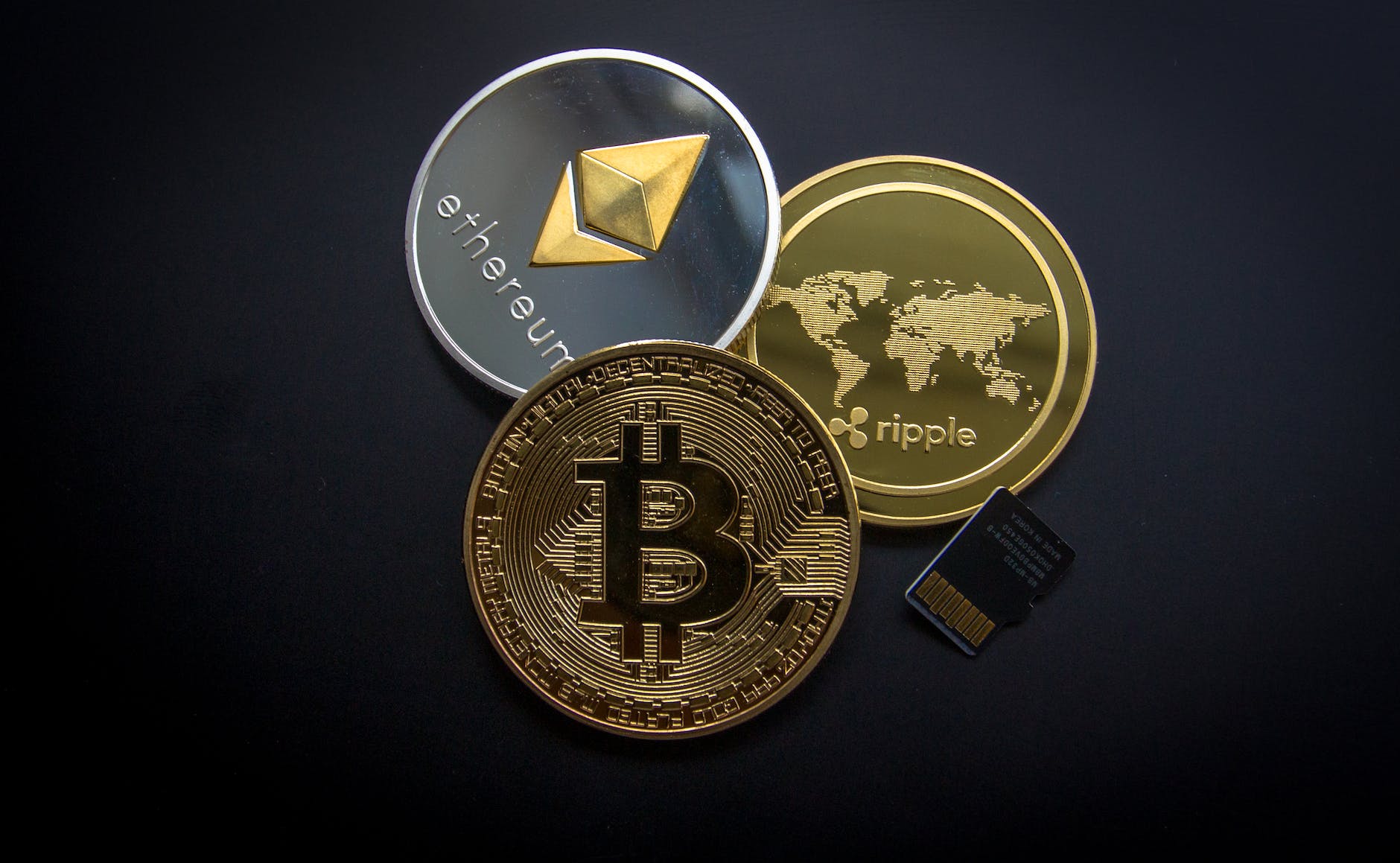
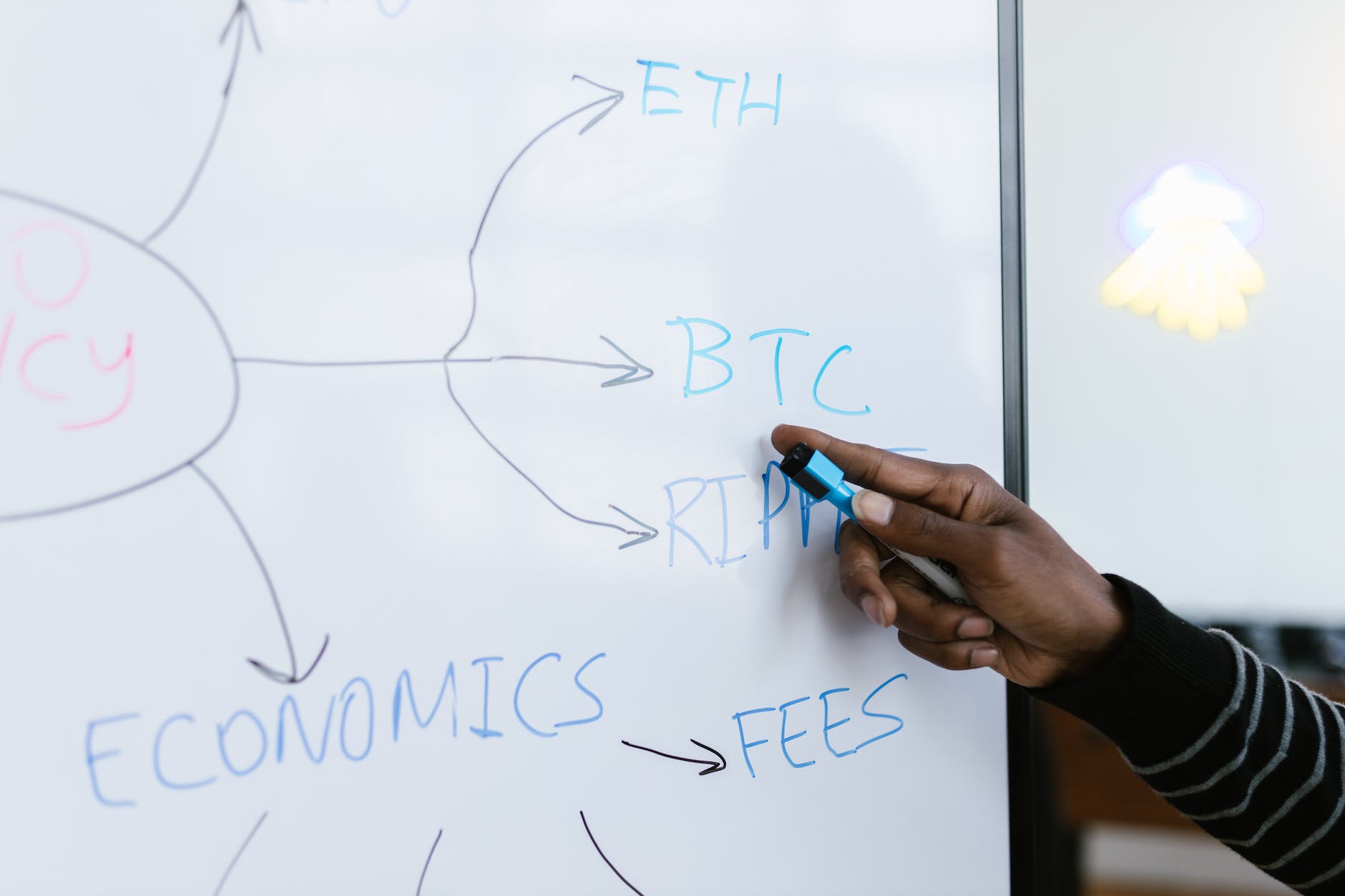
A Guide To Crypto Jargon

  As the world becomes increasingly digital, more & more people are becoming interested in cryptocurrencies. This article will provide a comprehensive guide to understanding crypto terms & jargon, making it easier for beginners to navigate the cryptocurrency world. Know more about Crypto  Bit Index AI.

Photo by Worldspectrum on Pexels.com

What are Cryptocurrencies?

It is extremely silly to put every inch bit of your hard earned money in the bitcoins as the worst days of volatility can push you towards losses. Instead, they rely on complex cryptographic protocols to ensure security and prevent fraudulent transactions. For further info, you can have a clear peek into the following article for gaining further knowing. 

What is Blockchain?

Blockchain is the chain of records of each crypto transaction taking place in the trade market. In simple words, every time a miner sits over the system to extract the cryptocurrencies like bitcoins, once after getting the work done with the extraction process, the miner adds the transaction to the blockchain. 

What are bitcoin transactions?

Bitcoin transactions are made using public & private keys. Each user has a public key, like a public address or account number, & a private key, like a password. When someone sends Bitcoin to another person, the transaction is verified by the network & then added to the blockchain. 

Bitcoin is often seen as digital gold, as its limited supply makes it valuable & sought after. This scarcity & the decentralized nature of Bitcoin make it attractive to some as a store of value, similar to gold.

In recent years, other cryptocurrencies have been created, with some seeking to improve on Bitcoin’s limitations. These include Ethereum, which introduced the concept of smart contracts & decentralized applications (dApps), & Ripple, which is focused on improving cross-border payments. While each cryptocurrency operates similarly, each has its unique features & uses.

Crypto Terms & Jargon:

Wallet: A cryptocurrency wallet is a software program that stores the private & public keys used to send & receive digital currency. If luckily, you end up with a valid and secure wallet then the best thing about the entire game is that, you can not only protect your digital assets from random intruders sitting in the internet but also from all the hackers and centralized bodies who want to imply taxes. 

Mining: Mining is creating new cryptocurrencies by solving complex mathematical equations. 

Fork: A fork is a change to the original blockchain. There are two types of knives: soft spoons & hard forks. A soft fork is a change that is backwards compatible, while a hard fork is a change that is not back-compatible.

Hash rate: The hash rate is a measurement of the network’s processing power. It is the speed at which a miner can solve the mathematical equation required to add a block to the blockchain.

ICO: ICO stands for initial coin offering. It is a fundraising method used by new cryptocurrency projects to raise funds for development. 

Altcoin: As the name suggests, Altcoins are the most popular alternative cryptocurrencies available in the market which are not bitcoins.  

Satoshi: A Satoshi is the tinnest unit of Bitcoin. 

Cold Storage: Cold storage is a method of storing cryptocurrency offline to protect it from hackers. Examples of cold storage include hardware wallets, paper wallets, & USB drives.

Gas: Gas is a unit of measurement used to determine the fee required to complete a transaction on the Ethereum network.

HODL: HODL is a term used to describe holding onto cryptocurrency rather than selling it. The term originated from a typo of the word “hold” on a Bitcoin forum post.

Conclusion:

Originally developed as a decentralized alternative to conventional financial systems, Bitcoin was designed to enable direct peer-to-peer transactions without the need for intermediaries like banks or governments. As its popularity increased, however, more and more businesses and individuals began to recognize its potential as a legitimate form of payment.

Today, thousands of businesses across the world accept Bitcoin as a means of payment, including major players like Microsoft, Expedia, and Overstock.com. This widespread adoption has helped to cement Bitcoin’s status as a viable payment method, and has opened up new opportunities for merchants to tap into a growing market of consumers who prefer to use digital currencies for their transactions. 

Constructing a Balanced Cryptocurrency Portfolio for Optimal Risk and Return

  Cryptocurrencies have become increasingly popular in recent years, with more and more investors looking to diversify their portfolios with digital assets. However, investing in cryptocurrencies can be a complex and challenging process, as the market is highly volatile and can be difficult to predict. To maximize returns while minimizing risk, it is essential to have a well-balanced portfolio that includes a mix of different cryptocurrencies. To create an account for extra info then  Register now.

Risk Management

Photo by RODNAE Productions on Pexels.com

Understanding Risk Management

One of the most important aspects of investing in cryptocurrencies is risk management. With high volatility and a fast-paced market, it is essential to have a strategy in place to minimize losses and maximize gains. To achieve this, investors should consider the following factors when constructing their portfolios.

Diversification

Diversifying your portfolio by investing in a mix of different cryptocurrencies can help reduce risk, as losses in one asset may be offset by gains in another.

Risk tolerance

Understanding your personal risk tolerance is crucial, as this will determine the types of investments that are suitable for you. Some investors may prefer to invest in more established and stable cryptocurrencies, while others may be comfortable with taking on more risk in exchange for potential higher returns.

Market conditions

Keeping an eye on market conditions and staying informed about the latest developments in the cryptocurrency market can help you make informed investment decisions.

Return Maximization

Strategies for Maximizing Returns

While minimizing risk is an important factor in investing in cryptocurrencies, maximizing returns is equally important. Here are some strategies that can help you achieve this:

Long-term investments

Investing in cryptocurrencies for the long-term can help you ride out the ups and downs of the market and potentially earn higher returns over time.

Active trading

For investors who are comfortable with taking on higher risk, active trading can be a way to maximize returns. This involves buying and selling cryptocurrencies frequently in response to market conditions, but it is important to have a solid understanding of the market before engaging in this strategy.

Research and analysis

Conducting thorough research and analysis of different cryptocurrencies can help you identify potential investment opportunities and make informed decisions.

Choosing the Right Cryptocurrencies

Factors to Consider When Choosing Cryptocurrencies

With so many cryptocurrencies to choose from, it can be overwhelming to know where to start. To help you choose the right cryptocurrencies for your portfolio, here are some factors to consider:

Market capitalization

The market capitalization of a cryptocurrency is a measure of its size and popularity. Investing in cryptocurrencies with higher market capitalizations can be a more stable option, as they are less likely to be impacted by sudden market changes.

Technology

The technology behind a cryptocurrency is an important factor to consider, as it can impact the cryptocurrency’s long-term potential for growth. Consider investing in cryptocurrencies that have a solid technology foundation and a clear roadmap for the future.

Community support

The support of a cryptocurrency’s community can also be an indicator of its potential for growth. Consider investing in cryptocurrencies that have a strong and active community of developers, users, and supporters.

Balancing Risk and Return

Balancing Risk and Return for Optimal Results

Balancing risk and return is the key to success when constructing a cryptocurrency portfolio. The goal is to find a balance between taking on enough risk to achieve high returns, while also minimizing risk to protect your investment. This can be achieved by investing in a mix of different cryptocurrencies that have different risk profiles. For example, you might choose to invest in some more established and stable cryptocurrencies, while also including some high-risk, high-reward options in your portfolio.

Additionally, it is important to regularly review and adjust your portfolio to ensure that it remains balanced. This might involve selling off assets that have outperformed and replacing them with assets that have underperformed. By continually monitoring and adjusting your portfolio, you can ensure that it remains well-balanced and continues to deliver optimal returns.

Investing in cryptocurrencies is not for everyone, and it is important to carefully consider your personal circumstances and risk tolerance before making any investments. However, for those who are comfortable with taking on some risk, a well-balanced cryptocurrency portfolio can offer the potential for significant returns. With a long-term approach and a focus on risk management, you can build a portfolio that is designed to deliver optimal results.

Conclusion

Constructing a well-balanced cryptocurrency portfolio is essential for maximizing returns while minimizing risk. By following a risk management strategy, actively seeking out investment opportunities, and choosing the right cryptocurrencies, investors can build a portfolio that is tailored to their specific needs and goals. With careful planning and a long-term approach, investing in cryptocurrencies can be a rewarding and profitable experience.

An Overview of Current State of Cryptocurrency

  Cryptocurrency and Bitcoin Loophole  has been one of the most talked-about and rapidly growing industries in recent years. With its decentralized and digital nature, it has attracted a lot of attention from both investors and financial institutions. In this article, we will delve into the current state of the cryptocurrency market and its performance.

Market Capitalization

Photo by Jonathan Borba on Pexels.com

A Look at the Total Market Capitalization

As of February 7th, 2023, the total market capitalization of all cryptocurrencies is around $1.67 trillion. This represents a significant increase from the market capitalization of $813 billion in January 2021. The continued growth of the market capitalization of cryptocurrencies reflects the increasing popularity and mainstream adoption of these digital assets.

Bitcoin Dominance

The Continued Dominance of Bitcoin

Despite the growth of various altcoins, Bitcoin continues to dominate the cryptocurrency market, with a market capitalization of around $970 billion. This represents approximately 58% of the total market capitalization of all cryptocurrencies. The continued dominance of Bitcoin highlights its status as the first and most well-established cryptocurrency, and its role as a safe-haven asset and store of value.

Altcoin Performance

The Rise of Altcoins

While Bitcoin continues to dominate the market, many altcoins have also seen significant growth in recent months. Ethereum, the second-largest cryptocurrency by market capitalization, has seen its market capitalization grow from around $135 billion in January 2021 to approximately $200 billion as of February 7th, 2023. Other altcoins, such as Binance Coin, Cardano, and Dogecoin, have also seen significant growth, highlighting the increasing popularity of alternative digital assets.

Institutional Adoption

Growing Interest from Institutions

The growth of the cryptocurrency market has also been driven by increasing interest from institutional investors. Many major financial institutions, including JPMorgan, BlackRock, and Fidelity, have recently entered the market, either by offering their clients exposure to cryptocurrencies or by investing in their own crypto assets. This growing institutional interest highlights the increasing mainstream acceptance of cryptocurrencies as a legitimate investment option.

Regulation

The Role of Regulation

Regulation continues to play a significant role in the development of the cryptocurrency market. While some countries have taken a hands-off approach to regulation, others, such as the United States, have implemented stricter regulations to ensure the protection of investors. The increasing regulatory oversight of the cryptocurrency market is seen as a positive development, as it helps to increase investor confidence and prevent fraudulent activity.

When is the Best Time to Invest in Cryptocurrency?

The timing of investment in cryptocurrency is a topic of much debate among investors. Some believe that it is best to invest during periods of market volatility, while others believe that it is better to invest during periods of market stability. The truth is, there is no one-size-fits-all answer to this question, as the best time to invest in cryptocurrency depends on various factors such as an individual’s investment goals, risk tolerance, and market conditions.

One factor that may influence the best time to invest is market volatility. During periods of market volatility, the prices of cryptocurrencies can be more unpredictable and subject to sudden shifts in either direction. This can present opportunities for short-term gains, but it also carries a higher level of risk.

On the other hand, during periods of market stability, the prices of cryptocurrencies may be more predictable and less subject to sudden shifts. This can provide a more secure environment for longer-term investments, but it may also limit potential gains.

Another factor to consider is market trends. If the overall trend of the cryptocurrency market is bullish, meaning that prices are rising, it may be a good time to invest. Conversely, if the overall trend is bearish, meaning that prices are falling, it may be a better time to wait for a market recovery before investing.

Conclusion

In conclusion, the cryptocurrency market has seen significant growth in recent years, driven by increasing mainstream adoption, institutional interest, and regulatory oversight. While Bitcoin continues to dominate the market, the rise of altcoins and the growing interest from institutional investors highlight the increasing popularity of digital assets. As the industry continues to evolve, it will be interesting to see how the market capitalization, adoption, and regulation of cryptocurrencies develop in the future.

7 Pitfalls to Avoid When Investing in Cryptocurrency

  Crypto Predictions  has taken the world by storm, and for good reason. It has the potential to revolutionize the financial industry, making transactions faster, cheaper, and more secure. But like any investment, there are risks involved. In this article, we will look at some common pitfalls to avoid when investing in digital coins.

Photo by Karolina Grabowska on Pexels.com

Lack of Understanding

Cryptocurrency is a complex and rapidly evolving field, and it can be difficult to keep up with all the latest developments. This can make it challenging to understand the risks and potential rewards of investing in digital coins. To be a successful cryptocurrency investor, it’s essential to educate yourself on the basics of the technology, the different types of coins available, and their underlying financial models.

Hype-Driven Investing

Cryptocurrency is a highly speculative market, and it’s easy to get caught up in the hype. Many investors make the mistake of investing in a digital coin simply because it’s popular or has a high market cap. However, just because a coin is popular doesn’t mean it’s a good investment. It’s crucial to do your own research and understand the technology behind each coin you’re considering investing in.

Ignoring Fundamentals

Another common mistake is to ignore the fundamentals of investing in cryptocurrency. This includes looking at factors like the team behind a project, its adoption rate, and the competition in the market. Before investing in any digital coin, it’s important to assess its potential for long-term growth and to consider its underlying technology.

Failing to Diversify

Diversification is key to any successful investment strategy, and this is especially true in the world of cryptocurrency. Failing to diversify your portfolio can put your investments at risk if a single coin performs poorly. To minimize this risk, it’s recommended to invest in a variety of coins, both large and small, and to keep your portfolio well-balanced.

Following the Herd

It’s tempting to follow the crowd when it comes to cryptocurrency investing. However, just because everyone else is investing in a particular coin doesn’t mean it’s a good investment. It’s important to remember that the market can be highly speculative, and that coins can rise and fall rapidly in value. To be a successful investor, it’s crucial to follow your own research and not simply rely on the opinions of others.

Not Protecting Your Investments

Cryptocurrency is still a relatively new and unregulated market, which means that it’s important to take steps to protect your investments. This includes keeping your coins in a secure wallet, using strong passwords and two-factor authentication, and staying informed about any potential security threats. Additionally, it’s essential to be aware of the potential for fraud in the cryptocurrency market and to avoid investing in any projects that seem too good to be true.

Timing the Market

Finally, it’s important to avoid timing the market when it comes to cryptocurrency investing. This means trying to predict when the market will rise or fall and making investments based on those predictions. In reality, it’s nearly impossible to accurately predict the market, and trying to time the market can lead to missed opportunities or significant losses. Instead, it’s recommended to take a long-term approach to investing in digital coins and to hold onto your investments for the long haul.

Conclusion

Cryptocurrency has the potential to be a lucrative investment, but it’s also a highly volatile and complex market. To be a successful cryptocurrency investor, it’s crucial to avoid the common pitfalls outlined in this article. This includes educating yourself on the technology, avoiding hype-driven investing, considering the fundamentals of each coin, diversifying your portfolio, avoiding following the herd mentality, protecting your investments, and avoiding trying to time the market. By following these guidelines, you can minimize your risks and maximize your potential for success in the world of cryptocurrency.

A Wide-ranging Guide in Interest in Crypto

  What is Crypto and How Does It Work?

Cryptocurrency, also known as crypto, is a digital asset designed to work as a medium of exchange that uses strong cryptography to secure financial transactions, control the creation of additional units, and verify the transfer of assets. In simple terms, crypto is a digital form of Bitcoin Sprint  that operates independently of a central bank.

Photo by RODNAE Productions on Pexels.com

Bitcoin

The Pioneer of Crypto

Bitcoin, created in 2009, was the first decentralized cryptocurrency and is still the most popular and valuable crypto asset today. It operates on a decentralized ledger technology called blockchain, which allows for secure and transparent transfers without the need for intermediaries.

Types of Crypto Assets

While Bitcoin remains the most well-known crypto asset, it is just one of many. There are several different types of crypto assets, including:

  • Bitcoin
  • Ethereum
  • Ripple
  • Litecoin
  • Tether
  • Cardano

Each of these assets operates differently and has its own unique features and benefits.

Investing in Crypto

What You Need to Know

Investing in crypto can be a lucrative opportunity, but it can also be risky. Here are some key factors to consider before investing in crypto.

Market volatility

The crypto market is highly volatile, with prices fluctuating rapidly. It is important to be aware of the potential for significant losses, as well as the possibility for significant gains.

Regulatory risks

Cryptocurrency is not yet widely regulated, and there is a risk that governments could take action to limit or ban its use.

Security risks

As with any digital asset, there is a risk of theft or loss through hacking or other security breaches.

Lack of understanding

Many people are still unfamiliar with crypto, and there is a risk that investors could make poor decisions based on a lack of understanding.

Earn Interest on Your Crypto Holdings

One of the benefits of investing in crypto is the opportunity to earn interest on your holdings. This can be done through a variety of methods, including:

Staking

Staking involves holding onto a specific crypto asset, such as Ethereum, and earning rewards for helping to secure the network.

Lending

Lending your crypto assets to others in exchange for interest payments is another option. This can be done through peer-to-peer lending platforms or through specialized crypto lending services.

Deposits

Some crypto exchanges offer the ability to earn interest on your crypto holdings simply by depositing them into a specialized account.

How to Choose the Right Platform for Earning Interest on Your Crypto Holdings

There are several platforms that offer the ability to earn interest on your crypto holdings. When choosing a platform, it is important to consider.

Interest rates

The interest rate offered by the platform will directly impact your earnings. Look for platforms with competitive interest rates.

Security

The security of your crypto holdings is of the utmost importance. Look for platforms with strong security measures in place, such as insurance coverage and secure storage systems.

Reputation

The reputation of the platform is important, as it can impact the stability of your earnings. Look for platforms with a strong track record and positive reviews from other users.

Fees

Some platforms may charge fees for accessing their services. Be sure to understand the fees charged by the platform before investing your funds.

Conclusion

In conclusion, earning interest on your crypto holdings can be a lucrative opportunity, but it is important to approach it with caution. Investing in crypto can be risky, and it is important to be aware of the potential for significant losses. By carefully considering the factors outlined above and by researching and choosing a reputable platform, you can increase your chances of earning a healthy return on your crypto investments. However, it’s essential to remember that no investment is without risk, and it’s important to only invest what you can afford to lose.

Before investing in crypto, it’s also important to educate yourself on the market and the assets you are considering. This includes understanding how each asset operates, its historical performance, and its future potential. With the right knowledge and approach, earning interest on your crypto holdings can be a valuable addition to your investment portfolio.

Indian Air Force ushers in Digital Transformation with DigiLocker Integration

 Indian Air Force (IAF) embarked on a transformative digital journey by integrating with the DigiLocker platform, a flagship initiative under the Digital India programme, here on April 26, 2024. In a ceremonial event held at Air Headquarters, Vayu Bhawan, the IAF and Ministry of Electronics and Information Technology (MeitY) signed the  momentous Memorandum of Understanding (MoU) to leverage DigiLocker’s secure and accessible document repository services.

This pioneering integration will revolutionize the way critical service documents of IAF personnel, both serving and retired, are issued, accessed, and verified digitally. By harnessing the power of cutting-edge technology, the IAF reaffirms its commitment to data security, operational efficiency, and seamless access to information.

Key Highlights:

  • Authorized IAF departments and divisions will now be able to seamlessly upload digital records, certificates, and vital documents to the national DigiLocker repository, ensuring secure storage and easy accessibility.
  • IAF officers will have direct access to their crucial documents, such as the Certificate of Service (COS) and Service Book Officers (SBO), through their personal DigiLocker wallets, enabling convenient retrieval and verification.
  • The integration with DigiLocker will streamline various processes within the IAF, including the Agniveer Vayu recruitment, where candidate’s academic document verification will be conducted digitally, enhancing transparency and credibility.
  • The MoU was signed between Air vice Marshal Phillip Thomas, ACAS (PO) l, Indian Air Force, and Shri Akash Tripathi, President & CEO, NeGD, MeitY, marking a collaborative effort towards digital empowerment.

Speaking on the occasion, Shri S Krishnan, Secretary, Ministry of Electronics & Information Technology, lauded this initiative as “a watershed moment in India’s digital transformation journey, catalyzing governance through technological empowerment of citizens and the armed forces alike”.

With over 269 million registered users and a staggering 6.73 billion issued documents, DigiLocker is rapidly emerging as a national standard for digital document exchange platform.

The IAF’s integration with DigiLocker signifies a significant stride towards comprehensive digital transformation, aligning with the nation’s technological prowess and the armed forces’ modernization efforts.

DK/DK/SMP


Conference organized on ‘Challenges and Prospective Solutions in Inland Waterways and Shipbuilding’

 Ministry of Ports, Shipping and Waterways (MoPSW), Government of India, along with Cochin Shipyard Limited (CSL) and Inland Waterways Authority of India (IWAI) recently organized a two-day conference in Kochi ,Kerala (23-24th April) on ‘Challenges and Prospective Solutions in Inland Waterways and Shipbuilding’, bringing together various state departments, industry experts and stakeholders to delve into pressing issues within the maritime sector. The conference, which featured four insightful sessions, focused on the imperative of decarbonizing the maritime industry and addressed critical challenges in inland water transport and shipbuilding. Participants actively engaged in sharing key challenges faced by them and suggested possible interventions by the government in order to swiftly achieve the cargo modal shift to waterways, apart from boosting domestic shipbuilding.

Shri R Lakshmanan, Joint Secretary, MoPSW said “The two-day conference at Kochi successfully facilitated enriching discussions encompassing India’s key priorities including Green Transition of Inland Waterways, establishment of a dedicated Sectoral Maritime Development Fund, promoting domestic shipbuilding, etc. This is one among many such meetings being conducted by the ministry to identify and address the key challenges faced by the maritime stakeholders in achieving the targets set forth in Maritime Amrit Kaal Vision 2047.”

The inaugural session brought to the fore MoPSW’s decarbonization efforts in the Inland Waterways sector being spearheaded by IWAI and CSL by deployment of Green Hydrogen Fuel Cell Inland Vessels, aligning with MoPSW’s Harit Nauka Guidelines. Varanasi has been selected as the pilot location for immediate deployment on NW-1, with expansion plans informed by pilot learnings. It was discussed that discussions are ongoing with potential players for facilities such as bunkering, etc. Furthemore, it was informed that due to its low emission qualities, Methanol is also actively considered as one of the key green fuels for EXIM Vessels globally as seen in the recent case of Maersk’s deployment of Methanol Powered Ships. Going forward, it was suggested to explore mechanisms of developing indigenous development of Methanol marine engines in the country as a progressive step towards Green Transition of Inland Vessels.

Ongoing roundtable discussion at the conference in Kochi

The afternoon session delved into the pressing financing needs of India’s shipping sector, underscoring the mammoth investment requirement of approximately Rs 70-75 Lakh Crore as outlined in the Maritime Amrit Kaal Vision 2047. Despite this substantial need to support the country’s projected trade and economic expansion, there’s a notable absence of forthcoming finance sources, including bank credit and foreign investment. The discussion illuminated various financing challenges encountered by Indian maritime stakeholders, particularly in the shipping sector.

These challenges include the non-availability of long-term funding, which is crucial for sustainable growth, along with lower interest rates. Additionally, the presence of fixed sectoral lending limits as per RBI credit concentration norms poses a significant hurdle, restricting the availability of credit by capping each bank’s exposure to individual companies or networks of companies. Moreover, the lack of asset-based financing by Banks/Financial Institutions (FIs) acts as a deterrent for shipping sector borrowers.

In response to these challenges Shri R Lakshmanan, Joint Secretary, MoPSW, shared insights into the ministry’s proactive efforts. The ministry is actively working on establishing a dedicated Maritime Development Fund, akin to established sectoral Financial Institutions such as Power Finance Corp. Ltd, REC, IRFC, etc. This fund aims to cater to the unique and substantial funding requirements of the maritime sector, enabling the implementation of specific initiatives such as shipbuilding, decarbonization, green energy adoption, technology innovation, and manpower training and development.

Industry stakeholders warmly welcomed this initiative and provided valuable feedback, recognizing its potential to address the pressing financing needs and propel the holistic development of the maritime sector as envisioned in Maritime Amrit Kaal Vision 2047.


Water Metro operating in Kochi


The programme’s evening agenda included a tour of the Kochi Water Metro and projects under the Inland Waterways Authority of India (IWAI), highlighting the strategic focus on bolstering river cruise tourism, advancing urban water transport networks along inland waterways, and fostering the growth of coastal shipping. The government recognizes IWT as a more economical and environmentally friendly mode of transportation.

In Day 2 of the conference, for the first session, stakeholders from various sectors including inland vessel operators, cruise operators, vessel builders, ship management companies, cargo owners, state water transport departments, and Kochi water metro convened to address challenges and explore possible interventions. Discussions centered on traffic patterns along NW-3, NW-8, and NW-9, alongside initiatives aimed at optimizing cargo movement. These efforts align with the goal of boosting the modal share of Inland Water Transport (IWT) to 5% by 2030 and 7% by 2047, as outlined in Maritime Amrit Kaal Vision 2047.

Stakeholders strategize ways to enhance inland water transport modal share during a dynamic conference session

The final session of the two-day conference centered on India’s shipbuilding capacity, highlighting its current global ranking at 22nd with less than 1% of global share. Discussions underscored the nation’s heavy reliance on foreign fleets for cargo movement, resulting in significant foreign exchange expenditure. Stakeholders engaged in dialogues to understand and highlight financing and operational challenges faced by shipbuilders and owners, emphasizing the role of interventions in existing policies and necessary reforms to boost the Indian fleet size and ownership.

Key topics included enhancing frameworks, increasing research and development efforts, and advocating for global promotion of MAKV 2047 to attract international investment in Indian shipbuilding. Participants were encouraged to submit their challenges, interventions, and policy suggestions post-conference for further consideration. With aspirations to become one of the top 5 shipbuilding nations by 2047, India is strategically focusing on expanding ship ownership and tonnage responsibly, thereby unlocking significant commercial opportunities within the shipbuilding sector.

***

World Energy Congress 2024: IREDA CMD highlights need for Innovative Financing Solutions for New and Emerging Renewable Energy Technologies

 Chairperson & Managing Director of Indian Renewable Energy Development Agency Ltd. (IREDA) Shri Pradip Kumar Das participated in a panel discussion on “The New Interdependencies: Trust, Security and Climate Resilience”, at the 26th edition of World Energy Congress in Rotterdam, Netherlands.

During the discussion, the IREDA CMD shared insights into India’s journey towards energy transition and underscored IREDA’s crucial role in advancing renewable energy adoption within the country. He said that India’s ambitious goal of achieving 500 GW of non-fossil-fuel energy capacity by the year 2030 positions it as a beacon of hope in the global fight against climate change. He also highlighted India’s commitment to achieving Net Zero emissions by the year 2070. He pointed out that with rapid progress in renewable energy sector, India stands fourth globally in renewable energy installed capacity.

As the largest pure-play green financing NBFC of the country, IREDA plays a pivotal role in expediting energy transition. The CMD emphasized IREDA’s efforts in facilitating financing for energy transition projects, through utilization of innovative financial instruments to mitigate risks and encouraging private sector involvement in the renewable energy sector.

A group of people sitting on a stageDescription automatically generatedA group of people sitting on a stageDescription automatically generated

The World Energy Congress panel also discussed the ongoing global energy crisis, with the CMD stressing the importance of diversification and robust infrastructure to ensure energy security. He emphasized the significance of integrating regional markets through strong power networks. He also proposed the mandate of allocating 4%-5% of Assets Under Management (AUM) from domestic pension / insurance funds into renewable energy bonds, to deepen the bond market and increase additional global and local investments.

In conclusion, the CMD reaffirmed IREDA’s constant commitment to a green economy. The company continues to attract investments, foster technological advancements, and advocate for policy reforms. The CMD said that as India progresses towards achieving Net Zero emissions by 2070, IREDA remains at the forefront, guiding the way towards a sustainable and secure energy future.

Senior Vice President, Europe & Head of Country, UK, bp, Ms. Louise Kingham CBE; Global Energy & Resources Strategy Leader, EY, Mr. Andy Brogan; and Administrator, Panama Canal Authority, Mr. Ricuarte Vásquez Morales were the other participants in the panel discussion on “The New Interdependencies: Trust, Security and Climate Resilience”, held on 24th April, 2024.

JEL Classification Codes

 Subject Area of JEL codes

A:General Economics and Teaching 

B:Methodology and History of Economic Thought 

C:Mathematical and Quantitative Methods 

D:Microeconomics 

E:Macroeconomics and Monetary Economics 

F:International Economics 

G:Financial Economics 

H:Public Economics 

I:Health, Education and Welfare 

J:Labor and Demographic Economics 

K:Law and Economics 

L:Industrial Organization 

M:Business Administration and Business Economics; Marketing; Accounting; Personnel Economics 

N:Economic History 

O:Economic Development, Technological Change and Growth 

  • O00 – General
  • O1 – Economic Development
  • O10 – General
  • O11 – Macroeconomic Analyses of Economic Development
  • O12 – Microeconomic Analyses of Economic Development
  • O13 – Agriculture; Natural Resources; Environment; Other Primary Products
  • O14 – Industrialization; Manufacturing and Service Industries; Choice of Technology
  • O15 – Human Resources; Human Development; Income Distribution; Migration
  • O16 – Financial Markets; Saving and Capital Investment; Corporate Finance and Governance
  • O17 – Formal and Informal Sectors; Shadow Economy; Institutional Arrangements
  • O18 – Urban, Rural, Regional, and Transportation Analysis; Housing; Infrastructure
  • O19 – International Linkages to Development; Role of International Organizations
  • O2 – Development Planning and Policy
  • O20 – General
  • O21 – Planning Models; Planning Policy
  • O22 – Project Analysis
  • O23 – Fiscal and Monetary Policy in Development
  • O24 – Trade Policy; Factor Movement Policy; Foreign Exchange Policy
  • O25 – Industrial Policy
  • O29 – Other
  • O3 – Innovation; Research and Development; Technological Change; Intellectual Property Rights
  • O30 – General
  • O31 – Innovation and Invention: Processes and Incentives
  • O32 – Management of Technological Innovation and R&D
  • O33 – Technological Change: Choices and Consequences; Diffusion Processes
  • O34 – Intellectual Property and Intellectual Capital
  • O35 – Social Innovation
  • O38 – Government Policy
  • O39 – Other
  • O4 – Economic Growth and Aggregate Productivity
  • O40 – General
  • O41 – One, Two, and Multisector Growth Models
  • O42 – Monetary Growth Models
  • O43 – Institutions and Growth
  • O44 – Environment and Growth
  • O47 – Empirical Studies of Economic Growth; Aggregate Productivity; Cross-Country Output Convergence
  • O49 – Other
  • O5 – Economywide Country Studies
  • O50 – General
  • O51 – U.S.; Canada
  • O52 – Europe
  • O53 – Asia including Middle East
  • O54 – Latin America; Caribbean
  • O55 – Africa
  • O56 – Oceania
  • O57 – Comparative Studies of Countries

P:Economic Systems 

Q:Agricultural and Natural Resource Economics; Environmental and Ecological Economics 

R:Urban, Rural, Regional, Real Estate, and Transportation Economics 

Y:Miscellaneous Categories 

Z:Other Special Topics