Council of Scientific &Industrial Research(CSIR)-Indian Institute of Petroleumits(IIP)celebrated its 65th Foundation Day

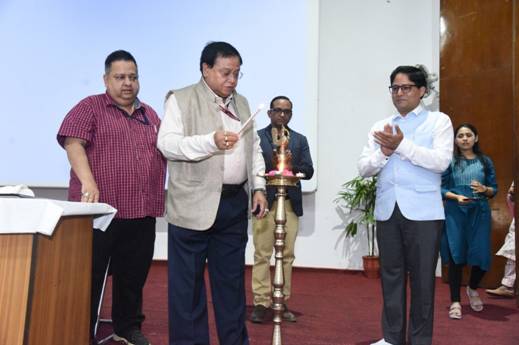
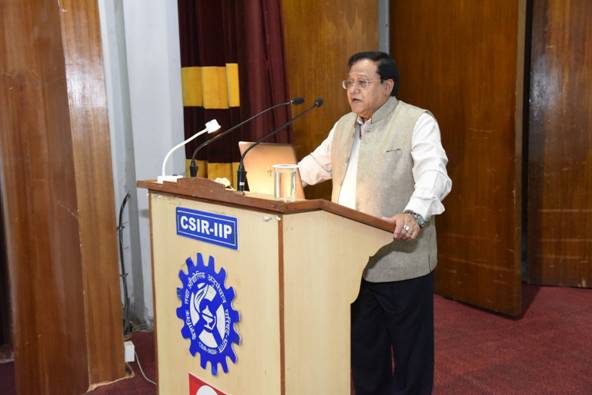
 Council of Scientific & Industrial Research(CSIR)-Indian Institute of Petroleum(IIP), Dehradun,celebrated its 65th Foundation Day on its campus today. It is a premier R&D organization established on 14th April 1960. Padma Bhushan DrV K Saraswat, Hon’ble Member NITIAayog and Mentor CSIR-IIP, graced the occasion as the Chief Guest. The celebration marked the institute’srich history of pioneering research, innovative technologies, and industry collaborations.

 Dr V.K. Saraswat while speaking on the ocassioncongratulated the team CSIR-IIP and conveyed his best wishes on the 65thFoundation Day of the Institute. He also delivered a lecture on the “Energy Transition in India”. In his talk,Dr Saraswat emphasized the cleaner and carbon-free technologies that will drive the world in the near future. He also invited scientists to undertake challenging research in e-Methanol and Green Hydrogen. The takeaway from the talk could be summarized as follows: For Indian technologies to remain competent around the globe, we need to start working on carbon neutrality rigorously. 

Dr V.K. Saraswat also interacted with the scientific fraternity of CSIR-IIP. During the interaction,He praised the team of scientists, technicians, students, and staff, which added glory to the institute. The Director CSIR-IIP presented the roadmap of the institute from 2024 to 2030 to accomplish the Vikasit Bharat . Dr.Saraswat appraised the roadmap and proposed various suggestions for making it more beneficial to the nation.  

Dr Harender Singh Bisht, Director CSIR-IIP, highlighted various achievements made by the institute during the last 64 years, which included the Numaligarh Wax Plant, Sustainable Aviation Fuel, US Grade Gasoline, Medical Oxygen Units, Sweeting Catalyst, PNG Burner, Improved Gur Bhatti etc to mention a few. The students and teachers from the Oak Grove School, Mussoorie, also attended the programas a part of the Jigyasa 2.0 program. The students visited various laboratories at the institute and interacted with the scientists and research scholars working in them. The motive of the Jigyasa 2.0 program is to inculcate scientific temperament among school-going kids so that they grow up as budding scientists in the country.  

The celebration concluded with the vote of thanks delivered by Shri Anjum Sharma, Sr Controller of Administration CSIR-IIP. Team CSIR-IIP sincerely thanks all the individuals who provided unconditional support in making the program successful.

***

3rd convocation of National Sanskrit University, Tirupati

 Ladies and gentleman, good afternoon to you all. Greetings to you all.

I am indeed overwhelmed by being with you all in this sublime proceedings. I landed in Tirupati, had darshan at the temple. Friends, it is the Tirupati one that comes closest to divinity, spirituality, and sublimity. I experienced this at the Darshan. I felt blessed and sought bliss for all.

I am honoured to be here at this 3rd Convocation. Your Motto, ‘Tamaso ma Jyotirgamaya’, lead me into life from darkness. This is motivational, inspirational. It is in sync with civilization. It captures the essence of life. You have to live up to this Motto.

पिछले 4 दशकों में, तिरुमला पर्वत के तल पर स्थित राष्ट्रीय संस्कृत विद्यापीठ संस्कृत भाषा और विशेष कर पारंपरिक शास्त्रों के अध्ययन और अध्यापन का विशिष्ट केंद्र रहा है। This place is unique for this particular domain. मेरा ज्यादातर लगाव न्याय क्षेत्र से रहा है। अब मेरा लगाव संसद से रहा है। जब मैं दोनों की तरफ देखता हूं, तब इस विश्वविद्यालय की याद आना स्वाभाविक है।

विद्यापीठ के अध्यक्षों में कौन-कौन है? भारतीय पूर्व मुख्य न्यायाधीश पतंजलि शास्त्री, प्रसिद्ध V Raghavan और लोकसभा के पूर्व अध्यक्ष श्री एम.ए. अय्यंगार, और आज वर्तमान में विश्वविद्यालय को अनुभवी और योग्य पद्म भूषण श्री एम गोपाल स्वामी का मार्गदर्शन प्राप्त हो रहा है।

I extend my congratulations to all the graduating students. You have received your degree today; this is a significant day in your life. This is a cornerstone measure, a milestone for you, your parents, your friends, your teachers. You will now take a big leap into the larger world. You are lucky to be taking a leap at a time when Bharat is on the rise. The rise is unstoppable; we are heading towards Global power. We are fortunate.

I commend each of you for your dedication, hard work, and scholarly pursuit of Sanskrit knowledge.

अमृत काल में जो हो रहा है, दीक्षांत समारोह और भी महत्वपूर्ण है। यहां से स्नातक होने का कुछ अर्थ है, कुछ नए मायने हैं, कुछ नए मापदंड हैं। पूरी दुनिया में संस्कृत भाषा का आपको दूत बनना है। संस्कृत देव भाषा और विश्व के प्रथम भाषा है। हमारे वेदों की भाषा है, यह दिव्य और समृद्ध भाषा है। ऐतिहासिक दृष्टि से, संस्कृत सभी भाषाओं की जननी है और सबसे महत्वपूर्ण। जिसको आज तकनीकी दुनिया समझ रही है, संस्कृत वह भाषा है जिसको शब्दों का क्रम अर्थ को प्रभावित नहीं करता। जिसकी वजह से यह सर्वश्रेष्ठ भाषा मानी जाती है।

हमारे संविधान में सदियों पुरानी संस्कृत अनुभव और मूल्यों का सार है। संविधान ने भारतीय भाषा में विविधता और उसकी गौरवशाली इतिहास को समझाएं। स्थानीय संस्कारों का सृजन करना हमारी भाषा हमें सिखाती है। अपनी भाषाओं को, अपने साहित्य को जीवित रखना हमारा लक्ष्य होना चाहिए।

कोई दुनिया का देश भारत जैसा नहीं है, जहां इतनी भाषाओं का सौभाग्य हमको प्राप्त हो। भारतीय संविधान में 22 भाषाओं को मान्यता दी गई है। संस्कृत, तेलगु, तमिल, कन्नड़, मलयालम, उड़िया जैसी प्राचीन भाषाओं को एक नया दर्जा दिया गया है – ‘क्लासिकल लैंग्वेज’ का दर्जा दिया गया है।

Friends, Sanskrit is rightly taken as the mother of many Indian languages. It occupies a unique position in India’s linguistic evolution. Despite vast diversity of Indian languages, there exists inherent linguistic, literary unity with these richly profound languages. And friends, they serve as a great unifying factor. Throughout history, there has been constructive interaction among Indian languages and their literature. The grammar, structure, vocabulary of Sanskrit have significantly infused and enriched Hindi, numerous other Indian languages, as well as tongues spoken across Southeast Asia. This exemplifies the profound impact Sanskrit has in the region’s linguistic landscape.

पर एक चिंतन की बात है, जिस पर मंथन होना चाहिए। कोई भी भाषा तभी जीवित रहती है जब समाज में उसका उपयोग हो। उपयोग नहीं होगा तो लुप्त हो जाएगी। आवश्यकता है कि उसमें साहित्य लिखा जाए, उसे प्रासंगिक बनाया जाए। संस्कृत के उपयोग में सामूहिक बढ़ोतरी की आवश्यकता है। आप सब इसमें सक्षम हैं, यह आपका लक्ष्य होना चाहिए।

Friends, as India is poised to play big role on the world stage it requires an education system that would get not only local needs but Global requirements. We are fast heading in that direction.

शिक्षा नीति विकास और विरासत के बीच संतुलन बनाने का एक सार्थक प्रयास भारत में हो चुका है। संस्कृत भारतीय समाज के जीवन दर्शन का आधार रही है, जो संस्कृत नहीं जानते हैं वह भी संस्कृत का लाभ लेते हैं, संस्कृत से प्रभावित होते हैं ‘सत्यमेव जयते’ सबके मन में है, ‘यतो धर्मस्ततो जयः’ ऐसे आदर्श वाक्य संस्कृत ग्रंथों से प्रेरित है। भगवतगीता ने अनेक महापुरुषों का मार्गदर्शन किया वसुधैव कुटुंबकम भारत के वैश्विक दर्शन का सार है।

Just reflect what happened last year when we successfully hosted G20. What was its motto? “one Earth, one family, one future”.

This emanates from Vasudev Kutumbakam. The entire world has embraced it and it was an occasion where the entire world was surprised, enlightened and stunned at the rich historical worth of Bharat, its civilizational ethos of 5000 years. You all must have relished the Prime Minister of this country receiving the foreign dignitaries and what was the backdrop.

संस्कृत साहित्य मानवता की धरोहर है। आज के दिन हम देख रहे हैं तकनीकी युग है। Disruptive technologies have made have in roots in our lives. We have to curtain with them. पर यह कहा गया है यदि अगर कोई एक भाषा तकनीक के काम आ सकती है।

One language which can be uniquely fit in without error in technology science of all kinds is Sanskrit language. It is the only language whose expression orientation does not lay to 2 meanings and that is the most essential, quintessential requirement of Technology on critical occasions.

I am so happy to learn that NEP 2020 has included learning Sanskrit as an option at school level as part of the three-language formula. But to give it a cutting edge and realise it on ground, there is a need for Sanskrit textbooks being written in Simple Standard Sanskrit. Right now it’s a fear that learning sanskrit is difficult, speaking sanskrit is difficult.

Let me tell you friends whenever in life you are at Cross Roads that this job is difficult, it is difficult as long as we don’t tackle it, then it becomes soothing, seamless and enjoyable.For Sanskrit it is all the more.

शिक्षा नीति हमारी सांस्कृतिक, साहित्यिक, शिल्प, बौद्धिक विरासत का संरक्षण कर रही है। तीन दशक के बाद इसका निर्माण हुआ है। Stakeholders in thousands with their inputs were taken and then it was moulded.

अनेक देशों में संस्कृत के प्रति लगाव बढ़ रहा है। हमारे लिए तो यह स्वाभाविक है। हमारी संस्कृति कितनी विशाल है। यह संस्कृत से हमें पता चलता है। यह राष्ट्रीय प्राथमिकता होनी चाहिए। यह मेरा अनुरोध है इसमें आप लोगों का बहुत बड़ा योगदान है

Sanskrit inherits a rich and diverse literary corpus, encompassing not just religious and philosophical texts but also secular works on medicine, drama, music, and even science. if you go into that area you will find milestone of knowledge text in Sanskrit are repository of wisdom of senses not available anywhere else.

This vast vocabulary facilitated the expression of everything from the Vedas to epics like the Ramayana, and even practical guides like the Arthashastra. Despite this breadth, Sanskrit’s integration into the mainstream education remains limited, often hindered by a lingering colonialist mindset that still dismisses Indian knowledge systems.

भारतीय ज्ञान परंपरा को पुनर्जीवित करने और उसपर अनुसंधान करने के लिए, आप जैसे संस्थानों की महत्वपूर्ण भूमिका होगी। आप बखूबी निभा रहे हैं।

आप संस्कृत की मूल पांडुलिपियों को पढ़ सकते हैं और उनका सही अनुवाद और भावार्थ बता सकते है, अन्य भारतीय भाषाओं में उनका अनुवाद कर सकते हैं जिससे सभी भारतीय भाषाओं के प्राचीन ग्रंथों और उनमें निहित ज्ञान पर गहन शोध किया जा सके।

मेरा यह भी आग्रह होगा कि प्राचीन ग्रंथों की पांडुलिपियों और बेशकीमती मूल प्रतियों को digital format में संरक्षित रखने के लिए विद्यार्थियों को digital technology में प्रशिक्षित किया जाए। ऐसा करने के लिए आपको जो नेतृत्व आज मिल रहा है आप सौभाग्यशाली हैं।

Sanskrit is the language of divinity. In the pursuit of spirituality and the quest to connect with the divine, Sanskrit serves as a sacred bridge.

भारतीय परंपरा में यह मान्यता रही है कि ब्रह्मांड की उत्पति “स्वर” या “नाद” से हुई है। संस्कृत में शब्द ही नहीं बल्कि स्वर और उनके उच्चारण का भी महत्व है।

ओम! वातावरण ही बदल जाता है। देखिये किसी भाषा में इतनी ताकत नहीं है।

Sanskrit, to the extent the languages are concerned, has a nuclear potential. We have to exploit it in a nation with 1.4 billion people, a Nation that is vibrant democracy, a nation whose global economy at the moment is at number five will shortly bet at number three.

We only have to make it an agenda and execution is implementable, it is achievable, it is achievable, it is in National interest and it will give a different kind of global rise.

The resonant chants of the Vedas, the hymns of the Upanishads, and the mantras recited in temples all infuse the atmosphere with serenity and transcendence. As a leading Sanskrit University, you are uniquely positioned to champion Indian knowledge systems in higher education.

By developing innovative curriculum and fostering interdisciplinary research, you can bridge the gap between Sanskrit’s rich heritage and modern academic needs.

Let Sanskrit’s sacred language not only connect us to the divine, but also illuminate the path towards a more holistic understanding of the world.

In today’s whirlwind, Sanskrit offers a unique solace: intellectual rigor, spiritual serenity, and a deeper connection to oneself and the world. It’s a cultural anchor in a storm.

Congratulations, graduates! Your dedication has brought you to this milestone.

Carry Sanskrit’s legacy – not just academic knowledge, but a path to transformation. Become ambassadors for this invaluable heritage, ensuring its treasures reach future generations.

Studying Sanskrit is far more than academics; it’s a journey of self-discovery and enlightenment.

People look for satisfaction and happiness. Sanskrit is a mechanism and medium to secure it. The ancient verses hold not just intellectual insights, but a path to understanding life’s mysteries and our place in the world. What our philosophy is, in nutshell, the universal gospel of Sanatan dharma.

May the wisdom of Sanskrit continue to illuminate our minds and hearts, guiding us towards a path of enlightenment and spiritual fulfillment. People care for heart, people care for mind. When you are care for your soul then you remember Sanskrit then you remember our civilizational depth, then you remember spirituality. Sanskrit is a medium to take you to that place.

At this juncture, I wish to extend my heartfelt congratulations to the graduating students. Your dedication and perseverance have led you to this momentous milestone. As you step into the world beyond this Campus, armed with the knowledge of Sanskrit, remember that you carry a torchbearer of an ancient legacy—one that is not merely academic but profoundly transformative.

I urge you all to become ambassadors of Sanskrit—its custodians and its champions. Let us strive to preserve and propagate this invaluable heritage, ensuring that future generations inherit the treasures of our linguistic and spiritual legacy.

Let us act as trustees of Sanskrit language and our civilization and Pass on to future generations by adding value to it.

Once again, Congratulations!

Thank you. Jai Hind!

****

Bharat Biotech Campus, Hyderabad

 Hon’ble Governor of Telangana, Administrator Puducherry and Governor of another state Jharkhand.  A man with rich experience of having been a parliamentarian for two terms and now holding this constitutional position.

This constitutional position of the Governor is no longer ornamental and we have the right man at the right place with right experience, right dedication and right commitment.

Padma Awards have got very high credibility.They are no longer driven by patronage or so-called iconic status or reputations built by event management. Padma Awards are very authentic and you all must have been surprised that when a person next door gets Padma Award you never look for that. But your reaction will be the right person has got it.

In this case the right persons have got it. So I was there. We interacted with the couple a little more extensively when we invited them and others who had got Honoris Causa from Punjab University for lunch.

Very simple, very modest, not driven by commerce, not driven by the balance sheet results. The balance sheet must respect and reveal societal aspect. But thanks to pandemic COVID and pandemic COVID has taught us many good lessons.

One is the world has come to know about you people more closely. You have been majorly instrumental in taking care of 1.3 billion people, making us proud all the way. But what is more significant of their contribution is that this country, while handling its own problem, handheld 100 other countries, Covaxin Maitri.

We gave COVID vaccine free to about 100 countries. Now I come to the real point. How this has been brought about? Research, development, innovation.

Research and development are the final strength of any economy. They are the final strength of any nation. Execution is never a problem.

Execution can take place by mediocrity, but developing a particular medicine, being innovative about it, that’s the greatest help you can contribute to the humanity at large. This company stands out. And this company stands out not because of two of them.

It stands out because of the people before me also. And those who are in attendance in virtual mode. And those who may have served here and may have retired.

Because it is the human capital that is precious. It is the human capital that alone is the ultimate repository of your wealth. I have come across many educational institutions.

People who are big in infra, never had academic inclinations, have excellent institutions. But faculty is missing. That’s the situation.

Your esteemed institution has truly set a benchmark in innovation, research, service, and education. You are not driven by commerce interest. Of course, every mechanism has to be sustainable.

If it is not sustainable, it wouldn’t work. Then this company has been a pioneer. And a pioneer is one who faces headwind more severely than others.

Headwind in the shape of administrative hiccups. Headwind in the shape of assimilating human resource. Headwind initially in the shape of there not being sustainable financial reward.

But this has become a success model. I am told 9 billion vaccine doses globally have been delivered. Of course, our countries are big in size.

And we know big numbers. 1.4 billion. 9 billion is quite a statistical figure.

Staggering. Then it gives emphasis to alleviation of human misery. Because it has been said over ages, If you are not healthy, you cannot deliver.

You may be talented. You may be committed. You may be possessed of highest integrity and ethical standards.

You may have a brain which is remarkable. But if health fails you, rather than being asset to society, you become a liability. And if a person is not possessed of these great study qualities and suffers health hazard, his economy is already vulnerable.

It is nothing short of a panic in the entire family. Therefore, this work is remarkable human service. Because we are living in times where we have become too materialistic.

We talk of mind. Occasionally we talk of heart. But rarely we talk of soul.

Now soul and spirituality define a human being. And that comes only when society is not overtaken by health hazards. Fortunately, a country of our size has seen in recent years, policy initiatives and schemes that have hand-held the last in the row.

I am talking about the health program we have in the country. I think its reach is beyond any program in the world. But then a lot more is to be done.

If you look at our ancient scriptures, our Vedas, Atruvaveda in particular, you will find that focus on health and the kind of situations they have indicated. Now companies like this can work in innovation, research, development, to bring about a mechanism of prevention, precaution. Let us not get alert when we have a mechanism where the button has to be pressed and the doctor has to be summoned.

 That situation must be avoided. And that is avoidable. I am sure a company like this would for sure take care of dissemination of right information, right knowledge across all segments of society, rural, tier 2 cities, tier 3 cities, and urban centres.

 Your exceptional contribution made us proud for another reason. And that is India’s unprecedented technological penetration, digital penetration. A decade ago, imagine what the scene was.

 And the scene was we were counted as a nation, fragile five, facing difficult situations, traversing difficult terrain. We have negotiated to slot number five, ahead of Canada, ahead of UK, ahead of France. Matter of time, we’ll be ahead of Japan and Germany.

 But France and most of you will not be aware. When I was elected to Parliament in 1989, and it was a good fortune to be a minister, the size of the Indian economy, hold your breath, make sure of your seats, was less than that of cities like Paris and London. Can you imagine? In 1991, right now our foreign exchange reserves are more than 600 billion.

 In 1991, to sustain our fiscal credibility, we had to physically load our gold in a plane. To be placed to two sea banks. What I’m telling you is we have come a long way.

We are at a place which I never imagined in 1991. Never dreamt of, never thought our Bharat will be what it is today. There is not a sector in which we are not in the big league.

 Let’s talk of space. Chandrayaan 3 landed at that part of the moon where no one has landed. On 23rd August, 2023, it has become now a space day.

 Tiranga and Shiva Shakti points are embedded on the surface of the moon. Thanks to our achievements. All this because ISRO, an organisation like you, is engaged in that activity.

 Go to 60s, rocket parts being taken on a bicycle. In 60s, our neighbouring country could put its satellite in the space from the homeland. We couldn’t.

 And now this country puts in space satellites of developed nations. Singapore to UK and others. And why? Good value for money.

 But look at our national temperament, some of them. They continue to be in the bubble. They are incorrigible critics of our development.

 They are recipe for chaos. Chandrayaan 2, it was September 2019. Along with my wife, I went to science city in Kolkata as governor of state of West Bengal.

 500 boys and girls were with me. Around 2 a.m. or thereabout, the landing was not soft. We reached quite close to the surface.

 Very close to it, just few centimetres. Landing was not smooth. Some people took it as failure.

 It wasn’t failure. It was success but not 100%. If Chandrayaan 3 is a success story, the foundation was laid by Chandrayaan 2. And therefore, when you are engaged in such a difficult task, there will be failures.

 There will be fear of failure also. There will be people to compete and walk away with success which may be yours. Notwithstanding that, our pursuit to serve humanity by research and development, scientific research should never get impeded.

 Indigenous research is something on which you must focus. There was a time when we would wait leisurely that a product will be developed in the West. Let’s take a radio.

 We’ll get it after about 5-6 years. Then we got it after about 2 years. Then we got about 6 months.

 And now we get it immediately. But now, there is reversal. Our products are going outside.

 We got into that mode. Now, I put two poses before you. 100 billion or more foreign exchange is being drained out every year because we import items that are available.

 This is, as a matter of fact, disrespect to being vocal about local or commitment to society. I term it as economic nationalism. It immediately has three serious dangerous consequences.

 One, avoidable drain of foreign exchange. Secondly, when we import avoidable imports, items that are made available here, only for some fiscal gain. We are depriving our people of employment.

 We are snatching work from their hands. And more critically, we are also impeding entrepreneurship growth. Same is about raw material export.

 Why should a nation of our size export raw material? Why should we declare to the whole world that we can’t add value to it? We export raw material. Value is added, we import the item to which value has been added to our raw material by someone outside. Now, while your stream may be different, you are a leader in research and development.

 You are trailblazers. This must be there in all areas. I am an agriculturalist.

 I belong to a farmer’s family. I know the importance of education. But for admission to any school, I may not have got opportunity.

 There was no road, no electricity, no water, no toilet in the house. What I see in every village now. Transformative change.

 Toilet is there. Tap water is there. Electricity is there.

The Internet is there. And education is also there. The world is stunned that the per capita internet consumption of this great nation of 1.4 billion per capita is more than that of USA and China taken together.

Our digital transactions are nearly 50% of global transactions, empirically. It could be one or two percent, less or more. In such a situation, how painful it is.

Because I am before people who have discerning minds, scientific temper, who have capacity to change Bharat and the world, not arithmetically, but geometrically. Can we countenance anti-national narratives? Can we suffer an expert trying to capitalise on ignorance of others? He knows full well what I am saying is wrong. He knows India’s economy will be rising more than 7.5%, which it did at the relevant time.

He said it wouldn’t go more than 5%. By virtue of the position he held, ordinary people believed him. Those who are doubting our accomplishments have to experience it by cutting out of that bubble.

Commitment to nationalism is not optional. It’s the only way out. We have to be proud Indians. We have to take pride in our historical accomplishments. I don’t want to tell you what we have achieved. But just look at the last few months.

New building of parliament in less than 30 months. Not just a building. Made functional inside, 100%. We had Bharat Mandapam, one of the ten global convention centres. Where we held G20. Yashod Bhoomi, where we held P20.

 Look at our train mechanism. Look at our airports and railway stations. Look at our highways. Look at our digital penetration. Now, all this has to sustain. By we Indians being different.

 We can no longer afford to look for technology outside. I am happy to share with you. That when it comes to disruptive technologies, you are aware of them. You are informed scientific minds. It is nothing less than a new industrial revolution. These technologies have entered our homes, our offices, our way of life.

Artificial intelligence, Internet of Things, blockchain, machine learning and the kind. Now research has to generalise them. These technologies otherwise are like unregulated nuclear explosion. But if nuclear power is regulated, you get power. That is another challenge. So one Bharat by take is not enough. Hundreds are not enough. In a country of our size, the number has to multiply. And seriously, India is known as the pharmacy of the world.

Just imagine. The most populous country in the world. This pharmacy of the world means it has taken care of its own populace. And then catering to others also. There is more to be done. Our radar has to focus on global issues.

The world is finding it very difficult to deal with challenges which I call existential. They are challenges not for one country. Not for one region. Not for one kind of human race. These are challenges for the entire planet. Disease, health, food, climate change.

And the solution lies only in research and development and technology. Friends, all over the world, academics have blossomed. On account of corporates hand-holding them. If you look at institutions of repute in the western world, they have become financial giants because their alumni have contributed. Industry has supported the research. How painful it is. And some of us within the country have doled out millions of dollars to those institutions, ignoring institutions at home. I’m not criticising. They may have done it rationally, thoughtfully, for a valid cause.

But I appeal from this platform. Our corporates, they must hand-hold research and development. They must hand-hold our academic institutions. I was at a function recently where I put a point across. For consideration, I’ll do it here. CSR fund is defined by statute.

For some companies, the amount will be such that even if there is a will, intent, nothing can be achieved. But if corporates come on the same platform, that every year we will use part of CSR to bring one or two great research centres, institutes of excellence, they have funds from CSR. If they part with part of the CSR fund, in a structured manner, it will do wonders.

And in a decreased time, our country will be having institutions all over of that category. I think that is something we should be seriously focusing. Another thing which the team here can take note of and act is we have greatest talent pool reserve in the shape of alumni of institutions, IITs, IIMs, great colleges, other institutions engaged in science, technology, forensic science.

 They are alumni. The alumni are all over. The alumni come together, engage in an activity to help their institute in infrastructure or otherwise.

 But if they constitute a think tank for policy formation of this country, I can assure you it will do wonders, including in your own line. They both have seen both the words. They were there. And came in late 90s here.

Future belongs to Bharat. Our present is proof of it. At present, we are the only country of our size where the economy is growing faster than anyone else. We are the only country indicated by World Bank, IMF, World Economic Forum as a favourite destination of investment and opportunities. Presently, we are the only country whose human resource is contributing all over the globe in apex institutions. We are the only country of our size that has vibrant democracy, constitutionally structured at all levels from village to the centre. And therefore, to say that we are emerging now as a superpower, we are no longer a country with potential. We are no longer a sleeping giant.

 We are fast moving. We are fast tracking. We have to see and ensure that our marathon March Bharat@2047, where it celebrates the centenary of its independence, that march will be a successful march, a march in togetherness with only one object: to make our Bharat a developed nation and a global leader, because Bharat being a global leader means peace and stability for the entire humanity. Look around in history, the only country that has not believed in expansion.

We had Raja and Jamidaar; they never believed in expansion. We suffered invasion; we never engaged in invasion. We absorbed everyone; we sought resilience. No other country can have that kind of civilization ethos of 5000 years.

Lord Buddha says, “Change is never painful, only the resistance to change is painful,” and there was Greek philosopher Heraclitus who says, “The only constant is change.” He also said the same man cannot enter the same river twice because neither river will be the same nor the man will be the same.

There must be a synergy approach between all stakeholders in democratic governance with one object in mind: to ensure the rise of the nation and leave to its citizens in all sectors, relieve them from health problems, empower them in education, make their life affordable, inspire them. Right now, the nation is in a bit a mood; there is an atmosphere of hope and possibility.

I am extremely grateful to come to a place where people are driven by the consensus of humanity, where people are driven by sublimity, where people are passionate not to increase their bank balance but to increase their societal contribution balance.

My best wishes to all of you and those who are in virtual attendance. I wish you the very best in your life, and I am sure you will, to conclude, be worthy partners in the marathon March for Viksit Bharat@2047.

Thank you so much.

Cryptocurrency in India


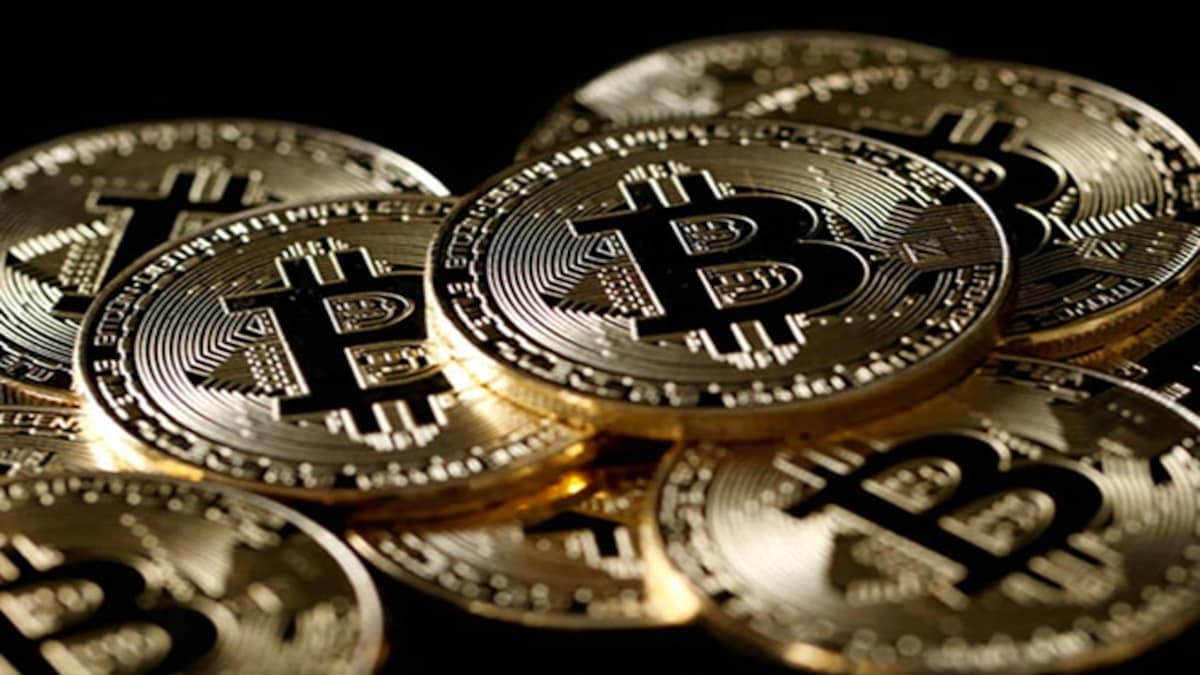
Cryptocurrency introduced by Satoshi Nakamoto in 2008. Since then it has gained much significance and grew from $1 in 2010 to $65,000 in 2021. More than 2000 cryptocurrencies are there and still many more are developing everyday. Some of the famous cryptocurrencies are Bitcoin, Ethereum etc. There can be many reasons for its increasing popularity like easy transactions without third party involvement, transparent, decentralized, and one can make huge profits depending upon its value with minimum regulations.


So what is the Cryptocurrency?

Cryptocurrency like Bitcoin and Ethereum is a digital currency working as a medium of transaction between its user within a network. It doesn’t involve banks in its transactions. It uses a technology called ‘Blockchain technology’ which is a decentralized technology. Blockchain means a chain of block that manages and record every transaction between the users in public ledger. This is an intangible currency and you can keep your cryptocurrency in your digital wallet.

The data is available publicly and is not control by a single entity. One can easily access his wallet by entering the private key into his account.

How to get a cryptocurrency?

There are few possible ways to get this digital currency and the major one is ‘Mining’. Mining is the process to introduce and add new coins to blockchain public ledger by solving computational puzzles. There are total 21 million bitcoins and 2.5 million are still left to mine.
Trading is the another method to own a cryptocurrency in which one can trade cryptocurrency in exchange of dollars, euros and any other currency.
Hodling refers to buy and hold strategy with respect to cryptocurrency. Buying a cryptocurrency when its price is low and don’t plan to sell it in future is what hodlers do.
Some other methods are ICO investing and Master nodes. But the above mentioned methods are the most followed.

How secure are these digital currencies?

Every transaction in blockchain technology requires a two-factor authentication process. E.g. While entering your username or password, you need to enter the authentication code that has sent to your phone. The digital ledger of cryptocurrency is almost impossible for hackers to deal with.


What is the situation of cryptocurrency in India?


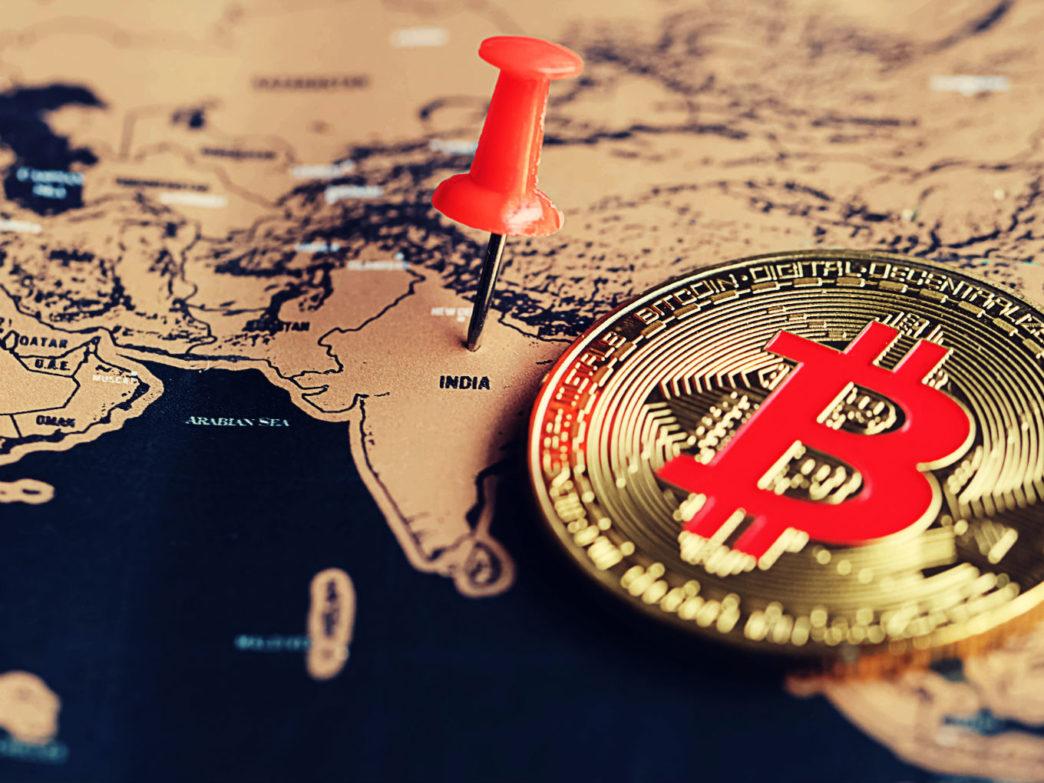
Cryptocurrencies are not illegitimate in India. But in a Budget speech of 2018-19, Finance minister Nirmala Sitharaman made it clear that government in India does not consider cryptocurrency as a legal tender. Government is even trying to introduce Cryptocurrency and Regulation of official Digital Currency Bill, 2021 to create its own digital currency and banning the existing one. However, no official ban yet because Indian investors are already holding 10,000 crore in digital currency. Perhaps, it is not possible to completely ban crypto from India. Crypto transactions are already taxable in India.


What is the RBI’s position on Cryptocurrency?

Back then in 2018, RBI hold a more restrictive position. It had warned people who invest in cryptocurrency in past time and advised all the entities (banks or individuals) to not to deal in virtual currencies. However, the Supreme Court verdict in March 2020 overruled the RBI’s circular, allowing banks to handle virtual currencies transactions and exchanges.
In may 2021, RBI made it clear that It will not block 10,000 crore of digital currency of Indian investors. and also said that banks cannot take action against investors who are investing in virtual currencies. This changing position of RBI shows us the cryptocurrencies like Bitcoin are becoming an integral part. The government doesn’t want to be left behind in the new era of tech revolution. Now RBI is working on its virtual currency.

If you are planning to invest in cryptocurrencies, you need to be ready for the volatility. So be ready for the ups and downs. Investment in digital currency may look a good option right now, but one thing we need to remember that it is still in its initial stage. Do research before making any plan for investment in cryptocurrency.

TOP FIVE VALUABLE CRYPTOCURRENCY


CRYPTOCURRENCY

A cryptocurrency are the one of the currency which used to transfer money by peer-to-peer network which referred as blockchain. Cryptocurrency are working by blockchain technology. This blockchain technology are the technology which is decentralized. This technology are used in many computers across the world. This decentralized technology will manage and identify the transaction and the mankind. Many people in the world are investing cryptocurrency for their future intentions.

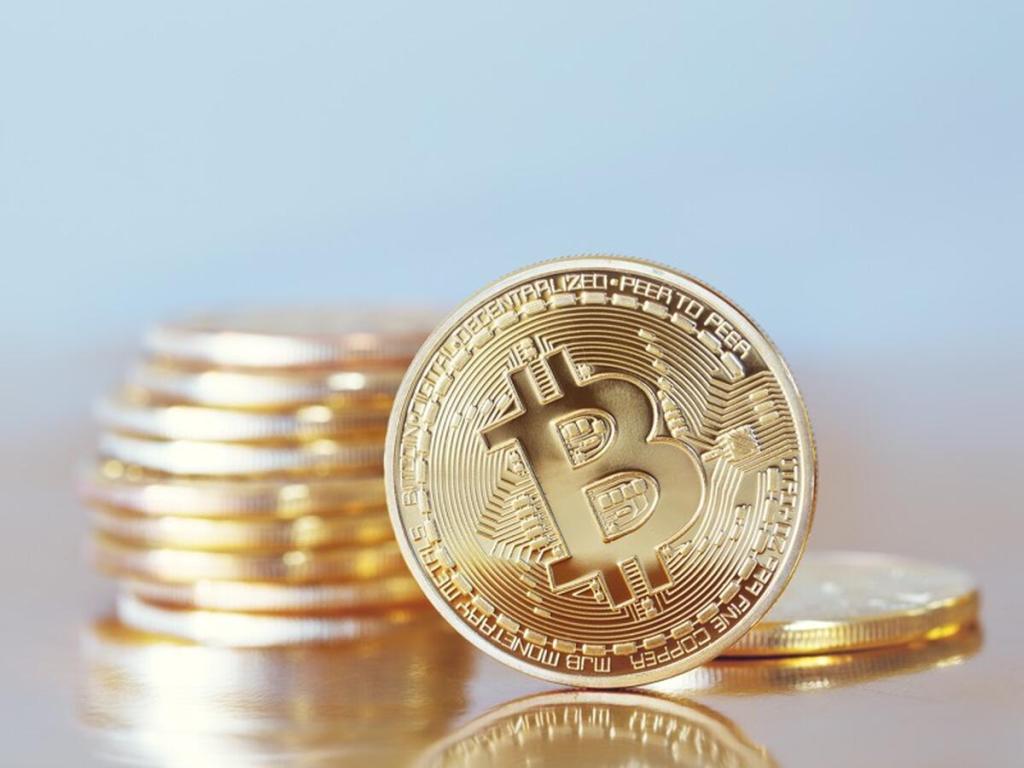
BITCOIN

Bitcoin was initiated for transferring funds from one to another without any third party. In the platform many people are transferring money from one to other without any third party. It is also a decentralized technology to sent and receive money in digital platform. many billionaire are investing in the decentralized technology.

Symbol of bitcoin

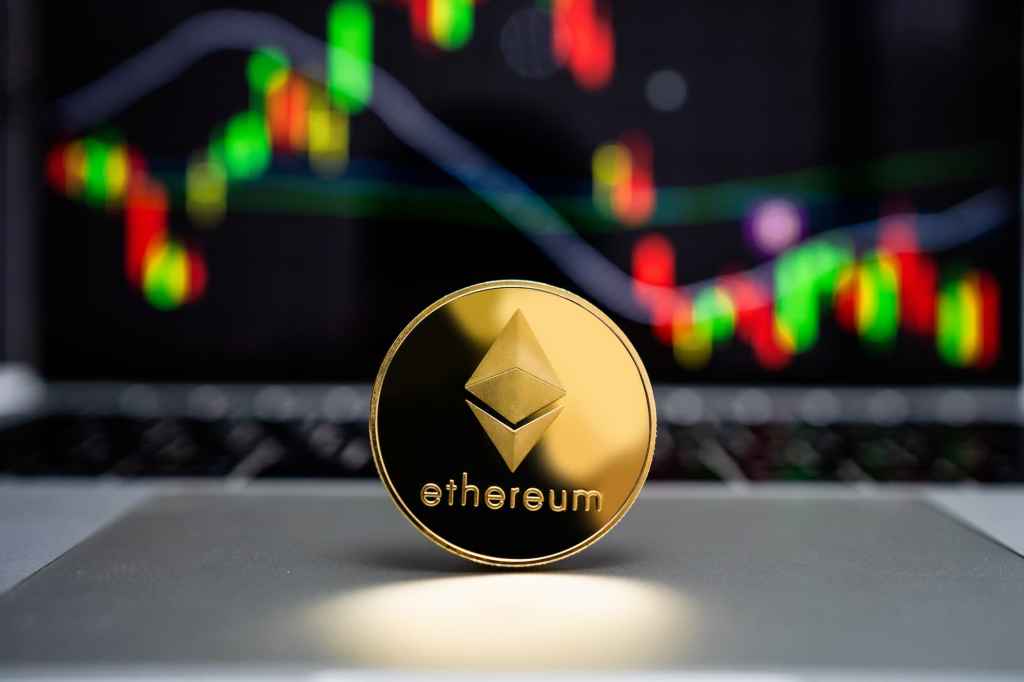
ETHEREUM

Ethereum is also a decentralized money which helps in transferring money from one to another. Ethereum is developed by the blockchain technology by Vitalik Buterin https://en.wikipedia.org/wiki/Vitalik_Buterin in 2013. This technology is developed by the blockchain technology from transferring money to another. This technology may change the digital transaction for the next decades. This is second largest cryptocurrency platform and it is the open source blockchain technology. This technology is included in one of the top five cryptocurrency

RIPPLE

It is the currency for the exchange for the real-time gross settlement. It is created for the transfer money from one to another. It is created for the transfer money from one to another without any thirds-party. Ripple is monetary system that was decentralized and could effectively empower individuals and communities. The Ripple is also known as XRPhttps://ripple.com/xrp. And also Ripple i tied up with Securities and Exchange Commission (SEC) for legal transaction. you can invest or trade in the ripple now-a-day with many platforms.

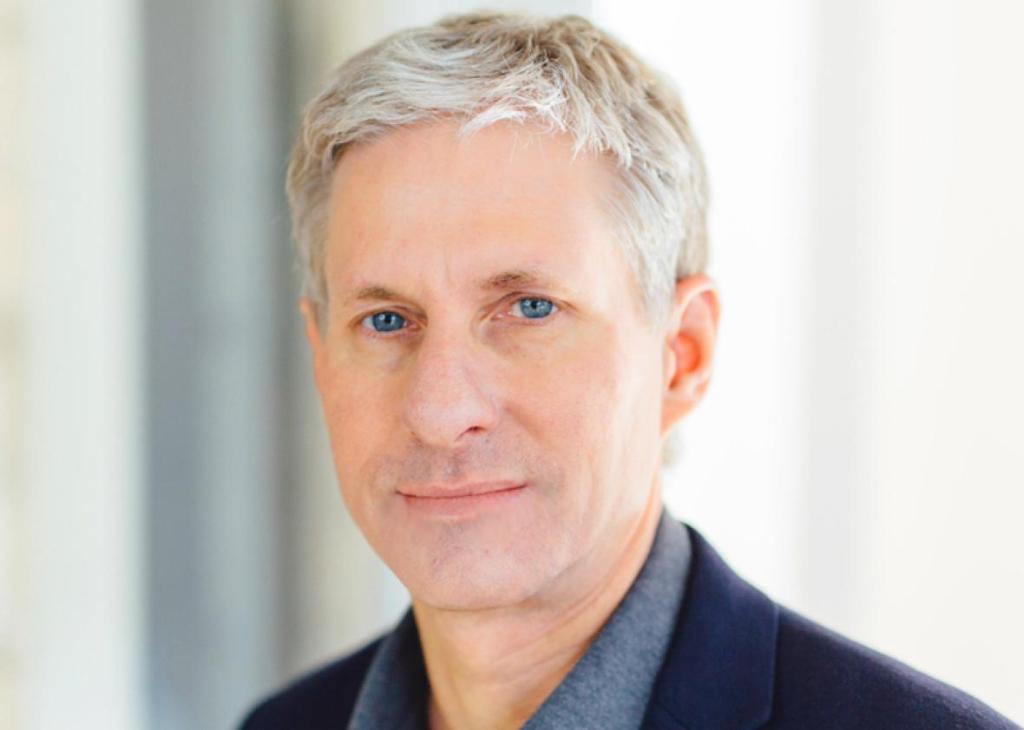
FOUNDER OF RIPPLE

BINANCE COIN

Binance coin are the cryptocurrency exchange which works with the biggest cryptocurrency, bitcoin and similar to ALTCOIN cryptocurrency . It was founded by Changpeng Zhoa(CZ) in 2017. This coin website is https://www.binance.com/en. This will one of the gem for the future investment.

CARDANO

Cardano was founded by Ethereum co-founder Charles Hoskinson. It is the decentralized platform. Main theme of the coin is to cardano is peer-to-peer transaction. It is one of the more balanced and sustainable cryptocurrency. It is an open-source project and does not conduct any independent diligence. Cardano facilitated as third generation cryptocurrency. It cryptocurrency wants to solve three big pain points of the current generation: Scalability, Interoperability, sustainability.

Subscribe to get access

Read more of this content when you subscribe today.

One-Time
Monthly
Yearly

Make a one-time donation

Make a monthly donation

Make a yearly donation

Choose an amount

1 ₹
2 ₹
3 ₹
5 ₹
15 ₹
100 ₹
5 ₹
15 ₹
100 ₹

Or enter a custom amount


Your contribution is appreciated.

Your contribution is appreciated.

Your contribution is appreciated.

DonateDonateDonate

Cryptocurrency simplified

 In the simplest of terms cryptocurrency is a digital currency used to make transactions. It is currently not being used to make transactions but can be potentially used to do so. Before jumping to cryptocurrency let’s clear our basics.

Understanding currency 

Think of cryptocurrency as any other currency, we use currency to fulfil our needs and we exchange currency because we are aware that we will be provided with goods and services in return. Now, this currency is not limited to just notes or coins but can be anything. Like in olden times barter system existed where people would exchange goods and services for other goods and services in return but this concept had a lot of limitations so currency started evolving. We moved to commodity money i.e., gold, silver then to metal money then paper money then plastic money(cards) and now we are moving towards crypto. These currencies evolved because the previous methods of transaction had their own drawbacks.

Like any other method, the method of transaction that the world operates on now also has drawbacks like centralisation, elasticity, the ease with which it can be issued to name a few.

Need for Crypto

Now, this is where cryptocurrency comes into play. It is a virtual form of currency that uses blockchain technology. Blockchain technology is a virtual decentralised ledger that keeps a record of transactions. Cryptocurrency is secured by cryptography which is a secure communication technique.

Now, keep in mind that it does not physically exist, one can’t hold up a bitcoin because it is based on a network distributed across computers. So you don’t have to carry it around, kind of like net banking or online transactions but online transactions are made through banks and can be monitored by any authority. Now, imagine you want to transfer your friends 5 bitcoins. You can do it without a bank or an intermediary interfering. It can be done anonymously with your privacy being protected. And since no authority controls it, that currency cannot be altered either. 

With paper currency, the government can print as much money as they want because they control it and printing a lot of money causes inflation but that is not the case with cryptocurrency because  only a limited number exists. 

For example, only 21 million bitcoins exist on the web. Bitcoin is a form of cryptocurrency created allegedly by a Japanese fellow Satoshi Nakamoto. Now , this could be a pseudonym or perhaps more than one person was involved in the development of said currency. However, for the most part that person’s identity still remains anonymous.  

Now,  this number of 21 million cannot be changed, it is constant. There will always exist 21 million bitcoins and can be found out through miing. This is done by solving puzzles. The more puzzles you solve, the more bitcoin you get. As more and more bitcoins are mined, the puzzles get tougher. These bitcoins are not easy to find and it is definitely not easy to solve the puzzles. Perhaps, that is why Bitcoin is so valuable. 

It is possible that somewhere in the not so far future we would not be using paper currency but crypto. For now, cryptocurrency is highly volatile and is used only for investing money.

Bitcoin And Cryptocurrency

 Bitcoin price volatility makes everyday shopping difficult. The vast majority of Bitcoin transactions take place on cryptocurrency exchanges, not for transactions with merchants. Typically, you create an account with an exchange, and then you can transfer real money to buy cryptocurrencies like Bitcoin or Ethereum.

Coinbase is a popular cryptocurrency exchange where you can create a wallet and buy and sell Bitcoin and other cryptocurrencies. If you are willing to take the risk of owning bitcoins, there are a growing number of digital currency exchanges, such as Coinbase and FTX, where you can buy, sell, and store bitcoins. Any investor can buy cryptocurrencies through cryptocurrency exchanges such as Coinbase, Cash app, etc. Investors can profit from cryptocurrencies by mining bitcoins or simply selling their bitcoins for a profit.

Bitcoin is by far the most popular cryptocurrency followed by other cryptocurrencies such as Etherum, Litecoin and Cardano. Bitcoin is the largest cryptocurrency by market capitalization and a good indicator of the cryptocurrency market in general as other coins like Ethereum (and smaller altcoins) tend to follow trends.

Bitcoin prices have been negatively impacted by numerous hacks or thefts from cryptocurrency exchanges, including Coincheck in January 2018, Bithumb in June, and Bancor in July. As of December 2017, approximately 980,000 bitcoins have been stolen from cryptocurrency exchanges. Bitcoin has been controversial since its inception in 2009, and so have cryptocurrencies that followed.

Bitcoin is a digital currency that operates without any central control or oversight from banks or governments. At the core of the appeal and functionality of Bitcoin and other cryptocurrencies is blockchain technology, which is used to keep an online record of all transactions ever made, thus providing a data structure for this book that is sufficiently secure and public. coordinated by the entire network of one node or by the computer that stores a copy of the registry. In this way, Bitcoin acts as an incentive to add valid transactions to the ledger, eliminating the need for a central trusted authority.

Both Bitcoin and Ethereum experienced short-term price increases, while Musk, Dorsey, and Wood discussed wider institutional adoption of the cryptocurrency. Musk detailed his holdings in cryptocurrencies — Bitcoin, Ethereum, and Dogecoin — at The B Word conference on Wednesday. If you are looking for a tutorial on bitcoin and cryptocurrencies, you are in the right place.

We explore the early days of bitcoin and provide survey data on consumer familiarity, usage, and more. Let’s take a look at the most commonly used aspects of Bitcoin in the real world, such as Bitcoin wallets, wallet mechanisms, mining, transactions, and governance. We present the Ethereum virtual machine and Turing’s idea of ​​completeness and explore some of the major protocol differences between Bitcoin and Ethereum such as the UTXO model and functionality versus accounts. Let’s take a look at how FS companies are using blockchain and how we expect blockchain technology to evolve in the future.

Blockchain also has potential applications far beyond Bitcoin and cryptocurrencies. The first blockchain-based cryptocurrency was Bitcoin, which remains the most popular and most valuable. Bitcoin’s success has spawned a number of competing cryptocurrencies, called “altcoins,” including Litecoin, Peercoin, and Namecoin, as well as Ethereum, Cardano, and EOS. This year, Bitcoin — and cryptocurrencies in general — has penetrated deep into financial services and culture, gaining a foothold in folk art, commerce, and other mainstream fields.

For an overview of cryptocurrencies, start with 2015’s Money Isn’t the Problem. Read the Robinhood review * Seven cryptocurrencies including Bitcoin, Bitcoin Cash, and Ethereum. Read TradeStation Review * Offers trading in five cryptocurrencies including Bitcoin, Bitcoin Cash, and Ethereum.

What You Should Know About Cryptocurrency Investing Cryptocurrency is a highly volatile speculative investment. Here’s how you can invest wisely, regardless of news or bitcoin price fluctuations.

Cryptocurrency (or “crypto”) is a digital currency that can be used to buy goods and services, but an online ledger with strong encryption is used to secure online transactions. Bitcoin [a] (BTC) is a cryptocurrency invented in 2008 by an unknown individual or group of individuals named Satoshi Nakamoto. The value of bitcoin or this cryptocurrency remains highly uncertain. Cryptocurrencies such as bitcoin, ethereum, and litecoin show significant price fluctuations due to high levels of uncertainty.

In addition, cryptocurrencies are not ordinary shares of companies and are not traded on the stock exchange. As NerdWallet authors point out, cryptocurrencies like bitcoin may not be as safe, and some prominent members of the investment community are advising novice investors to avoid them. There are concerns that cryptocurrencies like bitcoin are not based on any tangible asset.

For those considering cryptocurrencies such as Bitcoin as the currency of the future, it should be noted that currencies need stability so that merchants and consumers can determine what a fair price for goods is. While buying and selling Bitcoin is legal, many aspects of the industry, such as tax issues for investors, remain in a gray area that could be vulnerable to future regulatory and/or enforcement actions. The rules and bans that apply to Bitcoin are likely to apply to similar cryptocurrency systems.

Other countries have completely banned the use of bitcoin and other cryptocurrencies, and there are severe penalties for anyone who makes cryptocurrency transactions. Some countries have imposed restrictions on the use of bitcoins, and banks have banned their customers from making transactions in cryptocurrency. The Bank of Indonesia, the country’s central bank, has adopted new rules banning the use of cryptocurrencies, including bitcoin, as a means of payment from January 1, 2018.

The State Bank of Vietnam said it is illegal to issue, supply, and use bitcoin and other cryptocurrencies as means of payment, with fines ranging from VND 150 million (EUR 5,600) to VND 200 million (EUR 7,445). ). On April 16, 2021, the Central Bank of the Republic of Turkey issued a regulation prohibiting the direct or indirect use of cryptocurrencies, including Bitcoin, to pay for goods and services. The European Union has proposed regulation of private crypto transactions in an attempt to stop crypto crime. In July last year, the Federal Reserve launched an investigation into whether to launch its own digital currency.

The Federal Reserve Chairman says the US may need more regulation of cryptocurrencies, but long-term holders of large coins like Ethereum and Bitcoin probably don’t need to worry about changing their strategy, according to experts. As the Fed continues to investigate the digital dollar, which will create competition for major cryptocurrencies such as Bitcoin, Ethereum, Solana, XRP and BNB, the congressman wants to ban state-backed digital currencies. While Fed Chairman Jerome Powell has said that private cryptocurrencies can coexist with central bank-issued digital currencies (CBDCs), the congressman argues that a CBDC would allow the Fed to control Americans, which defeats the very purpose of a decentralized cryptocurrency.

CRYPTOCURRENCY – A FASCINATION

 Ever since evolution, we humans have made tremendous advancements in every field we have created and known till today. Over time, humans have realized that they cannot be self-sufficient or totally independent in terms of resources, products and services. Hence, we made a suitable arrangement of exchange of products. Earlier, goods and services used to be traded in exchange of other goods and services, known as the barter system. When loopholes were found in this system, these discrepancies were resolved with the invention of currency. Currency was identified as the common exchange medium for any particular product or jobs and the currency price of the particular commodity or service was fixed on its value. Thus, currency was an easier mode of exchange, but eventually it was realized that different regions or kingdoms had different currencies and values attributed to them. With development, inventions and globalization, currencies were compared on their value offerings and certain prices were fixed for comparing these different currencies pertaining to their regions. Today, trading money has a centralized system and its definition and diversification have vastly transitioned with humankind’s needs and wants.

With the inception of modern technology, internet and its expansion, we have now become global citizens. Online banking has become quite hassle-free, safer and more secured than its primitive form. Recently over a decade ago, digital currency became a new form of global currency with new incentives and perks, and we were introduced to the concept of ‘cryptocurrency’. Cryptocurrency broadly defined is virtual or digital money that takes the form of tokens or coins. This form of digital currency stays on a distributed and decentralized ledger meaning that the crypto in cryptocurrency refers to cryptography which allows for the creation and processing of digital currencies and their transactions across decentralized systems. This provides portability, transparency and is not easily prone to inflation related problems. Cryptocurrencies were initially designed with the motive of being independent from any governmental currency or connect, but their huge popularity has led to governments intervening with rules and regulations on their usage and utility. Yet, the world of cryptocurrencies is rapidly expanding, and new ones are released every other month. A cryptocurrency is digitally handled and owned, and governed by specific protocols and processes. It is an asset based on a network distributed over a large number of computers. This is what helps it stay free from government and centralized systems’ control. The network is secured through encryption techniques. Cryptocurrency works through blockchains, which ensure the integrity of transactional data in the organization. The cryptocurrency system allows for secure transactions online, and this is denominated in terms of virtual tokens represented by ledger entries in the system internally. These entries are kept safe through encryption algorithms and cryptographic methods.

The working system of cryptocurrency is a bit complicated for beginners, but with time, handling and experience, it is hassle-free and easier to handle in the long run. As more and more people turn towards this form of currency, we are headed towards a better world in terms of globalization. With inception of cryptocurrency into numerous sectors, we will be equipped to use it in a more versatile way. As we walk towards an advanced future, cryptocurrency is amalgaming with modern technology and systems to become a ubiquitous phenomenon of tomorrow.

Cryptocurrency Heist

 Programmers behind one of the greatest ever advanced coin heists have presently returned about all of the $610 million (generally Rs. 4,530 crores)-plus they stole, Poly Organize, the cryptocurrency stage focused on prior this week by the assault, said on Thursday. The stage, which was small known some time recently Tuesday’s heist, pronounced the programmer on Twitter as a “white cap,” alluding to moral programmers who by and large point to uncover cyber vulnerabilities, upon the return of the reserves.

Poly Arrange, which encourages peer-to-peer token exchanges, included that the tokens were exchanged to a multi-signature wallet controlled by both the stage and the hacker. The as it were remaining tokens however to be returned are the $33 million(roughly Rs. 245 crores) in tie stablecoins solidified prior within the week by cryptocurrency firm Tie, Poly Organize said.

The reimbursement prepare has not however been completed. To guarantee the secure recuperation of client resource, we trust to preserve communication with Mr. White Cap and pass on precise data to the open,” said Poly Arrange on Twitter. A individual claiming to have executed the hack said Poly Organize advertised him a $500,000 (generally Rs. 3.7 crores) bounty to return the stolen resources and guaranteed that he would not be responsible for the occurrence, agreeing to computerized messages shared on Twitter by Tom Robinson, chief researcher and co-founder of Elliptic, a crypto following firm. Poly Arrange, which permits clients to exchange or swap tokens over distinctive blockchains, said on Tuesday it had been hit by the cyberheist, encouraging the guilty parties to return the stolen stores

The still as however unidentified programmer or programmers show up to have misused a powerlessness within the computerized contracts Poly Arrange employments to move resources between distinctive blockchains, agreeing to blockchain forensics company Chainalysis. On Wednesday, the programmers begun returning the stolen coins, driving a few Blockchain examiners to guess that they might have found it as well troublesome to wash stolen cryptocurrency on such a scale. Later on Wednesday, the programmers said in computerized messages moreover shared by Elliptic that they had executed the assault “for fun” and needed to “uncover the defenselessness” some time recently others could abuse it which it was “continuously” the arrange to return the tokens.

At $600 million (generally Rs. 4.460 crores), in any case, the Poly Organize burglary distant surpassed the record $474 million (generally Rs. 3,520 crores) in criminal misfortunes that were enrolled by the whole decentralized fund (DeFi) division from January to July, concurring to crypto insights company CipherTrace. The burglary outlines the dangers of the for the most part unregulated DeFi segment, said crypto specialists. DeFi stages permit clients to conduct exchanges, more often than not in cryptocurrency, without conventional watchmen such as banks or trades.

Cryptography


Cryptography is a way of safeguarding information and communications by using codes to ensure that only those who are supposed to read and use the information may do so. The prefix “crypt-” denotes “hidden” or “vault,” while the suffix “- graphy” denotes “writing.”

Cryptography is a term used in computer science to describe secure information and communication systems that use mathematical ideas and a series of rule-based calculations known as algorithms to change communications in difficult-to-decipher ways. These deterministic algorithms are used for cryptographic key generation, digital signature, data privacy verification, internet web surfing, and secret communications such as credit card transactions and email.

Techniques of cryptography

Cryptography is inextricably linked to the fields of cryptology and cryptanalysis. It covers techniques such as microdots, combining words and pictures, and other methods for concealing data in storage or transport. However, in today’s computer-centric world, cryptography is most commonly linked with scrambling plaintext (regular text, also known as cleartext) into ciphertext (a process known as encryption), then back again (known as decryption). Cryptographers are professionals who work in this sector. 

Modern cryptography is concerned with the four goals listed below:

  1. Confidentiality: the information cannot be understood by anybody who was not intended to understand it.
  2. Integrity: the information cannot be changed while in storage or transit between the sender and the intended receiver without being discovered.
  3. Non-repudiation: The creator/sender of the material cannot subsequently dispute his or her intentions in creating or transmitting the information.
  4. Authentication: The transmitter and receiver can verify each other’s identities as well as the origin/destination of the information.

Cryptosystems are procedures and protocols that fulfil some or all of the aforementioned requirements. Cryptosystems are sometimes considered to simply apply to mathematical methods and computer programmes; nevertheless, they also involve the regulation of human behaviour, such as selecting difficult-to-guess passwords, turning off unneeded systems, and not discussing sensitive operations with outsiders. 

History of cryptography

The term “cryptography” is derived from the Greek word kryptos, which means “hidden.” The origins of cryptography are typically attributed to the Egyptian usage of hieroglyphics about 2000 B.C. These were made up of intricate pictograms, the entire meaning of which was only known to a select few. Julius Caesar (100 B.C. to 44 B.C.) was the first known user of a modern cypher, who did not trust his couriers while dealing with his governors and commanders. As a result, he devised a method in which each character in his communications was substituted with a character three positions higher in the Roman alphabet. 

Cryptography has recently become a battleground for some of the world’s greatest mathematicians and computer scientists. The capacity to securely store and transport sensitive information has proven to be a crucial component in both military and commercial success.

Because governments do not want certain entities in and out of their countries to have access to methods of receiving and sending hidden information that may be a threat to national interests, cryptography has been subject to a variety of restrictions in many countries, ranging from limitations on the use and export of software to the public dissemination of mathematical concepts that could be used to develop cryptosystems.

However, the internet has enabled the dissemination of powerful programmes and, more crucially, the underlying cryptographic techniques, such that many of the most advanced cryptosystems and concepts are now available to the public.

Crypto in india


Even as the Government has delayed cryptocurrency regulation in the country and the RBI is gearing up to introduce India’s own digital currency to counter private virtual currencies, the crypto community is bullish on the future.https://e5975533e4ea41a9fec68848c8c2d52c.safeframe.googlesyndication.com/safeframe/1-0-38/html/container.html?n=0

The delay in introduction of Cryptocurrency and Regulation of Official Digital Currency Bill, 2021 is being seen by the crypto community as a welcome sign. They believe the Government is finally taking cryptocurrency seriously and is not in a hurry to introduce harsh regulations.

In 2019, the SC Garg Committee had recommended the Government not to allow private cryptocurrencies in India.https://e5975533e4ea41a9fec68848c8c2d52c.safeframe.googlesyndication.com/safeframe/1-0-38/html/container.html?n=0

“These cryptocurrencies cannot serve the purpose of a currency. The private cryptocurrencies are inconsistent with the essential functions of money/currency. Hence, private crypto currencies cannot replace fiat currencies,” it had said. This committee not only recommended a blanket ban on all cryptocurrencies but also suggested the Government to criminalize carrying on any activity connected with cryptocurrencies in India

However, since then, cryptocurrencies have continued to thrive in the country. According to various estimates, around 15 million Indians are said to have invested in the private crypto assets. In just one year from April 2020, crypto investments in the country grew from $923 million to nearly $6.6 billion by May 2021.https://e5975533e4ea41a9fec68848c8c2d52c.safeframe.googlesyndication.com/safeframe/1-0-38/html/container.html?n=0

According to Nischal Shetty, CEO of crypto trading platform WazirX, delaying introduction of crypto bill in the Parliament shows the government is not in a hurry to make a decision.

“It’s a good sign and shows that our lawmakers are deliberating and understanding this technology instead of rushing into it. This is a really important bill that involves both finance and technology, and I don’t think the government will pass a bill without considering stakeholders’ views. News like S&P adding more crypto indexes is a proof that crypto is headed towards mainstream adoption. I’m optimistic that India is going to be a part of this innovation via regulatory clarity,” Shetty said.

Considering the rapidly growing size of crypto community in the country, it is becoming obvious that the Government is taking a cautious approach towards private virtual currencies.

Bitinning founder Kashif Raza also believes that the Government would not ban ban cryptocurrencies. “If the Government wanted to act on the SC Garg Committee recommendations, it would have already done that. But this has not happened till now,” Raza said.

Sharat Chandra, Blockchain Expert, IET Future Tech Panel, said shelving of crypto bill has not dampened the sentiment of crypto entrepreneurs and investors.

“The delay in tabling the bill augurs that the government seems to have bought more time to shape the contours of the bill . The Union Finance Minister has reiterated multiple times that the government is open to allowing a window of experimentation to fuel innovation in crypto and fintech space,” said Chandra.

Wait and Watch

Raza said the Government has adopted a wait and watch policy, which is similar to the stance adopted by all developed countries.

“The Government is observing what’s happening in the crypto space all across the world. All the developed countries of the world are keeping an eye on cryptocurrencies and are allowing the technology to grow,” he said.

Raza is hopeful that the recent expansion of the Union Cabinet, in which tech-friendly ministers like Ashwini Vaishnav and Rajeev Chandrasekhar were inducted, would bring favorable policies for the crypto community in India.

Glimmer of hope

The Union Government shelved the much hyped Cryptocurrency Regulation Bill for discussion during the Monsoon Session of Parliament. In a written reply to a query in Lok Sabha in the Monsoon Session, the Government reiterated its 2018-19 position that it “does not consider crypto-currencies legal tender or coin and will take all measures to eliminate use of these crypto assets in financing illegitimate activities or as part of the payment system.”

However, providing a glimmer of hope to the crypto community, the Government said it “will explore use of block chain technology proactively for ushering in digital economy.”

More funds coming

Chandra believes the hopes of crypto community in the country is fueled further by the fact that Indian Venture Capitalists (VCs) have started to gradually warm up to them.

“Few leading Venture Capitalists in India are scouting for innovative projects and startups in DeFi(Decentralized Finance) space. Crypto and DeFi, powered by distributed ledger technology , are the future of finance. With more than 65 billion USD worth of assets locked in DeFi lending, borrowing and staking projects, democratization of financial services has just begun. A new era of open finance built on public blockchains will usher in transparency , efficiency and accessibility. The euphoria and enthusiasm in Indian cryptoverse is fuelled by the fact that Indian VCs are gradually warming up to crypto projects,” said Chandra.

No outright ban

Sandeep Nailwal, Co-Founder and COO of Polygon, believes that the Government will not ban cryptocurrencies in India. Rather it may introduce pragmatic regulations.

“We’ve noticed a lot of block chain-based teams in India that are focused on the technology rather than the trading of crypto assets. However, we did not see such initiatives getting any official attention. What I believe is that the government has shown an interest in learning more about space in order to develop appropriate laws. I don’t believe the Indian government would outright prohibit cryptocurrency; rather, it will be pragmatic and find a way to accommodate it,” Nailwal said

The Crypto-surge

 Originally cryptocurrency was coined in the early 90’s by an American Cryptographer David Chaum when he conceived an electronic money named ecash. Later in pre-2000’s he implemented a system known as Digicash a software, which would designate specified encrypted keys during a transaction, making the transaction untraceable. But it took decades before a country would accept Bitcoin a cryptocurrency as a legal tender. In June earlier this year El Salvador became the first country to do so.

Although Cryptocurrencies are unreliable, erratic, unpredictable and any thing else one can say about it. The people of our country have been taken afoot by this trend. Earlier in May this year, Indians had invested nearly 900 million US dollars. But just after a month this figure skyrocketed around 7 billion dollars. This exponential increase was never expected by the Indian market and was clearly a surprising rise.

Some believe this is just the beginning of Crypto in India, they are saying it is just the tip of an iceberg and in the coming future many more people will flock on to this digital market. This trend might seem very appreciable and enriching especially for global investors who are seeing India as a potential for further growth, this might be dangerous. The reason for it being dangerous is because there haven’t been any guidelines form the government or from any of the central banks.

Recently, finance minister Nirmala Sitharaman stated that the government has prepared a draft policy which could ban all private cryptocurrencies and provide a legislative framework of on official digital currency. It is also believed that the government is delaying to lay out these norms as the RBI is working on its own central bank digital currency. So, for now we need to wait for the officials to make a law curbing this new trend.

But this doesn’t stop the money and fame people are making through cryptocurrency, nor does it stop established personalities to sweep the prices of such cryptocurrencies. Elon Musk, known as CEO of Tesla and Spacex Chief, recently changed his Twitter profile picture having a reflection of DOGE in his shades. This made the value of Dogecoin raise by almost 10%. Although Elon might not have complete control over the crypto market, he surely can nudge it by doing such things.

Apart from such celeb facts, the Crypto surge was mainly caused because of the tech-savvy youth of our nation. A major part of the youth is keen to these things, since it was a new concept. To add on several cryptocurrency brokers or dealers too had to play a major role in this surge.

Overall, we can’t see Crypto is good or bad for the country but currently until it serves its purpose, we must utilize it.

Importance of Imprints of Publication House

Daily writing prompt
What is your favorite holiday? Why is it your favorite?

Imprints of a publication house play a significant role in the book publishing industry, serving various strategic and market-oriented purposes. Here are some of the key roles and functions of imprints:

Photo by George Milton on Pexels.com
  1. Specialization: Imprints often focus on specific genres or niches, such as science fiction, romance, academic publications, or children’s books. This specialization allows the imprint to cater to a particular audience, develop expertise in that genre, and build a strong brand identity that readers come to recognize and trust.
  2. Brand Differentiation: Large publishing houses may have multiple imprints under their umbrella, each with its own brand identity. This differentiation helps publishers market their books more effectively to target audiences. For example, a publisher might have one imprint dedicated to mainstream literary fiction and another to avant-garde poetry.
  3. Editorial Independence: Imprints can operate with a degree of editorial independence, which allows them to cultivate a distinct editorial style and attract authors who resonate with their specific aesthetic or value system. This independence can be crucial in fostering creativity and innovation within the broader constraints of a large publishing house.
  4. Marketing and Sales: By segregating books into different imprints based on genre or target demographic, publishers can streamline their marketing and sales strategies. Each imprint can develop specialized marketing plans that cater to its particular audience, which can be more effective than a one-size-fits-all approach.
  5. Attracting Talent: Authors often choose to work with particular imprints because of their reputation, editorial staff, or the specific books they have published. A strong imprint can attract high-quality manuscripts, which in turn strengthens the imprint’s brand and market success.
  6. Management Efficiency: Having separate imprints allows a large publishing house to manage its portfolio more efficiently. Each imprint functions as a semi-autonomous unit with its own management team, which can lead to quicker decision-making and greater responsiveness to market changes.
  7. Historical or Legacy Reasons: Some imprints are retained because they have a long-standing history or have acquired a legacy of quality and prestige. Authors and readers alike may feel a connection to these imprints based on their historical significance.

Imprints thus serve as crucial tools for publishers, helping them manage a diverse range of books and authors while maintaining focus and specialized expertise in various segments of the market.