National Youth Awardees and National Service Scheme Awardees

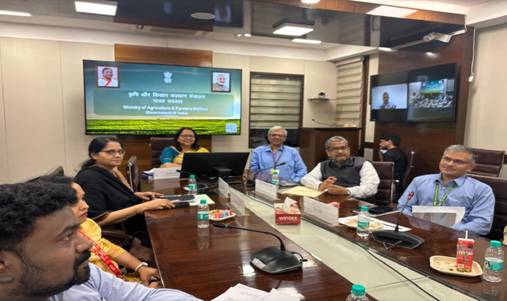
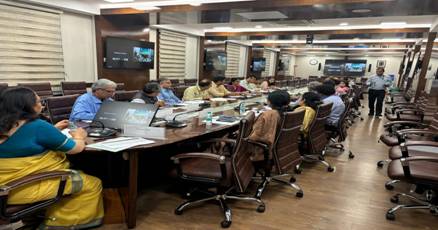
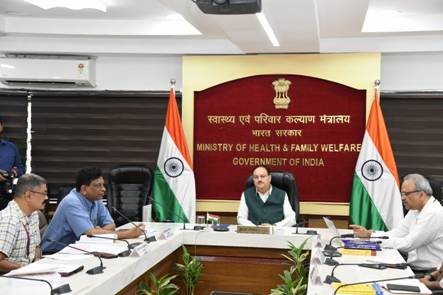
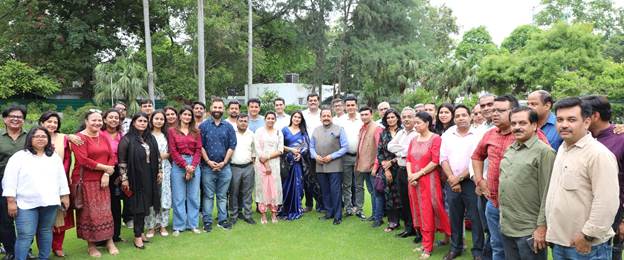
 Union Minister of Youth Affairs & Sports and Labour & Employment, Dr Mansukh Mandaviya held an insightful interaction with the National Youth Awardees and National Service Scheme (NSS) Awardees in New Delhi today. The session aimed to celebrate the achievements of these young leaders and discuss strategies to enhance the MY Bharat platform, ensuring it becomes more accessible and beneficial to the youth of India.
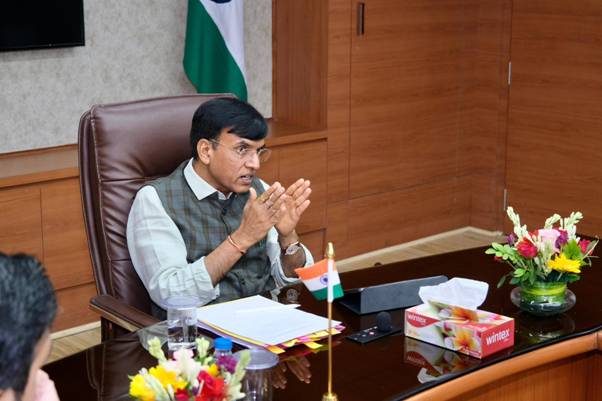
Dr. Mandaviya commenced the interaction by acknowledging the extraordinary contributions of the awardees, who hail from different States across India and have made significant impacts in diverse areas such as Sustainable Development Goals (SDGs), Climate Change, Urban Planning, Youth Empowerment, Drug Abuse prevention, among others. He emphasized the importance of recognizing and nurturing young talent to build a robust future for the nation.

Addressing the participants, Dr, Mandaviya said, “The youth of India are our future decision-makers, and I am excited about our collective journey towards empowering them”.

A significant part of the discussion focused on innovative and collaborative ideas for constructive youth engagement on the MY Bharat platform. Dr. Mandaviya invited suggestions from the awardees on how to make the platform more interactive, informative, and engaging. The awardees proposed ideas such as incorporating more digital tools, making it a one stop solution for all youth-related initiatives, and creating mentorship and internship programs to guide aspiring young leaders.

Dr. Mandaviya encouraged continuous dialogue between the youth and the Ministry to ensure that the needs and aspirations of young Indians are adequately addressed.
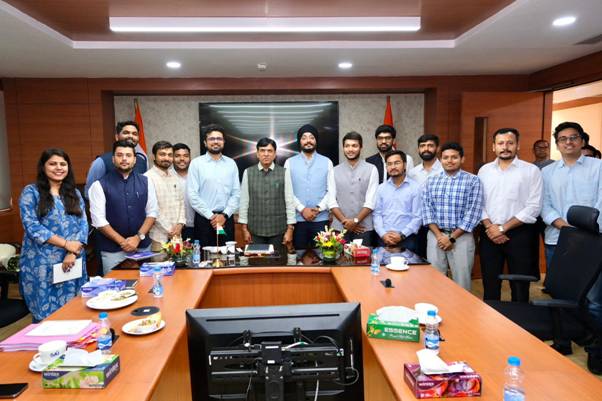
Dr. Mandaviya reiterated the government’s commitment to empowering the youth through various schemes and programs. The interaction concluded with a collective vision to make the MY Bharat platform a cornerstone for youth engagement and development. Dr. Mandaviya expressed his optimism about the future and his belief in the transformative power of the youth in driving India towards progress and innovation.

The interaction was also attended by Secretary, Department of Youth Affairs and senior officials of the Ministry of Youth Affairs & Sports.

*****
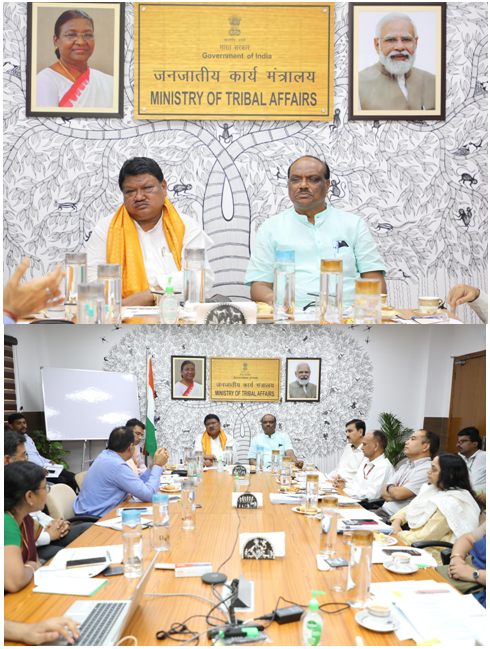
Schemes and key Initiatives under the Ministry of Tribal Affairs for the next 100 days

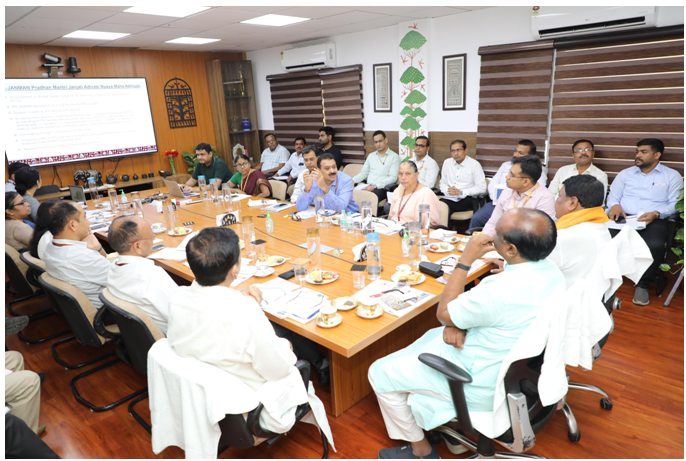
 In a daylong meeting in New Delhi today, Union Minister for Tribal Affairs, Shri Jual Oram and Minister of State, Shri Durgadas Uikey reviewed the progress of schemes and strategized on key initiatives of the Ministry for the next 100 days.

The meeting commenced with a comprehensive presentation on the Ministry’s schemes and initiatives, followed by an overview of the budget.

Key schemes and initiatives discussed in the meeting were:

  • Scholarships schemes for tribal students
  • Pradhan Mantri Janjati Adivasi Nyaya Maha AbhiyaN (PM-JANMAN)
  • Pradhan Mantri Adi Adarsh Gram Yojana (PMAAGY)
  • Eklavya Model Residential Schools (EMRS)
  • Livelihood Schemes
  • Grants under Proviso to Article 275 (1) of the Constitution
  • Support to Tribal Research Institutes (TRIs)
  • Support to voluntary organisations (NGOs)
  • Major initiatives taken in the health sector, and
  • Other ancillary matters handled by various divisions of the Ministry

Shri Oram emphasised the importance of these initiatives in fostering an inclusive and equitable society. Shri Uikey echoed these sentiments, highlighting the collaborative efforts needed to drive these initiatives forward. Secretary (Tribal Affairs), Sh. Vibhu Nayar,  along with senior officers, provided valuable insights and detailed plans to ensure timely and effective implementation.

The meeting concluded with a unanimous commitment of the Ministry to work tirelessly for the outlined goals for empowering tribal community.

*****

‘Healthcare Summit’; emphasises use of latest technology for accessible, affordable healthcare

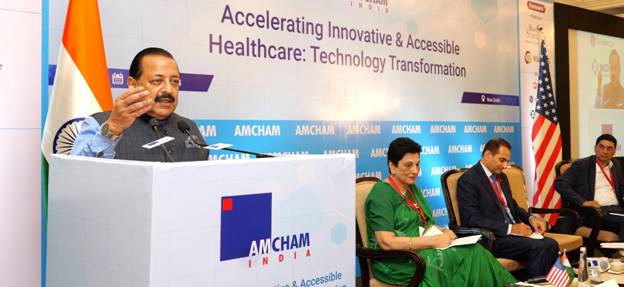
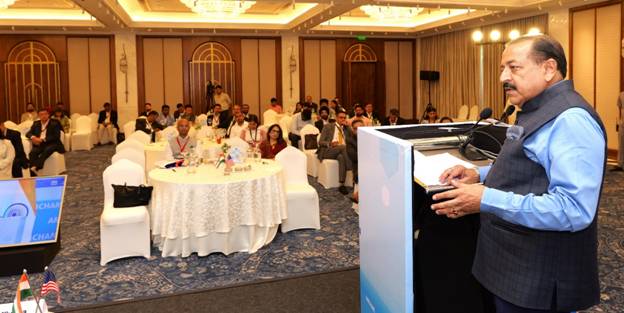
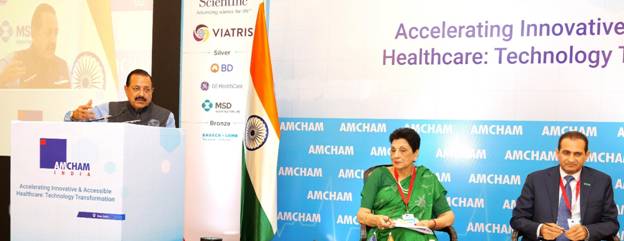
Addressing the 2nd “Healthcare Summit” of “American Chamber of India” (AMCHAM) at Hotel Taj here, Union Minister Dr. Jitendra Singh emphasised the use of latest technology  for accessible, affordable healthcare. 

The Minister also described  India among the top 6 Bio-manufacturers of the world with one of the most cost-effective and efficacy-based Bio-manufacturing as well as cost-effective healthcare destination.

Union Minister of State (Independent Charge) for Science and Technology, Minister of State (Independent Charge) for Earth Sciences, MoS PMO, Department of Atomic Energy and Department of Space, MoS Personnel, Public Grievances and Pensions, Dr. Jitendra Singh, said in his opening remarks, “I would like to extend my gratitude to AMCHAM for organizing this pivotal healthcare summit and inviting me to articulate the Government’s vision for healthcare in India.” He expressed his happiness at being a part of the fraternity gathering and discussing the subject of health, which is his area of interest.

Incidentally, the Minister is  himself a renowned endocrinologist with a three-decade long career in medicine. He pressed on the new burden of metabolic disorders and the challenges it posed with a wide spectrum of diseases and an increased life span bringing novel diseases.

The Minister appreciated the theme of the summit, i.e., ‘Accelerating Innovative and Accessible Healthcare: Technology Transformation.’ He said the theme is quite relevant to India’s contemporary health issues and government efforts to ensure affordable healthcare f toor all.

Dr. Jitendra Singh underscored that summits of this nature are instrumental in convening key stakeholders-healthcare professionals, technology experts, policymakers, and industry leaders to deliberate on fortifying the U.S.-India partnership in healthcare.

Speaking on the transformation in healthcare brought about in recent times, Dr. Jitendra Singh said, “Prime Minister Narendra Modi has a vision for a healthy India with the elimination of communicable diseases and reduction in non-communicable diseases, developing health indices and making steady progress.” He said, “India carried out the world’s largest vaccination drive in COVID pandemic; this reaffirms that Modi Govt. 3.0 firmly believes that accessible healthcare is a right for every citizen.

“Gone are the days when people used to visit other developed nations to access medical facilities; now India has become a hub and is the most sought-after destination for medical tourism and among the frontline nations in preventive healthcare.” According to the Science and Technology Minister, in the last decade, healthcare has been a priority sector for the government. He recalled the achievements such as the Ayushman Card which ensured cashless medical treatment to the citizens. The Digital healthcare mission, PM Jan Aaushadi and its integration with other medical streams such as Ayush.

Dr. Jitendra Singh stated that technology plays a crucial role in ensuring equitable access to healthcare. Technology is revolutionizing the healthcare sector, and the integration of Artificial Intelligence (AI) and Machine Learning (ML) tools can significantly enhance our capabilities by leveraging technology, we can enhance efficiency, reduce wait times, and improve overall healthcare delivery. Sharing his experience with Telemedicine, the minister shared how it has transformed healthcare and made services accessible even to the remotest villages in Jammu and Kashmir.

Dr. Jitendra Singh emphasized the increased cooperation in the public and private sectors. It is important to understand that public health is not just the responsibility of the government; private participation is equally important and we as a society as a whole have to take steps in the right direction. The Minister said opening up of the Space sector had ushered a private investment of more than Rs 1,000 crore within a few months and boosted the Startup numbers from one startup in 2022 to 200 plus startups currently and having global capacity.

The Minister also recalled the efforts of the Department of Biotechnology and their achievements for fostering research and development in translational health sciences. He said the Bio- manufacturing and bio-foundry has grown 10 times from $13 billion in 2014 to $130 billion in 2024.

Highlighting the vitality of the pharmaceutical sector the minister said, “India supplies four out of every ten prescriptions filled in the U.S, highlighting our pharmaceutical manufacturing capabilities.” Going further he highlighted that partnership between India and the United States is critical.

Ms. Ranjana Khanna Director General, CEO AMCHAM; Mr Som Satsangi, Chairman, AMCHAM & Sr Vice President and MD, India Hewlett Packard Enterprise; Dr Rajeev Singh Raghuvanshi, Drug Controller General of India; Mr. Madan Krishnan, Vice President and Managing Director India Subcontinent, Boston Scientific and Mr Chaitanya Sarawate, Managing Director Wipro GE Healthcare also participated in the Summit.

*****

A High-Level Brainstorming Session on Avian Influenza Under One Health Approach

 The Department of Animal Husbandry & Dairying convened a high-level brainstorming session on Avian Influenza, focusing on surveillance and vaccination under the One Health approach. The session took place at Krishi Bhawan on yesterday and was chaired by Secretary of the Department of Animal Husbandry & Dairying Ms. Alka Upadhyaya. The event was attended by a diverse group of officers and experts.

Dr. Rajiv Bahl, Secretary of the Department of Health Research and Director General of the Indian Council of Medical Research (ICMR), set the context of the One Health Mission. Participants included senior experts from ICMR Headquarters, ICMR-NIV Pune, CSIR-Centre for Cell and Molecular Biology (CCMB), the National Centre for Disease Control, ICAR-NIHSAD Bhopal, ICAR-NIVEDI Bangalore, and representatives from the Ministry of Environment, Forest and Climate Change, Department of Biotechnology, DM Cell, Ministry of Health & Family Welfare and the Department of Animal Husbandry & Dairying (DAHD).

The poultry sector in India plays a crucial role in food security by providing a reliable source of high-quality protein. It significantly contributes to nutritional security and supports livelihoods, particularly in rural areas. The sector, which has grown steadily at a rate of 7-10% over the past decade, also boosts trade and exports, contributing to the country’s economic growth. However, recurrent Highly Pathogenic Avian Influenza (HPAI) outbreaks hinder its potential and impact exports.

Highly pathogenic avian influenza (HPAI) H5 subtype virus is evolving biologically and expanding geographically, with the emergence of well-established genetic lineages. The recent HPAI outbreak in dairy cattle in the USA, with spill over to other mammals, underscores the pandemic potential of HPAI. Addressing this threat requires the One Health approach, integrating human, animal, and environmental health with enhanced coordination and comprehensive strategies. The session featured comprehensive presentations from the Human Health, Animal Husbandry, and Wildlife sectors, highlighting current surveillance protocols and response mechanisms for Avian Influenza outbreaks. The need for enhanced environmental surveillance and updating existing protocols was emphasized.

Experts concurred on the necessity of proactive One Health Coordination to prepare for exotic and emergent zoonotic diseases like Avian Influenza. Discussions focused on strengthening surveillance at the interface areas between humans, animals, and wildlife, augmenting active surveillance, and deploying cross-sectoral Joint Response Teams (RRTs).

The Influenza A/H5 virus is spreading through poultry and wild birds along well-defined migratory routes. Given India’s position along the migratory bird flyway, developing an effective strategy for migratory bird surveillance at water bodies during the winter season is emphasized for early warnings and disease control. Special emphasis is placed on developing SOPs for environmental surveillance using low-cost methods at sites like wet markets, water bodies, wastewater, slaughterhouses, and poultry farms. Following the lead from wastewater screening for COVID and polio virus, CCMB, ICMR, and NIV have initiated research in this area, yielding significant and promising results.

The globally available HPAI vaccines typically neither provide sterile immunity nor are 100% effective against all strains. vaccines offer partial immunity, reducing disease severity and viral shedding but not entirely preventing infection. Vaccinated birds can still carry and transmit the virus without exhibiting symptoms, complicating surveillance and outbreak detection. This partial immunity can lead to the emergence of vaccine-resistant strains. Considering these scenarios and the difficulties in ensuring stringent biosecurity and movement restrictions, particularly in the backyard poultry sectors, experts advocate continuing the present strategy of surveillance and culling with no vaccination. However, the need for advanced research for vaccines for both humans and poultry birds is emphasized. ICAR-NIHSAD, Bhopal, which has already commercialized the vaccine technology against Low-Pathogenic Avian Influenza (LPAI-H9N2), has taken a significant lead in developing an indigenous vaccine against HPAI. ICMR is also planning to initiate cell-culture-based vaccines against Avian flu for human use.

This brainstorming session marked a significant step towards a coordinated and comprehensive approach to managing Avian Influenza. By leveraging the One Health approach, the Department of Animal Husbandry & Dairying aims to enhance surveillance, response mechanisms, and vaccine development, thereby mitigating the impact of Avian Influenza and similar zoonotic diseases.

*****

Regulation of Drugs, Cosmetics and Medical Devices

 “For India to become the global leader in drugs regulation to match our global reputation of ‘Pharmacy of the World’, we need to have world class regulatory framework matching our scale of operations and international expectations”. This was stated by Union Health Minister Shri J P Nadda, as he reviewed the regulation of drugs, cosmetics and medical devices, here today. Union Health Secretary Shri Apurva Chandra, Drugs Controller General of India (DCGI) Dr Rajeev Singh Raghuvanshi and senior officers of Central Drugs Standard Control Organization (CDSCO) and Union Health Ministry were present at the high level review meeting.

Highlighting the global position of India as the leading producer and exporter of drugs, Shri J P Nadda stressed on CDSCO to draw a roadmap with timelines of achieving global standards in its mandated activities. He stated that the upscaling needs to be systems-based focusing on highest standards of uniformity, technical upgradation and futuristic approach. For export of drugs and pharmaceuticals, the system should be designed for proper intervention to maintain the quality of drugs being exported, he emphasized.

Shri Nadda underscored the importance of transparency in the working of CDSCO. He stated that “In order to achieve global standards, our focus needs to be on transparency of procedures at CDCSO and within the drugs and medical devices industry”. Both the Drugs Regulatory body and the industry should work on highest principles of transparency to ensure that the products manufactured and sold by India meet the highest indices of global quality standards, he said.

The Union Health Minister stated that it is important for CDSCO to be in continuous dialogue with the drugs and medical devices industry to understand their issues and support them to fulfill the quality expectations and standards of CDSCO. “Our focus should be on developing mechanisms that ensure easy of doing business for the drugs industry within the regulatory requirements. For this, CDSCO needs to be a user-friendly organization with state-of-the-art facilities matching global standards”, he stated.    

On the topic of Micro, Small & Medium Enterprises (MSME) sector in drugs manufacturing and the issues faced by the small scale industries to meet quality standards, the Union Health Minister “Let us understand the issues faced by MSME sector and support them to strengthen their capacity and quality of products on the one hand, and encourage them to meet the regulatory requirements on the other.”

Shri Nadda was briefed about the mandated activities of CDSCO, its achievements, future plans and various issues and challenges faced by CDSCO. The Minister was also updated on the progress of the Scheme for strengthening state drug regulatory system with a budget of Rs.850 crores which was launched in 2016 during his earlier tenure.

The Union Minister was briefed on the roles and responsibilities of the central and state drugs regulatory bodies, and some of the challenges faced in alignment between them. Noting that the States are integral part of our regulatory value chain, Shri Nadda underscored the importance of working in tandem with the States so as to enhance their skills and capacities, and also encourage them to align with quality standards of the Central Government. “This is especially important in view of upgradation of Good Manufacturing Practices to global level embarked upon by CDSCO”, he added.

****

Lakshadweep, Daman Diu, Dadra and Nagar Haveli

 Administrator of Lakshadweep, Daman Diu, Dadra and Nagar Haveli Sh Praful Patel called on Union Minister Dr. Jitendra Singh here today to express gratification for initiatives such as installing world’s first of its kind “Desalination Plant” for drinking water by National Institute of Ocean Technology, Chennai under the aegis of Union Ministry of Earth Sciences.

Sh Patel thanked Minister Earth Sciences Dr. Jitendra Singh for the World’s first Low Temperature Thermal Desalination (LTTD) plant which has brought huge relief by providing clean drinking water to people of the Union Territory. Total 9 Desalination plants are approved of which are 7 operational and one more will be operationalized in the coming weeks. The capacity of each of these LTTD units is around 1 Lakh litre of potable water per day which will be increased to 1.5 lakh litres per day in the coming time.

 The LTTD technology uses the naturally available temperature difference in oceans, evaporating the surface water at low pressure and condensing the resultant vapour with deep sea cold water at 12oC, obtained from about 400 m depth. The technology is indigenous, environmentally friendly and easy to operate. He also thanked Prime Minister Narendra Modi and the union government for approving Two Airports.

Dr. Jitendra Singh said “Two airports will prove to be a boon for Eco-tourism and development in Lakshadweep.” He highlighted the development journey since 2014 of the Union Territory and reforms brought in schools, colleges and other social sectors such as Hospitals and Local self Governing bodies.

Union Minister of State (Independent Charge) for Science and Technology, Minister of State (Independent Charge) for Earth Sciences, MoS PMO, Department of Atomic Energy and Department of Space, MoS Personnel, Public Grievances and Pensions, Dr. Jitendra Singh informed Sh Praful Patel that two re-mineralization plants are being made operational which will add the essential salts evaporated during the desalination process. Other desalination units/plants will also be provided with similar re-mineralization facility in course of time, he added.

Dr. Jitendra Singh shared that a team of doctors from SRM Institute, based on local health records 6 months before and after installation of Kavaratti plant observed that the incidence of water borne diseases reduced by 90% (200 to 8) highlighting the health benefits and impact of provision of potable water. He also assured that these indigenous technological developments will prove to be a landmark and increased the pace of development and promote tourism in the Union Territory.

Dr. Jitendra Singh highlighted Prime Minister’s vision for the development of Lakshadweep and said “In the coming years It will become a major hub for Domestic as well as international tourists generating employment and boosting economy. He also informed Sh Patel that almost all the Ministries under Dr. Jitendra Singh are working in tandem to bring more projects and development to the region. On the sidelines both discussed various developmental activities and projects in the UT. 

*****

DG India Index 2023-24


  • Significant progress in goals on eliminating poverty, providing decent work, economic growth, climate action and life on land.
  • Targeted interventions by the Government such as Pradhan Mantri Awas Yojana, Ujjwala, Swachh Bharat, Jan Dhan, Ayushman Bharat-PMJAY, Ayushman Arogya  Mandir, PM-Mudra Yojana, Saubhgaya, Start-up India etc. had impact and led to rapid improvement.
  • All States have shown an improvement in overall score
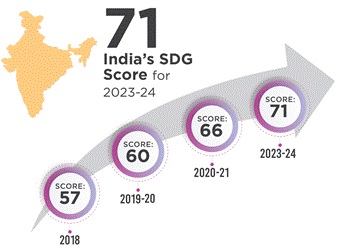
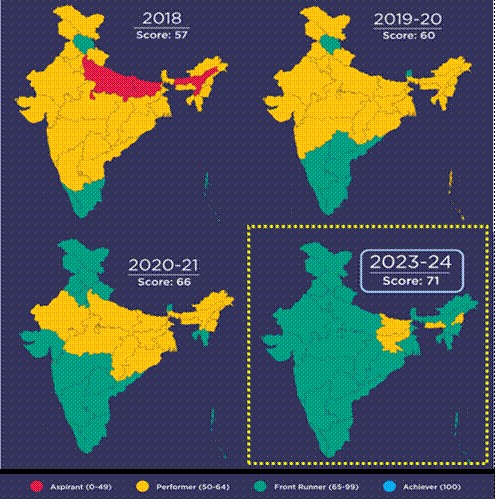
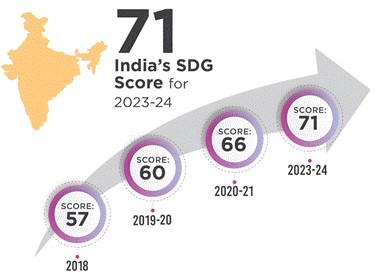
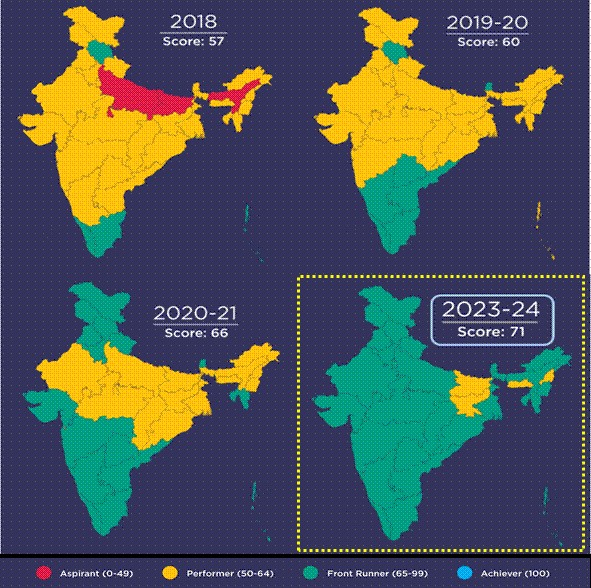
  • Overall SDG score for the country is 71 for 2023-24, significant improvement from 66 in 2020-21 and 57 in 2018 (Baseline report).
  • Scores for States range from 57 to 79 in 2023-24, marking a substantial improvement from  the  year  2018  range  of  42  to  69.
  • Significant  progress  in Goals 1 (No Poverty), 8 (Decent Work and Economic Growth), 13 (Climate  Action) and 15 (Life  on  Land)
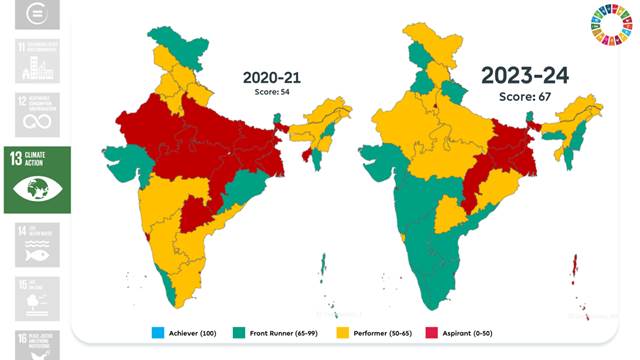
  • Goal 13 (Climate Action) records highest increase in score from 54 in 2020-21 to 67 in 2023-24 followed by Goal 1 (No Poverty) from 60 to 72
  • A graph showing the number of the country's scoreDescription automatically generated32 States and UTs in the front-runner category with 10 new entrants -Arunachal Pradesh, Assam, Chhattisgarh, Madhya Pradesh, Manipur, Odisha, Rajasthan, Uttar Pradesh, West Bengal, and Dadra and Nagar Haveli and Daman and Diu


  • Between 2018 and 2023-24, fastest moving States are Uttar Pradesh (increase in score by 25), followed by J&K (21), Uttarakhand (19), Sikkim (18), Haryana (17), Assam, Tripura and Punjab (16 each), Madhya Pradesh and Odisha (15 each)


SDG India Index 2023-24, the fourth edition of the country’s principal tool for measuring national and subnational progress on the Sustainable Development Goals (SDG) was released today by NITI Aayog. The Index was launched by Shri Suman Bery, Vice Chairperson, NITI Aayog in the presence of Shri B. V. R. Subrahmanyam, CEO, NITI Aayog; Shri Shombi Sharp, UN Resident Coordinator in India; Dr. Yogesh Suri, Senior Advisr, NITI Aayog and Ms. Isabelle Tschan Harada, Deputy Resident Representative, UNDP.


SDG India Index 2023-24 measures and tracks national progress of all States and UTs on 113 indicators aligned to the Ministry of Statistics and Programme Implementation’s (MoSPI) National Indicator Framework (NIF). The SDG India Index computes goal-wise scores on the 16 SDGs for each State and UT. Overall State and UT scores or Composite Scores are generated from goal-wise scores to measure the aggregate performance of the sub-national unit based on its performance across the 16 SDGs. These scores range between 0–100, and if a State/UT achieves a score of 100, it signifies it has achieved the targets. The higher the score of a State/UT, the greater the distance covered to the target.

India’s commitment to the SDGs since adopting the 2030 Agenda on Sustainable Development is reflected in concerted efforts on SDG localisation spearheaded by NITI Aayog, which works closely with States and UTs. NITI Aayog has the twin mandate to oversee the adoption and monitoring of the SDGs in the country and promote competitive and cooperative federalism among States and UTs. Together with States and UTs, NITI Aayog has focused on the institutionalisation of the SDGs – not only to look at sustainable development as a standalone or parallel framework, but also to make them an integral part of national and subnational thinking about development through institutional ownership, collaborative competition, capacity development, and following a whole-of- society approach.

The launch of the SDG India Index in 2018 provided the impetus for the localisation push, reaffirming States and UTs as key stakeholders in this transformative journey. The SDG India Index has been consistently improved over the years to provide a comprehensive and comparative analysis of progress on the goals. By fostering collaborative competition, the Index not only highlights achievements, but also encourages States and UTs to learn from each other to close outcome-based gaps. Grounded in the globally accepted SDSN methodology, the development of the Index followed extensive consultations with the States and UTs (the primary stakeholders); MoSPI; Union Ministries; and UN agencies. The Index represents the articulation of the comprehensive nature of the Global Goals under the 2030 Agenda while being attuned to the national priorities.


Key highlights and results from the fourth edition of the SDG India Index:

  • The composite score for India improved from 57 in 2018 to 66 in 2020-21 to further to 71 in 2023-24


  • India has taken significant strides in accelerating progress on the SDGs between the 2020-21 and 2023-24 editions of the Index. Noteworthy advancements have been A graph showing the number of the country's scoreDescription automatically generatedobserved in Goals 1 (No Poverty), 8 (Decent Work and Economic Growth), 13 (Climate Action). These are now in the ‘Front Runner’ category (a score between 65–99).
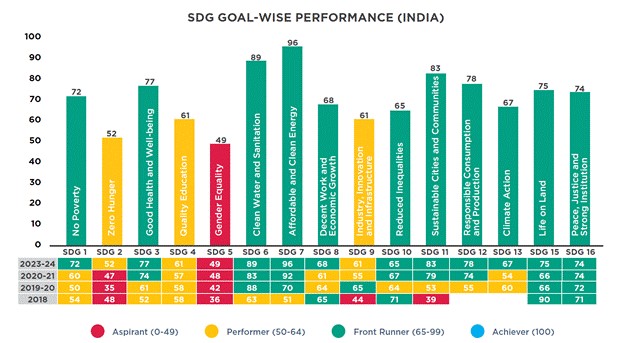
 

  • Among these, Goal 13 (Climate Action) has shown the most substantial improvement, with its score increasing from 54 to 67. Goal 1 (No Poverty) follows closely, with its score rising significantly from 60 to 72. The progress underscores the effects of the focused programmatic interventions and schemes of the Union and State Governments in improving the lives of citizens.


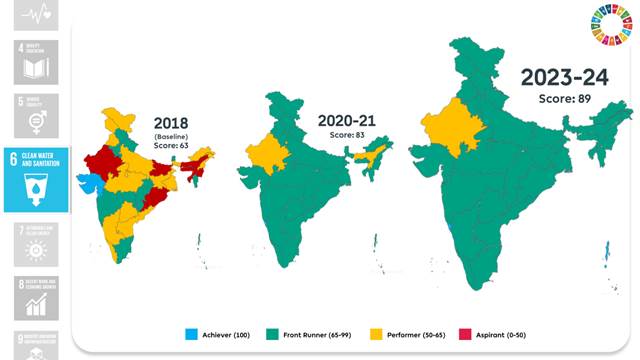
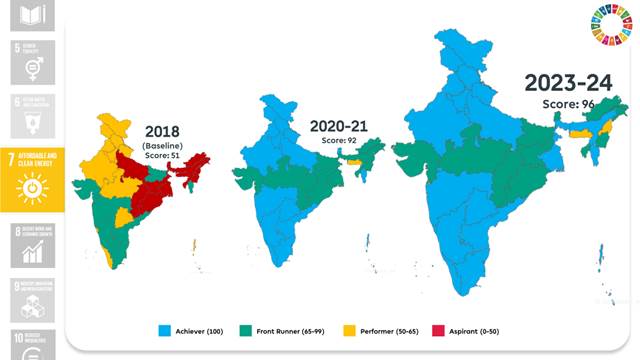
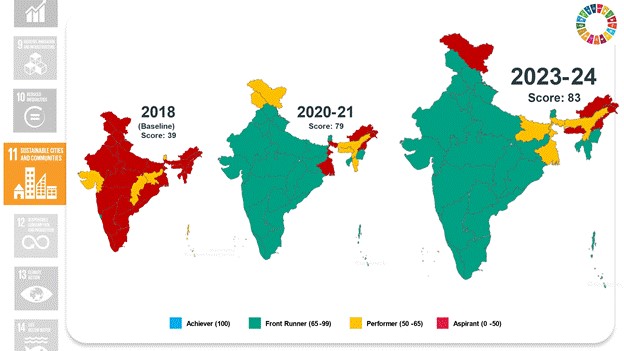
  • Since 2018, India has witnessed substantial progress in several key SDGs. Significant progress has been made in Goals 1 (No Poverty), 3 (Good Health and Well-being), 6 (Clean Water and Sanitation), 7 (Affordable and Clean Energy), 9 (Industry, Innovation and Infrastructure) and 11 (Sustainable Cities and Communities).


  • Government’s focus on ensuring food & nutrition security, health, education, electrification, housing for all, sanitation, clean cooking fuel & energy has significantly contributed to the improvements. 


  • Key interventions facilitating SDG achievements include:
    • Over 4 crore houses under the PM Awas Yojana (PMAY),
    • 11 crore Toilets & 2.23 lakh Community Sanitary Complexes in rural areas
    • 10 crore LPG connections under PM Ujjwala Yojana,
    • Tap water connections in over 14.9 crore households under  Jal Jeevan Mission
    • Over 30 crore beneficiaries under Ayushman Bharat -Pradhan Mantri Jan Arogya Yojana
    • Coverage of over 80 crore people under the National Food Security Act (NFSA)
    • Access to 150,000 Ayushman Arogya Mandir which offer primary medical care and provide affordable generic medicines
    • Direct Benefit Transfer (DBT) of ₹34 lakh crore made through PM-Jan Dhan accounts.
    • The Skill India Mission has led to over 1.4 crore youth being trained and upskilled and has reskilled 54 lakh youth
    • PM Mudra Yojana sanctioned 43 crore loans aggregating to ₹22.5 lakh crore for entrepreneurial aspirations of the youth besides Funds of Funds
    • Start Up India and Start Up Guarantee schemes assisting the youth
    • The Saubhagya scheme for access to electricity
    • Emphasis on renewable energy resulted in an increase in solar power capacity from 2.82 GW to 73.32 GW in the past decade.
    • Between 2017 and 2023, India has added around 100 GW of installed electric capacity, of which around 80% is attributed to non-fossil fuel-based resource.
    • Improvement in digital infrastructure with reduced internet data costs by 97% which has in turn positively affected and fostered financial inclusion

State and UT results

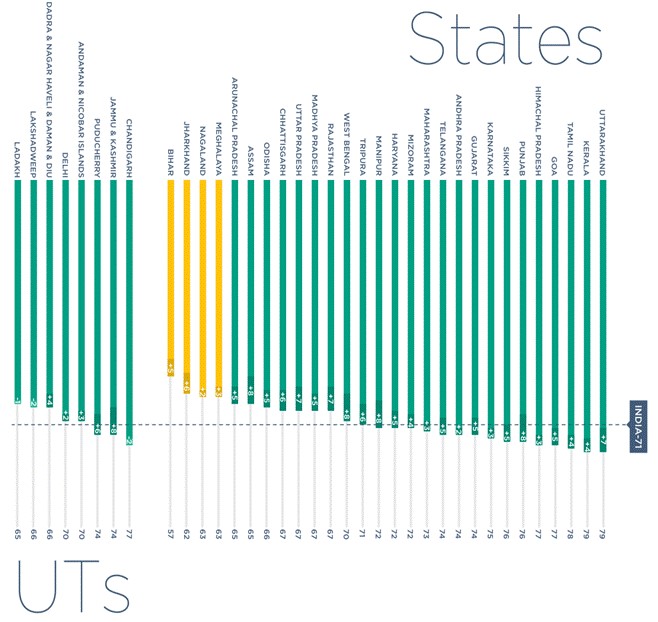
  • The SDG India Index 2023-24 reports a positive trend in the performance of States and UTs in their SDG journey. The scores for States now range from 57 to 79, while UTs score between 65 and 77. This represents an improvement over the 2020-21 scores, where the range was 52 to 75 for States and 62 to 79 for UTs.


 The performance of State and UTs in terms of their overall score is given below:


  • The Index records a significant increase in the number of States and UTs achieving Front Runner status. This year, 32 States/UTs have scored between 65 and 99, up from 22 in the 2020-21 edition. Notably, there are 10 new States and UTs in the Front Runner category. These include Arunachal Pradesh, Assam, Chhattisgarh, Madhya Pradesh, Manipur, Odisha, Rajasthan, Uttar Pradesh, West Bengal, and Dadra and Nagar Haveli and Daman and Diu.
 

  • The SDG India Index 2023-24 demonstrates the increase in composite scores across all States, with improvements ranging from 1 to 8 points. Leading the way in terms of score improvement are Assam, Manipur, Punjab, West Bengal, and Jammu and Kashmir, each achieving a positive change of 8 points since the 2020-21 edition.


  • Progress on the SDGs over the last four editions of the Index:


  • Index methodology:
    • The methodology of the Index involves a series of steps. The first step consists of compiling raw data for the selected indicators and identifying data gaps (if any). Subsequently, target values for 2030 are established for each indicator, providing clear benchmarks for evaluating progress. The raw data is then normalised, transforming it into a score ranging from 0 to 100. The Goal score for each SDG is computed by taking the arithmetic mean of the normalized scores of its relevant indicators. The composite SDG India Index score is derived as an average of all Goal scores. The index and indicators are updated incorporating the latest developments in data availability.
    • Goal 14 has not been included in the calculation of the Composite Score for the Index as it solely pertains to the nine coastal States.


  • The SDG India Index 2023–24 is also live on an online dashboard. The dashboard provides user friendly visualizations to identify crucial development outcome based gaps at the national and subnational levels.


  • NITI Aayog has the mandate for coordinating the adoption and monitoring of SDGs at the national and sub-national levels.           


  • The results demonstrated in the Index are not only significant at the national and subnational levels, but have the potential to inform other countries in their pursuit of accelerating progress on the SDGs. This is due to the sheer scale of transformation brought forth through focused interventions and schemes in India which provide valuable lessons for the rest of the world.


  • NITI Aayog is committed to supporting all the States and UTs in the localisation and acceleration of SDGs, an important barometer to measure progress towards Viksit Bharat @ 2047. The SDG India Index stands as a key milestone for measuring our progress and will help steer discussions, deliberations, and decisions in the journey ahead.


  • The Goal wise progress of states since the baseline is given in the Annexure.


Annexure

GOAL-WISE RESULTS

Goal 1 – No Poverty


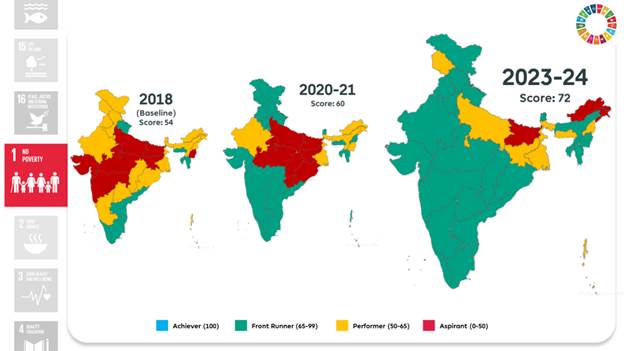
A map of different countries/regions with different colored areasDescription automatically generated


Goal-1 (No Poverty) improved by 12 points from 2020-21 (Index 3) to 2023-24 (Index 4), advancing from Performer to Front Runner category.

  • Multidimensional poverty nearly halved from 24.8% to 14.96% between 2015-16 and 2019-21.
  • Multidimensional poverty for 2022-23 further likely dropped to 11.28%, with 24.8 crore people moving out of multidimensional poverty between 2013-14 and 2022-23.
  • 99.7% were offered employment of the persons demanding employment under MGNREGA in 2023–2024.
  • 95.4% households live in pucca/ semi-pucca houses as per NFHS-5 (2019-21).
  • 41% of households have at least one member covered under health insurance or health scheme as per NFHS-5 (2019-21), an improvement from 28.7% in NFHS -4 (2015-16).


Goal 2 – Zero Hunger


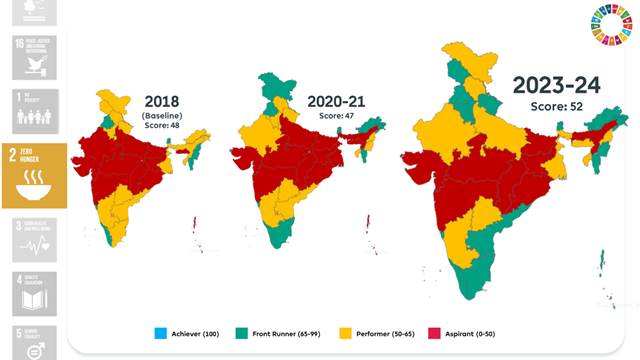
Improvement in overall composite score of Goal 2 moving from Aspirant category in SDG India Index 3 (2020-21) to Performer category in the SDG India Index 4 (2023-24)

  • 99.01% of beneficiaries covered under National Food Security Act (NFSA), 2013
  • Improvement in productivity of rice and wheat from 2995.21 kg/ha in 2018-19 to 3052.25 kg/ha in TE 2021-22
  • Increase in Gross Value Added (GVA) (constant prices) in agriculture per worker from ₹ 0.71 lakhs in 2018-19 to ₹ 0.86 lakhs in 2022-23


Goal 3- Good Health and Well-being


  • Overall score improved substantially from 52 in 2018 to 77 in 2023-24
  • Maternal Mortality Rate per 1,00,000 live births stand at 97
  • Reduced under 5 mortality rate (per 1,000 live births) from 36 in 2016-18 to 32 in 2018-20. 
  • 93.23% children aged 9-11 months are fully immunized
  • 87.13% tuberculosis cases notified against target
  • 97.18% of total deliveries reported in health institutions

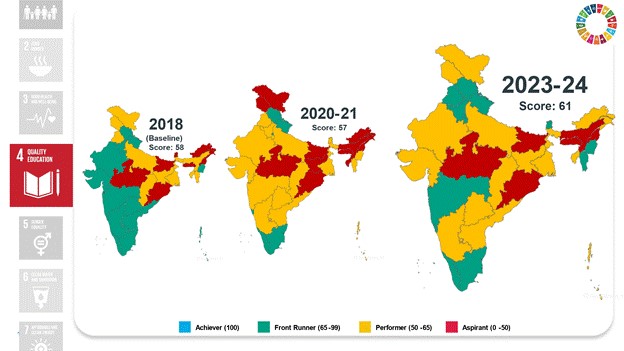
SDG 4 – Quality Education


  • Adjusted Net Enrolment Rate (ANER) for elementary education is 96.5% for 2021-22, up from 87.26% in 2018-19, with 14 States and UTs achieving 100%.
  • Pupil Teacher Ratio is 18 for 2021-22, thus achieving the target of 30. 
  • 88.65% of schools have access to both electricity and drinking water.
  • 100% parity between females and males in Higher Education (18-23 years)


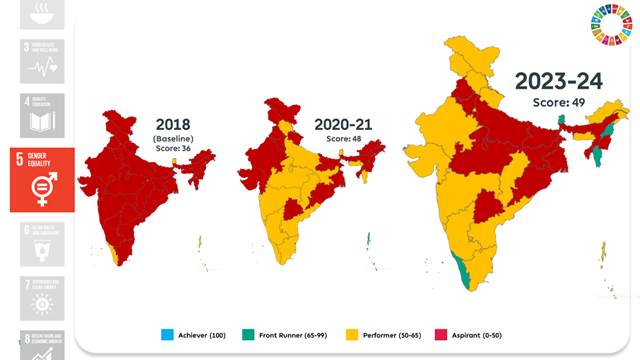
Goal 5 – Gender Equality


  • Overall score improved significantly from 36 in 2018 to 49 in 203-24.
  • Sex ratio at birth (females per 1,000 males) stands at 929
  • Improved ratio of female to male earnings (regular waged salaried employees) from 0.74 in 2018-19 to 0.76 in 2022-23
  • Improved ratio of female to male Labour Force Participation Rate (LFPR) (15-59 years) from 0.33 in 2018-19 to 0.48 in 2022-23
  • 74.1% of married women have their demand for family planning met by any modern method as per NHFS -5.
  • 53.90% of women own a mobile phone that they themselves use (aged 15-59 years) as per NHFS -5.
  • 88.70% of married women participate in three household decisions as per NHFS -5.


SDG 6 -Clean Water and Sanitation


  • Significant improvement in score from 63 in 2018 to 89 in 2023-24
  • All individual household toilets have been constructed against target and all districts have verified to be ODF under SBM(G).
  • 99.29% of rural households have improved their source of drinking water. 
  • 94.7% of schools have functional toilets for girls.
  • Overexploitation in blocks/mandals/taluks has reduced from 17.24% in 2017 to 11.23% in 2022.


Goal 7 – Affordable and Clean Energy 


  • Highest score amongst all SDGs also significant improvement from 51 in 2018 to 96 in 2023-24
  • 100% households have access to electricity under Saubhagya Scheme.
  • Significant improvement in households have clean cooking fuel (LPG + PNG) connections from 92.02% (2020) to 96.35% (2024)


Goal 8 – Decent Work and Economic Growth


  • 5.88% of annual growth rate of India’s GDP per capita at constant prices in 2022–2023
  • Reduction in unemployment rate (15-59 years) from 6.2% in 2018-19 to 3.40% in 2022-23
  • Increased Labour Force Participation Rate (LFPR) (%) (15-59 years) from 53.6% in 2018-19 to 61.60% in 2022-23
  • 95.70% of households have one member with a bank or post office account
  • 55.63% of accounts in Pradhan Mantri Jan Dhan Yojana (PMJDY) are held by women


SDG 9  – Industry, Innovation and Infrastructure


  • Improvement in score from 41 in 2018 to 61 in 2023-24
  • 99.70% of all targeted habitations are now connected with all-weather roads under Pradhan Mantri Gram Sadak Yojana, an improvement from 47.38% in 2017-18.
  • 93.3% of households own atleast one mobile phone.
  • 95.08% of villages have 3G/4G mobile internet coverage.


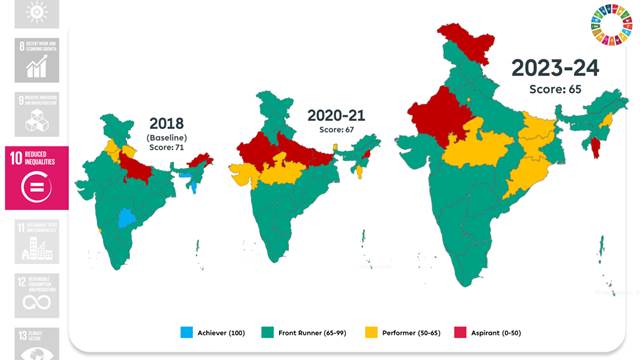
Goal 10 – Reduced Inequalities


  • 45.61% seats of Panchayati Raj Institutions held by women.
  • 28.57% representation of SC/ST persons in state legislative assemblies.


SDG 11 – Sustainable Cities and Communities


  • Significant improvement in score from 39 in 2018 to 83 in 2023-24
  • Installed sewage treatment capacity as a percentage of sewage generated in urban areas has increased from 38.86% in 2018 to 51% in 2020-21. 
  • The percentage of municipal solid waste processed has increased from 68% in 2020 to 78.46% in 2024.
  • 97% of wards have 100% door to door waste collection.
  • 90% of wards have 100% source segregation under SBM (U).


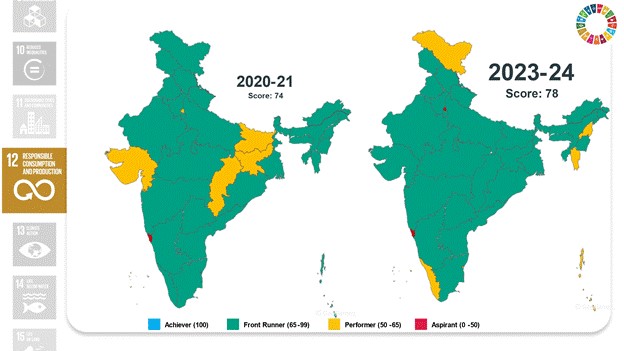
Goal 12 – Responsible Consumption and Production

  • 91.5% of biomedical waste generated is treated in 2022.
  • 54.99% hazardous waste recycled/utilized of total hazardous waste generated in 2022-23– an increase compared to 44.89% in 2018-19.


Goal 13 – Climate Action


  • Drastic improvement of 13 points in overall composite score of Goal 13 from 54 (Performer category) in SDG India Index 3 (2020-21) to 67 (Front Runner category) in the SDG India Index 4 (2023-24)
  • Disaster preparedness score as per Disaster Resilience Index stands at 19.20
  • Improvement in electricity generation from renewable energy from 36.37% in 2020 to 43.28% in 2024
  • 94.86% of industries comply with environmental standards


Goal 15 – Life on Land


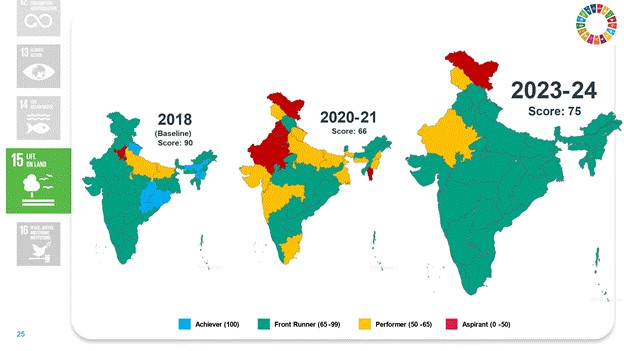
The score increased from 66 in Index 3 (2020-21) to 75 in Index 4 (2023-24). The number of States/UTs in Front Runner category increased from 17 in 2020-21 to 32 in 2023-24.

  • Nearly 25% geographical area under forests and tree cover – as per India State of Forest Report 2021.
  • 1.11% increase in carbon stock in forest cover – as per India State of Forest Report 2021.


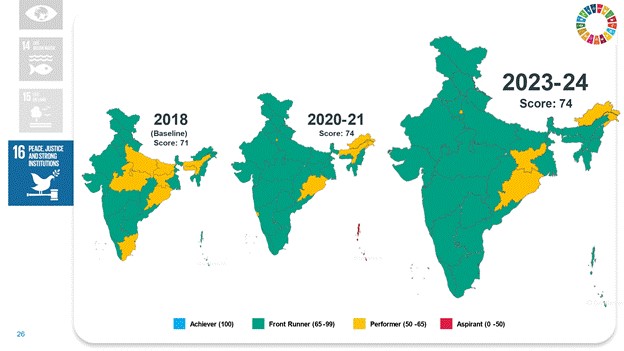
Goal 16 – Peace, Justice and Strong Institutions


  • 95.5% of the population is under Aadhaar coverage as of March 2024.
  • 89% of births registered of children under five years as per NFHS-5 (2019-21)
  • 71.3% charge sheeting rate of IPC crimes as per NCRB 2022.

Report is available online (https://www.niti.gov.in/sites/default/files/2024-07/SDA_INDIA.pdf)

*****

Review India’s Preparation for Paris Olympics 2024

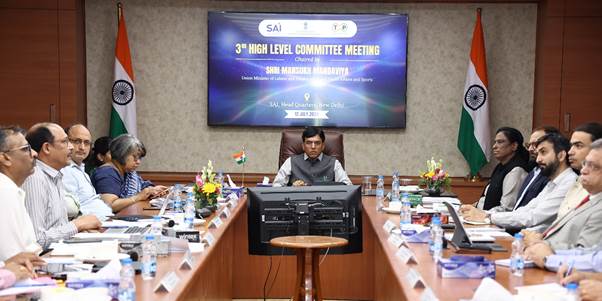
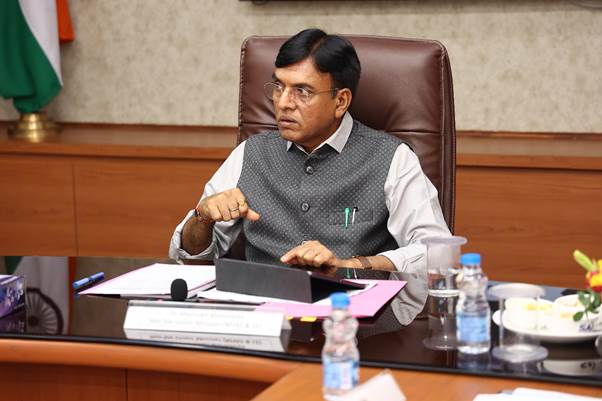
 Union Minister for Youth Affairs & Sports and Labour & Employment, Dr. Mansukh Mandaviya chaired the high-level meeting to review India’s preparations for Paris 2024 Olympic Games today.

A total of 118 athletes, including 48 women athletes, across 16 sports disciplines will participate in the Paris Olympics. Out of the total 118 Paris-bound athletes, 26 are Khelo India athletes and 72 athletes have qualified for Olympic games for the first time.

Dr. Mandaviya also established a coordination group to ensure holistic support for athletes and to address any issues that arise during the lead-up to and throughout the competition.

Dr. Mandaviya emphasized the importance of all stakeholders working together to provide athletes with the support they need. “As our athletes enter this critical phase of preparation and competition, it’s essential that we ensure they are in the best physical and mental condition to excel,” he said, echoing Prime Minister Narendra Modi’s message to the athletes.


During the meeting, Dr. Mandaviya expressed satisfaction that over 80 per cent of the qualified athletes were already training at various locations in Europe, ensuring they would not encounter acclimatisation issues.

The Government is committed to providing comprehensive support to Indian athletes through the Target Olympic Podium Scheme (TOPS), ensuring they have the best possible preparation for the Paris 2024 Olympics. This includes the engagement of world-class coaches and experts to enhance training programs, organising competitive exposures to give athletes vital experience, and taking initiatives focused on rehabilitation and injury management.

For the first time, a recovery centre with sports science equipment will be available for Indian athletes at the Games Village. Additionally, India House has been set up at the Park of Nations in Paris, joining 14 other countries, including France, with similar houses. Importantly, all decisions are made with a focus on the athletes’ needs and perspectives.

These efforts underscore the dedication to optimizing athletes’ performance and well-being, demonstrating a strong commitment to their success and achievement.

*****

First Mother Ship at Vizhinjam- India’s first deep water Container Transhipment Port

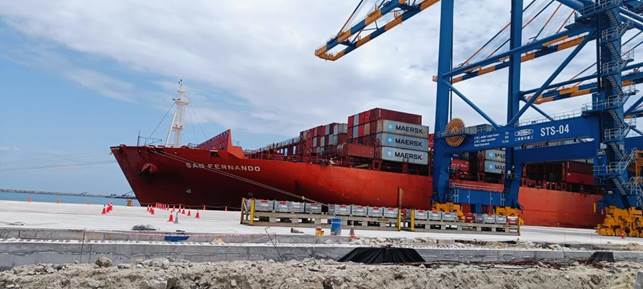
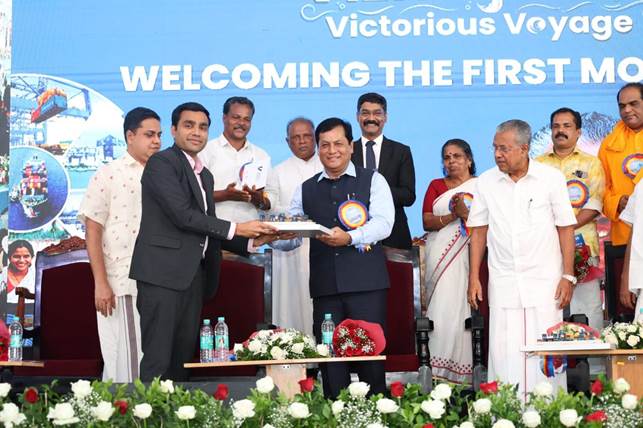
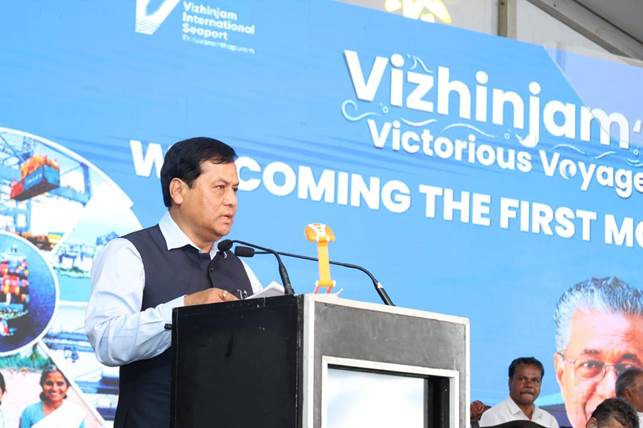
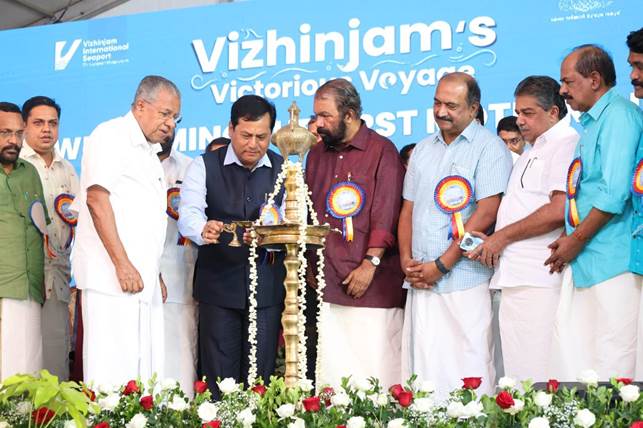
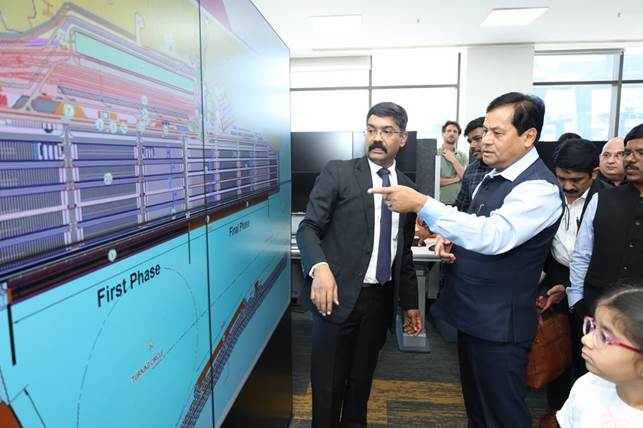
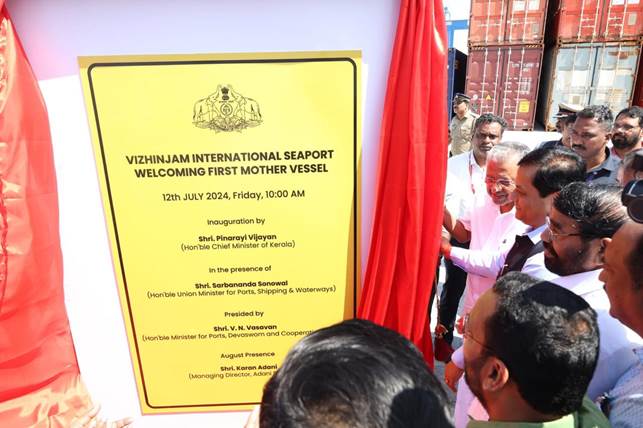
 The Union Minister of Ports, Shipping & Waterways, Shri Sarbananda Sonowal received the first Mother Ship  ‘MV San Fernando’ marking the beginning of operation at India’s First deep water container transhipment port in Vizhinjam, Kerala today. The ship, with a capacity upto 9000 TEUs, docks at India’s first automated port which is equipped with state of the art that offers large scale automation for quick turnaround of vessels including capacity to handle megamax containerships. The Chief Minister of Kerala, Shri Pinari Vijayan was also present on the occasion.


Speaking on the occasion, Shri Sonowal said, “Today is a historic day for the maritime sector of India as the maiden mothership docks at Vizhinjam, India’s first truly deep water International Container Transhipment terminal. This is the testament of the vision of ‘Make in India’ where a PPP collaboration among Govt. of Kerala, Govt. of India as well as the Adani Port SEZ has created a wonderful asset for growth of India’s maritime sector. Under the visionary leadership of Prime Minister Shri Narendra Modi ji, India is equipping and enabling entrepreneurial ventures and collaborating as and when required to build capacity for the cause of nation building. This wonderful achievement marks the beginning of a new era in the ports sector of the country. This is a big step towards realisation of the vision of PM Narendra Modi ji of creating world class port infrastructure in the country. In the same spirit of nation building, our ministry, under the visionary guidance of PM Narendra Modi ji, is working towards execution of Mega Port Projects including All Weather Deep Draft Port at Vadhavan in Maharashtra and International Container Transhipment Terminal (ICTT) at Galathea Bay in a mission mode.”


Vizhinjam Port is a strategic maritime project near Thiruvananthapuram in Kerala. This is the first Greenfield port project in India, initiated by a state Government with an investment exceeding ₹18,000 crores. Developed under the Public Private Partnership (PPP) mode, it stands as one of the largest initiatives in the country’s port sector. Vizhinjam’s strategic location near international shipping routes significantly reduces transit times for vessels, making it a pivotal point for maritime trade. As one of India’s few natural deep-water ports, it can efficiently accommodate large cargo and container ships. The development of the Vizhinjam International Seaport is poised to boost Kerala’s economic growth by creating jobs, enhancing trade, and attracting investments. Ongoing infrastructure projects aim to equip the port with state-of-the-art facilities, including modern container terminals, warehouses, and logistics parks. Vizhinjam is set to become a key player in regional trade, potentially serving as a gateway for commerce between Southeast Asia, the Middle East, and Africa.


Speaking further, Shri Sonowal added, “Under the dynamic leadership of Prime Minister Shri Narendra Modiji, India has fast tracked development of ports sector in the country, as we aim to become top maritime global power in the years to come. Today, with the operationalisation of Vizhinjam port, India is poised to reap opportunity it creates in the region, and bringing healthy competition with Colombo and Singapore transhipment hubs. The government remains committed to enable and equip India’s maritime sector as projects worth more than ₹24,000 crores are being implemented in Kerala under the Sagarmala project – the flagship programme of the Ministry of Ports, Shipping & Waterways. With dynamic global scenario impacting the maritime sector, this port offers a viable alternative and an option to major shipping lines to mitigate the disruptions in the global supply chain.”

******

Eco-friendly solvents offer solutions for sustainable and diverse silk industry

 Researchers have found an eco-friendly approach that can eliminate the use of toxic chemicals in silk processing. 

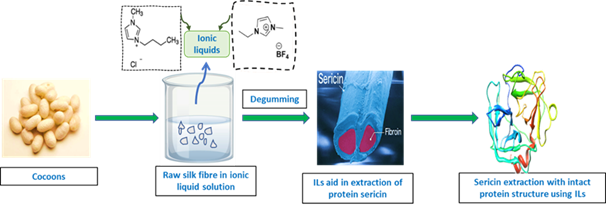
Traditionally, toxic chemicals like sodium carbonate, sodium hydroxide, sulfuric acid, and lithium bromide have been used to extract silk proteins, fibroin and sericin from various types of raw silk fibers, an important step in the process of making silk from cocoons.

A team at Institute of Advanced Study in Science and Technology (IASST) Guwahati, an autonomous institute of Department of Science & Technology, has identified Ionic Liquids (ILs) which can be promising sustainable alternatives to the toxic chemicals currently in use for the silk protein extraction process.

The team led by Dr. Kamatchi Sankaranarayan has identified 4 different ILs that can be effective in extracting silk proteins from raw fibres.

This new research, published in Chemistry Select by Wiley Publishers, has potential for use in sericin extraction from both mulberry (Bombyx mori) and non-mulberry silks, such as Muga (Antheraea assamensis) and Eri (Philosamia ricini), indigenous to Northeast India.


The researchers explored six different ILs and found some of them were particularly effective in removing sericin without damaging the silk protein structure. The ones showing greatest promise included 1-Butyl-3-methylimidazolium chloride (BMIM.Cl), 1-ethyl-3-methylimidazolium tetrafluoroborate (EMIM.BF4), and Tetraethylammonium bromide (TEAB). TEAB appeared to be highly effective due to its ability to destabilize sericin proteins.

The research holds great significance for the silk industry. Not only does it offer a more environmentally friendly alternative to traditional chemical methods, but it also paves the way for efficient sericin extraction from non-mulberry silks, potentially leading to new applications for these unique fibers.

This is the first instance of using ILs for sericin extraction from non-mulberry silks, highlighting the potential of this new approach for a more sustainable and diverse silk industry.

****

Journalists offering their inputs on various policy matters and current affairs

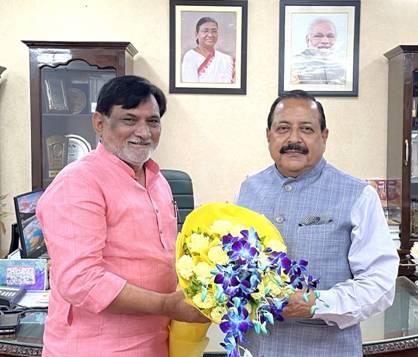
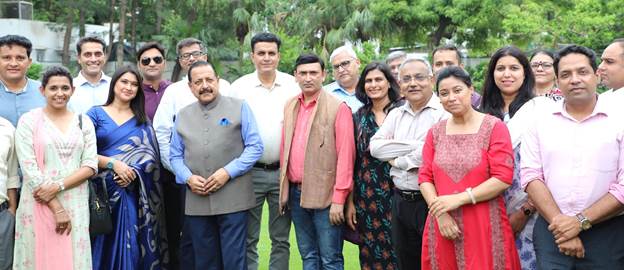
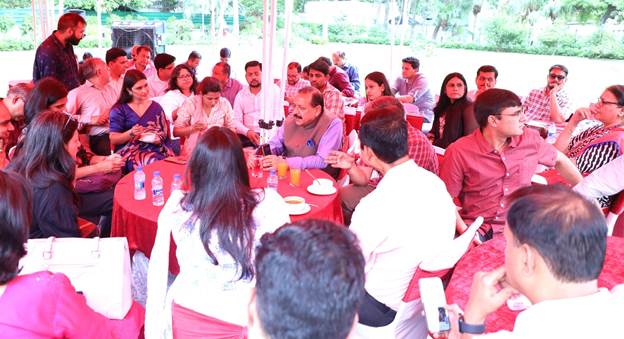
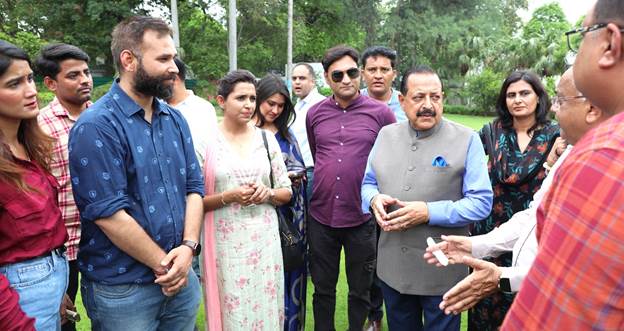
 Union Minister Dr. Jitendra Singh hosted at his residence an informal Media lunch for print and electronic journalists from various known publications and channels. The event provided an opportunity for exchange of views on a wide range of varied subjects and sharing of ideas on several current topics.

The luncheon meeting saw a vibrant exchange of views, with journalists offering their inputs on various policy matters and current affairs. The Minister sought feedback on areas where collaborative efforts could enhance governance and public service delivery.

The gathering was marked by an atmosphere of constructive dialogue, where the Minister engaged directly with journalists on a range of topics concerning his Ministries. The interactive session allowed for insightful conversations that delved into the government’s initiatives, upcoming legislative priorities, J&K and the broader vision for the nation’s development.

Welcoming the guests, Union Minister of State (Independent Charge) for Science and Technology, Minister of State (Independent Charge) for Earth Sciences, MoS PMO, Department of Atomic Energy and Department of Space, MoS Personnel, Public Grievances and Pensions Dr. Jitendra Singh said “I am delighted to have this opportunity to engage with all of you today. Your role as journalists is vital in a democracy and informal conversations like these are essential to understand each other better and work towards our common national goals.”

Dr. Jitendra Singh appreciated the crucial role played by the media in informing the public and shaping public opinion. When asked about the new reforms of Modi Govt. 3.0, Dr. Jitendra Singh highlighted The Public Examinations (Prevention of Unfair Means) act 2024 enacted to tackle unfair practices in central recruitment and educational institution entrance exams and assured the zero tolerance by the government in such cases and its aspiration for Meritocracy. The DoPT Minister also emphasized on the rule to role shift in governance by upgrading the skills and capacity building of Civil Servants. He also underscored the government’s commitment to transparency and accountability, highlighting the importance of constructive criticism in the democratic process.

Beat journalists covering Science and Technology, Space and Earth Sciences wanted to know about India’s Space Missions, Deep Sea Mission and next generation Technologies. The Minister Made them aware of the current developments and highlighted that progress happened in S&T will continue even at a faster rate as Anusandhan NRF has been Brought in p-lace to collaborate and converge the efforts of both Public and Private sector. He recalled the success in the Space Sector after private participation was encouraged. He said in just two years 200 Space startups have started many with global capacity. The India’s bio-economy has grown 13-fold in the last 10 years from $10 billion in 2014 to over $130 billion in 2024.

In terms of energy security Dr. Jitendra Singh said “India’s Nuclear Power generation capacity to increase by around 70 percent in the next 5 years”.

On the Pensions and pensioners welfare, Dr. Jitendra Singh Said that Prime Minister Modi is quite sensitive to the concerns of the senior citizens and following his visions we have started Pension Adalats and empowered women. The unmarried and divorced daughters and widows are sought to be empowered through pensions. He also underlined the need for a humane approach in governance and shared the human feedback model adopted by the ministry after redressal of grievances.


***

Central Public Works Department (CPWD) commemorates 170 years of dedicated service to the Nation

 Central Public Works Department (CPWD) organized its 170th Annual Day today at Vigyan Bhawan, New Delhi to commemorate 170 years of dedicated service to the Nation.’

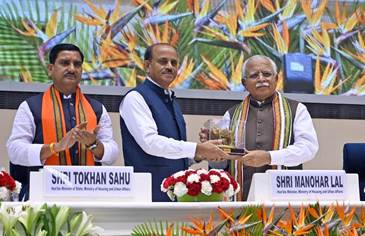
The occasion was graced by Shri Manohar Lal, Minister of Housing and Urban Affairs (MoHUA) as the Chief Guest. Shri Tokhan Sahu, Minister of State, MoHUA as the ‘Guest of Honour’ in the august presence of Shri Anurag Jain, Secretary, MoHUA. Shri Rajesh Kumar Kaushal, Director General, CPWD and Shri S.P. Chaudhary, Special Director General (HQ), CPWD along with other dignitaries, officers and staff of CPWD from across the country.


Shri Manohar Lal, Minister for Housing and Urban Affairs, in his address at the function congratulated the entire CPWD fraternity on their 170th Annual Day and complimented DG, CPWD for steering CPWD in the direction of swift progress and growth aimed at leading India towards the status of fully develop nation. He lauded the remarkable journey of the nation’s premier construction agency from its inception to the present day. Adding to his words, he said how effortlessly the department has evolved and adapted to the changes & needs of time to maintain its continued relevance in present times in the form of large projects all over the country.

Shri Tokhan Sahu, Minister of State for Housing and Urban Affairs congratulated entire CPWD fraternity on 170th Annual Day and complimented the department for its glorious history spanning 170 years. He stated that the transformation by the CPWD in last decade is remarkable. Highlighting its success & achievements, he gave the example of the New Parliament constructed by CPWD.

Shri Anurag Jain, Secretary, MoHUA congratulated CPWD on 170th Annual Day. He desired CPWD to participate actively and contribute in building a New India to fulfil the vision of the Prime Minister. CPWD as a technical department must focus on areas where innovation and modernization in the infrastructure sector are required for accelerated economic development. He also stated that we must study the successful models of development all over the world and tropicalized for our use.

Shri Rajesh Kumar Kaushal, Director General, CPWD in his address affirmed the rock- solid support and guidance of MoHUA. He said that the department has proactively moved on the path of transformation, innovation, delivery and image building in the last decade. He stated that achievements and activities of CPWD have been significant in terms of human resource management, speedier and quality construction, adoption of new technologies, completion of projects on time with quality and economy, adding new clients, signing new MoUs, implementing new policy initiatives for the growth of Department.

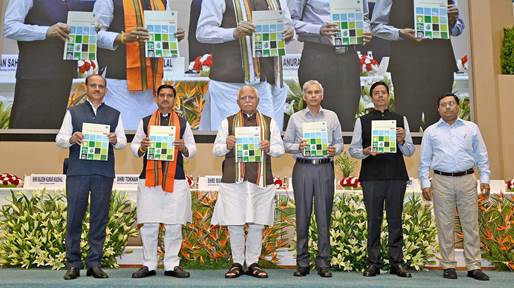
A short film depicting the glorious history and achievements of CPWD over a span of 170 years was shown during the function. Eight technical publications of CPWD namely Reducing Carbon Footprint in Buildings, Introducing BIM in CPWD, Nirman Bharati, CPWD Works Manual 2024, SOPs for CPWD Works Manual 2024, General Condition of Contracts 2024 for EPC Projects, Enlistment Rules 2024 and HVAC Specification 2024, three e-NIRMIT ERP Modules namely ‘Contractor Workman Management’, ‘Online collection Refund and forfeiture of Earnest Money Deposit for e-Tendering Pan India’, ‘Online Verification of Ban Guarantee in e-Tendering’ were also launched by the dignitaries. As part of the Annual Day function CPWD Director General Medals, Commendation Certificate and Certificate of Merit were conferred by the ‘Chief Guest’ and ‘Guest of Honour’ to the awardees for performers and best works.


On the eve of CPWD Day, a Technical Session was also held at Vigyan Bhawan, New Delhi on July 11, 2024. Prof. V. K. Paul, Director, School of Planning and Architecture, New Delhi graced the function as the Chief Guest in the august presence of Shri Deepak Agarwal, Joint Secretary (Works), MoHUA. During the Technical Session various Technical Presentations were made by CPWD officers as well as experts from the Construction Industry.

A Cultural programme ‘Jhankar’ was organized by the CPWD Officers Wives Association as a part of CPWD Annual Day celebration was organized at Manekshaw Auditorium, Delhi Cantonment on 11.07.2024. Ms. Bansuri Swaraj, Member of Parliament (LS) graced the function as the ‘Chief Guest’.

***

Ayushman Bharat PMJAY and Ayushman Bharat Digital Mission (ABDM)

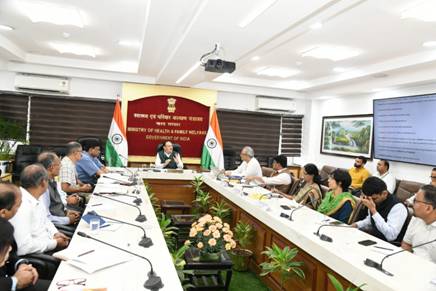
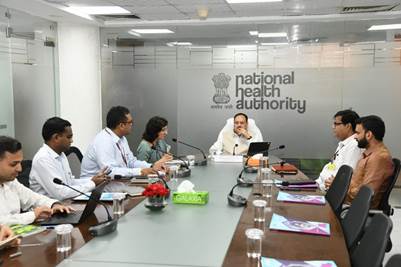
 Union Minister of Health and Family Welfare Shri Jagat Prakash Nadda reviewed the Ayushman Bharat Pradhan Mantri Jan Arogya Yojana (PMJAY) and Ayushman Bharat Digital Mission (ABDM) with senior officials of National Health Authority (NHA), here today.

A detailed presentation was made to the Union Health & Family Welfare minister on their salient features, the present status of the schemes and different aspects of their operationalisation by Ms. Deepti Gaur Mukherjee, CEO, NHA. Scheme has achieved significant milestones in terms of 34.7 crore Ayushman Cards, 7.35 crore hospital admissions amounting to more than ₹1 lakh crore. NHA presented the plan to strengthen the network of empanelled hospitals and effectively engage with them.

Underlining the vision of Hon. Prime Minister of universal health coverage and benefiting the most needy and vulnerable sections of the society through AB PM-JAY, the Union Health Minister directed the officials to ensure that benefits of these visionary schemes reach the most needy and vulnerable sections of the society. He stated that We need to ensure that challenges and any issues that are hampering the effective implementation of PM-JAY are resolved early in coordination with States”. He has directed NHA to engage and coordinate with the States on a regular basis to understand in-depth the issues at hand and resolve them in unison.

Shri Nadda stated that to strengthen and expand Ayushman card creation of eligible beneficiaries, especially in the urban areas and metropolitan cities, a bottom-up approach needs to be adopted, where we create pathways and mechanisms whereby, they can be easily verified for creation of Ayushman card. “Let us keep our systems flexible and agile to ensure the enrolment process”, he advised.   

Noting that it is important to learn from the experiences of the beneficiaries, Shri Nadda stated that smart technology tools can be employed to connect directly with the beneficiaries and collect their hospitalisation and treatment experiences.  This will help us to improve delivery of our healthcare services, he highlighted.

The union Health minister was also briefed about the fraud detection and prevention measures being taken by NHA, which has helped to enhance the efficiency of the scheme.

Shri. J P Nadda also reviewed the National Health Claims Exchange (NHCX). NHXC has been developed by NHA in collaboration with Insurance Regulatory Development Authority of India (IRDAI). NHCX will enable paperless settlement of claims submitted by hospitals to insurance company. This will also enable IRDAI to have a dashboard view of claims settlement status in real time. 33 insurance companies covering 99% insurance market have been integrated on NHCX platform. Citizens will also be able to see the status of their insurance claim through the mobile.

Department of Fisheries organizes the Fisheries Summer Meet 2024 at Madurai, Tamil Nadu

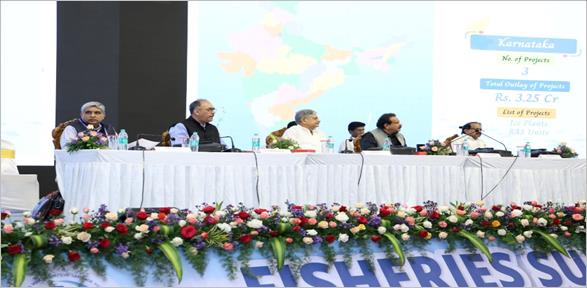
 With an aim to hold strategic discussions with States/UTs to deliberate on the progress and way forward for the development of the fisheries sector,  Department of Fisheries, Government of India  organized the ‘Fisheries Summer Meet 2024’ at Madurai, Tamil Nadu today. A total of 321 impactful projects under Pradhan Mantri Matsya Sampada Yojana (PMMSY) with an outlay of Rs.114 Crore, covering 19 State/UTs were virtually inaugurated by Union Minister for Fisheries, Animal Husbandry & Dairying and Panchayati Raj Shri Rajeev Ranjan Singh alias Lalan Singh. Ministers of state for Fisheries, Animal Husbandry & Dairying, Prof. S. P. Singh Baghel and Shri George Kurian were also present on the occasion. During the program, live virtual interactions with fishermen and fisherwomen were held from the inaugural sites.

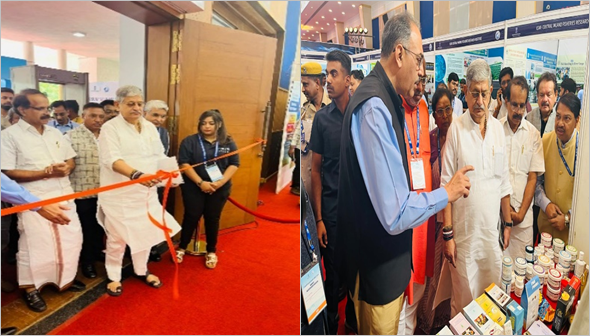
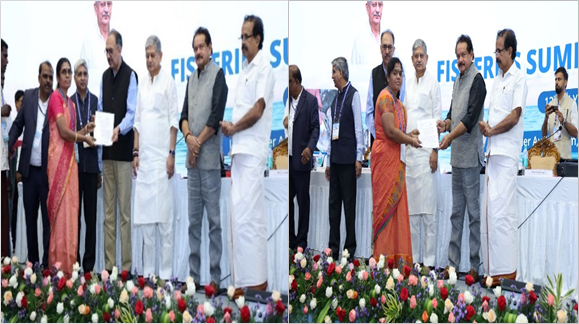
The Union minister inaugurated an exhibition that showcased various aquaculture technologies such as RAS, BioFloc, technologies used for ornamental fisheries, pearl cultivation etc. Shri Rajiv Ranjan Singh also distributed KCC, presented PMMSY achievement award letters to beneficiaries and felicitated FFPOs onboarded on Open Network Digital Commerce (ONDC). He also interacted with the entrepreneurs and scientists during the walkthrough of the exhibition.

Department of Fisheries (GoI) has provided financial assistance for formation of 2195

FFPOs under PMMSY and around 95 FFPOs have been onboarded on the ONDC network. This collaboration with ONDC has served numerous benefits for the FFPOs like reduced transaction costs, increased market reach, improved transparency, increased competition & competitiveness, innovation,  employment generation etc. Six participants onboarded onto the ONDC network, namely, Gorakhpur Kissan Producer Company Limited, District Gorakhpur, Uttar Pradesh, Kapsi Fishery Farmer Producer Company Ltd., District Kanker, Chhattisgarh, Banmankhi Fish Farmer Company Limited, District, Purnia, Bihar, Bastarpearl Fish Farmer Producer Company Limited, Bastar, Chhattisgarh, Lari Fish Producer Company Ltd., District Deoria, Uttar Pradesh and Kondapaka Fisheries Producer Company Limited, District Siddipet, Telangana were felicitated for their contribution in the growth of the Fisheries sector during the event.

Union Minister Shri Rajiv Ranjan Singh also distributed KCC certificates and PMMSY sanction orders to the beneficiaries. The recipient beneficiaries for ornamental fisheries units included Ms Yogeshwari W/o. Shri Kathiresh Kumar, Ms Suguna W/o. Shri Muthu Pandi, Ms Sindhu W/o. Shri Sudhakar, Ms Kalaiyarasi W/o. Shri Sakthivel and Ms Pachaiyammal W/o. Shri Mathialagan.

Department of Fisheries, Government of India and Ministry of Fisheries, Animal

Department of Fisheries along with Ministry of Fisheries, Animal Husbandry &

Dairying (GoI) marked five years of its creation in 2024. Since its genesis, Department of Fisheries (DoF) has undertaken various strategic initiatives for the growth and development of the Indian Fisheries sector. In order to harness the potential of fisheries resources in a sustainable manner and bringing in holistic development in the Fisheries sector, DoF (GoI) has launched various schemes, namely Blue Revolution (BR), Fisheries Infrastructure Development Fund (FIDF), Pradhan Mantri Matsya Sampada Yojana (PMMSY), Kisan Credit Crad (KCC) and the upcoming sub-scheme under PMMSY. It envisages a cumulative investment of Rs 38,572 crore through these schemes to address sectoral gaps and bring in structural changes.

The event also witnessed the presence of Dr. Sanjay Kumar Nishad, Minister of Fisheries, Uttar Pradesh, Smt. Renu Devi, Minister of Animal Husbandry & Fisheries, Bihar, Shri Keshab Mahanta, Fisheries Minister, Assam, Shri Alexander Laloo Hek, Minister of Animal Husbandry, Veterinary and Fisheries Department, Meghalaya, Shri Gabriel D. Wangsu, Minister of Agriculture, Animal Husbandry, Fisheries, Food & Civil Supply, Arunachal Pradesh and Shri Gokulananda Mallik, Minister of State (Incharge), Odisha.


*****

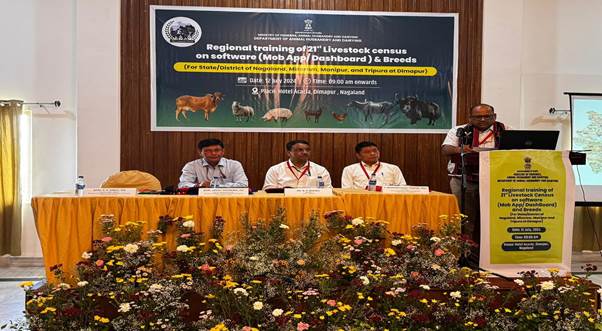
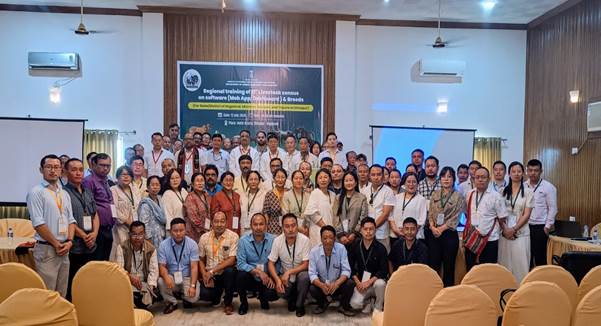
Department of Animal Husbandry & Dairying Conducts Regional Training of 21st Livestock Census on Software and Breeds to State and District Nodal Officers of Nagaland, Mizoram, Manipur and Tripura

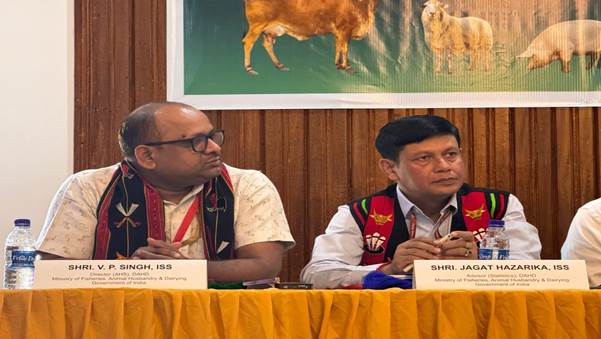
 The Department of Animal Husbandry & Dairying (DAHD), Ministry of Fisheries, Animal Husbandry & Dairying, Government of India, in coordination with Animal Husbandry and Veterinary Services Department, Government of Nagaland with Nagaland as the host State conducted a “Regional Training of 21st Livestock Census on Software (Mobile Application/ Dashboard and Breeds) for State and District Nodal Officers (DNO/SNO) of Nagaland, Mizoram, Manipur and Tripura”. The workshop was held today at Dimapur, Nagaland to train the DNO/SNO of these four states for understanding of newly launch applications for conducting 21st Livestock census which is scheduled during September-December 2024. The training programme was inaugurated by Chief Guest Shri Kazheto Kinimi – Advisor for Animal Husbandry Government of Nagaland  with the presence Shri Vikeyie Kenya IAS Commissioner Secretary Department of AH and VS  in  Govt of Nagaland and Shri Jagat Hazarika Advisor ( Statistics) Department of Animal Husbandry and Dairying , Government of India.

WhatsApp Image 2024-07-12 at 11.57.49 AM (1).jpeg

The workshop featured a series of sessions beginning with a brief description of the 21st Livestock Census by the Animal Husbandry Statistics Division, followed by a detailed presentation from ICAR-National Bureau of Animal Genetic Resources (NBAGR) on the breed details of species to be covered in the census. The importance of accurate breed identification was emphasized, which is crucial for producing precise statistics used in various livestock sector programs and for the National Indicator Framework (NIF) of Sustainable Development Goals (SDG).

IMG-20240712-WA0003.jpg

The workshop included detailed sessions on the methodologies and live application of software of 21st Livestock Census by Software team of Department of Animal Husbandry and Dairying. The Government of India trained on the mobile application and dashboard software for State and District Nodal Officers. These Nodal officers shall conduct training for enumerators at their respective District Head Quarters.

group.jpeg

Shri V.P Singh Director (Statistics) Division), Department of Animal Husbandry and Dairying and Sh, B.P. Mishra Director ( NBAGR).

*****