

Citation
Dutta, S., & Roy, M. (2026). A Systematic Literature Review on the Social, Economic, and Environmental Impact of Covid-19 Pandemic on Shopping Malls in India. Journal for Studies in Management and Planning, 12(2), 28–45. https://doi.org/10.26643/jsmap/8
Soumyadeep Dutta
Doctoral Scholar
Department of Architecture, Jadavpur University
Assistant Professor
Department of Architecture and Planning,
Sister Nivedita University
Email: soumyadeep.d@snuniv.ac.in
Prof. (Dr). Madhumita Roy
Professor and Former Head of Department
Department of Architecture, Jadavpur University
Abstract
The COVID-19 pandemic has profoundly reshaped urban life, particularly in enclosed public spaces such as shopping malls, which serve as critical hubs for social interaction, commerce, and leisure in India. This systematic literature review examines the multifaceted impacts of pandemics on shopping malls, focusing on social, economic, and environmental dimensions within the Indian context. We synthesize existing research to identify key trends, challenges, and adaptations observed during and after the pandemic, addressing shifts in consumer behavior, industry-specific disruptions, and the role of urban planning in mitigating risks. The review adopts a structured approach to analyze peer-reviewed studies, policy documents, and industry reports, employing thematic analysis to distill patterns and gaps in the literature. Findings reveal that the pandemic accelerated digital transformation in retail, altered consumer preferences toward safety and convenience, and exposed vulnerabilities in supply chains and workforce dynamics. Social distancing measures and hygiene protocols redefined mall operations, while urban design considerations gained prominence to ensure safer public spaces. Economically, the retail sector faced severe contractions, yet adaptive strategies such as omnichannel retailing and localized sourcing emerged as resilient responses. Environmentally, reduced foot traffic temporarily lowered energy consumption but also highlighted the need for sustainable practices in mall management. The study concludes with recommendations for policymakers and mall operators to foster inclusive, sustainable, and crisis-resilient retail environments, emphasizing the interplay between public health, urban infrastructure, and economic recovery.
Keywords: social-economic impact, environmental impact, Systematic Literature Review, shopping malls, post-pandemic urbanism.
1. Introduction
The COVID-19 pandemic has irrevocably altered the dynamics of urban public spaces, with shopping malls—a cornerstone of India’s retail and social infrastructure—facing unprecedented challenges. As enclosed environments designed for high-density interactions, malls became focal points for public health concerns, economic disruptions, and shifts in consumer behavior (Lee et al., 2023). The pandemic exposed vulnerabilities in their operational models, forcing rapid adaptations to ensure survival. This systematic literature review explores the social, economic, and environmental repercussions of pandemics on Indian shopping malls, synthesizing interdisciplinary research to map their evolving role in post-pandemic urban ecosystems. Shopping malls in India are more than commercial hubs; they are cultural and social nexuses that reflect the country’s rapid urbanization and consumerism (Pandey et al., 2020). Prior to the pandemic, they thrived as spaces for leisure, community engagement, and economic activity, contributing significantly to employment and local economies. However, their enclosed nature made them high-risk zones during COVID-19, triggering government-mandated closures, capacity restrictions, and prolonged recovery periods (Russo et al., 2022). The resultant economic fallout was severe, with retail tenants, especially small and medium enterprises (SMEs), facing liquidity crises and existential threats (Mahajan, 2020). Concurrently, consumer behavior shifted toward e-commerce and contactless transactions, challenging the traditional mall business model (Mittal, 2013). Despite extensive research on pandemic impacts globally, studies focusing on India’s unique socio-economic and urban context remain fragmented. Existing literature often prioritizes macroeconomic trends or healthcare responses, neglecting the micro-level transformations in enclosed public spaces like malls (Martínez & Short, 2021). For instance, while the resilience of retail sectors in Western economies has been examined, the interplay of India’s informal workforce, dense urban layouts, and infrastructural constraints warrants localized analysis (Barata-Salgueiro & Cachinho, 2021). Furthermore, environmental impacts—such as energy use patterns during lockdowns or waste management challenges—are underexplored in the Indian mall context (BHAVANANDAN, 2025). These gaps hinder holistic policy responses and industry strategies for future crises.
This review is motivated by the need to consolidate dispersed insights into a coherent framework, bridging disciplinary silos between urban studies, retail management, and public health. By contextualizing global findings within India’s socio-spatial realities, we aim to inform adaptive strategies for mall operators, urban planners, and policymakers. The study’s significance lies in its systemic approach, which connects macro-level economic shocks to micro-level behavioral and spatial adaptations, offering actionable recommendations for building resilient, inclusive, and sustainable retail environments. The remainder of this paper is organized as follows: Section 2 details the methodology, including search strategies and inclusion criteria. Section 3 presents thematic results, spanning research trends, socio-economic impacts, consumer behavior shifts, industry-specific effects, urban design adaptations, and mall-specific studies. Section 4 discusses synthesized findings, while Section 5 outlines implications for theory and practice.
2. Methodology
2.1 Review Protocol
This systematic literature review adheres to the PRISMA (Preferred Reporting Items for Systematic Reviews and Meta-Analyses) guidelines (Page et al., 2021) to ensure methodological rigor and transparency. The study employs a multi-database search strategy to capture diverse perspectives on pandemic impacts in Indian shopping malls. Scopus and Web of Science were prioritized for their comprehensive coverage of peer-reviewed journals in urban studies, economics, and public health. PubMed was included to incorporate medical and epidemiological insights on enclosed public spaces. IEEE Xplore and ACM Digital Library provided technical literature on digital adaptations in retail, while ScienceDirect and SpringerLink supplemented interdisciplinary perspectives. Google Scholar was used as a secondary source to identify gray literature and policy documents. The search strings combined keywords related to pandemics (“pandemic” OR “epidemic”), impact domains (“social impact” OR “economic impact” OR “environmental impact”), and spatial context (“shopping mall” OR “enclosed public space”), filtered for India-specific studies. Boolean operators and field-specific syntax (e.g., TIAB in PubMed, TITLE-ABS-KEY in Scopus) refined the results. Non-English publications, reviews, and meta-analyses were excluded to maintain focus on primary research.
2.2 Thematic Framework for Analysis
The review organizes findings into seven research dimensions, each addressing a critical facet of pandemic impacts. Socio-economic effects on India provide a macro-level backdrop, contextualizing mall-specific disruptions within broader national trends. Consumer behavior shifts examine how fear, trust, and convenience reshaped retail engagement, while industry-specific analyses highlight uneven vulnerabilities across sectors like fashion and agriculture. Urban planning and design dimensions explore spatial adaptations for pandemic resilience, linking mall infrastructure to public health outcomes. Shopping mall studies dissect operational innovations, from technology adoption to brand perception. Social distancing measures and transportation impacts reveal interdependencies between mall viability and urban mobility systems.
2.3 Inclusion and Exclusion Criteria
Studies were included if they: (1) focused on India or provided comparative insights relevant to the Indian context, (2) addressed at least one research dimension, (3) were published in English, and (4) presented empirical data or theoretical frameworks. Exclusion criteria eliminated studies with insufficient methodological detail, non-peer-reviewed commentaries, or tangential relevance (e.g., generic e-commerce analyses without spatial considerations). No time restrictions were applied to capture historical parallels from past epidemics.
2.4 Study Selection Process
The initial search yielded 1,069 records, reduced to 346 after deduplication and preliminary screening. Title-abstract screening excluded 244 studies for irrelevance, leaving 51 full-text articles assessed for eligibility. Of these, 25 were excluded for failing to meet inclusion criteria (e.g., lacking India-specific data), resulting in 26 studies for synthesis. The PRISMA flowchart (Figure 1) visualizes this attrition.
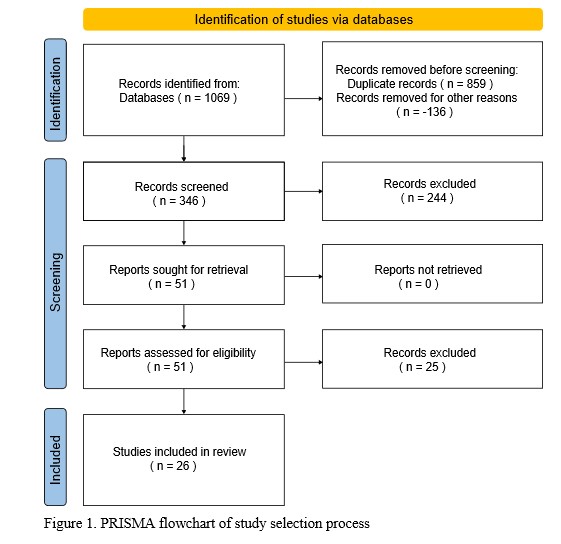
Figure 1. PRISMA flowchart of study selection process
Limitations include potential database biases (e.g., underrepresentation of regional Indian journals) and the exclusion of non-English studies, which may omit localized perspectives. However, the iterative screening process and multi-source approach mitigated these risks.
3. Results
3.1 Research Trends
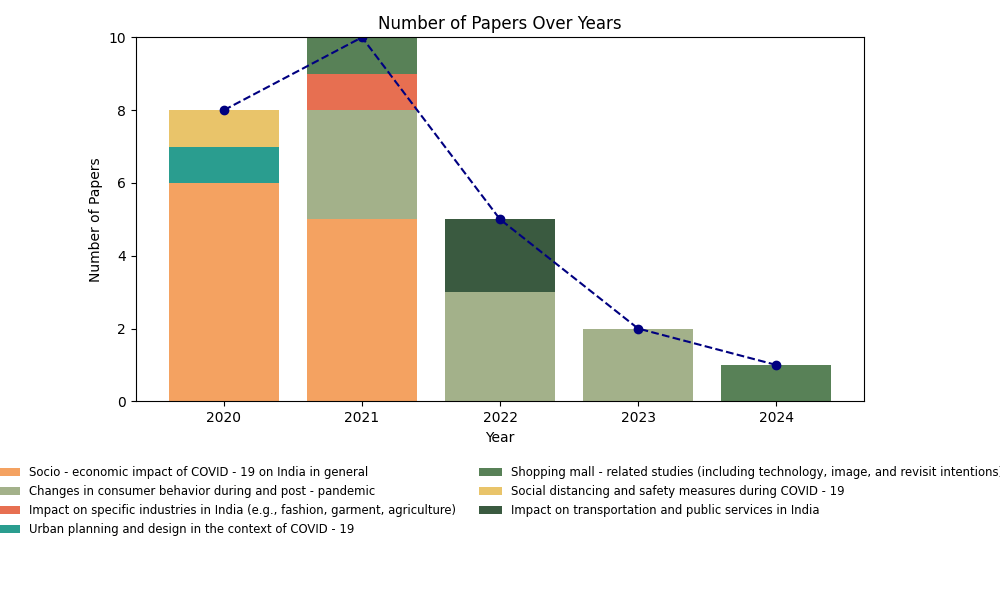
Figure 2. Research trends in the domain of the social, economic, and environmental impact of pandemics on shopping malls in India
The temporal distribution of publications reveals a clear concentration of research output in the immediate aftermath of the COVID-19 pandemic, with 18 out of 26 studies published between 2020 and 2021. This surge reflects the urgency with which scholars sought to document and analyze the unprecedented disruptions caused by the pandemic. The subsequent decline in publications from 2022 onward suggests a tapering of academic interest as the crisis transitioned into a phase of long-term adaptation, though the limited data for 2023 and 2024 may also indicate a lag in scholarly publication cycles. Thematic analysis shows that early research predominantly addressed macro-level socio-economic impacts, with 11 studies in 2020–2021 focusing on India’s broader economic contractions, labor market shocks, and policy responses. This emphasis aligns with the initial need to quantify the pandemic’s systemic effects before drilling down into sector-specific or spatial analyses. As the crisis evolved, scholarly attention shifted toward behavioral adaptations, evidenced by eight studies on consumer behavior published between 2021 and 2023. These works captured the gradual normalization of new retail practices, such as hybrid shopping models and heightened hygiene expectations.
Notably, certain dimensions remain underexplored. Urban planning and shopping mall-specific studies collectively account for only three publications, highlighting a gap in spatially grounded research. The scarcity of industry-specific analyses (one study) and environmental impact assessments (none explicitly identified) further underscores the need for targeted investigations into how pandemics reshape the operational and ecological footprints of enclosed retail spaces. The absence of longitudinal studies beyond 2022 also limits insights into sustained transformations versus temporary disruptions. The uneven distribution of research foci suggests that while the pandemic’s immediate economic and behavioral effects were extensively documented, its longer-term implications for urban design, retail resilience, and environmental sustainability in the Indian mall context warrant deeper inquiry. This imbalance may reflect methodological challenges in accessing real-time operational data from private mall operators or the dominance of macroeconomic frameworks in early pandemic research. Future studies could bridge these gaps by integrating spatial analytics, life-cycle assessments, and stakeholder interviews to map the interplay between public health crises and built retail environments.
3.2 Socio-Economic Disruptions and Structural Vulnerabilities in India
The COVID-19 pandemic exposed deep-seated socio-economic vulnerabilities across India, with cascading effects on urban retail ecosystems. Studies reveal a tripartite crisis encompassing labor market shocks, consumption collapses, and systemic inequalities, each exacerbating the challenges faced by enclosed public spaces like shopping malls.
3.3 Changes in Consumer Behavior During and Post-Pandemic
The COVID-19 pandemic triggered significant shifts in consumer behavior, reshaping shopping patterns, preferences, and psychological drivers in India’s retail landscape. These changes were particularly pronounced in enclosed public spaces such as shopping malls, where fear of contagion, economic uncertainty, and evolving digital habits converged to redefine engagement. A taxonomy of behavioral changes (Table 1) categorizes four dominant patterns observed across studies: panic buying, impulse buying, shifts in shopping patterns, and post-pandemic revisit intentions. Panic buying emerged as an immediate response to pandemic-induced uncertainty, driven by fear and misinformation (Lavuri et al., 2023), (Satish & Venkatesh, 2021), (Akter et al., 2021). Extrinsic motives, such as social pressure and perceived scarcity, further amplified this behavior, particularly in supermarkets and mall-based retail outlets (Lavuri et al., 2023), (Satish & Venkatesh, 2021). Conversely, impulse buying was fueled by intrinsic psychological factors, including reactance to restrictions and the influence of in-store environments (Lavuri et al., 2023), (Naeem, 2021), (Gupta & Mukherjee, 2022). The latter study also identified “revenge buying” as a post-lockdown phenomenon, where pent-up demand and stress relief motivated splurge purchases in malls (Gupta & Mukherjee, 2022).
Table 1. Taxonomy of Consumer Behavioral Changes in Indian Shopping Malls During and Post-Pandemic
| Behavioral Change | Key Drivers | Retail Context | Sources |
| Panic Buying | Fear, uncertainty, misinformation | Supermarkets, shopping malls | (Lavuri et al., 2023), (Satish & Venkatesh, 2021), (Akter et al., 2021) |
| Extrinsic motives (e.g., social pressure) | Store outlets, public spaces | (Lavuri et al., 2023), (Satish & Venkatesh, 2021) | |
| Impulse Buying | Intrinsic motives (e.g., psychological reactance) | Shopping malls, retail formats | (Lavuri et al., 2023), (Naeem, 2021), (Gupta & Mukherjee, 2022) |
| Shop environment influence | Physical retail spaces | (Lavuri et al., 2023), (Naeem, 2021) | |
| Shift in Shopping Patterns | Reduced affordability, economic impact | Emerging economy (India) | (Daniel & Varier, 2022), (Akter et al., 2021), (Das et al., 2022) |
| Lockdowns, social distancing | Supermarkets, shopping malls | (Daniel & Varier, 2022), (Akter et al., 2021) | |
| Post-Pandemic Revisit Intentions | Shopping value, visit frequency | Indian retail sector, shopping malls | (Moharana & Pattanaik, 2023), (Gupta & Mukherjee, 2022) |
| Revenge buying, psychological reactance | Retail formats (e.g., malls) | (Gupta & Mukherjee, 2022) |
Economic constraints and lockdown measures precipitated a broader shift toward value-conscious and hybrid shopping behaviors. Reduced affordability altered purchasing priorities, with consumers favoring essential goods and deferring discretionary spending (Daniel & Varier, 2022), (Das et al., 2022). The rise of e-commerce during lockdowns further fragmented mall foot traffic, though physical retail retained appeal for experiential and social shopping (Akter et al., 2021). Post-pandemic, revisit intentions were shaped by perceived shopping value and frequency, with malls needing to balance safety assurances with experiential offerings to retain customers (Moharana & Pattanaik, 2023), (Gupta & Mukherjee, 2022). The studies collectively highlight the duality of consumer behavior—oscillating between risk aversion and compensatory indulgence—while underscoring the enduring role of malls as social and recreational hubs. However, the lack of longitudinal data on sustained behavioral shifts beyond 2022 suggests a need for further research into the permanence of these trends.
3.4 Impact on Specific Industries in India: Fashion, Garment, and Retail
The COVID-19 pandemic exerted disproportionate effects across India’s industrial sectors, with the fashion and retail industries experiencing severe disruptions due to their reliance on physical retail spaces and complex supply chains. The enclosed nature of shopping malls, which traditionally served as primary distribution channels for these sectors, amplified their vulnerability to lockdowns and social distancing mandates.
Table 2. Taxonomy of Pandemic Impacts on India’s Fashion, Garment, and Retail Industries
| Industry Sector | Key Impact | Adaptation Strategies | Sources |
| Fashion & Retail | Business model adaptation (shift from physical stores to digital) | E-commerce integration, omnichannel retailing | (Rao et al., 2021) |
| Supply chain disruptions | Localized sourcing, inventory optimization | (Rao et al., 2021) |
The study by (Rao et al., 2021) highlights how the pandemic accelerated the digital transformation of India’s fashion retail sector, particularly for mall-based brands. With foot traffic in shopping malls plummeting due to health concerns and government restrictions, retailers were compelled to rapidly adopt e-commerce platforms and omnichannel strategies. This shift was not merely transactional but involved reimagining customer engagement through virtual try-ons, AI-driven recommendations, and contactless delivery systems. However, the transition exacerbated inequalities between large retailers with existing digital infrastructure and smaller players reliant on physical mall spaces. Supply chain vulnerabilities emerged as a critical challenge, with lockdowns disrupting raw material flows from textile hubs like Surat and Tiruppur. The study notes that brands with agile, localized supply networks demonstrated greater resilience, reducing dependence on global logistics. Nevertheless, the environmental trade-offs of increased packaging waste from e-commerce deliveries remain unaddressed in the literature. The absence of studies explicitly examining garment manufacturing’s labor impacts (e.g., migrant worker crises in factory clusters) represents a significant gap, given the sector’s centrality to India’s informal economy. Urban-rural disparities in retail adaptation also surfaced, with metropolitan consumers embracing digital platforms faster than tier-2/3 cities, where mall-based shopping retained cultural and logistical relevance. This dichotomy suggests that the pandemic’s industrial impacts were mediated by regional infrastructural and socio-economic contexts, necessitating differentiated recovery strategies. Future research should investigate longitudinal data on whether digital shifts persist post-pandemic or revert to mall-centric models, particularly in India’s aspirational small-town markets.
3.5 Urban Planning and Design Adaptations for Pandemic Resilience
The COVID-19 pandemic necessitated urgent reconfigurations of urban spaces, with enclosed public environments like shopping malls requiring targeted interventions to mitigate transmission risks while maintaining functionality. The study by (Sharifi & Khavarian-Garmsir, 2020) provides a foundational framework for understanding these adaptations, emphasizing the interplay between density management, spatial design, and public health protocols in urban areas.
Table 3. Taxonomy of Urban Planning and Design Adaptations in Indian Shopping Malls
| Adaptation Dimension | Key Strategies | Implementation Challenges | Sources |
| Density Management | Occupancy limits, timed entry systems | Enforcement difficulties, revenue loss | (Sharifi & Khavarian-Garmsir, 2020) |
| Spatial Reconfiguration | Wider corridors, open-air zones | Structural constraints, retrofit costs | (Sharifi & Khavarian-Garmsir, 2020) |
| HVAC & Ventilation | Air filtration upgrades, natural airflow integration | High capital expenditure, energy trade-offs | (Sharifi & Khavarian-Garmsir, 2020) |
The research highlights how India’s high-density urban morphology exacerbated pandemic risks in shopping malls, where narrow circulation paths and centralized air systems facilitated viral transmission. In response, mall operators implemented occupancy caps and queue management systems, though these measures often conflicted with commercial viability. Spatial redesigns, such as converting food courts into open-air zones or repurposing anchor stores as vaccination centers, emerged as temporary solutions. However, structural limitations in older malls hindered rapid modifications, revealing a systemic lack of flexibility in India’s retail-built environment. Ventilation upgrades became a critical focus, with studies advocating for hybrid mechanical-natural systems to reduce aerosol accumulation. While these interventions align with global best practices, their feasibility in India’s cost-sensitive market remains contested, particularly for smaller mall operators. The absence of studies examining low-tech alternatives (e.g., passive cooling designs tailored to tropical climates) points to a research gap in context-appropriate solutions. Notably, the literature underscores a disconnect between mall-specific adaptations and broader urban planning frameworks. While individual retrofits addressed immediate operational needs, few studies explored systemic integration with public transit networks or district-level health infrastructure. This siloed approach risks perpetuating vulnerabilities in future crises. Future research should evaluate the longitudinal effectiveness of these adaptations, particularly their socio-economic inclusivity and environmental sustainability. The study by (Sharifi & Khavarian-Garmsir, 2020) serves as a critical reference for understanding pandemic-induced urban transformations, though its macro-level focus necessitates complementary micro-scale analyses of Indian mall ecosystems. Comparative studies with other enclosed public spaces (e.g., transit hubs, religious sites) could yield transferable insights for multi-use urban design.
3.6 Technology-Driven Transformations in Shopping Malls
The COVID-19 pandemic accelerated the adoption of digital technologies in Indian shopping malls, reshaping operational strategies, customer engagement models, and facility management practices. Two distinct yet interconnected research streams emerge from the literature: digital marketing innovations for customer retention and facility management (FM) digitalization for operational resilience.
Table 4. Taxonomy of Technology Applications in Indian Shopping Malls Post-Pandemic
| Application Domain | Technological Interventions | Strategic Outcomes | Sources |
| Digital Marketing | AI-driven loyalty programs, virtual try-ons | Enhanced e-WOM, customer retention | (Singh & Khandelwal, 2021) |
| Facility Management | IoT-enabled crowd monitoring, touchless systems | Operational efficiency, safety compliance | (Chua et al., 2024) |
The study by (Singh & Khandelwal, 2021) proposes a conceptual framework for post-lockdown digital marketing in malls, emphasizing the role of personalized, AI-driven campaigns to rebuild foot traffic. Findings suggest that pandemic-induced social distancing norms necessitated a shift from physical engagement to digital touchpoints, with mobile apps and augmented reality (AR) tools bridging the experiential gap. For instance, virtual mall tours and gamified loyalty programs mitigated the decline in dwell time, while sentiment analysis of social media data helped tailor promotions to evolving consumer sentiments. However, the study notes infrastructural disparities, where tier-1 malls outperformed smaller counterparts in technology adoption due to capital constraints. Complementing this, (Chua et al., 2024) examines FM digitalization through a case study of Indian shopping complexes, identifying IoT sensors and predictive analytics as critical for pandemic-responsive operations. Real-time crowd density tracking enabled dynamic occupancy control, aligning with government-mandated capacity limits, while automated HVAC adjustments improved air quality without compromising energy efficiency. The research highlights challenges in retrofitting legacy systems, particularly in older malls lacking modular infrastructure. A notable gap is the absence of cost-benefit analyses for these technologies, leaving unanswered questions about their scalability across India’s heterogeneous retail landscape.
Synthetically, these studies reveal a tension between customer-facing and backend technological adaptations. While digital marketing fosters long-term brand loyalty, FM digitalization addresses immediate safety concerns—yet their integration remains underexplored. For example, data from crowd-monitoring IoT devices could theoretically inform personalized marketing, but no studies examine such synergies. The literature also overlooks the environmental implications of increased e-waste from rapid tech upgrades, a critical consideration for sustainable mall recovery. Future research should investigate interoperable systems that unify operational and experiential digital transformations, while accounting for the digital divide in India’s tier-2/3 cities. The absence of comparative studies pre- and post-pandemic limits insights into whether these changes represent permanent shifts or temporary crisis responses. Longitudinal assessments of technology ROI and consumer acceptance will be vital to determine the enduring role of digitalization in mall ecosystems.
3.7 Social Distancing and Safety Measures in Indian Shopping Malls
The COVID-19 pandemic necessitated stringent safety protocols in enclosed public spaces, with shopping malls in India implementing a range of measures to mitigate transmission risks while attempting to sustain commercial operations. The study by (Yadav, 2020) provides critical insights into technological interventions for enforcing social distancing guidelines, highlighting the role of automated surveillance systems in high-density retail environments.
Table 5. Taxonomy of Social Distancing and Safety Measures in Indian Shopping Malls
| Measure Category | Implementation | Technological Enablers | Sources |
| Crowd Monitoring | Real-time density tracking | Deep learning-based video analytics | (Yadav, 2020) |
| Contactless Interactions | Touchless entry/exit, digital payments | IoT sensors, NFC technology | (Yadav, 2020) |
The research demonstrates how deep learning algorithms were deployed to analyze CCTV feeds in mall entrances, corridors, and food courts, automatically flagging violations of physical distancing norms. These systems not only reduced reliance on manual monitoring but also generated data-driven insights for optimizing foot traffic flow. For instance, heat maps of congestion zones informed the repositioning of promotional displays or seating arrangements to minimize bottlenecks. However, the study notes challenges in algorithm accuracy during peak hours, where occlusions and lighting variations degraded performance. Beyond crowd control, the pandemic accelerated the adoption of contactless technologies across mall operations. Automated temperature checks at entry points, voice-activated elevators, and QR code-based menus in food outlets became ubiquitous, reshaping user interactions with the built environment. While these measures enhanced perceived safety, their accessibility implications—particularly for elderly or technologically marginalized shoppers—remain understudied. The literature also lacks cost-benefit analyses of such implementations, leaving gaps in understanding their long-term viability for mall operators. Notably, the study by (Yadav, 2020) focuses exclusively on technological solutions, omitting behavioral and architectural adaptations like staggered operating hours or ventilation upgrades documented in other contexts. This technological determinism may overlook low-resource alternatives suitable for India’s diverse mall ecosystem, where premium and budget-oriented centers coexist. Future research should examine the interplay between automated systems and human-centric design modifications, particularly in balancing safety with experiential retail values. The absence of longitudinal studies on compliance fatigue or measure effectiveness beyond 2021 suggests a need for updated assessments as pandemic norms evolve. Comparative analyses between Indian malls and global counterparts could also reveal context-specific innovations or implementation barriers shaped by local regulations and consumer cultures.
3.8 Impact on Transportation and Public Services in India
The COVID-19 pandemic significantly disrupted India’s transportation networks and public services, with cascading effects on the viability and accessibility of shopping malls as enclosed public spaces. Two studies provide critical insights into these dynamics, examining noise pollution changes in Bengaluru and physical distancing challenges on Mumbai’s public transport.
Table 6. Taxonomy of Pandemic Impacts on Transportation and Public Services Relevant to Shopping Malls
| Impact Dimension | Key Findings | Geographic Focus | Sources |
| Noise Pollution | Reduction due to decreased vehicular and commercial activity | Bengaluru City | (Anjum & Kumari, 2022) |
| Public Transport | Demand-supply gap exacerbated by physical distancing norms | Mumbai Metropolitan Region | (Thomas et al., 2022) |
The study by (Anjum & Kumari, 2022) documents a notable decline in noise pollution levels in Bengaluru during lockdown periods, attributed to reduced traffic volumes and the closure of commercial establishments, including shopping malls like the Royal Meenakshi Mall. This environmental co-benefit of pandemic restrictions highlights the typically overlooked acoustic footprint of mall-centric urban development. However, the research does not explore whether these noise reductions persisted post-lockdown or how mall reopening strategies might mitigate noise resurgence through transport management. Conversely, (Thomas et al., 2022) analyzes the operational challenges faced by Mumbai’s public transport systems during the pandemic, where physical distancing requirements created severe capacity constraints. The study reveals a 60-70% reduction in carrying capacity for buses and local trains, which traditionally served as primary access modes for mall employees and customers. This transport bottleneck disproportionately affected lower-income groups reliant on public transit, effectively excluding them from mall-based retail ecosystems during critical recovery phases. The research calls for integrated mobility planning that aligns mall operating hours with staggered transit schedules, though implementation barriers in India’s fragmented governance structures remain unaddressed.
Synthetically, these studies reveal a tension between environmental improvements and social equity in pandemic-era transportation systems. While reduced mobility yielded measurable environmental benefits like noise abatement, it simultaneously constrained access to urban amenities like shopping malls—particularly for transit-dependent populations. The literature gap concerning last-mile connectivity solutions (e.g., shuttle services between transit hubs and malls) suggests an opportunity for public-private partnerships in post-pandemic recovery. Future research should investigate modal shift patterns, assessing whether temporary transport disruptions permanently altered mall visitation behaviors across income segments. The absence of studies examining parking infrastructure adaptations (e.g., contactless payment systems) or mall-specific transit interventions represents a significant knowledge gap, given the centrality of accessibility to retail viability. Comparative analyses between Indian cities and global counterparts could reveal context-specific innovations in reconciling public health mandates with equitable access to enclosed commercial spaces.
4. Discussion
The synthesis of findings across the reviewed studies reveals several critical patterns that collectively reshape our understanding of pandemic impacts on Indian shopping malls. Taken together, the literature consistently demonstrates that COVID-19 acted as both a disruptor and accelerator, exposing systemic vulnerabilities while catalyzing innovations in retail operations, urban design, and consumer engagement. Three overarching themes emerge: the duality of digital transformation, the tension between safety and experiential retail, and the spatial inequities in pandemic resilience. The digital transformation of shopping malls presents a paradox. While studies such as (Singh & Khandelwal, 2021) and (Chua et al., 2024) highlight rapid technological adoptions—from AI-driven marketing to IoT-enabled facility management—these advancements disproportionately benefited large, metropolitan malls with pre-existing digital infrastructure. This bifurcation exacerbated urban-rural divides in retail resilience, as tier-2/3 malls struggled with capital constraints and lower digital literacy among their customer base. The literature consistently finds that omnichannel strategies were most effective when they complemented rather than replaced physical experiences, suggesting that the future of malls lies in hybrid models that integrate digital convenience with tactile engagement. However, the environmental costs of accelerated tech adoption, particularly e-waste from rapid hardware upgrades, remain conspicuously absent from scholarly discourse—a gap that future research must address to ensure sustainable digital transitions.
Safety measures and spatial reconfigurations fundamentally altered the social dynamics of mall environments. The study by (Yadav, 2020) demonstrates how automated surveillance systems enforced social distancing, but this technological focus often overshadowed low-cost architectural adaptations. Across multiple studies, a contradiction emerges: while consumers prioritized safety during peak pandemic periods, post-lockdown data from (Gupta & Mukherjee, 2022) and (Moharana & Pattanaik, 2023) reveal a strong resurgence in demand for communal and experiential shopping. This suggests that pandemic-era adaptations like occupancy limits and unidirectional pathways may need modular designs, allowing malls to toggle between safety and sociability as health risks fluctuate. The lack of longitudinal studies on whether these spatial changes permanently influence crowd behavior or retail economics underscores the need for multi-year assessments as malls transition into endemic coexistence. Urban inequities permeate every dimension of pandemic impact, yet the literature exhibits striking geographical and socioeconomic biases. Transportation studies like (Thomas et al., 2022) reveal how public transit disruptions excluded lower-income groups from mall ecosystems, while (Rao et al., 2021) notes that small retailers within malls faced existential threats compared to anchor stores. These disparities reflect broader structural issues in India’s urban development, where enclosed retail spaces often serve as microcosms of societal stratification. The near-total absence of research on informal vendors who depend on mall adjacencies—such as street food stalls or last-mile delivery workers—points to a critical blind spot in understanding the full socioeconomic ramifications of mall closures. Future studies must adopt intersectional lenses to examine how caste, class, and gender mediate access to and benefits from post-pandemic retail recoveries. Theoretical implications of these findings challenge conventional retail resilience frameworks, which typically prioritize financial metrics over social or environmental dimensions. The pandemic has revealed that mall viability is inextricably linked to public health infrastructure, urban mobility systems, and community trust—factors traditionally considered externalities in retail research. This necessitates new conceptual models that position shopping malls as nodes within larger socio-technical-ecological systems, where shocks propagate across economic, spatial, and behavioral domains. Such frameworks could help predict cascading impacts in future crises, whether epidemiological, climatic, or economic.
Practically, the review underscores the need for differentiated policy interventions. For mall operators, the evidence suggests investing in flexible spatial designs—such as convertible open-air zones or modular store layouts—that can adapt to fluctuating health protocols. Policymakers should incentivize technology-sharing platforms to democratize digital tools across mall tiers, while urban planners must integrate retail spaces into district-level health preparedness plans. The consistent finding across studies that consumers value both safety and social experiences indicates that post-pandemic mall strategies should avoid binary choices between these priorities, instead developing adaptive systems that dynamically balance them. Methodological limitations of this review include its reliance on English-language publications, which may overlook regionally specific adaptations documented in vernacular research. The predominance of early-pandemic studies also skews findings toward immediate responses rather than sustained transformations. Furthermore, the lack of standardized metrics across papers—with some focusing on foot traffic, others on sales data or consumer sentiment—complicated cross-study comparisons. These constraints suggest that future systematic reviews would benefit from multilingual searches and explicit quality assessments of empirical methodologies.
Future research directions should prioritize three underexplored areas: First, longitudinal evaluations of whether pandemic-induced changes—such as reduced mall densities or increased e-commerce integration—persist or revert as health risks diminish. Second, comparative studies between Indian malls and other enclosed public spaces (e.g., religious sites, transit hubs) to identify transferable resilience strategies. Third, participatory action research that includes informal workers and marginalized communities in co-designing inclusive retail recoveries. There is also a pressing need for interdisciplinary collaborations that bridge retail studies with public health, environmental science, and urban sociology, moving beyond siloed analyses toward holistic understandings of mall ecosystems. The reviewed literature collectively paints shopping malls not merely as commercial enterprises but as complex social infrastructures whose pandemic responses reverberate across urban India’s economic, spatial, and cultural fabric. While the crisis exposed fragility, it also revealed latent capacities for innovation and adaptation—if stakeholders can address the inequities and sustainability challenges that the pandemic laid bare.
5. Conclusion
This systematic literature review has synthesized interdisciplinary research on the social, economic, and environmental impacts of pandemics on shopping malls in India, revealing critical insights into their evolving role as enclosed public spaces. The findings underscore that COVID-19 acted as both a disruptor and catalyst, exposing systemic vulnerabilities in retail ecosystems while accelerating digital transformations and spatial adaptations. The pandemic reshaped consumer behavior, with safety concerns and economic constraints driving shifts toward hybrid shopping models, yet the enduring appeal of malls as social and experiential hubs remained evident. The review highlights the uneven distribution of resilience across India’s retail landscape, where larger, metropolitan malls leveraged technology and flexible operations to adapt, while smaller operators and informal workers faced existential threats. Urban planning and transportation disruptions further compounded these inequities, disproportionately affecting marginalized communities reliant on public transit. The synthesis advances theoretical understanding by positioning shopping malls as nodes within broader socio-technical-ecological systems, where shocks propagate across economic, spatial, and behavioral domains. Practical implications call for integrated policy interventions that balance safety with social inclusivity, such as modular design standards and technology-sharing platforms. Future research should address gaps in longitudinal assessments of pandemic adaptations, environmental trade-offs of digitalization, and participatory frameworks for inclusive recovery. By bridging disciplinary silos, this review lays groundwork for reimagining enclosed retail spaces as resilient, equitable, and sustainable infrastructures in post-pandemic urban India.
References
Akter, S., Ashrafi, T., & Waligo, V. (2021). Changes in consumer purchasing behavior due to COVID-19 pandemic. Changes.
Anjum, S., & Kumari, A. (2022). Evaluation of noise pollution in bengaluru city, india during COVID-19 pandemic. Archives of Acoustics.
Barata-Salgueiro, T., & Cachinho, H. (2021). Urban retail systems: Vulnerability, resilience and sustainability. Introduction to the special issue. Sustainability.
BHAVANANDAN, G. (2025). A STUDY ON OVERVIEW OF SHOPPING MALLS IN INDIA-a STUDY. iaraindia.com.
Chua, S., Beh, S., Myeda, N., & Ali, A. (2024). Enhancing FM digitalization strategies for shopping complexes amidst post-COVID-19: A case study analysis and improvement insights. Facilities.
Daniel, A., & Varier, M. (2022). Changing consumer behaviour during the pandemic in india: The new normal. Amity Journal of Management Research.
Das, D., Sarkar, A., & Debroy, A. (2022). Impact of COVID-19 on changing consumer behaviour: Lessons from an emerging economy. International Journal of Consumer Studies.
Gupta, A., & Mukherjee, J. (2022). Decoding revenge buying in retail: Role of psychological reactance and perceived stress. International Journal of Retail & Distribution Management.
Lavuri, R., Jaiswal, D., & Thaichon, P. (2023). Extrinsic and intrinsic motives: Panic buying and impulsive buying during a pandemic. International Journal of Retail & Distribution Management.
Lee, M., Cho, J., Kim, Y., & Kim, H. (2023). Impact of movie-watching on cross-selling revenue in shopping malls: Implications for post-pandemic recovery. Journal of Retailing and Consumer Services.
Mahajan, Y. (2020). Study of impact of coronavirus pandemic on small and medium enterprises (SME’s) in india. GIS Science Journal.
Martínez, L., & Short, J. (2021). The pandemic city: Urban issues in the time of COVID-19. Sustainability.
Mittal, A. (2013). E-commerce: It’s impact on consumer behavior. Global Journal of Management and Business Studies.
Moharana, T., & Pattanaik, S. (2023). Post-pandemic revisit intentions: How shopping value and visit frequency matters. International Journal of Retail & Distribution Management.
Naeem, M. (2021). Understanding the customer psychology of impulse buying during COVID-19 pandemic: Implications for retailers. International Journal of Retail & Distribution Management.
Page, M., McKenzie, J., & Bossuyt, P. (2021). The PRISMA 2020 statement: An updated guideline for reporting systematic reviews. BMJ, 372, n71.
Pandey, B., Reba, M., Joshi, P., & Seto, K. (2020). Urbanization and food consumption in india. Scientific Reports.
Rao, P., Vihari, N., & Jabeen, S. (2021). Reimagining the fashion retail industry through the implications of COVID-19 in the gulf cooperation council (GCC) countries. FIIB Business Review.
Russo, R., Ali, S., Mezzacca, T., Radee, A., & Chong, S. (2022). Assessing changes in the food retail environment during the COVID-19 pandemic: Opportunities, challenges, and lessons learned. BMC Public Health.
Satish, K., & Venkatesh, A. (2021). Covid-19 is driving fear and greed in consumer behaviour and purchase pattern. South Asian Journal of Management.
Sharifi, A., & Khavarian-Garmsir, A. (2020). The COVID-19 pandemic: Impacts on cities and major lessons for urban planning, design, and management. Science of the Total Environment.
Singh, V., & Khandelwal, U. (2021). A conceptual framework for post lockdown digital marketing strategy for malls for developing loyalty and e-word of mouth. 2021 5th International Conference on Computing, Communication, and Intelligent Systems.
Thomas, N., Jana, A., & Bandyopadhyay, S. (2022). Physical distancing on public transport in mumbai, india: Policy and planning implications for unlock and post-pandemic period. Transport Policy.
Yadav, S. (2020). Deep learning based safe social distancing and face mask detection in public areas for covid-19 safety guidelines adherence.


 Eduindex