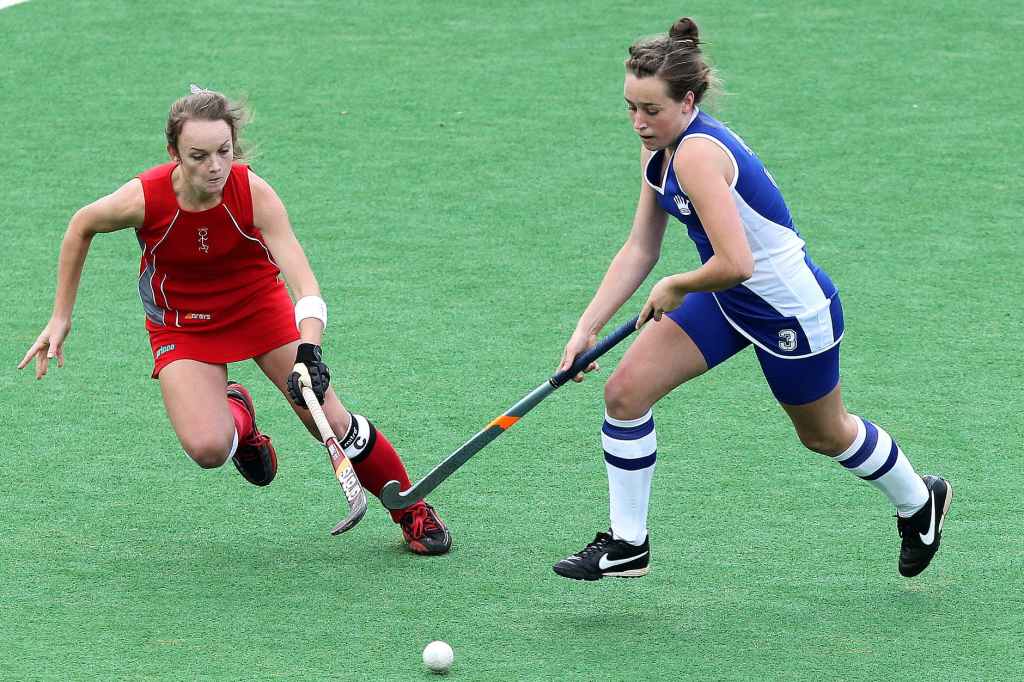
Hockey is a sport in which two teams play against each other by trying to manoeuvre a ball or a puck into the opponent’s goal using a hockey stick. There are many types of hockey such as bandy, field hockey, ice hockey and rink hockey.
In most of the world, the term hockey by itself refers to field hockey, while in Canada, the United States, Russia and most of Eastern and Northern Europe, the term usually refers to ice hockey.
Games played with curved sticks and a ball can be found in the histories of many cultures. In Egypt, 4000-year-old carvings feature teams with sticks and a projectile, hurling dates to before 1272 BC in Ireland, and there is a depiction from approximately 600 BC in Ancient Greece, where the game may have been called kerētízein or because it was played with a horn or horn-like stick .[10] In Inner Mongolia, the Daur people have been playing , a game similar to modern field hockey, for about 1,000 years.
Most evidence of hockey-like games during the Middle Ages is found in legislation concerning sports and games. The Galway Statute enacted in Ireland in 1527 banned certain types of ball games, including games using “hooked” (written “hockie”, similar to “hooky”) sticks
By the 19th century, the various forms and divisions of historic games began to differentiate and coalesce into the individual sports defined today. Organizations dedicated to the codification of rules and regulations began to form, and national and international bodies sprang up to manage domestic and international competition.
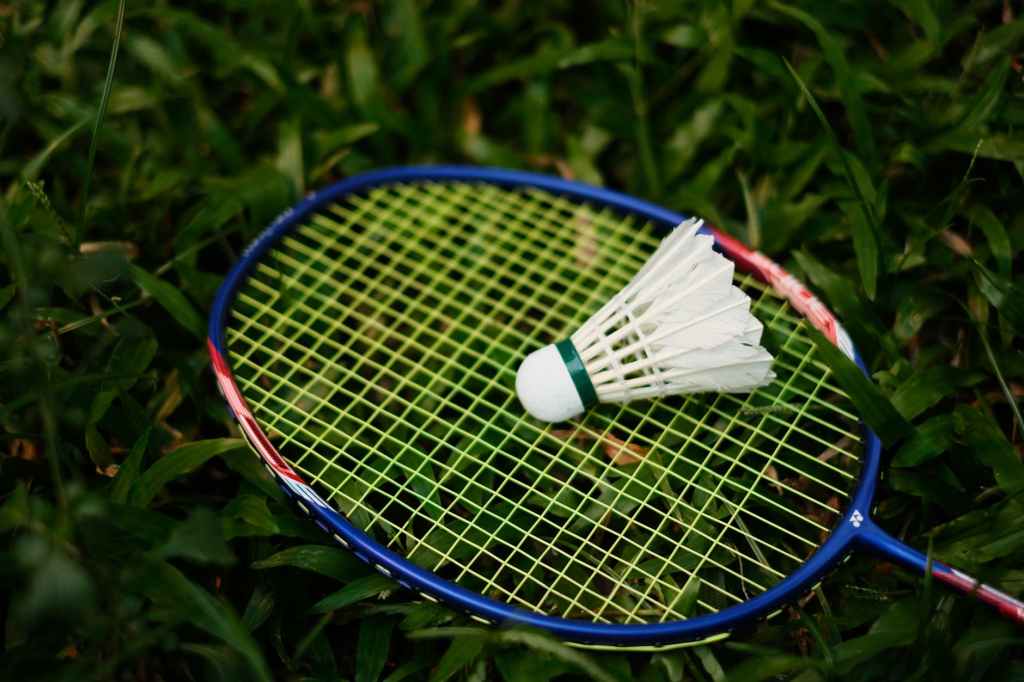
Badminton is a racquet sport played using racquets to hit a shuttlecock across a net. Although it may be played with larger teams, the most common forms of the game are “singles” (with one player per side) and “doubles” (with two players per side). Badminton is often played as a casual outdoor activity in a yard or on a beach; formal games are played on a rectangular indoor court. Points are scored by striking the shuttlecock with the racquet and landing it within the opposing side’s half of the court.
Each side may only strike the shuttlecock once before it passes over the net. Play ends once the shuttlecock has struck the floor or if a fault has been called by the umpire, service judge, or (in their absence) the opposing side.
The shuttlecock is a feathered or plastic projectile which flies differently from the balls used in many other sports. In particular, the feathers create much higher drag, causing the shuttlecock to decelerate more rapidly. Shuttlecocks also have a high top speed compared to the balls in other racquet sports. The flight of the shuttlecock gives the sport its distinctive nature.
The game may have originally developed among expatriate officers in British India, where it was very popular by the 1870s. Ball badminton, a form of the game played with a wool ball instead of a shuttlecock, was being played in Thanjavur as early as the 1850s and was at first played interchangeably with badminton by the British, the woollen ball being preferred in windy or wet weather.
Early on, the game was also known as Poona or Poonah after the garrison town of Poona, where it was particularly popular and where the first rules for the game were drawn up in 1873.By 1875, officers returning home had started a badminton club in Folkestone. Initially, the sport was played with sides ranging from 1 to 4 players, but it was quickly established that games between two or four competitors worked the best. The shuttlecocks were coated with India rubber and, in outdoor play, sometimes weighted with lead. Although the depth of the net was of no consequence, it was preferred that it should reach the ground.
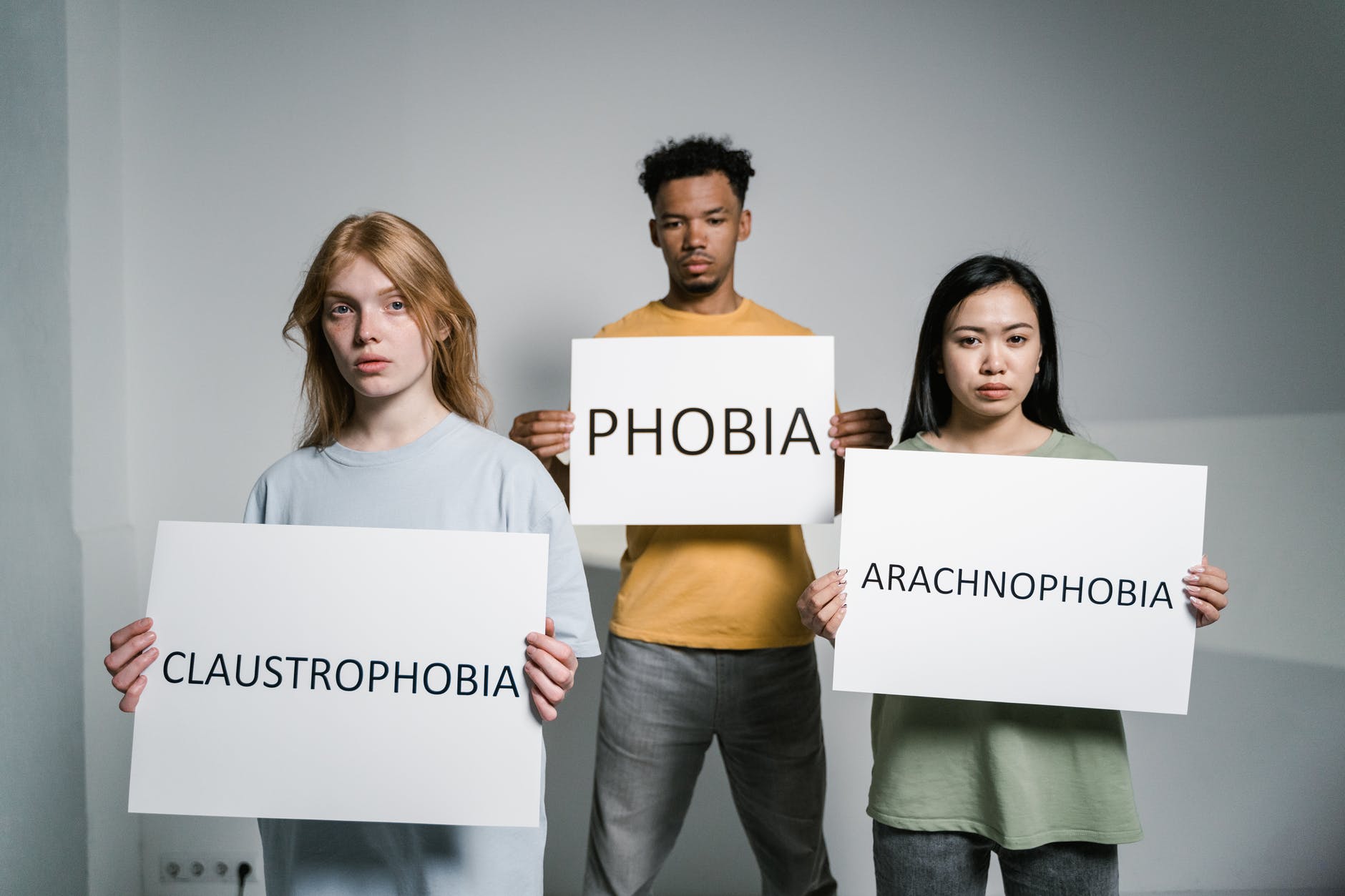
Claustrophobia is an anxiety disorder that causes an intense fear of enclosed spaces. If you get very nervous or upset when you’re in a tight place, like an elevator or crowded room, you might have claustrophobia. Some people have claustrophobia symptoms when they’re in all types of closed-up areas.
Claustrophobia is often caused by a traumatic event experienced during early childhood. For example, adults may develop claustrophobia if, as a child, they: were trapped or kept in a confined space. were bullied or abused.
Claustrophobia is very common. “Studies have generally indicated that about 7% of the population, or up to 10%, is affected by claustrophobia,” says Bernard J. Vittone, MD, founder and director of The National Center for the Treatment of Phobias, Anxiety and Depression.
Claustrophobia is treatable and people can recover from the condition. For some people, claustrophobia disappears when they get older. If it doesn’t, there are different ways you can treat your fear and physical symptoms, as well as manage your triggers to live an active and fulfilling life.
Claustrophobia can be treated and cured. There are different ways to treat your fear and symptoms so you can have an active and healthy life.
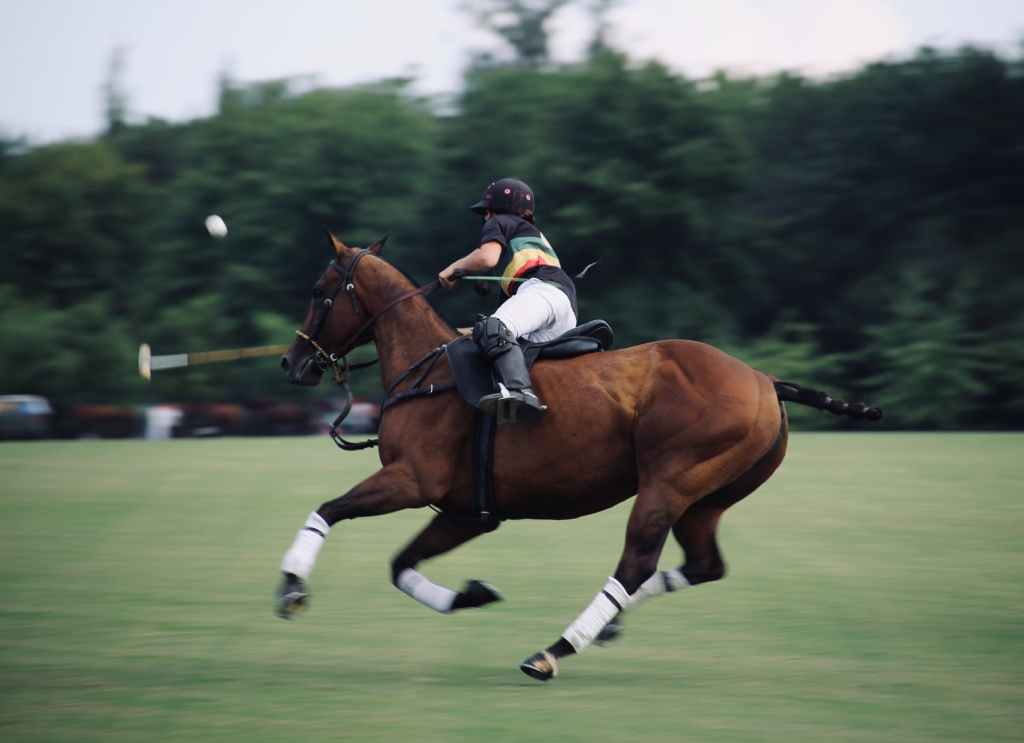
Polo is a horseback ball game, a traditional field sport and one of the world’s oldest known team sports. The game is played by two opposing teams with the objective of scoring using a long-handled wooden mallet to hit a small hard ball through the opposing team’s goal. Each team has four mounted riders, and the game usually lasts one to two hours, divided into periods called chukkas or “chukkers”
Polo has been called “the sport of kings”, and has become a spectator sport for equestrians and high society, often supported by sponsorship. The concept of the game and its variants date back from the 6th century BC to the 1st century AD, originated from equestrian games played by nomadic Iranian peoples. The sport was at first a training game for Persian cavalry units, usually the royal guard or other elite troops.A notable example is Saladin, who was known for being a skilled polo player which contributed to his cavalry training.It is now popular around the world, with well over 100 member countries in the Federation of International Polo, played professionally in 16 countries, and was an Olympic sport from 1900 to 1936.
Polo is played professionally in many countries, notably Argentina, Australia, Brazil, Canada, Chile, Dominican Republic, France, Germany, Iran, India, New Zealand, Mexico, Pakistan, Jamaica, Spain, South Africa, Switzerland, the United Kingdom, and the United States, and is now an active sport in 77 countries. Although its tenure as an Olympic sport was limited to 1900–1939, in 1998 the International Olympic Committee recognised it as a sport with a bona fide international governing body, the Federation of International Polo. The World Polo Championship is held every three years by the Federation.
Polo is unique among team sports in that amateur players, often the team patrons, routinely hire and play alongside the sport’s top professionals.
The playing field is 300 by 160 yards (270 by 150 m), the area of approximately six soccer fields or nine American football fields (10 acres), while arena polo is 96 x 46 metres. The playing field is carefully maintained with closely mowed turf providing a safe, fast playing surface. Goals are posts which are set eight yards apart, centred at each end of the field. The surface of a polo field requires careful and constant grounds maintenance to keep the surface in good playing condition.
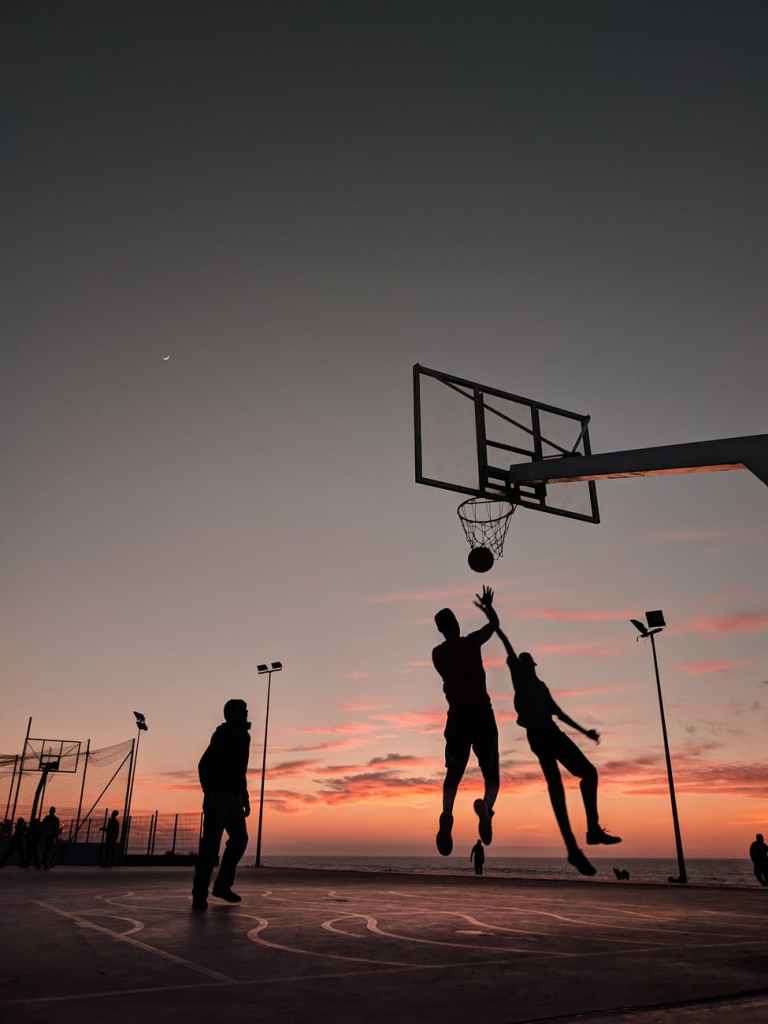
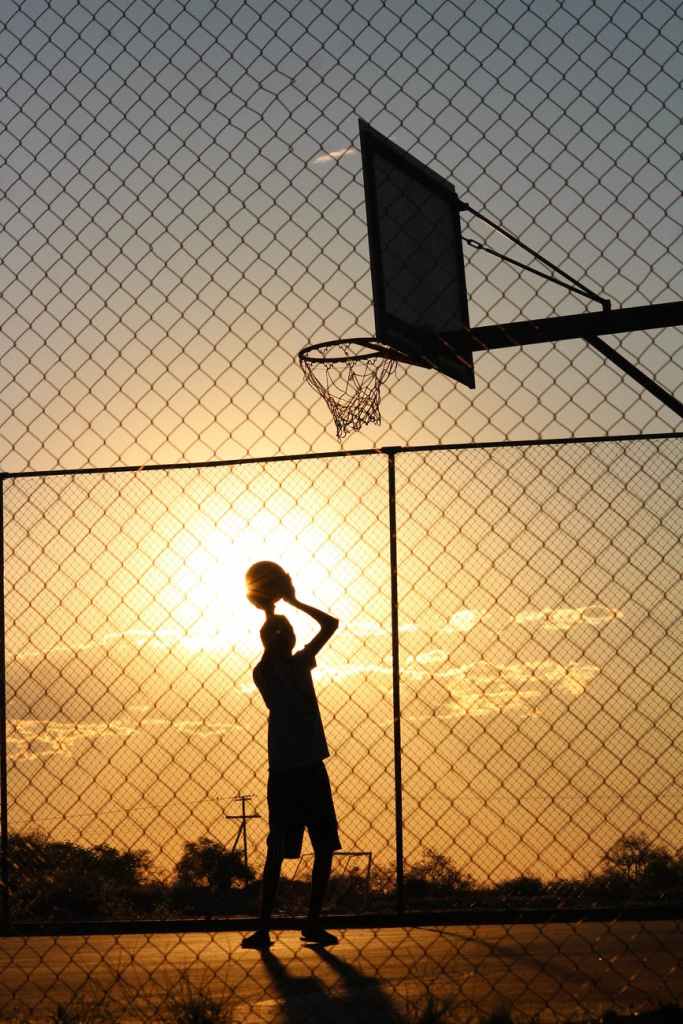
Basketball is a team sport in which two teams, most commonly of five players each, opposing one another on a rectangular court, compete with the primary objective of shooting a basketball (approximately 9.4 inches (24 cm in diameter) through the defender’s hoop a basket 18 inches (46 cm) in diameter mounted 10 feet (3.048 m) high to a backboard at each end of the court) while preventing the opposing team from shooting through their own hoop. A field goal is worth two points, unless made from behind the three-point line, when it is worth three. After a foul, timed play stops and the player fouled or designated to shoot a technical foul is given one, two or three one-point free throws. The team with the most points at the end of the game wins, but if regulation play expires with the score tied, an additional period of play (overtime) is mandated.
The five players on each side fall into five playing positions. The tallest player is usually the center, the second-tallest and strongest is the power forward, a slightly shorter but more agile player is the small forward, and the shortest players or the best ball handlers are the shooting guard and the point guard, who implements the coach’s game plan by managing the execution of offensive and defensive plays (player positioning). Informally, players may play three-on-three, two-on-two, and one-on-one.
In December 1891, James Naismith, a Canadian professor of physical education and instructor at the International Young Men’s Christian Association Training School (now Springfield College) in Springfield, Massachusetts, was trying to keep his gym class active on a rainy day. He sought a vigorous indoor game to keep his students occupied and at proper levels of fitness during the long New England winters. After rejecting other ideas as either too rough or poorly suited to walled-in gymnasiums, he invented a new game in which players would pass a ball to teammates and try to score points by tossing the ball into a basket mounted on a wall.
Basketball was originally played with a soccer ball. These round balls from “association football” were made, at the time, with a set of laces to close off the hole needed for inserting the inflatable bladder after the other sewn-together segments of the ball’s cover had been flipped outside-in. These laces could cause bounce passes and dribbling to be unpredictable. Eventually a lace-free ball construction method was invented, and this change to the game was endorsed by Naismith. The first balls made specifically for basketball were brown, and it was only in the late 1950s that Tony Hinkle, searching for a ball that would be more visible to players and spectators alike, introduced the orange ball that is now in common use.
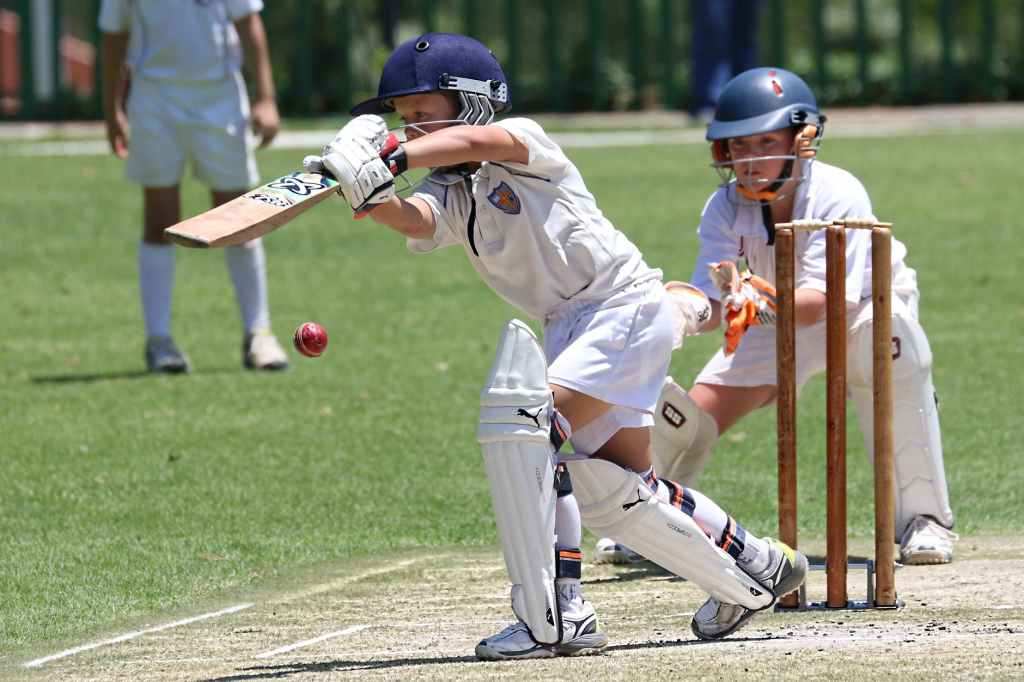
Cricket is a bat-and-ball game played between two teams of eleven players on a field at the centre of which is a 22-yard (20-metre) pitch with a wicket at each end, each comprising two bails balanced on three stumps. The batting side scores runs by striking the ball bowled at the wicket with the bat , while the bowling and fielding side tries to prevent this by preventing the ball from leaving the field, and getting the ball to either wicket) and dismiss each batter .
The earliest reference to cricket is in South East England in the mid-16th century. It spread globally with the expansion of the British Empire, with the first international matches in the second half of the 19th century. The game’s governing body is the International Cricket Council (ICC), which has over 100 members, twelve of which are full members who play Test matches. The game’s rules, the Laws of Cricket, are maintained by Marylebone Cricket Club (MCC) in London. The sport is followed primarily in the Indian subcontinent, Australasia, the United Kingdom, southern Africa and the West Indies.[1] Women’s cricket, which is organised and played separately, has also achieved international standard. The most successful side playing international cricket is Australia, which has won seven One Day International trophies, including five World Cups, more than any other country and has been the top-rated Test side more than any other country.
Cricket has had a broad impact on popular culture, both in the Commonwealth of Nations and elsewhere. It has, for example, influenced the lexicon of these nations, especially the English language, with various phrases such as “that’s not cricket” , “had a good innings” and “sticky wicket”. “On a sticky wicket” is a metaphor used to describe a difficult circumstance. It originated as a term for difficult batting conditions in cricket, caused by a damp and soft pitch.
An ancient Panhellenic festival held every fourth year and made up of contests of sports, music, and literature with the victor’s prize a crown of wild olive.
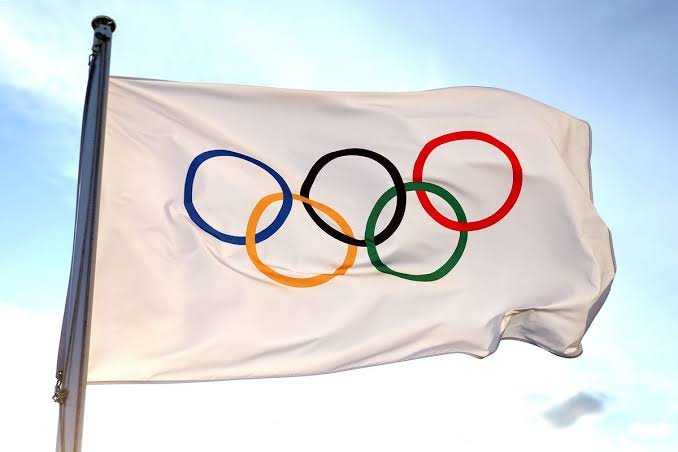
The modern Olympics are leading international sporting events featuring summer and winter sports competitions in which thousands of athletes from around the world participate in a variety of competitions. The Olympic Games are considered the world’s foremost sports competition with more than 200 nations participating.[3] The Olympic Games are normally held every four years, alternating between the Summer and Winter Olympics every two years in the four-year period.
Their creation was inspired by the ancient Olympic Games , held in Olympia, Greece from the 8th century BC to the 4th century AD. Baron Pierre de Coubertin founded the International Olympic Committee (IOC) in 1894, leading to the first modern Games in Athens in 1896. The IOC is the governing body of the Olympic Movement , with the Olympic Charter defining its structure and authority.
The evolution of the Olympic Movement during the 20th and 21st centuries has resulted in several changes to the Olympic Games. Some of these adjustments include the creation of the Winter Olympic Games for snow and ice sports, the Paralympic Games for athletes with disabilities, the Youth Olympic Games for athletes aged 14 to 18, the five Continental games (Pan American, African, Asian, European, and Pacific), and the World Games for sports that are not contested in the Olympic Games. The IOC also endorses the Deaflympics and the Special Olympics. The IOC has needed to adapt to a variety of economic, political, and technological advancements. The abuse of amateur rules by the Eastern Bloc nations prompted the IOC to shift away from pure amateurism, as envisioned by Coubertin, to the acceptance of professional athletes participating at the Games.
International Olympic Committee The Olympic Movement encompasses a large number of national and international sporting organisations and federations, recognised media partners, as well as athletes, officials, judges, and every other person and institution that agrees to abide by the rules of the Olympic Charter.[86] As the umbrella organisation of the Olympic Movement, the International Olympic Committee (IOC) is responsible for selecting the host city, overseeing the planning of the Olympic Games, updating and approving the Olympic sports programme, and negotiating sponsorship and broadcasting rights.[
“The most important thing in the Olympic Games is not to win but to take part, just as the most important thing in life is not the triumph but the struggle. The essential thing is not to have conquered but to have fought well.”
“Nothing in life is to be feared. It is only to be understood.’ –Marie Curie A phobia is a persistent, excessive, unrealistic fear of an object, person, animal, activity or situation. It is a type of anxiety disorder. A person with a phobia either tries to avoid the thing that triggers the fear, or […]
Health is a state of complete well being both physically and mentally. A healthy person is one whose mind and body are completely fit. Hygiene refers to habits or practices that ensure good health and a clean environment. We consume a variety of foods everyday.
Health refers to a healthy state of mind and a body physically fit to have no disorder, illness or disease. … Hygiene refers to good practices that prevent disease and lead to good health, especially cleanliness, proper disposal of wastewater and drinking water supply.
Good personal hygiene is one of the best ways to protect yourself from getting illnesses such as gastroenteritis and the common cold. Washing your hands with soap removes germs that can make you ill. Maintaining good personal hygiene will also help prevent you from spreading diseases to other people.
Healthy Habits for a Healthy Life
• Regular exercise
• Always eat breakfast.
• Practice healthy eating throughout the day.
• Stay hydrated.
• Don’t neglect dental hygiene.
• Get your sleep.
Personal hygiene is how you take care of your body. Maintaining hygiene practices reduces the spread of illness and risk of medical conditions caused by not taking care of yourself. It also increases self-confidence and positively impacts personal relationships.
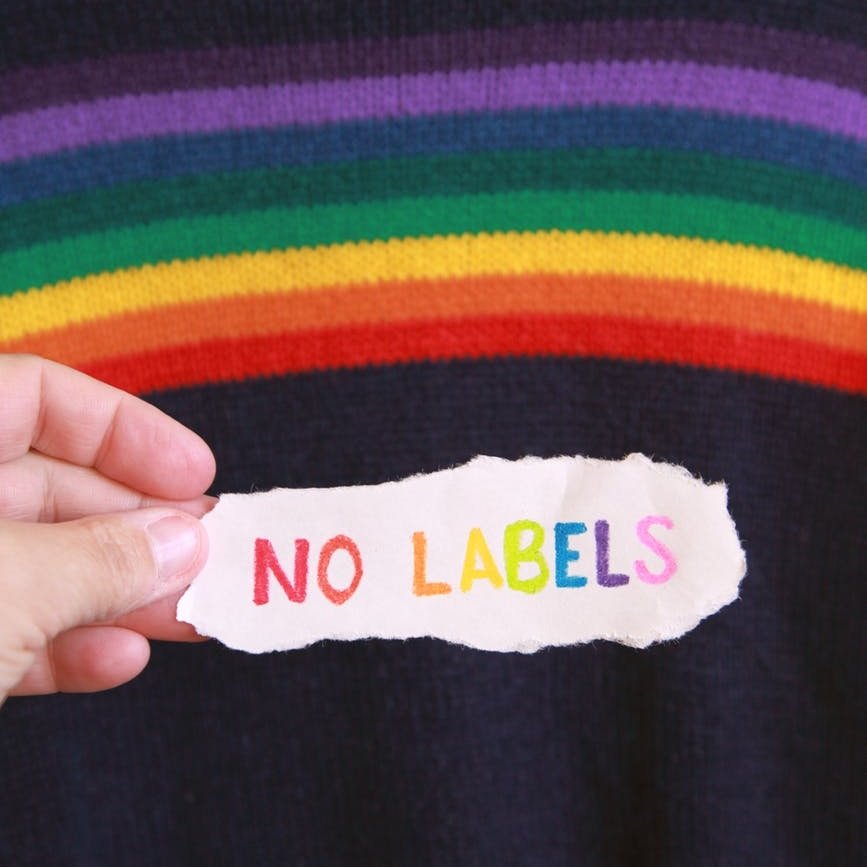
Gender refers to the widely shared set of expectations and norms linked to how women and men, and girls and boys, should behave. Unlike ‘sex’ which refers to the biological and physiological characteristics that define men and women, gender refers to the socially constructed roles, behaviours, activities, and attributes that are assigned to men and women in any given society. These expectations are are not fixed but are continually being constructed and reinforced through social relationships and economic and political power dynamics.
It is commonly assumed that your gender is determined by your biological sex. You are masculine because you are male, for example. The separation of gender and sex is most apparent in the experience of people who feel that their ascribed gender-identity is not aligned with their biological sex. Those people, who may identify as transgender, some will opt to change their biological sex while others may change their gender-identity but not their sex. The sexual orientation of those whose gender identity does not match their biological sex is not self-evident. Biological males who live as females may be attracted to males, females or other trans individuals. This is evident, for example, among travestis In Brazil, as Mountian observes in the policy audit conducted on the country’s ‘Brazil without Homophobia’ education policy, launched in 2004. Mountian found that travestis were discriminated against because they challenge the idea that gender identity is directly related to biological sex. Not all biological males feel themselves to have a masculine identity, and vice versa.
Gender equality is when people of all genders have equal rights, responsibilities and opportunities. Everyone is affected by gender inequality – women, men, trans and gender diverse people, children and families. … Societies that value women and men as equal are safer and healthier. Gender equality is a human right.
Gendered sexuality is the way in which gender and sexuality are often viewed as likened constructs, whereby the role of gender in an individual’s life is informed by and impacts others’ perceptions of their sexuality. For example, both the male and female genders are subject to assumptions of heterosexuality.
Sociology offers a unique perspective on gender and sexuality and their importance in our social world. A sociological perspective transcends biological notions of sex and emphasizes the social and cultural bases of gender. Sociological research points to the ubiquity of gender’s influence in both private and public spheres, and it identifies differences—and similarities—in how genders are treated socially and factors that change this treatment.
The sociological study of gender is often combined with the study of sexuality. Like gender, sexuality is not just biologically constructed, but is shaped by social and cultural factors. Empirical research on sexual identity and behavior reveals such great variation that sociologists refer to multiple sexualities rather than a single sexuality.
Gender equality is achieved when women, men, girls and boys have equal rights, conditions and opportunities, and the power to shape their own lives and contribute to the development of society. It is a matter of equitable distribution of power, influence and resources in society.
Gender equality, also known as sexual equality or equality of the sexes, is the state of equal ease of access to resources and opportunities regardless of gender, including economic participation and decision-making; and the state of valuing different behaviors, aspirations and needs equally, regardless of gender.
Mental health includes our emotional, psychological, and social well-being. It affects how we think, feel, and act. It also helps determine how we handle stress, relate to others, and make choices. Mental health is important at every stage of life, from childhood and adolescence through adulthood.
Mental health therapists in the past dealt mostly with psychological diseases and the health issues that came from it. Their focus was less on individual factors like motivation, positive thinking, happiness, and emotional resilience, and more on the manifested symptoms of mental illness.
George Vaillant, a pioneer in the field of positive psychology, said that old literary works on psychiatry and mental health have a myriad of discussions on anxiety, depression, stress, anger, and fear, and almost nothing about affection, compassion, and forgiveness (Vaillant, 2009). But this is all a matter of the past now.
With the advent of the science of happiness, or positive psychology, a significant shift in the focus of mental health research and practice has been noticed. Positive psychology has opened a new way of looking into problems. It recognizes happiness and well-being as an ‘essential human skill’ (Davidson).
As a composite of clinical psychology, positive science helps in understanding how we can work on enhancing our internal capabilities and make the best of our present. Rather than focusing on symptomatic therapy and treatment, positive psychology centers around emotional stability, expectation management, and fruitful thinking, which is why it is referred to as the ‘study of ordinary strengths and virtues’ (APA, 2001).
Positive psychology goes hand in hand with traditional mental health interventions. In this article, we will explore the semblance and the association between positive psychology and mental health and discuss how the combination of both is essential for the successful outcome of any psychiatric disorder.
Incorporating neuroscience in mental health had numerous benefits —
• Neuroscience made it easier for therapists and professionals to dig into the root causes of the disorder.
• It helped in promoting mental well-being, happiness, and quality of life.
• Neuroscience paved the way for early diagnosis and a brighter prognosis of any psychological treatment plan.
• It helped in understanding the relationship between the mind and the body with more accuracy.
• Neuroscientific research made way for extending the areas of research on mental health and happiness.
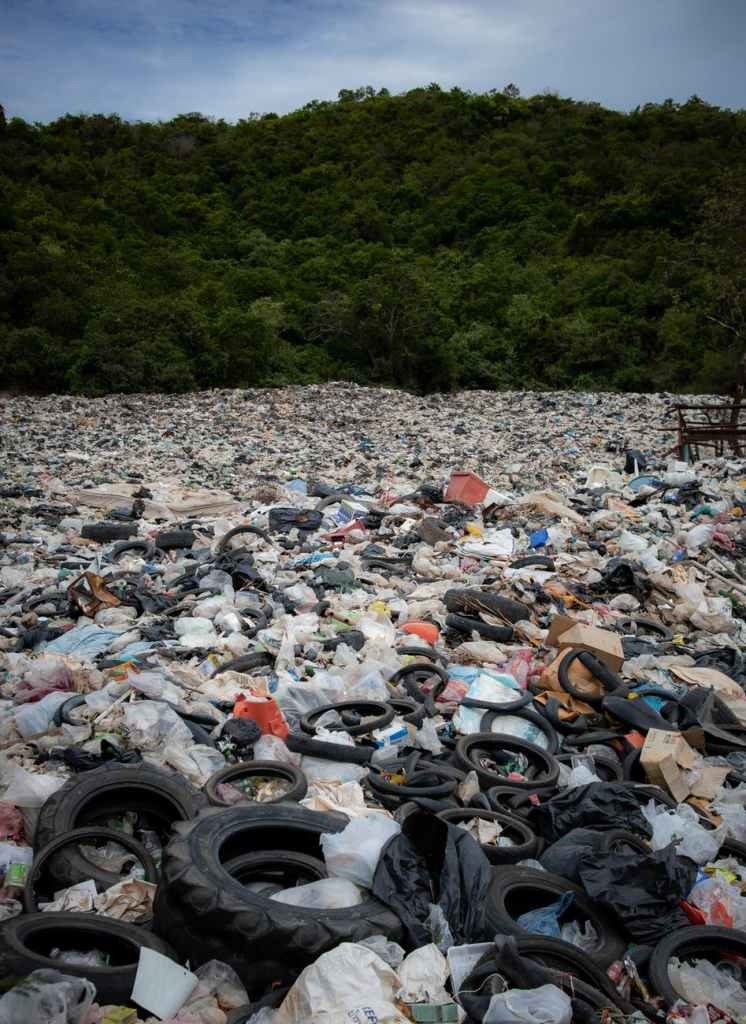
Urban India generates 62 million tonnes of waste (MSW) annually, and it has been predicted that this will reach 165 million tonnes in 2030. 43 million tonnes of municipal solid waste is collected annually, out of which 31 million is dumped in landfill sites and just 11.9 million is treated.
Burying garbage also causes both air and water pollution, and simply transporting it to the sites consumes an increasing amount of valuable fossil fuels, which produces more pollution and other problems. Buried in a landfill, the typical plastic trash bag takes 1,000 years to degrade, giving off toxins as it does.
The reason why most landfill sites are over-flowing is because the current waste disposal system is flawed. Nearly 20% of methane gas emissions in India is caused by landfills. The trash dumped in the landfills are prone to catching fire due to the heat generated by the decomposition of waste.
The amount of rubbish produced by an average household has increased dramatically over the last few decades. This trend is mainly due to consumption and abundance of plastic. … Now they buy packed food from supermarkets which creates a myriad of plastics waste through its packaging.
India faces major environmental challenges associated with waste generation and inadequate waste collection, transport, treatment and disposal. Current systems in India cannot cope with the volumes of waste generated by an increasing urban population, and this impacts on the environment and public health.
Steps we can take to ensure the environment clean —
• Donate Clothes.
• Reduce Food Waste.
• Meal Plan.
• Eat Healthy.
• Save Leftovers for Next Day.
• Buy Things in Bulk with Less Packaging.
• Avoid Food Wrapped In Plastic.
• Bring Your Own Bag.
• Avoid plastic and one time usable plastic
Energy from waste can be used to produce heat or electricity, which might then replace the energy produced using coal or other fuels. Energy recovery of waste can thus help reduce greenhouse gas emissions. Recycling can help even more to lower greenhouse gas emissions and other emissions
Proper waste management helps improve the quality of water and air, as well as reduce the emission of greenhouse gases. … So, when they collect the waste, they are usually salvaged for redistribution, recycling and reuse. By booking a skip bin, you can reduce pollution and lower the demand for producing new materials.
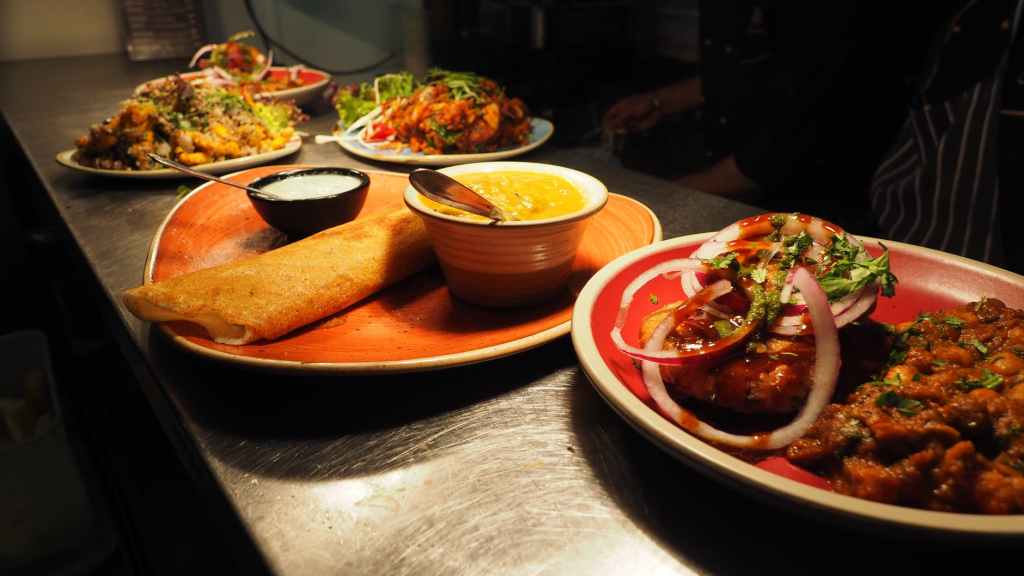
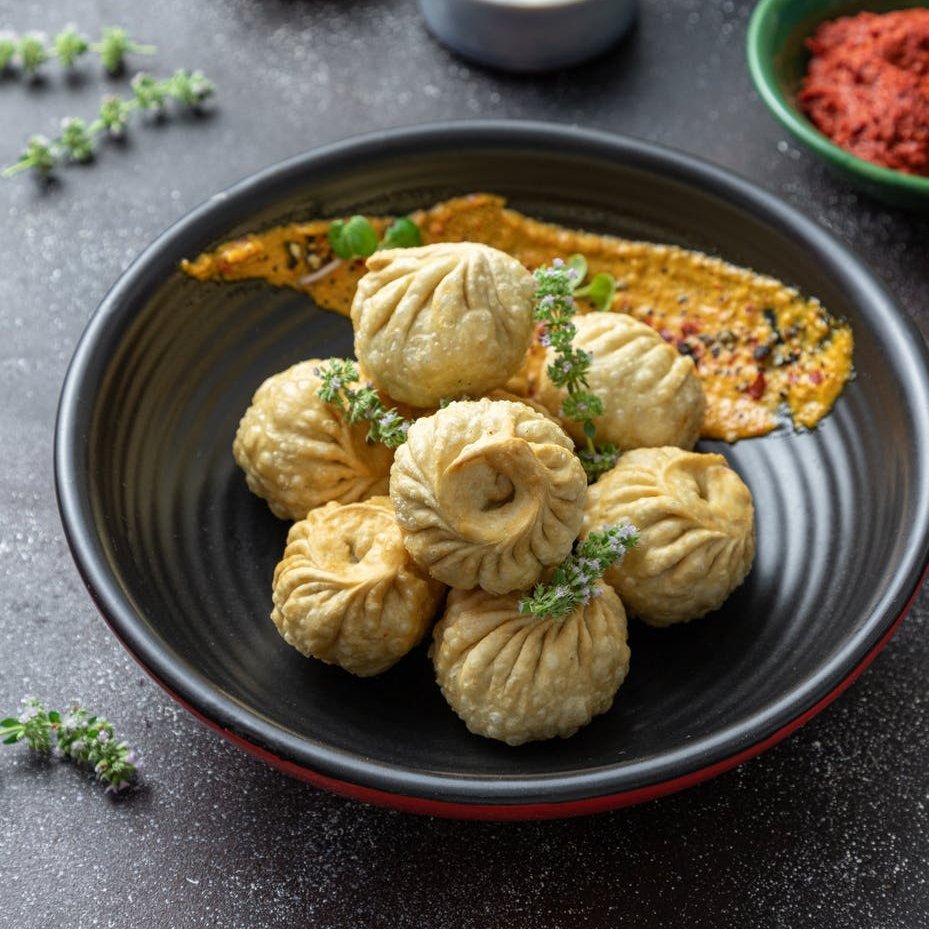
Indian street foods are known worldwide for their taste, diversity and easy accessibility in various cities like Mumbai, Delhi, Kolkata and Bangalore to name a few. Few street dishes like kathi rolls, daulat ki chaat, chhole bhature and misal pav are quite famous. When it comes to street food, India tops the charts.
The biggest reason that we all loves to eat street food is that it’s way more economical or cheap than the food of Restaurants/Hotels. Street Food is very economical for the middle-class people and that’s why the major chunk of that class prefers street food the most.
Indian street food has a long history. On the streets of Delhi, you can visit kebab vendors who used to serve the Mughal kings. In Kolkata, you’ll find fusion street food that was created with British customers in mind during colonial times.
According to a 2007 study from the Food and Agriculture Organization, 2.5 billion people eat street food every day. A majority of middle-income consumers rely on the quick access and cheap service of street food for daily nutrition and job opportunities, especially in developing countries.
Cities which are popular for Street Food in India
DELHI. Streets in Old Delhi are immensely popular for succulent kababs, greesy paranthas, crispy golgappas, syrupy jalebis, and lip-smacking chaat. …
KOLKATA. The City of Joy is known for tasty and surprisingly cheaper street food. …
LUCKNOW is famous for different types of jaben and Mughal dishes
MUMBAI – for vada pav , misal pav etc
AMRITSAR – lassi , chole bhature
HYDERABAD – for birayani
AHMEDABAD – gujrati snacks like dhokla , patra ,etc
INDORE.
When it comes to mouth-watering varieties of street food in India, Kolkata is a winner. Beating Mumbai, Amritsar, Ahmedabad, and New Delhi, Kolkata has been deemed as the best destination for a staggering variety of street food, according to the survey ‘Taste of Travel’ mentioned in a report in The Times of India.
The fast food industry in India has evolved with the changing lifestyles of the young Indian population.[citation needed] The variety of gastronomic preferences across the regions, hereditary or acquired, has brought about different modules across the country.
Many of the traditional dishes have been adapted to suit the emerging fast food outlets. The basic adaptation is to decrease the processing and serving time. For example, the typical meal which called for being served by an ever-alert attendant is now offered as a Mini-Meal across the counter. In its traditional version, a plate or a banana leaf was first laid down on the floor or table. Several helpers then waited on the diner, doling out different dishes and refilling as they got over in the plate.
In the fast-food version, a plate already arranged with a variety of cooked vegetables and curries along with a fixed quantity of rice and Indian flatbreads is handed out across the counter against a prepaid coupon. The curries and breads vary depending on the region and local preferences. The higher priced ones may add a sweet to the combination. Refills are generally not offered.
It is common to serve different cuisines at different counters within the same premises. Presence of a large vegetarian population, who eschew non-vegetarian food, has given rise to outlets which exclusively serve vegetarian fast food. Also, different variety of food may be served depending on the times of the day. Beverages such coffee, tea, soft drinks and fruit juices may also be served in such outlets. Some outlets may additionally have specially designed counters for ice-cream, chaats etc.
Cloud computing is the on-demand availability of computer system resources, especially data storage and computing power, without direct active management by the user. The term is generally used to describe data centers available to many users over the Internet.
Cloud computing is the delivery of computing services , including servers, storage, databases, networking, software, analytics, and intelligence over the Internet (“the cloud”) to offer faster innovation, flexible resources, and economies of scale.
There are three main types:
• Infrastructure as a service (IaaS) • Platform as a service (PaaS) • Software as a service (SaaS)
Examples of Cloud Computing —
The main types of cloud computing include software as a service, platform as a service, and infrastructure as a service. Serverless computing, also known as function as a service (FaaS), is also a popular method of cloud computing for businesses. SaaS or Software as a Service.
Benefits of cloud computing —
• Reduced IT costs. Moving to cloud computing may reduce the cost of managing and maintaining your IT systems.
• Scalability.
• Business continuity.
• Collaboration efficiency.
• Flexibility of work practices.
• Access to automatic updates
The most obvious uses of cloud computing is the mobility that it brings, both to the recreational user, as well as to the corporate and business user. Many of us are already familiar with some cloud computing services, like Google Docs, or even email services.
Five characteristics of cloud computing On-demand self-service.
• Cloud computing resources can be provisioned without human interaction from the service provider.
• Broad network access.
• Multi-tenancy and resource pooling.
• Rapid elasticity and scalability.
• Measured service.
Google Drive is a cloud-based storage solution that allows you to save files online and access them anywhere from any smartphone, tablet, or computer. … Drive also makes it easy for others to edit and collaborate on files.
Disadvantages of cloud computing
• Data loss or theft.
• Data leakage.
• Account or service hijacking.
• Insecure interfaces and APIs.
• Denial of service attacks.
• Technology vulnerabilities, especially on shared environments.
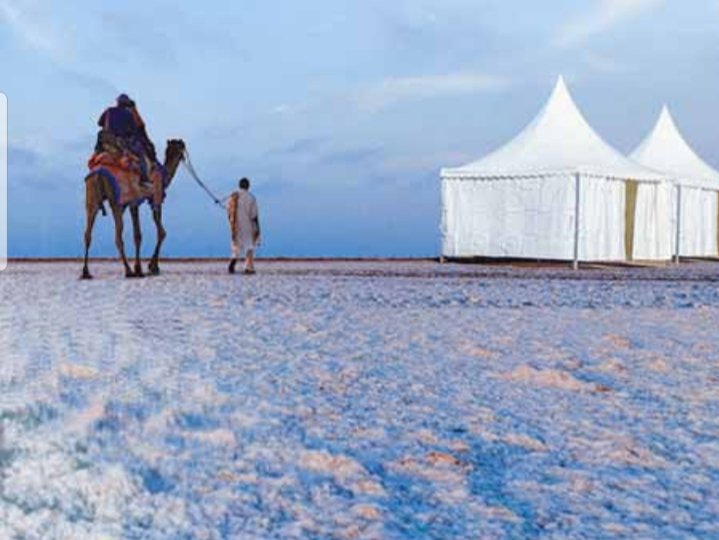
The Great Rann of Kutch is a salt marsh in the Thar Desert in the Kutch District of Gujarat, India. It is about 7500 km2 (2900 sq miles) in the area and is reputed to be one of the largest salt deserts in the world . It is an extension of the Thar Desert.
The Rann of Kachchh is a salt marshy land in the Thar Desert in the Kachchh district of western Gujarat. It lies between Gujarat in India and the Sindh province in Pakistan. … The Rann of Kachchh is famous for its white salty desert sand and is reputed to be the largest salt desert in the world.
Winter is really the best time to go to Rann of Kutch. It really comes into its own during this season. There’s nothing like sitting around a warm bonfire and enjoying a night of the local culture, especially on a full moon night.
If you prefer greater comfort in your choice of accommodation, then the Rann Utsav is definitely the best time to visit the Rann of Kutch! Sightseeing: Rann Utsav packages come with many included and optional sightseeing tours of other interesting places nearby such as Bhuj, Dhordo, Mandavi Beach, and Dholavira etc.
Rann Utsav, the Carnival of Music, Dance & Culture of Gujarat. Enhance the natural beauty of White Rann when the light of Full Moon spread it on the white land.
Rann Utsav is a festival of crafts, art, music, dance, food, nature and the people of Kutch attended by thousands of people every year. This annual festival celebrates the rich heritage of the ecologically and ethnically diverse land of Kutch district, Gujarat.
Handicrafts and Traditional Shopping during Rann Utsav –
• Embroidery. Kutch is renowned world over for its mirrored embroideries.










 Eduindex
You must be logged in to post a comment.