When scientists talk about the expanding universe, they mean that it has been growing ever since its beginning with the Big Bang.
The galaxies outside of our own are moving away from us, and the ones that are farthest away are moving the fastest. This means that no matter what galaxy you happen to be in, all the other galaxies are moving away from you.
However, the galaxies are not moving through space, they are moving in space, because space is also moving. In other words, the universe has no center; everything is moving away from everything else. If you imagine a grid of space with a galaxy every million light years or so, after enough time passes this grid will stretch out so that the galaxies are spread to every two million light years, and so on, possibly into infinity.
The universe encompasses everything in existence, from the smallest atom to the largest galaxy; since forming some 13.7 billion years ago in the Big Bang, it has been expanding and may be infinite in its scope. The part of the universe of which we have knowledge is called the observable universe, the region around Earth from which light has had time to reach us.
One famous analogy to explain the expanding universe is imagining the universe like a loaf of raisin bread dough. As the bread rises and expands, the raisins move farther away from each other, but they are still stuck in the dough. In the case of the universe, there may be raisins out there that we can’t see any more because they have moved away so fast that their light has never reached Earth. Fortunately, gravity is in control of things at the local level and keeps our raisins together.
Who Figured This Out?
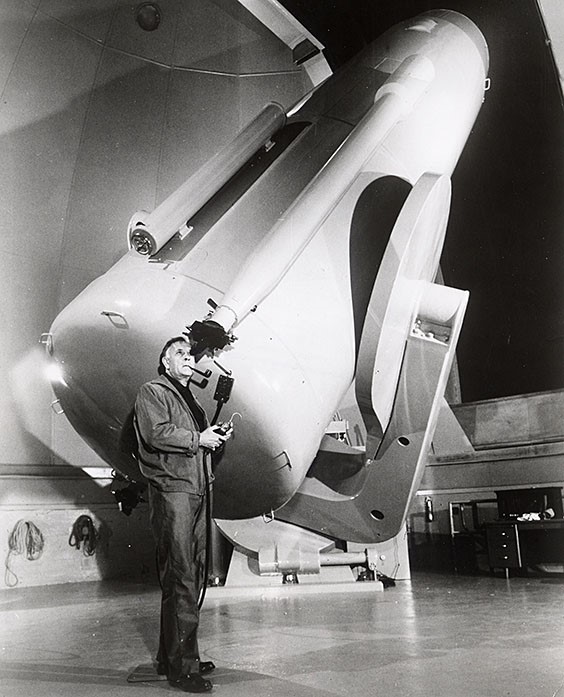
The American astronomer Edwin Hubble made the observations in 1925, proving that there is a direct relationship between the speeds of distant galaxies and their distances from Earth. The observation that galaxies are moving away from the Earth at speeds proportional to their distance has traditionally been known as Hubble’s Law, although it should be noted that, in 2018, the International Astronomical Union (IAU) voted to recommend amending the name to the Hubble–Lemaître law, in recognition of the contributions of both Hubble and the Belgian astronomer Georges Lemaître to the development of modern cosmology.
The Hubble Space Telescope was named after Edwin Hubble, and the single number that describes the rate of the cosmic expansion, relating the apparent recession velocities of external galaxies to their distance, is called the Hubble Constant.
Is the Universe Infinite?
It might be easier to explain about the beginning of the universe and the Big Bang Theory, than to talk about how it will end. It is possible that the universe will last forever, or it may be crushed out of existence in a reverse of the Big Bang scenario, but that would be so far in the future that it might as well be infinite. Until recently, cosmologists (the scientists who study the universe) assumed that the rate of the universe’s expansion was slowing because of the effects of gravity. However, current research indicates that the universe may expand to eternity. But research continues and new studies of supernovae in remote galaxies and a force called dark energy may modify the possible fates of the universe.
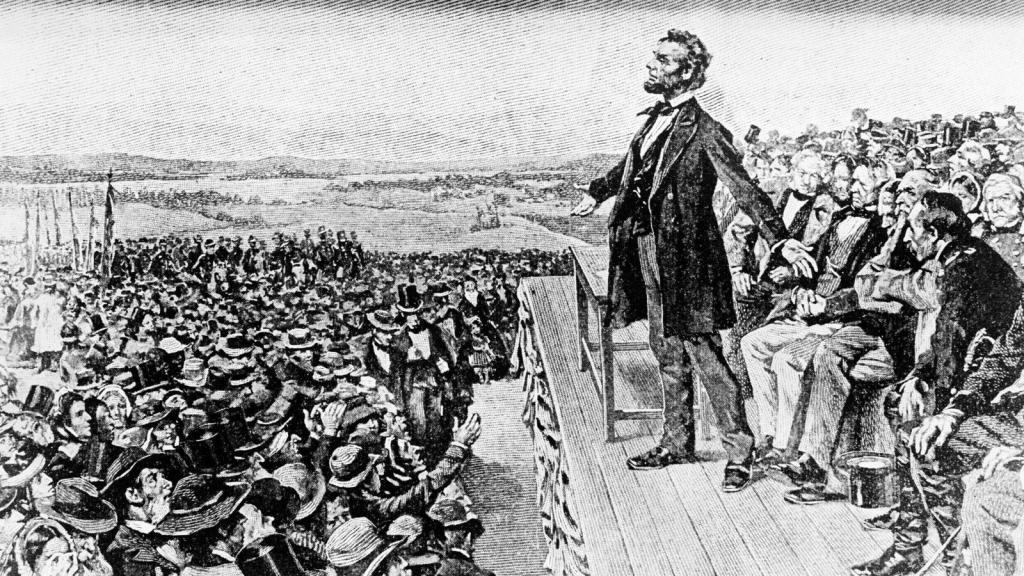
Abraham Lincoln became the United States’ 16th President in 1861, issuing the Emancipation Proclamation that declared forever free those slaves within the Confederacy in 1863.
Lincoln warned the South in his Inaugural Address: “In your hands, my dissatisfied fellow countrymen, and not in mine, is the momentous issue of civil war. The government will not assail you…. You have no oath registered in Heaven to destroy the government, while I shall have the most solemn one to preserve, protect and defend it.”
Lincoln thought secession illegal, and was willing to use force to defend Federal law and the Union. When Confederate batteries fired on Fort Sumter and forced its surrender, he called on the states for 75,000 volunteers. Four more slave states joined the Confederacy but four remained within the Union. The Civil War had begun.
The son of a Kentucky frontiersman, Lincoln had to struggle for a living and for learning. Five months before receiving his party’s nomination for President, he sketched his life:
“I was born Feb. 12, 1809, in Hardin County, Kentucky. My parents were both born in Virginia, of undistinguished families–second families, perhaps I should say. My mother, who died in my tenth year, was of a family of the name of Hanks…. My father … removed from Kentucky to … Indiana, in my eighth year…. It was a wild region, with many bears and other wild animals still in the woods. There I grew up…. Of course when I came of age I did not know much. Still somehow, I could read, write, and cipher … but that was all.”
Lincoln made extraordinary efforts to attain knowledge while working on a farm, splitting rails for fences, and keeping store at New Salem, Illinois. He was a captain in the Black Hawk War, spent eight years in the Illinois legislature, and rode the circuit of courts for many years. His law partner said of him, “His ambition was a little engine that knew no rest.”
He married Mary Todd, and they had four boys, only one of whom lived to maturity. In 1858 Lincoln ran against Stephen A. Douglas for Senator. He lost the election, but in debating with Douglas he gained a national reputation that won him the Republican nomination for President in 1860.
As President, he built the Republican Party into a strong national organization. Further, he rallied most of the northern Democrats to the Union cause. On January 1, 1863, he issued the Emancipation Proclamation that declared forever free those slaves within the Confederacy.
Lincoln never let the world forget that the Civil War involved an even larger issue. This he stated most movingly in dedicating the military cemetery at Gettysburg: “that we here highly resolve that these dead shall not have died in vain–that this nation, under God, shall have a new birth of freedom–and that government of the people, by the people, for the people, shall not perish from the earth.”
Lincoln won re-election in 1864, as Union military triumphs heralded an end to the war. In his planning for peace, the President was flexible and generous, encouraging Southerners to lay down their arms and join speedily in reunion.
The spirit that guided him was clearly that of his Second Inaugural Address, now inscribed on one wall of the Lincoln Memorial in Washington, D. C.: “With malice toward none; with charity for all; with firmness in the right, as God gives us to see the right, let us strive on to finish the work we are in; to bind up the nation’s wounds…. ”
On Good Friday, April 14, 1865, Lincoln was assassinated at Ford’s Theatre in Washington by John Wilkes Booth, an actor, who somehow thought he was helping the South. The opposite was the result, for with Lincoln’s death, the possibility of peace with magnanimity died.
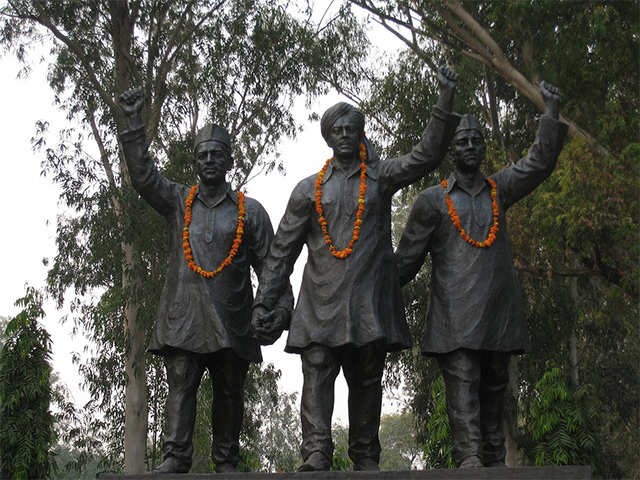
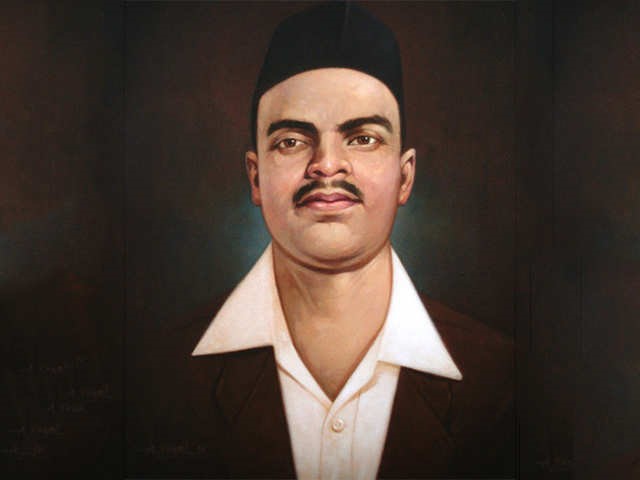
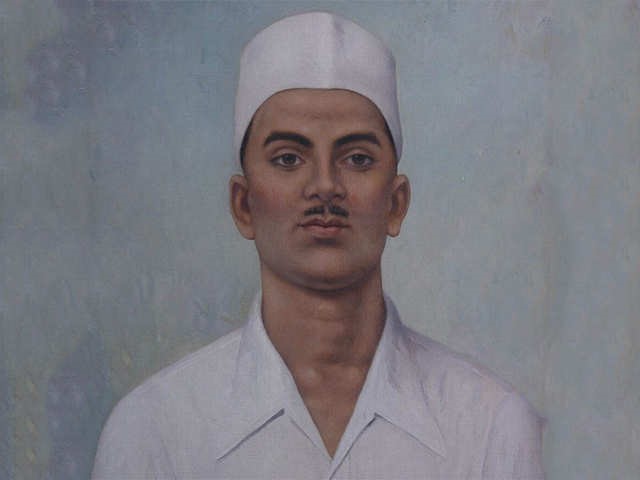
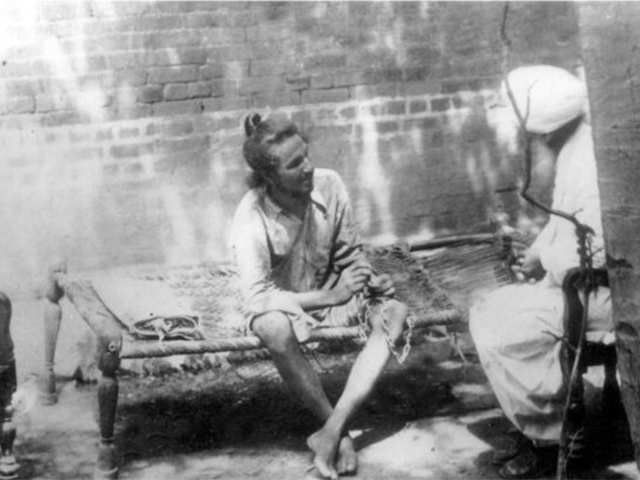
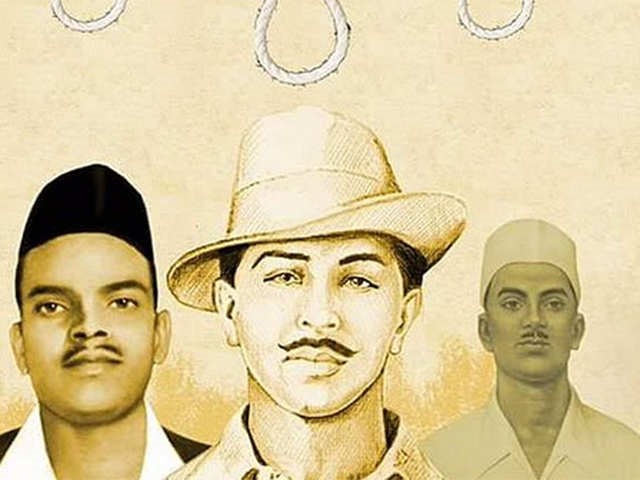
Bhagat Singh, Sukhdev Thapar, and Shivaram Rajguru – some of the most revered figures of the Indian freedom struggle – were hanged on March 23, 1931 in Punjab’s Hussainwala (now in Pakistan). Their execution spurred many youth to take up the revolutionary path, playing a vital role in energizing the fight against the British empire.
On Martyrs’ Day, also knowns as Shaheed Diwas or Sarvodaya Day, Indians pay homage to the martyrs who infused fresh blood in the fight for India’s independence.
Childhood of Bhagat Singh
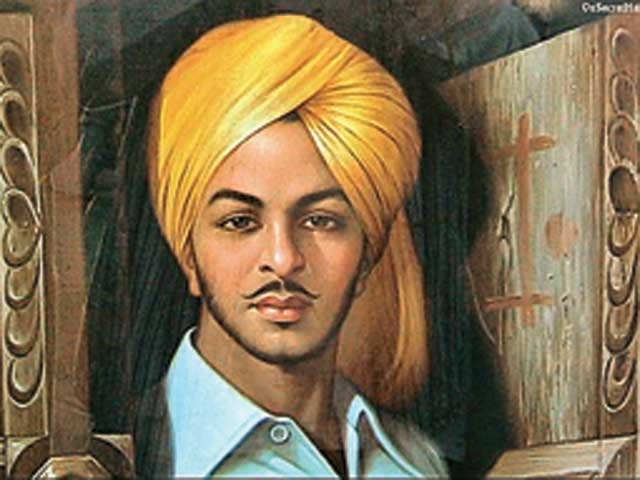
At the age of 23, if anyone was smiling just before he was being hanged, he was Bhagat Singh.
Born on September 27, 1907 in Punjab’s Banga village near Jaranwala (now in Pakistan), Bhagat Singh grew up in a freedom fighters family. His uncle, Sardar Ajit Singh, as well as his father- Kishan Singh, were great freedom fighters. At an early age, Bhagat Singh started dreaming of growing guns in the fields so that he could fight against the colonial rule.
The Ghadar Movement left a deep imprint on his mind. Kartar Sing Sarabha, hanged at the age of 19, became his hero. The massacre at Jallianwala Bagh on April 13, 1919 drove him to go to Amritsar. He was preparing fof his B.A. examination when his parents planned to have him married.
He vehemently rejected the suggestion and said that, if his marriage was to take place in Slave-India, my bride shall be only death.
Shivaram Rajguru
Shivaram Rajguru, born on August 24, 1908, had witnessed British’s atrocities on India and its people.
This instilled within him a strong urge to join hands with the revolutionaries in a bid for India’s freedom struggle. He joined HSRA with a motive to strike fear into the heart of the British empire.
Rajguru made British to take notice of the growing domestic uprising when they dealt crucial blows with attacks like in the Lahore Conspiracy Case and the bombing of the Central Assembly Hall in New Delhi.
Sukhdev Thapar
Born on May 15, 1907, Sukhdev Thapar had witnessed the brutal atrocities that the Imperial British Raj had inflicted on India, which then led him to join the revolutionaries, vowing to set India free from the shackles of British dominion. As a member of the Hindustan Socialist Republican Association (HSRA), Sukhdev Thapar organised revolutionary cells in Punjab and other areas of North India.
He even went on to educate the youth at the National College in Lahore, greatly inspiring them about India’s glorious past. He along with other renowned revolutionaries started the ‘Naujawan Bharat Sabha’ at Lahore that was an organisation involved in various activities, mainly gearing the youth for the freedom struggle and putting an end to communalism.
He also took active part in several revolutionary activities like the ‘Prison hunger strike’ in 1929; however, he is best remembered for his courageous attack in the Lahore Conspiracy Case.
Assembly Incident Trial
The dramatic protest was met with widespread criticisms from the political arena.
Bhagat Singh responded – “Force when aggressively applied is ‘violence’ and is, therefore, morally unjustifiable, but when it is used in the furtherance of a legitimate cause, it has its moral justification.”
Trial proceedings commenced in May where Bhagat Singh sought to defend himself, while Batukeshwar Dutt was represented by Afsar Ali.
The court ruled in favour of a life sentence citing malicious and unlawful intent of the explosions.
Lahore Conspiracy Case
Soon after the sentencing, the police raided the Hindustan Socialist Republican Association (HSRA) bomb factories in Lahore and arrested several prominent revolutionaries.
Three individuals, Hans Raj Vohra, Jai Gopal and Phanindra Nath Ghosh turned approver for the Government which led to a total of 21 arrests including those of Sukhdev Thapar, Jatindra Nath Das and Shivaram Rajguru. Bhagat Singh was re-arrested for the Lahore Conspiracy case, murder of Assistant Superintendent Saunders and bomb manufacturing.
Trial started against 28 accused in a special session court presided over by Judge Rai Sahib Pandit Sri Kishen, on July 10, 1929.
Prison Hunger Strike
In jail, Bhagat Singh and his fellow inmates declared an indefinite hunger strike in protest of the prejudiced difference in treatment of the white versus native prisoners and demanded to be recognised as ‘political prisoners’.
The hunger strike received tremendous attention from the press and gathered major public support in favour of their demands. Death of Jatindra Nath Das, after 63 days long fast, led to the negative public opinions intensifying towards the authorities.
Bhagat Singh finally broke his 116-day fast, on request of his father and Congress leadership, on October 5, 1929.
Saunders’ murder
On December 17, 1927, Bhagat Singh and Shivaram Rajguru shot and killed assistant superintendent of police John Saunders.
They were supported in this act by their compatriots Sukhdev Thapar and Chandrashekhar Azad. However, their original target was not Saunders but superintendent of police James Scott who had ordered his men to lathi-charge protesters leading to the death of the nationalist leader Lala Lajpat Rai.
Owing to the slow pace of the legal proceedings, a special tribunal consisting of Justice J Coldstream, Justice Agha Hyder and Justice GC Hilton was set up on the directives of the Viceroy, Lord Irwin on May 1, 1930. The tribunal was empowered to proceed without the presence of the accused and was a one-sided trial that hardly adhered to the normal legal rights guidelines.
The tribunal delivered its 300-page judgement on October 7, 1930. It declared that irrefutable proof has been presented confirming the involvement of Bhagat Singh, Sukhdev Thapar and Shivaram Rajguru in the Saunders murder. Bhagat Singh admitted to the murder and made statements against the British rule during the trial. They were sentenced to be hanged till death.
Shaheed Diwas
On March 23, 1931, 7:30 am, Bhagat Singh along with his comrades Rajguru and Sukhdev were hanged in Lahore Jail.
It is said that the trio proceeded quite cheerfully towards the gallows while chanting their favourite slogans like “Inquilab Zindabad” and “Down with British Imperialism”.
India’s beloved sons were cremated at Hussainiwala on the banks of Sutlej River.
At the time of their execution, Bhagat Singh and Sukhdev Thapar were just 23 years old. And Shivaram Rajguru was only 22 when he was hanged on March 23.
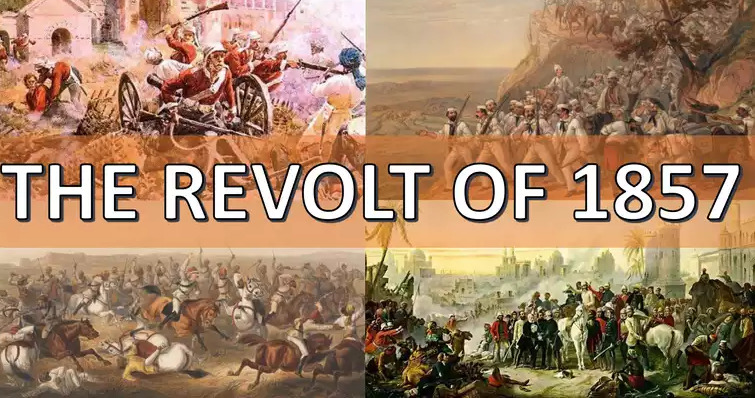
The Rebellion of 1857 was among some of the major yet unsuccessful uprisings against the British Rule that contributed in the course of bringing Independence to India. The rebel was actually against the East India Company that worked on behalf of the British Crown Rule.
Many mistakes the Rebellion of 1857 to be the first rebellion of the country against British Rule. But the truth is that many small regional rebellions had already occurred before the 10th May of 1857. And all these small uprisings indicated that agitation among Indians had started throughout the country.
Some of the mentionable revolts that occurred before the Rebellion of 1857 are the Sanyasi Revolt, The Jungle Mahal Rebellion (1767), Nayak Rebellion, Chuad Rebellion, Santhal Rebellion, the Second Military Rebellion of Bengal (1795), the Vellore’s Rebellion (1803), the Great Rebellion of 1824, Mahikant Rebellion of Gujarat (1836), and Military uprising of 1855.
But it was the Rebellion of 1857 that recorded the most unified support from the Indian population. It was not one reason that caused such massive uprising. Rather the people had multiple reasons to revolt against the British Government by then.
Some of the causes of the revolt were the Britishers looting Indians of their rightful properties like land and imposing an excessive amount of taxes on the people. The sense of fear among regional rules heightened with the introduction of the Doctrine of Lapse by Dalhousie.
The orthodox conservative families of India were also threatened when Britishers started banning some of the then social norms. Other than this, the Indians working in the military of the British Government were treated very poorly.
One of the major incidents that enraged the Indian people, including Mangal Pandey and his mates, was that the British made them use cow and pig fat covered of bullets. These bullet covers were required to be broken using teeth, and the army did so. The British did this, knowing that it would be going against most people’s religious beliefs in India.
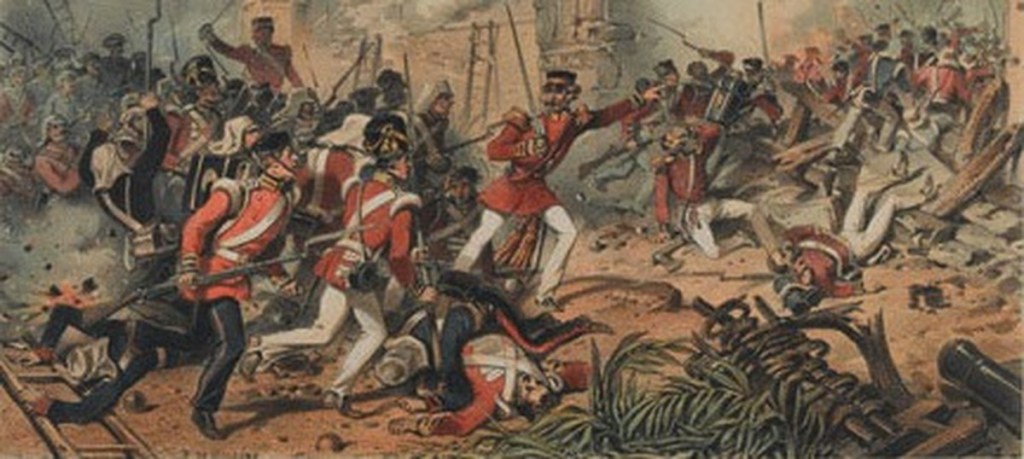
The Britishers imprisoned those who did not use those bullets and also hanged them. Thus such injustice gave rise to rebellions in several parts of India. And the Rebellion of 1857 did start in Meerut when the arrested soldiers broke out of the jail and killed several British officers.
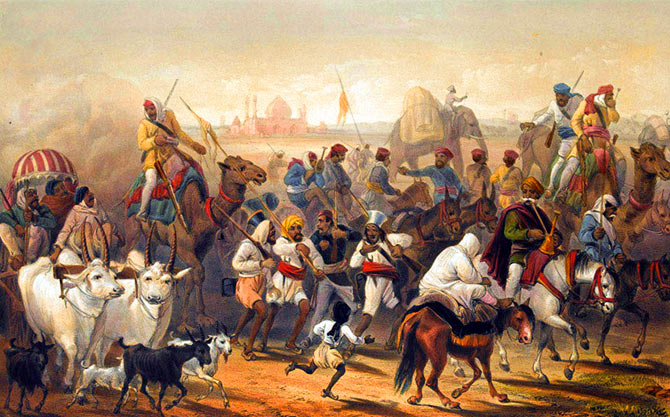
The revolt was led by Dhan Singh Gurjar, who was a Katowal in the British army himself. The revolting soldiers went to Delhi to spread the notion of revolt. And they succeeded in doing so because the revolt started in other parts of India as well.
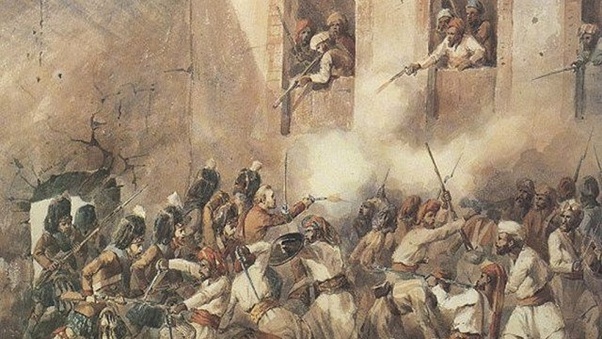
The Britishers were stunned since they were outnumbered compared to the number of Indian soldiers in the British Army who were all revolting. But the British Government wasn’t letting the satiation get the best of them so easily, so they played dirty politics by using several tactics. Lord Canning ultimately suppressed the Rebellion of 1857. It was because the tactics of the British Government succeeded in creating a massacre as they lured Sikh and Madrasi soldiers in their favor.
River Rafting is undoubtedly one of the most popular adventure activities in Rishikesh. This water sport allures thousands of tourists from all around. Rishikesh offers a thrilling opportunity to raft down the River Ganga. Rafting right amid rocky mountains, taking all the freshness of the green surroundings and enjoying as the water caresses your face, what could be better? One could feel their heart beat pumping as they move across the gushing water of River Ganga at Rishikesh.
Rishikesh offers this adventurous sport from the month of September to June every year. During these months, the water of River Ganga is perfect for rafting; it is neither too wild nor entirely calm. There are a number of rafting operators who arrange this activity for people. People can also opt for riverside camping along with rafting.
Safety Tips
Do not panic while rafting!
Make sure to wear the correct sports-wear
Attentively listen to your trainer and follow the instructions properly
It is good to learn proper swimming techniques
Select an authorized and professional rafting services provider
Always wear a life jacket and helmet
Camping
Camping is a popular activity which is ideal for all those who wish to stay close to Mother Nature. Rishikesh is one of the most popular camping zones in India. Those who take part in this activity are known as campers. This is a basic activity that can be enjoyed by people of any age group. Camping involves staying in a tent in the wild areas.
These days, modern camps are available which come with modern facilities. Some popular riverside camping sites include Shivpuri, Kaudiyala, Brahmpuri and Byasi. Camping is a great way of staying close to nature and exploring its beautiful treasures. Nothing can be better than enjoying the sounds of flowing of wild rivers and chirping of the birds. Also, camping offers an opportunity to explore the lives of the locals from nearby villages and discover new things.
This outdoor recreational activity is usually enjoyed while participating in adventure activities like trekking, wildlife safari, mountaineering and river rafting.
There are two types of camping available at Rishikesh – luxury camping and jungle camping. While the jungle camps are basic tents and offer temporary accommodation, luxury camps are Swiss camp cottages that come with basic facilities like electricity at camp site, attached washrooms, fan and hot/cold water facility.
Safety Tips
Safety Tips Always check the site if you are allergic to a particular thing
Always follow the campfire safety
Always stay updated with the climatic condition
Be aware of wild animals
Do not drink water from any source it might have germs
Guard your skin against the direct sun
Have fun but stay alert
keep yourself hydrated
Pack and Store Food Safely
Pick the clean shelter and site
Use Insect Protection
Bungee Jumping
Bungee Jumping is one of the most challenging adventure activities. This activity is perfect for those adventure enthusiasts who live life without fear. During this activity, a person is harnessed to the wire that dives from an altitude of around 220 to 273 ft. On release, the wire takes the person down to the river level and then goes back up. The speed of rushing down slowly accelerates upto speed of 160 km ph. This activity offers you a thrilling experience as you fall free at such high speed. This one is surely one among the top things to do in Rishikesh.
Requirements
Age : Minimum 12 year
Weight: Minimum 40kg and Maximum 110kg
Safety Tips
Choose an experienced and reliable adventure service provider
Never Overthink
Wear Comfy Outfits
Choose your backdrop
Go for a Medical checkup before jumping
Don’t overeat before the jump.
Swing
Swing is a popular adventurous activity that involves jumping from a bungee platform which comes with a seat and chest harness that is further connected to fixed wire ropes. To perform this activity.
Though the activity may look a bit scary at first, the entire experience of the swing is breathtaking. This activity can be performed alone or by two people at a time. A person is set on a seat and harness which is connected to the fixed wire ropes. On jump from the platform, the ropes smoothly swing the person like a pendulum. The entire experience of the swing is exhilarating. As soon as the activity is completed, jumpers are lowered down to a drop zone in the river.
Requirements
Age : Minimum 12 year
Weight: Minimum 30kg and Maximum 120kg
Safety Tips
Do Not Overthink
Wear Comfy Outfits
Go for a Medical checkup before jumping
Don’t overeat before the jump
Be confident
Choose an experienced and reliable adventure service provider
Waterfall Trekking
For those who wish to spend some time close to nature, Waterfall Trekking is the perfect activity. This activity takes you closer to nature away from the hustle and bustle of city life. Waterfall trekking is a great option for all those who love trekking and nature. This activity can- be enjoyed by people of all age groups.
There are a number of hidden waterfalls in and around Rishikesh. However, these hidden treasures are not easily accessible. To reach these waterfalls, one has to trek. This is an exciting activity which takes you through the unexplored areas of Rishikesh which are set amid those green surroundings. As you walk through the narrow trails around Rishikesh, you may also get to see exotic wildlife of Uttarakhand.
Some beautiful waterfalls around Rishikesh are Neergadh Waterfall, Garud Chatti Waterfall and Patna Waterfall. All these waterfalls are immensely beautiful and promise a refreshing experience to all the trekkers.
Safety Tips
Always be alert
Wear protective gear such as helmet, and knee guard
Wear comfortable clothes
Always Stay on developed trails
Watch your footing avoid walking on rocks covered with algae it can be slippery
The premise of Haikyu!! is simple: middle schooler Shouyou Hinata happens to see a volleyball match on TV one day. He watches the Little Giant of Karasuno High School score point after point by jumping higher than anyone else, outplaying his tall opponents. And Hinata, short for his age, realizes that he could play volleyball too. When Hinata finally makes it to his first tournament in his third year of middle school, his team is crushed in the first round by a team led by setter Tobio Kageyama, a temperamental genius. Hinata vows to crush him the next time they meet on the court… only to walk into the volleyball gym on his first day at Karasuno, and see Kageyama practicing his serves. The rest of the series follows the unlikely pair and their teammates on their journey to the national championships and beyond.
What really makes Haikyu!! stand out, and what got me hooked despite my generally lukewarm attitudes towards sports stories and male protagonists, was the depth of character development everyone gets. It’s not just a story about Hinata and Kageyama. It’s also a story about their teammates, their coaches, their rivals, and everyone else around them who plays a role in their development. Many chapters feature flashback sequences showing the reader how a rival team member we were seeing for the first time got to where they are today, making it impossible not to care for every character the reader encounters.
Even though it’s a story about a boy’s volleyball team, the women in the story (the managers, sisters, and girls volleyball team members) have their own arcs and interests not centered around the men. In other sports manga I have read, the team managers were only interested in helping the team move forward. In Haikyu!!, first year manager Hitoka Yachi’s entire introduction to the story is about her discovering what she wants for herself, and how she wants to achieve that. Yachi and third year manager Kiyoko Shimizu have their own interests, goals and personalities separate from how they relate to the team.
Where Haikyu!! sometimes falls short is its pacing. The weekly manga spent almost a full calendar year on a single match between Karasuno and another school, yet the transition into the final arc of the story felt very sudden and rushed. Without giving away too much, the characters’ high school life ends abruptly, and flashes forward to their lives several years later with no warning. The drastic shift in direction was entirely unexpected by most readers, yet many grew to welcome it as the story developed further and flashback sequences elaborated on the years in between. Furudate’s decision to continue the story beyond the typical high school sports manga confines was a bold choice, and while it may be alienating to some readers, others find it exciting and refreshing.
The art style also shifts dramatically as the comic goes on. The characters become more angular and stylized, and the action more exaggerated and expressive. It’s not as noticeable when reading archivally, but it is kind of surprising to see such style drift in a manga, even a long-running one.
One of the recurring themes in Haikyu!! is the idea of flight. At first, Hinata seems too short to succeed at volleyball, a sport in which height is crucial to scoring points and winning games. But Hinata is capable of jumping extraordinarily high, and with the right teammates, he soars. In chapter 30, Karasuno’s coach says, “Because we don’t have wings, humans are always searching for different ways to fly.”
Meditation is the practice of thinking deeply in silence, in order to make the mind calm. Through regular mediation, levels of stress can be reduced as well as managed. Meditation is a relaxation technique like yoga and deep breathing that activates the body’s relaxation response. When meditation is practiced regularly, it leads to decrease in our stress levels in everyday life. Meditation gives a boost in our feelings of happiness and calmness. It increases our ability to stay cool, calm and composed under pressure.
Meditation begins by heating the activities of the brain for some time and going into a state of stillness or silence. In today’s time, when one’s life is affected be immense stress due to pressure emanating from excessive materialism, professional success, social acceptance, etc, meditation comes as a heavenly refuge. A major benefit of effective meditation is a reduction of anxiety and effects of depression.
Thousands of years ago, a wandering Nepalese prince sat under a tree, vowing not to rise until he attained enlightenment. After a long night of deep meditation, Siddhartha Gautama, better known as the Buddha, saw the light and declared that suffering is subjective and can be reduced through self-awareness. This was laid the foundation of meditation as as successful technique for reducing suffering.
Many studies have shown that meditation not only has mental but profound physiological effects on the body. Thus, to achieve peace of mind, meditation is an exercise not to be missed. It should ideally be followed daily and be supported by a healthy lifestyle and a healthy diet. Only 15-30 minutes of his daily can have a magical effect on one’s life
Effective meditation is free from any kind of other distraction. Research has shown that meditation has benefits on mental health, including decrease in depression, increase in positive emotional state and increases in the ability to deal with unavoidable stressful conditions in life. Meditation not only involves relaxation but also the active growth of positive mental states such as affection, kindness, sympathy, tolerance and energy.
The benefits of meditation are many. Meditation also helps in increasing creative levels of mind. While practicing meditation, our heart rate and breathing slows down, blood pressure becomes normal, sweating becomes less and oxygen can be used more efficiently. Moreover, our immune system functions well. In short, meditation is magnificent and effective in temporary stress reduction and long-term health. A clear and peaceful state of mind can be achieved through this practice. Meditation increases positive thinking, attention levels and awareness to reduce stress. Thus, meditation should be suggested as a treatment for the prevention of many stress-related conditions.
Meditation alters the chemistry of the brain and increases positive emotions. Statistics have shown that meditation has improved lifestyles of people suffering from stress-related conditions. People living in a big city suffering from continuous pain, hypertension, anxiety and depression can be trained to do meditation. Positive effects can be seen soon among them.
To conclude, meditation should be recommended to patients suffering from conditions caused by stress. Doctors and scientists are working to observe the effects of meditation practiced by people who are undergoing stressful situations. It should be noted that many prestigious Universities such as Harvard have made their best efforts in carrying out their researches on meditation and without a doubt, the results are positive. Meditation is an important tool to cope up with stress-related situations. Moreover, through meditation, one can turn to the internal peace to calm down the discomforts caused by stressful experiences of life.
Natural Calamities are events that take place due to either natural activity or human-made activity. It leaves long-lasting effects on human lives and properties. It is increasing day by day all over the world. It is because of the misuse of environmental resources by humans. India suffers due to its vulnerable geographical location. Despite knowing it, the country still doesn’t have a proper disaster management unit.
There are different kinds of Natural Disasters in India that happen frequently and leave painful effects on the Indians’ Iives.
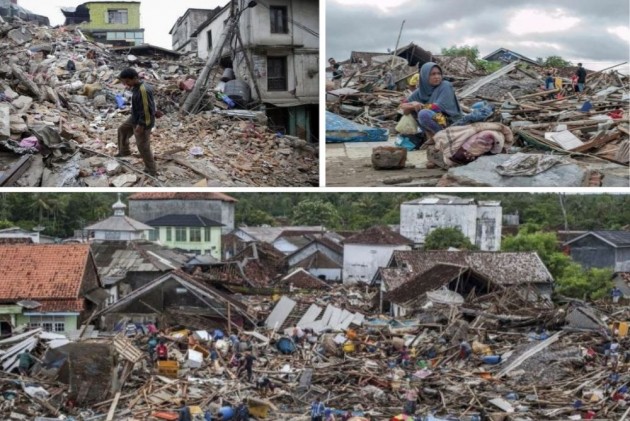
Earthquake is one of the frequently occurring natural disasters in India. It happens because of high internal pressure between huge rocks within the Earth’s crust. It causes them to break apart. It shakes the land. If the intensity is high, houses, apartments, etc. collapse or get damaged. India faces mild earthquakes frequently. However, the country has faced multiple severe earthquakes as well.
Drought is another major natural calamity that is caused by the absence of rain. There are three types of droughts – meteorology, hydrology, and agriculture-related. More than 10% area in India is prone to drought. The north-western part of India is particularly prone to dryness.
Cyclones occur in India mainly because of the Bay of Bengal and the Arabian Sea. Some states like West Bengal, Orissa, Tamil Nadu, Maharashtra, Gujarat, etc. are prone to it. Every year, India faces five to six cyclones. It happens because of the variation of temperature and pressure in oceans.
Wildfire or forest fire is also frequent in India as India has dry and warm forests prone to it. It is dangerous for wild animals, nearby local people, and the environment as well.
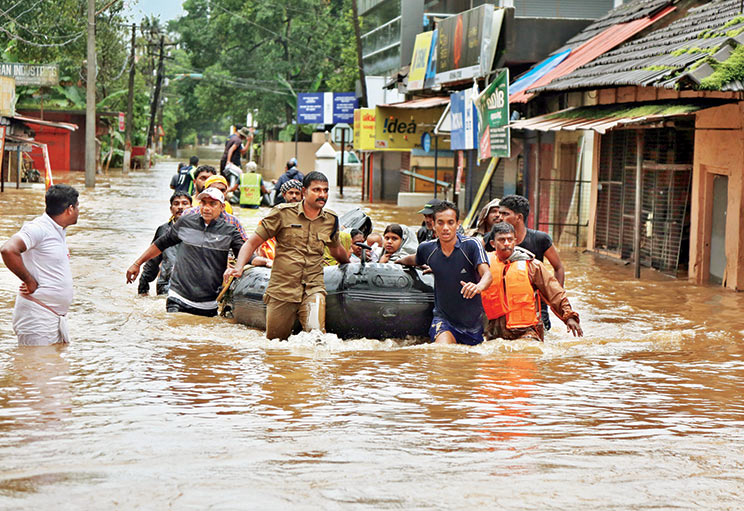
Apart from these, other natural calamities occur in India like floods, landslides, avalanches, etc.
Several human activities are aiding natural disasters. Growing population and consumerist tendencies are the main factors behind it. With the increasing population, the demand and use of natural resources are increasing. As a result, unwanted environmental change is occurring. Water scarcity, global warming, climate change are some effects of it. Apart from these, the neverending desire and want of humans is crucial for natural disasters. Water is going down the average level. Industrial solvents are polluting the rivers and the sea. Dirty, unclean gases from industries and vehicles are polluting the air. Many men made creations are destroying wildlife. Furthermore, excessive cutting of trees has contributed to global warming we are facing now. The more people will exploit nature; the more natural calamities will occur.
Solution
There are various ways in which the effect of natural calamities can be minimized. The government should have a secure financial backup for managing disasters. It is because floods destroy properties and effects human lives. Money is an essential thing for recovery. There should be a proper disaster management unit in every state that all well connected to every corner of the state. Here, strong leadership is of utmost importance. The government should invest more in researches on natural disasters. Suggestions from other countries should be taken. People should be thoroughly aware of any upcoming natural disasters so that they can take proper precautions. The government should focus on new inventions that help control natural disasters. Above all, we should leave our consumerist nature and start believing in sustainability. We should stop doing things that are not friendly to our environments. If these things can be maintained appropriately, not only India but any part of the world can efficiently handle the outcomes of a natural disaster.
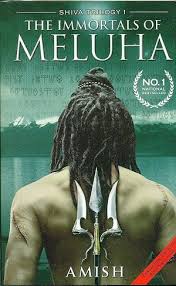
The Immortals of Meluha is the first book of the Shiva trilogy penned by Amish Tripathi. The book is a spectacular blend of history, philosophy and mythology. The simplicity of language and the intriguing narration make it a must read for everyone interested in the ancient Indian thought.
The book depicts the journey of Lord Shiva, the hero of the trilogy, from the pristine surroundings of the Mansarovar Lake at the foot of Mount Kailash to the country of Meluha, described as a Heaven on Earth. The book portrays Shiva as the chief of a tribe named the Gunas. He receives an invitation from the kingdom of Meluha to immigrate along with his entire tribe. Shiva accepts the invitation in order to safeguard his tribe from the continuous onslaught of the Prakrits, an enemy tribe. Amish portrays Shiva as a human, who is always ready to protect his people. Shiva achieved his godliness by fulfilling his destiny of working for the betterment of mankind.
The description of places like Kashmir, Meluha, Karachapa, Swadweepa and Ayodhya is so spectacular that the readers are transported to the beautiful and well-planned cities of ancient Bharat. The fast-paced writing touches upon many aspects like the reason why Shiva became the Neelkanth, how Nandi, a Meluhan Captain, became the trusted aide of Shiva, the origin of the world-renowned Om (ॐ) symbol and so on. A number of characters like Daksha, Sati, Ayurvati, Chitrangadh, Bhadra, etc., all of whom are from the Shiva Purana, are introduced into the story. Each character is well defined, thus enabling the readers to easily connect with them.
Amish carefully describes a number of warrior clans that we often read about in Indian history and mythology – the Suryavanshi clan (the Sun clan), the Chandravanshi clan (the Moon clan), the Nagas (the Snake clan), and many more, whereby each clan has its distinctive characteristics and symbols. The interpretation of the different kingdoms and the politics between them is interesting to say the least. The Suryavanshi clan expects Mahadev to fight the Chandravanshis and protect their river Sarasvati from extinction and the Chandravanshis lure him to their side in order to annihilate the Suryavanshi rulers. Mahadev is forced to look at the bigger picture and understands that both the clans have their own ways of living and the differences between two different lifestyles cannot be labelled as good or bad.
The book has good explanations of the different philosophies that collectively make up the beautiful mosaic of Indian culture. The depiction of the origin of the Saptarishis (the Seven Sages), the Varna System, the Somras and its efficiency, and the concepts of universal energy, karma and dharma are put forth in an interesting manner.
Amish uses the mythological stories and the legends of ancient India (Bharat) as the basis for his novel. The narrative technique he has used is a third-person account of the happenings. The impartial writing gives the readers enough space to study the plot and form their own opinions about the virtues and vices of Shiva’s times.
The Immortals of Meluha is a softcover book containing 410 pages. The interesting tales are broken down into 26 chapters, with a map at the beginning and a glossary at the end. Readers will find it hard to keep the book down, because of its immersive and imaginative writing.
Garhwal is a beautiful place marked by the tall mountains, cold weather and green valleys. People from all over the country visit the place to meditate and attain peace in a life full of so much chaos. The very ancient wood carving can be seen even today on some of the doors as well temples of Garhwal. All the places such as Ransi temple, Srinagar temple, Chandpur fort, Padukeshwar and Devalgarh temple comprise of architectural remains even today.
Garhwali is the main language spoken here. Garhwali language has a number of dialects too including Jaunsari, Marchi, Jadhi and Sailani. The Garhwali language is believed to have originated from a combination of- Sauraseni Prakrit, Sanskrit and Western or Central Pahari language. Garhwal is inhabited by people belonging to a number of ethnic groups and castes. These include Rajputs who are believed to belong to Aryan origin, Brahmins who migrated after the Rajputs or later, tribals of Garhwal who stay in the Northern tracts and comprise of Jaunsaris, Jadhs, Marchas and Van Gujars.
It’s Very Difficult To Describe Garhwal Or Gadhwal In Few Words. This Place Has Worldwide Reorganization As Devbhoomi As Here You Can Find A Majority Of Temples, Holy Shrines, Spirituality, Tourism And Pilgrimage. Garhwal Region Is Surrounded By Splendid Beauty Of Snow-Capped Himalayan Peaks, Heavenly Rivers And Awesome Valley That Are The Major Attraction Of Garhwal. Along With That The Intense Woods, Prosperous Heritage And Friendly People Are Additionally Defines The Natural Beauty Of Garhwal. It Is Bordered On The North By Tibet, On The South By Uttar Pradesh, On The East By Kumaon Region And On The West By Himachal Pradesh. Pauri Or Pauri Garhwal Is The Administrative Division Of Uttaranchal.
People
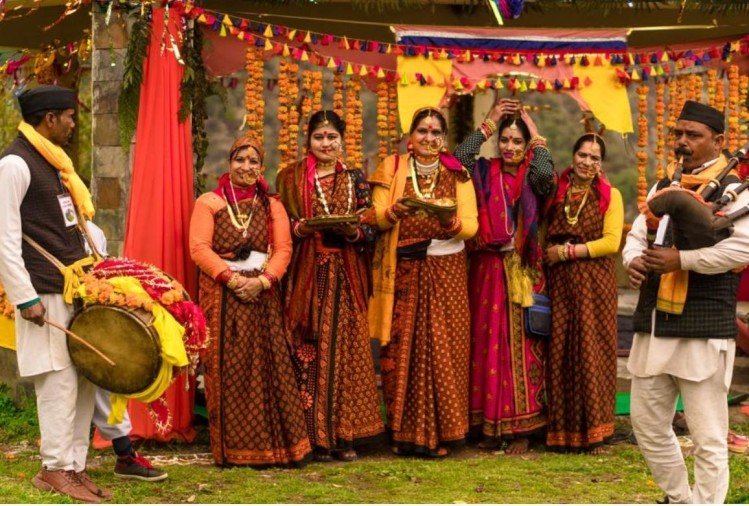
The culture of Garhwal presents an interesting blend of the indigenous population and traditions of other immigrants that settled here periodically. The local people of the region are associated with many tribes and work hard to earn their living. Folk dance and music forms an integral part of the people and culture of Garhwal.
Beauty of the place
Garhwal is a delightful spot set apart by the tall mountains, green valleys and chilly climate. Individuals from everywhere throughout the nation visit the spot to think and achieve harmony in an actual existence brimming with so much tumult. The extremely old wood cutting can be seen even today on a portion of the entryways also sanctuaries of Garhwal. This place has worldwide sort-out as devbhoomi and here everyone will majority of temples, holy shrines, spirituality, tourism and pilgrimage.
Language Spoken
Garhwali is the primary language spoken in this region. Garhwali language has various lingos also including Jaunsari, Marchi, Jadhi and Sailani. Garhwal is occupied by individuals having a place with various cultural gatherings and ranks. The principle languages spoken here are Hindi, Kumaoni, Garhwali, Bhotiya and Jaunsari.
Songs and dances
Folk songs of this area mirror an essential effortlessness and simple feelings generally got from the earth of harmony, peacefulness and the open nature all around. The subjects of tunes are justifiably connected with different farming exercises, their pillar and the incredible love for the land.
Folk dances of the area are a part for amusement and entertainment and applauding the nearby Gods. Normally most of the dances performed in groups. These society moves are primarily affected by the reverential connection of the individuals with “Natraja“, the God Shiva, and the relationship of “Pandava“ of Mahabharata to the Garhwal Himalaya.
Dresses
Dresses for Men
The traditional clothing of men wears kurta and Pyjama or Churidar along with a Topi or a cap. The age of the men matters for wearing of topi or cap. During the occasion of the wedding the males wear yellow colour cotton Kurta with dhoti.
Dresses for Women
Married womenfolk are dressed in silvery jewellery known as Hansuli which decorates the spouse’s neck along with guluband. Even though they wear their old-style clothes to respect their heritage.
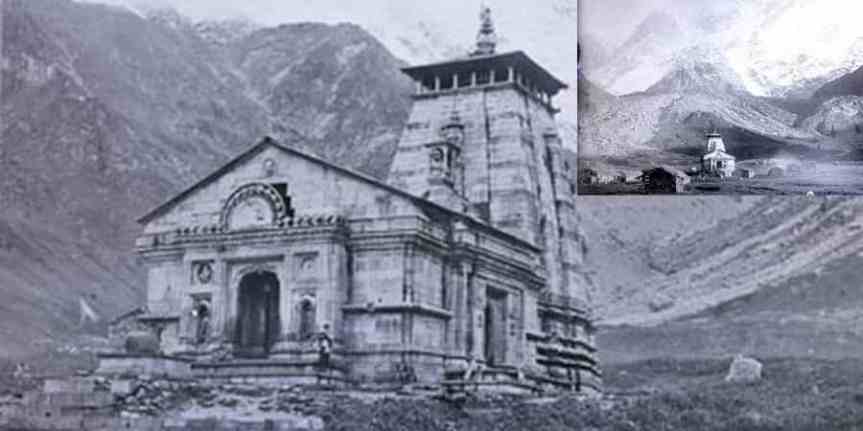
The Lord Shiva shrine of Kedarnath is of extreme importance to Hindus. Kedarnath temple is situated in the laps of the Himalayas and is said to have gained prominence after the Mahabharata tale depicted how the Pandavas urged Lord Shiva to forgive their bad Karma.
The temple is said to have been built or resurrected by the great religious Guru Adi Shankaracharya to its present form.
The Kedarnath Mandir (Temple) that nestles at the foothills of the Himalayas is one of the holiest sites of Hinduism. A shrine dedicated to Lord Shiva, the Destroyer of Evil, the temple is one of the 12 Jyotirlingas across India, one of the Char (4) Dhams (Badrinath, Kedarnath, Yamunotri, Gangotri), and one of the 5 Kedars.
Given the treacherous weather in the region, this temple opens to devotees only between the months of April to November each year. It is said that this temple was constructed by a king from the Pandava lineage. His name was Janmajeya. The Shiva Linga here is very ancient.
The temple’s architecture style is said to be the same as most ancient temples of its period – the ashlar style of construction – wherein stone slabs are interlocked into each other without the use of mortar or cement. Each year, thousands of Hindu pilgrims flock to the temple to seek the blessings of Lord Shiva.
History of the temple:
The shrine finds a mention in the Mahabharata but the temple one sees today is said to have been built under the orders of the great Guru Adi Shankaracharya in the 8th Century. Some also claim that it was built by Raja Bhoj of Malwa region in the 2nd Century. After the April-November season of darshan, before harsh winter temperatures set in, the murti (vigraha) of the deity is carried to Ukimath for the next 6 months. The Rawals (the priests of Karanataka-origin) travel along with the deity and carry out worship there.
The Mahabharat connection:
It is said that after the Mahabharata war ended, the Pandavas were full of remorse at having lost thousands to the violence. They handed over the kingdom’s reins to grandson Parikshit and started for Varanasi to seek Lord Shiva’s pardon.
Not interested in meeting them, Shivji leaves Varanasi/Benaras/Kashi and heads for the Himalayas in the form of a Bull (Nandi, the Bull). He reappears in Guptakashi as the bull and the Pandavas reach there.
Shiva escapes again and this time reappears as the bull in five different parts of India as 5 different parts of the bull’s body: the face at Rudranath, arms at Tungnath, navel and stomach at Madhyamaheshwar, the locks at Kalpeshwar and the hump at Kedarnath. The powerful Pandava – Bhima – is said to have grabbed the bull’s tail, forcing him to appear before them and forgive them. The Pandava brothers then built the first temple at Kedarnath.
These 5 places where the bull had appeared in parts after diving underground are known as the Panch (5) Kedar.
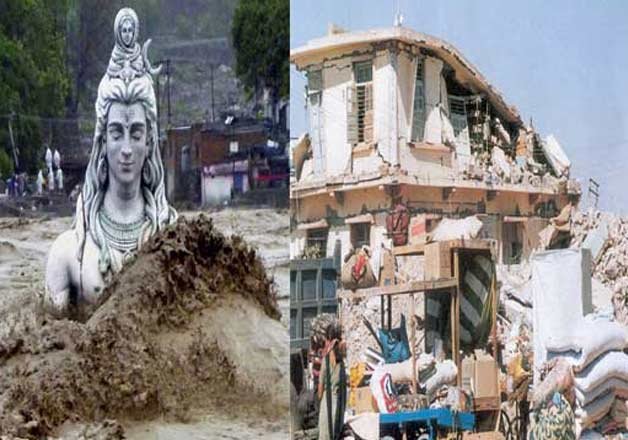
Situated in a region of Glacial activity, the temple is said to have been under snow for 400 years. The signs of glacial assault are still there on the walls, say geologists. The temple was miraculously saved by a BhimShila (massive boulder) that rolled down the mountains during the horrific cloudburst and natural calamity in June 2013. It is said Baba Bhairo Nath saves the temple.
Nara – Narayana connection:
Nara and Narayana – two incarnations of Vishnu performed severe penance in Badrikashrayain devotion to Lord Shiva Bhole Shankar himself appeared in front of them. When the Lord granted them a boon, Nar and Narayan requested Shiva to take up a permanent abode at the place to benefit the devotees. Therefore, it is believed that Lord Shiva assumed the form as a Jyotirlingam at Kedarnath so that all people who worship Shiva shall be freed from their miseries.
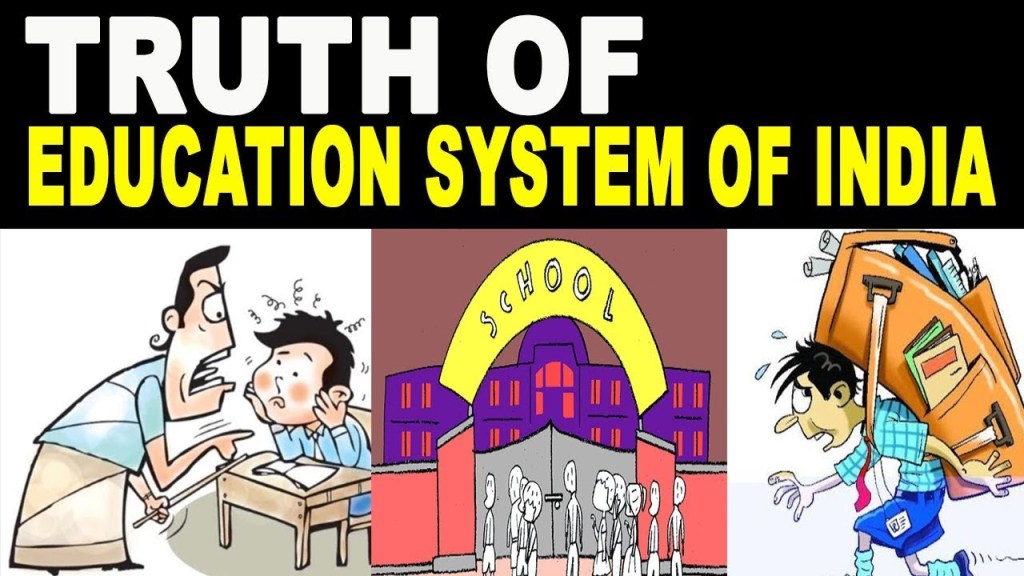
The Indian education system is quite an old education system that still exists. It has produced so many genius minds that are making India proud all over the world. However, while it is one of the oldest systems, it is still not that developed when compared to others, which are in fact newer. This is so as the other countries have gone through growth and advancement, but the Indian education system is still stuck in old age. It faces a lot of problems that need to be sorted to let it reach its full potential.
Problems with Indian Education System
Our Indian education system faces a lot of problems that do not let it prosper and help other children succeed in life. The biggest problem which it has to face is the poor grading system. It judges the intelligence of a student on the basis of academics which is in the form of exam papers. That is very unfair to students who are good in their overall performance but not that good at specific subjects.
Moreover, they only strive to get good marks not paying attention to understanding what is taught. In other words, this encourages getting good marks through mugging up and not actually grasping the concept efficiently.
Furthermore, we see how the Indian education system focuses on theory more. Only a little percentage is given for practical. This makes them run after the bookish knowledge and not actually applying it to the real world. This practice makes them perplexed when they go out in the real world due to lack of practical knowledge.
Most importantly, the Indian education system does not emphasize enough on the importance of sports and arts. Students are always asked to study all the time where they get no time for other activities like sports and arts.
How Can We Improve Indian Education System?
As the Indian Education System is facing so many problems, we need to come up with effective solutions so it improves and creates a brighter future for students. We can start by focusing on the skill development of the students. The schools and colleges must not only focus on the ranks and grades but on the analytical and creative skills of children.
In addition, subjects must not be merely taught theoretically but with practical. This will help in a better understanding of the subject without them having to mug up the whole thing due to lack of practical knowledge. Also, the syllabus must be updated with the changing times and not follow the old age pattern.
Other than that, the government and private colleges must now increase the payroll of teachers. As they clearly deserve more than what they offer. To save money, the schools hire teachers who are not qualified enough. This creates a very bad classroom environment and learning. They must be hired if they are fit for the job and not because they are working at a lesser salary.
In conclusion, the Indian education system must change for the better. It must give the students equal opportunities to shine better in the future. We need to let go of the old and traditional ways and enhance the teaching standards so our youth can get create a better world.
What problems does the Indian Education System face?
Indian education is very old and outdated. It judges students on the basis of marks and grades ignoring the overall performance of the student. It focuses on academics side-lining arts and sports.
How can we improve the Indian education system?
The colleges and schools must hire well and qualified teachers. They must help students to understand the concept instead of merely mugging up the whole subject.
Philosophy comes from two Ancient Greek words: philo– which means loving, and sophia– which means wisdom. Simply put, philosophy is a love of wisdom. But, what does that really mean?
Philosophy intends to answer questions about our existence using tools like logic and reason. It is concerned with questions which range from how one should live to epistemology, from the fundamental nature of the world to the search for knowledge and truth. Philosophers have questioned the existence of God and religion, how politics is shaped and the very essence of free will and freedom. They have written about language, animal rights, aesthetics, law and justice. Chances are if you have a question, some student of philosophy has already sought to answer it.
Typically, philosophy requires you to reflect more than ‘do’ as the questions it seeks to answer tend to be abstract in nature. In spite of this, philosophers have contributed significantly to many fields- politics (J.S. Mill), mathematics (Pythagoras), medicine (Avicenna), and literature (Tagore) amongst others.
Despite its importance, you don’t often come across people who study it or apply its principles to their lives. Part of it has to do with its seemingly inaccessible nature with most people considering it too serious or complicated a subject to really bother with. This couldn’t be further from the truth as even the most basic understanding of philosophy can change how you approach life. What better way to gain this understanding than to read philosophical books?
The Philosophy of Literature
The philosophy of literature addresses the most fundamental questions about the nature of literature as an art. Some of these questions address the metaphysics of literary works: What, if anything, essentially distinguishes literary works of art (such as epics, novels, drama, and poetry) from other kinds of writings, such as scientific reports, historical treatises, religious texts, guides, and manuals, which may happen to be written in a literary manner? Also, what kinds of things are literary works of art that seem to exist over time in some way independently of any of their particular printed editions? Other questions address our ways of engaging with literature, such as: What norms govern our interpretation and understanding of such works? Is the meaning of a work fixed, or does it change with the changes in the contexts in which it is read? Can we have a genuine emotional response to the characters, events, and states of affairs represented in such works even when we believe that they are not real? Finally, some questions address the value of works of literature: Do they offer any distinctive form of knowledge or insight? Can their cognitive and moral merits and defects count as artistic merits and defects? Philosophy of literature is not alone in pursuing these questions, for literary history, criticism, and other modes of scholarship address these concerns, as do readers when they reflect on their own and others’ practices of attending to works of art. However, the philosophical approach to literature, while often productively drawing on the empirical study and first-order analysis of literary works, tends to adopt a more systematic, theoretical, ahistorical, and foundational approach than commonly found in other fields. Also, while the philosophy of literature tends to address the nature of literature as an art, it has been profoundly shaped by work in other areas of philosophy far from aesthetics such as analytic metaphysics and philosophy of language, which since their inception have addressed such topics as the metaphysics of fictional characters. More recently, there has been an exciting cross-fertilization between philosophical approaches to literature and developments in cognitive science, particularly in areas devoted to the study of emotions and imagination.
Why You Should Read Philosophy?
Since logic and reason are the cornerstones of philosophy, taking the time out to read books on the subject can help you become a better thinker and evolve
your ability to reason. You will be able to understand the assumptions behind arguments, identify fallacies in the reasoning and also form and form your own reasoned out opinion on the subject at hand.
A study of philosophy will help you develop critical thinking skills. It will encourage you to understand the constraints you operate within when you make certain choices or even when you decide which goals you should pursue. You will be able to think intelligently of how you live and why you live that way. Concepts like correlation and causation will become clearer and you will be able to make better deductions and inferences.
Philosophy will make you question everything. According to Aristotle, philosophy begins with wonder. It is only when we begin to wonder about something that we go on a search for answers to questions which matter to us. For example, questioning the importance of religion or the existence of God could lead you down a rabbit hole where you find yourself searching for evidence which either confirms or disaffirms your view on the subject. Maybe you’ll discover Christopher Hitchens or Richard Dawkins or perhaps, you’ll decide to explore religious philosophy like Jain or Buddhist philosophy to see what truly resonates with you.
Philosophy will make you curious. As you explore philosophy, you’ll find that there are no right answers. Just when you find one answer, you’ll realise that there are many other possibilities out there. The more you study, the more your view will become nuanced and your reasoning behind it will become more solid. Paradoxically, you’ll also become more willing to change your viewpoint as you delve into a particular topic.
How To Read Philosophy
While reading philosophy, even if it is philosophical fiction, you have to give yourself the time to understand the material. The books can be dense and you may need to re-read the same sentence, passage or page more than once to truly comprehend what the philosopher is saying. While it may take you a minute to read a page from a ‘regular’ book, it might take you tens of minutes to comprehend one page from a philosophy book. A 120-page book may take you weeks as you find yourself ruminating over what you’ve read.
A great way to understand and think about what you read is to annotate and make notes. What is the main idea? What is your conclusion? Do you agree with the argument? Is there any follow-up research you need to do? Are there any other books about the same subject that you should read? What questions are answered and which new ones are raised. Highlight passages which you want to remember, question or revisit.
Another great way is to write out your own thoughts on the subject. What do you agree with? What do you disagree with? What is your own conclusion and the rationale behind it? Since philosophy relies on logic, you have to be able to provide cogent arguments for your conclusion. Revisit them later to find flaws in them especially once you’ve read a different work which makes you rethink your views.
Discuss what you are reading with others. There are many online fora and discussion groups, where ardent students of philosophy engage in arguments and discussions on their interpretation of philosophical works.
Most importantly though, do not limit yourself to a particular school of philosophy. Read the stoics but also try your hand at something unusual- say Islamic philosophy. If you don’t expose yourself to different schools of thoughts, you are not gaining everything philosophy has to offer.
Philosophy is important if you want to understand yourself and the world you live in. Be warned though, while it is unlikely to have all the answers, it will make you ask questions. And then, it will give you the tools you need to find your own answers to them. If nothing else, it will make you a more rationale and reasonable human being who is constantly trying to evolve and is able to adapt to change, disagreement and dissent with more ease.
Death note is anime with 37 episodes (Anime is hand-drawn and computer animation originating from Japan). It is psychological anime, it do not have much action, but a battle of minds. Death Note has crime, suspense, logic and thrill. It’s famous because it puts heavy emphasis on the act of dying and depth and darkness of the world in which we live in. You will love the characters and how insanely smart each one is Yagami Light and L are two of the most loved & smartest fictional characters.
“The human whose name is written in this note shall die.” – Death Note Imagine one day you come across a notebook, but it’s not like those notebooks that you can buy at the nearest bookstore. By writing someone’s name on that notebook, you can kill that someone. What would you do?
The story of Death Note starts when a perfect student, appearance-wise and intelligence-wise, Yagami Light comes across the Death Note, a Shinigami’s (God of Death) notebook. On Death Note, an instruction of how to use the Death Note is written in English language. Light, being curious, tries to write a criminal’s name onto the Death Note, and much to his disbelief, the criminal dies. Light then vows to rid the world of evil to make a better world, he executes every criminal under the alias of Kira (Japanese interpretation for the English word “killer”). Fast forward for a few weeks, the polices begin to notice there are unusual deaths going among the criminals, they then decide to bring in the legendary detective L to track down whoever is killing the criminals. Although it is true that the criminal rate has gone down drastically ever since Kira shows up, L believes that Kira is promoting peace in the wrong way.
First of all, I have to say that the art is really well-drawn. Although it is tagged as shounen and most of the time it shows guys, the girls are really well drawn as well. The art style in this anime is really suitable for the genre. The art tries to be as “anime-like” as possible while maintaining its realistic and mysterious quality. I personally think there isn’t any better-suited drawing style for Death Note.
I find this anime really interesting sound-wise. The background music, which slides in every now and then, will allow you to feel the suspense and keep you on the edge of your seat. The voice actors/actresses are also very good. The voices for “shinigamis” are well dubbed in a hoarse voice. The opening and ending songs are really good, lyrics wise and music wise.
The characters are very unique and varied. Light would not bat an eye when he is killing other people, L likes to sit with his legs raised on the chair. Light and L are pretty much opposite in everything they do, but they both don’t like losing, and they will do practically anything to avoid it. Other characters, like Amane Misa, which will be introduced later as the anime goes, is also very unique. Out of all the characters in the anime, I personally find L very interesting.
The end is so awesome that it will give you goosebumps. Yagami Light and L, these two are like the best fictional characters. The battle between the minds of Kira and L was great. Death Note was gripping, fast-paced and brilliant throughout. It will keep you hooked till the end! There is this one thing that is very special about Death Note. After every episode, you will be like “What’s Now?”. This anime is full of suspense and thrill which makes it one of the best.
Death Note is one of those animes that require a bit of thinking in order for you to fully understand what’s going on. It’s really interesting to see how Kira and L try to outsmart one another, and it’s even more interesting when you can actually understand why they do what they do.
I really enjoyed this anime, and I will recommend this to almost anyone out there with decent comprehension level. Although this anime is relatively old (it was released in 2006), I feel the need to review this anime since I think this anime is hands-down one of the best animes out there. If you like those animes which require you to think, give this anime a shot.




















 Eduindex




You must be logged in to post a comment.