Antibiotics produced by microbes are regarded as one of the most significant discoveries of the twentieth century and have greatly contributed towards the welfare of the human society.
“Anti is a Greek word that means ‘against’ , and bio means ‘life’, together they mean ‘against life'( in the context of disease causing organisms).”
Antibiotics are chemical substances, which are produced by some microbes and van kill or retard the growth of other disease casing microbes.
“Penicillin was the first antibiotic to be discovered by Alexander Fleming while working on Staphylococcus bacteria”
He observed a mould growing in one of his unwashed culture plates around which Staphylococcus could not grow. He found out that it was due to chemical produced by the mould and he named it Penicillin after the mould Penicillium notatum.
However, it’s full potential as an effective antibiotic was established much later by Ernest Chain and Howard Florey. This antibiotic was extensively used to treat American soldiers wounded in World War II.
Antibiotics have greatly improved our capacity to treat deadly diseases such as plague, whooping cough( Kali khansi) , diptheria(gal ghotu) and leprosy (kusht rog), which used to kill millions all over the globe.
“Vaccines and antibiotics have made many infectious diseases a thing of the past; we’ve come to expect that public health and modern science can conquer all microbes. But nature is a formidable adversary.”
“When antibiotics became industrially produced following World War II, our quality of life and our longevity improved enormously. No one thought bacteria were going to become resistant.”
Deforestation is the conversion of forested areas to non-forested ones. According to an estimate, almost 40 per cent forests have been lost in the tropics, compared to only 1 per cent in the temperature region.
“At the beginning of the twentieth century, forests covered about 30 per cent of the land of India. By the end of the century, it shrunk to 19.4 per cent, whereas the National Forest Policy (1988) of India had recommended 33% forest cover for the plains and 67% for the hills.”
How does deforestation occur?
A number of human activities contribute to it. One of the major reasons is the conversion of forest to agricultural land so as to feed the growing human population. Trees are axed for timber, firewood, cattle ranching etc.
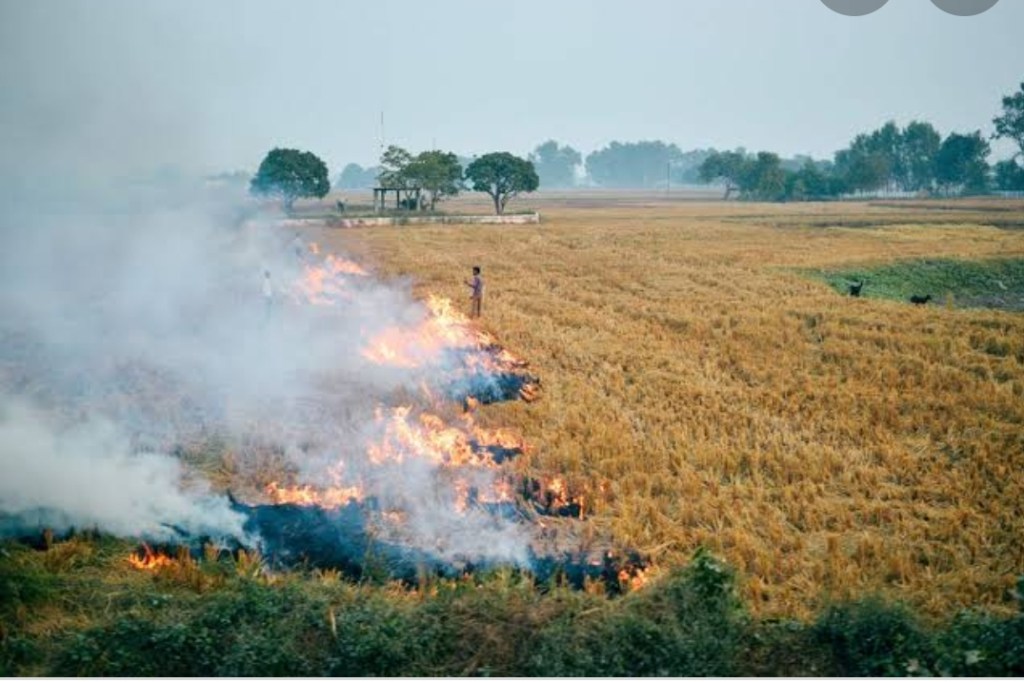
Slash and burn agriculture, commonly called as Jhum cultivation in the north-eastern states of India, has also contributed to deforestation.
In slash and burn agriculture, the farmers cut down the trees of the forest and burn the plant remains. The ash is used as a fertiliser and the land is then used for farming or cattle grazing. After cultivation, the area is left for several years so as to allow it’s recovery. The farmers then move on to other areas and repeat this process.
” In earlier days, when Jhum cultivation was in prevalence, enough time-gap was given such that the land recovered from the effect of cultivation. With increasing population, and repeated cultivation, this recovery phase is done away with, resulting in deforestation.”
Consequences of deforestation
One of the major effects is enhanced carbon dioxide concentration in the atmosphere because trees that hold a lot of carbon in their biomass are lost with deforestation.
Deforestation also causes loss of biodiversity due to habitat destruction, disturbs hydrologic cycle, causes soil erosion, and may lead to desertification in extreme cases.
Prevention
Reforestation is the process of restoring a forest that once existed but was moved at some point of time in the past. Reforestation may occur naturally in a deforested area. However, we can speed it up by planting trees with due consideration to biodiversity that earlier existed in that area.
Diseases or infections which are transmitted through sexual intercourse are collectively called sexually transmitted diseases (STDs) or venereal diseases (VD) or reproductive tract infections (RTI).
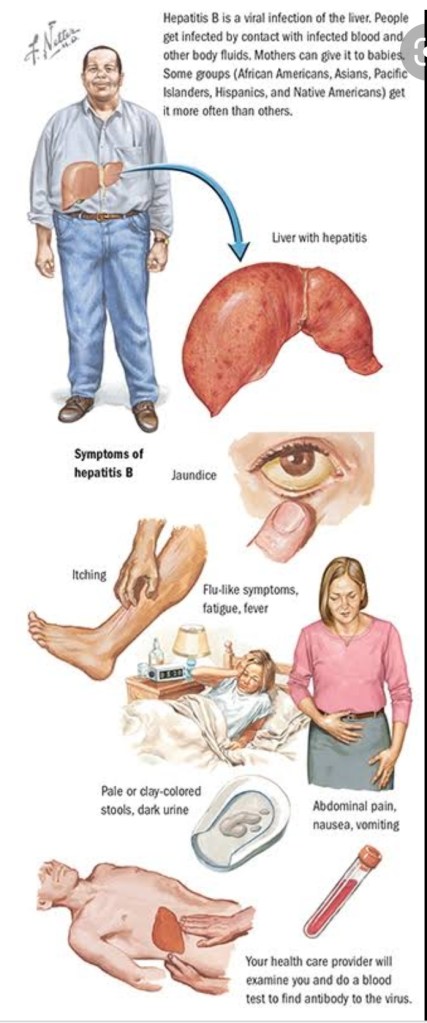
Gonorrhoea, syphilis, genital herpes, chlamydiasis, genital warts, trichomoniasis, hepatitis-B and HIV leading to AIDS are some of the common STDs.
Some of these infections like hepatitis-B and HIV can also be transmitted by sharing of injection needles, surgical instruments, etc., with infected persons, transfusion of blood, or from an infected mother to the foetus too. Except for hepatitis-B , genital herpes and HIV infections, other diseases are completely curable if detected early and treated properly.
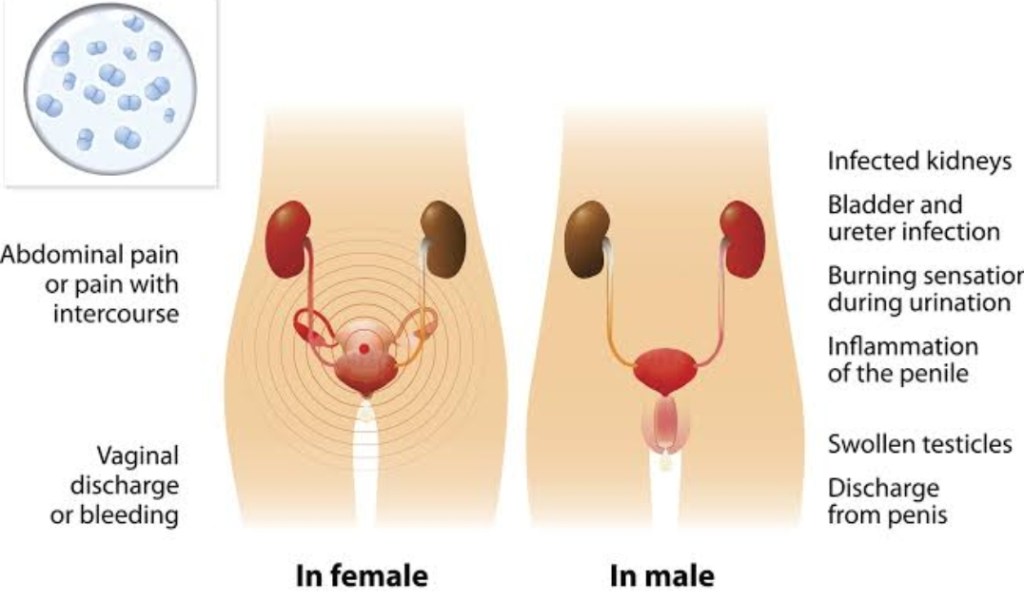
” Early symptoms of most of these are minor and include itching, fluid discharge, slight pain, swellings etc., in the genital region.”
Infected females may often be asymptomatic and hence, may remain undetected for long. Absence or less significant symptoms in the early stages of infection and the social stigma attached to the STDs, deter the infected persons from going for timely detection ne proper treatment.
Syphilis
This could lead to complications later, which include pelvic inflammatory diseases(PID), abortions, still births, ectopic pregnancies, infertility or even cancer of the reproductive tract.
” STDs are a major threat to the society. Therefore, prevention or early detection and cure of these diseases are given prime consideration under the reproductive health-care programmes.”
Though all persons are vulnerable to these infections, their incidences are reported to be very high among persons in the age group of 15-24 years.
Gonorrhoea
Prevention
Avoid sex with unknown partners/multiple partners
Always use condom during coitus
In case of doubt, go to a qualified doctor for early detection and get complete treatment if diagnosed with disease.
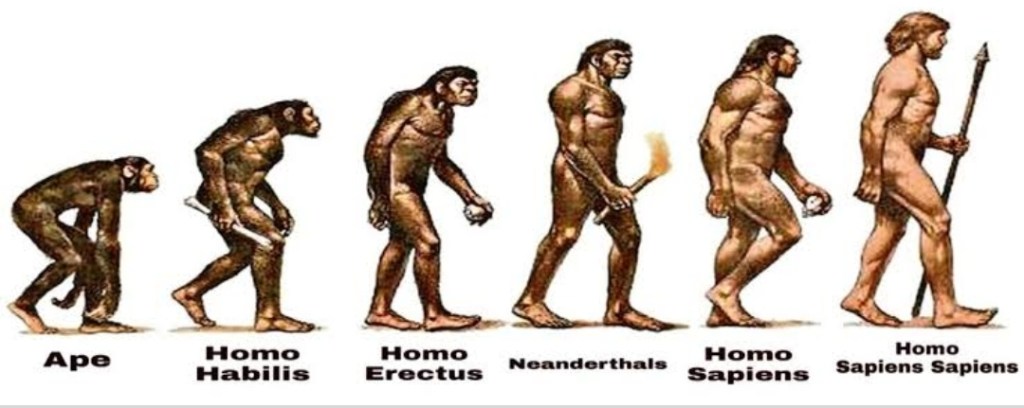
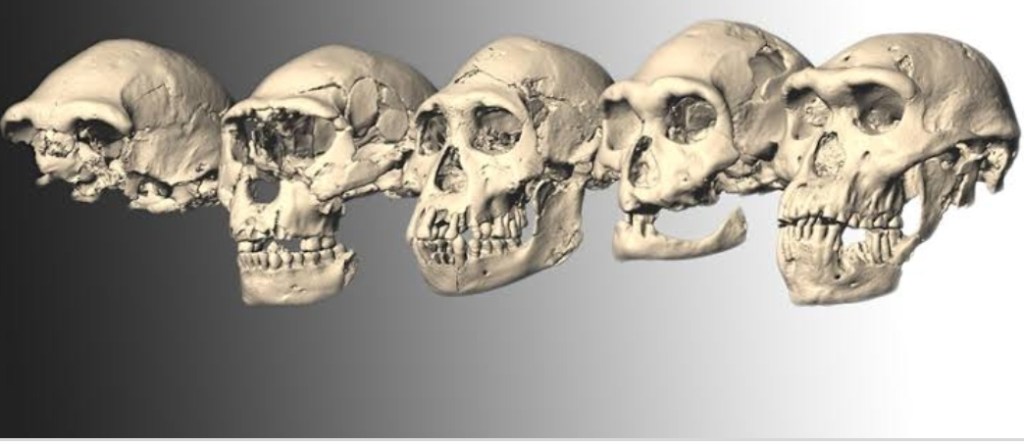
About 15mya, primates called Dryopithecus and Ramapithecus were existing. They were hairy and walked like gorillas and chimpanzees.
Ramapithecus was more man-like while Dryopithecus was more ape-like. Few fossils of man-like bones have been discovered in Ethiopia and Tanzania.
These revealed hominid features leading to the belief that about 3-4mya, man-like primates walked in eastern Africa. They were probably not taller than 4 feet but walked up right.
Two mya, Australopithecus probably lived in East African grasslands. Evidence shows they hunter with stone weapons but essentially ate fruit.
Some of the bones among the bones discovered were different. This creature was called the first human-like being the hominid and was called Homo habilis.
The brain capacities were between 650-800cc. They probably did not eat meat. Fossils discovered in Java in 1891 revealed the next stage, i.e., Homo erectus about 1.5mya.
” Homo erectus had a large brain around 900cc. Homo erectus probably ate meat. The Neanderthal man with a brain size of 1400cc lived in near East and Central Asia between 1,00,000-40,000 years back. They used hides to protect their body and buried their dead.”
Homo sapiens arose in Africa and moved across continents and developed into distinct races. During ice age between 75,000-10,000 years ago modern Homo sapiens arose.
Pre-historic cave art developed about 18,000 years ago. Agriculture came around 10,000 years back and human settlements started. The rest of what happened is part of human history of growth and decline of civilisations.
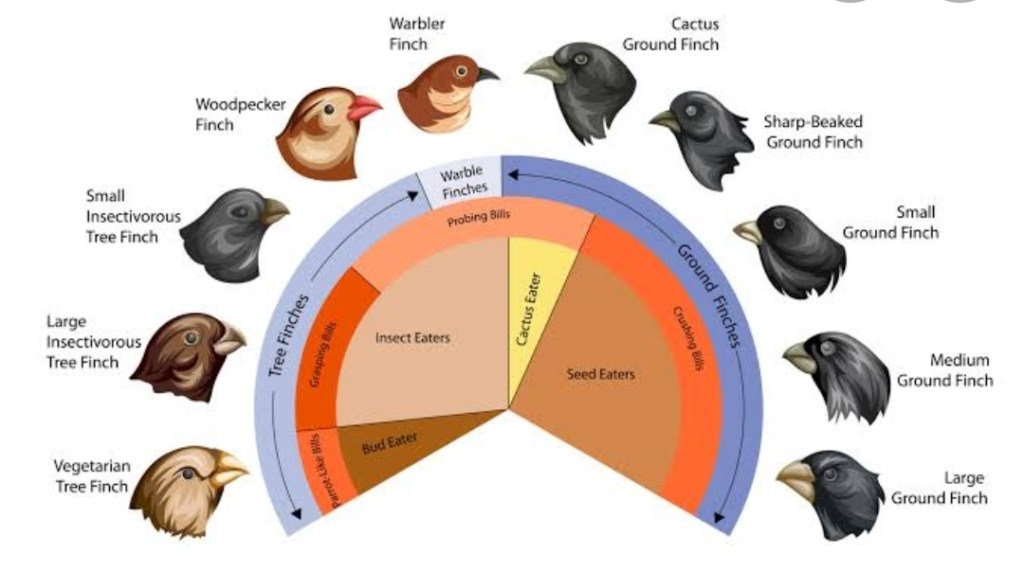
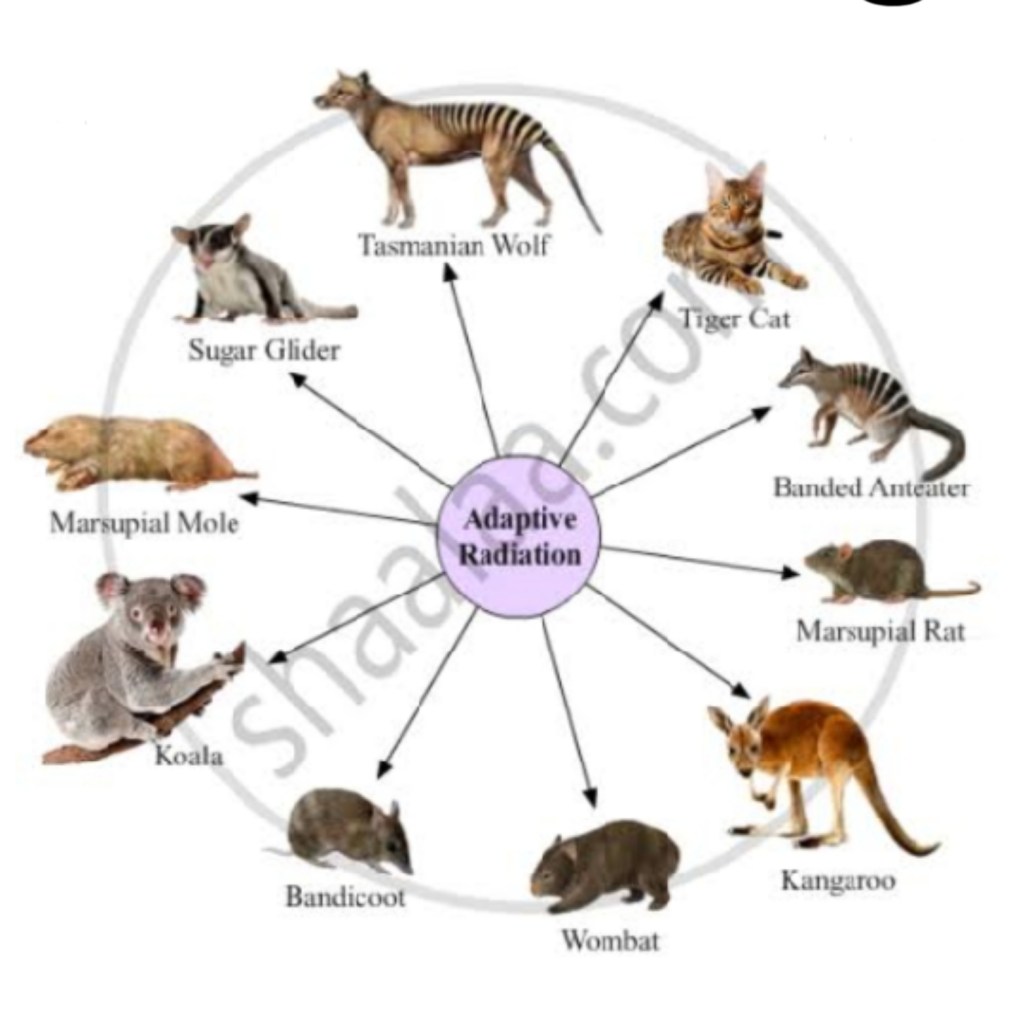
The process of evolution of different species in a given geographical area starting from a point and literally radiating to other areas of geography (habitats) is called Adaptive Radiation.
Evolution of the Finches
During his journey Darwin went to Galapagos Islands. There he observed an amazing diversity of creatures. Small black birds later called Darwin’s Finches amazed him. He realised that there were varieties of finches in the same island.
From the original seed-eating features , many evolved on the island itself. From the original seed-eating features, many other forms with altered beaks arose, enabling them to become insectivorous and vegetarian finches. This process is called adaptive radiation.
“The principle of adaptationism has been adopted so widely by Darwinians because it is such a heuristic methodology.”
“Adaptive radiation refers to the adaptation (via genetic mutation) of an organism which enables it to successfully spread, or radiate, into other environments.”
Adaptive radiation of marsupials
Darwin’s finches represent one of the best examples of this phenomenon. Another example if Australian marsupials. A number of marsupials, each different from the other evolved from an ancestral stock, but all within the Australian island continent.
When more than one adaptive radiation appeared to have occurred in an isolated geographical area( representing different habitats) , one can call this convergent evolution.
Placental mammals in Australia also exhibit adaptive radiation in evolving into varieties of such placental mammals each of which appears to be ‘similar’ to a corresponding marsupial.
“Speciation is the development of one of multiple new species in the evolutionary process, where the original species produces mutated forms which successfully survive in other environments due to these mutations.”
“Phylogenetics is the study of the evolutionary steps a species has taken during the process of speciation.”
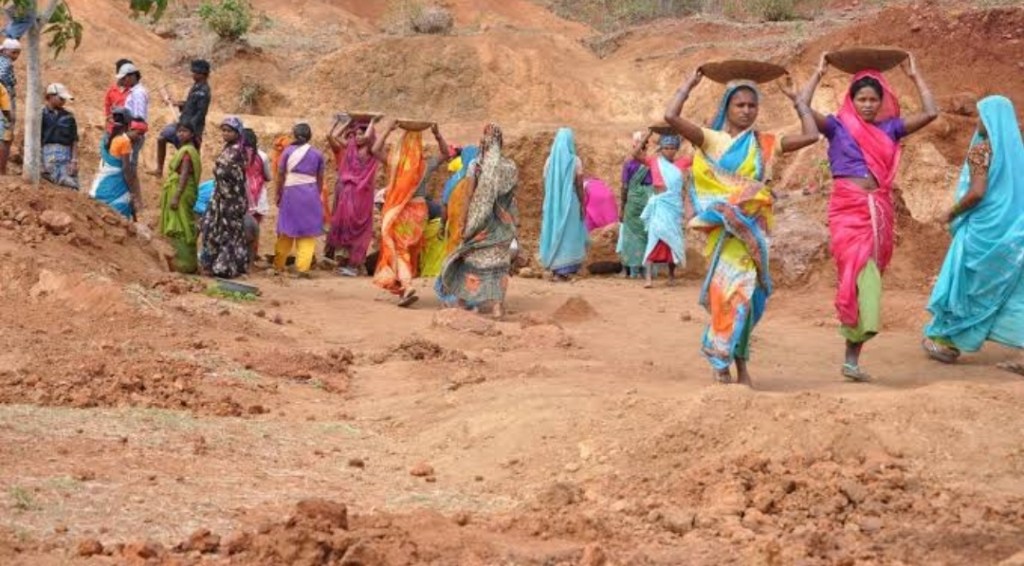
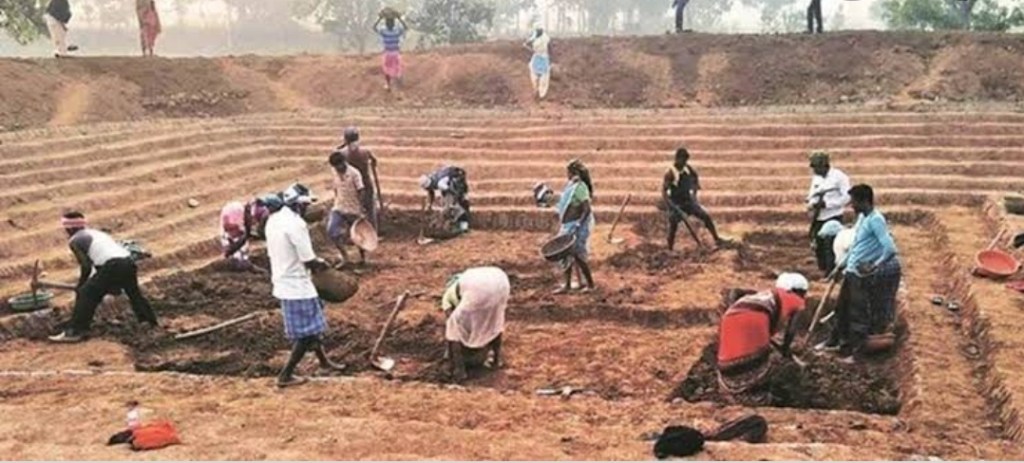
National Rural Employment Guarantee Act (NREGA) was enacted by the legislation on August 25,2005. But it was renamed as the Mahatma Gandhi National Rural Employment Guarantee Act (MGNREGA) on 2nd October 2009.
” The aim of this scheme is to enhance livelihood security of the household in rural areas of the country by providing at least 100 days of guaranteed employment in every financial year of every household whose adult member volunteer to do the unskilled work.”
The MGNREGA has positive impact on the empowerment and employment pattern of women. Under this scheme, the women can also get wages for the 100 days, because of their taking part in this.
Women participation has increased significantly and perceived it giving them a sense of independence and security. During the year 2013-14, 3.8 crores household were given employment and a total of 135 crores person-days of employment have been produced.
“The MGNREGA programme is the largest and most ambitious social security and public works programme in the world.”
It is seen that MGNREGA covered all poor sections of the rural society irrespective of castes,genders or social orders. It is also observed that this project enhanced income as well as savings of rural households.
MGNREGA has increased the real GDP of the Indian economy as well as household income and real consumption budget.
The record of occurrence of a trait in several generations of a human family is called pedigree analysis. The inheritance of a particular trait is represented in the family tree over generations.
Mendelian Disorders
Mendelian disorders are mainly determined by alteration or mutation in the single gene. Mendelian disorders can be traced in a family by the pedigree analysis.
Most common and prevalent Mendelian disorders are :
Haemophilia
Cystic fibrosis
Sickle-cell anaemia
Colour blindness
Phenylketonuria
Thalesemia
Haemophilia
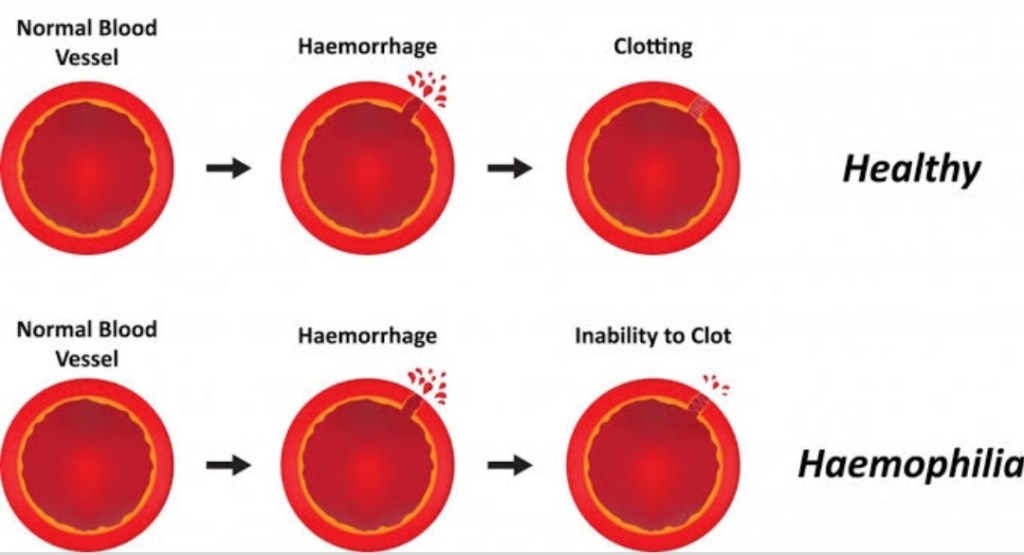
This sex linked recessive disease, which shows its transmission from unaffected carrier female to some of the male progeny has been widely studied. In this disease, a single protein that is a part of the cascade of proteins involved in the clotting of blood is affected. Due to this, in an affected individual a simple cut will result in non- stop bleeding.
The heterozygous female (carrier) for haemophilia may transmit the disease to sons. The possibility of a female becoming a haemophilic is extremely rare because mother of such a female has to be at last carrier and the father should be haemophilic.
Sickle-cell anaemia
This is an autosome linked recessive trait that can be transmitted from parents to the offspring when both the partners are carrier for the gene(or heterozygous). Heterozygous individuals appear apparently unaffected but they are carrier of the disease as there is 50 per cent probability of transmission of the mutant gene to the progeny, thus exhibiting sickle-cell trait.
The defect is caused by the substitution of Glutamic acid by Valine at the sixth position of the beta globin chain of the haemoglobin molecule.
Phenylketonuria
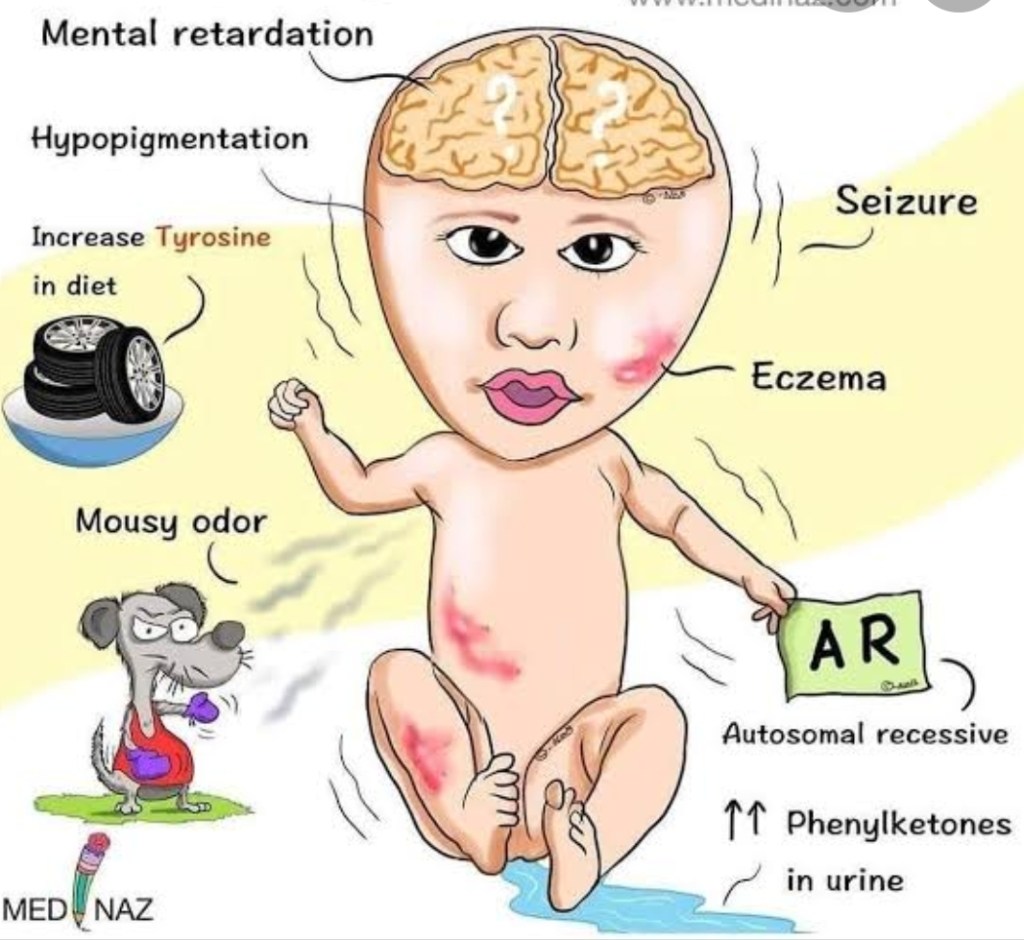
This inborn error of metabolism is also inherited as the autosomal recessive trait.the affected individual lacks an enzyme that converts the amino acid phenylalanine into tyrosine. As a result of this phenylalanine is accumulated and converted into phenylpyruvic acid and other derivatives.
Accumulation of these in brain results in mental retardation. These are also excreted through urine because of its poor absorption of kidney.
Chromosomal Disorders
The chromosomal disorders on the other hand are caused due to absence or excess or abnormal arrangement of one or more chromosomes. Failure of segregation of chromatids during cell division cycle results in the rain or loss of a chromosome, called Aneuploidy. Failure of cytokinesis after telophase stage of cell division results in an increase in a whole set of chromosomes in an organism and this phenomenon is known as Polyploidy.
Down’s Syndrome
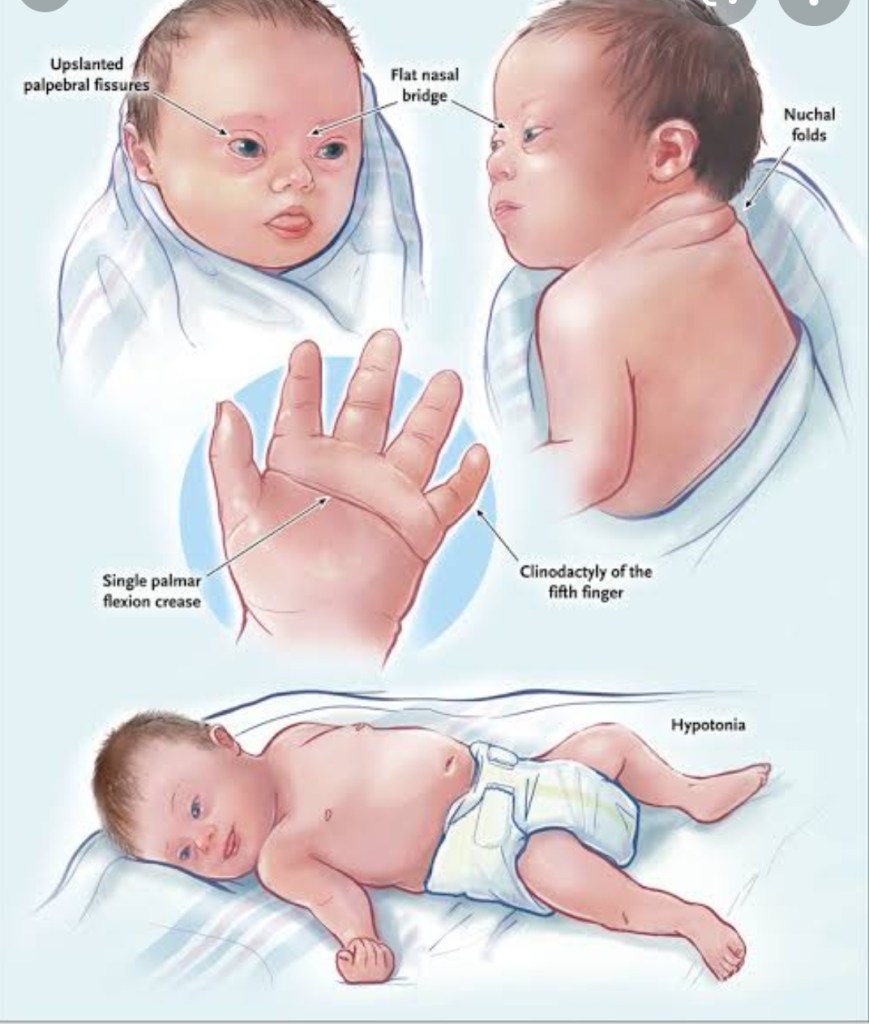
The cause of this genetic disorders is the presence of an additional copy of the chromosome number 21.
The affected individual is short statured with small round head, furrowed tongue and partially open mouth. Palm is broad with characteristic palm crease. Physical, psychomotor and mental development is retarded.
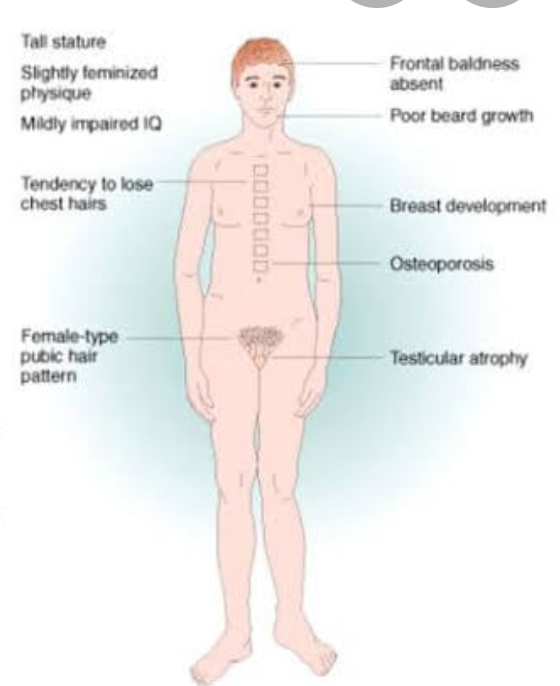
Klinefelter’s Syndrome
This genetic disorder is also caused due to the presence of an additional copy of X-chromosome resulting into a karyotype of 47, XXY. Such an individual has overall masculine development, however, the feminine development (development of breast) is also expressed. Such individuals are sterile.
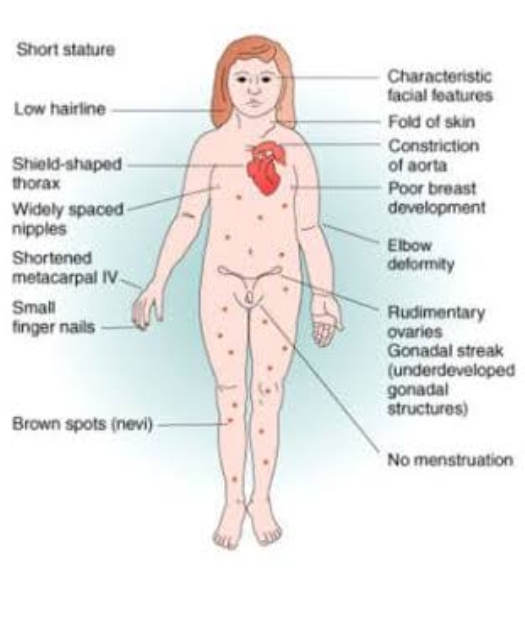
Turner’s Syndrome
Such a disorder is caused due to the absence of one of the X chromosomes, i.e., 45 with X0. Such females are sterile as ovaries are rudimentary besides other features including lack of other secondary sexual characters.
Because of the World War II and the weak economy, unemployment became widespread in Japan and the cinema industry suffered. During this period,when Japan was expanding its empire, the Japanese government saw cinema as a propaganda tool to show the glory and invincibility of the Empire of Japan. Thus,many films from this periods depict patriotic and militaristic themes.
In 1942, Kajiro Yamamoto’s film Hawai Mare Oki Kaisen portrayed the attack on Pearl Harbor. In 1945, Japan was defeated in World War II, the rule of Japan by the SCAP(Supreme Commander for the Allied Forces) began. Movies produced in Japan were managed by GHQ’s subordinate organisation CIE.
“Akira Kurosawa’s “Akatsuki no Dasso (1950)” was originally a work depicting a Korean military comfort woman starring Yoshiko Yamaguchi,but with dozens of CIE censorship, it became an original work.”
The 1950s are widely considered the Golden Age of Japanese Cinema. Three Japanese films from this decade appeared in the top of sight and sound’s critics and director’s polls for the. EST film of all time in 2002. War movies restricted by SCAP began to be produced, Hideo Sekigawa’s “Listen to the voices of the sea(1950)” and other works aimed at the tragic and sentimental retrospective of the war experience, one after another, it became a social influence.
The decade started with Akira Kurosawa’s “Rashomon(1950)” which won the Golden Lion at the Venice Film Festival in 1951 and the Academy Honorary Award for Best Foreign Language Film in 1952, and marked the entrance of Japanese Cinema onto the world stage. The first Japanese film in color was “Carmen comes Homes” directed by Keisuke Kinoshita and released in 1951.
” The 1980s saw the decline of the major Japanese film studios and their associated chains of cinemas, with major studios Togo and Toei barely staying in business.”
” Mini theaters, a type of independent movie theatres characterized by a smaller size and seating capacity in comparison to larger movie theatres, gained popularity during the 1980s”
Latin American cinema refers collectively to the film output and film industries of Latin America. Latin American film is both rich and diverse, but the main centres of production have been Argentina, Brazil and Mexico. Latin American cinema flourished after the introduction of sound which added a linguistic barrier to the export of Hollywood film south of the order.
The origins of early filmmaking is generally associated with Salvador Tosacano, Barragan. Mexican movies from the golden era in the 1940s and 1950s are significant examples of Latin American cinema. The film ” Maria Candelaria(1994)” by Emilio Fernandez, won the Cannes Film Festival.
“This history of Latin American cinema in French is the first general history of Latin American cinema.”
The 1950s and 1960s saw a movement towards Third Cinema, led by the Argentina filmmakers. In Brazil, the cinema Novo movement created a particular way of making movies with critical and intellectual screenplays.
In Columbia, the filmmakers led an alternative movement that was to have a lasting influence, founding the Grup de Cali, which they called Caliwood and producing some films as leading exponents of the “New Latin American cinema” of the 1960s and 1970s.
According to PWe’s Global Media Outlook 2019-2023 report, production levels for major film industries in Latin America is seeing an upward trend ever since 2014. In Latin America in general, there has been renewed interest in animation over since the late 2010s.
” Two of Latin America’s biggest animation companies are Mexico’s Anima Estudios and Brazil’s TV Penguin.”
Together with the other animation houses in Latin America, they are bringing forth stories depicting the exotic locations of South America, the indigenous myths and legends, and universal themes that has the potential to have worldwide appeal.
“Contemporary Latin American Cinema investigates the ways in which neoliberal measures of privatization, de-regularization and austerity introduced in Latin America during the 1990s have impacted film production and film narratives. “
“Based on films produced in Argentina, Bolivia, Brazil, Chile, Colombia, Ecuador, Mexico and Peru since 2010, the fourteen case studies illustrate neoliberalism’s effects, from big industries to small national cinemas.”
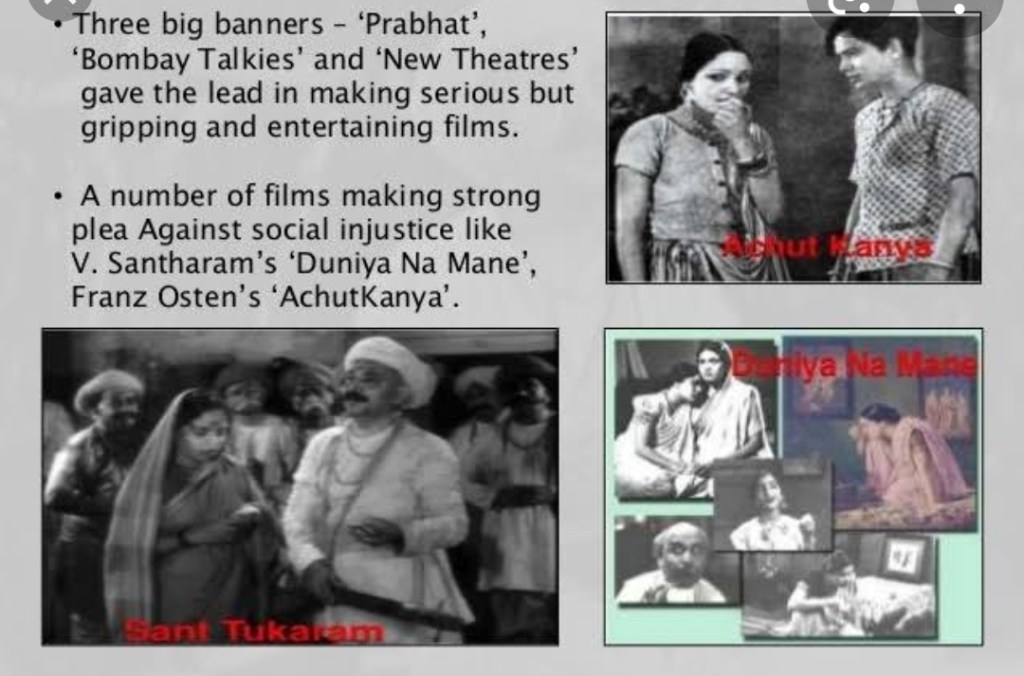
After independence, cinema became a vehicle for addressing social ills. Bollywood portrayed a society which was both desired and achievable. In the golden era of Bollywood films, from the 1950s to the late 1970s, an India which was rural but had vibrant and rich traditions was portrayed. Films show cased the relationships, customs, norms and ethics of Indian society.
“Kaagaz ke phool”, “Mother India”, “Pakeezah”, “Half Ticket” or “Padosan” are just a few titles from this golden era of Bollywood film making.”
But then came the 1980s, and the ” action era”. The Bollywood heroine lost her strength and space to her hero. Now as globalisation has taken hold, Indian cinema is becoming increasingly influenced by Western cinema.
The Indian Cinema Industry has changed significantly since 1947. Indian films are now competing on the world stage with western productions. Indian cinema portrays the essence of Indian society. The ethnic and traditional value of the Indian society, it’s cultural diversity and above all, the unty among the varied cultural and religious sects is highlighted by Indian cinema.
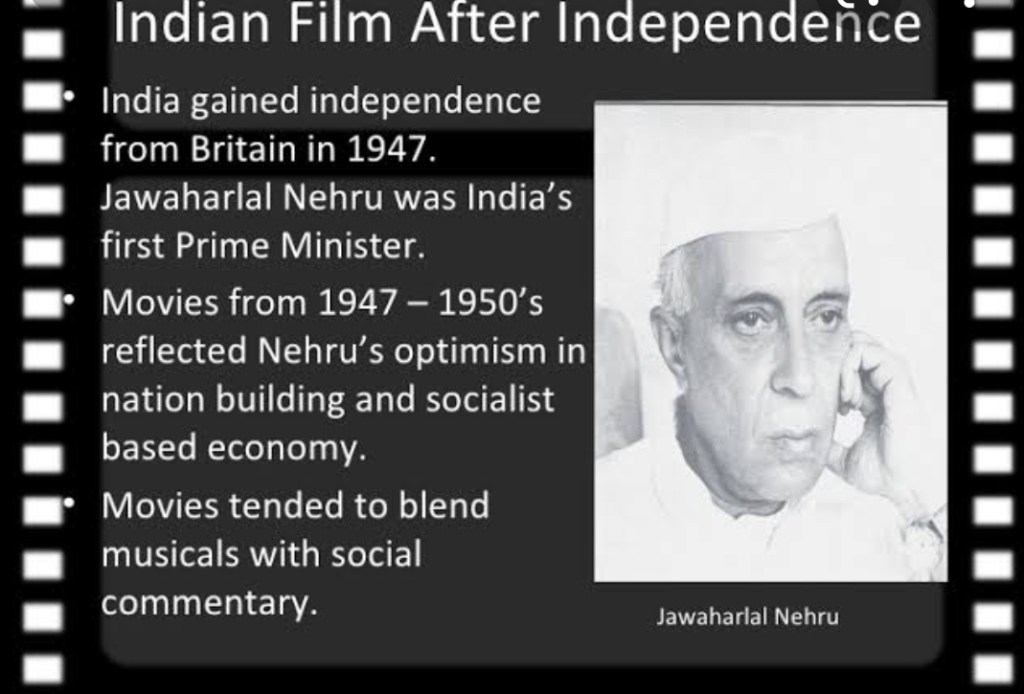
Some important films from the era that come to mind are “Andaz(1949)”, “Mother India(1957)”. These films are true to India’s first prime minister Pt. Jawaharlal Nehru’s ideals of modern India- developing cities, roads, dams, bridges, doctors, and engineers, being the emblem of modernity. This trend continues as Hindi cinema never failed to capture the nerve of the important historical events in post-colonial India.
The 1930s
Caste and religion based connotations are plenty; and these icons are understood to be the representations of a great cultural Indian past that need to be maintained.
“That day in 1931, on seeing the word ‘Swaraj’ in the title of Shantaram’s film Svarajyache Toran (Thunder of the Hills) and the poster of the film depicting Chhatrapati Shivaji hoisting a flag, the Head of the British Indian censor flew into a rage.”
“The most significant film made around that little-known saga was – Shatranj ke Khiladi (1977) by Satyajit Ray with Tom Alter (whose Urdu was as fluent as the Queen’s English) playing General Weston and Richard Attenborough as General Outram.”
As the Indian economy gradually opened up to the world, the Hindi cinema started catering to the growing influence of the Indian diaspora. Wel one stark difference is that the majority of the nationalistic films made today tend to embrace an extreme form of patriotism that can best be described as “jingoistic” in nature.
“Poet and film maker Gulzar plays Suneel, an Indian student studying in England, and as a part of the freedom movement, he delivers speeches on the campus. The commercial blockbuster Kranti (1981) claimed to be based on a true story of a freedom struggle between 1825-1875 but did not specify which one. “
“Another ‘faction’ 1942 A Love Story (1994) was a fine balance between one of bright romance and a nationalistic plot to assassinate the tyrant General Douglas. But the tail piece of the film succumbed to the stock make-believe variety.”
Jhumpa Lahiri is an award – winning author and translator. She received the Pulitzer Prize in 2000 for Interpreter of Maladies, which also won the New Yorker Prize for Best First Book, the PEN/Hemingway Award and was shortlisted for the Los Angeles Times Award. She was awarded a National Humanities Medal in 2015. Her other works of fiction in English include The Lowland, which was a finalist for the Man Booker Prize in 2013.
Lahiri has also written three books in Italian, including In altre parole ( translated in English as In Other Words) and the novel Dove mi trovo. Her translation of Domenico Starnone’s Trick was a finalist for the National Book Award. She decides her time between Rome and Princeton University, where she is a professor of Creative Writing and Literary Translation.
In 2003,Lahiri published her first novel, The Namesake. The theme and plot of this story was influenced in part by a family story she heard growing up. Her father’s cousin was involved in a train wreck and was only saved when the workers saw a beam of light reflected off of a watch he was wearing.
“Good novelists, like Bengali parents, must make their creation unique, and Lahiri’s central characters are painfully believable…. An extremely good first novel, a glowing miniature of a tiny family making the voyage between two worlds.”
” Lahiri’s prose reveals her as a mistress of the small moment with a debt to the Russian classics.”
Analysis of the book
The Namesake is the debut novel by American author Jhumpa Lahiri. It was originally published in The New Yorker and was later expanded to a full-length novel. It explores many of the same emotional and cultural themes as Lahiri’s Pulitzer- winning short story collection Interpreter of Maladies.
The novel between events in Calcutta,Boston, and New York city, and examines the Nina CES in loved with being caught between two conflicting cultures with distinct religious social and ideological differences.
Gogol was named in haste after his father’s favourite author. Growing up in an Indian family in suburban America, he finds himself yearning to cast off his awkward name,and with it the inherited values it represents.
Determined to live a life far removed from that of his parents, Gogol sets off on his own path, only to discover that the search for identity depends on much more than a name.
Summary of the story
The story begins with Ashoke and Ashima Ganguli, a young Bengali couple, who leave Calcutta, India and settles in Central Square in Cambridge, Massachusetts. When they gave birth to their first child, they weren’t allowed to leave the hospital without providing a legal name in the medical papers and documents of their child.
But as per their family tradition,the naming of a child was done by the elderly and in their case, they were waiting for a letter from their grandmother who was going to give name to their son. But the letter never arrived and the grandmother died. So as per their tradition, a child must have a pet name which will be called by friends or families. And the other name was the good name which will be used officially.
Thus Ashoke pet named their son Gogol by getting inspired from his favourite Russian author, Nikolai Gogol. But they decided to use Nikhil as his official name. But when Gogol was little, he loved his pet name so the teachers of his school named him Gogol in all the official documents.
But as Gogol was growing, he started hating the name Gogol and was eager to change his name officially. On going college,he changed his name to Nikhil. He hated Bengali culture and loved American life and dated American girls. He met Maxine at a party and they both started a relationship. He was accepted by Maxine’s family but she was not that much accepted in Gogol’s family.
When Ashoke died of heart attack in Ohio, Gogol was totally heartbroken and he broke up with Maxine and started more time with his mother and sister. After that he was married to Moushumi,the daughter of his mother’s friend. But within a year Moushumi was no more interested in their marriage and they got a divorce.
Conclusion
At the end, Ashima decided to go to Calcutta as she feels nothing here anymore without Ashoke, and Sonia(Gogol’s sister) decided to marry her boyfriend Ben. Gogol was all alone and at the end he started reading the Russian novels which his father gave him as birthday gift.
“You are still young, free.. Do yourself a favor. Before it’s too late, without thinking too much about it first, pack a pillow and a blanket and see as much of the world as you can. You will not regret it. One day it will be too late.”
“Pet names are a persistant remnant of childhood, a reminder that life is not always so serious, so formal, so complicated. They are a reminder, too, that one is not all things to all people.”
Emily Bronte, sister of Charlotte and Anne Bronte was born on July 30,1818, in Yorkshire, and was the fifth child of Reverend Patrick Bronte and Maria Branwell Bronte. She was particularly close to Anna, with whom she created an imaginary world, the setting for many of her finest dramatic poems.
Emily had an unusual character, extremely unsocial and reserved, with just a few friends outside her family. She was intensely attached to the moorland scenery of her home and passionately loved nature and animals. She was strongly opposed to formal religion and seldom attended church.
Wuthering Heights, published in 1847, was Emily’s first and only published novel. The novel brings out Emily Bronte’s mastery of an extremely complex structure , acute evocation of place and poetic grandeur of vision .
Analysis of the book
In this epic story of love, envy, betrayal, and revenge, Healthcliff and Catherine come together in a romance that destroys them and those around them.
Set in the lonely and bleak Yorkshire Moors, this classic tale of thwarted passion brings when the new tenant of Thrushcross Grange, a Mr. Lockwood, is forced to seek shelter for a night at Wuthering Heights, the house of the landlord, Healthcliff.
As the night passes, Lockwood learns of the tumultuous past of Wuthering Heights and of those connected with it… of how a homeless gypsy boy had been fostered here; of how the owner’s daughter had fallen in love with him, of how their love had ended tragically; and , finally , of how that Gypsy boy- Healthcliff- had taken a terrible revenge that ruined them all.
“If all else perished, and he remained, I should still continue to be; and if all else remained, and he were annihilated, the universe would turn to a mighty stranger.”
Summary of the story
A man named Lockwood rents a manor house named Thrushcross Grange in the isolated moor country of England. Lockwood meets his landlord, Healthcliff who is very wealthy and lives in the ancient manor of Wuthering Heights. The distance between Lockwood’s manor and Healthcliff’s manor is only four miles.
Healthcliff was an orphan who was adopted by Mr Earnshaw and was most favoured by him. Mr Earnshaw’s own son, Hindley immediately plans to seek revenge on him. Healthcliff and Catherine’s relationship got ruined because after an incident Catherine got infatuated with Edgar. Thus, Healthcliff being heartbroken because of the betrayal of Catherine and being abused by Hindley, runs away from Wuthering Heights and stayed away for three years.
“Catherine Earnshaw, may you not rest as long as I am living. You said I killed you–haunt me then. The murdered do haunt their murderers. I believe–I know that ghosts have wandered the earth. Be with me always–take any form–drive me mad. Only do not leave me in this abyss, where I cannot find you! Oh, God! It is unutterable! I cannot live without my life! I cannot live without my soul!”
When Healthcliff returned after three years, he decided to seek revenge from all who have done wrong with him. He lends money to Hindley knowing that it will increase his debts and after Hindley dies, Healthcliff inherits the manor. Healthcliff forces younger Catherine to live at Wuthering Heights and serve as a common servant, while he rents Thrushcross Grange to Lockwood.
Later, Healthcliff becomes more and more obsessed with the memory of his Catherine whom he used to love a lot, and everything reminds him of Catherine. After the death of Healthcliff, Hareton and young Catherine inherits both Wuthering Heights and Thrushcross Grange.
Conclusion
Wuthering Heights is a true masterpiece and one of the best gothic novels ever written.
“He’s more myself than I am. Whatever our souls are made of, his and mine are the same.”
“I have not broken your heart – you have broken it; and in breaking it, you have broken mine.”
Plastics are the most used product nowadays. These are cheap and easily accessible and usable which makes them more available for the humans.
Plastics cost lesser than other alternatives like paper and cloth. This is why it is so common. Plastic can be used for almost anything either liquid or solid. Moreover, it comes in different forms which we can easily mold.
“Plastic pollution free world is not a choice but a commitment to life – a commitment to the next generation.”
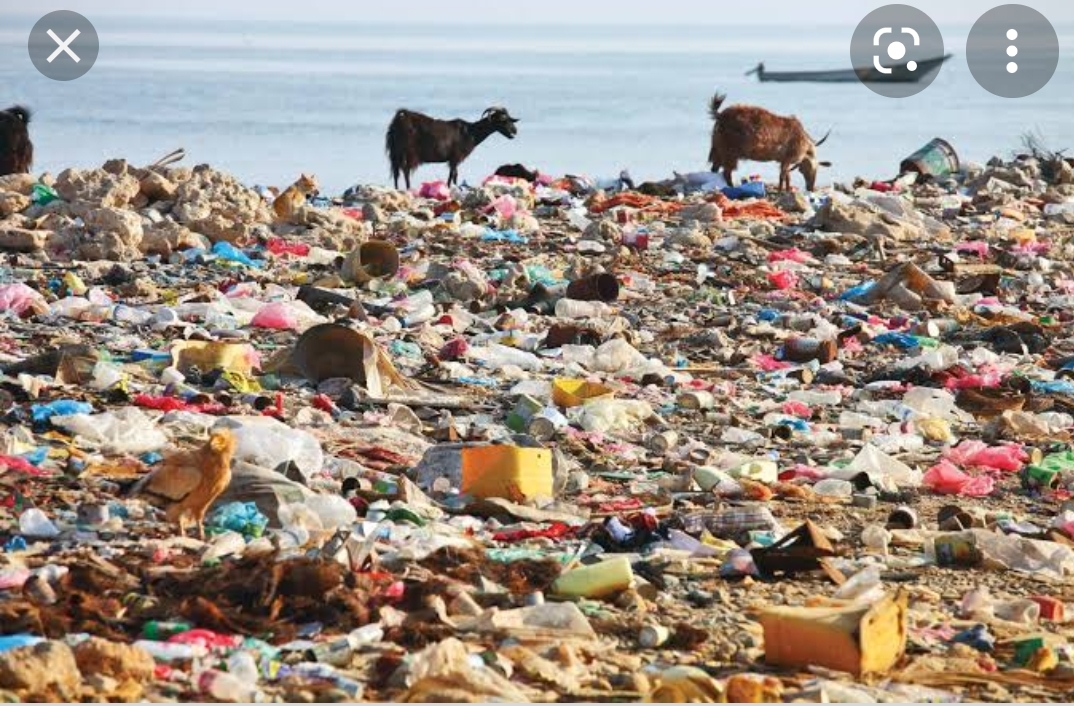
Plastic is a non-biodegradable material. It does not leave the face of the Earth. We cannot dissolve plastic, in land or water, it remains forever. People throw garbages including plastics in the water bodies and these plastics do not get dissolved and so they pollute the water and the marine lives.
Water pollution
Thus,more and more use of plastic means more plastic which won’t get dissolved. Thus, the uprise of plastic pollution is happening at a very rapid rate.
“Our commitment to the next generation is toxic chemical free world – not just plastic pollution free world but also nuclear weapons free world.
Great things happen through great commitments.”
Plastic pollution is affe ring the whole earth, including mankind, wildlife and aquatic life. It is spreading like a disease which has no cure. Plastic polluted our water. Each year, tonnes of plastics are dumped into the ocean. As plastics doesn’t dissolve , it remains in the water thereby hampering it’s purity.
Plastic pollutes our land as well. When humans dump plastic waste into the landfills, the soil gets damaged . It ruins the fertility of the soil. In addition to this, various disease-carrying insects collect in that area, causing deadly illness.
“If we say no to plastic bags, it will save millions of people down the line.”
Most importantly, plastic pollution harms the marine life. The plastic litter in the water is mistaken for food by the aquatic animals. They eat it and die eventually. For instance, a dolphin died due to a plastic ring stuck in its mouth. It couldn’t open its mouth due to that and died of starvation.
Thus,it is our duty to decrease the plastic pollution otherwise many innocent lives will be gone, those creatures living in the water and soils.
“Plastic disposal not only pollutes the land but the water and the air, the three primary elements for any living being on the earth.”
“Ban every form of plastic before plastic bans every form of life on the earth.”
Chetan Bhagat is the author of nine bestselling novels which have sold over twelve million copied and have been translated into more than twenty languages worldwide.
The New York Times has called him ” the biggest selling author in India’s history”. Time magazine named him as one of the 100 most influential people in the world, and Fast Company USA named him as one of the 100 most creative people on business worldwide.
Chetan went to college at IIT Delhi and IIM Ahmedabad, after which he worked in investment banking for a decade before quitting his job to become a full-time writer.
Analysis of the book
The Girl In Room 105 is the eighth novel and the tenth book overall written by the Indian author Chetan Bhagat. The book became a bestseller based on the prearranged sales alone.
It tells about a IIT coaching class tutor who goes to wishes ex-girlfriend in her birthday and finds her murdered. The rest of the story is his journey after her death to find justice.
The book also addresses the stereotypes and political issues we face in India.
“When people say ‘I quote’ and pause, they come across as scary-level intellectuals. Let’s face it, nobody wants to mess with the ‘I quote’ types.”
The novel opens up with a conversation of the author of the book, Chetan Bhagat with a fellow passenger on a midnight IndiGo flight from Hyderabad to Delhi. After an initial conversation, Chetan agrees to listen to the story of the fellow passenger.
Summary of the story
Keshav, a former IITian, works in a coaching centre for the JEE. He is a part of an orthodox family. His mother is a homemaker and his father is a part of the RSS. He had a love story with a Kashmiri Muslim girl named Zara, during his college days but their relationship was not accepted by their families because of the religious feuds.
But he never stopped loving her. He got to know Zara was going to marry Raghu, their classmate. Saurabh is Keshav’s best friend. One day around 3a.m., on Zara’s birthday, Keshav received a message from her asking him why he didn’t wish her and asked him to meet her in her hostel room.
“When you lose something, don’t think of it as a loss. Accept it as a gift that gets you on the path you were meant to travel on.”
When Keshav arrived there, he got to know that Zara was lying dead on her bed. He called Saurabh and then decided that he won’t run away he informed the police and Zara’s parents. Soon the investigation started and Keshav along with Saurabh continues investigation by digging deeper, with the help of the inspector Vikas Rana.
“The ‘let life not hold you back’ kinds, statements that sound profound but actually mean nothing.”
First the Watchman of the hotel was arrested for the missing CCTV footage. Then Prof. Saxena was arrested because he used to harass Zara. But both of them were later found innocent. After seeking information from Zara’s brother, Keshav and Saurabh went to meet Sikander, Zara’s stepbrother who used to work in a terrorist group in Kashmir.
Keshav suspects him but Sikander tells him that he wasn’t the murderer but Keshav forced him and because of which Sikander commited suicide because he said that if he lives then this will become a problem for his terrorist group. After a little more digging, Keshav got to know that Zara got expensive jewelleries by Captain Faiz Khan,as a gift. He was Zara’s childhood friend.
He finds out gun powder and pregnancy kits in Zara’s drawers and the same things in Faiz’s house too. So he decided to reveal the murderer infront of everyone on Zara’s 100th day of her death.
Conclusion
Before revealing the murderer,Keshav went to Hyderabad for a short trip alone. Finally it was revealed that the murderer was Raghu with whom Zara was going to get married because he got to know that Zara and Faiz were having an affair and probably Zara was pregnant with Faiz’s baby. Thus,Raghu was arrested by the cops.
But Keshav finally realised that Zara never really loved Keshav. Though Keshav became happy initially when he got the messages from her, but he realised that it was not from her actually. Those were sent by Raghu.
“Thank you. For showing me what love is all about. And thank you for also teaching me to never love someone too much.”
The standard of living for Romanian orphans is still problematic despite vast improvements since their conditions were leaked to the west after the fall of communist government 1899.
Under Nicholae Ceausescu, both abortion and contraception were forbidden. Ceausescu believed that population growth would lead to economic growth. Birth rates especially rose during the years of 1967,1968, and 1969.
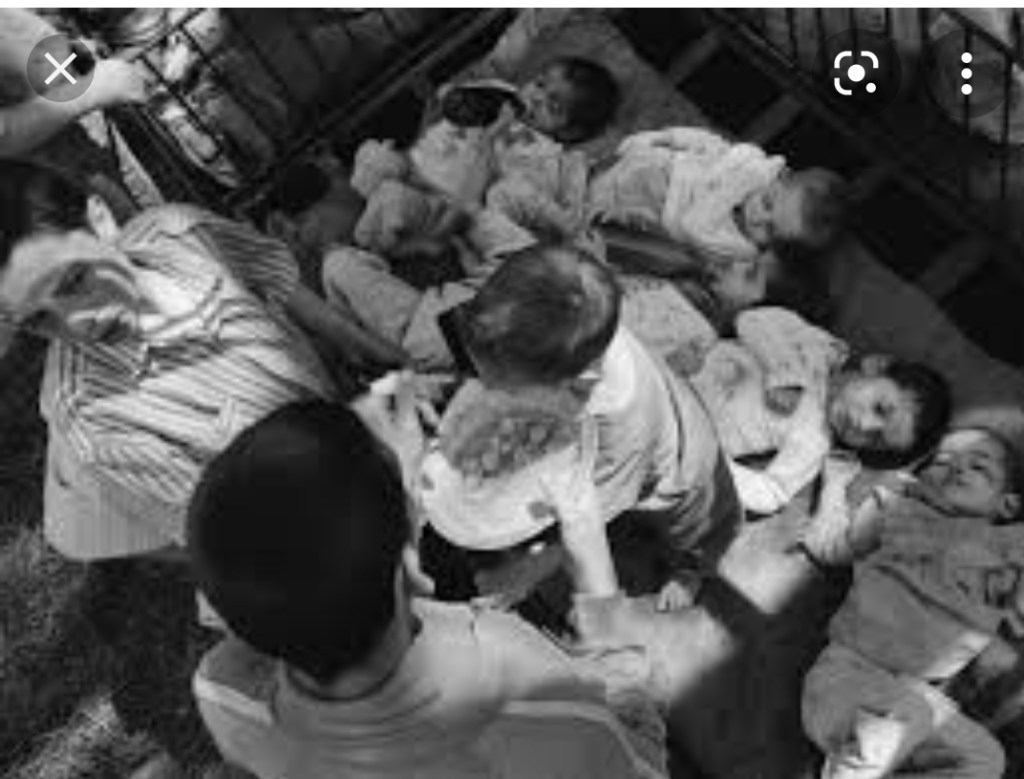
This increase in the number of births resulted in many children being abandoned in orphanages which were also occupied by people with disabilities and mental illness. Together, these vulnerable groups were subjected to institutionalised neglect, physical and sexual abuse , and drug use to control behaviour.
“A disabled and orphaned Romanian child lies in his bed on November 24, 2009, at the Targu Jiu orphanage, southwestern Romania, after being transfered from Bilteni’s orphanage, which was considered to be the worst place for children under the dictatorship of former Romanian President Nicolae Ceausescu.”
The U.S. consul in Bucharest at the time, Virginia Carson Young, noted that many of the children were not actually orphans, but were infact children who had parents unable to afford such large families, with such a situation being created by the mandated natalist requirements.
The parents had placed them in orphanages,often with the intention of picking them up at a older age. There were a high percentage of Roma (Gypsy) children in the orphanages who were often left in an institution until they were old enough t help earn a living, and then parents would claim them again.
“At three weeks old, Izidor was abandoned at a state-run hospital for “unsalvageables” in Nicolae Ceaușescu’s Romania — left behind by his family because one of his legs was deformed. “
The orphanages which were for the disabled children, treated the children very badly in there. Those orphanages lacked both medicines and washing facilities and physical and sexual abuse if children was reported to be common.
Sometimes, the children were often tied to their own beds or dangerously restrained in their own clothing,because the staff had failed to put clothes on them,the children would spend their day naked and be left sitting in their own feces and urine.
They were abused by the nurses and the older children used to beat the younger ones. All children, including girls, had their heads shaved, with made it difficult to differentiate one another.
Physical needs were not met, as many children died of minor illness or injuries such as cataracts or anemia. Many would starve to death. Some children in the orphanages were infected with HIV/AIDS due to the practice of using unsterilised instruments. Also they have to shift themselves from one orphanage to another. It is estimated that about 500,000 children were raised in orphanages.
“Estimates say that under Ceaușescu’s regime, 170,000 babies, children, and teens lived in “child gulags” subsisting on thin gruel, often in filthy, horrific conditions.”
“Deprived of loving care of any kind, those that lived were often under-developed physically and mentally, and found it difficult to form attachments with other people.”
After the Romanian Revolution, the number of street children was very high. Some ran away or were thrown out of orphanages or abusive homes and were often seen begging, inhaling “aurolac” from sniffing bags and roaming around.
Along with fund-raisers, westerners and Europeans adopted many Romanian children after the exploitation of their conditions. However strict led prevented many adoptions and the process of adoption became complex. Because of the neglect the children suffered, many grew up with physical and mental delays.
Even after being adopted, children had problems forming attachments to their new parents. Additionally to physical effects , the legal attributes of being disowned include a loss of legal surname, in addition to first names being assigned as numbers. Young children brought to orphanages typically cannot remember their names and because of this are named by their caretakers.
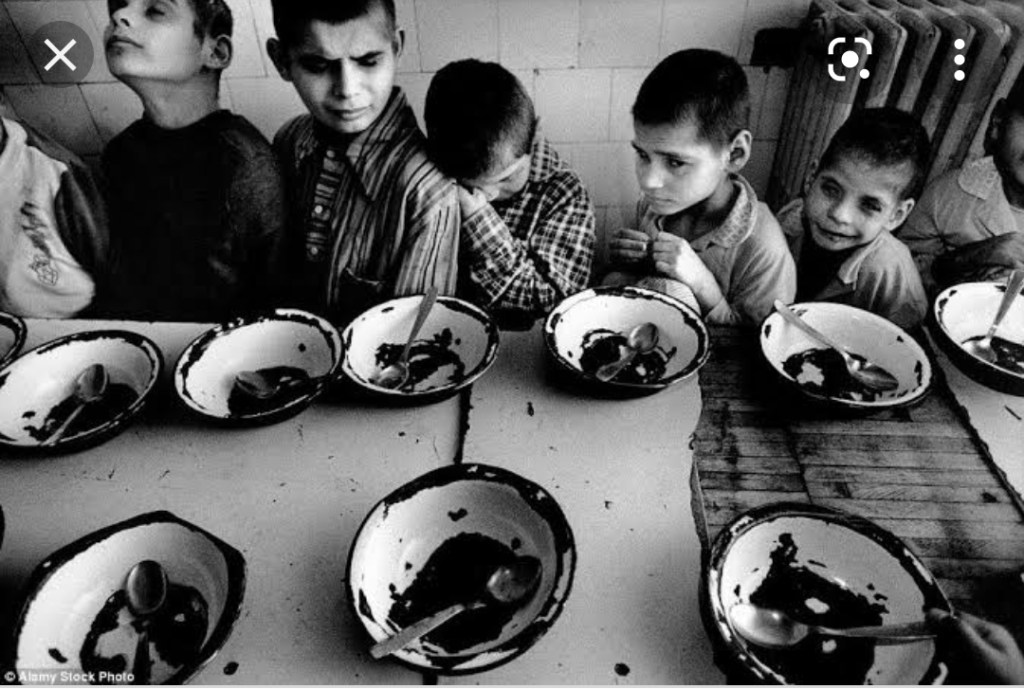
“Like all the boys and girls who lived in the hospital for “irrecoverables,” Izidor was served nearly inedible, watered-down food at long tables where naked children on benches banged their tin bowls. He grew up in overcrowded rooms where his fellow orphans endlessly rocked, or punched themselves in the face, or shrieked. “
“Out-of-control children were dosed with adult tranquilizers, administered through unsterilized needles, while many who fell ill received transfusions of unscreened blood. Hepatitis B and HIV/AIDS ravaged the Romanian orphanages.”



















 Eduindex
You must be logged in to post a comment.