EduPub (Edupedia Publications Pvt Ltd) is a company dedicated to the development of the education, learning, research and innovation in the field of the research and books publication. We are pioneer in providing wide range of services to educational institutions, government agencies, individuals and corporates in the field of training and education, research and development, research and innovation. research and publication.
The phrase ‘healthy lifestyle’ is an abbreviated definition of what it looks like to live a vibrant, active life with a healthy body and healthy mind. Creating a healthy lifestyle doesn’t have to mean drastic changes. Making gradual small changes to your daily routine can have a big impact.
What Is a Healthy Lifestyle? You know the obvious behaviors that describe someone who is healthy and takes care of themselves. A healthy person doesn’t smoke, tries to maintain a healthy weight, eats healthy foods with plenty of fruits, vegetables and fiber and, of course, exercises on a regular basis.
Then there are other elements to add to the list. A healthy person also knows how to manage stress, gets good quality sleep each night, doesn’t drink too much, doesn’t sit too much—basically, does everything in moderation all the time. When you look at everything that could possibly go into a healthy lifestyle, you can see just how hard all of those things are in our current world.
The good news is, you don’t have to change everything at the same time. In fact, the trick to healthy living is making small changes—taking more steps each day,1 adding fruit to your cereal, having an extra glass of water, or saying no to that second helping of buttery mashed potatoes. One thing you can do right now to make your lifestyle healthier is to move more.
Benefits of Physical Activity You know you need to exercise, but there are many excuses not to do it. You’re too busy, don’t know where to start, you’re not motivated or you’re afraid you’ll injure yourself. Maybe you think exercise has to be really hard or it isn’t good enough.
Whatever definition you have about what exercise is or isn’t, the bottom line is that exercise is movement. Whether it’s walking around the block or running a marathon, that movement is exercise and every time you move more than you normally do, it counts.
Healthy Weight Loss or Maintenance Even if you opt for small changes, the benefits are still pretty amazing. For example, increasing your activity level can help you to reach and maintain a healthy weight. If you are currently overweight, small steps toward that goal can have an impact.
According to a Climate Central map, hundreds of cities on India’s eastern coast will be under water by 2050. CEEW says more than 80% of India’s population is vulnerable to “extreme climate risks”
According to a map created by Climate Central, hundreds of cities on the eastern coast of India will be under water by the year 2050. Over 27 states and union territories in India and more than 80% of the country’s population are vulnerable to “extreme climate risks”, says a report by the Council on Energy, Environment and Water.
These statistics show that the lives of many communities are put in danger due to climate change, and that a significant number of them lose their livelihood to it as well. Ritayan Mukherjee, a photojournalist, shares that while covering the pastoral nomads in the Himalayas, he came across the Changpa community who take their yak and sheep to grazing grounds that are 10,000-11,000 feet above the sea level. “The livelihood of these people is directly dependent on nature, because they move with their herd from one place to another,” says he.
Mukherjee shares that because of global warming, rising temperatures and the winter months getting shorter, the pastoralists have to take their herds to even higher grazing grounds. A report that Mukherjee worked on for the People’s Archive of Rural India said that the yak population in Leh fell about 57% between 1991-2010, according to the Department of Animal Husbandry and Dairying. A lot of these pastoralists don’t just depend on yak for their economic incomes, but they also use the yak-wool to build traditional tents, called Rebos. However, Mukherjee shares that these residential tents have disappeared over the past few years for reasons that can be attributed to climate change.
According to a Climate Central map, hundreds of cities on India’s eastern coast will be under water by 2050. CEEW says more than 80% of India’s population is vulnerable to “extreme climate risks”.
How many headlines and news articles did you come across in the last month that told you the condition of the climate is deteriorating? That a big chunk of our lives will be lost battling global warming in the next few decades? It’s no secret that climate change is impacting lives every single day, but let’s take a look at how it has been affecting us and what we can do to change its course.
The Union Minister for Finance & Corporate Affairs, Smt Nirmala Sitharaman presented the Union Budget 2021-22 in Parliament today, which is the first budget of this new decade and also a digital one in the backdrop of unprecedented COVID-19 crisis.
This year’s Budget lays focus on the seven pillars for reviving the economy – Health and Wellbeing, Physical and Financial Capital and Infrastructure, Inclusive Development for Aspirational India, Reinvigorating Human Capital, Innovation and R&D, and Minimum Government Maximum Governance. Several regulations around the securities market are proposed to be merged as a single code. Several direct taxes and indirect taxes amendments were also proposed.
Our FM starts the budget2021 announcement by mentioning the challenges during the pandemic and the vision of the Pradhan Mantri Garib Kalyan Yojana. FM says that India has two #COVID19 vaccines made available and two more will be made accessible soon. FM reiterated that the government is fully prepared to support the economy’s reset. FM says the Budget2021 is based on 6 pillars. Starting with healthcare & wellbeing: Spending’s been increased New scheme with an outlay of Rs.64K crore to be spread over 6 yrs The above is in addition to the National Health Mission.
Support to rural & urban health centres FM announces the Jal Jeevan Mission with an outlay of 2.87 lakh crores aiming to provide full-fledged water supply to all urban local bodies with household tap connections. The FM proposed Rs1.41 lakh crores over a period of 5 Years for the Urban Swacch Bharath 2.0.
An amount of Rs.1.47 lakh crores, over a 5-year-period, from 2021 has been assigned for initiatives such as wastewater treatment, reduction in plastic waster, reduction in pollution and the like. The Scrapping Policy has been announced in the Budget2021. The voluntary vehicle scrapping policy aims to remove inefficient vehicles so as to reduce vehicular pollution and oil import bills. FM proposes an amount of Rs.35000 crore to manufacture and make accessible the COVID19 vaccine.
To strengthen nutritional content, delivery, outreach, and outcome, Government will merge the Supplementary Nutrition Programme and the PoshanAbhiyan and launch the Mission Poshan 2.0. Government will adopt an intensified strategy to improve nutritional outcomes across 112 Aspirational Districts.
Universal Coverage of Water Supply and Swachch Bharat Mission:
The Finance Minister announced that the JalJeevan Mission (Urban), will be launched for universal water supply in all 4,378 Urban Local Bodies with 2.86 crore household tap connections, as well as liquid waste management in 500 AMRUT cities. It will be implemented over 5 years, with an outlay of Rs. 2,87,000 crore. Moreover, the Urban Swachh Bharat Mission will be implemented with a total financial allocation of Rs 1,41,678 crore over a period of 5 years from 2021-2026. Also to tackle the burgeoning problem of air pollution, government proposed to provide an amount of Rs. 2,217 crore for 42 urban centres with a million-plus population in this budget. A voluntary vehicle scrapping policy to phase out old and unfit vehicles was also announced. Fitness tests have been proposed in automated fitness centres after 20 years in case of personal vehicles, and after 15 years in case of commercial vehicles.
Physical and Financial Capital and Infrastructure:
Finance Minister said that for a USD 5 trillion economy, our manufacturing sector has to grow in double digits on a sustained basis. Our manufacturing companies need to become an integral part of global supply chains, possess core competence and cutting-edge technology. To achieve all of the above, PLI schemes to create manufacturing global champions for an AatmaNirbhar Bharat have been announced for 13 sectors. For this, the government has committed nearly Rs.1.97 lakh crore in the next 5 years starting FY 2021-22. This initiative will help bring scale and size in key sectors, create and nurture global champions and provide jobs to our youth.
Textiles:
Similarly, to enable the textile industry to become globally competitive, attract large investments and boost employment generation, a scheme of Mega Investment Textiles Parks (MITRA) will be launched in addition to the PLI scheme. This will create world class infrastructure with plug and play facilities to enable create global champions in exports. 7 Textile Parks will be established over 3 years.
Thus, the budget was widely acclaimed and appreciated.
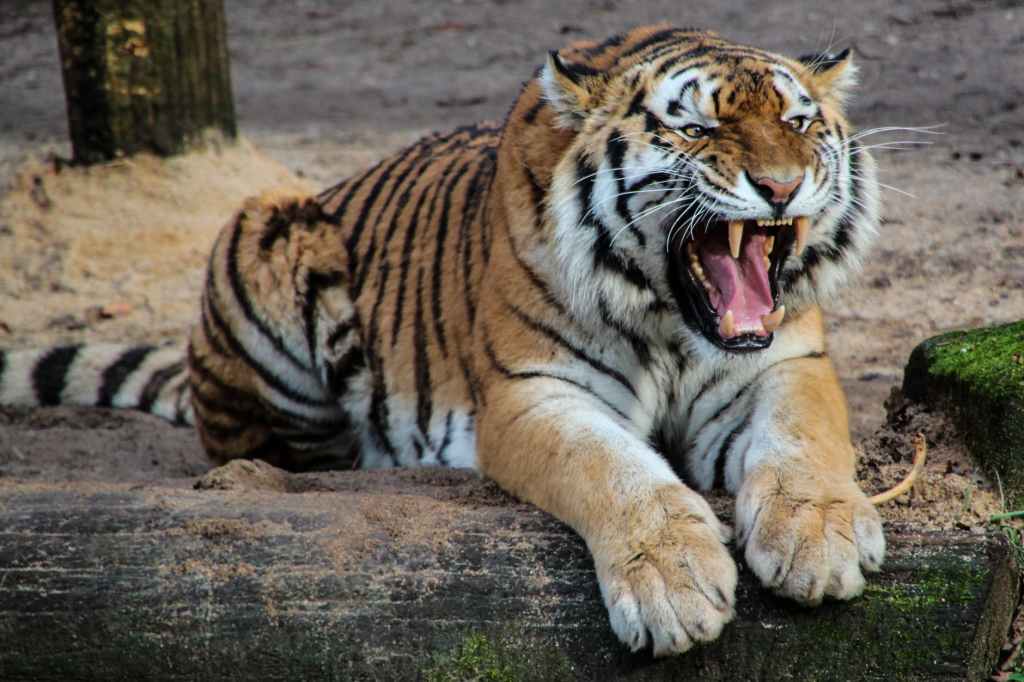
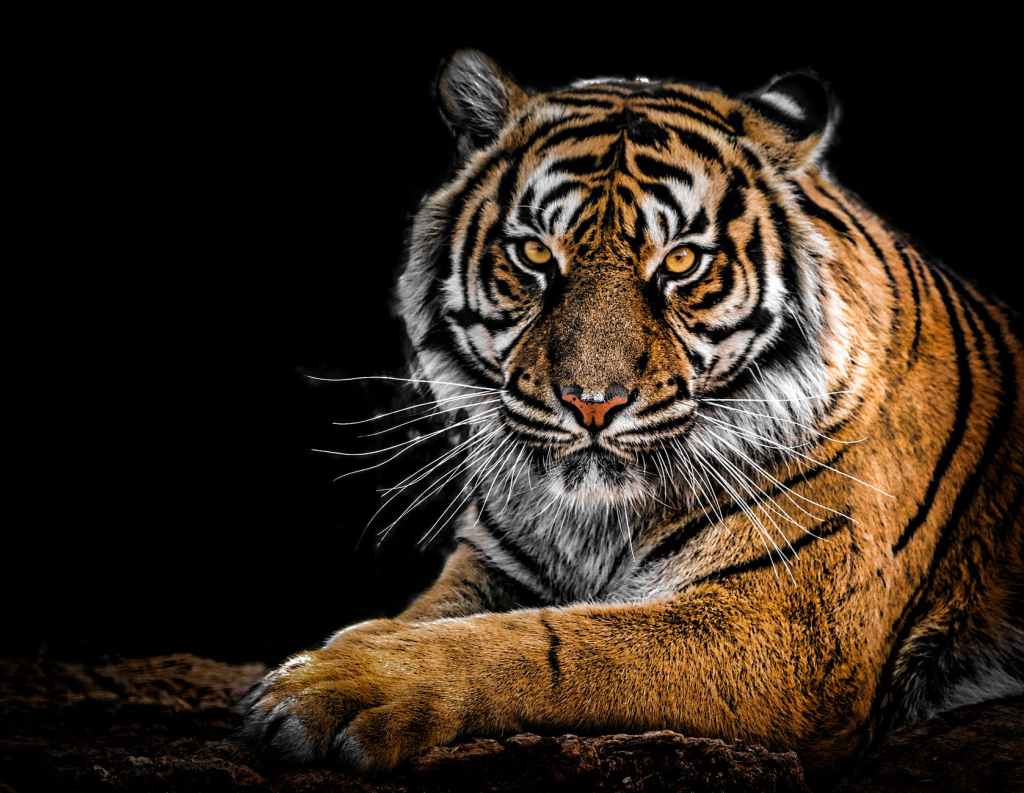
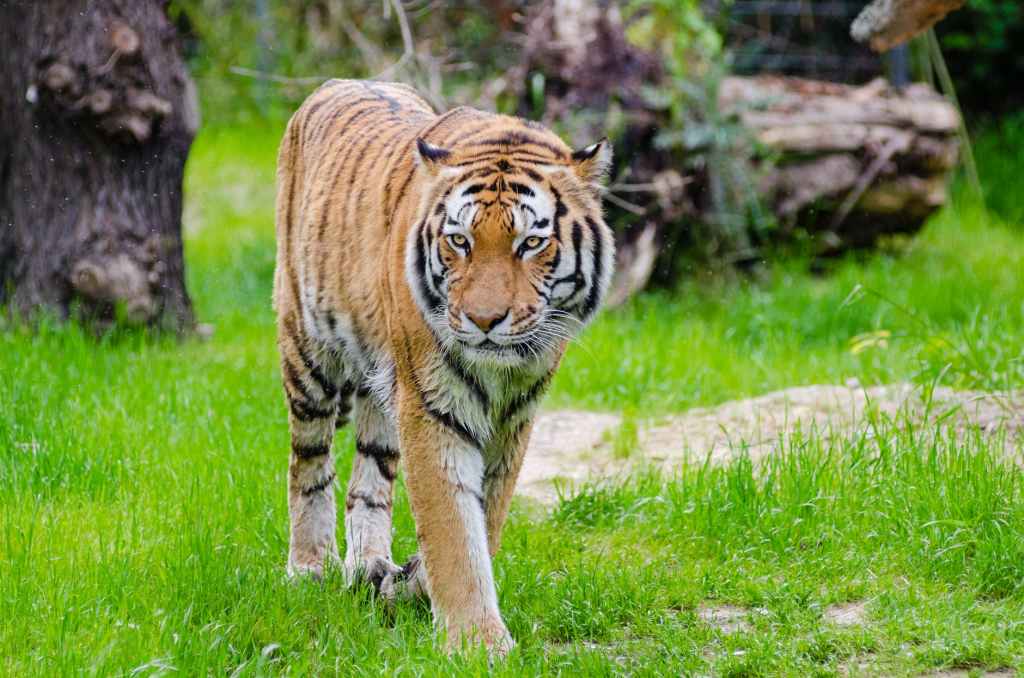
Tiger is the national animal of india.It is declared in April 1973 Tiger is choosed as the national animal of india because of its elegance, strength, agility, and colossal power. Government was launched project to save tigers on April 1973.It was launched from the Jim Corbett National Park in Uttarakhand.There was of declaring national animal whether it is lion or tiger.But in 1972, the Bengal tiger was adopted as the national animal in a meeting of the Indian Board for Wildlife. The main reason given was that the tiger was important worldwide and was distributed across 16 states of the country, while the Asiatic lion was found only in Gir in Gujarat.
The Bengal Tiger is a highly adaptable animal and lives in a wide range of different habitats. These include forests, mangroves and wetlands. Tigers can cope with hot or cold temperature areas.Due to the size and power of the Bengal tiger, it has no natural predators in its native environment. Humans that hunt the Bengal tiger and habitat loss are the only threats to the Bengal tiger. It is now estimated that less than 2,000 Bengal Tigers are left in theareas.Tiger population in india is decreasing day by day Government has taken steps to save tigers.Hunting and human population growth are the main threats to Bengal Tigers. … Due to habitat destruction and fragmentation, as well as hunting, three of the nine sub-species of tiger that have existed in modern times are now extinct.
As per 2016 census India has 2500 Tiger it is not a big number.Karnataka in india has highest number of tiger which has 408 in number followed by 340 tigers in Uttarakhand and 304 in the state of Madhya Pradesh.
We have to take responsibility and want to save tiger.Now it is in endangered species if we do not take steps it will be extinct.
In India there is a discipline prescribed for the gradual evolution of the human individual by stages of
(1) education,
(2) adjustment of oneself with the demands of natural and social living and,
(3) an austere detachment from the usual entanglements in life and
(4) final rootedness of oneself in God. This last mentioned stage is known as Sannyasa and the first two stages are the religious disciplines preparing a person for the third and the fourth stages.
Religion has its various restrictions imposed on a person, keeping all human activity confined to specific areas of living with its several do’s and don’ts – ‘do this’ and ‘do not do that’. There cannot be any religion without these two mandates imposed on man. People in the first two stages of life mentioned above are placed under an obligation to follow these dos and don’ts of religion in social behaviour, in personal conduct and dealings with people in any manner whatsoever. Every religion has these ordinances defining the duties, which are religious, whether in the form of ritual, worship, or pilgrimage and even in diet, daily ablution, and an exclusive literal devotion to the word of the scripture of the religion. These restrictions are lifted in the third stage where the life of a person is mainly an internal operation of thought, feeling and understanding and not connected with human society in any way.
Spirituality is a broad concept with room for many perspectives. In general, it includes a sense of connection to something bigger than ourselves, and it typically involves a search for meaning in life. As such, it is a universal human experience—something that touches us all. People may describe a spiritual experience as sacred or transcendent or simply a deep sense of aliveness and interconnectedness.
Some may find that their spiritual life is intricately linked to their association with a church, temple, mosque, or synagogue. Others may pray or find comfort in a personal relationship with God or a higher power. Still others seek meaning through their connections to nature or art. Like your sense of purpose, your personal definition of spirituality may change throughout your life, adapting to your own experiences and relationships.
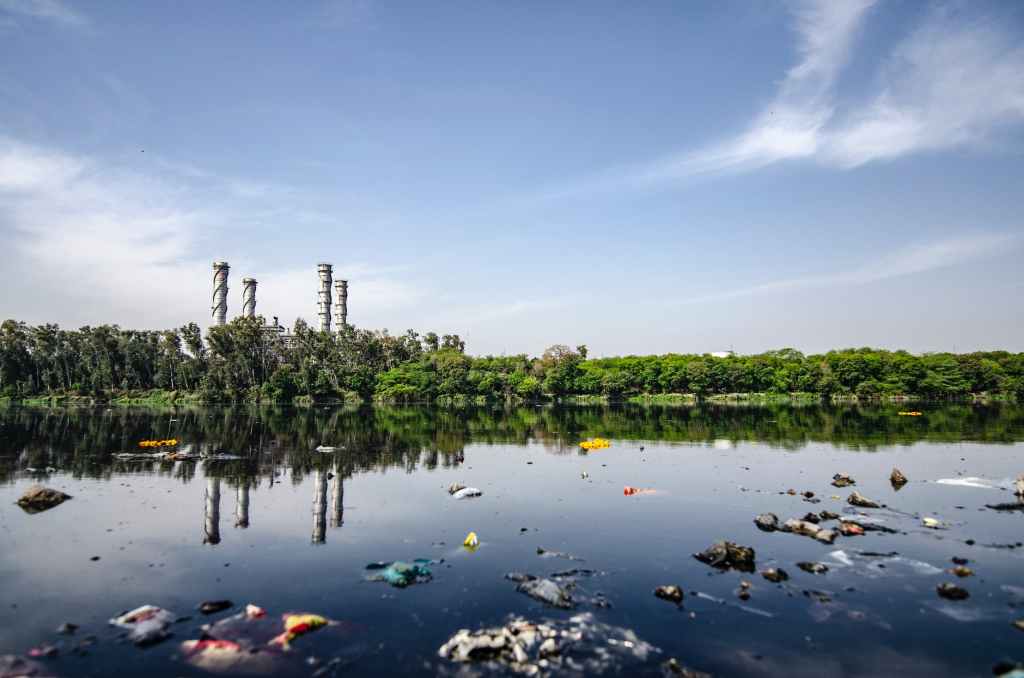
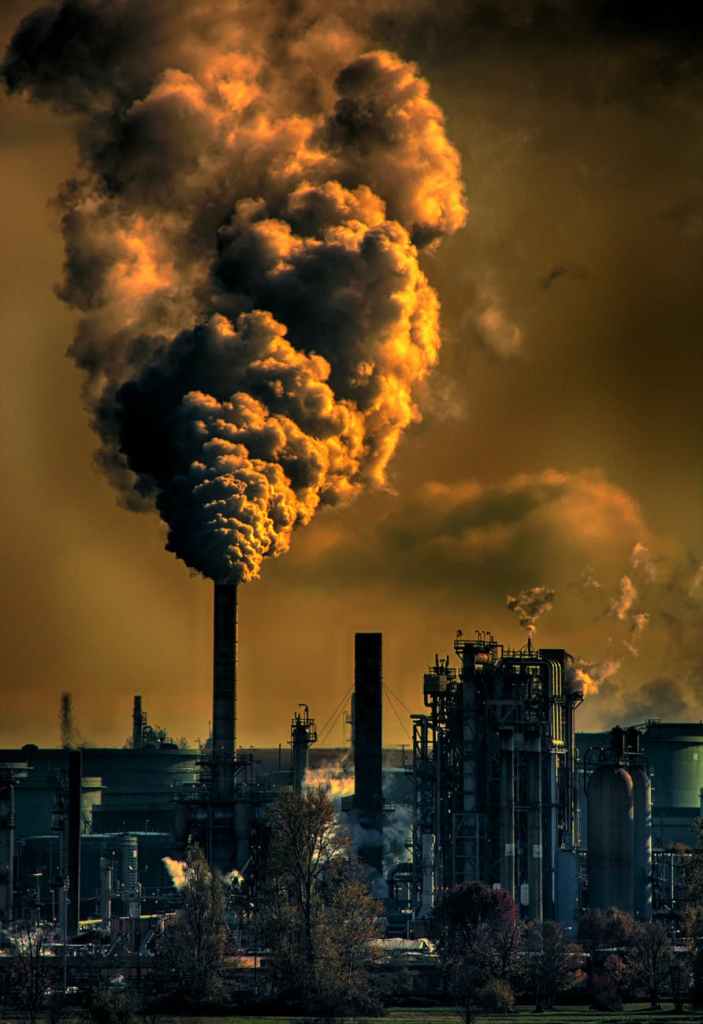
Environmental pollution is increasing with each passing year and inflicting grave and irreparable injury to the world. Environmental pollution is of different types namely air, water, soil, noise and light-weight. These cause damage to the living system. How pollution interacts with public health, environmental medicine and the environment has undergone dramatic change.
Recent oil spills in the Yellowstone River, Alaska tundra and Enbridge (Wisconsin) demonstrate how pollution can directly and indirectly impact man’s health environmental pollution was not a medical/public health issue nor was it discussed in clinical settings. Since the 1950s, environmental medicine has been discussed more frequently through a greater awareness in public health and preventive medicine; although today, there is now a focus on occupational medicine.
Environmental and occupational medicine are however more commonly viewed as an integrated subject, with emphasis given to industrial issues. Certainly, pollution problems have been recognized in the distant past but were more easily mitigated by nature due to the limited complexity of the pollutant, its degradability (e.g. biodegradable organics) and lower industrialization. Health-related effects from environmental pollution have been well known, but were not fully realized until highly notable events like the Donora (Pennsylvania) smog occurrence in 1948 resulting in later public health programs including in their training a discussion of environmental medicine.
There has been an increased awareness of how pollution is observed regarding its health impact and attitudes toward public health and environmental medicine. Damage from oil spills will not only influence public health but overall disease rates for years to come. As environmental pollution increases so will the importance of environmental medicine in managing its consequences.
NASA will design a new set of Earth-focused missions to provide key information to guide efforts related to climate change, disaster mitigation, fighting forest fires, and improving real-time agricultural processes. With the Earth System Observatory, each satellite will be uniquely designed to complement the others, working in tandem to create a 3D, holistic view of Earth, from bedrock to atmosphere.
“I’ve seen firsthand the impact of hurricanes made more intense and destructive by climate change, like Maria and Irma. The Biden-Harris Administration’s response to climate change matches the magnitude of the threat: a whole of government, all hands-on-deck approach to meet this moment,” said NASA Administrator Sen. Bill Nelson. “Over the past three decades, much of what we’ve learned about the Earth’s changing climate is built on NASA satellite observations and research. NASA’s new Earth System Observatory will expand that work, providing the world with an unprecedented understanding of our Earth’s climate system, arming us with next-generation data critical to mitigating climate change, and protecting our communities in the face of natural disasters
In the present scenario, most of us live the ultra-modern lifestyle. This means that we set unrealistic goals for ourselves and to pursue those larger than life dreams we stretch ourselves thin, often to the extent of depreciating our well being and manipulating with our healthy lifestyle.
Time for a reality check…more often than not, you skip breakfast, ignore the mid day hunger pangs that creep up between an important presentation, binge an extra loaded cheese sandwich to compensate for a healthy lunch, drive straight into a pub after work to unwind the load of a hectic day, return home to gorge on a cold frozen dinner and head straight to bed when it is already past midnight and still struggle to sleep!
This is what slowly kills our capacity to work better. Sleep plays a major role in improving our work efficiency. Think of a machine, if not given proper rest, it will overheat and break down.
To put it simply, you cannot expect to deliver your best at work, if your body is un-rested and under nourished. While a number of modern vitamin and health supplements flooding the markets may make up for the deficiency in vitamins, there is absolutely no substitute for good sleep.
On going in detail about the science of sleep nourishment, When we are off to sleep, our brain removes the toxic proteins from its neurons that are by products of neural activity when we are awake and our brains are functioning. Our brain can engage in this cleansing activity only when we are asleep and most of the nerves are resting. Sleep deprivation would mean missing out on this important cleansing regime. When we deprive our bodies of sleep, the brain cannot drive out or sanitize the nerve cells, hampering our thinking and cognitive abilities to a large extent.
Revisit the old adage ‘Take care of the pennies and the pounds will take care of themselves’ with a new perception. Yes, you take care of your health and quintessential sleep and everything else will fall into place-your health, your lifestyle, your emotions, your relationships, your job and not to forget -your applaudable performance at the boardroom!
Elections a very important now-a-days. In democratic countries, the representatives of the people govern the country and make laws for it. Election of the representatives both for the parliament and for the provincial legislatures take place in our country. Every person has a right to vote and is free to express his choice.
Last year in my town, an election was held for electing the chairman of the town area. Three candidates contested. One candidate was supported by the Congress as he was a rich man. Two old workers of the Congress did not like it and contested. One was the principal of a higher secondary school. The other was a poor social worker. Everybody living in the town was very keen about the election. The whole town was divided into three groups. The principal was supported by the teachers, students and educated public. The rich man was supported by the Congress party, government officials and the shopkeepers. The poor social worker was supported by the common people.
The contest was very keen, as all these candidates had some weaknesses. The Congress candidate was not much educated. The principal could not serve the town as he lived outside the area. The social worker was very poor. So nobody was sure of his success and everybody had an equal chance to win or lose.
On the polling day, the whole town was full of hustle and bustle. I myself went into the camps of all the candidates. Every one of them was hopeless and thought that he was defeated. The polling was very keen. It was generally seen that the father was supporting one candidate, the mother was voting for the second and the children were working for the third. Polling went on throughout the day. At about 5 p.m. the voting was stopped, the ballot boxes were sealed and send to Aligarh for counting.
Next day, the result was declared. The poor social worker supported by the public was declared successful. When the news came to the town, the successful candidate was greeted and garlanded.
Now a days newspapers are very important. Without them, our knowledge can never be complete. We get political,economic and other important news by reading them. Current affairs of the world become known to us, when we look into them.
They are helpful in the trade and commerce of a country as news about the manufactured articles, quotations of prices, dealings at stock exchange and rate of commodities are published in them. In this way, we are in a position to know where the various articles of our daily use are produced and from where we can purchase them at a cheaper price.
Advertisements of situations vacant, medicines and sale as well as purchase of car, house, bungalow etc help us to meet our requirements. Notices of sale of plots and land, business premises, lawsuits and other necessary information are published in newspapers for wider circulation.
Examination results and vacancies in government offices as well as transfers and appointments of gazetted officers appear in them. Besides these, criticism of the government policies, speeches delivered in the legislatures and various suggestions about the development of the country can be known through them.
Due to scientific inventions, the countries of the world have been knit together. They have been brought into close contact. No country can afford to live in isolation. We cannot live without having a full knowledge of the affairs of the world. Newspapers help us much in this respect. They inform us of the manifold progress that other countries are making. They are a very important means in spreading knowledge. They tell us what is happening in other parts of the world.
The chief utility of newspapers is first to educate the public and secondly to afford people a common platform to ventilate their social and political grievances. During these days of democracy, they are very important. They are very effective in creating, controlling and moulding the public opinion. They voice the public grievances and check tyranny.
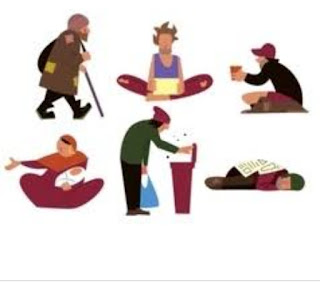
Poverty is an evil. It is a curse for an ordinary man. It compels him to do any mean thing. It makes his life dull and charmless. It lead him to desperation.
Character is very important in life. In its formation,habits and environment play an important role. It is the sum total of man’s behaviour. It is the greatest force on our ideas. Professor Verma has called it the “greatest motivating force”. According to Plutarch, “character is merely a habit long continued”. Charles Reade rightly remarked, “sow an act and you reap a habit. Sow a habit and you reap a character. Sow a character, and you reap a destiny” such is the importance of character in human life.
It is generally seen that men of strong character have often sprung from the masses. Poverty is not an obstacle in the path of progress and prosperity for those who have strong will power. It is a blessing in disguise for them. As gold is tested by fire, so poverty tests the latent qualities and capacity of a man. Abraham Lincoln, Ishwar Chandra Vidyasagar, Madan Mohan Malaviya, Lal Bahadur Shastri and others had to face many difficulties in life. But poverty could not crush their spirits. In the long run, they became famous and influenced the masses. So we see that Shakespeare was right when he said,” sweet are the uses of adversity”.
But if a man is weak and his will power is not strong, poverty has an adverse effect on him. He surrenders before the circumstances and leads an ignoble life. His days are passed in sorrow and disappointment. He becomes tasteless. His life becomes a burden to him. He is never happy. He quarrels with everybody. He is unable to make both ends meet. He is insulted and hooted down everywhere. For his failure, he blames fate. He becomes a prey to superstitions. His family becomes a curse to him. Sometimes he runs away from his house or puts an end to his life or the lives of those who are dear to him. This happens when a man feels that he is unable to meet the challenges of fate. He becomes a coward.
Thus we have seen that poverty is a curse for those who are weak and lazy. But it is a blessing for those who are sincere in their work and who have a will to do. As Jagdish Chandra Bose said,” it is not for men to complain of circumstances but bravely to accept, to confront and dominate them.”
Science had made rapid progress in the recent years. Much of our comfort in life is due to the work of famous scientists. We turn a switch on and the whole of the building is illuminated with a dazzling light. This is just like Aladdin’s magic lamp.
It has given us discoveries and inventions that have revolutionised the ways of our life and our outlook in general. Science with its invention of aeroplanes and ships has made us the lord of air and water. We fly in the air and sail on the bosom of the seas and oceans.
Science has harnessed the forces of nature. The river valleys are dammed up to arrest water and then to make it available for irrigation through the network of canals. The deserts are changed into fertile arable fields. The waterfalls made artificially are generating electricity for varied uses
Train, ships, vehicles and aeroplanes are the gift of science. They have made transport and journey easy, quick and comfortable. Long journeys that used to take days and weeks can now be covered in very short periods of time.
Science has given us weapons for safety; television, radio and cinema for entertainment. It has controlled the most fatal diseases. So the wonders of science are uncountable. There is no sphere in life in which science has not brought a change. Today we have many things of which our ancestors had never dreamt.
Electronic stoves cook our meal and X-rays tell us where a bullet is embedded in our body. Electric shocks are given to men of deranged brains. Radium is no less important than electricity. A tiny particle of it can drive our trains. It also provides a cure against deadly diseases, such as cancer. Exposure to its rays burns up the disease. Then atomic energy is another discovery of science. If put to constructive use it is a boon.
Science has given eyes to the blind and ears to the deaf. Science has made serious operations a reality. Transplantation of heart has become a possibility. Thus we see that science is a double edged weapon. It is useful if we use it for our comfort and convenience.
Science has dazzled humanity. It has turned impossibilities into possibilities. Time and distance have killed. Agriculture has been considerably mechanised. There is a remarkable development of industry. The radio brings to us the songs of the greatest musicians of the world. The television enables us not only to hear distant voices, but also to se distant functions, matches and other sights. Many diseases have been conquered. Germ die, victims live.
But there is another sight of the picture. Science has invented atom bombs and hydrogen bombs which destroy millions in a split second. They let loose death and destruction on the head of humanity. Science has, on the one hand, given us numerous comforts and amenities but, on the other hand, it is also driving us into the valley of death. It is signing the death warrant of humanity. It is murdering the humanity.
Man has become the slave of machine. One factory throws thousands of laborers out of work. Unemployment is ever on the increase. Gandhiji favoured not mass production of mills and factories but production by the masses.
Another curse of science is that it has made man godless. Science has fed our body but starved our soul. How does man benefit himself if he gains the whole world but loses his soul in the game? It has destroyed man’s character and personality. Man has lost neighborliness, sympathy, love and fellow feeling. He has become a brute. He has become mad. Science has created more problems than it has solved. It has brought comforts, but it also brought death with it. Science is the murderer. A murderer cannot be exorcised on the ground that before killing his victim, he feasted him or gave him comforts. Science has placed untold power in the hands of man and man misuses it. The memory of death and large scale destruction that followed in the two beautiful cities of Hiroshima and Nagasaki of Japan is still fresh in our memory. The same story may be repeated in a much more virulent form.
To sum up, we must use science for the good of humanity and not for its destruction.
Exercise is good for health. It keeps us fit and healthy. It keeps the diseases away. It gives us energy and strength. We should take exercise daily.
There are many types of exercises. Swimming, walking, jogging, cycling, swinging, running are different forms of exercise. Different people have different choice of exercises. Some people like light exercise. Many choose running and swimming as exercise. Some people join gym for regular and proper exercise.
Modern life is very fast. People do not find time for exercise. This is not good for health. We should always do exercise. We should walk on foot. We use scooter, bicycle or motor cycle even for a short distance. This makes our body lazy.
The best way to keep our body healthy is through exercise. Walking is the easiest exercise. Morning walk is the most useful. Morning is the best time to take exercise.












 Eduindex
You must be logged in to post a comment.