FOOD SECURITY IN INDIA

Food security means availability, accessibility and affordability of food to all people at all times. It has been a major concern in India. Food is as essential for living as air is for breathing. The poor households living in the rural areas are more vulnerable to food security. Food security has following dimensions-

1- Availability of food- It means that enough food is produced within the country, it must be available in every part of the country and there should be no deficit.

2- Accessibility of food- It means food is within reach of every person, there is no barrier on access to food.

3- Affordability of food- It means that an individual has enough money to buy sufficient and nutritious food to meet one’s basic needs.

India ranks 71 out of 113 major countries in terms of food security index 2020.

WHY FOOD SECURITY?

The poorest section of the society might be food insecure while even persons above the poverty line might also be food insecure when the country faces a disaster or calamity like earthquake, flood, drought, failure of crops causing famine. A famine means the widespread deaths due to starvation and epidemics caused by forced use of contaminated water or decaying food and loss of body resistance due to weakening from starvation. There are places like Kalahandi and Kashipur in Orissa where famine-like conditions have been existing for many years and some starvation deaths have also been reported. The most devastating famine that occurred in India was the FAMINE OF BENGAL in 1943. This famine killed 30 lakh people in the province of Bengal. So food security is needed in a country to ensure food at all times.

HOW IS FOOD SECURITY AFFECTED DURING A CALAMITY?

Due to a natural calamity, total production of foodgrains decreases. It creates a shortage of food in the affected areas. Due to shortage of food, the prices goes up. At high prices, some people cannot afford to buy food. If such calamity happens for a longer time period, it may cause a situation of starvation.

WHO ARE FOOD- INSECURE?

Although a large section of people suffer from food insecurity in India, the worst affected groups are landless people with little or no land to depend upon, traditional artisans, petty self-employed workers and beggars. In the urban areas, the food insecure families are those whose working members are generally employed in ill-paid occupations and casual labour market. These workers are paid very low wages that just ensure bare survival. The SCs, STs and some section of the OBCs who have either poor land-base or very low land productivity are prone to food insecurity. The people affected by natural disasters are also among the most food insecure people. The food insecure people are large in economically backward states with high incidence of poverty, tribal and remote areas, regions more prone to natural disasters etc. In fact, the states of Uttar Pradesh Jharkhand, Orissa, Chhattisgarh account for largest number of food insecure people in the country.

HUNGER-

Hunger is another aspect indicating food insecurity. It brings about poverty. The attainment of food security therefore involves eliminating current hunger and reducing the risks of future hunger. Hunger has chronic and seasonal dimensions. Chronic hunger is a consequence of diets inadequate in terms of quantity or quality. Seasonal hunger is related to cycles of food growing and harvesting. This type of hunger exists when a person is unable to get work for the entire year.

India is aiming at Self-sufficiency in Food grains since Independence. After Independence, Indian policy-makers adopted all measures to achieve self-sufficiency in food grains. India adopted anew strategy in agriculture which resulted in ‘Green Revolution’, especially in the production of wheat and rice.

Since the advent of the Green Revolution in the early 1970s, the country has avoided famine even during adverse weather conditions. India has become self-sufficient in foodgrains during the last 30 years because of a variety of crops grown all over the country. The availability of foodgrains at the country level has been ensured with a carefully designed food security system by the government. This system has two components- 1. Buffer Stock 2. Public Distribution System

Buffer Stock is the stock of foodgrains, namely wheat and rice, procured by the government through the Food Corporation of India TH(FCI). The FCI purchases wheat and rice from the farmers of the state where there is surplus production and the farmers are paid a pre-announced price for their crops. This price is called Minimum Support Price.

The food procured by the FCI is distributed through government regulated ration shops among the poorer section of the society. This is called the Public Distribution System (PDS). The PDS has proved to be the most effective instrument of government policy over the years in stabilising prices and making food available to consumers at affordable prices.

ROLE OF COOPERATIVES IN FOOD SECURITY-

The cooperatives are also playing an important role in food security in India especially in the southern and western parts of the country. The cooperative societies set up shops to sell low priced goods to poor people. For example, out of all fair price shops running in Tamil Nadu, around 94% are being run by the cooperatives. In Delhi, Mother Dairy is helping in provision of milk and vegetables to the consumers. Amul is another success story of cooperatives in mil and mil products from Gujarat. It has brought about the White Revolution in the country. Thus cooperatives are playing a major role in ensuring food security in India.

LUCID DREAMS

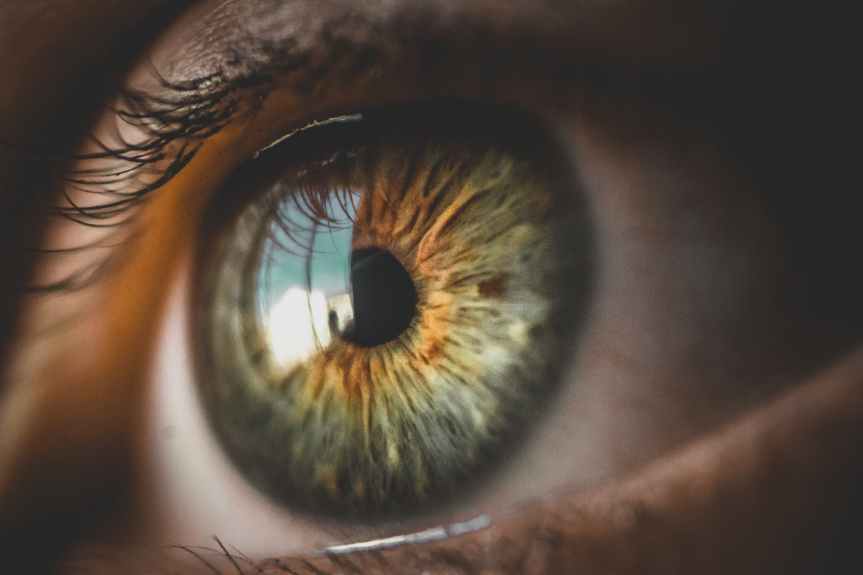
Photo by Pixabay on Pexels.com

We spend one third of our life dreaming. Sometimes dreams are happy, scary, unexplainable and even an indication of what is going to happen in future. There is a popular saying that the dreams we see in the morning are usually true and real, though there is no scientific proof to it. We usually dream what we think, stress is an important factor in dreams. Less stress means happy dreams.

But will you believe it if I tell you that you can actually control your dreams?🤔
A dream where one becomes aware of the dream it is known as lucid dreaming. And there are people who do this. You can do it too!! Let’s know how.
People have been studying lucid dreams for a very long time, from ancient to modern it has been studied to understand the cause and purposes of it. As a result many theories have emerged, though it is still under research.


This term was given by Dutch author and psychiatrist Fredreik Van Eeden. In his article A Study of Dreams in 1913. He studied his own dreams for a period of time and wrote them in his dream diary, 352 of his dreams were categorized as lucid.
He mentioned 7 different types of dreams and out of which he considered lucid dreams most interesting and worthy of observation.
The reference to this phenomenon can be found in ancient greek writings. According to Aristotle, Greek philosopher, “often when one is asleep, there is something in consciousness which declares that what then presents itself is but a dream”. Other than Aristotle, physician Sir Thomas Browne, Samuel Pepys and more have mentioned lucid dreaming.
In 2020 there was a large increase in reports of lucid dreams compared to the previous year.


There are a few conditions for a dream in order to be defined as a lucid dream and these were given by Paul Tholey. The conditions are:
1. Awareness of the dream state (orientation)
2. Awareness of the capacity to make decisions
3. Awareness of memory functions
4. Awareness of self
5. Awareness of the dream environment
6. Awareness of the meaning of the dream
7. Awareness of concentration and focus (the subjective clarity of that state)

Photo by Nadi Lindsay on Pexels.com

Lucid dreams are often found to be affective in treating nightmares. Physiotherapists have also been including lucid dreaming as a part of therapy. There are also books and movies based on this like inception, paprika, etc.
Though lucid dreaming has been beneficial in many aspects but for the people who experience it for the first time can go through the feelings of stress or confusion. People who see lucid dreams very often might feel empowered and also isolated from others in terms of their dreaming experience which is quiet different to others. Others might experience sleep paralysis, which is sometimes confused with lucid dreams.

Read about sleep paralysis here: https://edupub.org/2021/08/12/sleep-paralysis/

There are many methods using which one can experience lucid dream like, make a dream diary and jot down the dreams you remember, diary alone won’t help but it will be beneficial with other methods. Some devices and drugs are also used.

MUMMY

Mummies are dehydrated & they

long for the blood of living words”

~ Hakim Bey

A mummy is a person or animal whose body has been dried or otherwise preserved after death. When people think of a mummy, they often envision the early Hollywood-era versions of human forms wrapped in layers upon layers of bandages, arms outstretched as they slowly shuffle forward. Mummies may not literally rise from their ancient tombs and attack, but they’re quite real and have a fascinating history.


What are mummies?

The practice of preserving a body as a mummy is widespread across the globe and throughout time. Many civilizations-Incan, Australian aboriginal, Aztec, African, ancient European and others-have practiced some type of mummification for thousands of years to honor and preserve the bodies of the dead.

 Since most bacteria can’t thrive in extreme temperatures, exposing a corpse to the sun, fire or freezing temperatures was an uncomplicated way to create a mummy.

Some mummies happened by accident. Take, for instance, the Accidental Mummies of Guanajuato, a collection of over 100 mummies found buried in above-ground crypts in Mexico. Those bodies weren’t mummified on purpose. It’s thought either extreme heat or the area’s rich geological stores of sulfur and other minerals suffer the mummification process

Some  Buddhist monks practiced self-mummification by spending years starving their bodies and only eating foods that promoted decay. Once their body fat was gone, they spent a few more years drinking a poisonous sap to cause vomiting to get rid of bodily fluids. The poison also made the body an unsavory future host for corpse-eating bugs.

When the time was right, the monks were buried alive to await death and mummification. Death came quickly, but self-mummification seldom worked.

Egyptian Mummies

No matter how a body was mummified, the end game was the preservation of as much skin tissue as possible—and the priests of ancient Egypt  are considered the experts on the process. Egypt’s arid climate made it easy to dry out and mummify a corpse, but the Egyptians routinely used a more elaborate process to ensure the dead experienced safe passage to the afterlife.

The mummification process for royalty and the wealthy often included:

  • washing the body
  • removing all organs except the heart and placing them in jars
  • packing the body and organs in salt to remove moisture
  • embalming the body with resins and essential oils such as myrrh, cassia, juniper oil and cedar oil
  • wrapping the embalmed corpse in several layers of linen

Ancient Egyptians of all walks of life mummified deceased family members, but the process wasn’t as elaborate for the poor. According to Egyptologist Salima Ikram, some corpses were simply filled with juniper oil to dissolve organs before burial.

Mummies as Medicine

According to a 1927 abstract published in Proceedings of the Royal Society of Medicine, medicinal preparations made from powdered mummies were popular between the twelfth and seventeenth centuries. During that time, countless mummies were disentombed and burned to meet the demand for “mummy medicine.”

The interest in mummies as medicine was based on the supposed medicinal properties of bitumen, a type of asphalt from the Dead Sea. It was thought mummies were embalmed with bitumen, but that was rarely the case; most were embalmed with resins.

” The pyramid shape is said to hold

many secrets and amazing properties.

one of them is sense of wonder”

~ Vera Nazarian

IMMUNOLOGY SERIES-PART 5- INTRODUCTION TO THE IMMUNE CELLS

The previous article was about the acquired immunity. This article is all about the immune cells, the warriors of the human body.

These cells play a major role in protecting the body from infections. Some of them contribute directly and some contribute indirectly. Despite the methods, all of them are required in optimum amounts so as to live a healthy life.

All of these cells are derived from a specific type of cell found in the blood. The blood is a freely flowing interstitial fluid that transports oxygen, nutrients, etc. to the cells of the body. There are two components in the blood in which the first one is called plasma. The plasma is the liquid carrying water, salts, enzymes, and proteins. There are three specialized proteins in the plasma-

Albumin- to maintain water balance

Globulin- for immunity (it is a part of immunoglobulin)

Fibrinogen- for clotting

Hence the plasma also contributes to immunity. This plasma constitutes about 55% of the blood. The rest 45% of the blood is constituted by the formed elements or corpuscles. There are three elements in it namely-

Erythrocyte or Red Blood Corpuscle- transport of oxygen

Leucocyte or White Blood Corpuscle- fight infections

Thrombocyte or platelets- for clotting

Out of these, the WBC is the one primarily contributing to immunity. A healthy person must have a WBC count from 4000-11000. Count less than 4000 means leukopenia meaning that the immune system is weak. If the count is more than 11000 then it means the condition of autoimmunity known as leucocytosis. There are some further classifications in the WBC which are displayed through the flowchart below.

There are two types of cells in the WBC namely the granulocytes and agranulocytes.

The granulocytes, as the name specifies have granules in their cytoplasm. There are three different cells in this.

The neutrophil constitutes to about 55-70% of the total WBC and they are ones involved in most of the fights against the infections. These defend against bacterial and fungal infections. These cells are mostly found in the epidermal regions and are in the first line of defense.  These cells engulf the pathogens by the process of phagocytosis. These cells have multiple nuclei hence these are also known as PMN (Poly Morpho Neutrophils). Neutrophils help prevent infections by blocking, disabling, and digesting off invading particles and microorganisms. They also communicate with other cells to help them repair cells and mount a proper immune response. The death of these cells often results in the formation of pus (suppuration).

neutrophil

The eosinophil constitutes about 2-4% of the total WBC. These cells are very little in the body but can increase in the case of allergic reactions, parasite infection, and so on. The functions of the eosinophil include movement to inflamed areas, trapping substances, killing cells, anti-parasitic and bactericidal activity, participating in immediate allergic reactions, and modulating inflammatory responses.

eosinophil

The basophil is present in the least concentration of all (0.2%) in total WBC. These cells play an important role in allergic reactions in which their count can increase. The basophil contains inflammatory mediators like histamine and heparin. The release of the compounds results in dilation of the blood vessels. Hence these cells regulate the inflammation process.

The agranulocytes are those which lack granules in their cytoplasm. There are two types in this. The lymphocyte can be called as the memory of the immune system. There are two types of lymphocytes namely T and B lymphocytes. These lymphocytes recognize the incoming pathogens and based on their memory it produces a suitable response in a short amount of time. These cells are involved in the secondary response in the acquired immunity.

B cells make antibodies that can bind to pathogens, block pathogen invasion, activate the complement system, and enhance pathogen destruction. The T cells mostly known as CD4+ T helper cells produce the cytokines (proteins in cell signaling) and coordinate with the immune system. There is another form called CD8+ cytotoxic T cells which is opposite to the previous type, they help in the destruction of tumors and pathogens.

The monocyte is the largest of all the cells in WBC. They function similarly to that of the neutrophils (phagocytosis of the pathogens). These cells present the pathogen to the memory cells upon which a response is generated. Once they leave the blood, they turn into macrophages which help in clearing cell debris and killing pathogens. These are known as the vacuum cleaners of immunity.

Hence all these cells work in different mechanisms and they coordinate together to make sure that we do not fall prey to the disease-causing microorganisms.

HAPPY LEARNING!!

Independence Day of India: History, Significance, Facts and Celebration!

Happy Independence Day 2021: Wishes, Messages, Quotes, Images, Facebook &  Whatsapp status

It is the 75th Indian Independence Day this year which means India has achieved 74 years of freedom from the britishers. We as Indians pay respect to all the leaders who fought bravely for our nation’s freedom in the past. The Prime Minister of India hoisted our tricolour flag at the Red Fort, Old Delhi. He also delivered a speech to the nation as well. However, all cultural programs and school celebrations didn’t took place this year due to the COVID-19 pandemic. Independence day i.e. the 15th of August is declared as a national holiday which means every government office, post offices, banks and stores will remain shut.

History:-

India was ruled by the Britishers for many years. The East India Company ruled India for about 100 years. It was in 1757 when the East India Company won the battle of Plassey. It was after the win went the Company started exerting power over India. Our nation had its rebellion against the foreign rule for the first time in 1957. The entire country united against British power. It was an unfortunate event as India was defeated back then but after that time. Indian rule was then passed to the British who ruled our country till India got its independence.

Our nation faced a long campaign to gain independence. Britain then began to weaken after two world wars and India was finally free. India’s freedom struggle has always been an inspiration to the work as it was the most non-violent campaign in the world.

Significance of this Day:-

This day reminds us of all the sacrifices that were made by our freedom fighters in order to set India free from British rule. 15th August is a national holiday and the day is then celebrated with flag hoisting, parades and cultural events.

India’s Independence Day is significant as it stands as a reminder of the sacrifices that many freedom fighters made to get independence from the British rule. It is a national holiday and it is usually observed throughout the nation with the hoisting of the tricolour, parades and cultural events. India’s first prime minister Jawaharlal Nehru raised the Indian national flag above the Lahori Gate of Red Fort in Delhi on August 15, 1947. It is a tradition that has since been followed by the incumbent Prime Minister, followed by an address to the country.

Some Rare and Unique Facts:-

  1. The song ‘Bharoto Bhagyo Bidhata’ composed in 1911 by Nobel laureate Rabindranath Tagore was renamed as ‘Jana Gana Mana’ and adopted by the Constituent Assembly of India as the national anthem on January 24, 1950.
  2. The Indian national flag with three horizontal stripes of red, yellow and green was hoisted on August 7, 1906, at Parsee Bagan Square in Kolkata. The first variant of India’s current national flag was designed by freedom fighter Pingali Venkayya in 1921. The current flag with saffron, white and green colours and the Ashok Chakra in the middle was officially adopted on July 22, 1947, and hoisted on August 15, 1947.
  3.  Five other countries celebrate their independence on August 15 along with India. They are Bahrain, North Korea, South Korea and Liechtenstein.
  4. The Indian flag is manufactured and supplied from only one place in the nation. The Karnataka Khadi Gramodyoga Samyukta Sangha (KKGSS), located in Dharwad in Karnataka, has the authority to manufacture and supply the Indian national flag. According to the Bureau of Indian Standards (BIS), the flag is manufactured only with hand-spun and handwoven cotton khadi wafting.
  5.  Even after India’s independence, Goa was still a Portuguese colony. It was annexed to India by the Indian Army only in 1961. Thus, Goa was the last state to join the Indian territory.

Celebrations Throughout the Whole Country:

The national anthem is sung on this day, flag-rising ceremonies and drills are also conducted in every corner of the country. Indians make an effort to dress in a specific way to celebrate their nation and culture. Kite flying is another tradition that is followed on Independence Day with people of all age groups as participants. It represents the freedom that we achieved on this day.

The Prime Minister of our country hoists our flag at the Red Fort in Old Delhi. A parade with members of the army and police also takes place. A speech to the nation is delivered by the PM where he speaks on the country’s accomplishments in all these years. He even speaks about the goals for future developments to be taken place in the coming years.

JAI HIND JAI BHARAT!

4 reasons to learn multiple programming languages

ARTICLE


4 Reasons To Learn Multiple Programming Languages

Learning your first programming language is a huge step in your journey to becoming a developer, but if the learning stops there it can dramatically impact your career prospects and income potential.

Technology is emerging at an unprecedented pace, with new coding languages created every year to keep up with this rapid innovation. Believe it or not, there are currently more than 500 programming languages, and that number continues to rise!

Companies like Shutterstock that used to be dedicated to only one language (Perl) are now multi-lingual with a developer team that programs in Node.js, Ruby, Java, Python, PHP, and Objective-C. A company using multiple programming languages isn’t the exception, it’s the norm.

So, here’s the million dollar question: Can someone really become a successful developer only knowing a single programming language? While there are specialized roles in single languages, including JavaScript, the majority of companies and jobs do, in fact, require knowledge of multiple programming languages.

Whether you already have one programming language under your belt, or are deciding where to start, here are a 4 reasons to learn multiple programming languages.

1. More Tools To Get The Job Done

As a developer, the end goal isn’t learning as many languages as you can, or even learning how to code. Instead, it’s about being able to look at a problem and figure out what tools (read: programming languages), you can bring in to get the job done. Naturally, the more tools you have under your belt the more ways you’ll be able to tackle different problems.

Just as there are hammers, screwdrivers, sanders, and an array of other tools for different tasks, there are countless programming languages, with each serving a unique purpose.

2. Pick and Choose the Jobs You Love

Knowing a variety of programming languages, especially in this day and age, helps open up the job market tremendously.

Let’s say you recently graduated from a coding bootcamp and are ready to dive headfirst into the field of programming. There are dozens of companies looking for junior developers, although you find only a fraction of them are hiring for the language you learned while attending a coding bootcamp. By default, only knowing one programming language automatically limits you to fewer roles.

Take a look at the market demand for each of these 9 programming languages:

programming-languages-ranked-by-number-of-jobs-graph-infographic

Having a solid grasp of multiple programming languages, on the other hand, means you have an edge in the job market and qualify for a wider range of job opportunities. You can pick the role and company you love, rather than settle with the limited options you’re dealt with after graduation.

3. Increase Your Salary Potential

More languages equals more money. Don’t believe me? Here’s a recent blog post that highlights the increasing number of companies looking for developers who can work across a number of different functions (and what they’re willing to dish out in return):

And while companies are often [cross-functional developers] to keep costs down, they’re also prepared to pay more to get someone who can switch between projects and has three or four programming languages at their fingertips. In fact, they’re prepared to pay up to a year more for developers who can work in multiple languages.

Facebook is another example of a company that uses a mashup of languages. Facebook.com’s front-end is built on JavaScript, back-end built on Hack, PHP, C++, Java, Python, Erlang, D, Xhp and Haskell, and its database on MySQL, HBase and Cassandra.

Additionally, there are several contributing factors when it comes to determining a developer’s salary. One being whether or not someone is a front-end, back-end or full-stack developer. Full-stack developers know all aspects of the development process, and can use both front-end and back-end technologies, making them more valuable to a company. Because of this, companies are willing to pay an average salary that tops out at roughly $20,000 higher than that of a front-end or back-end developer.

4. Don’t Get Left Behind: Become A More Versatile Developer

Learning a programming language isn’t all that different from learning a foreign language. Once you learn your first foreign language, it becomes progressively easier to learn your second,  third or even forth. The reason for this is because while learning your first foreign language you were essentially “learning how to learn.” You can also start recognizing similarities across languages, which accelerates the learning process. The same principle goes for learning additional programming languages.  

One of Coding Dojo’s lead instructors has been in the industry for 25 years. During that time, he’s learned more than 20 different programming languages! Throughout his career he applied for jobs not knowing any of the languages they used, but was still hired because he showed that he was able to quickly learn, and run with, new languages and technologies.

Being a versatile developer and knowing multiple programming languages means your skills will never become outdated, and you can quickly adapt to industry trends. You can use your vast knowledge of software and web development to keep your job opportunities varied and fresh. Even if you get hired on to work as a programmer for a specific programming language, it’s not unusual for companies to switch course and decide to move to or bring in new technologies. In this day and age, you really can’t afford not to know more than one programming language!

Comparison between software engineers and developers

Photo by Christina Morillo on Pexels.com

Many people have used software engineers and software developers as interchangeable terms. At a certain level, they are similar but there are many differences between both job roles as per the priorities and goals of professionals.

Software developer terms have been in the market since 1980 and till the time it reached the 1990s, it was at the peak of its popularity. But after that, software engineer became a much more popular term than a software developer. With this said, here are the basic differences between software developers and software engineers.

The major difference between software engineers and developers is the salary aspect. The salary of the software engineer is much higher than software developers since the engineers are responsible for compiling the developer’s code. However, both the job roles need a computer science degree along with the skill sets.

Software developers and engineers both must be familiar with application architectures, programming languages, DevOps concepts, etc.

Software engineering is held in higher esteem as compared to software development.

DEBATE CONCEPTS IN OSTEOARTHRITIS

This article deals with some of the concepts related to the progression of osteoarthritis. These statements were given by prominent researchers and resulted in a debate between two prominent groups of researchers against each other. All of these took place actively in the 19th century where the publications of research scholars were opposed to that of the scholars in the other group.

William Bauer told that mechanical trauma can result in OA directly or indirectly. By the 20th century ideologies were majorly split into two ‘inflammation’ and ‘no inflammation’. Henry Fuller and Robert Todd suggested that OA occurred due to disruption to nutrients required for knee development and doesn’t occur through inflammation. On the other hand, Garrod and others stated that OA is partly degenerative and partly inflammative. Hence the study for OA continued under these two domains and each group of scientists trying to prove the other is false. But this situation can be compared to two sides of a coin where both the situations cannot be neglected. Hence both the domains of OA cannot be neglected.

Some others say that OA is a neurogenic immune homeostatic disorder. Garrod in 1988 stated that OA is associated with lesions in CNS in a peculiar manner. CNS refers to the central nervous system which constitutes the brain and spinal cord. The brain is the mastermind of the body which generates electrochemical signals to simulate several neurons in the body. The spinal cord is known as a warehouse of reflexes. Reflex is an involuntary (cannot be controlled by conscience) rapid sequence of actions. Reflex can be best explained by several experiments.

When someone comes to hit you; you will either duck or catch his hand spontaneously and this is known as a reflex and the spinal cord or vertebral column is responsible for this.

The reflex of the knee is tested by the doctor who takes a rubber mallet and taps it on the knee and what interestingly happens is that the knee starts to retract and the patient can feel the pain. In case of OA or any knee-related diseases, the patient cannot experience any pain and hence the doctor understands that there is some abnormality in the knee. Hence we can understand that there is a connection between the knee’s ability and CNS and an interruption in this connection can lead to knee diseases.

We have to understand that this is a basic relation and there are other complex associations between them and require more complex methods like electrophysiology and pharmacology to understand them. Later it was proposed that changes in the sympathetic nervous system can also lead to OA.

The sympathetic nervous system is a part of the autonomic nervous system. This can be correlated to the word ‘increase’. The sympathetic nervous system works in response to stimuli like emotions and increases some parameters of the human body like heart rate, eye dilation, blood sugar, blood pressure, etc. this proposal paved the way for using micro-circuitry to correct it.

There is also another field on which the world is divided into two namely ‘nociceptive’ and ‘neuropathic’ where nociceptive refers to pain resulted due to receptors. These are present at target and send signals to the brain via the spine more or less like the reflex. On the other hand neuropathic refers to the condition where pain occurs due to nerves. The following table shows the difference between these two. 

NociceptiveNeuropathic
Receptor-mediated painNerve mediated pain
Doesn’t affect nervesAffects the nerves
Due to painful stimuliDue to inflammation

However, some of the debate topics have not been resolved even till now but a lot of research articles about the progression of the disease and its underlying phenomena have been published. This is one of the cases in which a debate has done some good to the field of science!

HAPPY READING!!

Time Management: Definition and Importance

For busy businesses, time management is critical so that they can prioritize all of their job responsibilities and reach their objectives more quickly. You’ll be able to take on new possibilities and build your business in a sustainable way if you properly manage your time.

In this article, let’s see the definition and importance of Time Management.

What is Time Management?

Time management is the process of planning out your available time and managing the amount of time you spend on various tasks in order to operate more efficiently. Some people find it easier to manage their time than others, but adopting routines can help anyone improve their time management skills. Your work and well-being may suffer as a result of poor time management, which can lead to:

  • Creating low-quality work
  • Failure to meet deadlines
  • Increasing your level of stress
  • Negatively affecting your work-life balance
  • Putting your professional reputation in jeopardy

Importance of Time Management

Time management is vital because it allows you to organize your workday so that you may grow your business while maintaining a healthy work-life balance. Here are seven advantages of effective time management:

1. In less time, accomplish more

One of the most significant benefits of time management is that it enables us to be more productive by allowing us to regulate how we spend our time. We can focus more effectively on vital tasks, resulting in enhanced efficiency. Consider a car being driven slowly by someone who is always staring out the window and talking on the phone. Consider another car being driven by someone who is focused on driving at the best possible speed to get to their destination as quickly as possible. That is what effective time management can accomplish.

2. Improve the quality of your job

You are required to offer work of a specific quality and standard as a dedicated employee. One can easily deliver a higher quality of work by properly utilizing time and prioritizing duties. Prioritization aids in focusing on critical tasks by placing them at the top of the priority list, allowing you to devote your whole attention and focus to them. As a result, the work’s quality has improved.

3. Reduce Your Anxiety

When you have a long list of duties to complete both at work and at home, it’s easy to grow nervous. Good time management may help you prioritize your to-do list and set aside the necessary time for your most important tasks, so you know exactly what you need to get done and how much time you have. Prioritizing your chores and allowing adequate time to complete them will help you feel less stressed.

4. A higher standard of living

Effective time management skills can improve your life outside of the office as well as your working life. When you have your business life under control, you have more time to focus on your personal life and relationships. Knowing that your responsibilities and activities are on schedule will help you relax in your personal life. Your quality of life increases instantly as you feel calmer and less worried.

5. Time to ponder

Time management tactics that work provide you extra time to think and plan. Planning your schedule allows you to devote more time to your most important tasks. You’ll have more time to strategize, which means you’ll have more time to focus on reaching your objectives. You won’t be able to make progress on your most important goals if you don’t manage your time well. It’s just as vital to take time to consider how to go forward with your goals as it is to take action.

Conclusion

Effective time management skills can benefit both your business and your personal life. You enhance your capacity to get things done, make better judgments, and, most importantly, obtain total control of your major priorities when you learn to manage your time on a regular basis.

Disadvantages of Modern Technology

In recent decades, digital technology has altered practically every area of people’s lives. Workplaces, shopping, music, movies, television, photography, travel, transportation, and long-distance communications are just a few examples of how things have changed. In fact, it’s becoming increasingly difficult to locate an electrical item or huge piece of machinery that doesn’t use digital technology in some form.

Because of digital technology, electronics have grown significantly smaller, lighter, faster, and more adaptable than they were previously. It also means that massive amounts of data may be kept locally or remotely and transferred from one location to another extremely instantly. Instead of just letters and numbers, the term “information” has evolved to include photographs, audio, video, and other forms of media. Information may also be changed considerably more simply; for example, photographs, music, and movies can all be edited.

In this article, let’s see the disadvantages of Modern Technology.

Demerits of Technology

1. Loneliness and social isolation

Because of computer and smartphone technology, social isolation is on the rise. Teens and young people are spending more time on social media, surfing the Internet, and playing video games, ignoring their real lives. Social media was created to assist us in making new acquaintances and conversing with them. However, the conversations that take place only on the screen of a smartphone or computer cause people to feel uncomfortable about real-life acquaintances. Even some people grow less sensitive to others as a result of their discomfort in interactions. Our previous style of engaging and meeting with people has been displaced by technology.

2. Society has become reliant on one another

Technology is becoming increasingly important in modern civilizations. Many critical services, including hospitals, electricity grids, airports, rail and road transportation networks, and military defenses, are now vulnerable to cyber-assault or catastrophic collapse. Humans would be rendered practically defenseless if technology were to be taken away from them overnight. We’ve given up on producing things with our hands and learning to survive off the earth.

3. Technology is a source of environmental issues

Technology causes a slew of environmental issues. Aside from the fact that most equipment and devices are made of toxic or non-biodegradable materials, most technologies require a power source, which can result in increased electricity and fossil fuel use. Aside from power, some technology creates harmful compounds. Although farming technology allows for more affordable and diversified food options, the technology used to produce them, such as pesticides and chemical fertilizers, can be harmful to humans and the environment.

4. Cost

Maintaining current with the latest and greatest technology can be costly, even if it saves you money in the long run. Investing in used equipment, maintaining a half-step behind the current tech development cycles, and enabling your employees to use their personal devices can all help you save money here.

5. Disbursement of Time

We devote a significant amount of time to our convenient technology. For example, when we want to be entertained, we turn to our iPhones. Alternatively, you may play video games, take the elevator instead of walking, watch the news, videos, and images of your friends on Facebook, and participate in pointless online discussions. However, if you give up all devices for a few days, you’ll be surprised at how much time you save. Time saved can be put to good use by participating in sports and exercising, meditating, or spending time with loved ones.

Conclusion

None of these drawbacks imply that technology is inherently harmful or should be avoided. Rather, they show that technology isn’t a flawless or all-encompassing solution for improving workplace performance and culture. Work to understand both sides of technological integration and make allowances for the real flaws that technology can bring.

CANCER

The movement when we hear the term cancer , we freak out with fear. Thousand’s of question comes in our mind, How cancer is caused? can it be curable? is cancer end of our life? and soon….

In India 13.9 lakh cases are estimated this year and  19.3 million cases globally .Cancer are know as a deadly diseases because of it is a disease caused when cells divide uncontrollably and spread into surrounding tissues. Cancer is caused by changes to DNA. Most cancer-causing DNA changes occur in sections of DNA called genes. These changes are also called genetic changes.

Photo by Klaus Nielsen on Pexels.com

How cancer are detected? In most cases, doctors need to do a biopsy to diagnose cancer. A biopsy is a procedure in which the doctor removes a sample of tissue. A pathologist looks at the tissue under a microscope and runs other tests to see if the tissue is cancer. or doctor may use one or more following approaches to diagnose cancer.

  • Physical exam.  Doctor may feel areas of your body for lumps that may indicate cancer. During a physical exam, doctor may look for abnormalities, such as changes in skin color or enlargement of an organ, that may indicate the presence of cancer.
  • Laboratory tests. Laboratory tests, such as urine and blood tests, may help your doctor identify abnormalities that can be caused by cancer. For instance, in people with leukemia, a common blood test called complete blood count may reveal an unusual number or type of white blood cells.
  • Imaging tests. Imaging tests allow your doctor to examine bones and internal organs in a noninvasive way. Imaging tests used in diagnosing cancer may include a computerized tomography (CT) scan, bone scan, magnetic resonance imaging (MRI), positron emission tomography (PET) scan, ultrasound and X-ray, among others.
  • Biopsy. During a biopsy, doctor collects a sample of cells for testing in the laboratory. There are several ways of collecting a sample. Which biopsy procedure is right for you depends on your type of cancer and its location. In most situations, a biopsy is the only way to definitively diagnose cancer.

Cancer stages

Once cancer is diagnosed, your doctor will work to determine the extent (stage) of your cancer. Your doctor uses your cancer’s stage to determine your treatment options and your chances for a cure.

Staging tests and procedures may include imaging tests, such as bone scans or X-rays, to see if cancer has spread to other parts of the body.

Cancer stages are indicated by the numbers 0 through 4, which are often written as Roman numerals 0 through IV. Higher numbers indicate a more-advanced cancer. For some types of cancer, cancer stage is indicated using letters or words.

Cancer Treatment

There are many types of cancer treatment. The types of treatment that you have will depend on the type of cancer you have and how advanced it is. Some people with cancer will have only one treatment. But most people have a combination of treatments, such as surgery with chemotherapy and/or radiation therapy. You may also have immunotherapytargeted therapy, or hormone therapy.

Photo by Pixabay on Pexels.com
  • Biomarker Testing for Cancer Treatment Biomarker testing is a way to look for genes, proteins, and other substances (called biomarkers or tumor markers) that can provide information about cancer. Biomarker testing can help patient and doctor choose a cancer treatment.
  • ChemotherapyChemotherapy is a type of cancer treatment that uses drugs to kill cancer cells. Learn how chemotherapy works against cancer, why it causes side effects, and how it is used with other cancer treatments.
  • Hormone TherapyHormone therapy is a treatment that slows or stops the growth of breast and prostate cancers that use hormones to grow. Learn about the types of hormone therapy and side effects that may happen.
  • Immunotherapy to Treat CancerImmunotherapy is a type of cancer treatment that helps your immune system fight cancer. This page covers the types of immunotherapy, how it is used against cancer, and what you can expect during treatment.
  • Radiation TherapyRadiation therapy is a type of cancer treatment that uses high doses of radiation to kill cancer cells and shrink tumors. Learn about the types of radiation, why side effects happen, which ones you might have, and more.
  • Stem Cell TransplantStem cell transplants are procedures that restore blood-forming stem cells in cancer patients who have had theirs destroyed by very high doses of chemotherapy or radiation therapy. Learn about the types of transplants, side effects that may occur, and how stem cell transplants are used in cancer treatment.
  • SurgeryWhen used to treat cancer, surgery is a procedure in which a surgeon removes cancer from your body. Learn the different ways that surgery is used against cancer and what you can expect before, during, and after surgery.
  • Targeted TherapyTargeted therapy is a type of cancer treatment that targets the changes in cancer cells that help them grow, divide, and spread. Learn how targeted therapy works against cancer and about common side effects that may occur.

“CANCER IS ONLY TO CHAPTER IN YOUR LIFE ,NOT THE WHOLE STORY.”

SOUND OF METAL- MOVIE REVIEW

I was a bit apprehensive to watch this movie, in regards to its premise. I was under the influence that this would play out to be another musical drama, and while I have enjoyed a few of those I don’t particularly look forward to seeing them. But this turned out to be a whole new experience.

This movie is primarily about coping with the loss of hearing. The movie does an excellent job of portraying the actual emotional state of a person who lost their hearing. The first half of the movie is extremely emotional and I was always on the verge of tears during this time. The movie dives in deep with its characters, each scene being very purposeful and well thought out which helps its emotional tone. The movie is able to convey an immense amount of emotion with very little dialogue. I also thought the screenplay by Darius and Abraham Marder was a very solid one, though I usually prefer fast-paced movies this one benefits from its intentionally drawn-out scenes and I never really got bored throughout the movie.

The sound mixing in this movie is truly unique and audacious. Not only in the sense that it helps the audience to know what our protagonist is going through but just in general, everything just feels so raw and palpable. The editing also helps in telling a good cohesive story. Everyone in this movie is great, with Riz Ahmed especially giving a stand-out performance but even Olivia Cooke is able to stand her own.

WHAT DOES THE RBI DO?

One of the most important functions of central banks is formulation and execution of monetary policy. In the Indian context, the basic functions of the Reserve Bank of India as enunciated in the Preamble to the RBI Act, 1934 are: “to regulate the issue of Bank notes and the keeping of reserves with a view to securing monetary stability in India and generally to operate the currency and credit system of the country to its advantage.” Thus, the Reserve Bank’s mandate for monetary policy flows from its monetary stability objective. Essentially, monetary policy deals with the use of various policy instruments for influencing the cost and availability of money in the economy.

Over time, the objectives of monetary policy in India have evolved to include maintaining price stability, ensuring adequate flow of credit to productive sectors of the economy for supporting economic growth, and achieving financial stability. Based on its assessment of macroeconomic and financial conditions, the Reserve Bank takes the call on the stance of monetary policy and monetary measures. Its monetary policy statements reflect the changing circumstances and priorities of the Reserve Bank and the thrust of policy measures for the future. Faced with multiple tasks and a complex mandate, the Reserve Bank emphasizes clear and structured communication for effective functioning of the monetary policy. Improving transparency in its decisions and actions is a constant endeavor at the Reserve Bank.

Qualitative instruments

Qualitative instruments are those instruments of credit control which focuses on the overall supply in the economy

  1. Bank rate– It refers to the rate of interest which the RBI lends money to the commercial banks. It relates with the immediate loan requirements of the commercial bank. There is a rise in bank rate when inflation needs to be corrected.
  2. Open market operations– It refer to the sale and purchase of securities in the open market by the RBI on behalf of the government. by selling the securities in the open market the RPI soaks liquidity from the economy. and by buying the securities the RBI releases liquidity. Inflation is corrected by sale of security.
  3. Repo Rate– The rate at which the RBI offers short term loans to the commercial bank by buying the government securities in the open market is called repo rate. There is a rise in Repo rate when inflation needs to be controlled.
  4. Reverse Rape Rate– The rate at which the RBI accepts deposits from the commercial banks is called Repo Rate. There is a fall in the reverse repo rate when inflation needs to be corrected.
  5. Cash Reserve Ratio– It refers to the minimum percentage if the bank’s deposits that the RBI requires the commercial banks to keep with the RBI. To control inflation CRR is increased.
  6. Statutory Liquidity Ratio (SLR)– every bank is required to maintain a fixed percentage of its assets in the form of liquid assets called SLR. the liquid assets include cash gold an unencumbered approved security. the rate of SLR is fixed by the RBI and is varied from time to time. To decrease the supply of money the central bank increases the SLR.

Qualitative Instruments

Qualitative instruments are those instruments of credit control which focus on select sectors of the economy.

  1. Marginal RequirementsThe margin requirement refers to the difference between the current value of the security offered for loan and value of loan granted. The margin requirement is raised when the supply of money needs to be reduced.
  2.  Rationing of creditRationing of credit refers to fixation of credit quarters for different business activities. Rationing of credit is introduced when the supply of credit is to be checked particularly for speculative activities in the economy
  3. Moral suasion- It is like rendering advice to commercial banks the by the RBI to follow its directives. the banks are advised to restrict loan during inflation and be liberal in lending during inflation.

THE TIME TRAVELLER’S WIFE -BOOK SUMMARY

About the book

The Time Traveler’s Wife is the debut novel by the American author Audrey Niffengger, published in 2003. It is a love story about Henry, a man, with a genetic disorder that causes him to time travel unpredictably, and about Clare, his wife, an artist, who has to cope with his frequent absences and dangerous experiences of reappearing in odd places. Niffenegger, who was frustrated in love when she began the novel, wrote the story as a metaphor for her failed relationships. The tale’s central relationship came to Niffenegger suddenly and subsequently supplied the novel’s title. The novel, which has been classified as both science fiction and romance, examines the themes of love, loss, and free will. In particular, the novel uses time travel to explore miscommunication and distance in relationships, while also investigating deeper existential questions.

Summary

Using alternating first-person perspectives, the novel tells the stories of Henry DeTamble (born 1963), a librarian at the Newberry Library in Chicago, and his wife, Clare Anne Abshire (born 1971), an artist who makes paper sculptures. Henry has a rare genetic disorder, which later comes to be known as Chrono-Impairment. This disorder causes Henry to involuntarily travel through time. When 20-year-old Clare meets 28-year-old Henry at the Newberry Library in 1991 at the beginning of the novel, he has never seen her before, although she has known him most of her life.

Henry begins time traveling at the age of five, jumping forward and backward relative to his own timeline. When he vanishes, where he goes, and how long his trips will last are beyond his control. However, his destinations are tied to his subconscious—he most often travels to places and times related to his own history. Certain stimuli such as stress can trigger Henry’s time traveling; he often goes jogging to keep calm and remain in the present. He searches out pharmaceuticals in the future that may be able to help control his time traveling. He also seeks the advice of a geneticist, Dr. Kendrick. Henry cannot take anything with him into the future or the past, which means that he always arrives naked and then struggles to find clothing, shelter, and food. He does amass a number of survival skills, including lock-picking, self-defense, and pickpocketing. Much of this he learns from older versions of himself.

Once Henry and Clare’s timelines converge “naturally” at the library—their first meeting in his chronology—Henry starts to travel to Clare’s childhood and adolescence in South Haven, Michigan, beginning in 1977 when she is only six years old. On one of his early visits (from Clare’s perspective), Henry gives her a list of the dates he will appear and she writes them in a diary so she will remember to provide him with clothes and food when he arrives. During another visit, Henry inadvertently reveals that they will be married in the future. Over time they develop a close relationship. At one point, Henry helps Clare frighten and humiliate a boy who abused her. Clare is last visited in her youth by Henry in 1989, on her eighteenth birthday, during which they make love for the first time. They are then separated for two years until their meeting at the library.

Clare and Henry eventually marry. Soon after their marriage, Clare begins to have trouble bringing a pregnancy to term because of the genetic anomaly Henry is presumably passing on to the fetus. After six miscarriages, Henry wishes to save Clare further pain and has a vasectomy. However a version of Henry from the past visits Clare one night and they make love; she subsequently gives birth to a daughter named Alba. Alba is diagnosed with Chrono-Impairment as well but, unlike Henry, she has some control over her destinations when she time travels. Before she is born, Henry travels to the future and meets his ten-year-old daughter on a school field trip. Unfortunately, during this trip, he learns that he dies when Alba is five years old.

When he is 43, during what is to be his last year of life, Henry time travels to a Chicago parking garage on a frigid winter night where he is unable to find shelter. As a result of the hypothermia and frostbite he suffers while sleeping in the parking garage, his feet are amputated when he returns to the present time. Both Henry and Clare know that without the ability to escape when he time travels, Henry will certainly die within his next few jumps. On New Year’s Eve 2006 Henry time travels into the middle of the Michigan woods in 1984 and is accidentally shot by Clare’s brother, a scene foreshadowed earlier in the novel. Henry returns to the present and dies in Clare’s arms.

Clare is devastated by Henry’s death. She later finds a letter from Henry asking her to “stop waiting” for him, though it also describes a moment in her future when she will see him again. The couple does reunite when Clare is 82 years old and Henry is 43. The novel’s last scene shows a time when Clare, well into her old age, still waits for Henry, as she has done most of her life.


BOOK REVIEW- SIX OF CROWS(LEIGH BARDUGO)

BY DAKSHITA NAITHANI

People usually tend to avoid the sci-fi and fantasy genre, and honestly, I don’t blame them. Complicated worlds, entirely different from our own, magic and otherworldly creatures, characters tasked with saving the world. It’s standard fantasy fare from the time of Tolkien, and it seems everyone is tired of it.

Six of Crows by Leigh Bardugo came as a breath of fresh air then in the Young Adult category. What is it about, you ask? I’ll give you three words:

Morally grey characters.

The first point in its favour was marked the moment it presented our chosen leads: a thief, a spy, a sharpshooter, a runaway scientist, a soldier girl trying to survive in the city with her powers, and a child soldier and ex-convict with a thirst for revenge.

Bardugo’s story is set in a world different from our own, with different nations, but same political machinations. Beings called Grisha wield powers of the elements. In some nations, they are revered and have a high standing in the armies (Ravka). In others, ingrained prejudice makes humans hunt them like dogs going for a kill (Fjerda). Unlike her previous trilogy, Shadow and Bone, this story takes place in Ketterdam, the capital of a small island called Kerch, filled with thieves and con artists and ruthless businessmen looking to make a coin.

The story is based on a heist, and our criminal mastermind, Kaz Brekker, is tasked with freeing a valuable Grisha prisoner from the Ice Court—the world’s most impenetrable fortress. To venture there means signing your death warrant, but Kaz accepts anyway. Why?

He is promised thirty million kruge.

Like I said, this story does not feature any selfless Chosen Ones.

With his mission given, Kaz gathers his crew: Inej Ghafa, a brown girl and one of the best spies on the Ketterdam rooftops; Jesper Fahey, a biracial boy with an excellent aim and the most charismatic smile; Wylan van Eck, a runaway scientist who also happens to be the son of a rich businessman; Matthias Helvar, former prisoner who is torn between assisting with the heist and the ingrained prejudices and loyalty to his country.

As the blurb of the book says, “Six dangerous outcasts. One impossible heist. Together they might just be unstoppable—if they don’t kill each other first.”

What made this book even more amazing, in addition to the fast-paced plot and action, were the characters themselves. With five point-of-views, I got a clear picture of their past traumas and motivations, their quirks and flaws, and that just made me fall in love with all of them even more. The way they all slowly developed friendships and became each other’s family against impossible odds was heartwarming to see, especially for Kaz, who is used to operating alone as the mastermind.

Another great thing about this book has to be the representation. The author suffers from a disability herself which requires her a cane. It is no surprise then that Kaz too suffers from a permanent leg injury and chronic pain. This is never made fun of, and actually explains why he relies on his cunning and smarts so much.

While most white authors resort to stereotypical representation of brown people, Bardugo instead makes Inej a strong female character. She is kind even in the face of adversity and tries her best to embrace her religion and heritage. Despite her brutal past and obvious mental scars, she is talented with her knives and spying and as another brown girl, this was inspiring to read. Through her, Bardugo also elaborates on human trafficking and sex slavery of children: important topics of discussion that most people shy away from.

Nina Zenik, the Grisha Heartrender, is fat. No stereotypes. No jokes. She loves food. She loves her body, and she is a powerful magician and fighter. She is also incredibly street-smart (speaks at least seven languages) and a great actress. Her spunk, charisma and energy were infectious, even in the face of her past as a child soldier.

Jesper Fahey is biracial—half Black. Like Nina, he is energetic and extroverted, coded as having ADHD, however addicted to gambling. He is an expert with guns and sharpshooting, Kaz’s right-hand man in any physical confrontation. His bisexuality is a normal thing in the world. No biphobia. His friends gladly accept him. His character arc and internal prejudices are elaborated upon in a very believable way, and I cannot wait to see his development in the sequel.

Also, the romances in the book were very well-written! Most books rush into the relationship too fast, but every couple in Six of Crows had proper development and slow build-up. Each couple became a well-functioning team first. This is especially true for Kaz and Inej, who each suffer from a form of touch aversion due to trauma. Both vow to become better people first before pursuing any sort of relationship, even though they work extremely well as a team.

Overall, this book deserves a full five-star rating! The world-building and magic system is a bit complicated to get into in the first few chapters, but the characters and their lovely friendships eventually get you hooked. If you love magic, want to have a different kind of adventure than the standard fantasy one, and like seeing heist movies, then this book is for you!