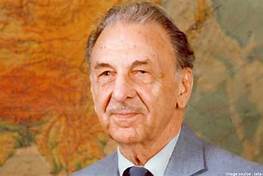
J.R.D. Tata-the great entrepreneur and philanthropist.

Jehangir Ratanji Dadabhai Tata, known throughout the world as J.R.D Tata, was born on the 29th of July, 1904 in Paris. His father, Ratanji Tata. His mother Sujaine was French. The Tatas belong to the Parsi community. They settled in Navsari, a small town near Bombay in 1942 A.D.

  The Tatas, an industrial family, have provided employment to lakhs of Indians all over the country. Tata Corporate is an industrial giant in our country. The Tatas have products that cover almost every industry right from railway engines to watches, cloth to soaps to common salt and also electrical goods. The Tata industry was started by Jamshedji Tata the Grand Old Man of the Tata family. He started a steel factory in Jamshedpur and a cotton factory in Nagpur, laying a foundation for industrial technology in India. This tradition was continued by J.R.D. Tata was known as the father figure of Indian industry.

  J.R.D. Tata received his primary education both in Paris and Bombay. He wanted to pursue his studies at Cambridge but his father involved him in the running of the company and hence he could not pursue his further studies at Cambridge. From childhood, J.R.D. wanted to be a pilot. His inspiration was Louis Blerio, an adventurous pilot who had crossed the English Channel in an airplane. After Tata returned to India he became a member of the Bombay Flying Club in 1929, obtained a pilot’s license. He flew his plane and in 1953 the Tata airlines were born which later became Air Indian, India’s international airline. Tata had undertaken his maiden solo flight from Bombay to Karachi and back, he re-enacted his maiden flight fifty years later from Karachi to Bombay in memory of the inaugural flight at the age of 88, such was his spirit!

  J.R.D. Tata participated in the struggle for freedom too. He was influenced by Pandit Jawaharlal Nehru and attended Congress meetings but later he felt he would be of better service if could help in eradicating poverty and employment than being behind bars. Under his chairmanship, the assets of the Tata Group grew from US$100 million to over US$5 billion. He started with 14 enterprises under his leadership and half a century later on 26 July 1988, when he left, Tata Sons was a conglomerate of 95 enterprises which they either started or in which they had a controlling interest.

He was the trustee of the Sir Dorabji Tata Trust from its inception in 1932 for over half a century. Under his guidance, this Trust established Asia’s first cancer hospital, the Tata Memorial Centre for Cancer, Research and Treatment, in Bombay in 1941. He also founded the Tata Institute of Social Sciences (TISS, 1936), the Tata Institute of Fundamental Research (TIFR, 1945), and the National Center for Performing Arts. The growth of Tata industries under him was phenomenal. As mentioned earlier from salt to steel, soap to atomic power, hotels, transport system, Tata industries lead by J.R.D. Tata was everywhere. 

  To recognition of his achievements and services in various fields, he received numerous awards. The Padma Vibhushan, in 1955 was one such award of civilian honor. He was awarded the Bharat Ratna in 1992 the highest civilian honor in India. J.R.D. Tata breathed his last on November 29, 1993, in Geneva, Switzerland. He is no more but his industries spread out all over India give a lifeline to lakhs of people.
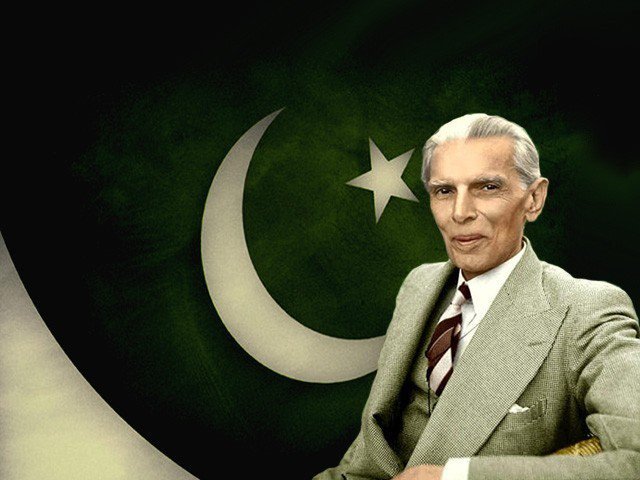
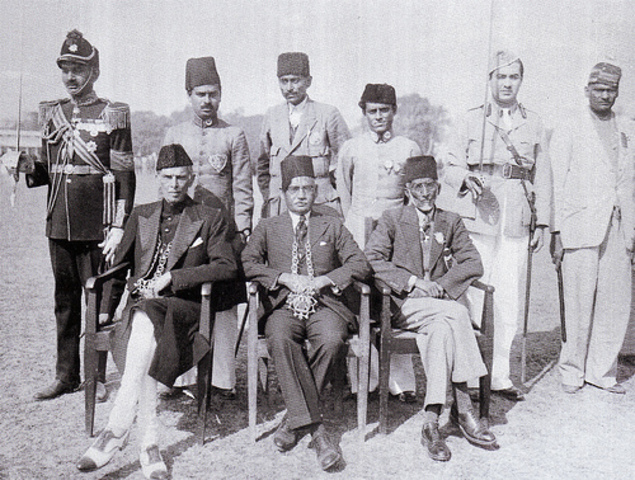
Mohammad Ali Jinnah- The man behind the Partition and creation of Pakistan.

Note- This article is based on historical facts and written with great conscience. I (the author) do not intend to hurt the sentiments of any Religion or Community. And in case I’ve made any mistake (with facts), then feel free to comment below.

Mohammad Ali Jinnah, the first Governor-General of Pakistan, was a part of the India National Congress for many years. India and Pakistan were born due to the two-nation theory that the Muslims would be given a separate nation as opposed to the Hindus and the INC.

  Hindus and Muslims had always fought as one against the oppression of the British. But the British were very crafty. They were aware that the growing nationalism would be the downfall of the British Empire sooner or later. To avoid this the British, sought the practice of ‘Divide and Rule’. They knew that the Muslims were a minority and their lack of education and comparative backwardness made them insecure and the British supposedly took up their cause. They campaigned for their cause and the Muslim intellectuals, big landlords, and leaders of the community aided them in swaying the rest of the Muslims. The way they wanted to.

 The Indians, unfortunately, did not realize that this was what the Britishers wanted and that they should be working together. The divide became wider and soon separate electorates took place in 1906. The Muslim leaders like Khan Abdul Gaffar Khan, Maulana Azad, M.A. Ansari all worked and appealed for unity, but on the other hand, Jinnah emerged as the leader of the Muslims and he gave vent to his ill feelings against Hindu leaders. It was during the conference at Calcutta in December 1928, that he demanded a separate electorate as well as reservations and safeguards for his community. He drilled into the minds of all the Muslims that they were a minority and they stood the danger of being dominated by the Hindu majority. Several Hindu organizations like the Hindu Mahasabha aided the deep-rooted resentment between the two communities.

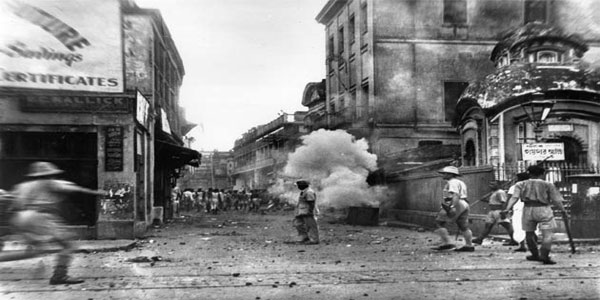
  The result of all this was partition and a nation called Pakistan was born. The initial idea of a different Muslim nation was heralded by Sir Muhammad Iqbal, who put this proposal at the Allahabad Muslim League session in 1930. But it was in April 1914 that Jinnah declared that under no circumstances would there be one government. They were determined to establish an independent nation. When the Ministers of the Interim Government, led by Pandit Jawaharlal Nehru were being sworn in, in September 1946, the Muslim League supporters were raising slogans about ‘Long Live Pakistan’. Though the two leagues worked together for a while, it was by no means a smooth sailing in the joint Government. Jinnah then announced 16th August 1946 to be considered as Direct Action Day, to assert his demand for a separate homeland for Indian Muslims out of certain northwestern and eastern provinces in colonial India. Against a backdrop of communal tension, the protest triggered massive riots between Hindus and Muslims in Calcutta (now Kolkata) in the Bengal Province of British India. More than 4,000 people lost their lives and 100,000 residents were left homeless in Calcutta within 72 hours. This violence sparked off further religious riots in the surrounding regions of Noakhali, Bihar, United Provinces (modern Uttar Pradesh), Punjab, and the North-Western Frontier Province. These events sowed the seeds for the eventual Partition of India.

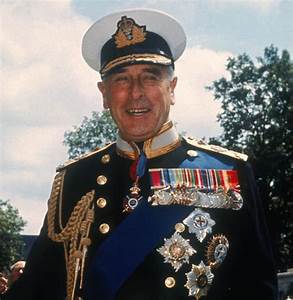
  Eventually, Lord Mountbatten put forward the partition plan in June 1947. The country was divided into two separate nations- India and Pakistan. Mohammad Ali Jinnah was sworn in as the first Governor-General of Pakistan on 14th August 1947. A day later India gained Independence with Pandit Jawaharlal Nehru as the Prime Minister on 15th August 1947. As Jinnah left New Delhi to assume the office of Governor-General of Pakistan he commented that it was probably the last time he would be looking at Delhi, and this proved true enough as he died only a year later on September 11, 1948. The emergence of Pakistan was at almost the end of his lifetime and the task of fulfilling and building up his dream was left to his successors.

Lord Mountbatten

MUSIC – A GOOD COMPANION!!!

We may live in different place, different state, different country but we a got together by music. Would you agree if say like that? Yes, music is a good companion which helps us to express our feelings. It may be any form of music but we may feel accompanied with music rather than being lonely. Let me tell you about how music has an great effect on us.

Music is something that we enjoy as a part of our life. It accompanies us from birth to death. During our childhood, our parents and grandparents used to sing songs to make us sleep. Crying is a kind of music. When we woke up, we can hear the birds chirpping and trees rustling which is the most lovely feel in the morning. Music is everywhere, all we need is to open our ears to listen to it.

One who knows to create music on their own with musical instruments is called a Musician. The different music instruments include – Percussion, Brass, String, woodwind and keyboard. Brass music instruments are played using mouth. Those instruments include Trombone, Trumpet etc. String music instruments give rythym to music and those instruments include Guitar, Veena, Violin etc.

Some musical instruments

Percussion musical instruments gives main beat and feel to the song and those include Drums, Tabla, Dolak etc. Woodwind instruments are made of wood and they are also played using mounth like brass instruments and these instrument include Flute. The keyboard consists of keys which has high pitches.When you add another voice to an instrument, it is called singing and is a vital part of the music. When people who play different instruments come together to play them together, it is called a band.

There are different genres of music such as rock, pop, classical, blues, jazz, R&B, hip-hop, etc. All of these genres of music are characterized by how the instruments work together. Rock music is often louder and is played using percussion and string instruments. In Jazz music, Saxophone is very popular. In this modern world, the newest genres of music is electronic dance music (EDM) which consists of loud percussive beats and is very popular to young people.

We all have our favorite music director, singer, band, etc. Music is a universal language that unite people regardless of boundaries. This has the sense of familiarity among the people. Eventhough, we don’t understand the meaning of the lyrics of a song, we like it because of the tune and voice. Music is not just a sound but a communicable language which makes feel good. I love to hear music when am alone. But I used to play music when I am with my friends and family and it unites us very much. Listening to your favourite song can completely uplift your mood if you are feeling down. Everybody has their own kind of music that they love, which is why it is special to us all in our own unique ways.

Unique Music Quotes With Images In English - Premium Quotes Only

My best advice for you is to enjoy the music when you are alone and enjoy more than that when you are with your family. This feel cannot be explained in words and you’ll understand by experiencing it. Often hear songs; make everyone around you happy. Be happy; lead a helathy life.

Read more;

How to get good grades in college


Some students just have it all, they have everything together. They score well in their examinations and on top of that, they are also successful on other fronts. Opportunities always find them, there are well prepared for any condition beforehand. Now in this article ladies and gentlemen, I’ve listed some of the very crucial and important habits a college student must carry for earning awesome grades.

1. Motivate Yourself


If you are not satisfied with your grades, do not get down on yourself. Try to motivate yourself instead and encourage yourself to stay on track. Pick a goal and use that as your motivational tonic.

2. Listen and Participate in lecture


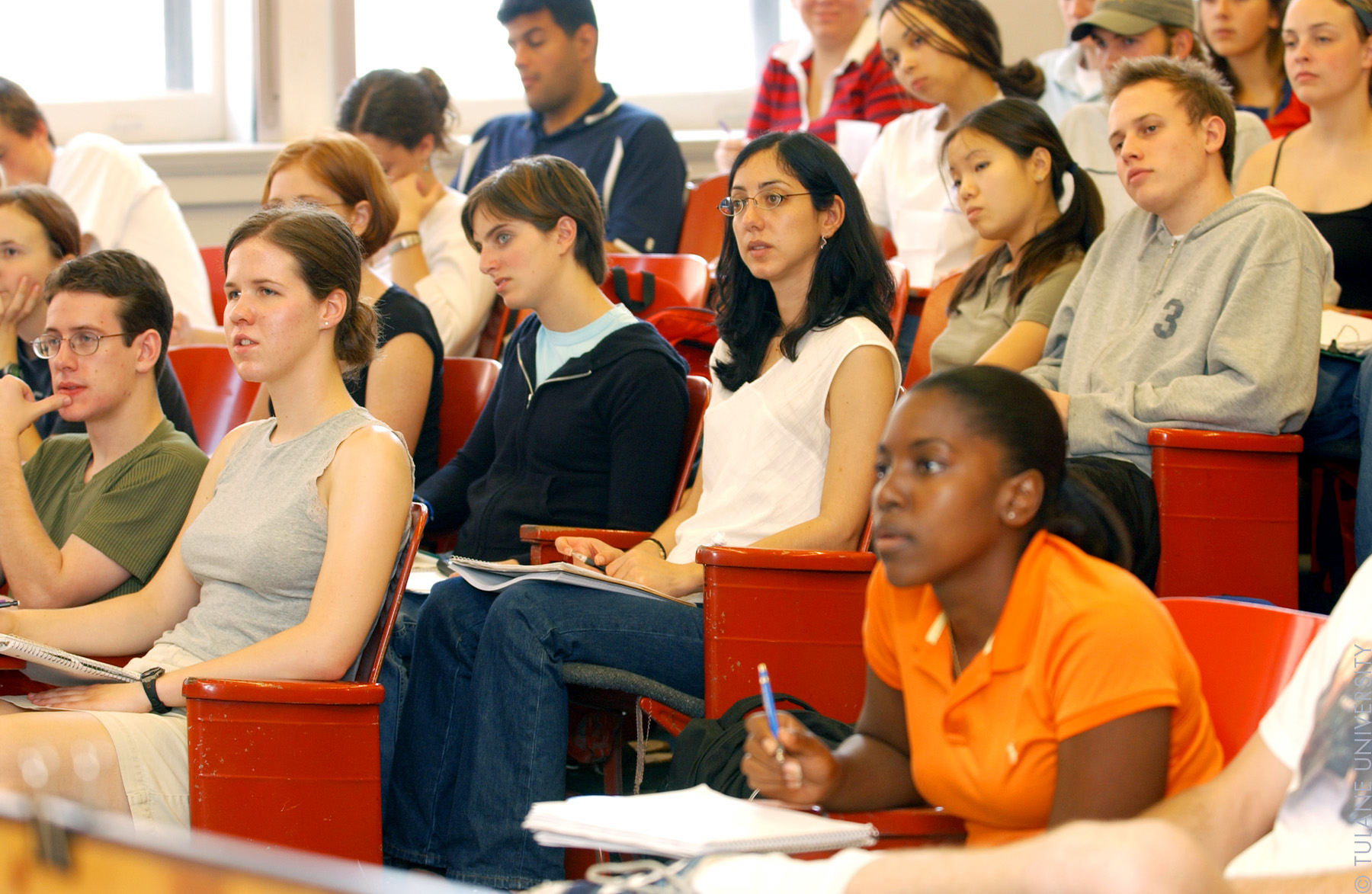
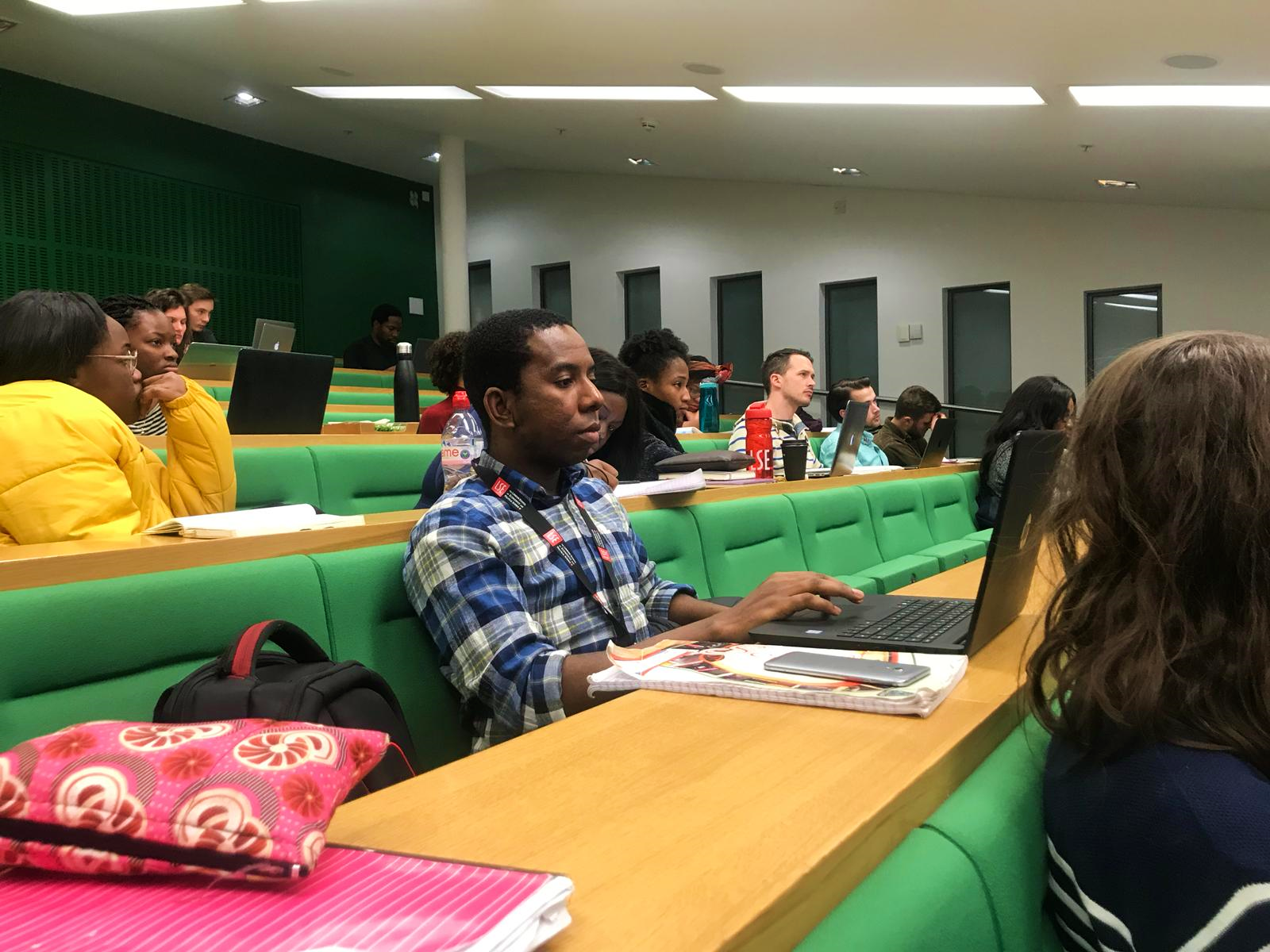
It may be a bit difficult at first if you are a shy person, but as soon as you’ll give two to three tries, you’ll eventually get the hang of it. If you’ll participate in your lecture, this will show your professor that you really care about your grades. Professors most of the time base the grades on various factors, and participation is one of them.

If you are shy, then to save yourself from embarrassment, you can write down the questions before the class and then ask them. Another trick to show your professor that you are really interested in getting good grades is to save a seat closer to the teacher so that they can know you even more.

3. Take meticulous notes during the lecture


This will ensure that you haven’t missed any important or relevant information. Note-taking is an important skill and habit as it will help you to convert to better grades.

4. Never hesitate to ask for help


If you’re having any problems or doubts related to a certain subject, you should always ask your teachers or peers for help after the lecture. Another option is that you could go for private tutoring only if you could afford it.

5. Stay focused during the homework


Find a comfortable place to do your homework or whatever you’re studying, in a distraction-free and quiet environment. Your cell phone could be your biggest enemy at this point, so put your phone aside or at least mute all your notification sounds, so you’re all well. 

6. Take a 15- minute break after every 45 minutes of hardcore studying 


Just to reward yourself, walk around the house, get some fresh air, think about how to get better grades, or just fuel yourself with a snack. Besides, breaking up the monotony of studying will help you to stay focused. But make sure that you don’t get carried away.

7. Keep your studying or working space organized


Use one notebook for one lecture. Don’t do the work of every lecture in one notebook, otherwise, you’ll get confused when you’ll sit down to study. Clean your desk regularly. This will keep you in a positive mood while you’re studying and you’ll stay focused.

8. Develop a study schedule 


If you’re preparing for a test or writing a research paper, it would be wise to break down your work into small chunks and work on a specific time, so that you don’t have a lot to cover in a night and you’ll not be stressed. Do not procrastinate and wait until the last night before the test.

If you’ll follow all these tips, then for sure you’ll be able to get good grades in college which in turn will be beneficial for your future. 

DEEPIKA KUMARI – INDIAN ARCHER!!!

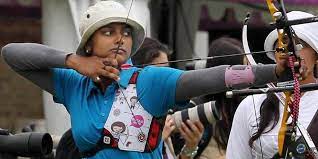
Everyone in the world have some unique talent. The talent to do something vary from person to person. Yes, I believe I have the talent of writing articles. I would say this is my unique talent. Likewise, we haven’t heard a lot about the so called unpopular games. Archery is not as famous a cricket. But Archery is a wonderful sport. The people who has interest in this is also low. This game needs a free and concentrated mind. In this game, concentration plays a major role. Let me ask you a question? Do you know the name of any archers in India? Have you heard of Deepika Kumari? I would say I have heard her name and now I know about her a little bit by writing this article. Come on! Let’s see about Deepika Kumari.

Deepika Kumari Mahato was born on 13th June 1994 in Ranchi, Jharkand. Her father, Shivnarayan Mahato, is an auto-driver and her mother Geeta Mahato, a nurse at Ranchi Medical College. Her interest in Archery came from hitting the mangoes with stones. Many of us did this, but this has laid the strong foundation for her archery career. Deepika’s family was financially unstable and they cannot buy her new equipments to practice. So she used bamboo bow and arrow. After that her cousin helped her to develop and improve her talent.

DEEPIKA KUMARI

DEEPIKA’S PROFESSIONAL CAREER:

  • She made her breakthrough in 2005, by entering the Arjun Archery academy run by Wife of Jharkand Chief Minister Arjun Munda.
  • Her professional career started in 2006 by joining Tata Archery Academy in Jhamsedpur. After being sent there, she had uniform and professional equipments and she praticed hard. She only returned home after three years, by winning Cadet World Championship title in November 2009. She is the one to get first medal for India in Archery.
  • Deepika became the second women to win the World Archery Competition held in 2006.
  • She won the 11th Youth World Archery Championship in 2009 at her age of fifteen.
  • In 2010 Common Wealth Games, She won two medals, one in individual event and the other in team event. In the same year, she was awarded Outstanding performance at CWG in the women’s catergory at the Sahara Sports ceremony.
  • In the 2010 Asian games, she lost in the individual Archery game to a North Korean player in the Bronze-level playoffs. But as a recurve team defeated Taipei of China in the Bronze-level playoffs.
  • In 2012, She won her first Word Cup individual stage, held in Turkey.
  • In London Olymbics 2012, She lost to Amy Oliver of Britain in the opening rounds due to relatively high fevers and winds.
  • In July 2013, she won the gold medal in Archey World Cup stage 3 held at Mendellin.
  • In September 2013, she won silver in the FITA Archery World Cup.
  • In 2015, in Stage 3 Archery world Cup, she won bronze in the individual event. She won team Silver with her teammates in the same World Cup.
  • In November 2015, she won a bronze medal in the Asian Championship with Jayanth Taldukar in the Recurve Mixed Team event.
  • In April 2016, at the first stage of the World Cup in Shangai, Deepika equaled the Ki-Bo-Bae’s world record of (686/720) in the women’s recurve event.
  • In November 2019, Deepika Kumari secured an Olympic quota at the Continental Qualification Tournament being held on the sidelines of the 21st Asian Archery Championships in Bangkok.
  • She won three gold medals In Stage Three World Cup held in Paris 2021.
  • She recorded the 13th triple gold and became the 11th archer to achieve the feat – in the 15-year history of the Hyundai Archery World Cup.

In 2017, a Biographical Documentry called Ladies First, flimed the life of Deepika Kumari. This movie won at London Independent Festival and was screened in  Mallorca Film Festival in October 2017. This movie has also been submitted in Short Documentary category at Oscars.

Deepika Kumari - Wikipedia
PadmaSri awarded by Hon’ble Pranab Mukerjee.

AWARDS WON BY DEEPIKA KUMARI

  • 2012 – Arjuna Award by the Government of India
  • 2014 – FICCI Sportsperson of the Year Award
  • 2016 – Padmasri by the Government of India
  • 2017 – Young Achievers award which is felicitated by Vogue.

Read more;

https://en.wikipedia.org/wiki/Deepika_Kumari

YOU ARE HWAT YOU EAT

THE title suggest that food effects our minds directly. Nature has store food for each organism to survive. It has rich source of protein which is the building block of our body. Carbohydrates which is the staple food and sources of vitamins and minerals in fighting disease for the maintenance of our body.

Now question arises which food shall we choose to eat? we all know that we should eat healthy food. food tht is fresh and healthy. Now what does healthy food signify? It refers to a food which is fresh , free from harmful substances, and served with love. It is vital to have awareness of the most healthful foods to ensure a wide a range of nutrients in the diet. A balanced diet is the secret to healthful eating. This article will cover the 15 most healthful foods and their benefits.

1. Almonds 2. Brazil nuts 3. Lentils 4. Oatmeal 5. Wheat germ 6. Broccoli 7. Apples 9. Blueberries . An eating plan that helps manage your weight includes a variety of healthy foods. Add an array of colours to your plate and think of it as eating the rainbow. Dark, leafy greens, oranges, and tomatoes—even fresh herbs—are loaded with vitamins, fibre, and minerals. Adding frozen peppers, broccoli, or onions to stews and omelettes gives them a quick and convenient boost of colour and nutrients.

Healthy food contains an adequate amount of vitamins and nutrients that are essential to keep our body fit and fine. Health is the most important aspect of life and if we eat healthy we can live a more prosperous life. However, people nowadays tend to eat junk food that is harmful to our body and has proved to be fatal many times. Therefore, it is important to make people aware of the benefits of healthy eating so that they can adopt a healthy lifestyle and keep themselves away from diseases and infections. Food forms the basis of our life and eating good and healthy food keeps us in good physical shape as well increases our immunity and strength. Eating a healthy diet puts a positive impact on our lives and improves our mental, physical and internal health. Including fruits and vegetables in our diet prevents us from various diseases like heart attacks, blood pressure, cholesterol problems, diabetes and much more. Green veggies are considered very beneficial for good metabolism and resistance to diseases. These days’ people are suffering from obesity problems which in turn results in various illnesses. Junk food is the main cause of obesity as it contains high sugars and fats. So, in order to live a healthy life, one must cut down on junk food intake and should start eating healthy food.

So, in conclusion, one must resort to alternative ways to have tasty and healthy food at the same time. We must drink lemon water and herbal tea instead of soft drinks; one should drink plant-based milk, eat raw fruits instead of juices, switch to lean protein diet, and eat less processed foods to keep the body healthy and fit. Hence, we must realize this fact that even though junk food looks amazing and appetizing, we must not eat it and should include healthy food in our diet to live a long life full of health and good well-being.

Love- Heavenly or Hellhound

 Love. Simple, everyone knows what love is even a five year could tell what’s love is. But do we really know the authenticity of love? The true meaning of love? 

Majority of people accepts or count love only between two individuals who are of opposite sex not the same sex which ain’t the matter at time of growing digital world. Love also counts between families which is whole pole apart from the same gender attractions part but still. 

Love is a transaction

Love for some people is a transaction which they can turn or and off which they says and believe. For some love is Thier true motto to achieve in their life. A happy ending with their partner. 

Humans not only fell love but the other living beings such as mammals and even tinnest creatures breathing on this planet knows and crave for love. 

Love has devine actions leading, Love for some is a hope for their better future. A ray of light which will aid to bring them out of their miserable life that they live. Love for some become obsession which they craves to control and need to tamed in leading to drastic ends of live. 

Love is a beautiful feeling far far toxic than it seems for some people. It’s in our hand to which means we are going to hold the love in our live. To a heavenly end or in hellhound. 

House

 House is a place where we spend most of our life .House provide us shelter, the food where we eat most, sleep . 

In today’s world ,Getting a good house is a dream for most guys due to high rates, poverty 

House provide us a way to enjoy, to achieve dreams by spending our most indispensable time there

Happiness

 Happiness is something which everybody wants whether it is teenager or old guy 

It is something which every person wants in life 

Happiness can be achieved by doing work 

It is something which is not hard to get

forest

 Forest is a place for animals ,birds,insects to live better than others ..

Forest is also liked by many people as it is calm ,quiet, and people love to spend time here 

People love to see animal, birds and want to enjoy nature beauty 

Indian food

 Indian food is a food  which is not only a food but gives other health benefit also 

It helps to gain strength, energy, metabolism 

Indian food is a great love for all Indians and also for foreign living people here

My guide to writing a bomb cover letter


You’re an old pro at crafting your resume to catch employers’ eyes, but a cover letter? Say what now? Everyone has heard of that strange, elusive document before. But chances are unless you’ve applied for a job or a certain internship, you’ve never had to write one. But fear not! I’m here to save you. You’re about to learn the ways of writing a cover letter so you can land that job and teach all your friends (and then feel super cool).

WHAT A COVER LETTER IS (A.K.A. WHAT TO DO):


The conundrums your cover letter should be able to answer “(1) Is it clean? (2) Does it demonstrate that the applicant researched the publication and has a good faith basis for believing they are a good fit, and (3) Does it tell a story?”

The most important thing about cover letters to keep in mind: It’s okay to brag. And actually, you should. Employers first learn about you in your cover letter, so you want it to create a good reflection of who you are and make a good argument for why you should get the job. The most important thing to remember is to be yourself, but also highlight your strengths and accomplishments

WHAT A COVER LETTER IS NOT (AKA WHAT NOT TO DO):

A cover letter shouldn’t be a mere recitation of the resume. Also, know that a cover letter is not a biography or even an essay. It’s a letter, just like its name suggests. Your cover letter shouldn’t run longer than a page if even that. The ideal length ranges to around four paragraphs, which sounds daunting, but if you use the suggested breakdown below, you should be good to go.

COVER LETTER BREAKDOWN:

Paragraph 1:

Your first paragraph, otherwise known as the introduction, should introduce you and why you’re writing. Think of it as the opening paragraph of a news story. It should answer all your “W’s”—who you are, what you’re applying for when you want the position, where you are in your education (as in what school you attend, where it is and what year you’re in) and why you’re the best option to hire.

Paragraph 2:

In the second paragraph expand upon your first, particularly in terms of your education and experience. Connect the dots in a cover letter. Explain how the experiences you’ve had and the person you’ve become as a result have led you to the point where you can honestly say you’d [be] of use to the employer. Try to pick the two or three most important or applicable experiences to the job and describe them succinctly. Here you may copy a bit from your resume. It’s also the place where you get to brag the most, so make sure your pride shines through.

Paragraph 3:

This paragraph involves discussing your transferrable skills. Here you can show off things not mentioned in your resume and your knowledge about the position you’re applying to. Be deliberate about which skills you discuss and be specific when explaining why those skills are relevant to a particular job. You want to show an employer that you’re interested in the job they’re offering, not just a generic job (even if that might be the case).

Paragraph 4:

This follows a pretty basic formula. Make to restate the position you’re applying for (full title and all). Very briefly restate your credentials and say you’re both qualified for and interested in the job. Always end with a sentence that says something like, “thank you for your consideration, and I look forward to hearing from you soon.” Finally, sign your name at the end. While you don’t have to physically sign it, closing with “Sincerely, [your name]” not only fits the letter format but gets your name in their head one last time.

Always end your cover letter with a strong closing statement. The closing statement will either make or break your cover letter. Remind the employer how and why you are qualified for the job in one sentence. Tie everything together by giving the location of work samples. Avoid language such as “I hope to hear from you soon.” Instead, include a more assertive closing like, “I’d love to discuss the position in further detail.” This will allow the employer to see how interested you actually are.

Death anniversary of World poet

India marks the 80th death anniversary of the great Bengali polymath Rabindranath Tagore on 22nd day of Bengali month Srabon, known as Baishe Srabon, solemnly marking the day when the poet and playwright passed away.

Rabindranath Tagore, the first non-European person to win a noble prize in literature, was known for reshaping the structural framework of Bengali literature and music, along with other Indian art forms with the adrent of modernism in the late 19th and 20th century.

Society’s biggest problem – Patriarchy and Its effects on Men and Women.

Patriarchy is a system of relationships, beliefs, and values embedded in political, social, and economic systems that structure gender inequality between men and women. Attributes seen as “feminine” or pertaining to women are undervalued, while attributes regarded as “masculine” or pertaining to men are privileged. Patriarchal relations structure both the private and public spheres, ensuring that men dominate both. Feminist scholarship traces the histories and geographies of patriarchal relations to demonstrate that patriarchy manifests in dynamic and flexible ways in order to sustain patriarchal relations. These approaches theorize the linkages between patriarchy and capitalism, colonialism, and nationalism, arguing that patriarchal relations operate across scales in ways that not only constitute those scales but also order social relations in hierarchical relationships. Such research examines patriarchal relations at the level of the body, the public-private divide, nationalism and citizenship, colonialism, and globalization. As an analytical tool, patriarchy has been criticized as too universalizing and overarching in its conceptualization of the unequal relations between men and women.

Earlier sociological and political definitions of patriarchy focused on domestic social relations organized around the law of the father and the social control that men, as heads of households, have over their wives and daughters. Within feminist scholarship, patriarchy has been understood more broadly as the system in which men as a group are constructed as superior to women as a group and as such have authority over them. In some instances, scholars have distinguished between ‘paternal’ patriarchy to refer to forms of a private, household organization run by the father and ‘fraternal’ patriarchy to refer to the domination of women in public civil society. For geographers, this distinction mirrors the division between private domestic space and public social space. More generally, patriarchy is conceived of as a broadly based system of social, legal, economic, political, and cultural structures and practices, which position men as the dominant social group and as able to marginalize, and exploit women. Some of the most widespread violations of human rights: Violence against women and girls takes many different forms, including domestic violence, sexual assault and harassment, child, early and forced marriage, sex trafficking, so-called ‘honor’ crimes and female genital mutilation. It is rooted in the gender inequality that women face throughout their lives from childhood through to old age. One in three women worldwide experience physical or sexual violence, mostly by an intimate partner. Violence against women and girls is a human rights violation, and the immediate and long-term physical, sexual, and mental consequences for women and girls can be devastating, including death. Violence negatively affects women’s general well-being and prevents women from fully participating in society. It impacts their families, their community, and the country at large. It has tremendous costs, from greater strains on health care to legal expenses and losses in productivity.

At least 155 countries have passed laws on domestic violence, and 140 have legislation on sexual harassment in the workplace (World Bank 2020). But challenges remain in enforcing these laws, limiting women and girls’ access to safety and justice. Not enough is done to prevent violence, and when it does occur, it often goes unpunished. For a woman to make more money than her male partner is frowned upon, and thus the male partner feels less than. These two examples are all directly linked to the fact that our culture sees parenting and childcare as feminine activity.

If we don’t begin by raising our children to understand that traditional gender roles are antiquated and unnecessary, we will have another generation of women, and society as a whole, living in a rape culture. By not understanding how patriarchy impacts men, we are negating the entire message of feminism: that there should be equality amongst all genders. It is time to change the standards that men and young boys are held up to. Instead of telling young boys that they cannot show emotion, that they must be self-reliant, and that violence is normal; it is time that we show them that being an “alpha male” is not something to aspire to, that being violent and destructive are not traits that we normalize, and that displays of emotion are both normal and encouraged. By doing this, we can restructure society and the way that society treats women.

The Ultimate Resume Master Guide


Maybe you really like the feeling of money in your pocket or you want to gain the relevant experience needed to achieve your dream of becoming a Fortune 500 Company CEO. Either way, you need to dust off that old resume or create a fresh one. After all, how can you tell future employers about all of your impressive skills without that all-important document? Sort of like your Facebook (except more professional), a resume gives potential employers a quick snapshot of your experience.

Important? Yes. Scary? Definitely. For the newbies, how do you create the perfect resume without crashing and burning faster than someone running on two hours of sleep and six Redbulls?

RESUME BREAKDOWN

1. The Essentials


Without your name and contact info, your resume is only a list of impressive accomplishments. Don’t forget to include your email address (the one you actually check), phone number, and street address. Place this at the top so it’s the first thing they see.

2. Education


You’ll want to list your school, using its full name, your graduation date, your major, any minors, relevant coursework and awards/scholarships (if you have them). As for your GPA, only include that if it’ll blow their minds. In other words, if you cringe looking at your GPA, then keep it to yourself.

3. Experience


Pro tip: List only the most impressive and relevant points in reverse chronological order, including the location and the time period you worked there. While looking at a stack of resumes, your potential employer’s short attention span needs a reason to keep reading. If you’re applying for a marketing position, don’t bother including high school goalie, but make sure to list last year’s business internship. Don’t forget to write out a job description and acquired skills for each position to show how your previous experience will translate to the job you’re about to land.

4. Organizations


You know all those clubs that take up so much time? Here’s when they come in handy. List anything from sports teams to Greek life to honour societies, especially if you held a leadership position.

5. Skills


Use this section for any relevant skills for the job. Include your WordPress and Adobe premiere pro expertise, but leave out Microsoft Word since most people know how to use it.

Some of the obvious questions which would bother you while making your resume:-

Q1) SHOULD I INCLUDE MY LIFE STORY IN MY RESUME?

Absolutely not—only include anything relevant to the position you want. If you hope to land a writing internship, definitely mention your editor experience at your school’s paper. If you’re applying for a position at your school’s biology lab, nobody cares about your part-time barista experience.

Q2) HOW CAN I BEEF UP MY RESUME?

Do you need the experience to put on your resume to find jobs so you can get experience…sound familiar? If your professional experience equals zero, then volunteer experience, part-time jobs and internships come in handy. Keep in mind that part-time jobs may feel like a waste of time since you’re not gunning to become a fast-food server for the rest of your life, but the skills you gain (like time management) actually attract employers like college students flock to free food.

Q3) HOW DO I FORMAT MY RESUME?

Avoid fancy fonts and stick to a simple one that’s easy to read. Your contact info goes at the top, in a slightly larger font (think size 14–16 or so), while the body follows your typical font size of 12. You want to include a second page only if you can fill that entire page. Otherwise, cut down your resume to one page. A longer resume doesn’t necessarily look better, so don’t include fluff to make yourself seem more impressive. Your English teacher never appreciated long run-on sentences included only to meet the page requirement (curse those 10-page papers), and your employer feels the same way too.

If you’ll keep all these things in mind then your resume will definitely leave a good impression on your employer.