Children receive all missed/due doses of Measles Containing Vaccine

 There have been some media reports alleging that an estimated 11 lakhs children in India missed their 1st measles vaccine dose in 2022, according to a report published by the World Health Organization and US Centres for Disease Control and Prevention (CDC). 

These reports are not based on facts and do not reflect the true picture. These reports are based on the estimated number reported under WHO UNICEF Estimates National Immunization Coverage (WUENIC) 2022 report which covers the time-period from 1st of January 2022 to 31st of December 2022. 

However, as per the HMIS of Union Ministry of Health & Family Welfare, a total of 2,63,63,270 children out of the eligible 2,63,84,580 children received their 1st dose of Measles Containing Vaccine (MCV) in the FY 2022-23 (April 2022 to March 2023) and only 21,310 children missed their 1st dose of Measles Containing Vaccine (MCV) in 2022-23. 

Besides this, several initiatives have been undertaken by the Government of India in coordination with the States to ensure that all children, either unvaccinated or partially vaccinated receive all missed/due doses of Measles Containing Vaccine (MCV):

  • The catch-up vaccination age for the administration of Measles Containing Vaccine (MCV) has been increased from 2 years to 5 years in the periodic immunization intensification activities. 
  • Intensified Mission Indradhanush, (IMI) 3.0 and 4.0 were carried out in 2021 and 2022 to vaccinate all unvaccinated/partially vaccinated children with missed/due doses of vaccines. Besides this, IMI 5.0 was carried out in 2023 with a special focus to increase the coverage of MR vaccine in children up to the age of 5 years. 
  • MR campaign was carried out in Delhi and West Bengal wherein all children in the age group of 9 months to 15 years (9months to 5 years in Delhi) were vaccinated with campaign dose of MR vaccine. The coverage of both the States reached >95%.
  • Several States have carried out Supplementary Immunization activities and outbreak response immunization wherein a total of 30 million children have been vaccinated with an additional dose of MR vaccine.
  • A Special Advisory on Outbreak Response Immunization was shared in November 2022 which clearly stated that One dose of MRCV has to be administered to all children aged 6 months to < 9 months in areas where the measles cases in < 9 months are above 10% of the total measles cases to not miss any child.
  • The Non measles Non rubella (NMNR) discard rate is >5.8%, the highest achieved so far for the country for the current financial year, indicating a robust surveillance mechanism in place. 

India’s unstinted commitment to ensure that every single child of the country is vaccinated with vaccines under Universal Immunization Programme has been recognized globally. India’s exemplary leadership and inspiration in the Regional Measles and Rubella Programme has been highly appreciated and recognized by the Measles and Rubella Partnership comprising of multiagency planning committee including the American Red Cross, BMGF, GAVI, US CDC, UNICEF and WHO. The Measles and Rubella Partnership Champion Award is scheduled to be conferred on the Ministry of Health and Family Welfare, Government of India in March 2024, at Washington DC.

****


Global Fisheries Conference India 2023

 Union Fisheries Minister Shri. ParshottamRupala will inaugurate the Global Fisheries Conference India 2023 in Ahmedabadon Tuesday. Many dignitaries including Chief Minister of Gujarat  Shri. Bhupendrabhai Patel, Ministers of State Dr L Murugan and Dr Sanjeev K Balyan, State Fisheries Ministers, Union Fisheries Secretary will also be present there.

Ahmedabad is set to host the Global Fisheries Conference India 2023, a two-day mega event bringing together a diverse array of dignitaries and stakeholders including state fisheries ministers, ambassadors of different nations, global fisheries scientists, policy makers, fisheries communities and investment bankers on November 21 and 22 on the occasion of World Fisheries Day.  The conference is organised by the Department of Fisheries, Ministry of Fisheries, Animal Husbandry and Dairying, Government of India. It will serve as a platform to forge partnerships with national and international stakeholders and chalk out a roadmap for sustainable growth of India’s fisheries sector. Under the theme ‘Celebrating Fisheries and Aquaculture Wealth’, the conference aims to bring together key stakeholders on one platform for fruitful discussions, market insights and networking.

International Collaboration

The Central Government intends to capitalise on this global event as a strategic platform to harness international collaboration aiming to boost export, enhance the socio-economic well-being of fishers and aquafarmers, and promote start-up and entrepreneurial initiatives across the value chain in the sector.  

International Round Table led by Union Minister

Major highlights of the conferenceincludeInternational Round Table Meet led by Union Fisheries Minister Shri. ParshottamRupala. This high-level dialogue, attended by ambassadors of different nations and representatives of various international agencies, will focus on international collaborative efforts to sustain the sector amid a range of critical challenges, including climate crisis. 

High-level delegations from more than10 countries have confirmed their participation and will attend the Conferencephysically. France will be represented by Ms. Monique Tran representing Counsellor for Agricultural Affairs, Cristian Rodrigo Valdes Carter and Ms. Arti Bhatia Kumar will represent Norway; Dr Richard Niall, First Secretary (Agriculture) from Australian High Commission; Muratov Sergey,  AdiatulinIlias and Shagushina Anna from Russia; Wagner Antunes, Head of the Trade Promotion Department of the Embassy of Brazil; Mr.DimitriosIoannou, Minister and Ambassador, Greece; Borja Velasco Tuduri, Counsellor, Spain; Melanie Phillips, Counsellor (Agriculture), New Zealand; and Peter Hobwani, Deputy Ambassador, Zimbabwe have already confirmed their participation. In addition, more than 50 other foreign diplomats are anticipated to join the meet virtually.

Similarly, around 10 renowned international organizations will also attend the global meet. Mr. Changnam Jung, Natural Resources and Agriculture Specialist of Asian Development Bank (ADB); Takayuki Hagiwara, India Head of Food and Agriculture Organisation of the UN (FAO); Pratap Sinha, Sandeep Nayak, Rajadyuti Mahapatra and Dharmendra Bhoi from GiZ; Dr P Krishnan, Director of the Bay of Bengal Inter-Governmental Programme (BOBP-IGO) and Ranjit Suseelan, India Consultant of the Marine Stewardship Council (MSC) will attend the conference.

The Conference will also be attended byMr. Changnam Jung, Natural Resources and Agriculture Specialist of Asian Development Bank (ADB); Takayuki Hagiwara, India Head of Food and Agriculture Organisation of the UN (FAO); Pratap Sinha, Sandeep Nayak, Rajadyuti Mahapatra and Dharmendra Bhoi from GiZ; Dr P Krishnan, Director, Bay of Bengal Inter-Governmental Programme (BOBP-IGO) and Ranjit Suseelan, India Consultant of the Marine Stewardship Council (MSC) will attend the conference.

Unique Opportunity for Stakeholders

The conference covers over 210 national and international exhibitors, including start-ups, exporters, fisheries associations, and processing industries. It will showcase their products, success stories, and innovative solutions. This will offer a unique opportunity to the enterprises, startups, associations, co-operatives, Self Help Groups (SHGs) and small-medium fisheries enterprises to come together on one platform and showcase their range of products and services in the fisheries. 

The event will encompass a range of engaging sessions, including Matsya Manthan, featuring technical discussions with national and international experts; industry connect for interactions between industry stakeholders and policy makers; Government to Government (G2G), Business to Government (B2G) and Business to Business (B2B) Bilateral meets; exhibition showcasing cutting-edge fisheries and aquaculture technologies. A special pavilion will be set up to exclusively demonstrate 10 transformative initiatives in the fisheries sector.

Industry Connect & Business pitches

During the Global Fisheries Conference India 2023, Industry connect will be organised to engage the industry stakeholders with others including policy makers for deliberations upon issues such as start-up ecosystem, co-operation & collaboration in the fisheries sector, technology and knowledge transfer, R&D, capacity building, extension, best practices, involvement of women in fisheries value chain, safety standards, market linkages, and business opportunities etc. This session will feature prominent representatives from organizations like the Confederation of Indian Industry (CII) and the Federation of Indian Chambers of Commerce and Industry (FICCI) and other prominent fisheries industry associations.

The event is anticipated to attract a total of 5,000 visitors, including fishers, fish farmers, fish vendors, representatives of fisheries cooperatives, local communities, foreign delegates and investors, and fisheries start-ups. International leaders, technology investors, research and development institutions, equipment manufacturers, export councils, fisheries’ associations, financial institutions, international fishing industry organizations, and aquaculture pharmaceuticals and nutraceuticals will also participate in the two-day mega event.


***

India’s Logistics Performance Index (LPI) Ranking

 A meeting on Measures Taken and Action Plan for improving India’s Logistics Performance Index (LPI) ranking was held under the chairpersonship of Special Secretary (Logistics), DPIIT, MoCI on Friday with the nodal officers of the LPI dedicated cell formed in eleven Stakeholder Ministries/Departments. 


The dedicated cell meets every fortnight to assess the measures taken and outcomes achieved in improving performance across six parameters of LPI including (i) Customs., (ii) Infrastructure (iii) Ease of arranging shipments (iv) Quality of logistics services (v) Tracking and Tracing and (vi) Timeliness. 

SmtSumitaDawra, Special Secretary (Logistics) DPIIT, during her opening remarks, highlighted that the targeted action plan is important to improve the logistics efficiency of the country and thereby India’s ranking in the World Bank LPI. She added that the measures taken by the stakeholder Ministries/ Departments will be showcased to the World Bank LPI team. 

During the meeting, Ministries/ Departments presented the action plan, and best practices were showcased. 

Mr. VivekVerma, Secretary, of the Land Ports Authority of India (LPAI), highlighted thatLPAI has implemented a Land Port Management System (LPMS) to digitiseoperations and facilitate a secure electronic flow of information between all stakeholders at the Integrated check posts (ICPs). The system is reducing the dwell time of cross-border movements (trade and passenger), enhancing the efficiency of customs and border management clearance, and improving the timely delivery of shipments.  He added that LPAI has been successful in reducing the dwell time from 57 days to less than 24 hours. 

Mr. Manoj Gangeya, ED (Planning), Ministry of Railways, stated about various initiatives that MoR is planning across six parameters of LPI. This includes 100% electrification of railway tracks, increasing CAPEX to INR 2.6 lakh crore in FY24 to improve the speed and volume of freight transport in the country, and the implementation of Eastern and Western dedicated freight corridors is likely to increase the average speed of freight trains, thereby by reducing transit time and inventory cost to customers. Additionally, the development of rail containerisationat ports and freight terminals is expected to increase the rail container loading from 80 million MT recorded last year to 3 times by FY31.  MoR is also checking the feasibility of railway siding at Land Ports to promote multi-modal connectivity. 

Mr. Ajay Kumar, CEO, AAICLAS highlighted the airport capacity building which is being undertaken at Kolkata with a target to construct an upgraded/new facility by December 2025. An air cargo village in an area of 37 acres approx. in Delhi (Jewar airport) is also being planned with an investment of 1200Cr which is likely to be commissioned by Dec 2024.

Mr. Rituraj Mishra, Deputy Secretary (Ports) presented the various initiatives that have been planned to improve logistics efficiency. Some of them include the automation of weighbridges, improving scanning facilities at the ports, increasing DPD/ DPE share to 80% by rail, and streamlining and simplifying processes by creating Standard Operating Procedures (SoPS) across all the ports. 

Mr. R. Ananth, Director, CBIC highlighted that a Custom Revenue Control Laboratories (CRCL) will be launched in Guwahati by December 23 which will assist in field formations in chemical analysis of samples of various trade commodities.

In her closing remarks, the Special Secretary added that these initiatives with a targeted intervention will improve logistics efficiency in the country. Further, the good practices by Ministries will help in impressing the idea of objective-based assessment in LPI calculation to the World Bank. In this regards, she suggested: 

  • Ministries/Departments including CBIC, MoCA, MoRTH, MoR, and MoPSW to share the initiatives, best practices, and interventions planned to address the gap/ issues pertaining to Ministries in the form of an action plan with a timeline in coordination with User Ministries (Coal, Steel, DGFT) and NICDC

  • A systematic approach needs to be followed to communicate the initiatives and good practices of Ministries/ Departments to the stakeholders which will improve the perception of the logistics sector in India 

The eleven Stakeholder Ministries/Departmentsincludes Land Ports Authority of India (LPAI), M/o Civil Aviation, M/o Railways, M/o Port Shipping and Waterways (MoPSW), M/o Coal, M/o Civil Aviation (MOCA), CBIC, M/o Steel, and, D/o Commerce, Directorate General of Foreign Trade (DGFT) and, National Industrial Corridor Development Corporation Limited (NICDC). 

**

WHO and the Ministry of Ayush signed the Traditional and Complementary Medicine 'Project Collaboration Agreement'

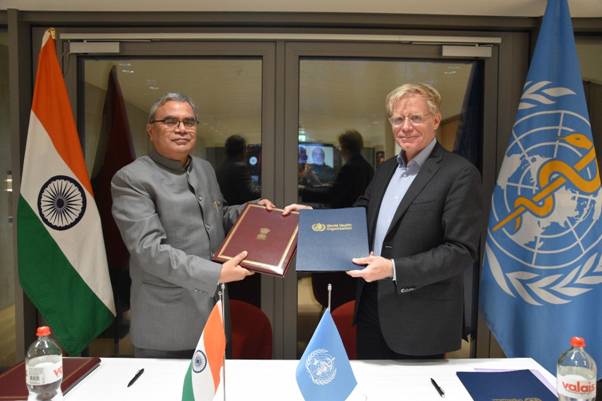
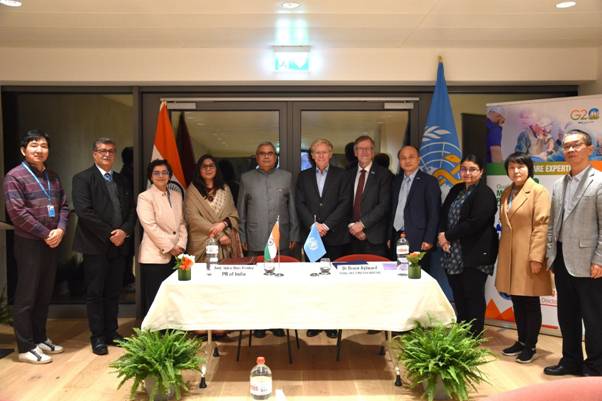
 The Ministry of Ayush and World Health Organization (WHO) have signed Traditional and Complementary Medicine ‘Project Collaboration Agreement’ late last night in Geneva. The main objective of this agreement is to standardize Traditional and Complementary Medical Systems, integrate their quality and safety aspects into the National Health System, and disseminate them at the international level. Through this cooperation agreement, efforts will be made to connect Traditional and Complementary Medical Systems with the mainstream of the National Health System. To fulfil this objective, Traditional Medicine Global Strategy 2025-34 will be prepared by WHO with the support of the Ministry of Ayush.

Other major objectives of the agreement include efforts to strengthen the system of training and practice in the field of Complementary Medicine System ‘Siddha’, formulation of guidelines for the listing of Traditional and Complementary Medicines, safety and related efforts, etc. An International Herbal Pharmacopoeia of herbs found in South-East Asia will be developed by the Ministry in collaboration with WHO. Efforts will be made under this agreement to integrate evidence-based Traditional and Complementary Medicines with the National Health System, conservation and management of biodiversity and medicinal plants, etc.

Congratulating everyone on this occasion, Union Ayush Minister Shri Sarbananda Sononwal said that India has been the center of culture of many traditional and alternative medical systems since ancient times. Such global efforts by the Ministry to strengthen the National Health System will definitely give India a global identity in the field of healthcare services and promote medical tourism in India. This effort of the Ministry is one more step taken towards the global success of India.

Ayush Secretary, Vaidya Rajesh Kotecha, said, in his virtual message during the signing in event that the first phase of this agreement, 2023-28, will prove to be a milestone in the global development of Traditional and Complementary Medical System. According to Bruce Aylward, Assistant Director General, Universal Health Coverage and Life Course Division, WHO, this collaboration agreement will bring Traditional and Complementary Medicine Systems into the mainstream of India’s National Health System and serve the objective of global healthcare and well-being. India’s Permanent Representative to the United Nations, Indra Mani Pandey, who signed the agreement on the behalf of Indian government, said, “India is committed to working with WHO to strengthen Traditional Medicine Systems globally and especially in supporting fellow developing countries in promoting their own traditional medicine systems.”

A total of two ‘Project Collaboration Agreements’ have already been signed by the Ministry of Ayush with WHO. The first contract was signed in 2016 to take Traditional Medical systems like Yoga, Ayurveda, Unani, and Panchakarma to the global level and the second contract was signed in 2017 to strengthen the system of Ayurveda, Unani and Siddha medical systems.

This agreement was signed at an event organized in Geneva city, Switzerland. Shri Indra Mani Pandey, Permanent Representative of India to the United Nations, on behalf of the Ministry of Ayush, and Dr. Bruce Aylward, Assistant Director General, Universal Health Coverage and Life Course Division, on behalf of WHO. 

***

Eduindex News

 Eduindex News covers diverse subjects such as:


  1. Academic Research: Updates on recent research findings, scholarly publications, and academic conferences across different disciplines.

  2. Educational Policy: Discussions and analysis of educational policies, reforms, and developments at local, national, and international levels.

  3. Higher Education: Information on universities, colleges, courses, admissions, and trends in higher education globally.

  4. Student Resources: Tips, guides, and resources for students, including study techniques, career advice, and opportunities for internships or scholarships.

  5. Teaching and Learning: Insights into innovative teaching methods, classroom strategies, and educational technologies that enhance the learning experience.

  6. Educational Events: Coverage of seminars, workshops, webinars, and educational events happening around the world.

Eduindex News aims to cater to educators, researchers, students, and anyone interested in the field of education. It serves as a platform for sharing knowledge, fostering discussions, and keeping the audience informed about the latest developments and trends in education and academia.

Collaborative Research: Unleashing the Power of Collective Knowledge

 Collaborative research is a dynamic and transformative approach to inquiry that transcends traditional disciplinary boundaries, uniting researchers with diverse expertise and perspectives to address complex challenges. In an era where global issues demand multifaceted solutions, collaborative research emerges as a key driver of innovation, pushing the boundaries of knowledge and fostering a culture of collective problem-solving.

Defining Collaborative Research:
Collaborative research involves the concerted efforts of researchers from various disciplines, institutions, or even nations, pooling their expertise to explore and solve complex problems. This collaborative model extends beyond the confines of individual expertise, encouraging interdisciplinary engagement and fostering a rich tapestry of ideas.

Benefits of Collaborative Research:

  1. Diverse Perspectives and Expertise:
    Collaborative research harnesses the power of diverse perspectives and expertise. Bringing together individuals with varied backgrounds ensures a comprehensive understanding of complex issues, enriching the research process with interdisciplinary insights.

  2. Enhanced Innovation and Creativity:
    Collaboration sparks creativity and innovation. The synergy of minds working together often results in novel approaches to problem-solving, pushing the boundaries of what is possible and leading to breakthrough discoveries.

  3. Increased Resources and Infrastructure:
    Collaborative efforts allow researchers to access a broader range of resources and infrastructure. This might include specialized equipment, datasets, or facilities that are not available to individual researchers or institutions, thereby elevating the quality and scope of the research.

  4. Accelerated Research Progress:
    The collaborative model accelerates research progress. By distributing tasks and responsibilities among team members, researchers can work concurrently, reducing the time required to complete a project. This acceleration is particularly valuable in addressing urgent societal challenges.

  5. Global Impact:
    Collaborative research transcends geographical boundaries, enabling researchers to address global challenges. International collaborations facilitate the exchange of ideas, methodologies, and cultural perspectives, leading to research outcomes that have a far-reaching impact.

Challenges and Considerations:

  1. Communication and Coordination:
    Effective communication and coordination are critical for successful collaboration. Researchers must navigate differences in communication styles, time zones, and work cultures to ensure seamless information exchange and project management.

  2. Interdisciplinary Integration:
    Integrating diverse disciplinary perspectives can be challenging. Researchers need to bridge language gaps and foster a shared understanding of the research goals and methodologies, promoting a cohesive and integrated approach.

  3. Resource Allocation and Funding:
    Collaborative research often requires significant resources, including funding, which may pose challenges. Securing funding for interdisciplinary projects and managing resource allocation efficiently are essential for the sustainability of collaborative initiatives.

  4. Authorship and Recognition:
    Determining authorship and ensuring that contributors receive due recognition can be complex in collaborative projects. Clear guidelines and transparent communication are essential to address issues related to intellectual property and authorship credits.

Success Stories:

  1. Human Genome Project:
    The Human Genome Project stands as a testament to the power of collaborative research. Involving scientists from around the world, this landmark project mapped and sequenced the entire human genome, paving the way for breakthroughs in genetics and personalized medicine.

  2. Intergovernmental Panel on Climate Change (IPCC):
    The IPCC exemplifies successful international collaboration in addressing climate change. Bringing together scientists, policymakers, and experts from various disciplines, the IPCC produces comprehensive assessments that guide global climate policies.

Conclusion:
Collaborative research represents a paradigm shift in the way we approach complex challenges. By fostering interdisciplinary collaboration, leveraging diverse expertise, and transcending geographical boundaries, collaborative research has the potential to drive transformative change and shape a more sustainable and equitable future. As we continue to face unprecedented global challenges, collaborative research stands as a beacon of hope, showcasing the collective power of knowledge, innovation, and shared purpose.

How to Find the Grant for Research and Travel in Africa

 By: Shashikant Nishant Sharma 

Helping scholars in getting research grants and writing proposals. Finding grants for travel in Africa can involve several steps. Here’s a general guide to help you in your search:


  1. Define Your Purpose:

    • Clearly define the purpose of your travel. Are you attending a conference, conducting research, participating in a project, or volunteering? Knowing the specifics will help you narrow down potential grants. Defining your purpose involves providing a clear and detailed explanation of the reason for your travel. It requires specifying the primary objective or goals you aim to achieve during your time in Africa. Here are the key components of defining your purpose:
      1. Attending a Conference:

        • If your purpose is to attend a conference, state the name, location, and focus of the conference. Highlight how your participation contributes to your professional development, knowledge enhancement, or networking within your field.
      2. Conducting Research:

        • If your travel involves research, outline the nature of your research, its significance, and the specific areas or topics you plan to investigate. Explain how your research contributes to existing knowledge and the potential impact it may have.
      3. Participating in a Project:

        • If you are participating in a project, describe the project’s goals, objectives, and the role you will play. Clarify how your involvement contributes to the project’s success and any anticipated outcomes or benefits.
      4. Volunteering:

        • If your purpose is volunteering, specify the type of volunteer work you will be engaged in. Provide details about the organization or community you will be supporting, the tasks you will undertake, and the expected positive impact of your volunteer efforts.

      In summary, clearly defining your purpose involves articulating the specific nature of your activities, whether they are conference attendance, research endeavors, project participation, or volunteer work. This clarity is essential for identifying grants that align with your goals and ensuring that your applications accurately reflect the purpose of your travel.


  2. Research Organizations and Foundations:

    • Identify organizations and foundations that support travel-related initiatives in Africa. Look for both international and local entities that may offer grants for your specific purpose.
    • Researching organizations and foundations involves identifying entities that provide financial support for travel-related initiatives in Africa. Here’s a more detailed breakdown of this step:

      1. Online Research:

        • Begin by conducting online research using search engines and relevant databases. Look for organizations and foundations that focus on travel, international collaboration, or specific areas related to your purpose (e.g., education, healthcare, community development).
      2. International Entities:

        • Identify international organizations that have a presence in Africa or fund projects on the continent. Examples include global foundations, NGOs (Non-Governmental Organizations), and intergovernmental organizations. Check their websites for information on grant programs and eligibility criteria.
      3. Local Entities:

        • Explore local organizations based in the countries you plan to visit in Africa. These could be NGOs, community foundations, or government agencies that support initiatives aligned with your purpose. Local entities may have a deep understanding of the specific needs and opportunities in their regions.
      4. Thematic Focus:

        • Consider the thematic focus of each organization. Some may prioritize education, healthcare, environmental conservation, or other specific areas. Choose organizations whose priorities align closely with the goals of your travel.
      5. Professional Associations:

        • Look into professional associations related to your field. Many associations have foundations or funds that support international travel for research, conferences, or collaboration. Check if membership is a prerequisite for applying.
      6. Collaborative Platforms:

        • Explore collaborative platforms that connect individuals with funding opportunities. Websites like ResearchGate, Academia.edu, or professional social media platforms may have discussions or announcements related to travel grants.
      7. Government Agencies:

        • Investigate government agencies both in your home country and the destination country in Africa. Some government departments offer grants or collaborate with international partners to support travel for various purposes.
      8. Community Foundations:

        • Community foundations, especially those based in the areas you plan to visit, may offer grants for projects that benefit local communities. Research their grant programs and see if they align with your travel objectives.
      9. Review Past Recipients:

        • Check the list of past grant recipients for each organization. This can provide insights into the types of projects and individuals they typically support. It also helps you gauge the competitiveness of the grant.
      10. Contact and Inquire:

        • Reach out to the identified organizations and foundations. Contact them directly to inquire about their grant programs, application processes, and any specific requirements. Establishing communication can also help you build a relationship with the funding entities.

      By systematically researching and identifying potential organizations and foundations, you increase your chances of finding grants that align with your travel objectives in Africa.

  3. Use Online Resources:

    • Explore online databases and grant directories. Websites like GrantWatch, GrantStation, and Idealist can be helpful in finding relevant grants. You can search for grants based on location, purpose, and other criteria.
    • Exploring online resources involves utilizing specialized databases and grant directories to identify potential funding opportunities for your travel in Africa. Here’s a more detailed breakdown of how to use online platforms effectively:

      1. GrantWatch:

        • Visit the GrantWatch website and create an account if necessary. This platform aggregates a wide range of grants, including those related to travel and international initiatives. Use the search function to filter grants based on location (Africa), purpose (e.g., conference attendance, research), and other relevant criteria.
      2. GrantStation:

        • Access the GrantStation database and explore the available grant opportunities. This platform provides a comprehensive database of grants, allowing you to search for funding based on specific parameters. Narrow down your search by selecting filters related to your purpose and location.
      3. Idealist:

        • Visit the Idealist website, a platform that focuses on connecting individuals with opportunities for social impact, including grants. Use the search feature to find grants related to travel in Africa. Specify your purpose, and explore the results to identify relevant opportunities.
      4. Other Grant Directories:

        • Explore additional online grant directories that cater to your specific needs. Examples include Foundation Center, ProFellow, and Pivot. These platforms often allow you to customize your search based on criteria such as location, purpose, and target audience.
      5. Utilize Search Filters:

        • When using these online resources, make use of search filters to refine your results. Filter grants based on geographical location (Africa), the purpose of your travel, preferred funding amount, and any other relevant criteria. This helps you narrow down the options to those most aligned with your needs.
      6. Read Grant Descriptions:

        • Carefully read the descriptions of the grants you find. Pay attention to eligibility criteria, application requirements, and deadlines. Ensure that the grants you are considering are a good fit for your travel purpose and align with your goals.
      7. Set Up Alerts:

        • Some platforms allow you to set up alerts based on your search criteria. This way, you can receive notifications when new grants matching your specifications are added to the database. Setting up alerts helps you stay informed about the latest opportunities.
      8. Check for Updates:

        • Regularly check the websites for updates and new grant listings. Grant opportunities may be added or modified, and staying informed ensures that you don’t miss out on potential funding sources.

      By leveraging online databases and grant directories, you can efficiently identify grants that match your travel objectives. These platforms offer a centralized and organized way to explore a wide range of funding opportunities for your specific purpose in Africa.

  4. Government Grants:

    • Check with government agencies in your country and the country you plan to visit. Some governments have travel grants or funds for individuals engaged in specific activities, such as research or cultural exchange.
    • When exploring government grants, particularly from your country and the destination country in Africa, it’s crucial to follow a systematic approach. Here’s a detailed breakdown of how to check for government grants:

      1. Identify Relevant Government Departments:

        • Determine which government departments or ministries in your home country and the target country are likely to be associated with your travel purpose. For example, if you are conducting research, check with departments related to education, science, or foreign affairs.
      2. Visit Government Websites:

        • Access the official websites of the identified government departments. Look for dedicated sections related to grants, funding opportunities, or international collaborations. Government websites often provide detailed information about available grants and application procedures.
      3. Check Foreign Affairs or International Relations Departments:

        • Explore the website of the foreign affairs or international relations department in both your home country and the destination country. These departments often manage grants and programs related to cultural exchange, research collaborations, and diplomatic initiatives.
      4. Research Grant Programs:

        • Investigate specific grant programs that align with your travel objectives. Some governments have programs designed to support individuals engaged in research, educational exchange, or projects that promote international cooperation. Take note of eligibility criteria, deadlines, and application processes.
      5. Contact Government Representatives:

        • Reach out to representatives or offices within the government departments responsible for grants. You can contact them via email or phone to inquire about available opportunities, specific eligibility requirements, and the application process. Government officials can provide valuable information and guidance.
      6. Explore Bilateral Agreements:

        • Investigate any existing bilateral agreements or partnerships between your home country and the destination country. Governments often allocate funds for initiatives that strengthen ties between nations. Look for grants that may be available under these agreements.
      7. Check Embassies and Consulates:

        • Visit the website of the embassy or consulate of the destination country in your home country. Embassies often provide information about grants, scholarships, and programs that support cultural exchange and collaboration. Contact them directly for detailed information.
      8. National Research Foundations:

        • In some countries, national research foundations or councils oversee research grants. Explore the websites of such organizations to identify potential funding opportunities for research-related travel.
      9. Review Previous Grant Recipients:

        • Look for lists of previous grant recipients on government websites. This can provide insights into the types of projects that have been funded and help you tailor your application accordingly.
      10. Stay Informed about Policy Changes:

        • Keep an eye on any changes in government policies related to international travel and collaboration. Governments may introduce new initiatives or modify existing programs that could affect the availability of grants.

      By thoroughly researching government grants through official channels and direct communication with relevant authorities, you can gather the necessary information to apply for funding that aligns with your travel purpose in Africa.

  5. Professional Associations:

    • If your travel is related to a specific profession or field, check with relevant professional associations. Many associations offer travel grants to support their members’ professional development or research.
    • When exploring travel grants offered by professional associations, it’s essential to navigate the resources and opportunities specific to your field. Here’s a detailed guide on how to approach this:

      1. Identify Relevant Professional Associations:

        • Determine which professional associations are pertinent to your field or specific profession. These may include organizations related to your academic discipline, industry, or area of expertise.
      2. Visit Association Websites:

        • Access the official websites of the identified professional associations. Look for sections related to grants, funding, or support for professional development. Associations often provide detailed information about travel grants, eligibility criteria, and application procedures.
      3. Membership Requirements:

        • Check whether membership in the professional association is a prerequisite for applying for travel grants. Many associations reserve such opportunities for their members. If you’re not already a member, consider joining to access these benefits.
      4. Explore Professional Development Opportunities:

        • Professional associations often offer travel grants to support activities such as attending conferences, workshops, seminars, or engaging in collaborative research. Explore opportunities that align with your travel purpose.
      5. Check for Research Grants:

        • If your travel involves research, investigate whether the professional association offers specific research grants. Some associations allocate funds to support members conducting research in their respective fields.
      6. Review Grant Guidelines:

        • Carefully review the guidelines for each travel grant offered by the professional association. Pay attention to eligibility criteria, deadlines, required documentation, and any specific focus areas or themes for which grants are available.
      7. Contact Association Representatives:

        • If you have questions or need additional information, reach out to representatives or members of the professional association. They can provide insights into the application process and offer guidance on how to enhance your chances of securing a travel grant.
      8. Attend Association Events:

        • Attend events organized by the professional association, such as conferences or workshops. These gatherings may provide opportunities to network with association members and learn more about available travel grants.
      9. Collaborate with Peers:

        • Engage with peers within the professional association who have successfully obtained travel grants. Seek advice, learn from their experiences, and gather tips on preparing a compelling application.
      10. Stay Updated:

        • Regularly check the association’s website or subscribe to newsletters for updates on new grant opportunities, changes to existing programs, or additional funding initiatives. Associations may introduce new grants or modify existing ones over time.

      By actively exploring the offerings of relevant professional associations and engaging with their resources, you can identify and apply for travel grants that support your professional development or research endeavors in Africa.


  6. Nonprofit Organizations:

    • Look for nonprofit organizations working in Africa that might offer travel grants. These organizations may focus on issues such as education, healthcare, or community development.
    • When seeking travel grants from nonprofit organizations in Africa, it’s important to focus on entities aligned with your purpose and field of interest. Here’s a detailed guide on how to identify and approach nonprofit organizations for potential funding:

      1. Identify Relevant Nonprofit Organizations:

        • Research and identify nonprofit organizations operating in Africa that align with your travel purpose. Focus on organizations that work in areas such as education, healthcare, community development, or other fields related to your goals.
      2. Explore Online Directories:

        • Utilize online directories, such as GuideStar or Charity Navigator, to identify and learn more about nonprofit organizations in Africa. These platforms often provide information about an organization’s mission, projects, and financial transparency.
      3. Research Organizations’ Websites:

        • Visit the websites of identified nonprofit organizations. Look for dedicated sections related to grants, funding, or support for individuals. Pay attention to their focus areas and ascertain whether they offer travel grants for purposes like research, conferences, or collaboration.
      4. Check for Specific Initiatives:

        • Investigate whether the nonprofit organizations have specific initiatives or programs that support international travel. Some organizations may have grant programs designed to facilitate knowledge exchange, partnerships, or collaborative projects.
      5. Review Grant Guidelines:

        • Carefully review the grant guidelines provided by each organization. Understand the eligibility criteria, application process, deadlines, and any specific requirements. Ensure that your travel purpose aligns with the organization’s mission and grant objectives.
      6. Contact Organizations Directly:

        • Reach out to the identified nonprofit organizations directly. Use contact information available on their websites to inquire about travel grants. Ask about the availability of grants, application procedures, and any additional information required.
      7. Network with Nonprofit Professionals:

        • Attend events, conferences, or webinars related to your field where nonprofit professionals may participate. Networking with individuals from nonprofit organizations can provide valuable insights into available travel grants and how to approach the application process.
      8. Collaborate on Shared Goals:

        • Emphasize how your travel aligns with the organization’s mission and goals. Highlight potential areas of collaboration or how your activities can contribute to the organization’s work in Africa.
      9. Check Community Foundations:

        • Explore community foundations operating in the specific regions you plan to visit. Community foundations often work closely with nonprofit organizations and may have grant programs supporting local initiatives, including those involving international collaboration.
      10. Stay Updated on Opportunities:

        • Regularly check the websites, newsletters, or social media channels of nonprofit organizations for updates on new grant opportunities, application deadlines, and changes to existing programs.

      By systematically researching and engaging with nonprofit organizations, you can identify travel grants that align with your goals and contribute to meaningful initiatives in Africa.

  7. Universities and Research Institutions:

    • If you are a student or researcher, explore grant opportunities provided by universities and research institutions. Many academic institutions have funds available for students and faculty engaged in international projects.
    • When exploring grant opportunities from universities and research institutions for international projects, it’s crucial to navigate the specific offerings of academic institutions. Here’s a detailed guide on how to identify and approach universities and research institutions for potential funding:

      1. Identify Relevant Universities and Research Institutions:

        • Research and identify universities and research institutions that align with your field of study or research interest. Focus on institutions known for international collaboration and projects.
      2. Explore University and Institution Websites:

        • Visit the official websites of identified universities and research institutions. Look for sections related to research funding, grants, or international projects. Academic institutions often provide detailed information about available grants and application procedures.
      3. Check Research Office or Grants Office:

        • Explore the research office or grants office within the university or research institution. These offices typically manage research funding and can provide information on grants specifically designed for international projects.
      4. Review Funding Programs:

        • Investigate specific funding programs offered by universities and research institutions that support international projects. Look for grants that facilitate collaboration, knowledge exchange, or research in the regions you plan to visit.
      5. Consider Student-Specific Grants:

        • If you are a student, check for grants specifically designed for student researchers. Some universities have funds dedicated to supporting student travel for research, conferences, or experiential learning opportunities.
      6. Check Faculty Development Grants:

        • If you are a faculty member, explore faculty development grants that universities may offer to support international engagement, research, or collaborative projects. These grants are often designed to enhance faculty members’ professional development.
      7. Review Eligibility Criteria:

        • Carefully review the eligibility criteria for each grant program. Ensure that your project aligns with the goals of the grant and that you meet the specified requirements. Some grants may be restricted to certain disciplines or research themes.
      8. Contact Research Administrators:

        • Reach out to the research administrators or grant officers within the university or research institution. They can provide guidance on available grants, application processes, and any additional information required for a successful application.
      9. Explore Joint Initiatives:

        • Investigate whether the university or research institution has joint initiatives or partnerships with institutions in the regions you plan to visit. These collaborations may open up additional funding opportunities for international projects.
      10. Attend Research Seminars and Events:

        • Participate in research seminars, workshops, or events organized by the university or research institution. These gatherings can provide opportunities to learn about available grants, network with researchers, and gain insights into successful application strategies.
      11. Stay Informed about Deadlines:

        • Keep track of deadlines for grant applications. University and research institution grant cycles may have specific timelines, and staying informed ensures that you submit your application in a timely manner.

      By actively engaging with universities and research institutions, you can identify and apply for grants that support your international projects and contribute to the academic and research goals of these institutions.

  8. Networking:

    • Attend conferences, workshops, and events related to your field. Networking with professionals and peers can provide valuable insights into potential grant opportunities. You may also learn about grants through word of mouth.
    • Networking is a crucial aspect of discovering potential grant opportunities and gaining valuable insights into your field. Here’s a detailed guide on how to effectively network to uncover grant possibilities:

      1. Identify Relevant Events:

        • Research and identify conferences, workshops, and events related to your field or area of interest. Look for gatherings that attract professionals, researchers, and experts in the specific domains that align with your travel purpose.
      2. Attend Conferences and Workshops:

        • Actively participate in conferences and workshops relevant to your field. Attend presentations, engage in discussions, and take advantage of networking sessions. Conferences often provide opportunities to connect with professionals and peers who may share information about available grants.
      3. Participate in Networking Sessions:

        • Make the most of dedicated networking sessions during conferences. Introduce yourself to fellow attendees, exchange contact information, and discuss your interests and goals. Networking can open doors to valuable information about grants and funding opportunities.
      4. Engage with Presenters and Speakers:

        • Connect with presenters, speakers, and panelists at conferences. These individuals often have valuable insights into the latest trends, research funding, and grant opportunities in your field. Attend Q&A sessions or approach them during breaks to initiate conversations.
      5. Join Professional Associations:

        • Become a member of professional associations relevant to your field. These associations often host events and provide platforms for networking. Attend association conferences, webinars, and local chapter meetings to build connections with professionals who may be aware of grant opportunities.
      6. Utilize Online Platforms:

        • Join online forums, discussion groups, and social media communities related to your field. Platforms like LinkedIn, ResearchGate, and Twitter can be valuable for connecting with professionals and staying informed about grant announcements and opportunities.
      7. Build Relationships with Peers:

        • Establish relationships with peers in your field. Networking isn’t just about connecting with established professionals; fellow students, early-career researchers, and colleagues can also share information about grants and funding opportunities.
      8. Attend Industry Events:

        • Explore industry-specific events and trade shows. These gatherings often bring together professionals, businesses, and organizations. Attendees may share information about funding initiatives, collaborative projects, and grant opportunities.
      9. Participate in Workshops and Training Programs:

        • Attend workshops and training programs that focus on skill development and professional growth. These events provide opportunities to interact with professionals who may have insights into grants and funding sources.
      10. Connect with Alumni Networks:

        • If applicable, engage with alumni networks from your academic institution. Alumni may have experiences with travel grants or be aware of funding opportunities for individuals in your field.
      11. Word of Mouth:

        • Actively engage in conversations with your professional network. Share your travel plans and research interests. Word of mouth is a powerful way to learn about grants that may not be widely advertised but are known within specific circles.
      12. Express Your Goals:

        • Clearly express your goals and intentions during networking interactions. Let others know about your travel plans, research objectives, and interest in securing funding. Professionals may offer advice or direct you to relevant grant opportunities.

      By actively participating in professional events and building a strong network within your field, you increase your chances of learning about grant opportunities that may not be readily available through traditional online searches. Networking provides a dynamic and interactive way to stay informed about the latest developments in your field and connect with individuals who can offer guidance on potential funding sources.

  9. Local Embassies and Consulates:

    • Contact the embassy or consulate of the country you plan to visit. They may have information on grants or programs that support cultural exchange, research, or educational activities.
    • When reaching out to local embassies and consulates for information on grants or programs that support cultural exchange, research, or educational activities, it’s important to approach the communication strategically. Here’s a detailed guide on how to effectively contact embassies and consulates:

      1. Identify the Relevant Embassy or Consulate:

        • Determine the embassy or consulate of the country you plan to visit. Make sure to contact the specific diplomatic mission responsible for your destination. Embassy websites usually provide contact details and information about their areas of focus.
      2. Visit the Embassy or Consulate Website:

        • Explore the official website of the embassy or consulate. Look for sections related to cultural exchange, educational programs, or grants. Many diplomatic missions provide information about initiatives that support international collaboration.
      3. Check for Cultural and Educational Programs:

        • Specifically, look for information about cultural exchange programs, educational initiatives, or grants that the embassy or consulate may administer. There might be dedicated programs aimed at fostering relationships and supporting activities like research or academic exchanges.
      4. Find Contact Information:

        • Identify the contact details for the cultural affairs or education department of the embassy or consulate. This information is often available on the official website. If in doubt, you can also contact the general inquiries office and ask to be directed to the relevant department.
      5. Craft a Professional Email:

        • Draft a professional and concise email introducing yourself, explaining your travel purpose, and expressing your interest in any available grants or programs. Clearly articulate how your project aligns with the goals of cultural exchange, education, or research.
      6. Include Relevant Details:

        • In your email, include specific details about your travel plans, such as the purpose of your visit, the duration of your stay, and any affiliations with academic institutions or organizations. Providing this information helps the embassy or consulate understand the context of your request.
      7. Inquire About Grant Opportunities:

        • Politely inquire about any grant opportunities, scholarships, or programs that may support individuals engaged in cultural exchange, research, or educational activities. Ask if there are specific application procedures or eligibility criteria you should be aware of.
      8. Express Willingness to Provide Additional Information:

        • Convey your willingness to provide any additional information or documentation required for the embassy or consulate to evaluate your request. Offer to submit a more detailed proposal or attend an interview if necessary.
      9. Follow-Up if Necessary:

        • If you don’t receive a response within a reasonable time frame, consider sending a follow-up email. Diplomatic missions are often busy, and a polite follow-up can demonstrate your continued interest and commitment.
      10. Consider Phone Communication:

        • If appropriate, you may also consider making a phone call to the embassy or consulate to inquire about grant opportunities. Speaking directly with a representative can provide additional clarity and facilitate a more personal connection.

      Remember to adapt your communication style to be respectful and professional, and tailor your inquiries to the specific cultural and educational initiatives promoted by the embassy or consulate. Building a positive and cooperative relationship with the diplomatic mission increases the likelihood of obtaining valuable information about potential grants or programs.

  10. Read Grant Guidelines Carefully:

    • Once you find potential grants, carefully read the guidelines and eligibility criteria. Ensure that your project aligns with the grant’s objectives, and follow the application instructions closely.

Remember to start your search well in advance, as the application processes for grants can take time. Additionally, tailor your applications to the specific requirements of each grant to increase your chances of success.

Skill Development Initiative for Underprivileged Women, Hamari Pahchan NGO’s

In the realm of social change, women stand as pillars of resilience, strength, and transformation. Hamari Pahchan NGO has embarked on a transformative journey, dedicated to empowering women and fostering their financial independence through the dynamic Skill Development Programme.

The Imperative of Women’s Empowerment: At the core of societal progress lies the empowerment of women—an endeavor that Hamari Pahchan NGO champions with unwavering commitment. The organization recognizes that investing in women’s education and economic empowerment is not just a choice but a crucial step toward creating a positive ripple effect that benefits everyone.

Navigating Challenges Faced by Underprivileged Women: The path to women’s empowerment is riddled with challenges, especially for those facing economic hardships. Underprivileged women often encounter barriers such as limited access to resources, restricted educational opportunities, and entrenched societal norms that confine them to lower-paying jobs. Hamari Pahchan acknowledges these hurdles and is determined to dismantle them.

Hamari Pahchan NGO’s Response: Enter the SKILL DEVELOPMENT PROGRAMME—a beacon of hope and catalyst for change. This initiative conducts workshops and training sessions, addressing the unique needs of underprivileged women and equipping them with skills essential for securing better employment opportunities and financial independence.

Addressing Skill Gaps: The NGO begins its journey by conducting thorough surveys to identify skill gaps within the target communities. This meticulous approach allows Hamari Pahchan to tailor its training programs, ensuring they directly address the specific needs of the women they aim to empower. It’s not just about teaching skills; it’s about instilling the confidence to apply those skills in real-world scenarios.

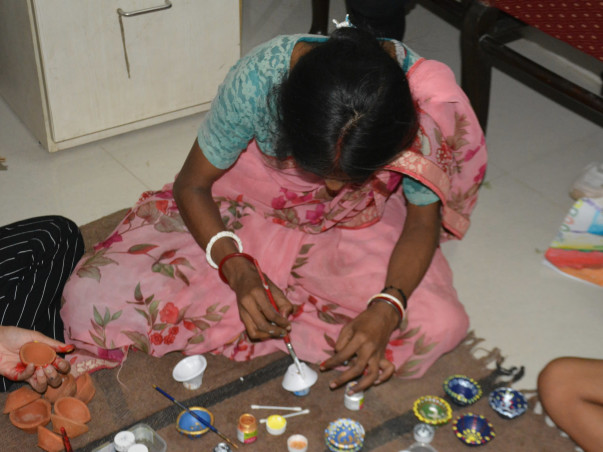
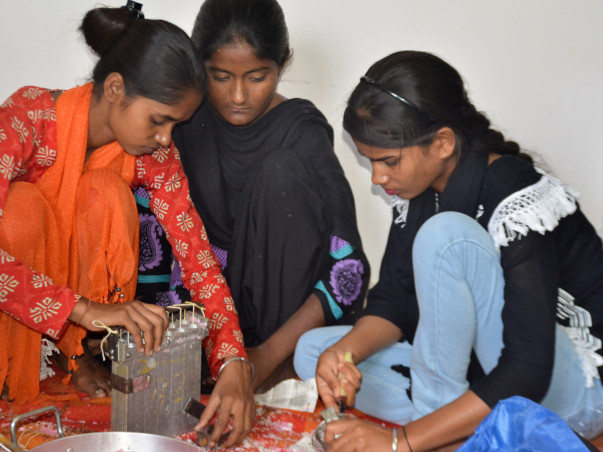
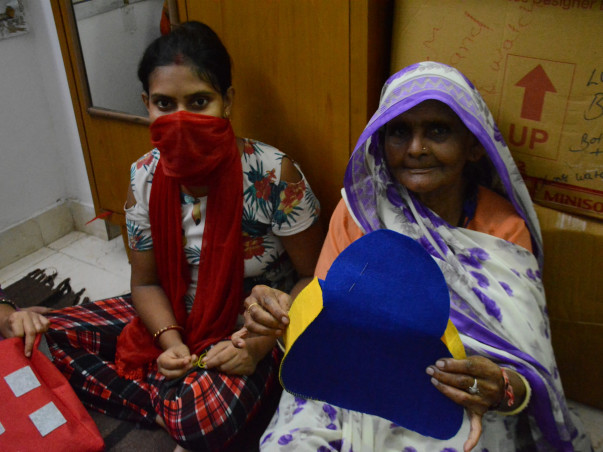
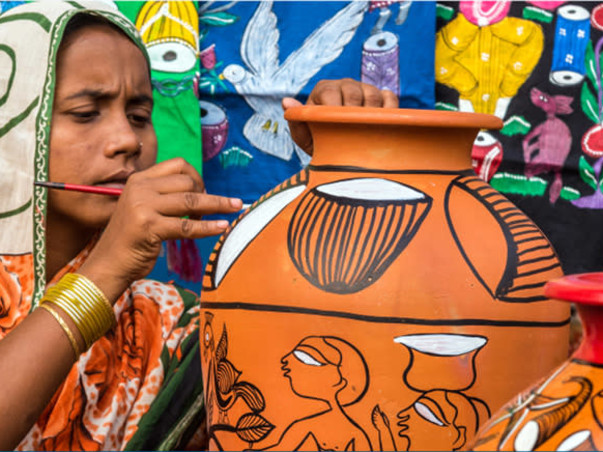
Diverse Skill Development Initiatives: The Skill Development Programme embraces diversity, offering workshops in makeup, handicrafts, knitting, sewing, embroidery, candle and diya making, music, and more. By presenting a wide array of skills, Hamari Pahchan ensures that women have the autonomy to choose paths aligned with their passions and aptitudes.

A Platform for Empowerment: Beyond imparting skills, the NGO provides a platform for unemployed women to showcase and sell their products. This not only boosts their confidence but also creates a sustainable income stream. The proceeds from these sales directly contribute to the financial security and independence of the women involved.

Professional Training and Certification: Hamari Pahchan goes the extra mile by engaging skilled professionals to conduct training sessions. Participants not only gain practical skills but also receive certificates upon completion, validating their capabilities and enhancing their employability.

In the tapestry of Hamari Pahchan NGO’s Skill Development Programme, each thread symbolizes a step toward women’s empowerment and financial independence. By addressing skill gaps, providing diverse training opportunities, and creating platforms for economic growth, the NGO sparks a ripple effect that transforms not just individual lives but entire communities. As we applaud the strides made, let’s unite in supporting initiatives like https://hamaripahchan.org/, where women are architects of their destinies. Together, we can break barriers, empower women, and weave a future where every woman possesses the tools to carve her unique path to success.

Call for Book Chapters

Title: 

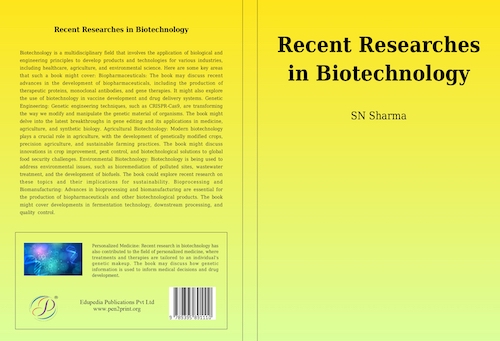
Recent Researches in Biotechnology

ISBN -978-93-95891-11-0

Editor: SN Sharma

Biotechnology is a multidisciplinary field that involves the application of biological and engineering principles to develop products and technologies for various industries, including healthcare, agriculture, and environmental science. Here are some key areas that such a book might cover:

Biopharmaceuticals: The book may discuss recent advances in the development of biopharmaceuticals, including the production of therapeutic proteins, monoclonal antibodies, and gene therapies. It might also explore the use of biotechnology in vaccine development and drug delivery systems.

Genetic Engineering: Genetic engineering techniques, such as CRISPR-Cas9, are transforming the way we modify and manipulate the genetic material of organisms. The book might delve into the latest breakthroughs in gene editing and its applications in medicine, agriculture, and synthetic biology.

Agricultural Biotechnology: Modern biotechnology plays a crucial role in agriculture, with the development of genetically modified crops, precision agriculture, and sustainable farming practices. The book might discuss innovations in crop improvement, pest control, and biotechnological solutions to global food security challenges.

Environmental Biotechnology: Biotechnology is being used to address environmental issues, such as bioremediation of polluted sites, wastewater treatment, and the development of biofuels. The book could explore recent research on these topics and their implications for sustainability.

Bioprocessing and Biomanufacturing: Advances in bioprocessing and biomanufacturing are essential for the production of biopharmaceuticals and other biotechnological products. The book might cover developments in fermentation technology, downstream processing, and quality control.

Personalized Medicine: Recent research in biotechnology has also contributed to the field of personalized medicine, where treatments and therapies are tailored to an individual’s genetic makeup. The book may discuss how genetic information is used to inform medical decisions and drug development.

Ethical and Regulatory Considerations: As biotechnology advances, there are important ethical and regulatory considerations to address. A book on recent research might explore these issues, including discussions on bioethics, intellectual property, and the impact of biotechnology on society.

Important Dates

Last Date to Submit Book Chapters 20 November 2023

Date of Acceptance 30 Nov 2023

Date of Publication 15 Dec 2023

Send your book chapter for publication to editor@pen2print.org 

Recent Researches in Biotechnology


Title: 

Recent Researches in Biotechnology

ISBN -978-93-95891-11-0
Editor: SN Sharma
Biotechnology is a multidisciplinary field that involves the application of biological and engineering principles to develop products and technologies for various industries, including healthcare, agriculture, and environmental science. Here are some key areas that such a book might cover:
Biopharmaceuticals: The book may discuss recent advances in the development of biopharmaceuticals, including the production of therapeutic proteins, monoclonal antibodies, and gene therapies. It might also explore the use of biotechnology in vaccine development and drug delivery systems.
Genetic Engineering: Genetic engineering techniques, such as CRISPR-Cas9, are transforming the way we modify and manipulate the genetic material of organisms. The book might delve into the latest breakthroughs in gene editing and its applications in medicine, agriculture, and synthetic biology.
Agricultural Biotechnology: Modern biotechnology plays a crucial role in agriculture, with the development of genetically modified crops, precision agriculture, and sustainable farming practices. The book might discuss innovations in crop improvement, pest control, and biotechnological solutions to global food security challenges.
Environmental Biotechnology: Biotechnology is being used to address environmental issues, such as bioremediation of polluted sites, wastewater treatment, and the development of biofuels. The book could explore recent research on these topics and their implications for sustainability.
Bioprocessing and Biomanufacturing: Advances in bioprocessing and biomanufacturing are essential for the production of biopharmaceuticals and other biotechnological products. The book might cover developments in fermentation technology, downstream processing, and quality control.
Personalized Medicine: Recent research in biotechnology has also contributed to the field of personalized medicine, where treatments and therapies are tailored to an individual’s genetic makeup. The book may discuss how genetic information is used to inform medical decisions and drug development.
Ethical and Regulatory Considerations: As biotechnology advances, there are important ethical and regulatory considerations to address. A book on recent research might explore these issues, including discussions on bioethics, intellectual property, and the impact of biotechnology on society.
Send your book chapter for publication to editor@pen2print.org 

Balancing Pain Relief and Side Effects: Tramadol’s Role in Pain Management

 For anyone who has ever experienced chronic pain, the search for effective pain relief can be a significant challenge. The world of analgesics or pain relievers encompasses a vast array of medications, each with its set of benefits and potential drawbacks. One such medication that has gained attention is Tramadol. Understanding what is Tramadol, its uses, and the delicate balance between its efficacy and side effects is vital for patients and healthcare providers.

Photo by Tree of Life Seeds on Pexels.com

What is Tramadol?

Tramadol is an opioid analgesic, which means it’s in the same class of drugs as morphine, but it’s chemically different. It’s used primarily to treat moderate to severe pain, whether from surgery, injury, or chronic conditions like osteoarthritis. One of the main Tramadol uses is in long-term pain management due to its potential for lesser addiction compared to other opioids.

Tramadol Dosage and Formulations

Tramadol dosage can vary based on the patient’s pain level, age, and other factors. Typically, it starts with a lower dose, which can be increased until effective pain management is achieved without significant side effects. It’s available in various forms, including tablets, capsules, and liquid, with the Tramadol 200mg being one of the most potent doses. This high dosage is not common and is reserved for specific situations with strict monitoring due to its potency.

In some regions, like Mexico, the Tramadol 200 mg, especially Tramadol 200mg Mexico formulations, can be procured, often under different trade names. Tramadol pill forms, especially the Tramadol 200 mg tablet and Tramadol 200mg white capsules, are prevalent.

What is in Tramadol and How Does It Work?

The primary active ingredient in Tramadol is Tramadol hydrochloride, which works by changing the way the brain perceives pain. Unlike other opioids, it also has an effect on neurotransmitters, increasing levels of serotonin and norepinephrine, which can contribute to its pain-relieving effect.

Balancing Benefits and Tramadol Side Effects

Like all medications, Tramadol has side effects. The most common Tramadol side effects include dizziness, nausea, constipation, and headaches. It’s also essential to understand the more serious side effects like respiratory depression, which can be life-threatening.

An intriguing question for many is, “Does Tramadol make you sleepy or awake?” Tramadol can indeed cause drowsiness, but for some, it might cause insomnia. This duality underscores the importance of individualized care and monitoring when prescribing Tramadol.

Regarding its potency, many wonder about the effects of high dosages, like “Tramadol 200 mg high” or the impact of “200 milligrams of Tramadol.” The answer is that higher doses increase the risk of side effects, including the rare but serious risk of serotonin syndrome. Overdosing can also lead to slowed breathing, seizures, or even death.

How Long Does Tramadol Last?

The duration of Tramadol’s effects depends on the formulation. Immediate-release forms might last up to 6 hours, while extended-release tablets or capsules, such as Tramadol 200mg, can provide pain relief throughout the day.

Global Perspectives: Tramadol in Mexico and Beyond

While Tramadol is available worldwide, the regulations governing its sale and distribution vary. In some places, such as Mexico, Tramadol, including the Tramadol 200mg Mexico formulation, might be more accessible. It’s always crucial for patients to ensure they’re getting legitimate products, given the rise in counterfeit medications.

As the demand for reliable and authentic sources for medications rises, platforms like https://medicinesmexicamrx.com/ have come to the forefront, providing users with easy access to various drugs.

When deciding on the use of Tramadol or any medication, the goal is always to balance benefits with potential risks. It’s undeniable that Tramadol, from the standard Tramadol pill to the potent Tramadol 200mg white capsules, offers substantial pain relief for many.

Unveiling the Enigma of NordicPrime: The Rising Star in Tech

 In the dynamic world of technology, where innovation is the driving force, companies constantly emerge to challenge the status quo. One such rising star is NordicPrime, a tech company that has been making waves in recent years. With a commitment to sustainability, innovation, and excellence, NordicPrime is poised to become a major player in the tech industry. In this article, we will explore the enigmatic NordicPrime, its journey, core values, and the impact it is making on the tech landscape.

The Genesis of NordicPrime

Photo by Canva Studio on Pexels.com

NordicPrime, headquartered in Stockholm, Sweden, was founded in 2015 by a group of visionary entrepreneurs who shared a common goal – to create a tech company that not only thrives in the digital age but also contributes positively to society. From its inception, the company has been dedicated to harnessing technology for the betterment of people and the environment.

Core Values and Sustainability

At the heart of NordicPrime’s identity are its core values, with sustainability leading the way. The company firmly believes that technology can be a powerful tool for addressing global challenges, such as climate change and resource depletion. NordicPrime has committed itself to creating products and solutions that are not only technologically advanced but also environmentally responsible. Their green initiatives have led to significant reductions in energy consumption, waste generation, and carbon emissions.

Innovation and Research

Innovation is the lifeblood of NordicPrime. The company invests heavily in research and development to stay at the cutting edge of technology. Their research labs are staffed with some of the brightest minds in the industry, constantly exploring new horizons in AI, renewable energy, and sustainable computing. The result is a range of groundbreaking products and services that cater to diverse sectors, from smart cities and e-mobility to renewable energy solutions.

Smart Cities and E-Mobility

NordicPrime’s foray into the realm of smart cities has been particularly noteworthy. Their integrated urban solutions harness the power of the Internet of Things (IoT) to make cities more efficient, sustainable, and livable. From intelligent traffic management to waste reduction and optimized energy consumption, NordicPrime’s smart city solutions are transforming urban landscapes across the globe.

In the realm of e-mobility, NordicPrime is making significant strides. With a strong focus on electric vehicles and charging infrastructure, they are committed to reducing the carbon footprint of transportation. Their user-friendly charging stations, powered by renewable energy sources, are helping accelerate the shift towards greener transportation.

Renewable Energy Solutions

As climate change becomes an ever-pressing concern, NordicPrime’s work in the renewable energy sector is of paramount importance. The company is developing cutting-edge solutions for harnessing solar, wind, and hydroelectric energy. By making clean energy more accessible and affordable, NordicPrime is contributing to a more sustainable future.

Impact and Global Reach

NordicPrime’s impact has extended far beyond Sweden’s borders. The company has established a global presence, with offices and partnerships on multiple continents. Their innovative solutions are being deployed in diverse regions, from Europe to North America and Asia, making a tangible difference in the lives of millions.

Conclusion

NordicPrime’s journey from a small startup to a global tech leader is a testament to the power of innovation, sustainability, and a commitment to positive change. Their mission to create a better, more sustainable world through technology is inspiring and shows that it is possible to be both commercially successful and socially responsible. As NordicPrime continues to push the boundaries of technology, the world eagerly watches to see what innovative solutions they will bring forth next. This enigmatic tech company has the potential to leave a lasting mark on the industry and, more importantly, on the planet itself.

Customized T-Shirts: A Business That’s All About Individuality

 Shashikant Nishant Sharma | Oct. 17, 2023  | Publication: Eduindex

Customized T-shirts are more than just pieces of clothing; they are a canvas for self-expression. This thriving business allows people to wear their personalities, beliefs, and creativity on their sleeves, quite literally. Custom T-shirt businesses have exploded in recent years, capitalizing on the desire for personalized clothing. Here, we explore what it takes to start and run a successful customized T-shirt business. Dongphucdongdo.com is doing a great business in Customised T Shirts. 

<img alt="" class="wp-image-96689" data-attachment-id="96689" data-comments-opened="1" data-image-caption="

Photo by Leticia Ribeiro on Pexels.com

” data-image-description=”” data-image-meta=”{“aperture”:”0″,”credit”:””,”camera”:””,”caption”:””,”created_timestamp”:”0″,”copyright”:””,”focal_length”:”0″,”iso”:”0″,”shutter_speed”:”0″,”title”:””,”orientation”:”0″}” data-image-title=”hanged shirts” data-large-file=”https://eduindex.org/wp-content/uploads/2023/10/pexels-photo-2112636.jpeg?w=667&#8243; data-medium-file=”https://eduindex.org/wp-content/uploads/2023/10/pexels-photo-2112636.jpeg?w=200&#8243; data-orig-file=”https://eduindex.org/wp-content/uploads/2023/10/pexels-photo-2112636.jpeg&#8221; data-orig-size=”867,1300″ data-permalink=”https://edupediapublications.org/2023/10/25/customized-t-shirts-a-business-thats-all-about-individuality/pexels-photo-2112636/&#8221; height=”1300″ sizes=”(max-width: 867px) 100vw, 867px” src=”https://eduindex.org/wp-content/uploads/2023/10/pexels-photo-2112636.jpeg&#8221; srcset=”https://eduindex.org/wp-content/uploads/2023/10/pexels-photo-2112636.jpeg 867w, https://eduindex.org/wp-content/uploads/2023/10/pexels-photo-2112636.jpeg?w=100&h=150 100w, https://eduindex.org/wp-content/uploads/2023/10/pexels-photo-2112636.jpeg?w=200&h=300 200w, https://eduindex.org/wp-content/uploads/2023/10/pexels-photo-2112636.jpeg?w=768&h=1152 768w” style=”border: 0px; box-sizing: border-box; display: block; height: auto; max-width: 100%; vertical-align: bottom;” width=”867″ />

Photo by Leticia Ribeiro on Pexels.com

The Art of Personalization

Customized T-shirts are much more than simple apparel. They are a reflection of individuality, used to commemorate special events, express unique opinions, promote businesses, or simply showcase creativity. From witty one-liners and vibrant artwork to meaningful slogans and photos, these shirts tell a story about the person wearing them. With the rise of online shopping and e-commerce, it has never been easier to create and order personalized T-shirts.

Starting a Customized T-Shirt Business

  1. Market Research: Begin with thorough market research to identify your niche and target audience. Understand the demand for customized T-shirts in your area and your potential competition.
  2. Business Plan: Develop a solid business plan outlining your goals, budget, pricing, and marketing strategies. Determine your niche, such as custom event shirts, corporate merchandise, or personalized fashion.
  3. Legal and Regulatory Requirements: Register your business, obtain any necessary licenses, and comply with local and national regulations. Ensure you have the rights to use any copyrighted materials for your designs.
  4. Sourcing Materials: Find reliable suppliers for quality T-shirts and printing materials. The choice of fabric and print quality greatly affects the final product.
  5. Designs and Printing: Invest in the equipment and software necessary for creating and printing designs. This could range from screen printing and heat transfers to direct-to-garment (DTG) printing or sublimation.
  6. Website and Online Presence: In the digital age, having a strong online presence is vital. Create an appealing website or e-commerce platform for customers to design and order shirts. Include an easy-to-use design tool.
  7. Marketing and Promotion: Develop a marketing strategy that might include social media advertising, email marketing, and partnerships with local businesses or event planners. Encourage satisfied customers to leave reviews and provide testimonials.
  8. Customer Service: Excellent customer service is crucial. Be responsive to inquiries, offer customization guidance, and ensure timely order fulfillment.
  9. Quality Control: Inspect each product for quality before shipping to maintain your brand’s reputation.
  10. Pricing: Determine competitive yet profitable pricing. Consider factors such as material costs, labor, and overhead expenses.

Unique Selling Points

To stand out in the competitive world of customized T-shirts, consider these unique selling points:

  1. Quality: Emphasize the quality of your T-shirts and printing. High-quality materials and craftsmanship can set you apart.
  2. Fast Turnaround: Offer quick production and shipping times to meet tight deadlines for events or special occasions.
  3. Eco-Friendly Options: Consider environmentally friendly printing and sourcing options to appeal to eco-conscious customers.
  4. Range of Customization: Allow customers to customize every aspect of their T-shirts, from colors and styles to the choice of artwork or text.
  5. Bulk Discounts: Offer discounts for larger orders, appealing to organizations and businesses.
  6. Unique Designs: Develop a library of unique and eye-catching design templates for customers to personalize.

Challenges and Opportunities

Running a customized T-shirt business can be highly rewarding, but it’s not without challenges. Competing with large print-on-demand platforms can be tough. However, focusing on local, personalized services and building a loyal customer base can be an opportunity for success. Stay adaptable and up-to-date with industry trends and technology to keep your business thriving.

In conclusion, a customized T-shirt business is a versatile and creative venture that caters to the individuality and self-expression of customers. With the right strategies, a commitment to quality, and a focus on customer satisfaction, this business can be a canvas for both artistic and financial success.

References

Sharma, Shashikant Nishant, Shankar Chatterjee, and Kavita Dehalwar. “Mahatma Gandhi National Rural Employment Guarantee Scheme: Challenges and Opportunities.” Think India Journal 26.1 (2023): 7-15.

Sharma, Shashikant Nishant. “A Review of Swarna Jayanti Shahari Rozgar Yojana.” Think India Journal 23.1 (2020): 26-32.

Sharma, Shashikant Nishant. “Evaluation of the JnNURM Programme of Government of India for Urban Renewal.” Think India Journal 8.2 (2005): 1-7.

Customized T-Shirts: A Business That’s All About Individuality

 BShashikant Nishant Sharma | Oct. 17, 2023  | Publication: Eduindex

Customized T-shirts are more than just pieces of clothing; they are a canvas for self-expression. This thriving business allows people to wear their personalities, beliefs, and creativity on their sleeves, quite literally. Custom T-shirt businesses have exploded in recent years, capitalizing on the desire for personalized clothing. Here, we explore what it takes to start and run a successful customized T-shirt business. Dongphucdongdo.com is doing a great business in Customised T Shirts. 

Photo by Leticia Ribeiro on Pexels.com

The Art of Personalization

Customized T-shirts are much more than simple apparel. They are a reflection of individuality, used to commemorate special events, express unique opinions, promote businesses, or simply showcase creativity. From witty one-liners and vibrant artwork to meaningful slogans and photos, these shirts tell a story about the person wearing them. With the rise of online shopping and e-commerce, it has never been easier to create and order personalized T-shirts.

Starting a Customized T-Shirt Business

  1. Market Research: Begin with thorough market research to identify your niche and target audience. Understand the demand for customized T-shirts in your area and your potential competition.
  2. Business Plan: Develop a solid business plan outlining your goals, budget, pricing, and marketing strategies. Determine your niche, such as custom event shirts, corporate merchandise, or personalized fashion.
  3. Legal and Regulatory Requirements: Register your business, obtain any necessary licenses, and comply with local and national regulations. Ensure you have the rights to use any copyrighted materials for your designs.
  4. Sourcing Materials: Find reliable suppliers for quality T-shirts and printing materials. The choice of fabric and print quality greatly affects the final product.
  5. Designs and Printing: Invest in the equipment and software necessary for creating and printing designs. This could range from screen printing and heat transfers to direct-to-garment (DTG) printing or sublimation.
  6. Website and Online Presence: In the digital age, having a strong online presence is vital. Create an appealing website or e-commerce platform for customers to design and order shirts. Include an easy-to-use design tool.
  7. Marketing and Promotion: Develop a marketing strategy that might include social media advertising, email marketing, and partnerships with local businesses or event planners. Encourage satisfied customers to leave reviews and provide testimonials.
  8. Customer Service: Excellent customer service is crucial. Be responsive to inquiries, offer customization guidance, and ensure timely order fulfillment.
  9. Quality Control: Inspect each product for quality before shipping to maintain your brand’s reputation.
  10. Pricing: Determine competitive yet profitable pricing. Consider factors such as material costs, labor, and overhead expenses.

Unique Selling Points

To stand out in the competitive world of customized T-shirts, consider these unique selling points:

  1. Quality: Emphasize the quality of your T-shirts and printing. High-quality materials and craftsmanship can set you apart.
  2. Fast Turnaround: Offer quick production and shipping times to meet tight deadlines for events or special occasions.
  3. Eco-Friendly Options: Consider environmentally friendly printing and sourcing options to appeal to eco-conscious customers.
  4. Range of Customization: Allow customers to customize every aspect of their T-shirts, from colors and styles to the choice of artwork or text.
  5. Bulk Discounts: Offer discounts for larger orders, appealing to organizations and businesses.
  6. Unique Designs: Develop a library of unique and eye-catching design templates for customers to personalize.

Challenges and Opportunities

Running a customized T-shirt business can be highly rewarding, but it’s not without challenges. Competing with large print-on-demand platforms can be tough. However, focusing on local, personalized services and building a loyal customer base can be an opportunity for success. Stay adaptable and up-to-date with industry trends and technology to keep your business thriving.

In conclusion, a customized T-shirt business is a versatile and creative venture that caters to the individuality and self-expression of customers. With the right strategies, a commitment to quality, and a focus on customer satisfaction, this business can be a canvas for both artistic and financial success.

References

Sharma, Shashikant Nishant, Shankar Chatterjee, and Kavita Dehalwar. “Mahatma Gandhi National Rural Employment Guarantee Scheme: Challenges and Opportunities.” Think India Journal 26.1 (2023): 7-15.

Sharma, Shashikant Nishant. “A Review of Swarna Jayanti Shahari Rozgar Yojana.” Think India Journal 23.1 (2020): 26-32.

Sharma, Shashikant Nishant. “Evaluation of the JnNURM Programme of Government of India for Urban Renewal.” Think India Journal 8.2 (2005): 1-7.

Counter-Strike: A First-Person Shooter Classic

 Counter-Strike, often abbreviated as CS, is a renowned and influential first-person shooter (FPS) video game series that has left an indelible mark on the world of gaming. Developed by Minh “Gooseman” Le and Jess Cliffe, the first version of the game was released as a mod for Half-Life in 1999. Since then, Counter-Strike has evolved into a highly competitive and widely beloved franchise, with several iterations and an active global player base.

Photo by RDNE Stock project on Pexels.com

Gameplay and Objectives

The core gameplay of Counter-Strike is built on the concept of counter-terrorism versus terrorism. Players are divided into two teams: the Counter-Terrorists (CTs) and the Terrorists (Ts). The main game modes include Bomb Defusal and Hostage Rescue.

In Bomb Defusal, the Terrorists must plant a bomb at a designated site, while the Counter-Terrorists aim to prevent the bomb from being planted or defuse it if it is. This mode requires strategic planning, teamwork, and precise gunplay.

In Hostage Rescue, the Terrorists are tasked with capturing and guarding hostages, while the Counter-Terrorists must rescue them. The game promotes cooperation, communication, and tactical thinking.

Global Success and Professional Esports

Counter-Strike quickly gained popularity and became a major title in the emerging esports scene. The competitive aspect of the game led to the establishment of numerous professional tournaments and leagues, including the iconic ESL One and the Valve-sponsored Major Championships.

Counter-Strike: Global Offensive (CS:GO), the latest installment of the series released in 2012, remains one of the most popular esports titles. With millions of players, CS:GO features a sophisticated matchmaking system and a bustling market for weapon skins, adding depth to its competitive environment.

Professional players and teams from all over the world compete for substantial prize money, and CS:GO tournaments draw millions of viewers. The game’s competitive nature has led to the formation of dedicated esports organizations and the rise of famous players.

Maps and Strategies

Maps play a pivotal role in Counter-Strike. Iconic locations like Dust II, Mirage, and Nuke have become legendary battlegrounds. Each map presents unique challenges and opportunities, emphasizing different aspects of gameplay, such as long-range sniping, close-quarters combat, or tactical maneuvering.

Players develop strategies that involve map control, economy management (buying weapons and equipment), and coordinated team tactics. Communication is essential for planning attacks, holding positions, and adapting to the ever-evolving game dynamics.

Community and Customization

Counter-Strike has a passionate and dedicated player community. Gamers create custom maps, game modes, and mods, adding to the game’s longevity and diversity. The Steam Workshop provides a platform for players to share and access user-generated content.

In addition, the introduction of weapon skins in CS:GO allowed players to personalize their weapons and trade them in a virtual market, fostering a sense of ownership and investment in the game.

Conclusion

Counter-Strike stands as a hallmark in the world of first-person shooters. Its addictive gameplay, competitive spirit, and dedication to tactical team-based combat have led to its enduring popularity. As one of the pioneers of the esports movement, Counter-Strike continues to attract a dedicated player base, both casual and professional, making it an enduring classic in the gaming industry. With the potential for new iterations and updates, the legacy of Counter-Strike is far from over, promising to captivate the hearts and minds of gamers for years to come.