EduPub (Edupedia Publications Pvt Ltd) is a company dedicated to the development of the education, learning, research and innovation in the field of the research and books publication. We are pioneer in providing wide range of services to educational institutions, government agencies, individuals and corporates in the field of training and education, research and development, research and innovation. research and publication.
Food habits refers to eating habits of people like why do people eat? what type of food they eat? and how often they eat? First of all why do we eat food? we eat food in order to gain energy and carry on with our everyday work. It is important to know what type of food is good for our heath, the amount of food we intake. Nowadays the life is so hectic that people need everything so fast which leads to relying on fast food, packed food which contains too much of additives and preservatives. These kind of food when taken for a long time period leads to a lethal effect on our body. At the same time it is really necessary to take vitamins and other needed stuff regularly, taking vitamins less than that needed by your body could lead to vitamin deficiency, at the same time taking vitamins more than that required by your body could lead to vitamin toxicity or hypervitaminosis.
Over eating
Over eating is a term used when some person eats more than required by his/her body. What happens when a person over eats? His body slows down the process of digestion of the food he consumed, which obviously leads to fat accumulation which leads to obesity, again obesity leads to various other health complications. over eating causes nausea, bloating, sleepiness and also leads to complications like diabetes, high blood pressure and also it runs the risk of causing heart diseases. All we need to do is, eat healthy food in moderation and exercise regularly and stay fit . It is not possible to eat healthy all the time, of course we all have cravings when we see junk food, even though we know its unhealthy, but still we can eat healthy most of the time and have some cheat days to eat those junks. Always remember that a healthy person is a happy person.
The state of Kerala is well known for its luscious landscapes and beautiful backwaters. It is also home to a treasure trove of art forms and literature. These art and dance forms symbolize the rich historical and cultural heritage of the state. Let us take a look at some of the classical dance forms of Kerala that will no doubt mesmerize anyone.
Kathakali
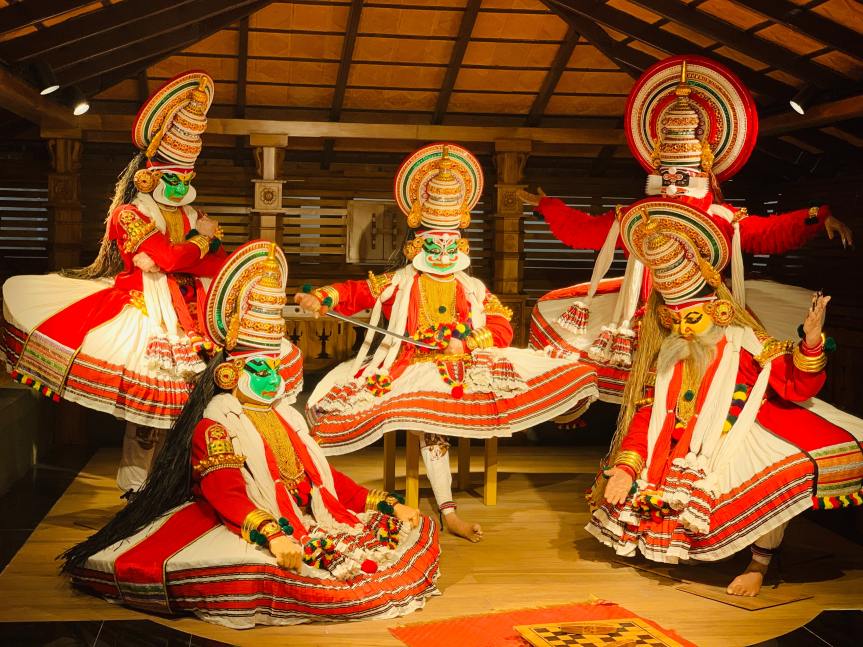
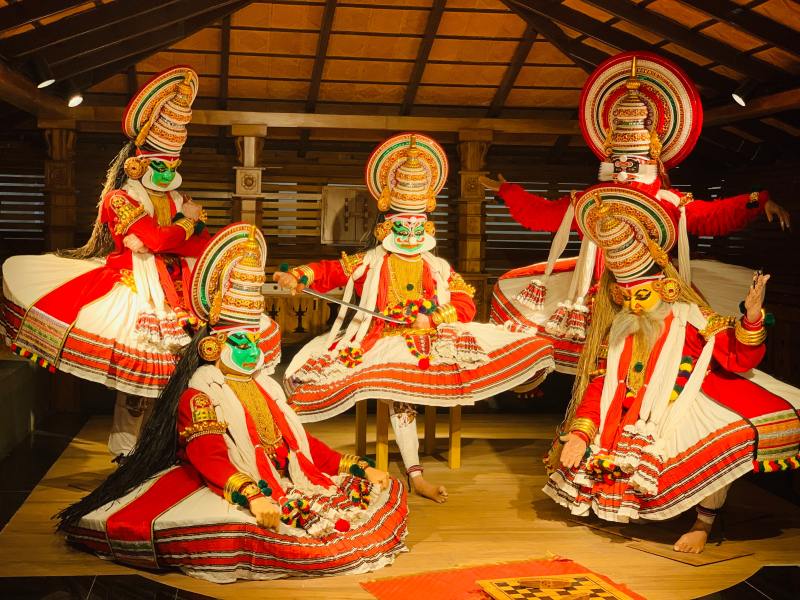
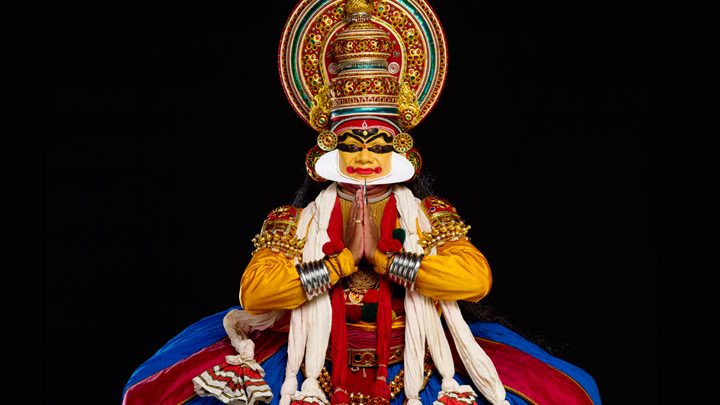
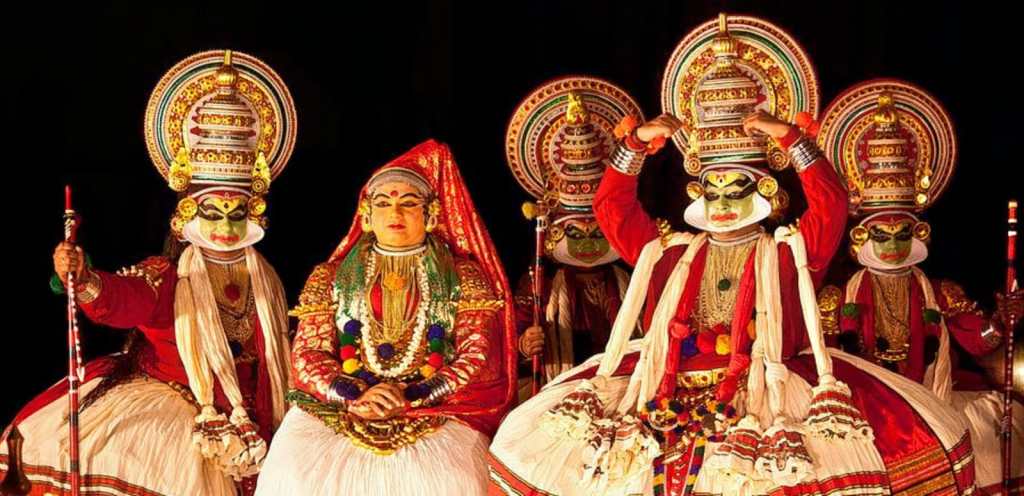
Kathakali is one of the most famous dance forms of Kerala, iconic for its elaborate costumes, colourful make-up, complex gestures and facial expressions. Formally systematized in the 17th century, this dance form has its roots in the temple and folk arts which are traceable to at least the 1st millennium CE. The term ‘Kathakali’ literally means ‘Story-play’. It has elements and aspects taken from Bharatamuni’s Natya Shastra as well as movements incorporated from ancient Indian martial arts and athletic traditions of South India.
A Kathakali performance perfectly blends musical instruments like Maddalam, Chenda, and Idakka, vocal performers, choreography, hand gestures and facial expressions to express ideas. The performances show folk stories, religious legends and spiritual ideas from the Puranas and Hindu epics. Traditionally, it was performed only by males, with female roles also being performed by men. Since the 1970s, women have also entered this field of classical dance. The performances used to be long and extended to many nights but have now been shortened. Taught in the past through the ancient Gurukula-based training system, students of Kathakali today are trained in professional schools like the Kerala Kalamandalam and Trivandrum Margi School.
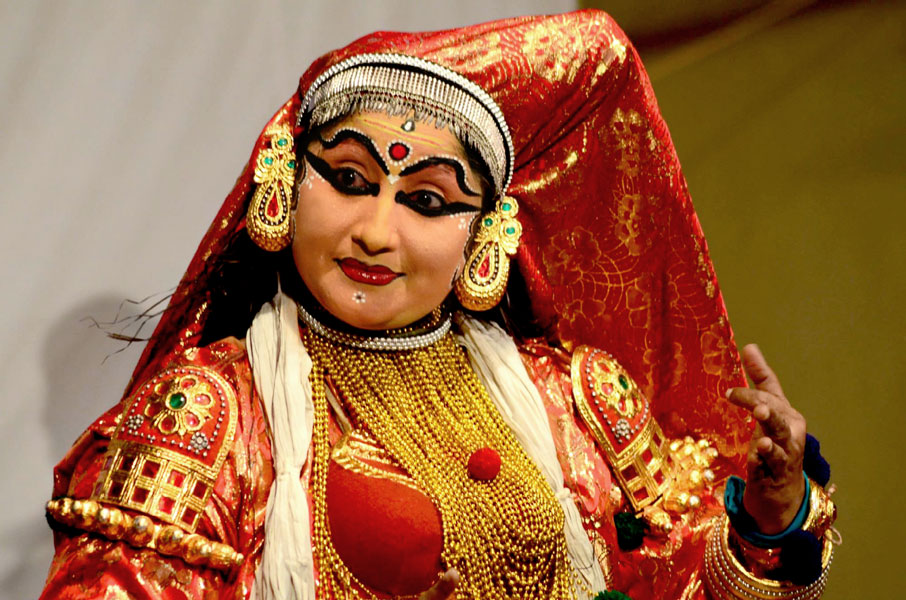
Kathakali has 6 basic make-up types – Pachcha (green, typically for noble characters like Krishna, Rama, Nala), Kathi (Knife, for villain characters), Kari (Black, for she-demons), Thaadi (Beard, for characters like Hanuman), Minukku (Shining, for female characters), and Teppu (for special characters like Garuda, Jatayu, Hamsa).
Mohiniyattam
Source: wikimedia commons.org
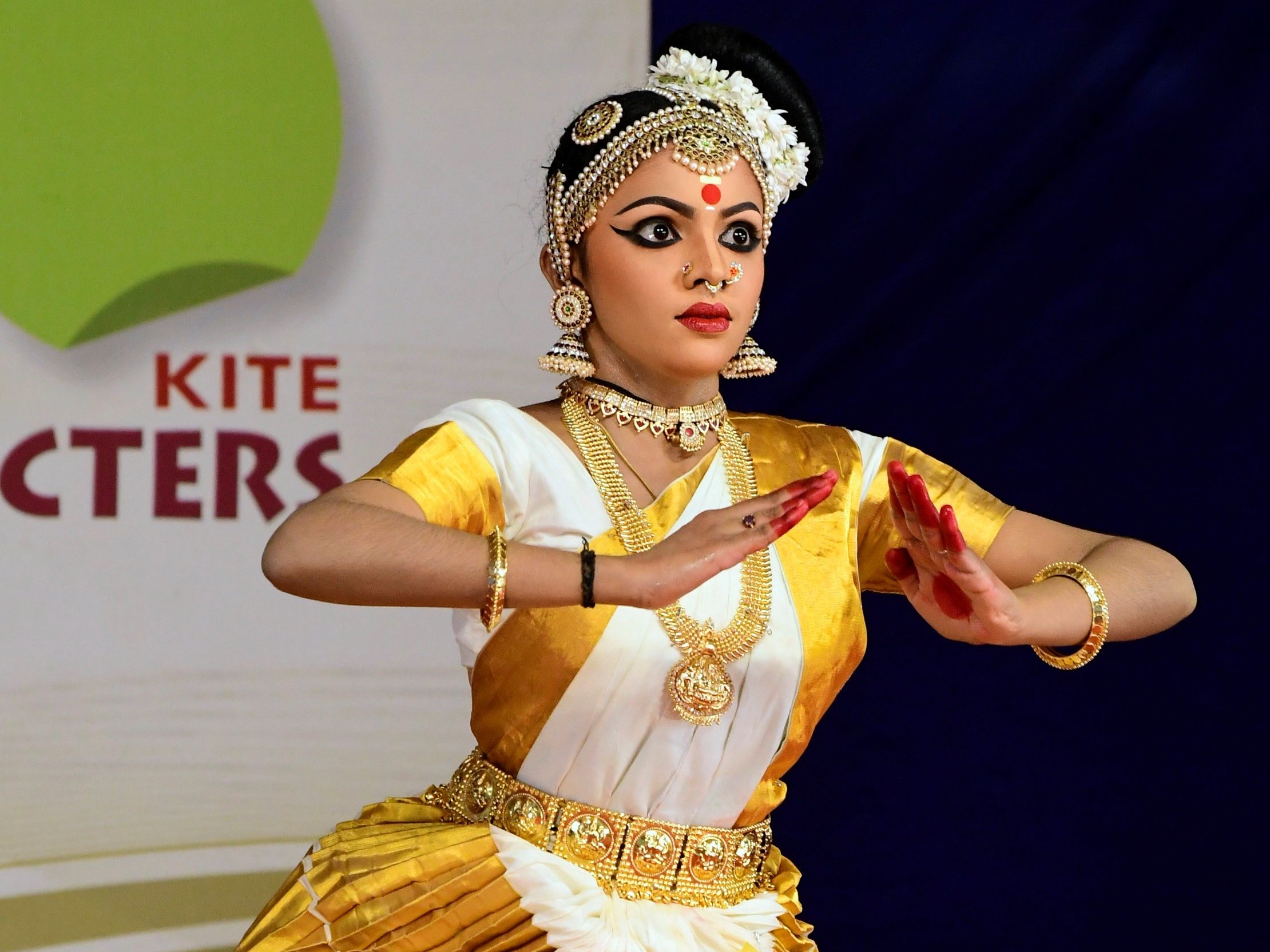
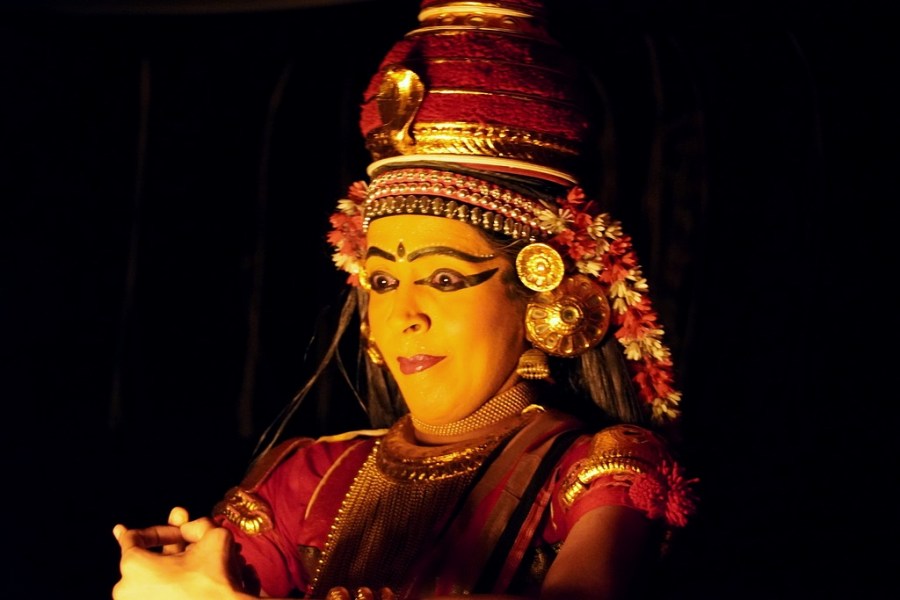
The roots of Mohiniyattam are in the Natya Shastra, following the Lasya style of delicate, graceful and feminine movements, The name comes from Mohini – a divine avatar of Lord Vishnu. It was traditionally performed solo by women although men perform it now as well. A typical Mohiniyattam performance includes Carnatic music and singing, with the songs in a Malayalam-Sanskrit hybrid called Manipravalam. The performers wear a plain white, off-white, or cream coloured saree with gold-laced embroidery. This dance form was banned by the British during their rule, ridiculed as a dance form of the devdasi system. The reintroduction and revival of Mohiniyattam after the Colonial era was spearheaded by the poet Vallathol Narayana Menon, who established the Kerala Kalamandalam dance school, encouraging the training and practice of the dance form.
Mohiniyattam and Kathakali form a part of the 7 classical dance forms of India.
Chakyar Koothu
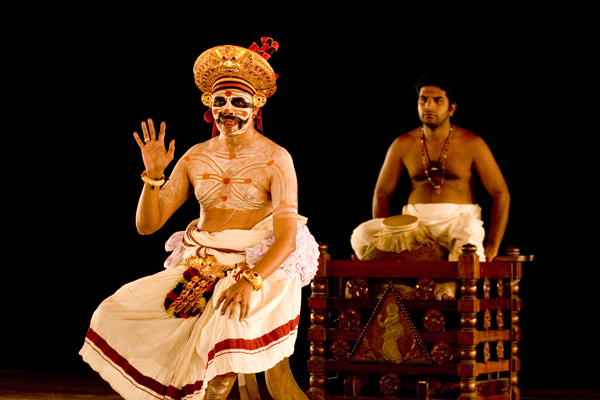
Chakyar Koothu is an art form performed in a place specifically designed inside Hindu temples called a Koothambalam. This dance form was traditionally performed by members of the Chakyar community in times of temple festivals. It is performed solo, with the performer narrating stories from Puranas and Hindu epics like Ramayana and Mahabharata. The performer wears a distinctive headgear and black mustache and has his torso covered in sandalwood paste and red dots. The performance is basically a monologue, oftentimes incorporating humor and wit to comment on current events and members of the audience. The performer is accompanied by musical instruments namely the pot drum Mizhavu and a pair of Ilathalam.
Nangiar Koothu
source: nangiarkoothu.com
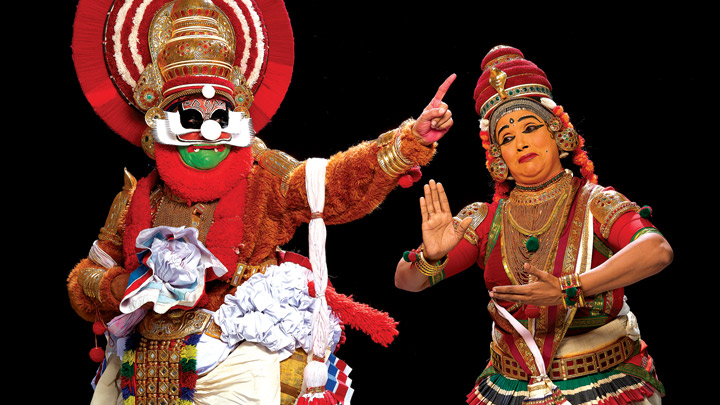
Nangiar Koothu is a traditional dance form related to the art of Koodiyattam. Similar to Chakyar Koothu, it was presented only in Koothambalams, Performed solely by women, this dance form traditionally allowed only women of the Ambalavasi Nambiar community to learn it, but now is open to all. Nangiar koothu shows stories from Sree Krishna Charitam – a text depicting the life of Lord Krishna. The performer or Nangyaramma presents stories of Krishna using body movements, hand gestures and facial expressions and is accompanied by the Mizhavu.
Koodiyattam
souce: Keralatourism.org
Koodiyattam which literally translates to ‘Combined Act’ is an art form recognized by UNESCO as Masterpiece of the Oral and Intangible Heritage of Humanity. It is also performed in Koothambalams and combines Sanskrit theatre performances with elements of traditional Koothu, much like Chakyar Koothu. It is performed by Chakyars and Nangyarammas, who perform together on stage, unlike the solo performances of Chakyar Koothu and Nangiar Koothu.
In both Koodiyattam and Chakyar Koothu, Guru Mani Madhava Chakyar is considered the greatest master and artist. He introduced the art form to people outside the Chakyar community and outside Kerala.
Ottan Thullal
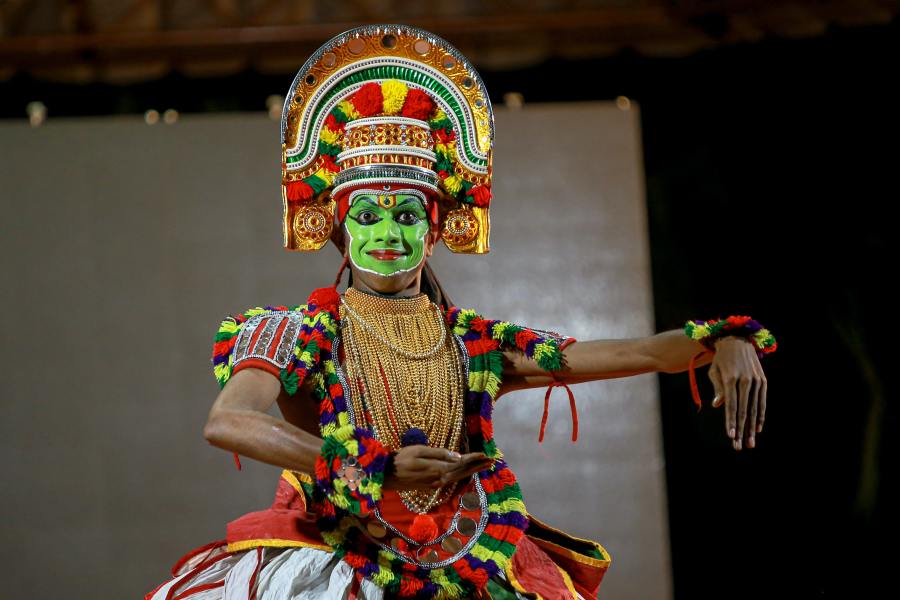
There are 3 varieties of Thullal – Ottan Thullal, Seekanthan Thullal and Parayan Thullal, of which Ottan Thullal is the most popular. It was introduced by the legendary poet Kunchan Nambiar in the 18th century, with its principles based on the Natya Shastra. It is said that Kunchan Nambiar developed this dance form to get back at a Chakyar who ridiculed him for falling asleep during a Chakyar Koothu performance. Ottan Thullal performances are often laced with humour, criticizing and commenting on society. The performer is accompanied by a Mridangam, Idakka and a pair of Ilathalam.
The performers wear green make-up much like a Pachcha character in Kathakali, with colourful costumes. They dance and recite while a chorus of 1 or more artists repeats the sentence that is recited. They perform in Malayalam, making it easily understandable for the local audience, and use old sayings and elements of folklore.
Education is the process of learning, gaining knowledge, skills, morals, values, habits and helps us with our personality development. Education is a powerful tool for the development of a nation. It has the power to drive away poverty, when it is provided to each and every individual of the society.
Education Then and Now
What was education back then? place where education was taught back those days were called as gurukul, students used to stay there and learn and they had strict rules to follow , one more thing about gurukul is that, only a specific set of students were allowed to learn in gurukul. After some years education was developed a lot more and students who were denied to get education were also allowed to learn. Students used to sit on ground and used slate and chalk to write and learn. Now education has reached another level of growth, students use e-books, that is all their learning stuffs are available in mobiles, pcs, laptops or tablets. Even during COVID we managed to learn through online, but the question is, was it as effective as offline schooling? Majority of us felt that offline classes were lively and more interactive, rather than watching those screens sitting, surrounded by walls.
Education being a burden
Education was fine until it was limited, when we learnt things in moderation, when competition was less. The population plays an important role in education. Since the population increased a lot the competition for getting into a school, college and job has increased a lot. In order to cope up with the competition students learn a lot of stuff than needed, push themselves so hard to prove themselves in this society. There is this trend where all of us either want to be a doctor, engineer or collector, we just forget that there are thousands of fields to learn. If each one of us find what we really need and work on it, definitely there won’t be these many competitive exams to be either a doctor or a engineer. Once our population becomes steady and these toxic stereotypes comes to an end, the education won’t be a burden to students and all of us would get a quality education.
A Good Takeaway is something essential for all human beings.
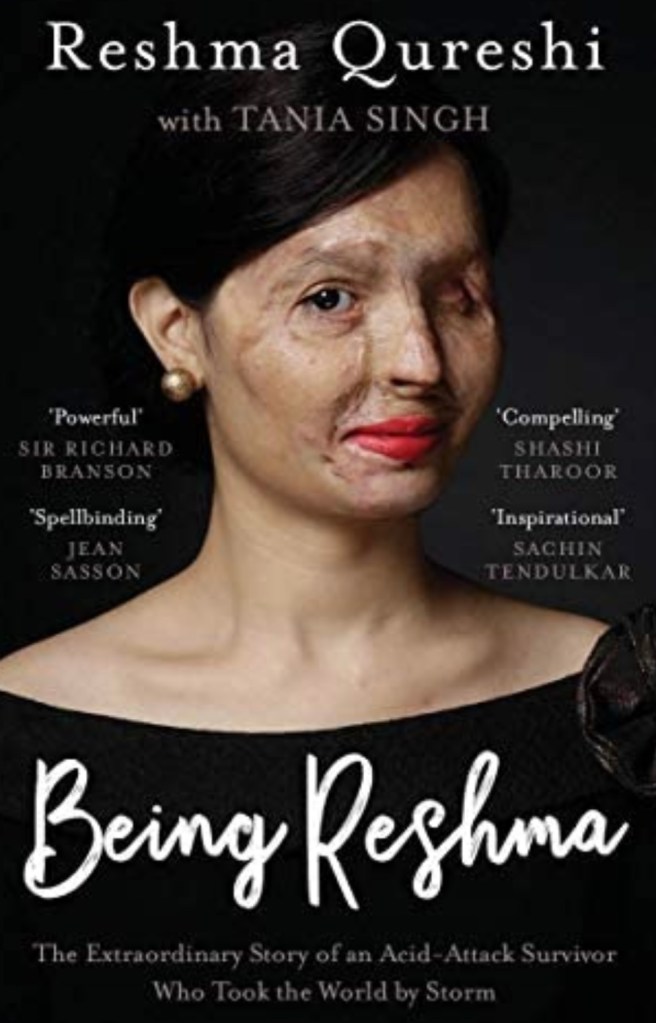
There are only a few genres that create an inevitable impact in the hearts of readers and Autobiographies are considered to be one of the genres that stand out as an influencing factor in the lives of many people. Similarly, Most of us prefer less drama and Assertive pieces of work quite interesting, which makes nonfiction stories likeable. What could be more interesting when two most riveting genres combine! Yes, i will be writing about one of my favourite books, which is an ‘Autobiographical Nonfiction’- “Being Reshma” an impeccable life story of an acid attack survivor or to be more accurate, a warrior, who ought to overcome a traumatic experience of her life and has also succeeded, This book was written by Tania Singh and co-authored by Reshma Qureshi herself.
This book, an inspiration, is about Reshma (the protagonist) , a girl who faced a tragic incident and was thrown acid by her own sister’s former husband as an act of revenge. Her entire face, skin and bones were damaged then she was taken to a hospital. Reshma was shunned by The hospital and the police authorities responses, which was very harsh. Despite facing many hurdles, Reshma didn’t shatter and succumb to her condition, but shone bright by becoming the first acid attack survivor to walk the runway at Newyork fashion week in 2016 which is just two years post such a terrific incident. She made global headlines by proving herself.
Besides, Reshma participated in many such events and campaigns. In one such campaign called #endacidsale which was held in 2015, Reshma asserted a strong statement which was also mentioned in her book, that is, “You will find red lipstick easily in the market, just like concentrated acid. This is how, every day, a girl becomes a victim of an acid attack.”(Qureshi 138) Which is a very bold statement that made many people think twice and is emotional, also one of my personal favourite lines said by her. Reshma never stopped campaigning against acid Attacks. Reshma also asserts that she wouldn’t stop raising awareness and narrate the ordeal of her life until the discriminatory and diverse mentality of people against acid Attack survivors come to an end.
We all know acid attacks are not uncommon in India which is truly heartbreaking. Such inspiring autobiographies create powerful impressions and stimulate each of us to achieve big things in life regardless of insurmountable obstacles our life offers, which is nothing compared to life histories of many great personalities like Reshma Qureshi who proved herself and sets a great example for many more youngsters like me.
In the midst of people who are very much concerned about physical Appearance, there are also people who embrace themselves with open heart and acceptance, which makes them succeed in life in unimaginable ways.
Cover page of the book, “Being Reshma”
Hence, if at all people lack confidence in overcoming insecurities I would highly suggest this must-read Autobiographical nonfiction story, “Being Reshma” A Phenomenon.
You would be surprised to know that Facebook was neither the first social media platform nor it was the best social media platform at its .It was actually a college start up made by Mark Zuckerberg and his team.time.The initial days of the social media were dominated by friendster,myspace and second Life.But the tiny Facebook team didn’t seem to care much about those giant social media platforms.
From 2005 -2008 ,my space became one of the most visited websites in the world even surpassing Google.It was owned by a company called newscorp. But after that something happened in the next four years because of which the myspace got just additional of 15 million users where as Facebook got 1 billion users .Let’s see what happened…
The reason behind the fall of the myspace and rise of Facebook was that Facebook tried to understand psychology of humans whereas myspace didn’t.For any social media company ,the most important thing is engaging the people and understanding the psychology of the people.They used the concept of the triadic closure property according to which is A knows B and B knows C,then automatically A will have inclination towards C.The same is the algorithm which facebook uses.The second drawback of myspace was that myspace was using dummy names for its users and hence people couldn’t tell who they are really chatting with but Facebook here too took advantage of this opportunity and allowed it’s users too identify itself. This strategy turned out to be Facebook’s X-factor.
The Facebook’s strategy to allow users to become friends of friends proved to be another great idea for Facebook.Now if it was only about the addition of a limited amount of features ,why couldn’t myspace crush Facebook in its initial stage itself.The reason was that myspace was bought by a company called newscorp and only cared about its own profits and losses,their protocols and procedures rather than doing any kind of innovation or something.When myspace realised it’s mistake in 2008 it was too late for it and Facebook had already taken over.
Facebook kept on looking for innovation and hence even allowed the third party users to interact with the Facebook software which meant that third party apps can directly be allowed to access the Facebook and this also helped Facebook as the third party apps now relied on Facebook rather than creating any apps like Facebook and this helped Facebook reduce its competitors further.
The Indian Premier League, also known as IPL was started in the date 9th April 2021. At the same time the corona virus also took the strength back slowly. The Indian Premier League Governing Council (IPL GC) and Board of Control for Cricket in India (BCCI) had an emergency meeting has unanimously decided to postpone IPL 2021 season, with immediate effect. The corona virus is spreading all over the world but in India it is high so they took this decision. It was spreading in India in a heavy speed within that IPL has finished 29 matches. There were many effects in this corona virus because many are affected and died in this time they are keeping some things raised, and also many players also affected by virus. Then this corona virus took speed before this IPL match they also kept election for 5 states. They must not keep election during this pandemic that to this virus will spread in air knowing all the election was held. There were no rules followed said by Government no one cared about it so the level has risen. The people are affected so much and some have died there is no place to bury. To sought out this problem they declared lock down because of this many daily wage people and smallest working to all the working men and women are affected. To help the people who are working for less wages and those who don’t have food government is giving rupees 2000 to support the family. The people survive with this amount as per the full lock down death rate and affected people rate is low but necessary things rate is high. Every people cannot buy all things needed to recover from this state it at least takes few months because all should earn. This IPL match give all people a relaxation because all are disturbed in each and every all need is relaxation. All people in India will watch this game interestingly as a family. In a stadium with people it is the wish of all of the people. It will be a great stress buster and all people can enjoy this match. All people after their terrible trouble of life now the virus speed is slow but the researchers found that there is another type of virus which speed is heavier than this beta and delta. Even though no one is caring about the virus all are thinking it will come to them because they are stronger. We cannot judge anything we may think we are stronger and we have immunity an all because some people are having immunity but are affected. In India they have stopped playing cricket matches because some players are affected by corona virus. So the council, sponcers etc had a meeting. In that meeting they discussed where and when the rest of the matches should be held. As per the decision the rest of the matches are going to happen from September month all people are so excited. All are excitingly waiting when will the match will took place within that time this corona pandemic situation also will reduce.
MANY GAME BUT BEST IS IPL IPL IS THE GAME WHICH CANNOT BE BEATEN UP.
It is distressing to see the plight of the tusk-bearing animals these days. Numerous news headlines are daily highlighting the illegal smuggling of ivory. The extortionate value and demand of the ivories are not only in India, but also in the international markets. Wild animals are mercilessly being poached on a massive scale, possessing a major existential threat to wildlife. But do we really care or do enough to stop this inhumane and selfish act?
Let us first understand the connotation of the word ‘poaching’.
Poaching, in simple words, is the illicit act of killing, shooting, hunting or capturing of animals. The aim of this illegal act is mainly for the purpose of trade of animal products like skin, teeth, horn, bone, etc. Poaching plays a decisive role in being a contributor to biodiversity loss. Due to this felonious act, the number of extinctions has increased dramatically over the past decades. It is necessary to understand that poaching is not only about the uncontrolled killing of protected animals or endangered animals but any unlawful killing of animals.
Smuggling of elephant tusks
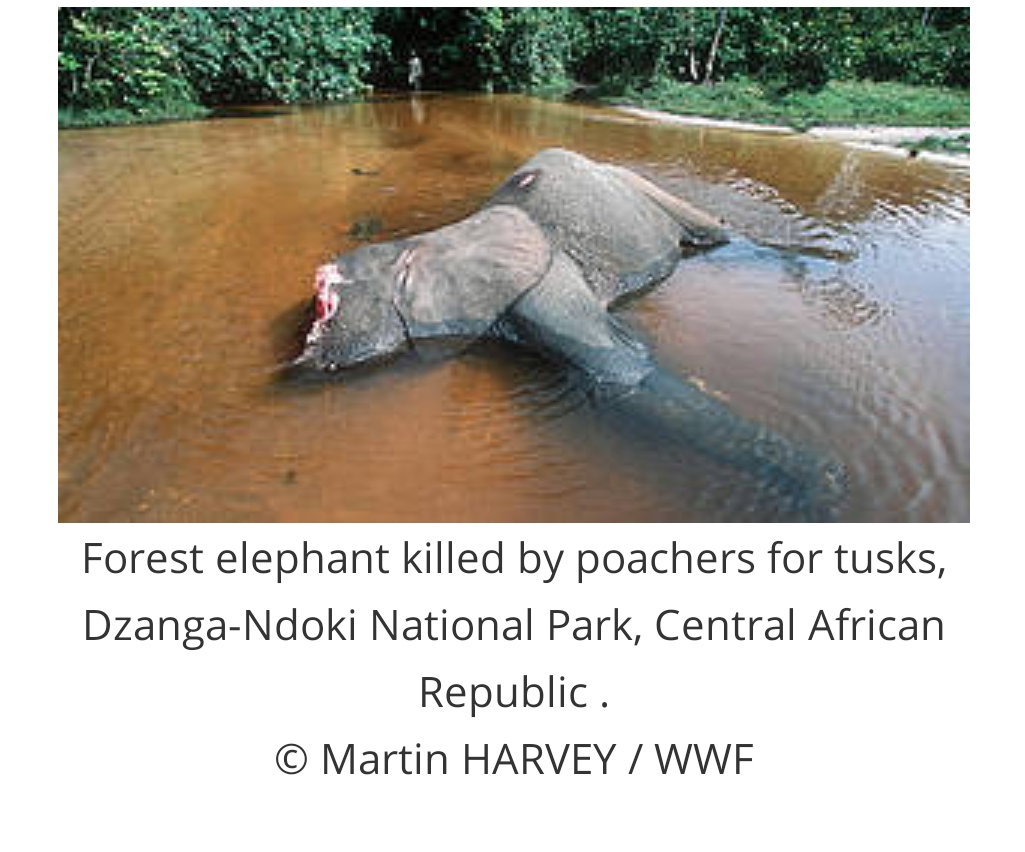
In India, poaching of elephants is very common and a major challenge to be combated. Ivory trade is in high demand mostly in the Asian countries. About 20,000 elephants are mercilessly killed every single year for their tusks. These ivory tusks are then smuggled in the international markets to eventually end up as ivory trinkets.
Ivory trade has been in practise for millennia. In the 14th century BCE, the exportation of ivory and slaves from Africa and Asia were done extensively. The freshly captured slaves along with the tusks were sold. The ivory was then used to make ornaments and aesthetically pleasing commodities.
On July 6, 2016, a complete ban on commercial trade in African elephant ivory went into effect in the United States. The African elephant population has decreased dramatically. Near about 350,000 elephants are left in Africa, as per 2019 data. It is quite shocking to know that 10,000 to 20,000 elephants are slain every year. Elephant numbers have dropped by 62% over the last decade, and if not brought under control, then they’ll be extinct by the end of the next decade.
Major countries where these tusks are sold
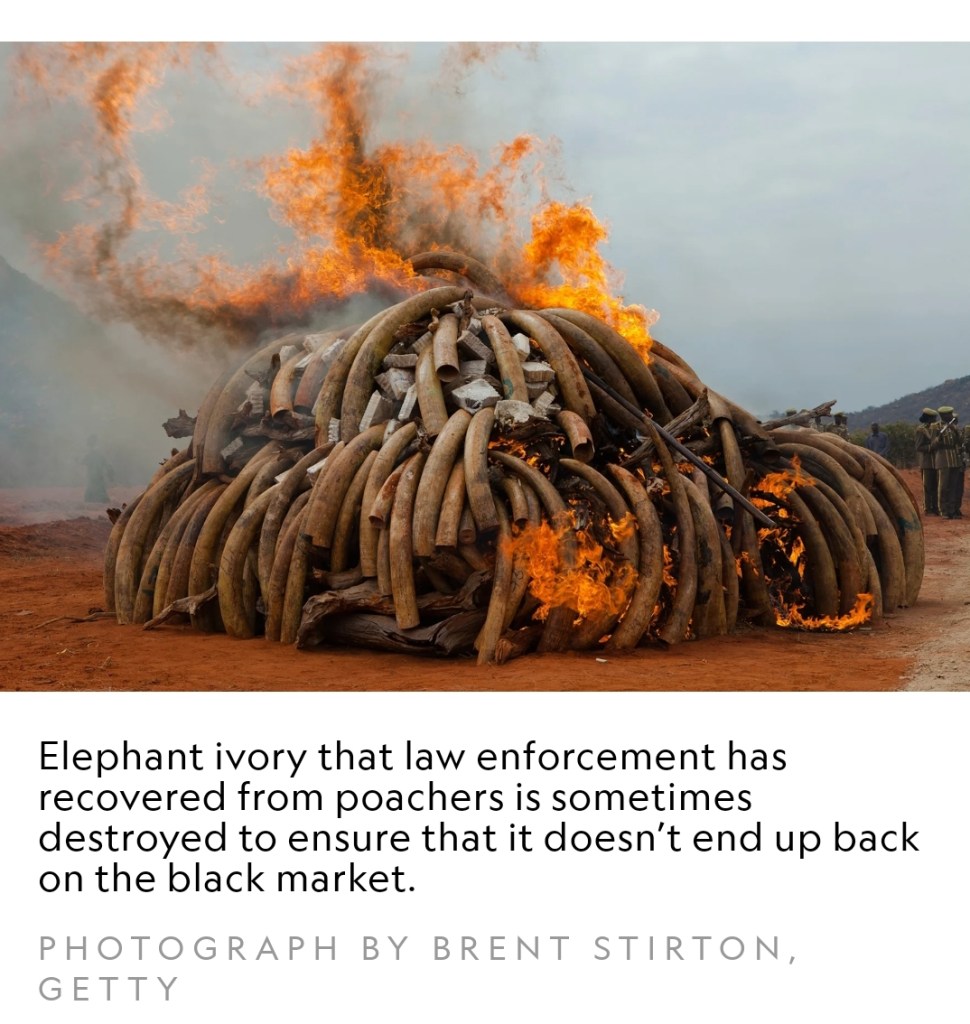
China is the biggest consumer market for ivory products. However, a ban was enforced on ivory trade by China in the year 2017. But it is evident that ivory is in high demand in many countries. Illegal selling of ivory is still rampant. In the year 2011, a whopping amount of 100kg of ivory was seized by Tanzanian officials. That same year several countries including Tanzania and Kenya seized a total of 17 ivory shipments weighing 800 kg.
According to surveys and in-depth interviews the demand for ivory is known to be concentrated in: China, Thailand, Vietnam, the Philippines, and the United States.
Last year, about 8.8 tonnes of ivory items were seized in Singapore.
The adverse effects of tusk-removal on the elephants
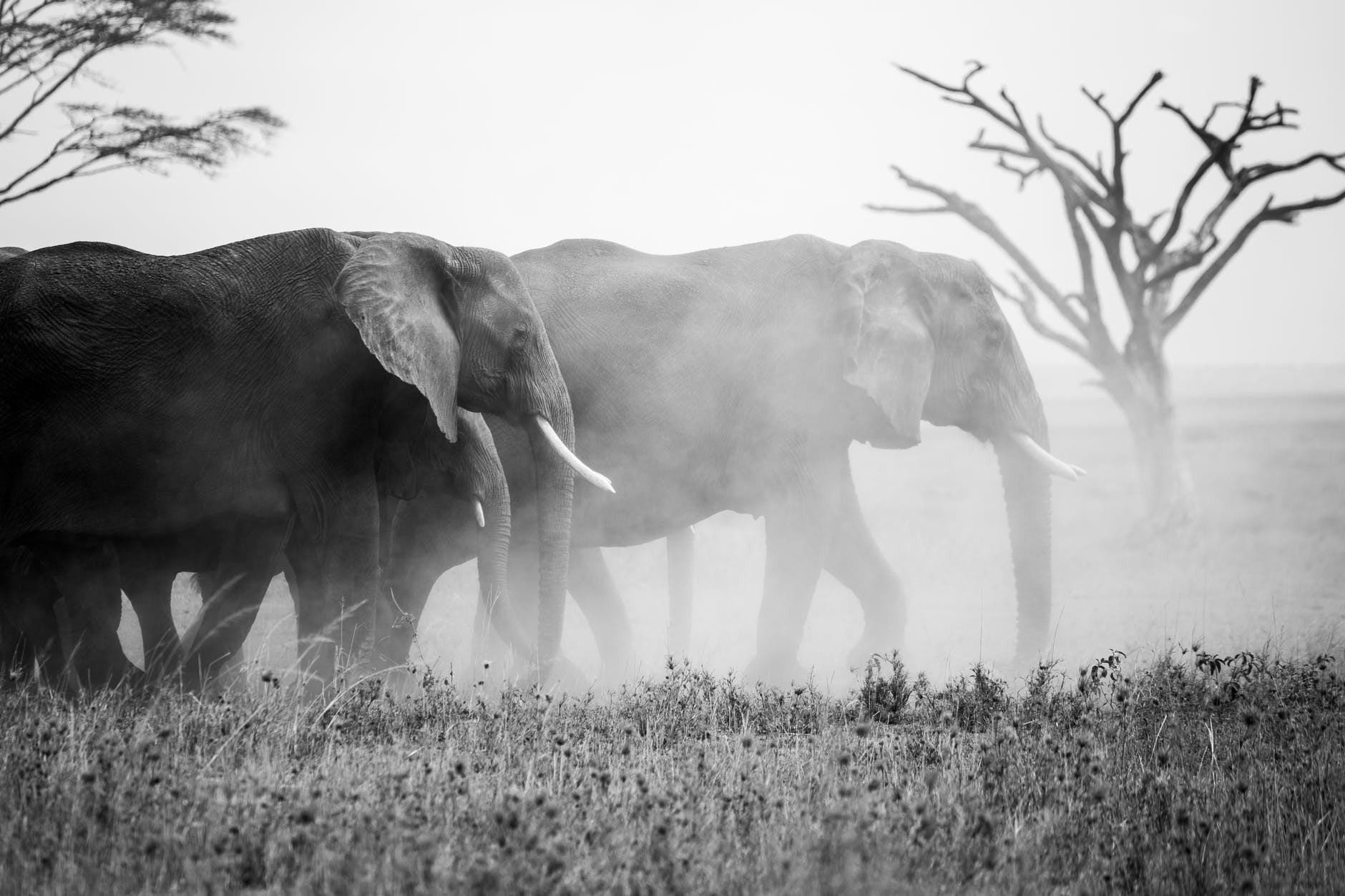
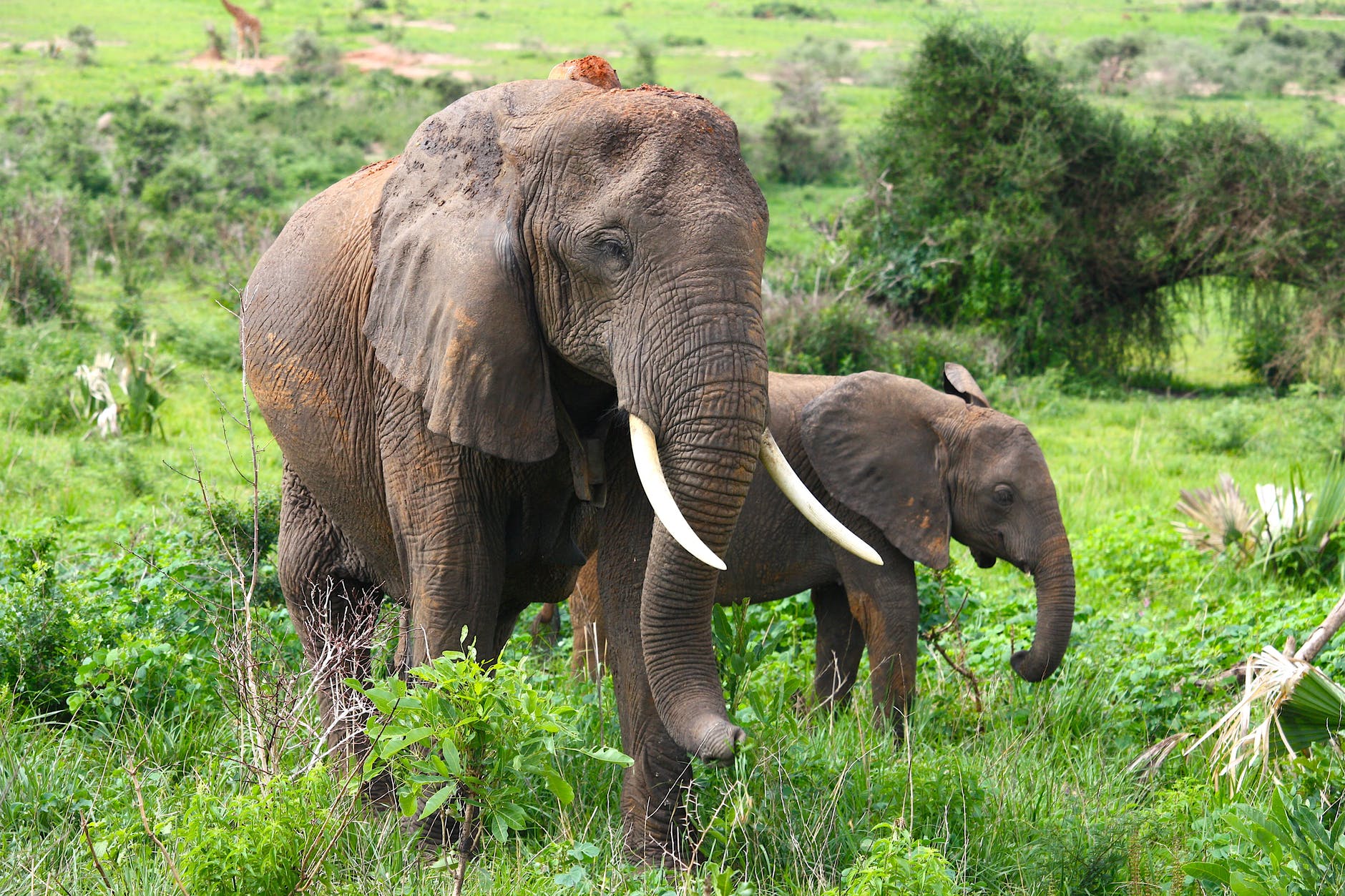
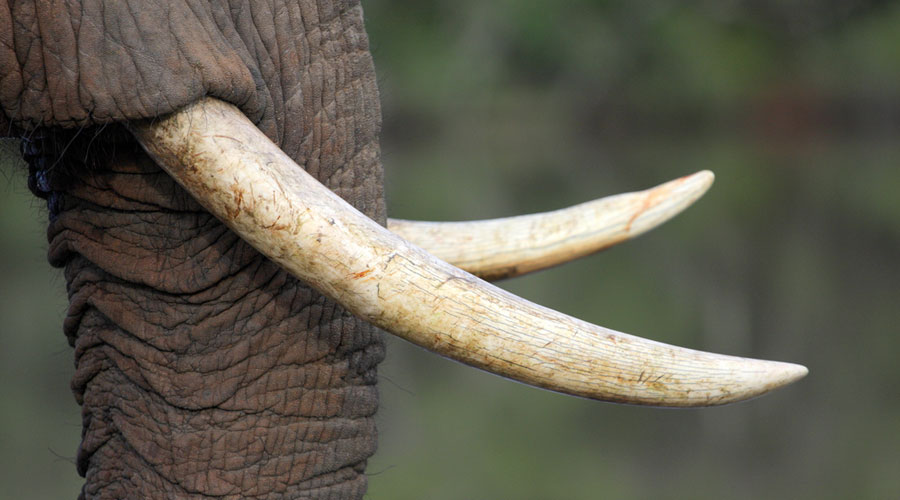
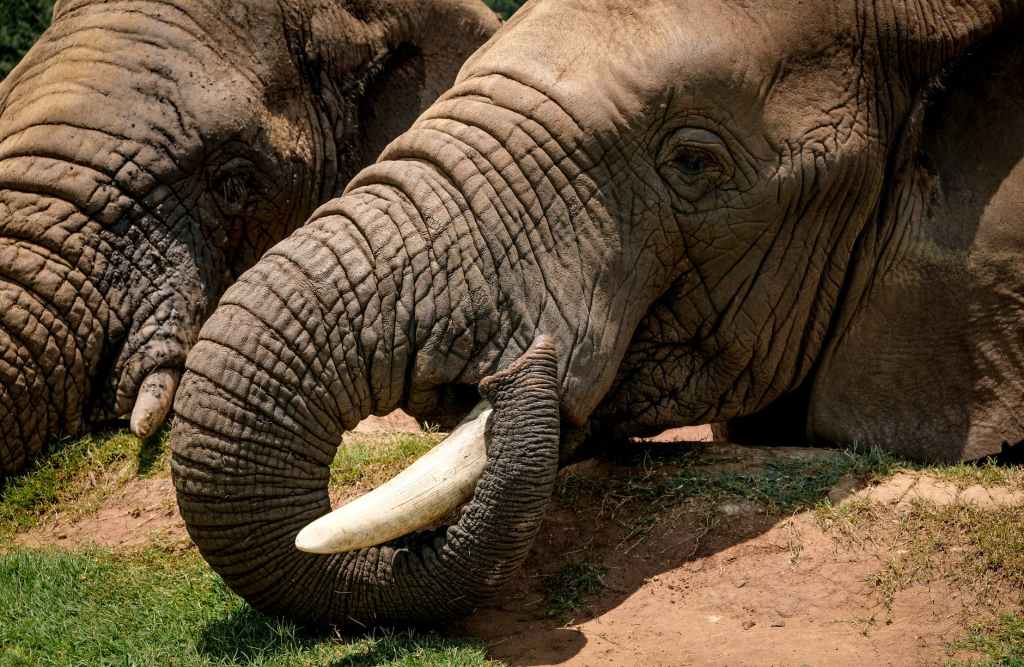
I am sure that we have all seen the majestic elephants flaunting big, off-white tusks on either side of their trunks. These tusks are both beautiful on the elephant and of utmost importance in the species’ survival.
Many poachers claim that there are no after effects of tusk-removal. Either the elephants are killed or sedated before removing their beautiful tusks.
An elephant’s tusk is deeply embedded in its skull. When the tusks are removed, there is a big hole left afterwards. The hole is big enough to stick your arm into it. If the tusks are removed at the point where it protrudes from the head, the nerve is exposed. Either way, now the wound is open and vulnerable to all sorts of infection. So, even though the elephant remains alive it is still at risk. Now, suppose there is an ivory poacher. Any poacher will want as much ivory as he can acquire with as little risk as possible. If he opts for the removal of the tusk completely, he/she will have to completely sedate or kill the elephant, because of little time and the fear of getting caught.
The answer is a ‘Big No’. Ivory has been valuable since ancient times in art and manufacturing a range of items and artefacts. Though elephant ivory is the most important source, ivory of walruses, mammoth, killer whale, sperm whale, hippopotamus, narwhal and warthog are used as well.
The international and national trade of ivory of threatened species such as African and Asian elephants is illegal.
The presence of media in our lives is extensive. Take a look around you and observe all the various forms of media available. When are we not really surrounded by some form of media? According to Statista Research Department (2021), there are more than 143000 registered newspapers and periodicals across India. Around 210 million households own a television and 744 million users access the internet using mobile phones(Sandhya Keelari, 2021). There is a penetration rate of 54% for smartphones in India.
An important question arises in this age of saturated information and intense political situations – Are we as media literate as we should be? Before coming to the importance of media literacy, let us look at its proper definition. Media literacy has been defined as the ability to access, analyze and evaluate the power of images, sounds and messages which we are now being confronted with daily and are an important part of our contemporary culture. It also refers to being able to communicate competently in media available on a personal basis. Media literacy basically refers to how much a person can identify the different types of media and understand their messages. These can be television, radio, print, advertisements, memes, video games, etc. Understanding the objective or goal of the author/creator of a media is the basis of media literacy. Media literacy is an essential topic of study, particularly for the youth, for the following reasons:
For Gaining Right Information:
Media literacy helps you access and understand new information, ideas, and perspectives. Media helps us collect data which can be very useful for school or work. A common example is how all students now go to the internet first when a project or presentation work is given to them. It helps them find out what they had missed before.
However, we must also be able to understand when inaccurate or wrong information is presented to us. As the media bombard us with information from all sides, finding the right data may be difficult. Media literacy helps us identify reliable sources. While misinformation has been a prevalent issue for years, it has become even more evident during the lockdown periods of the COVID-19 pandemic. Misinformation has caused both minor and major social and health issues in the country. Misinformation refers to wrong or inaccurate information spread unintentionally. A vast majority of forwarded messages in your family groups on Whatsapp would fall into this category. Disinformation, on the other hand, is false information propagated intentionally. People must be made aware of the nuisance of misinformation and disinformation. They should develop a skepticism towards digital information but not to the extent that they lose their natural curiosity.
Critical Thinking:
We need to be able to critically analyze the media presented to us. This means that on watching a news report, we should understand how the reporter has framed the news and if there is an underlying purpose or bias in the report. Media literacy also helps us recognize how biased media can affect our perceptions of an event or issue. In a country like India, almost all the media we are exposed to can be politically-charged. Directly or indirectly, most newspapers, television channels and media houses are affiliated with some political group or their views. This bias is not right or wrong as long as it is not the deciding factor above everything. Whether it is right or not, we as consumers should be able to recognize various perspectives presented by the media and respond rationally. This also applies to social media posts. Someone who has good media literacy skills can spot paid promotions or advertisements on social media and television.
Media literacy is an area of education that should be given more significance in India. It should be taught so that on exposure to any kind of media, people can find the answers to the following queries on their own:
What is the correct source of this message?
What creative techniques are used to grab my attention?
How might different people understand this message from me?
What values and points of views are represented in or avoided from this message?
We all come across the word healing as we scroll down through social media or while reading a newspaper. We know the meaning of healing as in healing a wound, that is to recover or the process of recovering. But have you heard about healing your mind, it is nothing but emotional healing, the ability to take proper control of your mental health in a way they do not interfere your present moments. Nowadays, be it young children, teenagers or adults, we use the word stress in our everyday life. Stress is something that is unavoidable nowadays, loads of books to study, loads of activities to be done, relationship issues, health issues and lots of other stuff. Once your body reacts to stress, that makes you feel frustrated, so it is really important to heal your mind and body.
Steps to heal yourself
Once we get a wound, immediately we all treat the wound with some kind of antibiotics after cleaning the wound, same way when your body reacts to stress it creates some wound to your mind, so it must be treated immediately by healing. Here are some ways to heal yourself:
Take a deep breath whenever you feel stressed and think calmly to overcome the issue whatever it might be.
Indulge yourself with your favorite hobbies and keep going with it until you forget all your worries
Do some exercise, this might help your body and mind to relax
Have a nice talk with your closed once, share your thoughts with them, this surely reduces your burden.
Spend some time with nature, the pure air, birds chirping, cool breeze, really heals you better than anything else
Cook your favorite dish or go to your favorite restaurant, have something that makes you forgot all your worries
Have some ice cream, its the best comfort food, it seems to combat anxiety, stress and sadness away.
Take everything slowly, face your problems with a smile, Don’t push yourself too hard
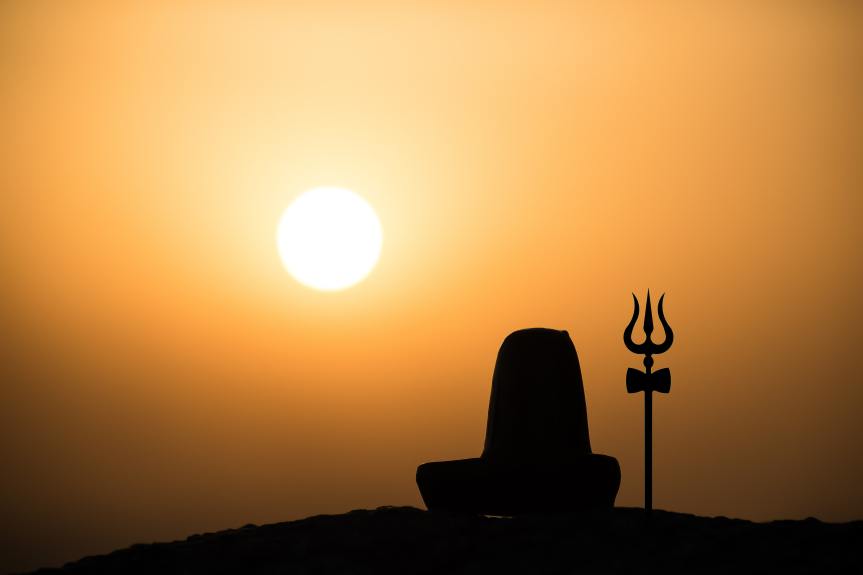
Hindus all around the world observe the night of Maha Shivratri today on the 1st of March 2022. Maha Shivratri (“The Great Night of Shiva”) is celebrated every year on Chaturdashi Tithi during Krishna Paksha in the month of Magha according to the South Indian calendar, or on 13/14 night of Krishna Paksha in Phalguna of the North Indian Hindu calendar. It is said to be the day Lord Shiva performs his heavenly dance (“Tandav“) of creation, preservation, and destruction. According to other legends, it is also the night Lord Shiva married Mata Parvati. So it is considered to be the night of union of Shiva and Shakti – the embodiment of love, power, and oneness. Devotees worship and pray to Lord Shiva, perform all-day fasting, and maintain an all-night vigil on this day. Some visit Shiva temples or go on pilgrimage to Jyotirlingams, the holiest of Shiva temples.
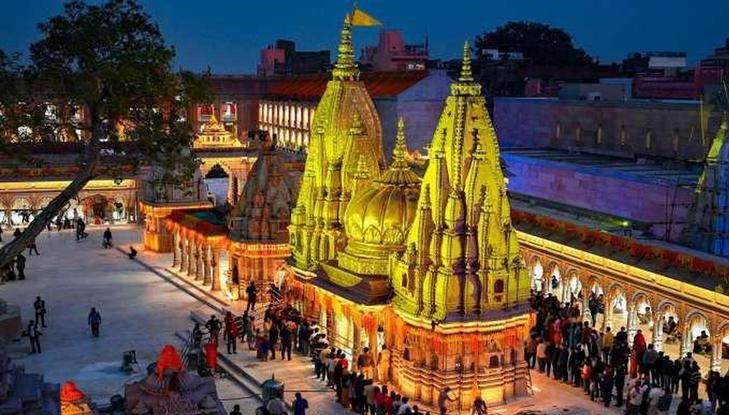
Kashi Vishwanath Temple Source: Republic World
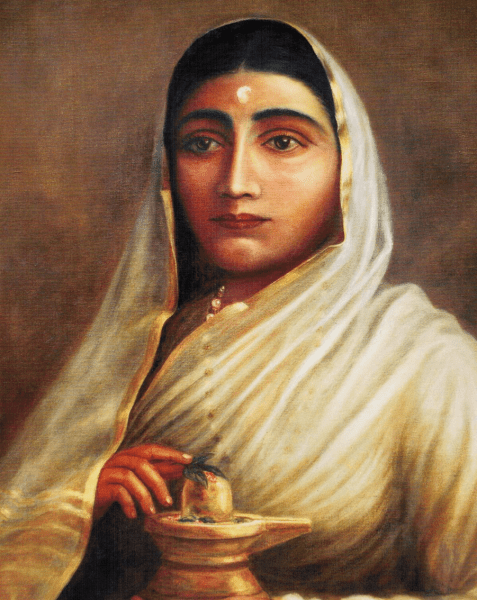
The Kashi Vishwanath temple in Varanasi, Uttar Pradesh is one of the sites of the 12 Jyotirlingams across India. This holy temple is one of the most important places of worship in the Hindu religion, with Vishveshvara or Vishvanath, the Jyotirlinga of Shiva residing inside the temple. The history of this sacred place of worship, however, is one of a cycle of destruction and plunder and re-construction. The original temple was destructed at the hands of Qutb al-Din Aibak in 1194 CE, re-constructed in 1230, and then again destroyed by the Mughal Emperor Aurangzeb in 1669 CE, building the Gyanvapi mosque in its place. It was a great and virtuous queen by the name of Ahilyabai Holkar who re-built the present-day Kashi Vishwanath temple beside the mosque. The story of this little-known noble queen is truly magnificent.
Ahilyabai was born on 31 May 1725 to Mankoji Rao Shinde, the Patil or Chief of Chondi village, Ahmednagar in present-day Maharashtra. Ahilyabai was not born into royal lineage but was married to Khanderao Holkar, after the Lord of the Malwa territory, Malhar Rao Holkar, became impressed by the young girl’s reverence and strong character. She became a widow at 29 when her husband died in the battle of Kumbher in 1754. It was her father-in-law, Malhar Rao Holkar, who prevented Ahilyabai from committing Sati after her husband’s death. Tragedy struck Ahilyabai again when her father-in-law, who was her greatest pillar of support passed away in 1766. This led to Ahilyabai’s only son Male Rao Holkar ascending the throne under her regency. He also died a few months later in 1767 which resulted in Ahilyabai becoming the ruler of Indore on 11 December 1767, despite some objections from the kingdom. She proved all those who opposed her wrong when she protected her kingdom from invaders who wanted to plunder Malwa, barely a year into her rule. She was a learned politician, cautioning the Maratha Peshawa against the British in a letter in 1772, comparing the British embrace to a bear-hug.
During her 30-year rule, she transformed Indore from a tiny village to a prosperous city. She constructed numerous forts and roads in Malwa, sponsored festivals, and donated to many Hindu temples. She built dozens of temples, ghats, wells, tanks, and rest-houses stretching from the Himalayas in the north to the pilgrimage centers in the south. It was in 1780 that Ahilyabai re-constructed the present-day Kashi Vishwanath Temple adjacent to the mosque. The noble queen also beautified various holy sites including Gaya, Somnath, Ayodhya, Mathura, Haridwar, Kanchi, Avanti, Dwarka, Badrinarayan, Rameshwar, and Jaganathpuri as recorded by the Bharatiya Sanskritikosh.
Maheshwar, her capital was a center of literary, artistic, musical, and industrial achievement. She established a textile industry in the city and gained supporters like the Marathi poet Moropant, Shahir Anantaphandi, and Sanskrit scholar, Khushali Ram. Historians write of her kind rule, encouraging all within her realm and her kingdom to do their best.
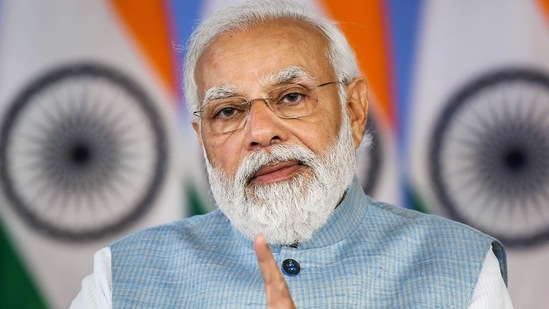
She was 70 when she died in 1795 and was succeeded by her commander-in-chief and nephew, Tukoji Rao Holkar. As a tribute to her, Indore international airport has been named Devi Ahilyabai Holkar Airport. Similarly, Indore university has been renamed Devi Ahilya Vishwavidyalaya. A commemorative stamp was also issued in her honor in 1996. On 13 December 2021, India’s Prime Minister Narendra Modi inaugurated the Kashi Vishwanath Corridor Project in Varanasi, restoring an array of temples to their past glory. On this day, let us remember the great queen of Malwa and her invaluable contribution to our nation. The legacy of the great queen of Malwa lives on.
Prime Minister Narendra Modi particularly thanked Romania for permitting Indians to enter its territory without visas.
Prime Minister Narendra Modi thanked Romania PM Nicolae-Ionel Ciucă, and Slovak PM Eduard Heger for permitting evacuation flights to land in their countries to bring back stranded Indians from war-hit Ukraine. (PTI)
Prime Minister Narendra Modi on Monday spoke to his Romanian and Slovak counterparts Nicolae-Ionel Ciucă and Eduard Heger, respectively, as India continued to use the two nations as land routes to bring back its stranded nationals from war-hit Ukraine.null
Modi thanked both Ciuca and Heger for their assistance in the repatriation process since Russia’s invasion of the east European country. According to a statement, he particularly thanked the Romanian PM for allowing Indians to enter the country’s territory without visas.
He thanked them for allowing special evacuation flights in their countries, which are being used to bring home stranded Indian citizens from Ukraine.
Further, Modi apprised Ciuca and Heger of the deployment of aviation minister Jyotiraditya Scindia and Union law minister Kiren Rijiju in Romania and Slovakia, respectively, as special envoys to oversee the evacuation process over the next few days.
During his calls with the two leaders, Modi also expressed his anguish at the ongoing violence and humanitarian crisis in Ukraine, and reiterated the need for a return to dialogue. “He also stressed upon the importance of respecting sovereignty and territorial integrity of nations,” a PMO statement said.
Written by Sharangee Dutta | Edited by Sohini Goswami, New Delhi
There are two kinds of students attending school or a college, they are either hostellers or day scholars. Day scholar students would have been wondering what would hostel life be like? There are a few things we all would have heard from hostellers. Nowadays both of the parents are working, so they prefer to join their children in a hostel rather than picking them up or arranging them a transport and worrying whether the child has reached safely or not, Also students from long distance obviously need hostel for them to stay.
Hostel life
There are certain things we are curious about hostellers. We often ask hostellers whether they miss their family and their previous environment. Of course hostellers miss their family and their home when they are new to hostel life. It’s very natural for a person to feel uncomfortable in a new place with new people surrounded by them. We often come across the word home sick, which is nothing but a distress caused by being away from home. Students miss their home, their family, they want to go back but all these sickness is temporary, once they find new friends and start feeling easy about hostel, it would be the best period of their lives. Hostel life is real fun, imagine staying with your friends all day long, chatting, watching shows and having your own little snacks party and saying creepy stories and enjoying the frightened face of your friends, isn’t it funny? Hostel is not only meant for enjoying but also it’s a great advantage to discuss and learn new things among friends. Each one of the students must be good at something, so it will be easier to learn a lot of new things within themselves.
Leaving Hostel
Staying all those years in hostel, it becomes like another home for them, leaving all those crazy memories and friends hurts them a lot, it’s the same feeling when they left their home for the first time or we can even relate it with our graduation day ,the farewell day , the day after which we won’t be able to experience what we experienced till now. But at last everyone came to the hostel with a purpose, once the purpose is filled we are supposed to leave the zone.
Kathakali is one of the eight major classical dance forms as recognised by the Sangeet Natak Academy. Other dance forms that Sangeet Natak Academy recognises are, Kathak, Manipuri, Sattriya, Odissi, Kuchipudi, Bharatanatyam and Mohiniattam
Kathakali is a narrative dance form, from the state of Kerela. Kathakali is the amalgamation of two words, ‘Katha’ which means story, and ‘kali’ means a dance or a performance, in Malayalam. The dance form is based on the stories from Ramyana, Mahabharata and stories from Shaiva literature. Although not clearly traceable, it be believed that this classical dance from originated in the late 16th and early 17th century India.
Distinct features
The art form developed in courts and theatres of Kerala’s dynasties, that is, it was an outcome of a long line of theatrical practices, contrary to other Indian classical dances which predominantly developed in Hindu Temples and monastic schools. Another distinct features was, unlike other classical dance forms, Kathakali is traditionally performed by only male performers, who play the role of both males and females.
Kathakali involves the use of intricate make-up code, costume, face masks, head dresses and brightly painted faces. The colourful make-up of Kathakali performers is quite complicated and unique among all the other classical dance forms. The intricate make-up is called vesham, which is based on the psychology of colour. The costumes consists of full skirts, a heavy jacket, numerous garland and necklaces, and headgears.
Five main roles
Kathakali is a highly expressive dance form and requires vigorous trainings to be able to deliver such precision and mastery. In order to deliver such performances, make-up plays an important role in classifying the character in Kathakali. Thus, there are five important character veshams (make-up) in Kathakali, they are;
Pacha vesham– It is a green coloured make up on the face that is used to portray noble male characters like kings and divine beings.
Kathi– It denotes arrogant and evil character. The make is basically green showcasing that they are high born, but a red mark like an upturned moustached or knife (Kathi) is painted on the cheeks to show they are evil.
Kari vesham– This is the colour black, and it is used for demonic characters, playing the most heinous figures on the stage.
Minukku vesham– It symbolizes gentleness and high spiritual qualities, denoted by using radiant lighter colours.
Thadi vesham– This refers to the beard, it can vary in length and colours, depending on the gravity of the character.
Apart from these five character veshams, there are eighteen other special characters that cannot be fitted into any particular category.
Kathakali in the present times
Traditionally Kathakali dances revolved around themes from religious sagas, legends, mythologies, folklores and spiritual tales, derived from the ‘Puranas’ and the Hindu epics. However, apart from such traditional themes, the modern day Kathakali troupes have also incorporated themes based on legends from Christianity and also adapted themes based on stories of renowned western authors such as William Shakespeare and more.
Another development that can be seen in present day Kathakali is the inclusion of women in the troupes. Traditionally Kathakali was performed by an all-men troupe who played the parts of both men and women. But now, this seems to be changing, as there has been a growing number of women participating in performing the dance form. This new changes have been welcoming, and viewers are accepting and appreciating these changes to an extent.
However, certain things remain the same such as beginning the performance by lighting a lamp and playing orchestra music, and the voiceover continues to be in Sanskritised Malayalam. Kathakali as a dance form not only entertains us but also provides a window to have a glimpse into the past and an opportunity to comprehend the ancient heritage that has been preserved for centuries through Kathakali performances.
We are always curious about time travel which is hard to believe but some people say it is possible to time travel with advanced technology while others say it’s a myth. First of all what is time travel? It is a concept of movement between certain points in time. We always come across cartoons or movies where people go back and forth in time using a hypothetical device known as time machine.
When it all started ?
You may be wondering when did all these talks started. The first time this concept was mentioned was in a novel named “The Time Machine”, written by H.G Wells and published by Heinemann in 1895. We would have also come across ancient myths where some characters had the power to skip forward in time. There is also a Hindu mythology where the king “Raivata Kakudmi”, travels to heaven in order to meet the creator Brahma. There are a lot of cartoons which uses the concept of time travel to entertain the kids.
Science and time travel
What does science mention about time travel? In our physics book we all would have learnt about special and general relativity and also types of motion in space. Theoretically speaking, time travel is possible. According to general relativity, time travel is possible by moving faster than the speed of light , which includes cosmic strings, warm holes and Alcubierre drives. Some of us would have seen the movie interstellar in which the main character travels to the future using black hole concept and meets his daughter who had become way too older than him. Stephen Hawking suggests that the fundamental laws of nature prevent time travel. Still physicist cannot come to a conclusion on time travel but we all find it as an interesting topic to talk about.
Time Machine
Most of us are curious on how does a time machine would look like if it really existed. No one knows How a time machine looks, because real time machine doesn’t exist till date, but from seeing in science fictions and cartoons, we can say that it looks like vintage cars without a roof with some clocks installed in it. whatever maybe a time machine, if it existed won’t we all be standing in line to travel in it?
In the past, homosexuality was regarded as an offence of criminal nature. However, few years back in 2018, a remarkable judgement was laid, decriminalizing Section 377 of the Indian Penal Code making private homosexual relations legal. This judgement was assumed to be bring benefitable changes in the life of the homosexuals and was believed to contribute in their fight for their right to be a part of the society. Nonetheless, the increasing cases of suicide of homosexuals recently has turned upside down the above believe and the fact of decriminalizing the Section 377 has not brought fruitful effects that was expected as such.
In 1864 initially, Section 377 was introduced by the ruler of British colonial. Section 377 of the IPC states that any homogenous intercourse or sex activities between individuals of same sex are prohibited and illegal under the law. Our Indian government followed this act for a very long time but it was opposed by a great number of people. Many NGOs and foundations also stood in support of the homosexuals and many rallies and campaigns were started to create awareness about gay sex and normalize it in the society.
Prior to the revilement of the Act, the people were afraid to express their real feelings. They considered the fact that they are gay should remain hidden because they thought that if the people come to know about this fact, the society would avoid them making them feel unmotivated, uncomfortable and unaccepted. Such was the reality back then. However, when the ban was raised, many homosexuals came forward and expressed their true feelings. The upliftment made gay sex legal and such people started living a happy confident life and it also encouraged them to make confident choices.
Taking into account the present scenario, many people still consider homosexual intercourse and sex as a taboo. There is a false belief that performing such actions is excessively repulsive and vicious for the society or human race. Although, it has been proven scientifically that its all about changes in the hormones and it’s utterly normal to have affection and love between individuals belonging to same sex. There should be no sense of uneasiness among the people, rather they should support the homosexuals as they are also humans as them and they also have the same emotions and feelings. Love and support are the mere needs of homosexuals to feel accepted by others in the society.
The ban upliftment was the result of the help and support of a number of foundations and NGOs. One such foundation was Naz foundation that focused on putting this act at public notice and tried to make it a significant topic to be noticeable by the court. Many NGOs and foundations came together and joined hands in implementing campaigns to make people familiar about the concept of same sex relationship.
The ban was uplifted by a five-judge bench of constitution headed by chief justice Dipak Mishra. Prior to the revilement of the act, if an individual was caught in this act then he/she was liable to be in atleast a 10 year imprisonment along with fine. It was the outcome of the support of many people and determination of the NGOs and foundations that the ban was raised by a long 185 years period. This encouraged the people to come out of the shadows and live their life confidently and happily. Today, not only in India but in many other countries, the government is open for gay relationships and one can marry an individual of same sex and can even adopt a baby. These things are now no more regarded as taboo because of their constitutional flexibility which is made only for the betterment of the people.

















 Eduindex
You must be logged in to post a comment.