Is Indian Handicraft at risk ?

Handicraft as we all know it, is the craft work of processing materials by hands or simple hand tools. The outcome of such a craftwork involves decorative pieces or useful objects. The materials used in the making are mostly natural, but can be industrially processed or even recycled too.

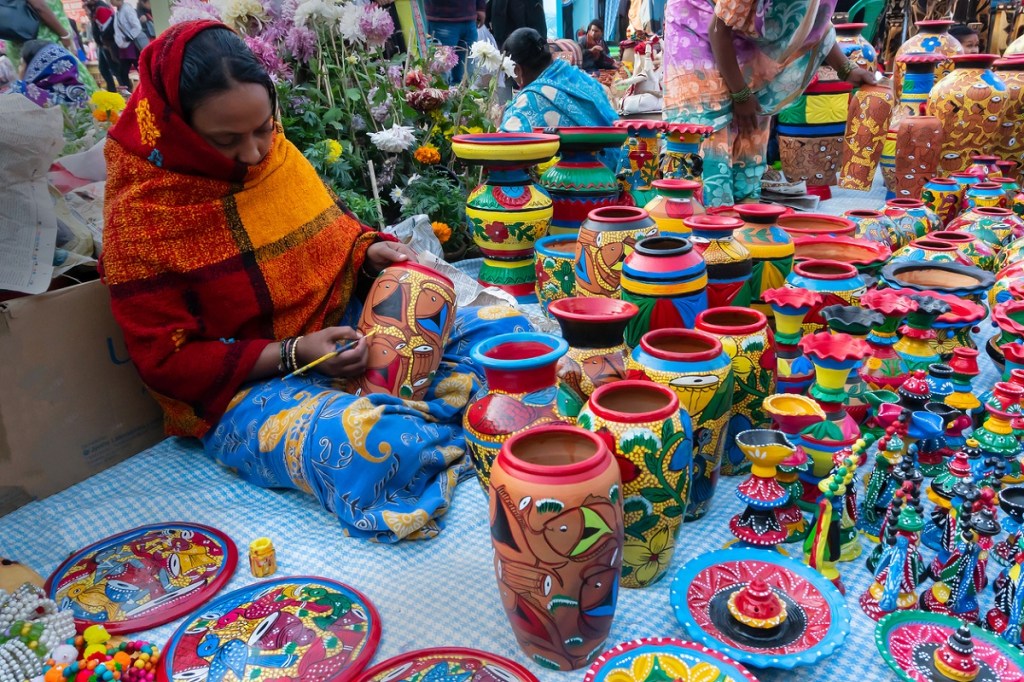
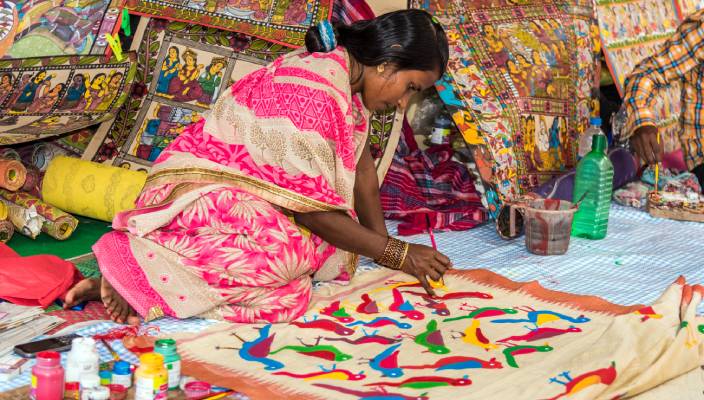
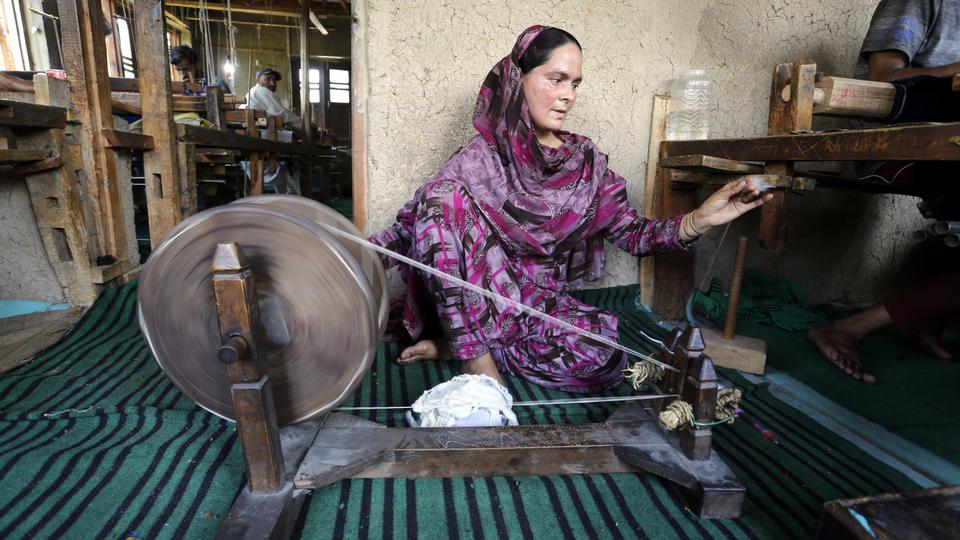
Handicraft is an artform that is deeply rooted in the traditions of India. And the sector provides livelihood to lakhs of people. They produce goods ranging from carpets, potteries, paintings, embroidery and the list goes on. Every region in India has handicraft that is unique to that region. Such as Chikan Kari weaving from Lucknow. Madhubani paintings from Mithalia, Bidri metal handicraft from Karnataka, Pashmina shawls from Kashmir and so on.

However, over the years this industry had to endure certain challenges, making it hard for the artisans to flourish and make a living.
Issues faced by artisans

There are a number of reasons why artisans in the craft industry are facing problems. Some of the widely varied reasons are;

  • Informal sector- Handicraft industry is a highly informal sector. Artisans are usually structured through informal contracts between traders, middlemen, master artisans and low skilled artisans. Along with that, this industry is largely unorganised, making it hard for the industry to flourish organically.
  • Lack of education- The lack of education makes it difficult for the artisans to manage inventory, access government schemes information and bargain with traders and middleman.
  • Outdated production methods- Artisans lack the funds to upgrade to better tools and technologies or undergo training.
  • Competition from organised sector- Artisans are losing customers, due to the arrival of cheaply priced machine made products, especially Chinese made goods.

These are few of the reasons handicraft industry is lagging behind. However, it is never too late to make amends and prevent the sector from sinking.
How to revive the Handicraft industry?

One of the first steps to be taken to boast the Handicraft industry, is the action to make this industry organised. It is a given fact that middlemen and traders mend their ways into benefiting from the sales by jeopardizing the livelihood of artisans. Having an organised and formal sector will help with the righteous distribution  of profit. This is the task of the government to take needful action and prioritise this industry just like any other high yielding industry.

Along with taking into account the mission of creating awareness among the artisans and educating them on basic information about the working and functioning of the industry. Apart from that, it is also important for the government to create awareness among the common public and urge them to help save the livelihood of handicraft workers, and avoid choosing cheaper machine made alternative. Thus helping to preserve the Indian tradition.
Government’s role in empowering Indian Handicraft

Over the past few years, the Government of India has launched schemes and plans that could potentially benefit the handicraft artisans. Some of the schemes are;

  • National Handicraft Development Programme
  • Ambedkar Hastshilp Vikas Yojna
  • Handicraft Mega Cluster Mission
  • Integrated Handloom Development Scheme

Mentioned above are just few of the schemes launched by the government. But just launching schemes would not be of much help, until and unless those schemes are actually implemented at the grassroot level.

In instances like these, NGOs like Cradftizen Handicraft, Asha Handicraft Association, etc.,  play a vital role in campaigning such schemes across the artisans, and making them aware about their right and benefits.

                   The handicraft industry makes Rs 25,000 crores annually by exporting goods. This sector has a lot of potential that can be tapped and channelised into a highly profitable industry, along with benefit and uplifting the artisans, who are keeping the Indian traditions and craft alive.
Uniform Civil Code

Uniform Civil Code refers to implementation and application of such laws, personal in nature applicable to all the citizens equally irrespective of their race, religion, caste and creed. Ever since prior to India receiving independence, across the nation, the implementation and formulation of uniform civil code has always been a matter of controversy. In India, it is a significant issue regarding secularism in politics and today also it continues to be a disruptive matter for the political parties, some conservative religious sects and groups and Muslim groups in defense of the customs of their religion. At present, personal laws of different communities are different and it is governed according to their religious scriptures and text.

During the British rule, the codification procedure of Uniform Civil Code was first started. This set of rules were mainly for the Muslim and Hindu citizens. The British refrained from interfering in the domestic sphere as they feared opposition from the leaders of the community. In 1941, formation of B N Rau Committee took place in order to codify the Hindu Law post a long period. In 1956, a bill was adopted as the Hindu Succession Act on recommendations of B N Rau Committee after India’s independence. Thus, the law related to unwilled or undevised succession among the Jains, Buddhists, Hindus and Sikhs excluding the Muslims, Jews, Christians and Parsis as being distinct communities from Hindus, was codified and amended.

Uniform Civil Code is mainly concerned with the personal laws of all religions and communities. The laws personal in nature includes divorce, marriage, adoption, maintenance and inheritance. Under Article 44 of the Indian Constitution, the Indian states are expected to apply common laws and directive principles for all the citizens of India while formulating policies of the nation. On the other hand, Article 25-28 of the Constitution of India states religious freedom to all the citizens of India and allows the religious groups to keep up their own affairs.

The Uniform Civil Code is basically a set of three words i.e. Uniform, Civil and Code. Uniform refers to ‘same in all cases or not varying’, Civil refers to ‘associated with the people who live in the country’ and Code refers to ‘ a set of law or rules or a systematic law statement’. Thus, it can be inferred that the civil rules should not be different for all the people regardless of their religion. In Indian Context, Uniform Civil Code is the implementation of one such civil law that should be relevant to all the religious sects and communities in matters concerning marriage, maintenance allowance, divorce, adoption and inheritance. The Uniform Civil Code is mentioned under Article 44 of the Indian Constitution. The article states that, “the State shall endeavor to secure a Uniform Civil Code for the citizens throughout the territory of India.” As stated under the Indian Constitution, the Uniform Civil Code’s appeal is accordant with the principles of fairness, equity, justice and human rights. In order to bring uniformity in the personal laws, the courts have held in their judgements that the government should shift towards a uniform civil code. The same has been observed in many cases, Shah Bano case being a popular one among these.

After the Shah Bano case in 1985, Uniform Civil Code emerged as an important topic of interest. The women’s right to life and dignity is adversely affected by the polygamy and triple talaq practices. These law sets were a matter of debate when there was question of making certain laws applicable to all the Indian citizens. The fundamental rights to practice any religion should not be curtailed by these laws. The debate was then shifted to the personal law of Muslims which is partially related to Sharia law which permits polygamy and divorce. The implementation of Uniform Civil Code was primarily opposed by the Indian Muslims and some conservative religious groups considering it as a threat to freedom of the religion.

Farm Bill 2020

In India, agriculture is regarded as a dominant sector in the country. More than 70% of the population in India is involved in the agricultural activities either directly or indirectly. We are able to eat peacefully only due to the hard work of the farmers. Though the farmers work hard in the field day and night in order to feed the country yet they are compelled to live a life of indigence and starvation. Recently in 2020, new bills for the welfare and comfort of the farmers and the agricultural sector was introduced by the Central government. However, these bills were greatly opposed by the farmers and the government of the State. There were protests against the bills on roads and streets by the farmers across the nation. A resolution was also passed by the Punjab Assembly rejecting the ordinances of Central government on 28th August 2020.

A combination of three bills together constitute the Agriculture Bill 2020 or Farm Bill 2020. These three bills were recently passed by the Parliament. These bills are: Farmers Produce and Commerce (Promotion and Facilitation) Bill 2020, Farmers Agreement (Empowerment and Protection) on Price Assurance and Farm Services Bill 2020 and Essential Commodities (Amendment) Bill 2020. These bill make huge changes in the agricultural sector structurally. These bills also seemed to encourage corporate investments in the ecosystem of agriculture in order to make agriculture more benefitable to the farmers.

The Farm Bill 2020 contemplates an alternative possible way to the farmers to sell their produce in open market, providing them an opportunity to sell their products anywhere and to anyone and even get high price for it. In such areas of trade, neither agriculture produce market committee (APMC) fees nor tax by the government on transactions will be charged. The APMC would require to compete with these alternate platforms and now the farmers would have the choice to sell their produces of the farm. The farmers have the authority to sell their farm’s produce directly to the corporate or exporter purchasing in bulk from the farm. The current procurement of food grains based on minimum support price (MSP) is not obliterated by the Farm Bill 2020. The system of procurement based on MSP continues and the farmers can also sell their farm produces at Mandis on the existing MSP.

A number of schemes for the well being of the farmers as well as agricultural sector is launched every now and then by the government. The main aim behind introducing the Farm Bills was to boost the agriculture sector and double the income of farmers by 2022. It was believed that freeing the agriculture sector will consequently help in better pricing due to vast competition in the market. The corporate sector would be induced to invest in the ecosystem of agriculture as the farmers would have the choice to sell their crop products directly to the corporates and the exporters.

As the New Farm Bill 2020 provides great measures for the welfare of the farmers by giving them opportunity to sell their farm products in open market and also allowing them to fix the price according to themselves on mutual understanding of both the farmer and the corporates. Farmers are apprehensive of getting the MSP for their produce. However, the farmers do fear the domination on the agricultural sector with the power of money by the larger corporates and retailers, they also fear that the Mandies would become inessential like BSNL and MTNL future days and they also doubt that if in near future the trade shifts substantially to alternative platforms, the APMCs may become unavailable and have to shut down. No mechanism for fixation of price was prescribed under the Price Assurance Bill. The farmers were anxious about their exploitation as free hand was given to corporate houses. The Bill seemingly deregulated the movement, production, storage and distribution of essential food commodities such as edible oils, pulses, oil seeds, potatoes and onion which are removed from the Essential Commodities (Amendment) Ordinance.

Scope of Silk Industry in India

Silk – the queen of all fabrics is historically one of India’s most important industries. India produces a variety of silks called Mulberry, Tasar, Muga and Eri, based on the feeding habit of the cocoons.
The sericulture industry today employs over 700,000 farm families and is mostly concentrated in Karnataka, Tamilnadu and Andhra Pradesh and to some extent Assam and West Bengal. Karnataka accounts for more than 70 percent of the country’s total silk production.


Sericulture is one industry which is beneficial to the agriculturists. As in today 56 lakhs people are dependent on the sericulture industry, 5.6 million people out of which 4.7 million are agriculturists. The rest are reelers, weavers etc.

India is the second largest producer of silk, contributing to about 18 per cent to the world production. What is however, more noteworthy is the fact that India’s requirement of raw silk is much higher than its current production at present. Thus, there is considerable scope for stepping up production of raw silk in the country, overcome the persistent conflict of interest between exporters of silk products and producers of raw silk.


While sericulturists want imports of raw silk to be restricted to have better market for their produce, exporters want imports of cheaper raw silk so as to be able to export more silk products at competitive rates. India has all the four varieties of silk namely, mulberry, tassar, eri and muga. It is however, disheartening to note that we have not yet been able to fully exploit this advantage and make our presence felt on the international scene more prominently than at present. For this, one has to clearly understand the strengths and weaknesses of different segments of this sector.

The strength of this industry lies in its wide base, the sustaining market demand pull especially from the Indian handloom weaving sector, the infrastructure created by the national sericulture project and the research and training capabilities.


Silk is the most elegant textile in the world with unparalleled grandeur, natural sheen, and inherent affinity for dyes, high absorbance, light weight, soft touch and high durability and known as the “Queen of Textiles” the world over. On the other hand, it stands for livelihood opportunity for millions owing to high employment oriented, low capital intensive and remunerative nature of its production. The very nature of this industry with its rural based on-farm and off-farm activities and enormous employment generation potential has attracted the attention of the planners and policy makers to recognize the industry among one of the most appropriate avenues for socio-economic development of a largely agrarian economy like India.


Silk has been intermingled with the life and culture of the Indians. India has a rich and complex history in silk production and its silk trade which dates back to 15th century. Sericulture industry provides employment to approximately 8.7 million persons in rural and semi-urban areas in India. Of these, a sizeable number of workers belong to the economically weaker sections of society, including women. India’s traditional and culture bound domestic market and an amazing diversity of silk garments that reflect geographic specificity has helped the country to achieve a leading position in silk industry.

Silk production in India

India has the unique distinction of being the only country producing all the five known commercial silks, namely, mulberry, tropical tasar, oak tasar, eri and muga, of which muga with its golden yellow glitter is unique and prerogative of India. 

Mulberry sericulture is mainly practised in states such as Karnataka, Andhra Pradesh, Assam and Bodoland (Kokrajhar, Chirang, Baksa and Udalguri districts of Assam), West Bengal, Jharkhand and Tamil Nadu who are the major silk producing states in the country. North East has the unique distinction of being the only region producing four varieties of silk viz., Mulberry, Oak Tasar, Muga and Eri. Overall NE region contributes 18% of India’s total silk production.

Title of Book

Scope of Silk Industry in India

Editor Name

Deobrat Kumar

ISBN no. 

978-81-951123-8-8

Imprint

IJR

Year

2022

Edition

First

Language

English

Genre

Education

Publisher

Edupedia Publications Pvt Ltd

Training and Skill Development by NGO

 With 50% of India’s population under the age of 25, India is poised to have the largest workforce by 2027. While the demographic dividend could be in favour of India, there are some stiff challenges that we are faced with.

“Individuals with combination of Skills, viz- broad-based education and training, basic and portable high-level skills, including teamwork, problem solving, information and communications technology (ICT) and communication and language skills are most employable and adaptable to changes in the world of work.”

– International Labour Organization


Acquiring life skills is of foremost importance when young people prepare for the job market. This is because:
  • At the entry-level, employees are expected to be able to understand, comprehend, communicate and problem-solve.
  • Opens array of sectors for young people to kick start their career rather than confining them to a sector or job.
  • These skills are essential to get better jobs and increase their chances for career progression.


To start with, Skill Development Team conducts student mobilisation activities in schools and colleges through presentations & posters and in villages & local communities through mobilisation vans, pamphlet distribution, community meetings, etc. The team further works with Village Pradhan, frontline workers (like ASHAs and AWWs) to mobilise prospective students. Minimum qualification required for undertaking these courses is higher secondary.

Improved training and skill development is critical for providing decent employment opportunities to the growing youth population and is necessary to sustain the high growth momentum.

The insufficient skills and illiteracy compel the poor section of the society to put more than extra physical efforts. This is how they fulfill their basic needs. Despite sweating hard, they manage to earn daily wages only. “Unfortunately, a few of them don’t get to work daily.”

To uproot this curse from the lives of poor people, NGO provide “Free of Cost” skills development programs for poor and needy people. These are specifically drafted to upskill the downtrodden people. These programs include Computer Hardware, Computer Training, Mobile Repairing, Sewing Training, Mehndi Design, Incense Stick etc.

Poverty is pronounced deprivation in a well- being and comprises many dimensions, including low incomes, and the inability to acquire the basic goods and services necessary for survival. Poverty alleviation implies the reduction or eradication of poverty level in any society, skill training in various programs leads to acquisition of competencies to generate wealth through applicable Programs with skills and competencies to become self-employed. Lack of skills and experience and Mismatch between supply and demand for labour may be adjusted by the entrepreneurial skills on how to find business ideas to encourage young people to start their own business.

Poverty means more than simply low income. It includes lack of voice in determining what goes on in one’s community, as well as vulnerable livelihoods. Food insecurity is often a reality of poverty. Skills development contributes to social and economic integration in poor people’s lives. Skills development can be considered as a public good.Lack of access to education and training maintains a low level of education and productive skills among the rural poor.

Skills Development Programs by Narayan Seva Sansthan gives according to your interest.

Skill development Programs have to be aligned to ensure better employment opportunities for the Poor People. In, the country the lack of relevant skills of the underprivileged youth group and a mismatch between supply and demand in the market leads to very poor employability and lower wages for them. Narayan Seva Sansthan has also taken various efforts at the national and regional level to promote health, education to unprivileged people. In this research it has been emphasized that necessary education, training and skill development programs are very necessary for disadvantaged group to have a better life. Invest in the skills and employability of workers contributes to the improvement of productivity and competitiveness. But a great number of destitute children are not getting the basic needs like education and skill development training which is leading them to poverty, insufficient nutrition and illiteracy. A complete strategy for Skills Training Programs Linked to Employment will need to be developed so that underprivileged group can have access for skills training leading to employment. Skills are vital for productivity and growth and are in fact at the core of improving people’s employment outcomes.

As we all know that in today’s generation Education is the most important key to success, this is a very general statement and all people are familiar to this. In, this pragmatic world survival and day to day income become impossible to huge number of educated communities.

Skills development for poor people be also essential to address the opportunities and challenges meeting new demands of changing economies and new technologies in the context of globalization.

Title of Book

Training and Skill Development by NGO

Editor Name

SUMIT SINGH CHANDEL

ISBN no. 

978-81-951123-0-2

Imprint

IJR

Year

2022

Edition

First

Language

English

Genre

Education

Publisher

Edupedia Publications Pvt Ltd

PM Ayushman Bharat Health Infrastructure Mission

PM Ayushman Bharat Health Infrastructure Mission is regarded as the largest scheme to scale up the infrastructure of health in India. The aim of this initiative is to provide high quality, easily accessible and equitable health care facilities to the people in need. This mission was launched by the Prime Minister Shri Narendra Modi on 25th October 2021. The main motto of introducing this scheme was to address the three major integral gaps in the public sector of India. These three gaps include extension of pandemic studying existing institutions of research, increasing the health facilities for effective treatment and detailed network of testing for disease’s diagnosis.

The PM Ayushman Bharat Health Infrastructure Mission focuses on strengthening the critical network of healthcare from village to block, district, regional and national level in the upcoming five years. The major focus is in the aspect of formation of enhanced diagnostic facilities and increased health facilities for effective treatment. In order to carry out the purpose, 17,788 rural health and wellness centres and 11,024 health and wellness centres would be supported by the government and this would enable timely and effective treatment and would also provide means for early detection of diseases. These centres would facilitate medical advice and medicines free of cost. Under this mission, 35 thousand new beds related to critical care for serious illness are being added in 600 districts across the nation and in 125 districts, referral facilities will be provided.

Another aspect on which the scheme focuses is the strengthening of the network of testing for the disease’s diagnosis. In order to carry out this purpose, monitoring of disease and essential infrastructure would be developed for the diagnosis. Across the nation, in 730 districts, Integrated Public Health labs would be established and around three thousand blocks would be established in the Block Public Health Units. To further enhance the testing network in the country, 5 regional centres for control of disease, 20 metropolitan units and 15 biosafety labs would be established.

Third and the most significant aspect of the mission is the extension of institution of research that study pandemics. This aspect is against the backdrop pf the Covid-19 pandemic. The regional research platform of World Health Organization (WHO) would also help in this extension. Under this mission, the research labs and existing 80 viral diagnostic would be strengthened. 5 New labs of Biosafety level would also be put into operation. There would also be establishment of National Institute for one Health as well as new 4 National Institutes of Virology.

The PM Ayushman Bharat Health Infrastructure Mission would also correct imbalance of medical college’s distribution in different regions and encourage to increase the availability of health professionals as well as make better use of the infrastructure of district hospitals. In order to carry out the purpose, across the nation around 157 new medical colleges are being set up.

A healthier India is aimed by the PM Ayushman Bharat Health Infrastructure Mission. India can become healthy by the provision of reasonable health care to the overlooked segments of the nation. The measures under this scheme are a step towards addressing the long-pending need in the health care sector that aims to bridge several critical gaps in health infrastructure. Thus, this scheme would create an ecosystem for accessible and affordable infrastructure along with essential services from treatment to research of critical nature in every corner of the nation.

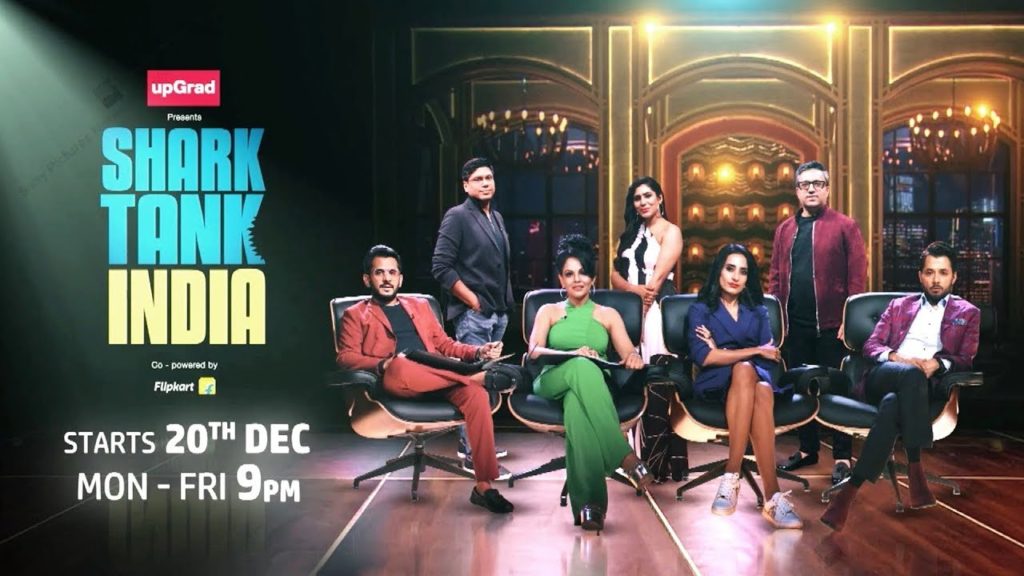
Shark Tank: India

A one of a kind business reality TV series that has got India hooked is Shark Tank, India. Shark Tank is a series were aspiring entrepreneurs pitch in their business models to a panel of investors whom they refer to as Sharks, and persuade them to invest in their ideas. Shark tanks provides budding entrepreneurs the opportunity to secure the deals that would make them successful businesses.

This reality show is the Indian franchise of the American business reality show of the same name, which first aired in 2009. The Indian version is broadcasted on Sony Entertainment Television (SET), and is available online on its respected OTT platform and YouTube.

About the Sharks

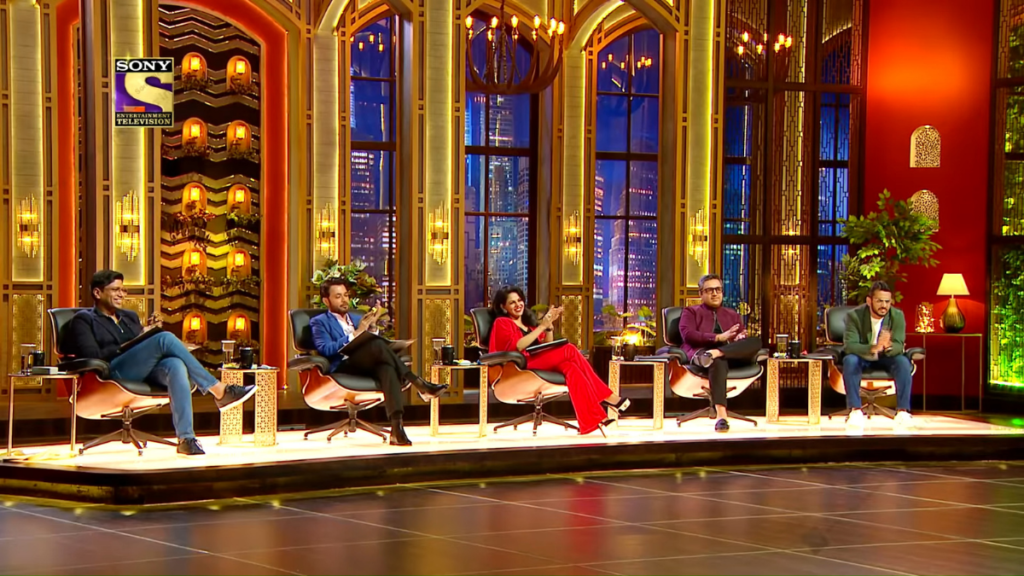
The Indian version has seven panellist on board. All the panellists are giants in their respective area of business and hence, Sharks. The list includes:

  • Ashneer Grover- founder and Co-founder of BharatPe
  • Anupam Mittal- founder and CEO of People Group Shaddi.com
  • Aman Gupta- Co-founder and CMO of boat
  • Vineeta Singh- Co-founder and CEO of Sugar Cosmetics
  • Namita Thapar- Executive Director of Emcure Pharmaceuticals
  • Ghazal Alagh- Co-founder and CIO of Mama Earth
  • Peyush Bansal-  Founder and CEO of Lenskart

All the Sharks brought on the table their area of expertise to help the entrepreneurs with their venture along with investment for a reasonable percentage of equity.

The investments

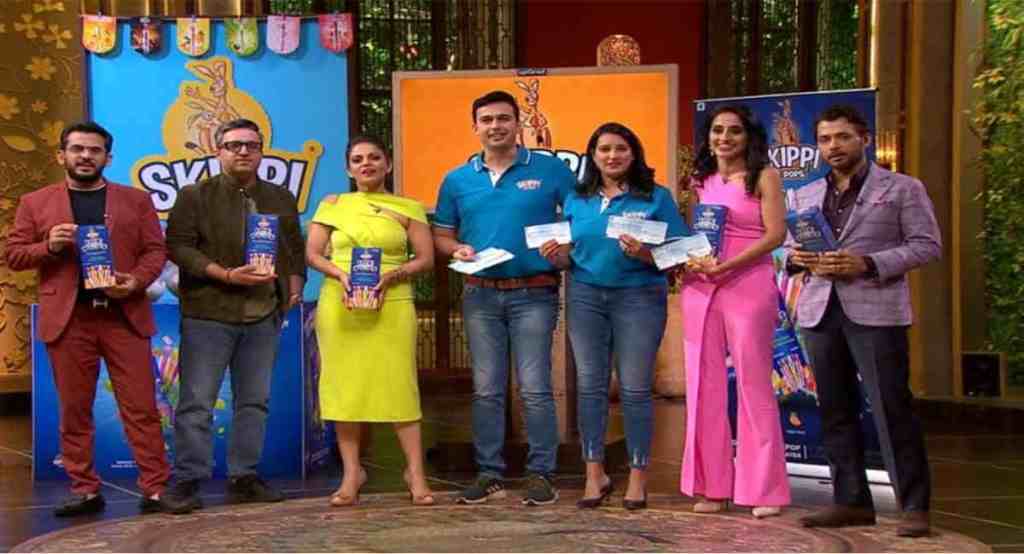
The show helped 67 start-ups bag funding for their venture which is estimated to be at 41.98 crores in total. The highest investments were made for 1 crore to 10 start-ups. The start-ups that bagged the investment were genuine problem solvers whose product or service could help the nation along with generating enough revenue and profit.

The investments ranged from ice popsicles, sugar free ice creams, Ed tech apps, textiles, braille literacy device, canned cocktail, lounge wears, and more. The Sharks invested in a wide variety of start ups in exchange for reasonable, and sometimes negotiable equity.

However, there were instances were participants had to head back with no investment, nevertheless the participants received constructive criticism from the Sharks for their start up, and to further establish it.

Success of the Show

The show has been a massive success and there are possible rumours of a second season. The show has 9 point rating on IMDB, and a substantially good TRP ratings. The show first aired from 21st December 2021, and has 35 episodes.

There were 50,000 plus applicants out of which 198 candidates for selected for the show. And after the massive success of the first season, the application number is only expected to increase in the possible next season.

The presence and popularity of the show was also felt on social media, as feeds  and homepages were flooded with relevant and funny memes made from Shark Tank India. This is one of the reason the show gained a massive audience, and helped connect with the youth on a closer level and inspired more entrepreneurs to follow their entrepreneurial venture.

                     Shark Thank India not only entertained but also provided crucial business advice to entrepreneurs both on the show and the ones outside who just started with their entrepreneurial journey. Such reality shows truly justify entertainment with a purpose.

National Movement

By – Supriya

Indian aspirations to be an independent entity remained unfulfilled till the second half of the 20th century. National Movement was always subdued due to the lack of organised efforts against the well – organised masters. The real organised effort to achieve the political , social and economic liberty was felt only after the formation of the Indian National Congress in 1885. The first reason for evolving a feeling of nationalism was the political unification of India. Before the advent of the British , the subcontinent presented a collage of selfish kingdoms under rival chiefs and rulers.The coming of the British brought western influence , which inspired western education. The liberal and radical ideas of Europe  influenced the Indian intelligentia and created a new educated middle class. The use of western education and English as a language for communication brought closer the population in various regions.Thus it helped in exchange of ideas and aspirations for liberty from the foreign rule. The initial Indian rebellion of 1857 sparked when soldiers serving in the British East India Company ‘ s British Indian Army and Indian kingdoms rebelled against the British hegemony. After the revolt was crushed, India developed a class of educated elites whose political organising sought Indians political rights and representation while largely remaining loyal to the British Empire. However, increasing public disenchantment with the British rule – owing to the suppression of civil liberties , political rights , and culture as well as alienation from issues troubling common Indians – led to an upsurge in revolutionary activities aimed at overthrowing the British authority. The revolt of 1857 was a major turning point in the history of modern India. The British abolished the British East India Company and replaced it with the direct rule under the British crown. A viceroy was appointed to represent the Crown. In proclaiming the new direct – rule policy to ” the Princes , Chiefs, and Peoples of India,” Queen Victoria promised equal treatment under the British law, but Indian mistrust of British rule became the legacy of the 1857 rebellion. The British embarked on a programme of reforms, trying to integrate Indian higher castes and rulers into the government. They stopped land grabs,decreed religious tolerance and admitted Indians into the civil service , albeit mainly as subordinates. However, they also increased the number of  British soldiers in relation to native ones and allowed only the British soldiers to handle artillery. Bahadur Shah was exiled to Rangoon, Burma where he died in 1862, finally bringing the Mughal dynasty to an end. In 1877, Queen Victoria took the title of Empress of India. The socio – religious movements brought forth by various social reformers all over the country inspired national consciousness to improve their social condition and invoked the spirit of patriotism in the Indian masses. The promotion of vernacular language and its use in the Indian and vernacular papers infused a feeling of nationalism in the people.
Inspired by a suggestion made by A.O Hume , a retired British civil servent, seventy – three Indian delegates met in Bombay in 1885 and founded the Indian National Congress. They were mostly upwardly mobile and successful western – educated provincial elites , engaged in professions such as law , teaching , and journalism. They had acquired political outlook from regional participation in various professions by securing nomination to various positions in legislative councils,universities and special commissions. The Indian Nationalism witnessed development but in phases. In the first phase ever since the evolution of Indian National Congress , a moderate movement with the will to co – operate for the grant of a better living conditions for the Indian people prevailed. They believed in the gradual realisation of their national goals. The first of a series of national movements was the Non – cooperation Movement (1920-1922). It was followed by the Civil Disobedience Movement, after a lull. Though the Congress was in the forefront of the freedom struggle but there were many other organisations and individuals who also played important roles. The struggle for Independence continued in the 1930s but the real momentum came with the Second World War. The Indian National Congress thought that after the war the British government in their war efforts. The Congress thought that after the war the British might leave India, but the real intentions of the British became clear soon after. The Congress under the leadership of Gandhi, began to prepare for the ‘ Quit India Movement ‘ in 1942. With the pace of developments all over the world ( after the Second World War) , the British came to realise that it was not possible to rule India any more and they decided to quit. After the First World War ,the revolutionary activities suffered major setbacks due to the arrest of prominent leaders. In 1920s, the revolutionary activists started to reorganize. Hindustan Socialist Republican Association was formed under the leadership of Chandrasekhar Azad. Bhagat Singh and Batukeshwar Dutt threw a bomb inside the Central Legislative Assembly on April 8,1929 protesting against the Public Safety Bill and the Trade Disputes Bill. Following the trial (Central Assembly Bomb Case), Bhagat Singh , Sukhdev and Rajguru were hanged in 1931. The third phase of the Indian National Movement was dominated by the Gandhian ideology ; non- violence, Non Co – operation and Civil Disobedience movements, the Quit India Movement with the slogan of ‘ Do or Die’, all ultimately resulted in the freedom at the mid – night stroke on 15th August 1947.

THANKYOU!

Valentine’s Day

Ah, Valentine’s day! The celebration many people love to hate and others to be the perfect excuse to get cheesy with their loved ones. No matter how you react to Valentine’s Day, there is no chance you can ignore it. It’s everywhere. In fact, once December ends and the Christmas decorations come down, all the brands get ready for the next big thing which is most definitely Valentine’s Day. And for good reason.

I’m sure we can all agree by now that what first started as a holiday celebrating love is now more about how much brands sell. Nothing wrong with this. Did you know that authors like Chaucer and Shakespeare popularized Vday and made it this gift-giving holiday it is today?

And have you ever wondered what goes beyond the famous February 14? How did Valentine’s Day become this huge, commercial holiday it is today? Let’s dig deeper into the history of Valentine’s Day and see how all this started.

A brief history of Valentine’s Day

This pink-hearted holiday wasn’t always pink. The origins of this cutesy day are kind of dark and bloody. As far as we could track its provenance, the history of Valentine’s Day goes back to the Roman Empire. A time when men literally hit on women by hitting them. And women literally stayed in line for this to happen, believing it would make them more fertile. Kinda crazy, right? Stick with me, it gets even crazier.

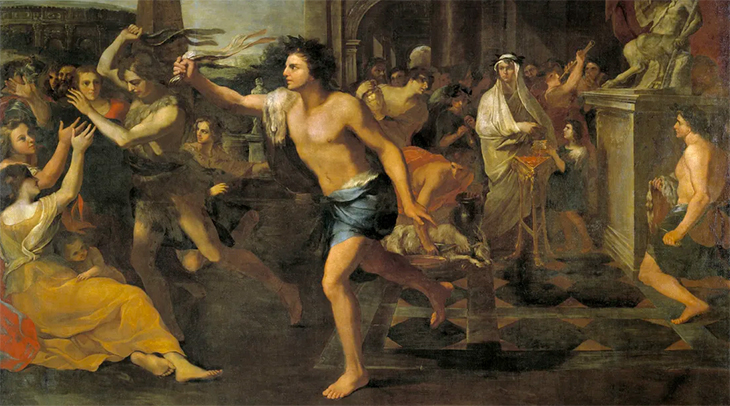
According to the legend, what happens next is some sort of ancient version of “The Bachelor”. They had this tradition where all the young, fertile women in the city would have their names in a big urn. Then, the city’s single men would each pick a name and make a couple with that girl for the upcoming year. When the match was right, often these couples would end up getting married. This crazy ritual was called the Festival of Lupercalia.

Festival of Lupercalia

Who was Saint Valentine? 

Well, it seems like there was more than just one St. Valentine. Or at least, the history is mixed up a little bit. Because there are, at least, two different stories about who St. Valentine was. According to the first legend, Valentine was a Christian priest who was imprisoned and fell in love with his jailer’s daughter. Before he died, he left a love letter signed with the words “from your Valentine.”

The second one features, yet again, a priest who ignored the orders of Emperor Claudius of not officiating marriage for young men in his army. He continued to marry couples who were deeply in love and so, the priest got executed exactly on February 14th in the third century of Rome. The history of Valentine’s day tells us that this priest wore a ring with a Cupid on it – one of the well-known symbols of this holiday – so that soldiers would recognize him. He also liked to share paper heart cards to remind Christians of their love for God. 

While St. Valentine’s story established this holiday to be a romantic one, what truly solidified the connection between St. Valentine and love was a poem by medieval author Geoffrey Chaucer in 1381. Historians consider this poem as being the origin of the “modern” celebration of Valentine’s Day.

Why do we celebrate Valentine’s Day?

As we’ve already mentioned before, Chaucer and Shakespeare had a great impact on the history of Valentine’s Day. They both romanticized this holiday in their work that much that it gained popularity throughout Great Britain and the rest of Europe. Soon, people began writing and exchanging love letters to celebrate Valentine’s Day. The common folk even started to beg divinations to reveal their future romantic partners. 

Valentine's Day card example

In 1913, a well-known American company called Hallmark began distributing official “Valentine’s Day cards”. And the celebration of this popular and romantic holiday continued even more: flowers, candies, teddy bears, paper hearts, jewelry, romantic dinners… and the rest is history. February has not been the same since. 

Valentine’s Day nowadays. How people celebrate it

The celebration of Valentine’s Day still goes on nowadays all over the world, in many various ways. Many will break the bank buying jewelry, perfumes, or other expensive gifts, while others will prefer the simplest gifts: romantic dinners, flowers, chocolate, and Valentine’s Day cards. Did you know that people exchange millions of Valentine’s Day cards every year? Looks like Hallmark really revolutionized the history of Valentine’s Day! And also the tradition of offering red roses on Valentine’s Day is a special one. These flowers are associated with the Greek goddess of love, Aphrodite, that’s why people choose to give red roses instead of other types of flowers to express their love.

Valentine's Day gifts

No matter how you choose to celebrate Valentine’s Day, keep in mind that there are no rules. It’s a totally new era, so you can feel free to celebrate the way you want. A dreamy dinner out, some champagne, going out to the movies, cooking a fancy meal, offering a nice Valentine’s Day card, or even hosting a Valentine’s Day party…it’s up to you to pick the best option.

Start-up to success: OYO

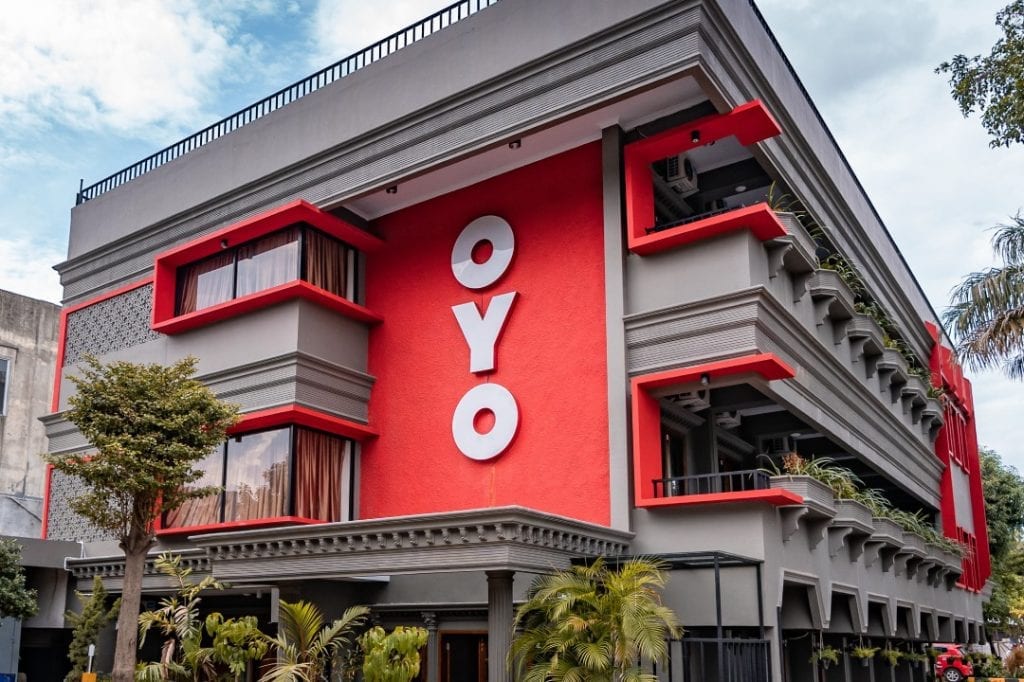
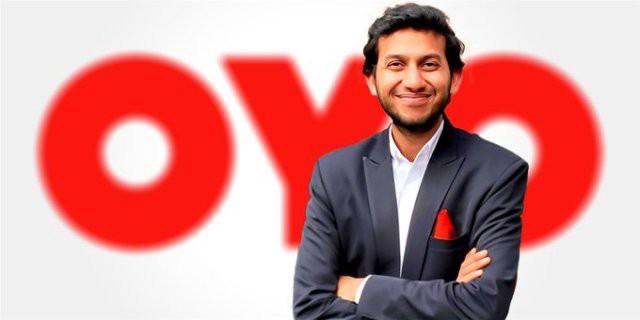
OYO Hotels and Homes is one of the first choices that comes to our mind when we think of affordable and comfortable accommodation while on a vacation. The success of OYO as a hospitability empire has been enormous, and it has been growing ever since the inception of the company in 2013 by Ritesh Agarwal.

OYO stands for ‘On Your Own’. And OYO has been a leading venture in the avenue of budget-friendly rooms along with offering commendable hospitability services. The company has been adding ways to improve its quality and services for the consumers over the years.

The origin of OYO

Ritesh Agarwal aspired to be a coder, and left for Kota in 2009. However he later realised that coding was not for him. Meanwhile he wrote and published his book ‘Indian Engineering Colleges: A Complete Encyclopaedia of Top 100 Engineering Colleges’, which turned out to be a hit. He was then selected for Asian Science Camp held at Tat Institute of Fundamental Research, Mumbai. Later he was among 20 students under 20 who received Thiel Fellowship with a sum of $100.000 for two years. Thus providing him with the resources to drop out of college to start something of his own.

Since Ritesh Agrawal travelled a lot and stayed in different hotels, he realised the poor condition of the hospitality sector, and was motivated to start Oravel Stays in 2011, which was later relaunched as OYO Hotels and Homes in 2013. He envisioned OYO as the all-encompassing accommodation system where people could enjoy all the best facilities of hospitality sector in a budget.

Eventually OYO spread all over India, generating revenue of 51 lacs in 2013-14 and 2.4 Crores in 2014-15. OYO also bagged investment from big shot companies like Lightspeed India, Sequoia, Softback and most recently Microsoft in 2021.

The Struggles of OYO

OYO did not become a success overnight. It had to endure its fair share of struggles and setbacks on its way to success. OYO was surrounded with allegations of cheating and fraud. In 2019, a Bengaluru hotelier accused OYO for not paying his dues. However, OYO rejected such claims.

Other instances includes the death of a national level shooter in an OYO hotel due to electrocution, and an OYO employee raping a women, and a few more. In all these cases OYO clarified its stand and coped with authorities to help with the investigations.  

Other then such instances of setbacks, OYO also had to deal with the obstacles of COVID-19. Like all businesses, the hospitality sector was also hit severely with the pandemic. The hospitality sector revenue generation was down by 50-60% in 2020, as a result the OYO employees had to go through a pay cut of 25%.

Success of OYO

After dealing with its fair share of struggles and shortcomings, OYO has established itself as the World’s third largest and fastest growing hotel chains and home and living spaces. After 8 years of business OYO operates in 800 cities in more than 80 countries. It has 23,000 hotels under, 850,000 rooms and 46,000 vacation homes worldwide.  

In 2019, OYO generated a revenue of $951 million, and is believed to revive itself from the effects of pandemic in the coming years. Ritesh Agarwal was declared the youngest CEO at 17, he was also declared the world’s youngest self-made Billionaire after Kylie Jenner in 2020. And he has a number of other titles to his name such as Forbes 30 under 30 and much more.

                      Nonetheless, the biggest takeaway is that, a teenager with an entrepreneurial mindset manifested his dreams into reality and made it big to a billion dollar industry. Ritesh Agarwal has an inspiring story that can surely encourage other young minds.

Electric Vehicles

At present, the technology is advancing day by day and so is pollution, global warming and increased demand for fuel. Thus, in order to tackle such issues and to be at par with the modern era, electric vehicles as a means of eco-friendly transport is a better option in future.

Electric vehicles refers to vehicles or transport means that consume electric energy in place of traditional fuels such as diesel, CNG and petrol. Such vehicles include an electric generator to convert fuel to electricity or maybe inbuilt with a solar panel, battery, fuel cells or electricity may be supplied via collector system from off-vehicle sources. The metros are already running with electricity around the world.

The contemporary age in which we all are living has now become an era of technology and this advancement in technology has greatly enhanced our human life. Thus, the use of electric vehicles is necessary in near future. The electric vehicles run from electricity and as a result no smoke is emitted, reducing the pollution, global warming and import of diesel and petrol. It would conserve natural resources like CNG, petrol and diesel that are non-renewable and promote the use of renewable energy. The over use of such fuels are harmful for the environment. It would also fulfill the requirement of growing demand of more means of transport. Electric vehicles are eco-friendly, thus it is good for both human beings and environment. As it is a new form of technology and with the increasing demand of this sector, more employment generation will take place. Electric vehicles will also reduce the nation dependency on petroleum export countries.

The electric vehicles are environment friendly and seemingly cheaper in the long run. Since past decade, many trains including the metros have been running on electricity. Even almost all the trains in the Indian Railways are running on electricity. As a result, the use of electric vehicles are continuously promoted by the government. Today, electric scooters or bikes, electronic rikshaw, electronic cars , etc. are already in the market. Various campaigns have been started by the government to promote the use of electric vehicles. Recently, a campaign named’ Switch Delhi’ was launched by the Delhi Government to promote the same. The Delhi government took this initiative to cut down the pollution of air which was caused by the smoke emitted by the traditional petrol and diesel vehicles. The smoke emitted is hazardous to human health. Prior in 2020, Delhi EV Policy was also introduced. Under this policy, a waiver on road tax was provided with a benefit up to Rs. 1.5 lakh on four wheelers and more.

Thus, it can be inferred that the people should use more electric vehicles instead of traditional petrol and diesel vehicles. Electric Vehicles are seemingly the future of means of transport. It becomes more essential when the increasing pollution, global warming and diseases borne out of pollution are considered.

“I really do encourage other manufactures to bring electric cars to market. It’s a good thing, and they need to bring it to the market and keep iterating and improving and make better and better electric cars, and that’s what going to result in humanity achieving a sustainable transport future. I wish it was growing faster than it is.”

– Elon Musk

Porter’s Five Forces Model

Porter’s 5 Forces Model is a business model and a tool which helps in identifying main competitive forces of an industry or a sector. The 5 Forces Model is mainly used to create a corporate strategy which will help a company to enhance its long- term profitability.

Understanding Porter’s Five Forces Model

The 5 Forces Model was created by Harvard Business School’s Professor Michael E. Porter and was published in his book “Competitive Strategy: Techniques for Analyzing Industries and Competitors” in 1980. The model was created to explain why various industries are able to maintain varying level of profitability. Porter’s 5 Forces helps in analyzing the industry of the company so that a company can adjust their corporate strategy, boost their profitability and beat their competition.

What are the five forces of the Porter’s Model?

  • Competition in the industry
  • Potential of new entrants into the industry
  • Power of Suppliers
  • Power of Customers
  • Threat of substitute products

Competition in the Industry

For most industry, the level of competition in the industry determines the positioning of the product in the market. The intense the competition in the market, the more the company has to focus on innovation, marketing, price, etc. of the product. When the competition is less, a company has more authority to charge higher prices and establish the terms of deals in order to increase sales and profits.

Potential of New Entrants into the Industry

A company’s positioning is also affected by the new entrants in the market.  This in turn puts pressure on prices, costs, and the rate of investment needed to sustain a business within the industry. The less the time, money and effort it takes for a competitor to enter the market, more is the threat for a company to lose its market share. On the contrary, if there are strong barriers to entry in the industry, companies more secure about their market share.

Power of Suppliers

Power of suppliers in a market means how easily suppliers can increase the cost of the inputs. The suppliers’ power in the market is determined by the factors like number of suppliers in the market, uniqueness of the inputs they provide, cost of switching a supplier for a company. If the number of suppliers in an industry is less, a company would depend more on its current supplier, thus giving more power to supplier in terms of cost of inputs and other advantages in trade. However, if the suppliers are more in the market, then company has the advantage of switching the supplier in case the supplier increases the price or if a company finds a cheap supplier, thus keeping their input costs low and increasing their profitability.

Power of Customers

Customers are more powerful in an industry when there are less number of customers in an industry and more number of suppliers. Because the client base for a company is smaller and more strong, each customer has greater negotiating leverage to get better rates and deals. A company with a large number of smaller, independent consumers will find it easier to raise prices and increase profits.

Threat of Substitute Products

A substitute is a product or service that can be easily replaced with another by consumers. In economics, products are often substitutes if the demand for one product increases when the price of the other goes up. When there are no close substitutes in the market, a company can take advantage of charging higher prices. However, if there is availability of close substitutes, customers will switch to substitutes in case of increase of the prices of the products of a company.

Understanding Porter’s Five Forces and how they apply to a particular industry can help a company change its business plan to make better use of its resources and generate more profits for its shareholders.

HEALTHY EATING FOR HEALTHY HEART

When stress hits hard as it has during the pandemic, many of us eat more, and less-than-healthy comfort foods may be the treats we reach for first. But an unhealthy response to stress can be hard on your body, especially your heart. That’s why it’s smart — at the top of the New Year, or anytime — to try to eat more foods that nourish. It’ll make your heart happier, and maybe trim your waistline, too.Don’t know where to start? Let the National Heart, Lung, and Blood Institute (NHLBI) help.”We have many recipes for healthy and really tasty dishes, plus an award-winning eating plan called Dietary Approaches to Stop Hypertension, or DASH for short,” says Charlotte Pratt, Ph.D., M.S., R.D., a nutrition expert at NHLBI. For years, the DASH eating plan has ranked among the U.S. News & World Reports’ best diets for healthy living and heart health. Its secret, says Pratt: “Eating nutrient-dense foods and meals that are lower in sodium and saturated fat, rich in fruits, vegetables, low-fat dairy, and legumes.”Some of the recipes NHLBI has developed to support the plan feature healthy versions of comfort foods, such as oven-baked french fries, chicken chile stew, and sweet potato custard. The recipes are easy to make and family-friendly. They include traditional African American, American Indian/Alaska Native, Vietnamese, Latino, and Filipino dishes. You can find these recipes, along with tips about safe cooking, what to stock in your kitchen online The DASH eating plan is scientifically proven to lower your blood pressure and cholesterol levels,” says Pratt. And NHLBI research shows that increasing your physical activity and watching your calories while following DASH will also help you lose weight.DASH requires no special foods, and it helps you set daily and weekly nutritional goals using these simple guides:

  • Eat vegetables, fruits and whole grains
  • Include fat-free or low-fat dairy products, fish, poultry, beans, nuts and vegetable oils
  • Limit foods that are high in saturated fat, such as fatty meats, full-fat dairy foods and tropical oils such as coconut, palm kernel and palm oils
  • Limit sugar-sweetened drinks and desserts

To make it easier to follow the DASH for life, these tips can help:

  • Change gradually. Add one more serving of vegetables a day. Read nutrition labels to choose the food lowest in saturated fat, sodium or salt and added sugar.
  • Vary foods high in proteins. Try a mix of lean cuts of meat. Remove the skin from chicken. Eat fish once or twice a week. Eat two or more meals without meat each week.
  • Select healthy, tasty snacks. Have a piece of fruit, a few unsalted snacks such as rice cakes, fat-free or low-fat yogurt or raw vegetables with a low-fat dip.
  • Find substitutes. Try whole-wheat bread or brown rice instead of white bread or white rice. Try beans or seeds such as flax or sunflower seeds, if you’re allergic to nuts.

Combining healthy eating habits with other self-care activities can help you reduce stress and take care of your heart. Top of the list: move more throughout the day, get 7 to 8 hours of sleep, and try relaxation exercises such as meditation or yoga. If you smoke, try quitting, and develop a strong social-support system to help keep you motivated. Delicious Oven-Baked French Fries Baking instead of frying these potatoes reduces the fat while keeping them crispy.Prep time: 10 minutes.
Cook time: 35 minutes.
Makes 5 servings.
Serving size: 1 cup.Ingredients4 large potatoes (2 lbs.) (regular or sweet potatoes)
8 C ice water
1 tsp garlic powder
1 tsp onion powder
1/4 tsp salt
1 tsp white pepper
1/4 tsp allspice
1 tsp hot pepper flakes
1 Tbsp vegetable oilDirections

  1. Scrub potatoes and cut them into long 1/2-inch strips. Place the strips in the ice water, cover and chill for 1 hour or longer.
  2. Remove potato strips and dry them thoroughly. Preheat oven to 475 degreeF.
  3. Place garlic powder, onion powder, salt, white pepper, allspice and pepper flakes in a plastic bag. Toss the potato strips in the spice mixture.
  4. Put the potato strips in a shallow baking pan and brush them with oil.
  5. Cover the baking pan with aluminum foil and bake at 475 degreeF for 15 minutes.
  6. Remove the foil and continue baking, uncovered, for an additional 15 to 20 minutes or until golden brown. Turn fries occasionally to brown on all sides.

Impact of caste dynamics in contemporary India

The association between various caste groups has now become more flexible and is now at ease. One of the significant impacts in the contemporary age is personal job preference. In the past, men believed in pursuing occupation under its caste like mainly they were engaged in pottery, blacksmithing etc. However, the current scenario is very much different, people have started pursuing jobs of their own choices irrespective of their caste such as in railways, teaching, government jobs, marketing and business. The food habits of the people have been modified, sharing of food is now common between both the sections of society and nowadays people of both upper and lower caste enjoy their food in restaurants in the local together. Power and wealth are almost in least association with the caste. The belief that the lower castes are responsible for pollution and freshness has now somewhat become extinct. However, in petto, rituals of purification with regard to one’s caste ranking, such practice still prevails. The custom of marrying only within the limits of a caste is still in practice, though not as severely as in the past. Lower sections of the society still faces difficulty in pursuing of caste related occupation and access to essential resources in extreme remote rural areas, however in urban areas, caste has almost nil significance in the society. The growth or ranking of women is still based on man’s positioning in the society. But today awareness of equal rights of women, education, employment are eventually advancing the modern society. The Indian Constitution made and implemented various special provisions, due to which competition among the caste groups in order to access the power and necessities like better life enhancement, educational benefits, government oriented jobs, etc. have gained force.

Implementation of such provisions and policies have always been the talk of the town and ground to numerous controversies, although political parties support these policies seemingly for their political benefits, but keeping it aside, it has been of great significant to the people belonging to the lower caste especially the Scheduled Castes (SCs), Scheduled Tribes (STs) and backward classes (OBCs). These groups have grabbed every opportunity provided to them and excelled in it. In the elected offices, these groups have greater representation. They have proved to be an essential part of the Indian political election system. They have also successfully mend their paths in each and every institution, be it political, legal or educational, and also secured high posts in government jobs. In a number of regions, these caste groups have succeeded in forming powerful parties in politics.

However, regrettably, a small portion of people belonging to the lower caste have gained profit from the policies and provisions made by the Indian Constitution. When observed from far, other sections of society seem to have willingly accepted the individuals of the lower castes, but the reality is quite contrary, in numerous parts of India, the upper castes still treat the lower caste’s individuals as outsiders and deny them access to resources. Such an incident came into light in parts of Bihar, India in 1994, the landowners of the upper caste formed a special army known as Ranvir Sena in order to defend themselves from lower caste’s individuals. Though fortunately by 1999, this was disbarred, the Ranvir Sena had already slaughtered 20 Dalits. The upper caste’s individuals who are against the special polices made for the lower castes and also those who are at any sort of economic disadvantage by the implementation of such policies, often are responsible for the mistreatments against lower sections.

The caste system has played a vital role in molding the ethics, principles as well as habitation of the society in India. The rituals  and customs of Hindu philosophy greatly influence the faith and lives of the Indians. Post independence, Indians are still in the clutch of beliefs regarding one’s social rank and their caste status. In the ancient days, people of a common society were divided on the basis of caste, sex and birth. Since birth they had their lifestyles organized according to their specific caste rule and had no choice preference as such. However, with the course of time the linkage between one’s occupation and caste has become almost insignificant. In urban areas, interaction among various castes is without restriction. The current Indian society is progressing eventually from the closed caste system to interactive functioning of the society irrespective of any caste. The various provisions and policies implemented by the government have encouraged the lower sections to come forward and represent themselves in the society. Such provisions have also encouraged the people of other caste groups to be secular towards one another. Therefore, it is essential to look after how caste discrimination has affected the standard of life and mobility of society in contemporary India.

The Homecoming by Rabindranath Tagore

The Homecoming”, also known as “Chutti” is a Bengali short story written by Rabindranath Tagore (1892-93). This story depicts how much parental love and care is required for every child in its childhood days. It also depicts that if we abandon a child, definitely tragedy will take place.

SUMMARY

Phatik Chakravarthi was a fourteen year old Bengali boy whose father died very early. He grew up lazy, wild and disobedient. Makhan Chakravarthi, his younger brother, was quiet, good and fond of reading. Phatik thought about doing new mischief every day. One day, he and his gang of boys pushed a wooden log shaped like a boat’s mast into the river. Makhan, objecting to this and sitting firmly on the log, was thrown into the river along with the log. 

At home, when he was questioned about this, he beat not just his brother, but also his mother. His uncle from Calcutta City arrived at that time. He agreed to take the Phatik to Calcutta and educate him there. Phatik was excited to leave, but his mother was torn between relief and sadness.

Phatik’s uncle had three sons of his own, and his aunt was not pleased with the new addition to their family. A fourteen-year-old boy is bound to have his own set of challenges. He was neither a child nor a man, crossing the line in between.

He missed the meadow, mountain and river of his native village. As a result, it’s no wonder that he struggled in school. He refused to answer any questions, was severely beaten at school every day, and was mocked by everyone, including his cousins.

Despite these negative signs, Phatik begins penning a letter to his mother. At first he lies and asserts to her that everything is rosy with his life in Calcutta.  But when he starts recollecting how harshly he was treated by his aunt on the occasion of his losing his school bag, he changes his tone – he writes that he wants to return home.  He promises that he will be a good boy from now on and do whatever his mother tells him to do. 

Then Phatik goes to his uncle and tells him he wants to be taken back home. He tells Phatik that the soonest he can take him back to his home village is when Durga Puja holiday comes, which is several months away. Phatik insists he wants to go right away, but he can’t convince his uncle to listen to him. That night Phatik goes to bed and makes a decision.

The next morning his uncle learns that Phatik has run away during the night, and he notifies the police about the missing boy.  Now for the first time his uncle, aunt, and cousins feel anxiety about their own culpability in Phatik’s disappearance. 

That evening in a pouring rain, the police carry the weakened-by-fever Phatik back to the residence.  It is clear that the delirious boy is critically ill, and a summoned doctor is not optimistic.  Meanwhile, in his delirious state, Phatik has idyllic visions of his mother and little brother, evidently recalling, or dreaming of, some precious moments when he felt loved.

Soon Phatik’s mother, have been notified about her boy’s serious condition, tearfully rushes to his bedside and lovingly fondles his feverish head.  Phatik looks up at her, and in his closing words asks, “has the holiday finally come?”  Indeed it has.

The story is a sad one and reminds us that the awkward years of early adolescence, while displays the first impulses of boastful assertiveness, it also features a newly intense, but unexpressed need for love and affection. Instead of abandonment, Phatik would have survived if he had been treated with love and care. Finally, his uncle and aunt could only express their regret for failing to convey their love for Phatik.