Advanced Horse Racing Betting Strategies for Experienced Horse Racing Enthusiasts

 Welcome to the world of advanced horse racing betting strategies. A realm where experienced horse racing enthusiasts hone their skills and take their best bet on horse race online – 1xbet to a new level. For those who have learned the excitement of the racetrack. The excitement of picking winners and watching outsiders triumph has become an art and a passion. Now, having become experienced players, you strive to improve your game. Armed with a deep understanding of this sport and an insatiable desire to uncover hidden secrets. Which can turn your bets into triumphant victories.

Photo by Helena Lopes on Pexels.com

In this research journey, we will look at strategies that go beyond the usual bets. And also let’s delve into the nuances that distinguish a knowledgeable player from a casual observer. We will go through the data analysis, the form of races. The views of the jockeys and the conditions of the track. Revealing the secrets that distinguish rivals from contenders for victory.

Harnessing the Power of Data Analysis

In the dynamic world of horse racing, where fractions of a second and instant decisions can determine the outcome of the race. The use of data analysis capabilities becomes paramount for experienced horse racing enthusiasts. In addition to the thrill of watching majestic thoroughbred horses. Racing along the tracks. This sport is a treasure trove of data – a huge layer of information. Which, with proper analysis, can give invaluable information. To make informed betting decisions. For those who seek to improve their betting strategies. Diving into the field of data analysis opens up a whole world of possibilities.

  • Going Beyond the Basics:

As experienced enthusiasts, you are well acquainted with the fundamentals of data analysis in horse racing. However, delving into the advanced techniques is where the real magic happens. Advanced data analysis – from building complex models to using complex algorithms. It takes you beyond the superficial and reveals hidden patterns and trends. Which may affect your choice of bets.

  • Utilizing Historical Data:

Historical race data is a goldmine for understanding a horse’s performance patterns. Past performances, racing records and speed indicators. They represent a treasure trove of information. Which can be used to assess the current shape of the horse and its potential for success in future races. Thanks to a detailed analysis of historical data. You can identify horses that do well under certain conditions. Or they have a track record of unexpected failures.

  • Advanced Handicapping Methods:

Handicapping is the cornerstone of horse racing betting, and advanced handicapping methods take it to new heights. Experienced enthusiasts are deeply versed in various methods of determining the handicap. From speed determination to tempo analysis and beyond. To get a comprehensive understanding of the strengths and weaknesses of the horse. The goal is to identify factors that others may overlook and to spot potential upsets.

  • Big Data and Machine Learning:

In the digital age. Big data and machine learning have changed the way data analysis is conducted at horse races. Powerful algorithms can process huge amounts of data in real time. Providing useful information that was previously unimaginable. Using machine learning models. Experienced enthusiasts can stay ahead of the competition and make informed decisions. About rates based on advanced predictive analytics.

  • Statistical Analysis and Probabilities:

Statistics and probabilities are indispensable tools for horse racing enthusiasts. Seeking to understand the probability of different outcomes. Advanced statistical analysis helps to identify trends. Measure the influence of variables on the results of races and calculate the probability of success of a horse. Armed with this knowledge, experienced enthusiasts can make calculated bets that optimize their chances of winning.

  • Integrating Data with Intuition:

Although data analysis is a powerful tool. Experienced enthusiasts understand that it should not replace intuition and knowledge of the racetrack. The art is to find a balance between knowledge based on data. And inner feelings. Because the race track is an ever-changing landscape. Where unexpected factors can affect the results. Combining data analysis with knowledge of the racetrack. Creates a comprehensive approach to betting that takes into account both science and art.

Unraveling the Complexity of Race Form

In the complex history of horse racing, the analysis of the form of arrival. It is one of the most important and complex aspects. For advanced betting enthusiasts. Apart from the thrill of watching majestic horses in action. Understanding the form of horse racing is an art that requires a sharp eye. Scrupulous attention to detail and a deep understanding of the subtleties. Which can be crucial at the racetrack. For those who seek to improve their betting strategies. Understanding the complexity of the form of racing opens the gates to the world of invaluable information.

  • The Art of Form Study:

Studying a horse’s past performances, or race form, is the foundation of informed betting decisions. Experienced enthusiasts know that simply skimming the surface of a horse’s recent races is not enough. Instead, they dive deep into the data. Thus carefully studying every detail. To identify patterns, strengths and potential weaknesses.

  • Evaluating Class and Competition:

The class of the race and the level of competition that the horse faced. They are the most important elements for understanding its racing form. Advanced enthusiasts analyze the level of competition in each race. In which the horse participated. Looking for cases when the horse successfully performed on stronger fields. Or demonstrated dominance in lower classes.

  • Weight and Handicap Factors:

Weighing a horse’s performance under different weight conditions is a key component of race form analysis. Handicap races add another layer of complexity, as horses carry varying weights to level the playing field. Experienced enthusiasts evaluate how the horse has performed under various loads. Taking into account both the absolute weight and the jockey’s norm.

  • Spotting Patterns and Trends:

Racing data reveals a wealth of information that can help uncover patterns and trends. Advanced enthusiasts keep a keen eye on a horse’s preferred distance, track surface, and running style. They are looking for horses that consistently perform well in certain conditions. Because this knowledge can be invaluable for predicting future success.

  • Identifying Race-Specific Factors:

Every race is unique. The nuances of a racetrack can play a significant role in determining the results of a horse. Factors such as the slope of the track, the running position, the position of the rack and the pace of the race. They are carefully studied to identify horses that may have a clear advantage in specific race conditions.

  • Balancing Recent Form vs. Historical Performance:

While the recent form is crucial for assessing the current condition of the horse. Experienced enthusiasts understand that historical indicators provide valuable information. About the general capabilities of the horse. A combination of recent form with a perspective for the future. It helps to get a more complete picture of the horse’s potential in the upcoming races.

  • Analyzing Workout Patterns:

In addition to sports uniforms. Analysis of the nature of horse training, during training. Gives additional information about her physical fitness and readiness for competitions. Training can indicate whether the horse is improving. Whether she is keeping fit or facing problems. Which may affect its performance.

The Jockey Factor: Understanding the Human Element

In the exciting world of horse racing, where speed and skill are intertwined. The human factor plays a key role in determining the outcome of each race. At the heart of this human element is the jockey – a skilled athlete, strategist, and master of the art of race-riding. For advanced horse racing enthusiasts, understanding the jockey factor. Is an important aspect of improving their betting strategies. In addition to the physical aspect of bringing the horse to victory. The jockey brings a complex mix of experience to the racetrack. Decision-making skills and psychological skills.

  • Jockey Insights and Race Strategy:

Experienced enthusiasts recognize that jockeys are not mere passengers on the backs of horses. They are astute strategists, capable of adapting their race plans based on changing race dynamics. Thanks to in-depth conversations with coaches before the race and studying the race conditions. Jockeys make informed decisions during the race. Adjusting your tactics to gain a competitive advantage.

  • Trainer and Jockey Combinations:

The partnership between a jockey and a horse’s trainer can significantly impact the horse’s performance. Experienced enthusiasts pay close attention to successful combinations of trainer and jockey. Because a strong bond and mutual understanding between them can increase a horse’s chances of success.

  • The Psychology of Jockeys:

The mental fortitude of jockeys is a crucial aspect of the human element in racing. The pressure of high-stakes racing. Split-second decisions. Thus, the pursuit of victory can greatly affect the mind of a jockey. Understanding the psychological aspect helps enthusiasts evaluate. How a jockey’s composure and temperament can affect their performance in stressful racing conditions.

  • Knowing the Jockey’s Style:

Every jockey has a unique riding style, and experienced enthusiasts study their tendencies and preferences. Some jockeys excel in front-running, others are adept at timing their moves, while some specialize in rallying from behind. Understanding the jockey’s style allows enthusiasts to define races. In which their strengths coincide with the track and competitions. Which potentially leads to successful bets.

  • Reading the Race:

The ability of a jockey to read the race as it unfolds is a critical skill. They should be aware of the location and actions of other horses. Feel the pace and anticipate potential problems. Experienced enthusiasts pay attention to jockeys who demonstrate exceptional situational awareness. Because their race reading skills can significantly affect the outcome of the race.

  • Balancing Experience and Youth:

In horse racing, it is necessary to maintain a balance between the experience of experienced jockeys. And the enthusiasm of young talents. Experienced enthusiasts appreciate the merits of both. Recognizing that an experienced jockey brings wisdom and skill to racing. While a young jockey can bring a fresh perspective and a thirst for success.

Conclusion

In the field of advanced horse racing betting, experienced enthusiasts have plunged into the depths of data analysis. We figured out the complexities of the form of racing and took into account the human factor of the jockey. Armed with a comprehensive understanding of these complex aspects. They have taken their betting strategies to new heights. Turning the racetrack into an arena of intellectual search and calculated risk.

The pursuit of excellence in horse racing betting goes beyond the thrill of winning. This is a way of constant learning and improvement. The world of horse racing is a dynamic canvas where science and art converge. Where data analysis and intuition are intertwined, and where the human spirit of athletes and enthusiasts creates the conditions for exciting moments.


National Cooperative Development Corporation (NCDC)

 National Cooperative Development Corporation (NCDC), a statutory corporation under the Ministry of Cooperation, Government of India was established on 14.03.1963 under an Act of Parliament (NCDC Act of 1962) to promote cooperative movement and for economic development through cooperative societies across the country including the state of Chhattisgarh.

The major objective of the Corporation is to promote, strengthen and develop farmer cooperatives for increasing production and productivity and instituting post harvest facilities. The Corporation’s focus is on programmes of agricultural marketing and inputs, processing, storage, cold chain and marketing of agriculture produce and the supply of seeds, fertilizer and other agricultural inputs etc. In the non-farm sector, the Corporation endeavors to equip cooperatives with facilities to promote income generating activities, with special focus on weaker sections such as dairy, livestock, handloom, sericulture, poultry, fishery, scheduled caste & scheduled tribes, women cooperatives, etc. Details of various Central Sector and other Schemes being implemented by NCDC, are enclosed at Annexure-1.

In addition, Ministry of Cooperation with active participation of various States/ UTs has taken various initiatives to revitalize and strengthen the cooperative sector across the country and to achieve the vision of “Sahakar se Samriddhi”, as mentioned at Annexure-2.

(b): State-wise details and number of loans disbursed by NCDC during the last three years (2020-21, 2021-22 and 2022-23) is enclosed at Annexure-3.

(c): District-wise details and number of loans disbursed by NCDC during the last three years (2020-21, 2021-22 and 2022-23) to the States of Madhya Pradesh and Chhattisgarh is enclosed at Annexure-4 and Annexure-5 respectively.

This was stated by the Minister of Cooperation, Shri Amit Shah in a written reply to a question in the Lok Sabha today.


Annexure-1

SCHEMES IMPLEMENTED BY NCDC


A.     Central Schemes Implemented:

  1. Scheme for Formation and Promotion of 10,000 Farmer Producer Organizations (FPOs) – Ministry of Agriculture and Farmers Welfare
  2. Fisheries & Aquaculture Infrastructure Development Fund (FIDF) Scheme – Ministry of Fisheries, Animal Husbandry and Dairying
  3.  Pradhan Mantri Matsya Sampada Yojana (PMMSY) – Ministry of Fisheries, Animal Husbandry and Dairying
  4. Pradhan Mantri Formalisation of Micro Food Processing Enterprises (PM FME)- Ministry of Food Processing Industries
  5. Pradhan Mantri Kisan Sampada Yojna (PM KSY) Integrated Cold Chain and Value Addition Infrastructure Scheme – Ministry of Food Processing Industries
  6. Agricultural Marketing Infrastructure (AMI) – Storage Infrastructure, Sub-Scheme of Central Sector Integrated Scheme on Agriculture Marketing (ISAM) – Ministry of Agriculture & Farmers’ Welfare
  7. Agricultural Marketing Infrastructure (AMI) – other than Storage Infrastructure, Sub-Scheme of Central Sector Integrated Scheme on Agriculture Marketing (ISAM)- Ministry of Agriculture & Farmers’ Welfare
  8. Mission for Integrated Development of Horticulture (MIDH) /National Horticulture Board (NHB) / National Horticulture Mission (NHM)- Ministry of Agriculture and Farmers Welfare
  9. National Beekeeping and Honey Mission (NBHM)- Ministry of Agriculture and Farmers Welfare


B.        NCDC Sponsored Schemes/Activities Assisted:

  1.  

Marketing

  1.  

Processing

  1.  

Storage

  1.  

Cold Chain

  1.  

Distribution of essential consumer articles through cooperatives

  1.  

Industrial

  1.  

Credit & Service Cooperatives/ Notified Services

  1.  

Cooperative Banking Unit

  1.  

Agricultural Services

  1.  

District Plan Schemes:Integrated Cooperative Development Projects in selected districts

  1.  

Cooperatives for Weaker Sections: Fisheries, Dairy & Livestock, Poultry, Schedule Caste, Tribal Cooperatives, Handloom, Coir, Jute, Sericulture, Women, Hill area, Tobacco & Labour

  1.  

Assistance for Computerization of Cooperatives

  1.  

Yuva Sahakar– ­Cooperative Enterprise Support And Innovation Scheme

  1.  

Ayushman Sahakar–  For Healthcare Sector

  1.  

Nandini Sahakar– For Women Cooperatives

  1.  

Digital Sahakar

  1.  

Dairy Sahakar

  1.  

Krishak Dirghawadhi Punji Sahakar Yojana – for extending long Term Loan to Agricultural Credit Cooperatives

  1.  

Swayam Shakti Sahakar Yojana – for strengthening women Self Help Groups through Credit Cooperatives.

  1.  

Promotional and Developmental programmes


*****

Annexure-2


  1. Making Primary Cooperatives transparent and economically vibrant (14 initiatives)


  1. Model Bye-Laws for PACS making them multipurpose, multidimensional and transparent entities: Prepared and circulated to all the States/ UTs for adoption as per their respective State Cooperatives Act to enable PACS to undertake more than 25 business activities. Model byelaws have been adopted by 27 States/ UTs.
  2. Strengthening of PACS through Computerization: Process to onboard 63,000 PACS on an ERP based national software, with an outlay of ₹2,516 Crore started.
  3. New Multipurpose PACS/ Dairy/ Fishery Cooperatives in uncovered Panchayats: A plan has been approved to set up 2 lakh new multi-purpose PACS or primary dairy/ fisheries cooperatives covering every Panchayat/ village in the next five years.
  4. World’s Largest Decentralized Grain Storage Plan in Cooperative Sector to ensure food security: Pilot Project is under implementation to create godowns and other agri-infra for grain storage at PACS level.
  5. PACS as Common Service Centers (CSCs) for better access to e-services: More than 17,000 PACS onboarded as CSC to improve their viability, provide e-services and generate employment in rural areas.
  6. Formation of new Farmer Producer Organization (FPOs) by PACS: Approval of 1,100 additional FPOs by PACS in those blocks where FPOs have not yet been formed or the blocks are not covered by any implementing agency.
  7. PACS given priority for Retail Petrol/ diesel outlets: PACS have been included in the Combined Category 2 (CC2) for allotment of retail petrol/ diesel outlets. Existing PACS with wholesale petrol pump license permitted to convert into retail outlets.
  8. PACS eligible for LPG Distributorship for diversifying its activities: PACS have now been allowed to apply for LPG Distributorships.
  9. PACS as Jan Aushadhi Kendra for improving access to generic medicines at rural level: For providing additional income source to PACS, they have also been allowed to operate Pradhan Mantri Bhartiya Janaushadhi Kendras.
  10. PACS as Pradhan Mantri Kisan Samriddhi Kendras (PMKSK) for fertilizer distribution: PACS have been allowed to operate PMKSK for ensuring easy accessibility of fertilizer & related services to farmers in the country.
  11. Convergence of PM-KUSUM at PACS level for energy security: Farmers associated with PACS can adopt solar agricultural water pumps and install photovoltaic modules in their farms.
  12. PACS to carry out O&M of rural piped water supply schemes (PWS): PACS have been allowed to carry out the Operations & Maintenance (O&M) of PWS in rural areas.
  13. Micro-ATMs to Bank Mitra Cooperative Societies for providing doorsteps financial services: Micro-ATMs now being given to cooperative societies like Dairy, Fisheries.
  14. Rupay Kisan Credit Card to Members of Milk Cooperatives: Rupay Kisan Credit Cards being provided to the members of cooperatives through Cooperative Banks for providing credit at comparatively lower interest rates.


  1. Strengthening the Urban and Rural Cooperative Banks (9 initiatives)


  1. UCBs have now been allowed to open new branches to expand their business.
  2. UCBs have been allowed by RBI to offer doorstep services to their customers.
  3. Cooperative banks have been allowed to make one-time settlement of outstanding loans, like Commercial Banks.
  4. Time limit increased to achieve Priority Sector Lending (PSL) targets given to UCBs.
  5. A Nodal Officer designated in RBI for regular interaction with UCBs.
  6. Individual housing loan limit more than doubled by RBI for Rural and Urban Co-operative Banks.
  7. Rural Co-operative Banks will now be able to lend to commercial real estate/ residential housing sector, thereby diversifying their business.
  8. License fee for onboarding Cooperative Banks to ‘Aadhaar Enabled Payment System’ (AePS) has been reduced by linking it to the number of transactions.
  9. Non-scheduled UCBs, StCBs and DCCBs notified as Member Lending Institutions (MLIs) in CGTMSE Scheme to increase share of cooperatives in lending.


  1. Relief to Cooperative Societies in Income Tax Act (6 initiatives)


  1. Surcharge reduced from 12 % to 7% for co-operative societies having income between Rs. 1 to 10 Cr.
  2. MAT reduced for cooperatives from 18.5% to 15%.
  3. A clarification has been issued to remove difficulties in cash transactions by cooperatives under Section 269ST of IT Act.
  4. A flat lower tax rate of 15% has been fixed, compared with current rate of up to 30% plus surcharge, for new cooperatives commencing manufacturing activities till March 31, 2024.
  5. Limit increased from Rs. 20,000 to Rs. 2 lakh per member for deposits and loans in cash by PACS and PCARDBs.
  6. Increase in cash withdrawal limit for cooperatives from Rs. 1 Crore to Rs. 3 Crore, per annum, without being subjected to TDS.


  1. Revival of Cooperative Sugar Mills (4 initiatives)


  1. Relief from Income Tax to Sugar Cooperative Mills: Sugar cooperative mills not to be subjected to additional income tax for paying higher sugarcane prices to farmers up to Fair and Remunerative or State Advised Price.
  2. Resolution of decades old pending issues related to Income Tax of Sugar Cooperative Mills: Sugar cooperatives allowed to claim as expenditure their payments to sugarcane farmers for the period prior to assessment year 2016–17, giving a relief of nearly Rs. 10,000 crores.
  3. Rs. 10,000 crore loan scheme launched by NCDC for strengthening of Sugar Cooperative Mills: Scheme can be used for setting up ethanol plants or cogeneration plants or for working capital or for all three purposes.
  4. Preference to Cooperative Sugar Mills in purchase of ethanol: Decision has been taken to put Cooperative Sugar Mills at par with private companies for ethanol procurement by Government of India under the Ethanol Blending Programme (EBP).


  1. Three new Multi-State Societies at the National Level (3 initiatives)


  1. New National Multi-State Cooperative Seed Society for certified seeds: New apex multi-state cooperative seed society established under the MSCS Act, 2002 as umbrella organization for quality seed cultivation, production and distribution under a single brand.
  2. New National Multi-State Cooperative Organic Society for organic farming: New apex multi-state cooperative organic society established under the MSCS Act, 2002 as umbrella organization to produce, distribute and market certified and authentic organic products.
  3. New National Multi-State Cooperative Export Society for promoting exports: New apex multi-state cooperative export society established under the MSCS Act, 2002 as umbrella organization to give thrust to exports from cooperative sector.


  1. Capacity Building in Cooperatives (3 initiatives)


  1. Establishment of the World’s Largest Cooperative University: Decision for establishment of National Cooperative University for Cooperative education, training, consultancy, research and development and a sustainable and quality supply of trained manpower is at advanced stage.
  2. New Scheme of Cooperative Education and Training: To strengthen the cooperative movement, build capacity of faculty of VAMNICOM, NCCT and JCTC, promote quality research and studies on important areas of Cooperative sector, etc.
  3. Promotion of training and awareness through National Council for Cooperative Training (NCCT): NCCT conducted 3,287 training programs and provided training to about 2,01,507 participants in FY 2022-23.


  1. Use of Information Technology for ‘Ease of Doing Business’ (2 initiatives)


  1. Computerization to strengthen the Central Registrar’s Office: For creating a digital ecosystem for Multi-State Cooperative Societies and to assist in processing applications and service requests in a time bound manner a decision for computerization has been taken.
  2. Scheme for computerization of office of RCSs in States and Union Territories: To increase ease of doing business for Cooperative Societies and create a digital ecosystem for transparent paperless regulation in all States/Union Territories.


  1. Other Initiatives (7 initiatives)


  1. New National Cooperative Database for authentic and updated data repository: Preparation of a database of cooperatives in the country started to facilitate stakeholders in policy making and implementation.
  2. Formulation of New National Cooperative Policy: A National level committee comprising 49 experts and stakeholders drawn from all over the Country constituted to formulate the New National Cooperative Policy to create an enabling ecosystem to realize the vision of ‘Sahakar-se-Samriddhi’.
  3. Multi-State Co-operative Societies (Amendment) Bill, 2022 The Bill has been passed by the Lok Sabha and the Rajya Sabha to amend the MSCS Act, 2002 to incorporate provisions of 97th Constitutional Amendment, strengthen governance, enhance transparency, increase accountability and reform electoral process in the Multi State Cooperative Societies.
  4. Inclusion of Cooperatives as ‘buyers’ on GeM portal:  Cooperatives permitted to register as ‘buyer’ on GeM, enabling them to procure goods and services from nearly 40 lakh vendors to facilitate economical purchases and greater transparency.
  5. Expansion of National Cooperative Development Corporation to increase its range and depth: New schemes for cooperatives launched by NCDC in various sectors such as ‘Swayamshakti Sahkar’ for SHG; ‘Deerghavadhi Krishak Sahkar’ for long term agricultural credit; ‘Dairy Sahkar’ for dairy and ‘Neel Sahkar’ for fisheries. Total financial assistance of Rs. 41,024 Crores disbursed by NCDC in FY 2022-23.
  6. Computerization of Agriculture and Rural Development Banks (ARDBs): To strengthen the Long-term Cooperative Credit structure, a decision has been taken to computerise Agriculture and Rural Development Banks (ARDBs).
  7. Refund to Investors of Sahara Group of Societies: A portal has been launched for making payments to the bona fide depositors of the cooperative societies of Sahara Group in a transparent manner after proper identification and submission of proof of their deposits and claims.

*****

Research Methods Definitions Types and Examples

Research Methods | Definitions, Types, Examples
Research methods are specific procedures for collecting and analyzing data. Developing your research methods is an integral part of your research design. When planning your methods, there are two key decisions you will make.
First, decide how you will collect data. Your methods depend on what type of data you need to answer your research question:
Qualitative vs. quantitative: Will your data take the form of words or numbers?
Primary vs. secondary: Will you collect original data yourself, or will you use data that has already been collected by someone else?
Descriptive vs. experimental: Will you take measurements of something as it is, or will you perform an experiment?
Second, decide how you will analyze the data.
For quantitative data, you can use statistical analysis methods to test relationships between variables.
For qualitative data, you can use methods such as thematic analysis to interpret patterns and meanings in the data.
Methods for collecting data
Data is the information that you collect for the purposes of answering your research question. The type of data you need depends on the aims of your research.
Qualitative vs. quantitative data
Your choice of qualitative or quantitative data collection depends on the type of knowledge you want to develop.
For questions about ideas, experiences and meanings, or to study something that can’t be described numerically, collect qualitative data.
If you want to develop a more mechanistic understanding of a topic, or your research involves hypothesis testing, collect quantitative data.
Pros Cons
Qualitative
Flexible – you can often adjust your methods as you go to develop new knowledge.
Can be conducted with small samples. Can’t be analyzed statistically, and not generalizable to broader populations.
Difficult to standardize research, at higher risk for research bias.
Quantitative Can be used to systematically describe large collections of things.
Generates reproducible knowledge. Requires statistical training to analyze data.
Requires larger samples.
You can also take a mixed methods approach, where you use both qualitative and quantitative research methods.
Primary vs. secondary research
Primary research is any original data that you collect yourself for the purposes of answering your research question (e.g. through surveys, observations and experiments). Secondary research is data that has already been collected by other researchers (e.g. in a government census or previous scientific studies).
If you are exploring a novel research question, you’ll probably need to collect primary data. But if you want to synthesize existing knowledge, analyze historical trends, or identify patterns on a large scale, secondary data might be a better choice.
Pros Cons
Primary Can be collected to answer your specific research question.
You have control over the sampling and measurement methods. More expensive and time-consuming to collect.
Requires training in data collection methods.
Secondary Easier and faster to access.
You can collect data that spans longer timescales and broader geographical locations. No control over how data was generated.
Requires extra processing to make sure it works for your analysis.
Descriptive vs. experimental data
In descriptive research, you collect data about your study subject without intervening. The validity of your research will depend on your sampling method.
In experimental research, you systematically intervene in a process and measure the outcome. The validity of your research will depend on your experimental design.
To conduct an experiment, you need to be able to vary your independent variable, precisely measure your dependent variable, and control for confounding variables. If it’s practically and ethically possible, this method is the best choice for answering questions about cause and effect.
Pros Cons
Descriptive
Allows you to describe your research subject without influencing it.
Accessible – you can gather more data on a larger scale. No control over confounding variables.
Can’t establish causality.
Experimental More control over confounding variables.
Can establish causality. You might influence your research subject in unexpected ways.
Usually requires more expertise and resources to collect data.
Research methods for collecting data
Research method Primary or secondary? Qualitative or quantitative? When to use
Experiment
Primary Quantitative To test cause-and-effect relationships.
Survey
Primary
Quantitative To understand general characteristics of a population.
Interview/focus group Primary Qualitative To gain more in-depth understanding of a topic.
Observation
Primary Either To understand how something occurs in its natural setting.
Literature review
Secondary Either To situate your research in an existing body of work, or to evaluate trends within a research topic.
Case study
Either
Either To gain an in-depth understanding of a specific group or context, or when you don’t have the resources for a large study.
Methods for analyzing data
Your data analysis methods will depend on the type of data you collect and how you prepare it for analysis.
Data can often be analyzed both quantitatively and qualitatively. For example, survey responses could be analyzed qualitatively by studying the meanings of responses or quantitatively by studying the frequencies of responses.
Qualitative analysis methods
Qualitative analysis is used to understand words, ideas, and experiences. You can use it to interpret data that was collected:
From open-ended surveys and interviews, literature reviews, case studies, ethnographies, and other sources that use text rather than numbers.
Using non-probability sampling methods.
Qualitative analysis tends to be quite flexible and relies on the researcher’s judgement, so you have to reflect carefully on your choices and assumptions and be careful to avoid research bias.
Quantitative analysis methods
Quantitative analysis uses numbers and statistics to understand frequencies, averages and correlations (in descriptive studies) or cause-and-effect relationships (in experiments).
You can use quantitative analysis to interpret data that was collected either:
During an experiment.
Using probability sampling methods.
Because the data is collected and analyzed in a statistically valid way, the results of quantitative analysis can be easily standardized and shared among researchers.
Research methods for analyzing data
Research method Qualitative or quantitative? When to use
Statistical analysis
Quantitative
To analyze data collected in a statistically valid manner (e.g. from experiments, surveys, and observations).
Meta-analysis
Quantitative To statistically analyze the results of a large collection of studies.
Can only be applied to studies that collected data in a statistically valid manner.
Thematic analysis
Qualitative
To analyze data collected from interviews, focus groups, or textual sources.
To understand general themes in the data and how they are communicated.
Content analysis
Either To analyze large volumes of textual or visual data collected from surveys, literature reviews, or other sources.
Can be quantitative (i.e. frequencies of words) or qualitative (i.e. meanings of words).

Agricultural and Processed Food Products Export Development Authority (APEDA)

 In a major boost to fruits exports prospects, Agricultural and Processed Food Products Export Development Authority (APEDA), which works under the aegis of Ministry of Commerce and Industry, has facilitated the export of the first trial shipment of fresh pomegranate to the USA through air route. The first export consignment of pomegranate to USA was initiated by APEDA in collaboration with National Plant Protection Organization (NPPO) of India, the US’s Animal & Plant Health Inspection Service (US-APHIS), Maharashtra State Agricultural Marketing Board (MSAMB), ICAR-National Research Centre on Pomegranate, Solapur (NRC-Solapur) and others.

Chairman, APEDA, Shri Abhishek Dev said that the increase in pomegranate exports to the USA would result in higher price realisation and increase in farmers’ income. There has been encouraging response from the importers of the pomegranate shipment.

The trial shipment of pomegranate was carried out by the APEDA registered ‘INI Farms’, which is amongst the top exporters of fruits and vegetables from India. It has built a value chain of banana and pomegranate by working directly with farmers. As a part of Agrostar group, complete services from agronomy, agri-inputs and off-take is provided to farmers with the produce exported to over 35 countries across the world. As the long-distance market and high cost was prohibitive in commencing commercial operations, the export of trial shipment of pomegranate would help in building capacities amongst Indian exporters and US importers by ensuring that quality fruits are exported.

Buoyed over the acceptance of Indian mangoes in US markets, exporters are hopeful that pomegranate would also become a successful product in the USA. For ensuring traceability in the export value chain of pomegranate, APEDA organizes sensitisation programmes on a regular basis in association with state governments to register farms under AnarNet – a system developed by APEDA. APEDA has played a significant role in gaining market access by opening the pathway to allow high quality Indian pomegranates in USA and Australia.

Because of its high antioxidant content and super fruit characteristics, ‘Bhagwa’ pomegranate from Maharashtra has a substantial export potential. The ‘Bhagwa’ variety of pomegranate has substantial demand in the overseas markets. The Solapur district in Maharashtra contributes almost 50 percent of the pomegranate export from the country.

In 2022-23, 62,280 metric tonne of pomegranate worth USD 58.36 million was exported to the countries including United Arab Emirates (UAE), Bangladesh, Nepal, Netherlands, Saudi Arabia, Sri Lanka, Thailand, Bahrain, Oman. India is the second largest producer of horticulture crops. In 2021-22, India recorded a total 333.20 million metric tonne (MMT) production of horticulture crops out of which the share of fruits and vegetables is 90%. The total production of fruits during 2021-22 was 107.10 MMT and pomegranate accounted for around 3 MMT.

India ranks seventh in production of pomegranate in the world and the total area under cultivation is around 2,75,500 hectares. In India, the major pomegranate producing states are Maharashtra, Gujarat, Karnataka, Rajasthan and Andhra Pradesh. APEDA has formed Export Promotion Forums (EPF) for Pomegranate to give an impetus to exports of pomegranate and remove bottlenecks of the supply chain. The EPF has representatives of the Department of Commerce, Department of Agriculture, state governments, national referral laboratories and top ten leading exporters of the product.

In a continuous process, APEDA has taken several initiatives to address the concerns of the pomegranate value chain from pre production, production, post-harvest, logistics, branding, to marketing activities. Besides, establishing more than 250 export oriented European Union compliant pack houses in the private sector, financial assistance has also been provided to state governments under Common Infrastructure Development augment capacity infrastructures for exports. APEDA has chalked out strategies for country-specific export promotional programmes and organized International Buyer Seller Meets for EU countries, Middle East and South East Asian countries to tap export potential in new markets.

The rise in the export of agricultural and processed food products is the outcome of APEDA’s various initiatives taken for the export promotion of agricultural and processed food products such as organising B2B exhibitions in different countries, exploring new potential markets through product-specific and general marketing campaigns by the active involvement of Indian Embassies. APEDA also organized a conference on the boosting export potential of natural, organic and GI-agro Products from the north-eastern states in Guwahati, Assam. The objective of the conference is to promote the export of natural, organic and GI agro-products grown in Assam and neighbouring states by creating international market linkages.

In collaboration with the Union Territory of Ladakh, APEDA recently organized an International Buyer Seller Meet, which aimed at boosting exports of Apricots and other agri-products from Ladakh.  Eighteen entrepreneurs from UTs of Ladakh and Jammu and Kashmir displayed a range of Apricots and other Agri Products. Twenty buyers from India, USA, Bangladesh, Oman and UAE participated in this event.

 ***

CS:GO Game Sense: Is There Any Chance of Improvement?

 CS:GO game sense may vary, depending on your playing style and individual success. However, it is a real thing that should not be ignored by any chance. There is even a chance to enhance your game sense through CS:GO live streaming, practice, and strategic experiments. Players should be ready to generate their own unique ideas which promise to make the game even more interesting and exciting.

The significance of game sense is still the subject of discussion in the fanbase. In this article, we will try to explore this feature from different perspectives.

Photo by Sean P. Twomey on Pexels.com

Game Sense CS:GO Cheat

Players can enjoy an unfair benefit. Cheats allow punters to see through walls, track the opponent’s location, and provide them with a crucial leg up in a game. While some individuals may like using these cheats for winning purposes, others may think about the “takeaway” feel that puts the fair yet random gameplay at risk.

When it comes to CS:GO, a cheating offence is not something to avoid. While a player uses external assistance in order to benefit, this can be viewed as a form of cheating. It is crucial to take action when spam, fraudulent activities, and special codes are involved. Nevertheless, many punters start accusing CS:GO matches of being unfair. But this doesn’t seem to be an issue in the near future.

Interestingly, cheaters are not the luckiest in the community. They are actually punished quite often due to lost battles and the necessary treatments. This is why they should devote a great amount of time and effort to practice. Otherwise, things might get darker than they actually seem.

When playing CS:GO, it is necessary to have a Steam account and buy the game. Once players are done with it, they can launch the game and join a server in a short time. After finding the server, players use the in-game server browser or an independent-party server browser. Thus, having a server can make it easier to join the community and start completing various missions.

Good Game Sense

The ability to take smart decisions throughout gameplay is a crucial value that might affect the game’s efficiency. It’s crucial to have good game sense, as it allows players to engage most of their team’s powers. Good game sense provides an idea of when to make particular scenes and how to manage them accurately.

For more efficiency, it takes time and effort to organize the activities that will assist you in mastering the game and developing a good game sense. Playing against individuals who stand above the rest, watching the collaboration between professional players is a great way to master the game from the inside out. The more they can improve, the better. This is especially the case when it comes to a long-term perspective.

Players can enhance their game sense in different ways. It is crucial to play against strong opponents to learn how to build effective strategies in the most complex battles. Players can also apply their skills in the long run as long as they learn to apply those skills correctly. No mistakes are allowed due to their instant effect on the situation. It’s in the best interest of players to checkCSGO live scoreseach time they join CS live streaming.

Pro Game Sense

Players try to comprehend the internal processes that take place throughout the game. This determines their ability to make smart decisions and take instant actions without worrying about future success. It happens to be a smart combination of knowledge, experience, and 6th sense.

At the professional level, it is always a good idea to know the best aim in advance. Of course, there are numerous factors that determine an individual’s ability to make accurate shots. While luck is never a reliable companion, players should be ready to develop proper technique and proceed with regular follow-through. Moreover, having an absolute understanding of the target and what you try to achieve with each shot can boost your performance once and for all.

Those who are fond of strategic shooting games should be able to surpass the gaming mark. When players enter the word aim into a search engine, there are a great number of practical recommendations. Not all of them can be taken seriously due to a diversified game scene.

Quant and Internet of Things: Next Generation of Connected Devices

 The world of technology is constantly evolving, and one of the most exciting advancements in recent years has been the integration of quantitative finance (Quant) with the Internet of Things (IoT). This powerful combination has paved the way for the next generation of connected devices that are revolutionizing industries across the globe. In this article, we will delve into the synergies between Quant, and IoT, exploring how they work together to drive innovation, enhance decision-making, and unlock new possibilities in various sectors. Discover Bitcoin trading through Bitcoin Sprint and use its trading features. Explore further!

Photo by Jakub Zerdzicki on Pexels.com

The Convergence of Quant and IoT

Understanding Quantitative Finance

Quantitative finance, commonly referred to as Quant, is a field that applies mathematical and statistical models to financial markets and investments. It involves the use of complex algorithms and data analysis techniques to predict market trends, evaluate risks, and optimize investment strategies. Quants employ advanced mathematical models to gain insights into financial markets and make data-driven decisions.

Unleashing the Potential of the Internet of Things

On the other hand, the Internet of Things (IoT) refers to the vast network of interconnected devices that collect and exchange data through the internet. These devices, embedded with sensors and actuators, can communicate with each other and perform specific tasks autonomously. IoT has found applications in various domains, including healthcare, manufacturing, transportation, and agriculture, to name a few.

The Intersection: Quant Meets IoT

Enhancing Decision-Making with Real-Time Data

The integration of Quant and IoT offers unprecedented opportunities to enhance decision-making processes. By leveraging IoT devices, real-time data can be collected from diverse sources, including financial markets, supply chains, and consumer behavior. Quants can then utilize this data to develop more accurate models and algorithms, enabling them to make informed investment decisions and predict market trends with greater precision.

Risk Management and Predictive Analytics

Another significant advantage of combining Quant with IoT lies in the realm of risk management and predictive analytics. With IoT devices monitoring various environmental factors and market indicators, financial institutions can obtain a comprehensive view of the risk landscape. This comprehensive data allows quants to identify potential risks and mitigate them proactively, thereby minimizing the impact of market volatility and unforeseen events.

Smart Devices and Automated Trading

IoT-powered smart devices can play a pivotal role in automating trading processes and executing trades based on predefined algorithms. By connecting financial data streams directly to trading platforms, quants can develop sophisticated algorithms that leverage real-time market insights. This automation reduces the need for manual intervention and enhances the efficiency and speed of trading operations.

Industry-Specific Applications

The marriage of Quant and IoT is transforming industries across the board. Let’s explore some of the industry-specific applications that are benefiting from this powerful synergy:

  • Healthcare

In the healthcare sector, Quant and IoT are revolutionizing patient care, remote monitoring, and personalized medicine. IoT-enabled wearable devices can collect vital signs, monitor patients’ health conditions, and transmit data to healthcare providers in real-time. Quants can then analyze this data to identify patterns, predict health risks, and develop personalized treatment plans, ultimately improving patient outcomes.

  • Manufacturing

In manufacturing, IoT devices embedded in machinery and production lines gather data on performance, maintenance needs, and supply chain logistics. By integrating Quant techniques, manufacturers can optimize production processes, minimize downtime, and reduce costs. Quants can identify bottlenecks, optimize inventory management, and predict equipment failures, enabling proactive maintenance and streamlined operations.

  • Transportation and Logistics

Quant and IoT are reshaping the transportation and logistics industry by enhancing supply chain visibility, optimizing routes, and improving fleet management. IoT sensors placed on vehicles and containers can capture real-time data on location, temperature, humidity, and other relevant parameters. Quants can leverage this data to optimize logistics operations, reduce delivery times, and identify cost-saving opportunities.

  • Agriculture

In agriculture, the combination of Quant and IoT is enabling precision farming, smart irrigation, and crop monitoring. IoT devices equipped with sensors can measure soil moisture, temperature, and nutrient levels, providing valuable data for farmers. Quants can analyze this data to optimize irrigation schedules, predict crop yields, and identify the best time for planting and harvesting, leading to increased productivity and resource efficiency.

Conclusion

As we have explored in this article, the integration of Quant and IoT is unlocking a new era of connected devices that are poised to transform industries worldwide. The ability to leverage real-time data, automate processes, and make data-driven decisions has immense implications for businesses and individuals alike. By embracing the power of Quant and IoT, organizations can stay ahead of the curve, drive innovation, and gain a competitive edge in an increasingly interconnected world.

Greening Efforts by Coal/Lignite PSUs

 Coal/Lignite PSUs under the Ministry of Coal have not only enhanced their production level over the years to meet the rising energy demand of the country, but have also shown matching sensitivity and care towards native environment by adopting various mitigation measures, including reclamation of mined out areas and extensive plantation in and around coalfields.

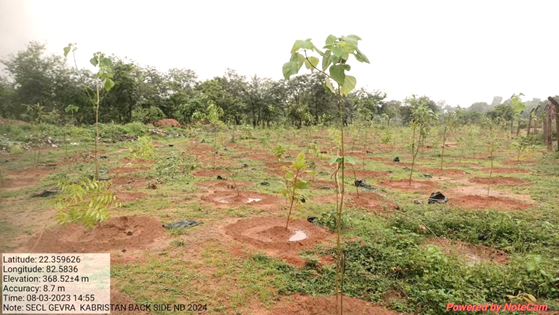
Under the aegis of Ministry of Coal, Coal/ Lignite PSUs have set ambitious goal of plantation over an area of more than 2400 ha through plantation of more than 50 lakh saplings in FY 2023-24. Coal/ Lignite PSUs are making consistent efforts to achieve the envisaged goal of plantation and they have already planted more than 19.5 lakhs saplings of native species on 1117 Ha of land as on  August, 2023 through block plantation, avenue plantation, three tier plantations, high-tech cultivation and bamboo plantation. Coal/Lignite PSUs have envisaged to bring about 30,000 Ha of additional area in and around coalfields under plantation by 2030, thus enhancing the carbon sink significantly.

Plantation by SECL in Gevra Project, Korba, Chhattisgarh

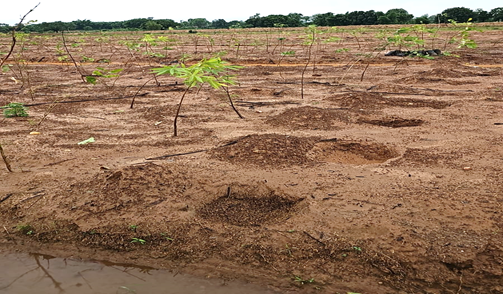
Innovative plantation techniques such as Miyawaki method of plantation have been adopted by Coal/Lignite PSUs. Mahanadi Coalfields Limited (MCL) has taken such initiative by planting around 8000 fast growing saplings in a hectare. Miyawaki Method, a Japanese technique of plantation, is one of the most effective tree planting methods for creating dense forest cover quickly on degraded land.

Miywaki Plantation technique adopted by MCL in Sundargarh district, Odisha

Plantation has been carried out on de-coaled areas which include diverted forest land as well as non-forest land. The plantation carried out on non-forest – backfilled as well as external overburden dumps, is best suitable for Accredited Compensatory Afforestation (ACA), a system of proactive afforestation to be used to obtain approval for non- forestry use of forest land. Under the guidance of Ministry of Coal, Coal/Lignite PSUs are making extensive efforts to identify non-forest afforested land for compensatory afforestation in future to promote ACA and expedite the Forest Clearance process. Coal/Lignite PSUs have identified about 2838 Ha afforested non-forest de-coaled land so far for compensatory afforestation as per the ACA guidelines.

ACA Land in Jamuna OCP, Anuppur, Madhya Pradesh

These efforts support India’s NDC commitment towards creation of additional carbon sink of 2.5 to 3 billion tonnes of CO2 equivalent through additional forest and tree cover and India’s long-term goal of reaching net-zero by 2070.

In addition, afforestation is a vital method for restoring damaged lands, including those affected by coal mining and other anthropogenic activities. It helps prevent soil erosion, stabilizes the climate, conserves wildlife and enhances air and water quality. Moreover, afforestation’s global impact extends to mitigating climate change through carbon sequestration and fostering economic growth in regions. Its proven benefits make it an essential tool in achieving sustainable rehabilitation of degraded landscapes and promoting environmental well-being.

****

Nutritious Cereals in Dietary Schemes

 The Food Safety and Standards Authority of India (FSSAI), under the aegis of Ministry of Health and Family Welfare has been promoting incorporation of millets as part of a healthy and diverse diet among different sections of people through its Eat Right India initiatives. FSSAI has also prepared a millet based recipe book called ‘Shree Anna (Millets) Recipes – A Healthy Menu for Mess/Canteens’. The book contains regional specific recipes from East, West, North and South. Shree Anna are also included under the Poshan Abhiyan of the Ministry of Women and Child Development. Further, the Ministry of Food and Public Distribution has revised its guidelines to increase the procurement of Shree Anna under the Targeted Public Distribution System (TPDS), Integrated Child Development Services (ICDS) and Mid-Day Meal. The Ministry has also advised the State Governments and Union Territories to increase the procurement of Shree Anna. An Export Promotion Forum dedicated to promotion of Shree Anna in the international market has been set up to facilitate promotion, marketing and development of Shree Anna exports from India.

As a part of promotional activities of International Year of Millets (IYM)-2023, the Ministry of Agriculture and Farmers Welfare (MoA&FW) is promoting Shree Anna during India’s G20 presidency. Shree Anna are also showcased in various events such as International Trade Fair, Surajkund Mela etc. A key event organized towards International Year of Millets was the Global Millets (Shree Anna) Conference, held from 18th– 19th March 2023 at IARI Pusa campus, New Delhi which was inaugurated by the Prime Minister. In continuation to the efforts towards mainstreaming Shree Anna, a ‘Millets Experience Centre (MEC)’ has been opened at Dilli Haat, INA, New Delhi with an aim to raise awareness on Shree Anna and encourage its adoption among general public. In order to encourage consumption of Shree Anna among government employees, all Government offices have been advised to include Shree Anna snacks in departmental trainings/meetings and Shree Anna based food items in departmental canteens. MoA&FW has also installed vending machines for Shree Anna products through National Agricultural Cooperative Marketing Federation of India (NAFED) to various Ministries/Departments. Shree Anna and its products have been identified as One District One Product (ODOP) in 19 districts of 10 States.

The Ministry of Information & Broadcasting through DD News Network carried out awareness campaign on Millets and International Year of Millets-2023 (IYM-2023) with live telecast of events, special prograrnmes, ground stories, interviews in all bulletins and prime time news shows. In addition, Akashvani Stations are broadcasting “Kisanvani” & “Kisan Ki Baat, programmes in collaboration with Ministry of Agriculture & Farmers Welfare. Moreover, sustained programmes are being broadcast through 97 identified stations on the nutritive benefits of Millets in human diet, its significant role in ensuring food security, its uses as nutri-rich livestock feed, climate-friendly cultivation and cost effective remunerative farming for farmers. Apart from this, discussion and interview bases programmes have also been produced by News Services Division (NSD), All India Radio to raise the awareness on the benefits of millets and awareness material is also being extensively disseminated on various digital platforms of NSD. Various recipes based on millets have also been uploaded on Akashvani samachar Youtube channel.

Farm Credit Target

 The erstwhile Centrally Sponsored Scheme of Sub-Mission on Agro forestry (SMAF) has now been restructured with focus on Quality Planting Material as an Agroforestry component to be implemented as one of the components of Rashtriya Krishi Vikas Yojana (RKVY) with an indicative outlay of Rs. 271.65 crore (GoI Share) for the 15th Finance Commission period i.e. 2021-22 to 2025-26 with special focus on production of certified Quality Planting Material (QPM). ICAR-Central Agro forestry Research Institute (CAFRI) is the nodal agency for providing technical support, capacity building, setting up of nurseries, production, and certification of QPM etc. CAFRI shall extend support through its All India Coordinated Research Project (AICRP) centers on agroforestry situated at various locations around the country. For the implementation of the scheme State Nodal Department/Agency shall be identified for each State/UTs. The Nodal Department/Agency shall ensure the availability of QPM by producing on its own or through the collaborative arrangement with individuals/institutions such as SAUs, KVKs, FPOs, SHGs, NGOs, Entrepreneurs/Startups, Forest/Agriculture institutes, farmers/cooperative societies etc. QMP raised under the scheme shall be made available for farmers/SHGs free of cost or as decided by the respective States/UTs. The scheme will have the following major components/ activities;

  1. Establishment of Nurseries for Production of QPM
  2. Tissue culture lab for quality planting material
  3. Skill Development and awareness campaign (up to 5% of allocation):
  4. Research & Development, Market linking:
  5. Project Management Unit (PMU) and Agroforestry Technical Support Group (TSG)
  6. Local Initiative (upto 2 % of Approved Annual Plan)


The government is promoting natural farming since 2019-2020 through a sub-scheme namely Bharatiya Prakritik Krishi Paddati (BPKP) under Paramaragat Krishi Vikas Yojana (PKVY). Natural farming is chemical-free farming based on the integrated agriculture and animal husbandry approach using livestock and local resources and relies on-farm biomass recycling with major stress on biomass mulching, the use of on-farm cow dung-urine formulations from local livestock.

Under the Namai Gange Program of PKVY scheme Government is promoting chemical-free Organic farming along the bank of the Ganga River. 1.23 lakh ha area has been covered under the Namami Gange program since 2017-18.

During 2022-23, Government approved Chemical-free Natural Farming for a 1.48 lakh ha area in 5-km wide corridors along river Ganga for the States of Bihar, Jharkhand, Uttarakhand and Uttar Pradesh. The States of Bihar, Jharkhand, Uttarakhand and Uttar Pradesh have approved areas of 52,000 ha, 4000 ha, 6400 ha and 85710 ha respectively for Natural Farming.

Agriculture Infrastructure Fund

 In order to address the existing infrastructure gaps and mobilize investment in agriculture infrastructure, Agriculture Infrastructure Fund (AIF) scheme was launched in 2020 with an objective to mobilize a medium – long-term debt financing facility for investment in viable projects for post-harvest management Infrastructure and community farming assets through incentives and financial support. The scheme envisages provision of Rs. 1 Lakh Crore by banks and financial institutions as loans with interest subvention of 3% per annum and credit guarantee coverage under Credit Guarantee Fund Trust for Micro and Small Enterprises (CGTMSE) for loans up to Rs. 2 Crores. As on date, loans amounting to Rs. 26,064 Crores have been sanctioned for 33,369 projects and these sanctioned projects have mobilized an investment of Rs. 44,208 crores in the agriculture sector.

A new campaign named ‘BHARAT’ (Banks Heralding Accelerated Rural & Agriculture Transformation) has been launched by the Government under Agriculture Infrastructure Fund Scheme to provide maximum benefits to the people and to create a competitive spirit among the Banks and lending institutions to mobilize agriculture infrastructure projects loan at a faster pace. This is a month-long Campaign from 15th July 2023 to 15th August 2023. Top performing Banks under different categories i.e. commercial Banks in public and private Sector, Regional Rural Banks, Small Finance Banks (SFBs), Non-Banking Financial Companies (NBFCs) and cooperative Banks will be selected at the end of the Campaign and their special contribution will be recognized. As on 31.07.2023, overall Rs.1239 Cr. have been sanctioned by numerous banks for 1375 projects under BHARAT campaign.

This Campaign was launched on 12th July, 2023 which was attended by more than 100 Banking Executives that included MDs/Chairman, EDs of commercial Banks in public and private sector, Regional Rural Banks, Small Finance Banks, NBFCs and select cooperative Banks. Moreover, the daily performance under the campaign is being shared among all the Banks through messages at the closing of business hours of Banks every day. These daily updates generate much enthusiasm and competitive spirit among the Banks and lending institutions to perform and exceed their targets.  Ministry is committed to have regular interactions with the Bank Executives through various modes of communication in between with a view to review performance under the campaign and to persuade the slow movers and non-starters to perform.

Banks have been requested to achieve the targets considering the potential  for agri infra projects from time to time and the response of the banks is encouraging. This ministry sets AIF annual targets for individual Banks on the basis of their clientele base, geographical reach and share in the agricultural advance and past performance. The department maintains regular touch with every bank through its designated AIF Nodal Officer in the Head Office for implementation of the AIF Scheme from the submission of application to reimbursement of Scheme benefits. Interaction with Banks’ top Executives and their Nodal Officers takes place to review the progress of the Scheme and providing handholding support at regular intervals such as “Bankers are Anchors “ programme conducted at NABARD HQ in Dec.2022.

Further, Ministry conducts capacity building programmes at Bankers’ Training Colleges on physical mode and awareness sessions on AIF Scheme with Bank officials from Head Offices and controlling offices of various Banks on VC mode to promote the Scheme.  which displays the enthusiasm of the Banks in general. Special award giving ceremonies are also organised to acknowledge the contribution of top performing Bank Executives and their Team members. Social media groups comprising Banks’ AIF Teams serve as the fast mode of communication with Banks for persuading them to lend more and more under AIF for creation of agriculture infrastructure and this forum also helps in sorting out operational issues and providing handholding support.

Information Technology in Agriculture Sector

 Information technologies are finding increasing use in the agricultural value system, and farmers are increasingly becoming more informed. The Government has taken various measures to provide access to technology and information across the country, through various Digital Initiatives, such as:

  1. National e-Governance Plan in Agriculture (NeGP-A) wherein, funds are provided to the State(s)/UT(s) for project involving use of modern technologies viz. Artificial Intelligence (AI), Machine Learning (ML), Robotics, Drones, Data Analytics, Block Chain etc. After receiving proposals from the States, funds are released for development of various solutions.
  2. The Government has announced for development of Digital Public Infrastructure (DPI) for agriculture as an open source, open standard and inter-operable public good to enable inclusive farmer centric solutions through relevant information services for crop planning and health, improved access to farm inputs, credit and insurance, help for crop estimation, market intelligence etc. In this regards, following action has been taken so far:
  • Architecture of three core registries i.e. Farmer registry, Geo referencing of village map registry, crop sown registry has been finalized.
  • To generate crop sown registry, Digital crop survey has been launched on pilot basis in 12 states from Kharif 2023.
  • An MoU has been signed with Pixxel Space India Pvt. Limited to develop use cases with the hyperspectral data of Pixxel for crop identification and mapping, crop health monitoring and soil organic carbon estimation over selected regions on pilot basis.
  1. Sub Mission on Agricultural Mechanization (SMAM) is being implemented w.e.f April, 2014.The scheme aims at ‘reaching the unreached’ by bringing to the small and marginal farmers in the core and giving the benefits of farm mechanization, by Promoting ‘Custom Hiring Centers’ , creating hubs for hi-tech & high value farm equipments, distribution of various agricultural equipments, creating awareness among stakeholders through demonstration and capacity building activities, and ensuring performance- testing and certification at designated testing centers located all over the country.
  2. National Agriculture Market (e-NAM) is a pan-India electronic trading portal which networks the existing Agricultural Produce Market Committee (APMC) mandis to create a unified national market for agricultural commodities. Digital services are provided to traders, farmers, Farmers Producer Organizations (FPO), Mandis through various modules of e-NAM platform such as FPO trading module, warehouse based trading module.
  3. Under PM KISAN Scheme, fund is directly transferred into the bank accounts of the eligible farmers under Direct Benefit Transfer mode. Farmers can do their self- registration through the Farmers Corner in the portal. PM-KISAN Mobile App was launched to broaden the reach of the scheme where farmers can view beneficiary status, update or carry out corrections of name based on their Aadhaar card and also they can see history of benefits transferred to their bank accounts. Recently, face authentication feature has also been included in PM-KISAN mobile App.
  4. Agriculture Infrastructure Fund (AIF): To mobilize a medium – long term debt finances facility for investment in viable projects for post-harvest management Infrastructure and community farming assets through incentives and financial support in order to improve agriculture infrastructure in the country. Financial assistance is provided digitally in the form of Interest Subvention and Credit Guarantee for setting up post- harvest management Infrastructure to beneficiaries such as Farmers, Primary Agricultural Credit Societies (PACS), Farmer Producers Organisations (FPOs), Self Help Groups (SHG), State Agencies/APMCs.
  5. National Mission on Horticulture: It Promotes holistic development of Horticulture sector (including bamboo & coconut) HORTNET project is a web enabled work flow- based system for providing financial assistance under MIDH. It is a unique intervention to accomplish e-Governance in NHM where-in total transparency has been envisaged in all the processes of workflow i.e., online application filing, authentication, processing and online payment to the beneficiary’s bank account through DBT.
  6. National Project on Soil Health and Fertility:-Issuance of soil health cards to farmers of the country, so as to provide a basis to address nutrient deficiencies in fertilization practices. Soil Health Card Portal is available where farmers can track soil samples.
  7. Several new technological initiatives has been taken under the Pradhan Mantri Fasal Bima Yojana such as Yield Estimation System, based on Technology (YES-Tech), Weather Information Network Data Systems (WINDS) portal and door to door enrollment app AIDE/Sahayak.
  1. YES-TECH, a technology-driven yield estimation system, offering methodologies, best practices, and integration insights for accurate yield assessments at the Gram Panchayat level.
  2. WINDS Portal is a centralized platform that hosts, manages, and processes hyper-local weather data collected by Automatic Weather Stations and Rain Gauges at Taluk/Block and Gram Panchayat levels. The portal enhances risk assessment and decision-making in crop insurance, agriculture advisories, and disaster mitigation, supporting the agricultural sector and rural economy.
  3. The AIDE app’s aims to revolutionize the enrolment process, bringing it directly to the doorstep of farmers. This door-to-door enrolment ensures a seamless and transparent process, making crop insurance more accessible and convenient for farmers.
  1. The Indian Council of Agriculture Research (ICAR) has also compiled more than 100 mobile apps developed by ICAR, State Agricultural Universities and Krishi Vigyan Kendras and uploaded on its website. These mobile apps developed in the areas of crops, horticulture, veterinary, dairy, poultry, fisheries, natural resources management and integrated subjects, offer valuable information to the farmers, including package of practices, market prices of various commodities, weather related information, advisory services, etc.
  2. Further, ICAR has developed a Digital multimedia platform named as “Kisan Sarathi” which is being used to provide advisories to the farmers through 731 KVKs across the Country.


Financial assistance upto Rs. 5.00 Lakh for outstanding sportspersons living in indigent circumstances

 The Ministry of Sports and Youth Affairs implements the scheme of ‘Pandit Deendayal Upadhyay National Welfare Fund for Sportspersons’ (PDUNWFS) with the objectives to provide suitable assistance to outstanding sportspersons now living in indigent circumstances, to provide suitable assistance to outstanding sportspersons injured during the period of their training for competitions and also during the competitions, depending on the nature of the injury, to provide suitable assistance to sportspersons for medical treatment, to provide suitable assistance to promote welfare of sportspersons generally in order to alleviate distress among them and their dependents in indigent circumstances, and to provide assistance to sportspersons living in indigent circumstances for training, procurement for sports equipment, participation in national and international sports events etc.

The information about state-wise and sports-wise number of sportspersons supported from this fund during last five years is available on the Department’s website https://yas.nic.in. Financial assistance upto Rs. 5.00 Lakh for outstanding sportspersons living in indigent circumstances and upto Rs. 10.00 Lakh for medical treatment to sportspersons or family members is provided under the scheme of PDUNWFS.

Sports Authority of India (SAI) has established 10 Regional Centres and 2 Institutional Units

 The Sports Authority of India (SAI) has established 10 Regional Centres and 2 Institutional Units in various parts of the country. The functions of these centres are, to implement and monitor the sports promotional schemes of SAI and Government of India, to conduct coaching camps and to assist the national teams for participation in international competitions by providing them with requisite state of the art infrastructure, equipment, coaching facilities and competition exposure, boarding and lodging to the selected trainees, scientific training/ equipment support, to provide scientific back-up to sportspersons to deliver high level performance in sports, to plan, construct, acquire, develop, manage, maintain and utilize sports infrastructure and facilities in the region, to liaise with other organizations/ sports bodies, State Govt./ UT Administration and act as an interface between the Ministry of Youth Affairs & Sports and respective State Governments, and to conduct Certificate, Skill Development, Diploma, Graduation and PG Level courses in Coaching/Physical Education in collaboration with the Academic Wing of SAI at NSNIS Patiala & LNCPE Trivandrum.

The decision regarding creation of facilities/SAI centres depends on various factors, such as suitable proposals received from the State Governments, availability of funds, local demand, etc. Further, as a part of its restructuring exercise, SAI has carried out a review of its existing sports promotional schemes. In view of the available sports infrastructure and financial constraints, it has been decided to focus primarily on the existing centres with a view to achieve excellence.

Sports Authority of India (SAI) implements the following Sports Promotional Schemes across the country to identify talented sportspersons in various age groups and nurture them to excel at national and international level:

  • National Centres of Excellence (NCOE)
  • SAI Training Centre (STC)
  • Extension Centre of STC
  • National Sports Talent Contest (NSTC)

A total of 187 Centres, including NCOEs, STCs, Extension Centres, etc. are functional in the country for implementation of these schemes. Presently, 7780 talented sports persons (4688 boys and 3092 girls) are being trained in 34 sports disciplines on residential and non-residential basis. The sportspersons identified under SAI Sports Promotional Schemes come from all sections of society, including the rural, backward, and tribal areas of the country.

Further, the Government has launched the Khelo India Programme with twin objectives of mass participation and the promotion of excellence in sports. Various programmes have been launched under this scheme to promote sports and improve the level of sports and infrastructural facilities, including stadiums, playing fields, tracks and sports training centres across the country.

31 Khelo India State Centres of Excellence and 960 Khelo India Centres are being supported under the scheme. 267 Academies have been accredited under the scheme. 2510 athletes in 21 sports disciplines (including Para sports) have been identified as Khelo India Athletes (KIA).

National Overseas Scholarship schemes

 The Ministry of Social Justice & Empowerment implements two National Overseas Scholarship (NOS) schemes. One is implemented by the Department of Social Justice & Empowerment for students from Scheduled Castes, Denotified Nomadic and Semi-Nomadic Tribes, Landless Agricultural Labourers and Traditional Artisans and the other one is implemented by Department of Empowerment of Persons with Disabilities (DoEPwD) for students with disabilities.

The criteria followed for selection of the candidates under the schemes is as under:

(i) NOS for SC etc.:

Selections are made for study in top 500 QS ranked foreign Institutes/Universities on the basis of unconditional offer of admission. At least 60% marks or equivalent grade in the qualifying examination are required. Further, the total family income including the candidate from all sources shall not exceed Rs. 8.00 lakh per annum in the preceding financial year and the age of the candidate shall not be more than 35 (Thirty Five) years, as on first day of April of the selection year.

(ii) NOS for students with Disabilities:

For Ph.D., First class or 55% (fifty five per cent) marks or equivalent grade in relevant Master’s Degree are required. Similarly, for Masters’ Degree 55% (fifty five per cent) marks or equivalent grade in relevant Bachelor’s Degree are required. The age of the candidate shall be below 35 (Thirty -Five) years as on lst January of the year of application and the Parents/Guardian’s income should not be more than Rs.8.00 lakh per annum.

The process of selection for both the schemes is as under:

  1. NOS for SC etc.:

The NOS portal (https://nosmsje.gov.in) is opened every year for calling of applications for the first round from mid of February to end of the March (for a period of 45 days). The candidates can apply on NOS portal for availing the scholarship under the scheme. Only complete and valid online applications are considered for award of the scholarship. After the scrutiny, the applications of all the eligible candidates’ are placed before the Selection-cum-Screening Committee for making their recommendations for selection as well as deciding the ranking of 125 candidates for scholarship. The ranking of the candidates are decided on the basis of QS ranking of the Institute/University he/she has sought admission to. Then, the provisional Award of Scholarship letters are issued to the selected candidates.

(ii) NOS for students with Disabilities:

Presently, the applications under the scheme are received offline throughout the year. The applications are examined by the Screening Committee constituted for the purpose. Applications shortlisted by the Screening Committee are placed before the Selection Committee. The candidates recommended by the Selection Committee are issued Award letters.

 Under both the schemes, disbursement of scholarship amount/ of miscellaneous expenses(on reimbursement basis) etc. incurred by the candidate, is done by Ministry of External Affairs (MEA) through Indian Missions abroad and for this funds are sanctioned to MEA through Letter of Authorization(LoA) by Ministry of Social Justice & Empowerment. Funds are released to MEA from time to time on demand by the Indian embassy concerned in respect of any NOS student.

The National Overseas Scholarship schemes of both the departments are central sector schemes and, therefore, there is no State-wise and district-wise distribution. However number of candidates benefitted under the schemes for last three years is as below:

Year

DoSJE

DoEPwD

Number of Beneficiaries

Number of Beneficiaries

2020-21

100

6

2021-22

125

11

2022-23

125

17


This information was given by Minister of State for Ministry of Social Justice and Empowerment

AWARENESS by National Safai Karamcharis Finance & Development Corporation

 In order to create awareness about the various schemes of NSKFDC and sensitization among its target group i.e., Safai Karamcharis, Waste pickers, Manual Scavengers and their dependants. NSKFDC has been taking following initiatives:-

  1. Awareness Camps: – In order to make target group aware about the schemes of the Corporation and to motivate them to avail the benefits under the schemes, awareness camps are organized in the basties of the target group of NSKFDC. NSKFDC is reimbursing upto Rs.30,000/-per awareness camp for organizing the Awareness Camps to its implementing agency.
  2.   Loan Meals: – Loan meals are organized in various Urban Local Bodies (ULBs) wherein the channelizing agencies are also invited. The schemes of NSKFDC and necessary documentation formalities involved in availing the loan are explained to the target group in these meals.
  3. Workshops: – NSKFDC also organizes sensitization cum awareness workshops in various Municipalities to create awareness about the provision of MS Act, 2013 and prevention of manual hazardous cleaning so as to minimize the incidents of manual hazardous cleaning.
  4. Recognition of Prior Learning Programme (RPL):- NSKFDC also organizes 5 days RPL programme to provide necessary orientation to the target group of NSKFDC on mechanized, improved and safe sanitation practices.

Besides the above, following interventions are also taken to raise awareness and sensitization about the schemes of NSKFDC:

  • Radio Programme “Sawarti Jayeein Jeevan Ki Raahein” a regular feature on All India Radio by the Ministry of Social Justice & Empowerment, Govt of India.
  • Distribution of leaflets/brochures about training progrmames by the Training Institutes.
  • Awareness during mobilization of candidates in their basties/localities for encouraging them for enrollment in training programme.
  • Dissemination of information/creatives through social media handles of Department and Corporation and through print media.

Further, the implementing agencies at their own level also create awareness about the schemes of the corporation through advertisements in newspapers, pamphlets and through notices at Notice board of their departments.

The progress made under various awareness-cum-sensitization programmes during the last 5 years and current year is as under: –

S.No.

Particulars

Nos.

1.

Health-cum-Awareness Camps

294

2.

Loan Melas

43

3.

Workshops

1177

4.

Recognition of Prior Learning (RPL)

(No of candidate)

50118


This information was given by Minister of State for Ministry of Social Justice and Empowerment