First Global Symposium on Farmers' Rights

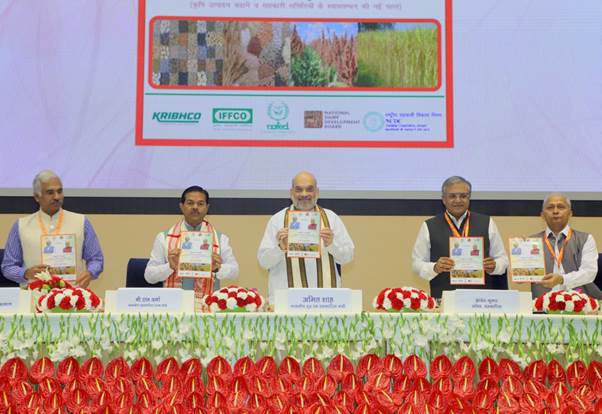
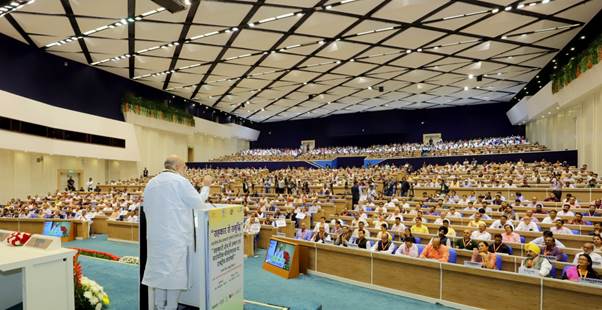
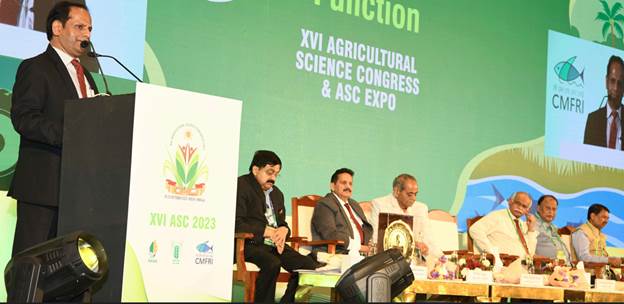
 The technical sessions of ‘First Global Symposium on Farmers’ Rights (GSFR)’ held at the ICAR Convention Centre, National Agricultural Science Centre, New Delhi was successfully concluded today.

The GSFR was attended by more than 500 delegates from 60 countries, including the National Focal Points of the International Treaty, more than 150 farmers and more than 100 foreign participants. Various issues pertaining to Farmers’ Rights as set out in the Article 9 of the International Treatywere deliberated in five different technical sessions, two panel discussions and three special sessions. A special session on Farmers Forum was an important inclusion in the GSFR.

The deliberations and suggestions emanating from the GSFR have been crystalized in a ‘Delhi Framework on Farmers’ Rights’, as a proposal from India to the Treaty:

  1. Accelerate efforts to implement multiple options as advocated by the Treaty for realization of farmers’ rights. For this, Treaty Secretariat to create a handholding and capacity development mechanism.
  2. Establish an institutional mechanism that is responsible for creation of awareness about the Farmers’ Rights, capacity building of custodian farmers and farmers’ seed systems, and facilitating equitable benefit sharing, and request Treaty Secretariat to coordinate such initiatives.
  3. Advocate creation of functional synergy across different UN instruments (ITPGRFA, CBD, UNDROP, UNDRIP, etc.) to facilitate the realization of farmers’ rights.
  4. Strengthen the Benefit Sharing Fund for supporting farmers and farmers’ seed systems to ensure conservation and sustainable use of PGRFA; and for the realization of farmers’ rights through enabling environment by national governments, international organizations and incentivize participation of private sector in supporting conservation activities.
  5. Create conducive condition for active participation of different stakeholders and building farmer-centric partnership opportunities including South-South, triangular and regional cooperation to accelerate implementation of Farmers’ Rights.
  6. Aspecial package be packaged as part of climate change adaptation and mitigation funds to directly support on-farm conservationand custodian farmers, who are the most affected by extreme climatic events.
  7. Establish/support farmer-managed seed system for traditional varieties and create self-sustaining production and marketing value chain, to enhance farm income of custodian farmers and strengthening of local food systems.
  8. Join hands to systematically document traditional knowledge associated with PGRFA, adhering to prior informed consent and respecting the sensibilities of communities. Treaty Secretariat to facilitate the process under ongoing documentation programmes.
  9. Application of new science and technologies aimed at conservation and sustainable use of PGRFA, taking necessary precautions to avoid negative impact on farmers’ rights and ensuring enhanced benefit sharing opportunities.
  10. Create legal and formal provisions in their existing system that recognize and protect farmers’ rights as envisaged in the Plant Treaty.

On the final day of the meeting tomorrow, delegates to visit the Pusa Campus (IARI and NBPGR), to see the phenomics, genomics and gene bank facilities.

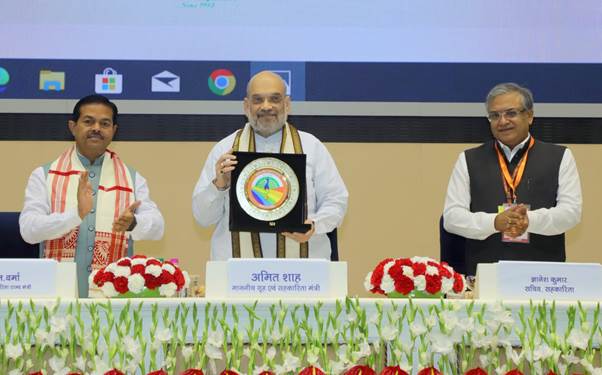
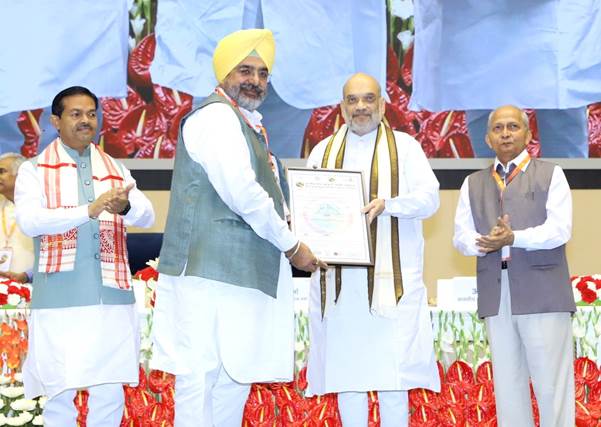
The meeting was inaugurated by President Smt. Droupadi Murmu. Recognizing the farming fraternity as the true guardian of crop diversity, President Droupadi Murmu, said that India’s law on Farmers Rights (enshrined within the Protection of Plant Varieties and Farmers’ Rights (PPVFR) Act, 2001) can be a model for the world to emulate, especially in the context of climate change challenges. The President also conferred 26 Plant Genome Saviors Awards/Recognition to farmers and farming communities of India. Also, the newly constructed ‘Plant Authority Bhawan’, the office of the PPVFR Authority, and an online plant variety ‘Registration Portal’ was inaugurated by the President, in the august presence of Union Minister of Agriculture and Farmers’ Welfare, Shri Narendra Singh Tomar, and Minister of State for Agriculture and Farmers’ Welfare, Shri  Kailash Choudhary. 

Organized by the Secretariat of the International Treaty on Plant Genetic Resources for Food and Agriculture (International Treaty) of the Food and Agriculture Organization (FAO), Rome, the Global Symposium is being hosted by Ministry of Agriculture and Farmers’  Welfare in collaboration with PPVFR Authority, Indian Council of Agricultural Research (ICAR), ICAR-Indian Agricultural Research Institute (IARI), and ICAR-National Bureau of Plant Genetic Resources (NBPGR).An exhibition showcasing the rich agrobiodiversity of India was put through support from 80 organisations and awardees farmers/farming community, ICAR institutes, SAUs, CAUs, CGIAR institutes and seed association.The Global Symposium was requested by the Ninth Session of Governing Body of the FAO’s International Treaty, held in New Delhi during September 17 to 24, 2022, to share experiences and to discuss possible future work on Farmers’ Rights.

******

Bina, Madhya Pradesh

 The Prime Minister, Shri Narendra Modi laid the foundation stone of development projects worth more than Rs. 50,700 crore in Bina, Madhya Pradesh today. The projects include the Petrochemical Complex at Bina Refinery of Bharat Petroleum Corporation Limited (BPCL) to be developed at a cost of about Rs. 49,000 crores; a Power and Renewable Energy Manufacturing Zone in Narmadapuram district; two IT parks in Indore; a Mega Industrial Park in Ratlam; and six new industrial areas across Madhya Pradesh.

Addressing the gathering, the Prime Minister remarked that Bundelkhand is a land of warriors. He mentioned visiting Sagar in Madhya Pradesh within one month and thanked the Madhya Pradesh Government for the opportunity. He also recalled taking part in the foundation stone laying ceremony of the memorial of Sant Ravidas Ji. 

The Prime Minister said that today’s projects will give new energy to the development of the region. He informed that the central government is spending 50 thousand crore rupees on these projects which is more than the Budget of many states of the country. “This indicates the enormity of our resolutions for Madhya Pradesh”, he added. 

In the Azadi ka Amrit Kaal, the Prime Minister said that every citizen of the country has taken the resolve to transform India into a developed country. Underlining the importance of Atmanirbhar Bharat, the Prime Minister emphasized reducing imports and pointed out that India is dependent on foreign nations for petrol and diesel as well as petrochemical products. Referring to the Petrochemical Complex at Bina Refinery, Shri Modi said that it will be a step forward in the direction of Atmanirbharta in the petrochemical industry. The Prime Minister gave examples of plastic products like pipes, taps, furniture, paint, car parts, medical equipment, packaging material, and agricultural equipment among others and said that petrochemicals have a crucial role to play in its production. “I guarantee you that the Petrochemical Complex at Bina Refinery will spur growth in the entire region and take development to new heights”, the Prime Minister said as he mentioned that it will not only give rise to new industries but benefit the small farmers and entrepreneurs and also create thousands of opportunities for the youth. Talking about the importance of the manufacturing sector, the Prime Minister informed about the start of work on 10 new industrial projects today. He mentioned that the projects in Narmadapuram, Indore and Ratlam will enhance the industrial prowess of Madhya Pradesh which will benefit all. 

Throwing light on the importance of transparency in governance and exterminating corruption for the development of any state or country, the Prime Minister recalled the time when Madhya Pradesh was considered one of the most fragile and weak states in the country. “Those who ruled in Madhya Pradesh for decades had nothing to offer apart from crime and corruption”, Shri Modi interjected. Recalling how the criminals in the state had a free hand and the lack of public trust in law and order, Shri Modi said that such circumstances drove the industries away from the state. He mentioned that the present government has made utmost efforts to change the situation in Madhya Pradesh since they were first elected. Highlighting the achievements, the Prime Minister gave examples of restoring law and order and getting rid of the fear in the citizen’s minds, construction of roads and electricity supply. He said that the improved connectivity has created a positive environment in the state where big industries are ready to set up factories. Shri Modi expressed confidence that Madhya Pradesh will scale new heights of industrial development in the next few years.  

The Prime Minister said today’s New Bharat is transforming rapidly, referring to his call for getting rid of the mentality of slavery and moving ahead with ‘Sabka Prayas’. “India has left behind the mentality of slavery and has now started moving forward with the confidence of being independent”, he said. He said that this was reflected in the recently held G20 which became a movement for everyone and all felt proud of the country’s achievements. The Prime Minister credited the people for the stupendous success of the G20. “This is a success of 140 crore Indians”, he said. He said that events in different cities showcased Bharat’s diversity and capabilities and impressed the visitors a great deal. He mentioned the impact of G20 events in Khajuraho, Indore and Bhopal and said that it has enhanced the image of Madhya Pradesh in the eyes of the world. 

The Prime Minister said that on the one hand, the new Bharat is showing its expertise in bringing the world together and emerging as a Vishwamitra, while on the other hand, there are certain organizations that are hell-bent on dividing the nation and the society. Referring to the recently formed coalition, the Prime Minister said that their policies are limited to attacking Indian values and destroying the thousand-year-old ideology, principles and traditions that serve to unite one and all. Pointing out that the newly formed coalition wants to put an end to Sanatan, the Prime Minister mentioned Devi Ahilyabai Holkar who protected the faith of the country with her social work, Rani Lakshmibai of Jhansi who challenged the British, Mahatma Gandhi whose untouchability movement was inspired by Lord Shri Ram, Swami Vivekananda who made people aware about the various evils of the society, and Lokmanya Tilak who took the initiative to protect Mother India and linked Ganesh Puja with the freedom movement

The Prime Minister continued on the power of Sanatan which inspired the warriors of the freedom struggle, which reflected Sant Ravidas, Mata Shabri, and Maharshi Valmiki. He warned against those who want to break Sanatan which has kept India united and cautioned the people to be vigilant against such tendencies.  

The Prime Minister emphasized that the government is dedicated to the devotion to the country and public service. He said priority to the deprived is the fundamental mantra of the government which is a sensitive government. The Prime Minister also talked about the pro-people steps of help during the pandemic, free ration to 80 crore people.

The Prime Minister said “It is our continuous effort that Madhya Pradesh reaches new heights of development, the life of every family in Madhya Pradesh becomes easy and every home brings prosperity. The track record of Modi’s guarantee is in front of you”. He informed about 40 lakh pucca houses in the state for the poor and fulfilling the guarantees for toilets, free medical treatment, bank accounts, and smokeless kitchens. He also mentioned the reduction of gas cylinder prices on the occasion of Raksha Bandhan. “Due to this, the beneficiary sisters of Ujjwala are now getting the cylinder at Rs 400 cheaper”, he said. “Therefore, yesterday the Central Government took another big decision. Now 75 lakh more sisters in the country will be given free gas connections. Our aim is that no sister should be left out of gas connection”, the Prime Minister added.

The Prime Minister underlined that the government is working with full sincerity to fulfill its every guarantee. He mentioned eliminating the middleman which ensured full benefits to every beneficiary and gave the example of PM Kisan Samman Nidhi where every farmer who is a beneficiary has received Rs 28,000 directly to his bank account. The Prime Minister informed that the government has spent more than Rs 2,60,000 crores on this scheme.

In the last 9 years, the Prime Minister said that the Central Government has made efforts to reduce the cost of farmers and provide cheap fertilizers and informed about the expenditure of more than Rs 10 lakh crores in 9 years. He mentioned that a bag of urea which costs up to Rs 3000 for American farmers is made available to Indian farmers for less than Rs 300. He pointed out the urea scams of the past worth thousands of crores of rupees and interjected that the same urea is now easily available everywhere.

“Who knows the importance of irrigation better than Bundelkhand”, the Prime Minister exclaimed as he highlighted the work done on irrigation projects in Bundelkhand by the double-engine government. The Prime Minister mentioned Ken-Betwa Link Canal and said that it will greatly benefit the farmers of many districts of this region including Bundelkhand. Throwing light on the government’s efforts to provide piped water to every household, the Prime Minister informed that in just 4 years, tap water has been supplied to approximately 10 crore new families across the country while 65 lakh families have received piped water in Madhya Pradesh. “In Bundelkhand, work is also being done on a large scale on creating water sources under the Atal GroundWater Scheme”, the Prime Minister added. 

The Prime Minister remarked that the government is fully committed to the development of this region and mentioned that the auspicious occasion of the 500th birth anniversary of Rani Durgavati will be celebrated with great pomp and show on October 5th 2023.

Concluding the address, the Prime Minister underlined that the poor, Dalits, backward classes and tribals have benefited the most from the efforts of our government. “The model of giving priority to the deprived, ‘Sabka Saath Sabka Vikas’ is showing the way to the world today”, Shri Modi said as he highlighted that the nation is working towards the goal of becoming one of the top-3 economies of the world. “Madhya Pradesh will play a big role in making India top-3”, he said as he underlined that new opportunities will be created for the farmers, industries and the youth. The Prime Minister expressed confidence that the projects of today will further accelerate the rapid development of the state. “The next 5 years will give new heights to the development of Madhya Pradesh”, Shri Modi concluded. 

Governor of Madhya Pradesh Shri Mangubhai Patel, Chief Minister of Madhya Pradesh, Shri Shivraj Singh Chauhan, Union Minister for Petroleum and Natural Gas, Shri Hardeep Singh Puri among others were present on the occasion.

Background

In a step that will provide a major stimulus to industrial development in the state, the Prime Minister laid the foundation stone of the  Petrochemical Complex at Bina Refinery of Bharat Petroleum Corporation Limited (BPCL). This state-of-the-art refinery, which will be developed at a cost of about Rs 49,000 crores will produce about 1200 KTPA (Kilo-Tonnes Per Annum) of ethylene and propylene, which are vital components for various sectors like textiles, packaging, pharma, among others. This will reduce the country’s import dependence and will be a step towards fulfilling the Prime Minister’s vision of ‘Aatmanirbhar Bharat’. The mega project will also create employment opportunities and spur the development of downstream industries in the petroleum sector.

During the programme, the Prime Minister also laid the foundation stone of ten projects namely ‘Power and Renewable Energy Manufacturing Zone’ in Narmadapuram district; two IT parks in Indore; a Mega Industrial Park in Ratlam; and six new industrial areas across Madhya Pradesh.

The ‘Power and Renewable Energy Manufacturing Zone, Narmadapuram’ will be developed at more than Rs 460 crore and will be a step towards economic growth and employment generation in the region. The ‘IT Park 3 and 4’ in Indore, will be built at a cost of about 550 crores, provide impetus to the IT and ITES sector and open new employment opportunities for the youth.

Mega Industrial Park in Ratlam will be built at a cost of more than Rs 460 crore and is envisaged to become a major hub for important sectors like textiles, automobiles, and pharmaceuticals among others. The park will be well connected to the Delhi Mumbai Expressway. It will provide a major boost to the economic development of the entire region, generating direct and indirect employment opportunities for the youth.

With the aim of promoting balanced regional development and uniform employment opportunities in the state, six new industrial areas will also be developed at Shajapur, Guna, Mauganj, Agar Malwa, Narmadapuram and Maksi at a cumulative cost of about Rs 310 crore.


<


***

Ensure optimal utilisation of water resources; every drop matters

 The Vice-President of India, Shri Jagdeep Dhankhar urged every citizen to ensure the optimal utilisation of water resources, stressing that “every drop matters”. Emphasising that an individual’s economic capacity does not bestow the right to engage in wastefulness, the Vice-President said, “Our civilizational essence and Constitutional prescriptions all converge on one aspect: we must be responsible citizens when it comes to the use of natural resources.”

Addressing the International Conference on Dam Safety 2023 in Jaipur today, the Vice-President elaborated on the importance of dams by referring to them as “silent sentinels that ensure our access to the lifeblood of our planet”. “Dams are monuments to human ingenuity, perseverance, and the spirit of cooperation”, he added.

Highlighting the intrinsic connection of Bharat with water management, the Vice-President expounded that the Indian civilization has thrived for thousands of years on the banks of rivers, deriving life and sustenance from their waters. Shri Dhankhar also noted that ancient texts, including the Vedas and Arthashastra, mention the systematic management of water resources through the construction of dams and reservoirs to combat water scarcity.

Appreciating the Har Ghar Jal initiative as a step in the right direction, Shri Dhankhar also underlined the need to resolve perennial Inter-State Water Disputes. The Vice-President urged people to turn to Article 262 of the Indian Constitution, which outlines the mechanism for adjudicating disputes related to inter-State rivers or river valleys.

Speaking at the event, Shri Dhankhar commended the enactment of the Dam Safety Act (DSA) 2021, which strengthens India’s commitment to safeguarding its dams. He also praised the successful completion of Phase I of the Dam Rehabilitation and Improvement Project (DRIP) and expressed hope that the recently launched Phase-II & III of the project would further enhance dam safety across several states in India.

Lauding India’s growing influence on the global stage, the Vice-President said that our civilizational ethos was shared with the world during India’s presidency of G20, with “the greatest acceptability”. “This summit was a defining moment for India,”, he noted.

During the event, the Vice-President virtually flagged off the vinyl-wrapped Kamakhya Express through video conferencing from Jaipur with the aim of conveying the message of the National Water Mission of the Ministry of Jal Shakti. Shri Gajendra Singh Shekhawat, Hon’ble Union Minister of Jal Shakti, Shri Manik Saha, Hon’ble Chief Minister of Tripura, Shri D. K. Shivakumar, Hon’ble Deputy Chief Minister of Karnataka and other foreign delegates and senior officers were also present on the occasion.

*****

MS/RC

ARTIFICIAL INTELLIGENCE FOR LAW INFORCEMENT

Artificial Intelligence for Law Enforcement (Predictive Policing and Crime Prevention)

By-Aditi Chhetri 

The use of Artificial Intelligence (AI) in law enforcement has been a topic of significant discussion and debate. One of the most promising applications of AI in this field is predictive policing, a technology-driven approach to preventing crime and enhancing public safety. In this blog, we will delve into the world of AI-powered predictive policing and its potential to transform law enforcement.
1. Predictive Policing:
A Paradigm ShiftTraditional policing methods often rely on historical crime data, officer intuition, and random patrols to address criminal activity. Predictive policing, on the other hand, leverages AI and machine learning algorithms to analyze vast amounts of data to identify patterns, trends, and potential crime hotspots. This shift from reactive to proactive policing has the potential to revolutionize law enforcement.
2. The Power of Data:
Data is the lifeblood of predictive policing. Law enforcement agencies gather data from various sources, including crime reports, 911 calls, social media, and even weather reports. This data is then fed into AI algorithms that can identify areas with a higher likelihood of criminal activity. By analyzing historical data and real-time information, AI can help law enforcement allocate resources more effectively and respond to emerging threats promptly.
3. Preventing Crime with Precision:
One of the key benefits of AI-driven predictive policing is its ability to enhance the precision of law enforcement efforts. Instead of deploying officers randomly or based on intuition, agencies can deploy them strategically to areas identified as high-risk by AI algorithms. This targeted approach not only prevents crime but also minimizes the over-policing of certain communities, addressing concerns of bias and discrimination.
4. Reducing Response Times:
AI can also improve law enforcement’s response times. By analyzing real-time data, such as gunshot detection systems or surveillance cameras, AI can alert officers to incidents as they occur. This real-time information allows law enforcement to respond swiftly, potentially saving lives and apprehending suspects more effectively.
5. Predictive Policing in Action:
Several cities around the world have already embraced predictive policing with promising results. For example, the Los Angeles Police Department (LAPD) implemented PredPol, an AI-powered predictive policing software. By analyzing historical crime data, PredPol identifies 500-square-foot “hotspots” where crimes are more likely to occur. This data helps the LAPD deploy officers to these areas proactively, resulting in a significant reduction in property crimes in the city.
6. Ethical Concerns and Challenges:
While the potential benefits of AI in law enforcement are clear, there are ethical concerns and challenges that must be addressed. Critics argue that predictive policing can perpetuate biases present in historical crime data, leading to the over-policing of marginalized communities. Additionally, concerns about privacy and data security are paramount when collecting and analyzing vast amounts of sensitive information.
To mitigate these issues, it is crucial for law enforcement agencies to establish clear guidelines for AI use, regularly audit and update algorithms to minimize bias, and prioritize transparency in their operations. Striking the right balance between public safety and individual rights remains a complex challenge.
Artificial Intelligence has the potential to revolutionize law enforcement through predictive policing and crime prevention. By harnessing the power of data and machine learning, law enforcement agencies can become more proactive in their efforts, reduce response times, and enhance public safety. However, ethical concerns and challenges must be carefully addressed to ensure that AI is used responsibly and without perpetuating biases.
As AI technology continues to advance, it is essential for law enforcement agencies, policymakers, and the public to engage in a constructive dialogue about the role of AI in policing. Ultimately, the goal should be to harness the benefits of AI while upholding the principles of justice, fairness, and individual rights in the pursuit of safer communities.

THE SYNERGY OF AI AND HUMAN AUGMENTATION

The Synergy of AI and Human Augmentation
By-Aditi Chhetri 

In an age characterized by rapid technological advancements, the intersection of artificial intelligence (AI) and human augmentation has emerged as a transformative force. The amalgamation of these two domains promises not only to redefine our understanding of human potential but also to push the boundaries of what we can achieve as a species.
1.Defining Human Augmentation
Human augmentation refers to the use of technology to enhance the human body and its capabilities. This concept isn’t new; we’ve been augmenting ourselves for centuries with eyeglasses, prosthetic limbs, and even pacemakers. However, what sets the current era apart is the integration of AI into these augmentation processes.
2.The Role of AI in Human Augmentation
(i) Enhancing Physical Abilities
AI-driven prosthetics are revolutionizing the lives of individuals with limb loss. These advanced devices can adapt to the user’s movements in real-time, providing a level of functionality and comfort previously unimaginable. By learning from the user’s actions and continuously optimizing performance, AI prosthetics are closing the gap between artificial and natural limbs.
(ii) Cognitive Augmentation
Cognitive augmentation powered by AI is equally transformative. Brain-computer interfaces (BCIs) allow individuals to control computers and other devices directly with their thoughts. This technology holds immense promise for people with disabilities, enabling them to communicate, control their environment, and even regain mobility.
(iii) Healthcare Revolution
AI is poised to revolutionize healthcare through early disease detection, predictive analytics, and personalized treatment plans. By analyzing vast datasets and identifying subtle patterns, AI augments the diagnostic capabilities of medical professionals. This synergy between AI and human expertise results in more accurate and timely interventions.

(iv) Exponential Learning
AI-powered educational tools are customizing learning experiences to match individual needs and abilities. By adapting content in real-time and providing instant feedback, AI is augmenting our capacity to acquire knowledge efficiently. This personalized learning can help bridge educational gaps and unlock the full potential of each student.
3. Ethical Considerations
While the fusion of AI and human augmentation presents a myriad of opportunities, it also raises significant ethical concerns. Privacy, consent, and the potential for misuse are critical issues that demand thoughtful consideration. Striking the right balance between progress and safeguarding individual rights is a challenge that society must navigate as these technologies evolve.
4. The Future Landscape
The future of AI and human augmentation is poised to be transformative across various domains.
(i) Workplace Augmentation
AI-powered tools and exoskeletons are already aiding workers in physically demanding industries. These technologies can reduce strain and increase productivity, contributing to safer and more efficient work environments.
(ii) Sports and Entertainment
Athletes are utilizing AI to optimize training regimens and prevent injuries. Furthermore, AI-driven algorithms are enhancing the entertainment industry by creating hyper-realistic computer-generated characters and improving storytelling through predictive analytics.
(iii) Extended Reality
The convergence of AI and extended reality (XR) technologies, such as augmented reality (AR) and virtual reality (VR), is creating immersive experiences that redefine how we interact with our surroundings. From gaming to training simulations and remote collaboration, AI is amplifying the possibilities of XR.

(iv) Aging Population
As the global population ages, AI-powered assistive technologies will play a crucial role in maintaining independence and quality of life for seniors. From smart homes to wearable health monitors, these innovations will support aging in place.
The synergy between AI and human augmentation represents a paradigm shift in how we perceive and enhance human potential. While there are ethical considerations and challenges to address, the potential benefits are undeniable. From improving healthcare and education to empowering individuals with disabilities and enhancing our everyday experiences, this fusion of technology and humanity is poised to shape the future in unprecedented ways. As we move forward, it’s essential to foster responsible development and ensure that these innovations are harnessed for the betterment of humanity. In embracing the possibilities of AI and human augmentation, we embark on a journey towards a more inclusive, capable, and interconnected future.

THE GROWING USE OF AI CHATBOTS

The Growing use of AI Chatbots 
By-Aditi Chhetri 

 Technology is on a rapid development pace in today’s digitalised world. The emergence of artificial intelligence chatbots is one of the most fascinating developments that has taken place in recent years. The way we interact with businesses and websites, as well as our personal devices, has been revolutionised by these intelligent Virtual Assistants. We’ll be looking at the world of artificial intelligence chatbots, their applications and impacts on everyday life in this blog post.
1.Understanding AI Chatbots:
AI chatbots, or artificial intelligence chatbots, are computer programs designed to simulate human conversation. They use natural language processing (NLP) and machine learning algorithms to understand and respond to user queries and commands. Unlike traditional chatbots that follow scripted responses, AI chatbots are dynamic and adaptive, capable of learning and improving their interactions over time.
2.The Evolution of Chatbots:
The history of chatbots dates back to the mid-20th century when computer scientists first attempted to create conversational agents. However, it wasn’t until the last decade that AI chatbots truly started to shine. This growth can be attributed to several factors:
(a) Advancements in NLP: Breakthroughs in natural language processing, driven by deep learning techniques, have significantly improved chatbot capabilities. These algorithms enable chatbots to understand and generate human-like text, making conversations more natural.
(b) Big Data: The availability of vast amounts of text data from the internet has fueled the training of chatbot models. These models learn from massive datasets, making them more knowledgeable and context-aware.
(c) Increased Computing Power: The availability of powerful hardware, including graphics processing units (GPUs), has accelerated the development of AI chatbots. Complex computations required for NLP can now be performed efficiently.
3.Applications of AI Chatbots:
AI chatbots have found applications in various industries, transforming the way businesses operate and interact with their customers:
(a) Customer Support: Many companies now use chatbots to handle routine customer queries, freeing up human agents for more complex issues. These chatbots provide 24/7 support and can quickly resolve common problems.
(b) E-commerce: AI chatbots assist customers in finding products, making recommendations based on their preferences, and even completing transactions. They enhance the overall shopping experience.
(c) Healthcare: Chatbots are used to provide medical advice, schedule appointments, and answer health-related questions. They have played a crucial role in disseminating information during health crises like the COVID-19 pandemic.
(d) Education: Educational institutions employ chatbots for student support, answering questions about courses, schedules, and campus information. They also facilitate e-learning by providing instant help with assignments.
(e) Personal Assistants: Virtual personal assistants like Siri, Google Assistant, and Alexa are everyday examples of AI chatbots. They can set reminders, answer questions, control smart devices, and more.
4.The Impact on User Experience
AI chatbots have had a profound impact on user experience. They offer several advantages:
(a) Convenience: Chatbots are available 24/7, providing immediate assistance without the need to wait for human support. This convenience enhances customer satisfaction.

(b) Efficiency: Chatbots can handle multiple conversations simultaneously, improving response times and reducing workload for businesses.
(c) Personalization: Advanced chatbots can analyze user data to offer personalized recommendations and solutions, creating a more tailored experience.
(d) Cost Savings: By automating routine tasks, businesses can reduce operational costs associated with customer support and other functions.
5.Challenges and Future Developments
Despite their many benefits, AI chatbots still face challenges. They can sometimes misinterpret user queries or struggle with nuanced conversations. Ensuring data privacy and security in chatbot interactions is also a growing concern.
Looking ahead, the future of AI chatbots seems promising. Continued advancements in AI and NLP will make chatbots even more intelligent and capable. They will likely become even more integrated into our daily lives, assisting with a broader range of tasks and becoming increasingly indistinguishable from human conversation partners.
AI chatbots represent a significant technological advancement that is reshaping how we interact with technology and businesses. As these chatbots continue to evolve and improve, they will undoubtedly play an increasingly integral role in our daily lives, making tasks more convenient, efficient, and personalized. The rise of AI chatbots is just the beginning of a transformative journey into the world of artificial intelligence.

Artificial Intelligence for a Greener Future&quot;

Artificial Intelligence for a Greener Future

By-Aditi Chhetri 

In an era marked by climate change, resource depletion, and environmental degradation, the role of Artificial Intelligence (AI) in fostering sustainability has gained immense significance. AI, with its ability to analyze vast datasets, optimize processes, and make informed decisions, holds the potential to revolutionize our efforts towards a greener and more sustainable planet.
1. Energy Efficiency:
One of the foremost areas where AI is making strides in sustainability is energy management. AI-powered systems can monitor and control energy consumption in real-time, optimizing energy use in buildings, industries, and even entire cities. Smart grids, equipped with AI algorithms, can balance supply and demand, integrating renewable energy sources seamlessly into the power grid.
2. Climate Modeling and Prediction:
AI plays a pivotal role in climate modeling and prediction. It can process large volumes of climate data to generate accurate forecasts, helping governments and organizations prepare for extreme weather events and adapt to changing climate patterns. By providing early warnings and actionable insights, AI contributes to disaster risk reduction.
3. Agriculture and Food Security:
AI-driven precision agriculture is enhancing crop yields while minimizing resource use. Machine learning models can analyze data from sensors, drones, and satellites to optimize irrigation, fertilization, and pest control. This not only boosts food production but also reduces the environmental footprint of agriculture.
4. Conservation and Biodiversity:
Conservation efforts are benefiting from AI’s ability to monitor and protect endangered species. AI-powered cameras and acoustic sensors can identify and track wildlife, enabling scientists to gather valuable data for conservation purposes. Furthermore, AI algorithms aid in analyzing satellite imagery to detect deforestation and illegal logging activities.
5. Waste Management:
Efficient waste management is crucial for sustainability. AI-powered sorting systems can identify and separate recyclables from non-recyclables at high speeds, reducing contamination in recycling streams. Additionally, AI helps optimize waste collection routes, minimizing fuel consumption and emissions.
6. Sustainable Transportation:
The transportation sector is a significant contributor to greenhouse gas emissions. AI is being employed to develop electric and autonomous vehicles, optimizing traffic flow, and enhancing public transportation systems. These innovations are crucial for reducing the carbon footprint of transportation.
7. Circular Economy:
AI is facilitating the transition to a circular economy, where products and materials are reused, refurbished, or recycled. Machine learning models can identify opportunities for product design that maximizes recyclability and durability, reducing the generation of waste.
8. Water Management:
AI-driven solutions are improving water management practices. They can predict water quality issues, detect leaks in pipelines, and optimize water distribution systems. This not only conserves water resources but also reduces energy consumption in water treatment processes.
9. Sustainable Finance:
AI is reshaping the financial sector by incorporating sustainability into investment decisions. It can analyze vast amounts of data to evaluate the environmental, social, and governance (ESG) performance of companies. This enables investors to direct capital towards environmentally responsible businesses.
10. Disaster Response and Recovery:
In the face of natural disasters, AI-powered tools assist in disaster response and recovery efforts. Drones equipped with AI technology can assess damage and identify areas in need of immediate assistance. Machine learning algorithms can also help predict the potential impact of disasters, allowing for proactive measures.
AI for sustainability represents a beacon of hope in our quest for a greener and more sustainable world. As technology continues to advance, it’s imperative that we harness the power of AI to address the pressing environmental challenges we face. By leveraging AI’s capabilities in energy efficiency, climate modeling, agriculture, conservation, waste management, transportation, circular economy, water management, sustainable finance, and disaster response, we can work towards a future where environmental harmony and human progress go hand in hand. The journey to sustainability may be challenging, but with AI as our ally, we have the tools to make it a reality.

Quantum Computing and AI Synergy

Quantum Computing and AI Synergy 
By-Aditi Chhetri 

Quantum computing and artificial intelligence (AI) are two of the most transformative technologies of our time. While they each have their own unique capabilities and applications, their convergence holds the potential to revolutionize the way we solve complex problems, accelerate scientific discovery, and enhance machine learning algorithms. In this blog, we will explore the fascinating intersection of quantum computing and AI, their current state, and the promising future they offer.
1.The Quantum Advantage:
Quantum computing harnesses the principles of quantum mechanics to process information in a fundamentally different way compared to classical computers. Classical computers use bits as the basic unit of information, which can be either 0 or 1. In contrast, quantum computers use qubits, which can exist in a superposition of states, allowing them to represent 0, 1, or any quantum combination of both simultaneously. This property enables quantum computers to tackle problems that are practically unsolvable for classical computers.
One area where quantum computing shines is optimization. Many real-world problems involve finding the best solution from a vast number of possibilities, such as optimizing supply chains or drug discovery. Quantum algorithms like the Quantum Approximate Optimization Algorithm (QAOA) promise to provide exponential speedup over classical counterparts, potentially transforming industries.

2.Enhancing Machine Learning:
Quantum computing also has the potential to supercharge machine learning. Quantum machine learning algorithms can process and analyze large datasets much faster than classical counterparts. This speed advantage can revolutionize AI applications like natural language processing, image recognition, and recommendation systems.
Furthermore, quantum machine learning algorithms can discover intricate patterns and correlations within data that classical algorithms might overlook. This can lead to more accurate predictions and better decision-making, making quantum-enhanced AI a powerful tool for various industries.
3.Challenges and Current Progress:
While the potential of quantum computing and AI convergence is undeniable, significant challenges remain. 
(i) One of the most critical challenges is building stable and error-corrected quantum computers. Quantum bits are highly susceptible to environmental noise and errors, making them fragile for practical applications. 
(ii) Quantum error correction techniques are being developed, but they are complex and require a substantial number of qubits.
(iii) In terms of AI, integrating quantum computing into existing machine learning frameworks is a non-trivial task. Researchers are actively exploring how to effectively combine quantum algorithms with classical AI models to harness the advantages of both worlds.
(iv) Despite these challenges, there has been notable progress in recent years. Tech giants like IBM, Google, and Rigetti have developed quantum processors, and startups like D-Wave are pioneering quantum annealers. Quantum cloud services are becoming more accessible, allowing researchers and developers to experiment with quantum algorithms and explore their potential in AI.
4.The Promising Future:
The convergence of quantum computing and AI opens up a world of possibilities. Here are some promising areas where they can make a significant impact:
(a) Drug Discovery: Quantum computing can simulate complex molecular interactions, accelerating drug discovery and the development of new treatments.
(b) Climate Modeling: Quantum computers can model and simulate climate systems with unprecedented accuracy, aiding in climate change mitigation efforts.
(c) Financial Modeling: Quantum algorithms can optimize investment portfolios and analyze market trends more efficiently, benefiting the finance industry.
(d) Encryption and Cybersecurity: Quantum computers pose a threat to classical encryption methods, but they can also be used to develop quantum-resistant encryption techniques, enhancing cybersecurity
Quantum computing and AI are at the forefront of technological advancement, and their convergence promises to reshape industries and solve problems that were once considered insurmountable. While challenges remain, the progress made so far is remarkable, and researchers continue to push the boundaries of what’s possible. As quantum computing technology matures and quantum-enhanced AI becomes a reality, we can expect to witness profound changes in the way we live, work, and innovate. The future of technology is undeniably quantum, and it holds immense potential for the betterment of society.

Enhancing Gameplay And Virtual Worlds With AI in Gaming

Enhancing Gameplay and Virtual Worlds with AI in Gaming
By-Aditi Chhetri 

 Artificial intelligence has become a powerful force that is transforming how we interact with video games and experiencing virtual worlds, in an increasingly evolving landscape of Video Games. From the intricate decision-making of non-playable characters (NPCs) to procedural generation of game content, AI has made gaming more immersive, challenging, and dynamic than ever before. We’re going to take a look at the ways AI is enhancing gaming and virtual worlds in this blog.
1.AI-Powered NPCs:
One of the most noticeable impacts of AI in gaming is the advancement of NPCs. Gone are the days when NPCs followed scripted paths and actions. AI algorithms now empower these characters with the ability to adapt and make decisions in real-time. This leads to more believable and engaging interactions within the game world.
NPCs can now react to player choices, remember past encounters, and even have their own motivations and goals. This dynamic behavior adds depth to the storytelling and makes the game world feel alive. Whether it’s the unpredictable behavior of enemy soldiers in a tactical shooter or the lifelike personalities of characters in open-world RPGs, AI has brought NPCs closer to reality.
2.Procedural Content Generation:
Another significant application of AI in gaming is procedural content generation. This technique uses algorithms to create game content such as levels, landscapes, and quests dynamically. As a result, no two playthroughs are exactly the same. Games like “Minecraft” and “No Man’s Sky” owe much of their vast, ever-changing worlds to procedural generation.
Procedural content generation not only increases replayability but also allows developers to create expansive game worlds without the need for massive teams and resources. This innovation has democratized game development, enabling smaller studios to compete with industry giants in terms of world-building.
3.Smart Game Design:
AI has also revolutionized game design. Developers are increasingly using AI to optimize gameplay experiences. For example, AI-driven analytics can help identify player behavior patterns, enabling designers to fine-tune difficulty levels and tailor in-game challenges to individual players.
Moreover, AI can assist in creating dynamic difficulty adjustments. If a player consistently struggles with a particular section of a game, the AI can subtly ease the difficulty to prevent frustration. Conversely, if a player finds the game too easy, the AI can ramp up the challenge, ensuring a satisfying experience for all skill levels.
4.Realistic Graphics and Physics:
The visual and physical aspects of gaming have also benefited from AI. AI-powered algorithms can enhance graphics rendering, making virtual worlds more stunning and lifelike. Techniques like ray tracing and deep learning super-sampling (DLSS) have become staples in modern gaming, offering higher fidelity visuals and smoother performance.
Additionally, AI-driven physics simulations contribute to realism. Objects in the game world can interact more naturally, whether it’s the behavior of cloth, fluid dynamics, or destructible environments. This not only adds to the immersion but also opens up new gameplay possibilities.
5.Natural Language Processing and Voice Recognition
Voice assistants like Siri and Alexa have familiarized us with natural language processing (NLP), but these technologies are also making their way into gaming. Games that incorporate NLP and voice recognition allow players to engage with the virtual world using their voices.
This innovation has expanded the possibilities for in-game communication, allowing for more immersive conversations with NPCs, voice-activated spells and commands in fantasy RPGs, and even solving puzzles through verbal clues.
 AI has become an integral part of the gaming industry, enriching gameplay and expanding the horizons of virtual worlds. From lifelike NPCs and procedurally generated content to dynamic game design and realistic graphics, AI continues to enhance the gaming experience in remarkable ways. As technology continues to advance, we can only expect AI to play an even more significant role in shaping the future of gaming, offering players new and exciting possibilities in the virtual realms they explore.

Health Estimates: A Crucial Tool for Informed Healthcare Decision-Making

 Health estimates play a pivotal role in shaping healthcare policy, resource allocation, and individual health decisions. These estimates, often based on rigorous research and data analysis, provide valuable insights into various aspects of health, including disease burden, healthcare utilization, mortality rates, and the efficacy of public health interventions. In this essay, we will delve into the significance of health estimates and their impact on healthcare systems and individual well-being.

Photo by cottonbro studio on Pexels.com

Understanding Health Estimates

Health estimates encompass a wide range of quantitative assessments related to public and individual health. They can be broadly categorized into the following key areas:

  1. Disease Burden: Health estimates provide essential information about the prevalence and incidence of diseases within a population. These estimates help policymakers and healthcare professionals understand the scope of health challenges, allocate resources effectively, and prioritize interventions.
  2. Healthcare Utilization: Analyzing healthcare utilization patterns allows for the assessment of healthcare access, disparities, and the efficiency of healthcare delivery systems. It helps identify areas where healthcare services may be underused or overused.
  3. Mortality Rates: Estimations of mortality rates are fundamental for tracking the impact of diseases and interventions over time. These estimates guide public health initiatives, especially during epidemics and pandemics.
  4. Efficacy of Interventions: Health estimates are crucial for evaluating the effectiveness of healthcare interventions, such as vaccination programs, treatment modalities, and preventive measures. They aid in evidence-based decision-making and can inform policy adjustments.

Importance of Health Estimates

  1. Informed Decision-Making: Health estimates serve as the bedrock of informed decision-making for healthcare policymakers and practitioners. By providing accurate and up-to-date data, estimates enable the formulation of targeted strategies to address health challenges.
  2. Resource Allocation: Limited healthcare resources must be allocated judiciously. Health estimates guide resource allocation by identifying areas with the greatest need, thus optimizing the utilization of healthcare funds and infrastructure.
  3. Monitoring and Evaluation: Health estimates provide benchmarks for evaluating the impact of healthcare policies and interventions. Regular assessments help refine strategies and ensure that resources are directed toward the most effective initiatives.
  4. Public Health Preparedness: In the face of emerging threats, such as infectious disease outbreaks, health estimates are indispensable for gauging the potential impact and planning effective response measures. Timely and accurate estimates can save lives during public health emergencies.
  5. Personal Health Decisions: On an individual level, health estimates can empower people to make informed decisions about their own health. For instance, understanding the prevalence of risk factors for certain diseases can motivate individuals to adopt healthier lifestyles and seek timely medical care.

Challenges and Limitations

While health estimates are invaluable, they are not without challenges and limitations. Some of these include:

  1. Data Quality: The accuracy of health estimates relies heavily on the quality and availability of data. In some regions, data collection may be incomplete or unreliable, leading to less accurate estimates.
  2. Assumptions and Modeling: Many health estimates are based on mathematical models that involve assumptions. These assumptions can introduce uncertainty into the estimates, making it important to communicate the limitations associated with them.
  3. Resource Constraints: Conducting comprehensive health surveys and studies can be resource-intensive. Some countries, particularly low-income ones, may face challenges in obtaining sufficient data for accurate estimates.

Conclusion

Health estimates are a vital tool in modern healthcare. They guide policymakers, healthcare providers, and individuals in making informed decisions about public health, resource allocation, and personal well-being. As we continue to navigate the complex landscape of healthcare challenges, the importance of accurate and up-to-date health estimates cannot be overstated. Investing in data collection, research, and analysis is essential to improve our understanding of health trends and to develop effective strategies for promoting better health outcomes for all.

AI-Powered SEO(Search Engine Optimization)

AI-Powered SEO(Search Engine Optimisation)

By-Aditi Chhetri
In the ever-evolving landscape of digital marketing, search engine optimization (SEO) remains a cornerstone of online success. Businesses and website owners constantly strive to improve their website’s visibility on search engine result pages (SERPs). However, the rules of the SEO game are continually changing, and one of the most significant game-changers in recent years has been the integration of Artificial Intelligence (AI). In this blog post, we’ll explore the rise of AI and its profound impact on SEO.
1.The AI Revolution in SEO:
Artificial Intelligence, particularly in the form of machine learning algorithms, has fundamentally transformed how search engines rank and display web content. Traditional SEO strategies, which heavily relied on keyword optimization, are no longer sufficient to secure a top spot on SERPs. Here are some key ways AI is reshaping the SEO landscape:
2.Enhanced Search Algorithms: 
Search engines like Google use AI-driven algorithms, such as RankBrain, to understand user intent better. Instead of merely matching keywords, these algorithms analyze user behavior, context, and content quality to provide more relevant search results. This means that SEO professionals need to focus on creating high-quality, user-centric content rather than keyword stuffing.
3.Voice Search Optimization: 
With the proliferation of voice-activated devices like Siri, Alexa, and Google Assistant, voice search has become increasingly popular. AI plays a pivotal role in understanding and responding to spoken queries. SEO strategies must adapt to include natural language optimization to cater to voice search users.
4.Content Generation:
AI-powered tools can now generate content, including articles and product descriptions. While this can save time, it also poses challenges in maintaining originality and quality. SEO experts need to carefully curate and optimize AI-generated content to ensure it aligns with their brand and SEO goals.
(a) Personalized Recommendations: 
AI algorithms analyze user behavior and preferences to provide personalized content recommendations. This not only impacts on-site user experience but also influences the content that ranks on SERPs. SEO professionals should consider personalization when crafting their strategies.
(b) Predictive Analytics: 
AI-driven predictive analytics tools help SEO experts forecast trends and make data-driven decisions. This enables them to stay ahead of the competition by optimizing their content and marketing efforts accordingly.
(c) Challenges and Ethical Concerns:
While AI has revolutionized SEO, it also comes with its set of challenges and ethical concerns:
(d) Algorithm Updates: Search engines frequently update their algorithms, making it challenging to keep up with the latest SEO trends. AI professionals must continually adapt their strategies.
(e) Content Quality: The use of AI-generated content raises concerns about originality and quality. Striking a balance between automation and human input is crucial.
(f) Privacy and Ethics: AI’s ability to collect and analyze vast amounts of user data raises concerns about privacy and data ethics. SEO professionals must navigate these issues carefully.
(g) Dependency on AI: As AI becomes more integrated into SEO, there’s a risk of over-dependency on automated tools. SEO experts should maintain their expertise and not rely solely on AI solutions.
The integration of Artificial Intelligence into SEO has ushered in a new era of digital marketing. SEO professionals must adapt to these changes by focusing on user-centric content, optimizing for voice search, and embracing predictive analytics. While AI offers immense potential, it also presents challenges in maintaining content quality, addressing ethical concerns, and staying updated with ever-changing algorithms. Success in the AI-driven SEO landscape requires a combination of technological prowess, creativity, and ethical considerations to achieve long-term digital marketing goals. As the SEO landscape continues to evolve, those who harness the power of AI while staying true to the fundamentals of good content and ethical practices will thrive in this dynamic environment.

Sergey Tokarev from Roosh: AI HOUSE Camp 2023 for Ukrainian IT specialists

 The Ukrainian IT sector needs strong support and assistance, especially after the full-scale invasion of Russia. With this in mind, many companies, organizations, and entrepreneurs, in particular international ones, gathered their forces to create powerful supportive IT communities. AI HOUSE is one of those initiatives that has actively operated since the war started. Sergey Tokarev, the co-founder of the tech company ROOSH, comments on the forthcoming event for IT specialists in Ukraine.

Photo by Pavel Danilyuk on Pexels.com

A new project of AI HOUS

AI HOUSE initiative is launching a five-day camp for IT specialists in Ukraine. The organizer prepared a fruitful time for different specialists to improve their products and generate innovative ideas to put into practice. The camp is to be held offline in Lviv from 11 to 15 September.

According to Sergey Tokarev, the candidate selection is going to be pretty tough. The camp invites engineers, researchers, marketing specialists, project managers, and enthusiasts in Machine Learning and Artificial Intelligence. People who want to build their careers in this area also have an opportunity to participate. But only 35 candidates are eligible to join the camp. The key criteria in candidate selection are their ideas and experiences.

“AI HOUSE Camp 2023 is an important initiative to achieve our mission to promote creating new AI product companies and developing artificial intelligence in Ukraine. We want to combine AI and ML enthusiasts from all over the country with experienced mentors to create new Generative AI solutions and implement ideas that will shape the future,” says the AI HOUSE team.

AI HOUSE Camp 2023: What to expect?

The project’s objective is to help specialists and startups generate innovative ideas and level up their skills in the IT area. The participants have time to apply for it till 28 August 2023.

The selected candidates will receive a range of tasks to do. Together, they will group seven teams, and each team will have to develop a particular idea with the mentor’s assistance. The best teams with the best technological solutions will be rewarded. The reward involves being considered by the tech company ROOSH  for further investment and scaling.

Sergey Tokarevnotes that special guests will evaluate every work created by each team. Among them are CTO and co-founder of Reface Oles Petriv, Investment Analyst at Roosh Ventures Anna Melnychuk, Head of Research at SQUAD Oleksandr Zarechkovy, and co-founder and Head of R&D of ZibraAI startup Vlad Zavadsky.

Does the initiative offer a fixed prize?

The AI HOUSE Camp 2023 organizer does not offer any fixed prize for participating. They encourage candidates to donate 1000 hryvnia or more, as they cover the rest of the expenses. Sergey Tokarev mentions that all proceeds are going to be transferred to Reaktivna Poshta. It is a charitable organization that has been operating since 2014. It has provided gunners with spare parts, equipment, and other necessary materials.

The leading partner of the event is ROOSH. The Faculty of Applied Sciences of the Ukrainian Catholic University and one of the largest R&D centers in Ukraine SQUAD are among other partners.

Leveraging AI in sales And Marketing

Leveraging AI in Sales & Marketing

By-Aditi Chhetri 

In today’s hyper-competitive business landscape, staying ahead in sales and marketing requires more than just traditional strategies. To meet the demands of the modern consumer and achieve sustainable growth, companies must embrace the power of Artificial Intelligence (AI). AI is reshaping the sales and marketing industry, revolutionizing how businesses understand their customers, automate processes, and drive results. In this blog, we’ll explore how AI is transforming sales and marketing, and the numerous benefits it brings to the table.
1.Data-Driven Insights:
One of the most significant advantages of AI in sales and marketing is its ability to analyze vast amounts of data quickly and efficiently. With AI-powered analytics tools, businesses can gain valuable insights into customer behavior, preferences, and trends. These insights allow for more informed decision-making, enabling companies to tailor their marketing strategies to individual customers or segments, ultimately increasing conversion rates and ROI.
2.Personalization at Scale:
AI enables businesses to deliver highly personalized experiences to their customers on a massive scale. By analyzing customer data, AI can predict customer prefer00ences, recommend products or services, and even create personalized content. This level of personalization not only enhances the customer experience but also increases customer loyalty and engagement.
3.Chatbots and Virtual Assistants:
AI-powered chatbots and virtual assistants have become indispensable tools in sales and marketing. They provide immediate, round-the-clock customer support, answer frequently asked questions, and guide customers through the sales process. Chatbots can also qualify leads and schedule appointments, freeing up human sales representatives to focus on more complex tasks.
4.Predictive Lead Scoring:
Lead generation is a critical aspect of sales and marketing, and AI has made it more efficient than ever. With predictive lead scoring, AI algorithms can analyze historical data to identify the most promising leads. This ensures that sales teams prioritize their efforts on leads that are most likely to convert, leading to higher conversion rates and reduced time wasted on unqualified prospects.
5.Content Creation and Optimization:
AI-driven content generation tools are changing the way businesses create and optimize content. From writing blog posts to generating product descriptions, AI can automate content creation, saving time and resources. Additionally, AI can analyze the performance of content and suggest improvements, helping companies refine their content marketing strategies for better results.
6.Marketing Automation:
Marketing automation platforms powered by AI allow businesses to streamline their marketing efforts. These platforms can automate email marketing campaigns, social media scheduling, and even ad targeting. This not only saves time but also ensures that marketing messages are delivered at the right time to the right audience.
7.Sales Forecasting:
AI-based sales forecasting models use historical data and various variables to predict future sales trends accurately. This helps businesses allocate resources effectively, make inventory decisions, and set realistic sales targets. It also enables proactive decision-making and strategic planning.
8.Customer Retention:
AI can play a crucial role in customer retention efforts. By analyzing customer behavior, AI can identify at-risk customers and trigger personalized retention campaigns. These campaigns can include targeted offers, loyalty rewards, or personalized recommendations to keep customers engaged and loyal to the brand
The integration of AI in sales and marketing is no longer a luxury but a necessity for businesses looking to thrive in today’s competitive marketplace. It empowers companies to harness the power of data, provide personalized experiences, automate tasks, and make data-driven decisions. By leveraging AI in sales and marketing, businesses can not only boost their efficiency and effectiveness but also enhance customer satisfaction and drive sustainable growth. As AI continues to advance, companies that embrace this technology will be better positioned to succeed in the evolving world of sales and marketing.

TRIFED&#39;s Artisanal Treasures Steal the Spotlight at G20 Summit

 The G20 Summit witnessed a remarkable showcase of India’s rich tribal heritage and craftsmanship, curated and presented by TRIFED (Tribal Cooperative Marketing Development Federation of India), Ministry of Tribal Affairs. Several exquisite products, handcrafted by tribal artisans from various  regions of India, captured the attention and admiration of delegates from around the  world. Acknowledged for his outstanding contributions, Shri Pareshbhai Jayantibhai Rathwa showcased his remarkable talent with a live demonstration of Pithora Art at the G20 Crafts Bazaar.

” Shri Pareshbhai Jayantibhai Rathwa showcasing his remarkable talent of Pithora Art


  Among the array of offerings, the following articles were the most reached and generated immense interest among the delegates:

  1. Longpi PotteryNamed after the village of Longpi in Manipur, the Tangkhul Naga tribes practice this exceptional pottery style. Unlike most pottery, Longpi does not resort to the potter’s wheel. All shaping is done with the hand and with the help of moulds. The characteristic gray- black cooking pots, the stout kettles, quaint bowls, mugs and nut trays, at times with a handle of fine cane are trademarks of Longpi but now fresh design elements are being introduced both to extend the product range as well as to embellish the existing pottery.


“Longpi Pottery is an art form that is shaping heritage, one pot at a time.”


  1. Chhattisgarh Wind Flutes: Curated by the Gond Tribe of Bastar in Chhattisgarh, the ‘Sulur’ bamboo wind flute stands out as a unique musical creation. Unlike traditional flutes, it produces melodies through a simple one-handed twirl. Craftsmanship involves meticulous bamboo selection, hole drilling, and surface etching with fish emblems, geometric lines, and triangles. Beyond music, the ‘Sulur’ serves utilitarian purposes, helping tribal men ward off animals and guide cattle through jungles. It’s a harmonious blend of artistry and functionality, showcasing the Gond Tribe’s ingenious craftsmanship.


“Wind flute is a beautiful creation by the Gond tribes of Bastar in Chhattisgrah”


  1. Gond Paintings: The Gond tribe’s artistic brilliance shines through their intricate paintings, reflecting their deep connection to nature and tradition. These paintings tell stories that resonate with art enthusiasts worldwide. Gond artists have ingeniously adapted to contemporary mediums, employing unique techniques. They start with dots, calculating image volume, which they then connect to form outer shapes filled with vibrant colors. These artworks, deeply influenced by their social milieu, artfully transform everyday objects. Gond painting stands as a testament to the tribe’s artistic ingenuity and their profound connection with their surroundings.


“Vivid Tales in Every Stroke: The World of Gond Art”


  1. Gujarat Hangings: Curated by the Bhil & Patelia Tribe in Dahod, Gujarat, Gujarati Wall Hangings, much loved for their wall-enhancing charm, stem from an ancient Gujarat art form. Crafted by the Bhil tribes of Western Gujarat, these hangings, initially dolls and cradle birds,

feature cotton cloth and recycled materials. Now, they boast mirror work, zari, stones, and beads, evolving to suit contemporary fashion while preserving tradition.


“Gujarat Hangings, Curated by the Bhil & Patelia Tribe in Dahod, Gujarat


  1. Sheep Wool Stoles: Originally featuring monochromatic schemes of white, black, and grey, the world of tribal craftsmanship is witnessing a transformation. Dual-colored designs now dominate, mirroring evolving market preferences. Bodh, Bhutia and Gujjar Bakarwal tribes from Himachal Pradesh/Jammu & Kashmir exhibit their ingenuity with pure sheep wool, fashioning a diverse range of apparel, from jackets to shawls and stoles. The process is a labor of love, meticulously performed on hand-operated looms with four pedals and stitching machines. Sheep wool threads are woven into intricate diamond, plain, and herringbone patterns. 


“Showcasing of Sheep wool from Himachal Pradesh/Jammu & Kashmir”


  1. Araku Valley Coffee: Hailing from the picturesque Araku Valley in Andhra Pradesh, this coffee is renowned for its unique flavors and sustainable cultivation practices. It offers a taste of India’s natural bounty. Cultivating premium coffee beans, they meticulously oversee the entire process, from harvest to pulping and roasting, resulting in an irresistible brew. Araku Valley Arabica Coffee, produced organically, boasts a distinguished reputation for its rich flavor, invigorating aroma, and unmatched purity.


“Display of Araku Coffee & other natural products”


  1. Rajasthan Artistry Unveiled: Mosaic Lamps, Ambabari Metalwork, and Meenakari Crafts:

Hailing from Rajasthan, these handcrafted marvels reflect a rich tribal heritage.

Glass Mosaic Pottery captures the mosaic art style, meticulously crafted into lamp shades and candle holders. When illuminated, they unleash a kaleidoscope of colors, adding vibrancy to any space.

Meenakari is an art of decorating metal surfaces with vibrant mineral substances, a technique introduced by the Mughals. This Rajasthan tradition demands exceptional skill. Delicate designs are etched onto metal, creating grooves for colors to nestle in. Each hue is fired individually, creating intricate, enamel-adorned pieces.

Metal Ambabari Craft curated by the Meena Tribe, also embraces enameling, a meticulous process that elevates metal decoration. Today, it extends beyond gold to metals like silver and copper. Each piece reflects Rajasthan’s rich cultural legacy and craftsmanship.


“Display of Home Décor products from Rajasthan”


These artisanal products are not just decorative items but living embodiments of India’s rich cultural diversity and heritage.


****

India and Saudi Arabia sign Agreement on Cooperation in Energy Sector

 India and Saudi Arabia have signed a Memorandum of Understanding on cooperation in the field of energy. The MoU between the Government of the Republic of India and the Government of the Kingdom of Saudi Arabia was signed in New Delhi on 10th September, 2023, by Union Minister for New Renewable Energy and Power, Government of India, Shri R. K. Singh for the Indian side and Minister of Energy for the Kingdom of Saudi Arabia, His Royal Highness Abdulaziz bin Salman Al-Saud for the Saudi side.

According to the MoU, India and Saudi Arabia will cooperate in the following areas:

    1. Renewable Energy, Energy Efficiency, Hydrogen, Electricity and Grid Interconnection between the two countries, Petroleum, Natural Gas, Strategic Petroleum Reserves and Energy Security.
    2. Encouraging bilateral investment in the field of Renewable Energy, Electricity, Hydrogen and Storage; and Oil Gas.
    3. Circular Economy and its technologies to reduce the effects of climate change, such as: carbon capture, utilization and storage.
    4. Promoting digital transformation, innovation and cyber-security and artificial intelligence in the field of Energy.
    5. Working on developing qualitative partnerships between the two countries to localize materials, products and services related to all sectors of energy, supply chains and its technologies.
    6. Strengthening the cooperation with companies specialized in the field of energy.
    7. Any other fields related to the energy field that the two countries agree upon.

The MoU will develop a stronger partnership between India and Saudi Arabia in the field of energy. The MoU will support India’s efforts for energy transition and transformation of global energy system towards combating climate change.


Related:

  1. Prime Minister Narendra Modi & Prime Minister and Crown Prince of Saudi Arabia Mohammed bin Salman at India-Saudi Strategic Partnership Council Meeting
  2. Prime Minister’s opening statement at the first meeting of the India-Saudi Arabia Strategic Partnership Council


***