Psychological Disorders Part 4

Introduction

In Psychological Disorders Part 3, Dissociative and Somatic Symptom Disorders were discussed. These are the fewer known disorders yet very interesting to know about. (Trigger Warning: this article talks about eating disorders)

Eating Disorders

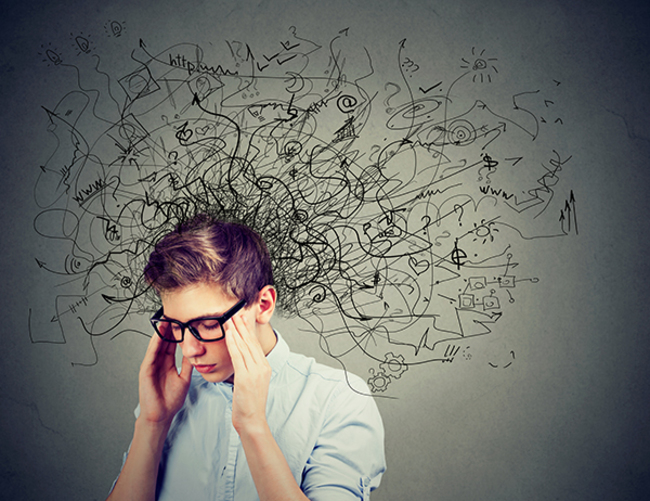
These disorders arise because of obsessive concern over weight which results in a disruptive eating pattern that then affects the person’s physical and mental health.
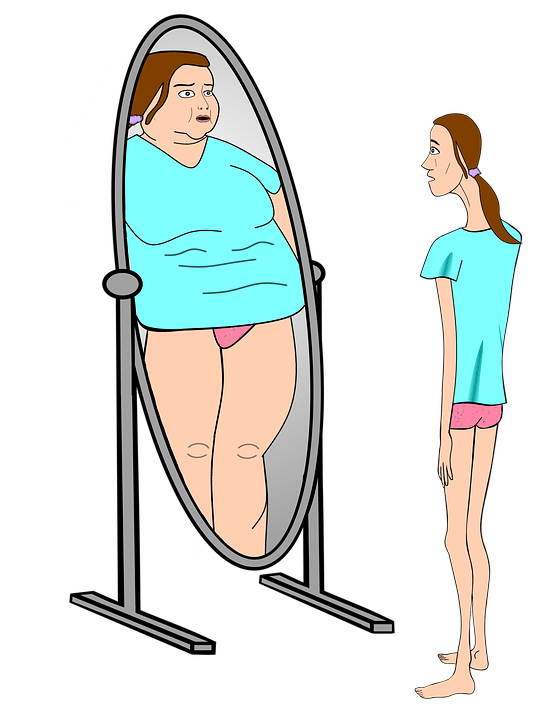
Anorexia Nervosa is also commonly known as anorexia which is an eating disorder wherein the person has an abnormally low body weight accompanied by an intense fear of gaining weight and a distorted perception of their weight. People with this disorder tend to take extreme measures to control their weight such as restricting their food consumption. The distorted image of the body can be a result of depression, anxiety, or emotional trauma. The physical symptoms are severe weight loss, dehydration, insomnia, weakness, dizziness, constipation, breaking hair, dry skin, bluish tinge to fingers, absence of menstruation, irregular heartbeat, and inability to tolerate cold. Some behavioural symptoms are eating only low-calorie food, trying to hide their body with baggy and loose clothes, skipping meals, avoiding situations where they have to eat, avoiding situations where they might have to show their body, and extreme exercising. Some emotional symptoms are poor self-esteem, agitation, depression, social isolation, and anxiety.
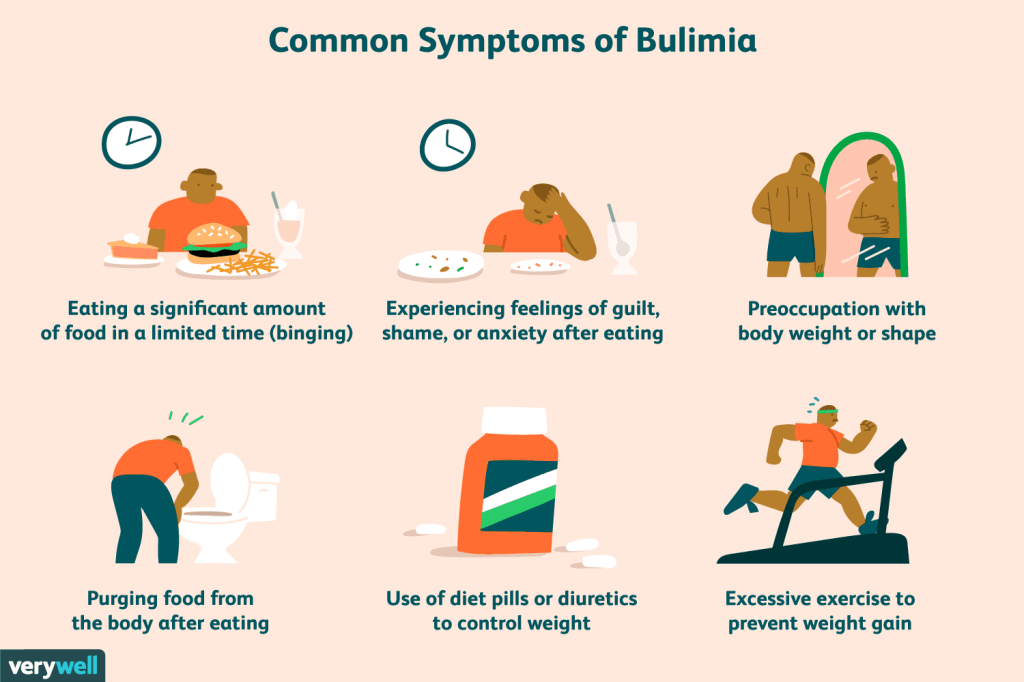
Bulimia Nervosa is also commonly known as bulimia is a serious and life-threatening eating disorder. People with this disorder secretly binge eat large amounts of food without any control over how much they are eating, then they panic and purge to get rid of those extra calories. There are two types of bulimia, purging and non-purging bulimia. To get rid of these extra calories, they use different methods such as self-induced vomiting, misuse of laxatives, weight-loss supplements, people with purging bulimia use these methods whereas people with non-purging bulimia follow strict dieting or excessive exercise. The physical symptoms can be life-threatening, some of these symptoms are weight fluctuation of 2 to 10 kgs in a week, bloodshot eyes which means eyes with busted blood vessels, chapped lips because of dehydration, scars on the knuckles from inducing vomiting, swollen lymph nodes, and mouth sensitivity because of receding gums and eroding tooth enamel. Some behavioural symptoms are consistent worry about weight and appearance, going to the bathroom right after eating, eating till it is uncomfortable, excessive exercising, not eating in front of others and restricting calories. The emotional symptoms of bulimia are the same as for anorexia.

The DSM-5 has moved the eating disorder of infants and children to the same category. Rumination Disorder is also known as rumination syndrome and it usually occurs in babies and people with developmental disabilities. Children and adults who have high levels of stress have a greater risk of having this disorder. This is a feeding and eating disorder in which the undigested food comes back up from the person’s stomach to their mouth. The symptoms for this are regurgitating on a regular basis, dental problems, chapped lips, weight loss, and digestive problems.
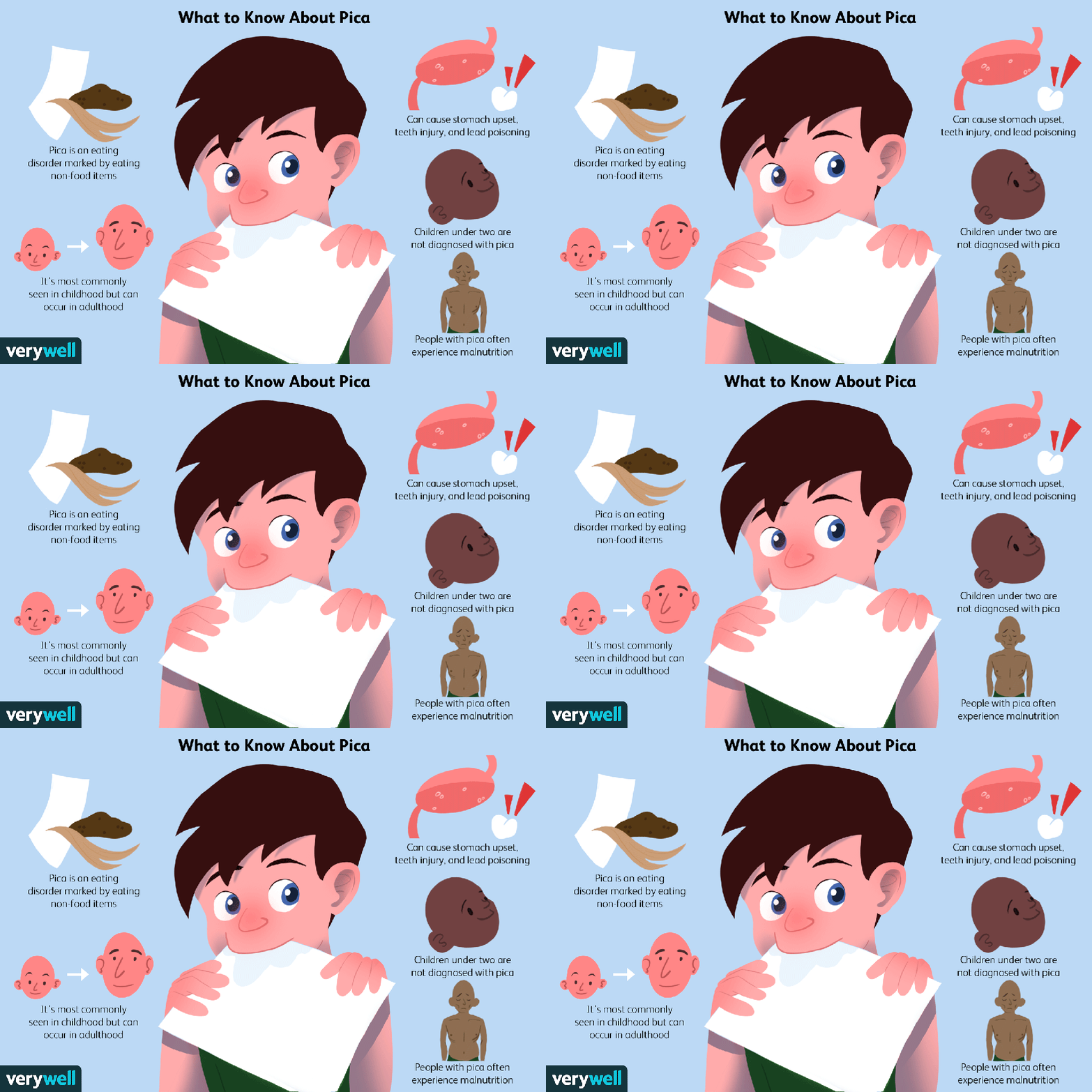
Pica is an eating disorder in which people eat non-food items like clay, dirt, and flaking paint. This disorder is more common in children but can also occur in adults with intellectual and developmental disabilities. The symptoms for this are upset stomach, bowel problems like constipation or diarrhea, stomach pain, and blood in the stool. If the consumption of non-food items continues, symptoms like lead poisoning, injuries to teeth, infections, and intestinal blockage can occur.

Binge-Eating Disorder (BED) is a feeding and eating disorder in which people eat a large amount of food in a short amount of time even if they might not be hungry. This can be triggered by emotional stress. The person may feel a sense of relief during the binge but will feel shame afterward. The symptoms are eating to a point that is uncomfortably full, eating more rapidly than normal, feeling of disgust with oneself, eating large amounts without feeling hungry, and eating alone because of feeling embarrassed.

Conclusion

It is difficult to figure out what causes these eating disorders but medical experts believe it is a combination of biological, psychological, and environmental factors. Genetics plays a role, if you have a family member who suffers from one, you are more likely to be diagnosed with the same. Emotional well-being plays a huge role, people who have experienced trauma or other mental health conditions are more likely to develop one. And finally, societal pressure plays another big role, the western ideal of body image has equated thinness with success and so people try to achieve thinness. If you have any eating disorder, it is important to know it is not your fault and you need to consult a psychologist immediately to get better.

References

Note: this is just Part 4 of the Psychological Disorders series.
Psychological Disorders Part 3

Introduction

In Psychological Disorders Part 2, Anxiety and Stress-Related Disorder were discussed. They are the most known and common disorders but they are not the only ones. There are many fewer known disorders. This article will discuss Dissociative and Somatic Symptom Disorders.

Dissociative Disorders

Dissociative Amnesia

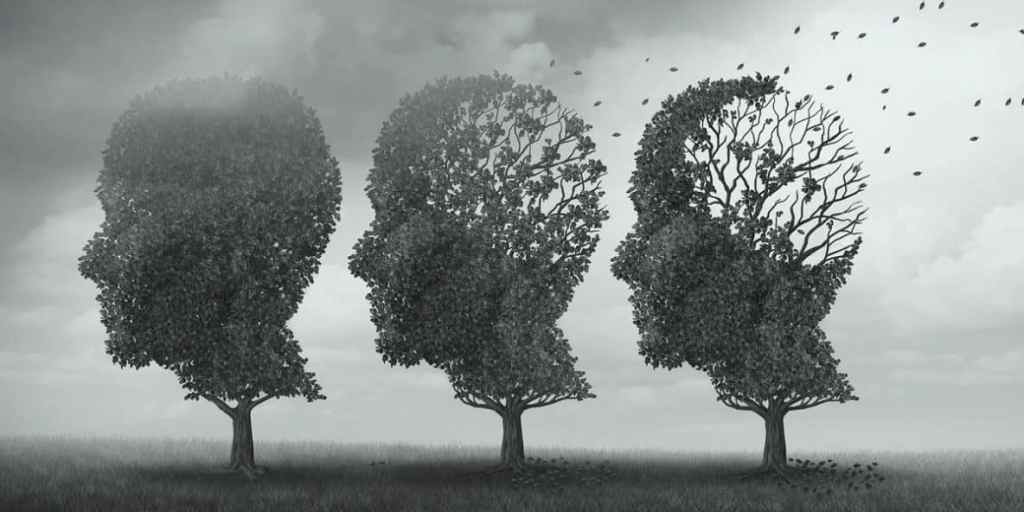
Such disorders include an interruption to consciousness which includes aspects like memory. Dissociative Amnesia involves a temporary loss of memory which can be caused due to some psychological trauma. This disorder should not be confused with forgetfulness. People with this disorder escape reality in ways that disrupt their daily life. Some symptoms of this are memory loss, being detached from yourself and your emotions, blurred sense of identity, inability to cope with emotions, and other mental health problems like anxiety and depression.

Dissociative Identity Disorder

Dissociative Identity Disorder used to be known as multiple personality disorder. The person suffering from this disorder has multiple personalities and these personalities control the person’s behaviour. This can cause memory loss and delusions. Each personality has its own story, identity, history, traits, hobbies. Symptoms of this disorder are anxiety, delusions, disorientation, depression, substance abuse, suicidal thoughts, and memory loss. Example of this disorder can be seen in the movie “Split”.

Depersonalization Disorder

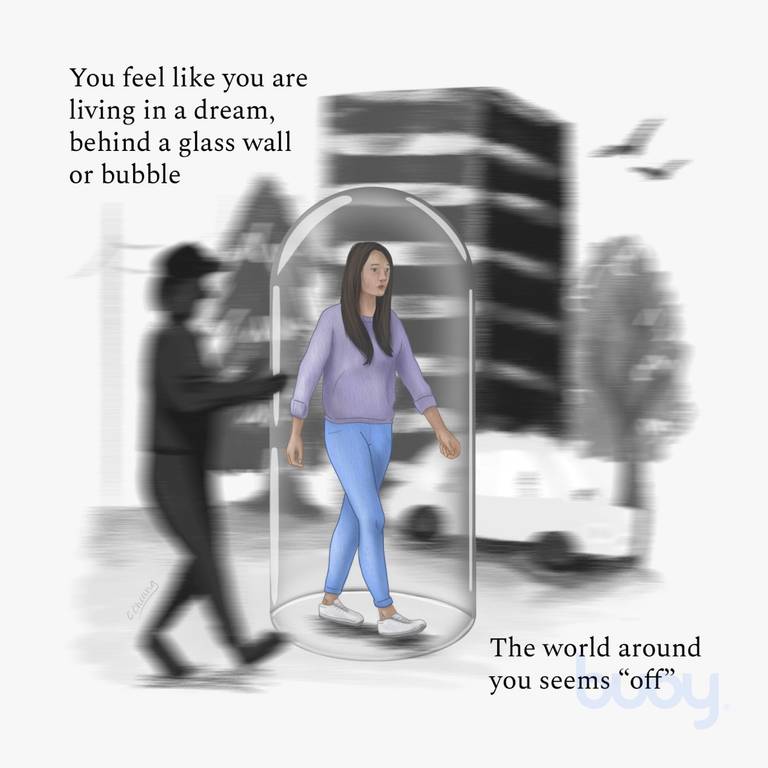
Depersonalization/Derealization Disorder involves a person feeling disconnected from their own body because of which they feel an involuntary disconnect from their memories, consciousness, and emotions. The person suffering from this feels disconnected from their environment. Although this can be a sign of other conditions like brain diseases, dementia, schizophrenia, seizure disorders. Symptoms include feeling as if you are observing your body from outside, panic, and being robot-like.

Somatic Symptom Disorder

These disorders were earlier known as somatoform disorders. The special thing about these disorders is that they involve a notable physical symptom that does not have a diagnosable physical cause. Somatic Symptom Disorder involves someone having a big focus on physical symptoms like weakness or pain which causes the person excessive distress and problems in normal functioning. The person then has continuous thoughts and feelings related to the physical symptom. The physical symptom may or may not be diagnosable as a medical condition but the person believes they are sick and are surely not faking it.

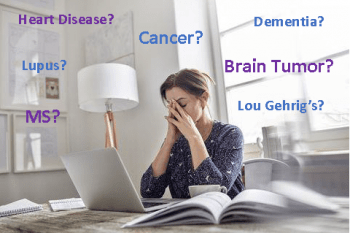
Illness Anxiety Disorder involves having an excessive fear of serious medical illnesses. A person suffering from this disorder pays extra caution about their health. They are easily alarmed by anything that can be diagnosed as some medical illness, for example, a headache can make them worry about having a brain tumor. Symptoms can include finding no assurance from doctor visits and negative results, repeatedly checking for signs of illness, avoiding people or going outside to not take any risks, and frequently searching the internet for symptoms about possible illnesses.

Conversion Disorder is when a person has blindness, paralysis, or other neurological symptoms that cannot be explained by any medical explanation. This can occur because of a psychological conflict. Symptoms include the inability to speak and numbness.

Factitious Disorder is a disorder wherein a person deceives others by appearing sick or by purposely causing injury or sickness to self. People with this disorder know they are causing the symptoms but they do not understand why. Symptoms can include extensive knowledge of medical diseases, vague and inconsistent symptoms, eagerness to have frequent tests, arguing with doctors, conditions that get worse for no reason, and conditions that do not respond in an expected manner. This disorder is very challenging to identify.

Conclusion

These are rarer disorders than anxiety and depression and so less heard of. It is important to note that only in the case of Factitious disorder are the patients faking the illness. These disorders are usually difficult to diagnose and can only be treated by extensive therapy.

References

Note: this is just Part 3 of the Psychological Disorders series.

Psychological Disorders Part 2

Introduction

In Psychological Disorders Part 1, Neurodevelopmental and Bipolar Disorders were discussed. The DSM (Diagnostic and Statistical Manual of Mental Disorders) contains a huge range of disorders which will be explained in a series of articles. This article discusses Anxiety and Stress-related disorders.

Anxiety Disorders

These disorders are characterized by persistent and extreme fear and worry. Fear is a response to a threat and anxiety is the anticipation of a threat in the future. There are various types of anxiety disorders which are explained further. Generalized Anxiety Disorder (GAD) involves extreme levels of worry about daily events, so much so that it interferes with the person’s daily functioning.

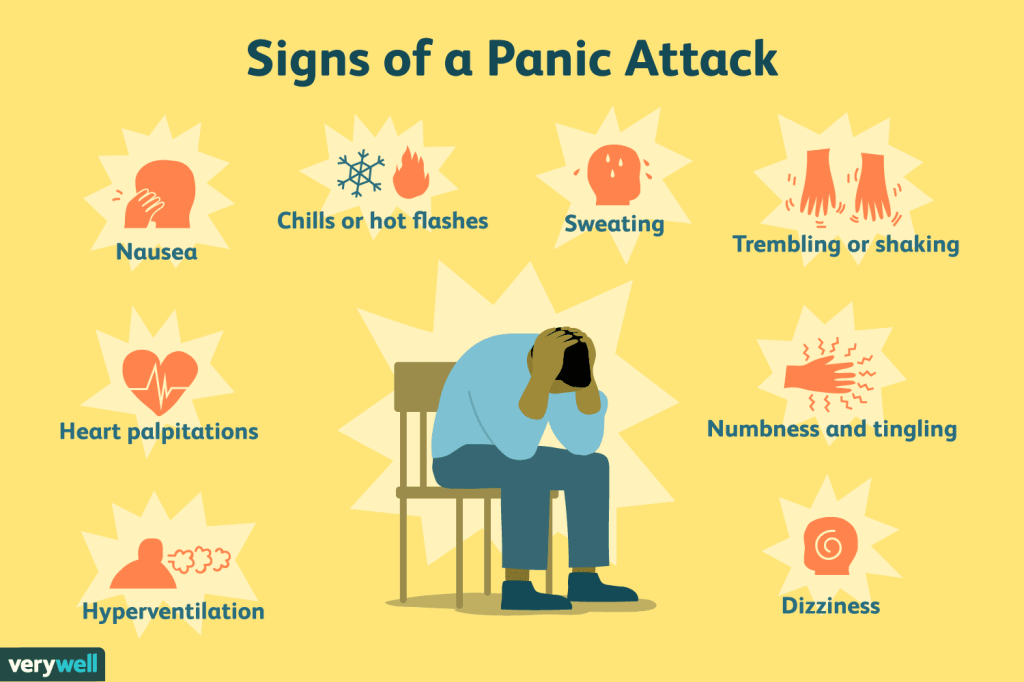
Panic Disorder involves having panic attacks in certain situations and so people start avoiding the situations which trigger a panic attack. A panic attack is a sudden episode of intense fear which brings symptoms like a sense of impending doom, rapid heart rate, sweating, shaking, chills, hot flashes, nausea, chest pain, headache, dizziness, and numbness.

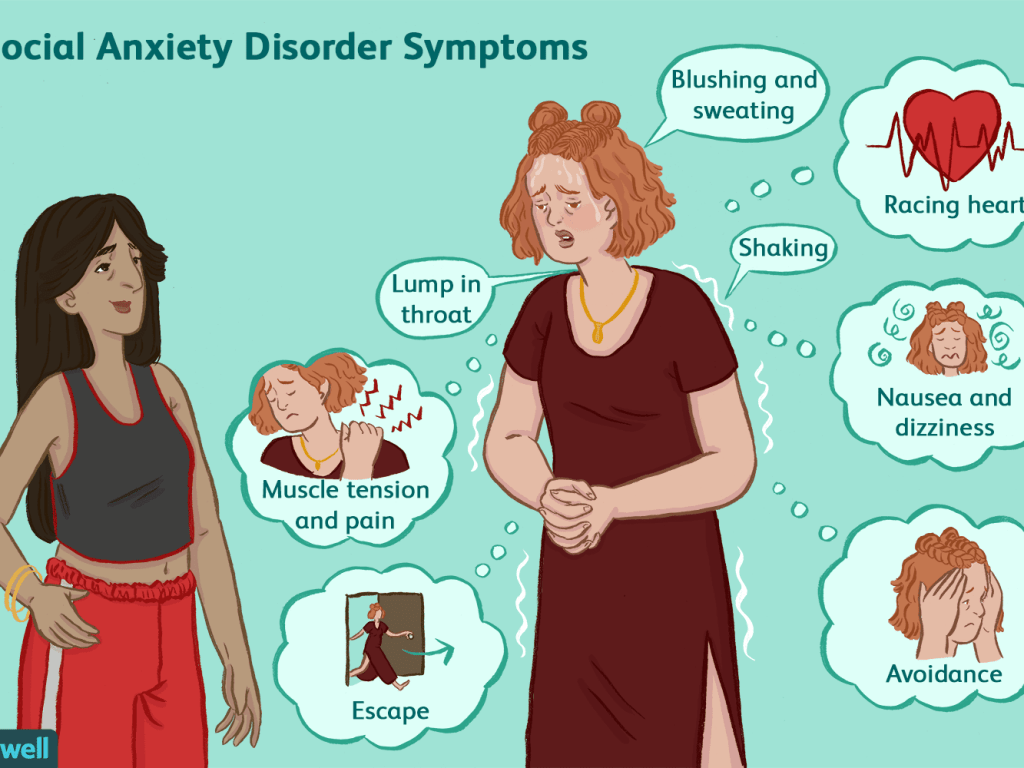
Social Anxiety Disorder involves an irrational fear of being judged or watched. This is a very common disorder and it interferes with functioning at school, work, and other social settings. For example, a person can have a fear of going to a party because of the fear of being judged by everyone.

Agoraphobia involves a fear of public places, that is that the people with this disorder have a fear of anticipating a panic attack in a place where they cannot escape or deal with it.

Specific Phobias involves an extreme fear of a specific object or a situation, such as fear of insects, animals, height. When people are confronted by their phobic object, they experience trembling, nausea, and rapid heart rate. These phobias usually arise from a bad associating event they have had before in their life.

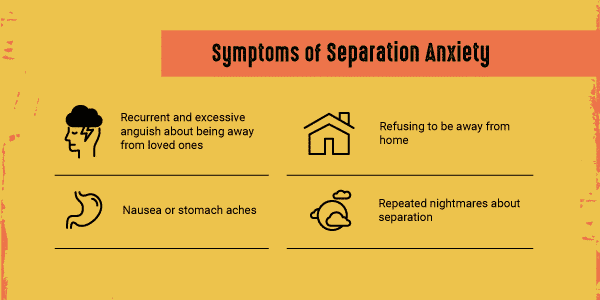
Separation Anxiety Disorder involves a high level of fear of being separated from things and the people they are attached to. This is most common in the case of young children having the fear of being away from their parents but it also exists for adults.

Stress-Related Disorders

These previously used to be grouped with anxiety disorders but are now considered a separate category. These disorders usually arise because of trauma or stress-inducing event. Acute Stress Disorder involves severe anxiety for almost a month after a traumatic event, such as accidents or the death of a loved one. This can result in the person experiencing dissociative symptoms like inability to remember important parts of the event, flashbacks, and difficulty in experiencing positive emotions.

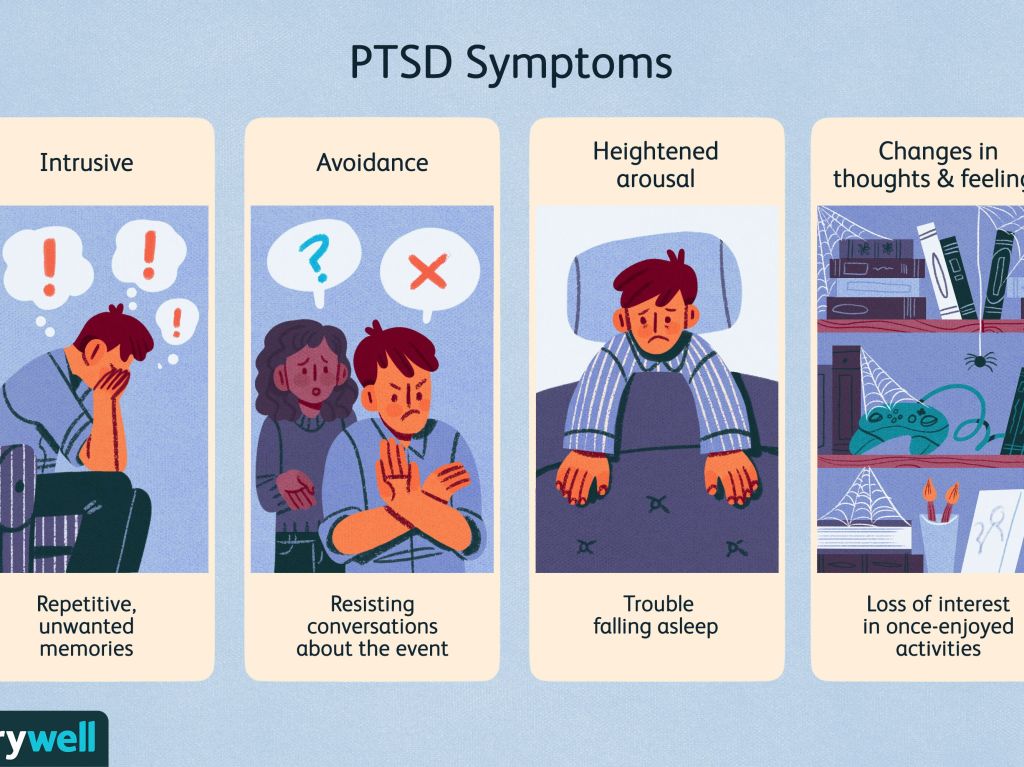
Post-Traumatic Stress Disorder (PTSD) can arise after a person has gone through a very traumatic event. This disorder includes symptoms such as reliving the event, feeling on edge, having negative thoughts, avoiding things that remind them of the event, nightmares, bursts of anger, and difficulty in concentrating.

Adjustment Disorders can arise because of a sudden change in life like losing a job, a break-up, shifting from one state to another. This disorder can bring symptoms like anxiety, worry, hopelessness, feeling of isolation, depressed mood.

Reactive Attachment Disorder forms when children in their early years of childhood fail to form a healthy relationship with their adult caregiver which later on results in being withdrawn from these caregivers, and they might also face social and emotional disturbance.

Conclusion

Some people keep claiming they have anxiety when they are just suffering from fear, same with the use of PTSD. It is important to not self-diagnose yourself as you might not be qualified to do so and it is wrong to claim to have disorders when you don’t as it creates a negative environment for people who are actually suffering from these disorders. It is important to consult a psychologist if you face any of the symptoms you think might point to anxiety or stress-related disorder as there are therapies to deal with it.

References

Note: this is the Part 2 of the Psychological Disorders series.
Psychological Disorders – Part 1

“What health needs is more sunlight, more candor, and more unashamed conversation.”

– Glenn Close

Introduction

The American Psychiatric Association’s diagnostic manual, the Diagnostic and Statistical Manual of Mental Disorders (DSM-5) defines mental disorder as a syndrome characterized by a clinically significant disturbance in an individual’s cognitive, emotion regulation, or behaviour that reflects a dysfunction in the psychological, biological, or developmental process underlying mental functioning. Mental disorders are usually associated with significant distress in social, occupational, or other important activities. Psychologists focus on behaviour rather than actions. Behaviour that is considered maladaptive and causes significant personal distress and interrupts daily functioning is mostly labelled as a disorder.

What is the DSM?

The DSM is a handbook that is used by health care professionals over the world as a guide to diagnosing mental disorders. It gives a list of descriptions and symptoms related to every recognized mental disorder. The way physicians have a list of symptoms to check for physical health issues to not diagnose things differently from other physicians, the DSM plays the same role for psychologists, it helps in keeping a common diagnosis to not create chaos and confusion.

MAJOR CATEGORIES OF DISORDERS IN DSM-5:

Neurodevelopmental Disorders

These consist of disorders that are usually diagnosed in infancy, childhood, or adolescence like Intellectual Disability, this developmental disorder is originally detected before 18 years of age. This includes limitations in intellectual functioning and adaptive behaviours. This disorder was formerly known as mental retardation. The test to check intellectual ability is the IQ test, if the IQ score is under 70, it points towards intellectual limitations. Limitations in adaptive behaviour can involve a lack of efficiency at everyday things such as self-care, social interaction, and other living skills.

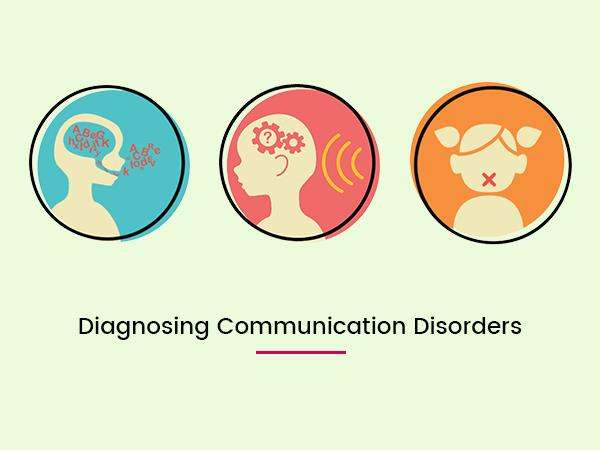
Communication Disorders are related to difficulty in the ability to use, understand, or detect language and speech. The DSM-5 further divides this disorder into four parts – language disorder, speech sound disorder, childhood-onset fluency disorder (stuttering), and social communication disorder.

Autism Spectrum Disorder includes persistent deficits in social interaction and communication. The DSM says that the symptoms for this must be noticed in the early developmental period and these symptoms should interfere in the important parts of life which include social and occupational functioning.

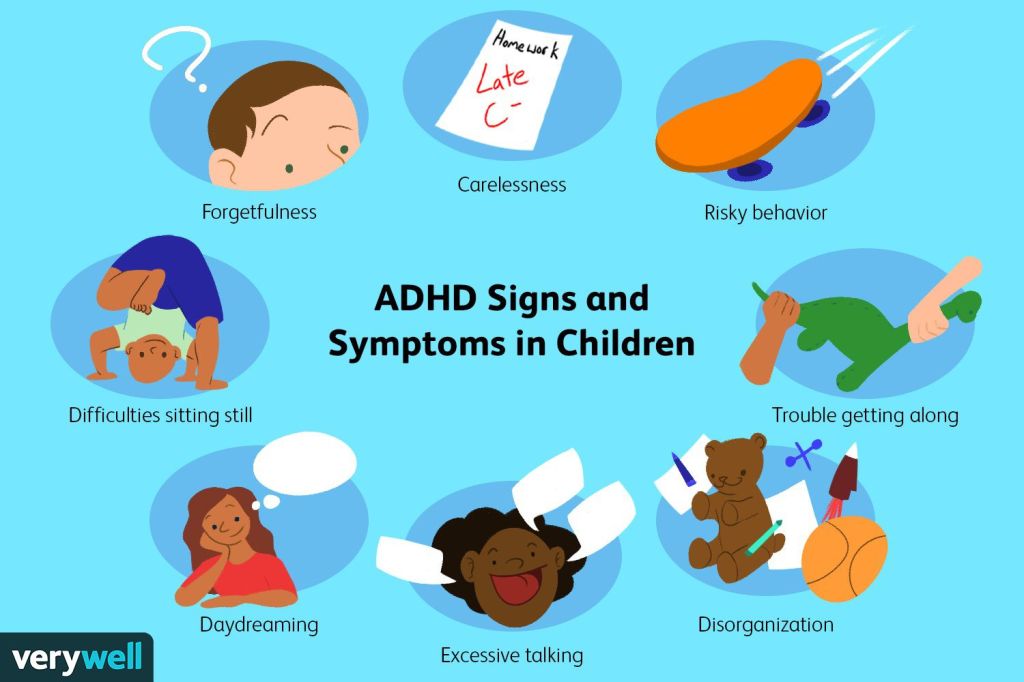
Attention-Deficit Hyperactivity Disorder (ADHD) consists of a persistent pattern of hyperactivity-impulsivity and/or inattention which interferes in the normal working during the day. This can show up at home, school, work, and social situations.

Bipolar Disorders

This disorder consists of a shift in mood from extremely elevated moods to a depressive period. The elevated moods are called mania or hypomania. Mania is the mood when there is a period of elevated, expansive, and irritable mood with increased activity and energy. This period is usually accompanied by excessive confidence. During this period, people tend to engage in activities that can have a negative long-term impact such as buying a mansion without considering the finances.

Depressive Episodes consist of feelings of depression or sad mood with a lack of interest in activities. It also includes feelings of guilt, fatigue, and irritability. People going through this period can experience difficulty in sleeping and also have suicidal thoughts.

Conclusion

It is very important to understand the depression is different from being sad and similarly being very happy is also different from mania. It should be noted that before assuming a disorder and starting medication, you should consult a psychologist and follow the treatment recommended by them. It should also be understood that if a child is showing signs of a neurodevelopmental disorder, you should take them to a doctor or a psychologist and should not brush it off and scold them for it.

References

NOTE: this is just the Part 1 of the Psychological Disorders series.
Nelson Mandela International Day 2021

“May your choices reflect your hopes, not your fears.”

Nelson Mandela

Introduction

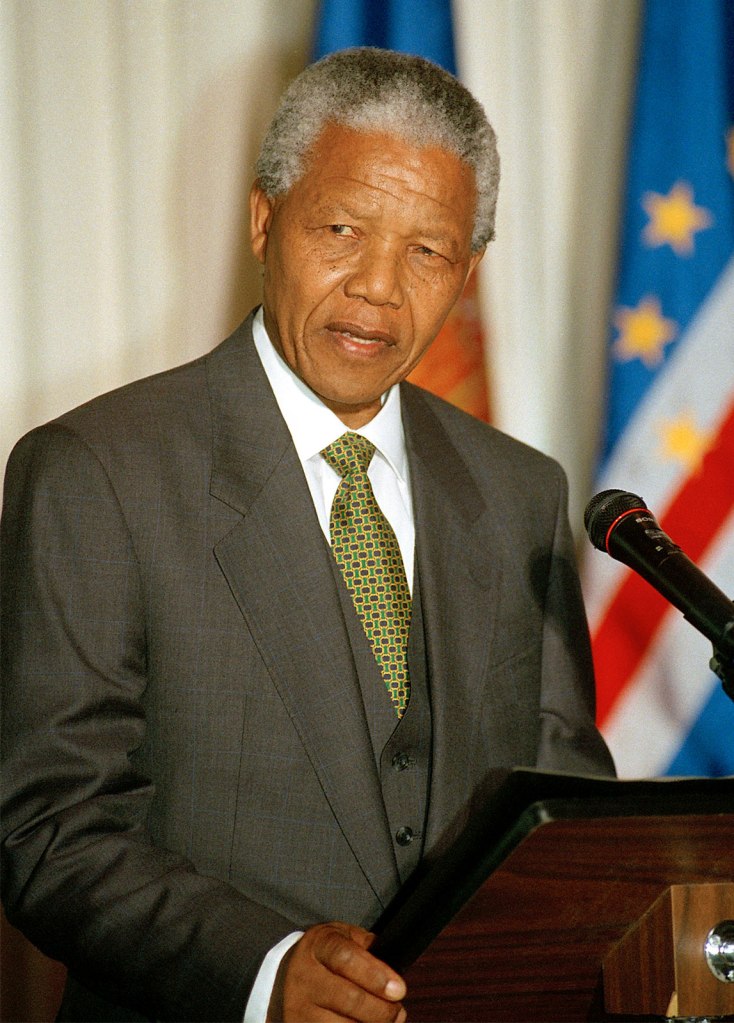
July 18th every year is observed as the Nelson Mandela International day ever since 2009. Nelson Mandela’s full name was Nelson Rolihlahla Mandela and he was also known as Madiba. He was born on July 18, 1918, in South Africa and died on December 5, 2013. He was a Black Nationalist and is popularly known as the first Black president of South Africa. He is also known for his negotiations in the 1990s with the then South African President F.W. de Klerk which helped in ending the apartheid system in the country. Later in 1993, both, Mandela and de Klerk received the Nobel Peace Prize for their efforts.

Life

Nelson Mandela studied law at the University of Witwatersrand. He joined the African National Congress (ANC) in 1944 and became the leader of its Youth League. He established the first black law practice in 1952 in Johannesburg, his focal cases were of racial segregation. He was a part of drafting the Freedom Charter, a document demanding nonracial social democracy, in 1955. Because of actions against the apartheid legislation, he became a target and was banned and arrested on charges of treason in the year 1956 but was acquitted in 1961.

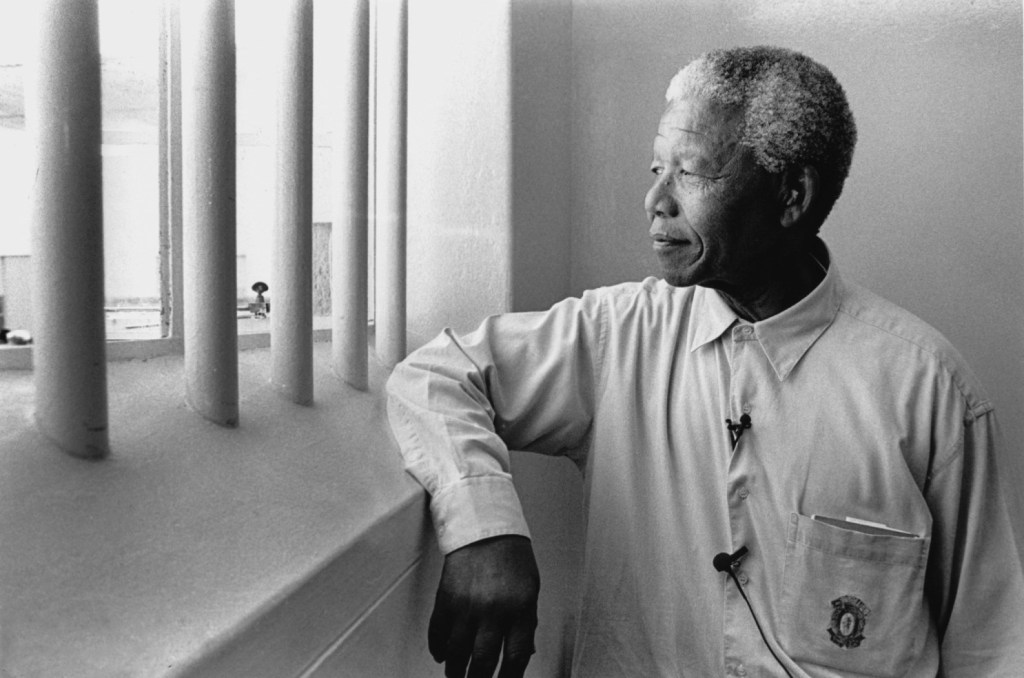
He was trained in guerrilla warfare and sabotage in 1962 but the same year he was arrested again and was sentenced to five years in prison. After the trial where he made his famous speech “I Am Prepared to Die”, he was sentenced to life imprisonment only narrowly evading the death penalty. During this sentence, he was held at the Robben Island Prison off Cape Town. He was released under the government of President de Klerk on February 11, 1990, soon after which he was made the deputy president of the ANC, he then became president of the party in 1991.

Mandela won the first elections by universal suffrage and also was sworn as the president of the first multiethnic government. In 1995, he established the Truth and Reconciliation Commission (TRC) which’s work was to investigate human rights violations that took place during the apartheid. He then resigned from ANC in December 1997. He didn’t seek a second term and transferred the presidency to his successor in 1999. He established the Nelson Mandela Foundation in 1999 through which he kept working as an advocate of peace, reconciliations, and social justice.

Mandela and Gandhi

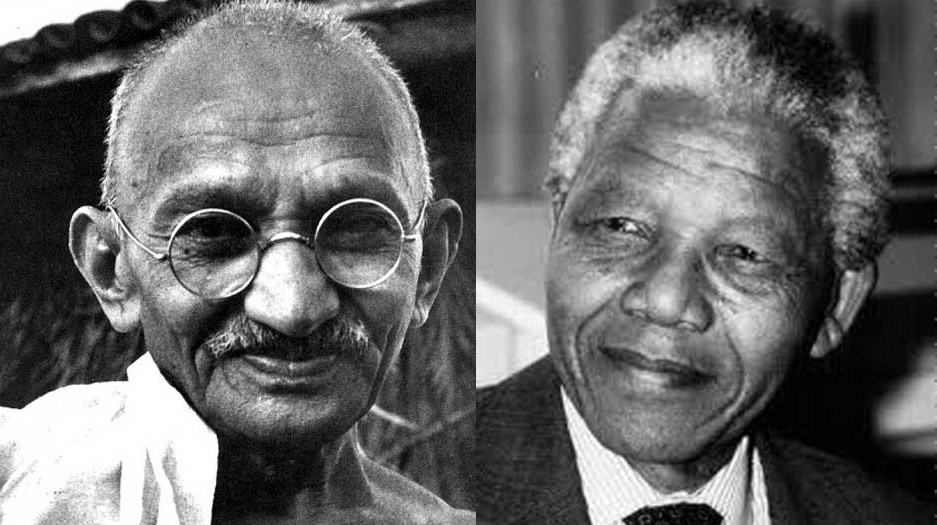
Mandela had said that Gandhiji was his role model and that he inspired him to lead South Africa on its journey of independence. He was also sometimes referred to as the “Gandhi of South Africa”. Although both of them did not meet each other, yet some similarities can be noticed such as, both emphasized moral power being a force to reckon with. Both of them were lawyers and spent time in Johannesburg’s old fort prison although it was during different years, Gandhiji in 1906 and Mandela in 1962. It is also said that during Mandela’s 27 years at the Robben Island prison, he was in the room full of books of Gandhiji, where he spent time meditating and reflecting to rid his soul of the bitterness. It was a big coincidence that two of the most inspiring world leaders had a connection to South Africa.

Conclusion

The theme of Nelson Mandela International Day 2021 is One Hand Can Feed Another. Everyone should take some time out to read about Nelson Mandela’s journey and then read about issues of violence and security around the world to understand better and play our part in the fight to make the world more peaceful.

References

Sedition

Introduction

The definition of sedition is the conduct or speech inciting people to rebel against the authority of a state or monarch. Sedition is a crime under Section 124A in the Indian Penal Code (IPC). On 15th July 2021, the Supreme Court questioned the Central government asking whether the provision of Sedition in the Indian Penal Code is still required after 75 years of independence. This question was addressed by Chief Justice Ramana, heading a three-judge bench to the Attorney General K.K. Venugopal and Solicitor General Tushar Mehta, who were appearing for the Centre. Chief Justice Ramana said that Sedition is a colonial law that suppresses freedom and was used against Mahatma Gandhi and Bal Gangadhar Tilak. And it is a law prone to misuse by the government, so is it even necessary?

History

The Indian Penal Code came into force during the colonial Indian period, in 1860. But it did not have a section for sedition when it was introduced. Sedition was made part of the IPC in 1870 claiming that it got excluded from the original draft by mistake. The provision of sedition at that time was used by the British to hush the nationalists. This law was used against Bal Gangadhar Tilak, Mahatma Gandhi, Bhagat Singh and Jawaharlal Nehru.

Bal Gangadhar Tilak was the first person to be accused and convicted under the law of sedition. He was charged with it because of his articles in Kesari, a Marathi newspaper. He was convicted in 1897 by the Bombay High Court for 18 months. But the interpretation of Section 124A was changed by the Federal Court in 1937.

The word “sedition” was removed from the draft Constitution because of an amendment moved by KM Munshi specifically for this reason. It was meant to be in the Constitution as a ground to impose restrictions on the constitutional freedom of speech and expression. So, when the Constitution was adopted, the word “sedition” was not in it but it stayed in the Indian Penal Code.

In the Code of Criminal Procedure, 1973 which came into force in 1974, during the Indira Gandhi government, sedition was made a cognizable offence, which means that the police can make arrests without warrants.

The Law

Section 124A of the Indian Penal Code says Whoever by words, either spoken or written, or by signs, or by visible representation, or otherwise, brings or attempts to bring into hatred or contempt, or excites or attempts to excite disaffection towards the Government established by law in India, shall be punished with imprisonment for life, to which fine may be added, or with imprisonment which may extend to three years, to which fine may be added, or with fine.

Case Laws

In 1951, Tara Singh Gopi Chand vs The State, the Punjab High Court held that Section 124A was a restriction on the freedom of speech and expression and it invalidated the provision as it was in violation of a fundamental right. But because of this judgement, the Nehru government introduced Article 19(2) which gives the grounds on which the freedom of speech and expression can be restricted.

In 1954, Debi Soren & Ors vs The State, the Patna High Court upheld the validity of Section 124A. In 1958, the Allahabad High Court declared that Section 124A is void, in Ram Nandan vs The State. In the Kedar Nath case in 1962, a Constitution bench upheld the validity of Section 124A saying that the purpose of the crime was to save the government from being subverted.

In August 2018, the Law Commission of India said that sedition is essential to protect national integrity but it should not become a tool to restrict free speech.

Conclusion

It is clear that sedition came into existence because of the British. It was also removed from the Constitution as it was assumed to curb free speech yet it has still remained in the IPC and that is why the question is asked by Chief Justice Ramana. The law of sedition has been debated for a long time and has also been greatly criticized for its misuse. Hopefully this time the question will be answered properly and the debate will turn out differently.

References

Paris Agreement and Climate Change

Introduction

The Paris Agreement is an international treaty on climate change which is legally binding. It was adopted on 12th December 2015 by 196 parties at the Conference of the Parties (COP) 21 and it came into force on 4th November 2016. The goal of this agreement is to limit global warming to almost 2 degrees Celsius but ideally 1.5 degrees Celsius, as compared to the pre-industrial levels. Every country creates an NDC (Nationally Determined Contributions) wherein the countries mention the actions they will take to reduce their Greenhouse Gas emissions. The Paris Agreement also recognizes the financial differences of the countries and says that the developed countries should take the lead when it comes to providing financial assistance and help the vulnerable countries. The progress of the agreement is being tracked by the creation of the Enhanced Transparency Framework (ETF), under which, starting from 2024, the countries will report on the actions taken and the progress, transparently.

COP 26

The 26th Conference of the Parties was originally scheduled from 9th to 19th November 2020 but due to COVID-19, it was postponed to 1st to 12th November 2021, in Glasgow, UK. Several unresolved issues from the Paris Agreement are to be resolved during this Conference, such as governing of carbon markets and the accountancy of climate finance. The developing nations pointed fingers at the rich nations to fulfil their promise of finance. They also highlighted the lack of urgency from the recent G7 and G20 summits.

COP 26 has to finalize the rulebook that implements the 2015 Agreement. The nations have to give the climate-vulnerable nations the $100 billion annually as promised in 2009. They have called for almost 50% of funding to be allocated towards future climate adaptation, plus a separate allocation for the loss and damage that has already been inflicted on the poor nations.   

Other Climate Change Agreements

Montreal Protocol, 1987 – This agreement is not aimed towards dealing with climate change however it is an important environmental agreement. This agreement required the countries which have ratified it, to stop producing products that damage the ozone layer, such as, chlorofluorocarbons (CFCs).

UN Framework Convention on Climate Change (UNFCCC), 1992 – This is the first-ever global treaty that directly addresses climate change. This treaty established the annual forum named the Conference of the Parties (COP). Agreements such as the Kyoto Protocol and the Paris Agreement came into existence through these forums.

Kyoto Protocol, 2005 – It was adopted in 1997 and came into force in 2005, it is known as the first legally binding climate treaty. The goal of this treaty is to reduce emissions by an average of 5% below the 1990 levels although the treaty did not force developing countries.

Effects of Global Warming

  • Shrinking of Glaciers
  • Ice on rivers and lakes break earlier than usual
  • Plants and animal ranges have shifted
  • Trees flower sooner
  • Loss of sea ice
  • Accelerated rise of sea level
  • Intense heatwaves
  • More droughts
  • Changes in precipitation patterns
  • The frequency of cyclones will increase and will be more intense
  • The Arctic is likely to become Ice-Free

Conclusion

Heat Waves have been recorded in the United States of America and Canada this 2021. This is only just more proof of Global Warming and its effects. This will keep increasing if the countries don’t take the agreements like the Paris agreement seriously. More importantly, the rich countries need to finally start acting responsibly and fulfil their promises to save the planet.  

References

What do we know about Music?

“Music is the language of the spirit. It opens the secret of life bringing peace, abolishing strife.”

Kahlil Gibran

“Music is the moonlight in the gloomy night of life”

John Paul Friedrich Richter

“Music is the universal language of mankind”

Henry Wadsworth Longfellow

Introduction

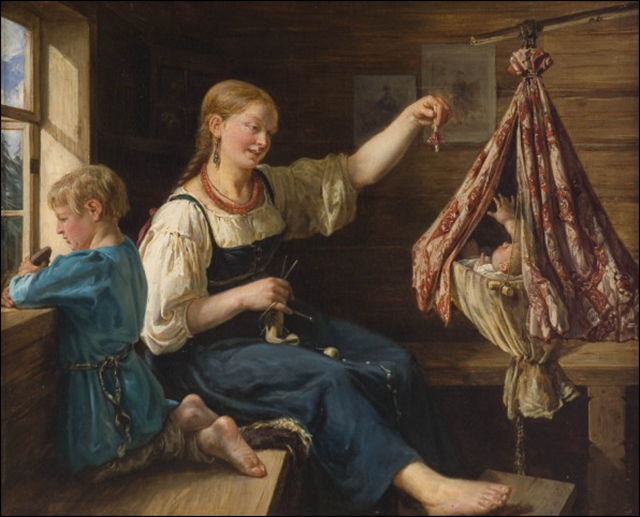
These quotes on music give us a little idea about what music is to people and how it makes them feel. Music is defined as vocal or instrumental sounds or both combined in such a way as to produce beauty of form, harmony, and expression of emotion. Music is an art and so it is usually influenced by culture and it becomes an important part of all cultures. Music does not only have to be professional, even a mother singing a lullaby for her baby is music.

History of Music

The history of music is almost as old as humanity. Archaeologists have found a primitive flute made of bone and ivory which can be dated back to almost 43,000 years old. A lot of musical styles could have been oral and so there is not much evidence on that. The oldest song by man is known to be the “Hurrian Hymn No. 6” which was an ode to the goddess Nikkal composed in cuneiform by ancient Hurrians around 14th century B.C. But the earliest piece of music was found on a 4000-year-old Sumerian clay tablet which had instructions on how to play the hymn in honour of the ruler Lipit-Ishtar. The oldest musical composition to have survived is known to be from the first century A.D., a Greek tune called the “Seikilos Epitaph”. This song was found engraved on an ancient marble.

Types of Music

The world is filled with several music genres and music styles. Some of the common music genres with examples are:

  • Classical – Moonlight by Ludwig Van Beethoven
  • Country – You should be here by Cole Swindell
  • Electronic Dance Music (EDM) – Fade by NCIS
  • Hip Hop – Gangsters Paradise by Coolio
  • Indie Rock – Heaven Knows I’m Miserable Now by The Smiths
  • Jazz – A Kiss to Build a Dream on by Louis Armstrong
  • K-pop – Butter by BTS
  • Metal – Diary of Jane by Breaking Benjamin
  • Pop – Shape of You by Ed Sheeran
  • Rap – These Guys by Blay Vision
  • Rhythm & Blues (R&B) – You Got it Bad by usher
  • Rock – Stairway to Heaven by Led Zeppelin
  • Blues – Sultans of Swing by Dire Straits

Benefits of Music

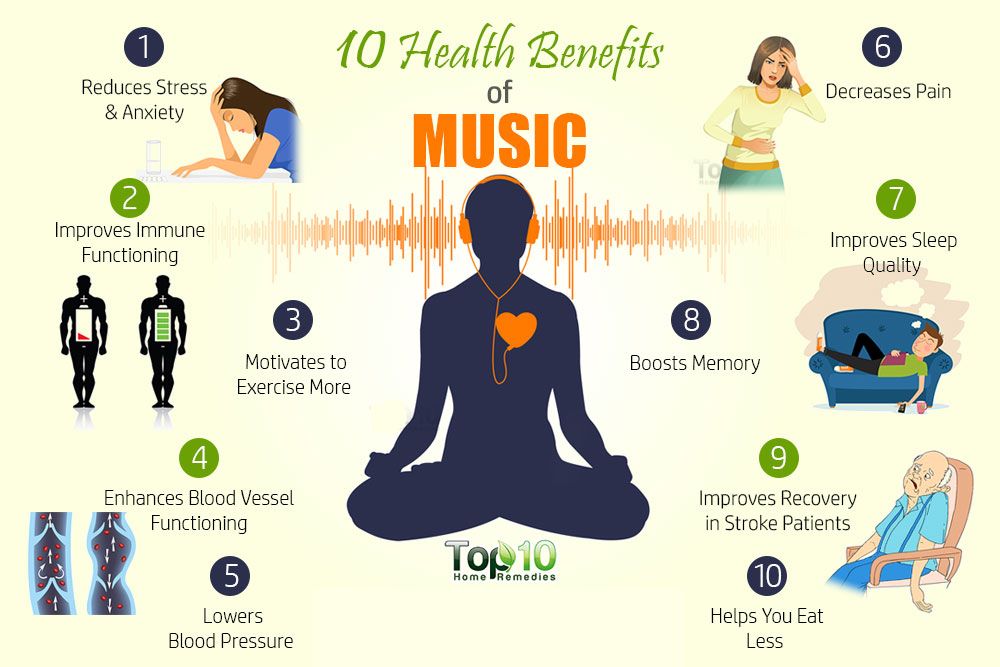
  • Research shows that music helps in keeping your heart healthy. Blood flows more easily when music is played, heart rate gets reduced, blood pressure lowers, it also decreased cortisol levels which is the stress hormone and it increases serotonin and endorphin in blood.
  • Music boosts the brain’s production of dopamine which helps in relieving anxiety and depression.
  • Music triggers some biochemical stress reducers which then help in reducing stress.
  • People going through depression are recommended to listen to music and it is supposed to help.
  • Music therapy is used for people suffering from Alzheimer’s or dementia. This music therapy relaxes the patients.
  • Music therapy also helps in managing the pain, it reduces the perceived intensity of pain.
  • Music is supposed to increase the workout endurance one might have.
  • For some people, music helps in concentration and minimizes the chances of getting distracted.
  • Music helps in regulating and understanding your emotions.

Conclusion

Music has existed for a very long time and that too in many forms. Most of us listen to different kinds of music just because we feel like it, without realizing the benefits it has. So, music isn’t just some sound with some instrument, it indeed is the moonlight in the gloomy night of light.

References

World Zoonoses Day 2021- July 6

Introduction

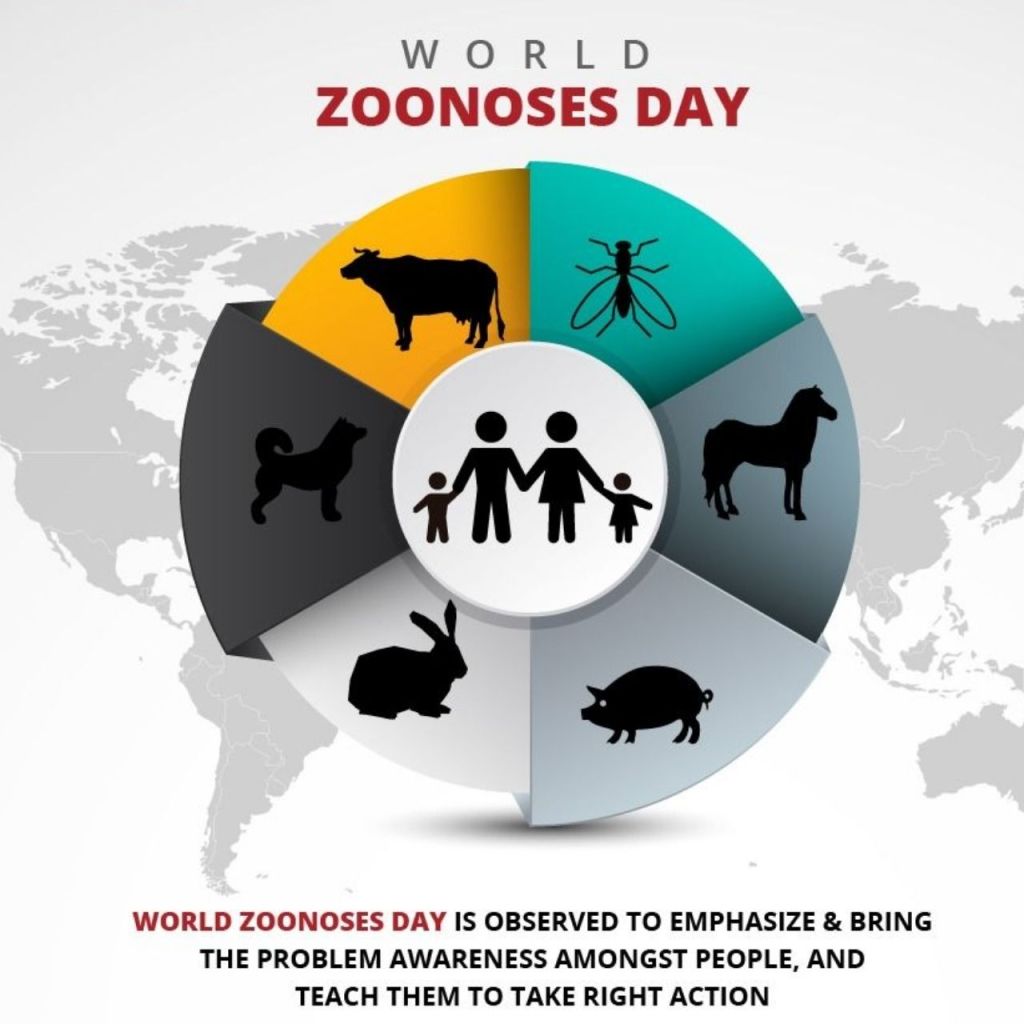
The World Health Organization (WHO) defines zoonosis as an infectious disease that has jumped from a non-human animal to humans. These zoonotic pathogens can be bacterial, viral, or parasitic and they can be spread to humans through direct contact or food, water, or the environment. World Zoonoses Day was first celebrated on July 6, 1885, in honour of the French biologist Louis Pasteur who managed to administer the first vaccination against a zoonotic disease on the very day, this vaccine was for rabies. The theme for World Zoonoses Day 2021 is “Let’s Break the Chain of Zoonotic Transmission” and it holds more importance in light of COVID-19.

About Louis Pasteur

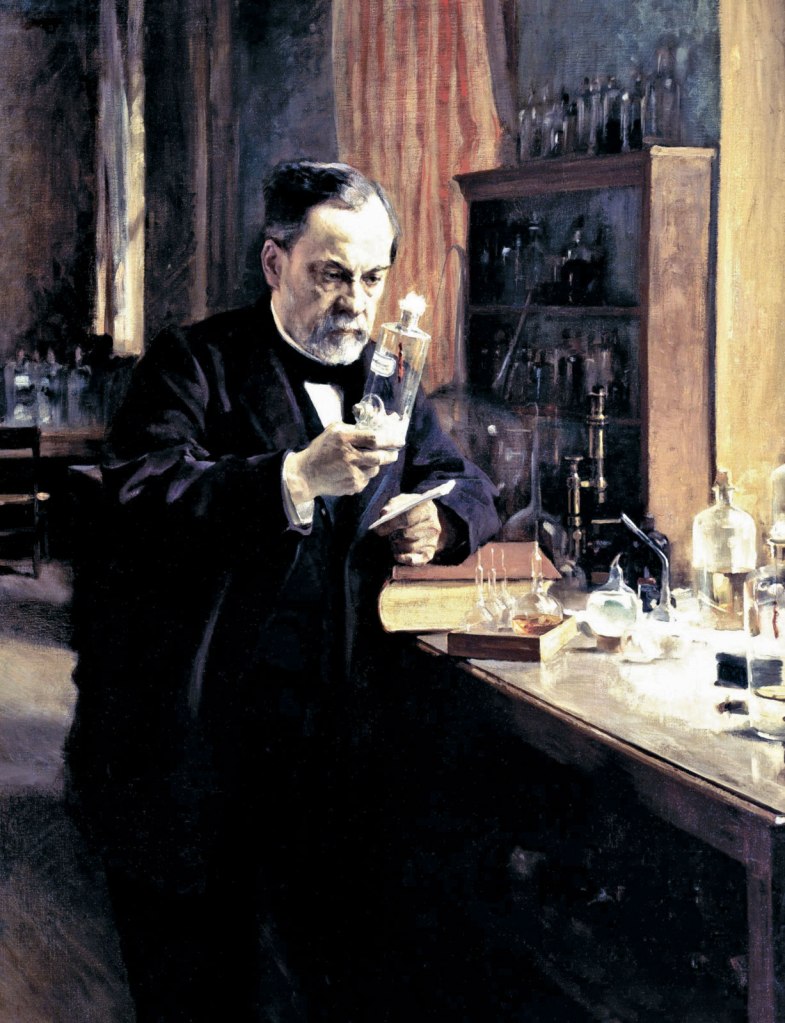
Scientific Identity, Portrait of Louis Pasteur

Louis Pasteur was born on 27th December 1822 in France and died on 28th September 1895. He was a French chemist and microbiologist who is known to be one of the most important founders of medical microbiology. He introduced the study of molecular asymmetry; originated the process of pasteurization; discovered that microorganisms cause fermentation and disease; saved the beer, wine, and silk industries in France; and developed vaccines against anthrax and rabies. He earned France’s highest award of the Legion of Honour. He was also gifted in drawing and painting. He had a bachelor in arts degree and a bachelor in science degree from the Royal College of Besancon.

Vaccine Development

Pasteur’s first discovery in the study of vaccination was in 1879 which was for the disease named chicken cholera. He then started working on anthrax in 1879 also because of the anthrax epidemic in France at that time. Pasteur had also unknowingly created a second class of vaccines known as an inactivated vaccine by accidentally creating a neutralized version of rabies. On July 6, 1885, he vaccinated a nine-year-old boy named Joseph Meister who was bit by a rabid dog and the vaccine was a huge success.

Relevance Today

This day should raise more awareness now as it is said that COVID-19 originated from the bats and then entered the human circle through the wet markets of Wuhan, China. The Center for Disease Control and Prevention (CDC) says that almost 75% of new zoonotic diseases originate from animals that can be transmitted to humans by the act of consuming meat or even by coming in contact with the animal which is affected. WHO has said that poultry farmers, meat sellers, and the people living near the forest region have a higher chance of risk of being affected by these diseases. Some of such diseases are HIV (started as zoonosis but later mutated into a human-only strain), Ebola virus, salmonellosis. Some of these zoonoses have the potential of causing recurring disease outbreaks like Ebola and as we have seen, different waves of COVID-19.

Prevention

The method of prevention for zoonotic diseases differs for different pathogens. But some general practices are seen as effective. A safe and appropriate guideline for animal care in the agricultural sector would help in reducing foodborne zoonotic disease outbreak through meat, eggs, dairy, and vegetables. There should be a set standard for drinking water and waste removal. Education campaigns should be promoted all across the world related to awareness of the diseases and handwashing after coming in contact with an animal.

Conclusion

It is important to learn the history of zoonotic diseases and learning the precautions for them and how to prevent them. With the recent developments of the COVID-19, we know more about how bad the impact of these diseases can be, and it is now more important than ever to learn more about it.

References

FIRs Under Struck Down Section 66A IT Act

Introduction

On 5th July 2021, the Supreme Court expressed their shock at the practice of police registering FIRs under Section 66A of the Information Technology Act which was struck down by the Supreme Court in the 2015 judgement in the case of Shreya Singhal. An application filed by Peoples Union for Civil Liberties (PUCL) was being heard by a bench headed by Justice RF Nariman. The application sought directions and guidelines against the FIRs which were being filed under Section 66A of the IT Act which was struck down. There were over 1000s of FIRs being filed under the said provision. Justice Nariman commented on the issue, saying “What is going on is terrible. We are issuing notice”.

Background

An amendment made in 2008 introduced Section 66A in the Information Technology Act, which penalized sending of “offensive messages”, it also introduced Section 69. This amendment was passed on 22 December 2008 without any debate in the Lok Sabha and it was signed by President Pratiba Patel on 5th February 2009 to be made an official part of the law. Using this amendment, the Government of India restricted the freedom of speech to avoid self-harm and misuse. This allowed the arrest of any person which the law per se felt was harmful. In 2012, Shreya Singhal filed a Public Interest Litigation (PIL) in the Supreme Court of India.

Shreya Singhal v Union of India

In 2012, the leader of Shiv Sena, Bal Thackeray passed away and there was a bandh declared in Maharashtra by the members of Shiv Sena. Two girls, Shaheen Dhada and Rinu Srinivasan residing in Thane, were involved in this case, one of them posted something on Facebook and the other simply liked the post. Both of them were expressing their displeasure because of the state-wide bandh. They were arrested by the Mumbai police in 2012 under Section 66A of the Information Technology Act, 2000. This section aims to punish any person who sends through a computer resource or communication device any information that is grossly offensive, or with the knowledge of its falsity, the information is transmitted for the purpose of causing annoyance, inconvenience, danger, insult, injury, hatred or ill-will.

Although the two girls were released later, and their criminal cases were closed, they attracted widespread public protests. People felt that the police had misused their power by invoking Section 66A, they felt that it violated the freedom of speech and expression. So, later a writ petition was filed in Public Interest to declare Section 66A, 69, and 79 of IT Act, 2000 as unconstitutional. It was argued that the Section was in violation of Article 19(1)(a) and no provision under Article 19(2) saved it. It was also argued that the section created a lot of vagueness which gave arbitrary powers to the authorities.

In the judgement of this case, the Supreme Court agreed that none of the grounds contained in Article 19(2) were capable of being invoked as legitimate defenses for the validity of Section 66A of the IT Act. They said that any law that seeks to impose a restriction on freedom of speech can only pass muster. They also agreed that Section 66A is vague as it did not define what counts as ‘offensive’ as the object of offense will always be subjective. The Court found that Section 66A leaves many terms open-ended and undefined, therefore making the statute void for vagueness. To conclude, the court invalidated Section 66A in its entirety as it violated the right to freedom of speech and expression guaranteed under Article 19(1)(a) of the Constitution.

Conclusion

The highest Court had made the statute void but the police still keep using it to curb voices and rights that go against them. It is important to make every citizen aware of this update so that they know when they are being charged under a revoked section. And it is also important to hold regular briefings in every police station specifying which laws no longer hold credibility so that each one of them is aware and knows that doing so would then be a crime.

References

Father Stan Swamy Passes Away at 84

Introduction

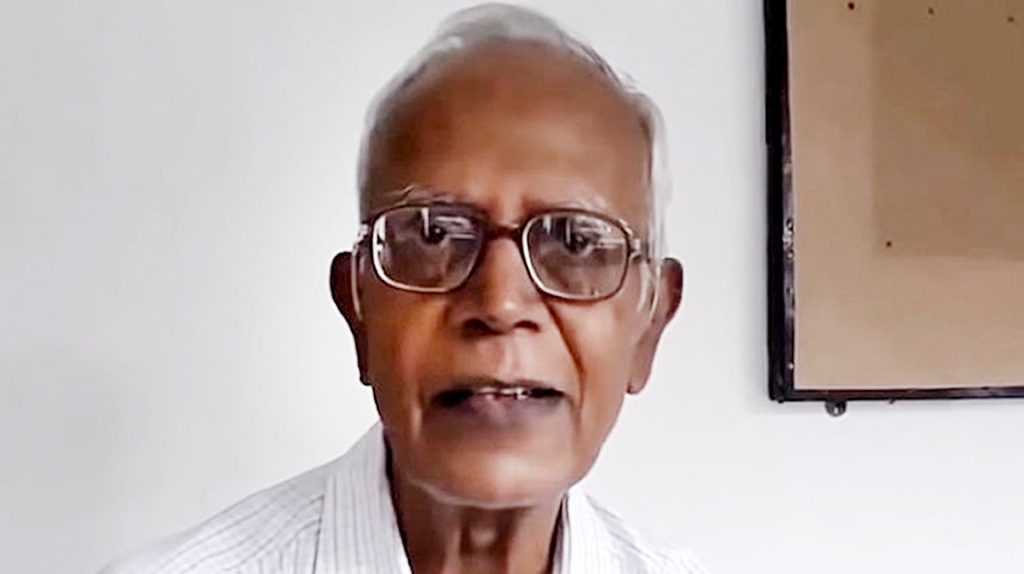
Father Stan Swamy, a tribal rights activist and a political prisoner, an accused in the Bhima Koregaon caste violence case, passed away on 5th July 2021 at 1:24 pm. The medical director of the Holy Family Hospital, where Fr. Swamy was admitted said that Fr. Stan had a pulmonary infection after his COVID-19 complications in the lungs and pneumonia. He suffered from a cardiac arrest on July 4, 2021, at 4:30 am, he was put on a ventilator at that time but did not regain consciousness after. He also had Parkinson’s disease. He had told the court on May 21, 2021, that he was eating less and less, and his co-accused were worried about him, and that he would prefer to suffer and die like that in jail than being admitted to the hospital. And he requested for the judiciary to consider an interim bail. He passed away when the Bombay High court was hearing his interim bail plea.

About him

He was a native of Tiruchirapalli in Tamil Nadu. He was born on 26 April 1937 and was an Indian Roman Catholic priest, member of the Jesuit order. He was known for his work with tribal people and for fighting for their rights, especially in Jharkhand. He studied theology and Masters in Sociology in the Philippines in the 1970s. He was influenced by the work of the Brazilian Catholic Archbishop Helder Camara with poor people. He was also the former Director of the Jesuit-run Indian Social Institute in Bangalore.

His work

He was a tribal rights activist in Jharkhand. He had worked in the state for almost three decades for the Adivasi communities on issues of land, forest, and labour rights. He is well known for questioning the non-implementation of the Fifth Schedule of the Constitution about “Provisions as to the Administration and Control of Scheduled Areas and Scheduled Tribes”. This schedule had the provision of setting up a Tribes Advisory Council with members only of the Adivasi community for their protection, well-being, and their development in the state. He also filed a Public Interest Petition against the state in the High Court asking for all young adivasis who had been labelled as “Naxals” indiscriminately to be released on a personal bond and to conduct a speedy trial. He said that his expressing dissent against the government’s policies must be why they are eager to put him out of the way.

Allegations against him

The National Investigation Agency arrested Fr. Swamy on October 7, 2020; he was sent to judicial custody till October 23. His residence was searched by the NIA, claiming that he had links to the Maoist forces. In his chargesheet, it was claimed that he was a CPI (Maoist) and was active in their activities It also claimed that he received funds from other cadres. The NIA claimed that he was a convener of Persecuted Prisoners Solidarity Committee (PPSC) which is assumed to be the frontal organisation of CPI (Maoists). The NIA said that it recovered incriminating documents, propaganda, and literature from him but Fr. Swamy said that these extracts were fabricated and he did not own any of them. He also said that what was happening to him is not unique as many other activists and journalists end up being the target of the country because of expressing their dissent.

The case he was charged under

The accused of the case named Elgar Parishad/ Bhima Koregaon are alleged to have links with the banned CPI (Maoists). The arrests for this case were made in 2018. On January 1, 2018, a huge number of Dalits gathered near Pune to celebrate the 200th anniversary of the Battle of Bhima Koregaon which was fought by a huge number of Dalit soldiers against the Peshwas in 1818 but was won by the British army. During this gathering, there was violence where the people who were assembled were assaulted and their vehicles were burnt. But on January 8, another FIR was filed which claimed that this violence was a result of another gathering which was held on December 31, 2017, called Elgar Parishad. The Pune police then arrested activists claiming that this gathering was a part of the Maoist activity.

Conclusion

Fr. Stan Swamy had written a letter from inside the prison where he said that many of the people in there don’t even know what they are charged for and that they are just sitting stuck in there with no legal help at all and that he would help them as well. The least that is expected is for the prisoners to know what they are charged for and it is their fundamental right to be able to defend their charges. Fr. Swamy was a tribal activist worth remembering for all his hard and dedicated work.

References

Eye of Fire – Marine disasters

Introduction

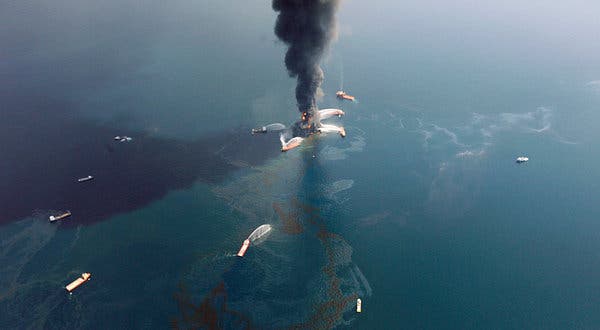
A recent picture of fire on the ocean, called ‘eye of fire’ has been going viral. This picture was captured in the west of Mexico’s Yucatan peninsula on 2nd July 2021. The reason for this fire was a gas leak of an underwater pipeline of the state oil company known as Pemex. The origin of the fire was an underwater pipeline that connects to a platform at the Ku Maloob Zaap oil development. The fire took more than five hours to put out. The company Pemex has a long history of major industrial accidents at their facilities. The fire was put out using Nitrogen by the company workers. Such incidents keep making us wonder about the marine ecosystem and how these activities keep endangering it. Although this was an accident of gas leak from inside, it reminds us of the many oil spills that keep occurring and the effect they have on the marine ecosystem.

Mauritius Oil Spill

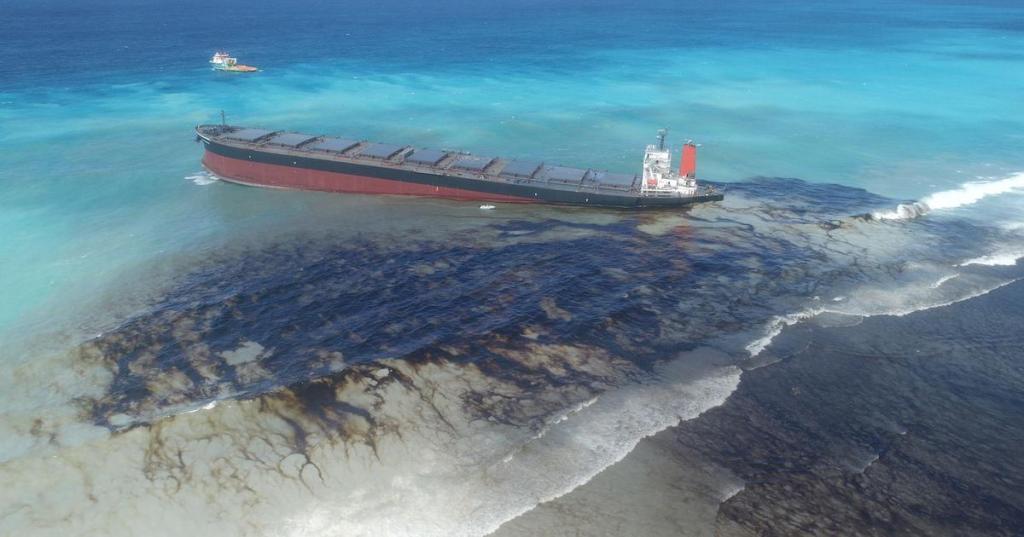
On July 25, 2020, a Japanese-operated ship named MV Wakshio hit a coral reef on the coast of Mauritius. The vessel carried 4000 tonnes of crude oil out of which more than 1000 tonnes of oil leaked from the crack in an environmentally sensitive region which polluted the coral reefs, beaches, and lagoons of the island, and an environmental emergency was declared by the Prime Minister of Mauritius. This leak has caused a lot of damage and will continue to for years because of its location being near two environmentally protected marine ecosystems and the Blue Bay Marine Park reserve. These oil spills don’t just affect for the time being till they are cleaned up, the soluble compounds of the oil dissolve in the water and form a layer on the surface of the water which affects the whole marine ecosystem. The toxic hydrocarbons released from the spill bleach the coral reefs which are a very important part of Mauritius, and because of this bleaching, they will eventually die. The oil is less dense than the saltwater so it floats over the water which ends up sticking to the fur and feather of the marine animals and the birds which harms the water-repelling properties of their skin which can then expose them to the cold. Moreover, swallowing the oil can poison them.

The Deepwater Horizon Oil Spill

This spill of 2010 is known as the biggest oil spill in the United States with a spill of more than 200 million gallons of oil. It was found that the spill changed the amount of sediment collection on the bottom of the sea and choked them of oxygen. The reef fish changed after the spill, it absorbed some of the oil-source contaminants. This spill endangered the food chain and more than 400 species. It also severely affected dolphins of the area, there were a lot of stillbirths or baby dolphins with abnormal or underdeveloped lungs and seriously ill adult dolphins with drastically low blood sugar, low weight, and some were found with liver cancer and lung cancer.

Exxon Valdez Oil Spill

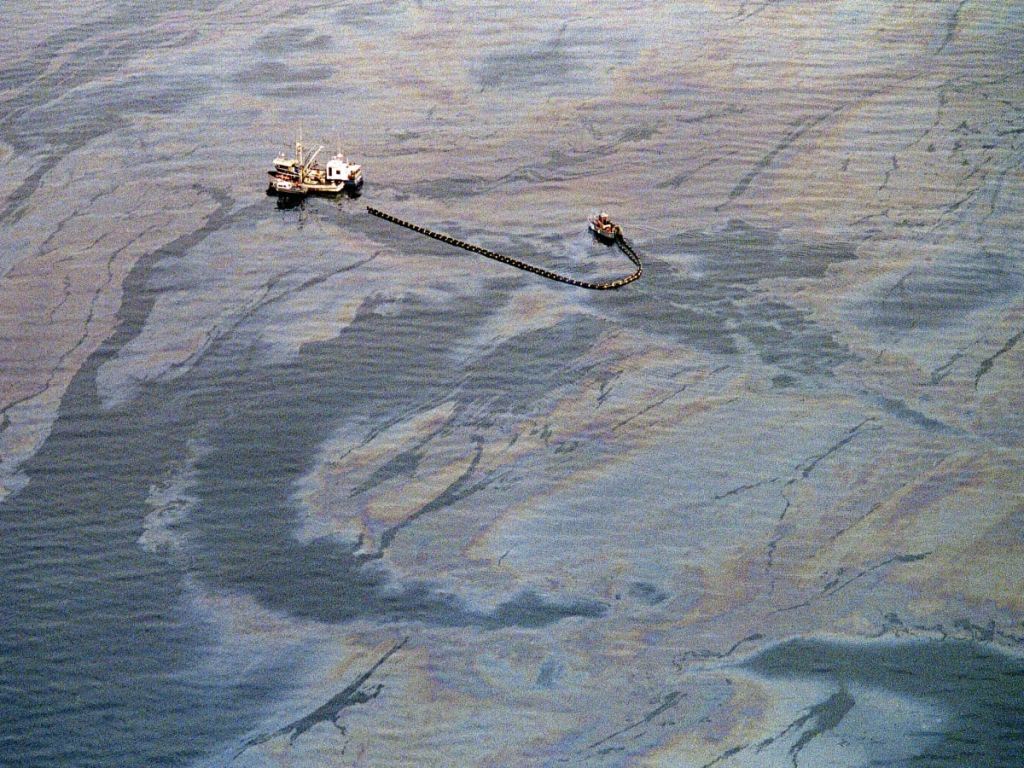
This disaster was caused by an oil tanker named Exxon Valdez which spilled 11 million gallons of crude oil into Alaska’s Prince William Sound on March 24, 1989. It killed around 2,50,000 sea birds, 3000 otters, 300 seals, 250 bald eagles, and 22 killer whales. It also played a role in the collapse of salmon and herring fisheries which resulted in fishermen going bankrupt and the economy suffering.

Environmental Effects

Seeing three important cases of Oil spills above we can discuss the major environmental effects of an oil spill:

  • Big impact on temporary animal
  • Fish loss of habitat
  • Affects organism functions like respiration, feeding, and thermo-regulation
  • The cleaning of oil spills ends up damaging the remaining plants.
  • Bleaching of coral reefs
  • Depletes oxygen content in water
  • Failure in the reproductive system of sea animals (as seen in dolphins above)

Responsible Bodies

The MARPOL convention of 1973 covers pollution of the marine environment by ships, it also lists forms of marine pollution caused by harmful substances, oil, sewage, and garbage from ships. The key international bodies that take care of oil spills are International Oil Pollution Compensation Fund (IOPC), and United Nations Environment Program World Conservation Monitoring Center (UNEP-WCMC). Other than these, every country has its government agency to take care of the spills. India has a National Oil Spill Disaster Contingency Plan (NOS-DCP).

Conclusion

With all the use of natural resources, the environment is being affected but adding to that is the leaks of these natural resources which further destroys the environment. The first step for acting on anything is to get to know about the history of incidents and the effect that has had on the environment.

References

In Re: Bruno – Animal Cruelty

Introduction

Bruno was a black Labrador who was beaten to death by two juveniles and a youth on 28th June 2021 at the Adimalathura beach in Thiruvananthapuram. The Kerala High Court took suo motu cognizance of this brutal killing and renamed the case “In Re: Bruno” to pay tribute to the dog who had to suffer gross human cruelty. Cases of animal cruelty keep coming from across the country, at least 5 animals die every day in India but the actual figure would be 10 times higher because of lack of reporting. The majority of the people do not even know the crimes they are committing and others do not know they can report it under a law. More than that nobody seems to know the freedom animals have. This article will talk about the freedoms for the animals, the Act that prevents this cruelty, and the reasons for said cruelty.

Freedoms for Animals

India is a part of the World Health Organization of Animal Health (OIE), which is responsible for animal health and welfare. It says that an animal is in a good state of welfare if it is comfortable, healthy, safe, well-nourished, and able to express its innate behaviour, and is not suffering from pain fear, and distress. Chapter 7.1.2 of the guidelines of OIE recognizes five freedoms for animals:

  • Freedom from hunger, thirst, and malnutrition
  • Freedom from fear and distress
  • Freedom from physical and thermal discomfort
  • Freedom from pain, injury, and disease
  • Freedom to express normal patterns of behaviour

These rights were reaffirmed in the case of Animal Welfare Board of India v A. Nagaraja and Others (2014) 7 SCC 547.

Under Article 51A(g) of the Constitution, it is the fundamental duty of the citizens of India to have compassion for living creatures, this was reaffirmed in State of Gujarat v Mirzapur Moti Kureshi Kassab Jamat and Others (2005) 8 SCC 534.

The Prevention of Cruelty to Animals Act

The Prevention of Cruelty to Animals Act, 1960 aims to prevent the infliction of unnecessary pain and suffering on animals.

  • Section 3 makes it the duty of the person in the care of the animal to ensure its well-being.
  • Section 4 establishes the Animals Welfare Board of India whose duty is to protect animals.
  • Section 11 specifies the types of cruelty to animals such as beating, kicking, torturing, employing an unfit animal, administering injurious drugs, confining an animal in a cage, keeping an animal chained for a long time, failing to provide the animal with food or drink (in cases where you are the owner), abandoning the animal with no reasonable reason.

Why do people abuse animals?

Many cases of animal cruelty that we get to see are the big ones where the animals are abused to the extent that they die or need emergency surgeries. But that’s not the only kind of abuse these animals suffer, there are many cases of such cruelty that take place behind closed doors which we know now include even starving your pets. Various reasons have been noted for such behaviour:

  • The owner lacks control in some aspect of their life and tries to gain control by abusing the animal as it is helpless.
  • Many cases of domestic abuse are accompanied by animal cruelty where the abuser abuses the animal to show the abusee what they are capable of.
  • In certain situations, it takes place because of peer pressure where the kids try to hit the dogs with stones to show they are cool and courageous.
  • A lot of times it is because of displacement, a defense mechanism where you are angry at some person but because you can’t take out your anger on them, you target someone less threatening and helpless.
  • And the most horrifying reason is where people enjoy causing pain to the animals, this condition is usually related to some psychological disorder and these people hold the chance to hurt people also.

Conclusion

Animals are living creatures and they deserve equal respect from humans, they have the right to live a painless life and it is our duty to give it to them. If you ever see any situation of animal cruelty, you can file an FIR at your nearest police station, under the Prevention of Cruelty to Animals Act.

References

Understanding your Mental state during the Pandemic

Introduction

The second wave of COVID-19 started from the middle of March 2021 and peaked in April with a shortage of oxygen cylinders and hospital beds. Now when the numbers have gone down again, people will start venturing outside and the reason for this eagerness is understandable because of the impact this pandemic has had on all of us, we just need ways to cope with it. Although mental health has been discussed a lot since the beginning of the pandemic and the lockdown, it is important to understand what changes we have been experiencing and how we can cope with them.

Impact on Mental Health

As we know, this pandemic created an economic crisis but along with that it also negatively impacted the mental health of people all across the world. People have been facing trouble with sleeping, eating, and alcohol consumption also went up. But the major mental health issues that are identified are stress, anxiety, depressive symptoms, insomnia, denial, anger, and fear. And the people with existing mental disorders became more sensitive to their symptoms. The rate of suicide also increased, a suspected Covid-19 patient committed suicide in fear of the result of his test, and later it was found that he tested negative. Adding to that the level of concentration has drastically gone down.

On a normal day if you search for symptoms, you might be experiencing during the pandemic, it would lead to the diagnosis of depression but don’t get confused between depression and the COVID-19 blues. The symptoms of COVID-19 blues include:

  • Feeling of sadness, emptiness, and hopelessness
  • Restlessness
  • Guilt
  • More than normal anger and irritability
  • Withdrawal from things you normally enjoy
  • Avoiding talking to friends and family
  • Change in sleep pattern
  • Change in appetite.

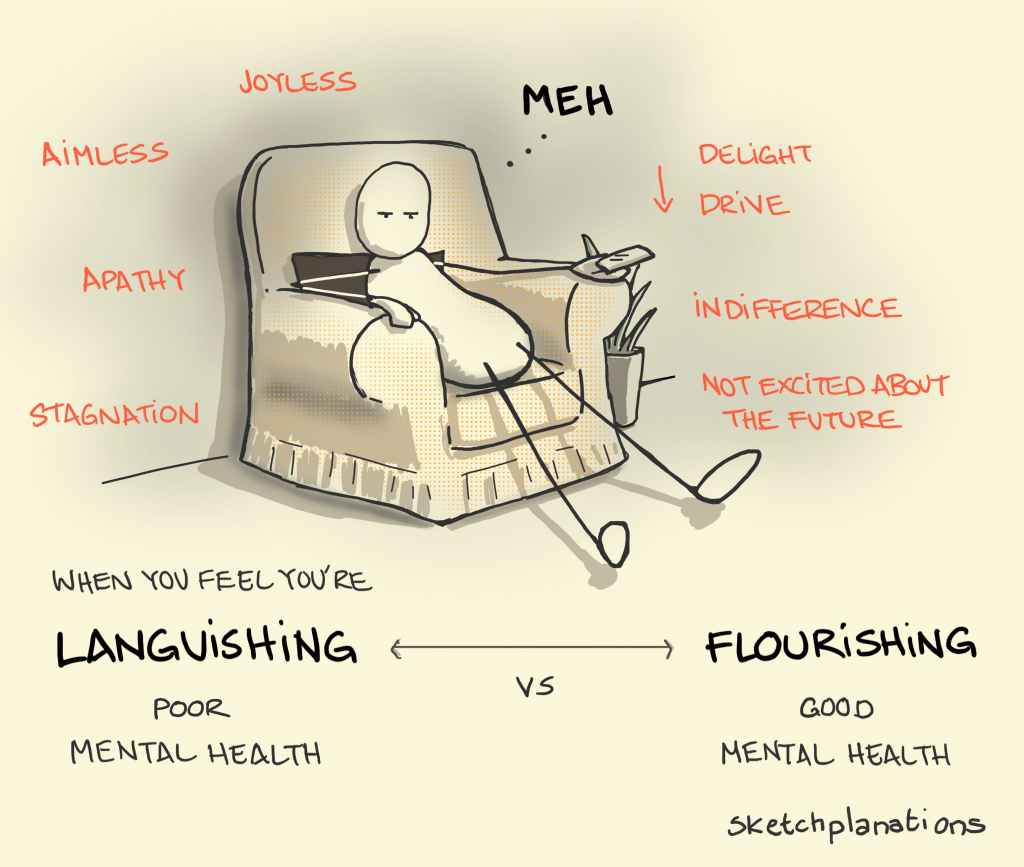
This is not the only thing, the feeling of eternal aimlessness that has started ever since the pandemic is known as languishing, and remember that you are not alone in this, even the practiced psychologists feel the same way. Languishing can be defined as a state of stagnation when you feel like the days are just passing by but you are not doing anything, you are just living through it. Not being able to focus on things is also a symptom of this.

Issues with Online

While most of the things have been shifted to the online forum and the work is being done in this new way, there are still side-effects of this change. The college students who started the online semesters with motivation have lost all of it as they can no longer focus or pay attention to the lectures, it all feels like background noise to them at this point. They cannot connect with their peers in the same way anymore. The distinction between personal and work time has disappeared, this isn’t just for college students but also adults working from home, everyone is working at any time and the expectation to get work done has increased using the reason “you are at home, you have time”. No one feels any kind of connection with their colleagues which brings troubles in the workflow. Moreover, people have lost any sense of time.
Solution

Here are some solutions to deal with this feeling:

  • Create a routine, divide your time for housework and job-related work. A routine will help you maintain a sense of normalcy. It will also help you from feeling lost because of too many things to do at the same time.
  • Try an at-home exercise routine to keep up with your physical health.
  • Declutter your home, it will help you in feeling productive and in control.
  • Set small daily goals, even small achievements count.

There is a concept of flow which means the state of absorption. The people who are immersed in some project avoid languishing, solutions for this are:

  • Even a Netflix binge helps as you connect with the characters of the show and your focus shifts to that.
  • Keep a goal of setting uninterrupted time for yourself, remove all kinds of distractions and focus on the one work you need to finish. There are applications that make sure you don’t use your phone for how much ever time you fill in.

Conclusion

This has been a very hard time for people all across the world, being scared for physical health was one thing but on the path to that our mental health is in danger and we need to take care of it. Remember to not blame yourself for feeling this way, take things slowly, do things that bring you peace. There is no need to hesitate from consulting a psychologist, if you think you are facing symptoms of depression, consult a psychologist to stay on top of your mental health.

References

National Doctor’s Day 2021

“People pay the doctors for his trouble; for his kindness, they still remain in his debt.”

– Seneca

Introduction

1st July is known as National Doctor’s Day in India and it is organized by the Indian Medical Association. The theme for this year is “Save the Saviours”. The profession of a doctor is full of responsibility to serve the public, and they play a huge role in everyone’s life. We enter the world because of the successful delivery by a doctor, we are safe from the viruses because we get vaccinated by doctors, we recover from our sickness by the consultation of a doctor, doctors perform surgeries on us to keep us alive, and the most important, it is because of the research of these doctors that we now have a vaccine for SARS-CoV-2.

History of the Day

This day was declared as Doctor’s Day in 1991 by the Government of India in honor of Dr. Bidhan Chandra Roy’s birth and death anniversary. Dr. B.C. Roy is famously known for making good health services available to common people. He played a huge role in the creation of two very important medical institutions of the country; the Indian Medical Association in 1928 and the Medical Council of India in 1933. He is also known for helping in the creation of the Indian Institute of Mental Health. He was awarded the Bharat Ratna on February 4, 1961, a year before his demise.

A few facts about his life; he had to take 30 meetings with the dean of St Bartholomew’s Hospital in London to gain admission because the dean was not too inclined to admit him. He graduated in 1911, after which he became a member of the Royal College of Physicians and a fellow of the Royal College of Surgeons. He entered politics after returning from London and took part in the Civil Disobedience Movement. He was a friend of Mahatma Gandhi and took care of him during the 21-day fast. After Independence, he became the Governor of Uttar Pradesh and a year later, he was the second Chief Minister of West Bengal and he served till his death on 1st July 1962. And the B.C. Roy National Award was instituted in 1976, it is the highest Indian award in the medical category.

Mental Health of Doctors

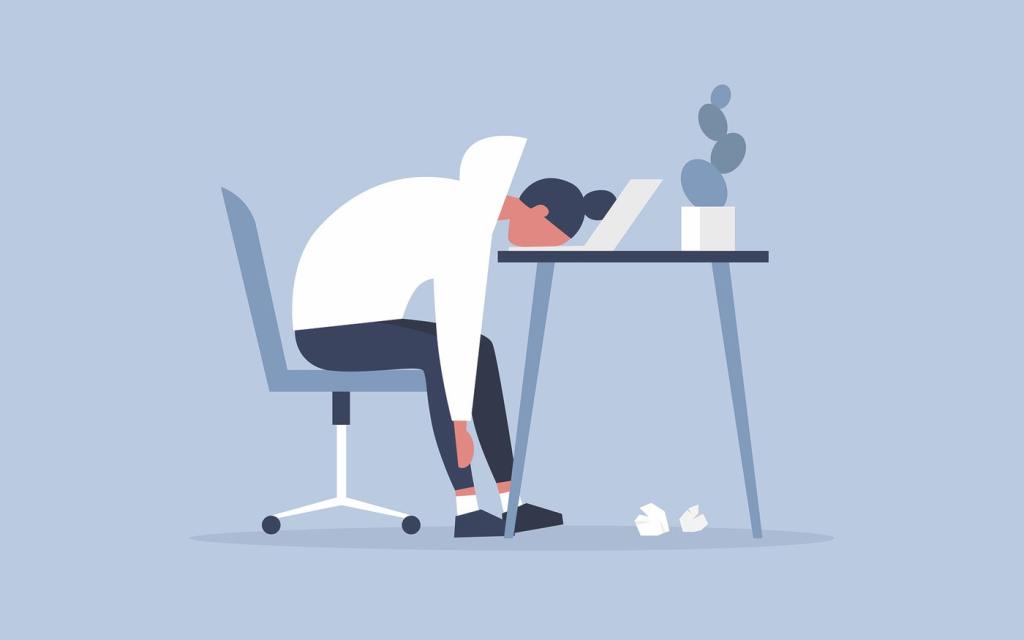
The theme of “Save the Saviours” should not just be to save the doctors from violence but also from the mental health issues they face. An IMA survey claims that 80% of doctors in India are stressed because of their profession. This is not a new problem that arose because of the pandemic, it has been an issue from a long time without getting much attention. A survey conducted by IMA in 2017 shows that 56% of doctors do not get comfortable 7-hour sleep most days. Other studies from 2019 show that 30% of Indian doctors go through depression and 80% face the risk of burnout. It was studied that India’s doctor-patient ratio is very high which brings stress to the doctors related to extended working hours, verbal/emotional abuse by the patients and frequent negative patient outcomes. This stress can then result in prescription errors, loss of temper, being unable to give sufficient time to patients and poor communication skills. But the doctors tend to refuse to seek professional help as it might affect their prospects as a doctor. The doctors are also trained to mask their pain and deal with it themselves which is not healthy. The overtime and overexertion are just normalized and expected that people forget how it affects our doctors. As we focus on saving our saviours, we should also normalize mental health issues and accept and promote doctors seeking professional health, these saviours deserve to save themselves too.

Violence Against Doctors

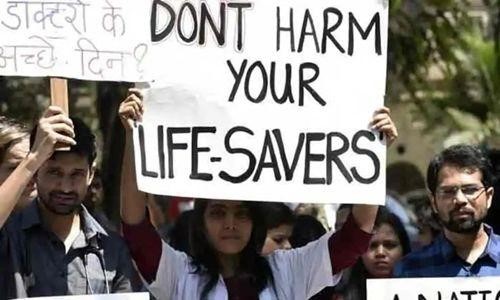
Violence against Doctors has been in existence from a long time but the pandemic has just brought more attention because of the role the doctors have been playing. The World Health Organization (WHO) guidelines of 2002 define workplace violence as incidents where the employees are abused, threatened, assaulted or subjected to offensive behaviour in circumstances related to their work. An IMA survey shows that 75% of doctors have faced some form of violence in their profession, which includes verbal, emotional, sexual, and cyber abuse. About 62.8% of doctors are unable to see patients without having a fear of violence, 13.7% of doctors fear criminal prosecution and 57.7% of the doctors have thought of hiring society. When the national lockdown was announced in March 2020, the common people were filled with panic and anxiety and they started acting out on the health care workers, they started discriminating against the doctors, not touching them, not letting them buy fruits from the stall, treating them as polluted, not just this but also physical abuse. Two female doctors were beaten by a fruit seller when he found out their profession. All this forced the Indian government to make an ordinance to protect the frontline workers, but even this could not protect them, in June 2020, a doctor at Hyderabad’s facility was assaulted by the relatives of the patient. Not just that, in June 2021, a doctor in Assam was punched, kicked and hit with metal trash cans by the relatives of a patient. This has become a common thing in India and a part of the reason is because of the lack of responsibility taken by the government in the health sector, so everything falls upon the doctors to deal with it. Till when do doctors have to suffer for protecting us? When will we realize that they are working for the public, they are trying to help us, they put themselves in danger every day to protect us and they get this treatment for it? This isn’t just an issue for existing doctors but also for the future doctors who keep worrying about being in situations where they are abused and the fear, in turn, changes the focus from saving the patient to saving themselves. Adding to that they start wondering if it is a country-based issue which then makes them consider further education abroad.

Conclusion

It is high time we start appreciating doctors for their service to the public and this Doctor’s Day is a good time to start if you haven’t already. Our saviours need to be saved.

References